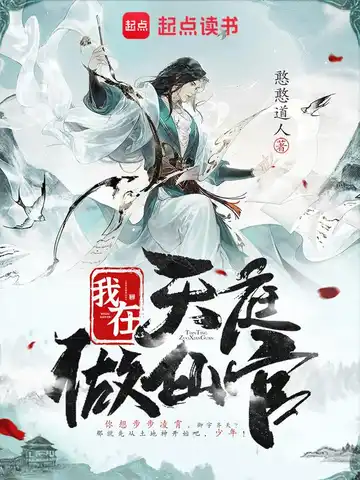
I Am an Immortal Official in Heaven
我在天庭做仙官
- Status
- Completed
- Length
- 5.4M Words
- Subgenre
- Primordial Age
- Updated
- 7mo ago
- Source
- Qimao
Stats
All-time: Popularity, Must-read votes.
1.6kChapters
8.2kPopularity
1.2kReaders
78Must-read votes
8.0Score
22Ratings
Tags
Synopsis
More by this author
Readers also read
 Journey to the West: Sign in with the Four Monkeys at the Beginning!
 The Battle of National Destiny: I Use the Demon Clan to Control the Heavens
 After the Collapse of the Fairy World
 Fentian Road
 Journey to the West Tudigong: If You Are in the Chat Group, All the Worlds Are My Followers
 I'm a Pawn
 After Being Broken up by the Empress, My Saintly Self Was Exposed
 The Other Side of the Fairyland
 First Grade
 I Can See the Disciple's Training Tips
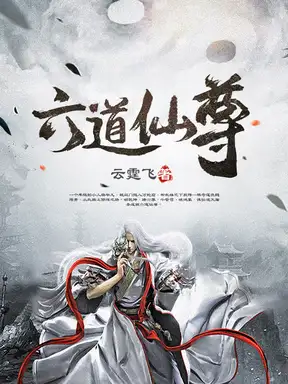 Immortal of Six Paths
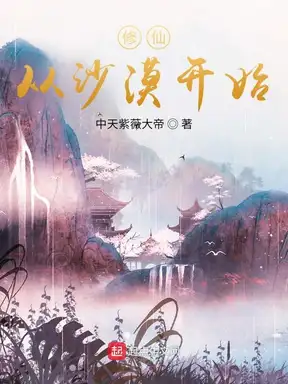 Cultivation of Immortality Begins in the Desert
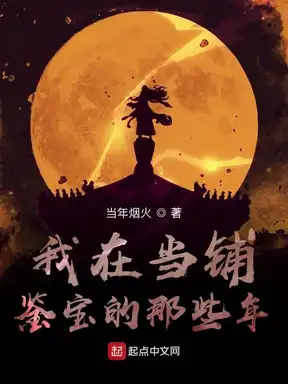 The Years I Spent Appraising Treasures in Pawn Shops
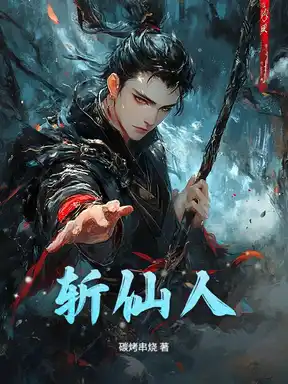 Kill the Immortal
 You, a Little Mouse, Are Instigating Rebellion Against the Large Army Traveling to the West?
 Cultivation of Immortality: Starting from Becoming an Alchemist
 The Leader's Retirement Routine
 Honghuang: I, Haotian, Will Never Abdicate.
 Blood Song of Three Realms
 Immortal God King
Reader comments 2
Google Translate
It is suitable for readers who like Shinto literature, heavenly officialdom, and traditional classical fairy tales, who are able to accept slow-burning narratives, who prefer machinations and worldview deductions, and who are not obsessed with high-frequency fighting. The early stage is excellent, and the creativity is very recognizable among similar themes. The middle stage is acceptable, but there are flaws in the finishing part. If you are looking for a short, fast, and continuous explosion of killing pleasure, choose carefully; if you like to immerse yourself in watching the protagonist manage his business step by step from a low-level official, stick to his true heart and promote order changes in the rules of the three mythical realms, this book is worth reading. Many fairy novels either pursue killing all the way, crushing battle power, or starting with great power. This book takes a different approach. After traveling through time, the protagonist Fang Jian started out as a ninth-level grassroots land god without any top-level cultivation from the sky. He holds a small land in his hand and relies on the official fairy book of heaven to climb up from the bottom to the grassroots officials step by step. Its biggest highlight is that it builds heaven into a complete bureaucratic system: with hierarchical divisions, departmental games, performance appraisals, incense taxes, and officialdom and favors. The rules of the mortal workplace and officialdom are moved to the three realms of mythology, and the atmosphere is very novel. The protagonist's character is the core strength of the book. Fang Jian is calm and rational, and he kills in a measured manner. He is neither a reckless man nor a good person. Living in the officialdom of the fairy world, dealing with all kinds of gods, demons, and Buddhas, he knows how to weigh the pros and cons, but always stick to the bottom line, with the original intention of protecting living beings and maintaining the order of heaven. The promotion rhythm has been carefully polished in the early stage. Every promotion, merit gain, and power expansion are supported by complete events. There is no forced hacking. The gradual growth line is easier for people to join than the quick and invincible flow. The book integrates the traditional Journey to the West and the prehistoric mythology system. Erlang Shen, Nezha, and various immortals and gods are no longer tool men. They all have independent stances. The conflicts of interest between immortals and gods, the loopholes in the heavenly system, and the contradictions in the order of the three realms are unfolded layer by layer. In the later period, the protagonist embarked on the main line of reforming the old system of heaven and improving the laws of the three realms. The pattern gradually expanded, and he jumped out of the routine of simply fighting monsters and upgrading. Let's talk objectively about the obvious shortcomings of this book, which are also the reasons why many readers abandoned the book halfway through. The book is very long with more than 5.4 Million words, and the rhythm of the plot in the middle and later stages is obviously unbalanced. The story of land and local governance at the grassroots level in the early stage is compact and engaging; after entering the high-level of Tianting, the branch lines expand greatly, multiple clues run in parallel, some plots are repeatedly pulled, the irrigation paragraphs increase, the conflict is foreshadowed for too long, and the density of cool points decreases. The author himself also admits that there are flaws in the plot control in the latter part of the story, and the narrative in some chapters is slightly loose. In addition, this book is biased toward the institutional and power-managing genre, with only a small proportion of fighting scenes. If you are a reader who prefers high-burning continuous battles, secret treasure hunts, and mindless upgrades, you will most likely find the rhythm to be bland. The description of the emotional line is relatively downplayed, and the focus is entirely on the officialdom game and the structure of the three realms. Readers who want to see a delicate love story will find the content to be thin.
Dull