Qidian library
Browse
- Titles
- 78
Every book we index, searchable by title, author or tag.
-
 Records of the War of the Two Song Dynasties
"The Warring States of the Two Song Dynasties" panoramically reproduces the peace and war games between the two Song Dynasties and the Liao, Xia, Jin, Mongolia and Yuan Dynasties for more than 300 years. In the early years of the Northern Song Dynasty, Song Taizong suffered a disastrous defeat at Gaolianghe and Yongxi retreated from the Northern Expedition. He completely gave up on recapturing Yanyun and turned to strategic defense. The Song and Xia Dynasties saw a tug of war for hundreds of yea
0Votes0Recs0Fans
Records of the War of the Two Song Dynasties
"The Warring States of the Two Song Dynasties" panoramically reproduces the peace and war games between the two Song Dynasties and the Liao, Xia, Jin, Mongolia and Yuan Dynasties for more than 300 years. In the early years of the Northern Song Dynasty, Song Taizong suffered a disastrous defeat at Gaolianghe and Yongxi retreated from the Northern Expedition. He completely gave up on recapturing Yanyun and turned to strategic defense. The Song and Xia Dynasties saw a tug of war for hundreds of yea
0Votes0Recs0Fans
-
 Hero Chen Youliang
 Chen Youliang (1320-1363), courtesy name Jiu Si, was born in Mianyang, Hubei Province. He was the leader of the Red Turban Army in the late Yuan Dynasty and the founder of the Chen-Han regime. He was a highly controversial hero in troubled times. He was born into a fishing family and served as a county official in his early years. He was talented in both civil and military affairs and had extraordinary courage. At the end of the Yuan Dynasty, when the world was in chaos, he jo
0Votes0Recs0Fans
Hero Chen Youliang
Hero Chen Youliang Chen Youliang (1320-1363), courtesy name Jiu Si, was born in Mianyang, Hubei Province. He was the leader of the Red Turban Army in the late Yuan Dynasty and the founder of the Chen-Han regime. He was a highly controversial hero in troubled times. He was born into a fishing family and served as a county official in his early years. He was talented in both civil and military affairs and had extraordinary courage. At the end of the Yuan Dynasty, when the world was in chaos, he jo
0Votes0Recs0Fans
-
 A System Fell Out of My Head
After a fall, a voice appeared in my head. It tells me where to go, who to see, what to do. Clues and evidence about money, connections, and enemies all guided me to obtain it. I thought it was luck and awakening the system. Until one day I found it difficult to refuse to obey the "instructions" issued by the system. I looked back at those "guidelines" and every step was so smooth, as if it had been calculated in advance. It is giving me benefits, making me get used to it, and making me unable t
0Votes44Recs0Fans
A System Fell Out of My Head
After a fall, a voice appeared in my head. It tells me where to go, who to see, what to do. Clues and evidence about money, connections, and enemies all guided me to obtain it. I thought it was luck and awakening the system. Until one day I found it difficult to refuse to obey the "instructions" issued by the system. I looked back at those "guidelines" and every step was so smooth, as if it had been calculated in advance. It is giving me benefits, making me get used to it, and making me unable t
0Votes44Recs0Fans
-
 White Horse and Ink Gun Against Qiuguan
When the God of War lowered his eyes to the iron-blue earth, he awakened the heroes of troubled times from their steel cradle and pushed them together with the hand of fate. "Go, my son, and rebuild the glory of those two hundred years. The boundless territory is waiting for you to ride your horse." He said. So iron and fire swept the world. At night when the dynasty was approaching, the puppet emperor Liu Xingyuan met the time traveler Lu Shouyi. The two coal-like men came together and were ign
0Votes0Recs0Fans
White Horse and Ink Gun Against Qiuguan
When the God of War lowered his eyes to the iron-blue earth, he awakened the heroes of troubled times from their steel cradle and pushed them together with the hand of fate. "Go, my son, and rebuild the glory of those two hundred years. The boundless territory is waiting for you to ride your horse." He said. So iron and fire swept the world. At night when the dynasty was approaching, the puppet emperor Liu Xingyuan met the time traveler Lu Shouyi. The two coal-like men came together and were ign
0Votes0Recs0Fans
-
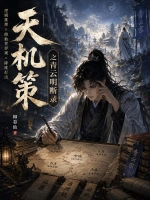 Tian Ji Ce: Qing Yun Ming's Interrupted Records
Lin Yuan, a graduate student in the Department of Modern History, accidentally traveled to the world of immortal cultivation and became a scapegoat disciple of the Qingyun Sect who was framed for stealing the Dharma. The cultivation level is sealed, the iron chain is pierced through the shoulder, and the cultivation level will be abolished in three days. There is no system, no cheats. He only has the historical laws, psychological games and logical deductions accumulated in his mind after three
0Votes1Recs0Fans
Tian Ji Ce: Qing Yun Ming's Interrupted Records
Lin Yuan, a graduate student in the Department of Modern History, accidentally traveled to the world of immortal cultivation and became a scapegoat disciple of the Qingyun Sect who was framed for stealing the Dharma. The cultivation level is sealed, the iron chain is pierced through the shoulder, and the cultivation level will be abolished in three days. There is no system, no cheats. He only has the historical laws, psychological games and logical deductions accumulated in his mind after three
0Votes1Recs0Fans
-
 Qingluanzi
He has a demonic aura about him, but he says that he is not a vixen, but a fairy. She didn't believe it. The fragrant and pure flowers are held in her mouth and tongue, and the sloping clouds bring the man who yearns for her day and night to her, expressing her feelings and expressing her love. Flowers are affectionate and full of heart.
0Votes30Recs0Fans
Qingluanzi
He has a demonic aura about him, but he says that he is not a vixen, but a fairy. She didn't believe it. The fragrant and pure flowers are held in her mouth and tongue, and the sloping clouds bring the man who yearns for her day and night to her, expressing her feelings and expressing her love. Flowers are affectionate and full of heart.
0Votes30Recs0Fans
-
 If There Is Love in the Sky of the Gods
Tushan was destroyed, Xia Queen no longer existed, heaven returned, dynasties changed, and the battle between humans and gods began again.
0Votes18Recs0Fans
If There Is Love in the Sky of the Gods
Tushan was destroyed, Xia Queen no longer existed, heaven returned, dynasties changed, and the battle between humans and gods began again.
0Votes18Recs0Fans
-
 Aqiang's Dawn Wind and Waning Moon
Come to Yuewen's website to read more of my works!
0Votes11Recs0Fans
Aqiang's Dawn Wind and Waning Moon
Come to Yuewen's website to read more of my works!
0Votes11Recs0Fans
-
 The Old Dream of the Motherland in Three Days of Glory
The history of the Wei, Jin, Southern and Northern Dynasties was diverse and heroes emerged in large numbers. Murong Chui was seventy years old and worked hard to revive Dayan. This book sorts out this complicated history, shows the grand war scenes, and makes history come out of the dust and move forward like a song.
0Votes41Recs0Fans
The Old Dream of the Motherland in Three Days of Glory
The history of the Wei, Jin, Southern and Northern Dynasties was diverse and heroes emerged in large numbers. Murong Chui was seventy years old and worked hard to revive Dayan. This book sorts out this complicated history, shows the grand war scenes, and makes history come out of the dust and move forward like a song.
0Votes41Recs0Fans
-
 God-Defying Mad God
Young Lin Xiao, who had been in seclusion for ten years, finally understood the peerless treasure left by his mother and opened the heaven-defying Great Wall. From then on, he built divine veins, refined divine bones, cultivated divine spells, and became invincible with one punch!
0Votes17Recs1Fans
God-Defying Mad God
Young Lin Xiao, who had been in seclusion for ten years, finally understood the peerless treasure left by his mother and opened the heaven-defying Great Wall. From then on, he built divine veins, refined divine bones, cultivated divine spells, and became invincible with one punch!
0Votes17Recs1Fans
-
 Campus's Best Mad God
Tang Zichen, an eighteen-year-old boy with outstanding martial arts skills, was accidentally reborn in the body of a high school student who was kicked out of his family. From then on, the campus mad god was born. He swept across all directions and made the world tremble. Ps: This book has been in preparation for many years, and it is absolutely enjoyable. This new book by an eight-year-old author is definitely not a lie. The completed works include "Campus's Best Maniac", "Campus's Innocent Ove
0Votes366Recs58Fans
Campus's Best Mad God
Tang Zichen, an eighteen-year-old boy with outstanding martial arts skills, was accidentally reborn in the body of a high school student who was kicked out of his family. From then on, the campus mad god was born. He swept across all directions and made the world tremble. Ps: This book has been in preparation for many years, and it is absolutely enjoyable. This new book by an eight-year-old author is definitely not a lie. The completed works include "Campus's Best Maniac", "Campus's Innocent Ove
0Votes366Recs58Fans
-
 My Wife Is as Beautiful as a Flower
In her previous life, she loved him, she believed in him, and she devoted herself wholeheartedly to him, but in exchange she was ruthlessly betrayed by her childhood sweetheart, her fiancé. In the end, she ended up with her family ruined. Reborn from Nirvana, she came out of the fire, no longer kind-hearted, no longer pure and kind. Let's see how she plots people's hearts, how she turns her hands into clouds and rain, and kills all those who betrayed her in her previous life. In the end, I didn'
0Votes0Recs0Fans
My Wife Is as Beautiful as a Flower
In her previous life, she loved him, she believed in him, and she devoted herself wholeheartedly to him, but in exchange she was ruthlessly betrayed by her childhood sweetheart, her fiancé. In the end, she ended up with her family ruined. Reborn from Nirvana, she came out of the fire, no longer kind-hearted, no longer pure and kind. Let's see how she plots people's hearts, how she turns her hands into clouds and rain, and kills all those who betrayed her in her previous life. In the end, I didn'
0Votes0Recs0Fans
-
 My Wife Is a Fox Demon
Here... There is a god covering the sky with his hand, lifting the mountain to embrace the moon. There is a saint who burns the sea with a flick of his finger and destroys the city with a wave of his sleeve. The living spirit swallows the rainbow. There is also the old demon who eats people and collects their bodies. This is a world where all creatures and primates coexist, with towering Kyushu, stormy waves crashing on the shore, and how many heroes are swept up! The story begins with a fo
0Votes513Recs18Fans
My Wife Is a Fox Demon
Here... There is a god covering the sky with his hand, lifting the mountain to embrace the moon. There is a saint who burns the sea with a flick of his finger and destroys the city with a wave of his sleeve. The living spirit swallows the rainbow. There is also the old demon who eats people and collects their bodies. This is a world where all creatures and primates coexist, with towering Kyushu, stormy waves crashing on the shore, and how many heroes are swept up! The story begins with a fo
0Votes513Recs18Fans
-
 My Thoughts Are with You
They met in the midsummer when they were 17 years old and spent a wonderful high school period. Get admitted to the ideal university together. I thought I could, and I will hold my hand until the future. But on the second day of their wedding, Qin Xiao died during an emergency mission. Li Kuankuan was helpless in pain, but she didn't dare to cry too loudly. She was afraid that he would leave uneasily. On his body covered with red paint he said softly: "Look, your country is peaceful and the peop
0Votes1Recs0Fans
My Thoughts Are with You
They met in the midsummer when they were 17 years old and spent a wonderful high school period. Get admitted to the ideal university together. I thought I could, and I will hold my hand until the future. But on the second day of their wedding, Qin Xiao died during an emergency mission. Li Kuankuan was helpless in pain, but she didn't dare to cry too loudly. She was afraid that he would leave uneasily. On his body covered with red paint he said softly: "Look, your country is peaceful and the peop
0Votes1Recs0Fans
-
 Emperor Wen of Han
The rule of Wenjing The "Government of Wen and Jing" was a prosperous period in the early Western Han Dynasty when Emperor Wen and Emperor Jing of Han were in power (approximately 180 BC - 141 BC). It was the first prosperous era in China. The background is that after the wars in the late Qin Dynasty and the recuperation in the early Han Dynasty, the rebellion of Zhu Lu was put down, and Liu Heng came to the throne to start the rule of the world. The core of the policy was to recuperate and gove
0Votes2Recs0Fans
Emperor Wen of Han
The rule of Wenjing The "Government of Wen and Jing" was a prosperous period in the early Western Han Dynasty when Emperor Wen and Emperor Jing of Han were in power (approximately 180 BC - 141 BC). It was the first prosperous era in China. The background is that after the wars in the late Qin Dynasty and the recuperation in the early Han Dynasty, the rebellion of Zhu Lu was put down, and Liu Heng came to the throne to start the rule of the world. The core of the policy was to recuperate and gove
0Votes2Recs0Fans
-
 Liu Biao Governs Jingzhou
Liu Biao governs Jingzhou At the end of the Eastern Han Dynasty, the famous scholar Liu Biao governed Jingzhou for nineteen years. He protected the land with culture and pacified the people with morality, and turned the turbulent place into a paradise in troubled times. However, due to the lack of talents and strategies, the foundation changed hands and ended up, interpreting an idealist's tragedy of troubled times. In 190, Liu Biao rode alone into Yicheng in disguise to take office. Taking adva
0Votes1Recs0Fans
Liu Biao Governs Jingzhou
Liu Biao governs Jingzhou At the end of the Eastern Han Dynasty, the famous scholar Liu Biao governed Jingzhou for nineteen years. He protected the land with culture and pacified the people with morality, and turned the turbulent place into a paradise in troubled times. However, due to the lack of talents and strategies, the foundation changed hands and ended up, interpreting an idealist's tragedy of troubled times. In 190, Liu Biao rode alone into Yicheng in disguise to take office. Taking adva
0Votes1Recs0Fans
-
 The Rise of the Boxers
 In the summer of 1898, on the jujube pole in Liyuantun, Guanxian County, Shandong Province, the scarlet "Boxer" flag slowly rose. Zhao Sanduo led the Meihua Boxing Club to play the banner of "Support the Qing Dynasty and Destroy the Foreign Countries" for the first time, which opened the prelude to the Boxer Rebellion. This anti-foreign anger was like a spark that set off a prairie fire, burning red in southern Hebei within half a month. Four churches in Wei County and Quz
0Votes7Recs0Fans
The Rise of the Boxers
The Rise of the Boxers In the summer of 1898, on the jujube pole in Liyuantun, Guanxian County, Shandong Province, the scarlet "Boxer" flag slowly rose. Zhao Sanduo led the Meihua Boxing Club to play the banner of "Support the Qing Dynasty and Destroy the Foreign Countries" for the first time, which opened the prelude to the Boxer Rebellion. This anti-foreign anger was like a spark that set off a prairie fire, burning red in southern Hebei within half a month. Four churches in Wei County and Quz
0Votes7Recs0Fans
-
 Qin Liangyu
 (1574-1648), courtesy name Zhensu, was born in Zhongzhou, Sichuan (now Zhongxian County, Chongqing). She was the only female general in Chinese history who was included in the biographies of generals in the official history of Ming Dynasty, breaking the prejudice that "women are inferior to men". She was born into a family of military generals. She was taught by her father to "hold the sword to defend the country" and learned the art of cavalry and archery at an early age. At the age
0Votes2Recs0Fans
Qin Liangyu
Qin Liangyu (1574-1648), courtesy name Zhensu, was born in Zhongzhou, Sichuan (now Zhongxian County, Chongqing). She was the only female general in Chinese history who was included in the biographies of generals in the official history of Ming Dynasty, breaking the prejudice that "women are inferior to men". She was born into a family of military generals. She was taught by her father to "hold the sword to defend the country" and learned the art of cavalry and archery at an early age. At the age
0Votes2Recs0Fans
-
 Shuhan Foundation
The foundation of the Shu Han Dynasty was a political regime established in Yizhou (today's Chengdu) with the banner of "reviving the Han Dynasty" after nearly 40 years of struggle by the Liu Bei Group. Its formation was difficult and it reached its peak when Zhuge Liang was governing Shu. It perished in 263 and lasted for more than 40 years. In the early days of his business, Liu Bei was on the move, relying on many princes but never giving up. He visited the thatched cottage three times to inv
0Votes3Recs0Fans
Shuhan Foundation
The foundation of the Shu Han Dynasty was a political regime established in Yizhou (today's Chengdu) with the banner of "reviving the Han Dynasty" after nearly 40 years of struggle by the Liu Bei Group. Its formation was difficult and it reached its peak when Zhuge Liang was governing Shu. It perished in 263 and lasted for more than 40 years. In the early days of his business, Liu Bei was on the move, relying on many princes but never giving up. He visited the thatched cottage three times to inv
0Votes3Recs0Fans
-
 White Lotus Uprising
 (1796-1804) The White Lotus Rebellion (Sichuan-Chu White Lotus Rebellion) was the largest peasant war during the Jiaqing period. It lasted for nine years and affected the five provinces of Sichuan, Chu, Shaanxi, Henan, and Gansu. It was a key turning point in the Qing Dynasty's transition from prosperity to decline. Although it failed in the end, it severely destroyed the foundation of Qing rule. The outbreak of the uprising was not accidental: the population surged in the l
0Votes7Recs0Fans
White Lotus Uprising
White Lotus Uprising (1796-1804) The White Lotus Rebellion (Sichuan-Chu White Lotus Rebellion) was the largest peasant war during the Jiaqing period. It lasted for nine years and affected the five provinces of Sichuan, Chu, Shaanxi, Henan, and Gansu. It was a key turning point in the Qing Dynasty's transition from prosperity to decline. Although it failed in the end, it severely destroyed the foundation of Qing rule. The outbreak of the uprising was not accidental: the population surged in the l
0Votes7Recs0Fans
-
 Silent Hegemony
"Silent Hegemony" refers to an ancient country "Hegemony" that actually existed in history but has been long forgotten: Historical Dimension: The "Hegemon" that has been forgotten for three thousand years Discovery process: Baguo was a small vassal state that existed in Yicheng County, Linfen, Shanxi Province during the Western Zhou Dynasty (about 11th century BC - 771 BC). It has not been found in any handed down documents. It was not until 2007 that the Dahekou Cemetery was stolen, and archaeo
0Votes1Recs0Fans
Silent Hegemony
"Silent Hegemony" refers to an ancient country "Hegemony" that actually existed in history but has been long forgotten: Historical Dimension: The "Hegemon" that has been forgotten for three thousand years Discovery process: Baguo was a small vassal state that existed in Yicheng County, Linfen, Shanxi Province during the Western Zhou Dynasty (about 11th century BC - 771 BC). It has not been found in any handed down documents. It was not until 2007 that the Dahekou Cemetery was stolen, and archaeo
0Votes1Recs0Fans
-
 Qi and Lu Fight for Hegemony
Qi and Lu fight for hegemony "Qi-Lu Struggle" refers to the centuries-long political, military, and cultural game between Qi and Lu in Shandong during the Spring and Autumn Period and the Warring States Period. It was not a single decisive battle, but a long-term contest between two modes of governing the country. The State of Qi was founded by Jiang Ziya, with its capital at Linzi. It pursued a pragmatic and open strategy, focused on industry and commerce, the interests of fish and salt, and
0Votes11Recs0Fans
Qi and Lu Fight for Hegemony
Qi and Lu fight for hegemony "Qi-Lu Struggle" refers to the centuries-long political, military, and cultural game between Qi and Lu in Shandong during the Spring and Autumn Period and the Warring States Period. It was not a single decisive battle, but a long-term contest between two modes of governing the country. The State of Qi was founded by Jiang Ziya, with its capital at Linzi. It pursued a pragmatic and open strategy, focused on industry and commerce, the interests of fish and salt, and
0Votes11Recs0Fans
-
 Battle of Yiling
 The Battle of Yiling (also known as the Battle of Xiaoting) took place from July 221 to August 222 AD. It was a decisive battle between the Shu Han and Soochow Wu to compete for Jingzhou. It ended with Liu Bei's defeat and Lu Xun's victory in the fire attack, and finally finalized the three kingdoms' tripartite pattern. This battle originated from the dispute over the ownership of Jingzhou: after the Chibi War, the ownership of Jingzhou was unclear, and Sun Quan's request was un
0Votes2Recs0Fans
Battle of Yiling
Battle of Yiling The Battle of Yiling (also known as the Battle of Xiaoting) took place from July 221 to August 222 AD. It was a decisive battle between the Shu Han and Soochow Wu to compete for Jingzhou. It ended with Liu Bei's defeat and Lu Xun's victory in the fire attack, and finally finalized the three kingdoms' tripartite pattern. This battle originated from the dispute over the ownership of Jingzhou: after the Chibi War, the ownership of Jingzhou was unclear, and Sun Quan's request was un
0Votes2Recs0Fans
-
 Seven Kingdoms Rebellion
 Basic information: Also known as the Seven Kingdoms Rebellion of Wu and Chu, it occurred in the first month of the third year of the Yuan Dynasty (154 BC) of Emperor Jing of the Western Han Dynasty and was put down in March. The core is a civil war between the central government and local princes. The warring parties are the central army commanded by Zhou Yafu and Dou Ying, and the seven-nation coalition army (Wu, Chu, Zhao, Jiaoxi and other seven countries) led by Wu Ki
0Votes2Recs0Fans
Seven Kingdoms Rebellion
Seven Kingdoms Rebellion Basic information: Also known as the Seven Kingdoms Rebellion of Wu and Chu, it occurred in the first month of the third year of the Yuan Dynasty (154 BC) of Emperor Jing of the Western Han Dynasty and was put down in March. The core is a civil war between the central government and local princes. The warring parties are the central army commanded by Zhou Yafu and Dou Ying, and the seven-nation coalition army (Wu, Chu, Zhao, Jiaoxi and other seven countries) led by Wu Ki
0Votes2Recs0Fans
-
 Liu Yanzhi Yizhou
 Liu Yan (?-194), Courtesy name Junlang, was a native of Jingling, Jiangxia (now Tianmen, Hubei). He was a clan member and warlord of the Eastern Han Dynasty and a descendant of King Gong of Han and Lu. His governance of Yizhou had a profound influence on the pattern of the Three Kingdoms. In the fifth year of Zhongping (188), when he witnessed the chaos in the court, he proposed to "abolish history and establish animal husbandry". He originally asked Jiaozhou to be a pastor to
0Votes1Recs0Fans
Liu Yanzhi Yizhou
Liu Yanzhi Yizhou Liu Yan (?-194), Courtesy name Junlang, was a native of Jingling, Jiangxia (now Tianmen, Hubei). He was a clan member and warlord of the Eastern Han Dynasty and a descendant of King Gong of Han and Lu. His governance of Yizhou had a profound influence on the pattern of the Three Kingdoms. In the fifth year of Zhongping (188), when he witnessed the chaos in the court, he proposed to "abolish history and establish animal husbandry". He originally asked Jiaozhou to be a pastor to
0Votes1Recs0Fans
-
 Emperor Wu of Han Dynasty
Emperor Wu of the Han Dynasty Liu Che (156 BC - 87 BC) was the seventh emperor of the Western Han Dynasty. His temple name was Shizong and his posthumous title was Emperor Xiaowu. He ascended the throne in 141 BC and reigned for 54 years. He made Chang'an his capital and ushered in the heyday of the Western Han Dynasty. Politically, he promulgated favor orders to split the feudal lords' fiefdoms, established the power of the prime ministers between China and North Korea, and set up thirteen pref
0Votes8Recs0Fans
Emperor Wu of Han Dynasty
Emperor Wu of the Han Dynasty Liu Che (156 BC - 87 BC) was the seventh emperor of the Western Han Dynasty. His temple name was Shizong and his posthumous title was Emperor Xiaowu. He ascended the throne in 141 BC and reigned for 54 years. He made Chang'an his capital and ushered in the heyday of the Western Han Dynasty. Politically, he promulgated favor orders to split the feudal lords' fiefdoms, established the power of the prime ministers between China and North Korea, and set up thirteen pref
0Votes8Recs0Fans
-
 Shashi Anti-Japanese War
The Shashi Anti-Japanese War mainly refers to the arduous struggle carried out by the soldiers and civilians of Shashi, Hubei under the occupation and blockade by the Japanese invaders from 1938 to 1945. After the fall of Wuhan in October 1938, Japanese fighter planes began bombing Shashi, and residential buildings along the river collapsed in flames. On June 8, 1940, the Fujisaki Division of the Japanese Sixth Division divided its forces from Jingmen and Qianjiang to encircle the city, and the
0Votes1Recs0Fans
Shashi Anti-Japanese War
The Shashi Anti-Japanese War mainly refers to the arduous struggle carried out by the soldiers and civilians of Shashi, Hubei under the occupation and blockade by the Japanese invaders from 1938 to 1945. After the fall of Wuhan in October 1938, Japanese fighter planes began bombing Shashi, and residential buildings along the river collapsed in flames. On June 8, 1940, the Fujisaki Division of the Japanese Sixth Division divided its forces from Jingmen and Qianjiang to encircle the city, and the
0Votes1Recs0Fans
-
 Liu Bei Borrowed Jingzhou
Liu Bei borrows money from Jingzhou: historical truth and strategic game The saying "Liu Bei borrowed from Jingzhou - never repaid the loan" is widely circulated, but the historical truth is actually the exquisite political game during the Three Kingdoms period. Liu Bei did not borrow the entire Jingzhou, but only the Jiangling area at the core of Nanjun. There are seven counties in Jingzhou, and they were divided into three parts after the Battle of Chibi: Cao Cao took Nanyang County and the no
0Votes2Recs0Fans
Liu Bei Borrowed Jingzhou
Liu Bei borrows money from Jingzhou: historical truth and strategic game The saying "Liu Bei borrowed from Jingzhou - never repaid the loan" is widely circulated, but the historical truth is actually the exquisite political game during the Three Kingdoms period. Liu Bei did not borrow the entire Jingzhou, but only the Jiangling area at the core of Nanjun. There are seven counties in Jingzhou, and they were divided into three parts after the Battle of Chibi: Cao Cao took Nanyang County and the no
0Votes2Recs0Fans
-
 Five Hegemons of Spring and Autumn Period
The "Five Hegemons of the Spring and Autumn Period" are the five most influential monarchs of the vassal states recognized during the Spring and Autumn Period of the Eastern Zhou Dynasty (770 BC - 476 BC). Under the banner of "respecting the king and repelling the barbarians", they became the leaders of the princes through political and military means, maintaining the order after the decline of the Zhou royal family. 1. Duke Huan of Qi (Jiang Xiaobai) Appointed Guan Zhong as prime minister, carr
0Votes5Recs0Fans
Five Hegemons of Spring and Autumn Period
The "Five Hegemons of the Spring and Autumn Period" are the five most influential monarchs of the vassal states recognized during the Spring and Autumn Period of the Eastern Zhou Dynasty (770 BC - 476 BC). Under the banner of "respecting the king and repelling the barbarians", they became the leaders of the princes through political and military means, maintaining the order after the decline of the Zhou royal family. 1. Duke Huan of Qi (Jiang Xiaobai) Appointed Guan Zhong as prime minister, carr
0Votes5Recs0Fans
-
 Battle of Red Cliff
 The Battle of Chibi took place in the winter of the 13th year of Jian'an in the Eastern Han Dynasty (AD 208). It took place in the northwest of Chibi City in present-day Hubei Province. It was a classic battle in which a small number defeated a large number, which directly established the tripartite pattern of the Three Kingdoms. Before the war, Cao Cao unified the north after the Battle of Guandu. In 208, he led his army southward. Liu Cong surrendered in Jingzhou without a
0Votes3Recs0Fans
Battle of Red Cliff
Battle of Red Cliff The Battle of Chibi took place in the winter of the 13th year of Jian'an in the Eastern Han Dynasty (AD 208). It took place in the northwest of Chibi City in present-day Hubei Province. It was a classic battle in which a small number defeated a large number, which directly established the tripartite pattern of the Three Kingdoms. Before the war, Cao Cao unified the north after the Battle of Guandu. In 208, he led his army southward. Liu Cong surrendered in Jingzhou without a
0Votes3Recs0Fans
-
 Battle of Guandu
 The Battle of Guandu took place in the fifth year of Jian'an of the Eastern Han Dynasty (AD 200). It was a key battle between Cao Cao and Yuan Shao for northern hegemony. At that time, Yuan Shao occupied the four prefectures of Hebei, with more than 100,000 troops and enough food, while Cao Cao controlled the two prefectures of Yan and Henan, with less than 30,000 troops, and was at an obvious disadvantage. However, Cao Cao was good at using troops and adopted flexible tactics t
0Votes2Recs0Fans
Battle of Guandu
Battle of Guandu The Battle of Guandu took place in the fifth year of Jian'an of the Eastern Han Dynasty (AD 200). It was a key battle between Cao Cao and Yuan Shao for northern hegemony. At that time, Yuan Shao occupied the four prefectures of Hebei, with more than 100,000 troops and enough food, while Cao Cao controlled the two prefectures of Yan and Henan, with less than 30,000 troops, and was at an obvious disadvantage. However, Cao Cao was good at using troops and adopted flexible tactics t
0Votes2Recs0Fans
-
 Emperor Wu of Northern Zhou Dynasty
Emperor Wu of the Northern Zhou Dynasty: Yuwen Yong was the most accomplished emperor of the Northern Zhou Dynasty. After he ascended the throne, he kept a low profile for 12 years. In 572, he planned to kill the powerful minister Yu Wenhu and regain his power. He implemented the land equalization system, reformed the military system, and released slaves, which greatly enhanced the national power of the Northern Zhou Dynasty. In 574, he launched a campaign to exterminate Buddhism, ordering 3 mil
0Votes1Recs0Fans
Emperor Wu of Northern Zhou Dynasty
Emperor Wu of the Northern Zhou Dynasty: Yuwen Yong was the most accomplished emperor of the Northern Zhou Dynasty. After he ascended the throne, he kept a low profile for 12 years. In 572, he planned to kill the powerful minister Yu Wenhu and regain his power. He implemented the land equalization system, reformed the military system, and released slaves, which greatly enhanced the national power of the Northern Zhou Dynasty. In 574, he launched a campaign to exterminate Buddhism, ordering 3 mil
0Votes1Recs0Fans
-
 The Story of a Country and a City
Empress the country and the city Mrs. Li was the favored concubine of Emperor Wu of the Han Dynasty. She was from Zhongshan and came from a family of common people who played music and dance. Her elder brother Li Yannian was favored by Emperor Wu because of his good music. In order to recommend his sister, Li Yannian sang in front of Emperor Wu, "There is a beauty in the north, peerless and independent; once you look at the charming city, you will look at the charming country again." Princess Pi
0Votes2Recs0Fans
The Story of a Country and a City
Empress the country and the city Mrs. Li was the favored concubine of Emperor Wu of the Han Dynasty. She was from Zhongshan and came from a family of common people who played music and dance. Her elder brother Li Yannian was favored by Emperor Wu because of his good music. In order to recommend his sister, Li Yannian sang in front of Emperor Wu, "There is a beauty in the north, peerless and independent; once you look at the charming city, you will look at the charming country again." Princess Pi
0Votes2Recs0Fans
-
 Railroad Farce
Railroad farce The most famous "farce" in the history of China's railways is the Wusong Railway Incident in 1876. This farce can be called the absurd epitome of the collision of Chinese and Western cultures in modern times. In 1876, in the name of building an "ordinary road", the British company Jardine Matheson laid a 14.5-Kilometer railway from Shanghai to Wusongkou without telling the Qing government, becoming China's first operating railway. When it was first opened to traffic on July 3 of t
0Votes2Recs0Fans
Railroad Farce
Railroad farce The most famous "farce" in the history of China's railways is the Wusong Railway Incident in 1876. This farce can be called the absurd epitome of the collision of Chinese and Western cultures in modern times. In 1876, in the name of building an "ordinary road", the British company Jardine Matheson laid a 14.5-Kilometer railway from Shanghai to Wusongkou without telling the Qing government, becoming China's first operating railway. When it was first opened to traffic on July 3 of t
0Votes2Recs0Fans
-
 Qiu Fu's Uprising
Qiu Fu Uprising (859-860) - the beginning of the peasant uprising in eastern Zhejiang and the decline of the dynasty in the late Tang Dynasty 1. Background of the uprising Crisis in the late Tang Dynasty: During the reign of Emperor Yizong of the Tang Dynasty, eunuchs had exclusive power and local officials imposed excessive taxes; eastern Zhejiang suffered from drought for several years, the government did not reduce taxes, and farmers "sold their wives and children to pay for rent." The dir
0Votes1Recs0Fans
Qiu Fu's Uprising
Qiu Fu Uprising (859-860) - the beginning of the peasant uprising in eastern Zhejiang and the decline of the dynasty in the late Tang Dynasty 1. Background of the uprising Crisis in the late Tang Dynasty: During the reign of Emperor Yizong of the Tang Dynasty, eunuchs had exclusive power and local officials imposed excessive taxes; eastern Zhejiang suffered from drought for several years, the government did not reduce taxes, and farmers "sold their wives and children to pay for rent." The dir
0Votes1Recs0Fans
-
 Tang Dynasty's Foreign Wars
The Tang Dynasty (618-907) had a strong military and had far-reaching influence on foreign wars. The representative battles are as follows: 1. The Tang Dynasty's War to Destroy the Eastern Turks (629-630): Li Jing and Li Ji led their troops to destroy the Eastern Turks through the Battle of Yinshan, captured Jieli Khan, and established the Anbei Protectorate. Li Shimin was awarded the title of "Khan of Heaven", establishing hegemony in East Asia. 2. War between the Tang Dynasty and the Western T
0Votes3Recs0Fans
Tang Dynasty's Foreign Wars
The Tang Dynasty (618-907) had a strong military and had far-reaching influence on foreign wars. The representative battles are as follows: 1. The Tang Dynasty's War to Destroy the Eastern Turks (629-630): Li Jing and Li Ji led their troops to destroy the Eastern Turks through the Battle of Yinshan, captured Jieli Khan, and established the Anbei Protectorate. Li Shimin was awarded the title of "Khan of Heaven", establishing hegemony in East Asia. 2. War between the Tang Dynasty and the Western T
0Votes3Recs0Fans
-
 Peasant Revolt in the Late Qin Dynasty
The peasant uprising at the end of Qin Dynasty was the first large-scale civilian uprising in Chinese history, which spanned from 209 BC to 202 BC (from the uprising of Chen Sheng and Wu Guang to the founding of Han Dynasty by Liu Bang). The fundamental reason lies in the tyranny of the Qin Dynasty: severe punishments (such as "beheading if you miss the deadline"), heavy corvee labor (repairing the Great Wall, Afang Palace, etc.), Plus heavy taxes and land annexation, led to economic collapse an
0Votes1Recs0Fans
Peasant Revolt in the Late Qin Dynasty
The peasant uprising at the end of Qin Dynasty was the first large-scale civilian uprising in Chinese history, which spanned from 209 BC to 202 BC (from the uprising of Chen Sheng and Wu Guang to the founding of Han Dynasty by Liu Bang). The fundamental reason lies in the tyranny of the Qin Dynasty: severe punishments (such as "beheading if you miss the deadline"), heavy corvee labor (repairing the Great Wall, Afang Palace, etc.), Plus heavy taxes and land annexation, led to economic collapse an
0Votes1Recs0Fans
-
 Peasant Revolt in the Late Han Dynasty
The peasant uprising at the end of the Han Dynasty (about the middle of the 2nd century to the beginning of the 3rd century) was a key event in the collapse of the Eastern Han Dynasty. It mainly included the Yellow Turban Uprising (184) and subsequent waves of resistance in various places. The uprising shook the rule of the Eastern Han Dynasty, accelerated the formation of warlord separatism, and ultimately led to the beginning of the Three Kingdoms era. Background and causes political corruptio
0Votes1Recs0Fans
Peasant Revolt in the Late Han Dynasty
The peasant uprising at the end of the Han Dynasty (about the middle of the 2nd century to the beginning of the 3rd century) was a key event in the collapse of the Eastern Han Dynasty. It mainly included the Yellow Turban Uprising (184) and subsequent waves of resistance in various places. The uprising shook the rule of the Eastern Han Dynasty, accelerated the formation of warlord separatism, and ultimately led to the beginning of the Three Kingdoms era. Background and causes political corruptio
0Votes1Recs0Fans
-
 Tianmen Anti-Japanese War
 (October 1938-December 1943) - "Eastern Stalingrad" in the Jianghan Plain After the Battle of Wuhan, Tianmen became a barrier between the Yangtze River and Han River, blocking the waterway of the Han River, protecting the flanks of Yichang, and blocking the gateway to Chongqing. Main battles: In the 1938 Blockade War, the enemy was defended by digging embankments into marshes and using "gunpowder coffins"; In the counter-mopping up in 1940, the New Fourth Army ambus
0Votes3Recs0Fans
Tianmen Anti-Japanese War
Tianmen Anti-Japanese War (October 1938-December 1943) - "Eastern Stalingrad" in the Jianghan Plain After the Battle of Wuhan, Tianmen became a barrier between the Yangtze River and Han River, blocking the waterway of the Han River, protecting the flanks of Yichang, and blocking the gateway to Chongqing. Main battles: In the 1938 Blockade War, the enemy was defended by digging embankments into marshes and using "gunpowder coffins"; In the counter-mopping up in 1940, the New Fourth Army ambus
0Votes3Recs0Fans
-
 The Iron-Clad Xiangyang
The iron-clad Xiangyang—the most tenacious military fortress in Chinese history 1. Geographical advantage: a natural military fortress A natural line of defense surrounded by mountains and rivers The Han River passes through the city, forming a water system barrier of "one river and three rivers (Han River, Tangbai River, Xiaoqing River, and Xiangshui River)" It leans on the remnants of Jingshan Mountains such as Xian Mountain and Hutoushan Mountain in the southwest, and faces the natural ch
0Votes1Recs0Fans
The Iron-Clad Xiangyang
The iron-clad Xiangyang—the most tenacious military fortress in Chinese history 1. Geographical advantage: a natural military fortress A natural line of defense surrounded by mountains and rivers The Han River passes through the city, forming a water system barrier of "one river and three rivers (Han River, Tangbai River, Xiaoqing River, and Xiangshui River)" It leans on the remnants of Jingshan Mountains such as Xian Mountain and Hutoushan Mountain in the southwest, and faces the natural ch
0Votes1Recs0Fans
-
 Peasant Revolt in the Late Yuan Dynasty
The peasant uprising at the end of the Yuan Dynasty (mid-14th century) was an anti-feudal struggle of the peasant class that broke out in the late Yuan Dynasty. This peasant war was unprecedented in scale, duration, and comprehensiveness of the insurgent class. At the end of the Yuan Dynasty, political corruption was dark, land was highly concentrated, class conflicts and ethnic conflicts became increasingly acute. At the same time, floods and droughts occurred frequently, the Yellow River burst
0Votes3Recs0Fans
Peasant Revolt in the Late Yuan Dynasty
The peasant uprising at the end of the Yuan Dynasty (mid-14th century) was an anti-feudal struggle of the peasant class that broke out in the late Yuan Dynasty. This peasant war was unprecedented in scale, duration, and comprehensiveness of the insurgent class. At the end of the Yuan Dynasty, political corruption was dark, land was highly concentrated, class conflicts and ethnic conflicts became increasingly acute. At the same time, floods and droughts occurred frequently, the Yellow River burst
0Votes3Recs0Fans
-
 Battle of Changde
 (November 2-December 20, 1943) The Battle of Changde was a key battle of the Anti-Japanese War. The Chinese army fought to the death with the Japanese army in Changde, Hunan, and won a strategic victory at a tragic cost. It was known as the "Battle of Stalingrad in the East." Background: In 1943, the Japanese army was defeated in the Pacific battlefield. In order to contain the Chinese army from aiding Yunnan and Burma and cutting off the supply lines of Chongqing, they attac
0Votes1Recs0Fans
Battle of Changde
Battle of Changde (November 2-December 20, 1943) The Battle of Changde was a key battle of the Anti-Japanese War. The Chinese army fought to the death with the Japanese army in Changde, Hunan, and won a strategic victory at a tragic cost. It was known as the "Battle of Stalingrad in the East." Background: In 1943, the Japanese army was defeated in the Pacific battlefield. In order to contain the Chinese army from aiding Yunnan and Burma and cutting off the supply lines of Chongqing, they attac
0Votes1Recs0Fans
-
 Dingbian of the Qing Dynasty
The Qing Dynasty maintained the unity of the multi-ethnic country with the military as the leading role and combined with administrative jurisdiction. The Dingbian Campaign and Border Military Operations of the Qing Dynasty: 1. The Battle of Junggar (1688-1758) Battle of Ulanbutong (1690): Emperor Kangxi personally fought and repelled Galdan's eastward invasion. Battle of Zhaomodo (1696): The Qing army completely wiped out the main force of Galdan. Battle of Ili (1755): The Qing army invaded Ili
0Votes3Recs0Fans
Dingbian of the Qing Dynasty
The Qing Dynasty maintained the unity of the multi-ethnic country with the military as the leading role and combined with administrative jurisdiction. The Dingbian Campaign and Border Military Operations of the Qing Dynasty: 1. The Battle of Junggar (1688-1758) Battle of Ulanbutong (1690): Emperor Kangxi personally fought and repelled Galdan's eastward invasion. Battle of Zhaomodo (1696): The Qing army completely wiped out the main force of Galdan. Battle of Ili (1755): The Qing army invaded Ili
0Votes3Recs0Fans
-
 Tang General Liu Zhan
Liu Zhan (? - 761), A Tang general during the Anshi Rebellion, had both military exploits and tragedy in his life. In his early years, he joined the army for Chen Liu. After the rebellion, he performed meritorious service in suppressing the rebellion. In 759, he was promoted to the governor of Songzhou and deputy envoy of Huaixi Jiedu. He was famous for his strict military management, but he was jealous of the Jiedu envoy Wang Zhongsheng because of his upright character. In 760, Wang Zhongsheng
0Votes6Recs0Fans
Tang General Liu Zhan
Liu Zhan (? - 761), A Tang general during the Anshi Rebellion, had both military exploits and tragedy in his life. In his early years, he joined the army for Chen Liu. After the rebellion, he performed meritorious service in suppressing the rebellion. In 759, he was promoted to the governor of Songzhou and deputy envoy of Huaixi Jiedu. He was famous for his strict military management, but he was jealous of the Jiedu envoy Wang Zhongsheng because of his upright character. In 760, Wang Zhongsheng
0Votes6Recs0Fans
-
 Mongolia's Western Expedition
Mongol Western Expedition (1219-1260) - the largest land empire expansion in history British scholar John Mann once said: "The land conquered by Genghis Khan's cavalry was wider than the Romans' 400-year campaign." 1. Three Western Expeditions The first time (1219-1223): Genghis Khan led his army to conquer Khwarezm and conquered Central Asia (today's Uzbekistan and Iran). The second time (1236-1242): Led by Batu, he conquered the Russian countries in Eastern Europe and captured Russia, Hung
0Votes11Recs0Fans
Mongolia's Western Expedition
Mongol Western Expedition (1219-1260) - the largest land empire expansion in history British scholar John Mann once said: "The land conquered by Genghis Khan's cavalry was wider than the Romans' 400-year campaign." 1. Three Western Expeditions The first time (1219-1223): Genghis Khan led his army to conquer Khwarezm and conquered Central Asia (today's Uzbekistan and Iran). The second time (1236-1242): Led by Batu, he conquered the Russian countries in Eastern Europe and captured Russia, Hung
0Votes11Recs0Fans
-
 The Seven Heroes of the Warring States Period Struggle for Hegemony
Summary of the Seven Heroes' Struggle for Hegemony in the Warring States Period (475 BC - 221 BC) The Warring States Period was a period of fragmentation where princes competed for supremacy. Qi, Chu, Yan, Han, Zhao, Wei, and Qin competed for hegemony, and were eventually unified by Qin. Overview of the Seven Heroes: Qi was a powerful country in the east and flourished during the reigns of King Wei and King Xuan, but later declined due to isolation; Chu had the largest territory and was strong b
0Votes1Recs0Fans
The Seven Heroes of the Warring States Period Struggle for Hegemony
Summary of the Seven Heroes' Struggle for Hegemony in the Warring States Period (475 BC - 221 BC) The Warring States Period was a period of fragmentation where princes competed for supremacy. Qi, Chu, Yan, Han, Zhao, Wei, and Qin competed for hegemony, and were eventually unified by Qin. Overview of the Seven Heroes: Qi was a powerful country in the east and flourished during the reigns of King Wei and King Xuan, but later declined due to isolation; Chu had the largest territory and was strong b
0Votes1Recs0Fans
-
 Battle of Western Hunan
Overview of the Battle of Western Hunan Background: From April 9 to June 7, 1945, the Japanese army launched the "Operation Zhijiang" (called the Battle of Xiangxi in China) to seize the Zhijiang Air Force Base, which was a key battle at the end of the Anti-Japanese War. Troop strength: Japanese 20th Army (Banxi Yiliang, about 80,000, including the 116th and 47th Divisions); Chinese 4th Front Army (Wang Yaowu, about 200,000, including the elites of the 74th Army and the 18th Army). Process: Offe
0Votes1Recs0Fans
Battle of Western Hunan
Overview of the Battle of Western Hunan Background: From April 9 to June 7, 1945, the Japanese army launched the "Operation Zhijiang" (called the Battle of Xiangxi in China) to seize the Zhijiang Air Force Base, which was a key battle at the end of the Anti-Japanese War. Troop strength: Japanese 20th Army (Banxi Yiliang, about 80,000, including the 116th and 47th Divisions); Chinese 4th Front Army (Wang Yaowu, about 200,000, including the elites of the 74th Army and the 18th Army). Process: Offe
0Votes1Recs0Fans
-
 Fang Qing Uprising
During the reign of Emperor Daizong of the Tang Dynasty, "white tax" was imposed to recover the "arrears" of eight years of taxes on the Jianghuai River during the Anshi Rebellion. Pang Jun, the governor of Shezhou, also imposed an exorbitant tax on tea and salt. Coupled with the severe drought in the south of the Yangtze River in 762, the disaster in Shezhou was particularly severe and the people suffered terribly. At that time, Fang Qing gathered tens of thousands of hungry people in Shezhou t
0Votes1Recs0Fans
Fang Qing Uprising
During the reign of Emperor Daizong of the Tang Dynasty, "white tax" was imposed to recover the "arrears" of eight years of taxes on the Jianghuai River during the Anshi Rebellion. Pang Jun, the governor of Shezhou, also imposed an exorbitant tax on tea and salt. Coupled with the severe drought in the south of the Yangtze River in 762, the disaster in Shezhou was particularly severe and the people suffered terribly. At that time, Fang Qing gathered tens of thousands of hungry people in Shezhou t
0Votes1Recs0Fans
-
 Wuhan Fell
Fall of Wuhan (October 25-27, 1938) In the late stages of the Wuhan Battle in 1938, the Japanese army attacked from the north and south and broke through the outer defense line. Due to inferior equipment and supply difficulties, the Chinese army's defense line gradually collapsed. On October 25, the Japanese 6th Division invaded Hankou, and the defenders retreated in an orderly manner. The Nationalist Government transferred institutions and burned strategic materials; on the 26th, the Japanese B
0Votes1Recs0Fans
Wuhan Fell
Fall of Wuhan (October 25-27, 1938) In the late stages of the Wuhan Battle in 1938, the Japanese army attacked from the north and south and broke through the outer defense line. Due to inferior equipment and supply difficulties, the Chinese army's defense line gradually collapsed. On October 25, the Japanese 6th Division invaded Hankou, and the defenders retreated in an orderly manner. The Nationalist Government transferred institutions and burned strategic materials; on the 26th, the Japanese B
0Votes1Recs0Fans
-
 Ming Dynasty Anti-Japanese War
Anti-Japanese War of the Ming Dynasty (14th-16th centuries) Background: From the mid-14th century to the end of the 16th century (from the end of the Yuan Dynasty to the end of Wanli), the war between Japan and the Northern and Southern Dynasties gave birth to ronin pirates, who colluded with the smuggling groups (such as Wang Zhi) triggered by the Ming Dynasty's maritime ban. The decommissioning of the coastal guard station exacerbated the crisis. Portugal briefly intervened in the mid-16th cen
0Votes3Recs0Fans
Ming Dynasty Anti-Japanese War
Anti-Japanese War of the Ming Dynasty (14th-16th centuries) Background: From the mid-14th century to the end of the 16th century (from the end of the Yuan Dynasty to the end of Wanli), the war between Japan and the Northern and Southern Dynasties gave birth to ronin pirates, who colluded with the smuggling groups (such as Wang Zhi) triggered by the Ming Dynasty's maritime ban. The decommissioning of the coastal guard station exacerbated the crisis. Portugal briefly intervened in the mid-16th cen
0Votes3Recs0Fans