Ming Dynasty Historical Masterpiece
明朝历史神作
The historical article of Xiancao Ming Dynasty that I have read
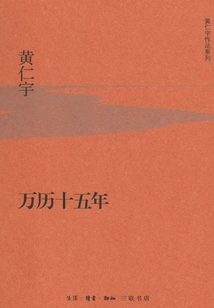 1
1万历十五年(精装版)
Huang Renyu
The popular anti-corruption drama "In the Name of the People" mentioned "The Fifteen Years of Wanli" many times. Why do so many people study this book? This book is the famous work of Mr. Huang Renyu, a Chinese-American historian, and is also one of his masterpieces. It integrates Mr. Huang's decades of life experience and academic experience. It is the first time to analyze the crux of Ming Dynasty society with a "big historical perspective" and observe the path of modern China. It is thought-provoking. Although the title of the book is "Fifteen Years of Wanli", its content overlooks the rise and fall of the entire Ming Dynasty, and tells us about Hai Rui and Zhang Juzheng who are different from previous history books... Reading Huang Renyu's book, you will deeply understand that "history gives people wisdom." This is a classic that opened up the horizons of the Chinese people, and has been praised as "like a dagger, tearing open the iron curtain of historical writing dominated by ideology." Shi Jingqian, Mou Fuli, Yang Liansheng, Liu Zhiqin, Chen Xuelin, Zhao Shiyu, Zhu Xueqin, Yang Nianqun, Jiang Xiaoyuan, Xiao Gongqin, Shang Chuan, Fan Shuzhi, Mao Peiqi, Updike, Wang Xiaobo, Wang Shuo, Xie Mian, Yi Zhongtian, Wu Si and many other famous people at home and abroad unanimously recommended it!
The popular anti-corruption drama "In the Name of the People" mentioned "The Fifteen Years of Wanli" many times. Why do so many people study this book? This book is the famous work of Mr. Huang Renyu, a Chinese-American historian, and is also one of his masterpieces. It integrates Mr. Huang's decades of life experience and academic experience. It is the first time to analyze the crux of Ming Dynasty society with a "big historical perspective" and observe the path of modern China. It is thought-provoking. Although the title of the book is "Fifteen Years of Wanli", its content overlooks the rise and fall of the entire Ming Dynasty, and tells us about Hai Rui and Zhang Juzheng who are different from previous history books... Reading Huang Renyu's book, you will deeply understand that "history gives people wisdom." This is a classic that opened up the horizons of the Chinese people, and has been praised as "like a dagger, tearing open the iron curtain of historical writing dominated by ideology." Shi Jingqian, Mou Fuli, Yang Liansheng, Liu Zhiqin, Chen Xuelin, Zhao Shiyu, Zhu Xueqin, Yang Nianqun, Jiang Xiaoyuan, Xiao Gongqin, Shang Chuan, Fan Shuzhi, Mao Peiqi, Updike, Wang Xiaobo, Wang Shuo, Xie Mian, Yi Zhongtian, Wu Si and many other famous people at home and abroad unanimously recommended it!
Secretary Gao's favorite is a "scalpel" that dissects traditional Chinese society. It peels off the surface of history and reveals the texture of institutional corruption and human struggle. Whether you seek historical truth, management wisdom, or philosophical thoughts on the rise and fall of civilization, this book will reshape your understanding of history with the power of "seeing thunder in the ordinary"
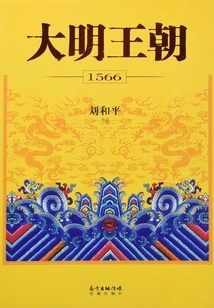 2
2Ming Dynasty 1566 (complete Collection)
General Fiction大明王朝1566(全集)
Liu Heping
The novel "Ming Dynasty 1566", a highly praised drama with a score of 9.5 On Douban, is a must-read for Taiwan's ruling and opposition parties, and a reference book for Singapore's cabinet politics. This book is the famous work of Liu Heping, the screenwriter of "Yongzheng Dynasty" and the author of "All Quiet in Peking". The book uses the overthrow of the big tiger Yan Song as a clue to tell the story of an intricate and thrilling anti-corruption drama in the Ming Dynasty. Uncover the mystery of Jiajing, the most unconventional emperor in Chinese history, who did not come to power for decades; reveal the way that the upright official Hai Rui in Chinese history replaced "intelligent loyalty" with "foolish loyalty"; reveal the truth that Yan Song, the chief auxiliary of the traitorous officials in the Qing Dynasty and Ming Dynasty, declined due to his extreme power; reveal the deepest secrets of the eunuch group, a special political institution of the Ming Dynasty. After ten years, the show was re-broadcast on Youku on February 13, 2017.
The novel "Ming Dynasty 1566", a highly praised drama with a score of 9.5 On Douban, is a must-read for Taiwan's ruling and opposition parties, and a reference book for Singapore's cabinet politics. This book is the famous work of Liu Heping, the screenwriter of "Yongzheng Dynasty" and the author of "All Quiet in Peking". The book uses the overthrow of the big tiger Yan Song as a clue to tell the story of an intricate and thrilling anti-corruption drama in the Ming Dynasty. Uncover the mystery of Jiajing, the most unconventional emperor in Chinese history, who did not come to power for decades; reveal the way that the upright official Hai Rui in Chinese history replaced "intelligent loyalty" with "foolish loyalty"; reveal the truth that Yan Song, the chief auxiliary of the traitorous officials in the Qing Dynasty and Ming Dynasty, declined due to his extreme power; reveal the deepest secrets of the eunuch group, a special political institution of the Ming Dynasty. After ten years, the show was re-broadcast on Youku on February 13, 2017.
The pinnacle of historical conspiracy novels, taking the "conversion of rice into mulberry" policy during the Jiajing period as the entry point, it shows a thrilling court game and human nature. This work is not only praised by readers as "the ceiling of historical dramas", but is also regarded by academic circles as a living specimen for studying the political ecology of the Ming Dynasty.
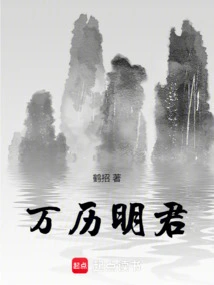 3
3Wanli Mingjun
History万历明君
Crane Move
In 1572 AD, there were still 72 years before the fall of the Ming Dynasty and the destruction of the country. At this time, the Japanese pirates were rampant in the southeast, the Tatars in the northwest were knocking on the pass, local annexations were becoming more and more serious, the military and government were exhausted and the people were in poverty, and Emperor Longqing had just passed away. At this time, Shi Yue traveled back to the Wanli Emperor Zhu Yijun who had not been in court for thirty years. The good news is that Zhu Yijun has not yet ascended the throne. There was no time to harm the government. The bad news is that Zhu Yijun has not yet ascended the throne. Feng Bao, the chief minister of rites, wanted to be the spokesperson for imperial power. Gao Gong, the chief minister, wanted to strengthen the cabinet by evading the emperor. The second assistant, Zhang Juzheng, focused on implementing the new law. The only hope was that his biological mother, Mrs. Li, would always make him kneel down and force him to write edicts of sin. ... The collapsing building is right in front of you, with the central swords and shadows intertwining from all sides. If you receive bad luck from your country, you will be the king of the world. Now that I have ascended the throne, in this world, if I don't come to save, who will?
In 1572 AD, there were still 72 years before the fall of the Ming Dynasty and the destruction of the country. At this time, the Japanese pirates were rampant in the southeast, the Tatars in the northwest were knocking on the pass, local annexations were becoming more and more serious, the military and government were exhausted and the people were in poverty, and Emperor Longqing had just passed away. At this time, Shi Yue traveled back to the Wanli Emperor Zhu Yijun who had not been in court for thirty years. The good news is that Zhu Yijun has not yet ascended the throne. There was no time to harm the government. The bad news is that Zhu Yijun has not yet ascended the throne. Feng Bao, the chief minister of rites, wanted to be the spokesperson for imperial power. Gao Gong, the chief minister, wanted to strengthen the cabinet by evading the emperor. The second assistant, Zhang Juzheng, focused on implementing the new law. The only hope was that his biological mother, Mrs. Li, would always make him kneel down and force him to write edicts of sin. ... The collapsing building is right in front of you, with the central swords and shadows intertwining from all sides. If you receive bad luck from your country, you will be the king of the world. Now that I have ascended the throne, in this world, if I don't come to save, who will?
Grass jelly, serialized Virgo is the sign of the Crane. It is well-documented that the protagonist traveled through time and became the Wanli Emperor, using modern knowledge to reform the government, develop science and technology, and revitalize the Ming Dynasty. The novel focuses on court struggles and institutional reforms, reasonably deduce the historical events of the Wanli Dynasty, and shows how the protagonist promotes reforms in the game between imperial power and civil servant groups. The writing style is relaxed and humorous, with dense and refreshing points.
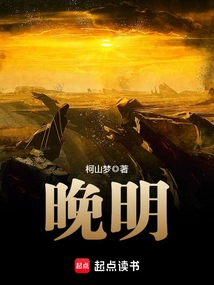 4
4Late Ming Dynasty
History晚明
Ke Shanmeng
At the end of the Ming Dynasty, the northern country was filled with smoke and corpses; the bridges and flowing water in the south of the Yangtze River were peaceful, and people were singing and dancing. Amid the internal and external troubles at the end of the dynasty, the sinister office director rose up and sounded the final horn of China. A true hero changes his destiny. The cruel and tragic ancient wars, the real Ming Dynasty marketplace, and the history created by each and every little person unfold a magnificent yet gentle and touching picture of the late Ming Dynasty. Book Friends QQ Group: 145034435
At the end of the Ming Dynasty, the northern country was filled with smoke and corpses; the bridges and flowing water in the south of the Yangtze River were peaceful, and people were singing and dancing. Amid the internal and external troubles at the end of the dynasty, the sinister office director rose up and sounded the final horn of China. A true hero changes his destiny. The cruel and tragic ancient wars, the real Ming Dynasty marketplace, and the history created by each and every little person unfold a magnificent yet gentle and touching picture of the late Ming Dynasty. Book Friends QQ Group: 145034435
Immortal grass, finished The pinnacle of historical time travel literature, the protagonist Chen Xin uses modern knowledge to transform the late Ming Dynasty, starting from the grassroots, establishing a new army, developing industry, and ultimately changing the direction of history. The writing is solid, the research is rigorous, the war scenes are grand, the characters are three-dimensional, and the description of all social classes in the late Ming Dynasty is particularly profound. It can be called a textbook-level work in historical literature.
 5
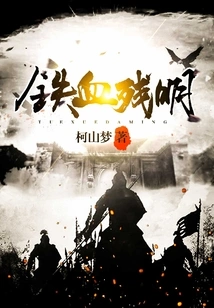
5铁血残明
Ke Shanmeng
In the late Ming Dynasty, Spain and Japan gradually restricted the outflow of silver. The Ming Dynasty's capital inflow since the early sixteenth century had been reversed. The Ming Dynasty's coexisting commodity economy and small-scale peasant economy suffered the impact of deflation at the same time. Combined with the influence of Xiao Glacier, the dominoes of the troubled times continue to fall one after another. In November of the sixth year of Chongzhen, the rogue bandits crossed the Mianchi River southward, bursting out like ulcers and sweeping across the Central Plains. In the seventh year of Chongzhen, the Hou Jin army, which had been raging in the north for more than ten years, swept across Xuanda, and it was like entering an uninhabited land. The Ming Dynasty, which had been in existence for nearly three hundred years, was in turmoil. The protagonist arrives at this time and becomes a small slave in Tongcheng County, South Zhili. The story begins with a dead mouse rising into the sky.
In the late Ming Dynasty, Spain and Japan gradually restricted the outflow of silver. The Ming Dynasty's capital inflow since the early sixteenth century had been reversed. The Ming Dynasty's coexisting commodity economy and small-scale peasant economy suffered the impact of deflation at the same time. Combined with the influence of Xiao Glacier, the dominoes of the troubled times continue to fall one after another. In November of the sixth year of Chongzhen, the rogue bandits crossed the Mianchi River southward, bursting out like ulcers and sweeping across the Central Plains. In the seventh year of Chongzhen, the Hou Jin army, which had been raging in the north for more than ten years, swept across Xuanda, and it was like entering an uninhabited land. The Ming Dynasty, which had been in existence for nearly three hundred years, was in turmoil. The protagonist arrives at this time and becomes a small slave in Tongcheng County, South Zhili. The story begins with a dead mouse rising into the sky.
Grass jelly, serialized Ke Shanmeng's another masterpiece after "Late Ming" continues the realistic style. The protagonist Pang Yu travels back to the Chongzhen period, starting from a low-level official, struggling to survive in troubled times, and gradually establishing his own power. The novel depicts the officialdom ecology, military system, and social contradictions in the late Ming Dynasty in detail, with a tight rhythm, ups and downs of the plot, and a strong sense of reality.
 6
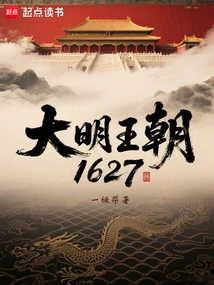
6Ming Dynasty 1627
History大明王朝1627
A Stick Of Firewood
In 1627 of the Ming Dynasty, pig iron cost 9 Wenqian\u002F catty, wheat cost 0.7 Liang\u002F stone, and corn cost 0.5 Liang\u002F stone. In 1627 of the Ming Dynasty, the central tax revenue was approximately 10 million taels of silver + 4 million shi of grain. The local income from Juyin, Minzhuangyin, Lijiayin, and Yizhanyin is equivalent to about 10,000 to 2,000 silver in each county. In 1627 of the Ming Dynasty, the population was about 150 million to 200 million, which was still far from the 400 million of the Manchu Qing Dynasty. A large amount of land has been abandoned in Beizhi, Henan, and Shandong, and Huguang, Yunnan, Guizhou, and Sichuan are far from reaching the limit of development. In 1627 of the Ming Dynasty, after three consecutive years of good weather in Shaanxi, a slight drought finally began this year. Generally speaking, the south is slightly flooded, the north is slightly droughty, and large-scale natural disasters have not yet begun. In 1627 of the Ming Dynasty, a year after Hou Jinhuang Taiji ascended the throne, he alleviated the domestic famine by attacking North Korea. But for this reason, the four-beile Amin, who led the army to attack North Korea, cannot be defeated, and the situation of four-beile co-governance still seems to be unbreakable. --So, I would like to ask, what is the reason for such Tianhu's start, leading to the collapse of the world step by step? --So, let me ask you, when the time traveler comes to this point in time, how difficult will it be to turn the tide? Is it true, as many people say, that the Ming Dynasty in 1627 was irreversibly ruined? --If you also have questions, you may wish to join this large-scale historical simulation script that is completely based on real historical materials. So far, this article has referenced 531 papers, 7188 Jinshi scholars after the eighth year of Wanli period, and 4657 candidates whose biographies can be traced.
In 1627 of the Ming Dynasty, pig iron cost 9 Wenqian\u002F catty, wheat cost 0.7 Liang\u002F stone, and corn cost 0.5 Liang\u002F stone. In 1627 of the Ming Dynasty, the central tax revenue was approximately 10 million taels of silver + 4 million shi of grain. The local income from Juyin, Minzhuangyin, Lijiayin, and Yizhanyin is equivalent to about 10,000 to 2,000 silver in each county. In 1627 of the Ming Dynasty, the population was about 150 million to 200 million, which was still far from the 400 million of the Manchu Qing Dynasty. A large amount of land has been abandoned in Beizhi, Henan, and Shandong, and Huguang, Yunnan, Guizhou, and Sichuan are far from reaching the limit of development. In 1627 of the Ming Dynasty, after three consecutive years of good weather in Shaanxi, a slight drought finally began this year. Generally speaking, the south is slightly flooded, the north is slightly droughty, and large-scale natural disasters have not yet begun. In 1627 of the Ming Dynasty, a year after Hou Jinhuang Taiji ascended the throne, he alleviated the domestic famine by attacking North Korea. But for this reason, the four-beile Amin, who led the army to attack North Korea, cannot be defeated, and the situation of four-beile co-governance still seems to be unbreakable. --So, I would like to ask, what is the reason for such Tianhu's start, leading to the collapse of the world step by step? --So, let me ask you, when the time traveler comes to this point in time, how difficult will it be to turn the tide? Is it true, as many people say, that the Ming Dynasty in 1627 was irreversibly ruined? --If you also have questions, you may wish to join this large-scale historical simulation script that is completely based on real historical materials. So far, this article has referenced 531 papers, 7188 Jinshi scholars after the eighth year of Wanli period, and 4657 candidates whose biographies can be traced.
Xiancao is being serialized. The protagonist travels back to the seventh year of the Apocalypse and becomes Emperor Chongzhen, using modern knowledge to save the crisis. The novel focuses on the complex situation of internal and external troubles in the late Ming Dynasty. The protagonist attempts to reverse the trend of history by reforming the military system, developing the economy, and rectifying officialdom. The description of the politics, military, economy and other aspects of the late Ming Dynasty is relatively in-depth, the plot is compact, and it is highly readable.