Create the World with Imagination
以想象创造世界
Humanity uses imagination to explore how to have a better future. We need to imagine the world we want and create the corresponding language and words to carry this dream.
 1
1Create the World with Imagination
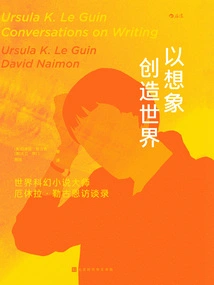
Literature以想象创造世界
(u. S.) Ursula Leguin Et Al.
In her later years, Ursula Le Guin and David Naimen collaborated to bring readers this wonderful interview. In three special dialogues on novels, poetry, essays, and literary criticism, this book clearly demonstrates Le Guin's creative ideas and literary perspectives. In the interview, Ursula Le Guin was sincere and candid. She praised the works of writers such as Woolf, Tolstoy, Saramago, and Tolkien. She also did not shy away from talking about her differences with Margaret Atwood and some serious literary writers. She offered writing advice to young writers and criticized literary and social issues such as the suppression of imagination and the neglect of works by female writers. The co-production with the interviewer allows this interview to reflect the light of Le Guin's thoughts and illuminate the path to ideal writing for future generations.
In her later years, Ursula Le Guin and David Naimen collaborated to bring readers this wonderful interview. In three special dialogues on novels, poetry, essays, and literary criticism, this book clearly demonstrates Le Guin's creative ideas and literary perspectives. In the interview, Ursula Le Guin was sincere and candid. She praised the works of writers such as Woolf, Tolstoy, Saramago, and Tolkien. She also did not shy away from talking about her differences with Margaret Atwood and some serious literary writers. She offered writing advice to young writers and criticized literary and social issues such as the suppression of imagination and the neglect of works by female writers. The co-production with the interviewer allows this interview to reflect the light of Le Guin's thoughts and illuminate the path to ideal writing for future generations.
"Locus Award" Best Non-fiction Award, world science fiction master Ursula Le Guin talks about her creation, discovering meaning in words, and using imagination to invent life.
 2
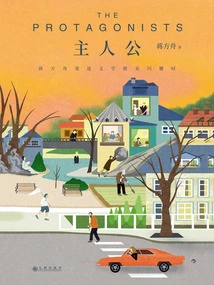
2主人公:蒋方舟重返文学群星闪耀时
Jiang Fangzhou
Jiang Fangzhou transformed into a "storyteller" and returned to the world of yesterday where literary stars shone. Walking between yesterday and today, the other side and here, Jiang Fangzhou uses words to recreate illusions, and based on massive literature research, resurrects the emotions, hearts, minds and life courses of 20 masters, turning the masters into our friends, while witnessing how the classics are intertwined with the times and their destiny, and finally born. Starting from the writer's internal perspective of "mind and experience", he re-reads and deciphers the classic codes and puts forward exclusive insights. Not only is the novel not false, it allows us to live in reality. When we borrow the "penetrating gaze" of literature to distinguish truth from falsehood and live in the truth, this is the "hero moment" that literature gives us.
Jiang Fangzhou transformed into a "storyteller" and returned to the world of yesterday where literary stars shone. Walking between yesterday and today, the other side and here, Jiang Fangzhou uses words to recreate illusions, and based on massive literature research, resurrects the emotions, hearts, minds and life courses of 20 masters, turning the masters into our friends, while witnessing how the classics are intertwined with the times and their destiny, and finally born. Starting from the writer's internal perspective of "mind and experience", he re-reads and deciphers the classic codes and puts forward exclusive insights. Not only is the novel not false, it allows us to live in reality. When we borrow the "penetrating gaze" of literature to distinguish truth from falsehood and live in the truth, this is the "hero moment" that literature gives us.
Jiang Fangzhou's sincere confession to literature returns to the source of literature and calibrates the original intention of writing. A text version of "Writer Documentary" restores the writers' secret lives and spiritual transitions, and explores the secrets of the masters' creations.
 3
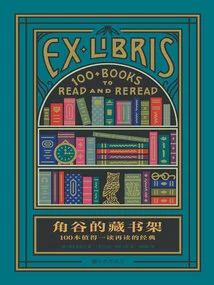
3角谷的藏书架:100本值得一读再读的经典
(us) Michiko Kakutani
The first collection of book reviews published by Michiko Kakutani after her retirement is a collection of her private book collection as a "book lover". It recommends hundreds of books and covers a wide range of subjects. It includes literary classics, best-selling novels, poetry collections, history and politics, popular social sciences, drama studies, celebrity biographies, speech collections and memoirs, children's literature and other genres. They are all quality-guaranteed masterpieces in the literary world and provide readers with an authoritative book list that they can refer to.
The first collection of book reviews published by Michiko Kakutani after her retirement is a collection of her private book collection as a "book lover". It recommends hundreds of books and covers a wide range of subjects. It includes literary classics, best-selling novels, poetry collections, history and politics, popular social sciences, drama studies, celebrity biographies, speech collections and memoirs, children's literature and other genres. They are all quality-guaranteed masterpieces in the literary world and provide readers with an authoritative book list that they can refer to.
The first collection of book reviews published by Michiko Kakutani after her retirement is a private collection of books issued by her as a "book lover". It recommends hundreds of books with a wide range of topics and content, and provides readers with an authoritative book list that they can refer to.
 4
4Ayn Rand's Novel Writing Course
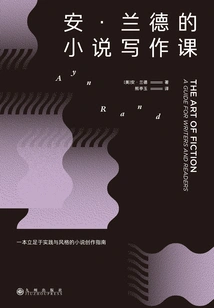
Literature安·兰德的小说写作课
I
As a writer who advocates reason, Ayn Rand's primary contribution in this book is that she completely demystifies writing. She firmly believes that writing is a skill that can be learned and anyone can learn it as long as they master scientific methods and are guided by rational principles. This book is compiled from 10 "Novel Writing Classes" lectures given by Ayn Rand to friends. First, Ayn Rand discussed the relationship between the subconscious and inspiration in novel writing. She pointed out that inspiration is not obtained deliberately, but is the natural result of the continuous accumulation and polishing of materials in the subconscious. Afterwards, Ayn Rand gradually and in-depthly analyzed the four key elements of novel writing in a clear context: theme, plot, characterization and style. She started from her own creative experience, and at the same time, she also compared and analyzed passages of works of multiple creators in detail, and gave readers unique and practical writing suggestions.
As a writer who advocates reason, Ayn Rand's primary contribution in this book is that she completely demystifies writing. She firmly believes that writing is a skill that can be learned and anyone can learn it as long as they master scientific methods and are guided by rational principles. This book is compiled from 10 "Novel Writing Classes" lectures given by Ayn Rand to friends. First, Ayn Rand discussed the relationship between the subconscious and inspiration in novel writing. She pointed out that inspiration is not obtained deliberately, but is the natural result of the continuous accumulation and polishing of materials in the subconscious. Afterwards, Ayn Rand gradually and in-depthly analyzed the four key elements of novel writing in a clear context: theme, plot, characterization and style. She started from her own creative experience, and at the same time, she also compared and analyzed passages of works of multiple creators in detail, and gave readers unique and practical writing suggestions.
Private literary lectures by famous writers and thinkers of the 20th century, sincere analysis of writing secrets, and a novel creation guide based on practice and style.
 5
5畅销作家写作全技巧
(japan) Daze Zaichang
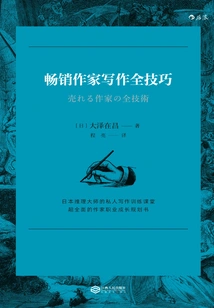
This is a unique guide to novel writing techniques, compiled from a series of "Novel Class" lectures given by Japanese mystery novelist Osawa Zaimasa. This lecture is aimed at twelve young writers selected from Japan, in the form of a "private school held by a master", aiming to teach the authors their creative experience and writing insights in their more than thirty years of writing career. This book condenses a year-long lecture into ten writing courses and four topic reviews. Osawa Zaichang uses vivid cases and humorous and sharp comments to comprehensively break down specific issues such as story structure, character creation, beginning and end layout, text description, dialogue skills, and narrative style in novel creation. In the book, the author candidly shares the living habits, creative mood and survival methods of professional writers - hoping that after reading this book, every reader who aspires to become a writer will be able to find the writing field in which he is good at, know how to better hone his writing skills, and truly become more and more sophisticated.
This is a unique guide to novel writing techniques, compiled from a series of "Novel Class" lectures given by Japanese mystery novelist Osawa Zaimasa. This lecture is aimed at twelve young writers selected from Japan, in the form of a "private school held by a master", aiming to teach the authors their creative experience and writing insights in their more than thirty years of writing career. This book condenses a year-long lecture into ten writing courses and four topic reviews. Osawa Zaichang uses vivid cases and humorous and sharp comments to comprehensively break down specific issues such as story structure, character creation, beginning and end layout, text description, dialogue skills, and narrative style in novel creation. In the book, the author candidly shares the living habits, creative mood and survival methods of professional writers - hoping that after reading this book, every reader who aspires to become a writer will be able to find the writing field in which he is good at, know how to better hone his writing skills, and truly become more and more sophisticated.
This is a unique guide to novel writing techniques, compiled from a series of "Novel Class" lectures given by Japanese mystery novelist Osawa Zaimasa. A Japanese reasoning master's private writing training class. Here's how to write profitable novels.
 6
6小说的骨架:好提纲成就好故事
K
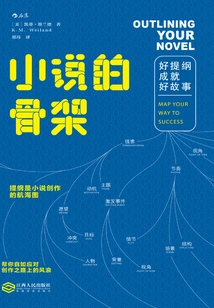
Novel writing is a lonely long journey of thought. Travelers who do not write an outline will easily lose their way. Writing an outline can help you start and finish your novel in a better and more productive way. This book dispels your possible misunderstandings about outlines and points out the fun, benefits and techniques of writing outlines point by point, so that the framework, level and rhythm of your novel can be directional. The author teaches the layout and techniques of novel outline writing step by step, from characters, background, structure, conflict to theme. Each chapter starts with a specific topic, establishing a clear method description and task objectives, and is supplemented by a large number of creative cases. Each chapter ends with an exclusive interview with a writer, sharing their exclusive secrets for creating novel outlines. In addition, the author also introduces tools such as efficient writing software, connect the dots to create a picture, and the Enneagram personality type. Every suggestion is highly operational and can stand the test of creative practice.
Novel writing is a lonely long journey of thought. Travelers who do not write an outline will easily lose their way. Writing an outline can help you start and finish your novel in a better and more productive way. This book dispels your possible misunderstandings about outlines and points out the fun, benefits and techniques of writing outlines point by point, so that the framework, level and rhythm of your novel can be directional. The author teaches the layout and techniques of novel outline writing step by step, from characters, background, structure, conflict to theme. Each chapter starts with a specific topic, establishing a clear method description and task objectives, and is supplemented by a large number of creative cases. Each chapter ends with an exclusive interview with a writer, sharing their exclusive secrets for creating novel outlines. In addition, the author also introduces tools such as efficient writing software, connect the dots to create a picture, and the Enneagram personality type. Every suggestion is highly operational and can stand the test of creative practice.
The author teaches the layout and techniques of novel outline writing step by step, from characters, background, structure, conflict to theme. Each chapter starts with a specific topic, establishing a clear method description and task objectives, and is supplemented by a large number of creative cases; each suggestion is highly operational and can withstand the test of creative practice.
 9
9How to Read Literature
Literature文学的读法
(uk) Terry Eagleton
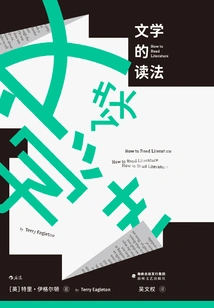
In this accessible and entertaining book, Terry Eagleton asks a series of intriguing questions. In a brilliant analysis, Eagleton shows how to pay full attention to a literary work's tone, rhythm, texture, syntax, allusion, ambiguity, and other formal aspects when reading. He also examines broader issues of character, plot, narrative, creative imagination, the meaning of fictionality, and the tension between what literature says and what it represents. Authoritative and enjoyable, the author provides helpful commentary on classicism, romanticism, modernism, and postmodernism, and offers fascinating insights into writers ranging from Shakespeare and J. K. Rowling to Jane Austen and Samuel Beckett. This book is a first choice for beginning literature students and all other readers interested in deepening their understanding and enriching their reading experience.
In this accessible and entertaining book, Terry Eagleton asks a series of intriguing questions. In a brilliant analysis, Eagleton shows how to pay full attention to a literary work's tone, rhythm, texture, syntax, allusion, ambiguity, and other formal aspects when reading. He also examines broader issues of character, plot, narrative, creative imagination, the meaning of fictionality, and the tension between what literature says and what it represents. Authoritative and enjoyable, the author provides helpful commentary on classicism, romanticism, modernism, and postmodernism, and offers fascinating insights into writers ranging from Shakespeare and J. K. Rowling to Jane Austen and Samuel Beckett. This book is a first choice for beginning literature students and all other readers interested in deepening their understanding and enriching their reading experience.
From nursery rhymes to Dickens, from Harry Potter to Shakespeare, the master of contemporary literary theory writes an introductory book on literary appreciation for ordinary readers in a humorous way!
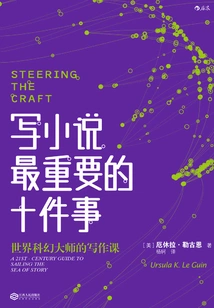
Winners of the Nebula Award, the Hugo Award, and the National Book Award, as well as the world's science fiction masters, will take you on a magnificent sailing journey.
 11
11尼尔·盖曼随笔集:廉价座位上的观点
I
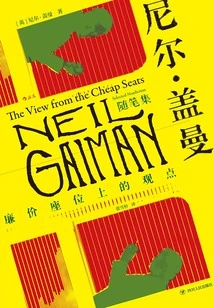
The first collection of non-fiction works by Neil Gaiman, the master of contemporary fantasy literature, is an appreciation of fantasy art, an analysis of creative ideas, and a book covering opinions, passions and hopes. In this masterpiece, which is a selection of more than eighty speeches and articles, as well as forewords and essays, Neil Gaiman sincerely explores his many views on science fiction, music, comics, and movies, revealing his understanding of fantasy writing. He invites readers into his real world, sharing his experiences and lessons in multiple creative fields, his exploration of genre literature, his contacts and friendships with masters such as Stephen King, Diana Wynn Jones, Terry Pratchett, Douglas Adams, Harlan Ellison, etc., And the stories behind the creation of best-selling books such as "American Gods", "The Sandman", "Stardust", "Ghost Mom" and "The Graveyard Book". He talks about the passion for writing that ignited in his youth, a passion that still burns in him today; about the lives of writers he respects and loves, literary genres and personalities, libraries and bookstores; about how and why authors write, how and why readers read, and why all of these things matter. This is not only a funny and humble reader's in-depth appreciation of fantasy art, but also the spiritual confession of one of the great thinkers, wordsmiths, and daydreamers of this era.
The first collection of non-fiction works by Neil Gaiman, the master of contemporary fantasy literature, is an appreciation of fantasy art, an analysis of creative ideas, and a book covering opinions, passions and hopes. In this masterpiece, which is a selection of more than eighty speeches and articles, as well as forewords and essays, Neil Gaiman sincerely explores his many views on science fiction, music, comics, and movies, revealing his understanding of fantasy writing. He invites readers into his real world, sharing his experiences and lessons in multiple creative fields, his exploration of genre literature, his contacts and friendships with masters such as Stephen King, Diana Wynn Jones, Terry Pratchett, Douglas Adams, Harlan Ellison, etc., And the stories behind the creation of best-selling books such as "American Gods", "The Sandman", "Stardust", "Ghost Mom" and "The Graveyard Book". He talks about the passion for writing that ignited in his youth, a passion that still burns in him today; about the lives of writers he respects and loves, literary genres and personalities, libraries and bookstores; about how and why authors write, how and why readers read, and why all of these things matter. This is not only a funny and humble reader's in-depth appreciation of fantasy art, but also the spiritual confession of one of the great thinkers, wordsmiths, and daydreamers of this era.
Neil Gaiman's first collection of non-fiction works by the master of contemporary fantasy literature has been introduced to the mainland for the first time, unlocking Gaiman's personal book list and revealing how the master read, think and create.
Use conflict, suspense and rhythm to write a good story that makes people want to put it down. If you want to become a master storyteller but only want to read one reference book, then you should definitely read this one!
 13
13How to Write a Novel
Literature如何写砸一本小说
(u. S.) Howard Mittelmark Et Al.
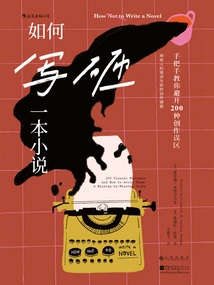
My novel submission was rejected but I don't know why; I'm writing a novel for the first time, and I want to seek guidance from experienced writers, but there are so many writing books on the market that I don't know how to choose; the terms and conditions are too rigid, and I want to learn writing happily... If you have also encountered the above situation, maybe this book can make your novel creation path suddenly clear. Different from most writing books, this book takes a new approach in guiding novel writing, showing the editor's "eyesore" - 200 representative fragments of bad novels. By reading these fragments and pungent and humorous comments, readers can clearly know what content will ruin the novel, which places can be deleted, and which ideas may seem brilliant but are just self-admiration... Learn to avoid the minefields and misunderstandings of creation, and write excellent novels that are good enough for publication.
My novel submission was rejected but I don't know why; I'm writing a novel for the first time, and I want to seek guidance from experienced writers, but there are so many writing books on the market that I don't know how to choose; the terms and conditions are too rigid, and I want to learn writing happily... If you have also encountered the above situation, maybe this book can make your novel creation path suddenly clear. Different from most writing books, this book takes a new approach in guiding novel writing, showing the editor's "eyesore" - 200 representative fragments of bad novels. By reading these fragments and pungent and humorous comments, readers can clearly know what content will ruin the novel, which places can be deleted, and which ideas may seem brilliant but are just self-admiration... Learn to avoid the minefields and misunderstandings of creation, and write excellent novels that are good enough for publication.
200 iconic passages from bad novels. By reading these fragments and pungent and humorous comments, readers can clearly know what content will ruin the novel, which places can be deleted, and which ideas may seem brilliant but are just self-admiration... Learn to avoid the minefields and misunderstandings of creation, and write excellent novels that are good enough for publication.
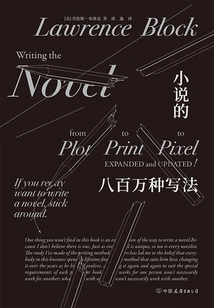
With highly practical creative techniques and routines to learn from, the world-famous mystery novel master tells you how to write a blockbuster novel.
 15
15耶鲁大学公开课:文学理论
(u. S.) Paul H. Fry
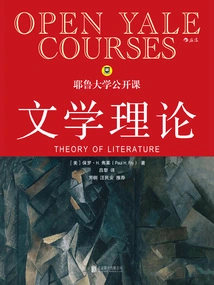
This book is adapted from the author's popular literary theory course at Yale University. In this book, the author takes readers on a journey through the mainstream of literary theory in the 20th century. The core of the discussion throughout the book is a series of fundamental questions: what is literature, how is it produced, how should literature be understood, and what is the purpose of literature. Frye deals with important themes and trends in 20th-century literary theory, including hermeneutics, formalism, semiotics and structuralism, deconstruction, psychoanalytic methods, Marxist and historicist methods, social identity theory, new pragmatism and theory, and ends with his own unique perspective. By connecting these trends through philosophical and social perspectives, the author provides readers with an overall coherent context to help readers read the literary works in depth.
This book is adapted from the author's popular literary theory course at Yale University. In this book, the author takes readers on a journey through the mainstream of literary theory in the 20th century. The core of the discussion throughout the book is a series of fundamental questions: what is literature, how is it produced, how should literature be understood, and what is the purpose of literature. Frye deals with important themes and trends in 20th-century literary theory, including hermeneutics, formalism, semiotics and structuralism, deconstruction, psychoanalytic methods, Marxist and historicist methods, social identity theory, new pragmatism and theory, and ends with his own unique perspective. By connecting these trends through philosophical and social perspectives, the author provides readers with an overall coherent context to help readers read the literary works in depth.
This book is adapted from the author's popular literary theory course at Yale University. In this book, the author takes readers on a journey through the mainstream of literary theory in the 20th century. The core of the discussion throughout the book is a series of fundamental questions: what is literature, how is it produced, how should literature be understood, and what is the purpose of literature. Attack the fundamental issues of literature and analyze the core elements of many literary theoretical schools in the 20th century
 16
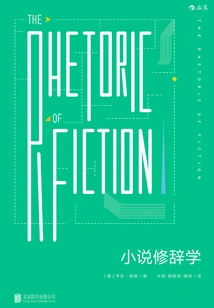
16Rhetoric of Fiction
Literature小说修辞学
(us)wayne Booth
This book mainly discusses the historical development of Western novels, sorts out the evolution of novel techniques and theories, critically examines popular modern views on novels, establishes classic modern novel theories, and lays a solid foundation for the creation, criticism, and research of modern novels. Some concepts and terms put forward in the book, such as "implied author" and "unreliable narrator", are all classic terms in the field of narratology today. "The Rhetoric of Novel" was published in 1961 and has been reprinted many times since then. It is listed as a classic of modern Western novel theory. The "American Encyclopedia" hailed the book as "a milestone in the aesthetics of novels in the 20th century."
This book mainly discusses the historical development of Western novels, sorts out the evolution of novel techniques and theories, critically examines popular modern views on novels, establishes classic modern novel theories, and lays a solid foundation for the creation, criticism, and research of modern novels. Some concepts and terms put forward in the book, such as "implied author" and "unreliable narrator", are all classic terms in the field of narratology today. "The Rhetoric of Novel" was published in 1961 and has been reprinted many times since then. It is listed as a classic of modern Western novel theory. The "American Encyclopedia" hailed the book as "a milestone in the aesthetics of novels in the 20th century."
This book mainly discusses the historical development of Western novels, sorts out the evolution of novel techniques and theories, critically examines popular modern views on novels, establishes classic modern novel theories, and lays a solid foundation for the creation, criticism, and research of modern novels. Some of the concepts and terms put forward in the book are classics of modern Western novel theory and are hailed as milestones in novel aesthetics in the 20th century!