It is Precisely Because of These Legal Protections That We Have the Wonderful Life We have Now
正因为有了这些法律的保障,才有了我们现在的美好生活
The reason for establishing this book is just to let more people know more about our great motherland and understand the law. I hope everyone can stop breaking the law and work together to make our motherland a better place. I couldn't find a similar book list on Qidian today, so I felt it wasn't appropriate, so I created one myself. I just hope that people who see it will know that our great motherland has so many laws, and that we have always lived under the protection of these laws. Dear book friends, we are all members of the great People's Republic of China. Do you know what laws our dear motherland has? China has a total of 1,109 national laws and regulations, of which 243 are currently in effect, including administrative regulations (about 5,497 articles), departmental regulations (about 93,092 articles), judicial interpretations (about 3,970 articles), group regulations, industry regulations, military regulations, military regulations and others (about 5,879 articles). (Due to various reasons, this book list can only include a very small part of them, but I will continue to add to them.) In addition to studying and working, learning more legal knowledge may play a vital role one day. Learning the law can help us avoid inadvertently breaking the law, and it can also help us protect our own rights and interests when we are harmed. So! Everyone! Let's read the Fa together! (Since the book list can only add books that are in the starting point, and a maximum of 10 books can be added in a day, there will be many shortcomings. Everyone is welcome to come and correct mistakes. I will take a small notebook and write it down for easy addition in the future!!!)
Since the "Administrative Penalty Law of the People's Republic of China" came into effect on October 1, 1996, it has played a very good role in regulating the establishment and implementation of administrative penalties, ensuring and supervising the effective implementation of administrative management by administrative agencies, maintaining public interests and social order, and protecting the legitimate rights and interests of administrative counterparts. The Administrative Penalty Law is a law enacted in accordance with the provisions of the Constitution to regulate the establishment and implementation of administrative penalties, ensure and supervise the effective implementation of administrative management by administrative agencies, safeguard public interests and social order, and protect the legitimate rights and interests of citizens, legal persons or other organizations.
The General Principles of Civil Law of the People's Republic of China are China's legal provisions on some common issues in civil activities and are general laws in the civil law system. It was revised and adopted at the Fourth Session of the Sixth National People's Congress on April 12, 1986, and came into effect on January 1, 1987. There are 9 chapters and 156 items in total.
 10
10L
The Blood Donation Law of the People's Republic of China is a regulation formulated to ensure the needs and safety of medical clinical blood, protect the health of blood donors and blood users, promote the humanitarian spirit, and promote the construction of socialist material civilization and spiritual civilization. It was revised and adopted at the 29th Session of the Standing Committee of the Eighth National People's Congress of the People's Republic of China on December 29, 1997, and came into effect on October 1, 1998.
The "Mining Safety Law of the People's Republic of China" is a law enacted to ensure the safety of mine production, prevent mining accidents, protect the personal safety of mine workers, and promote the development of the mining industry. Adopted by the 28th Session of the Standing Committee of the Seventh National People's Congress of the People's Republic of China on November 7, 1992, it came into effect on May 1, 1993.
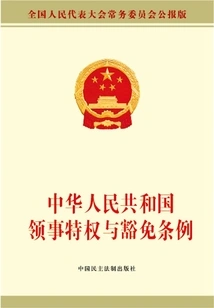 15
15中华人民共和国领事特权与豁免条例
This Book Writing Team
These Regulations are formulated to determine the consular privileges and immunities of foreign consulates in China and their members, and to facilitate foreign consulates in China to effectively perform their duties on behalf of their countries within the consular district.
These Regulations are formulated to determine the consular privileges and immunities of foreign consulates in China and their members, and to facilitate foreign consulates in China to effectively perform their duties on behalf of their countries within the consular district.
The Regulations on Consular Privileges and Immunities of the People's Republic of China are regulations formulated to determine the consular privileges and immunities of foreign consulates in China and their members, and to facilitate foreign consulates in China to effectively perform their duties on behalf of their countries within the consular district. Adopted at the 16th meeting of the Standing Committee of the Seventh National People's Congress on October 30, 1990. Promulgated by Presidential Order No. 35 Of the People's Republic of China on October 30, 1990. It shall come into effect on the date of promulgation.
The Soil and Water Conservation Law of the People's Republic of China is formulated to prevent and control water and soil erosion, protect and rationally utilize water and soil resources, reduce flood, drought, and sandstorm disasters, improve the ecological environment, and ensure sustainable economic and social development. It was promulgated and implemented by the Standing Committee of the National People's Congress on June 29, 1991.
The "Special Maritime Litigation Procedure Law of the People's Republic of China" is formulated to safeguard the litigation rights of parties to maritime litigation, ensure that the People's Court ascertains facts, distinguishes responsibilities, correctly applies the law, and hears maritime cases in a timely manner. Adopted by the Thirteenth Session of the Standing Committee of the Ninth National People's Congress of the People's Republic of China on December 25, 1999, it came into effect on July 1, 2000.
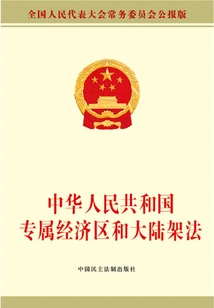 30
30中华人民共和国专属经济区和大陆架法
This Book Writing Team
In order to strengthen the publicity of the legal system, quickly popularize legal knowledge, and serve the construction of my country's democratic and legal system, China Democracy and Legal Press has published a series of legal separate editions of the National People's Congress Standing Committee's bulletin version on a large scale and in all varieties over the years based on the laws that are reviewed and approved and revised by the National People's Congress Standing Committee every year. This single set of laws has been authoritatively reviewed and approved by the Standing Committee of the National People's Congress, the highest legislative body. The content of the legal provisions is accurate and the text format is standardized and reasonable. It has received widespread attention and praise from all walks of life over the years.
In order to strengthen the publicity of the legal system, quickly popularize legal knowledge, and serve the construction of my country's democratic and legal system, China Democracy and Legal Press has published a series of legal separate editions of the National People's Congress Standing Committee's bulletin version on a large scale and in all varieties over the years based on the laws that are reviewed and approved and revised by the National People's Congress Standing Committee every year. This single set of laws has been authoritatively reviewed and approved by the Standing Committee of the National People's Congress, the highest legislative body. The content of the legal provisions is accurate and the text format is standardized and reasonable. It has received widespread attention and praise from all walks of life over the years.
The Law of the People's Republic of China on the Exclusive Economic Zone and Continental Shelf is a law passed by the Third Session of the Standing Committee of the Ninth National People's Congress of the People's Republic of China on June 26, 1998, in order to safeguard the People's Republic of China's exercise of sovereign rights and jurisdiction over the exclusive economic zone and continental shelf and safeguard the country's maritime rights and interests.
The Military Service Law of the People's Republic of China was adopted at the 2nd Session of the Sixth National People's Congress on May 31, 1984, and promulgated by Presidential Order No. 14 Of the People's Republic of China on May 31, 1984. It was revised for the third time in accordance with the "Decision on Amending the Military Service Law of the People's Republic of China" at the 23rd meeting of the Standing Committee of the Eleventh National People's Congress on October 29, 2011. The Military Service Law is divided into general provisions, peacetime recruitment, active service and reserve service of soldiers, active service and reserve service of officers, cadets recruited from young students in military academies, military training of militia and reserve personnel, military training of ordinary college and ordinary high school students, wartime soldier mobilization, treatment of active servicemen and placement of retired active service, legal responsibilities, and Supplementary Provisions, Chapter 12 and Article 74, which came into effect on October 1, 1984.
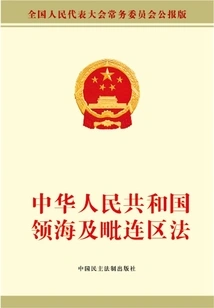 43
43中华人民共和国领海及毗连区法
This Book Writing Team
This law is enacted for the purpose of exercising the sovereignty of the People's Republic of China over the territorial sea and the right to control the contiguous zone, and safeguarding national security and maritime rights and interests.
This law is enacted for the purpose of exercising the sovereignty of the People's Republic of China over the territorial sea and the right to control the contiguous zone, and safeguarding national security and maritime rights and interests.
This law is enacted to exercise the sovereignty of the People's Republic of China over the territorial sea and the right to control the contiguous zone, and to safeguard national security and maritime rights and interests. Adopted at the 24th meeting of the Standing Committee of the Seventh National People's Congress on February 25, 1992, and promulgated and implemented by Order No. 55 Of the President of the People's Republic of China on February 25, 1992.
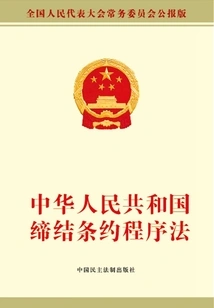
The Treaty Conclusion Procedural Law of the People's Republic of China applies to bilateral and multilateral treaties, agreements and other documents with the nature of treaties and agreements concluded between the People's Republic of China and foreign countries. Adopted at the 17th meeting of the Standing Committee of the 7th National People's Congress on December 28, 1990, it will come into effect on the date of promulgation.
National Defense Mobilization Law of the People's Republic of China The "National Defense Mobilization Law of the People's Republic of China" is a law enacted in accordance with the Constitution in order to strengthen national defense construction, improve the national defense mobilization system, ensure the smooth progress of national defense mobilization work, and safeguard the country's sovereignty, unity, territorial integrity and security. On February 26, 2010, the 13th meeting of the Standing Committee of the 11th National People's Congress passed it and came into effect on July 1, 2010.
On August 29, 1995, after eight years of repeated deliberation and eight years of arduous drafting, the "Sports Law of the People's Republic of China" (hereinafter referred to as the "Sports Law") was finally passed unanimously at the 15th plenary session of the Standing Committee of the Eighth National People's Congress. The promulgation of the "Sports Law" not only filled a gap in national legislation, but also marked that China's sports work has entered a new stage of administration according to law and governance by law. This is a milestone in the development of sports in New China. August 29, 2008 is the thirteenth anniversary of the promulgation of the Sports Law, and it also coincides with the successful conclusion of the 2008 Beijing Olympic Games.
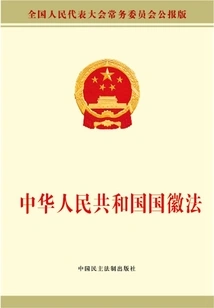 49
49National Emblem Law of the People's Republic of China
Legal Thriller中华人民共和国国徽法
This Book Writing Team
In order to strengthen the publicity of the legal system, quickly popularize legal knowledge, and serve the construction of my country's democratic and legal system, China Democracy and Legal Press has published a series of legal separate editions of the National People's Congress Standing Committee's bulletin version on a large scale and in all varieties over the years based on the laws that are reviewed and approved and revised by the National People's Congress Standing Committee every year. This single set of laws has been authoritatively reviewed and approved by the Standing Committee of the National People's Congress, the highest legislative body. The content of the legal provisions is accurate and the text format is standardized and reasonable. It has received widespread attention and praise from all walks of life over the years.
In order to strengthen the publicity of the legal system, quickly popularize legal knowledge, and serve the construction of my country's democratic and legal system, China Democracy and Legal Press has published a series of legal separate editions of the National People's Congress Standing Committee's bulletin version on a large scale and in all varieties over the years based on the laws that are reviewed and approved and revised by the National People's Congress Standing Committee every year. This single set of laws has been authoritatively reviewed and approved by the Standing Committee of the National People's Congress, the highest legislative body. The content of the legal provisions is accurate and the text format is standardized and reasonable. It has received widespread attention and praise from all walks of life over the years.
The national emblem of the People's Republic of China symbolizes the Chinese people's new-democratic revolutionary struggle since the May 4th Movement and the birth of New China under the people's democratic dictatorship led by the working class and based on the alliance of workers and peasants. It is a symbol and symbol of the country. The pattern and use of the national emblem are regulated by special laws. The "National Emblem Law of the People's Republic of China" is such a law that, in order to safeguard the dignity of the national emblem and enhance citizens' national concept, stipulates many important contents such as the production of the national emblem, the specifications of the national emblem and the punishment of those who insult the national emblem. This law was passed on March 2, 1991 and came into effect on October 1, 1991.