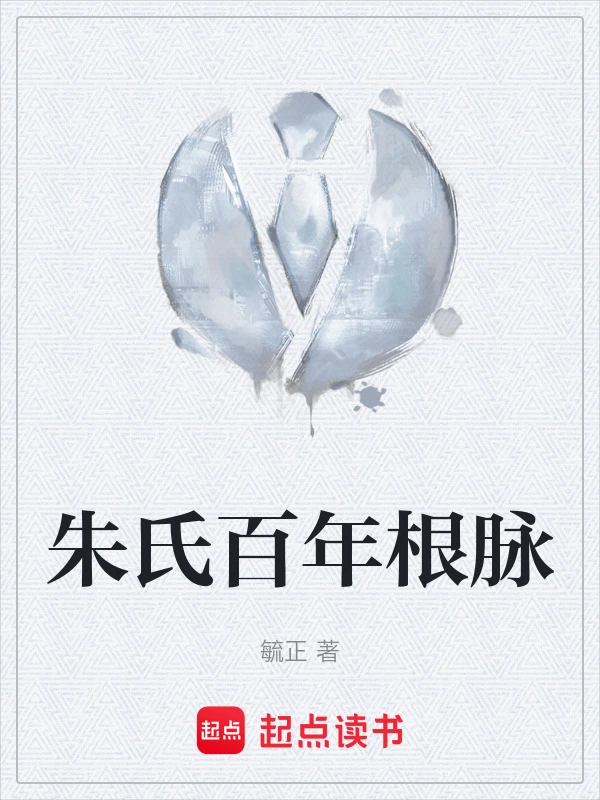
From the end of Tongzhi to the beginning of Xuantong, it was the darkest thirty years when the Qing Dynasty completely decayed and the mountains and rivers collapsed. Above the temple, the imperial power was weak, the powerful ministers were divided, the indemnities for the invasion of China by the foreign powers were increasing, the national treasury was empty all year round, the court was increasing taxes and levies in order to survive, the laws were in vain, and the government was completely broken. In the countryside, land annexation reached its peak. Royal family members, local officials and gentry, and local tyrants and evil gentry joined forces to occupy the world's fertile land. Thousands of farmers in the North China Plain lost the land they had cultivated for generations and became helpless tenant farmers, homeless people, and hungry people. The Yellow River bursts and floods year after year, and locust plagues alternate between droughts and floods. Thousands of miles of fertile soil have been reduced to barren hills, and no harvest has become the norm. There are also rampant government officials, collusion between officials and bandits, evil gentry taking advantage of disasters to make money, and bandits taking advantage of chaos to plunder. The people at the bottom have no land to cultivate, no food to eat, and nowhere to escape, and human life is as cheap as grass. Under the desperate situation of survival, an unprecedented wave of migration has set off in the land of North China. Tens of millions of villagers have left their homes and traveled to the east of the country, to the west, and to the south. The Zhu family of Lu, a low-level farmer who has worked hard and followed family traditions for generations, has no official position, no power, and no one to rely on. In this troubled time when the dynasty was overthrown and the world collapsed, he was forced to put down his ancestral property, sever family ties, face life and death, and struggled to survive in the most humble manner. This started the family's tenacious inheritance that spanned a hundred years and suffered nine deaths. The ten chapters of this volume completely reproduce the true ecology of the lower class society in the late Qing Dynasty. They do not avoid suffering, conceal human nature, or cover up reality. They use the ups and downs of the Zhu family to reflect the collapse of an era and the undying backbone of survival of the people at the bottom.
 The Out-Of-Focus Truth
 Past Events on Han Street
 A Story About Women Making Money in Shanghai
 The Chosen Sister-In-Law
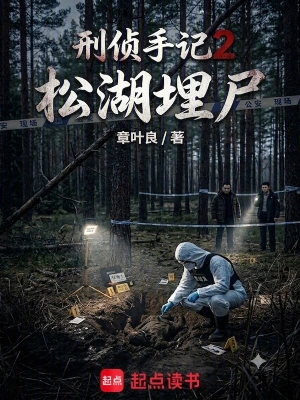 Criminal Investigation Notes 2: Buried Corpse in Songhu
 How Can You Become an Immortal If You Don't Have Money?
 Green Hills
 Leader
 The Black Witch's Journey to Another World
 Alien Hotel
 Become a God from Water Monkey
 In the Name of Supernatural Power
 Borrowing Ways from Mortal Bones: Asking Questions