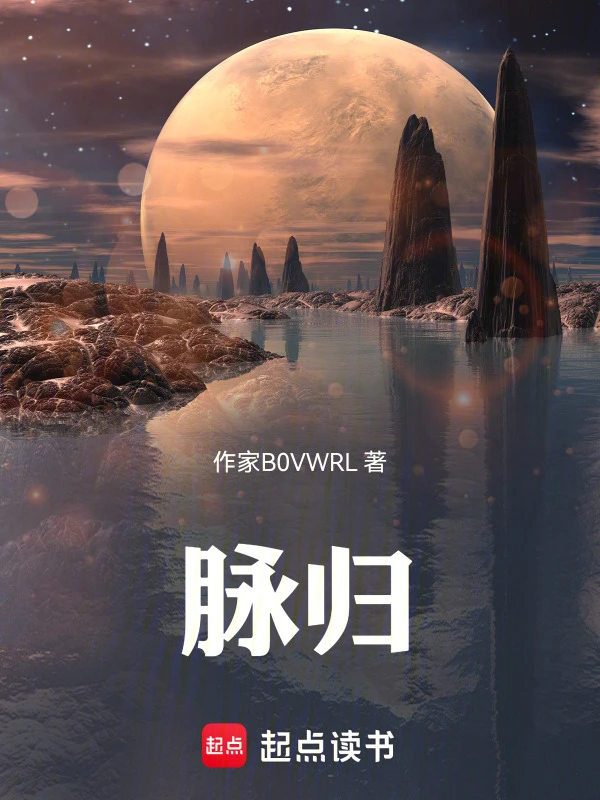
Pulse Return
脉归
- Status
- Completed
- Length
- 29k Words
- Audience
- Male
- Subgenre
- Supernatural Folklore
- Updated
- 1mo ago
- Source
- Qidian
Stats
0Monthly votes
1Recommends
0Fans
12Chapters
Synopsis
Reader comments
Readers also read
 I, Weird, Join the Human Chat Group
 The Hidden Treasure of All Ghosts
 Am I the Only Living Person Among This Group of Writers?
 After I Died, I Became a Spirit Attractor
 Lao Ji, Help Me Become an Immortal
 Green Hills
 Xuanjian Immortal Clan
 Traveling Through Time at the Same Time, How Come No One Is Human?
 Master Tao, I Became an Immortal, Only Then Did I Realize It Was the Red Mansion
 Alien Hotel
 Become a God from Water Monkey
 In the Name of Supernatural Power
About Goldfinger - Why "Resonance" is more advanced than any treasure identification ability
The most amazing setting of "Pulse Return" to me is not that the protagonist can identify the authenticity of cultural relics, but that he can "see" the energy lines that break when the cultural relics are taken away. This line is called the pulse line. A complete vein line points to the original place of the cultural relic, a disordered vein line indicates that the cultural relic has been illegally moved, and a stopped vein line means that the corresponding civilization seal point has died. When the protagonist touches the Dunhuang fragment, he sees three pale gold veins coming out of the paper, and the fractures point to the Mogao Grottoes, 8,700 kilometers due east. It was in 1907 that Stein tore off the remaining pages when he pulled them out of the scripture cave. This is not a superpower, it is the scar left when civilization is destroyed. The protagonist can see the scars and can follow the scars to find their source. This setting turns the pursuit of cultural relics from an abstract moral proposition into a physical fact that can be perceived and tracked. It is not "cultural relics should go home", but "the broken veins of cultural relics point home".