In the last years of God's blessing, the imperial court collapsed, natural disasters occurred, heroes divided themselves, and the world was torn apart. Aizong set himself on fire, treacherous ministers stole the country, princes from all over the world proclaimed themselves emperors one after another, the Central Plains was torn into pieces, and the plains were ablaze with war. Jiangnan Zhongliang Ji Kai raised his troops and established Yue, ushering in a new era of prosperity, but it also laid the foundation for the endless troubles of family rivalry and the undercurrent of imperial power.
The male protagonist, Yan Jing, comes from a distinguished family, and is the descendant of Yan Shen, Duke of Qin. The Yan family once wielded power in both the government and the public, but was deeply involved in the suspicion of imperial power and the conflicts in the court. Once the empire was overthrown, the entire family fell into disarray. His father lived in seclusion in his ancestral homeland. He grew up in the countryside of Weng County, Donghai since childhood. He was intelligent, dedicated to learning, and had a heart for the mountains and valleys. He devoted himself to writing in the troubled times.
During the reign of Emperor Jian Tong, an undercurrent surged. Yan Jing entered the school and was trained by a famous teacher. With her unique talent and learning, she passed the test and became a general. She passed the rank of Liu Yuan. As a young man, he ascended to the top, which shocked the Central Plains.
Since then, he has gone through the ups and downs of the officialdom, fended off the strife of aristocratic families, defeated the intrigues of the court, quelled wars in all directions, gained the knowledge of the king, and assumed the important responsibility of assisting the country. Crossing all countries, uniting vertical and horizontal, ending the troubled times and separatism, and assisting the dynasty to unify the Central Plains. Later, he investigated the pros and cons of the power situation, innovated the official administration, established iron rules, and checked and balanced the imperial family. Finally, he retired with great success. As a civil servant, he wrote a legend of Qing history that will last forever.
In a time of great strife, promote culture to pacify the people, and use military force to stop war. With both civil and military skills, we can create a peaceful and prosperous dynasty that lasts for thousands of years.
Kuang Sheji was in trouble, supported the empress in times of crisis, saved the people from water and fire, promoted the way of literature in the study, fought military affairs under the banner, drove the barbarians outside the Kyushu, unified China within the world - Historical Records of China·Yue Guo Zhuan
Reader comments
Thoughts after reading
* Language expression: Whether the words and sentences are precise and smooth, and whether there is a unique personal style or literary beauty.
* Picture sense and details: Can the text instantly generate a specific picture in the reader's mind, and whether the details are vivid and expressive.
* Character creation: Whether the dialogue, actions and psychological description of the character are in line with his personality characteristics and whether they are three-dimensional and vivid.
* Plot and rhythm: Whether the plot advances naturally, whether the combination of long and short sentences is rhythmic, and whether it can capture the reader's attention.
* Emotional substitution: Can it arouse readers' resonance and give people an immersive sense of substitution?

 At the Beginning, Please Ask Chongzhen to Abdicate!
 I Am a Tyrant in Nanming
 Fu Ming 1627
 Red Mansion Xiaoke
 Daming: Attack, Emperor Yongle!
 Corpse Hunter
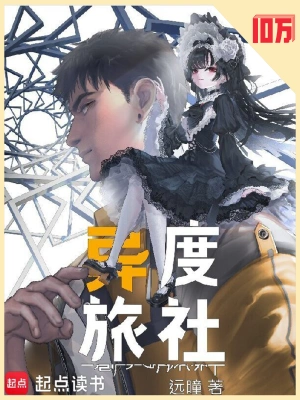 Alien Hotel
 I Get a New Character Every Week
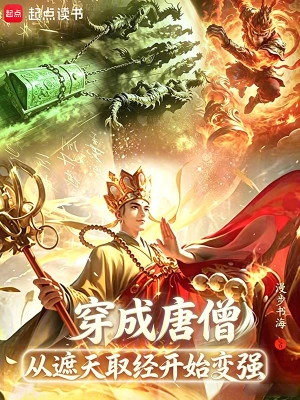 Transform into Tang Monk and Become Stronger Starting from Covering the Sky to Obtain Scriptures
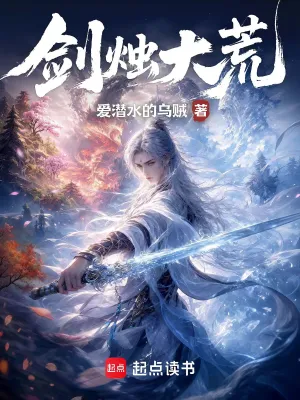 Sword and Candle Wilderness
 In the Name of Supernatural Power
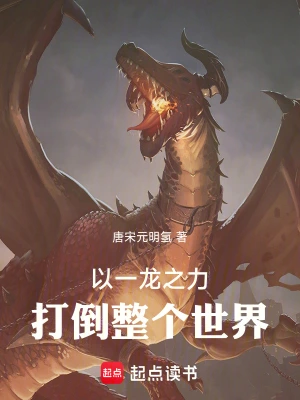 Defeat the Entire World with the Power of a Dragon!
Thoughts after reading
* Language expression: Whether the words and sentences are precise and smooth, and whether there is a unique personal style or literary beauty. * Picture sense and details: Can the text instantly generate a specific picture in the reader's mind, and whether the details are vivid and expressive. * Character creation: Whether the dialogue, actions and psychological description of the character are in line with his personality characteristics and whether they are three-dimensional and vivid. * Plot and rhythm: Whether the plot advances naturally, whether the combination of long and short sentences is rhythmic, and whether it can capture the reader's attention. * Emotional substitution: Can it arouse readers' resonance and give people an immersive sense of substitution?