Stats
0Monthly votes
35Recommends
0Fans
346Chapters
Synopsis
Reader comments
Readers also read
 I Picked up Attributes on the Russian-Ukrainian Battlefield
 Return to the Military Path and Rise from a Breeder
 War of Resistance: One Dollar Instant Kill, Original Stocks Are Full!
 1936: Spy War on Pujiang
 Lao Ji, Help Me Become an Immortal
 Green Hills
 Xuanjian Immortal Clan
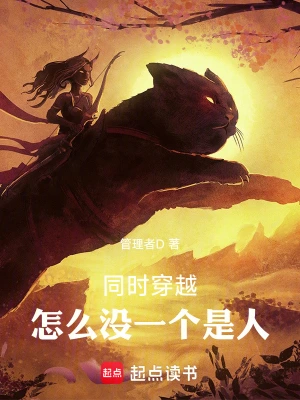 Traveling Through Time at the Same Time, How Come No One Is Human?
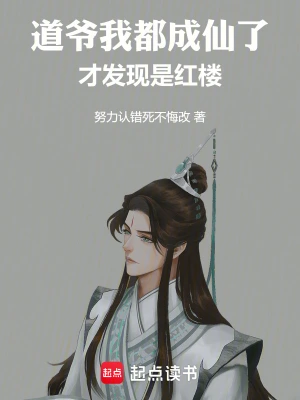 Master Tao, I Became an Immortal, Only Then Did I Realize It Was the Red Mansion
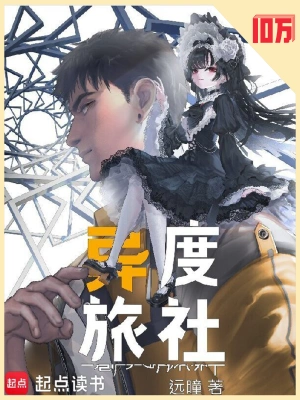 Alien Hotel
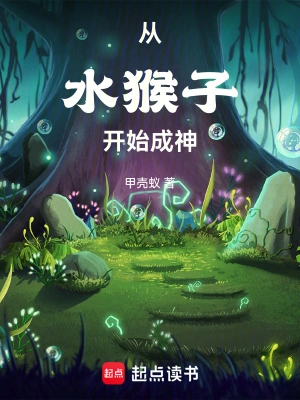 Become a God from Water Monkey
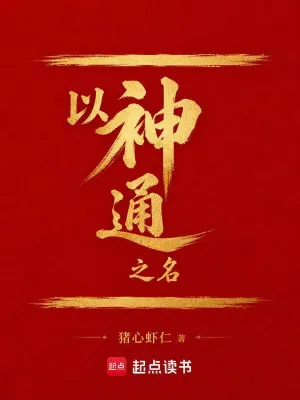 In the Name of Supernatural Power
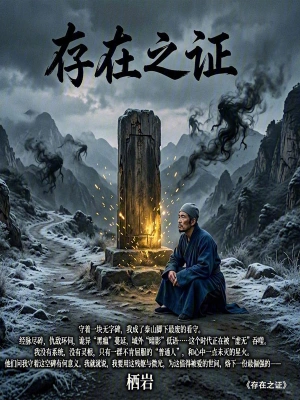 Proof of Existence
Comments on the women in the book "The Secret of Bones"
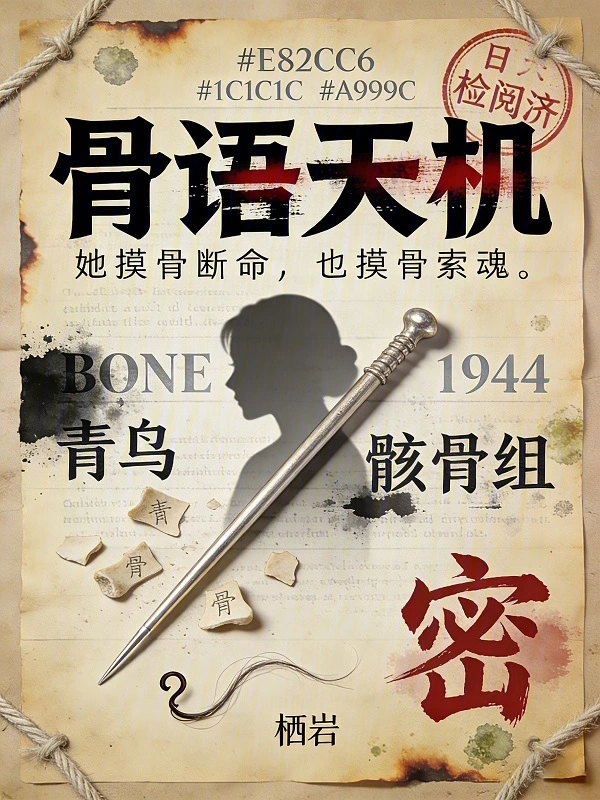
The female characters in "The Secret of Bones" break away from the common functional and symbolic conventions in traditional spy wars or fantasy themes. They are not appendages of male characters or embellishments of the plot, but with their unique life toughness and spiritual light, they jointly build the deep and philosophical skeleton and flesh of this novel. They are witnesses of history, bearers of trauma, guardians of memory and inquirers of the future. 1. Li Xiang: The container of trauma and the nib of history As the absolute core, Li Xiang's image is an epic of fragmentation and reshaping. 1. The body is the battlefield: Her body is the superposition of multiple traumas - war violence (gunshot wounds, explosions), technological alienation (radiation disease), and supernatural erosion (bone disease, supernatural powers). This broken body is no longer an object waiting to be saved or stared at in traditional narratives, but a container that actively carries historical evidence of crime and personal suffering. Her gray hair, cold constitution, and lungs that often coughed up blood are all inscriptions carved in history. 2. Ability is a curse and a vocation: The ability to "touch bones" and "purify" does not give her a superhuman sense of relief, but drags her into deeper ethical dilemmas and life consumption. This ability allows her to see too many "truths in the bones", and it also makes her the object of coveted and feared by all forces. In the end, she chose to transform this ability to glimpse pain into her vocation to record pain and heal others, completing her sublimation from "the person hurt by history" to "the writer of history". 3. The still waters of emotion flow deep: Her feelings for He Lanjin are like the recognition of two pieces of jade in troubled times. It is understanding that comes before possession, and sacrifice comes before staying together. For Huo Qingshu, it is the unspeakable trust and trust that has been accumulated in the smoke of war. Her emotional world is restrained and profound, like the movement of earth and fire, and all the stormy waves are internalized into the critical power of the pen tip. 2. Bailu: A wandering mirror and unfinished nostalgia Bailu is a "mirror of the world" of Li Xiang, and is also the epitome of another type of woman in the current of the times. 1. A realistic survivalist: Compared with Li Xiang's idealism and spirit of sacrifice, Bai Lu is closer to the choices of ordinary people in troubled times. She followed the trend (joined the military and went to Taiwan), pursuing material stability and emotional support. She had the vanity and calculation of a small citizen, but she also retained basic kindness and friendship. Her choice reflects the difficulty and reality of individual survival under the grand narrative. 2. Mentally rootless duckweed: Her confusion ("the day when all the bones stood up straight") expresses the common state of mind of countless people who went to Taiwan. The sisterhood between her and Li Xiang is a tough emotional thread in a divided era, connecting her hometown and memory. She is a distant echo of Li Xiang's "recording" mission, reminding that the scars of history lie not only in the destruction of the body, but also in the dispersion of the spiritual home. 3. Granny Su and the Blind Granny: The Ghost of History and the Night Watchman of Memory These two elderly women are the key nodes connecting the mysterious past and the conspiracy of reality, and are the living heritage of the "skeleton" world. 1. Madness as protective color and truth: Grandma Su's "crazy words" are her weapons to fight against power and preserve core secrets. Under her madness, she protected the secrets of the "Blue Black Bone Sutra" and complained with blood and tears against the atrocities of the Japanese army. She is a wise man driven crazy by history. Her existence itself is the most intuitive testimony of historical violence. 2. Sacrifice as a ritual of inheritance: The appearance of the blind mother-in-law is brief but shocking. She completed her "crossing" and "entrustment" to Li Xiang through self-sacrifice (giving up her life and delivering information). Her cold hands and final instructions are a heavy handover ceremony of historical mission and personal destiny, symbolizing a female inheritance that spans generations. 4. The combined force of female portraits: constructing the spiritual dimension of the novel These female characters jointly weave a tough web: 1. Fighting the "amnesia" of history: In addition to the male-dominated spy wars and political games, these women (Li Xiang's records, Bai Lu's concerns, Su Granny's ravings, and the blind mother-in-law's death) are tenaciously resisting the oblivion and tampering of history in their own ways. They are the guardians of collective memory. 2. Redefine "strength": Their strength does not lie in firearms or fighting, but in the resilience to endure, the persistence of memory, the willingness to heal, and the determination to inherit. Li Xiang's pen, Bai Lu's letter, Grandma Su's crazy words, and the blind mother-in-law's entrustment are all different forms of "bone language", telling the truth that has been ignored by orthodox history. 3. Emotional anchor and redemption: In a spy world full of betrayal and calculation, the friendship between women (Li Xiang and Bai Lu), inheritance (Li Xiang and Blind Granny, Granny Su) and even the complex understanding between opponents constitute a rare anchor of warmth and humanity in the cold world. Li Xiang finally chose "healing" and "recording", which is the ultimate response of this feminine trait to devastating violence. Summary: Poems in Bones The female character in "The Secret of Bones" is a polyphonic movement composed of suffering, perseverance and wisdom. They are not princesses rescued by men, nor are they functional "honey trap" tools. They are the scars of history, the carriers of memory, and the questioners of the future. As the core, Li Xiang carries and transforms the trauma and expectations of all women with her broken body, and ultimately sublimates personal suffering into a solemn writing of national memory. The stories of these women tell us: the real "secret" may not be hidden in the mysterious "Blue Black Bone Sutra", but is engraved in every unbent spine and flows in the life of every woman who walks forward in the darkness and remembers history in silence. They used their own lives to interpret the novel's deepest theme - bones may break and people may die, but their bones are immortal and their memories last forever. This is the key to "The Secret of Bones" transcending ordinary novels and reaching profound humanistic care.
The female characters in "The Secret of Bones" break away from the common functional and symbolic conventions in traditional spy wars or fantasy themes. They are not appendages of male characters or embellishments of the plot, but with their unique life toughness and spiritual light, they jointly build the deep and philosophical skeleton and flesh of this novel. They are witnesses of history, bearers of trauma, guardians of memory and inquirers of the future. 1. Li Xiang: The container of trauma and the nib of history As the absolute core, Li Xiang's image is an epic of fragmentation and reshaping. 1. The body is the battlefield: Her body is the superposition of multiple traumas - war violence (gunshot wounds, explosions), technological alienation (radiation disease), and supernatural erosion (bone disease, supernatural powers). This broken body is no longer an object waiting to be saved or stared at in traditional narratives, but a container that actively carries historical evidence of crime and personal suffering. Her gray hair, cold constitution, and lungs that often coughed up blood are all inscriptions carved in history. 2. Ability is a curse and a vocation: The ability to "touch bones" and "purify" does not give her a superhuman sense of relief, but drags her into deeper ethical dilemmas and life consumption. This ability allows her to see too many "truths in the bones", and it also makes her the object of coveted and feared by all forces. In the end, she chose to transform this ability to glimpse pain into her vocation to record pain and heal others, completing her sublimation from "the person hurt by history" to "the writer of history". 3. The still waters of emotion flow deep: Her feelings for He Lanjin are like the recognition of two pieces of jade in troubled times. It is understanding that comes before possession, and sacrifice comes before staying together. For Huo Qingshu, it is the unspeakable trust and trust that has been accumulated in the smoke of war. Her emotional world is restrained and profound, like the movement of earth and fire, and all the stormy waves are internalized into the critical power of the pen tip. 2. Bailu: A wandering mirror and unfinished nostalgia Bailu is a "mirror of the world" of Li Xiang, and is also the epitome of another type of woman in the current of the times. 1. A realistic survivalist: Compared with Li Xiang's idealism and spirit of sacrifice, Bai Lu is closer to the choices of ordinary people in troubled times. She followed the trend (joined the military and went to Taiwan), pursuing material stability and emotional support. She had the vanity and calculation of a small citizen, but she also retained basic kindness and friendship. Her choice reflects the difficulty and reality of individual survival under the grand narrative. 2. Mentally rootless duckweed: Her confusion ("the day when all the bones stood up straight") expresses the common state of mind of countless people who went to Taiwan. The sisterhood between her and Li Xiang is a tough emotional thread in a divided era, connecting her hometown and memory. She is a distant echo of Li Xiang's "recording" mission, reminding that the scars of history lie not only in the destruction of the body, but also in the dispersion of the spiritual home. 3. Granny Su and the Blind Granny: The Ghost of History and the Night Watchman of Memory These two elderly women are the key nodes connecting the mysterious past and the conspiracy of reality, and are the living heritage of the "skeleton" world. 1. Madness as protective color and truth: Grandma Su's "crazy words" are her weapons to fight against power and preserve core secrets. Under her madness, she protected the secrets of the "Blue Black Bone Sutra" and complained with blood and tears against the atrocities of the Japanese army. She is a wise man driven crazy by history. Her existence itself is the most intuitive testimony of historical violence. 2. Sacrifice as a ritual of inheritance: The appearance of the blind mother-in-law is brief but shocking. She completed her "crossing" and "entrustment" to Li Xiang through self-sacrifice (giving up her life and delivering information). Her cold hands and final instructions are a heavy handover ceremony of historical mission and personal destiny, symbolizing a female inheritance that spans generations. 4. The combined force of female portraits: constructing the spiritual dimension of the novel These female characters jointly weave a tough web: 1. Fighting the "amnesia" of history: In addition to the male-dominated spy wars and political games, these women (Li Xiang's records, Bai Lu's concerns, Su Granny's ravings, and the blind mother-in-law's death) are tenaciously resisting the oblivion and tampering of history in their own ways. They are the guardians of collective memory. 2. Redefine "strength": Their strength does not lie in firearms or fighting, but in the resilience to endure, the persistence of memory, the willingness to heal, and the determination to inherit. Li Xiang's pen, Bai Lu's letter, Grandma Su's crazy words, and the blind mother-in-law's entrustment are all different forms of "bone language", telling the truth that has been ignored by orthodox history. 3. Emotional anchor and redemption: In a spy world full of betrayal and calculation, the friendship between women (Li Xiang and Bai Lu), inheritance (Li Xiang and Blind Granny, Granny Su) and even the complex understanding between opponents constitute a rare anchor of warmth and humanity in the cold world. Li Xiang finally chose "healing" and "recording", which is the ultimate response of this feminine trait to devastating violence. Summary: Poems in Bones The female character in "The Secret of Bones" is a polyphonic movement composed of suffering, perseverance and wisdom. They are not princesses rescued by men, nor are they functional "honey trap" tools. They are the scars of history, the carriers of memory, and the questioners of the future. As the core, Li Xiang carries and transforms the trauma and expectations of all women with her broken body, and ultimately sublimates personal suffering into a solemn writing of national memory. The stories of these women tell us: the real "secret" may not be hidden in the mysterious "Blue Black Bone Sutra", but is engraved in every unbent spine and flows in the life of every woman who walks forward in the darkness and remembers history in silence. They used their own lives to interpret the novel's deepest theme - bones may break and people may die, but their bones are immortal and their memories last forever. This is the key to "The Secret of Bones" transcending ordinary novels and reaching profound humanistic care.