During the Jiandao period, the Qing Dynasty had already faded away from the glory of the prosperous days of Kangxi and Qianlong. The canals were silted up, the salt administration was corrupt, the treasury was empty, the mountains and rivers were in tatters, and there were numerous maladies. Aixinjueluo Minning came to the throne and changed his reign to Daoguang. This emperor who once put down the Guiyou Rebellion and was both civil and military, wore a patchwork dragon robe and was recorded in the history books for his frugality. He also tried to manage the crisis with diligence - dredging canals, promoting sea transportation, and cutting salt abuses. He tried his best to preserve the dynasty's survival, but in the end he was trapped in the fate of the feudal dynasty from prosperity to decline.
And Niu Hulu Meilan, a Manchu girl who grew up in the south of the Yangtze River, was the only light and willfulness in his dull and diligent career. She entered the palace as a show girl of the Eight Banners at the age of 13, and ascended to the throne in 11 years. This unparalleled honor sealed by history was the indulgence given to her by Daoguang for half his life. He devoted all his life's love to her, protected her in the palace, and allowed her to gather countless honors; but this ultimate love was also a double-edged sword, which became the cause of disputes in the court and the cause of her jealousy. Under the glory, there was only the sadness of the times.
He was the leader of the Ninth Five-Year Plan, able to push forward the reform of water transportation and counteract the Guiyou Incident, but he could not protect her stability throughout her life, and could not solve the historical blank that left the mystery of her death; he wanted to protect the country and the people, but he could not resist the opium poisoning and foreign aggression. In the end, under the fire of the Opium War and the humiliation of the "Nanjing Treaty", he watched the country sink and collapse step by step.
Empress Xiaoquan's honor and tragedy are a footnote to the gentleness of the Daoguang Dynasty; Emperor Daoguang's diligence and helplessness are the core of the tragedy of the era. In these ragged mountains and rivers, there are not only the love and hate fetters of emperors and concubines, but also the ups and downs of the court and people's lives.

 Fu Ming 1627
 Red Mansion Xiaoke
 I Am a Tyrant in Nanming
 At the Beginning, Please Ask Chongzhen to Abdicate!
 Daming: Attack, Emperor Yongle!
 Corpse Hunter
 Alien Hotel
 I Get a New Character Every Week
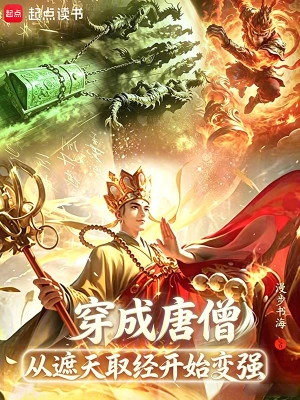 Transform into Tang Monk and Become Stronger Starting from Covering the Sky to Obtain Scriptures
 Sword and Candle Wilderness
 In the Name of Supernatural Power
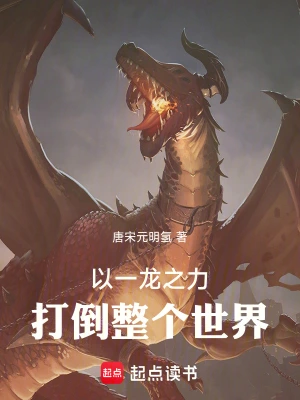 Defeat the Entire World with the Power of a Dragon!