At the end of the Warring States Period, the weak Qin used the method of commercial martingale to break the hereditary tradition with the "military merit system" and stimulated the people's power with the "abandoned mine fields", and finally became a country of tigers and wolves, annexing Liuhe. However, the Qin government was harsh and the second generation died. The Han Dynasty inherited the Qin system and used both Huang Lao and Confucianism to rest in "inaction" and expand the boundaries between "doing". During the reign of Emperor Wu of the Han Dynasty, the Yantie official camp was used to strengthen the country and the "inspection and examination system" was used to select talents. However, the disasters of foreign relatives and eunuchs also laid the foundation for this. Wang Mang asked the ancients to reform the system, and his failure announced the dilemma of Confucian ideal reform.
The Guangwu Zhongxing of the Eastern Han Dynasty relied on powerful people, and noble families quietly emerged. The "inspection and examination system" was their monopoly, and "clear discussion" and "party supervision" became the tragic and final signs of the scholar-bureaucrats' resistance. The land was annexed and refugees spread everywhere, eventually leading to the Yellow Turban Rebellion and the collapse of central authority. In the troubled times, Cao Cao went to farm to lay a solid foundation and issued the "Three Orders to Seek Talent" to recruit scholars without exception. However, his son Cao Pi finally compromised with the gentry and implemented the "Nine Ranks of Zhongzheng System", which opened the door to clan politics.
The Three Kingdoms were not only a military game, but also a competition between three governance models: the institutionalization of Cao Wei, the kindness of emperors and ministers of Shu Han, and the alliance of powerful families of Sun Wu. In the end, the Sima family, which had won the support of the gentry, replaced Wei and established Jin, destroyed Shu and defeated Wu, and the world returned to unity. However, the "nine-grade Zhongzheng system" of the Western Jin Dynasty has been completely solidified, and its "feudal clans" have even sown the cause of turmoil. The six-hundred-year cycle seems to have returned to the starting point, kicking off the next longer era of the Great Schism.
This book will strip away the romance and legends, face the internal logic of history, and reveal how the system shapes the destiny of the country, and how the glory and darkness of human nature struggle and shine in this torrent.

 Corpse Disaster 1916
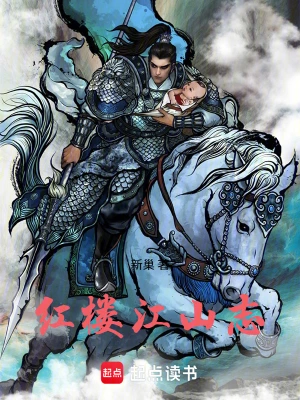 Chronicles of the Red Mansion
 An Important Town in the Residual Tang Dynasty
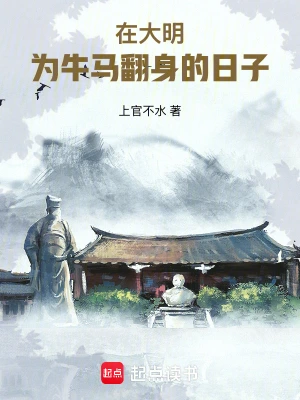 In the Ming Dynasty, the Days When the Cows and Horses Turned Over
 Ordinary People: Start from the Yanjiabao Branch
 How Can You Become an Immortal If You Don't Have Money?
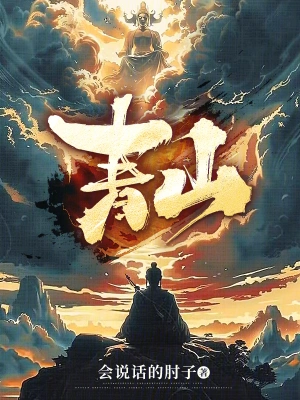 Green Hills
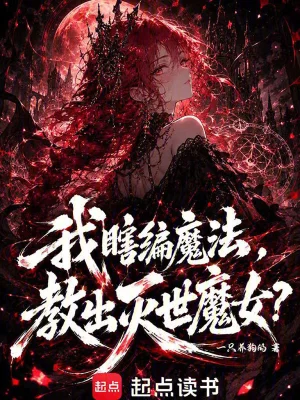 I Made up Magic and Taught the World-Destroying Witch?
 Lucky Player
 Alien Hotel
 Become a God from Water Monkey
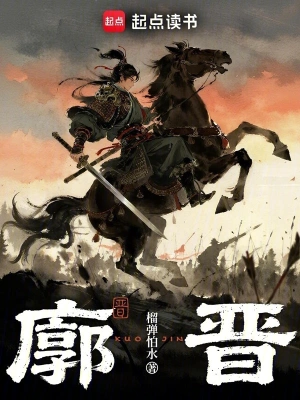 Kuo Jin