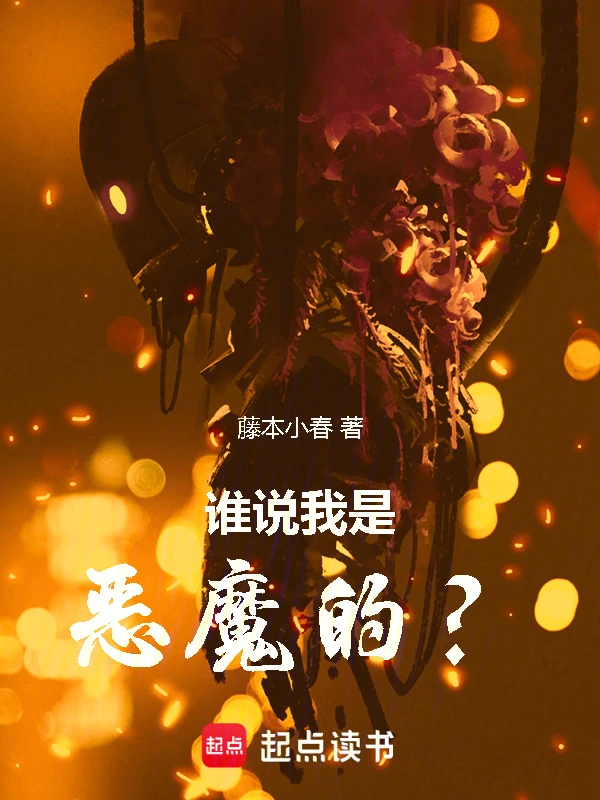
Who Says I'm a Devil?
谁说我是恶魔的?
- Status
- Ongoing
- Length
- 180k Words
- Genre
- Light Novel
- Audience
- Male
- Subgenre
- Original Fantasy
- Updated
- 2y ago
- Source
- Qidian
Stats
0Monthly votes
862Recommends
13Fans
42Chapters
Tags
Synopsis
Reader comments
Readers also read
 Conquer the Comic World Starting from Bone King
 New Age Melancholic Warrior
 Douluo Jueshi: I, the Last Natural Disaster
 Become a Serious Person Starting from Hokage
 Siheyuan: Start by Picking up Attributes
 Don't Step into That Good Night, Lord Evil God
 Are You Completely Illiterate?
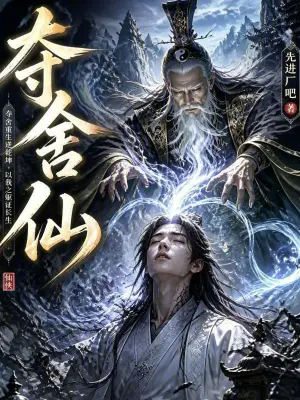 Immortal Who Seizes the Body
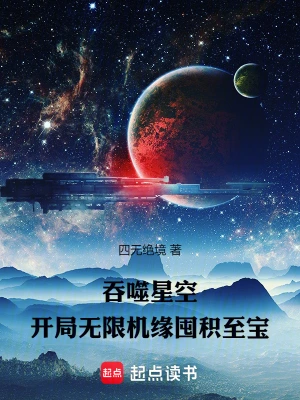 Devouring the Starry Sky: Infinite Opportunities to Hoard Treasures at the Beginning
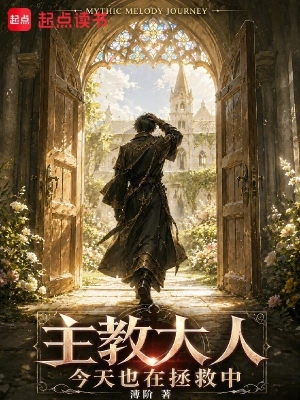 The Bishop Is Also in the Process of Saving Today
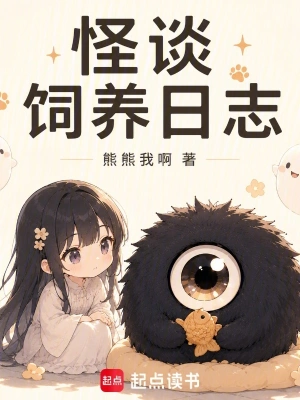 Kaitan Breeding Diary
 Echoes of the Past
Brief review
Although I have only read five chapters, let me evaluate it first. First of all, I am a fan of vines, and I have a special liking for suffering, life, sex, killing, and absurdity. However, in my personal opinion, there is no weird but tenacious vitality of vines. The author did not learn the core of vines' handling of "suffering", or did not successfully transplant this style into the novel, which made the early stage seem very lengthy. First of all, the entry point at the beginning is not the protagonist, but "Devil Container No. 1", Which starts with the human host of the demon first created by the protagonist. Of course, it is still a human at this time. The next four chapters introduce the place where he and the protagonist work, and the content of the next work. During this period, there are one or two chapters. One incident is used to focus on portraying the image of this character. He is a very classic executioner and attaches great importance to his relatives. This incident was very successful in terms of the result that the author wanted. It fully reflected the complexity of the first important supporting role, but it was too hard. The story that could have ended in one chapter was forced to be stretched into two chapters by two bitter and resentful men. The biggest mistake the author made was to over-detail the background and psychological activities of the "consumables". Without Fujimoto's "bright" feeling of being suddenly stabbed while laughing and joking, the reader's final emotions are only suppressed, and too early suppression is very detrimental to subsequent emotional outbursts. Only important supporting characters are worthy of such a detailed description. If you detonate a "mirror" in advance, the "bomb" behind will naturally lose its appeal. My personal understanding of Fujimotoshu's core style is that it first makes you feel familiar with a character, and then allows you to suddenly discover its strangeness with some foreshadowing, forming a dramatic contrast with all the previous plots. At the same time, in the process, it increases the character's "suffering" and "absurdity", and ultimately presents something as abstract and depressing as Picasso's later works, but extremely vital. Especially the character's mental journey. Other cartoonists would depict the protagonist as a gradually growing boy, but Denji depicted by Fujimoto is a monster with "no growth". It seems that there is no growth, but in fact, his "desire" and "personality" changes. The description of the character is as clear and profound as "naked", and what is finally coming out at the soul level returns to the character's original pursuit and will in Fujimotoshu. It can be said to have "blasphemed" human dignity twice in a row. It is really interesting. After all, I am not the author. Although I can assert the origin of the author's style, I dare not go too far in interpreting the style. If the above analysis can help the author, that would be great. If not, there is no harm in ignoring or deleting my comment.
It's quite interesting, but when I read the previous chapters, I read the introduction a few times to determine who the protagonist was. It reminded me of "The Legend of Heaven and the Dragon Slayer" 🙂
The style of writing is very similar to that of Long Clan, but I also learned a lot of bad habits. Luxuries are piled high, and it's as exaggerated as if it came out of a comic, and it's too sensational. The Dragon is a work of personal heroism narrated by elites. The core is that ordinary people without power and power have no value. The chapter I'm reading so far feels like this book is going even further, a bit indifferent to the meaning of life itself. If the protagonist goes around instigating the creation of demons for power, then this idea will be a waste of writing.
Is there any py deal with Kebao? Pushing it at this point? Be careful of being sacrificed!
I was convinced, and after reading nine chapters, I realized who the protagonist was 🙂
The way the author writes this makes it difficult for me to tell who is the protagonist.
Author, your way of writing is not flattering. You can't distinguish the protagonist and the readers can't take it in.
It's okay, but some of the narrative is too cumbersome
Congratulations on signing the contract🌹🌹
I'll let Kebao recommend four of them. Please give me more.
Cheers for the new book! I quite like this style of writing, and I hope the more I write, the better~ (I don't know why it suddenly reminds me of the days when I watched "Dragon")
He writes like a person, md. Considering the starting point, this is actually a good review.
I just think it looks good. The writing is good and the plot is good.
Koharu-chan is still so awesome, okay~ But there is no Koharu to say at the end of each chapter, so bad~ But Koharu is still great, okay~
There is no need to narrate too much, and the story advances slowly
It comes from Zha Lang's "Huangquan Retrograde", and the result is just like this?
? Extraterrestrial demon? Where did you reincarnate from? This writing style cannot be written by a newcomer