Library
Browse and search novels
1,323 novels found
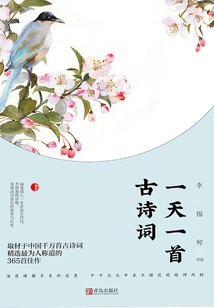
An Ancient Poem a Day
Literature一天一首古诗词
Li Xiqin
China's classical culture has a long history and fine traditions. Ancient poetry has added a rich and colorful touch to classical culture. China is a country of poetry. Throughout the ages, the beauty of poetry has fascinated countless people. Both Tang poetry and Song lyrics are full of the romantic feelings of poets and talents under their "then and then" circumstances. For thousands of years, ancient poetry, as an artistic treasure, has made brilliant achievements. As a Chinese, we should appreciate the beauty of the artistic conception of this classical poetry from an early age, understand the beauty of the artistic conception, and develop a noble character on our own. Combining the editor's learning and teaching experience, this book will use the classics of the images of characters, descriptions of things, and wording in ancient poems to describe the understanding of the beauty of the realm presented in Chinese classical poems. It will explain the essence of these ancient poems in a simple way and draw parallels by analogy, so that people can easily grasp the essence of these ancient poems, naturally improve their own aesthetic realm, escape from the world, and forget to leave.
China's classical culture has a long history and fine traditions. Ancient poetry has added a rich and colorful touch to classical culture. China is a country of poetry. Throughout the ages, the beauty of poetry has fascinated countless people. Both Tang poetry and Song lyrics are full of the romantic feelings of poets and talents under their "then and then" circumstances. For thousands of years, ancient poetry, as an artistic treasure, has made brilliant achievements. As a Chinese, we should appreciate the beauty of the artistic conception of this classical poetry from an early age, understand the beauty of the artistic conception, and develop a noble character on our own. Combining the editor's learning and teaching experience, this book will use the classics of the images of characters, descriptions of things, and wording in ancient poems to describe the understanding of the beauty of the realm presented in Chinese classical poems. It will explain the essence of these ancient poems in a simple way and draw parallels by analogy, so that people can easily grasp the essence of these ancient poems, naturally improve their own aesthetic realm, escape from the world, and forget to leave.
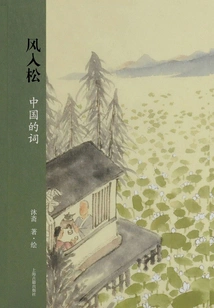
风入松:中国的词(沐斋作品集)
Painting By Mu Zhai
This book contains a total of 62 poems from the Tang Dynasty to the Qing Dynasty, including 7 poems from the Tang and Five Dynasties, 21 poems from the Northern Song Dynasty, 17 poems from the Southern Song Dynasty and Jin Dynasty, 6 poems from the Yuan and Ming dynasties, and 11 poems from the Qing Dynasty. Each article is composed of the interpretation of the words and the meaning of the words, with both pictures and texts.
This book contains a total of 62 poems from the Tang Dynasty to the Qing Dynasty, including 7 poems from the Tang and Five Dynasties, 21 poems from the Northern Song Dynasty, 17 poems from the Southern Song Dynasty and Jin Dynasty, 6 poems from the Yuan and Ming dynasties, and 11 poems from the Qing Dynasty. Each article is composed of the interpretation of the words and the meaning of the words, with both pictures and texts.
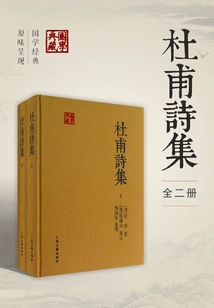
杜甫诗集(国学典藏)
(tang Dynasty) Du Fu (qing Dynasty) Qian Qianyi's Notes Compiled By Hao Runhua
"Du Fu's Poems" ("Qian's Notes on Du's Poems") is one of the more influential annotations of Du Fu's poetry. This compilation 1. Uses the Kangxi Jingsi Hall engraved edition as the base; 2. The original edition has many original proofreadings, and they are all mixed in the poems. Due to review, the proofreading and Qian's notes are placed after the poem, and are marked with serial numbers to facilitate readers' reading; 3. The original book's preface and postscript are placed at the end as an appendix for readers' reference.
"Du Fu's Poems" ("Qian's Notes on Du's Poems") is one of the more influential annotations of Du Fu's poetry. This compilation 1. Uses the Kangxi Jingsi Hall engraved edition as the base; 2. The original edition has many original proofreadings, and they are all mixed in the poems. Due to review, the proofreading and Qian's notes are placed after the poem, and are marked with serial numbers to facilitate readers' reading; 3. The original book's preface and postscript are placed at the end as an appendix for readers' reference.
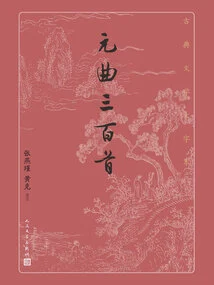
Three Hundred Yuan Songs
Literature元曲三百首
Zhang Yanjin Huang Kexuan's Notes
Wang Guowei once said that every generation has its own literature, such as the poetry of Chu, the poetry of Han, the parallelism of the Six Dynasties, the poetry of Tang, the lyrics of Song, and the music of Yuan. As a representative of Yuan Dynasty literature. Yuan Opera also includes two parts: Zaju and Sanqu. The subject matter of Sanqu in the Yuan Dynasty is diverse and broad, with a mixture of elegance and vulgarity, beauty and ugliness, and the works that focus on retreat from the world and secular tastes best reflect the characteristics of its content; the language is popular and simple, close to spoken language, and it is the most natural literature with natural qualities. This book selects 318 Sanqu from the Yuan Dynasty, including both suites and small songs, with diverse themes and styles. The annotations are clear, rigorous and accurate. By reading this compilation, one can get a glimpse of the whole Sanqu of the Yuan Dynasty and appreciate the style of "quweier".
Wang Guowei once said that every generation has its own literature, such as the poetry of Chu, the poetry of Han, the parallelism of the Six Dynasties, the poetry of Tang, the lyrics of Song, and the music of Yuan. As a representative of Yuan Dynasty literature. Yuan Opera also includes two parts: Zaju and Sanqu. The subject matter of Sanqu in the Yuan Dynasty is diverse and broad, with a mixture of elegance and vulgarity, beauty and ugliness, and the works that focus on retreat from the world and secular tastes best reflect the characteristics of its content; the language is popular and simple, close to spoken language, and it is the most natural literature with natural qualities. This book selects 318 Sanqu from the Yuan Dynasty, including both suites and small songs, with diverse themes and styles. The annotations are clear, rigorous and accurate. By reading this compilation, one can get a glimpse of the whole Sanqu of the Yuan Dynasty and appreciate the style of "quweier".
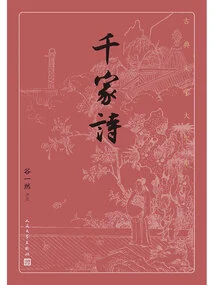
Thousands of Poems
Literature千家诗
Commentary By Gu Yiran
"Poems of a Thousand Families" is one of the most popular elementary school textbooks in the Ming and Qing dynasties. The collected works are rich in subject matter, short in length, simple in text, and easy to memorize. They have always been loved by people and have been circulated for a long time. This commentary is collated based on the popular version. The annotations strive to be concise, focusing on resolving difficult words, and sometimes include some cross-talk. The brief commentary may introduce the writing background, analyze the ideological connotation, or appreciate the artistic features. It is long if it has words, and short if it does not. It is intended to help readers fully understand each work. The author's introduction is arranged in chronological order and attached to the back of the book for readers' convenience. This time, it is planned to be produced in large print and included in the overall series of books to facilitate market distribution.
"Poems of a Thousand Families" is one of the most popular elementary school textbooks in the Ming and Qing dynasties. The collected works are rich in subject matter, short in length, simple in text, and easy to memorize. They have always been loved by people and have been circulated for a long time. This commentary is collated based on the popular version. The annotations strive to be concise, focusing on resolving difficult words, and sometimes include some cross-talk. The brief commentary may introduce the writing background, analyze the ideological connotation, or appreciate the artistic features. It is long if it has words, and short if it does not. It is intended to help readers fully understand each work. The author's introduction is arranged in chronological order and attached to the back of the book for readers' convenience. This time, it is planned to be produced in large print and included in the overall series of books to facilitate market distribution.
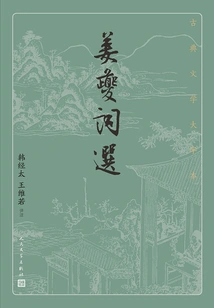
Selected Poems of Jiang Kui
Literature姜夔词选
Commentary By Han Jingtai And Wang Weiruo
Jiang Kui (1154-1221), courtesy name Yaozhang, also known as Baishi Taoist, was a native of Poyang, Raozhou (now Poyang County, Jiangxi Province). Jiang Kui started the "Qing Kong" school of lyrics in the Song Dynasty and became the first generation of lyricists in the Southern Song Dynasty. Jiang Kui's poetry stood out in the poetry circles of the Song Dynasty and the Song Dynasty with its unique artistic style, and was known to later generations for its "elegant" personality and style of writing, and was loved by readers of all ages. "Jiang Kui's Ci", annotated by Professor Han Jingtai and Wang Weiruo, selects more than 60 Jiang Kui's poems, and gives detailed annotations and wonderful interpretations. It is of great significance for readers to understand the content and style of Jiang Kui's poems, so it has been widely welcomed by readers since its publication.
Jiang Kui (1154-1221), courtesy name Yaozhang, also known as Baishi Taoist, was a native of Poyang, Raozhou (now Poyang County, Jiangxi Province). Jiang Kui started the "Qing Kong" school of lyrics in the Song Dynasty and became the first generation of lyricists in the Southern Song Dynasty. Jiang Kui's poetry stood out in the poetry circles of the Song Dynasty and the Song Dynasty with its unique artistic style, and was known to later generations for its "elegant" personality and style of writing, and was loved by readers of all ages. "Jiang Kui's Ci", annotated by Professor Han Jingtai and Wang Weiruo, selects more than 60 Jiang Kui's poems, and gives detailed annotations and wonderful interpretations. It is of great significance for readers to understand the content and style of Jiang Kui's poems, so it has been widely welcomed by readers since its publication.
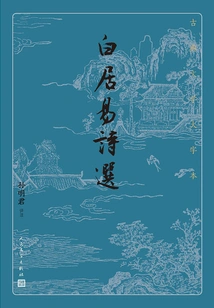
Selected Poems of Bai Juyi
Literature白居易诗选
Commentary By Sun Mingjun
Bai Juyi, also known as Letian and Xiangshan Jushi, was a great poet in the Tang Dynasty who influenced both at home and abroad. He is a rare poet in the history of Chinese poetry. This book is a fine selection of his poems, containing nearly 200 poems, all of which are masterpieces that have been circulated for a long time and represent his creative achievements. The version the work is based on is reliable; the annotations are accurate and concise, and cross-explanations are made where necessary; the "interpretation" section summarizes the gist of the entire text and appreciates the artistic characteristics of the poem. The analysis is delicate and unique, and the language is fluent and fresh. This book allows readers to appreciate the essence of Bai Juyi's creations in a concise length, making it a rare book.
Bai Juyi, also known as Letian and Xiangshan Jushi, was a great poet in the Tang Dynasty who influenced both at home and abroad. He is a rare poet in the history of Chinese poetry. This book is a fine selection of his poems, containing nearly 200 poems, all of which are masterpieces that have been circulated for a long time and represent his creative achievements. The version the work is based on is reliable; the annotations are accurate and concise, and cross-explanations are made where necessary; the "interpretation" section summarizes the gist of the entire text and appreciates the artistic characteristics of the poem. The analysis is delicate and unique, and the language is fluent and fresh. This book allows readers to appreciate the essence of Bai Juyi's creations in a concise length, making it a rare book.
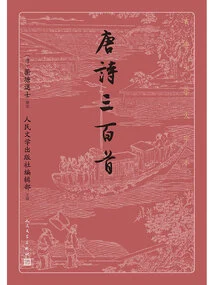
Three Hundred Tang Poems
Literature唐诗三百首
(qing Dynasty) Compiled And Selected By Hengtang Retired Scholars Notes By The Editorial Department Of People's Literature Publishing House
Tang poetry has a profound influence on Chinese literature. Literati of all dynasties regarded Tang poetry as a model and regarded Tang people as a model. There are many anthologies of Tang poetry, among which "Three Hundred Tang Poems" is the most widely circulated and influential. It is popular throughout the country, suitable for both young and old, and is appreciated by both refined and popular people. It has become one of the most classic anthologies that has been printed repeatedly. Currently, there are many various compiled editions of "Three Hundred Tang Poems" on the market. This book was compiled by relevant experts from our editorial department. It adjusted the style and arrangement, added accurate and concise annotations, and also added a biography of the poet. Overall, it is more suitable for public reading.
Tang poetry has a profound influence on Chinese literature. Literati of all dynasties regarded Tang poetry as a model and regarded Tang people as a model. There are many anthologies of Tang poetry, among which "Three Hundred Tang Poems" is the most widely circulated and influential. It is popular throughout the country, suitable for both young and old, and is appreciated by both refined and popular people. It has become one of the most classic anthologies that has been printed repeatedly. Currently, there are many various compiled editions of "Three Hundred Tang Poems" on the market. This book was compiled by relevant experts from our editorial department. It adjusted the style and arrangement, added accurate and concise annotations, and also added a biography of the poet. Overall, it is more suitable for public reading.
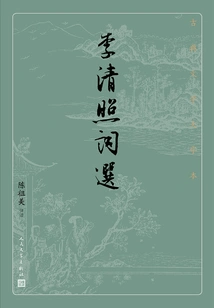
Selected Poems of Li Qingzhao
Literature李清照词选
Commentary By Chen Zumei
Li Qingzhao (1084-1155), also known as Yi'an Jushi, was a famous poetess and scholar during the Song Dynasty. Her style of poetry is elegant and clear, and she is unique in the poetry world of the Song Dynasty. Her collection of poetry includes "Shu Yu Ci", and she also wrote an article "Ci Theory", which puts forward the idea that poetry "doesn't belong to the same family". In addition, she and her husband Zhao Mingcheng co-edited the famous epigraphy book "Epigraphy and Stone Records". Li Qingzhao's works were so popular that they were circulated during his lifetime. His collection of poems, "Yi'an Ci", has been lost. The collection of poems compiled by later generations is "Shyu Ci". This small book selects Li Qingzhao's most essential lyrics, which better demonstrates the poet's artistic style and creative level. The commentator annotates the important words of each poem, and then gives a brief commentary to make it easier to understand, which is very suitable for everyone to appreciate the artistic charm of Yi An's poems.
Li Qingzhao (1084-1155), also known as Yi'an Jushi, was a famous poetess and scholar during the Song Dynasty. Her style of poetry is elegant and clear, and she is unique in the poetry world of the Song Dynasty. Her collection of poetry includes "Shu Yu Ci", and she also wrote an article "Ci Theory", which puts forward the idea that poetry "doesn't belong to the same family". In addition, she and her husband Zhao Mingcheng co-edited the famous epigraphy book "Epigraphy and Stone Records". Li Qingzhao's works were so popular that they were circulated during his lifetime. His collection of poems, "Yi'an Ci", has been lost. The collection of poems compiled by later generations is "Shyu Ci". This small book selects Li Qingzhao's most essential lyrics, which better demonstrates the poet's artistic style and creative level. The commentator annotates the important words of each poem, and then gives a brief commentary to make it easier to understand, which is very suitable for everyone to appreciate the artistic charm of Yi An's poems.
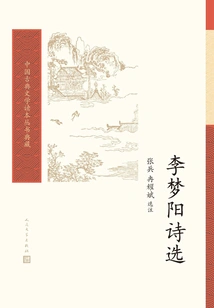
Selected Poems of Li Mengyang
Literature李梦阳诗选
Selected Notes By Zhang Bing And Ran Yaobin
Li Mengyang was one of the main leaders of the poetry restoration movement of the "First Seven Sons" in the Ming Dynasty. His poetry creation and poetic thoughts had a great influence on that time and later generations. Selections and annotations of his poetry are undoubtedly of important academic value. "Selected Poems of Li Mengyang" annotated by Professors Zhang Bing and Ran Yaobin was first published in our publisher's 2009 "Selected Poems of the Ten Masters of the Ming and Qing Dynasties" series. Since its publication, it has been very popular among readers and has become a necessary reference work for studying Ming and Qing poetry. This book is out of stock in the market. In order to meet the needs of readers, it is now included in the "Chinese Classical Literature Reader Series Collection" series for reprinting. Based on an in-depth study of Li Mengyang's poetry, the author of this book selected more than 300 poems of different styles for annotation and analysis, and introduced the writing background of each poem. The selected manuscript is excellent, the annotations are concise and accurate, and the analysis is in-depth and detailed. It is a better annotation for studying and researching Li Mengyang's poetry.
Li Mengyang was one of the main leaders of the poetry restoration movement of the "First Seven Sons" in the Ming Dynasty. His poetry creation and poetic thoughts had a great influence on that time and later generations. Selections and annotations of his poetry are undoubtedly of important academic value. "Selected Poems of Li Mengyang" annotated by Professors Zhang Bing and Ran Yaobin was first published in our publisher's 2009 "Selected Poems of the Ten Masters of the Ming and Qing Dynasties" series. Since its publication, it has been very popular among readers and has become a necessary reference work for studying Ming and Qing poetry. This book is out of stock in the market. In order to meet the needs of readers, it is now included in the "Chinese Classical Literature Reader Series Collection" series for reprinting. Based on an in-depth study of Li Mengyang's poetry, the author of this book selected more than 300 poems of different styles for annotation and analysis, and introduced the writing background of each poem. The selected manuscript is excellent, the annotations are concise and accurate, and the analysis is in-depth and detailed. It is a better annotation for studying and researching Li Mengyang's poetry.
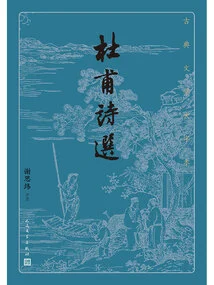
Selected Poems of Du Fu
Literature杜甫诗选
Commentary By Xie Siwei
Du Fu, also known as Zimei, was born in the first year of Xiantian of Emperor Xuanzong of the Tang Dynasty (712) and died in the fifth year of Dali of Emperor Xuanzong of the Tang Dynasty (770). A total of more than 1,400 poems written by Du Fu have been preserved throughout his life. Among them, fewer works have been preserved during his study and travel period, which was the preparation period for his creation. While trapped in Chang'an, his life and thoughts underwent great changes, and his creation gradually matured. During the Anshi Rebellion, Du Fu created a large number of works that directly recorded changes in the times and personal destiny, laying the foundation for the "historical" creation of Du Fu's poetry. During the period when he lived in Chengdu and Kuizhou, Du wrote the largest number of poems, and his themes and styles became increasingly diverse and rich. Due to its exemplary significance in terms of ideological connotation and artistic form, Du Fu's poetry has been widely welcomed by readers of all levels since the Song Dynasty, and has also aroused great interest among annotators and researchers. Many of his annotations have had a wide impact on ordinary readers. The compilation and selection of this book refers to the annotated editions of the Qing Dynasty and modern times. The selection strives to include Du Fu's most widely read and representative famous works. The annotations are relatively simple, but also strive to be reliable and reliable, which will help readers understand the original works.
Du Fu, also known as Zimei, was born in the first year of Xiantian of Emperor Xuanzong of the Tang Dynasty (712) and died in the fifth year of Dali of Emperor Xuanzong of the Tang Dynasty (770). A total of more than 1,400 poems written by Du Fu have been preserved throughout his life. Among them, fewer works have been preserved during his study and travel period, which was the preparation period for his creation. While trapped in Chang'an, his life and thoughts underwent great changes, and his creation gradually matured. During the Anshi Rebellion, Du Fu created a large number of works that directly recorded changes in the times and personal destiny, laying the foundation for the "historical" creation of Du Fu's poetry. During the period when he lived in Chengdu and Kuizhou, Du wrote the largest number of poems, and his themes and styles became increasingly diverse and rich. Due to its exemplary significance in terms of ideological connotation and artistic form, Du Fu's poetry has been widely welcomed by readers of all levels since the Song Dynasty, and has also aroused great interest among annotators and researchers. Many of his annotations have had a wide impact on ordinary readers. The compilation and selection of this book refers to the annotated editions of the Qing Dynasty and modern times. The selection strives to include Du Fu's most widely read and representative famous works. The annotations are relatively simple, but also strive to be reliable and reliable, which will help readers understand the original works.
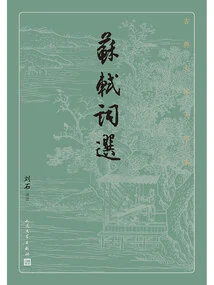
Selected Poems of Su Shi
Literature苏轼词选
Commentary By Liu Shi
Su Dongpo has always been one of the Chinese people's favorite literati, and his wonderful lyrics have always been recited by people. This book selects more than a hundred of Dongpo's poems, allowing readers to once again appreciate the pride, meditation, joy, tranquility, sorrow and sigh of this "student and heavenly man". This book has word selection, annotations, and detailed interpretation comments. The book's word selection is comprehensive and thoughtful, the annotations are clear and easy to understand, the literature is rich and solid, and the interpretation is exquisite and appropriate; the preface briefly and concisely introduces Su Shi's basic life and poetry creation, allowing readers to have a concise understanding of Su Shi's poetry.
Su Dongpo has always been one of the Chinese people's favorite literati, and his wonderful lyrics have always been recited by people. This book selects more than a hundred of Dongpo's poems, allowing readers to once again appreciate the pride, meditation, joy, tranquility, sorrow and sigh of this "student and heavenly man". This book has word selection, annotations, and detailed interpretation comments. The book's word selection is comprehensive and thoughtful, the annotations are clear and easy to understand, the literature is rich and solid, and the interpretation is exquisite and appropriate; the preface briefly and concisely introduces Su Shi's basic life and poetry creation, allowing readers to have a concise understanding of Su Shi's poetry.
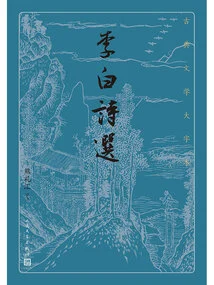
Selected Poems of Li Bai
Literature李白诗选
Commentary By Xiong Lihui
Li Bai (701-762), also known as Taibai, Qinglian Jushi, and "Exiled Immortal", was hailed as the "Immortal of Poetry" by later generations. Together with Du Fu, he was also known as "Li Du". He was the two greatest poets in the history of Chinese poetry. Li Bai's poems are famous for their boldness and elegance. His poetic talents, his broad thoughts, and his artistic spontaneity have impressed readers of all ages. "Selected Poems of Li Bai" annotated by Professor Xiong Lihui, selects more than 160 poems by Li Bai, with concise and accurate annotations and professional and exciting interpretations. It is of great significance for readers to appreciate the content and style of Li Bai's poems, so it has been quite popular among readers since its publication.
Li Bai (701-762), also known as Taibai, Qinglian Jushi, and "Exiled Immortal", was hailed as the "Immortal of Poetry" by later generations. Together with Du Fu, he was also known as "Li Du". He was the two greatest poets in the history of Chinese poetry. Li Bai's poems are famous for their boldness and elegance. His poetic talents, his broad thoughts, and his artistic spontaneity have impressed readers of all ages. "Selected Poems of Li Bai" annotated by Professor Xiong Lihui, selects more than 160 poems by Li Bai, with concise and accurate annotations and professional and exciting interpretations. It is of great significance for readers to appreciate the content and style of Li Bai's poems, so it has been quite popular among readers since its publication.
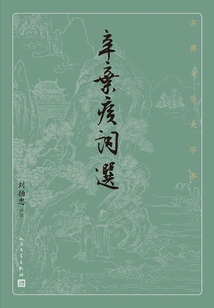
Selected Poems of Xin Qiji
Literature辛弃疾词选
Commentary By Liu Yangzhong
Xin Qiji was a famous poet in the Southern Song Dynasty. He had heroic spirit. There are more than 620 of his poems in existence. He has a distinctive personal style and outstanding artistic achievements. Liu Yangzhong, the commentator of this book, combined Xin Qiji's life experience and the evolution of his poetry style, divided the creation of Jiaxuan poetry into five stages, namely the Jianghuai and Huaihe period, the Daihu period, the central Fujian period, and the Qianshan period at Jingkou and Zhejiang. The poet's most representative works are extracted. For the year and order of the works, refer to Deng Guangming's "Chronological Notes on Jiaxuan Ci (Updated Edition)". This book not only provides concise annotations for unfamiliar words in the poems, but also provides in-depth explanations, which allows everyone to easily enjoy the beauty that Jiaxuan's poems bring to me.
Xin Qiji was a famous poet in the Southern Song Dynasty. He had heroic spirit. There are more than 620 of his poems in existence. He has a distinctive personal style and outstanding artistic achievements. Liu Yangzhong, the commentator of this book, combined Xin Qiji's life experience and the evolution of his poetry style, divided the creation of Jiaxuan poetry into five stages, namely the Jianghuai and Huaihe period, the Daihu period, the central Fujian period, and the Qianshan period at Jingkou and Zhejiang. The poet's most representative works are extracted. For the year and order of the works, refer to Deng Guangming's "Chronological Notes on Jiaxuan Ci (Updated Edition)". This book not only provides concise annotations for unfamiliar words in the poems, but also provides in-depth explanations, which allows everyone to easily enjoy the beauty that Jiaxuan's poems bring to me.
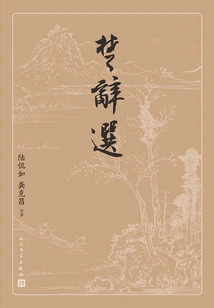
Chu Cixuan
Literature楚辞选
Selected Translations By Lu Kanru And Gong Kechang
"Chu Ci" is a collection of works by Chu poet Qu Yuan and his disciples such as Song Yu, Jing Chai, Jia Yi and others during the Warring States Period. When he became emperor in the Western Han Dynasty, Liu Xiang compiled ancient books and compiled their works into a book called "Chu Ci". From then on, "Chu Ci" became the name of a collection. This is the first personal monograph collection of poems in the history of our country, and is listed as the two major sources of Chinese poetry along with the Book of Songs. Qu Yuan has the largest number of works in "Chu Ci", and the most representative works are Qu Yuan's "Li Sao", "Nine Songs", "Heavenly Questions", etc. Song Yu's "Nine Debates" is also a work that has a great influence on later generations. "Selected Songs of Chu" selects the representative works of Qu Yuan and Song Yu. The annotations are concise and the translation is clear, making it suitable for general readers.
"Chu Ci" is a collection of works by Chu poet Qu Yuan and his disciples such as Song Yu, Jing Chai, Jia Yi and others during the Warring States Period. When he became emperor in the Western Han Dynasty, Liu Xiang compiled ancient books and compiled their works into a book called "Chu Ci". From then on, "Chu Ci" became the name of a collection. This is the first personal monograph collection of poems in the history of our country, and is listed as the two major sources of Chinese poetry along with the Book of Songs. Qu Yuan has the largest number of works in "Chu Ci", and the most representative works are Qu Yuan's "Li Sao", "Nine Songs", "Heavenly Questions", etc. Song Yu's "Nine Debates" is also a work that has a great influence on later generations. "Selected Songs of Chu" selects the representative works of Qu Yuan and Song Yu. The annotations are concise and the translation is clear, making it suitable for general readers.
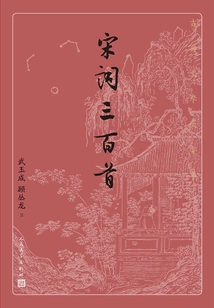
Three Hundred Song Poems
Literature宋词三百首
Note By Wu Yucheng And Gu Conglong
Ci, which emerged in the Tang Dynasty and flourished in the Song Dynasty, is a new style of lyric poetry that can be sung with music. It is a literary style that is loved by people and is also a representative style of Song Dynasty literature. Selected editions of Song poetry existed in the Song Dynasty. However, the most influential one is "Three Hundred Song Ci Poems" written in the late Qing Dynasty. The book was written in the late Qing Dynasty. Initially, Zhu Zumou selected 87 poets and 300 poems from many Song poems and compiled it. After several revisions and deletions, it was determined to be 82 poets and 285 poems. This time, different versions of "Three Hundred Song Ci" are compiled into one volume, with 88 poets and 313 poems. Please make brief annotations. The focus is on the explanation of difficult words, explanations of classics, and explanations of poetry and poetry. It absorbs the annotation results of sages and current sages to facilitate readers' use.
Ci, which emerged in the Tang Dynasty and flourished in the Song Dynasty, is a new style of lyric poetry that can be sung with music. It is a literary style that is loved by people and is also a representative style of Song Dynasty literature. Selected editions of Song poetry existed in the Song Dynasty. However, the most influential one is "Three Hundred Song Ci Poems" written in the late Qing Dynasty. The book was written in the late Qing Dynasty. Initially, Zhu Zumou selected 87 poets and 300 poems from many Song poems and compiled it. After several revisions and deletions, it was determined to be 82 poets and 285 poems. This time, different versions of "Three Hundred Song Ci" are compiled into one volume, with 88 poets and 313 poems. Please make brief annotations. The focus is on the explanation of difficult words, explanations of classics, and explanations of poetry and poetry. It absorbs the annotation results of sages and current sages to facilitate readers' use.
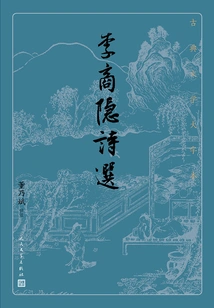
Selected Poems of Li Shangyin
Literature李商隐诗选
Commentary By Dong Naibin
Later generations have thousands of interpretations of Li Shangyin's poems, because there are so many wonderful and exciting sentences in his writing: there are thousands of emotional expressions, cold and tortuous satirical chants of history, and even the mysterious and gorgeous "untitled". This book "Li Shangyin's Poems" contains selected poems, annotations and detailed interpretation comments. It has selected more than one hundred poems by Li Shangyin and arranged them into categories. The selection is comprehensive and thoughtful, the annotations are clear and easy to understand, and the interpretation is exquisite and detailed. It provides readers with a high-quality selection that can comprehensively grasp the artistic style of Li Shangyin and understand the profound meaning of Li's poems.
Later generations have thousands of interpretations of Li Shangyin's poems, because there are so many wonderful and exciting sentences in his writing: there are thousands of emotional expressions, cold and tortuous satirical chants of history, and even the mysterious and gorgeous "untitled". This book "Li Shangyin's Poems" contains selected poems, annotations and detailed interpretation comments. It has selected more than one hundred poems by Li Shangyin and arranged them into categories. The selection is comprehensive and thoughtful, the annotations are clear and easy to understand, and the interpretation is exquisite and detailed. It provides readers with a high-quality selection that can comprehensively grasp the artistic style of Li Shangyin and understand the profound meaning of Li's poems.
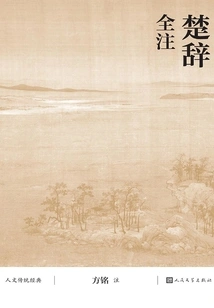
Complete Notes on Chu Ci
Literature楚辞全注
Fang Mingzhu
The Songs of Chu compiled by Liu Xiang of the Western Han Dynasty include the works of Qu Yuan, Song Yu and others who "written Chu language, composed Chu sounds, recorded Chu places, and named Chu things". It is a collection of poems that has had a profound impact on later literature after the "Book of Songs". This book combines its own research and absorbs decades of research results to provide a comprehensive annotation of the "Chu Ci". The text is concise and clear. There is a preface at the front of the book. It provides a high-level explanation of Qu Yuan and the Chu Ci. There are explanations at the beginning of each chapter to provide readers with an in-depth and easy-to-understand introduction.
The Songs of Chu compiled by Liu Xiang of the Western Han Dynasty include the works of Qu Yuan, Song Yu and others who "written Chu language, composed Chu sounds, recorded Chu places, and named Chu things". It is a collection of poems that has had a profound impact on later literature after the "Book of Songs". This book combines its own research and absorbs decades of research results to provide a comprehensive annotation of the "Chu Ci". The text is concise and clear. There is a preface at the front of the book. It provides a high-level explanation of Qu Yuan and the Chu Ci. There are explanations at the beginning of each chapter to provide readers with an in-depth and easy-to-understand introduction.
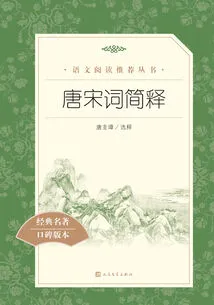
唐宋词简释
Selected Interpretations Of Tang Guizhang
This book is compiled and briefly explained by Mr. Tang Guizhang, a master of modern Ci poetry. It contains a total of 232 representative works of various styles of Tang and Song Ci poetry. Each selected word is followed by an explanation and experience, which not only analyzes the organizational structure of the word, such as the beginning and end, the passage, the layers, and the turning point, but also explains the artistic characteristics of the word one by one, such as "the detailed description of the natural scenery, the vividness of the characters, the expression of the deep inner feelings, as well as the concise language, sonorous rhyme, and majestic spirit."
This book is compiled and briefly explained by Mr. Tang Guizhang, a master of modern Ci poetry. It contains a total of 232 representative works of various styles of Tang and Song Ci poetry. Each selected word is followed by an explanation and experience, which not only analyzes the organizational structure of the word, such as the beginning and end, the passage, the layers, and the turning point, but also explains the artistic characteristics of the word one by one, such as "the detailed description of the natural scenery, the vividness of the characters, the expression of the deep inner feelings, as well as the concise language, sonorous rhyme, and majestic spirit."
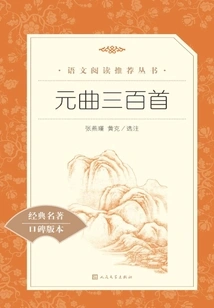
Three Hundred Yuan Songs
Literature元曲三百首
Zhang Yanjin Huang Kexuan's Notes
Wang Guowei once said that every generation has its own literature, such as the poetry of Chu, the poetry of Han, the parallelism of the Six Dynasties, the poetry of Tang, the lyrics of Song, and the music of Yuan. As a representative of Yuan Dynasty literature. Yuan Opera also includes two parts: Zaju and Sanqu. This book selects 318 Sanqu from the Yuan Dynasty, including both suites and small songs, with diverse themes and styles. With this compilation, you can get a glimpse of the whole picture of Sanqu in the Yuan Dynasty.
Wang Guowei once said that every generation has its own literature, such as the poetry of Chu, the poetry of Han, the parallelism of the Six Dynasties, the poetry of Tang, the lyrics of Song, and the music of Yuan. As a representative of Yuan Dynasty literature. Yuan Opera also includes two parts: Zaju and Sanqu. This book selects 318 Sanqu from the Yuan Dynasty, including both suites and small songs, with diverse themes and styles. With this compilation, you can get a glimpse of the whole picture of Sanqu in the Yuan Dynasty.
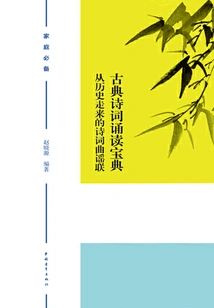
古典诗词诵读宝典:从历史走来的诗词曲谣联
Zhao Xiaoyuan
The classical poems selected in this book are rich in style, covering poems, songs, ballads and couplets; they are organized and followable, taking literary history as the meridian and running through the pearls washed away by the waves of history - the masterpieces of famous writers, so that young people can better learn and inherit the excellent culture of the Chinese nation while generally grasping the development context of Chinese classical poetry. Different from classical poetry readers such as annotations and appreciations, this book is unique in that it only selects and compiles the poems themselves and emphasizes recitation, so that young people can fully use their imagination during the recitation process and resonate infinitely with the artistic images presented in the poems.
The classical poems selected in this book are rich in style, covering poems, songs, ballads and couplets; they are organized and followable, taking literary history as the meridian and running through the pearls washed away by the waves of history - the masterpieces of famous writers, so that young people can better learn and inherit the excellent culture of the Chinese nation while generally grasping the development context of Chinese classical poetry. Different from classical poetry readers such as annotations and appreciations, this book is unique in that it only selects and compiles the poems themselves and emphasizes recitation, so that young people can fully use their imagination during the recitation process and resonate infinitely with the artistic images presented in the poems.
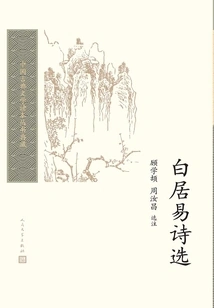
Selected Poems of Bai Juyi
Literature白居易诗选
Selected Notes By Gu Xuejie And Zhou Ruchang
This book is a selected and annotated version of the poems of Bai Juyi, a famous poet in the Tang Dynasty. It was written by Gu Xuejie and Zhou Ruchang, famous experts in classical literature research. This book is based on the earlier version of the Song Dynasty, and has been selected and collated with the purpose of comprehensively displaying the artistic achievements of Bai Juyi's poetry. In terms of annotations, in addition to annotating the words and allusions that ordinary readers find difficult, it also focuses on the historical background and social conditions when the author created these poems, as well as the author's life and his social activities. The whole book reflects the profound knowledge and skills of previous scholars, and is a classic reading book for studying and appreciating Bai Juyi's poetry. This book has not been reprinted for nearly twenty years. This time it has been included in the third edition of the "Chinese Classical Literature Reader Series Collection", which allows this relatively high-quality anthology of Bai Juyi's poems to once again provide readers with reading aids.
This book is a selected and annotated version of the poems of Bai Juyi, a famous poet in the Tang Dynasty. It was written by Gu Xuejie and Zhou Ruchang, famous experts in classical literature research. This book is based on the earlier version of the Song Dynasty, and has been selected and collated with the purpose of comprehensively displaying the artistic achievements of Bai Juyi's poetry. In terms of annotations, in addition to annotating the words and allusions that ordinary readers find difficult, it also focuses on the historical background and social conditions when the author created these poems, as well as the author's life and his social activities. The whole book reflects the profound knowledge and skills of previous scholars, and is a classic reading book for studying and appreciating Bai Juyi's poetry. This book has not been reprinted for nearly twenty years. This time it has been included in the third edition of the "Chinese Classical Literature Reader Series Collection", which allows this relatively high-quality anthology of Bai Juyi's poems to once again provide readers with reading aids.
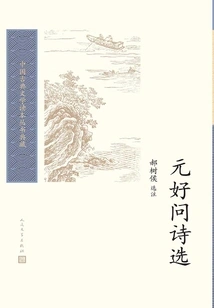
Selected Poems of Yuan Haowen
Literature元好问诗选
Hao Shuhou's Note
Yuan Haowen, courtesy name Yishan, was a famous writer in the late Jin Dynasty and early Yuan Dynasty. He was able to write poems at the age of seven. At the age of fourteen, he learned poetry from Hao Jinqing. He completed his studies at the age of twenty and became well-known in the capital. In the fifth year of Xingding (1221), he became a Jinshi. After the death of Jin, he did not serve as an official. In his later years, he devoted himself to collecting the last words and events of Jin Jun and his ministers. He used many of them as references when compiling the "History of Jin" in the Yuan Dynasty. Yuan Haowen was famous for his literary quality, and he was especially good at poetry. He was excellent in both five-character and Yuefu. Although the fame of his poems cannot be compared with that of other poets in the prosperous Tang Dynasty, in the troubled times, his poetry achievements were very high and he can be regarded as a leader of his generation. The thirty quatrains of "On Poetry" have an important position in ancient Chinese literary criticism. This book selects Yuan Haowen's representative poems, taking into account various themes and genres, and more fully demonstrates the achievements of Yuan Haowen's poetry.
Yuan Haowen, courtesy name Yishan, was a famous writer in the late Jin Dynasty and early Yuan Dynasty. He was able to write poems at the age of seven. At the age of fourteen, he learned poetry from Hao Jinqing. He completed his studies at the age of twenty and became well-known in the capital. In the fifth year of Xingding (1221), he became a Jinshi. After the death of Jin, he did not serve as an official. In his later years, he devoted himself to collecting the last words and events of Jin Jun and his ministers. He used many of them as references when compiling the "History of Jin" in the Yuan Dynasty. Yuan Haowen was famous for his literary quality, and he was especially good at poetry. He was excellent in both five-character and Yuefu. Although the fame of his poems cannot be compared with that of other poets in the prosperous Tang Dynasty, in the troubled times, his poetry achievements were very high and he can be regarded as a leader of his generation. The thirty quatrains of "On Poetry" have an important position in ancient Chinese literary criticism. This book selects Yuan Haowen's representative poems, taking into account various themes and genres, and more fully demonstrates the achievements of Yuan Haowen's poetry.
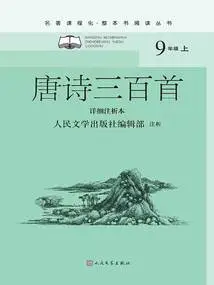
唐诗三百首(详细注析本)
Notes From The Editorial Department Of People's Literature Publishing House
Tang poetry has a profound influence on Chinese literature. Literati of all dynasties regarded Tang poetry as a model and regarded Tang people as a model. There are many anthologies of Tang poetry, among which "Three Hundred Tang Poems" is the most widely circulated and influential. It is popular throughout the country, suitable for both young and old, and is appreciated by both refined and popular people. It has become one of the most classic anthologies that has been printed repeatedly. This book is based on "Three Hundred Tang Poems", with detailed annotations, and organizes experts in related fields such as Lin Jiaying, a famous expert on Tang poetry from Lanzhou University, and Xue Tianwei, a distinguished professor at Renmin University of China, to analyze and comment on each poem, providing young people with an excellent annotation for appreciating Tang poetry. This time it is included in the "Classic Curriculum·Whole Book Reading Series" series, which adds content related to adolescent learning courses and is more suitable for assisting middle school course reading.
Tang poetry has a profound influence on Chinese literature. Literati of all dynasties regarded Tang poetry as a model and regarded Tang people as a model. There are many anthologies of Tang poetry, among which "Three Hundred Tang Poems" is the most widely circulated and influential. It is popular throughout the country, suitable for both young and old, and is appreciated by both refined and popular people. It has become one of the most classic anthologies that has been printed repeatedly. This book is based on "Three Hundred Tang Poems", with detailed annotations, and organizes experts in related fields such as Lin Jiaying, a famous expert on Tang poetry from Lanzhou University, and Xue Tianwei, a distinguished professor at Renmin University of China, to analyze and comment on each poem, providing young people with an excellent annotation for appreciating Tang poetry. This time it is included in the "Classic Curriculum·Whole Book Reading Series" series, which adds content related to adolescent learning courses and is more suitable for assisting middle school course reading.
Selected Works of Gao Shicen (selected Works of Famous Chinese Classical Literature Masters)
Literature高适岑参选集(中国古典文学名家选集)
Selected Notes By Gao Wen And Wang Liuchun
This book selects 129 poems by Gao Shi and 132 poems by Cen Shen, both representative writers of the frontier poets in the prosperous Tang Dynasty, with detailed annotations and corrects many omissions in the annotations in previous annotations. The selected works not only reflect the unique style of frontier fortress poetry in the Tang Dynasty, but also reflect the creative profiles of the two poets Gao and Cen from different aspects. The preface describes the similarities and differences in the creations of the two poets and the historical conditions for the prosperity of frontier poetry.
This book selects 129 poems by Gao Shi and 132 poems by Cen Shen, both representative writers of the frontier poets in the prosperous Tang Dynasty, with detailed annotations and corrects many omissions in the annotations in previous annotations. The selected works not only reflect the unique style of frontier fortress poetry in the Tang Dynasty, but also reflect the creative profiles of the two poets Gao and Cen from different aspects. The preface describes the similarities and differences in the creations of the two poets and the historical conditions for the prosperity of frontier poetry.
韩愈选集(中国古典文学名家选集)
Selected Notes By Sun Changwu
Han Yu, whose courtesy name was Tuizhi, was born in Heyang (now west of Meng County, Henan Province). The commander-in-chief Wang Changli was called "Han Changli"; he once served as the servant of the Ministry of Civil Affairs, and was called "Han Libu"; he was also given the posthumous title of "Wen" and was called "Han Wengong". Han Yu pursued official career all his life, but failed in his early career, and his official career was tortuous and bumpy. Mr. Chen Yinke's article "On Han Yu" believes that Han Yu "initiated the cultural movement of New Confucianism and New Classical Literature in the Zhao and Song dynasties" and became "a figure who inherited the past and ushered in the future in the cultural and academic history of the Tang Dynasty". Advocate\
Han Yu, whose courtesy name was Tuizhi, was born in Heyang (now west of Meng County, Henan Province). The commander-in-chief Wang Changli was called "Han Changli"; he once served as the servant of the Ministry of Civil Affairs, and was called "Han Libu"; he was also given the posthumous title of "Wen" and was called "Han Wengong". Han Yu pursued official career all his life, but failed in his early career, and his official career was tortuous and bumpy. Mr. Chen Yinke's article "On Han Yu" believes that Han Yu "initiated the cultural movement of New Confucianism and New Classical Literature in the Zhao and Song dynasties" and became "a figure who inherited the past and ushered in the future in the cultural and academic history of the Tang Dynasty". Advocate\
李白选集(中国古典文学名家选集)
Selected Notes By Yu Xianhao
Li Bai, the banished immortal, was the most beloved poet of the Tang Dynasty by the Chinese people and the brightest star in the history of ancient Chinese poetry. With his unique achievements, he pushed the art of poetry in China to its peak and made great contributions. Many of his excellent poems are not only popular among the Chinese people, but also have a great influence on people all over the world. Now, we asked Mr. Yu Xianhao, an expert on Li Bai in the field of classical literature research, to select his outstanding poems and articles and compile them into a compilation. Based on the Song Dynasty version, this book examines the variations in Li Bai's poems and essays, adds detailed annotations, collects historical commentaries, and appends commentaries. It can be used as a reference for research and for appreciation.
Li Bai, the banished immortal, was the most beloved poet of the Tang Dynasty by the Chinese people and the brightest star in the history of ancient Chinese poetry. With his unique achievements, he pushed the art of poetry in China to its peak and made great contributions. Many of his excellent poems are not only popular among the Chinese people, but also have a great influence on people all over the world. Now, we asked Mr. Yu Xianhao, an expert on Li Bai in the field of classical literature research, to select his outstanding poems and articles and compile them into a compilation. Based on the Song Dynasty version, this book examines the variations in Li Bai's poems and essays, adds detailed annotations, collects historical commentaries, and appends commentaries. It can be used as a reference for research and for appreciation.
Selected Works of Liu Zongyuan (selected Works of Famous Chinese Classical Literature Masters)
Literature柳宗元选集(中国古典文学名家选集)
Gaowen Refractive Notes
Liu Zongyuan is a famous thinker and writer, one of the advocates of the ancient prose movement in the Tang Dynasty, and is included in the "Eight Great Masters of the Tang and Song Dynasties". His prose is bold and vigorous, and his reasoning is thorough; his fables are short and vigilant, and his writing is sharp; his landscape travel notes are accurate, detailed, and full of life and interest, marking the complete maturity of this literary style. His poetic style is clear and handsome, and has always been recited by people. This book selects his excellent poems and essays, with detailed annotations and detailed textual research.
Liu Zongyuan is a famous thinker and writer, one of the advocates of the ancient prose movement in the Tang Dynasty, and is included in the "Eight Great Masters of the Tang and Song Dynasties". His prose is bold and vigorous, and his reasoning is thorough; his fables are short and vigilant, and his writing is sharp; his landscape travel notes are accurate, detailed, and full of life and interest, marking the complete maturity of this literary style. His poetic style is clear and handsome, and has always been recited by people. This book selects his excellent poems and essays, with detailed annotations and detailed textual research.
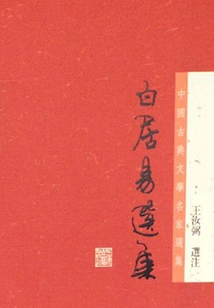
Selected Works of Bai Juyi (series of Selections of Famous Chinese Classical Literature Masters)
Literature白居易选集(中国古典文学名家选集丛书)
Selected Notes By Wang Rubi
Bai Juyi's courtesy name was Lotte, his later nickname was Mr. Zuiyin, and he was also known as Xiangshan layman. He wrote a large number of allegorical poems that touched the reality of social life, and in his later period he wrote a large number of leisure poems to express his personal feelings. His poetry creation intentionally tends to be colloquial, which is closely related to his creative goal of "not seeking high palace rhythms, not seeking novel words, but singing songs to cure people's diseases and hope to make the emperor aware of them." As a great poet of the Tang Dynasty, he has an outstanding position in the history of literature. There are nearly 4,000 poems and essays in it. For readers who are not specialized in research but also love classical literature, it is really difficult to capture the essence. Mr. Wang Rubi broke the layout style of the original book of "Bai Shi Changqing Collection" and selected poems, words and articles in chronological style. This book selects his representative works of poetry, lyrics and writing. Although it is less than one-tenth of the total collection, it reflects the overall picture of Bai Juyi's creation. The annotations are clear and concise, and are particularly distinctive in explaining the events and artistic style of the poem.
Bai Juyi's courtesy name was Lotte, his later nickname was Mr. Zuiyin, and he was also known as Xiangshan layman. He wrote a large number of allegorical poems that touched the reality of social life, and in his later period he wrote a large number of leisure poems to express his personal feelings. His poetry creation intentionally tends to be colloquial, which is closely related to his creative goal of "not seeking high palace rhythms, not seeking novel words, but singing songs to cure people's diseases and hope to make the emperor aware of them." As a great poet of the Tang Dynasty, he has an outstanding position in the history of literature. There are nearly 4,000 poems and essays in it. For readers who are not specialized in research but also love classical literature, it is really difficult to capture the essence. Mr. Wang Rubi broke the layout style of the original book of "Bai Shi Changqing Collection" and selected poems, words and articles in chronological style. This book selects his representative works of poetry, lyrics and writing. Although it is less than one-tenth of the total collection, it reflects the overall picture of Bai Juyi's creation. The annotations are clear and concise, and are particularly distinctive in explaining the events and artistic style of the poem.
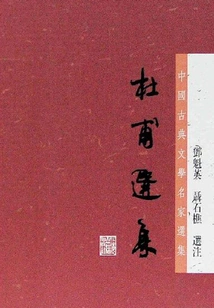
Selected Works of Du Fu (series of Selections of Famous Chinese Classical Literature Masters)
Literature杜甫选集(中国古典文学名家选集丛书)
Selected Notes By Deng Kuiying And Nie Shiqiao
Du Fu can be called China's greatest poet, and there have been hundreds of annotations and interpretations of Du Fu's poems. Du Fu experienced ups and downs in his life, and his poems are actually a spiritual history of all his life experiences. The depth and breadth of social life reflected in his poems are also unparalleled by few poets. Du Fu's poems range from ancient poetry to modern poetry, and he created many new systems based on the original examples. This book selects more than 200 representative works from various periods by Du Fu, the great poet of the Tang Dynasty. It extensively draws on the results of previous studies of Du Fu's poems and provides detailed annotations on the selected poems. The preface makes a detailed evaluation of Du Fu's poetic skills.
Du Fu can be called China's greatest poet, and there have been hundreds of annotations and interpretations of Du Fu's poems. Du Fu experienced ups and downs in his life, and his poems are actually a spiritual history of all his life experiences. The depth and breadth of social life reflected in his poems are also unparalleled by few poets. Du Fu's poems range from ancient poetry to modern poetry, and he created many new systems based on the original examples. This book selects more than 200 representative works from various periods by Du Fu, the great poet of the Tang Dynasty. It extensively draws on the results of previous studies of Du Fu's poems and provides detailed annotations on the selected poems. The preface makes a detailed evaluation of Du Fu's poetic skills.
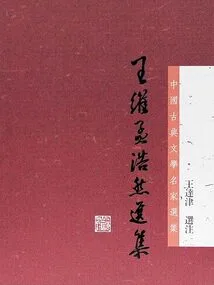
王维孟浩然选集(中国古典文学名家选集丛书)
Selected Notes By Wang Dajin
Wang Wei and Meng Haoran were earlier writers in the prosperous Tang Dynasty. They lived in the prosperous era of the Tang Dynasty in their early years, and they were all named after their pastoral poems. However, the frontier poems written during Wang Wei's time as an official also set a precedent for Gao Shi, Cen Shen and others who were famous for their frontier poems. Their landscape poems used silent words to express words and unintentional meanings, and were based on Zen and painting, which became the unique style of Wang Wei's poetic art. Meng Haoran failed in his official career and spent his whole life in the mountains and rivers of Xiangyang and on the journey to Wuyue, but he always had Wei Que in his heart and never gave up the idea of making contributions. Most of his landscape poems express dissatisfied emotions, and his descriptions of landscapes and pastoral areas all contain his own sense of wind and aesthetic appreciation of the external scenery. This book selects and annotates 121 poems and 2 articles by Wang Wei and 111 poems by Meng Haoran. The selected works not only take into account the characteristics of the Wang Meng Poetry School of the Tang Dynasty, which were mainly landscapes and pastoral, but also pay attention to the diversity and stages of the writer's creation. The second appendix introduces the lives and creations of Wang Wei and Meng Haoran in detail, and discusses the similarities, differences and contributions of Wang and Meng's poems.
Wang Wei and Meng Haoran were earlier writers in the prosperous Tang Dynasty. They lived in the prosperous era of the Tang Dynasty in their early years, and they were all named after their pastoral poems. However, the frontier poems written during Wang Wei's time as an official also set a precedent for Gao Shi, Cen Shen and others who were famous for their frontier poems. Their landscape poems used silent words to express words and unintentional meanings, and were based on Zen and painting, which became the unique style of Wang Wei's poetic art. Meng Haoran failed in his official career and spent his whole life in the mountains and rivers of Xiangyang and on the journey to Wuyue, but he always had Wei Que in his heart and never gave up the idea of making contributions. Most of his landscape poems express dissatisfied emotions, and his descriptions of landscapes and pastoral areas all contain his own sense of wind and aesthetic appreciation of the external scenery. This book selects and annotates 121 poems and 2 articles by Wang Wei and 111 poems by Meng Haoran. The selected works not only take into account the characteristics of the Wang Meng Poetry School of the Tang Dynasty, which were mainly landscapes and pastoral, but also pay attention to the diversity and stages of the writer's creation. The second appendix introduces the lives and creations of Wang Wei and Meng Haoran in detail, and discusses the similarities, differences and contributions of Wang and Meng's poems.
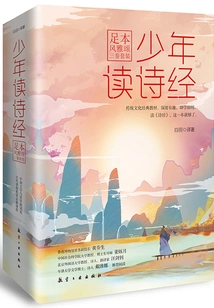
少年读诗经(足本风雅颂三卷套装)
Translated By Bai Yu
The Book of Songs is the source of Chinese culture. A well-read annotated version of the Book of Songs by young people will help improve their appreciation of poetry and ancient prose, and will be of great benefit to the improvement of general Chinese literacy such as reading and writing, literary accomplishment, and historical knowledge. "Reading the Book of Songs for Young People" removes the entry barrier to the "Book of Songs" and is a universal translation and annotation of the entire "Book of Songs" - rare words are carefully notated with phonetic notes, and the annotations of words and sentences are clear and concise; the translation form is full of poetry and close to life, retaining the charm of Chinese poetry as much as possible, and reproducing the beauty and form of ancient Chinese music The beauty and eternal power of the book; in order to maintain the simplicity and poetry in the illustrations, the book uses a large number of high-definition famous ancient paintings, which are romantic and elegant, suitable for collection; the extended reading is vast, lively and interesting, telling the historical anecdotes and cultural allusions behind the "Book of Songs", so that children can also understand the "Book of Songs" and love to read the "Book of Songs".
The Book of Songs is the source of Chinese culture. A well-read annotated version of the Book of Songs by young people will help improve their appreciation of poetry and ancient prose, and will be of great benefit to the improvement of general Chinese literacy such as reading and writing, literary accomplishment, and historical knowledge. "Reading the Book of Songs for Young People" removes the entry barrier to the "Book of Songs" and is a universal translation and annotation of the entire "Book of Songs" - rare words are carefully notated with phonetic notes, and the annotations of words and sentences are clear and concise; the translation form is full of poetry and close to life, retaining the charm of Chinese poetry as much as possible, and reproducing the beauty and form of ancient Chinese music The beauty and eternal power of the book; in order to maintain the simplicity and poetry in the illustrations, the book uses a large number of high-definition famous ancient paintings, which are romantic and elegant, suitable for collection; the extended reading is vast, lively and interesting, telling the historical anecdotes and cultural allusions behind the "Book of Songs", so that children can also understand the "Book of Songs" and love to read the "Book of Songs".
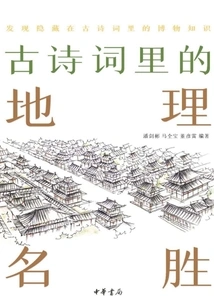
古诗词里的地理名胜:古诗词里的博物志
Compiled By Pan Jianbin, Ma Quanbao And Dong Yanlei
This book selects 40 classics of ancient poetry and gives a vivid and concise explanation of the knowledge about geographical attractions involved. The writer is a professor at Beijing University of Civil Engineering and Architecture, with accurate knowledge and smooth writing. The book is equipped with colorful hand-drawn illustrations, both pictures and text.
This book selects 40 classics of ancient poetry and gives a vivid and concise explanation of the knowledge about geographical attractions involved. The writer is a professor at Beijing University of Civil Engineering and Architecture, with accurate knowledge and smooth writing. The book is equipped with colorful hand-drawn illustrations, both pictures and text.
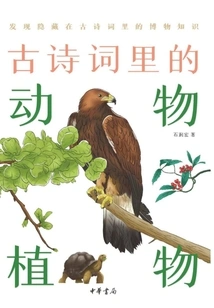
古诗词里的动物植物:古诗词里的博物志
Shi Runhong
We often recite ancient poems, but do you know the secrets of animals and plants hidden in ancient poems? For example, is the sunflower in the poem "The sunflower in the green garden waits for the morning dew and the sun shines"? "The mud melts and the swallows fly, and the sand is warm and the mandarin ducks sleep" describes the scene of spring. So why do the swallows "come here every spring" and why do the mandarin ducks always move in pairs? And we always hate the crow in "The Dark Crow in the Old Tree with Dead Vine". Is the appearance of the crow really an ominous sign? The book "Animals and Plants in Ancient Poetry" will help you find the answers to these questions. The book not only provides easy-to-understand appreciation of ancient poems, but also interestingly explains the living habits of animals and the growth habits of plants mentioned in the poems. It also quotes classics and vividly tells the traditional cultural allusions behind animals and plants. The book is also equipped with exquisite hand-painted color pictures of animals and plants, with both pictures and text, so that readers can better understand these animals and plants. This book perfectly combines traditional cultural knowledge and popular science knowledge, turning boring knowledge into flexible and vivid!
We often recite ancient poems, but do you know the secrets of animals and plants hidden in ancient poems? For example, is the sunflower in the poem "The sunflower in the green garden waits for the morning dew and the sun shines"? "The mud melts and the swallows fly, and the sand is warm and the mandarin ducks sleep" describes the scene of spring. So why do the swallows "come here every spring" and why do the mandarin ducks always move in pairs? And we always hate the crow in "The Dark Crow in the Old Tree with Dead Vine". Is the appearance of the crow really an ominous sign? The book "Animals and Plants in Ancient Poetry" will help you find the answers to these questions. The book not only provides easy-to-understand appreciation of ancient poems, but also interestingly explains the living habits of animals and the growth habits of plants mentioned in the poems. It also quotes classics and vividly tells the traditional cultural allusions behind animals and plants. The book is also equipped with exquisite hand-painted color pictures of animals and plants, with both pictures and text, so that readers can better understand these animals and plants. This book perfectly combines traditional cultural knowledge and popular science knowledge, turning boring knowledge into flexible and vivid!
苏东坡诗词(名家集评本)
Zengzaozhuang
As a great writer of his generation, Su Dongpo was excellent in poetry and prose. His works were well-known and widely praised during his lifetime. Starting from the late Northern Song Dynasty and the early Southern Song Dynasty, compilation of Su Dongpo's poetry and essays has become a common practice, and various annotations have also appeared one after another, providing detailed information for the study of Su Dongpo's poetry and essays and understanding of the relevant creative background. This book selects more than 580 poems by Su Dongpo, which can basically reflect the overall picture and creative level of Su Dongpo's poems. It selects accurate and comprehensive critical information and background information about Su Dongpo's poetry to help readers understand and appreciate Su Dongpo's poetry more conveniently and accurately.
As a great writer of his generation, Su Dongpo was excellent in poetry and prose. His works were well-known and widely praised during his lifetime. Starting from the late Northern Song Dynasty and the early Southern Song Dynasty, compilation of Su Dongpo's poetry and essays has become a common practice, and various annotations have also appeared one after another, providing detailed information for the study of Su Dongpo's poetry and essays and understanding of the relevant creative background. This book selects more than 580 poems by Su Dongpo, which can basically reflect the overall picture and creative level of Su Dongpo's poems. It selects accurate and comprehensive critical information and background information about Su Dongpo's poetry to help readers understand and appreciate Su Dongpo's poetry more conveniently and accurately.
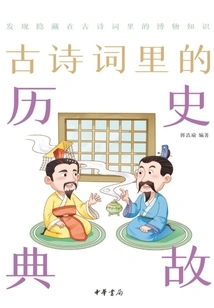
古诗词里的历史典故:古诗词里的博物志
Compiled By Guo Haoyu
This book selects a number of classic ancient poems, and on the basis of appreciating the literary artistry, it provides a detailed interpretation of the ancient myths and legends, folk tales, historical stories and other allusions involved in them to help readers better understand the ideological connotations expressed by the poets, appreciate their euphemistic and implicit artistic charm, and feel the breadth and depth of classical culture. The language is fluent and easy to understand.
This book selects a number of classic ancient poems, and on the basis of appreciating the literary artistry, it provides a detailed interpretation of the ancient myths and legends, folk tales, historical stories and other allusions involved in them to help readers better understand the ideological connotations expressed by the poets, appreciate their euphemistic and implicit artistic charm, and feel the breadth and depth of classical culture. The language is fluent and easy to understand.
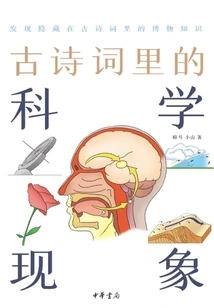
古诗词里的科学现象:古诗词里的博物志
Password Hill
This book selects classic ancient poems from the pre-Qin Dynasty to the Qing Dynasty, interprets the scientific phenomena in the poems from multiple aspects, and reveals the scientific knowledge and principles behind them. It involves knowledge in various scientific fields such as physics (optics, mechanics, microphysics), chemistry, biology, physical geography, astronomy, meteorology, etc. It is rich, colorful, all-encompassing, informative and readable, and the writing style is relaxed, humorous, and full of fun. The book is equipped with colorful hand-drawn illustrations, which are vivid and intuitive.
This book selects classic ancient poems from the pre-Qin Dynasty to the Qing Dynasty, interprets the scientific phenomena in the poems from multiple aspects, and reveals the scientific knowledge and principles behind them. It involves knowledge in various scientific fields such as physics (optics, mechanics, microphysics), chemistry, biology, physical geography, astronomy, meteorology, etc. It is rich, colorful, all-encompassing, informative and readable, and the writing style is relaxed, humorous, and full of fun. The book is equipped with colorful hand-drawn illustrations, which are vivid and intuitive.
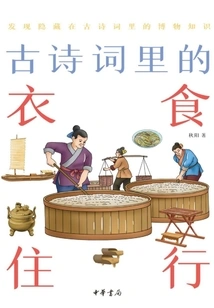
Food, Clothing, Housing and Transportation in Ancient Poetry: Natural History in Ancient Poetry
Literature古诗词里的衣食住行:古诗词里的博物志
Qiuyang
The book selects classic poems, first gives a brief appreciation of the poems, and focuses on an in-depth introduction and analysis of the ancient cultural knowledge involved in the ancient poems, with relevant illustrations. Through the explanation of utensils, clothing, food, architecture, etc., The daily life of ancient people is unfolded like a picture scroll, so as to deepen the understanding of the images and artistic conceptions in ancient poems.
The book selects classic poems, first gives a brief appreciation of the poems, and focuses on an in-depth introduction and analysis of the ancient cultural knowledge involved in the ancient poems, with relevant illustrations. Through the explanation of utensils, clothing, food, architecture, etc., The daily life of ancient people is unfolded like a picture scroll, so as to deepen the understanding of the images and artistic conceptions in ancient poems.
Know a Sentence and Learn the Whole Poem
Literature知一句 学全诗
Compiled By Zhang Zhanjun
This book is a popular literature book written by Zhang Zhanjun. This work selects more than 280 familiar poems, and lists the year, author and original text of the poem in order of the first stroke. It also conducts a vernacular translation and brief analysis of the whole poem, so that readers can quickly understand the full text of the poem through one sentence.
This book is a popular literature book written by Zhang Zhanjun. This work selects more than 280 familiar poems, and lists the year, author and original text of the poem in order of the first stroke. It also conducts a vernacular translation and brief analysis of the whole poem, so that readers can quickly understand the full text of the poem through one sentence.
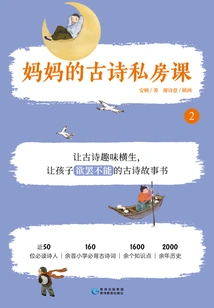
Mom's Private Lesson on Ancient Poetry 2
Literature妈妈的古诗私房课2
Settle In
There are some facts that make people believe that mothers in the world are one family - all mothers who have expectations for their children's growth and future have very common anxieties to share. For example, Chinese language learning. The complete set of "Mom's Private Lessons on Ancient Poetry" is a 3-volume set, which contains more than 160 ancient poems written by nearly 50 of the most representative poets in the history of Chinese poetry from the Han Dynasty to the late Qing Dynasty over 2,000 years ago, covering more than 1,600 must-memorize ancient poems in primary school This is an important knowledge point related to common knowledge of Chinese literature, ancient cultural anecdotes, folk myths and stories, the origin of classic idioms and major historical events. It closely integrates ancient poetry and Chinese language learning, allowing children to broaden their horizons and knowledge while learning ancient poetry, and gain the joy of learning Chinese.
There are some facts that make people believe that mothers in the world are one family - all mothers who have expectations for their children's growth and future have very common anxieties to share. For example, Chinese language learning. The complete set of "Mom's Private Lessons on Ancient Poetry" is a 3-volume set, which contains more than 160 ancient poems written by nearly 50 of the most representative poets in the history of Chinese poetry from the Han Dynasty to the late Qing Dynasty over 2,000 years ago, covering more than 1,600 must-memorize ancient poems in primary school This is an important knowledge point related to common knowledge of Chinese literature, ancient cultural anecdotes, folk myths and stories, the origin of classic idioms and major historical events. It closely integrates ancient poetry and Chinese language learning, allowing children to broaden their horizons and knowledge while learning ancient poetry, and gain the joy of learning Chinese.
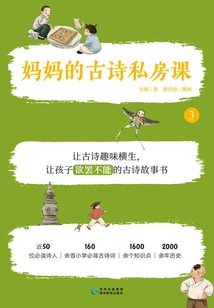
Mom's Private Lesson on Ancient Poetry 3
Literature妈妈的古诗私房课3
Settle In
There are some facts that make people believe that mothers in the world are one family - all mothers who have expectations for their children's growth and future have very common anxieties to share. For example, Chinese language learning. The complete set of "Mom's Private Lessons on Ancient Poetry" is a 3-volume set, which contains more than 160 ancient poems written by nearly 50 of the most representative poets in the history of Chinese poetry from the Han Dynasty to the late Qing Dynasty over 2,000 years ago, covering more than 1,600 must-memorize ancient poems in primary school This is an important knowledge point related to common knowledge of Chinese literature, ancient cultural anecdotes, folk myths and stories, the origin of classic idioms and major historical events. It closely integrates ancient poetry and Chinese language learning, allowing children to broaden their horizons and knowledge while learning ancient poetry, and gain the joy of learning Chinese.
There are some facts that make people believe that mothers in the world are one family - all mothers who have expectations for their children's growth and future have very common anxieties to share. For example, Chinese language learning. The complete set of "Mom's Private Lessons on Ancient Poetry" is a 3-volume set, which contains more than 160 ancient poems written by nearly 50 of the most representative poets in the history of Chinese poetry from the Han Dynasty to the late Qing Dynasty over 2,000 years ago, covering more than 1,600 must-memorize ancient poems in primary school This is an important knowledge point related to common knowledge of Chinese literature, ancient cultural anecdotes, folk myths and stories, the origin of classic idioms and major historical events. It closely integrates ancient poetry and Chinese language learning, allowing children to broaden their horizons and knowledge while learning ancient poetry, and gain the joy of learning Chinese.
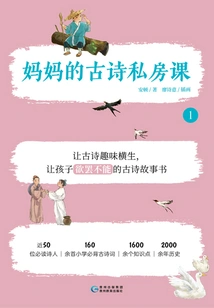
Mom's Private Lesson on Ancient Poetry 1
Literature妈妈的古诗私房课1
Settle In
There are some facts that make people believe that mothers in the world are one family - all mothers who have expectations for their children's growth and future have very common anxieties to share. For example, Chinese language learning. The complete set of "Mom's Private Lessons on Ancient Poetry" is a 3-volume set, which contains more than 160 ancient poems written by nearly 50 of the most representative poets in the history of Chinese poetry from the Han Dynasty to the late Qing Dynasty over 2,000 years ago, covering more than 1,600 must-memorize ancient poems in primary school This is an important knowledge point related to common knowledge of Chinese literature, ancient cultural anecdotes, folk myths and stories, the origin of classic idioms and major historical events. It closely integrates ancient poetry and Chinese language learning, allowing children to broaden their horizons and knowledge while learning ancient poetry, and gain the joy of learning Chinese.
There are some facts that make people believe that mothers in the world are one family - all mothers who have expectations for their children's growth and future have very common anxieties to share. For example, Chinese language learning. The complete set of "Mom's Private Lessons on Ancient Poetry" is a 3-volume set, which contains more than 160 ancient poems written by nearly 50 of the most representative poets in the history of Chinese poetry from the Han Dynasty to the late Qing Dynasty over 2,000 years ago, covering more than 1,600 must-memorize ancient poems in primary school This is an important knowledge point related to common knowledge of Chinese literature, ancient cultural anecdotes, folk myths and stories, the origin of classic idioms and major historical events. It closely integrates ancient poetry and Chinese language learning, allowing children to broaden their horizons and knowledge while learning ancient poetry, and gain the joy of learning Chinese.
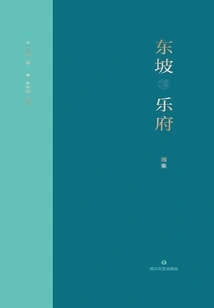
Dongpo Yuefu·gathering
Literature东坡乐府·雅集
(song Dynasty) Written By Su Shi (qing Dynasty) Edited And Edited By Zhu Xiaozang
This book is based on "Dongpo Yuefu" in Zhu Xiaozang's "Qiangcun Series" (this is an earlier chronicle of Dongpo's Ci), and contains more than 340 poems by Su Shi. Volumes 1 and 2 are chronological parts, supplementing Su Shi's life events and synchronizing with the chronology of Dongpo's Ci. By combining the ups and downs of Su Shi's life, we can see the transformation of his Ci writing style. At the same time, 10 calligraphy works of Su Shi are selected in chronological order. The third volume is the chronological part, arranged in order of tune. Based on the original chronology of the original book, a new chapter titled "Epitaphic Epitaph of the Dead Brother Zhan Duanming" written by Su Che is added so that readers can have a more comprehensive understanding of Su Shi's life. Different from other versions on the market, "Dongpo Yuefu Elegant Collection" emphasizes the word "chronology". Through editing and design, Su Shi's life is systematically sorted out based on the 342 poems he wrote throughout his life. This book is not about "what Su Dongpo was", but "why he became Su Dongpo". Therefore, it is not only a collection of words, but also an autobiography of Su Dongpo's life. When readers read the complete set of products, they will have a more comprehensive and three-dimensional understanding of Su Dongpo.
This book is based on "Dongpo Yuefu" in Zhu Xiaozang's "Qiangcun Series" (this is an earlier chronicle of Dongpo's Ci), and contains more than 340 poems by Su Shi. Volumes 1 and 2 are chronological parts, supplementing Su Shi's life events and synchronizing with the chronology of Dongpo's Ci. By combining the ups and downs of Su Shi's life, we can see the transformation of his Ci writing style. At the same time, 10 calligraphy works of Su Shi are selected in chronological order. The third volume is the chronological part, arranged in order of tune. Based on the original chronology of the original book, a new chapter titled "Epitaphic Epitaph of the Dead Brother Zhan Duanming" written by Su Che is added so that readers can have a more comprehensive understanding of Su Shi's life. Different from other versions on the market, "Dongpo Yuefu Elegant Collection" emphasizes the word "chronology". Through editing and design, Su Shi's life is systematically sorted out based on the 342 poems he wrote throughout his life. This book is not about "what Su Dongpo was", but "why he became Su Dongpo". Therefore, it is not only a collection of words, but also an autobiography of Su Dongpo's life. When readers read the complete set of products, they will have a more comprehensive and three-dimensional understanding of Su Dongpo.
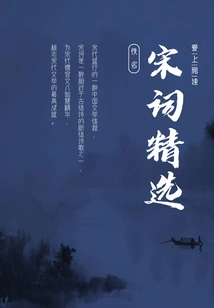
Selected Song Poems
Literature宋词精选
Anonymous
The language of poetry is the best material for people to cultivate their language ability and literary literacy, and to learn and master the art of language. The content of the poems touches on patriotism, love in the boudoir, sorrow of separation during a journey, frontier scenery, chanting of history and objects, pastoral landscapes, and folk customs. They may be exquisitely conceived, poetic or picturesque, have local characteristics, or have profound meanings. It reflects the historical characteristics of the Song Dynasty and the artistic trajectory of the development of Song Ci.
The language of poetry is the best material for people to cultivate their language ability and literary literacy, and to learn and master the art of language. The content of the poems touches on patriotism, love in the boudoir, sorrow of separation during a journey, frontier scenery, chanting of history and objects, pastoral landscapes, and folk customs. They may be exquisitely conceived, poetic or picturesque, have local characteristics, or have profound meanings. It reflects the historical characteristics of the Song Dynasty and the artistic trajectory of the development of Song Ci.
唐诗宋词元杂曲
Anonymous
Tang poetry, Song lyrics, and Yuan opera are the three peaks in the history of Chinese literature. The Tang Dynasty was the heyday of the development of classical poetry in my country. "Tang Poetry" was the highest symbol of Tang Dynasty literature and ushered in a new era of the development of Chinese poetry. There are many authors of Tang poetry, the most famous of which are Li Bai, Du Fu, Bai Juyi and others. The language of poetry is the best material for people to cultivate their language ability and literary literacy, and to learn and master the art of language. The content of the poems touches on patriotism, love in the boudoir, sorrow of separation during a journey, frontier scenery, chanting of history and objects, pastoral landscapes, and folk customs. They may be exquisitely conceived, poetic or picturesque, have local characteristics, or have profound meanings. It reflects the historical characteristics of the Song Dynasty and the artistic trajectory of the development of Song Ci. Yuan opera can be roughly divided into two types, one is Yuan Zaju and the other is Yuan Sanqu. Zaju is a form that combines songs, spoken language and dance. Sanqu is poetry, including sets and Xiaoling. The sets are composed of several pieces of music, while the Xiaoling only contains one piece of music.
Tang poetry, Song lyrics, and Yuan opera are the three peaks in the history of Chinese literature. The Tang Dynasty was the heyday of the development of classical poetry in my country. "Tang Poetry" was the highest symbol of Tang Dynasty literature and ushered in a new era of the development of Chinese poetry. There are many authors of Tang poetry, the most famous of which are Li Bai, Du Fu, Bai Juyi and others. The language of poetry is the best material for people to cultivate their language ability and literary literacy, and to learn and master the art of language. The content of the poems touches on patriotism, love in the boudoir, sorrow of separation during a journey, frontier scenery, chanting of history and objects, pastoral landscapes, and folk customs. They may be exquisitely conceived, poetic or picturesque, have local characteristics, or have profound meanings. It reflects the historical characteristics of the Song Dynasty and the artistic trajectory of the development of Song Ci. Yuan opera can be roughly divided into two types, one is Yuan Zaju and the other is Yuan Sanqu. Zaju is a form that combines songs, spoken language and dance. Sanqu is poetry, including sets and Xiaoling. The sets are composed of several pieces of music, while the Xiaoling only contains one piece of music.
顺着历史学古诗
Monman
This book is based on Teacher Mengman's comprehensive understanding of Chinese history and poetry schools, and carefully designed 6 sites according to the development sequence of Chinese history - Spring and Autumn and Warring States, Qin and Han Dynasties, Three Kingdoms and Two Jins, Southern and Northern Dynasties, Sui and Tang Dynasties, Song Dynasty, Yuan, Ming and Qing Dynasties, and selected 30 must-memorize ancient poems, related to 10 0+ classic poems, follow Teacher Mengman, return to the historical scene, understand the background of poetry, get to know the poet, grasp the essence of ancient poetry, grasp the imagery, emotion, writing techniques, break down various knowledge points, poetry style, genre, idioms, allusions and other hard-core knowledge, all in one place. Every part is carefully dissected and analyzed in depth, so that children can truly understand each poem and quickly become poetry masters.
This book is based on Teacher Mengman's comprehensive understanding of Chinese history and poetry schools, and carefully designed 6 sites according to the development sequence of Chinese history - Spring and Autumn and Warring States, Qin and Han Dynasties, Three Kingdoms and Two Jins, Southern and Northern Dynasties, Sui and Tang Dynasties, Song Dynasty, Yuan, Ming and Qing Dynasties, and selected 30 must-memorize ancient poems, related to 10 0+ classic poems, follow Teacher Mengman, return to the historical scene, understand the background of poetry, get to know the poet, grasp the essence of ancient poetry, grasp the imagery, emotion, writing techniques, break down various knowledge points, poetry style, genre, idioms, allusions and other hard-core knowledge, all in one place. Every part is carefully dissected and analyzed in depth, so that children can truly understand each poem and quickly become poetry masters.
The Twenty-four Solar Terms in Poetry
Literature诗歌里的二十四节气
Guomai
"Spring rains startle the clear valley in spring, and summer is full of awns. Summer and heat are connected. Autumn dews, autumn frosts fall, and winter snows and snows, and there is a small cold in winter." On November 30, 2016, the "Twenty-Four Solar Terms" of the Chinese lunar calendar were officially included in the UNESCO Representative List of Intangible Cultural Heritage of Humanity and became a world cultural heritage. This book uses the twenty-four solar terms as a timeline and selects a total of 96 ancient poems corresponding to the corresponding seasons. It is accompanied by Chinese-style panda-themed illustrations and appropriate explanations of related solar terms knowledge. It not only presents the beauty of the ancient poems to young readers, but also runs through the traditional solar terms and seasonal knowledge, aiming to popularize my country's excellent traditional culture to young readers.
"Spring rains startle the clear valley in spring, and summer is full of awns. Summer and heat are connected. Autumn dews, autumn frosts fall, and winter snows and snows, and there is a small cold in winter." On November 30, 2016, the "Twenty-Four Solar Terms" of the Chinese lunar calendar were officially included in the UNESCO Representative List of Intangible Cultural Heritage of Humanity and became a world cultural heritage. This book uses the twenty-four solar terms as a timeline and selects a total of 96 ancient poems corresponding to the corresponding seasons. It is accompanied by Chinese-style panda-themed illustrations and appropriate explanations of related solar terms knowledge. It not only presents the beauty of the ancient poems to young readers, but also runs through the traditional solar terms and seasonal knowledge, aiming to popularize my country's excellent traditional culture to young readers.
高中生古诗文推荐背诵95篇
Notes By Wu Jianmin And Xu Mei
This book is compiled based on the recommendations on the reading sections in the "General High School Chinese Curriculum Standards" newly promulgated by the Ministry of Education in 2003. A total of forty ancient poems and essays are selected. This book includes three parts of the author's introduction, annotations and interpretations below the selected poems. The author's introduction is some relevant background introduction to the author and his works. The annotation part mainly explains some difficult words and allusions, and the explanations should be accurate and concise. The interpretation part strives to grasp the main content and characteristics of the article for analysis, to help readers expand their thinking and better understand the ideological content and artistic characteristics of the article.
This book is compiled based on the recommendations on the reading sections in the "General High School Chinese Curriculum Standards" newly promulgated by the Ministry of Education in 2003. A total of forty ancient poems and essays are selected. This book includes three parts of the author's introduction, annotations and interpretations below the selected poems. The author's introduction is some relevant background introduction to the author and his works. The annotation part mainly explains some difficult words and allusions, and the explanations should be accurate and concise. The interpretation part strives to grasp the main content and characteristics of the article for analysis, to help readers expand their thinking and better understand the ideological content and artistic characteristics of the article.
小学生古诗词推荐背诵80篇
Comments By Yang Chunqiao
This book is compiled based on the excellent ancient poems and essays recited in the "Compulsory Education Chinese Curriculum Standards" promulgated by the Ministry of Education in 2011 (referred to as the "New Curriculum Standards"). The selected texts are the latest and most complete, covering all 75 recommended texts. It is also equipped with an introduction, which briefly introduces the selected articles, and also has knowledge links, which directly touch on the author's evaluation, background information, common knowledge of literary history, etc., And seamlessly link the key test points in this article. Each article in the main text is equipped with an introduction, annotations and appreciation of the author, helping children to truly understand each ancient poem and article and feel the influence of traditional culture.
This book is compiled based on the excellent ancient poems and essays recited in the "Compulsory Education Chinese Curriculum Standards" promulgated by the Ministry of Education in 2011 (referred to as the "New Curriculum Standards"). The selected texts are the latest and most complete, covering all 75 recommended texts. It is also equipped with an introduction, which briefly introduces the selected articles, and also has knowledge links, which directly touch on the author's evaluation, background information, common knowledge of literary history, etc., And seamlessly link the key test points in this article. Each article in the main text is equipped with an introduction, annotations and appreciation of the author, helping children to truly understand each ancient poem and article and feel the influence of traditional culture.
初中生古诗文推荐背诵70篇
Comments By Yang Chunqiao And Wang Lu
Completely includes the recitation sections specified in the 2011 version of the "New Curriculum Standards" ("Chinese Curriculum Standards for Full-time Compulsory Education"), with new and comprehensive content. At the same time, there is an introduction at the beginning of the book that summarizes the main content and has "knowledge links" so that you can fully grasp the key test points in the text. The chapters include author introductions, annotations and extremely detailed reviews to help children thoroughly understand these excellent literary works and gain a better understanding of traditional culture.
Completely includes the recitation sections specified in the 2011 version of the "New Curriculum Standards" ("Chinese Curriculum Standards for Full-time Compulsory Education"), with new and comprehensive content. At the same time, there is an introduction at the beginning of the book that summarizes the main content and has "knowledge links" so that you can fully grasp the key test points in the text. The chapters include author introductions, annotations and extremely detailed reviews to help children thoroughly understand these excellent literary works and gain a better understanding of traditional culture.