Library
Browse and search books
2,472 novels found
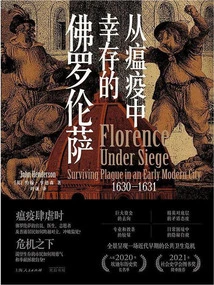
从瘟疫中幸存的佛罗伦萨(1630—1631)
(uk) John Henderson
In 1629, a plague swept through Italy. The city of Florence, which was hit by the plague, was neither littered with corpses nor massacres targeting marginalized groups. The fatality rate was much lower than that of other Italian cities. Historian John Henderson goes beyond the traditional narrative of the opposition between rich and poor, and uses interdisciplinary research in demography, medicine, society, art, etc. To turn boring data into vivid historical facts. From the diaries of eyewitnesses, correspondence between government officials, court trial records, voluntary group records and other original archival documents, he restores how Florentines chose between prejudice and conscience, law and emotion, private interests and public interests in order to survive.
In 1629, a plague swept through Italy. The city of Florence, which was hit by the plague, was neither littered with corpses nor massacres targeting marginalized groups. The fatality rate was much lower than that of other Italian cities. Historian John Henderson goes beyond the traditional narrative of the opposition between rich and poor, and uses interdisciplinary research in demography, medicine, society, art, etc. To turn boring data into vivid historical facts. From the diaries of eyewitnesses, correspondence between government officials, court trial records, voluntary group records and other original archival documents, he restores how Florentines chose between prejudice and conscience, law and emotion, private interests and public interests in order to survive.
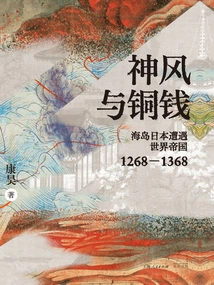
神风与铜钱:海岛日本遭遇世界帝国(1268—1368)
Kang Hao
Faced with the threat of war from the Mongol Empire, Japan responded with a cold attitude of no reply, no contact, and no envoys allowed to enter Beijing. In anger, Kublai Khan sent troops to Japan twice, but encountered storms at sea and returned defeated. Japan calls this storm "kamikaze". How does this affect the Japanese's world imagination and self-understanding? Although the two countries were far away from each other, maritime trade became more popular than during the Tang and Song Dynasties. Why do officials and people flock to the copper coins that arrived in Japan as ballast? What impact did the Zen monk, who was not afraid of risks and traveled across the sea to study, have on Japanese culture after returning home? At the same time, the Kamakura shogunate, which had expanded its power, gradually collapsed amid the domestic crisis that intensified after the war. The succeeding Muromachi shogunate and the emperor fought openly and secretly, and their power and status gradually reversed. Japan entered the Southern and Northern Dynasties, which were prone to turmoil. The Li Dynasty rose on the Korean Peninsula. The Yuan Dynasty fell and the Ming Dynasty implemented a maritime ban. Where will the international order in East Asia go? Re-examining the relationship between Yuan and Japan from a maritime perspective, interlocking historical connections emerge one by one.
Faced with the threat of war from the Mongol Empire, Japan responded with a cold attitude of no reply, no contact, and no envoys allowed to enter Beijing. In anger, Kublai Khan sent troops to Japan twice, but encountered storms at sea and returned defeated. Japan calls this storm "kamikaze". How does this affect the Japanese's world imagination and self-understanding? Although the two countries were far away from each other, maritime trade became more popular than during the Tang and Song Dynasties. Why do officials and people flock to the copper coins that arrived in Japan as ballast? What impact did the Zen monk, who was not afraid of risks and traveled across the sea to study, have on Japanese culture after returning home? At the same time, the Kamakura shogunate, which had expanded its power, gradually collapsed amid the domestic crisis that intensified after the war. The succeeding Muromachi shogunate and the emperor fought openly and secretly, and their power and status gradually reversed. Japan entered the Southern and Northern Dynasties, which were prone to turmoil. The Li Dynasty rose on the Korean Peninsula. The Yuan Dynasty fell and the Ming Dynasty implemented a maritime ban. Where will the international order in East Asia go? Re-examining the relationship between Yuan and Japan from a maritime perspective, interlocking historical connections emerge one by one.
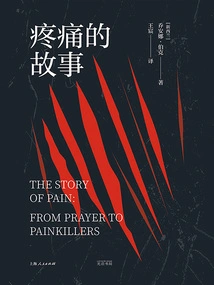
Pain Story
History疼痛的故事
(new Zealand) Joanna Burke
How do we talk about our pain? How to deal with pain? Winner of the Wolfson History Prize and the Frankel Prize, this is a blockbuster book, a cultural history of pain spanning three hundred years. In an era when we are avoiding pain, let us see that pain has its own meaning. From toothaches, headaches, dysmenorrhea, muscle pain, to mental anguish, everyone is troubled by pain and tries to describe it with various metaphors. How have people's perceptions and narratives of pain changed, from a "positive emotional experience" to an "evil" that needs to be defeated? Some people use this to show heroism, while others have no right to cry out pain; some people are considered to be naturally sensitive to pain, while others seem to be particularly pain-resistant... What causes these differences? How do people handle themselves when they are in pain? This book tells the story of pain since the 18th century, spanning various fields such as medicine, literature, religion, and biology. It examines how people's narratives of pain have changed, and how ideological factors such as belief, gender, race, class, etc. Have affected it. It shows the dynamic connection between the body, consciousness, culture, and language, and provides a new way for us to understand pain.
How do we talk about our pain? How to deal with pain? Winner of the Wolfson History Prize and the Frankel Prize, this is a blockbuster book, a cultural history of pain spanning three hundred years. In an era when we are avoiding pain, let us see that pain has its own meaning. From toothaches, headaches, dysmenorrhea, muscle pain, to mental anguish, everyone is troubled by pain and tries to describe it with various metaphors. How have people's perceptions and narratives of pain changed, from a "positive emotional experience" to an "evil" that needs to be defeated? Some people use this to show heroism, while others have no right to cry out pain; some people are considered to be naturally sensitive to pain, while others seem to be particularly pain-resistant... What causes these differences? How do people handle themselves when they are in pain? This book tells the story of pain since the 18th century, spanning various fields such as medicine, literature, religion, and biology. It examines how people's narratives of pain have changed, and how ideological factors such as belief, gender, race, class, etc. Have affected it. It shows the dynamic connection between the body, consciousness, culture, and language, and provides a new way for us to understand pain.
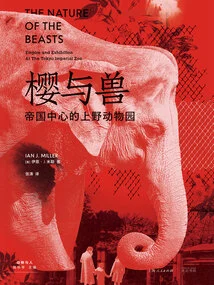
樱与兽:帝国中心的上野动物园
(us) Ian J. Miller
This book is a research monograph on animal history and social and cultural history. It mainly studies the first modern zoo in Japan, the Ueno Zoo in Tokyo, which was established in 1882. Against the historical background of Japan's rapid modernization, the rise and fall of the empire, it narrates the history of this zoo from the Meiji Restoration period to the present day, and describes the specific functions and roles of this zoo. This book believes that this is the first zoo to be built independently from various influences in the Western world. It is not only a famous tourist attraction in Tokyo, Japan, but also has rich cultural connotations and symbolic meanings. On the one hand, it embodies the dramatic changes in Japan's politics, economy, society, culture and other aspects since the Meiji period from a unique perspective. On the other hand, it reflects on the interactive relationship between humans and animals, and humans and nature.
This book is a research monograph on animal history and social and cultural history. It mainly studies the first modern zoo in Japan, the Ueno Zoo in Tokyo, which was established in 1882. Against the historical background of Japan's rapid modernization, the rise and fall of the empire, it narrates the history of this zoo from the Meiji Restoration period to the present day, and describes the specific functions and roles of this zoo. This book believes that this is the first zoo to be built independently from various influences in the Western world. It is not only a famous tourist attraction in Tokyo, Japan, but also has rich cultural connotations and symbolic meanings. On the one hand, it embodies the dramatic changes in Japan's politics, economy, society, culture and other aspects since the Meiji period from a unique perspective. On the other hand, it reflects on the interactive relationship between humans and animals, and humans and nature.
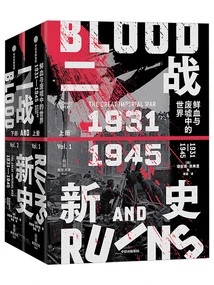
二战新史:鲜血与废墟中的世界(1931—1945)
(uk) Richard Overy
On September 18, 1931, Japan caused the September 18th Incident and began to invade Northeast China. This was not only the starting point of the Chinese People's War of Resistance Against Japan, but also the prelude to a new world war. In 1935, Italy invaded Ethiopia. In 1936, Germany entered the Rhineland Demilitarized Zone. In 1939, Germany invaded Poland, and Britain and France declared war on Germany. Subsequently, the Soviet Union and the United States were also involved in the war one after another, and the war spread to remote areas such as the Aleutian Islands in the North Pacific and Madagascar in the southern Indian Ocean. The war required mobilization. More than 100 million people around the world were mobilized to join the army, and on the home front, even more people were mobilized to become workers in arsenals, rescuers in the civil defense system, and guerrillas behind enemy lines. The war did not end until September 1945. The three great empires of Germany, Italy and Japan were buried. The attempts of Britain, France and other countries to rebuild their empires also failed. National liberation movements in Asia, Africa and Latin America were in full swing. Amid the blood and ruins, the Western colonial order that had dominated the world for more than 500 years finally collapsed. Modern nation-states such as China and India emerged one after another. The world order has been greatly changed.
On September 18, 1931, Japan caused the September 18th Incident and began to invade Northeast China. This was not only the starting point of the Chinese People's War of Resistance Against Japan, but also the prelude to a new world war. In 1935, Italy invaded Ethiopia. In 1936, Germany entered the Rhineland Demilitarized Zone. In 1939, Germany invaded Poland, and Britain and France declared war on Germany. Subsequently, the Soviet Union and the United States were also involved in the war one after another, and the war spread to remote areas such as the Aleutian Islands in the North Pacific and Madagascar in the southern Indian Ocean. The war required mobilization. More than 100 million people around the world were mobilized to join the army, and on the home front, even more people were mobilized to become workers in arsenals, rescuers in the civil defense system, and guerrillas behind enemy lines. The war did not end until September 1945. The three great empires of Germany, Italy and Japan were buried. The attempts of Britain, France and other countries to rebuild their empires also failed. National liberation movements in Asia, Africa and Latin America were in full swing. Amid the blood and ruins, the Western colonial order that had dominated the world for more than 500 years finally collapsed. Modern nation-states such as China and India emerged one after another. The world order has been greatly changed.
History of Indian States
History印度土邦史
Chen Huanyi
This book is an academic work on the historical development of Indian princely states. An Indian princely state refers to an independent kingdom in India that recognizes the British East India Company and the British King's supreme suzerainty, enjoys complete or partial sovereignty in internal affairs, and is subject to strict restrictions in diplomacy. The author traces the early history of the major Indian princes, taking the British rule of the South Asian subcontinent as the main line, and explains the process by which the British East India Company set foot in the South Asian subcontinent, conquered various kingdoms, and finally established the supreme rule of the Indian princes; analyzes the relationship between the British government and the princes after taking over the rule of the South Asian subcontinent; shows the help that most princes gave to the British government in the two world wars; interprets the constitutional reforms of the Indian princes; and describes the princes' choices when the British withdrew from India. The publication of this book provides valuable reference for the study of Indian princely states.
This book is an academic work on the historical development of Indian princely states. An Indian princely state refers to an independent kingdom in India that recognizes the British East India Company and the British King's supreme suzerainty, enjoys complete or partial sovereignty in internal affairs, and is subject to strict restrictions in diplomacy. The author traces the early history of the major Indian princes, taking the British rule of the South Asian subcontinent as the main line, and explains the process by which the British East India Company set foot in the South Asian subcontinent, conquered various kingdoms, and finally established the supreme rule of the Indian princes; analyzes the relationship between the British government and the princes after taking over the rule of the South Asian subcontinent; shows the help that most princes gave to the British government in the two world wars; interprets the constitutional reforms of the Indian princes; and describes the princes' choices when the British withdrew from India. The publication of this book provides valuable reference for the study of Indian princely states.
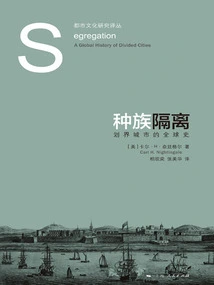
种族隔离:划界城市的全球史
(u. S.) Carl H. Nightingale
This book traces the spread of segregation as a global phenomenon in cities from 1700 to the present. In this serious historical work, the author focuses on showing the formation and development of apartheid during the Western colonial process, and the distortion it had on cities and societies around the world. Beginning with the ancient roots of apartheid and the archaeological evidence that humans have long used fragmented cities to reinforce political and economic inequality, the author then turns to the world of European colonialism. It was there, he noted, that color-based segregation eventually solidified into race-based inequality; this division was replicated from Africa to the Americas. The turn of the 20th century saw the most aggressive segregation movement yet, as white communities nearly everywhere began to rearrange entire cities along racial lines. The city's history of apartheid reveals humanity's troubled past, and the reflections gained from it lay the foundation for a better, more equal urban future.
This book traces the spread of segregation as a global phenomenon in cities from 1700 to the present. In this serious historical work, the author focuses on showing the formation and development of apartheid during the Western colonial process, and the distortion it had on cities and societies around the world. Beginning with the ancient roots of apartheid and the archaeological evidence that humans have long used fragmented cities to reinforce political and economic inequality, the author then turns to the world of European colonialism. It was there, he noted, that color-based segregation eventually solidified into race-based inequality; this division was replicated from Africa to the Americas. The turn of the 20th century saw the most aggressive segregation movement yet, as white communities nearly everywhere began to rearrange entire cities along racial lines. The city's history of apartheid reveals humanity's troubled past, and the reflections gained from it lay the foundation for a better, more equal urban future.
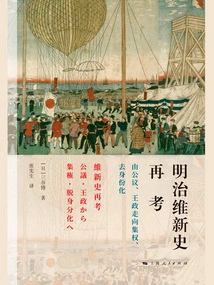
明治维新史再考:由公议、王政走向集权、去身份化
(japan) Mitani Hiroshi
What the powerful feudal lords at the end of the shogunate pursued was not the overthrow of the shogunate by force, but the "public opinion" that strengthened the shogunate's system. From this point of view, the Meiji Restoration gradually developed into the pursuit and exploration of the "restoration of imperial government" and the centralized system, which eventually led to the disintegration of the hereditary identity system. This book uses the coherent perspective of "the cycle of problem solving and power struggle" to describe the changing process of the Meiji Restoration. This book is a comprehensive work by Hiroshi Mitani, a famous researcher on the history of the Meiji Restoration and emeritus professor at the University of Tokyo. It starts from the historical background of modern times, combines the international environment and world order, pays attention to historical comparison, and presents a comprehensive picture of Japanese society and politics from the end of the Tokugawa period to the early years of Meiji. The author opposes the most common research on characters or single objects in the field of Meiji Restoration history, that is, heroic stories about "a specific person or a certain feudal lord's achievements." He emphasizes the collision of different political opinions and the process of power games among various forces in Japan at the end of the Tokugawa period (shogunate, court, public family, strong feudal lords, etc.), Subverting the inherent historical conclusions and presenting readers with a brand new narrative of the Meiji Restoration.
What the powerful feudal lords at the end of the shogunate pursued was not the overthrow of the shogunate by force, but the "public opinion" that strengthened the shogunate's system. From this point of view, the Meiji Restoration gradually developed into the pursuit and exploration of the "restoration of imperial government" and the centralized system, which eventually led to the disintegration of the hereditary identity system. This book uses the coherent perspective of "the cycle of problem solving and power struggle" to describe the changing process of the Meiji Restoration. This book is a comprehensive work by Hiroshi Mitani, a famous researcher on the history of the Meiji Restoration and emeritus professor at the University of Tokyo. It starts from the historical background of modern times, combines the international environment and world order, pays attention to historical comparison, and presents a comprehensive picture of Japanese society and politics from the end of the Tokugawa period to the early years of Meiji. The author opposes the most common research on characters or single objects in the field of Meiji Restoration history, that is, heroic stories about "a specific person or a certain feudal lord's achievements." He emphasizes the collision of different political opinions and the process of power games among various forces in Japan at the end of the Tokugawa period (shogunate, court, public family, strong feudal lords, etc.), Subverting the inherent historical conclusions and presenting readers with a brand new narrative of the Meiji Restoration.
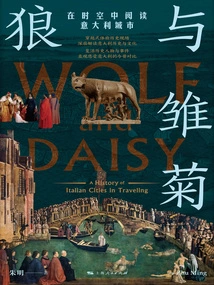
Wolf and Daisy
History狼与雏菊
Zhu Ming
Since the founding of Rome, the history of Italy has been a history of city building. This book uses urban space as the warp and history as the weft to weave a magnificent picture of Italian history. During this journey across time and space, we can have an in-depth understanding of its history and culture. In the history of Italy's development, urban culture is closely related to people. Those people and events that profoundly influenced the course of Italian history have also left their mark on the urban space. Using history as an introduction, the author wanders through the urban space and interprets Italy's national destiny and the identity dilemma of Italians in the transition between the past and the present. The whole book closely links cities and space, politics and power, highlighting how power shapes space and how politics shapes cities. This is both a history of the city and a history of Italy, from which we can appreciate the most charming charm of Italy.
Since the founding of Rome, the history of Italy has been a history of city building. This book uses urban space as the warp and history as the weft to weave a magnificent picture of Italian history. During this journey across time and space, we can have an in-depth understanding of its history and culture. In the history of Italy's development, urban culture is closely related to people. Those people and events that profoundly influenced the course of Italian history have also left their mark on the urban space. Using history as an introduction, the author wanders through the urban space and interprets Italy's national destiny and the identity dilemma of Italians in the transition between the past and the present. The whole book closely links cities and space, politics and power, highlighting how power shapes space and how politics shapes cities. This is both a history of the city and a history of Italy, from which we can appreciate the most charming charm of Italy.
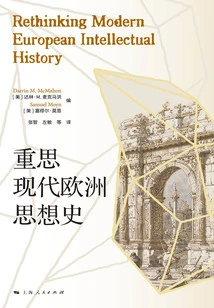
重思现代欧洲思想史
(u. S.) Darrin M. Mcmahon Et Al.
This book brings together first-class intellectual historians' reflective discussions on the study of modern European intellectual history, and prospectively points out the future development direction of intellectual history. This book contains 14 essays, covering the main schools of intellectual history in the 20th century (history of ideas, contextualism, conceptual history, etc.), The relationship between intellectual history and social theory, cultural history, science history, disciplinary history and other fields, as well as topics that have been ignored by previous generations of intellectual historians, such as psychology and "self", international and global, gender, and disciplinary intersections.
This book brings together first-class intellectual historians' reflective discussions on the study of modern European intellectual history, and prospectively points out the future development direction of intellectual history. This book contains 14 essays, covering the main schools of intellectual history in the 20th century (history of ideas, contextualism, conceptual history, etc.), The relationship between intellectual history and social theory, cultural history, science history, disciplinary history and other fields, as well as topics that have been ignored by previous generations of intellectual historians, such as psychology and "self", international and global, gender, and disciplinary intersections.
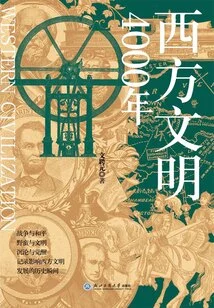
西方文明4000年
Wen Pinyuan
The West has a common cultural root - ancient Greek civilization. Ancient Greek civilization gave birth to Western civilization, and since then, Western countries have jointly created the splendid Western civilization. This book tells the historical process of Western society from the ancient Greek period to the end of the First World War in the early 20th century. It connects the most thrilling events in Western history, the figures who influenced the historical process, and little-known interesting stories and details, concisely and vividly showing the 4,000-year magnificent history of Western civilization.
The West has a common cultural root - ancient Greek civilization. Ancient Greek civilization gave birth to Western civilization, and since then, Western countries have jointly created the splendid Western civilization. This book tells the historical process of Western society from the ancient Greek period to the end of the First World War in the early 20th century. It connects the most thrilling events in Western history, the figures who influenced the historical process, and little-known interesting stories and details, concisely and vividly showing the 4,000-year magnificent history of Western civilization.
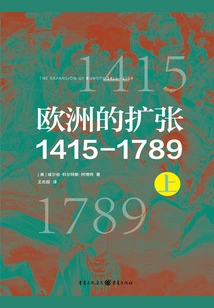
Z
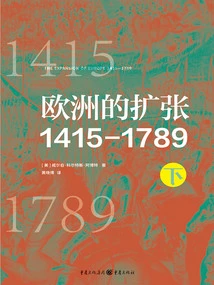
Y
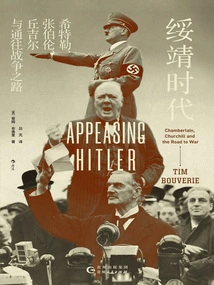
绥靖时代:希特勒、张伯伦、丘吉尔与通往战争之路
(uk)tim Buffrey
After World War I, avoiding new conflicts was perhaps the most common desire across Europe. The slogan "Don't repeat the same mistakes!" Echoed in the ears of Europeans for a long time. This view will also affect the future of Europe and become the core of the appeasement policy implemented by the British. Tim Buffry sets the period narrated in this book as from 1933, when Hitler came to power, to before World War II. By reconstructing Britain's negotiations to "appease Hitler" one after another, he shows how British politics changed when the Nazis carried out territorial expansion and other activities in Europe. The government's indecision, diplomatic failure and parliamentary strife explore the development and impact of Britain's appeasement policy from a new perspective, showing that the final outcome to war was not the blind choice of a few people, but the result of multi-faceted interactions with the characteristics of the times. Regarding Britain at that time, this book conducted in-depth archival research, including some never-before-used materials, and gave a detailed description of the activities of British ministers, nobles and amateur diplomats during this period. It tells how through their actions and inactions, they determined Britain's choices and affected the destiny of Europe, and how they led to war step by step.
After World War I, avoiding new conflicts was perhaps the most common desire across Europe. The slogan "Don't repeat the same mistakes!" Echoed in the ears of Europeans for a long time. This view will also affect the future of Europe and become the core of the appeasement policy implemented by the British. Tim Buffry sets the period narrated in this book as from 1933, when Hitler came to power, to before World War II. By reconstructing Britain's negotiations to "appease Hitler" one after another, he shows how British politics changed when the Nazis carried out territorial expansion and other activities in Europe. The government's indecision, diplomatic failure and parliamentary strife explore the development and impact of Britain's appeasement policy from a new perspective, showing that the final outcome to war was not the blind choice of a few people, but the result of multi-faceted interactions with the characteristics of the times. Regarding Britain at that time, this book conducted in-depth archival research, including some never-before-used materials, and gave a detailed description of the activities of British ministers, nobles and amateur diplomats during this period. It tells how through their actions and inactions, they determined Britain's choices and affected the destiny of Europe, and how they led to war step by step.
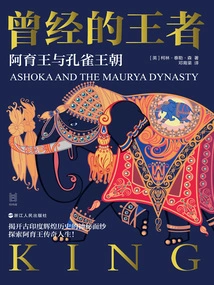
曾经的王者:阿育王与孔雀王朝(经纬度丛书)
(uk) Colin Taylor Son
This is a unique history book about Ashoka and the Maurya Dynasty. The first two chapters of the book briefly describe the history of India before the Mauryan Dynasty, and then the main body of the book tells the rise of the Mauryan Dynasty, the rule of Ashoka, the myth of Ashoka in later classics, the true history of the Ashoka era discovered by archaeology, and the legacy of the Mauryan Dynasty to subsequent Indian dynasties, etc. In addition, this book also compiles a large number of further reading reference materials for use by learning researchers.
This is a unique history book about Ashoka and the Maurya Dynasty. The first two chapters of the book briefly describe the history of India before the Mauryan Dynasty, and then the main body of the book tells the rise of the Mauryan Dynasty, the rule of Ashoka, the myth of Ashoka in later classics, the true history of the Ashoka era discovered by archaeology, and the legacy of the Mauryan Dynasty to subsequent Indian dynasties, etc. In addition, this book also compiles a large number of further reading reference materials for use by learning researchers.
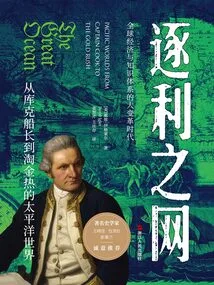
逐利之网:从库克船长到淘金热的太平洋世界
(us) David Eagle
Historian David Eagleler starts with the expansion of Pacific trade and vividly demonstrates how navigators, traders, trappers, and indigenous peoples intertwined their destinies in a stormy ocean world, including many violent and tragic events. Eaglel describes in depth how indigenous peoples struggled under the ravages of foreign plagues, how the ordeal of the Russian Timofey Tarakanov typified the widespread practice of taking hostages and captives, how Mary Brewster witnessed the bloody "Great Hunt" of seals, fur seals, and whales, and how James Dwight Dana became a figure as equal to Charles Darwin in his pursuit of knowledge. These wonderful stories and the historical themes they construct together provide people with a new perspective on the Pacific world. This book has a broad vision and grand structure, and pioneeringly depicts the Pacific world. It is a work that integrates American history, maritime history and world history.
Historian David Eagleler starts with the expansion of Pacific trade and vividly demonstrates how navigators, traders, trappers, and indigenous peoples intertwined their destinies in a stormy ocean world, including many violent and tragic events. Eaglel describes in depth how indigenous peoples struggled under the ravages of foreign plagues, how the ordeal of the Russian Timofey Tarakanov typified the widespread practice of taking hostages and captives, how Mary Brewster witnessed the bloody "Great Hunt" of seals, fur seals, and whales, and how James Dwight Dana became a figure as equal to Charles Darwin in his pursuit of knowledge. These wonderful stories and the historical themes they construct together provide people with a new perspective on the Pacific world. This book has a broad vision and grand structure, and pioneeringly depicts the Pacific world. It is a work that integrates American history, maritime history and world history.
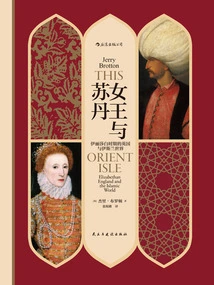
女王与苏丹:伊丽莎白时期的英国与伊斯兰世界
Q
In 1570, Queen Elizabeth I of England was excommunicated by the Pope. In order to get rid of being surrounded by mainland Catholic countries, England started a period of alliance with the Islamic forces fighting in the Mediterranean and Catholic Spain, and had in-depth cultural, economic and political exchanges with the Islamic world. It was a remarkable period, with England signing treaties with the Ottoman Empire, accepting ambassadors from the King of Morocco, and sending arms to Marrakech. By the late 1680s, hundreds of merchants, diplomats, sailors, craftsmen, and privateer captains were regularly traveling from Morocco to Persia. Among them was the resourceful merchant Anthony Jenkinson, who met Suleiman the Magnificent and Shah Tahmasp of Persia in the 1560s. The Norfolk merchant William Haban became the first ambassador to the Ottoman court in 1582, while the adventurer Antoninus Sherry remained at the court of Shah Abbas the Great for much of the 1600s. The news these people brought back about the Islamic world was of great interest to the British and was expressed in many great literary works, such as Marlowe's Tamburlaine and Shakespeare's Titus Andronicus and The Merchant of Venice. The creation of "Othello" is probably related to the visit of the Moroccan ambassador Anouli to Britain. This book demonstrates the extensive, often friendly, connections between Elizabethan England and the Islamic world. In today's era of globalization, this history of exchanges between heterogeneous cultures can still bring us great inspiration.
In 1570, Queen Elizabeth I of England was excommunicated by the Pope. In order to get rid of being surrounded by mainland Catholic countries, England started a period of alliance with the Islamic forces fighting in the Mediterranean and Catholic Spain, and had in-depth cultural, economic and political exchanges with the Islamic world. It was a remarkable period, with England signing treaties with the Ottoman Empire, accepting ambassadors from the King of Morocco, and sending arms to Marrakech. By the late 1680s, hundreds of merchants, diplomats, sailors, craftsmen, and privateer captains were regularly traveling from Morocco to Persia. Among them was the resourceful merchant Anthony Jenkinson, who met Suleiman the Magnificent and Shah Tahmasp of Persia in the 1560s. The Norfolk merchant William Haban became the first ambassador to the Ottoman court in 1582, while the adventurer Antoninus Sherry remained at the court of Shah Abbas the Great for much of the 1600s. The news these people brought back about the Islamic world was of great interest to the British and was expressed in many great literary works, such as Marlowe's Tamburlaine and Shakespeare's Titus Andronicus and The Merchant of Venice. The creation of "Othello" is probably related to the visit of the Moroccan ambassador Anouli to Britain. This book demonstrates the extensive, often friendly, connections between Elizabethan England and the Islamic world. In today's era of globalization, this history of exchanges between heterogeneous cultures can still bring us great inspiration.
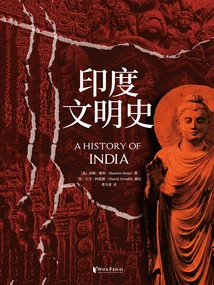
印度文明史
(us) Written By Burton Stein (uk) Revised By David Arnold
Do all Indians believe in Hinduism? What's going on with India's "weird" caste system? The Indus River, the birthplace of ancient Indian civilization, is not in India? The answers to these questions are all in "History of Indian Civilization"! About India, our familiar yet unfamiliar neighbor, this book will tell you all about it! The representative work of American South Asian history scholar Burton Stein is an authoritative foreign textbook and has been best-selling for 25 years. The whole book narrates the historical changes in India from 7000 BC to the 21st century, linking contemporary Indian political issues with its history. Taking the formation and development of Indian civilization as the main axis, it comprehensively interprets India's geographical relations, dynasty changes, religious culture and social development. Using the triple perspectives of history, anthropology, and archeology, it provides an in-depth interpretation of the historical formation of today's India, a panoramic representation of the evolution of civilization in the South Asian subcontinent, and an in-depth analysis of the familiar yet unfamiliar Indian civilization for Chinese-speaking readers.
Do all Indians believe in Hinduism? What's going on with India's "weird" caste system? The Indus River, the birthplace of ancient Indian civilization, is not in India? The answers to these questions are all in "History of Indian Civilization"! About India, our familiar yet unfamiliar neighbor, this book will tell you all about it! The representative work of American South Asian history scholar Burton Stein is an authoritative foreign textbook and has been best-selling for 25 years. The whole book narrates the historical changes in India from 7000 BC to the 21st century, linking contemporary Indian political issues with its history. Taking the formation and development of Indian civilization as the main axis, it comprehensively interprets India's geographical relations, dynasty changes, religious culture and social development. Using the triple perspectives of history, anthropology, and archeology, it provides an in-depth interpretation of the historical formation of today's India, a panoramic representation of the evolution of civilization in the South Asian subcontinent, and an in-depth analysis of the familiar yet unfamiliar Indian civilization for Chinese-speaking readers.
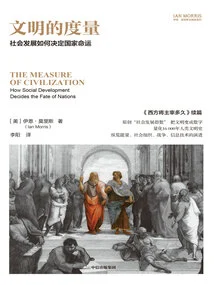
文明的度量:社会发展如何决定国家命运(伊恩·莫里斯文明史系列)
I
For hundreds of years, the world has been dominated by the West, and people have been arguing about why the West has so much power. If civilization determines all this, how should civilization be defined and how should it be measured? More importantly, how will civilization determine the direction of the world in the 21st century? This book is written to answer these questions. In this book, world-renowned historian Ian Morris presents the analysis that underpins the claims of How Long Will the West Dominate? He spanned the history of human civilization for 16,000 years and used a series of reliable archaeological evidence, historical data, and modern social data to design a "social development index" that can quantify civilization. He scored Eastern and Western civilizations in different times and spaces in terms of energy acquisition, social organization capabilities, war capabilities, and information technology. He quantitatively described many factors that determine economic and social development trends, so as to pursue the past, present, and future of world civilization. At the end of the book, Morris's data and stories present us with a surprising prediction: the social development of the East will catch up with the West by 2103. Whether for readers who are concerned about the development of contemporary China or the trajectory of tomorrow's world, the analytical ideas and predictions of this book will become a powerful guide to the real future.
For hundreds of years, the world has been dominated by the West, and people have been arguing about why the West has so much power. If civilization determines all this, how should civilization be defined and how should it be measured? More importantly, how will civilization determine the direction of the world in the 21st century? This book is written to answer these questions. In this book, world-renowned historian Ian Morris presents the analysis that underpins the claims of How Long Will the West Dominate? He spanned the history of human civilization for 16,000 years and used a series of reliable archaeological evidence, historical data, and modern social data to design a "social development index" that can quantify civilization. He scored Eastern and Western civilizations in different times and spaces in terms of energy acquisition, social organization capabilities, war capabilities, and information technology. He quantitatively described many factors that determine economic and social development trends, so as to pursue the past, present, and future of world civilization. At the end of the book, Morris's data and stories present us with a surprising prediction: the social development of the East will catch up with the West by 2103. Whether for readers who are concerned about the development of contemporary China or the trajectory of tomorrow's world, the analytical ideas and predictions of this book will become a powerful guide to the real future.
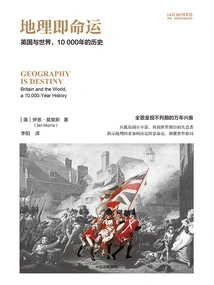
地理即命运:英国与世界,10000年的历史(伊恩·莫里斯文明史系列)
I
In this book, the well-known historian Ian Morris relies on a large historical perspective and a global perspective to clearly point out that what determines the rise and fall of Britain is its geographical elements, and the resulting issues related to identity, mobility, prosperity, security and sovereignty. The connection of sea routes promoted the exchanges and development between Britain and the European continent, and also opened up the grievances and grievances between the two sides that lasted for more than a thousand years. Whether to join the European Union for its own security and prosperity, or to safeguard sovereignty and people's identity and insist on independent development, has been a puzzle that has plagued this island for thousands of years. In the struggle and choice, Britain experienced the triangular trade, the establishment of the United Kingdom, the colonial world, and the industrial revolution... This small country gradually moved to the center of the world stage and realized its ambition to dominate the world. But in modern times, the Irish War of Independence, the depletion of two world wars, the wavering on whether to "Brexit", the rise of Eastern power... The empire, beleaguered internally and externally, became increasingly powerless, and gradually lost its way forward. The world stage and the core of development have shifted from the West to Asia, and the problems that have plagued Britain for more than a thousand years have quietly changed. Whether to firmly follow the United States, open up channels of cooperation with China, or become a hub connecting the United States, Europe and China has become a question that Britain in the 21st century has to think about. Looking back at the world, geographical relations have become the key to cooperation and conflict among countries. Perhaps we can also get a glimpse of China's next step on the world stage in this book.
In this book, the well-known historian Ian Morris relies on a large historical perspective and a global perspective to clearly point out that what determines the rise and fall of Britain is its geographical elements, and the resulting issues related to identity, mobility, prosperity, security and sovereignty. The connection of sea routes promoted the exchanges and development between Britain and the European continent, and also opened up the grievances and grievances between the two sides that lasted for more than a thousand years. Whether to join the European Union for its own security and prosperity, or to safeguard sovereignty and people's identity and insist on independent development, has been a puzzle that has plagued this island for thousands of years. In the struggle and choice, Britain experienced the triangular trade, the establishment of the United Kingdom, the colonial world, and the industrial revolution... This small country gradually moved to the center of the world stage and realized its ambition to dominate the world. But in modern times, the Irish War of Independence, the depletion of two world wars, the wavering on whether to "Brexit", the rise of Eastern power... The empire, beleaguered internally and externally, became increasingly powerless, and gradually lost its way forward. The world stage and the core of development have shifted from the West to Asia, and the problems that have plagued Britain for more than a thousand years have quietly changed. Whether to firmly follow the United States, open up channels of cooperation with China, or become a hub connecting the United States, Europe and China has become a question that Britain in the 21st century has to think about. Looking back at the world, geographical relations have become the key to cooperation and conflict among countries. Perhaps we can also get a glimpse of China's next step on the world stage in this book.
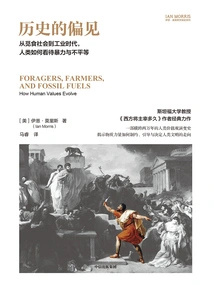
历史的偏见:从觅食社会到工业时代,人类如何看待暴力与不平等(伊恩·莫里斯文明史系列)
(us) Ian Morris
This is a history of the evolution of human values that spans 20,000 years. It tells how mankind's views on "violence" and "inequality" have quietly but inevitably changed during this vast historical period. In this book, world-renowned historian Ian Morris boldly proposes that it is the ability of humans to obtain food, fuel and other material energy that determines the shape of society and the values that match it. Therefore, the values of each era are what they need and are inevitable for social development: In a foraging society with material scarcity, ethnic groups regard survival as their first priority and do not hesitate to frequently use violence to protect their resources; in agricultural societies, settled life gives people the opportunity to accumulate more material energy, and they long for stability and accept the quiet life created by the hierarchy... Survival, reproduction, and development, these values that keep pace with the times ensure the further accumulation of material energy and push human society to a higher level. With extraordinary insight and advanced awareness, Ian Morris combines the research results of archaeology, geography and biology from a macro perspective to discuss how material forces quietly affect and then shake the culture, values and beliefs that humans have upheld for 20,000 years, and reflects on the possibility that humans are paving the way for their own extinction.
This is a history of the evolution of human values that spans 20,000 years. It tells how mankind's views on "violence" and "inequality" have quietly but inevitably changed during this vast historical period. In this book, world-renowned historian Ian Morris boldly proposes that it is the ability of humans to obtain food, fuel and other material energy that determines the shape of society and the values that match it. Therefore, the values of each era are what they need and are inevitable for social development: In a foraging society with material scarcity, ethnic groups regard survival as their first priority and do not hesitate to frequently use violence to protect their resources; in agricultural societies, settled life gives people the opportunity to accumulate more material energy, and they long for stability and accept the quiet life created by the hierarchy... Survival, reproduction, and development, these values that keep pace with the times ensure the further accumulation of material energy and push human society to a higher level. With extraordinary insight and advanced awareness, Ian Morris combines the research results of archaeology, geography and biology from a macro perspective to discuss how material forces quietly affect and then shake the culture, values and beliefs that humans have upheld for 20,000 years, and reflects on the possibility that humans are paving the way for their own extinction.
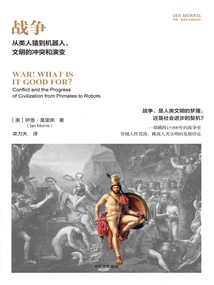
战争:从类人猿到机器人,文明的冲突和演变(伊恩·莫里斯文明史系列)
I
For tens of thousands of years, war has been regarded as a nightmare for mankind. It can turn rich fields into barren land in an instant, and it can also overthrow a prosperous empire in an instant. Wherever the war passes, panic, poverty and death follow. In this book, the author uses objective academic research and subversive thinking to show us the unpleasant but undeniable fact: in the long run, although war brings death and blood, it makes mankind safer and more prosperous. This book combines history, archeology, anthropology, geography, evolutionary biology, as well as technology and military knowledge to trace the 15,000 years of struggle and violence from apes to the birth of robots. The author sharply pointed out that in the Stone Age, 10% of people might die from violence; but in the 20th century, despite the outbreak of two world wars and the invention of nuclear weapons capable of destroying the earth's ecology, the violent death rate has dropped by 90%. The Leviathan-style large centralized state created by the war gave the world a chance to develop and prosper in a longer period of peace. The author's research on 15,000 years of human war history shows that the next half century will be the most dangerous period in human history. If we can get through this phase, then the age-old dream of ending war may become a reality. This book will undoubtedly forever change the way we view war and our choices for dealing with conflicts in the future. Both those who view war as a disaster and those who are involved in the cause of peace should read this book.
For tens of thousands of years, war has been regarded as a nightmare for mankind. It can turn rich fields into barren land in an instant, and it can also overthrow a prosperous empire in an instant. Wherever the war passes, panic, poverty and death follow. In this book, the author uses objective academic research and subversive thinking to show us the unpleasant but undeniable fact: in the long run, although war brings death and blood, it makes mankind safer and more prosperous. This book combines history, archeology, anthropology, geography, evolutionary biology, as well as technology and military knowledge to trace the 15,000 years of struggle and violence from apes to the birth of robots. The author sharply pointed out that in the Stone Age, 10% of people might die from violence; but in the 20th century, despite the outbreak of two world wars and the invention of nuclear weapons capable of destroying the earth's ecology, the violent death rate has dropped by 90%. The Leviathan-style large centralized state created by the war gave the world a chance to develop and prosper in a longer period of peace. The author's research on 15,000 years of human war history shows that the next half century will be the most dangerous period in human history. If we can get through this phase, then the age-old dream of ending war may become a reality. This book will undoubtedly forever change the way we view war and our choices for dealing with conflicts in the future. Both those who view war as a disaster and those who are involved in the cause of peace should read this book.
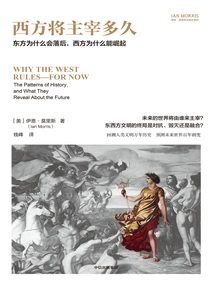
西方将主宰多久:东方为什么会落后,西方为什么能崛起(伊恩·莫里斯文明史系列)
I
Based on the 50,000-year history of human development in the East and the West, the author of this book, Ian Morris, points out that the dominance of the West was neither destined from ancient times nor a short-term accident. Neither of these views can explain why, despite falling behind, the modern West caught up with or even surpassed the East. Morris believes geography is key. It is geographical factors that have led Eastern and Western societies to embark on completely different development trajectories, and social development has in turn changed the meaning of geography. This two-way force has created the world structure from ancient times to the present, and has gradually shaped the historical pattern of the rise and fall of the East and the West. The author connects outstanding discoveries in various disciplines and combines it with his original "Social Development Index" to intuitively present the development of Eastern and Western societies in different time and space in the form of scores, revealing how wealth and power were transferred from the East to the West, thus establishing the West's dominance for hundreds of years. At the same time, the book doesn't stop there. By sorting out a series of details such as war, climate change, and energy evolution, the author not only traces the historical roots of the West's dominance of the world, but also boldly predicts the drastic changes that will occur in the world in the next hundred years.
Based on the 50,000-year history of human development in the East and the West, the author of this book, Ian Morris, points out that the dominance of the West was neither destined from ancient times nor a short-term accident. Neither of these views can explain why, despite falling behind, the modern West caught up with or even surpassed the East. Morris believes geography is key. It is geographical factors that have led Eastern and Western societies to embark on completely different development trajectories, and social development has in turn changed the meaning of geography. This two-way force has created the world structure from ancient times to the present, and has gradually shaped the historical pattern of the rise and fall of the East and the West. The author connects outstanding discoveries in various disciplines and combines it with his original "Social Development Index" to intuitively present the development of Eastern and Western societies in different time and space in the form of scores, revealing how wealth and power were transferred from the East to the West, thus establishing the West's dominance for hundreds of years. At the same time, the book doesn't stop there. By sorting out a series of details such as war, climate change, and energy evolution, the author not only traces the historical roots of the West's dominance of the world, but also boldly predicts the drastic changes that will occur in the world in the next hundred years.
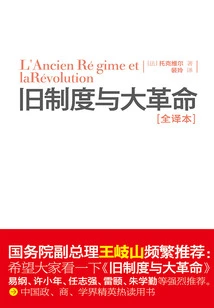
旧制度与大革命(全译本)
(france) Tocqueville
The main content of "The Old Regime and the Great Revolution" includes the polarized evaluations it endured when the Revolution broke out. The main and ultimate purpose of the Revolution was not, as people thought, to destroy religious power and weaken political power.
The main content of "The Old Regime and the Great Revolution" includes the polarized evaluations it endured when the Revolution broke out. The main and ultimate purpose of the Revolution was not, as people thought, to destroy religious power and weaken political power.
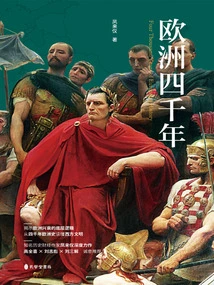
Europe Four Thousand Years
History欧洲四千年
Feng Laiyi
"Four Thousand Years of Europe" is an explanation of European history with a unique perspective, clear context, and thorough knowledge. This book first outlines the three core elements of European geography and European civilization, including ancient Roman civilization, Christianity, and Germanic customary law. Then it combs through the foundation of Western civilization by ancient Greek and Roman civilization, the rise and fall of the Germanic barbarian kingdoms, Christian theocracy, feudalism, and the Byzantine Empire in the Middle Ages, the rise and global expansion of Europe through the Renaissance, the Reformation, and the opening of new sea routes, as well as the rise of nation-states and the conflicts between them, revealing the deep logic behind Europe's complicated historical evolution. It enables readers to have a thorough understanding of four thousand years of European history and thus accurately grasp the characteristics of European civilization.
"Four Thousand Years of Europe" is an explanation of European history with a unique perspective, clear context, and thorough knowledge. This book first outlines the three core elements of European geography and European civilization, including ancient Roman civilization, Christianity, and Germanic customary law. Then it combs through the foundation of Western civilization by ancient Greek and Roman civilization, the rise and fall of the Germanic barbarian kingdoms, Christian theocracy, feudalism, and the Byzantine Empire in the Middle Ages, the rise and global expansion of Europe through the Renaissance, the Reformation, and the opening of new sea routes, as well as the rise of nation-states and the conflicts between them, revealing the deep logic behind Europe's complicated historical evolution. It enables readers to have a thorough understanding of four thousand years of European history and thus accurately grasp the characteristics of European civilization.
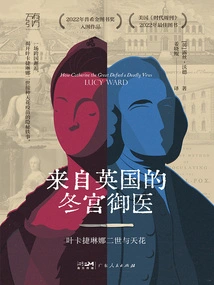
来自英国的冬宫御医:叶卡捷琳娜二世与天花(万有引力书系)
(uk) Ruth Ward
When people mention Catherine II, they often think of her outstanding governing ability, glamorous image and much-talked-about emotional life. Over time, these glamorous "queen symbols" have further obscured the other side of the narrative about this leader. In biographies, film and television works, the story of Catherine II and smallpox is often brushed aside. The author of this book starts from this often overlooked historical detail, combines historical documents from Britain and Russia, uses small things to see the big things, and uses exquisite ideas and plain language to completely present the story of Catherine II being vaccinated against smallpox with the help of the British Quaker doctor Thomas Dimsdale. In the author's writing, Catherine II's experience in defeating smallpox was a feat of the global public health movement in the 18th century and a victory of reason and science.
When people mention Catherine II, they often think of her outstanding governing ability, glamorous image and much-talked-about emotional life. Over time, these glamorous "queen symbols" have further obscured the other side of the narrative about this leader. In biographies, film and television works, the story of Catherine II and smallpox is often brushed aside. The author of this book starts from this often overlooked historical detail, combines historical documents from Britain and Russia, uses small things to see the big things, and uses exquisite ideas and plain language to completely present the story of Catherine II being vaccinated against smallpox with the help of the British Quaker doctor Thomas Dimsdale. In the author's writing, Catherine II's experience in defeating smallpox was a feat of the global public health movement in the 18th century and a victory of reason and science.
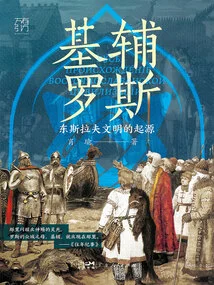
基辅罗斯:东斯拉夫文明的起源(万有引力书系)
Xiao Yu
Sorting out the historical origins of Russia, Ukraine, Belarus and other countries, the encyclopedia shows the ancient civilization of Eastern Europe. The Rus' Principality was a multi-ethnic country centered on Kiev and dominated by East Slavs from the 9th to the 13th century. Its ruling area is roughly equivalent to today's Ukraine, Belarus and parts of Europe in Russia. Rus is considered to be the common origin of civilization among Russia, Ukraine and Belarus. Historians customarily refer to this country as "Kievan Rus". With detailed research and vivid writing, it restores the ups and downs of the legendary lives and heroic stories of the grand dukes and ladies of Kievan Rus. In the 300-year history of the Rus' Principality, there have been constant collisions of war, commerce, diplomacy, and culture, and countless heroes and legendary stories were born. Rurik founded a dynasty named after him. Oleg and Igor went on an expedition to Byzantium. Mrs. Olga avenged her husband and opened the Regency Era of the Qingming Dynasty. Vladimir the "Red Sun", Yaroslav the Wise and Monomakh developed the country. At its most prosperous stage... However, the chaotic and bloody civil war and foreign aggression eventually caused Rus to fall apart. After 1169, the center of Rus' rule gradually moved from Kiev to the Principality of Vladimir in the northeast, and the unified Rus no longer existed. As the Mongolian cavalry set foot on the plains of Eastern Europe, Rus was permanently sealed in the treasures of history. However, the disintegration of the Rus' Principality established the main historical territory of today's three important Eastern European countries: Russia, Ukraine, and Belarus. The light of East Slavic civilization still shines to this day.
Sorting out the historical origins of Russia, Ukraine, Belarus and other countries, the encyclopedia shows the ancient civilization of Eastern Europe. The Rus' Principality was a multi-ethnic country centered on Kiev and dominated by East Slavs from the 9th to the 13th century. Its ruling area is roughly equivalent to today's Ukraine, Belarus and parts of Europe in Russia. Rus is considered to be the common origin of civilization among Russia, Ukraine and Belarus. Historians customarily refer to this country as "Kievan Rus". With detailed research and vivid writing, it restores the ups and downs of the legendary lives and heroic stories of the grand dukes and ladies of Kievan Rus. In the 300-year history of the Rus' Principality, there have been constant collisions of war, commerce, diplomacy, and culture, and countless heroes and legendary stories were born. Rurik founded a dynasty named after him. Oleg and Igor went on an expedition to Byzantium. Mrs. Olga avenged her husband and opened the Regency Era of the Qingming Dynasty. Vladimir the "Red Sun", Yaroslav the Wise and Monomakh developed the country. At its most prosperous stage... However, the chaotic and bloody civil war and foreign aggression eventually caused Rus to fall apart. After 1169, the center of Rus' rule gradually moved from Kiev to the Principality of Vladimir in the northeast, and the unified Rus no longer existed. As the Mongolian cavalry set foot on the plains of Eastern Europe, Rus was permanently sealed in the treasures of history. However, the disintegration of the Rus' Principality established the main historical territory of today's three important Eastern European countries: Russia, Ukraine, and Belarus. The light of East Slavic civilization still shines to this day.
欧洲文明进程(自由观念卷)
Editor-in-chief Hou Jianxin
"The Process of European Civilization·History of the Concept of Freedom" mainly introduces the Western concept of freedom since the Middle Ages, and sorts out Westerners' interpretation of the concept of freedom from the perspectives of philosophy and ethics. The Western concept of freedom has a long historical origin, which can be traced back to the ancient Greek city-states. After the development in the Middle Ages and modern times, it has gained richer connotations, constantly promoting the process of European civilization, and especially having an important influence on the development of modern capitalism in Western Europe. This volume focuses on the development and practice of Western concepts of political freedom and economic freedom. The author believes that political freedom and economic freedom are the premise and foundation of freedom in other aspects. Therefore, a discussion that links the concept of freedom with Western social practice and combines the history of thought with political and economic history is conducive to a comprehensive understanding of the development of the concept of freedom from the perspective of social and historical practice, and then deepens and systematizes the understanding of the history of Western political thought. In addition, the author also recognizes the limitations of freedom, and further examines the concepts and practices of intervening, opposing and restricting freedom in modern times in the West, in order to gain a more comprehensive understanding of the Western concept of freedom.
"The Process of European Civilization·History of the Concept of Freedom" mainly introduces the Western concept of freedom since the Middle Ages, and sorts out Westerners' interpretation of the concept of freedom from the perspectives of philosophy and ethics. The Western concept of freedom has a long historical origin, which can be traced back to the ancient Greek city-states. After the development in the Middle Ages and modern times, it has gained richer connotations, constantly promoting the process of European civilization, and especially having an important influence on the development of modern capitalism in Western Europe. This volume focuses on the development and practice of Western concepts of political freedom and economic freedom. The author believes that political freedom and economic freedom are the premise and foundation of freedom in other aspects. Therefore, a discussion that links the concept of freedom with Western social practice and combines the history of thought with political and economic history is conducive to a comprehensive understanding of the development of the concept of freedom from the perspective of social and historical practice, and then deepens and systematizes the understanding of the history of Western political thought. In addition, the author also recognizes the limitations of freedom, and further examines the concepts and practices of intervening, opposing and restricting freedom in modern times in the West, in order to gain a more comprehensive understanding of the Western concept of freedom.
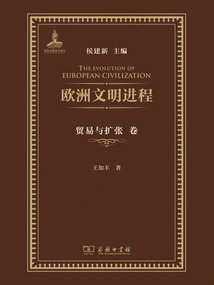
欧洲文明进程(贸易与扩张卷)
Editor-in-chief Hou Jianxin
This book discusses European trade and expansion since the Middle Ages from the perspective of cultural tradition, covering a time range from approximately the 9th century AD to the present day. The Europe mentioned here mainly refers to what is generally known as Western Europe, including Scandinavia in northern Europe through Germany and Austria to Italy in southern Europe and Europe to the west. It is the area where Catholicism and Protestantism are popular today, but it does not include Poland, Hungary and other Eastern European countries where Catholicism is popular. In addition to the "Preface", this book is divided into four parts. Part One discusses the expansion of Western Europe in the medieval period. The second part tells the story of Europe's initial establishment of a world market centered on Western Europe through the Great Geographical Discovery (or "opening of new shipping routes"), which was the beginning of world conquests. The third part discusses the process of Europe's struggle for hegemony in early modern times to export commodities. Its content follows the second part and belongs to the era of commercial capitalism. Part Four discusses trade and expansion in Western Europe since the Industrial Revolution.
This book discusses European trade and expansion since the Middle Ages from the perspective of cultural tradition, covering a time range from approximately the 9th century AD to the present day. The Europe mentioned here mainly refers to what is generally known as Western Europe, including Scandinavia in northern Europe through Germany and Austria to Italy in southern Europe and Europe to the west. It is the area where Catholicism and Protestantism are popular today, but it does not include Poland, Hungary and other Eastern European countries where Catholicism is popular. In addition to the "Preface", this book is divided into four parts. Part One discusses the expansion of Western Europe in the medieval period. The second part tells the story of Europe's initial establishment of a world market centered on Western Europe through the Great Geographical Discovery (or "opening of new shipping routes"), which was the beginning of world conquests. The third part discusses the process of Europe's struggle for hegemony in early modern times to export commodities. Its content follows the second part and belongs to the era of commercial capitalism. Part Four discusses trade and expansion in Western Europe since the Industrial Revolution.
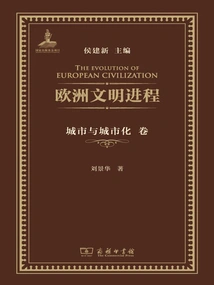
欧洲文明进程(城市与城市化卷)
Editor-in-chief Hou Jianxin
"European Civilization Process·Cities and Urbanization Volume" mainly places the history of European urban development and urbanization since the 11th century within the broad historical framework of the European Civilization Process. It focuses on the inner connection between urban development and urbanization and the European civilization process and characteristics. It explores the development laws of cities and urbanization, the difficulties and problems encountered, and analyzes their causes, in order to provide some reference for my country's urbanization. In this volume, the author points out that among the many characteristics and advantages of European civilization, the development of cities and the urbanization process of society are one of its most prominent features and advantages. Urban civilization is one of the most important manifestations of European civilization. Therefore, examining the development of cities and the urbanization process is an important part of studying the process of European civilization. European urbanization can be roughly divided into three stages: the 11th to 15th centuries were the era of "community" in cities. The general rise of cities, cities forming communities and striving for autonomy were the main characteristics of this period; the 15th to 18th centuries were the "transformation" period of cities, that is, cities were reborn from traditional forms to modern forms. This was a period The degeneration process of individuality; after the start of the British Industrial Revolution in the mid-18th century, cities experienced great expansion both geographically and in terms of population. Urbanization became the main trend in the development of European cities. The urbanization process is the process of universalizing urban lifestyles. The quality of cities has been greatly improved, and the rural areas have also completed the urbanization process.
"European Civilization Process·Cities and Urbanization Volume" mainly places the history of European urban development and urbanization since the 11th century within the broad historical framework of the European Civilization Process. It focuses on the inner connection between urban development and urbanization and the European civilization process and characteristics. It explores the development laws of cities and urbanization, the difficulties and problems encountered, and analyzes their causes, in order to provide some reference for my country's urbanization. In this volume, the author points out that among the many characteristics and advantages of European civilization, the development of cities and the urbanization process of society are one of its most prominent features and advantages. Urban civilization is one of the most important manifestations of European civilization. Therefore, examining the development of cities and the urbanization process is an important part of studying the process of European civilization. European urbanization can be roughly divided into three stages: the 11th to 15th centuries were the era of "community" in cities. The general rise of cities, cities forming communities and striving for autonomy were the main characteristics of this period; the 15th to 18th centuries were the "transformation" period of cities, that is, cities were reborn from traditional forms to modern forms. This was a period The degeneration process of individuality; after the start of the British Industrial Revolution in the mid-18th century, cities experienced great expansion both geographically and in terms of population. Urbanization became the main trend in the development of European cities. The urbanization process is the process of universalizing urban lifestyles. The quality of cities has been greatly improved, and the rural areas have also completed the urbanization process.
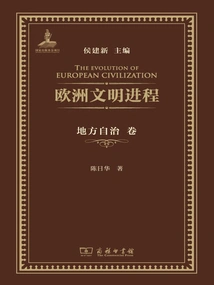
欧洲文明进程(地方自治卷)
Editor-in-chief Hou Jianxin
This volume is "The Process of European Civilization·Local Self-Government Volume", which mainly examines the development and characteristics of the local self-government system and its role in the development of civilization in Europe from the Middle Ages to the modern political and social process. In different historical periods, the relationship between central and local governments in major European countries has shown its own content and characteristics, which are closely related to factors such as historical traditions, feudal systems, nation-states, industrialization and democratization, and the formation of welfare states. On the basis of each having its own characteristics, the central-local relations in major European countries also show some commonalities, reflecting the general laws of the development of European civilization. We roughly divide it into three stages: the first stage is the central and local relations in the feudal era; the second stage is the central and local relations in the nation-state period; and the third stage is the relationship between the central and local governments since the 19th century. This division is based on different stages of European historical development and has a certain degree of ambiguity and extensibility. This division helps readers understand the characteristics of the relationship between the central and local governments during the development of European civilization. In essence, this relationship also embodies the connotation of European civilization. What needs to be pointed out in particular is that European countries have successful experiences and practical lessons in governance, which we need to understand objectively and comprehensively.
This volume is "The Process of European Civilization·Local Self-Government Volume", which mainly examines the development and characteristics of the local self-government system and its role in the development of civilization in Europe from the Middle Ages to the modern political and social process. In different historical periods, the relationship between central and local governments in major European countries has shown its own content and characteristics, which are closely related to factors such as historical traditions, feudal systems, nation-states, industrialization and democratization, and the formation of welfare states. On the basis of each having its own characteristics, the central-local relations in major European countries also show some commonalities, reflecting the general laws of the development of European civilization. We roughly divide it into three stages: the first stage is the central and local relations in the feudal era; the second stage is the central and local relations in the nation-state period; and the third stage is the relationship between the central and local governments since the 19th century. This division is based on different stages of European historical development and has a certain degree of ambiguity and extensibility. This division helps readers understand the characteristics of the relationship between the central and local governments during the development of European civilization. In essence, this relationship also embodies the connotation of European civilization. What needs to be pointed out in particular is that European countries have successful experiences and practical lessons in governance, which we need to understand objectively and comprehensively.
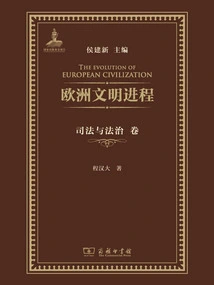
欧洲文明进程(司法与法治卷)
Editor-in-chief Hou Jianxin
In the history of human civilization under the rule of law, Europe has always been at the forefront of the world. An important reason for achieving this leading position is that Europe established and maintained an excellent and advanced judicial civilization earlier. According to the context of historical development, this book systematically introduces the origin of the European rule of law, the establishment of the rule of law in the Middle Ages, the development of justice and the rule of law in modern society, and the successful exploration of justice in the process of European integration in recent years. From the perspective of justice, the author conducted in-depth discussions and research on the origins of the advanced nature of European legal civilization.
In the history of human civilization under the rule of law, Europe has always been at the forefront of the world. An important reason for achieving this leading position is that Europe established and maintained an excellent and advanced judicial civilization earlier. According to the context of historical development, this book systematically introduces the origin of the European rule of law, the establishment of the rule of law in the Middle Ages, the development of justice and the rule of law in modern society, and the successful exploration of justice in the process of European integration in recent years. From the perspective of justice, the author conducted in-depth discussions and research on the origins of the advanced nature of European legal civilization.
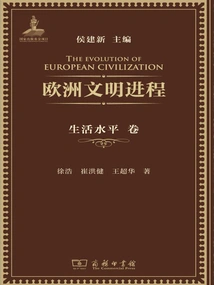
欧洲文明进程(生活水平卷)
Editor-in-chief Hou Jianxin
"The Process of European Civilization? Living Standards Volume" is divided into three parts: the Middle Ages (5th to 15th centuries), the transition period (16th to 18th centuries), and the modern era (19th to 20th centuries). Each part has five chapters, and the whole volume has fifteen chapters in total. This volume is guided by Marxism and based on empirical research. Based on a comprehensive analysis of the influencing factors such as the level of productivity development and income distribution, this volume selects ordinary people such as low-income earners, the elderly, and the middle class as samples, and attempts to examine the definition, composition, income sources, consumption content, and consumption patterns of the samples, etc. Conduct in-depth and systematic special research on the long-term trend of Europeans' living standards from the Middle Ages to modern times to clarify the economic and political reasons, main nodes, universal benefits and differences in the improvement of ordinary people's living standards in the process of European civilization over the past thousand years, and to analyze the long-term deviations in the understanding of related issues in Western population theory and traditional economic history.
"The Process of European Civilization? Living Standards Volume" is divided into three parts: the Middle Ages (5th to 15th centuries), the transition period (16th to 18th centuries), and the modern era (19th to 20th centuries). Each part has five chapters, and the whole volume has fifteen chapters in total. This volume is guided by Marxism and based on empirical research. Based on a comprehensive analysis of the influencing factors such as the level of productivity development and income distribution, this volume selects ordinary people such as low-income earners, the elderly, and the middle class as samples, and attempts to examine the definition, composition, income sources, consumption content, and consumption patterns of the samples, etc. Conduct in-depth and systematic special research on the long-term trend of Europeans' living standards from the Middle Ages to modern times to clarify the economic and political reasons, main nodes, universal benefits and differences in the improvement of ordinary people's living standards in the process of European civilization over the past thousand years, and to analyze the long-term deviations in the understanding of related issues in Western population theory and traditional economic history.
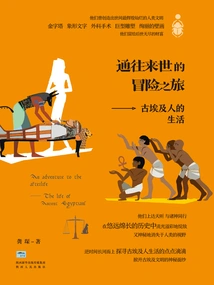
通往来世的冒险之旅:古埃及人的生活
Gong Chen
"Life of the Ancient Egyptians" is a work that comprehensively displays the history and culture of ancient Egypt, the changes of dynasties and the life of the ancient Egyptians. The Egyptian civilization was the largest civilization system in the ancient world. When they created the majestic and splendid pyramids, temples and texts, most of the other ethnic groups at the same time were still in a state of slash-and-burn farming. By sorting out the history of the thirty-four dynasties and narrating the details of the birth, old age, illness and death of the Egyptians, this book can give readers a general overview of the development of Egyptian civilization, and appreciate the characteristics of Egyptian civilization and many details of Egyptian life. It is a work that can provide a comprehensive overview of ancient Egypt. This book restores the details of ancient Egyptian life in a grim and humorous tone, and is an easy-to-understand history of ancient Egyptian social life.
"Life of the Ancient Egyptians" is a work that comprehensively displays the history and culture of ancient Egypt, the changes of dynasties and the life of the ancient Egyptians. The Egyptian civilization was the largest civilization system in the ancient world. When they created the majestic and splendid pyramids, temples and texts, most of the other ethnic groups at the same time were still in a state of slash-and-burn farming. By sorting out the history of the thirty-four dynasties and narrating the details of the birth, old age, illness and death of the Egyptians, this book can give readers a general overview of the development of Egyptian civilization, and appreciate the characteristics of Egyptian civilization and many details of Egyptian life. It is a work that can provide a comprehensive overview of ancient Egypt. This book restores the details of ancient Egyptian life in a grim and humorous tone, and is an easy-to-understand history of ancient Egyptian social life.
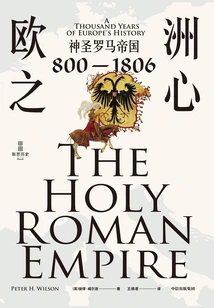
欧洲之心:神圣罗马帝国,800—1806
O
The history of the Holy Roman Empire is the main line of European medieval and modern history. The historical development of the empire also exhibits the general characteristics of European history. The Empire claimed to have inherited the orthodoxy of the Roman Empire, but it was not ruled by an absolute monarch like the Roman Empire. The empire has an emperor, but the emperor does not always keep his promise. Even the emergence of an emperor requires the coronation of the pope and the selection of electors. The sovereignty of the empire is decentralized and shared by various political bodies such as the emperor, the pope, princes, the imperial parliament, the imperial court, the city alliance, and the church territory. The governance of the empire mainly relies on seeking consensus and negotiation and mediation, rather than relying on hegemony. The empire was internally diverse. It gave birth to both the "Iron Kingdom" Prussia and the "Sea Coachman" Netherlands; it had both a feudal economy based on the manor system and a developed trade network represented by the Italian city-states, the United Provinces of the Netherlands and the Hanseatic League. Professor Wilson attempts to correct people's long-standing prejudices against this empire and restore the true nature of the empire for us. Starting from four themes, the book clarifies what the empire is, how it works, why it is important, and its impact on today's Europe. The content covers all aspects of the empire's sense of mission, social order, governance model, economic development, judicial system, state-state relations, reform and changes, etc., And paints a complete picture of a great empire that was still very dynamic until the end of the 18th century!
The history of the Holy Roman Empire is the main line of European medieval and modern history. The historical development of the empire also exhibits the general characteristics of European history. The Empire claimed to have inherited the orthodoxy of the Roman Empire, but it was not ruled by an absolute monarch like the Roman Empire. The empire has an emperor, but the emperor does not always keep his promise. Even the emergence of an emperor requires the coronation of the pope and the selection of electors. The sovereignty of the empire is decentralized and shared by various political bodies such as the emperor, the pope, princes, the imperial parliament, the imperial court, the city alliance, and the church territory. The governance of the empire mainly relies on seeking consensus and negotiation and mediation, rather than relying on hegemony. The empire was internally diverse. It gave birth to both the "Iron Kingdom" Prussia and the "Sea Coachman" Netherlands; it had both a feudal economy based on the manor system and a developed trade network represented by the Italian city-states, the United Provinces of the Netherlands and the Hanseatic League. Professor Wilson attempts to correct people's long-standing prejudices against this empire and restore the true nature of the empire for us. Starting from four themes, the book clarifies what the empire is, how it works, why it is important, and its impact on today's Europe. The content covers all aspects of the empire's sense of mission, social order, governance model, economic development, judicial system, state-state relations, reform and changes, etc., And paints a complete picture of a great empire that was still very dynamic until the end of the 18th century!
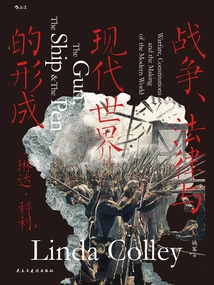
战争、法律与现代世界的形成
J
In the modern era, different countries have adopted written laws as political tools to promote change. There are profound historical connections behind this trend. From a unique perspective, this book traces transcontinental wars such as the Seven Years' War in the modern era, reviews the legislative activities of Haiti, the United States, France, Russia, Japan and other countries, analyzes the interaction between military pressure and rights-related legislation during this period, and shows the popularity of the printing and publishing industries and the development of long-distance transportation. How development can promote the spread of written laws in different countries and continents, promote the development of rights and political changes; the author also points out that under the trend of development, written laws will also become a tool to exclude the rights of women and colonial residents, and some non-Western countries draw on written laws to consolidate national identity and resist Western colonial expansion. It can be said that the formation of the modern world is a historical process in which countries create written laws and promote the development of rights and national transformation.
In the modern era, different countries have adopted written laws as political tools to promote change. There are profound historical connections behind this trend. From a unique perspective, this book traces transcontinental wars such as the Seven Years' War in the modern era, reviews the legislative activities of Haiti, the United States, France, Russia, Japan and other countries, analyzes the interaction between military pressure and rights-related legislation during this period, and shows the popularity of the printing and publishing industries and the development of long-distance transportation. How development can promote the spread of written laws in different countries and continents, promote the development of rights and political changes; the author also points out that under the trend of development, written laws will also become a tool to exclude the rights of women and colonial residents, and some non-Western countries draw on written laws to consolidate national identity and resist Western colonial expansion. It can be said that the formation of the modern world is a historical process in which countries create written laws and promote the development of rights and national transformation.
盎格鲁-撒克逊人:英格兰的形成,400—1066(方尖碑)
(uk) Mark Morris
Sixteen hundred years ago, Britain broke away from the Roman Empire and its original civilization was quickly annihilated. Towns were abandoned and society fell into chaos. At this time, a new race of people entered the ruined world. They were people from outside the northern borders of the Roman Empire, known as the Anglo-Saxons. These invaders from across the ocean entered this violent world and gradually made themselves new masters and established a new civilization. The Anglo-Saxons: The Making of England, 400-1066 draws on a wealth of original evidence to separate fact from legend and trace this turbulent history. This book shows how the early rulers of this land fought for glory and power and were almost destroyed by the Vikings; it depicts the revival of towns and trade, and the origins of institutions and customs that influence today. From it, you can see the birth of a new society, a new culture, and a unified country.
Sixteen hundred years ago, Britain broke away from the Roman Empire and its original civilization was quickly annihilated. Towns were abandoned and society fell into chaos. At this time, a new race of people entered the ruined world. They were people from outside the northern borders of the Roman Empire, known as the Anglo-Saxons. These invaders from across the ocean entered this violent world and gradually made themselves new masters and established a new civilization. The Anglo-Saxons: The Making of England, 400-1066 draws on a wealth of original evidence to separate fact from legend and trace this turbulent history. This book shows how the early rulers of this land fought for glory and power and were almost destroyed by the Vikings; it depicts the revival of towns and trade, and the origins of institutions and customs that influence today. From it, you can see the birth of a new society, a new culture, and a unified country.
Jerusalem Mistress
History耶路撒冷女主人
(uk) Catherine Pangonis
How do the mistresses of Jerusalem rule the turbulent Middle East, determined to seize greater power? In 1187, Saladin's army besieged the holy city of Jerusalem. He had annihilated the army of Jerusalem at the Battle of Hattin, and behind the city's high walls, an unlikely trio was leading the final defense, including Queen Sibylla of Jerusalem. They were unable to resist Saladin, but, if they were lucky, they could negotiate terms that would save the lives of the city's residents. Queen Sibylla was the last powerful female ruler of an overseas country. However, in all the books about the Crusades, one aspect is conspicuously absent: the stories of women. Queens and princesses are often depicted as passive transmitters of land and royal lineage. In reality, women rule, conduct diplomatic negotiations, make military decisions, form alliances, rebel and preside over construction projects. Melisande, Sibylla's grandmother, was the first queen to truly rule Jerusalem. She negotiated between her husband and son and seized the real power of the kingdom. She was a force that cannot be ignored in the politics of the Middle East. The stories of her Armenian mother, her three sisters, and their daughters and granddaughters are equally fascinating.
How do the mistresses of Jerusalem rule the turbulent Middle East, determined to seize greater power? In 1187, Saladin's army besieged the holy city of Jerusalem. He had annihilated the army of Jerusalem at the Battle of Hattin, and behind the city's high walls, an unlikely trio was leading the final defense, including Queen Sibylla of Jerusalem. They were unable to resist Saladin, but, if they were lucky, they could negotiate terms that would save the lives of the city's residents. Queen Sibylla was the last powerful female ruler of an overseas country. However, in all the books about the Crusades, one aspect is conspicuously absent: the stories of women. Queens and princesses are often depicted as passive transmitters of land and royal lineage. In reality, women rule, conduct diplomatic negotiations, make military decisions, form alliances, rebel and preside over construction projects. Melisande, Sibylla's grandmother, was the first queen to truly rule Jerusalem. She negotiated between her husband and son and seized the real power of the kingdom. She was a force that cannot be ignored in the politics of the Middle East. The stories of her Armenian mother, her three sisters, and their daughters and granddaughters are equally fascinating.
独立战争与世界重启:一部新的十八世纪晚期全球史(方尖碑)
(us) Matthew Lockwood
The American Revolution won freedom and peace for North America, but it brought far-reaching catastrophic consequences to the world. The revolutionary violence and imperial repression it triggered affected not only Europe, but also South America, Australia, Africa, and Asia. It not only sown the seeds of the collapse of the outstanding empires of the early modern period, but also set the stage for the global dominance of Britain, Russia, and the United States. In this outstanding work of history, Matthew Lockwood strives to make sense of this complex history.
The American Revolution won freedom and peace for North America, but it brought far-reaching catastrophic consequences to the world. The revolutionary violence and imperial repression it triggered affected not only Europe, but also South America, Australia, Africa, and Asia. It not only sown the seeds of the collapse of the outstanding empires of the early modern period, but also set the stage for the global dominance of Britain, Russia, and the United States. In this outstanding work of history, Matthew Lockwood strives to make sense of this complex history.
茶叶与帝国:口味如何塑造现代世界
(us) Erica Rapaport
Tea has always been one of the most popular commodities in the world. Over the centuries, profits from growing and selling tea funded wars and fueled colonial activities, while tea cultivation also brought about dramatic changes in land use, labor systems, market operations, and social hierarchies that are still present today. This book provides an in-depth historical look at how men and women changed global tastes and habits through the tea industry in Europe, Asia, North America, and Africa. Author Erica Rappaport points out in this book that from the 17th to the 20th century, the borders of the tea industry and the British Empire overlapped, but were never completely aligned. She also highlights the economic, political, and cultural forces that enabled the British Empire to dominate, but never fully control, the production, trade, and consumption of tea worldwide. She also delves into how Europeans embraced, appropriated, and transformed Chinese tea culture to create widespread demand for tea in Britain and other global markets, and to establish plantation economies in South Asia and Africa. The tea industry was one of the first colonial industries, with merchants, growers, promoters and retailers using imperial resources to pay for global advertising and political lobbying. Tea inspired business models that still exist today and are critical to understanding how politics and propaganda influence international economies.
Tea has always been one of the most popular commodities in the world. Over the centuries, profits from growing and selling tea funded wars and fueled colonial activities, while tea cultivation also brought about dramatic changes in land use, labor systems, market operations, and social hierarchies that are still present today. This book provides an in-depth historical look at how men and women changed global tastes and habits through the tea industry in Europe, Asia, North America, and Africa. Author Erica Rappaport points out in this book that from the 17th to the 20th century, the borders of the tea industry and the British Empire overlapped, but were never completely aligned. She also highlights the economic, political, and cultural forces that enabled the British Empire to dominate, but never fully control, the production, trade, and consumption of tea worldwide. She also delves into how Europeans embraced, appropriated, and transformed Chinese tea culture to create widespread demand for tea in Britain and other global markets, and to establish plantation economies in South Asia and Africa. The tea industry was one of the first colonial industries, with merchants, growers, promoters and retailers using imperial resources to pay for global advertising and political lobbying. Tea inspired business models that still exist today and are critical to understanding how politics and propaganda influence international economies.
Rome: the Story of an Empire
History罗马:一个帝国的故事
(uk) Greg Woolf
The concept of "empire" originated in ancient Rome, and even today traces of Roman monuments, documents and institutions can be found in Europe, the Near East and North Africa, and sometimes even further afield. Greg Woolf tells the story of how this vast empire was created, how it sustained itself through crisis, and how it shaped the world of its rulers and subjects, a story that spans 1,500 years of history. The figures and events in Roman history that have become part of the lexicon of Western culture are brilliantly recounted by the author, from the wars with Carthage to Octavian's victory over Cleopatra and the peak of territorial expansion under the emperors Trajan and Hadrian, to the founding of Constantinople and the barbarian invasions that led to Rome's final collapse. The author explores the conditions that made Rome successful and durable, covering topics as diverse as ecology, slavery, and religion. It also compares Rome to other ancient empires and to its many later imitators, vividly demonstrating the empire's most distinctive and enduring characteristics. As Woolf shows, no one planned to create a state that would last some 1,500 years, yet Rome was ultimately able to survive barbarian migrations, economic collapse, and a series of conflicts between world religions that developed within its borders, and in the process the image and myth of a seemingly indestructible empire emerged.
The concept of "empire" originated in ancient Rome, and even today traces of Roman monuments, documents and institutions can be found in Europe, the Near East and North Africa, and sometimes even further afield. Greg Woolf tells the story of how this vast empire was created, how it sustained itself through crisis, and how it shaped the world of its rulers and subjects, a story that spans 1,500 years of history. The figures and events in Roman history that have become part of the lexicon of Western culture are brilliantly recounted by the author, from the wars with Carthage to Octavian's victory over Cleopatra and the peak of territorial expansion under the emperors Trajan and Hadrian, to the founding of Constantinople and the barbarian invasions that led to Rome's final collapse. The author explores the conditions that made Rome successful and durable, covering topics as diverse as ecology, slavery, and religion. It also compares Rome to other ancient empires and to its many later imitators, vividly demonstrating the empire's most distinctive and enduring characteristics. As Woolf shows, no one planned to create a state that would last some 1,500 years, yet Rome was ultimately able to survive barbarian migrations, economic collapse, and a series of conflicts between world religions that developed within its borders, and in the process the image and myth of a seemingly indestructible empire emerged.
帝国的想象:文明、族群与未完成的共同体
Liang Zhan
With the end of the First World War, the wave of nationalism that began in the 17th and 18th centuries quickly swept across Europe, Asia, Africa, and South America. The disintegration of empires and the process of nation-state construction went hand in hand. It was not until the early 1990s that it showed its decline. However, the 20th century is not so much the century of the so-called nation-state, but rather the history of the entanglement of empires and nation-states. Starting from the perspective of global history, this book selects several cases that occurred in this long historical process, and uses a combination of theory and history to reveal the many complex literary imagination factors that constitute today's popular theories of nationalism and empire, as well as the strong colonialism and liberal imperialism underlying these theoretical discussions.
With the end of the First World War, the wave of nationalism that began in the 17th and 18th centuries quickly swept across Europe, Asia, Africa, and South America. The disintegration of empires and the process of nation-state construction went hand in hand. It was not until the early 1990s that it showed its decline. However, the 20th century is not so much the century of the so-called nation-state, but rather the history of the entanglement of empires and nation-states. Starting from the perspective of global history, this book selects several cases that occurred in this long historical process, and uses a combination of theory and history to reveal the many complex literary imagination factors that constitute today's popular theories of nationalism and empire, as well as the strong colonialism and liberal imperialism underlying these theoretical discussions.
5000 Years of Sea, Sky and Sky: a Brief History of the Civilization and Power of Great Powers
History海空天5000年:大国文明与力量简史
Wu Xiandong
From the maritime powers Carthage, ancient Greece, Portugal, Spain, and the Netherlands in the age of sail, to today's great sea, air, and sky powers the United States, Russia, China, France, and the United Kingdom, they are all contributors to sea, air, and space civilizations. From oars and sailing wooden ships, to steam iron armor and nuclear-powered aircraft carriers; from Kongming lanterns and hot-air balloons and gliders, to aircraft, spaceships, space stations and deep space probes, the civilization and power of sea, air and space continue to develop and grow in the game between great powers. Navigation, aviation, and aerospace (hereinafter referred to as "sea, air, and space") are symbols of civilization and strength, and are the hallmarks of a great and powerful country. This book stands from the perspective of the formation and development of sea, air, and space civilization and power, takes the development of sea, air, and space equipment and technology as the main line, selects countries and events closely related to the formation of sea, air, and space civilization, and unfolds them in chapter order, reviewing the rise and rise of great powers since the 15th century. This book is rich in pictures and texts, and is highly logical, aiming to give people new feelings and inspiration.
From the maritime powers Carthage, ancient Greece, Portugal, Spain, and the Netherlands in the age of sail, to today's great sea, air, and sky powers the United States, Russia, China, France, and the United Kingdom, they are all contributors to sea, air, and space civilizations. From oars and sailing wooden ships, to steam iron armor and nuclear-powered aircraft carriers; from Kongming lanterns and hot-air balloons and gliders, to aircraft, spaceships, space stations and deep space probes, the civilization and power of sea, air and space continue to develop and grow in the game between great powers. Navigation, aviation, and aerospace (hereinafter referred to as "sea, air, and space") are symbols of civilization and strength, and are the hallmarks of a great and powerful country. This book stands from the perspective of the formation and development of sea, air, and space civilization and power, takes the development of sea, air, and space equipment and technology as the main line, selects countries and events closely related to the formation of sea, air, and space civilization, and unfolds them in chapter order, reviewing the rise and rise of great powers since the 15th century. This book is rich in pictures and texts, and is highly logical, aiming to give people new feelings and inspiration.
角斗士:帝国兴衰史中的死亡表演(暗黑历史书系)
J
"Gladiators" tells the story of the origin, rise and decline of gladiatorial competitions from the 3rd century BC to the 5th century AD, showing its intertwining with the Roman political stage and historical destiny. Gladiatorial combat originated from gladiatorial performances at funerals, and later gradually became a large-scale public entertainment event held in the arena. The "bread and circuses" strategy inherited from Caesar made gladiatorial performances a way for emperors to demonstrate their power and reward the public. But amid the emperor's fatuousness, the people's pleasures, and the empire's worries, Christianity filled the spiritual emptiness of the people. The decline of the empire and Christian opposition left the arena in ruins...
"Gladiators" tells the story of the origin, rise and decline of gladiatorial competitions from the 3rd century BC to the 5th century AD, showing its intertwining with the Roman political stage and historical destiny. Gladiatorial combat originated from gladiatorial performances at funerals, and later gradually became a large-scale public entertainment event held in the arena. The "bread and circuses" strategy inherited from Caesar made gladiatorial performances a way for emperors to demonstrate their power and reward the public. But amid the emperor's fatuousness, the people's pleasures, and the empire's worries, Christianity filled the spiritual emptiness of the people. The decline of the empire and Christian opposition left the arena in ruins...
维京人:北欧人的传奇历史(暗黑历史书系)
I
Were the Vikings just brutal pirates? They did loot cities and invade Western Europe, but they came from a well-ordered society ruled by law. They wore well-made clothes, loved to be clean, and could comb their beards; they were not professional robbers, but probably craftsmen or farmers with a well-built farm. This book tells the complete history of the Vikings from the 8th to the 11th century, from religion, law, and social order to weapons, food, and daily life, from plundering, and trade to the entire Viking kingdom, covering all aspects of Viking history. It contains more than 200 photos, maps, and paintings, and provides a clear portrait of this legendary nation with superb brushwork.
Were the Vikings just brutal pirates? They did loot cities and invade Western Europe, but they came from a well-ordered society ruled by law. They wore well-made clothes, loved to be clean, and could comb their beards; they were not professional robbers, but probably craftsmen or farmers with a well-built farm. This book tells the complete history of the Vikings from the 8th to the 11th century, from religion, law, and social order to weapons, food, and daily life, from plundering, and trade to the entire Viking kingdom, covering all aspects of Viking history. It contains more than 200 photos, maps, and paintings, and provides a clear portrait of this legendary nation with superb brushwork.
亚瑟王与圆桌骑士:骑士之王和寻找圣杯的故事(暗黑历史书系)
I
"Here the famed King Arthur rests in the Isle of Avalon," reads an inscription at Glastonbury Abbey in the 12th century. Long before the Marvel universe, there was the romantic Arthurian universe, where King Arthur was a Western legend. This book explores the factual basis of the Arthurian legend and how characters, stories, and themes were developed through history, poetry, and prose; the author uses professional writing to describe the intersection of literature, mythology, and history, clearing away the many fogs surrounding the legendary world of King Arthur.
"Here the famed King Arthur rests in the Isle of Avalon," reads an inscription at Glastonbury Abbey in the 12th century. Long before the Marvel universe, there was the romantic Arthurian universe, where King Arthur was a Western legend. This book explores the factual basis of the Arthurian legend and how characters, stories, and themes were developed through history, poetry, and prose; the author uses professional writing to describe the intersection of literature, mythology, and history, clearing away the many fogs surrounding the legendary world of King Arthur.
特洛伊:西方文明源头的战争史诗(暗黑历史书系)
J
In the 19th century, a German businessman wanted to prove that the story of "The Iliad" was true and tried to discover the legendary city of Troy. This book started from here. With the help of unearthed documents such as Pylos Clay Tablets and Hattusa Clay Tablets, the author attempts to explain that the disputes staged in front of the walls of Troy were essentially the collision of the Mycenaean civilization and the Near Eastern civilization in the ancient Mediterranean world. The epic stories related to Troy contain the code for interpreting the political, economic and cultural aspects of the Mediterranean world of that era.
In the 19th century, a German businessman wanted to prove that the story of "The Iliad" was true and tried to discover the legendary city of Troy. This book started from here. With the help of unearthed documents such as Pylos Clay Tablets and Hattusa Clay Tablets, the author attempts to explain that the disputes staged in front of the walls of Troy were essentially the collision of the Mycenaean civilization and the Near Eastern civilization in the ancient Mediterranean world. The epic stories related to Troy contain the code for interpreting the political, economic and cultural aspects of the Mediterranean world of that era.
凯尔特人:欧洲文明进程中的不朽传奇(暗黑历史书系)
(uk) Martin J. Doherty
This book tells the history of the Celts from the Iron Age around 800 BC to a few hundred years BC, vividly reproducing the entire life and cultural traditions of the Celts. This book removes the label of Celtic "barbarians" and details the Celtic nation, society, art and religion. , Technological wars, myths and legends, etc. They were once the overlords of Europe, occupying Gaul and the British Isles. Even though they were later defeated by the Roman Empire, they left an indelible impact on Rome and the world. Their bloodline still continues to this day, and they are an immortal legend in the process of European civilization.
This book tells the history of the Celts from the Iron Age around 800 BC to a few hundred years BC, vividly reproducing the entire life and cultural traditions of the Celts. This book removes the label of Celtic "barbarians" and details the Celtic nation, society, art and religion. , Technological wars, myths and legends, etc. They were once the overlords of Europe, occupying Gaul and the British Isles. Even though they were later defeated by the Roman Empire, they left an indelible impact on Rome and the world. Their bloodline still continues to this day, and they are an immortal legend in the process of European civilization.
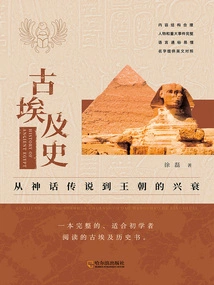
古埃及史:从神话传说到王朝的兴衰
Xu Lei
This is an ancient Egyptian history book suitable for beginners and amateurs. It starts from the myths and legends of ancient Egypt and involves the establishment, rise and fall of dynasties, as well as the complete process of how people rediscovered and understood ancient Egyptian civilization. It allows readers to start from scratch and gradually understand the historical development of ancient Egyptian civilization. This book has four major advantages: first, the content is complete and the structure is reasonable; second, it is suitable for ordinary people to read; third, it is equipped with a large number of pictures to facilitate readers' understanding; fourth, each name is provided with an English comparison to facilitate readers' inquiries when further reading. Overall, this book is a rare book that completely tells the history of ancient Egypt, which is both easy to understand and professionally rigorous.
This is an ancient Egyptian history book suitable for beginners and amateurs. It starts from the myths and legends of ancient Egypt and involves the establishment, rise and fall of dynasties, as well as the complete process of how people rediscovered and understood ancient Egyptian civilization. It allows readers to start from scratch and gradually understand the historical development of ancient Egyptian civilization. This book has four major advantages: first, the content is complete and the structure is reasonable; second, it is suitable for ordinary people to read; third, it is equipped with a large number of pictures to facilitate readers' understanding; fourth, each name is provided with an English comparison to facilitate readers' inquiries when further reading. Overall, this book is a rare book that completely tells the history of ancient Egypt, which is both easy to understand and professionally rigorous.