Library
Browse and search books
753 novels found
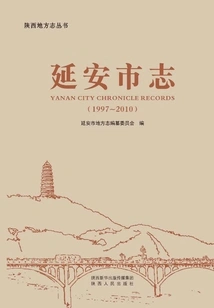
延安市志:1997~2010
Yan'an Local Chronicles Compilation Committee
"Yan'an City Chronicles 1997-2010" is carried out in accordance with the unified deployment and arrangement of national local chronicles. It aims to record the new developments and changes in Yan'an City's natural, economic, political, cultural, social and other aspects from 1997 to 2010. It also records the historical process of Yan'an City's transformation from agriculture to a new industrialized city under the guidance of the important thought of "Three Represents" and the Scientific Outlook on Development. The manuscript is divided into forty chapters, which comprehensively and systematically records the history and current situation of the development of Yan'an City from aspects such as administrative establishment, natural environment, population, urban and rural construction, industry, agriculture, forestry, water conservancy, commerce and trade, finance, people's government, political and legal affairs, military, education, culture, religion, and people.
"Yan'an City Chronicles 1997-2010" is carried out in accordance with the unified deployment and arrangement of national local chronicles. It aims to record the new developments and changes in Yan'an City's natural, economic, political, cultural, social and other aspects from 1997 to 2010. It also records the historical process of Yan'an City's transformation from agriculture to a new industrialized city under the guidance of the important thought of "Three Represents" and the Scientific Outlook on Development. The manuscript is divided into forty chapters, which comprehensively and systematically records the history and current situation of the development of Yan'an City from aspects such as administrative establishment, natural environment, population, urban and rural construction, industry, agriculture, forestry, water conservancy, commerce and trade, finance, people's government, political and legal affairs, military, education, culture, religion, and people.
明清《夔州府志》与夔州社会文化史研究
Xiong Maosong
This book is divided into upper and lower parts. The previous part uses philological theory to conduct literature research on the Kuizhou Prefecture Chronicles of the Ming and Qing Dynasties and analyze the development and changes of the Kuizhou Prefecture Chronicles of the Ming and Qing Dynasties. All human activities are carried out in a certain natural environment. The following part studies the regional social and cultural history of Kuizhou area in the Ming and Qing Dynasties from the perspective of ecological environment.
This book is divided into upper and lower parts. The previous part uses philological theory to conduct literature research on the Kuizhou Prefecture Chronicles of the Ming and Qing Dynasties and analyze the development and changes of the Kuizhou Prefecture Chronicles of the Ming and Qing Dynasties. All human activities are carried out in a certain natural environment. The following part studies the regional social and cultural history of Kuizhou area in the Ming and Qing Dynasties from the perspective of ecological environment.
青春之岛 活力之城:人民日报里的青岛
People's Daily Writing Team
This book selects more than 300 articles about Qingdao published in important sections of the People's Daily, covering various aspects such as economy and society, history and humanities, science and technology, sports education, etc. The manuscript is divided into 8 series with a total of 400,000 words, covering the development from the liberation of Qingdao to the new era, showing the social and historical picture of Qingdao's development.
This book selects more than 300 articles about Qingdao published in important sections of the People's Daily, covering various aspects such as economy and society, history and humanities, science and technology, sports education, etc. The manuscript is divided into 8 series with a total of 400,000 words, covering the development from the liberation of Qingdao to the new era, showing the social and historical picture of Qingdao's development.
布吉记忆:奇迹与光荣
"boogie Memory" Editorial Board
This book takes the historical stories and development changes of Buji during the reform and opening up as the main line, recording the industrial development, scientific and technological talents, infrastructure construction, Nanling Village development, Dafen Village cultural and creative rise, and business that occurred in Buji from 1978 to 2005. A series of content with distinctive marks of the times, such as the development of the trade and service industry and the memory of time-honored brands, connect the "miracles and glory" created by the Bugi people from different aspects, demonstrate the entrepreneurial spirit and wisdom of the Bugi people, and embody the courage and responsibility of the Bugi people. As a representative of grassroots towns and streets at the forefront of Shenzhen's reform and opening up, Buji's development and changes are also the epitome of China's grassroots reform and opening up.
This book takes the historical stories and development changes of Buji during the reform and opening up as the main line, recording the industrial development, scientific and technological talents, infrastructure construction, Nanling Village development, Dafen Village cultural and creative rise, and business that occurred in Buji from 1978 to 2005. A series of content with distinctive marks of the times, such as the development of the trade and service industry and the memory of time-honored brands, connect the "miracles and glory" created by the Bugi people from different aspects, demonstrate the entrepreneurial spirit and wisdom of the Bugi people, and embody the courage and responsibility of the Bugi people. As a representative of grassroots towns and streets at the forefront of Shenzhen's reform and opening up, Buji's development and changes are also the epitome of China's grassroots reform and opening up.
History of Banbidian Village
History半壁店村史
Banbidian Village History Editorial Committee
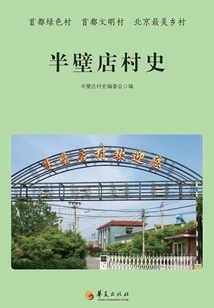
The first village history of Banbidian Village was compiled at the beginning of this century. It provides reference materials for the villagers to learn about the past and present, trace their roots and ancestors, and understand the general situation of the village, folk customs, production and life, etc. It is a major and happy event for the whole village. Banbidian Village has a history of more than 600 years. According to the Records of Daxing County written by Emperor Kangxi of the Qing Dynasty, Banbidian Village was established in the early Ming Dynasty by immigrants from Shanxi. There are still ruins of a large temple with a history of more than 200 years in the village, and there is also an acacia tree about 200 years old, which can serve as a historical witness. Currently, there are about 30 living villagers over the age of 75, of which about 10 are over 80 years old, and the oldest is 96 years old. They have all seen the tombs of the Zhang family who founded the village, as well as the ancestral tombs of the Huang family, the Lu family, and the Fu family. However, none of the families with the same surnames have handed down older genealogies, and there are few written records of the village's conditions. Past events mainly rely on oral transmission from generation to generation. The elderly people who are currently alive have not only heard their predecessors tell about their own experiences and the social conditions they saw and heard in the late Qing Dynasty, but they have also personally experienced the major events and tremendous economic and social changes that have occurred since the Revolution of 1911, especially the War of Resistance Against Japan and the War of Liberation, as well as the early days of the founding of the People's Republic of China. Therefore, some contents of this book are mainly based on documentary records, such as the historical evolution of administrative divisions, the time of major events in the Ming and Qing Dynasties, historical wars and disasters, the grain output of Daxing County over the years after 1949, etc.; Some contents are compiled based on oral legends and narrations, such as the production and living conditions and folk customs of Banbidian Village since the late Qing Dynasty.
The first village history of Banbidian Village was compiled at the beginning of this century. It provides reference materials for the villagers to learn about the past and present, trace their roots and ancestors, and understand the general situation of the village, folk customs, production and life, etc. It is a major and happy event for the whole village. Banbidian Village has a history of more than 600 years. According to the Records of Daxing County written by Emperor Kangxi of the Qing Dynasty, Banbidian Village was established in the early Ming Dynasty by immigrants from Shanxi. There are still ruins of a large temple with a history of more than 200 years in the village, and there is also an acacia tree about 200 years old, which can serve as a historical witness. Currently, there are about 30 living villagers over the age of 75, of which about 10 are over 80 years old, and the oldest is 96 years old. They have all seen the tombs of the Zhang family who founded the village, as well as the ancestral tombs of the Huang family, the Lu family, and the Fu family. However, none of the families with the same surnames have handed down older genealogies, and there are few written records of the village's conditions. Past events mainly rely on oral transmission from generation to generation. The elderly people who are currently alive have not only heard their predecessors tell about their own experiences and the social conditions they saw and heard in the late Qing Dynasty, but they have also personally experienced the major events and tremendous economic and social changes that have occurred since the Revolution of 1911, especially the War of Resistance Against Japan and the War of Liberation, as well as the early days of the founding of the People's Republic of China. Therefore, some contents of this book are mainly based on documentary records, such as the historical evolution of administrative divisions, the time of major events in the Ming and Qing Dynasties, historical wars and disasters, the grain output of Daxing County over the years after 1949, etc.; Some contents are compiled based on oral legends and narrations, such as the production and living conditions and folk customs of Banbidian Village since the late Qing Dynasty.
Qingdao Urban Form Evolution
History青岛城市形态演变
Jiang Zhengliang
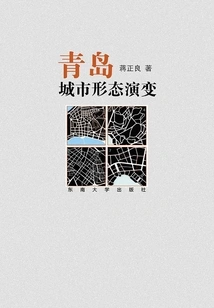
This article studies the urban form of Qingdao from the perspective of morphological evolution rules. Generally speaking, it is divided into three parts: 1. Theoretical research on the evolution of urban morphology; 2. Empirical analysis of the evolution of Qingdao's urban morphology; 3. The laws of Qingdao's urban morphology evolution. The first part is the principles and basis; the second part is not only case analysis, but also the application and testing of theoretical research in the Qingdao case; the last part is the conclusion.
This article studies the urban form of Qingdao from the perspective of morphological evolution rules. Generally speaking, it is divided into three parts: 1. Theoretical research on the evolution of urban morphology; 2. Empirical analysis of the evolution of Qingdao's urban morphology; 3. The laws of Qingdao's urban morphology evolution. The first part is the principles and basis; the second part is not only case analysis, but also the application and testing of theoretical research in the Qingdao case; the last part is the conclusion.
微观内蒙古(汉英版)
Mo Jiuyu
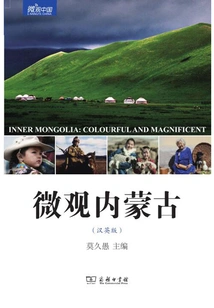
"Inner Mongolia in Microcosm" is one of the "China in Microcosm" series of external publicity books curated by the Commercial Press. The "Micro China" series pioneered the "Weibo style" writing method, emphasizing observation and experience from details, using 140 words to independently present a fact or convey an emotion. On the occasion of the "70th Anniversary of the Founding of the Inner Mongolia Autonomous Region", the Commercial Press has planned a publishing project with the theme of "Micro Inner Mongolia", aiming to present a true and vivid Inner Mongolia with both natural and humanistic beauty to Chinese and foreign readers as a gift to the 70th anniversary of the founding of the Autonomous Region.
"Inner Mongolia in Microcosm" is one of the "China in Microcosm" series of external publicity books curated by the Commercial Press. The "Micro China" series pioneered the "Weibo style" writing method, emphasizing observation and experience from details, using 140 words to independently present a fact or convey an emotion. On the occasion of the "70th Anniversary of the Founding of the Inner Mongolia Autonomous Region", the Commercial Press has planned a publishing project with the theme of "Micro Inner Mongolia", aiming to present a true and vivid Inner Mongolia with both natural and humanistic beauty to Chinese and foreign readers as a gift to the 70th anniversary of the founding of the Autonomous Region.
微观杭州(汉英版)
Wang Jianhua
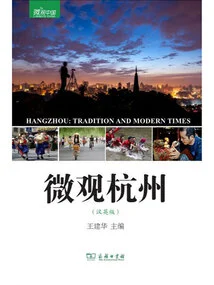
This book uses more than 420 Weibo texts and more than 190 pictures to tell the history and culture, economic development, social life and humanistic spirit of Hangzhou from different aspects. The book is divided into ten sections: City·Lokhas, Anecdotal History·Gou Shen, Region·Products, West Lake·Impression, Internet·Innovation, Ancient City·Tracing, Tip of the Tongue·Memory, Wuyue·Bao Rong, Buddhist Country·Poetry and Fashion·Tide. Each piece of content is presented in short and exquisite text, either writing about Hangzhou's characteristic themes, or telling Hangzhou's human stories, or describing Hangzhou's beautiful scenery. It combines pictures and text, and compares Chinese and English to tell a delicate, real, and ever-changing Hangzhou. While showing its exquisite, harmonious, grand and open international urban characteristics, it also explores the city's profound historical and cultural connotations and rich feelings about humanistic life.
This book uses more than 420 Weibo texts and more than 190 pictures to tell the history and culture, economic development, social life and humanistic spirit of Hangzhou from different aspects. The book is divided into ten sections: City·Lokhas, Anecdotal History·Gou Shen, Region·Products, West Lake·Impression, Internet·Innovation, Ancient City·Tracing, Tip of the Tongue·Memory, Wuyue·Bao Rong, Buddhist Country·Poetry and Fashion·Tide. Each piece of content is presented in short and exquisite text, either writing about Hangzhou's characteristic themes, or telling Hangzhou's human stories, or describing Hangzhou's beautiful scenery. It combines pictures and text, and compares Chinese and English to tell a delicate, real, and ever-changing Hangzhou. While showing its exquisite, harmonious, grand and open international urban characteristics, it also explores the city's profound historical and cultural connotations and rich feelings about humanistic life.
A Brief History of Xuzhou
History徐州简史
Wang Jian
Xuzhou is located at the crossroads between the north and the south. It has had an important strategic position since ancient times. Xuzhou's history is magnificent, and its economy and culture have undergone tremendous changes. "A Brief History of Xuzhou" provides a concise and comprehensive introduction to the history of Xuzhou from the Neolithic Age to the present in terms of politics, economy, culture and other different historical periods. It is easy to understand. It is a concise reader for understanding the history of Xuzhou and an important material for local education in Xuzhou.
Xuzhou is located at the crossroads between the north and the south. It has had an important strategic position since ancient times. Xuzhou's history is magnificent, and its economy and culture have undergone tremendous changes. "A Brief History of Xuzhou" provides a concise and comprehensive introduction to the history of Xuzhou from the Neolithic Age to the present in terms of politics, economy, culture and other different historical periods. It is easy to understand. It is a concise reader for understanding the history of Xuzhou and an important material for local education in Xuzhou.
Editor of Muaitang
History牧爱堂编
(qing Dynasty) Written By Zhao Jishi, Edited By Hao Ping
"Muai Tangbian" is a historical record of Zhao Jishi's five years of governance in Jiaocheng during the Qing Dynasty. "Muai Tangbian" contains a wealth of social history documents and a very rich legal history document. It is a true portrayal of Zhao Jishi's official life as a grassroots local official in Shanxi. The article not only records Zhao's achievements in local governance, trial cases, extermination of mountain bandits, construction of water conservancy projects, etc., But also includes Zhao's poems and correspondence with officials at all levels and local gentry during his tenure as county magistrate.
"Muai Tangbian" is a historical record of Zhao Jishi's five years of governance in Jiaocheng during the Qing Dynasty. "Muai Tangbian" contains a wealth of social history documents and a very rich legal history document. It is a true portrayal of Zhao Jishi's official life as a grassroots local official in Shanxi. The article not only records Zhao's achievements in local governance, trial cases, extermination of mountain bandits, construction of water conservancy projects, etc., But also includes Zhao's poems and correspondence with officials at all levels and local gentry during his tenure as county magistrate.
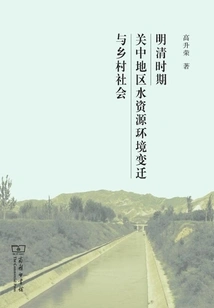
明清时期关中地区水资源环境变迁与乡村社会
Gao Shengrong
This book discusses the water resources in the Guanzhong area during the Ming and Qing Dynasties as the central issue, and based on this, explains the behavior of farmers, the operation of rural social organizations, especially institutional factors and relevant government policies. Its main purpose is to study how to correctly handle the relationship between people and water resources, and how to reasonably understand and treat the status of people in water resources utilization. Studying the rural water conservancy society in historical periods, especially summarizing some of the experiences and lessons learned by the ancients in the process of utilizing agricultural water resources, can provide useful thinking and reference for correctly handling the relationship between water resources environment and social development today.
This book discusses the water resources in the Guanzhong area during the Ming and Qing Dynasties as the central issue, and based on this, explains the behavior of farmers, the operation of rural social organizations, especially institutional factors and relevant government policies. Its main purpose is to study how to correctly handle the relationship between people and water resources, and how to reasonably understand and treat the status of people in water resources utilization. Studying the rural water conservancy society in historical periods, especially summarizing some of the experiences and lessons learned by the ancients in the process of utilizing agricultural water resources, can provide useful thinking and reference for correctly handling the relationship between water resources environment and social development today.
明代哈密吐鲁番资料汇编
Chen Gaohua
This book is a compilation of data on the Hami and Turpan areas in the Ming Dynasty from the 14th to the 17th century. It reflects the political and economic conditions, customs, and geographical overview of the time. It also reflects the close political, economic, and military relationships established between the central government and the local governments of Hami and Turpan at that time. This book is a revised and reprinted version. In addition to correcting errors, the author has added a batch of new information based on the original work. At the same time, he has included the article "Several Issues About Turpan in the Ming Dynasty" as an appendix, which provides a more in-depth analysis of Turpan's general profile, lineage of rulers and its relationship with the Ming Dynasty.
This book is a compilation of data on the Hami and Turpan areas in the Ming Dynasty from the 14th to the 17th century. It reflects the political and economic conditions, customs, and geographical overview of the time. It also reflects the close political, economic, and military relationships established between the central government and the local governments of Hami and Turpan at that time. This book is a revised and reprinted version. In addition to correcting errors, the author has added a batch of new information based on the original work. At the same time, he has included the article "Several Issues About Turpan in the Ming Dynasty" as an appendix, which provides a more in-depth analysis of Turpan's general profile, lineage of rulers and its relationship with the Ming Dynasty.
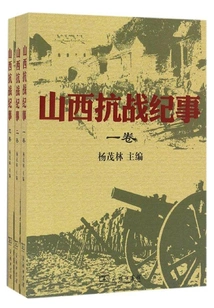
山西抗战纪事(全三卷)
Yang Maolin
This book adopts a chronicle style and describes a series of major historical events that occurred in Shanxi during the Chinese Anti-Japanese War that affected North China and even the whole country from eight aspects: politics, military, society, economy, literature and art, literature, education, and ecology. There are eight chapters in the book, and each chapter has its own purpose. Some of the chapters have many events, or one event has many points. They are not only the reproduction of history, but also the inspiration of the present and the thinking of the future.
This book adopts a chronicle style and describes a series of major historical events that occurred in Shanxi during the Chinese Anti-Japanese War that affected North China and even the whole country from eight aspects: politics, military, society, economy, literature and art, literature, education, and ecology. There are eight chapters in the book, and each chapter has its own purpose. Some of the chapters have many events, or one event has many points. They are not only the reproduction of history, but also the inspiration of the present and the thinking of the future.
Talking About Yangzhou
History论道扬州
Wei Minghua
This book interprets the ancient city of Yangzhou from a unique perspective of urban comparison. In the 2,500-year history of urban development, Yangzhou has had close ties with many cities across the country, including politics, economy, culture, etc. The author combs these relationships with a large number of vivid and interesting historical facts, and thus touches on the texture and trend of Yangzhou city.
This book interprets the ancient city of Yangzhou from a unique perspective of urban comparison. In the 2,500-year history of urban development, Yangzhou has had close ties with many cities across the country, including politics, economy, culture, etc. The author combs these relationships with a large number of vivid and interesting historical facts, and thus touches on the texture and trend of Yangzhou city.
Gezhi Nanjing
History格致南京
Xue Bing
The content of this book is divided into three major chapters: 1. Introduction (where to start - the storm of Taoyedu); 2. Stone Mountain and Stone City (Menxi, Mendong, Neiqiao, Beimen Bridge, Xuanwu Lake, Bailuzhou, Mochou Lake, Confucius Temple, Shiba Street, Grand View Garden, Longjiang Pass); 3. Ending ("Capital Plan" and others).
The content of this book is divided into three major chapters: 1. Introduction (where to start - the storm of Taoyedu); 2. Stone Mountain and Stone City (Menxi, Mendong, Neiqiao, Beimen Bridge, Xuanwu Lake, Bailuzhou, Mochou Lake, Confucius Temple, Shiba Street, Grand View Garden, Longjiang Pass); 3. Ending ("Capital Plan" and others).
Nanjing City History
History南京城市史
Xue Bing
Divided into upper and lower parts. The first part mainly traces the growth and changes of the ancient Nanjing city. The description of the content that has been concluded is kept simple; where different materials or different opinions are presented, we strive to be rigorous. The following part focuses on the issue of how people reconstructed the famous cultural city created by history in the one hundred years after the emergence of modern planning.
Divided into upper and lower parts. The first part mainly traces the growth and changes of the ancient Nanjing city. The description of the content that has been concluded is kept simple; where different materials or different opinions are presented, we strive to be rigorous. The following part focuses on the issue of how people reconstructed the famous cultural city created by history in the one hundred years after the emergence of modern planning.
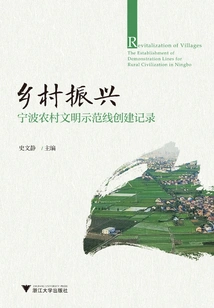
乡村振兴:宁波农村文明示范线创建记录
Shi Wenjing
This book mainly studies Yuyao, Xiangshan and Cixi to record the establishment of rural civilization demonstration lines in Ningbo. In the rural construction centered on the "three beauties" (beauty of the soul, the beauty of life, and the beauty of rural customs) and the "three modernizations" (cleansing, beautification, and industrialization), it records typical people and typical cases in Yuyao, Xiangshan, and Cixi through news.
This book mainly studies Yuyao, Xiangshan and Cixi to record the establishment of rural civilization demonstration lines in Ningbo. In the rural construction centered on the "three beauties" (beauty of the soul, the beauty of life, and the beauty of rural customs) and the "three modernizations" (cleansing, beautification, and industrialization), it records typical people and typical cases in Yuyao, Xiangshan, and Cixi through news.
清代地理志书研究(清史研究丛书)
Hua Linfu Zou Yilin
"Research on Geography of Qing Dynasty" is a collection of papers based on the scientific research results of the academic team of "Geography of Qing Dynasty" and "Atlas of Qing History". It contains 15 papers, mainly about the research, experience and reflections in the compilation process of "Qing History Geography", and some preliminary understandings in the compilation of "Qing History Atlas", which are both academic and logical. Corresponding collation, interpretation, and analysis were done with the geographical classics about the Qing Dynasty. Some recalled participating in the compilation process of the "Historical Atlas of China", some were quite skilled in geographical research, and some analyzes were based on in-depth research based on field trips.
"Research on Geography of Qing Dynasty" is a collection of papers based on the scientific research results of the academic team of "Geography of Qing Dynasty" and "Atlas of Qing History". It contains 15 papers, mainly about the research, experience and reflections in the compilation process of "Qing History Geography", and some preliminary understandings in the compilation of "Qing History Atlas", which are both academic and logical. Corresponding collation, interpretation, and analysis were done with the geographical classics about the Qing Dynasty. Some recalled participating in the compilation process of the "Historical Atlas of China", some were quite skilled in geographical research, and some analyzes were based on in-depth research based on field trips.
《译峨籁》校注
Ai Maoli
Mount Emei has a long history and culture and rich tourism resources. "Translation of Emei" written by Hu Shi'an is the earliest extant "mountain chronicle" work on the history of Mount Emei. However, the original printed copies of its paper books can no longer be found, and the previous in-house printed version also has less circulation, and the quality of the collection is worrying. In view of this, we re-collated and annotated the book based on the film collected by the National Library, solving problems such as omitted chapters, incorrect abbreviations, errors in historical facts, and errors in the use of references in the original book. We also made more in-depth annotations with reference to other classics. This book is written in vertical traditional Chinese.
Mount Emei has a long history and culture and rich tourism resources. "Translation of Emei" written by Hu Shi'an is the earliest extant "mountain chronicle" work on the history of Mount Emei. However, the original printed copies of its paper books can no longer be found, and the previous in-house printed version also has less circulation, and the quality of the collection is worrying. In view of this, we re-collated and annotated the book based on the film collected by the National Library, solving problems such as omitted chapters, incorrect abbreviations, errors in historical facts, and errors in the use of references in the original book. We also made more in-depth annotations with reference to other classics. This book is written in vertical traditional Chinese.
江苏地方文化史.常州卷
Editor-in-chief Ge Jinhua
This book is divided into two parts, summarizing the development process and main features of Changzhou culture in each period in chronological order. The following ten chapters are devoted to the characteristics and highlights of Changzhou culture from the aspects of education, clan, religion, academics, literature, language, art, gardens, folk customs, and foreign exchanges. A chronology of major events and references are attached to provide clues and help for further understanding of Changzhou culture.
This book is divided into two parts, summarizing the development process and main features of Changzhou culture in each period in chronological order. The following ten chapters are devoted to the characteristics and highlights of Changzhou culture from the aspects of education, clan, religion, academics, literature, language, art, gardens, folk customs, and foreign exchanges. A chronology of major events and references are attached to provide clues and help for further understanding of Changzhou culture.
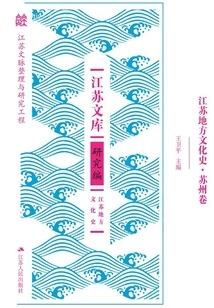
江苏地方文化史.苏州卷
Editor-in-chief Wang Weiping
This book provides a comprehensive and detailed overview of the local cultural history of Suzhou, from the environment in which Suzhou culture was generated and its historical stages (including the prehistoric period, the Wu period, the Qin, Han, Wei, Jin, Southern and Northern Dynasties, the Sui, Tang, Song and Yuan dynasties, the Ming and early Qing dynasties, the late Qing to the Republic of China) to the characteristics of Suzhou culture (including science and technology, education and imperial examinations, literature and language, academics, religion, calligraphy, painting and sculpture, opera and folk arts, arts and crafts, gardens and architecture, folk customs, and charity culture).
This book provides a comprehensive and detailed overview of the local cultural history of Suzhou, from the environment in which Suzhou culture was generated and its historical stages (including the prehistoric period, the Wu period, the Qin, Han, Wei, Jin, Southern and Northern Dynasties, the Sui, Tang, Song and Yuan dynasties, the Ming and early Qing dynasties, the late Qing to the Republic of China) to the characteristics of Suzhou culture (including science and technology, education and imperial examinations, literature and language, academics, religion, calligraphy, painting and sculpture, opera and folk arts, arts and crafts, gardens and architecture, folk customs, and charity culture).
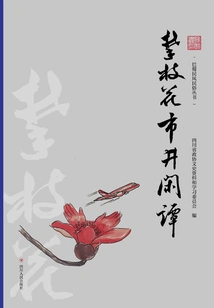
Panzhihua City Jingxiantan
History攀枝花市井闲谭
Compiled By The Cultural And Historical Materials And Study Committee Of The Cppcc Sichuan Province
The manuscript records the urban life of Panzhihua citizens from the 1960s to the present, covering people's food, housing, transportation, entertainment, and their understanding and feelings of daily life. Through this book, the new folk customs and new trends of Panzhihua City since the founding of New China are displayed and preserved, and it reflects the achievements of Panzhihua City in people's living standards, history, culture, and urban construction. This book is a volume in the Bashu Folk Customs Series, among which "Chengdu Market Chats" (Part 1 and 2) and "Meishan Market Chats" have been published by our publisher.
The manuscript records the urban life of Panzhihua citizens from the 1960s to the present, covering people's food, housing, transportation, entertainment, and their understanding and feelings of daily life. Through this book, the new folk customs and new trends of Panzhihua City since the founding of New China are displayed and preserved, and it reflects the achievements of Panzhihua City in people's living standards, history, culture, and urban construction. This book is a volume in the Bashu Folk Customs Series, among which "Chengdu Market Chats" (Part 1 and 2) and "Meishan Market Chats" have been published by our publisher.
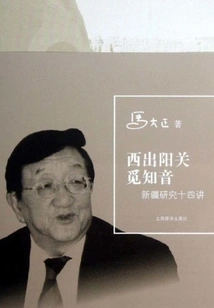
西出阳关觅知音:新疆研究十四讲
Ma Dazheng
The author selected fourteen speeches from the research results on Xinjiang that discussed the history and current situation of Xinjiang in China at a macro level, narrating the historical development process of Xinjiang from ancient times to the present, as well as discussions on Xinjiang inspections.
The author selected fourteen speeches from the research results on Xinjiang that discussed the history and current situation of Xinjiang in China at a macro level, narrating the historical development process of Xinjiang from ancient times to the present, as well as discussions on Xinjiang inspections.
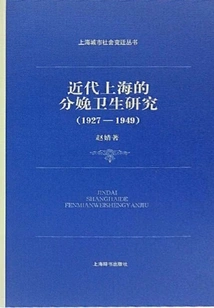
Research on Childbirth Hygiene in Modern Shanghai (1927-1949) (shanghai Urban Social Change Series)
History近代上海的分娩卫生研究(1927—1949)(上海城市社会变迁丛书)
Zhao Jing
"Shanghai Urban Social Change Series" is an in-depth review of Shanghai's urban social changes. The complete set of books covers all aspects of Shanghai's urban social changes. The author is an expert and scholar in relevant research fields from the Institute of History of the Shanghai Academy of Social Sciences, the School of Foreign Languages of Shanghai University, the School of Humanities of Tongji University, the School of Tourism of Shanghai Business School and other institutions. He has rich experience and in-depth research in the history of urban social life in Shanghai. By reading this specific history of social changes in the city of Shanghai, you will get more vivid information, solve inherent problems, or trigger new thinking, which can deepen your understanding of the cultural heritage of the city of Shanghai. It is also of certain value for deepening and promoting the study of the entire medieval and modern history. Women's social history has been one of the hot topics in Western academic circles for many years. With the spread of Western medicine in China, women's health and hygiene issues have become the focus of public opinion. This book takes childbirth hygiene as the starting point, and describes the health picture of Shanghai during the Nanjing National Period from four aspects: national discourse, knowledge resources, practitioners, and institutions. Based on the excavation and sorting of a large number of archives, newspapers, magazines, and books, the author conducted a relatively comprehensive inspection and evaluation of maternal and infant health administration, obstetrics education, midwives, and delivery practices. While presenting the complexity of this period of history, it also reflects on the issues of the female body and culture.
"Shanghai Urban Social Change Series" is an in-depth review of Shanghai's urban social changes. The complete set of books covers all aspects of Shanghai's urban social changes. The author is an expert and scholar in relevant research fields from the Institute of History of the Shanghai Academy of Social Sciences, the School of Foreign Languages of Shanghai University, the School of Humanities of Tongji University, the School of Tourism of Shanghai Business School and other institutions. He has rich experience and in-depth research in the history of urban social life in Shanghai. By reading this specific history of social changes in the city of Shanghai, you will get more vivid information, solve inherent problems, or trigger new thinking, which can deepen your understanding of the cultural heritage of the city of Shanghai. It is also of certain value for deepening and promoting the study of the entire medieval and modern history. Women's social history has been one of the hot topics in Western academic circles for many years. With the spread of Western medicine in China, women's health and hygiene issues have become the focus of public opinion. This book takes childbirth hygiene as the starting point, and describes the health picture of Shanghai during the Nanjing National Period from four aspects: national discourse, knowledge resources, practitioners, and institutions. Based on the excavation and sorting of a large number of archives, newspapers, magazines, and books, the author conducted a relatively comprehensive inspection and evaluation of maternal and infant health administration, obstetrics education, midwives, and delivery practices. While presenting the complexity of this period of history, it also reflects on the issues of the female body and culture.
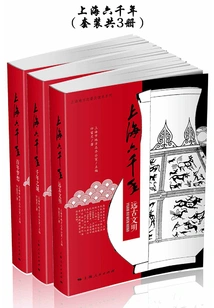
上海六千年(套装共3册)
Chief Editor Of Shanghai Local Chronicles Office Zhong Fulan
In the long history, the ancestors of Shanghai have lived on this land for 6,000 years. The recorded history of the word "Shanghai" is nearly 1,000 years ago. It has been more than 700 years since Shanghai was founded and more than 90 years since Shanghai was established as a city. In 2019, Shanghai will celebrate the 70th anniversary of liberation and is working towards the grand goal of "Two Centenary Years". With the great changes, history needs to be remembered, civilization needs to be passed on, and the future needs to be understood. "Six Thousand Years of Shanghai" is based on Shanghai's local chronicle documents and takes the historical evolution and development of Shanghai as its context. It uses pictures and texts, easy-to-read language and a diverse structure. It is an authoritative, scientific and systematic book on the history of Shanghai that is also readable, informative and inspiring. \U003C\u002Fbr\u003E In terms of time, it mainly includes prehistoric Shanghai, ancient Shanghai, modern Shanghai and contemporary Shanghai, and pays special attention to Shanghai's revolutionary history, construction history and reform and opening up history, as well as showing Shanghai's "two hundred years" development vision; in terms of content, it not only systematically narrates, but also highlights representative and iconic things, people and objects in Shanghai.
In the long history, the ancestors of Shanghai have lived on this land for 6,000 years. The recorded history of the word "Shanghai" is nearly 1,000 years ago. It has been more than 700 years since Shanghai was founded and more than 90 years since Shanghai was established as a city. In 2019, Shanghai will celebrate the 70th anniversary of liberation and is working towards the grand goal of "Two Centenary Years". With the great changes, history needs to be remembered, civilization needs to be passed on, and the future needs to be understood. "Six Thousand Years of Shanghai" is based on Shanghai's local chronicle documents and takes the historical evolution and development of Shanghai as its context. It uses pictures and texts, easy-to-read language and a diverse structure. It is an authoritative, scientific and systematic book on the history of Shanghai that is also readable, informative and inspiring. \U003C\u002Fbr\u003E In terms of time, it mainly includes prehistoric Shanghai, ancient Shanghai, modern Shanghai and contemporary Shanghai, and pays special attention to Shanghai's revolutionary history, construction history and reform and opening up history, as well as showing Shanghai's "two hundred years" development vision; in terms of content, it not only systematically narrates, but also highlights representative and iconic things, people and objects in Shanghai.
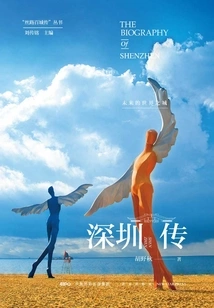
深圳传:未来的世界之城
Hu Yeqiu
"Biography of Shenzhen" is one of the important readers in the "Biography of One Hundred Cities on the Silk Road" series. It only took Shenzhen 40 years to become a first-tier city in China and successfully attract the attention of the world and become an international city. People with dreams come here from all over to work hard and become Shenzhen people who dare to think and act. But precisely because Shenzhen is young, Shenzhen people have complex origins, such as a cultural desert and a paradise for adventurers... The author has lived in Shenzhen for nearly 30 years, observing, thinking, and living. He uses his eyes and footsteps to measure corners that are rarely visited by ordinary people, understands historical changes with his heart, and feels the pulse of the present. With the sensitivity of a reporter and the depth of a scholar, he has spent many years The accumulated materials and subtle personal discoveries describe the great men, heroes and dream chasers who built this city, and also pay attention to the living conditions of those small people and small events that are easily ignored. It presents the great changes of this city with facts, and illuminates the intellectual and spiritual history of this city with a heart-to-heart interpretation, rectifying "misunderstanding".
"Biography of Shenzhen" is one of the important readers in the "Biography of One Hundred Cities on the Silk Road" series. It only took Shenzhen 40 years to become a first-tier city in China and successfully attract the attention of the world and become an international city. People with dreams come here from all over to work hard and become Shenzhen people who dare to think and act. But precisely because Shenzhen is young, Shenzhen people have complex origins, such as a cultural desert and a paradise for adventurers... The author has lived in Shenzhen for nearly 30 years, observing, thinking, and living. He uses his eyes and footsteps to measure corners that are rarely visited by ordinary people, understands historical changes with his heart, and feels the pulse of the present. With the sensitivity of a reporter and the depth of a scholar, he has spent many years The accumulated materials and subtle personal discoveries describe the great men, heroes and dream chasers who built this city, and also pay attention to the living conditions of those small people and small events that are easily ignored. It presents the great changes of this city with facts, and illuminates the intellectual and spiritual history of this city with a heart-to-heart interpretation, rectifying "misunderstanding".
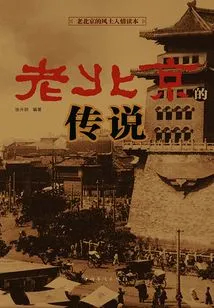
The Legend of Old Beijing
History老北京的传说
Zhang Huiyan
Beijing is an ancient cultural city with a history of more than 3,000 years and is one of the six ancient capitals. In the vast history, too many interesting things happened and too many legends circulated in the city of Beijing. City gate archways, royal residences, alleys, religious temples... Almost every inch of land and every corner in Beijing carries many legendary stories about food, clothing, housing and transportation, hard work, joy, anger, sorrow and joy, and love and friendship.
Beijing is an ancient cultural city with a history of more than 3,000 years and is one of the six ancient capitals. In the vast history, too many interesting things happened and too many legends circulated in the city of Beijing. City gate archways, royal residences, alleys, religious temples... Almost every inch of land and every corner in Beijing carries many legendary stories about food, clothing, housing and transportation, hard work, joy, anger, sorrow and joy, and love and friendship.
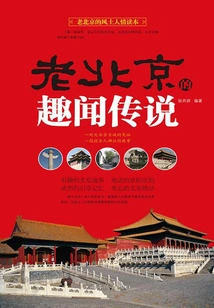
老北京的趣闻传说
Compiled By Zhang Huiyan
In "Interesting Stories and Legends of Old Beijing", we learn about old Beijing's historical allusions, origins of place names, scenic spots and historic sites, the history of the imperial city, city gate archways, royal residences, hutongs and alleys, former residences of guild halls, religious temples, mausoleums and ancestral halls, flavor and food, clothing, entertainment world, folk customs, weddings and funerals, business legends, transportation, folk crafts, and methods. It provides a detailed and interesting introduction to the past of old Beijing in terms of slang, harem anecdotes, etc. It is both educational and entertaining. It strives to tell readers all kinds of interesting stories and legends in the most simple and relaxed language, so that readers can not only have a clear understanding of the customs and customs of old Beijing in a light reading atmosphere, but also enjoy the physical and mental pleasure and achieve the effect of relaxation.
In "Interesting Stories and Legends of Old Beijing", we learn about old Beijing's historical allusions, origins of place names, scenic spots and historic sites, the history of the imperial city, city gate archways, royal residences, hutongs and alleys, former residences of guild halls, religious temples, mausoleums and ancestral halls, flavor and food, clothing, entertainment world, folk customs, weddings and funerals, business legends, transportation, folk crafts, and methods. It provides a detailed and interesting introduction to the past of old Beijing in terms of slang, harem anecdotes, etc. It is both educational and entertaining. It strives to tell readers all kinds of interesting stories and legends in the most simple and relaxed language, so that readers can not only have a clear understanding of the customs and customs of old Beijing in a light reading atmosphere, but also enjoy the physical and mental pleasure and achieve the effect of relaxation.
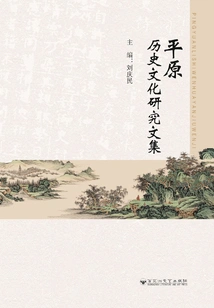
平原历史文化研究文集
Liu Qingmin
This book mainly collects historical celebrities, important historical events, folklore, cultural relics and historical monuments from the Qin and Han Dynasties to the present, such as Liu Bei, the magistrate of Pingyuan County, modern figures such as historian Ren Jiyu, famous writer Deng Youmei, etc., As well as other historical celebrities who came out of Pingyuan. In addition, the book also contains speeches and articles by President Wang Weiguang of the Academy of Social Sciences, Kaluo Shugang of the Ministry of Culture, and relevant experts and scholars from across the country on the study of Ren Jiyu, with rich and comprehensive content.
This book mainly collects historical celebrities, important historical events, folklore, cultural relics and historical monuments from the Qin and Han Dynasties to the present, such as Liu Bei, the magistrate of Pingyuan County, modern figures such as historian Ren Jiyu, famous writer Deng Youmei, etc., As well as other historical celebrities who came out of Pingyuan. In addition, the book also contains speeches and articles by President Wang Weiguang of the Academy of Social Sciences, Kaluo Shugang of the Ministry of Culture, and relevant experts and scholars from across the country on the study of Ren Jiyu, with rich and comprehensive content.
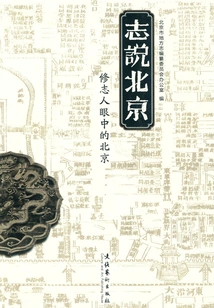
志说北京:修志人眼中的北京
Beijing Local Chronicles Compilation Committee
This book contains interesting accounts of various historical events in Beijing, in-depth analysis of cultural relics such as buildings, temples, and mausoleums, vivid descriptions of food, clothing, customs, etc., As well as finger-pointing portrayals of historical celebrities.
This book contains interesting accounts of various historical events in Beijing, in-depth analysis of cultural relics such as buildings, temples, and mausoleums, vivid descriptions of food, clothing, customs, etc., As well as finger-pointing portrayals of historical celebrities.
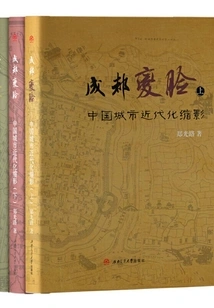
Chengdu's "changing Face": a Microcosm of China's Urban Modernization (top, Middle, and Bottom)
History成都“变脸”:中国城市近代化缩影(上中下)
Zheng Guanglu
This book is a popular book on local culture. As a famous historical and cultural city in China, Chengdu's "early modernization" process is a microcosm of most cities in China. The book closely follows the theme of "urban modernization" and contains all-encompassing content, including conflicts between China and the West, humanistic anecdotes, anecdotes, historical mysteries, streets and gardens, Duan Gong witches, Western medicine and foreign religions, customs, three religions and nine streams, food, clothing, housing and transportation, salary income, price levels, traditional martial arts, and modern sports. The author of this book pursues a kind of "general elegance", that is, the perfect combination of academic, interesting and popular. He has discovered important historical data in many aspects and has many innovations and breakthroughs compared with previous research. This book is a very unique and in-depth academic reference book for the study of Chinese urban history and modern Chinese history.
This book is a popular book on local culture. As a famous historical and cultural city in China, Chengdu's "early modernization" process is a microcosm of most cities in China. The book closely follows the theme of "urban modernization" and contains all-encompassing content, including conflicts between China and the West, humanistic anecdotes, anecdotes, historical mysteries, streets and gardens, Duan Gong witches, Western medicine and foreign religions, customs, three religions and nine streams, food, clothing, housing and transportation, salary income, price levels, traditional martial arts, and modern sports. The author of this book pursues a kind of "general elegance", that is, the perfect combination of academic, interesting and popular. He has discovered important historical data in many aspects and has many innovations and breakthroughs compared with previous research. This book is a very unique and in-depth academic reference book for the study of Chinese urban history and modern Chinese history.
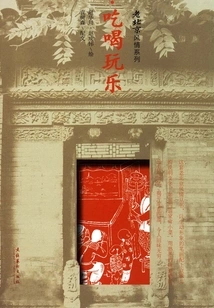
Eat, Drink and Be Merry
History吃喝玩乐
Yuan Shusen Zhao Huachuan Zhao Chengwei
This book introduces the food customs and leisure entertainment of old Beijing, including: New Year's Eve dinner, first-year dumplings, Laba garlic, eating spring cakes, drinking bean juice, eating enema, tea and soup selection, etc.
This book introduces the food customs and leisure entertainment of old Beijing, including: New Year's Eve dinner, first-year dumplings, Laba garlic, eating spring cakes, drinking bean juice, eating enema, tea and soup selection, etc.
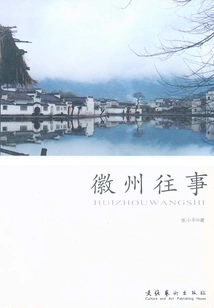
Huizhou Past Events
History徽州往事
Zhang Xiaoping
This book records every detail of Huizhou's past, allowing us to see more of Huizhou. The portraits depict ordinary people, and family nature is the common feature of these images. The significance of these images has transcended the scope of the family. They have become the common sages and sages of Weizhou people and an indispensable spiritual refuge in the lives of Huizhou people.
This book records every detail of Huizhou's past, allowing us to see more of Huizhou. The portraits depict ordinary people, and family nature is the common feature of these images. The significance of these images has transcended the scope of the family. They have become the common sages and sages of Weizhou people and an indispensable spiritual refuge in the lives of Huizhou people.
清·乾隆四十三年《富平县志》校注
(qing Dynasty) Revised By Wu Liu'ao\u002f Edited By Hu Wenquan\u002f Xu Pengbiao Hui Junchang Annotated By Lu Hailing
The "Fuping County Chronicle" in the forty-third year of Qianlong's reign (1778) consists of 8 volumes and about 150,000 words. There are prefaces by Bi Yuanxu and Wu Liuao at the beginning of the volume. The content includes geography, construction, tribute, water conservancy, officials, elections, characters, art and literature. It has 29 items and 6 pictures. It is recorded in "Collection of Chinese Local Chronicles·Shaanxi Prefecture and County Chronicles" and is widely circulated. This annotation is based on the "Fuping County Chronicle" compiled by Wu Liu'aoxiu and Hu Wenquan in the 43rd year of Qianlong's reign (1778) collected by the National Peking Library. It also refers to the "Fuping County Chronicle" collected in the Xi'an Normal University Library in the 43rd year of Qianlong's reign in the Qing Dynasty (1778). , The Ming Dynasty Wanli "Fuping County Chronicle" is collected in Xi'an Museum, the Qing Qianlong forty-three years (1778) "Fuping County Chronicles reprinted by Mr. Sun Lishan", the Qianlong fifth year (1740) "Fuping County Chronicles", Guangxu's "Fuping County Chronicles Manuscript", choose the best and follow them. The order of the chapters still follows the original version, and the whole book is arranged horizontally in standardized simplified Chinese characters. The main text is in Song style, and other annotations and proofreading are in Kai style.
The "Fuping County Chronicle" in the forty-third year of Qianlong's reign (1778) consists of 8 volumes and about 150,000 words. There are prefaces by Bi Yuanxu and Wu Liuao at the beginning of the volume. The content includes geography, construction, tribute, water conservancy, officials, elections, characters, art and literature. It has 29 items and 6 pictures. It is recorded in "Collection of Chinese Local Chronicles·Shaanxi Prefecture and County Chronicles" and is widely circulated. This annotation is based on the "Fuping County Chronicle" compiled by Wu Liu'aoxiu and Hu Wenquan in the 43rd year of Qianlong's reign (1778) collected by the National Peking Library. It also refers to the "Fuping County Chronicle" collected in the Xi'an Normal University Library in the 43rd year of Qianlong's reign in the Qing Dynasty (1778). , The Ming Dynasty Wanli "Fuping County Chronicle" is collected in Xi'an Museum, the Qing Qianlong forty-three years (1778) "Fuping County Chronicles reprinted by Mr. Sun Lishan", the Qianlong fifth year (1740) "Fuping County Chronicles", Guangxu's "Fuping County Chronicles Manuscript", choose the best and follow them. The order of the chapters still follows the original version, and the whole book is arranged horizontally in standardized simplified Chinese characters. The main text is in Song style, and other annotations and proofreading are in Kai style.
Village Survey Report (2018)
History整村调查报告(2018)
Geng Mingzhai
The whole village survey is an integral part of the population mobility survey and database construction of hundreds of counties and thousands of villages by the Zhongyuan Development Research Institute of Henan University. This year is the second consecutive year that it has been carried out. This report is a summary of the special research results prepared by each research team based on the information collected in this survey. The Central Plains Development Research Organization's whole-village survey does not only focus on the current mobility of rural people in Henan Province. It also hopes to use this survey to record how people's production and lifestyle have changed or are changing with the economic and social development and institutional changes in traditional villages in Henan Province, and then conduct research on related issues on this basis.
The whole village survey is an integral part of the population mobility survey and database construction of hundreds of counties and thousands of villages by the Zhongyuan Development Research Institute of Henan University. This year is the second consecutive year that it has been carried out. This report is a summary of the special research results prepared by each research team based on the information collected in this survey. The Central Plains Development Research Organization's whole-village survey does not only focus on the current mobility of rural people in Henan Province. It also hopes to use this survey to record how people's production and lifestyle have changed or are changing with the economic and social development and institutional changes in traditional villages in Henan Province, and then conduct research on related issues on this basis.
赵尔巽与清末奉天政局(1905-1907)
Li Hao
This book combs Zhao Erxun's measures during his three years in power in Fengtian, analyzes his administrative background, specific measures, objective effects, etc., Starting from the special international geopolitical pattern of Northeast China, and points out that Zhao Erxun's administration has been very effective in safeguarding national sovereignty and national unity. It has positive significance, and in the context of the Northeast New Deal and the National New Deal in the late Qing Dynasty, analyzing Zhao Erxun's political achievements in the past and future, especially in the future, will help people comprehensively and objectively understand Zhao Erxun himself and the political situation in Fengtian during the three years of Zhao Erxun's rule.
This book combs Zhao Erxun's measures during his three years in power in Fengtian, analyzes his administrative background, specific measures, objective effects, etc., Starting from the special international geopolitical pattern of Northeast China, and points out that Zhao Erxun's administration has been very effective in safeguarding national sovereignty and national unity. It has positive significance, and in the context of the Northeast New Deal and the National New Deal in the late Qing Dynasty, analyzing Zhao Erxun's political achievements in the past and future, especially in the future, will help people comprehensively and objectively understand Zhao Erxun himself and the political situation in Fengtian during the three years of Zhao Erxun's rule.
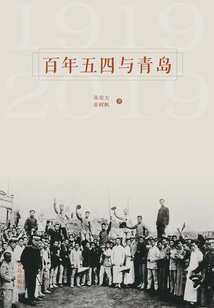
百年五四与青岛
Zhang Rongda Zhang Shufeng
May 4, 2019 is the 100th anniversary of the May Fourth Movement. The May 4th Movement was the great beginning of China's new democratic revolution, which always focused on the major issue of China's recovery of Qingdao's sovereignty and Shandong's rights and interests from the Japanese invaders. This book mainly tells about the invasion of Qingdao by imperialist countries led by Germany and Japan before the outbreak of the May Fourth Movement, and explains how Qingdao became the trigger of the May Fourth Movement. Then, a comprehensive survey of Qingdao's local research literature on the May Fourth Movement was conducted, emphasizing Qingdao's contribution to the study of the May Fourth Movement.
May 4, 2019 is the 100th anniversary of the May Fourth Movement. The May 4th Movement was the great beginning of China's new democratic revolution, which always focused on the major issue of China's recovery of Qingdao's sovereignty and Shandong's rights and interests from the Japanese invaders. This book mainly tells about the invasion of Qingdao by imperialist countries led by Germany and Japan before the outbreak of the May Fourth Movement, and explains how Qingdao became the trigger of the May Fourth Movement. Then, a comprehensive survey of Qingdao's local research literature on the May Fourth Movement was conducted, emphasizing Qingdao's contribution to the study of the May Fourth Movement.
东巴叙事传统研究
Yang Jiehong
The Dongba narrative tradition uses Dongba religious beliefs and ritual practices as the narrative driving force, religious narrative as the core feature, mythological narrative as the expressive feature, and oral narrative and ritual performance as mutual texts. This book combines oral formula theory, performance theory, and ethnographic theory to explore the origin, inheritance, circulation, and characteristics of the Dongba narrative tradition. Through an in-depth description of the performance of Dongba narrative texts in sacrificial rituals, it reveals the intertextual and mutual construction relationship between oral texts, written texts, ritual texts, and performance texts in the people's lives and spiritual space. Through a comparative study of the Dongba narrative tradition and the narrative traditions of the Yi, Tibetan, Zhuang and northern epics, we conducted an in-depth discussion and reflection on the current folk narratology, epic concepts and types.
The Dongba narrative tradition uses Dongba religious beliefs and ritual practices as the narrative driving force, religious narrative as the core feature, mythological narrative as the expressive feature, and oral narrative and ritual performance as mutual texts. This book combines oral formula theory, performance theory, and ethnographic theory to explore the origin, inheritance, circulation, and characteristics of the Dongba narrative tradition. Through an in-depth description of the performance of Dongba narrative texts in sacrificial rituals, it reveals the intertextual and mutual construction relationship between oral texts, written texts, ritual texts, and performance texts in the people's lives and spiritual space. Through a comparative study of the Dongba narrative tradition and the narrative traditions of the Yi, Tibetan, Zhuang and northern epics, we conducted an in-depth discussion and reflection on the current folk narratology, epic concepts and types.
智者乐水:浙水设计精彩60年
Zhejiang Provincial Water Conservancy And Hydropower Survey And Design Institute
Water conservancy and hydropower are closely related to people's lives. For more than 60 years, in addition to its own development, Zhejiang Water Conservancy and Hydropower has also been a witness, participant, and contributor to the development of the entire city, leaving many warm stories. This book collects hundreds of historical pictures from the development of the Water Conservancy and Hydropower Research Institute, and uses beautiful and vivid words to tell readers about the development and changes of hydropower and show the warm memories of people's lives.
Water conservancy and hydropower are closely related to people's lives. For more than 60 years, in addition to its own development, Zhejiang Water Conservancy and Hydropower has also been a witness, participant, and contributor to the development of the entire city, leaving many warm stories. This book collects hundreds of historical pictures from the development of the Water Conservancy and Hydropower Research Institute, and uses beautiful and vivid words to tell readers about the development and changes of hydropower and show the warm memories of people's lives.
History of Shijiama Village
History史家码村史
Qian Maowei
Shijiama Village, Xiaying Street, Yinzhou District, Ningbo is an ancient village with a history of more than 700 years. The famous Shi family in the Southern Song Dynasty is one of its ancestors. Currently, the old village is being renovated and has been demolished. The compilation of village history is one of the historical and cultural projects for streets to preserve nostalgia. This book is a new village history designed based on the public community history concept of public history, which is different from the current village chronicle-type village history. It absorbs the advantages of existing village histories at home and abroad, and makes transcendental thinking based on the people-oriented principle. Starting from oral history and combining it with relevant documents is the biggest feature of its material sources. At the same time, a large number of pictures have been collected, with both pictures and texts, and are highly readable.
Shijiama Village, Xiaying Street, Yinzhou District, Ningbo is an ancient village with a history of more than 700 years. The famous Shi family in the Southern Song Dynasty is one of its ancestors. Currently, the old village is being renovated and has been demolished. The compilation of village history is one of the historical and cultural projects for streets to preserve nostalgia. This book is a new village history designed based on the public community history concept of public history, which is different from the current village chronicle-type village history. It absorbs the advantages of existing village histories at home and abroad, and makes transcendental thinking based on the people-oriented principle. Starting from oral history and combining it with relevant documents is the biggest feature of its material sources. At the same time, a large number of pictures have been collected, with both pictures and texts, and are highly readable.
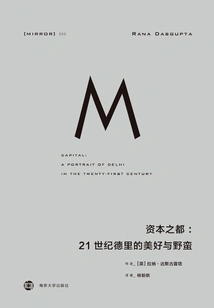
资本之都:21世纪德里的美好与野蛮
L
The global capital market has brought changes, opportunities, innovation, and hope to Delhi, but it has also brought about a real estate market and medical system dominated by money, endless violent crimes, abuse of nature and the environment, a dysfunctional administrative system and corruption, coupled with the racial problems that have existed since the partition of India and Pakistan. Delhi residents in the 21st century are facing increasingly severe challenges. No matter the rich, the middle class, scavengers, or criminals, no one is immune to this contradiction between destruction and creation. As a second-generation immigrant from India to the UK, Dasgupta returned to the land of his ancestors with a feeling of both intimacy and curiosity. Through his own observations and interviews with residents of Delhi, he intertwined the history of Delhi with the present with a novelist's vivid writing, leaving an objective record of the alienation and cruelty under the tide of urban development. Today, when capitalism and globalization are sweeping the world, Delhi, which is flooded with money capital, is both the common past and the inevitable future of many cities.
The global capital market has brought changes, opportunities, innovation, and hope to Delhi, but it has also brought about a real estate market and medical system dominated by money, endless violent crimes, abuse of nature and the environment, a dysfunctional administrative system and corruption, coupled with the racial problems that have existed since the partition of India and Pakistan. Delhi residents in the 21st century are facing increasingly severe challenges. No matter the rich, the middle class, scavengers, or criminals, no one is immune to this contradiction between destruction and creation. As a second-generation immigrant from India to the UK, Dasgupta returned to the land of his ancestors with a feeling of both intimacy and curiosity. Through his own observations and interviews with residents of Delhi, he intertwined the history of Delhi with the present with a novelist's vivid writing, leaving an objective record of the alienation and cruelty under the tide of urban development. Today, when capitalism and globalization are sweeping the world, Delhi, which is flooded with money capital, is both the common past and the inevitable future of many cities.
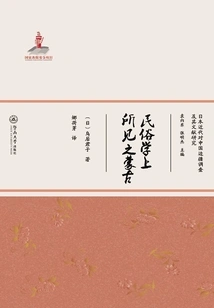
Mongolia as Seen in Folklore
History民俗学上所见之蒙古
(japan) Torii Junzi
This book belongs to one of the series of "Japan's Modern Frontier Survey of China and its Documentary Research" and was funded by the 2016 National Publishing Fund project. This book is translated from the 1931 Japanese edition of "Mongolia as Seen in Folklore" (the Japanese title is "Folklore Study of Mongolia", considered a classic of fieldwork by Japanese academic circles), and is a historical work in the nature of a travelogue. The book records in the form of a diary the author's fieldwork in Mongolian areas from June 1906 to December 1908. The content includes language nursery rhymes, human customs, business and economy, cultural relics, etc. It has good historical value for understanding the human customs of the Mongolian people a century ago and the natural features of the Mongolian areas.
This book belongs to one of the series of "Japan's Modern Frontier Survey of China and its Documentary Research" and was funded by the 2016 National Publishing Fund project. This book is translated from the 1931 Japanese edition of "Mongolia as Seen in Folklore" (the Japanese title is "Folklore Study of Mongolia", considered a classic of fieldwork by Japanese academic circles), and is a historical work in the nature of a travelogue. The book records in the form of a diary the author's fieldwork in Mongolian areas from June 1906 to December 1908. The content includes language nursery rhymes, human customs, business and economy, cultural relics, etc. It has good historical value for understanding the human customs of the Mongolian people a century ago and the natural features of the Mongolian areas.
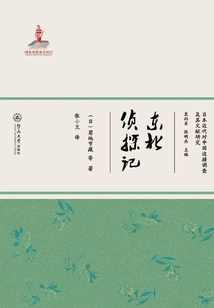
Northeastern Detective
History东北侦探记
(japan) Kikuchi Setsuzō, Etc.
This book belongs to one of the series of "Japan's Modern Frontier Survey of China and its Documentary Research" and was funded by the 2016 National Publishing Fund project. This book is a translation, which mainly records the investigation activities carried out by some organizations or individuals in modern Japan in Northeast my country. The content includes military and geographical locations, political conditions and customs, business and economy, national culture, social features, etc. These documents are crucial to our understanding of modern Sino-Japanese relations, and at the same time complement and enrich our country's border historical materials.
This book belongs to one of the series of "Japan's Modern Frontier Survey of China and its Documentary Research" and was funded by the 2016 National Publishing Fund project. This book is a translation, which mainly records the investigation activities carried out by some organizations or individuals in modern Japan in Northeast my country. The content includes military and geographical locations, political conditions and customs, business and economy, national culture, social features, etc. These documents are crucial to our understanding of modern Sino-Japanese relations, and at the same time complement and enrich our country's border historical materials.
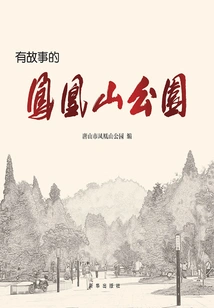
有故事的凤凰山公园
Tangshan Phoenix Mountain Park
Through a large number of detailed pictures and real stories, this book shows the history of Phoenix Mountain, allowing people to understand the contribution and testimony of Phoenix Mountain to Tangshan, a century-old industrial city. It comprehensively and objectively records the construction process of the park after 1949, and reproduces the development of Phoenix Mountain Park during the rescue and relief of the Tangshan earthquake. It describes the results of the post-earthquake restoration and construction of the park, and focuses on the demolition of the Workers' Cultural Palace, the Civil Air Defense Office Building, the Flower Market, the Garden Bureau Office Building and all the building facilities in the park after the Municipal Party Committee and Municipal Government made the decision to reconstruct and expand Fenghuang Mountain Park in 2007. The park area has been expanded from the original 19.72 Hectares to 43.25 Hectares. Re-plan, re-build. It will make the functions of the park more complete and make it more convenient for people to visit the park, thereby continuously improving people's livelihood and well-being.
Through a large number of detailed pictures and real stories, this book shows the history of Phoenix Mountain, allowing people to understand the contribution and testimony of Phoenix Mountain to Tangshan, a century-old industrial city. It comprehensively and objectively records the construction process of the park after 1949, and reproduces the development of Phoenix Mountain Park during the rescue and relief of the Tangshan earthquake. It describes the results of the post-earthquake restoration and construction of the park, and focuses on the demolition of the Workers' Cultural Palace, the Civil Air Defense Office Building, the Flower Market, the Garden Bureau Office Building and all the building facilities in the park after the Municipal Party Committee and Municipal Government made the decision to reconstruct and expand Fenghuang Mountain Park in 2007. The park area has been expanded from the original 19.72 Hectares to 43.25 Hectares. Re-plan, re-build. It will make the functions of the park more complete and make it more convenient for people to visit the park, thereby continuously improving people's livelihood and well-being.
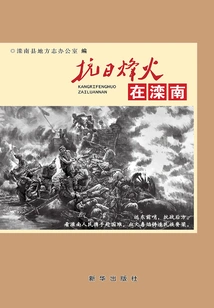
Anti-japanese War in Luannan
History抗日烽火在滦南
Luannan County Local Chronicles Office
This book is a key geographical information editing and publishing project of the Tangshan Local Chronicle Office in 2015. It contains more than 100 articles on the anti-Japanese movement in Luannan County, Tangshan City from September 1931 to September 1945. It provides a detailed introduction to Luannan County's "anti-Japanese organizations and activities, anti-Japanese riots, major battles, heroic deeds, and tragedies that occurred within the territory. It also includes recollections of anti-Japanese heroes and those who experienced it. The content of the manuscript is objective and true, with detailed historical materials. It has important reference value for readers and researchers of related issues to understand the history of the Luannan anti-Japanese movement.
This book is a key geographical information editing and publishing project of the Tangshan Local Chronicle Office in 2015. It contains more than 100 articles on the anti-Japanese movement in Luannan County, Tangshan City from September 1931 to September 1945. It provides a detailed introduction to Luannan County's "anti-Japanese organizations and activities, anti-Japanese riots, major battles, heroic deeds, and tragedies that occurred within the territory. It also includes recollections of anti-Japanese heroes and those who experienced it. The content of the manuscript is objective and true, with detailed historical materials. It has important reference value for readers and researchers of related issues to understand the history of the Luannan anti-Japanese movement.
Ryukyu History
History琉球史论
Xu Yong Tang Chongnan
This book provides a complete introduction to the history of the Ryukyu Kingdom and its many practical issues from an objective historical research perspective. Adhere to the academic principles of objectivity and plainness, strive to search for historical materials and facts, sort out the research results of Chinese and foreign academic circles, and adjust scientific logical thinking. Through this work, one can get a glimpse of the rise and fall of the Ryukyu Kingdom, and then think about basic issues such as politics, diplomacy, and culture in the history and reality of East Asia.
This book provides a complete introduction to the history of the Ryukyu Kingdom and its many practical issues from an objective historical research perspective. Adhere to the academic principles of objectivity and plainness, strive to search for historical materials and facts, sort out the research results of Chinese and foreign academic circles, and adjust scientific logical thinking. Through this work, one can get a glimpse of the rise and fall of the Ryukyu Kingdom, and then think about basic issues such as politics, diplomacy, and culture in the history and reality of East Asia.
沧桑濮州
"vicissitudes Of Puzhou" Editorial Board
Puzhou is one of the birthplaces of the Chinese nation and the birthplace of Chinese civilization. "The Vicissitudes of Puzhou" aims to use detailed historical materials, smart chapters, vivid pictures, and popular language to give a relatively comprehensive and brief introduction to Puzhou's thousands of years of history from the ancient times to the establishment of the state in the Sui Dynasty and its withdrawal in the Republic of China. Historical culture and traditional culture include changes in the mausoleum valley, historical evolution, cultural relics, historical events, humanistic allusions, celebrities, poems and prose handed down from ancient times, folk stories, customs, dialects and proverbs, famous and time-honored brands, etc.
Puzhou is one of the birthplaces of the Chinese nation and the birthplace of Chinese civilization. "The Vicissitudes of Puzhou" aims to use detailed historical materials, smart chapters, vivid pictures, and popular language to give a relatively comprehensive and brief introduction to Puzhou's thousands of years of history from the ancient times to the establishment of the state in the Sui Dynasty and its withdrawal in the Republic of China. Historical culture and traditional culture include changes in the mausoleum valley, historical evolution, cultural relics, historical events, humanistic allusions, celebrities, poems and prose handed down from ancient times, folk stories, customs, dialects and proverbs, famous and time-honored brands, etc.
甲子峥嵘 弦歌而行:浙江大学信息与电子工程学院60周年院史文集
Zhao Songping Wang Zhen
Along with pictures and texts, it records the construction and development history of the School of Information and Electronic Engineering of Zhejiang University through old photos and recall articles, as well as the learning experience and professional work experience of alumni at the school, showing the unique historical process and cultural characteristics of the school in scientific research, education and other aspects.
Along with pictures and texts, it records the construction and development history of the School of Information and Electronic Engineering of Zhejiang University through old photos and recall articles, as well as the learning experience and professional work experience of alumni at the school, showing the unique historical process and cultural characteristics of the school in scientific research, education and other aspects.
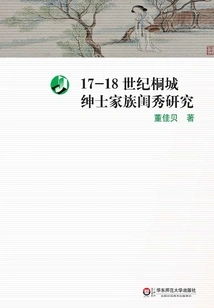
17-18世纪桐城绅士家族闺秀研究
Dong Jiabei
This book is based on the historical background of the 17th-18th centuries when the Chinese Empire was undergoing great political changes and new economic trends. It focuses on the female group of gentry families in Tongcheng, Anhui Province - they are not only branded with the distinctive mark of moral role models, but also left a lasting reputation for their outstanding literary talent. The Tongcheng gentry family, which is economically conservative, politically prudent and savvy, has a pragmatic family education, and abides by etiquette, laws and ancient traditions, is a special place for the birth of its group of ladies.
This book is based on the historical background of the 17th-18th centuries when the Chinese Empire was undergoing great political changes and new economic trends. It focuses on the female group of gentry families in Tongcheng, Anhui Province - they are not only branded with the distinctive mark of moral role models, but also left a lasting reputation for their outstanding literary talent. The Tongcheng gentry family, which is economically conservative, politically prudent and savvy, has a pragmatic family education, and abides by etiquette, laws and ancient traditions, is a special place for the birth of its group of ladies.