Library
Browse and search books
895 novels found
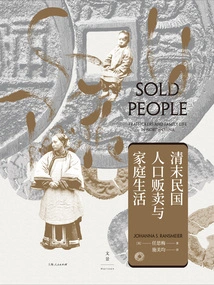
清末民国人口贩卖与家庭生活
(us) Ren Simei
In the late Qing Dynasty, the human trading market in northern China was very active, including servants, wives and concubines, child brides, prostitutes, apprentices, adopted children, etc. At that time, families from all walks of life relied on human trafficking to meet their family needs. This book examines how this human trade was accomplished, and the social and kinship networks that made it possible. The author's use of police and court files is quite innovative, connecting individual stories with rich details to show how society at the time accepted human trafficking as a common transaction. While examining the legal debates and elite discourses on slavery and human trafficking, it also delves into the world of traffickers and individual victims, presenting readers with a comprehensive and three-dimensional picture of lower-class population mobility in the midst of historical change.
In the late Qing Dynasty, the human trading market in northern China was very active, including servants, wives and concubines, child brides, prostitutes, apprentices, adopted children, etc. At that time, families from all walks of life relied on human trafficking to meet their family needs. This book examines how this human trade was accomplished, and the social and kinship networks that made it possible. The author's use of police and court files is quite innovative, connecting individual stories with rich details to show how society at the time accepted human trafficking as a common transaction. While examining the legal debates and elite discourses on slavery and human trafficking, it also delves into the world of traffickers and individual victims, presenting readers with a comprehensive and three-dimensional picture of lower-class population mobility in the midst of historical change.
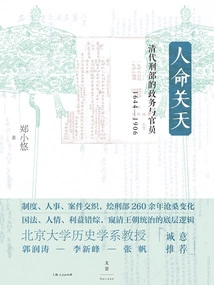
人命关天:清代刑部的政务与官员(1644—1906)
Zheng Xiaoyou
This book comprehensively chronologically records official history books, various regulations, archives, anthologies, chronologies, notes and other historical materials, and provides a detailed overview of the development of the criminal naming system in the Qing Dynasty. At the same time, the study of institutional history introduces the investigation of people and events, portraying the image of a technocratic bureaucrat of the Ministry of Justice with considerable professional qualities. Through the refutation of cases, it reproduces the multiple games between the Ministry of Justice and other central agencies and local officials in the intertwined situation of legal principles, human relations, and interests. By analyzing the pivotal role of the imperial power of the Qing Dynasty in the criminal naming system, the book reveals how the Qing dynasty improved the operational efficiency of the criminal naming system in order to maintain political and social stability under comprehensive institutionalization, thereby alleviating the crisis in the legitimacy of rule.
This book comprehensively chronologically records official history books, various regulations, archives, anthologies, chronologies, notes and other historical materials, and provides a detailed overview of the development of the criminal naming system in the Qing Dynasty. At the same time, the study of institutional history introduces the investigation of people and events, portraying the image of a technocratic bureaucrat of the Ministry of Justice with considerable professional qualities. Through the refutation of cases, it reproduces the multiple games between the Ministry of Justice and other central agencies and local officials in the intertwined situation of legal principles, human relations, and interests. By analyzing the pivotal role of the imperial power of the Qing Dynasty in the criminal naming system, the book reveals how the Qing dynasty improved the operational efficiency of the criminal naming system in order to maintain political and social stability under comprehensive institutionalization, thereby alleviating the crisis in the legitimacy of rule.
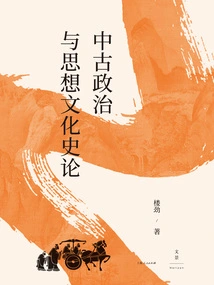
中古政治与思想文化史论
Lou Jin
Historian Lou Jin profoundly analyzes classic issues in medieval political history, institutional history, and intellectual history. He conducts research centered on topics that actually existed in historical periods, allowing the issues to return to rather than away from the historical scene in which they are located; transcending labeling, negation, and criticism, he deeply reflects on the foundation, composition, role, and status of the dynastic system as well as its ideological connotation and evolution at different stages. This book observes the relevant institutional framework and implementation status from the causes, consequences and development process of ancient Chinese political phenomena, and observes the corresponding political connotation and ideological trends from the institutional measures and their application. It is the essence of the important papers on medieval politics, institutions and ideological culture written by the author in the past ten years.
Historian Lou Jin profoundly analyzes classic issues in medieval political history, institutional history, and intellectual history. He conducts research centered on topics that actually existed in historical periods, allowing the issues to return to rather than away from the historical scene in which they are located; transcending labeling, negation, and criticism, he deeply reflects on the foundation, composition, role, and status of the dynastic system as well as its ideological connotation and evolution at different stages. This book observes the relevant institutional framework and implementation status from the causes, consequences and development process of ancient Chinese political phenomena, and observes the corresponding political connotation and ideological trends from the institutional measures and their application. It is the essence of the important papers on medieval politics, institutions and ideological culture written by the author in the past ten years.
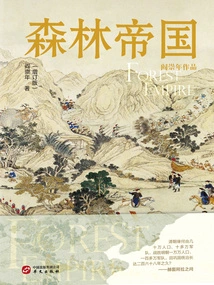
森林帝国(增订版)
Yan Chongnian
"Forest Empire (Enhanced Edition)" is a rigorously structured, logical, and innovative academic monograph. This book has nearly one-third more content than the original version. From the diversified integration of Chinese civilization, consisting of five cultural forms such as "Central Plains Farming Culture", "Northwestern Grassland Culture", "Northeast Forest Culture", "Northwestern Plateau Culture" and "Coastal and Island Marine Culture", to a comprehensive and detailed introduction to the three thousand years of historical development of Manchuria, it has successfully answered the historical question of "Why did the Qing Dynasty, with a population of hundreds of thousands and an army of more than 100,000, defeat the Ming Dynasty with a population of 10 million and an army of more than one million, and consolidate its rule for 268 years?" The manuscript contains rich historical materials, exquisite color illustrations, and redraws 7 ancient Chinese maps.
"Forest Empire (Enhanced Edition)" is a rigorously structured, logical, and innovative academic monograph. This book has nearly one-third more content than the original version. From the diversified integration of Chinese civilization, consisting of five cultural forms such as "Central Plains Farming Culture", "Northwestern Grassland Culture", "Northeast Forest Culture", "Northwestern Plateau Culture" and "Coastal and Island Marine Culture", to a comprehensive and detailed introduction to the three thousand years of historical development of Manchuria, it has successfully answered the historical question of "Why did the Qing Dynasty, with a population of hundreds of thousands and an army of more than 100,000, defeat the Ming Dynasty with a population of 10 million and an army of more than one million, and consolidate its rule for 268 years?" The manuscript contains rich historical materials, exquisite color illustrations, and redraws 7 ancient Chinese maps.
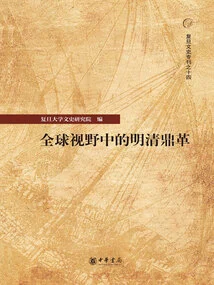
全球视野中的明清鼎革
Fudan University Institute Of Literature And History
The Ming-Qing Dynasty Revolution that occurred in the mid-17th century was a major political event in Chinese history. Its impact was not limited to China, but also affected the entire East Asia region, changing the international relations and political structure of East Asia. Not only that, news of the Ding Dynasty in the Ming and Qing Dynasties spread to Europe through Western missionaries and merchants in China, arousing widespread attention from all walks of life in European politics, religion, business, and culture, thus leading to changes in Europe's views on China and China-Europe relations. In other words, the Ming-Qing Dynasty Revolution was not only a domestic event, but also a regional political change event, and to a certain extent, it was also a global event. This book breaks through the framework of national history and re-studies the Ming-Qing Dynasty Revolution from the perspective of East Asian regional history and even global history. The collected papers present the different impacts of the Ming-Qing Dynasty Revolution on East Asia and even the world from multiple perspectives such as local, peripheral, East Asian, global, military, cultural, and bilateral relations, thereby placing the Ming-Qing Dynasty Revolution, a political event that occurred in China, into a broader historical context.
The Ming-Qing Dynasty Revolution that occurred in the mid-17th century was a major political event in Chinese history. Its impact was not limited to China, but also affected the entire East Asia region, changing the international relations and political structure of East Asia. Not only that, news of the Ding Dynasty in the Ming and Qing Dynasties spread to Europe through Western missionaries and merchants in China, arousing widespread attention from all walks of life in European politics, religion, business, and culture, thus leading to changes in Europe's views on China and China-Europe relations. In other words, the Ming-Qing Dynasty Revolution was not only a domestic event, but also a regional political change event, and to a certain extent, it was also a global event. This book breaks through the framework of national history and re-studies the Ming-Qing Dynasty Revolution from the perspective of East Asian regional history and even global history. The collected papers present the different impacts of the Ming-Qing Dynasty Revolution on East Asia and even the world from multiple perspectives such as local, peripheral, East Asian, global, military, cultural, and bilateral relations, thereby placing the Ming-Qing Dynasty Revolution, a political event that occurred in China, into a broader historical context.
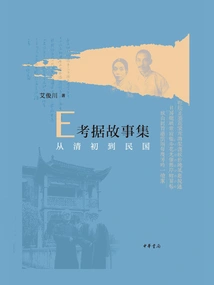
E考据故事集:从清初到民国
Ai Junchuan
According to the saying of "righteousness, textual research, and rhetoric", in the spiritual creation of the Chinese people, textual research is one of three parts of the world and represents traditional academic research. Evidence-based research focuses on solving difficult problems through empirical evidence and is based on profound knowledge reserves and professional cultivation. Only by reading a large number of books and accumulating knowledge can researchers rely on memory to connect evidence, summarize and analyze, and obtain answers when needed. Therefore, textual criticism has always been a specialized study, and those who are not well-educated and knowledgeable cannot be competent. E textual research (E is the first letter of the English word electronic) is textual research in the digital age and the Internet age. Through databases and Internet searches, it is possible for scholars to skip the accumulation process and professional barriers and directly search for evidence clues, saving a lot of time and energy, greatly improving the efficiency and accuracy of textual research, and at the same time providing opportunities for ordinary people to participate in textual research and expanding academic boundaries. The author of this book is a well-known scholar of ancient printing history and classical literature research. He is also a leader in conducting literary and historical research with the help of E textual research tools in the past ten years. The book contains more than twenty articles related to historical figures. The author's original intention of writing is to disclose or interpret rare documents and provide some new historical materials, but the focus is on characters and events, hoping to reveal a hidden corner of history. Such as "A Transnational Love Affair During the Qianlong Years", "Chen Yinke's Supplementary Evidence", "The Calligraphy and Painting Business of Guoyunlou", "Paper Archaeological Notes of Yangshouyuan", "Before and After the "Lin-Cai Struggle" from Lin Shu's Letters to Zang Yinsong", "Chronicles of Xiaowanliu Hall", etc., Which involve the period since the Qing Dynasty From Fu Shan in the early Qing Dynasty to Yuan Shikai, Yan Fu, Lin Shu, Liang Qichao, Gu Hongming, Lian Quan, Wang Guowei and other figures in the late Qing Dynasty and the Republic of China, they all explored the truth and restored history through the excavation, sorting and textual research of relevant documents and materials. The hidden details are fascinating to read.
According to the saying of "righteousness, textual research, and rhetoric", in the spiritual creation of the Chinese people, textual research is one of three parts of the world and represents traditional academic research. Evidence-based research focuses on solving difficult problems through empirical evidence and is based on profound knowledge reserves and professional cultivation. Only by reading a large number of books and accumulating knowledge can researchers rely on memory to connect evidence, summarize and analyze, and obtain answers when needed. Therefore, textual criticism has always been a specialized study, and those who are not well-educated and knowledgeable cannot be competent. E textual research (E is the first letter of the English word electronic) is textual research in the digital age and the Internet age. Through databases and Internet searches, it is possible for scholars to skip the accumulation process and professional barriers and directly search for evidence clues, saving a lot of time and energy, greatly improving the efficiency and accuracy of textual research, and at the same time providing opportunities for ordinary people to participate in textual research and expanding academic boundaries. The author of this book is a well-known scholar of ancient printing history and classical literature research. He is also a leader in conducting literary and historical research with the help of E textual research tools in the past ten years. The book contains more than twenty articles related to historical figures. The author's original intention of writing is to disclose or interpret rare documents and provide some new historical materials, but the focus is on characters and events, hoping to reveal a hidden corner of history. Such as "A Transnational Love Affair During the Qianlong Years", "Chen Yinke's Supplementary Evidence", "The Calligraphy and Painting Business of Guoyunlou", "Paper Archaeological Notes of Yangshouyuan", "Before and After the "Lin-Cai Struggle" from Lin Shu's Letters to Zang Yinsong", "Chronicles of Xiaowanliu Hall", etc., Which involve the period since the Qing Dynasty From Fu Shan in the early Qing Dynasty to Yuan Shikai, Yan Fu, Lin Shu, Liang Qichao, Gu Hongming, Lian Quan, Wang Guowei and other figures in the late Qing Dynasty and the Republic of China, they all explored the truth and restored history through the excavation, sorting and textual research of relevant documents and materials. The hidden details are fascinating to read.
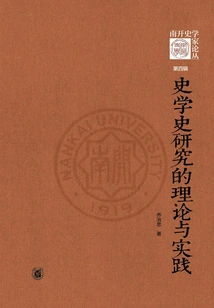
The Theory and Practice of Historical Research in History (fourth Series of "nankai Historians")
History史学史研究的理论与实践(《南开史学家论丛》第四辑)
George Zhong
This book brings together the author's partial discussions on historiography theory and historiography history, with a total of 31 articles divided into four chapters. On the basis of grasping the overall context of historiography, each article can put forward original opinions, form a family's opinion, have solid and thorough research, and be rich in theoretical thinking. The first chapter, "Analysis of Historical Theory," examines the origin of Chinese historiography in depth, pointing out that Chinese historiography was officially born in 841 BC, which coincides with the emergence of the continuous chronology of ancient China, and divides the academic system of traditional Chinese historiography into two major systems: official and private. The second chapter, "Analysis of Historians' Historical Books", examines the writing dates of "Shiben" and "Yue Jueshu", and conducts a case study of the historical achievements of Zhang Xuecheng, Emperor Gaozong of the Qing Dynasty, and modern Liu Tan. Chapter 3, "Historical Special Topics", analyzes the main reasons for the extraordinary prosperity of ancient Chinese historiography, and sorts out some important issues in the history of history, such as the historical concepts and development of the pre-Qin, Sixteen Kingdoms and Northern Dynasties periods, the Ming Dynasty, and the post-Jin regime, the operation of official historiography and mechanisms, the trend of doubting the past, Wang Guowei's "double evidence method", social history debates, etc. Chapter 4 "Comparison of Chinese and Foreign Historiography" enlarges the perspective to East Asia and the world. Through the comparison of Chinese, Western and Chinese and Japanese historiography, it is believed that the inherent contradiction in history is the contradiction between recording history and seeking truth and applying history. Ancient Chinese and ancient Greek and Roman historiography have their own characteristics. After traditional Chinese historiography was transmitted to Japan, it was accepted and transformed by it, and participated in Japan's modern social and ideological changes.
This book brings together the author's partial discussions on historiography theory and historiography history, with a total of 31 articles divided into four chapters. On the basis of grasping the overall context of historiography, each article can put forward original opinions, form a family's opinion, have solid and thorough research, and be rich in theoretical thinking. The first chapter, "Analysis of Historical Theory," examines the origin of Chinese historiography in depth, pointing out that Chinese historiography was officially born in 841 BC, which coincides with the emergence of the continuous chronology of ancient China, and divides the academic system of traditional Chinese historiography into two major systems: official and private. The second chapter, "Analysis of Historians' Historical Books", examines the writing dates of "Shiben" and "Yue Jueshu", and conducts a case study of the historical achievements of Zhang Xuecheng, Emperor Gaozong of the Qing Dynasty, and modern Liu Tan. Chapter 3, "Historical Special Topics", analyzes the main reasons for the extraordinary prosperity of ancient Chinese historiography, and sorts out some important issues in the history of history, such as the historical concepts and development of the pre-Qin, Sixteen Kingdoms and Northern Dynasties periods, the Ming Dynasty, and the post-Jin regime, the operation of official historiography and mechanisms, the trend of doubting the past, Wang Guowei's "double evidence method", social history debates, etc. Chapter 4 "Comparison of Chinese and Foreign Historiography" enlarges the perspective to East Asia and the world. Through the comparison of Chinese, Western and Chinese and Japanese historiography, it is believed that the inherent contradiction in history is the contradiction between recording history and seeking truth and applying history. Ancient Chinese and ancient Greek and Roman historiography have their own characteristics. After traditional Chinese historiography was transmitted to Japan, it was accepted and transformed by it, and participated in Japan's modern social and ideological changes.
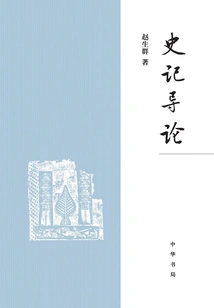
《史记》导论
Zhao Shengqun
"Historical Records", as the first of the "Twenty-Four Histories", established the basic pattern of Chinese historiography. In many aspects such as history and literature, it has profoundly influenced later generations. This book explores the creation method and process of "Historical Records" from the aspects of "Historical Records" writing process, content, style, materials, use and value of historical materials, historical narrative framework, calligraphy, historical theory, compilation, "Historical Records" biographies and biographical literature. On the basis of being familiar with "Historical Records", the author conducted a detailed combing and careful analysis of relevant historical materials, discarding the rough and retaining the essence of the previous opinions, and establishing a new explanation of his own to explain the reasons in detail, forming his own theory.
"Historical Records", as the first of the "Twenty-Four Histories", established the basic pattern of Chinese historiography. In many aspects such as history and literature, it has profoundly influenced later generations. This book explores the creation method and process of "Historical Records" from the aspects of "Historical Records" writing process, content, style, materials, use and value of historical materials, historical narrative framework, calligraphy, historical theory, compilation, "Historical Records" biographies and biographical literature. On the basis of being familiar with "Historical Records", the author conducted a detailed combing and careful analysis of relevant historical materials, discarding the rough and retaining the essence of the previous opinions, and establishing a new explanation of his own to explain the reasons in detail, forming his own theory.
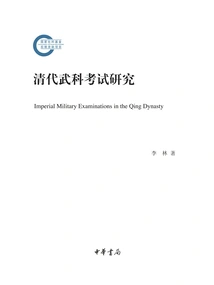
清代武科考试研究
Li Lin
This book comprehensively refers to various historical materials such as official history, official books, regulations, local chronicles, anthologies, notes, newspapers and periodicals, and explores and uses precious archives such as the Qing Dynasty martial arts gold medal list, imperial examination papers, Jinshi registration records, township association examination records, and articles related to martial arts collected on both sides of the Taiwan Strait and abroad. It also takes the perspective of the civil and military examinations to comprehensively analyze the design and operation of the Qing Dynasty martial arts examination system. The book is divided into three volumes: the first volume, "A General Introduction to the Selection of Martial Arts Scholars," follows the clues of the times and explores the purpose and approach of the study of martial arts examinations, as well as the evolution of the system of "selecting Martial Arts Scholars by Martial Arts" in the past dynasties; the second volume, "A Discussion of the Selection of Martial Arts Scholars at All Levels," follows the clues of the hierarchy, and examines the establishment of the Qing Dynasty's martial arts examinations for children, rural examinations, general examinations, and palace examinations, focusing on analyzing their institutional changes, mid-level changes, and Distribution of groups; the second volume, "Martial Arts Theme Monograph," follows thematic clues and examines the number and distribution of martial arts scholars in the Qing Dynasty, the conferment and transfer of martial arts backgrounds, and the malpractice and abolishment of martial arts examinations; finally, it summarizes the ideals, reality, and effectiveness of the martial arts design in the Qing Dynasty, through which we can briefly see the distinction between civil and military elites and banner people in the Qing Dynasty's talent promotion and administrative system.
This book comprehensively refers to various historical materials such as official history, official books, regulations, local chronicles, anthologies, notes, newspapers and periodicals, and explores and uses precious archives such as the Qing Dynasty martial arts gold medal list, imperial examination papers, Jinshi registration records, township association examination records, and articles related to martial arts collected on both sides of the Taiwan Strait and abroad. It also takes the perspective of the civil and military examinations to comprehensively analyze the design and operation of the Qing Dynasty martial arts examination system. The book is divided into three volumes: the first volume, "A General Introduction to the Selection of Martial Arts Scholars," follows the clues of the times and explores the purpose and approach of the study of martial arts examinations, as well as the evolution of the system of "selecting Martial Arts Scholars by Martial Arts" in the past dynasties; the second volume, "A Discussion of the Selection of Martial Arts Scholars at All Levels," follows the clues of the hierarchy, and examines the establishment of the Qing Dynasty's martial arts examinations for children, rural examinations, general examinations, and palace examinations, focusing on analyzing their institutional changes, mid-level changes, and Distribution of groups; the second volume, "Martial Arts Theme Monograph," follows thematic clues and examines the number and distribution of martial arts scholars in the Qing Dynasty, the conferment and transfer of martial arts backgrounds, and the malpractice and abolishment of martial arts examinations; finally, it summarizes the ideals, reality, and effectiveness of the martial arts design in the Qing Dynasty, through which we can briefly see the distinction between civil and military elites and banner people in the Qing Dynasty's talent promotion and administrative system.
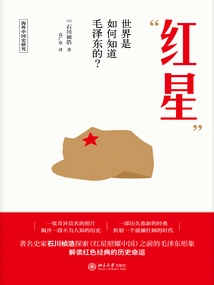
“红星”:世界是如何知道毛泽东的?
O
The first half of the book starts with an erroneous "" photo published in the Japanese government gazette in 1937, tracing the historical process of the outside world's gradual understanding of the Chinese revolutionary leader, as well as the misunderstandings, coincidences and deliberate concealments that occurred during this period. The second half is dedicated to restoring the birth process and version changes of "Red Star Shines on China", combing its historical fate in China, the Soviet Union, Japan and other places in detail, and clarifying many misunderstandings and false accusations about this masterpiece in later generations.
The first half of the book starts with an erroneous "" photo published in the Japanese government gazette in 1937, tracing the historical process of the outside world's gradual understanding of the Chinese revolutionary leader, as well as the misunderstandings, coincidences and deliberate concealments that occurred during this period. The second half is dedicated to restoring the birth process and version changes of "Red Star Shines on China", combing its historical fate in China, the Soviet Union, Japan and other places in detail, and clarifying many misunderstandings and false accusations about this masterpiece in later generations.
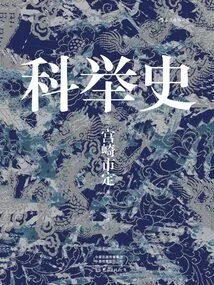
科举史
(japan) Miyazaki City
This book is the culmination of Miyazaki City's research on imperial examinations. The author combs through the talent selection system in ancient China, from the Xiaolian Ke in the Eastern Han Dynasty to the Nine-Rank Officials' Law in the Wei and Jin Dynasties, and finally developed into the imperial examination system. Taking the imperial examination in the Qing Dynasty as an example, the author introduces in detail the procedures and details of the imperial examination, as well as the use of other official appointments other than the imperial examination. It elaborates on the profound impact of the imperial examination system on Chinese society since the Ming and Qing Dynasties.
This book is the culmination of Miyazaki City's research on imperial examinations. The author combs through the talent selection system in ancient China, from the Xiaolian Ke in the Eastern Han Dynasty to the Nine-Rank Officials' Law in the Wei and Jin Dynasties, and finally developed into the imperial examination system. Taking the imperial examination in the Qing Dynasty as an example, the author introduces in detail the procedures and details of the imperial examination, as well as the use of other official appointments other than the imperial examination. It elaborates on the profound impact of the imperial examination system on Chinese society since the Ming and Qing Dynasties.
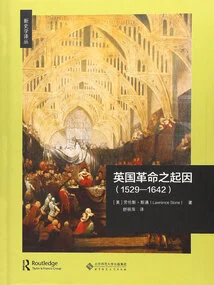
英国革命之起因(1529—1642)
(us) Lawrence Stone
The masterpiece of Lawrence Stone, a famous British historian, professor of history at Oxford University and Princeton University! Study the many theories of the Revolution and trace the social and economic changes that led to the unstable period of the English Civil War! Specially added is a new foreword by John Brewer!
The masterpiece of Lawrence Stone, a famous British historian, professor of history at Oxford University and Princeton University! Study the many theories of the Revolution and trace the social and economic changes that led to the unstable period of the English Civil War! Specially added is a new foreword by John Brewer!
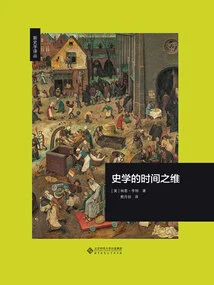
史学的时间之维
(us)lynn Hunter
Lynn Hunter, a famous contemporary American historian and one of the main advocates and leaders of the New Cultural History Movement, starts from the formation of the modern concept of time, and then proceeds to the discussion and reflection on modernity and the Western-centrism and linear view of history behind it. It is of great reference value!
Lynn Hunter, a famous contemporary American historian and one of the main advocates and leaders of the New Cultural History Movement, starts from the formation of the modern concept of time, and then proceeds to the discussion and reflection on modernity and the Western-centrism and linear view of history behind it. It is of great reference value!
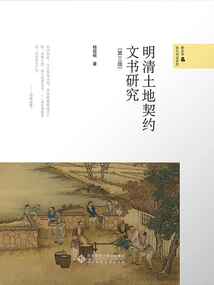
明清土地契约文书研究(第三版)
Yang Guozhen
A major achievement of "Chinese Contractology"! This book provides an in-depth explanation of the social and economic structure and evolution trends of ancient China's rural areas during the Ming and Qing dynasties and even from the Qin and Han dynasties, opening up avenues for studying Chinese contractology and the social and economic history of the Ming and Qing dynasties!
A major achievement of "Chinese Contractology"! This book provides an in-depth explanation of the social and economic structure and evolution trends of ancient China's rural areas during the Ming and Qing dynasties and even from the Qin and Han dynasties, opening up avenues for studying Chinese contractology and the social and economic history of the Ming and Qing dynasties!
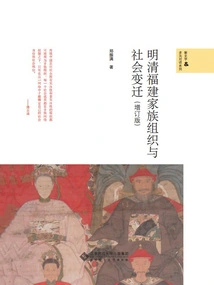
明清福建家族组织与社会变迁(增订版)
Zheng Zhenman
A masterpiece by Zheng Zhenman, Distinguished Professor of the History Department of Xiamen University and Director of the Folk Historical Documents Research Center! Using research methods that combine history and anthropology, a dynamic theoretical model for analyzing traditional Chinese family organizations is proposed!
A masterpiece by Zheng Zhenman, Distinguished Professor of the History Department of Xiamen University and Director of the Folk Historical Documents Research Center! Using research methods that combine history and anthropology, a dynamic theoretical model for analyzing traditional Chinese family organizations is proposed!
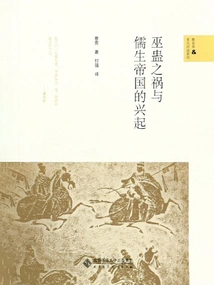
巫蛊之祸与儒生帝国的兴起
Cai Liang
A unique work in the field of Qin and Han history research! The author generally believes that the witchcraft disaster in the late period of Emperor Wu of the Han Dynasty led to the rapid rise of the Confucian class in the bureaucratic group and became the main body of the three public officials and nine ministers, thus promoting the rise of the first Confucian empire!
A unique work in the field of Qin and Han history research! The author generally believes that the witchcraft disaster in the late period of Emperor Wu of the Han Dynasty led to the rapid rise of the Confucian class in the bureaucratic group and became the main body of the three public officials and nine ministers, thus promoting the rise of the first Confucian empire!
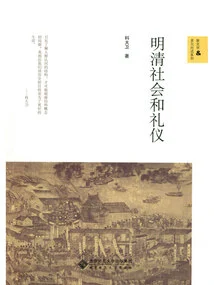
明清社会和礼仪
Co David
David Ke, Chairman and Chair Professor of the Department of History at the Chinese University of Hong Kong and Academician of St. Anthony's College, University of Oxford, UK, is a masterpiece! It objectively records some observable expressions of local ritual traditions, reconstructs the history of the local systems to which these rituals are applied, and reveals the uniqueness and complexity of Chinese society!
David Ke, Chairman and Chair Professor of the Department of History at the Chinese University of Hong Kong and Academician of St. Anthony's College, University of Oxford, UK, is a masterpiece! It objectively records some observable expressions of local ritual traditions, reconstructs the history of the local systems to which these rituals are applied, and reveals the uniqueness and complexity of Chinese society!
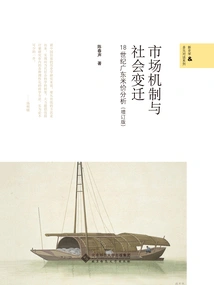
市场机制与社会变迁:18世纪广东米价分析(增订版)
Chen Chunsheng
This book discusses the relationship between market mechanisms and social changes in late traditional Chinese society by analyzing tens of thousands of Guangdong rice price data from the 18th century!
This book discusses the relationship between market mechanisms and social changes in late traditional Chinese society by analyzing tens of thousands of Guangdong rice price data from the 18th century!
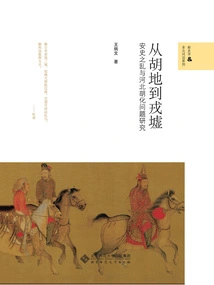
从胡地到戎墟:安史之乱与河北胡化问题研究
Wang Bingwen
Connecting the dimensions of political history and national history, we deeply explore the Anshi Rebellion and the Huhua issue in Hebei! Pay special attention to the competition between various forces, presenting a more complicated historical scene!
Connecting the dimensions of political history and national history, we deeply explore the Anshi Rebellion and the Huhua issue in Hebei! Pay special attention to the competition between various forces, presenting a more complicated historical scene!
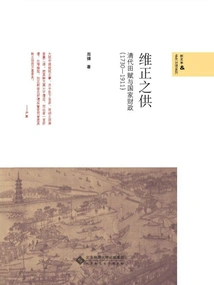
维正之供:清代田赋与国家财政(1730-1911)
Zhou Jian
A masterpiece by Zhou Jian, associate professor of the Department of History at East China Normal University! Based on a large number of Qing Dynasty archives, political documents, anthologies and local chronicles, it connects "ancient times" and "modern times", and combines institutions, characters and historical events to conduct a solid discussion on the land tax system, government finance and national governance issues in the Qing Dynasty!
A masterpiece by Zhou Jian, associate professor of the Department of History at East China Normal University! Based on a large number of Qing Dynasty archives, political documents, anthologies and local chronicles, it connects "ancient times" and "modern times", and combines institutions, characters and historical events to conduct a solid discussion on the land tax system, government finance and national governance issues in the Qing Dynasty!
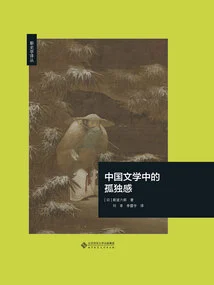
中国文学中的孤独感
(japan) Rokuro Shiba
The representative work of Rokuro Shiba, a leading figure in Japanese sinology, selects "loneliness" as the key word, follows the order of time, and gives a detailed explanation of important writers in the history of Chinese literature! With keen artistic sensibility, he compares the "sense of loneliness" of different writers with different styles, and elucidates the evolution of Chinese literature in the historical process!
The representative work of Rokuro Shiba, a leading figure in Japanese sinology, selects "loneliness" as the key word, follows the order of time, and gives a detailed explanation of important writers in the history of Chinese literature! With keen artistic sensibility, he compares the "sense of loneliness" of different writers with different styles, and elucidates the evolution of Chinese literature in the historical process!
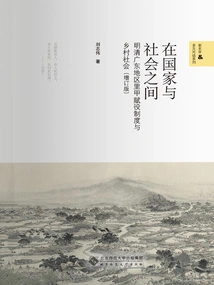
在国家与社会之间:明清广东地区里甲赋役制度与乡村社会(增订版)
Liu Zhiwei
This book starts from the implementation process of the household registration system in local society during the Chinese dynasty, and attempts to explore an explanation path for the changes in traditional Chinese society and the transformation of the country during the Ming and Qing Dynasties!
This book starts from the implementation process of the household registration system in local society during the Chinese dynasty, and attempts to explore an explanation path for the changes in traditional Chinese society and the transformation of the country during the Ming and Qing Dynasties!
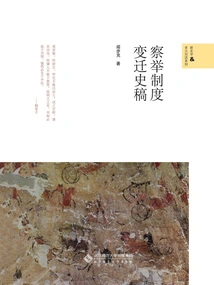
察举制度变迁史稿
Yan Buke
A masterpiece by Yan Buke, professor of ancient Chinese history at Peking University! This book takes the seven to eight hundred years of changes in the imperial examination system as the research object, and provides a unique explanation of the emergence, development and evolution of this system into the imperial examination system!
A masterpiece by Yan Buke, professor of ancient Chinese history at Peking University! This book takes the seven to eight hundred years of changes in the imperial examination system as the research object, and provides a unique explanation of the emergence, development and evolution of this system into the imperial examination system!
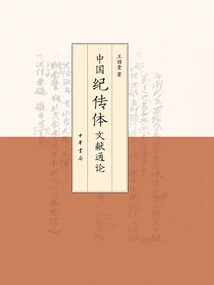
中国纪传体文献通论(全二册)
Wang Jingui
Biographical documents are rich in content, including social politics, economics, military, ethnic and cultural fields, and the style is rigorous and consistent. Its high status and great influence in the field of ancient history are unmatched by any other type of history book. This book is a systematic monograph on the study of Chinese biographical documents. It takes the "Twenty-Five Histories" as the main line of research, treats biographical documents as a whole, and comprehensively and systematically analyzes and conducts in-depth research from the origin, creation, style, achievements, etc. Of biographical documents.
Biographical documents are rich in content, including social politics, economics, military, ethnic and cultural fields, and the style is rigorous and consistent. Its high status and great influence in the field of ancient history are unmatched by any other type of history book. This book is a systematic monograph on the study of Chinese biographical documents. It takes the "Twenty-Five Histories" as the main line of research, treats biographical documents as a whole, and comprehensively and systematically analyzes and conducts in-depth research from the origin, creation, style, achievements, etc. Of biographical documents.
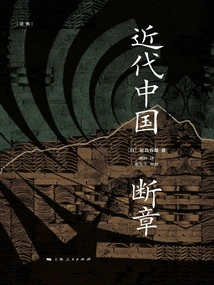
Fragments of Modern China
History近代中国断章
(japan) Haruojima
This book is the posthumous work of Japanese scholar Professor Haruo Harajima, focusing on the history and thought of Ming and Qing Dynasties in China. The so-called "Modern China" in the title of the book does not start from the Opium War in 1840, but dates back to the Ming and Qing Dynasties. It is a long period of "modern times". This contains the denial of the "Song Dynasty Modern Theory" centered on Western history, and hopes to explore the changes in Chinese society and thought since the Ming and Qing Dynasties from the inherent continuity of Chinese history. Since the author has personally experienced Chinese society after the reform and opening up, he not only explores China's structure from history, but also observes China from the scene and reality. His works are full of deep feelings for China, with solid content and unique insights. They are of great reference for us to understand the development of Chinese history since the Ming and Qing Dynasties. This book is mainly concerned with how traditional China transformed into modern times, that is, exploring the continuation and discontinuity relationship between tradition and modern times. It can be said that this is a work that explores the process of China's modernization. The author's focus is particularly on the "middle layer" between the state system and ordinary people. He points out that it is necessary to completely cut off the mutually beneficial relationship between officials and people, completely negate the emperor and slaves, compradors and warlords, and eliminate the soil where Ah Q was born. Only in this way can China's modernization be promoted. With a unique perspective and sharp analysis, it is a very in-depth work.
This book is the posthumous work of Japanese scholar Professor Haruo Harajima, focusing on the history and thought of Ming and Qing Dynasties in China. The so-called "Modern China" in the title of the book does not start from the Opium War in 1840, but dates back to the Ming and Qing Dynasties. It is a long period of "modern times". This contains the denial of the "Song Dynasty Modern Theory" centered on Western history, and hopes to explore the changes in Chinese society and thought since the Ming and Qing Dynasties from the inherent continuity of Chinese history. Since the author has personally experienced Chinese society after the reform and opening up, he not only explores China's structure from history, but also observes China from the scene and reality. His works are full of deep feelings for China, with solid content and unique insights. They are of great reference for us to understand the development of Chinese history since the Ming and Qing Dynasties. This book is mainly concerned with how traditional China transformed into modern times, that is, exploring the continuation and discontinuity relationship between tradition and modern times. It can be said that this is a work that explores the process of China's modernization. The author's focus is particularly on the "middle layer" between the state system and ordinary people. He points out that it is necessary to completely cut off the mutually beneficial relationship between officials and people, completely negate the emperor and slaves, compradors and warlords, and eliminate the soil where Ah Q was born. Only in this way can China's modernization be promoted. With a unique perspective and sharp analysis, it is a very in-depth work.
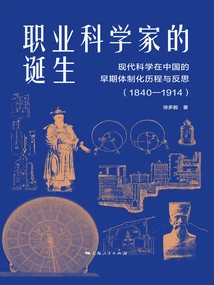
职业科学家的诞生
Xu Duoyi
This book first sorts out the main process of the early institutionalization of modern science in China, that is, from the introduction of modern Western scientific knowledge, to the determination of scientific terminology, to the emergence of early professional scientists. Then, on a theoretical basis, the basic elements of scientific institutionalization are summarized, including professional scientists, scientific organizations, scientific exchanges and scientific operation mechanisms, etc., Involving scientific societies, scientific journals, scientific societies, scientific awards, and scientific education. Finally, some historical reflections were carried out and targeted policy suggestions were put forward to further improve my country's scientific system.
This book first sorts out the main process of the early institutionalization of modern science in China, that is, from the introduction of modern Western scientific knowledge, to the determination of scientific terminology, to the emergence of early professional scientists. Then, on a theoretical basis, the basic elements of scientific institutionalization are summarized, including professional scientists, scientific organizations, scientific exchanges and scientific operation mechanisms, etc., Involving scientific societies, scientific journals, scientific societies, scientific awards, and scientific education. Finally, some historical reflections were carried out and targeted policy suggestions were put forward to further improve my country's scientific system.
中国政治思想研究法
Zhang Fentian
This book is derived from the author's recent research since 2004, and they are all papers that serve as a model for the application of research methods on Chinese political thought. In order to facilitate readers to understand the methodological significance of the paper, each paper is preceded by a brief explanation, covering the writing background, method selection, actual results, application experience, etc. The whole book covers the academic methods that the author often uses and has achieved practical results to study Chinese political thought, so it is named "Research Methods of Chinese Political Thought". The author believes that determining academic purposes, defining academic objects, setting academic scope, selecting academic perspectives, finalizing academic ideas, adhering to academic ethics, and implementing various specific operations, including article layout, presentation methods, etc., All belong to the broad "research method". The writings on the research methods of Chinese political thought included in this book include some introductions to academic monographs, some introductions to university textbooks, some academic papers on special topics, some demonstrations of academic topics, and some specific implementation plans. They involve the existing results, knowledge systems and analytical concepts of Chinese political thought research, etc., As well as the academic purpose, research objects, subject characteristics, scope, main content, and sources of historical materials of Chinese political thought research.
This book is derived from the author's recent research since 2004, and they are all papers that serve as a model for the application of research methods on Chinese political thought. In order to facilitate readers to understand the methodological significance of the paper, each paper is preceded by a brief explanation, covering the writing background, method selection, actual results, application experience, etc. The whole book covers the academic methods that the author often uses and has achieved practical results to study Chinese political thought, so it is named "Research Methods of Chinese Political Thought". The author believes that determining academic purposes, defining academic objects, setting academic scope, selecting academic perspectives, finalizing academic ideas, adhering to academic ethics, and implementing various specific operations, including article layout, presentation methods, etc., All belong to the broad "research method". The writings on the research methods of Chinese political thought included in this book include some introductions to academic monographs, some introductions to university textbooks, some academic papers on special topics, some demonstrations of academic topics, and some specific implementation plans. They involve the existing results, knowledge systems and analytical concepts of Chinese political thought research, etc., As well as the academic purpose, research objects, subject characteristics, scope, main content, and sources of historical materials of Chinese political thought research.
多面的中国古代史与清史
Du Jiaji
"Multi-faceted Ancient Chinese History and Qing History" is about 520,000 words, and is included in the fourth volume of "Nankai Historians Series". It reflects the features of ancient Chinese history and Qing history from many aspects. Most of them are content that the academic community pays less attention to or has divergent opinions. It includes macro-level expositions and the investigation of certain specific issues, striving to get closer to the truth of history. This book is divided into three topics: "Ancient Chinese History", "Qing History" and "Manchu History of the Qing Dynasty". The "Qing History" section contains more content and is subdivided into four parts: "Political System", "Eight Banners System", "Financial System", and "Disease Medical Treatment and Politics and Ethics". The first topic, "Ancient Chinese History," explains regular historical phenomena, analyzes the causes of their changes, and strives to gain some meaningful understanding. The article demonstrates that the fundamental difference in nature between ancient countries and modern countries is that they have private attributes. It is this private attributes and its changes that determine the state structure, governance system and changes of dynastic countries. The second topic "Qing History", based on the overall understanding of the characteristics of Qing history, explains that the Qing Dynasty is the dynasty with the most characteristics in ancient China. This is because the Qing Dynasty was the Manchu people who took over the Central Plains and brought in their ethnic factors. As the last dynasty in ancient China, the Qing Dynasty was able to integrate all the systems of the past. It was also determined by special factors such as being influenced by Western forces in the world structure. It has many manifestations in the four aspects of politics, society, economy, and culture. China fell behind the West during the Qing Dynasty, and it was not due to Manchu factors. The economy of the Qing Dynasty developed significantly compared with the Ming Dynasty and before, but the speed was not as fast as that of the West, thus widening the gap. The third topic is "History of the Manchus in the Qing Dynasty". The Qing Dynasty was a dynasty dominated by Manchus and jointly ruled by Manchus and Hans. Revealing issues such as the Manchus, especially the Manchu emperor-related systems and events, and Manchu-Han relations, which had a great influence on the politics of the Qing Dynasty, will help to gain a deeper understanding of the Qing Dynasty.
"Multi-faceted Ancient Chinese History and Qing History" is about 520,000 words, and is included in the fourth volume of "Nankai Historians Series". It reflects the features of ancient Chinese history and Qing history from many aspects. Most of them are content that the academic community pays less attention to or has divergent opinions. It includes macro-level expositions and the investigation of certain specific issues, striving to get closer to the truth of history. This book is divided into three topics: "Ancient Chinese History", "Qing History" and "Manchu History of the Qing Dynasty". The "Qing History" section contains more content and is subdivided into four parts: "Political System", "Eight Banners System", "Financial System", and "Disease Medical Treatment and Politics and Ethics". The first topic, "Ancient Chinese History," explains regular historical phenomena, analyzes the causes of their changes, and strives to gain some meaningful understanding. The article demonstrates that the fundamental difference in nature between ancient countries and modern countries is that they have private attributes. It is this private attributes and its changes that determine the state structure, governance system and changes of dynastic countries. The second topic "Qing History", based on the overall understanding of the characteristics of Qing history, explains that the Qing Dynasty is the dynasty with the most characteristics in ancient China. This is because the Qing Dynasty was the Manchu people who took over the Central Plains and brought in their ethnic factors. As the last dynasty in ancient China, the Qing Dynasty was able to integrate all the systems of the past. It was also determined by special factors such as being influenced by Western forces in the world structure. It has many manifestations in the four aspects of politics, society, economy, and culture. China fell behind the West during the Qing Dynasty, and it was not due to Manchu factors. The economy of the Qing Dynasty developed significantly compared with the Ming Dynasty and before, but the speed was not as fast as that of the West, thus widening the gap. The third topic is "History of the Manchus in the Qing Dynasty". The Qing Dynasty was a dynasty dominated by Manchus and jointly ruled by Manchus and Hans. Revealing issues such as the Manchus, especially the Manchu emperor-related systems and events, and Manchu-Han relations, which had a great influence on the politics of the Qing Dynasty, will help to gain a deeper understanding of the Qing Dynasty.
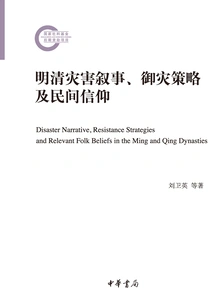
Disaster Narratives, Disaster Prevention Strategies and Folk Beliefs in the Ming and Qing Dynasties
History明清灾害叙事、御灾策略及民间信仰
Liu Weiying Et Al.
This book uses the field history notes and novels of the Ming and Qing Dynasties as basic materials, combined with recent domestic and foreign documents and theories on famine history and folk belief research, and examines the disaster discourse and disaster prevention stories in the Ming and Qing Dynasties in the context of the Chinese national spiritual history. Based on written records of disasters such as floods, droughts, locusts, plagues, winds, hail, earthquakes, ice and snow, and disaster prevention, the performance, ritual functions, and communication mechanisms of many folk beliefs such as praying for rain, driving away drought demons, controlling flood dragons, driving away locusts, warding off epidemics, and imagining lizards sowing hail are described. The author pays attention to collecting a series of vivid folklore stories and imaginations from the Ming and Qing Dynasty's disaster prevention officials who selflessly provided disaster relief, provided relief and protection for the people, and helped each other among the people, and saved food and water. He supplemented the history with texts and elucidated the humanistic spirit of the disaster prevention writing in the Ming and Qing Dynasties. At the same time, we also criticize and analyze the shortcomings of hiding disasters, invading relief, risking relief, asking for relief, and making trouble for relief, as well as the disaster-stricken people's incorrect passive response to relief, and taking advantage of disasters to make profits. Attached are more than 20 news pictures of disaster reports in the late Qing Dynasty. The book has interdisciplinary characteristics such as literature, disaster studies, and folklore. It is rich in information, highly readable, and thought-provoking.
This book uses the field history notes and novels of the Ming and Qing Dynasties as basic materials, combined with recent domestic and foreign documents and theories on famine history and folk belief research, and examines the disaster discourse and disaster prevention stories in the Ming and Qing Dynasties in the context of the Chinese national spiritual history. Based on written records of disasters such as floods, droughts, locusts, plagues, winds, hail, earthquakes, ice and snow, and disaster prevention, the performance, ritual functions, and communication mechanisms of many folk beliefs such as praying for rain, driving away drought demons, controlling flood dragons, driving away locusts, warding off epidemics, and imagining lizards sowing hail are described. The author pays attention to collecting a series of vivid folklore stories and imaginations from the Ming and Qing Dynasty's disaster prevention officials who selflessly provided disaster relief, provided relief and protection for the people, and helped each other among the people, and saved food and water. He supplemented the history with texts and elucidated the humanistic spirit of the disaster prevention writing in the Ming and Qing Dynasties. At the same time, we also criticize and analyze the shortcomings of hiding disasters, invading relief, risking relief, asking for relief, and making trouble for relief, as well as the disaster-stricken people's incorrect passive response to relief, and taking advantage of disasters to make profits. Attached are more than 20 news pictures of disaster reports in the late Qing Dynasty. The book has interdisciplinary characteristics such as literature, disaster studies, and folklore. It is rich in information, highly readable, and thought-provoking.
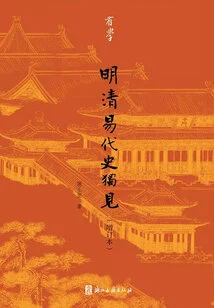
明清易代史独见(增订本)
Chen Shengxi
This book is one of the "Youxue" series. It is a revised and reprinted version of Professor Chen Shengxi's "Unique Views on the History of the Ming and Qing Dynasties." The book is a collection of several relevant papers on the Ming and Qing Dynasties. It mainly discusses historical topics such as the war between the Ming and Qing dynasties, the entry of Qing soldiers into the customs, Wu Sangui's surrender, Chen Yuanyuan's historical facts, the murder of Mao Wenlong, and the shaving order in the early Qing Dynasty. It refutes some historical factual errors that have been passed down to this day, and is a model work for historical research on the late Ming and early Qing dynasties.
This book is one of the "Youxue" series. It is a revised and reprinted version of Professor Chen Shengxi's "Unique Views on the History of the Ming and Qing Dynasties." The book is a collection of several relevant papers on the Ming and Qing Dynasties. It mainly discusses historical topics such as the war between the Ming and Qing dynasties, the entry of Qing soldiers into the customs, Wu Sangui's surrender, Chen Yuanyuan's historical facts, the murder of Mao Wenlong, and the shaving order in the early Qing Dynasty. It refutes some historical factual errors that have been passed down to this day, and is a model work for historical research on the late Ming and early Qing dynasties.
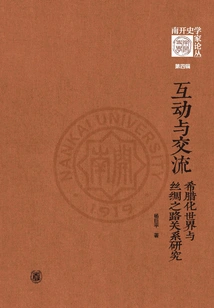
互动与交流:希腊化世界与丝绸之路关系研究
Yang Juping
The word "Hellenism" first appeared in the Greek Bible organized and compiled during the reign of Ptolemy II in the 3rd century BC. It refers to non-Greeks speaking Greek and living Greek lives. The Hellenistic world refers to a new world formed on the basis of Alexander's empire that was politically dominated by the Greek-Macedonians, culturally dominated by Greek culture, and also accommodated local Eastern cultural factors. Its scope ranges from the Mediterranean Sea in the east, to Central Asia and the Indus River in the west, to the northern grasslands in the north, and to the Indian Ocean in the south. The existence time roughly began with Alexander's Eastern Campaign in 334 BC and ended in 2 BC. The Hellenistic world was the most important legacy left by Alexander's Eastern Campaign. After his death, his tribe divided the world into three parts. In a vast area, Greek culture and Eastern culture had long-term contact, adapted and integrated with each other, thus giving birth to Hellenistic civilization. The opening of the Silk Road enabled the heritage of Hellenistic civilization to not only be spread, accepted, and transformed in the Hellenistic world, but also spread to the distant interior of the Central Plains, and eventually integrated into the development of Chinese civilization. In some respects, Alexander played an equally important role as Zhang Qian in the opening of the Silk Road. Previous Chinese works on the Silk Road mostly started from the perspective of the Central Plains, but this book focuses on the other end of the Silk Road - the Hellenistic world. Part 1 is divided into 3 chapters, which demonstrates the role of Alexander's Eastern Expeditions and the Hellenistic world in the opening of the Silk Road; Part 2 is the focus of the book, and is divided into 5 chapters, which are case studies, respectively discussing the spread and acceptance of Hellenistic civilization heritage in countries and regions along the Silk Road; Part 3, with 3 chapters, discusses the legacy and influence of Hellenistic civilization information in China. Each chapter is both independent and internally connected, which can comprehensively, systematically and three-dimensionally reflect the relationship between Hellenistic civilization and the Silk Road. This publication includes appendices of 5 English papers published in authoritative foreign journals.
The word "Hellenism" first appeared in the Greek Bible organized and compiled during the reign of Ptolemy II in the 3rd century BC. It refers to non-Greeks speaking Greek and living Greek lives. The Hellenistic world refers to a new world formed on the basis of Alexander's empire that was politically dominated by the Greek-Macedonians, culturally dominated by Greek culture, and also accommodated local Eastern cultural factors. Its scope ranges from the Mediterranean Sea in the east, to Central Asia and the Indus River in the west, to the northern grasslands in the north, and to the Indian Ocean in the south. The existence time roughly began with Alexander's Eastern Campaign in 334 BC and ended in 2 BC. The Hellenistic world was the most important legacy left by Alexander's Eastern Campaign. After his death, his tribe divided the world into three parts. In a vast area, Greek culture and Eastern culture had long-term contact, adapted and integrated with each other, thus giving birth to Hellenistic civilization. The opening of the Silk Road enabled the heritage of Hellenistic civilization to not only be spread, accepted, and transformed in the Hellenistic world, but also spread to the distant interior of the Central Plains, and eventually integrated into the development of Chinese civilization. In some respects, Alexander played an equally important role as Zhang Qian in the opening of the Silk Road. Previous Chinese works on the Silk Road mostly started from the perspective of the Central Plains, but this book focuses on the other end of the Silk Road - the Hellenistic world. Part 1 is divided into 3 chapters, which demonstrates the role of Alexander's Eastern Expeditions and the Hellenistic world in the opening of the Silk Road; Part 2 is the focus of the book, and is divided into 5 chapters, which are case studies, respectively discussing the spread and acceptance of Hellenistic civilization heritage in countries and regions along the Silk Road; Part 3, with 3 chapters, discusses the legacy and influence of Hellenistic civilization information in China. Each chapter is both independent and internally connected, which can comprehensively, systematically and three-dimensionally reflect the relationship between Hellenistic civilization and the Silk Road. This publication includes appendices of 5 English papers published in authoritative foreign journals.
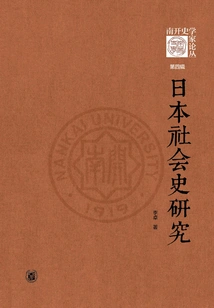
日本社会史研究
Li Zhuo
"Research on Japanese Social History" has about 470,000 words, and is included in the fourth series of "Nankai Historians Series". The author is Professor Li Zhuo of Nankai University. This book examines Japan from the perspective of social history, that is, it explores the customs of Japanese culture - the status of the people as culture carriers, and analyzes the changes in social structure and social relations, social groups and social life in Japanese history. This book explains the historical development process and characteristics of Japan, and then analyzes the reasons why China and Japan have embarked on different development paths in modern times from the perspective of comparative research between China and Japan. This book reflects the author's macro-thinking about how the traditional cultural foundation of Japanese society is different from that of China. It has great reference value for today's understanding of Japan's national character and Japanese people's thinking patterns.
"Research on Japanese Social History" has about 470,000 words, and is included in the fourth series of "Nankai Historians Series". The author is Professor Li Zhuo of Nankai University. This book examines Japan from the perspective of social history, that is, it explores the customs of Japanese culture - the status of the people as culture carriers, and analyzes the changes in social structure and social relations, social groups and social life in Japanese history. This book explains the historical development process and characteristics of Japan, and then analyzes the reasons why China and Japan have embarked on different development paths in modern times from the perspective of comparative research between China and Japan. This book reflects the author's macro-thinking about how the traditional cultural foundation of Japanese society is different from that of China. It has great reference value for today's understanding of Japan's national character and Japanese people's thinking patterns.
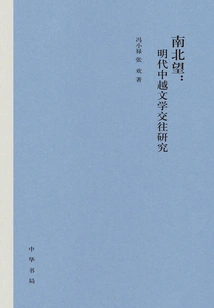
南北望:明代中越文学交往研究
Feng Xiaolu Zhang Huan
Based on the "dual-subject" stance of China and Vietnam with mutual reference, this book conducts a systematic study of Sino-Vietnamese literary exchanges with typical exchange significance in the Ming Dynasty. Based on a full grasp of the literature on exchanges between the two sides, this book starts from the interactive standpoints of China and Vietnam and studies their mutually constructed envoy images, regional images, national images, as well as the styles, themes, strategies, and national cultural mentality of their literary writings. It embodies the research purpose of "looking north and south" and takes into account the perspective and stance of "looking at China from its surroundings" while "looking at its surroundings based on China itself."
Based on the "dual-subject" stance of China and Vietnam with mutual reference, this book conducts a systematic study of Sino-Vietnamese literary exchanges with typical exchange significance in the Ming Dynasty. Based on a full grasp of the literature on exchanges between the two sides, this book starts from the interactive standpoints of China and Vietnam and studies their mutually constructed envoy images, regional images, national images, as well as the styles, themes, strategies, and national cultural mentality of their literary writings. It embodies the research purpose of "looking north and south" and takes into account the perspective and stance of "looking at China from its surroundings" while "looking at its surroundings based on China itself."
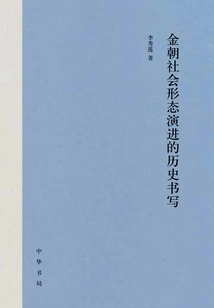
金朝社会形态演进的历史书写
Li Xiulian
"Historical Writing of the Evolution of Social Form in the Jin Dynasty" touches on the proposition of the commonality of the Bei people's dynasties. The development history of the Bei people cannot avoid the issue of the evolution of social form. Even though the Bei Clan dynasty is called the "Conquering Dynasty", its essence is dictated by the social form, and foreign war is a way of existence for the Bei Clan. The evolution path of the social form of the Bei Dynasty was different due to differences in its own cultural accumulation and specific time and space environment. The Jurchens of the Jin Dynasty evolved from tribal alliances and alliances to high-level tribal alliances. Aguda proclaimed himself emperor and established a chiefdom regime. King Hailing moved the capital to Yanjing, promoting the evolution of chiefdoms into national regimes. Jin Shizong usurped the throne and blocked the development of national regimes. The history of the evolution of the Jin Dynasty's social form is connected with the chiefdom power of the high-level tribal alliance in the Liao Dynasty and the unified state power of the Qiyuan and Qing Dynasties. To be precise, the evolution of the Jin Dynasty's social form stopped at the semi-chiefdom and semi-state stage.
"Historical Writing of the Evolution of Social Form in the Jin Dynasty" touches on the proposition of the commonality of the Bei people's dynasties. The development history of the Bei people cannot avoid the issue of the evolution of social form. Even though the Bei Clan dynasty is called the "Conquering Dynasty", its essence is dictated by the social form, and foreign war is a way of existence for the Bei Clan. The evolution path of the social form of the Bei Dynasty was different due to differences in its own cultural accumulation and specific time and space environment. The Jurchens of the Jin Dynasty evolved from tribal alliances and alliances to high-level tribal alliances. Aguda proclaimed himself emperor and established a chiefdom regime. King Hailing moved the capital to Yanjing, promoting the evolution of chiefdoms into national regimes. Jin Shizong usurped the throne and blocked the development of national regimes. The history of the evolution of the Jin Dynasty's social form is connected with the chiefdom power of the high-level tribal alliance in the Liao Dynasty and the unified state power of the Qiyuan and Qing Dynasties. To be precise, the evolution of the Jin Dynasty's social form stopped at the semi-chiefdom and semi-state stage.
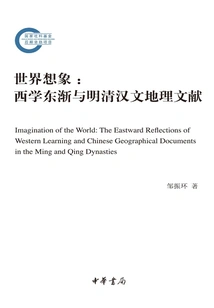
世界想象:西学东渐与明清汉文地理文献
Zou Zhenhuan
The spread of Western learning to the east from the 16th to the 19th centuries brought Chinese society into a unique period of cultural transformation. The Chinese and Western geographical documents formed during this period stirred up rich humanistic imagination about the world in Chinese society and intellectual circles. Through detailed research on Matteo Ricci's world map, Ai Julius's "Zi Fang Wai Ji" and other Ming and Qing Chinese Western geographical documents, this book shows the spread of Western geography and animal and plant knowledge in China since the Ming and Qing Dynasties, as well as the efforts made by Chinese intellectuals to bridge the gap between China and the West. This book pays special attention to putting these issues into the coordinates of China and the world in the context of global history, and attempts to sort out the complex aspects of the fierce collision and integration of Chinese and Western cultures around the geographical documents of the Ming and Qing Dynasties in the grand and magnificent historical picture of the spread of Western learning to the east.
The spread of Western learning to the east from the 16th to the 19th centuries brought Chinese society into a unique period of cultural transformation. The Chinese and Western geographical documents formed during this period stirred up rich humanistic imagination about the world in Chinese society and intellectual circles. Through detailed research on Matteo Ricci's world map, Ai Julius's "Zi Fang Wai Ji" and other Ming and Qing Chinese Western geographical documents, this book shows the spread of Western geography and animal and plant knowledge in China since the Ming and Qing Dynasties, as well as the efforts made by Chinese intellectuals to bridge the gap between China and the West. This book pays special attention to putting these issues into the coordinates of China and the world in the context of global history, and attempts to sort out the complex aspects of the fierce collision and integration of Chinese and Western cultures around the geographical documents of the Ming and Qing Dynasties in the grand and magnificent historical picture of the spread of Western learning to the east.
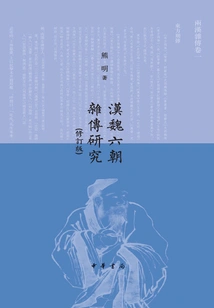
汉魏六朝杂传研究(修订版)
Xiong Ming
The research object of this book is miscellaneous biographies from the Han, Wei and Six Dynasties periods. This book's research on the miscellaneous biographies of the Han, Wei and Six Dynasties includes three levels: first, a detailed examination of the existence, descriptions, and authors of miscellaneous biographies of the Han, Wei and Six Dynasties, and strive to clarify the basic situation of each miscellaneous biography; second, a detailed textual study of the miscellaneous biographies of the Han, Wei and Six Dynasties, and the biography of the characters of each miscellaneous biography. , Narrative construction, style orientation and other aspects of systematic analysis; third, based on the microscopic study of each type of miscellaneous biography, a macroscopic review of the creation of miscellanies throughout the Han, Wei and Six Dynasties periods was conducted, the humanistic character of the miscellanies of the Han, Wei and Six Dynasties was analyzed and summarized, and its historical status and value were judged. The author attempts to establish a three-dimensional coordinate in the broad field of history and literature, using Chinese orthodox historical biographies and classical novels, and observes and studies the miscellaneous biographies of the Han, Wei and Six Dynasties through the perspective of cross-literary history or both literature and history. It not only examines the historical characteristics of the miscellaneous biographies of the Han, Wei and Six Dynasties to reveal their historical value and significance; it also examines the literary connotation of the miscellaneous biographies of the Han, Wei and Six Dynasties, especially the character of the novels, and summarizes the character characteristics and humanistic connotation of the miscellaneous biographies of the Han, Wei and Six Dynasties. At the same time, on the basis of objectively and accurately describing the development history of miscellaneous biographies during the Han, Wei and Six Dynasties, it reveals the internal logic and objective laws of the development and evolution of miscellaneous biographies during the Han, Wei and Six Dynasties, and constructs a historical development model of miscellaneous biographies during the Han, Wei and Six Dynasties.
The research object of this book is miscellaneous biographies from the Han, Wei and Six Dynasties periods. This book's research on the miscellaneous biographies of the Han, Wei and Six Dynasties includes three levels: first, a detailed examination of the existence, descriptions, and authors of miscellaneous biographies of the Han, Wei and Six Dynasties, and strive to clarify the basic situation of each miscellaneous biography; second, a detailed textual study of the miscellaneous biographies of the Han, Wei and Six Dynasties, and the biography of the characters of each miscellaneous biography. , Narrative construction, style orientation and other aspects of systematic analysis; third, based on the microscopic study of each type of miscellaneous biography, a macroscopic review of the creation of miscellanies throughout the Han, Wei and Six Dynasties periods was conducted, the humanistic character of the miscellanies of the Han, Wei and Six Dynasties was analyzed and summarized, and its historical status and value were judged. The author attempts to establish a three-dimensional coordinate in the broad field of history and literature, using Chinese orthodox historical biographies and classical novels, and observes and studies the miscellaneous biographies of the Han, Wei and Six Dynasties through the perspective of cross-literary history or both literature and history. It not only examines the historical characteristics of the miscellaneous biographies of the Han, Wei and Six Dynasties to reveal their historical value and significance; it also examines the literary connotation of the miscellaneous biographies of the Han, Wei and Six Dynasties, especially the character of the novels, and summarizes the character characteristics and humanistic connotation of the miscellaneous biographies of the Han, Wei and Six Dynasties. At the same time, on the basis of objectively and accurately describing the development history of miscellaneous biographies during the Han, Wei and Six Dynasties, it reveals the internal logic and objective laws of the development and evolution of miscellaneous biographies during the Han, Wei and Six Dynasties, and constructs a historical development model of miscellaneous biographies during the Han, Wei and Six Dynasties.
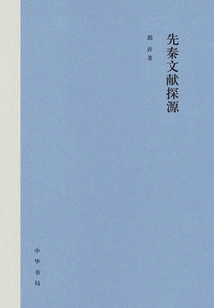
先秦文献探源
Guo Yi
Based on the "double evidence method" proposed by Wang Guowei, this book conducts a unique exploration of pre-Qin documents and related historical facts, trying to restore their original appearance. It is the author's devoted work with more than 30 years of work. There are twenty-three chapters in the book, and the main content can be summarized into five aspects: first, the development direction of Chinese classical studies and the research methodology of historical documents; second, the historical issues in Chinese academic thought such as Laozi, his people and his books, Confucius and the Book of Changes, the Eight Schools of Confucianism, and the relationship between Simi and Mencius. Famous public cases include, thirdly, the writing, author and era of core Chinese classics such as "Shangshu", "The Analects of Confucius", "The Book of Filial Piety", "Book of Changes", "Book of Rites", "Great Learning", "The Doctrine of the Mean" and "Legends of Music", etc.; Fourthly, unearthed documents from Confucianism and Taoism; and fifthly, other pre-Qin documents and related historical facts.
Based on the "double evidence method" proposed by Wang Guowei, this book conducts a unique exploration of pre-Qin documents and related historical facts, trying to restore their original appearance. It is the author's devoted work with more than 30 years of work. There are twenty-three chapters in the book, and the main content can be summarized into five aspects: first, the development direction of Chinese classical studies and the research methodology of historical documents; second, the historical issues in Chinese academic thought such as Laozi, his people and his books, Confucius and the Book of Changes, the Eight Schools of Confucianism, and the relationship between Simi and Mencius. Famous public cases include, thirdly, the writing, author and era of core Chinese classics such as "Shangshu", "The Analects of Confucius", "The Book of Filial Piety", "Book of Changes", "Book of Rites", "Great Learning", "The Doctrine of the Mean" and "Legends of Music", etc.; Fourthly, unearthed documents from Confucianism and Taoism; and fifthly, other pre-Qin documents and related historical facts.
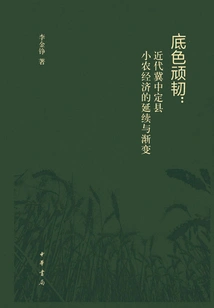
底色顽韧:近代冀中定县小农经济的延续与渐变
Li Jinzheng
Focusing on Ding County in central Hebei Province, this book mainly discusses issues that have been shared by twelve academic circles and have been debated for a long time, including the ratio of man to land, land distribution, family size, agricultural production, tenant relations, employment relations, cottage industry, market trade, farmers' loans, tax burdens, farm consumption, and rural construction experiments in rural economy. This topic aims to explore the characteristics of the central Hebei region and the commonalities with other regions within the overall historical context of modern rural China, and study the structure, operation form and changes of China's modern rural social economy, thereby revealing the connection between rural economy and farmers' survival, and further deepening the study of Chinese rural history and rural economic history.
Focusing on Ding County in central Hebei Province, this book mainly discusses issues that have been shared by twelve academic circles and have been debated for a long time, including the ratio of man to land, land distribution, family size, agricultural production, tenant relations, employment relations, cottage industry, market trade, farmers' loans, tax burdens, farm consumption, and rural construction experiments in rural economy. This topic aims to explore the characteristics of the central Hebei region and the commonalities with other regions within the overall historical context of modern rural China, and study the structure, operation form and changes of China's modern rural social economy, thereby revealing the connection between rural economy and farmers' survival, and further deepening the study of Chinese rural history and rural economic history.
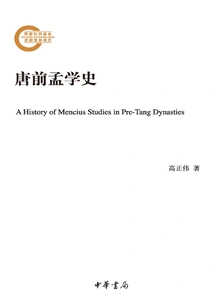
唐前孟学史
Gao Zhengwei
This book carries out a systematic study of the history of Mencius before the Sui Dynasty, and is divided into three parts: "History of Mencius during the Warring States Period", "History of Mencius during the Qin and Han Dynasties", and "History of Mencius during the Wei, Jin, Southern and Northern Dynasties", with a total of fifteen chapters. Mencius in the Warring States period analyzed the criticism of Mencius by the later scholars of Mencius, Xunzi, Han Fei and "Lu Shi Chun Qiu", and examined the origin of Mencius; Mencius in Qin and Han Dynasties analyzed the acceptance of Mencius by Lu Jia, Dong Zhongshu, Yang Xiong and other scholars, and analyzed the acceptance of Mencius by historians such as Sima Qian and Ban Gu. It analyzes the acceptance of Mencius by Han Ying, Zheng Xuan, Zhao Qi and other Confucian scholars, and examines the initial rise of Mencius; Mencius in the Wei, Jin, Southern and Northern Dynasties analyzes the changes in Mencius' thoughts by relevant scholars in the Cao Wei period, the Western Jin, the Eastern Jin, and the Southern and Northern Dynasties, and examines the development process of Mencius. Analyze the inheritance and development of Mencius' views on heaven, mind, nature, and benevolent government in various eras, comment on the inheritance and transformation of Mencius's teachings in each recipient and at each stage, and objectively restore the existence of Mencius at that time. The research also summarizes the development process and characteristics of Mencius at various stages, and analyzes the evolution of Mencius' status in different periods and its impact on social concepts.
This book carries out a systematic study of the history of Mencius before the Sui Dynasty, and is divided into three parts: "History of Mencius during the Warring States Period", "History of Mencius during the Qin and Han Dynasties", and "History of Mencius during the Wei, Jin, Southern and Northern Dynasties", with a total of fifteen chapters. Mencius in the Warring States period analyzed the criticism of Mencius by the later scholars of Mencius, Xunzi, Han Fei and "Lu Shi Chun Qiu", and examined the origin of Mencius; Mencius in Qin and Han Dynasties analyzed the acceptance of Mencius by Lu Jia, Dong Zhongshu, Yang Xiong and other scholars, and analyzed the acceptance of Mencius by historians such as Sima Qian and Ban Gu. It analyzes the acceptance of Mencius by Han Ying, Zheng Xuan, Zhao Qi and other Confucian scholars, and examines the initial rise of Mencius; Mencius in the Wei, Jin, Southern and Northern Dynasties analyzes the changes in Mencius' thoughts by relevant scholars in the Cao Wei period, the Western Jin, the Eastern Jin, and the Southern and Northern Dynasties, and examines the development process of Mencius. Analyze the inheritance and development of Mencius' views on heaven, mind, nature, and benevolent government in various eras, comment on the inheritance and transformation of Mencius's teachings in each recipient and at each stage, and objectively restore the existence of Mencius at that time. The research also summarizes the development process and characteristics of Mencius at various stages, and analyzes the evolution of Mencius' status in different periods and its impact on social concepts.
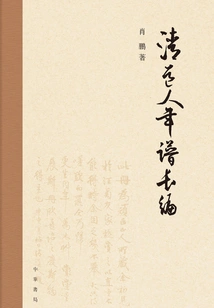
Chronology of Qing Taoists
History清道人年谱长编
Xiao Peng
Qingdao native, whose original name was Li Ruiqing (1867-1920), was a native of Linchuan, Jiangxi Province. He was a famous calligrapher, painter, educator, and poet in modern times. He once participated in writing letters on the bus, and served as Jiangning's academic envoy, supervisor of Liangjiang Normal School, and Jiangning's political history. After 1911, he published books in Shanghai and gained a great reputation. As a backbone figure among the elders in Shanghai, he had frequent contacts with the elders in Qingdao and actively plotted for restoration. During the restoration of Ding Si, he was awarded the title of Zuo Shilang of the Academy, and was given the posthumous title Wenjie after his death. He can be said to be a representative figure among the elders in the late Qing Dynasty. However, he was involved in the late Qing Dynasty and the early Republic of China, and his identity and thoughts were extremely complicated. The late Qing Dynasty and the early Republic of China were also the beginnings of China's modern education and the new calligraphy and painting trading market. As a direct participant and pioneer, Li Ruiqing's important role is self-evident. "Chronicles of Qing Taoists" collects his poems, inscriptions and related documents, studies and textual research, and consults a large number of historical materials such as archives, diaries, local chronicles, biographies, rulers, notes, etc., To restore his life experience, and through Li Ruiqing's life's travels and contacts, it outlines the changes in the current situation, social status, education, calligraphy and painting market, and the living conditions of the elderly in the late Qing Dynasty and the early Republic of China.
Qingdao native, whose original name was Li Ruiqing (1867-1920), was a native of Linchuan, Jiangxi Province. He was a famous calligrapher, painter, educator, and poet in modern times. He once participated in writing letters on the bus, and served as Jiangning's academic envoy, supervisor of Liangjiang Normal School, and Jiangning's political history. After 1911, he published books in Shanghai and gained a great reputation. As a backbone figure among the elders in Shanghai, he had frequent contacts with the elders in Qingdao and actively plotted for restoration. During the restoration of Ding Si, he was awarded the title of Zuo Shilang of the Academy, and was given the posthumous title Wenjie after his death. He can be said to be a representative figure among the elders in the late Qing Dynasty. However, he was involved in the late Qing Dynasty and the early Republic of China, and his identity and thoughts were extremely complicated. The late Qing Dynasty and the early Republic of China were also the beginnings of China's modern education and the new calligraphy and painting trading market. As a direct participant and pioneer, Li Ruiqing's important role is self-evident. "Chronicles of Qing Taoists" collects his poems, inscriptions and related documents, studies and textual research, and consults a large number of historical materials such as archives, diaries, local chronicles, biographies, rulers, notes, etc., To restore his life experience, and through Li Ruiqing's life's travels and contacts, it outlines the changes in the current situation, social status, education, calligraphy and painting market, and the living conditions of the elderly in the late Qing Dynasty and the early Republic of China.
宋代士人阶层的女性
Iron Love Flower
In the Song Dynasty, the ranks of the scholar class expanded unprecedentedly, and correspondingly, the number of women in the scholar class also expanded. This book clearly defines the concept of "scholar-class women in the Song Dynasty", starting from order, norms and the actual life of women, and organizing it according to the logical sequence of society, family and individual levels. It extensively examines the norms for women in the Song Dynasty, including the state, scholar society, local villages and scholar-class families. It systematically displays the reality of the lives of scholar-class women in the Song Dynasty, and examines the relationship between the social order, norms and the lives of scholar-class women in the Song Dynasty from multiple angles and levels. The whole book is divided into two parts: upper and lower. The first part mainly discusses the process of Song Confucianism interpreting and constructing the ideal gender order with the help of Yin and Yang theory; the regulation of gender order by sexual deviance laws and the system of banners; the norms, education and expectations of women by scholars' public opinion, township reviews, and families. The second part examines the actual life of scholar-class women in the Song Dynasty from the perspective of social reality: their participation in the public sphere; their reading activities; their leisure and entertainment, travel and social gatherings; and the diverse models of husband-wife and wife-concubine relationships.
In the Song Dynasty, the ranks of the scholar class expanded unprecedentedly, and correspondingly, the number of women in the scholar class also expanded. This book clearly defines the concept of "scholar-class women in the Song Dynasty", starting from order, norms and the actual life of women, and organizing it according to the logical sequence of society, family and individual levels. It extensively examines the norms for women in the Song Dynasty, including the state, scholar society, local villages and scholar-class families. It systematically displays the reality of the lives of scholar-class women in the Song Dynasty, and examines the relationship between the social order, norms and the lives of scholar-class women in the Song Dynasty from multiple angles and levels. The whole book is divided into two parts: upper and lower. The first part mainly discusses the process of Song Confucianism interpreting and constructing the ideal gender order with the help of Yin and Yang theory; the regulation of gender order by sexual deviance laws and the system of banners; the norms, education and expectations of women by scholars' public opinion, township reviews, and families. The second part examines the actual life of scholar-class women in the Song Dynasty from the perspective of social reality: their participation in the public sphere; their reading activities; their leisure and entertainment, travel and social gatherings; and the diverse models of husband-wife and wife-concubine relationships.
南宋地方官的主张
(japan) Masaaki Osawa
An acclaimed classic in the study of modern Japanese Sinology! When the two Song Dynasties migrated, the refugees from the north and the military pressure from the Jin and Yuan Dynasties made the Southern Song Dynasty breathless. In the past, researchers focused more on historical discussions in the fields of politics, economy, military, and diplomacy of the Southern Song Dynasty, but lacked understanding of the people in this dynasty that was based in the south of the Yangtze River. This book uses a unique interpretation of two important documents at the time, "Ming Gong Shu Tan Qing Ming Collection" and "Yuan Shi Shi Fan", to explain how the Jiangnan court used the wealth of the south, the people's loyalty and diligence, and the officials' conservative mentality to obtain resources to stabilize the regime in this dangerous situation, thus opening up a prosperous era of Zhongxing that lasted for many years. The book analyzes the mentality of local officials rooted in the south from the perspectives of judicial judgment, political reform, and personnel appointments. At the same time, it also draws out the logic of traditional Chinese scholars and their views on emotion, reason, and law, thereby providing readers with a rare model of the history of ancient Chinese political mentality. It is a rare sinological research classic with solid foundation and strong readability.
An acclaimed classic in the study of modern Japanese Sinology! When the two Song Dynasties migrated, the refugees from the north and the military pressure from the Jin and Yuan Dynasties made the Southern Song Dynasty breathless. In the past, researchers focused more on historical discussions in the fields of politics, economy, military, and diplomacy of the Southern Song Dynasty, but lacked understanding of the people in this dynasty that was based in the south of the Yangtze River. This book uses a unique interpretation of two important documents at the time, "Ming Gong Shu Tan Qing Ming Collection" and "Yuan Shi Shi Fan", to explain how the Jiangnan court used the wealth of the south, the people's loyalty and diligence, and the officials' conservative mentality to obtain resources to stabilize the regime in this dangerous situation, thus opening up a prosperous era of Zhongxing that lasted for many years. The book analyzes the mentality of local officials rooted in the south from the perspectives of judicial judgment, political reform, and personnel appointments. At the same time, it also draws out the logic of traditional Chinese scholars and their views on emotion, reason, and law, thereby providing readers with a rare model of the history of ancient Chinese political mentality. It is a rare sinological research classic with solid foundation and strong readability.
中国方志学概论(修订本)
Yang Junchang
This book consists of an introduction, the origin and development of local chronicles, the style of local chronicles, the basis of compilation of local chronicles, the compilation of various genres of local chronicles, the discussion of the compilation of local chronicles, the data work of local chronicles, the function of local chronicles and the use of local chronicles in reading local chronicles, the arrangement of old chronicles, the continuation of local chronicles, and the local chronicles. It consists of 13 chapters including chronicle reviews, local chronicles and local yearbooks, and local chronicle management. It is a treatise that can be used for local chronicle course teaching and local chronicle compilation training, and can also serve the development of local chronicles and promote the discipline construction of local chronicles.
This book consists of an introduction, the origin and development of local chronicles, the style of local chronicles, the basis of compilation of local chronicles, the compilation of various genres of local chronicles, the discussion of the compilation of local chronicles, the data work of local chronicles, the function of local chronicles and the use of local chronicles in reading local chronicles, the arrangement of old chronicles, the continuation of local chronicles, and the local chronicles. It consists of 13 chapters including chronicle reviews, local chronicles and local yearbooks, and local chronicle management. It is a treatise that can be used for local chronicle course teaching and local chronicle compilation training, and can also serve the development of local chronicles and promote the discipline construction of local chronicles.
权力与正统:五代政治史论稿
Luo Liang
This book takes the power turbulence that occurred during the change of dynasties in the Five Dynasties and the rulers' pursuit of legitimacy as clues to analyze the many political problems faced by the Five Dynasties regime and their response strategies. It conducts specific research on representative topics such as the establishment of the Five Dynasties dynasty's national title, the writing of historical biographies, the rise and fall of Zhang Quanyi's family, the issue of adopted sons and surnames in the Later Tang Dynasty, the Khitan father in the Later Jin Dynasty, the officialdom of Taizu's family in the Later Zhou Dynasty, and the founding process of the country. In addition, the appendix discusses how the phenomenon of "resurrection of dead trees" was used by King Jian of the former Shu Dynasty to complete his political propaganda during the founding of the country. Through detailed analysis of the above topics, the power changes and historical development of the central political situation in the Five Dynasties are revealed.
This book takes the power turbulence that occurred during the change of dynasties in the Five Dynasties and the rulers' pursuit of legitimacy as clues to analyze the many political problems faced by the Five Dynasties regime and their response strategies. It conducts specific research on representative topics such as the establishment of the Five Dynasties dynasty's national title, the writing of historical biographies, the rise and fall of Zhang Quanyi's family, the issue of adopted sons and surnames in the Later Tang Dynasty, the Khitan father in the Later Jin Dynasty, the officialdom of Taizu's family in the Later Zhou Dynasty, and the founding process of the country. In addition, the appendix discusses how the phenomenon of "resurrection of dead trees" was used by King Jian of the former Shu Dynasty to complete his political propaganda during the founding of the country. Through detailed analysis of the above topics, the power changes and historical development of the central political situation in the Five Dynasties are revealed.
唐、吐蕃、大食政治关系史
Wang Xiaofu
This book is a representative work on the history of medieval China, the history of ethnic relations in the Middle Ages, and the history of Sino-foreign relations. First published in 1992, it immediately received widespread attention and praise from the academic community. "Journal of Peking University", "Chinese Social Sciences", the American "Central Asia Magazine", the British "Journal of the Royal Asiatic Society", "Macau Daily News", etc. Have published many book reviews. The book mainly elaborates on the competition between the three major political forces of Tang, Tubo and Dashi in Central Asia in the seventh and eighth centuries AD and the complex relationships between them. Such as Tubo's expansion of power to the Western Regions and its war with the Tang Dynasty, the rise and fall of the Western Turks, the eastern expansion of Dashi, etc. The author made extensive use of first-hand materials including Chinese and Tibetan documents unearthed in Dunhuang and Turpan, and made a large number of excerpts and translations from Arabic historical books to draw convincing conclusions and promote in-depth research on related academic issues.
This book is a representative work on the history of medieval China, the history of ethnic relations in the Middle Ages, and the history of Sino-foreign relations. First published in 1992, it immediately received widespread attention and praise from the academic community. "Journal of Peking University", "Chinese Social Sciences", the American "Central Asia Magazine", the British "Journal of the Royal Asiatic Society", "Macau Daily News", etc. Have published many book reviews. The book mainly elaborates on the competition between the three major political forces of Tang, Tubo and Dashi in Central Asia in the seventh and eighth centuries AD and the complex relationships between them. Such as Tubo's expansion of power to the Western Regions and its war with the Tang Dynasty, the rise and fall of the Western Turks, the eastern expansion of Dashi, etc. The author made extensive use of first-hand materials including Chinese and Tibetan documents unearthed in Dunhuang and Turpan, and made a large number of excerpts and translations from Arabic historical books to draw convincing conclusions and promote in-depth research on related academic issues.
1945-1947年中国善后救济事业研究
Wang Chunlong
After the end of World War II, the United States, Britain and other countries jointly invested more than three billion US dollars to purchase a batch of materials to help countries that suffered fascist aggression relieve victims and restore production. China is also one of the recipient countries. To this end, the Nationalist Government established the General Administration of Relief and Relief of the Executive Yuan (referred to as the General Administration), and proposed the concept of "integrating relief into the aftermath." From 1945 to 1947, under the leadership of the General Manager of the Bank, China successively carried out relief activities such as emergency relief, special relief, work relief, and repatriation of refugees, as well as aftermath projects in agriculture, industry, transportation, medical and health, etc. The development of the aftermath relief work has provided relief to thousands of Chinese victims and has also played a certain role in promoting China's post-war recovery.
After the end of World War II, the United States, Britain and other countries jointly invested more than three billion US dollars to purchase a batch of materials to help countries that suffered fascist aggression relieve victims and restore production. China is also one of the recipient countries. To this end, the Nationalist Government established the General Administration of Relief and Relief of the Executive Yuan (referred to as the General Administration), and proposed the concept of "integrating relief into the aftermath." From 1945 to 1947, under the leadership of the General Manager of the Bank, China successively carried out relief activities such as emergency relief, special relief, work relief, and repatriation of refugees, as well as aftermath projects in agriculture, industry, transportation, medical and health, etc. The development of the aftermath relief work has provided relief to thousands of Chinese victims and has also played a certain role in promoting China's post-war recovery.
清代文官考核研究
Xue Gang
Civilian official assessment is both a system and a political act. As an important part of official management, it involves official selection, awards, punishments, promotions and demotions, etc. It occupies an important position in the political life of the Qing Dynasty. This book examines in detail the five main assessment forms of the Qing Dynasty, including civil service examinations for civil servants in the Qing Dynasty, Beijing inspections for Beijing officials, local official plans, year-end secret examinations for local officials, and assessment of prefecture and county facts under the New Deal in the late Qing Dynasty. The theoretical analysis covers the origin, connotation and development of the system, as well as the implementation effect and substantive role of the assessment. The book points out that: in theory, civil official assessment "deposes the secrets and the bright" and rectifies the officialdom, but is affected and restricted by the administrative environment, and the assessment and the administrative environment are dialectical relationships; the supervisory officer's focus on the examination and responsibility system has both advantages and disadvantages, and the chief official's focus on the examination is scientific, and at the same time it has become the main source of the assessment drawbacks; the year-end secret examination system implemented in the Qianlong Dynasty expanded the power of the governor, and also became the emperor's control It was a powerful tool to control local officials; the close integration of official assessment and selection was an important measure in the Qing Dynasty to give full play to the inspiring role of excellent assessment. The appointment of first-class officials from Beijing to local officials became a highlight of the Qing Dynasty's personnel appointments; when the emperor introduced the excellent and six-law officials and the assessment was based on actual evidence, the implementation of assessment accountability could relatively effectively increase the possibility of a fair and orderly assessment.
Civilian official assessment is both a system and a political act. As an important part of official management, it involves official selection, awards, punishments, promotions and demotions, etc. It occupies an important position in the political life of the Qing Dynasty. This book examines in detail the five main assessment forms of the Qing Dynasty, including civil service examinations for civil servants in the Qing Dynasty, Beijing inspections for Beijing officials, local official plans, year-end secret examinations for local officials, and assessment of prefecture and county facts under the New Deal in the late Qing Dynasty. The theoretical analysis covers the origin, connotation and development of the system, as well as the implementation effect and substantive role of the assessment. The book points out that: in theory, civil official assessment "deposes the secrets and the bright" and rectifies the officialdom, but is affected and restricted by the administrative environment, and the assessment and the administrative environment are dialectical relationships; the supervisory officer's focus on the examination and responsibility system has both advantages and disadvantages, and the chief official's focus on the examination is scientific, and at the same time it has become the main source of the assessment drawbacks; the year-end secret examination system implemented in the Qianlong Dynasty expanded the power of the governor, and also became the emperor's control It was a powerful tool to control local officials; the close integration of official assessment and selection was an important measure in the Qing Dynasty to give full play to the inspiring role of excellent assessment. The appointment of first-class officials from Beijing to local officials became a highlight of the Qing Dynasty's personnel appointments; when the emperor introduced the excellent and six-law officials and the assessment was based on actual evidence, the implementation of assessment accountability could relatively effectively increase the possibility of a fair and orderly assessment.
历史比较语言学理论:从同源论到亲缘度
Li Yan
Homology or kinship is debated endlessly in the academic circles. Based on "Super Language Family: New Theory of Historical Comparative Linguistics", this book continues to explore the classification research of world languages by foreign scholars. The traditional historical comparative method is far from being able to satisfy today's historical linguistics research. Methodologies from biological sciences, computer science and other fields have promoted the development of historical linguistics, and have influenced historical linguistics methodology from three aspects (similarity, characteristics, distance), pushing historical linguistics research to a new stage of development.
Homology or kinship is debated endlessly in the academic circles. Based on "Super Language Family: New Theory of Historical Comparative Linguistics", this book continues to explore the classification research of world languages by foreign scholars. The traditional historical comparative method is far from being able to satisfy today's historical linguistics research. Methodologies from biological sciences, computer science and other fields have promoted the development of historical linguistics, and have influenced historical linguistics methodology from three aspects (similarity, characteristics, distance), pushing historical linguistics research to a new stage of development.
无权所有:集权奴役社会的地权秩序
Wu Xianghong Wu Xiangdong
This book combines empirical research and theoretical analysis to reveal the traditional land rights order as a primitive form of ownership without rights. The book is divided into five chapters, including the division of land rights, the formation of tenancy, slavery on the land, the general theory of customary law, the credit structure and the origin of contracts.
This book combines empirical research and theoretical analysis to reveal the traditional land rights order as a primitive form of ownership without rights. The book is divided into five chapters, including the division of land rights, the formation of tenancy, slavery on the land, the general theory of customary law, the credit structure and the origin of contracts.