Library
Browse and search books
394 novels found
A Compilation of Three Words and Two Beats (3 Volumes)
General Fiction三言二拍精编(3册)
(ming Dynasty) Feng Menglong
The works included in "Three Words", whether they are old pieces from the Song and Yuan Dynasty, new works from the Ming Dynasty or Feng Menglong's drafts, have been added, deleted and retouched by Feng Menglong to varying degrees. These works have a wide range of themes and complex contents. There are condemnations of the ugliness of feudal bureaucracy and praise of the virtues of upright officials, as well as songs about friendship and love. Songhe denounces treachery and heartless behavior. What is more noteworthy is that many of the works of "Erpai" reflect the lives of citizens and their ideologies, so most of the chapters have a certain appeal and the language is more vivid.
The works included in "Three Words", whether they are old pieces from the Song and Yuan Dynasty, new works from the Ming Dynasty or Feng Menglong's drafts, have been added, deleted and retouched by Feng Menglong to varying degrees. These works have a wide range of themes and complex contents. There are condemnations of the ugliness of feudal bureaucracy and praise of the virtues of upright officials, as well as songs about friendship and love. Songhe denounces treachery and heartless behavior. What is more noteworthy is that many of the works of "Erpai" reflect the lives of citizens and their ideologies, so most of the chapters have a certain appeal and the language is more vivid.
A Compilation of Three Words and Two Beats (4 Volumes)
General Fiction三言二拍精编(4册)
G
The works included in "Three Words", whether they are old pieces from the Song and Yuan Dynasties, new works from the Ming Dynasty or Feng Menglong's drafts, have been added, deleted, and retouched by Feng Menglong to varying degrees. These works have a wide range of themes and complex contents. There are condemnations of the ugliness of feudal bureaucracy and praise of the virtues of upright officials. There are praises of friendship and love and rebuke of treachery and heartless behavior. What is more noteworthy is that there are many works describing the lives of ordinary people in the city. Some of the works of "Erpai" reflect the lives of citizens and their ideologies. "Erpai" is good at organizing plots, so most chapters have a certain appeal and the language is more vivid.
The works included in "Three Words", whether they are old pieces from the Song and Yuan Dynasties, new works from the Ming Dynasty or Feng Menglong's drafts, have been added, deleted, and retouched by Feng Menglong to varying degrees. These works have a wide range of themes and complex contents. There are condemnations of the ugliness of feudal bureaucracy and praise of the virtues of upright officials. There are praises of friendship and love and rebuke of treachery and heartless behavior. What is more noteworthy is that there are many works describing the lives of ordinary people in the city. Some of the works of "Erpai" reflect the lives of citizens and their ideologies. "Erpai" is good at organizing plots, so most chapters have a certain appeal and the language is more vivid.
Vernacular Liaozhai
General Fiction白话聊斋
Zhao Qingya
The new Chinese curriculum standard specifies the reading list for primary and secondary school students, and puts forward clear requirements for the quantity, content, quality and speed of reading. This has far-reaching significance for improving the reading and writing ability of the majority of students, cultivating Chinese literacy, and promoting lifelong learning. Modern primary and secondary school students cannot just be limited to campus and textbooks. They should broaden their horizons, broaden their horizons, gain a broad understanding of the vast world and society, and continuously increase their rich knowledge of modern society and world information. Only then can they be mentally prepared, grow up quickly, and be able to fly freely in the blue sky of the world in the future. Otherwise, we will always be good babies in our mother's arms and bean sprouts in the greenhouse. So, how will we go towards society and the world?
The new Chinese curriculum standard specifies the reading list for primary and secondary school students, and puts forward clear requirements for the quantity, content, quality and speed of reading. This has far-reaching significance for improving the reading and writing ability of the majority of students, cultivating Chinese literacy, and promoting lifelong learning. Modern primary and secondary school students cannot just be limited to campus and textbooks. They should broaden their horizons, broaden their horizons, gain a broad understanding of the vast world and society, and continuously increase their rich knowledge of modern society and world information. Only then can they be mentally prepared, grow up quickly, and be able to fly freely in the blue sky of the world in the future. Otherwise, we will always be good babies in our mother's arms and bean sprouts in the greenhouse. So, how will we go towards society and the world?
Talk About the Complete Biography of Yue
General Fiction说岳全传
Money Lottery
"The Complete Story of Yue Fei" is a heroic romance novel with a certain historical romance color based on the story of Yue Fei's resistance to the Jin Dynasty. In the book, they synthesized the works on the subject of Yue from past dynasties, and based on this, they processed and transformed it and published it. After the publication of "The Complete Story of Yue Shuo", its influence was so great that it dwarfed all previous works on the same subject, thus becoming a concluding and final work among novels on this subject.
"The Complete Story of Yue Fei" is a heroic romance novel with a certain historical romance color based on the story of Yue Fei's resistance to the Jin Dynasty. In the book, they synthesized the works on the subject of Yue from past dynasties, and based on this, they processed and transformed it and published it. After the publication of "The Complete Story of Yue Shuo", its influence was so great that it dwarfed all previous works on the same subject, thus becoming a concluding and final work among novels on this subject.
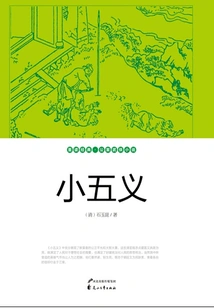
Xiao Wuyi
General Fiction小五义
Shi Yukun
The full name of "Xiaowuyi" is "Zhonglie Xiaowuyi Biography", also known as "The Continuation of Zhonglie Xiaowuyi Biography", with a total of 124 chapters. The book takes the main line of the book: King Zhao Jue of Xiangyang, who had a grudge against his past, recruited troops and conspired to rebel. The emperor ordered the imperial envoy Yan Yin to investigate and deal with the case. It mainly tells the stories of heroes from all walks of life who served the people and promoted justice. The plot is ups and downs, fascinating, and contains all kinds of chivalrous and heroic emotions. In addition, the characters are vividly created and come to life on the page. While people hate the powerful and evil gentry, they also stand in awe of the heroic deeds. This book has been widely circulated among the people and has always been talked about.
The full name of "Xiaowuyi" is "Zhonglie Xiaowuyi Biography", also known as "The Continuation of Zhonglie Xiaowuyi Biography", with a total of 124 chapters. The book takes the main line of the book: King Zhao Jue of Xiangyang, who had a grudge against his past, recruited troops and conspired to rebel. The emperor ordered the imperial envoy Yan Yin to investigate and deal with the case. It mainly tells the stories of heroes from all walks of life who served the people and promoted justice. The plot is ups and downs, fascinating, and contains all kinds of chivalrous and heroic emotions. In addition, the characters are vividly created and come to life on the page. While people hate the powerful and evil gentry, they also stand in awe of the heroic deeds. This book has been widely circulated among the people and has always been talked about.
T
General Fictiont
I
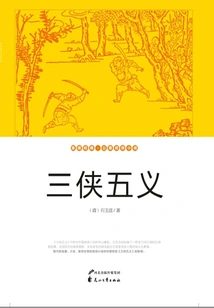
The original name of "Three Heroes and Five Righteousnesses" is "The Legend of Loyalty and Chivalry". It is a very famous chivalrous novel about public cases in China. This book has been widely circulated and has far-reaching influence, making it almost a household name. The novel has a total of one hundred and twenty chapters, divided into two parts. The first part begins with the civet cat exchanging for the prince, and tells the story of the knights assisting Bao Zheng in his struggle against the treacherous minister Pang Ji and his son; the second part mainly tells the story of the knights assisting Yan Chasan in cutting off the wings of the King of Xiangyang. The whole novel has interlocking plots, climaxes one after another, vivid characters, and humorous and vivid language. It makes you put it down after reading it. Zhan Zhao's tolerance and loyalty, Jiang Ping's cunning and cleverness, Xu Qing and Zhao Hu's rudeness and straightforwardness, Ai Hu's simplicity and innocence, Zhi Hua's wit and unrestrainedness, Ouyang Chun's reservedness, especially Bai Yutang's unrestrained and youthful spirit, all left a deep impression on people.
The original name of "Three Heroes and Five Righteousnesses" is "The Legend of Loyalty and Chivalry". It is a very famous chivalrous novel about public cases in China. This book has been widely circulated and has far-reaching influence, making it almost a household name. The novel has a total of one hundred and twenty chapters, divided into two parts. The first part begins with the civet cat exchanging for the prince, and tells the story of the knights assisting Bao Zheng in his struggle against the treacherous minister Pang Ji and his son; the second part mainly tells the story of the knights assisting Yan Chasan in cutting off the wings of the King of Xiangyang. The whole novel has interlocking plots, climaxes one after another, vivid characters, and humorous and vivid language. It makes you put it down after reading it. Zhan Zhao's tolerance and loyalty, Jiang Ping's cunning and cleverness, Xu Qing and Zhao Hu's rudeness and straightforwardness, Ai Hu's simplicity and innocence, Zhi Hua's wit and unrestrainedness, Ouyang Chun's reservedness, especially Bai Yutang's unrestrained and youthful spirit, all left a deep impression on people.
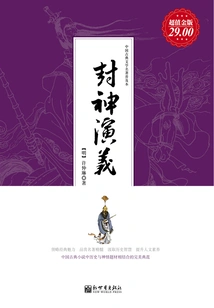
Fengshenyanyi
General Fiction封神演义
Xu Zhonglin
This book is a perfect example of the combination of history and supernatural themes in Chinese classical novels. The author Xu Zhonglin uses her rich imagination and extensive religious knowledge to organize the popular stories of gods and gods into a great masterpiece of gods and demons. There are countless gods and monsters from all walks of life in the novel. Many characters, such as Jiang Ziya, the Third Prince Nezha, Erlang God Yang Jian, Lei Zhenzi, Tu Xingsun, etc., Have long been well-known and familiar to every household.
This book is a perfect example of the combination of history and supernatural themes in Chinese classical novels. The author Xu Zhonglin uses her rich imagination and extensive religious knowledge to organize the popular stories of gods and gods into a great masterpiece of gods and demons. There are countless gods and monsters from all walks of life in the novel. Many characters, such as Jiang Ziya, the Third Prince Nezha, Erlang God Yang Jian, Lei Zhenzi, Tu Xingsun, etc., Have long been well-known and familiar to every household.
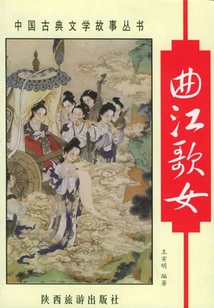
Qujiang Singer
General Fiction曲江歌女
Compiled By Wang Yinming
This book was originally called "Xiu Ru Ji". There have always been different opinions about its original author, and there is no conclusion. Today, the editor of "Ten Chinese Tragedies and Comedies" published by Shanghai Literature and Art Publishing House in 1989 identified him as an anonymous person from the Ming Dynasty. When I was rewriting it, I renamed it "Qujiang Singer". This is because the original name is difficult to understand, not popular and loud, and because someone has changed it to this name. I think "The Songstress of Qujiang" highlights the identity of the heroine and is defined by place names, making it popular and loud. Li Yaxian was born in the Tang Dynasty and was a famous singing girl in Quchi Scenic Area in Chang'an, the capital. She fell in love sincerely with the scholar Zheng Yuanhe. Even when Zheng Yuanhe was so poor that he became a street beggar, and even when his father Zheng Dan, who was a prefect, beat him to death and abandoned him, Li Yaxian still resuscitated him and loved him as before; in the end, he persuaded and encouraged him to study hard and become the top scholar in high school.
This book was originally called "Xiu Ru Ji". There have always been different opinions about its original author, and there is no conclusion. Today, the editor of "Ten Chinese Tragedies and Comedies" published by Shanghai Literature and Art Publishing House in 1989 identified him as an anonymous person from the Ming Dynasty. When I was rewriting it, I renamed it "Qujiang Singer". This is because the original name is difficult to understand, not popular and loud, and because someone has changed it to this name. I think "The Songstress of Qujiang" highlights the identity of the heroine and is defined by place names, making it popular and loud. Li Yaxian was born in the Tang Dynasty and was a famous singing girl in Quchi Scenic Area in Chang'an, the capital. She fell in love sincerely with the scholar Zheng Yuanhe. Even when Zheng Yuanhe was so poor that he became a street beggar, and even when his father Zheng Dan, who was a prefect, beat him to death and abandoned him, Li Yaxian still resuscitated him and loved him as before; in the end, he persuaded and encouraged him to study hard and become the top scholar in high school.
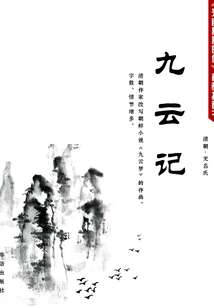
Cloud Nine
General Fiction九云记
(qing Dynasty) Written By Wu Mingzi, Edited By Jiang Qi
A Qing Dynasty writer rewrote the Korean novel "Nine Clouds Dream" with an increase in word count and plot. "My Love from the Star" is recommended by Professor Du.
A Qing Dynasty writer rewrote the Korean novel "Nine Clouds Dream" with an increase in word count and plot. "My Love from the Star" is recommended by Professor Du.
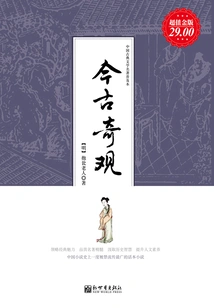
Wonders of the Past and Present
General Fiction今古奇观
N
This book is a collection of the best vernacular short stories from the Ming Dynasty. In form, it is different from the long masterpieces such as "Romance of the Three Kingdoms" and "Water Margin", so it does not take a long time to read. In terms of content, it is also free from the mythical exaggerations, ghosts and ghosts of historical novels or "Journey to the West". Generally speaking, more emphasis is placed on drawing materials from daily life. Most of the forty stories in the book describe various human situations and strange situations of joys and sorrows. Through surprising yet undistorted real life events, readers can experience life experiences and lessons, gain survival wisdom, understand the philosophy of life, and cultivate good character while being amazed and sighing. In short, the value of "Wonderful Wonders of Modern and Ancient Times (Youth Edition)": firstly, it has the significance of moral education, and secondly, it has an extraordinary artistic realm. Reading it not only makes people feel close to life and full of interest, but also has the function of persuading vulgarity and educating fools.
This book is a collection of the best vernacular short stories from the Ming Dynasty. In form, it is different from the long masterpieces such as "Romance of the Three Kingdoms" and "Water Margin", so it does not take a long time to read. In terms of content, it is also free from the mythical exaggerations, ghosts and ghosts of historical novels or "Journey to the West". Generally speaking, more emphasis is placed on drawing materials from daily life. Most of the forty stories in the book describe various human situations and strange situations of joys and sorrows. Through surprising yet undistorted real life events, readers can experience life experiences and lessons, gain survival wisdom, understand the philosophy of life, and cultivate good character while being amazed and sighing. In short, the value of "Wonderful Wonders of Modern and Ancient Times (Youth Edition)": firstly, it has the significance of moral education, and secondly, it has an extraordinary artistic realm. Reading it not only makes people feel close to life and full of interest, but also has the function of persuading vulgarity and educating fools.
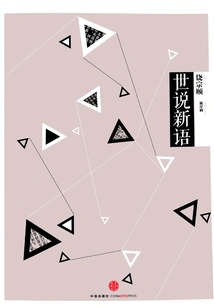
Shishuoxinyu
General Fiction世说新语
Chen Anfeng
This book is a representative work of "note novels" from the Wei, Jin, Southern and Northern Dynasties in China, written by Liu Yiqing. The whole book mainly records the lives and thoughts of the scholars, as well as the situation of the ruling class at that time, reflecting the thoughts, words and deeds of the literati during the Wei and Jin Dynasties, and the life style of the wealthy society. The records are rich and true, and comprehensively reflect the style of "Wei and Jin Dynasty Talks". The writing in this book is concise and comprehensive, and the artistic conception is far-reaching. It retains many well-known sayings and has also had a significant impact on the development of novels in later generations.
This book is a representative work of "note novels" from the Wei, Jin, Southern and Northern Dynasties in China, written by Liu Yiqing. The whole book mainly records the lives and thoughts of the scholars, as well as the situation of the ruling class at that time, reflecting the thoughts, words and deeds of the literati during the Wei and Jin Dynasties, and the life style of the wealthy society. The records are rich and true, and comprehensively reflect the style of "Wei and Jin Dynasty Talks". The writing in this book is concise and comprehensive, and the artistic conception is far-reaching. It retains many well-known sayings and has also had a significant impact on the development of novels in later generations.
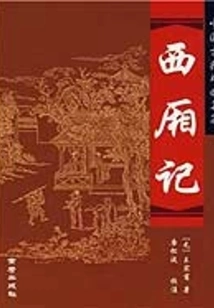
Romance of the West Chamber (a Must-read Series for Primary and Secondary School Students)
General Fiction西厢记(中小学生必读丛书)
K
The story of "The Romance of the West Chamber" originated from the legendary novel "The Legend of Yingying" written by the poet Yuan Zhen of the Tang Dynasty. It was widely circulated in the Song and Jin Dynasties, and some literati and folk artists adapted it into raps and dramas. "The Romance of the West Chamber" was created based on these rich artistic accumulations. It tells the sentimental, ups and downs of the love story between Zhang Sheng and Cui Yingying, and expresses the lovers' best wishes to finally get married.
The story of "The Romance of the West Chamber" originated from the legendary novel "The Legend of Yingying" written by the poet Yuan Zhen of the Tang Dynasty. It was widely circulated in the Song and Jin Dynasties, and some literati and folk artists adapted it into raps and dramas. "The Romance of the West Chamber" was created based on these rich artistic accumulations. It tells the sentimental, ups and downs of the love story between Zhang Sheng and Cui Yingying, and expresses the lovers' best wishes to finally get married.
Strange Selections from Liaozhai Zhi (a Must-read Series for Primary and Secondary School Students)
General Fiction聊斋志异选(中小学生必读丛书)
J
During the selection process of "Strange Stories from a Chinese Studio", efforts were made to select the most popular and widely circulated masterpieces. Among them are cynical works that reflect the suffering of the people, expose the darkness of official circles, and criticize corruption in imperial examinations. There are also moral stories that explain human ethics and have educational significance, and there are also beautiful chapters that eulogize beautiful personalities and pure love.
During the selection process of "Strange Stories from a Chinese Studio", efforts were made to select the most popular and widely circulated masterpieces. Among them are cynical works that reflect the suffering of the people, expose the darkness of official circles, and criticize corruption in imperial examinations. There are also moral stories that explain human ethics and have educational significance, and there are also beautiful chapters that eulogize beautiful personalities and pure love.
The Classical Love Novels That Chinese People Miss the Most
General Fiction最让中国人怀念的古典爱情小说
Feng Menglong Li Yu Shui Yun
This book consists of twelve short stories in vernacular, twelve appreciation articles, and twelve color pictures. Many of the novels have been adapted into TV series and movies, and they are mainly selected from Feng Menglong's "Three Words" and Li Yu's classic works. Poetic language and pure and beautiful paintings lead to the gentlest classical feelings.
This book consists of twelve short stories in vernacular, twelve appreciation articles, and twelve color pictures. Many of the novels have been adapted into TV series and movies, and they are mainly selected from Feng Menglong's "Three Words" and Li Yu's classic works. Poetic language and pure and beautiful paintings lead to the gentlest classical feelings.
Wenliangzhan
General Fiction温凉盏
Anonymous
"Wenliangzhan", a Manchu-Chinese manuscript, now only exists in the Kyoto University Library in Japan. This is a rare book with Manchu "single characters restored to their pronunciation". The whole book is written in spoken language, and most of it appears in storytelling. According to research on this book, it is either adapted from Tanci, or it is a creative habit of the Manchu author.
"Wenliangzhan", a Manchu-Chinese manuscript, now only exists in the Kyoto University Library in Japan. This is a rare book with Manchu "single characters restored to their pronunciation". The whole book is written in spoken language, and most of it appears in storytelling. According to research on this book, it is either adapted from Tanci, or it is a creative habit of the Manchu author.
West Lake Episode 2
General Fiction西湖二集
Zhou Qingyuan
This book is a collection of novels written in late Ming Dynasty. Each volume is one article, a total of thirty-four articles. The content covers the rise and fall of dynasties, official flattery, generals' martial arts, the encounters of scholars, people's sufferings and local customs, etc. The author recounts the historical events of the previous dynasty, criticizes political failures, and expresses his feelings about the world's conditions. It reflects the understanding of the intellectual class at that time about the people's lack of livelihood and the underappreciation of talents in the late Ming Dynasty.
This book is a collection of novels written in late Ming Dynasty. Each volume is one article, a total of thirty-four articles. The content covers the rise and fall of dynasties, official flattery, generals' martial arts, the encounters of scholars, people's sufferings and local customs, etc. The author recounts the historical events of the previous dynasty, criticizes political failures, and expresses his feelings about the world's conditions. It reflects the understanding of the intellectual class at that time about the people's lack of livelihood and the underappreciation of talents in the late Ming Dynasty.
Continuing the Mirror of Flowers
General Fiction续镜花缘
Hua Qinshan
"Continuing the Mirror of Flowers" was written by Hua Qinshan, a Shanghainese, in the second year of Xuantong in the Qing Dynasty (1910). The author starts from the end of Li Ruzhen's book "Flowers in the Mirror" and focuses on writing about the martial arts and cultural governance of several talented women in the daughter country who managed the people and the country. It strives to describe the various talents of a group of talented women that are not inferior to men, to give voice and glory to women who have suffered discrimination and oppression for thousands of years, and to inherit and develop the women's issues written by Li Ruzhen in "Flowers in the Mirror".
"Continuing the Mirror of Flowers" was written by Hua Qinshan, a Shanghainese, in the second year of Xuantong in the Qing Dynasty (1910). The author starts from the end of Li Ruzhen's book "Flowers in the Mirror" and focuses on writing about the martial arts and cultural governance of several talented women in the daughter country who managed the people and the country. It strives to describe the various talents of a group of talented women that are not inferior to men, to give voice and glory to women who have suffered discrimination and oppression for thousands of years, and to inherit and develop the women's issues written by Li Ruzhen in "Flowers in the Mirror".
Added "the Talented Man on Cloud Nine
General Fiction新增才子九云记
G
"The New Talented Man Nine Clouds" has been lost in our country for a long time and was only discovered this year. The book tells the story of Yang Shaoyou, a young student from Xianning County, Wuchang Prefecture, Huguang Province, who passed the imperial examination and rose to the rank of prime minister. His six sons lived up to their family status and were all on the gold medal list. They can be said to be a glorious ancestor. In terms of narrative and artistic techniques, this book not only inherits the unity of ancient novels, but also creates a unique way of describing the world. It can be regarded as a relatively mature vernacular novel.
"The New Talented Man Nine Clouds" has been lost in our country for a long time and was only discovered this year. The book tells the story of Yang Shaoyou, a young student from Xianning County, Wuchang Prefecture, Huguang Province, who passed the imperial examination and rose to the rank of prime minister. His six sons lived up to their family status and were all on the gold medal list. They can be said to be a glorious ancestor. In terms of narrative and artistic techniques, this book not only inherits the unity of ancient novels, but also creates a unique way of describing the world. It can be regarded as a relatively mature vernacular novel.
前七国志(中国禁毁小说百部)
Wumen Xiaoke
This book narrates that during the Warring States period, Sun Bin invited himself to study the art of war at Guiguzi in Yunmeng Mountain. On the way, he met Pang Juan from Wei. The two were brothers and went to study together. Later, after completing their studies, the two returned to their respective masters. Pang Juan attacked South Korea, and Sun led his troops to rescue him. He captured Pang Juan alive on Maling Road. He also gathered the kings of the seven kingdoms and beheaded Pang Juan. Sun Bin retired after his success.
This book narrates that during the Warring States period, Sun Bin invited himself to study the art of war at Guiguzi in Yunmeng Mountain. On the way, he met Pang Juan from Wei. The two were brothers and went to study together. Later, after completing their studies, the two returned to their respective masters. Pang Juan attacked South Korea, and Sun led his troops to rescue him. He captured Pang Juan alive on Maling Road. He also gathered the kings of the seven kingdoms and beheaded Pang Juan. Sun Bin retired after his success.
Interpretation of Bachelor's Poems
General Fiction解学士诗话
F
"Jie Xue Shi Hua" is divided into lower and upper levels, author unknown. This book mainly tells the anecdotes of Xie Jin, a famous figure in the Ming Dynasty. Xie Jin's deeds are widely circulated among the people, and there are also novels about him that have been handed down.
"Jie Xue Shi Hua" is divided into lower and upper levels, author unknown. This book mainly tells the anecdotes of Xie Jin, a famous figure in the Ming Dynasty. Xie Jin's deeds are widely circulated among the people, and there are also novels about him that have been handed down.
Commentary
General Fiction梼杌闲评
Li Qing
The book narrates that during the Wanli period of the Ming Dynasty, the Huanghuai River was seriously flooded. The imperial court sent Zhu Heng to control the river, but accidentally killed the snake spirit who contributed to flood control. The two snakes (the predecessors of Wei Zhongxian and Ke Yinyue) then led their race to reincarnate, seeking opportunities to take revenge on those reincarnated as river workers. Its language is clear and elegant, unmatched by ordinary popular novels. In short, it is an excellent work in terms of ideological content and artistic achievement.
The book narrates that during the Wanli period of the Ming Dynasty, the Huanghuai River was seriously flooded. The imperial court sent Zhu Heng to control the river, but accidentally killed the snake spirit who contributed to flood control. The two snakes (the predecessors of Wei Zhongxian and Ke Yinyue) then led their race to reincarnate, seeking opportunities to take revenge on those reincarnated as river workers. Its language is clear and elegant, unmatched by ordinary popular novels. In short, it is an excellent work in terms of ideological content and artistic achievement.
Storytelling (incomplete Version)
General Fiction掌故演义(残缺本)
Anonymous
Seven chapters of the Qing Dynasty novel "The Romance of the Story". The novel was written from the late Ming Dynasty. The Zhu Ming Dynasty was declining, and there was great chaos in the country. Two people rebelled in the Shanshan and Shaanxi areas. One is Li Zicheng and the other is Zhang Xianzhong. Not only internal strife broke out, but also foreign invasions occurred one after another. The biggest headache for the Ming court was the intrusion of the Manchus in the northeast, which ultimately led to the disastrous defeat of the Saarhu Ming army. It shows the historical situation and is worth reading.
Seven chapters of the Qing Dynasty novel "The Romance of the Story". The novel was written from the late Ming Dynasty. The Zhu Ming Dynasty was declining, and there was great chaos in the country. Two people rebelled in the Shanshan and Shaanxi areas. One is Li Zicheng and the other is Zhang Xianzhong. Not only internal strife broke out, but also foreign invasions occurred one after another. The biggest headache for the Ming court was the intrusion of the Manchus in the northeast, which ultimately led to the disastrous defeat of the Saarhu Ming army. It shows the historical situation and is worth reading.
Morning Bell on Pillow
General Fiction枕上晨钟
Layman Who Does Not Sleep
A popular chapter novel, the novel tells the story of Fu Heng, a native of Dantu County, Zhenjiang Prefecture, Jiangnan Province in the Ming Dynasty. He was an official and became a censor. He was deceived and fooled by his family member Diao Ren and his wife, and actually committed corruption and sold his title. Therefore, the powerful traitor Liu Jin sent him to the Guards and Confinement Army in Lanzhou, Shaanxi Province. His son-in-law, Zhong Zhuoran, was also killed by Diao Ren and suffered many hardships. Later, due to his meritorious service in the rebellion of Pingning King Chenhao, he was patrolled by officials to rehabilitate his father-in-law and reunite his family.
A popular chapter novel, the novel tells the story of Fu Heng, a native of Dantu County, Zhenjiang Prefecture, Jiangnan Province in the Ming Dynasty. He was an official and became a censor. He was deceived and fooled by his family member Diao Ren and his wife, and actually committed corruption and sold his title. Therefore, the powerful traitor Liu Jin sent him to the Guards and Confinement Army in Lanzhou, Shaanxi Province. His son-in-law, Zhong Zhuoran, was also killed by Diao Ren and suffered many hardships. Later, due to his meritorious service in the rebellion of Pingning King Chenhao, he was patrolled by officials to rehabilitate his father-in-law and reunite his family.
Lu Zu Fei Xian Ji
General Fiction吕祖飞仙记
Deng Zhimo
"Lu Zu Fei Jian Ji" has thirteen chapters in total. When it was written, it was famous for its "high literary talent and sincere admiration for the immortal way". It was later handed down to the world as a handwritten copy by Cuiqingtang in the Ming Dynasty. This book tells the story of Lu Dongbin becoming an immortal and attaining enlightenment. "Lu Zu Fei Jian Ji" appeared at that time. It was influenced by the religion and alchemists of that time. Its literary grace is beautiful, reflecting the author's certain writing skills.
"Lu Zu Fei Jian Ji" has thirteen chapters in total. When it was written, it was famous for its "high literary talent and sincere admiration for the immortal way". It was later handed down to the world as a handwritten copy by Cuiqingtang in the Ming Dynasty. This book tells the story of Lu Dongbin becoming an immortal and attaining enlightenment. "Lu Zu Fei Jian Ji" appeared at that time. It was influenced by the religion and alchemists of that time. Its literary grace is beautiful, reflecting the author's certain writing skills.
Zhangtailiu
General Fiction章台柳
Anonymous
"Zhangtai Liu", a romance novel from the Qing Dynasty. The novel tells the story of Han Yi, a scholar from Nanyang, Zhengzhou, who went to Beijing to take the exam during the Tianbao period of the Tang Dynasty. Li Wangsun once built Zhangtai for his beloved concubine Liu, and Han Yi and Empress Liu of Zhangtai fell in love with each other. Li Wangsun then married the Liu family to Han Yi. The novel is a perfunctory adaptation of the Tang Dynasty legend "The Biography of the Liu Family". It narrates the love affairs and joys and sorrows of Han and Liu before and after the Anshi Rebellion, and shows the living conditions of talented people and beautiful ladies in social turmoil.
"Zhangtai Liu", a romance novel from the Qing Dynasty. The novel tells the story of Han Yi, a scholar from Nanyang, Zhengzhou, who went to Beijing to take the exam during the Tianbao period of the Tang Dynasty. Li Wangsun once built Zhangtai for his beloved concubine Liu, and Han Yi and Empress Liu of Zhangtai fell in love with each other. Li Wangsun then married the Liu family to Han Yi. The novel is a perfunctory adaptation of the Tang Dynasty legend "The Biography of the Liu Family". It narrates the love affairs and joys and sorrows of Han and Liu before and after the Anshi Rebellion, and shows the living conditions of talented people and beautiful ladies in social turmoil.
The Biography of Arhat (fragmentary Edition)
General Fiction罗汉传(残缺本)
Zhu Xingzuo
The full name of "The Biography of Arhats" is "The Biography of the Twenty-Four Arhats with New Engraved Holistic Images". The book mixes Chinese eminent monks and believers (such as Huike, Emperor Wu of Liang, Baozhi, etc.) Among the Arhats who came from the West, reflecting the characteristics of Bodhidharma's autobiography of Buddhism from the East. The title of the book is Twenty-Four Arhats, but it is actually the Twenty-Three Arhats.
The full name of "The Biography of Arhats" is "The Biography of the Twenty-Four Arhats with New Engraved Holistic Images". The book mixes Chinese eminent monks and believers (such as Huike, Emperor Wu of Liang, Baozhi, etc.) Among the Arhats who came from the West, reflecting the characteristics of Bodhidharma's autobiography of Buddhism from the East. The title of the book is Twenty-Four Arhats, but it is actually the Twenty-Three Arhats.
Wat Mountain Chronicle
General Fiction笏山记
Layman In My House
The sixty-nine chapters of "The Story of Hushan" is a strange book among the novels in the late Qing Dynasty. The main plot is how a talented man named Yan Shaoqing established the Wat Mountain Kingdom and became the King of Wat Mountain. Wat Mountain is an isolated area fictionalized in the novel. This book has elements of chivalry, romance, public cases, war, ideals and other novels. The appeal of the novel lies in its twists and turns and bizarre war stories, as well as the love entanglements between Yan Shaoqing and fifteen women during the war.
The sixty-nine chapters of "The Story of Hushan" is a strange book among the novels in the late Qing Dynasty. The main plot is how a talented man named Yan Shaoqing established the Wat Mountain Kingdom and became the King of Wat Mountain. Wat Mountain is an isolated area fictionalized in the novel. This book has elements of chivalry, romance, public cases, war, ideals and other novels. The appeal of the novel lies in its twists and turns and bizarre war stories, as well as the love entanglements between Yan Shaoqing and fifteen women during the war.
Butterfly Cup
General Fiction蝴蝶杯
Chu Renxun
"Butterfly Cup", with ten chapters, is a human romance novel of the Ming and Qing Dynasties, written by an unknown author. The whole book describes the love and marriage between Tian Yuchuan, the son of Tian Yunshan, the magistrate of Jiangxia County in the Wanli Dynasty, and Hu Fenglian, a fisherman's daughter. The original manuscript is a copy of "Fifteen Types of Manuscripts of Chu Renxun's Novels", which is stored in the Special Collections Department of Nankai University Library. It is a copy of "Fifteen Types of Manuscripts of Stories", with a total of 12 volumes. "Butterfly Cup" is a type of novel copied in one volume, and the year it was collected is unknown.
"Butterfly Cup", with ten chapters, is a human romance novel of the Ming and Qing Dynasties, written by an unknown author. The whole book describes the love and marriage between Tian Yuchuan, the son of Tian Yunshan, the magistrate of Jiangxia County in the Wanli Dynasty, and Hu Fenglian, a fisherman's daughter. The original manuscript is a copy of "Fifteen Types of Manuscripts of Chu Renxun's Novels", which is stored in the Special Collections Department of Nankai University Library. It is a copy of "Fifteen Types of Manuscripts of Stories", with a total of 12 volumes. "Butterfly Cup" is a type of novel copied in one volume, and the year it was collected is unknown.
Anecdotes About Public Cases
General Fiction于公案奇闻
Anonymous
It tells the story of the upright official Yu Chenglong hoeing the strong and supporting the weak. Contains nearly thirty koan stories. In terms of content, it inherits the remnants of the public case novels of the Ming Dynasty, and in terms of form, it initiates the trend of short stories and long stories. It is an important novel in the transition period of the public case novels of the Ming and Qing Dynasties.
It tells the story of the upright official Yu Chenglong hoeing the strong and supporting the weak. Contains nearly thirty koan stories. In terms of content, it inherits the remnants of the public case novels of the Ming Dynasty, and in terms of form, it initiates the trend of short stories and long stories. It is an important novel in the transition period of the public case novels of the Ming and Qing Dynasties.
Legend of Ghosts and Gods
General Fiction鬼神传
Anonymous
"The Legend of Ghosts and Gods" is based on the edition published in the 7th year of Xianfeng Dynasty (1857) in the Capital Library. The author is not mentioned in the book. Sun's statement that "the author is from Guangdong" should be inferred from the fact that most of the stories took place in Guangdong. The book contains twelve stories, one story is played in one episode, and the same storyteller is acted out in several episodes. Liu calls it "a small pocket book."
"The Legend of Ghosts and Gods" is based on the edition published in the 7th year of Xianfeng Dynasty (1857) in the Capital Library. The author is not mentioned in the book. Sun's statement that "the author is from Guangdong" should be inferred from the fact that most of the stories took place in Guangdong. The book contains twelve stories, one story is played in one episode, and the same storyteller is acted out in several episodes. Liu calls it "a small pocket book."
Lightning Window (remnant Copy)
General Fiction闪电窗(残本)
(qing Dynasty) Master Of Xuanting
"Lightning Window" is a Qing Dynasty novel about worldly affairs, written by the master of Xuanting. Only 6 fragments of this book exist, and the number of original chapters is unknown. The novel tells the story of a man named Lin Kun in Zhangzhou, Fujian, who was an upright person and did not get along with three new candidates, including Wu Yunhan. When Lin went to Beijing for a test, the ship stopped in Suzhou. A fire broke out in the wealthy Lu family. The lady of the family hurriedly escaped naked into Lin's ship to save Lin. Lu's fiancé, Shen Tiansun, was also a civil servant. Hearing this, he withdrew from the engagement...
"Lightning Window" is a Qing Dynasty novel about worldly affairs, written by the master of Xuanting. Only 6 fragments of this book exist, and the number of original chapters is unknown. The novel tells the story of a man named Lin Kun in Zhangzhou, Fujian, who was an upright person and did not get along with three new candidates, including Wu Yunhan. When Lin went to Beijing for a test, the ship stopped in Suzhou. A fire broke out in the wealthy Lu family. The lady of the family hurriedly escaped naked into Lin's ship to save Lin. Lu's fiancé, Shen Tiansun, was also a civil servant. Hearing this, he withdrew from the engagement...
Wufengyin
General Fiction五凤吟
(qing) Yunjianchichi Taoist
The novel tells the story of Zhu Qiong, the son of a local eunuch in Dinghai County, Ningbo Prefecture, Zhejiang during the Jiajing period of the Ming Dynasty. He studied, recited poems and composed poems with his friends Zheng Feiying and Ping Junzan. He fell in love at first sight with Xue'e, the daughter of the county Yin Zou Gong, and formed a private betrothal alliance; Zhu Qiong also had an affair with Xue'e's maids Sumei and Qingyan Xi... It describes the strange love affairs between Qisheng and five women.
The novel tells the story of Zhu Qiong, the son of a local eunuch in Dinghai County, Ningbo Prefecture, Zhejiang during the Jiajing period of the Ming Dynasty. He studied, recited poems and composed poems with his friends Zheng Feiying and Ping Junzan. He fell in love at first sight with Xue'e, the daughter of the county Yin Zou Gong, and formed a private betrothal alliance; Zhu Qiong also had an affair with Xue'e's maids Sumei and Qingyan Xi... It describes the strange love affairs between Qisheng and five women.
Brothel Dream
General Fiction青楼梦
(qing Dynasty) Yu Da, The Master Of Wugang
The novel tells the story of Suzhou scholar Jin Yixiang, who believes that prostitutes are passionate, so he goes to a brothel to find his soulmate. He met and befriended many prostitutes successively, and gathered 24 prostitutes in Huqiu to hold a "red meeting". The bees and butterflies entrusted him with a dream, telling him that his wife's surname was Niu and that he had four concubines...
The novel tells the story of Suzhou scholar Jin Yixiang, who believes that prostitutes are passionate, so he goes to a brothel to find his soulmate. He met and befriended many prostitutes successively, and gathered 24 prostitutes in Huqiu to hold a "red meeting". The bees and butterflies entrusted him with a dream, telling him that his wife's surname was Niu and that he had four concubines...
Mirage
General Fiction蜃楼志
(qing Dynasty) Yuling Laborers
The whole book uses the activities of Su Jishi (his nickname is Xiaoguan), the son of Su Wankui, a broker of Guangdong foreign trade, as a clue to describe all kinds of people around him and describe the human world. On the one hand, "Mirage Chronicles" focuses on the open ports along the southern coast of China in the middle and late Qing Dynasty, with a unique focus. On the other hand, it fully exposed the dark corruption of officialdom.
The whole book uses the activities of Su Jishi (his nickname is Xiaoguan), the son of Su Wankui, a broker of Guangdong foreign trade, as a clue to describe all kinds of people around him and describe the human world. On the one hand, "Mirage Chronicles" focuses on the open ports along the southern coast of China in the middle and late Qing Dynasty, with a unique focus. On the other hand, it fully exposed the dark corruption of officialdom.

It's All Fantasy
General Fiction都是幻
Those Who Spend Time In Hunan
"All Illusions" contains two works: "Plum Soul Fantasy" and "Photography Fantasy". "Plum Soul Fantasy" has six chapters. It tells the story of Nan Bin, who was reborn as a dragon, and married twelve plum blossom palace principals in his dream, which is quite meaningful. "Photography Fantasy" has six chapters, telling the love story between Chi Shangjin and the beauty Yan Feifei in the painting. The two works are similar to novels about gifted men and beautiful women, but they differ in their interest and purpose by embodying fantasy and dreams. They are rare and excellent works in the early Qing Dynasty.
"All Illusions" contains two works: "Plum Soul Fantasy" and "Photography Fantasy". "Plum Soul Fantasy" has six chapters. It tells the story of Nan Bin, who was reborn as a dragon, and married twelve plum blossom palace principals in his dream, which is quite meaningful. "Photography Fantasy" has six chapters, telling the love story between Chi Shangjin and the beauty Yan Feifei in the painting. The two works are similar to novels about gifted men and beautiful women, but they differ in their interest and purpose by embodying fantasy and dreams. They are rare and excellent works in the early Qing Dynasty.
The Legend of Bodhidharma's Origin
General Fiction达磨出身传灯传
Zhu Kaitai
"The Legend of Bodhidharma", also known as "The Legend of Bodhidharma", is one of the Buddhist novels among the novels about gods and demons. It is compiled based on books such as "The Legend of Bodhidharma" and "The Legend of the Legend of Bodhidharma". It describes the story of Bodhidharma's life as a Buddha and his missionary work.
"The Legend of Bodhidharma", also known as "The Legend of Bodhidharma", is one of the Buddhist novels among the novels about gods and demons. It is compiled based on books such as "The Legend of Bodhidharma" and "The Legend of the Legend of Bodhidharma". It describes the story of Bodhidharma's life as a Buddha and his missionary work.
Wei Zhongxian's Novel Denounces Adultery
General Fiction魏忠贤小说斥奸书
Lu Yunzhi
The book states that Wei Zhongxian's original name is Jinzhong, and he has been clever and clever since he was a child. Someone who is thirteen or fourteen years old said that he will be rich and powerful in his middle age. In the fifteenth and sixth years of Wanli, due to famine in his hometown, he was forced by debts to become a eunuch in the ceremonial department. For more than twenty years, he followed Emperor Tianqi from childhood to ascending the throne, and became a close minister of the new emperor, wearing a python robe and jade belt. After that, Wei relied on his power to control the seal of Dongchang and formed cliques for personal gain...
The book states that Wei Zhongxian's original name is Jinzhong, and he has been clever and clever since he was a child. Someone who is thirteen or fourteen years old said that he will be rich and powerful in his middle age. In the fifteenth and sixth years of Wanli, due to famine in his hometown, he was forced by debts to become a eunuch in the ceremonial department. For more than twenty years, he followed Emperor Tianqi from childhood to ascending the throne, and became a close minister of the new emperor, wearing a python robe and jade belt. After that, Wei relied on his power to control the seal of Dongchang and formed cliques for personal gain...
Xingshiyan
General Fiction型世言
J
"Xingshiyan" is an excellent collection of short stories in vernacular written by Lu Renlong in the Ming Dynasty. All the records are about the current affairs, customs and people of the Ming Dynasty, with twists and turns in the plot, fresh writing style, strong readability, and high artistic achievements. This book has been lost in China for a long time and has never been recorded in historical bibliographies. In recent years, it was discovered in Kuijang Pavilion of Seoul University in South Korea.
"Xingshiyan" is an excellent collection of short stories in vernacular written by Lu Renlong in the Ming Dynasty. All the records are about the current affairs, customs and people of the Ming Dynasty, with twists and turns in the plot, fresh writing style, strong readability, and high artistic achievements. This book has been lost in China for a long time and has never been recorded in historical bibliographies. In recent years, it was discovered in Kuijang Pavilion of Seoul University in South Korea.
Dingding Anecdote
General Fiction定鼎奇闻
Basil
The novel describes the story of the late Ming Dynasty and the early Qing Dynasty. It describes the social unrest in the late Ming Dynasty, Li Zicheng's uprising, but ultimately failed, and the Manchu Qing Dynasty took over the Central Plains. Gods and demons are inserted into the text, which is mythical and fascinating.
The novel describes the story of the late Ming Dynasty and the early Qing Dynasty. It describes the social unrest in the late Ming Dynasty, Li Zicheng's uprising, but ultimately failed, and the Manchu Qing Dynasty took over the Central Plains. Gods and demons are inserted into the text, which is mythical and fascinating.
Di Qing's First Biography
General Fiction狄青初传
Li Yutang
"Wanhua Tower" (full name "The Romance of Yang Baodi in Wanhua Tower", also known as "The Early Biography of Di Qing, the Yang Family General of the Song Dynasty") tells the story of the heroic legends Yang Zongbao, Bao Zheng, Di Qing and other loyal ministers and generals who resisted foreign aggression, scolded sycophants and eradicated traitors, and served the country with loyalty. The struggles between Yang, Bao, Di and the traitor Pang Hong are all written vividly and excitingly.
"Wanhua Tower" (full name "The Romance of Yang Baodi in Wanhua Tower", also known as "The Early Biography of Di Qing, the Yang Family General of the Song Dynasty") tells the story of the heroic legends Yang Zongbao, Bao Zheng, Di Qing and other loyal ministers and generals who resisted foreign aggression, scolded sycophants and eradicated traitors, and served the country with loyalty. The struggles between Yang, Bao, Di and the traitor Pang Hong are all written vividly and excitingly.
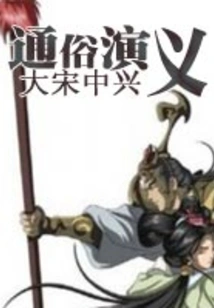
Zhongxing Popular Romance of the Song Dynasty
General Fiction大宋中兴通俗演义
Xiong Damu
The Popular Romance of Zhongxing in the Song Dynasty (also known as "The Heroes of Zhongxing in the Romance of the Song Dynasty" and "The Romance of King Wu Mu") tells the story of Yue Fei's origin, determined to serve the country with loyalty, galloped on the battlefield, took the lead, and was extremely brave. Later, he was defeated by the Qin Dynasty. Hui was framed, his ghost appeared after his death, and Qin Hui Mingsi was punished to comfort Yue Fei's loyal soul. This book has a complete structure and detailed chronology. It has a profound influence on the creation of novels and dramas about Yue Fei in later generations.
The Popular Romance of Zhongxing in the Song Dynasty (also known as "The Heroes of Zhongxing in the Romance of the Song Dynasty" and "The Romance of King Wu Mu") tells the story of Yue Fei's origin, determined to serve the country with loyalty, galloped on the battlefield, took the lead, and was extremely brave. Later, he was defeated by the Qin Dynasty. Hui was framed, his ghost appeared after his death, and Qin Hui Mingsi was punished to comfort Yue Fei's loyal soul. This book has a complete structure and detailed chronology. It has a profound influence on the creation of novels and dramas about Yue Fei in later generations.
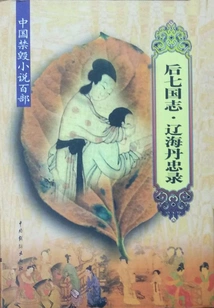
Liaohai Danzhonglu (one Hundred Forbidden Novels in China)
General Fiction辽海丹忠录(中国禁毁小说百部)
J
The novel narrates that Nuerhachi attacked Fushun in the last year of Wanli in the Ming Dynasty, and the Ming general Li Yongfang surrendered. The Ming court used Yang Hao as the manager and failed to win the battle with Nuerhachi, so it promoted Xiong Ting to replace Yang Hao. The novel describes current events, mostly based on historical facts, with detailed and delicate writing style and complete structure.
The novel narrates that Nuerhachi attacked Fushun in the last year of Wanli in the Ming Dynasty, and the Ming general Li Yongfang surrendered. The Ming court used Yang Hao as the manager and failed to win the battle with Nuerhachi, so it promoted Xiong Ting to replace Yang Hao. The novel describes current events, mostly based on historical facts, with detailed and delicate writing style and complete structure.
Jinxiang Pavilion
General Fiction锦香亭
(qing Dynasty) Master Of Wu Suan In Ancient Times
"Jinxiang Pavilion" takes the Anshi Rebellion as the background of the novel and writes about the endless suffering caused by the war to the people and the displacement of poor people. Objectively, the emperor who indulged in wine and sex has been criticized. "Jinxiang Pavilion" is novel and unique in its writing style of talented people and beautiful women combined with historical romance. It occupies a place in the novels of the late Ming Dynasty and early Qing Dynasty.
"Jinxiang Pavilion" takes the Anshi Rebellion as the background of the novel and writes about the endless suffering caused by the war to the people and the displacement of poor people. Objectively, the emperor who indulged in wine and sex has been criticized. "Jinxiang Pavilion" is novel and unique in its writing style of talented people and beautiful women combined with historical romance. It occupies a place in the novels of the late Ming Dynasty and early Qing Dynasty.
Golden Lotus Immortal History (volume 12 of China's Burning and Forbidden Literary Classics)
General Fiction金莲仙史(中国焚禁文学名著第十二卷)
(qing Dynasty) Pan Chang
"Golden Lotus Immortal History" mainly describes the Taoist immortal ancestors' tradition and main deeds. The story goes that Emperor Donghua gained the Tao and saved Zhongli Quan, and Zhongli Quan gained the Tao and saved Lu Dongbin. "The Immortal History of the Golden Lotus" is a religious novel.
"Golden Lotus Immortal History" mainly describes the Taoist immortal ancestors' tradition and main deeds. The story goes that Emperor Donghua gained the Tao and saved Zhongli Quan, and Zhongli Quan gained the Tao and saved Lu Dongbin. "The Immortal History of the Golden Lotus" is a religious novel.
Spring and Autumn Matching
General Fiction春秋配
J
It tells the story of the protagonists Li Chunfa, Jiang Qiulian and Zhang Qiulian, who had twists and turns and finally got married. The opera "Spring and Autumn Match" was adapted accordingly. This is a novel mainly based on the plot of public cases, supplemented by romance and chivalrous plots. The plot of the novel is twists and turns, suspenseful and fascinating; the dialogues between the characters are vivid and vivid, and the psychological portrayal is also quite subtle.
It tells the story of the protagonists Li Chunfa, Jiang Qiulian and Zhang Qiulian, who had twists and turns and finally got married. The opera "Spring and Autumn Match" was adapted accordingly. This is a novel mainly based on the plot of public cases, supplemented by romance and chivalrous plots. The plot of the novel is twists and turns, suspenseful and fascinating; the dialogues between the characters are vivid and vivid, and the psychological portrayal is also quite subtle.
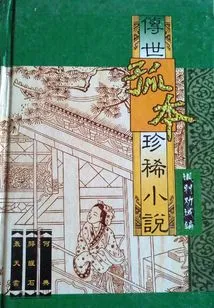
轰天雷(传世孤本珍稀小说)
(qing Dynasty) Fujitani Ancient Incense
After the 1898 Coup, Shen Peng wrote a letter to the court, strongly urging Empress Dowager Cixi to return power to Emperor Guangxu and to kill the "three villains" Ronglu, Gangyi, and Li Lianying. Since no one was willing to write for him, he sent the memorial to Tianjin's "Guowen Bao" run by foreigners for publication, which caused a sensation across the country. This is a famous political incident in modern times. The author takes this incident as his subject matter, and the plot is mostly consistent with the facts. It can be regarded as a biographical documentary novel.
After the 1898 Coup, Shen Peng wrote a letter to the court, strongly urging Empress Dowager Cixi to return power to Emperor Guangxu and to kill the "three villains" Ronglu, Gangyi, and Li Lianying. Since no one was willing to write for him, he sent the memorial to Tianjin's "Guowen Bao" run by foreigners for publication, which caused a sensation across the country. This is a famous political incident in modern times. The author takes this incident as his subject matter, and the plot is mostly consistent with the facts. It can be regarded as a biographical documentary novel.
Hu Xueyan's Biography
General Fiction胡雪岩外传
(qing Dynasty) Bridge Style Feather
This book narrates the secret history of Hu Xueyan and is a documentary of the life of a wealthy family. The author does not write from the perspective of the characters' careers and social activities, but only from Hu Xueyan's extravagant private life, in order to confirm the so-called cycle of prosperity that must decline.
This book narrates the secret history of Hu Xueyan and is a documentary of the life of a wealthy family. The author does not write from the perspective of the characters' careers and social activities, but only from Hu Xueyan's extravagant private life, in order to confirm the so-called cycle of prosperity that must decline.
照世杯(中国禁毁小说百部)
(qing Dynasty) Master Of Zuoyuan Pavilion
"Zhao Shibei" is a famous collection of story-telling novels in the early Qing Dynasty, also known as "The Second Express Book of Criticisms of Hu Tao Ren", with a total of four volumes and four stories. These four novels all have a common tendency of criticizing and exposing the feudal society in the last days. In terms of art, this book is one of the more distinctive works in the period of decline of story-telling novels. It not only has a sense of life and desirable content,
"Zhao Shibei" is a famous collection of story-telling novels in the early Qing Dynasty, also known as "The Second Express Book of Criticisms of Hu Tao Ren", with a total of four volumes and four stories. These four novels all have a common tendency of criticizing and exposing the feudal society in the last days. In terms of art, this book is one of the more distinctive works in the period of decline of story-telling novels. It not only has a sense of life and desirable content,
The Rise and Fall of Officials
General Fiction宦海升沉录
(qing Dynasty) Huang Xiaopei
"The Rise and Fall of an Official" takes Yuan Shikai as the protagonist and describes political events such as the Sino-Japanese Sino-Japanese Sino-Japanese War, the Reform Movement, the Boxer Rebellion, and the Constitutional Struggle. It shows Yuan Shikai's ups and downs in the officialdom from his rise to power. It profoundly exposes and criticizes the shocking darkness and corruption of the imperial court and officialdom in the Qing Dynasty at an important historical juncture of national life and death.
"The Rise and Fall of an Official" takes Yuan Shikai as the protagonist and describes political events such as the Sino-Japanese Sino-Japanese Sino-Japanese War, the Reform Movement, the Boxer Rebellion, and the Constitutional Struggle. It shows Yuan Shikai's ups and downs in the officialdom from his rise to power. It profoundly exposes and criticizes the shocking darkness and corruption of the imperial court and officialdom in the Qing Dynasty at an important historical juncture of national life and death.