Library
Browse and search books
2,273 novels found
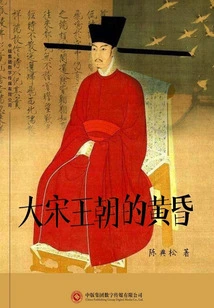
Dusk of the Song Dynasty
General Fiction大宋王朝的黄昏
Chen Diansong
This is a historical novel about traditional themes narrated in a realistic way. The author combed through documents and used the narrative language of scene restoration to reproduce the war between two dynasties in China in the 13th century AD. It is an epic chapter that reflects the great changes in the history of the Song Dynasty and Yuan Dynasty. In the work, there are many scenes of life and death. In the author's writing, in the environment of great changes of the times, no one can stay out of the matter. Every life that disappears in order to write the history of China is worthy of respect. The significance of the Yashan Sea Battle far exceeds the victory or defeat of the war itself. 200,000 Chinese sons and daughters are in China. This period of history written with lives on the coast of South China is a history of pain in the history of the development of the Chinese nation. It is this pain of collective sacrifice for the country that has inspired the Chinese people to work hard for the self-improvement, development and revitalization of the country and the nation for more than 700 years.
This is a historical novel about traditional themes narrated in a realistic way. The author combed through documents and used the narrative language of scene restoration to reproduce the war between two dynasties in China in the 13th century AD. It is an epic chapter that reflects the great changes in the history of the Song Dynasty and Yuan Dynasty. In the work, there are many scenes of life and death. In the author's writing, in the environment of great changes of the times, no one can stay out of the matter. Every life that disappears in order to write the history of China is worthy of respect. The significance of the Yashan Sea Battle far exceeds the victory or defeat of the war itself. 200,000 Chinese sons and daughters are in China. This period of history written with lives on the coast of South China is a history of pain in the history of the development of the Chinese nation. It is this pain of collective sacrifice for the country that has inspired the Chinese people to work hard for the self-improvement, development and revitalization of the country and the nation for more than 700 years.
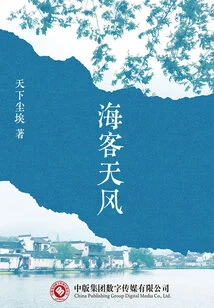
Haike Tianfeng
General Fiction海客天风
Dust In The World
The work takes the Kangxi and Qianlong years of the Qing Dynasty as the background, fictionalizes the story of salt merchants in the Huaihe River and Huaihe River, and tells the story of the rise of the Yangzhou salt merchants represented by the Su family. Salt culture is a broad and profound culture and an important part of Chinese culture. The novel adopts classical themes and attempts to create an ancient style and charm through chapter chapters and add some sense of history.
The work takes the Kangxi and Qianlong years of the Qing Dynasty as the background, fictionalizes the story of salt merchants in the Huaihe River and Huaihe River, and tells the story of the rise of the Yangzhou salt merchants represented by the Su family. Salt culture is a broad and profound culture and an important part of Chinese culture. The novel adopts classical themes and attempts to create an ancient style and charm through chapter chapters and add some sense of history.
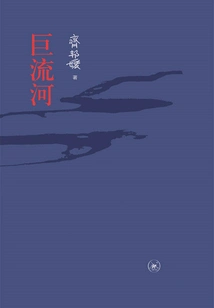
Juliuhe (commemorative Edition)
General Fiction巨流河(纪念版)
Qi Bangyuan
The author Qi Bangyuan's father, Qi Shiying, was a passionate young man who studied in Germany in the early years of the Republic of China. He was a reformer in the Northeast before the September 18th Incident. His lifelong regret revolved around the failed battle of the Juliu River. The unsurmountable Juliu River was like a severe cold in reality. Diplomacy and innovative ideas were trapped here. From then on, the modern suffering of the Northeast began, which eventually spread to the entire China. The author's life is a microcosm of the entire twentieth century. The author, who is over eighty years old, took four years to write "Juliu River". With careful and transparent writing, he starts from the "Juliu River" outside the Great Wall and ends at the "Yakou Sea" in Hengchun, the southern tip of Taiwan. It records the changes of the great era that span a hundred years and span both sides of the Taiwan Strait.
The author Qi Bangyuan's father, Qi Shiying, was a passionate young man who studied in Germany in the early years of the Republic of China. He was a reformer in the Northeast before the September 18th Incident. His lifelong regret revolved around the failed battle of the Juliu River. The unsurmountable Juliu River was like a severe cold in reality. Diplomacy and innovative ideas were trapped here. From then on, the modern suffering of the Northeast began, which eventually spread to the entire China. The author's life is a microcosm of the entire twentieth century. The author, who is over eighty years old, took four years to write "Juliu River". With careful and transparent writing, he starts from the "Juliu River" outside the Great Wall and ends at the "Yakou Sea" in Hengchun, the southern tip of Taiwan. It records the changes of the great era that span a hundred years and span both sides of the Taiwan Strait.
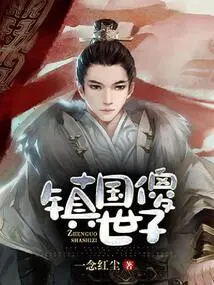
The Stupid Prince of Zhenguo
General Fiction镇国傻世子
A Thought About The World Of Mortals
After a time travel, Zhou Lang actually became the prince and prince of the Zhou Dynasty. My father devoted himself to practicing Taoism, his mother and concubine died young, and he, the prince's son, was not valued by anyone. Originally, I wanted to do business to make money, spend my whole life carefree and free among flowers. It's a pity that the court situation is treacherous and ups and downs, and Zhou Lang can't be alone...
After a time travel, Zhou Lang actually became the prince and prince of the Zhou Dynasty. My father devoted himself to practicing Taoism, his mother and concubine died young, and he, the prince's son, was not valued by anyone. Originally, I wanted to do business to make money, spend my whole life carefree and free among flowers. It's a pity that the court situation is treacherous and ups and downs, and Zhou Lang can't be alone...
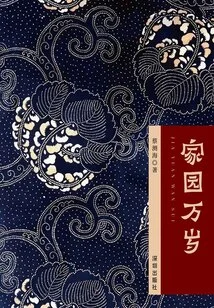
Long Live Homeland
General Fiction家园万岁
Cai Chehai
This is an epic and magnificent novel. Through the legendary life of Zhao Chang, the half-ruler of Sanchuan, it shows the historical changes of Western Hunan for more than two hundred years from the Qing Dynasty to the present day. The novel has a jumping structure and poetic language. It takes the big narrative of the upper class in Western Hunan as its warp and the small narrative of the various life styles in Xiangxi as its weft. It describes the unique myths and legends, folk tales, folk customs and customs of the Xiangxi nation. History and legend, reality and fantasy are combined, the warp and weft are intertwined, and the colors are colorful. It creates a paradise-like home, which embodies the author's simple political ideals, critical consciousness, social responsibility and feelings for his family and country.
This is an epic and magnificent novel. Through the legendary life of Zhao Chang, the half-ruler of Sanchuan, it shows the historical changes of Western Hunan for more than two hundred years from the Qing Dynasty to the present day. The novel has a jumping structure and poetic language. It takes the big narrative of the upper class in Western Hunan as its warp and the small narrative of the various life styles in Xiangxi as its weft. It describes the unique myths and legends, folk tales, folk customs and customs of the Xiangxi nation. History and legend, reality and fantasy are combined, the warp and weft are intertwined, and the colors are colorful. It creates a paradise-like home, which embodies the author's simple political ideals, critical consciousness, social responsibility and feelings for his family and country.
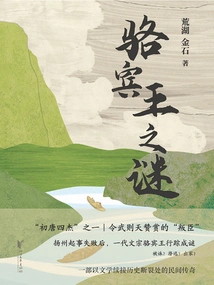
The Mystery of King Luo Bin
General Fiction骆宾王之谜
Deserted Lake Gold Stone
In 684 AD, the British Duke Xu Jingye led an army to revolt, intending to overthrow Wu Zetian's rule and restore Li Tang. King Luo Bin, a counselor under Xu Jingye and one of the "Four Heroes of the Early Tang Dynasty", drafted the ever-lasting epic "A Prosecution for Xu Jingye" on his behalf, which caused shock in both the government and the public. Unexpectedly, in just three months, the uprising was defeated, Xu Jingye was executed, and King Luo Bin disappeared, and his whereabouts became an eternal mystery. This book uses literary imagination to pick up where history left off, and reconstructs Queen Luo Bin's experience in the second half of her life: denounced unfair examinations, rescued trapped students, cracked down on corrupt officials, and studied local water conservancy... In Yongxing, Ezhou (now Yangxin, Hubei), this chivalrous genius resolutely poured his blood into the land he loved.
In 684 AD, the British Duke Xu Jingye led an army to revolt, intending to overthrow Wu Zetian's rule and restore Li Tang. King Luo Bin, a counselor under Xu Jingye and one of the "Four Heroes of the Early Tang Dynasty", drafted the ever-lasting epic "A Prosecution for Xu Jingye" on his behalf, which caused shock in both the government and the public. Unexpectedly, in just three months, the uprising was defeated, Xu Jingye was executed, and King Luo Bin disappeared, and his whereabouts became an eternal mystery. This book uses literary imagination to pick up where history left off, and reconstructs Queen Luo Bin's experience in the second half of her life: denounced unfair examinations, rescued trapped students, cracked down on corrupt officials, and studied local water conservancy... In Yongxing, Ezhou (now Yangxin, Hubei), this chivalrous genius resolutely poured his blood into the land he loved.
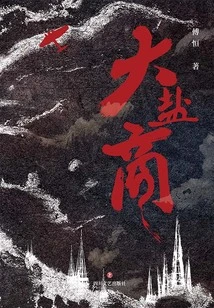
Big Salt Merchant
General Fiction大盐商
Fu Heng
"The Great Salt Merchant" is a long historical novel with an epic flavor and full of southern Sichuan regional customs written by the famous writer Fu Heng. The book takes the "Salt Capital" in southern Sichuan during the Republic of China as the background, and uses elements such as salt wells, salt merchants, salt gangs, Japanese invaders, bandits, and the struggles and love of low-level people as leads to construct a rather grand story. Using a legendary secret book for digging salt wells as a clue, it vividly unfolds the intergenerational entanglements between the Shu family and the Gong family in the salt capital. The Japanese invaders attacked, and the era was in turmoil. The two families shared the same hatred and showed their righteousness in the autumn of troubled times. A city that lives on salt prospers and declines because of salt. Salt carries not only the glory of a family, but also the indomitable heroic spirit of a group of people.
"The Great Salt Merchant" is a long historical novel with an epic flavor and full of southern Sichuan regional customs written by the famous writer Fu Heng. The book takes the "Salt Capital" in southern Sichuan during the Republic of China as the background, and uses elements such as salt wells, salt merchants, salt gangs, Japanese invaders, bandits, and the struggles and love of low-level people as leads to construct a rather grand story. Using a legendary secret book for digging salt wells as a clue, it vividly unfolds the intergenerational entanglements between the Shu family and the Gong family in the salt capital. The Japanese invaders attacked, and the era was in turmoil. The two families shared the same hatred and showed their righteousness in the autumn of troubled times. A city that lives on salt prospers and declines because of salt. Salt carries not only the glory of a family, but also the indomitable heroic spirit of a group of people.
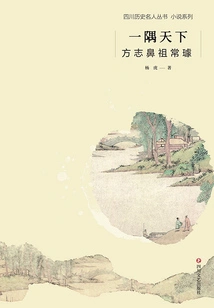
A Corner of the World: Chang Chu, the Originator of Fang Zhi (sichuan Celebrity History Series·novel Series)
General Fiction一隅天下:方志鼻祖常璩(四川名人历史丛书·小说系列)
Yang Hu
Chang Xu lived by the Wenjing River in Jiangyuan County, Western Shu, and made a living by farming and reading. At that time, the world was in chaos, and Chang Xu traveled to Ba, Shu, Han and other places. The "Chengguo" regime that was separated from Bashu recruited Chang Xu into an official position and served as a historian. General Huan Wen of the Eastern Jin Dynasty went south to attack Bashu. Chang Cu followed Huan Wen to Jiankang and lived in a back alley. After ten years, he completed the masterpiece "Huayang Guozhi" in the style of Chinese local chronicles. This book focuses on Chang Xu's life in the form of a novel. The author combines historical facts with literary expression, and uses the writing of "Huayang Guozhi" as the main line to spread out the ups and downs of Chang Xu's life. It praises the life of this particularly important figure in Chinese history and local chronicles. It also expresses the author's admiration and praise for Chang Xu's outlook on life and values through literary narratives that rely on historical materials.
Chang Xu lived by the Wenjing River in Jiangyuan County, Western Shu, and made a living by farming and reading. At that time, the world was in chaos, and Chang Xu traveled to Ba, Shu, Han and other places. The "Chengguo" regime that was separated from Bashu recruited Chang Xu into an official position and served as a historian. General Huan Wen of the Eastern Jin Dynasty went south to attack Bashu. Chang Cu followed Huan Wen to Jiankang and lived in a back alley. After ten years, he completed the masterpiece "Huayang Guozhi" in the style of Chinese local chronicles. This book focuses on Chang Xu's life in the form of a novel. The author combines historical facts with literary expression, and uses the writing of "Huayang Guozhi" as the main line to spread out the ups and downs of Chang Xu's life. It praises the life of this particularly important figure in Chinese history and local chronicles. It also expresses the author's admiration and praise for Chang Xu's outlook on life and values through literary narratives that rely on historical materials.
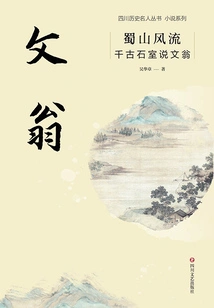
Romance in Shushan: the Literary Man in the Stone Chamber Through the Ages (sichuan Celebrity History Series·novel Series)
General Fiction蜀山风流:千古石室说文翁(四川名人历史丛书·小说系列)
Wu Huazhang
In the last years of Emperor Jing of the Han Dynasty, Shu County suffered from successive famines, banditry, frequent rebellions from barbarians, and refugees everywhere. The Shucheng Humanities Party of Lujiang County was ordered to serve as the prefect of Shu County in the face of danger. This began the difficult process of governing and revitalizing Shu for decades. They opened rivers and channels, diverted mountain springs, improved thousands of hectares of farmland, and turned barren corners into fertile lands. Combining historical facts and using imagination, the author reproduces several major events accomplished by the Wen Party overcoming numerous difficulties during its rule: managing the Nianshui River, building a school, educating the people, and pacifying the Western Qiang. It establishes the image of a historical figure of the Wen Party who cares about the people, is loyal to his duties, is honest and honest, and cherishes talents. It has important reference value for readers who want to understand Weng Weng's life and stories about Shu.
In the last years of Emperor Jing of the Han Dynasty, Shu County suffered from successive famines, banditry, frequent rebellions from barbarians, and refugees everywhere. The Shucheng Humanities Party of Lujiang County was ordered to serve as the prefect of Shu County in the face of danger. This began the difficult process of governing and revitalizing Shu for decades. They opened rivers and channels, diverted mountain springs, improved thousands of hectares of farmland, and turned barren corners into fertile lands. Combining historical facts and using imagination, the author reproduces several major events accomplished by the Wen Party overcoming numerous difficulties during its rule: managing the Nianshui River, building a school, educating the people, and pacifying the Western Qiang. It establishes the image of a historical figure of the Wen Party who cares about the people, is loyal to his duties, is honest and honest, and cherishes talents. It has important reference value for readers who want to understand Weng Weng's life and stories about Shu.
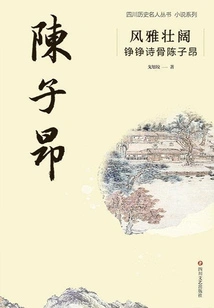
Elegant and Majestic: Chen Ziang, a Sonorous Poet (sichuan Celebrity History Series·novel Series)
General Fiction风雅壮阔:铮铮诗骨陈子昂(四川名人历史丛书·小说系列)
Ge Xujiao
"Elegant and Magnificent: Chen Zi'ang's Poetry of Zhengzheng" describes the rich and moving life of Chen Zi'ang, a great poet of the Tang Dynasty. Chen Ziang was born in a wealthy family. He was very smart since he was a child and advocated the style of chivalry. In 684 AD, he passed the Jinshi title and began to officially enter the official career. He was famous for being outspoken and dare to give advice. He was arranged to join the army twice and realize the frontier life which was completely different from Chang'an City, which laid a solid foundation for his frontier poem creation. Later, Chen Ziang returned to his hometown for seclusion, but was killed by an adulterer and died unjustly in prison.
"Elegant and Magnificent: Chen Zi'ang's Poetry of Zhengzheng" describes the rich and moving life of Chen Zi'ang, a great poet of the Tang Dynasty. Chen Ziang was born in a wealthy family. He was very smart since he was a child and advocated the style of chivalry. In 684 AD, he passed the Jinshi title and began to officially enter the official career. He was famous for being outspoken and dare to give advice. He was arranged to join the army twice and realize the frontier life which was completely different from Chang'an City, which laid a solid foundation for his frontier poem creation. Later, Chen Ziang returned to his hometown for seclusion, but was killed by an adulterer and died unjustly in prison.
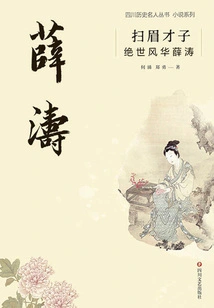
The Talented Man Who Sweeps His Eyebrows: the Unparalleled Elegance of Xue Tao (sichuan Celebrity History Series·novel Series)
General Fiction扫眉才子:绝世风华薛涛(四川名人历史丛书·小说系列)
He Yong Zheng Yong
Xue Tao (approximately 768-832), a musician in the Tang Dynasty, a female school secretary and poet in Shu Middle School. Together with Zhuo Wenjun, Mrs. Huarui, and Huang E, she is known as the four most talented women in Shu, and with Yu Xuanji, Li Ye, and Liu Caichun, she is known as the four great female poets in the Tang Dynasty. There are more than 90 popular poems, collected in "Jinjiang Collection". This novel outlines Xue Tao's legendary life, from her first appearance to her rise to fame, from standing out as an official to meeting friends through poetry and prose, from being sent to Songzhou as a punishment to returning to Jinguan City. It not only depicts Xue Tao's life, but also unfolds a grand picture of Tang Dynasty culture. The four sentences written by Wang Jian, a poet of the Tang Dynasty, "Girls study at the school by the bridge thousands of miles away, and live behind closed doors in the loquat flowers. A talented man who sweeps his eyebrows knows a lot, but he is not as good as managing the spring breeze." This is a summary of Xue Tao's life.
Xue Tao (approximately 768-832), a musician in the Tang Dynasty, a female school secretary and poet in Shu Middle School. Together with Zhuo Wenjun, Mrs. Huarui, and Huang E, she is known as the four most talented women in Shu, and with Yu Xuanji, Li Ye, and Liu Caichun, she is known as the four great female poets in the Tang Dynasty. There are more than 90 popular poems, collected in "Jinjiang Collection". This novel outlines Xue Tao's legendary life, from her first appearance to her rise to fame, from standing out as an official to meeting friends through poetry and prose, from being sent to Songzhou as a punishment to returning to Jinguan City. It not only depicts Xue Tao's life, but also unfolds a grand picture of Tang Dynasty culture. The four sentences written by Wang Jian, a poet of the Tang Dynasty, "Girls study at the school by the bridge thousands of miles away, and live behind closed doors in the loquat flowers. A talented man who sweeps his eyebrows knows a lot, but he is not as good as managing the spring breeze." This is a summary of Xue Tao's life.
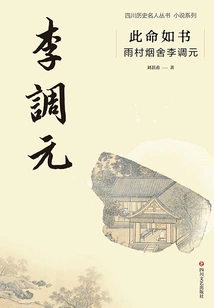
This Destiny is Like a Book: Yucun Yanshe Li Tiaoyuan (Sichuan Celebrity History Series·novel Series)
General Fiction此命如书:雨村烟舍李调元(四川名人历史丛书·小说系列)
Liu Shifu
Li Tiaoyuan was a Jinshi during the Qianlong period of the Qing Dynasty. He was a writer, poet and dramatist. He made outstanding contributions to the research and creation of opera. During his lifetime, he had a very rich collection of books and numerous writings, totaling more than 130 kinds of books. In addition to his own poems and essays, he also extensively covered history, geography, poetry research, school journals, linguistics, epigraphy, etc. This novel focuses on Li Tiaoyuan's collection, transportation, and writing of books, and selects the more important stages of Li Tiaoyuan's life. By portraying Li Tiaoyuan's image of a good reader and talented person and describing his creative process, it highlights Li Tiaoyuan's "brave and upright" spiritual essence. It can also help modern people understand the historical inheritance of Sichuan Opera and the historical stages in the inheritance process of traditional Chinese culture.
Li Tiaoyuan was a Jinshi during the Qianlong period of the Qing Dynasty. He was a writer, poet and dramatist. He made outstanding contributions to the research and creation of opera. During his lifetime, he had a very rich collection of books and numerous writings, totaling more than 130 kinds of books. In addition to his own poems and essays, he also extensively covered history, geography, poetry research, school journals, linguistics, epigraphy, etc. This novel focuses on Li Tiaoyuan's collection, transportation, and writing of books, and selects the more important stages of Li Tiaoyuan's life. By portraying Li Tiaoyuan's image of a good reader and talented person and describing his creative process, it highlights Li Tiaoyuan's "brave and upright" spiritual essence. It can also help modern people understand the historical inheritance of Sichuan Opera and the historical stages in the inheritance process of traditional Chinese culture.
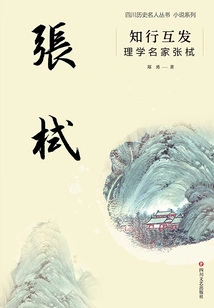
Mutual Exchange of Knowledge and Action: Zhang Shi, a Famous Neo-confucian Scholar (sichuan Celebrity History Series·novel Series)
General Fiction知行互发:理学名家张栻(四川名人历史丛书·小说系列)
Zheng Yong
Zhang Shi, a famous Neo-Confucian, thinker, and educator in the early Southern Song Dynasty, is known as the "first master of Taoism". Together with Zhu Xi and Lu Zuqian, he is also known as the "Three Southeast Sages" of the Southern Song Dynasty. He is a representative and master of the Huxiang School in the Song Dynasty, and a representative figure of Shu Studies in the Song Dynasty. He made important contributions to the development of Neo-Confucianism and Bashu culture in the Southern Song Dynasty, and occupied an important position in the ideological history of the Song Dynasty. This book describes Zhang Shi's life in the form of a literary narrative, presenting Zhang Shi's family experience, schooling, ups and downs in officialdom, academic path, etc., Vividly depicting the image of Zhang Shi's family tradition of loyalty, filial piety, and fine learning, and schematically and comprehensively showing the essence of Zhang Shi's thought of observing, observing, and learning from each other.
Zhang Shi, a famous Neo-Confucian, thinker, and educator in the early Southern Song Dynasty, is known as the "first master of Taoism". Together with Zhu Xi and Lu Zuqian, he is also known as the "Three Southeast Sages" of the Southern Song Dynasty. He is a representative and master of the Huxiang School in the Song Dynasty, and a representative figure of Shu Studies in the Song Dynasty. He made important contributions to the development of Neo-Confucianism and Bashu culture in the Southern Song Dynasty, and occupied an important position in the ideological history of the Song Dynasty. This book describes Zhang Shi's life in the form of a literary narrative, presenting Zhang Shi's family experience, schooling, ups and downs in officialdom, academic path, etc., Vividly depicting the image of Zhang Shi's family tradition of loyalty, filial piety, and fine learning, and schematically and comprehensively showing the essence of Zhang Shi's thought of observing, observing, and learning from each other.
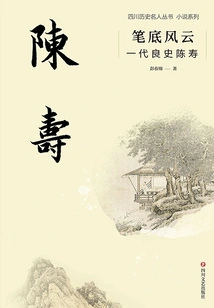
The Storm in the Pen: Chen Shou, a Good History of a Generation (sichuan Celebrities History Series·novel Series)
General Fiction笔底风云:一代良史陈寿(四川名人历史丛书·小说系列)
Peng Chunmian
The Three Kingdoms is full of characters. Chen Shou was born in Shu and experienced a series of events from Liu Chan's accession to the throne to his surrender to Wei, the fall of Wei and the establishment of the Western Jin Dynasty. He studied under Qiao Zhou, the Confucian master of Shu, and studied poetry and calligraphy with Li Mi and others. At the same time, he confronted treacherous officials in the court and met and interacted with celebrities from all walks of life in the Three Kingdoms. In the first year of Yanxing, the Kingdom of Shu was destroyed, and ministers such as Liu Chan and Qiao Zhou went to the capital of Wei. After the Western Jin Dynasty and the Wei Dynasty, Sima Yan secretly killed Qiao Zhou, and Chen Shou fled back to his hometown. According to his teacher's last wish, he wrote "Three Kingdoms" behind closed doors for several years.
The Three Kingdoms is full of characters. Chen Shou was born in Shu and experienced a series of events from Liu Chan's accession to the throne to his surrender to Wei, the fall of Wei and the establishment of the Western Jin Dynasty. He studied under Qiao Zhou, the Confucian master of Shu, and studied poetry and calligraphy with Li Mi and others. At the same time, he confronted treacherous officials in the court and met and interacted with celebrities from all walks of life in the Three Kingdoms. In the first year of Yanxing, the Kingdom of Shu was destroyed, and ministers such as Liu Chan and Qiao Zhou went to the capital of Wei. After the Western Jin Dynasty and the Wei Dynasty, Sima Yan secretly killed Qiao Zhou, and Chen Shou fled back to his hometown. According to his teacher's last wish, he wrote "Three Kingdoms" behind closed doors for several years.
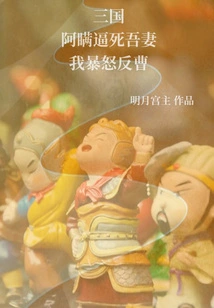
Three Kingdoms: Ah Ma Forced My Wife to Death, and I Became Furious and Rebelled Against Cao Cao
General Fiction三国:阿瞒逼死吾妻,我暴怒反曹
Lord Of Mingyue Palace
Xiao Yi attaches great importance to emotions and joins a space-time research company after graduating from college. He was accidentally chosen to be a time traveler and traveled through time and space. Xiao Yi made a careful choice and traveled back to the Three Kingdoms. He was forced to kill his wife by Boss Cao, and angrily kidnapped Boss Cao's generals. The world was in chaos, so he rose up in Jiaozhou and conquered the world with his brothers.
Xiao Yi attaches great importance to emotions and joins a space-time research company after graduating from college. He was accidentally chosen to be a time traveler and traveled through time and space. Xiao Yi made a careful choice and traveled back to the Three Kingdoms. He was forced to kill his wife by Boss Cao, and angrily kidnapped Boss Cao's generals. The world was in chaos, so he rose up in Jiaozhou and conquered the world with his brothers.
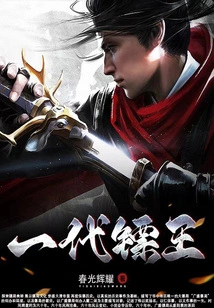
A Generation of Escort King
General Fiction一代镖王
Spring Shines Brightly
Explore the secrets of the escort agency and show the escort agency culture. Travel through the Qing Empire and recreate the history of bodyguards. "The King of Escorts" is based on real historical events and describes the founding and continuation of the "Guangsheng Escort Agency", the only Escort Agency in Central China, as well as the closure of the Escort Agency. Taking Dai Erlu, the founder of the Guangsheng Escort Agency, as the main subject of description, it describes his life of becoming famous with martial arts, being a benevolent bodyguard, and working with righteousness. The time span is approximately sixty years. Sixty years of ups and downs, sixty years of vicissitudes, the novel will tell you the reasons why Guangsheng Escort Agency went from prosperity to decline in sixty years.
Explore the secrets of the escort agency and show the escort agency culture. Travel through the Qing Empire and recreate the history of bodyguards. "The King of Escorts" is based on real historical events and describes the founding and continuation of the "Guangsheng Escort Agency", the only Escort Agency in Central China, as well as the closure of the Escort Agency. Taking Dai Erlu, the founder of the Guangsheng Escort Agency, as the main subject of description, it describes his life of becoming famous with martial arts, being a benevolent bodyguard, and working with righteousness. The time span is approximately sixty years. Sixty years of ups and downs, sixty years of vicissitudes, the novel will tell you the reasons why Guangsheng Escort Agency went from prosperity to decline in sixty years.
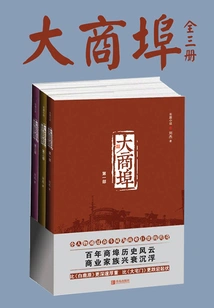
Great Commercial Port (all Three Volumes)
General Fiction大商埠(全三册)
Liu Jie
The novel narrates the life legend of a humble little man who grew up to be a business tycoon through struggle. It also shows the century-old history of Qingdao's large commercial port. From the time Zhang Gaoyuan came to Qingdao to open a port in 1891, and later came under the rule of German and Japanese colonialism, the magnificent scenes and ups and downs of the story brought us into the era more than a hundred years ago. The author cleverly uses a family's personal experience to restore the ups and downs and unknown historical features of China's large commercial ports in the late Qing Dynasty, German occupation, Japanese occupation, the Republic of China, and warlord wars. It is full of beautiful scenery and a sense of vicissitudes of life.
The novel narrates the life legend of a humble little man who grew up to be a business tycoon through struggle. It also shows the century-old history of Qingdao's large commercial port. From the time Zhang Gaoyuan came to Qingdao to open a port in 1891, and later came under the rule of German and Japanese colonialism, the magnificent scenes and ups and downs of the story brought us into the era more than a hundred years ago. The author cleverly uses a family's personal experience to restore the ups and downs and unknown historical features of China's large commercial ports in the late Qing Dynasty, German occupation, Japanese occupation, the Republic of China, and warlord wars. It is full of beautiful scenery and a sense of vicissitudes of life.
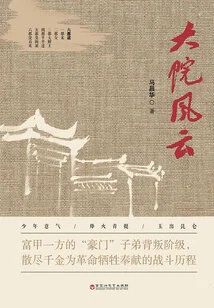
Courtyard Situation
General Fiction大院风云
Ma Changhua
The novel mainly describes the growth process of the protagonist Yagyu from a rich boy in a wealthy family to a staunch revolutionary, and reproduces the historical story of Yagyu spending all his money to work on the revolution during the Anti-Japanese War and the Civil Revolutionary War. As a descendant of a wealthy family and the only descendant of the family, Yagyu did not follow his grandfather's wishes to learn and become an official and gain fame and honor his ancestors. Instead, he went in the opposite direction and became a gravedigger of the feudal class, a staunch revolutionary who devoted himself to the cause of liberation of the Chinese people. For the cause of the Party and the victory of the revolution, he repeatedly persuaded his family to sell their property, spent thousands of dollars to support the armed activities of the underground party, provided weapons and equipment and living security for the guerrillas, provided the venue and funds for the "Legion Meeting" to guide the liberation of Guangxi, and made special contributions to the cause of the Party.
The novel mainly describes the growth process of the protagonist Yagyu from a rich boy in a wealthy family to a staunch revolutionary, and reproduces the historical story of Yagyu spending all his money to work on the revolution during the Anti-Japanese War and the Civil Revolutionary War. As a descendant of a wealthy family and the only descendant of the family, Yagyu did not follow his grandfather's wishes to learn and become an official and gain fame and honor his ancestors. Instead, he went in the opposite direction and became a gravedigger of the feudal class, a staunch revolutionary who devoted himself to the cause of liberation of the Chinese people. For the cause of the Party and the victory of the revolution, he repeatedly persuaded his family to sell their property, spent thousands of dollars to support the armed activities of the underground party, provided weapons and equipment and living security for the guerrillas, provided the venue and funds for the "Legion Meeting" to guide the liberation of Guangxi, and made special contributions to the cause of the Party.
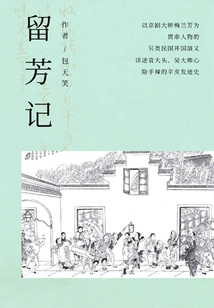
Leave a Reply Cancel Reply
General Fiction留芳记
Bao Tianxiao
We are very honored to introduce to you a gripping long historical chapter novel - "The Story of a Fragrance", which is a work created by the talented Mr. Bao Tianxiao, the leader of popular literature during the Republic of China. This book is not only a record of historical events during the turbulent period of the late Qing Dynasty and the early Republic of China, but also a masterpiece that profoundly reveals the social changes and the fate of the characters in that era. When writing this book, Mr. Bao Tianxiao followed Zeng Pu's practice of using gold-colored flowers throughout "Flowers of the Sea of Sin", and selected the life stories of the three generations of Peking Opera master Mei Lanfang to be used throughout the book, describing the tumultuous years when the Revolution of 1911 began. "The Legend of Liu Fang" digs deeply into the true face of history and shows readers the complexity and multifaceted nature of Chinese society during that period. Through his writing, we see the other side of historical truth: a complex time woven together by power struggles, social changes and human struggles. This book has a very important documentary value for people today to understand and understand the history of that time. The literary value and historical significance of this work are self-evident. It is not only a photo review of the history of the late Qing Dynasty and the early Republic of China, but also a profound documentary excavation. Through delicate writing, the author brings readers into that era, allowing us to feel the heaviness of history and the joyful drama of the characters' fate.
We are very honored to introduce to you a gripping long historical chapter novel - "The Story of a Fragrance", which is a work created by the talented Mr. Bao Tianxiao, the leader of popular literature during the Republic of China. This book is not only a record of historical events during the turbulent period of the late Qing Dynasty and the early Republic of China, but also a masterpiece that profoundly reveals the social changes and the fate of the characters in that era. When writing this book, Mr. Bao Tianxiao followed Zeng Pu's practice of using gold-colored flowers throughout "Flowers of the Sea of Sin", and selected the life stories of the three generations of Peking Opera master Mei Lanfang to be used throughout the book, describing the tumultuous years when the Revolution of 1911 began. "The Legend of Liu Fang" digs deeply into the true face of history and shows readers the complexity and multifaceted nature of Chinese society during that period. Through his writing, we see the other side of historical truth: a complex time woven together by power struggles, social changes and human struggles. This book has a very important documentary value for people today to understand and understand the history of that time. The literary value and historical significance of this work are self-evident. It is not only a photo review of the history of the late Qing Dynasty and the early Republic of China, but also a profound documentary excavation. Through delicate writing, the author brings readers into that era, allowing us to feel the heaviness of history and the joyful drama of the characters' fate.
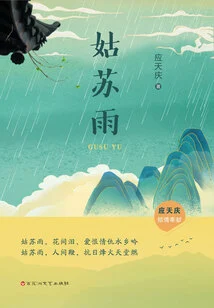
Gusu Yu
General Fiction姑苏雨
Ying Tianqing
The novel is a full-length novel set in Suzhou, integrating military, business, and art, depicting the common people recognizing their national justice and punching the invaders. The protagonist Xie Ying and his classmate Huang He graduated from Baoding Army Sergeant School and became powerful generals among the Anhui warlords. The warlords had been fighting for many years, so Huang He gave up the military and engaged in business. He was familiar with the silk industry since he was a child, and became a well-known wealthy businessman in Suzhou City. Su Qiu comes from a wealthy family. Her father is a famous painter in Suzhou and her mother is a famous Pingtan artist. At that time, as the flames of the Anti-Japanese War broke out, Xie Ying led the crowd to launch a general attack on the Japanese army's home base in Suzhou, vowing to avenge his compatriots. They firmly believed that the victory of the Anti-Japanese War would eventually come.
The novel is a full-length novel set in Suzhou, integrating military, business, and art, depicting the common people recognizing their national justice and punching the invaders. The protagonist Xie Ying and his classmate Huang He graduated from Baoding Army Sergeant School and became powerful generals among the Anhui warlords. The warlords had been fighting for many years, so Huang He gave up the military and engaged in business. He was familiar with the silk industry since he was a child, and became a well-known wealthy businessman in Suzhou City. Su Qiu comes from a wealthy family. Her father is a famous painter in Suzhou and her mother is a famous Pingtan artist. At that time, as the flames of the Anti-Japanese War broke out, Xie Ying led the crowd to launch a general attack on the Japanese army's home base in Suzhou, vowing to avenge his compatriots. They firmly believed that the victory of the Anti-Japanese War would eventually come.
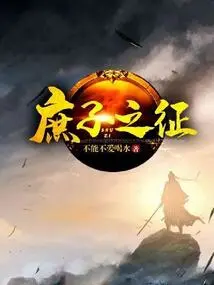
The Concubine's War
General Fiction庶子之征
Can't Help But Love Drinking Water
He was reduced to the eldest son of the deposed border king, his mother was relegated to the cold palace, and the palace maids and eunuchs bullied her wildly. Zhao Jin: How dare you use the knife! I'm hurt, you're done! The palace maid and eunuch died! Zhao Jin travels through an imaginary ancient time. He was a mercenary in his previous life. What can he do here?
He was reduced to the eldest son of the deposed border king, his mother was relegated to the cold palace, and the palace maids and eunuchs bullied her wildly. Zhao Jin: How dare you use the knife! I'm hurt, you're done! The palace maid and eunuch died! Zhao Jin travels through an imaginary ancient time. He was a mercenary in his previous life. What can he do here?

Wolf Hall Trilogy
General Fiction《狼厅》三部曲
H
Hilary Mantel's masterpiece, the 2009 Booker Prize-winning "Wolf Hall" × the 2012 Booker Prize-winning "Legendary" × the 2021 Walter Scott Historical Fiction Award "Mirror and Light" collection. The Tudor dynasty that cannot be seen in history books, power, sex, loyalty, friendship, religion, class and statecraft... Under every history there is another history. The original work of "Wolf Hall", which won the 73rd Golden Globe Award for Best Miniseries and Television Movie in the United States and the BBC ratings record. The famous writer Shuang Xuetao enthusiastically recommends it.
Hilary Mantel's masterpiece, the 2009 Booker Prize-winning "Wolf Hall" × the 2012 Booker Prize-winning "Legendary" × the 2021 Walter Scott Historical Fiction Award "Mirror and Light" collection. The Tudor dynasty that cannot be seen in history books, power, sex, loyalty, friendship, religion, class and statecraft... Under every history there is another history. The original work of "Wolf Hall", which won the 73rd Golden Globe Award for Best Miniseries and Television Movie in the United States and the BBC ratings record. The famous writer Shuang Xuetao enthusiastically recommends it.
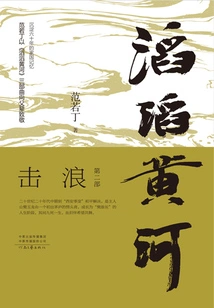
The Roaring Yellow River (part 2): Breaking the Waves
General Fiction滔滔黄河(第二部):击浪
Fan Ruoding
The second part of "The Roaring Yellow River", "Striking the Waves", is a continuation of the first part, "Asking the Mountain". The story takes place from the mid-1920s to the peaceful resolution of the "Xi'an Incident" in 1936. It describes the life story of the protagonist Fan Yulong, who was a fledgling young man who was bumped by fate in the tide of the times and gradually grew into "Brigadier Fan". The author Fan Ruoding uses his life's accumulation to sort out the military career of Fan Yulong, a man from the Central Plains during that historical period.
The second part of "The Roaring Yellow River", "Striking the Waves", is a continuation of the first part, "Asking the Mountain". The story takes place from the mid-1920s to the peaceful resolution of the "Xi'an Incident" in 1936. It describes the life story of the protagonist Fan Yulong, who was a fledgling young man who was bumped by fate in the tide of the times and gradually grew into "Brigadier Fan". The author Fan Ruoding uses his life's accumulation to sort out the military career of Fan Yulong, a man from the Central Plains during that historical period.
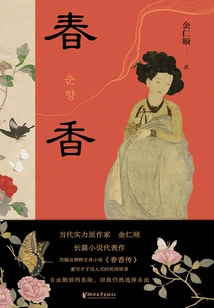
Chunxiang
General Fiction春香
Kim In-soon
"Spring Fragrance" is a representative novel by Jin Renshun, a powerful contemporary Chinese writer. Although the inspiration and material of the novel come from the well-known Korean folk tales and the classic "The Legend of Chunhyang", it uses modern and avant-garde thinking and imagination to construct a unique world dominated by women. In Nanyuan Mansion, there is a paradise-like mansion called Champs. The girl Chunxiang has lived in Champs since she was a child. Under the protection of her mother, Mrs. Xiang, she has no worries about food and clothing, and gradually shows her talent in medicine. However, although the life in Champs is free and comfortable, it is also full of dangers. Faced with Jin Zhu's protection, Li Menglong's courtship, Byun Xuedao's forced marriage, and Mrs. Xiang's life-saving protection, Chunxiang decided to re-choose the meaning of life... The novel reconstructs the folk tale of a gifted man and a beautiful woman, and re-examines women's independent consciousness and free spirit from the perspective of modernity.
"Spring Fragrance" is a representative novel by Jin Renshun, a powerful contemporary Chinese writer. Although the inspiration and material of the novel come from the well-known Korean folk tales and the classic "The Legend of Chunhyang", it uses modern and avant-garde thinking and imagination to construct a unique world dominated by women. In Nanyuan Mansion, there is a paradise-like mansion called Champs. The girl Chunxiang has lived in Champs since she was a child. Under the protection of her mother, Mrs. Xiang, she has no worries about food and clothing, and gradually shows her talent in medicine. However, although the life in Champs is free and comfortable, it is also full of dangers. Faced with Jin Zhu's protection, Li Menglong's courtship, Byun Xuedao's forced marriage, and Mrs. Xiang's life-saving protection, Chunxiang decided to re-choose the meaning of life... The novel reconstructs the folk tale of a gifted man and a beautiful woman, and re-examines women's independent consciousness and free spirit from the perspective of modernity.
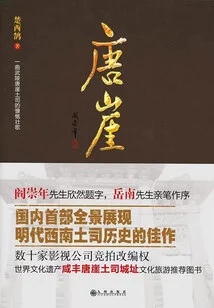
Tangya: a Generous Song from Wuling Tangya Chieftain
General Fiction唐崖:一曲武陵唐崖土司的慷慨壮歌
Chu Xihu
In the first year of Tianqi in the Ming Dynasty, Tan Wenrui, the chieftain of Tangya, died, and his eldest son, Tan Ding, came to the throne at the age of twenty. Prime Minister Qin Wenzhong held great power and was regent of Tangya. He is ambitious and wants to fully control Tang Ya's power. Tangya Guanzhai seemed peaceful and peaceful, but in fact there was an undercurrent. Facing internal and external troubles, a thrilling struggle for power was staged. At the same time, "Tang Ya" is also a main theme story about ethnic minorities supporting the central government and participating in counterinsurgency. The protagonist Qin Ding has also achieved a romantic legend of a heroic beauty. After Qin Ding helped the central government put down the rebellion and eliminate internal troubles, he built an archway and wrote "Jingnan Xiongzhen, Chu and Shu screen Han". Tangya became strong.
In the first year of Tianqi in the Ming Dynasty, Tan Wenrui, the chieftain of Tangya, died, and his eldest son, Tan Ding, came to the throne at the age of twenty. Prime Minister Qin Wenzhong held great power and was regent of Tangya. He is ambitious and wants to fully control Tang Ya's power. Tangya Guanzhai seemed peaceful and peaceful, but in fact there was an undercurrent. Facing internal and external troubles, a thrilling struggle for power was staged. At the same time, "Tang Ya" is also a main theme story about ethnic minorities supporting the central government and participating in counterinsurgency. The protagonist Qin Ding has also achieved a romantic legend of a heroic beauty. After Qin Ding helped the central government put down the rebellion and eliminate internal troubles, he built an archway and wrote "Jingnan Xiongzhen, Chu and Shu screen Han". Tangya became strong.
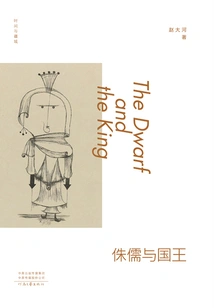
Dwarfs and Kings (time and Realms)
General Fiction侏儒与国王(时间与疆域)
Zhao Dahe
In the Jin court, the beloved concubine Li Ji is about to launch a big storm that has been brewing for several years in order to make her son the prince. Shen Sheng, Chong Er, Yi Wu... The fate of everyone will be turned upside down. Master has said that the jungle is very dangerous because of wild beasts. However, the palace is a hundred times more dangerous than the jungle. Survival requires vigilance and wisdom. However, Master's death proves that there is something more precious than life in the world - morality. From this, a humble court jester grew up step by step. You will find that a humble little person can also change history. The novel is like a maze full of mirror images, allowing you to meet your true self at an unexpected corner.
In the Jin court, the beloved concubine Li Ji is about to launch a big storm that has been brewing for several years in order to make her son the prince. Shen Sheng, Chong Er, Yi Wu... The fate of everyone will be turned upside down. Master has said that the jungle is very dangerous because of wild beasts. However, the palace is a hundred times more dangerous than the jungle. Survival requires vigilance and wisdom. However, Master's death proves that there is something more precious than life in the world - morality. From this, a humble court jester grew up step by step. You will find that a humble little person can also change history. The novel is like a maze full of mirror images, allowing you to meet your true self at an unexpected corner.
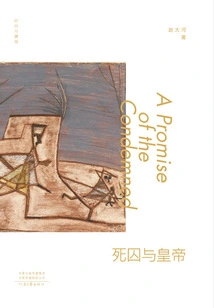
Death Row and the Emperor (time and Territory)
General Fiction死囚与皇帝(时间与疆域)
Zhao Dahe
This is a new historical novel based on "Zi Zhi Tong Jian". One autumn during the Zhenguan period, Emperor Taizong of the Tang Dynasty took pity on the prisoners on death row and allowed them to return to their hometowns to reunite with their families and die in Chang'an a year later. Some of these prisoners rose up to resist because they were abused by bullies, some were kidnapped by family ties and went astray, some were weak women whose innocence was destroyed by rumors, and some were loners who were born in the wrong era... Life is full of hardships, where is the ferry, where is the way home? Where to place this constant love and hatred, where to place this helpless and frightened soul? The novel selects segments of the lives of nine prisoners after they were released. Facing life and death, questioning the soul, and thinking about philosophical propositions such as life and death, love and hate, the book is thought-provoking.
This is a new historical novel based on "Zi Zhi Tong Jian". One autumn during the Zhenguan period, Emperor Taizong of the Tang Dynasty took pity on the prisoners on death row and allowed them to return to their hometowns to reunite with their families and die in Chang'an a year later. Some of these prisoners rose up to resist because they were abused by bullies, some were kidnapped by family ties and went astray, some were weak women whose innocence was destroyed by rumors, and some were loners who were born in the wrong era... Life is full of hardships, where is the ferry, where is the way home? Where to place this constant love and hatred, where to place this helpless and frightened soul? The novel selects segments of the lives of nine prisoners after they were released. Facing life and death, questioning the soul, and thinking about philosophical propositions such as life and death, love and hate, the book is thought-provoking.
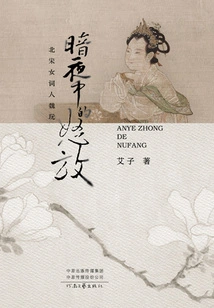
暗夜中的怒放:北宋女词人魏玩
Aiko
Through the narration of stories such as marriage, childbirth, separation from her husband, coming to Beijing, returning home, and returning to Beijing again, the novel reproduces the life of the protagonist Wei Wan, a female poet in the Northern Song Dynasty, from an official girl to a royal wife, and creates the protagonist's keen, brave and elegant artistic image; it truly reflects the protagonist's poems. From being a quick vomit in the boudoir, to recognizing the constraints and oppression of women in the patriarchal society, he decided to speak for women throughout the ages who "have no words to speak out, and have complaints that cannot be vented". Faced with reality, he created a number of widely sung poems about boudoir complaints, which changed the previous situation of "men being the voices of boudoirs".
Through the narration of stories such as marriage, childbirth, separation from her husband, coming to Beijing, returning home, and returning to Beijing again, the novel reproduces the life of the protagonist Wei Wan, a female poet in the Northern Song Dynasty, from an official girl to a royal wife, and creates the protagonist's keen, brave and elegant artistic image; it truly reflects the protagonist's poems. From being a quick vomit in the boudoir, to recognizing the constraints and oppression of women in the patriarchal society, he decided to speak for women throughout the ages who "have no words to speak out, and have complaints that cannot be vented". Faced with reality, he created a number of widely sung poems about boudoir complaints, which changed the previous situation of "men being the voices of boudoirs".
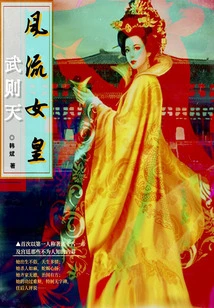
The Romantic Queen Wu Zetian
General Fiction风流女皇武则天
Han Bin
She was born a good person and passionate by nature; she killed like a snake and had a heart of snakes and scorpions; she managed her family with no morals and governed the country well; her merits and demerits are hard to argue, and she has a monument without words for future generations to comment on. For the first time, the first empress of all ages is written in the first person!
She was born a good person and passionate by nature; she killed like a snake and had a heart of snakes and scorpions; she managed her family with no morals and governed the country well; her merits and demerits are hard to argue, and she has a monument without words for future generations to comment on. For the first time, the first empress of all ages is written in the first person!
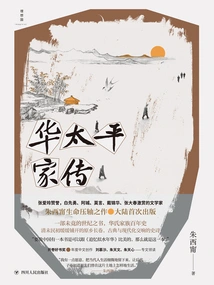
Hua Taiping Family Biography
General Fiction华太平家传
Zhu Xining
"I am a little willing to leave the lives of contemporary people in detail, so that future generations can know how their ancestors lived on this land." "Hua Taiping Family Biography" is the posthumous novel of Taiwanese writer Zhu Xining, and it is also the most important work in his creative career. The book was originally planned to be three million words. The author devoted his life's work, revised the manuscript seven times, and started writing eight times. After completing 550,000 words, he died due to illness, leaving it as an unfinished symphonic epic. The book is divided into thirty-five chapters. The story begins in the 26th year of the reign of Emperor Guangxu of the Qing Dynasty (1900). It is a harkening back to a prosperous "peaceful" era that was not peaceful. It takes the century-old family history of the Hua family as the main axis and details the various changes in the countryside of Shandong Province when the new and old, Chinese and Western eras collided. Returning to the origin of modernization, where family history and national history are intertwined, personal destiny, loss of love, and the turmoil of the times, "Hua Taiping Family Biography" is an unfinished book of the century, and an epic symphony of classics and modernity. The author's language is highly sophisticated and smooth, and his narration is meticulous. The stories of the four seasons, folk customs and etiquette, details of the common people, and dialects are like a long scroll of the hometown slowly unfolding in the late Qing Dynasty and the early Republic of China, which is full of local color and folk customs. Just like a picture of "Along the River During the Qingming Festival", as the scroll slowly unfolds, scenes of full and interesting scenes of common people flow between the lines. Attached are Zhu Xining's precious manuscripts and photos, as well as special introductions by Liu Musa, Zhu Tianwen and Zhu Tianxin.
"I am a little willing to leave the lives of contemporary people in detail, so that future generations can know how their ancestors lived on this land." "Hua Taiping Family Biography" is the posthumous novel of Taiwanese writer Zhu Xining, and it is also the most important work in his creative career. The book was originally planned to be three million words. The author devoted his life's work, revised the manuscript seven times, and started writing eight times. After completing 550,000 words, he died due to illness, leaving it as an unfinished symphonic epic. The book is divided into thirty-five chapters. The story begins in the 26th year of the reign of Emperor Guangxu of the Qing Dynasty (1900). It is a harkening back to a prosperous "peaceful" era that was not peaceful. It takes the century-old family history of the Hua family as the main axis and details the various changes in the countryside of Shandong Province when the new and old, Chinese and Western eras collided. Returning to the origin of modernization, where family history and national history are intertwined, personal destiny, loss of love, and the turmoil of the times, "Hua Taiping Family Biography" is an unfinished book of the century, and an epic symphony of classics and modernity. The author's language is highly sophisticated and smooth, and his narration is meticulous. The stories of the four seasons, folk customs and etiquette, details of the common people, and dialects are like a long scroll of the hometown slowly unfolding in the late Qing Dynasty and the early Republic of China, which is full of local color and folk customs. Just like a picture of "Along the River During the Qingming Festival", as the scroll slowly unfolds, scenes of full and interesting scenes of common people flow between the lines. Attached are Zhu Xining's precious manuscripts and photos, as well as special introductions by Liu Musa, Zhu Tianwen and Zhu Tianxin.

Walk up the River
General Fiction溯河而行
(us) James Thom
This true story took place in British Virginia in 1755. At that time, the Seven Years' War between England and France was tearing apart the North American continent, but this peaceful river valley did not seem to be disturbed by war drums and wolf smoke. However, one bright afternoon, a group of Shawnee Indian warriors allied with the French army suddenly attacked an unsuspecting British settlement in the river valley, and what followed was a bloody massacre. When all was said and done, the Shawnee warriors finally sheathed their swords and captured the few remaining survivors, along with the trophies loaded with packhorses, and marched them to the Indian villages downstream of the river. Walking among these captives is our heroine Mary Ingalls, a pregnant young mother and her two young sons. The prisoner's road is difficult and full of dangers, but what is more terrible than this is the slavery and humiliation. With courage and dignity, Mary endured all the hardships along the way and won the praise, or some respect, of the Shawnee people. Even the young leader who captured her gave her a choice after silently observing her for many days, a choice that she had to seriously consider - this was not only related to her own life safety, but also related to the pair of young sons under her knees and the baby girl she had just given birth to on the road. Perhaps sacrificing personality and freedom to provide for herself and her children with adequate food and clothing is not such a bad choice compared to death? However, for Mary Ingalls, freedom was never a bargaining chip...
This true story took place in British Virginia in 1755. At that time, the Seven Years' War between England and France was tearing apart the North American continent, but this peaceful river valley did not seem to be disturbed by war drums and wolf smoke. However, one bright afternoon, a group of Shawnee Indian warriors allied with the French army suddenly attacked an unsuspecting British settlement in the river valley, and what followed was a bloody massacre. When all was said and done, the Shawnee warriors finally sheathed their swords and captured the few remaining survivors, along with the trophies loaded with packhorses, and marched them to the Indian villages downstream of the river. Walking among these captives is our heroine Mary Ingalls, a pregnant young mother and her two young sons. The prisoner's road is difficult and full of dangers, but what is more terrible than this is the slavery and humiliation. With courage and dignity, Mary endured all the hardships along the way and won the praise, or some respect, of the Shawnee people. Even the young leader who captured her gave her a choice after silently observing her for many days, a choice that she had to seriously consider - this was not only related to her own life safety, but also related to the pair of young sons under her knees and the baby girl she had just given birth to on the road. Perhaps sacrificing personality and freedom to provide for herself and her children with adequate food and clothing is not such a bad choice compared to death? However, for Mary Ingalls, freedom was never a bargaining chip...
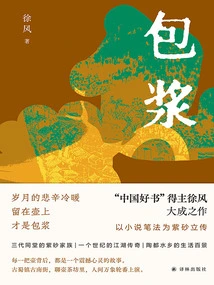
Patina
General Fiction包浆
Xu Feng
With Shushan Mountain to the east and Li River to the west, the story begins with a Liaohu teahouse on Gunan Street, Gushu Town, Jiangnan. Every inch of land in the "mud of Huanglong Mountain" is precious, and the handed down master's pot is even more expensive. A pot carries the ingenuity of the pot maker, the discernment of the pot hider, the integrity of the pot appraiser, and the covetousness of speculators. The novel takes the legend of three generations of the Ge family of the purple sand family as the main line, connecting the past events of a century since the late Qing Dynasty to the present. Monk hat teapots, tie-beam teapots, buck melon teapots, Mengchen teapots, double-butterfly teapots... In the tiny space of teapots, the centuries-old history of Chinese purple sand craftsmanship and cultural development slowly unfolds. The art of purple sand is passed down to inherit the family's prosperity. The coating of the pot is also the coating of people.
With Shushan Mountain to the east and Li River to the west, the story begins with a Liaohu teahouse on Gunan Street, Gushu Town, Jiangnan. Every inch of land in the "mud of Huanglong Mountain" is precious, and the handed down master's pot is even more expensive. A pot carries the ingenuity of the pot maker, the discernment of the pot hider, the integrity of the pot appraiser, and the covetousness of speculators. The novel takes the legend of three generations of the Ge family of the purple sand family as the main line, connecting the past events of a century since the late Qing Dynasty to the present. Monk hat teapots, tie-beam teapots, buck melon teapots, Mengchen teapots, double-butterfly teapots... In the tiny space of teapots, the centuries-old history of Chinese purple sand craftsmanship and cultural development slowly unfolds. The art of purple sand is passed down to inherit the family's prosperity. The coating of the pot is also the coating of people.
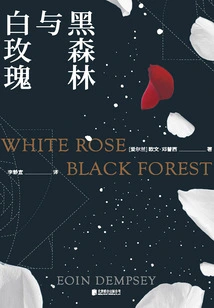
Black Forest and White Roses
General Fiction黑森林与白玫瑰
(ireland) Owen Dempsey
How do people who have lost their will to live survive? How to spend the following days peacefully after your ideals are disillusioned? When the destiny of the country and the destiny of the individual are intertwined, where should we go? How to survive in desperate situations under unnatural conditions? "Black Forest and White Rose" is Goodreads' annual outstanding historical novel. It is as beautiful as a poem, but it describes a painful historical lesson that cannot be forgotten. Based on a true story, it restores the life of Germans under Nazi rule. It has solid historical details, complex and profound human drama, and a tense rhythm like a thriller. A desperate young woman, because of the kindness in her heart that has not been wiped out by reality, saved another life and restored her own desire for life. She used her tenacity and bravery to rise from the ashes to write a touching wartime romantic story, watering pure and moving white roses in the darkness of the black forest. Behind the thrilling plot lies perseverance. I hope this power can warm everyone who reads this book.
How do people who have lost their will to live survive? How to spend the following days peacefully after your ideals are disillusioned? When the destiny of the country and the destiny of the individual are intertwined, where should we go? How to survive in desperate situations under unnatural conditions? "Black Forest and White Rose" is Goodreads' annual outstanding historical novel. It is as beautiful as a poem, but it describes a painful historical lesson that cannot be forgotten. Based on a true story, it restores the life of Germans under Nazi rule. It has solid historical details, complex and profound human drama, and a tense rhythm like a thriller. A desperate young woman, because of the kindness in her heart that has not been wiped out by reality, saved another life and restored her own desire for life. She used her tenacity and bravery to rise from the ashes to write a touching wartime romantic story, watering pure and moving white roses in the darkness of the black forest. Behind the thrilling plot lies perseverance. I hope this power can warm everyone who reads this book.
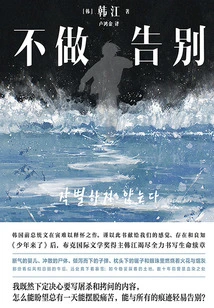
No Farewell
General Fiction不做告别
I
Novelist Qinghe started having nightmares after writing a book describing the massacre. She had planned to shoot a documentary about dreams with her photographer friend Renshan, but later Renshan returned to Jeju Island to take care of her mother. One day in winter, Ren Shan, who was hospitalized due to an accident, asked Qing Ha to immediately go to her home in Jeju to take care of her little bird. Qingha went through a lot of hardships in the snowstorm and finally arrived at Renshan's home, where she saw Renshan's family history, which was the massacre of civilians that occurred in Jeju more than seventy years ago: the Jeju Island Massacre. Renshan's father was devastated by the loss of his entire family, but still had to spend fifteen years in prison; her mother lost her parents and sister at the same time, and even her brother's life and death were uncertain, so she could only depend on her sister. After the massacre, the kind-hearted mother did not give up her peaceful struggle for decades in order to find her brother's whereabouts... In the isolated dark house in the blizzard, under the weak candle, between light and darkness, among thousands of eternal slowly falling snowflakes, they sincerely missed the people who were no longer here.
Novelist Qinghe started having nightmares after writing a book describing the massacre. She had planned to shoot a documentary about dreams with her photographer friend Renshan, but later Renshan returned to Jeju Island to take care of her mother. One day in winter, Ren Shan, who was hospitalized due to an accident, asked Qing Ha to immediately go to her home in Jeju to take care of her little bird. Qingha went through a lot of hardships in the snowstorm and finally arrived at Renshan's home, where she saw Renshan's family history, which was the massacre of civilians that occurred in Jeju more than seventy years ago: the Jeju Island Massacre. Renshan's father was devastated by the loss of his entire family, but still had to spend fifteen years in prison; her mother lost her parents and sister at the same time, and even her brother's life and death were uncertain, so she could only depend on her sister. After the massacre, the kind-hearted mother did not give up her peaceful struggle for decades in order to find her brother's whereabouts... In the isolated dark house in the blizzard, under the weak candle, between light and darkness, among thousands of eternal slowly falling snowflakes, they sincerely missed the people who were no longer here.
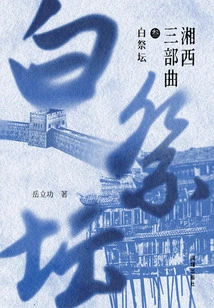
Xiangxi Trilogy 3: White Altar
General Fiction湘西三部曲3:白祭坛
Yue Ligong
This novel tells the story of the Tian Qingshu family, the leader of the Jin army, and the rise and fall of the famous Jin army in western Hunan they represent. It shows the brutal struggles in the political, military, and business circles of Western Hunan for nearly half a century from the end of the Qing Dynasty to the victory of the Anti-Japanese War. It interprets a wild legend full of struggle, love, and vendetta. It gradually progresses with family tragedy, local tragedy, and life tragedy, forming a trilogy. From the late spring of 1892 at the beginning of "Black Camp", through the midsummer of 1902 at the beginning of "Red City Wall", to the early spring of 1949 at the end of "White Altar": the first part describes Chen Yuan's military preparations in the late Qing Dynasty, the Huwei Camp in Jincheng, the Sino-Japanese War of 1898, the Reform and Reform Movement, foreign priests, and the rise of Hongmen; the second part covers the Revolution of 1911 and the protection of the country. The third part writes about He Jian's governance of Hunan, the disputes between Hunan and Guizhou, the theory of autonomy in western Hunan, the struggle between the party, the government and the army, the departure of Hunan to resist Japan, and the final battle in Xuefeng Mountain... In the historical torrent of changes in the country and the country in the century, the ups and downs and struggles of the people of western Hunan are echoed, and there is always a flow of flames woven in three colors of "black, red and white" and domineering.
This novel tells the story of the Tian Qingshu family, the leader of the Jin army, and the rise and fall of the famous Jin army in western Hunan they represent. It shows the brutal struggles in the political, military, and business circles of Western Hunan for nearly half a century from the end of the Qing Dynasty to the victory of the Anti-Japanese War. It interprets a wild legend full of struggle, love, and vendetta. It gradually progresses with family tragedy, local tragedy, and life tragedy, forming a trilogy. From the late spring of 1892 at the beginning of "Black Camp", through the midsummer of 1902 at the beginning of "Red City Wall", to the early spring of 1949 at the end of "White Altar": the first part describes Chen Yuan's military preparations in the late Qing Dynasty, the Huwei Camp in Jincheng, the Sino-Japanese War of 1898, the Reform and Reform Movement, foreign priests, and the rise of Hongmen; the second part covers the Revolution of 1911 and the protection of the country. The third part writes about He Jian's governance of Hunan, the disputes between Hunan and Guizhou, the theory of autonomy in western Hunan, the struggle between the party, the government and the army, the departure of Hunan to resist Japan, and the final battle in Xuefeng Mountain... In the historical torrent of changes in the country and the country in the century, the ups and downs and struggles of the people of western Hunan are echoed, and there is always a flow of flames woven in three colors of "black, red and white" and domineering.
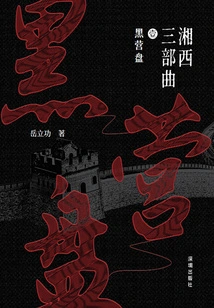
Xiangxi Trilogy 1: Black Camp
General Fiction湘西三部曲1:黑营盘
Yue Ligong
This novel tells the story of the Tian Qingshu family, the leader of the Jin army, and the rise and fall of the famous Jin army in western Hunan they represent. It shows the brutal struggles in the political, military, and business circles of Western Hunan for nearly half a century from the end of the Qing Dynasty to the victory of the Anti-Japanese War. It interprets a wild legend full of struggle, love, and vendetta. It gradually progresses with family tragedy, local tragedy, and life tragedy, forming a trilogy. From the late spring of 1892 at the beginning of "Black Camp", through the midsummer of 1902 at the beginning of "Red City Wall", to the early spring of 1949 at the end of "White Altar": the first part describes Chen Yuan's military preparations in the late Qing Dynasty, the Huwei Camp in Jincheng, the Sino-Japanese War of 1898, the Reform and Reform Movement, foreign priests, and the rise of Hongmen; the second part covers the Revolution of 1911 and the protection of the country. The third part writes about He Jian's governance of Hunan, the disputes between Hunan and Guizhou, the theory of autonomy in western Hunan, the struggle between the party, the government and the army, the departure of Hunan to resist Japan, and the final battle in Xuefeng Mountain... In the historical torrent of changes in the country and the country in the century, the ups and downs and struggles of the people of western Hunan are echoed, and there is always a flow of flames woven in three colors of "black, red and white" and domineering.
This novel tells the story of the Tian Qingshu family, the leader of the Jin army, and the rise and fall of the famous Jin army in western Hunan they represent. It shows the brutal struggles in the political, military, and business circles of Western Hunan for nearly half a century from the end of the Qing Dynasty to the victory of the Anti-Japanese War. It interprets a wild legend full of struggle, love, and vendetta. It gradually progresses with family tragedy, local tragedy, and life tragedy, forming a trilogy. From the late spring of 1892 at the beginning of "Black Camp", through the midsummer of 1902 at the beginning of "Red City Wall", to the early spring of 1949 at the end of "White Altar": the first part describes Chen Yuan's military preparations in the late Qing Dynasty, the Huwei Camp in Jincheng, the Sino-Japanese War of 1898, the Reform and Reform Movement, foreign priests, and the rise of Hongmen; the second part covers the Revolution of 1911 and the protection of the country. The third part writes about He Jian's governance of Hunan, the disputes between Hunan and Guizhou, the theory of autonomy in western Hunan, the struggle between the party, the government and the army, the departure of Hunan to resist Japan, and the final battle in Xuefeng Mountain... In the historical torrent of changes in the country and the country in the century, the ups and downs and struggles of the people of western Hunan are echoed, and there is always a flow of flames woven in three colors of "black, red and white" and domineering.
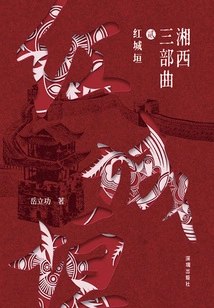
Xiangxi Trilogy 2: Red City Wall
General Fiction湘西三部曲2:红城垣
Yue Ligong
This novel tells the story of the Tian Qingshu family, the leader of the Jin army, and the rise and fall of the famous Jin army in western Hunan they represent. It shows the brutal struggles in the political, military, and business circles of Western Hunan for nearly half a century from the end of the Qing Dynasty to the victory of the Anti-Japanese War. It interprets a wild legend full of struggle, love, and vendetta. It gradually progresses with family tragedy, local tragedy, and life tragedy, forming a trilogy. From the late spring of 1892 at the beginning of "Black Camp", through the midsummer of 1902 at the beginning of "Red City Wall", to the early spring of 1949 at the end of "White Altar": the first part describes Chen Yuan's military preparations in the late Qing Dynasty, the Huwei Camp in Jincheng, the Sino-Japanese War of 1898, the Reform and Reform Movement, foreign priests, and the rise of Hongmen; the second part covers the Revolution of 1911 and the protection of the country. The third part writes about He Jian's governance of Hunan, the disputes between Hunan and Guizhou, the theory of autonomy in western Hunan, the struggle between the party, the government and the army, the departure of Hunan to resist Japan, and the final battle in Xuefeng Mountain... In the historical torrent of changes in the country and the country in the century, the ups and downs and struggles of the people of western Hunan are echoed, and there is always a flow of flames woven in three colors of "black, red and white" and domineering.
This novel tells the story of the Tian Qingshu family, the leader of the Jin army, and the rise and fall of the famous Jin army in western Hunan they represent. It shows the brutal struggles in the political, military, and business circles of Western Hunan for nearly half a century from the end of the Qing Dynasty to the victory of the Anti-Japanese War. It interprets a wild legend full of struggle, love, and vendetta. It gradually progresses with family tragedy, local tragedy, and life tragedy, forming a trilogy. From the late spring of 1892 at the beginning of "Black Camp", through the midsummer of 1902 at the beginning of "Red City Wall", to the early spring of 1949 at the end of "White Altar": the first part describes Chen Yuan's military preparations in the late Qing Dynasty, the Huwei Camp in Jincheng, the Sino-Japanese War of 1898, the Reform and Reform Movement, foreign priests, and the rise of Hongmen; the second part covers the Revolution of 1911 and the protection of the country. The third part writes about He Jian's governance of Hunan, the disputes between Hunan and Guizhou, the theory of autonomy in western Hunan, the struggle between the party, the government and the army, the departure of Hunan to resist Japan, and the final battle in Xuefeng Mountain... In the historical torrent of changes in the country and the country in the century, the ups and downs and struggles of the people of western Hunan are echoed, and there is always a flow of flames woven in three colors of "black, red and white" and domineering.
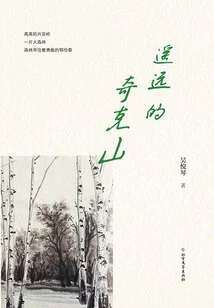
Distant Chik Mountain
General Fiction遥远的奇克山
Wu Yueqin
This is a novel telling the century-old history of the Oroqen people. On the Chiket Mountain in the Lesser Khingan Mountains, the Oroqen hunter Buku's family lived an ordinary but busy life. In 1953, in line with the purpose of caring for nature, protecting animals, and respecting life, and with the care of the party and the government, all the Oroqen people in Heilongjiang Province came down to settle down, and Buku also took their clan out of the mountains and forests. They put down their shotguns, ended their safari life, and embarked on the road to socialist rebirth from the end of primitive society, to prosperity, development, and prosperity. The novel has beautiful writing, touching plot, and distinct regional characteristics and ethnic minority cultural elements. The Oroqen ethnic group is one of the ethnic groups with a small population in my country and has a long history and unique ethnic culture. Under the constant impact of modern civilization, Oroqen culture has been assimilated to varying degrees, and some cultures have even died out. The Oroqen people only have language but no writing, and their cultural heritage relies on oral transmission. Due to the serious language loss of the Oroqen people, folk oral creations such as myths, stories, legends, national songs, and rap arts that rely on the national language are in an endangered state. The protection and inheritance of Oroqen culture are facing severe tests.
This is a novel telling the century-old history of the Oroqen people. On the Chiket Mountain in the Lesser Khingan Mountains, the Oroqen hunter Buku's family lived an ordinary but busy life. In 1953, in line with the purpose of caring for nature, protecting animals, and respecting life, and with the care of the party and the government, all the Oroqen people in Heilongjiang Province came down to settle down, and Buku also took their clan out of the mountains and forests. They put down their shotguns, ended their safari life, and embarked on the road to socialist rebirth from the end of primitive society, to prosperity, development, and prosperity. The novel has beautiful writing, touching plot, and distinct regional characteristics and ethnic minority cultural elements. The Oroqen ethnic group is one of the ethnic groups with a small population in my country and has a long history and unique ethnic culture. Under the constant impact of modern civilization, Oroqen culture has been assimilated to varying degrees, and some cultures have even died out. The Oroqen people only have language but no writing, and their cultural heritage relies on oral transmission. Due to the serious language loss of the Oroqen people, folk oral creations such as myths, stories, legends, national songs, and rap arts that rely on the national language are in an endangered state. The protection and inheritance of Oroqen culture are facing severe tests.
W
General Fictionw
H
Two-time Booker Prize winner Hilary Mantel's epic masterpiece tells the legendary life of the "godfather-like" hero Thomas Cromwell and reveals the bloody and dark palace secrets of the Tudor dynasty. The original work of the 2015 BBC six-episode miniseries "Wolf Hall" set a BBC ratings record and won the 73rd Golden Globe Award for Best Miniseries and Television Movie in the United States. After the death of Thomas More, the court of Henry VIII was still clouded: the new queen Anne Boleyn did not give birth to a prince as she wished, and Henry set his sights on Jane Seymour of Wolf Hall... At this time, rumors spread in the palace that the queen was unfaithful and even incestuous. Thomas Cromwell, the king's secretary, had already seen the opportunity and would overthrow Anne Boleyn and her family at the king's command. In the end, what will be the fate of the queen?
Two-time Booker Prize winner Hilary Mantel's epic masterpiece tells the legendary life of the "godfather-like" hero Thomas Cromwell and reveals the bloody and dark palace secrets of the Tudor dynasty. The original work of the 2015 BBC six-episode miniseries "Wolf Hall" set a BBC ratings record and won the 73rd Golden Globe Award for Best Miniseries and Television Movie in the United States. After the death of Thomas More, the court of Henry VIII was still clouded: the new queen Anne Boleyn did not give birth to a prince as she wished, and Henry set his sights on Jane Seymour of Wolf Hall... At this time, rumors spread in the palace that the queen was unfaithful and even incestuous. Thomas Cromwell, the king's secretary, had already seen the opportunity and would overthrow Anne Boleyn and her family at the king's command. In the end, what will be the fate of the queen?
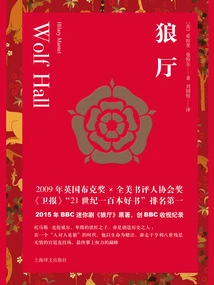
Wolf Hall
General Fiction狼厅
(uk) Hilary Mantel
Two-time Booker Prize winner Hilary Mantel's epic masterpiece and the opening chapter of the "Tudor Trilogy" writes about the legendary life of the "godfather-like" hero Thomas Cromwell and reveals the bloody and dark palace secrets of the Tudor dynasty. The original work of the 2015 BBC six-episode miniseries "Wolf Hall" set a BBC ratings record and won the 73rd Golden Globe Award for Best Miniseries and Television Movie in the United States. In this dark historical stage, everyone is in danger, and one step could lead to death. However, the protagonist Thomas Cromwell is an exception - he is cold and rational, thoughtful, and can maneuver among the monarch, the church, and the nobility with ease; he is considerate and affectionate, and treats his lovers, relatives, and friends with meticulous care and meticulous care. "Wolf Hall" takes the divorce case of Henry VIII and Queen Catherine as the entry point. With the loss of the Cardinal Archbishop, Queen Catherine is deposed, Henry VIII marries Anne Boleyn and a series of other events... There are turmoils inside and outside the palace, which finally ends with the death of Thomas More; Cromwell carefully planned and worked step by step, and finally became the most popular minister. The novel takes Cromwell's life and the court of Henry VIII as the main thread, weaving a huge web that reflects the political, religious and economic landscape of England in the early 16th century.
Two-time Booker Prize winner Hilary Mantel's epic masterpiece and the opening chapter of the "Tudor Trilogy" writes about the legendary life of the "godfather-like" hero Thomas Cromwell and reveals the bloody and dark palace secrets of the Tudor dynasty. The original work of the 2015 BBC six-episode miniseries "Wolf Hall" set a BBC ratings record and won the 73rd Golden Globe Award for Best Miniseries and Television Movie in the United States. In this dark historical stage, everyone is in danger, and one step could lead to death. However, the protagonist Thomas Cromwell is an exception - he is cold and rational, thoughtful, and can maneuver among the monarch, the church, and the nobility with ease; he is considerate and affectionate, and treats his lovers, relatives, and friends with meticulous care and meticulous care. "Wolf Hall" takes the divorce case of Henry VIII and Queen Catherine as the entry point. With the loss of the Cardinal Archbishop, Queen Catherine is deposed, Henry VIII marries Anne Boleyn and a series of other events... There are turmoils inside and outside the palace, which finally ends with the death of Thomas More; Cromwell carefully planned and worked step by step, and finally became the most popular minister. The novel takes Cromwell's life and the court of Henry VIII as the main thread, weaving a huge web that reflects the political, religious and economic landscape of England in the early 16th century.
铁马碧血耀山河
Li Haobai
This book is composed of four novellas of patriotic hero stories from different classes, namely "Chen Bulei, the First Master of the Anti-Japanese War of the Republic of China", "The Anti-Japanese General Rao Guohua Who Walked Out of the Monk Temple", "The Legend of Death Flag Wang Jiantang" and "The Master of Huanzhu Tower Li Shoumin". Adopting the writing method of "doing the big things right and the small things right", the author explores the profound and new meanings in history, explains the profound and simple things in a simple way, and refreshes people's understanding of historical figures.
This book is composed of four novellas of patriotic hero stories from different classes, namely "Chen Bulei, the First Master of the Anti-Japanese War of the Republic of China", "The Anti-Japanese General Rao Guohua Who Walked Out of the Monk Temple", "The Legend of Death Flag Wang Jiantang" and "The Master of Huanzhu Tower Li Shoumin". Adopting the writing method of "doing the big things right and the small things right", the author explores the profound and new meanings in history, explains the profound and simple things in a simple way, and refreshes people's understanding of historical figures.
Biography of Wei Yan, God of War
General Fiction战神魏延传
Long Ancient Rhyme
"The Legend of Wei Yan, the God of War" uses the historical records of the Three Kingdoms as clues to vividly retell the history of the Three Kingdoms' conquests, and describes famous battles such as the Battle of Yangxi and the Battle of Xingshi that are not included in the novel. The viewpoint is objective, the narrative is vivid, and the history is highly relevant.
"The Legend of Wei Yan, the God of War" uses the historical records of the Three Kingdoms as clues to vividly retell the history of the Three Kingdoms' conquests, and describes famous battles such as the Battle of Yangxi and the Battle of Xingshi that are not included in the novel. The viewpoint is objective, the narrative is vivid, and the history is highly relevant.
Kanto Ginseng King
General Fiction关东参王
Yan Qicheng
Sun Shanqi, known as the "King of Ginseng" in Fusong City, worked hard in Bangchui Valley for ten years and finally got another precious ginseng tree named "Longteng". Ten years ago, he dug up an almost identical ginseng tree named "Guifu" in Bangchui Valley. Back then, the female bandit leader Xu Chunli designed to defraud Sun Shanqi's wife into taking this precious ginseng tree, causing Sun's wife to hang herself. This time, Sun Shanqi dug up this precious ginseng and took it back to Fusong personally, because his uncle Zhao Beichuan was the largest ginseng businessman in Fusong City. However, the situation in Fusong City is no longer what it was ten years ago. The wealthy Japanese businessman Nakai Kunio opened his Nakai Co., Ltd. In Fusong City, intending to control the production of ginseng. Moreover, Xu Daocheng, the husband of the female bandit leader Xu Chunli, was sent to Fusong City as the police chief because of his merits in offering treasures. As a result, this "dragon" has already been in trouble even before it entered the market. Nakai Kunio came to Fusong just for the ginseng in the ginseng capital of Guandong. When Xu Daocheng took office, he wanted to get precious ginseng in the hometown of ginseng in order to have a better future. Fortunately, Zhang Ziqing, the county magistrate of Fusong City, turned the tide. In this changing era, he had rare national integrity and worked hard to protect the real estate in Fusong City and the local ginseng production.
Sun Shanqi, known as the "King of Ginseng" in Fusong City, worked hard in Bangchui Valley for ten years and finally got another precious ginseng tree named "Longteng". Ten years ago, he dug up an almost identical ginseng tree named "Guifu" in Bangchui Valley. Back then, the female bandit leader Xu Chunli designed to defraud Sun Shanqi's wife into taking this precious ginseng tree, causing Sun's wife to hang herself. This time, Sun Shanqi dug up this precious ginseng and took it back to Fusong personally, because his uncle Zhao Beichuan was the largest ginseng businessman in Fusong City. However, the situation in Fusong City is no longer what it was ten years ago. The wealthy Japanese businessman Nakai Kunio opened his Nakai Co., Ltd. In Fusong City, intending to control the production of ginseng. Moreover, Xu Daocheng, the husband of the female bandit leader Xu Chunli, was sent to Fusong City as the police chief because of his merits in offering treasures. As a result, this "dragon" has already been in trouble even before it entered the market. Nakai Kunio came to Fusong just for the ginseng in the ginseng capital of Guandong. When Xu Daocheng took office, he wanted to get precious ginseng in the hometown of ginseng in order to have a better future. Fortunately, Zhang Ziqing, the county magistrate of Fusong City, turned the tide. In this changing era, he had rare national integrity and worked hard to protect the real estate in Fusong City and the local ginseng production.
The Legend of Meng Jiangnu
General Fiction孟姜女传奇
Wang Dongni
Starting from the story of the gourd romance when Meng Jiangnu was born, it tells the story that after Meng Jiangnu grew up, she met Fan Qiliang by chance in the back garden and got married. But on the third day of his wedding, Fan Qiliang was arrested by officers and soldiers and sent to build a city. Meng Jiangnu was waiting for news about Qi Liang at home, but there was no news from the servant sent to deliver cold clothes. Finally, Meng Jiangnu couldn't wait any longer, so she decided to set off in person to deliver cold clothes to her husband Qiliang.
Starting from the story of the gourd romance when Meng Jiangnu was born, it tells the story that after Meng Jiangnu grew up, she met Fan Qiliang by chance in the back garden and got married. But on the third day of his wedding, Fan Qiliang was arrested by officers and soldiers and sent to build a city. Meng Jiangnu was waiting for news about Qi Liang at home, but there was no news from the servant sent to deliver cold clothes. Finally, Meng Jiangnu couldn't wait any longer, so she decided to set off in person to deliver cold clothes to her husband Qiliang.
Ming Dynasty Longzhou Toast
General Fiction大明龙州土司
Li Muyi
A palace in the mountains related to the dragon's veins, from "Dragon Palace" to Bao'en Temple, from Longzhou to Long'an Mansion, from hereditary chieftain to reformed native land, this is a group portrait story about family and country, conspiracy and love, repayment and revenge. , There are overt and covert power games between the imperial court and the local chieftains, the intrigues and intrigues among the three chieftains, the intrigues within the chieftain families, and the turbulent battle for the throne in the Ming Dynasty royal family.
A palace in the mountains related to the dragon's veins, from "Dragon Palace" to Bao'en Temple, from Longzhou to Long'an Mansion, from hereditary chieftain to reformed native land, this is a group portrait story about family and country, conspiracy and love, repayment and revenge. , There are overt and covert power games between the imperial court and the local chieftains, the intrigues and intrigues among the three chieftains, the intrigues within the chieftain families, and the turbulent battle for the throne in the Ming Dynasty royal family.
Officers and Spies
General Fiction军官与间谍
L
One of the masterpieces of British novelist Robert Harris, the script of the movie "I Accuse" directed by Roman Polanski. Reproduce the sensational Dreyfus Affair in French history. Robert recreates this shocking scandal that captured the attention of the world in the late 19th and early 20th centuries, telling a fascinating story about secret courts, out-of-control intelligence agencies and the fate of a whistleblower, once again showing us the brilliant writing of an international best-selling author.
One of the masterpieces of British novelist Robert Harris, the script of the movie "I Accuse" directed by Roman Polanski. Reproduce the sensational Dreyfus Affair in French history. Robert recreates this shocking scandal that captured the attention of the world in the late 19th and early 20th centuries, telling a fascinating story about secret courts, out-of-control intelligence agencies and the fate of a whistleblower, once again showing us the brilliant writing of an international best-selling author.
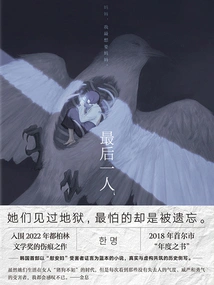
Last Person
General Fiction最后一人
(korean) Gold Interest
Seventy years later, she never really fell asleep. When the body is asleep, the soul is awake; when the soul is asleep, the body is awake. Like a lonely ghost wandering in memories. She remembered the strange names on the house number, as well as the bodies rushing toward those names. She remembered the Buddha's head flowers that the girls breathed out with force, and the blood that was as black and shiny as briquettes... The memory of being broken into pieces was as clear as yesterday, but she couldn't remember who she was. The status of "survivor" is like a heavy curse. She struggled to escape from her hometown, the crowd, and herself. But fear and shame always pursued her, swallowing up all her laughter and tears, and cutting off all her connections with the world. Why can't I live uprightly in this world like others? Is it a sin to come back alive? Even from hell. Watching the news of "Only the last survivor left" playing on the TV, she murmured in a low voice: - No, there is still one person here. She wanted to tell everything before she died.
Seventy years later, she never really fell asleep. When the body is asleep, the soul is awake; when the soul is asleep, the body is awake. Like a lonely ghost wandering in memories. She remembered the strange names on the house number, as well as the bodies rushing toward those names. She remembered the Buddha's head flowers that the girls breathed out with force, and the blood that was as black and shiny as briquettes... The memory of being broken into pieces was as clear as yesterday, but she couldn't remember who she was. The status of "survivor" is like a heavy curse. She struggled to escape from her hometown, the crowd, and herself. But fear and shame always pursued her, swallowing up all her laughter and tears, and cutting off all her connections with the world. Why can't I live uprightly in this world like others? Is it a sin to come back alive? Even from hell. Watching the news of "Only the last survivor left" playing on the TV, she murmured in a low voice: - No, there is still one person here. She wanted to tell everything before she died.
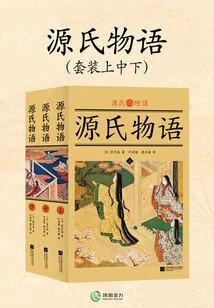
The Tale of Genji (set of 3 Volumes)
General Fiction源氏物语(套装共3册)
(japanese) Murasaki Shikibu
"The Tale of Genji" is set in the heyday of the Heian Dynasty in Japan and describes the life experience and love story of the protagonist Genji. The book has a total of fifty-four chapters and involves more than 400 characters, among whom there are 20 or 30 memorable ones. The characters are mainly upper-class nobles, but there are also middle- and lower-class nobles, palace maids, maids and common people. The book uses several major events as the key and turning point in the development of the story, and methodically passes through various small events to integrate the development and climax of the story with each other, gradually revealing the inside story of aristocratic social life. "The Tale of Genji" reflects the cultural life and social background of the Heian period. While implementing the realistic "real" aesthetic idea, it also created the Japanese romantic idea of "mono-sorrow".
"The Tale of Genji" is set in the heyday of the Heian Dynasty in Japan and describes the life experience and love story of the protagonist Genji. The book has a total of fifty-four chapters and involves more than 400 characters, among whom there are 20 or 30 memorable ones. The characters are mainly upper-class nobles, but there are also middle- and lower-class nobles, palace maids, maids and common people. The book uses several major events as the key and turning point in the development of the story, and methodically passes through various small events to integrate the development and climax of the story with each other, gradually revealing the inside story of aristocratic social life. "The Tale of Genji" reflects the cultural life and social background of the Heian period. While implementing the realistic "real" aesthetic idea, it also created the Japanese romantic idea of "mono-sorrow".
Sands of Kings Trilogy I: Woman of Ashes
General Fiction帝王之沙三部曲Ⅰ:灰烬女人
I
Imani, a 15-year-old girl, grew up in native Chopi and Portuguese education. Her village was in the midst of double invasions by the African Gaza Empire and Portuguese colonizers. The village chose the protection of the Portuguese, but in the face of the invasion of the Gaza army, the Portuguese sergeant Melo was unable to mobilize the army, so Imani and the sergeant embarked on a journey of exile.
Imani, a 15-year-old girl, grew up in native Chopi and Portuguese education. Her village was in the midst of double invasions by the African Gaza Empire and Portuguese colonizers. The village chose the protection of the Portuguese, but in the face of the invasion of the Gaza army, the Portuguese sergeant Melo was unable to mobilize the army, so Imani and the sergeant embarked on a journey of exile.