Library
Browse and search books
753 novels found
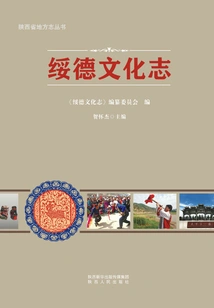
Suide Culture Chronicles
History绥德文化志
He Huaijie
"Suide Cultural Chronicle" is a comprehensive and systematic record of Suide's rich historical culture, folk culture, red culture, and ecological culture. The historical record is the upper limit and the end of December 2015 is the lower limit. It has a total of more than 700,000 words, nearly a hundred charts, and more than 140 photos. It is a book based on The historical book, with both pictures and texts, is a cultural book with a comprehensive view of the overall situation and abundant text. It is also a cultural document of northern Shaanxi. It has great practical value in studying and understanding Suide's yesterday and today, and looking forward to tomorrow. It also has academic value in discovering, researching, inheriting, promoting and passing on the culture and art of northern Shaanxi.
"Suide Cultural Chronicle" is a comprehensive and systematic record of Suide's rich historical culture, folk culture, red culture, and ecological culture. The historical record is the upper limit and the end of December 2015 is the lower limit. It has a total of more than 700,000 words, nearly a hundred charts, and more than 140 photos. It is a book based on The historical book, with both pictures and texts, is a cultural book with a comprehensive view of the overall situation and abundant text. It is also a cultural document of northern Shaanxi. It has great practical value in studying and understanding Suide's yesterday and today, and looking forward to tomorrow. It also has academic value in discovering, researching, inheriting, promoting and passing on the culture and art of northern Shaanxi.
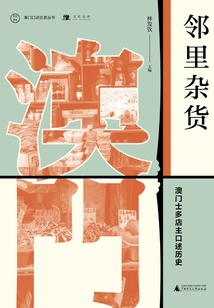
邻里杂货:澳门士多店主口述历史
Editor-in-chief Lin Faqin
This book is one of the "Macau Oral History Series" and is mainly compiled from interviews with eleven Macau store owners. Their emotional narrations show the rise, prosperity, and then gradual decline of "stores" as a carrier that facilitates community residents and connects neighbors. These stalls have brought many good memories to community residents, witnessed the neighborhood relations and friendship between Macao neighborhoods for decades, and also reflected the historical changes and economic development of Macao in recent decades.
This book is one of the "Macau Oral History Series" and is mainly compiled from interviews with eleven Macau store owners. Their emotional narrations show the rise, prosperity, and then gradual decline of "stores" as a carrier that facilitates community residents and connects neighbors. These stalls have brought many good memories to community residents, witnessed the neighborhood relations and friendship between Macao neighborhoods for decades, and also reflected the historical changes and economic development of Macao in recent decades.
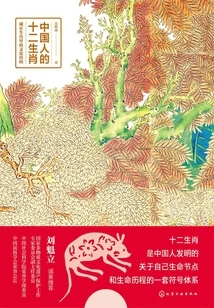
Chinese Zodiac Signs
History中国人的十二生肖
Wu Yucheng
The zodiac, also known as the zodiac sign, is a set of cultural codes used by the Chinese to represent a person's birth year by matching twelve animals with the twelve earthly branches. The time and space ordinal symbol system and its application customs formed by the twelve zodiac signs condensed from the farming civilization are a cultural heritage with Chinese characteristics. This book cites a large number of historical documents to introduce the origin of the twelve zodiac signs, relevant folk customs, allusions and legends, etc., Showing the long-standing zodiac culture in many aspects. This book is rich in illustrations, text and narration. It is both informative and interesting. It is a national reading book on the knowledge of the twelve zodiac signs.
The zodiac, also known as the zodiac sign, is a set of cultural codes used by the Chinese to represent a person's birth year by matching twelve animals with the twelve earthly branches. The time and space ordinal symbol system and its application customs formed by the twelve zodiac signs condensed from the farming civilization are a cultural heritage with Chinese characteristics. This book cites a large number of historical documents to introduce the origin of the twelve zodiac signs, relevant folk customs, allusions and legends, etc., Showing the long-standing zodiac culture in many aspects. This book is rich in illustrations, text and narration. It is both informative and interesting. It is a national reading book on the knowledge of the twelve zodiac signs.
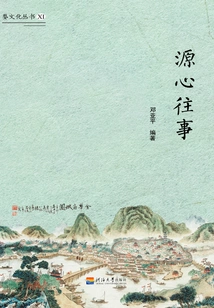
Source of Past Events
History源心往事
Compiled By Deng Yaping
This book aims to narrate the history and development of an ancient village. Yuanxin Village was originally under the jurisdiction of Jiande County, Hangzhou City. It has a history of more than 600 years and is now submerged by Zhiyan Reservoir. It has been more than thirty years since the village has all been relocated. The book provides a historical review of the village's history, culture, origins, and the origin of its residents. The book is divided into two volumes with a total of 10 chapters. The first volume connects ancient history with genealogical information; the second volume gives a detailed description of the development of the entire village. There are summaries of historical surnames, research on village surnames, historical anecdotes, villagers' achievements, mountains, forests and fields, etc., As well as records of village office research, historical contributions, villagers' changes, customs and other aspects. The book has about 150,000 words and is currently a relatively complete village history.
This book aims to narrate the history and development of an ancient village. Yuanxin Village was originally under the jurisdiction of Jiande County, Hangzhou City. It has a history of more than 600 years and is now submerged by Zhiyan Reservoir. It has been more than thirty years since the village has all been relocated. The book provides a historical review of the village's history, culture, origins, and the origin of its residents. The book is divided into two volumes with a total of 10 chapters. The first volume connects ancient history with genealogical information; the second volume gives a detailed description of the development of the entire village. There are summaries of historical surnames, research on village surnames, historical anecdotes, villagers' achievements, mountains, forests and fields, etc., As well as records of village office research, historical contributions, villagers' changes, customs and other aspects. The book has about 150,000 words and is currently a relatively complete village history.
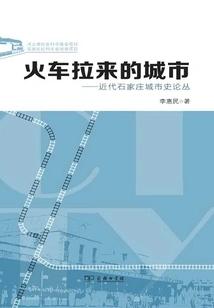
火车拉来的城市:近代石家庄城市史论丛
Li Huimin
At the beginning of the 20th century, Shijiazhuang was a small village under the jurisdiction of Huolu County. From 1902 to 1907, the Beijing-Hankou Railway and the Zhengtai Railway passed through it. Shijiazhuang "prospered because of the road" and became a "city brought by trains." Its development has gone through the process of starting from scratch and growing from small to large, and is a typical case of rural urbanization in modern China. The urbanization process of Shijiazhuang in modern times started late and had a low starting point. The urban development centered on the railway hub and gradually spread to the surrounding areas. After the traditional city's political and military functions, two new urban functions emerged - trade distribution and industrial manufacturing and processing. Industrial and commercial enterprises started at the same time, giving Shijiazhuang's economy a characteristic of "heavy commerce and light industry".
At the beginning of the 20th century, Shijiazhuang was a small village under the jurisdiction of Huolu County. From 1902 to 1907, the Beijing-Hankou Railway and the Zhengtai Railway passed through it. Shijiazhuang "prospered because of the road" and became a "city brought by trains." Its development has gone through the process of starting from scratch and growing from small to large, and is a typical case of rural urbanization in modern China. The urbanization process of Shijiazhuang in modern times started late and had a low starting point. The urban development centered on the railway hub and gradually spread to the surrounding areas. After the traditional city's political and military functions, two new urban functions emerged - trade distribution and industrial manufacturing and processing. Industrial and commercial enterprises started at the same time, giving Shijiazhuang's economy a characteristic of "heavy commerce and light industry".
品读文化淮安
Hu Jian
The content mainly consists of three parts: First, it is an overall study of the historical and cultural development of Huai'an, focusing on the changes and development of Huai'an's past history, focusing on Huai'an's reality and future development, and focusing on the improvement of Huai'an's cultural spirit, which has the characteristics of a macro "theory". 2. The cultural celebrities in Huai'an from ancient times to the present are studied. From the perspective of Chinese cultural history, the historical and cultural celebrities in Huai'an are studied and evaluated, which has the characteristics of "historical commentary". The third is the study of important cultural events in the history of Huai'an, such as the study of Hongze Lake, the only artificial lake among the five major freshwater lakes in China.
The content mainly consists of three parts: First, it is an overall study of the historical and cultural development of Huai'an, focusing on the changes and development of Huai'an's past history, focusing on Huai'an's reality and future development, and focusing on the improvement of Huai'an's cultural spirit, which has the characteristics of a macro "theory". 2. The cultural celebrities in Huai'an from ancient times to the present are studied. From the perspective of Chinese cultural history, the historical and cultural celebrities in Huai'an are studied and evaluated, which has the characteristics of "historical commentary". The third is the study of important cultural events in the history of Huai'an, such as the study of Hongze Lake, the only artificial lake among the five major freshwater lakes in China.
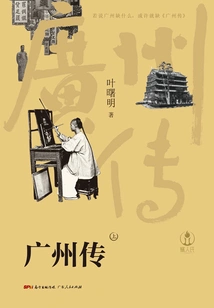
Guangzhou Biography
History广州传
Ye Shuming
"Guangzhou Biography" uses rich and detailed historical materials and popular and lively language to narrate the ups and downs of the city of Guangzhou from the Neolithic Age to 1949, from a "foreign place" to a major foreign trade town, and then regained prosperity after being destroyed several times. The whole book is divided into dynasties, and four clues are interspersed with writing. One is the changes in urban form, such as how the city of Guangzhou came into being from scratch, and how its cities, buildings, and streets were built. The second is the lifestyle, especially changes in clothing, food, housing, transportation, and play, as well as various folk customs and festivals. The third is the change in economic form: What did Guangzhou rely on to develop? Not by industry or agriculture, but by commerce, especially foreign trade. Guangzhou is one of the starting points of the Maritime Silk Road and occupies an important position in the history of foreign trade across the country and around the world. The fourth is the change of cultural forms, including Guangzhou's culture, education, religion, folk art and crafts, etc.
"Guangzhou Biography" uses rich and detailed historical materials and popular and lively language to narrate the ups and downs of the city of Guangzhou from the Neolithic Age to 1949, from a "foreign place" to a major foreign trade town, and then regained prosperity after being destroyed several times. The whole book is divided into dynasties, and four clues are interspersed with writing. One is the changes in urban form, such as how the city of Guangzhou came into being from scratch, and how its cities, buildings, and streets were built. The second is the lifestyle, especially changes in clothing, food, housing, transportation, and play, as well as various folk customs and festivals. The third is the change in economic form: What did Guangzhou rely on to develop? Not by industry or agriculture, but by commerce, especially foreign trade. Guangzhou is one of the starting points of the Maritime Silk Road and occupies an important position in the history of foreign trade across the country and around the world. The fourth is the change of cultural forms, including Guangzhou's culture, education, religion, folk art and crafts, etc.
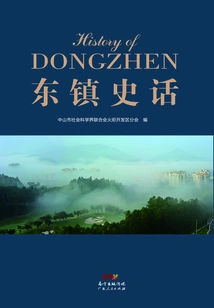
Dongzhen History
History东镇史话
Zhongshan Federation Of Social Science And Technology Torch Branch
Zhongshan Torch High-tech Industrial Development Zone (Zhongshan Torch Zone) is located in the east of the original Xiangshan County, so it is called "East Town". This manuscript is a study of local local history and culture, and the scope of the description covers all existing administrative divisions of Zhongshan Torch District. The book is divided into 6 chapters, with a total of 96 articles. It is written in chapter-turn style. It describes the historical stories, legends, folk customs, traditional culture, etc. Of Dongzhen with a broad vision and vivid writing style. It is more readable than local chronicles. This book is of great significance in the organization, promotion and utilization of local materials, helping readers, especially the younger generation, to better understand and understand their hometowns.
Zhongshan Torch High-tech Industrial Development Zone (Zhongshan Torch Zone) is located in the east of the original Xiangshan County, so it is called "East Town". This manuscript is a study of local local history and culture, and the scope of the description covers all existing administrative divisions of Zhongshan Torch District. The book is divided into 6 chapters, with a total of 96 articles. It is written in chapter-turn style. It describes the historical stories, legends, folk customs, traditional culture, etc. Of Dongzhen with a broad vision and vivid writing style. It is more readable than local chronicles. This book is of great significance in the organization, promotion and utilization of local materials, helping readers, especially the younger generation, to better understand and understand their hometowns.
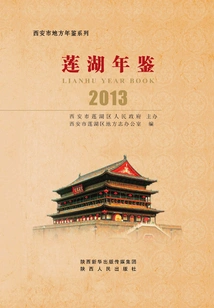
Lianhu Yearbook.2013
History莲湖年鉴.2013
Xi'an Lianhu District Local Chronicles Compilation Committee
"Lianhu Yearbook" is a comprehensive yearbook compiled by Lianhu District. It will systematically describe the natural, political, economic, cultural, social and other aspects of Lianhu District. It will provide comprehensive, systematic and reliable information for people from all walks of life inside and outside the district to understand Lianhu, study Lianhu and build Lianhu. It is an important window to display and promote Lianhu District.
"Lianhu Yearbook" is a comprehensive yearbook compiled by Lianhu District. It will systematically describe the natural, political, economic, cultural, social and other aspects of Lianhu District. It will provide comprehensive, systematic and reliable information for people from all walks of life inside and outside the district to understand Lianhu, study Lianhu and build Lianhu. It is an important window to display and promote Lianhu District.
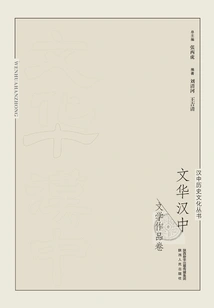
汉中历史文化丛书:文华汉中
Liu Qinghe Wang Jiqing
This book is one of the Hanzhong Culture Series. Literary works related to Hanzhong are sorted out from the vast Chinese literary classics of past dynasties, and annotated and interpreted. It is hoped that through the compilation of this book, the literary achievements of literary creation related to the Hanzhong region can be demonstrated to a certain extent, and readers can further understand the development process of literary creation in Hanzhong and fully appreciate the close relationship between literary creation and the natural and social environment of the Hanzhong region.
This book is one of the Hanzhong Culture Series. Literary works related to Hanzhong are sorted out from the vast Chinese literary classics of past dynasties, and annotated and interpreted. It is hoped that through the compilation of this book, the literary achievements of literary creation related to the Hanzhong region can be demonstrated to a certain extent, and readers can further understand the development process of literary creation in Hanzhong and fully appreciate the close relationship between literary creation and the natural and social environment of the Hanzhong region.
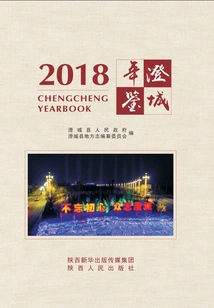
Chengcheng Yearbook.2018
History澄城年鉴.2018
Chengcheng County People's Government Chengcheng County Local Chronicles Compilation Committee
"Chengcheng Yearbook" is a local comprehensive yearbook sponsored by the Chengcheng County People's Government and organized and compiled by the Chengcheng County Chronicle Compilation Office. The purpose is to comprehensively and systematically record the basic economic, political, cultural and social conditions of Chengcheng, and to provide basic information for all walks of life and overseas people to understand and study Chengcheng. "Chengcheng Yearbook" is published in one volume every year. The book has special chapters for Chengcheng County Committee of the Communist Party of China, Commission for Discipline Inspection of the Communist Party of China, Chengcheng County People's Congress, Chengcheng County People's Government, Chengcheng County Committee of the Chinese People's Political Consultative Conference, people's organizations, military, political It is composed of law, agriculture and rural economy, industry, transportation, postal communications, trade circulation, urban and rural construction and environmental protection, finance and taxation, finance and insurance, comprehensive economic management, education, culture, sports and health, social services, towns and villages, advanced models, important documents, etc., With approximately 500,000 words.
"Chengcheng Yearbook" is a local comprehensive yearbook sponsored by the Chengcheng County People's Government and organized and compiled by the Chengcheng County Chronicle Compilation Office. The purpose is to comprehensively and systematically record the basic economic, political, cultural and social conditions of Chengcheng, and to provide basic information for all walks of life and overseas people to understand and study Chengcheng. "Chengcheng Yearbook" is published in one volume every year. The book has special chapters for Chengcheng County Committee of the Communist Party of China, Commission for Discipline Inspection of the Communist Party of China, Chengcheng County People's Congress, Chengcheng County People's Government, Chengcheng County Committee of the Chinese People's Political Consultative Conference, people's organizations, military, political It is composed of law, agriculture and rural economy, industry, transportation, postal communications, trade circulation, urban and rural construction and environmental protection, finance and taxation, finance and insurance, comprehensive economic management, education, culture, sports and health, social services, towns and villages, advanced models, important documents, etc., With approximately 500,000 words.
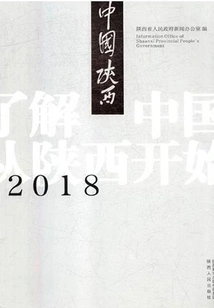
2018 Shaanxi, China
History2018中国陕西
Shaanxi Provincial People's Government Information Office
The book "China Shaanxi 2018" was organized and compiled by the Information Office of the Shaanxi Provincial People's Government. The book is divided into five parts to introduce Shaanxi's achievements in various aspects in 2017. 1. "Beautiful Chapter". Including: natural environment, history and humanity, and tourism resources; 2. "Vitality". Including abundant resources, innovation power, scientific and technological education and human resources. 3. "Happiness". Including: development overview, people's livelihood projects, city tour. 4. "Open Chapter". Including: foreign exchanges and economic and trade cooperation, development zone construction, and a new starting point for building the Silk Road Economic Belt. 5. "Appendix". Including: key planning, Shaanxi essence tourism strategy, Shaanxi snacks, and Shaanxi specialties.
The book "China Shaanxi 2018" was organized and compiled by the Information Office of the Shaanxi Provincial People's Government. The book is divided into five parts to introduce Shaanxi's achievements in various aspects in 2017. 1. "Beautiful Chapter". Including: natural environment, history and humanity, and tourism resources; 2. "Vitality". Including abundant resources, innovation power, scientific and technological education and human resources. 3. "Happiness". Including: development overview, people's livelihood projects, city tour. 4. "Open Chapter". Including: foreign exchanges and economic and trade cooperation, development zone construction, and a new starting point for building the Silk Road Economic Belt. 5. "Appendix". Including: key planning, Shaanxi essence tourism strategy, Shaanxi snacks, and Shaanxi specialties.
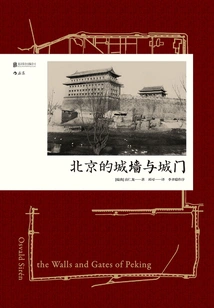
Beijing City Walls and Gates
History北京的城墙与城门
(sweden) Xirenlong
This book truly restores the remaining Beijing city walls and gates in the 1920s. Through field visits and investigations, the author was impressed by the magnificence of these magnificent monuments, and also sighed at their current state of decline. In addition to investing the romance and feelings of an art historian in his descriptions, Xi Renlong also adheres to rigorous research methods: digging out the complicated records of city walls and gates in Chinese historical documents, surveying and measuring the dimensions of each section of the city wall and each tower, and observing and recording The current status of the city walls, city gates and surrounding streets and countryside, real-life photos of the city walls and gates, and detailed architectural details of the city gates from various angles make this investigation note reach a very high level in terms of literature, science, and history.
This book truly restores the remaining Beijing city walls and gates in the 1920s. Through field visits and investigations, the author was impressed by the magnificence of these magnificent monuments, and also sighed at their current state of decline. In addition to investing the romance and feelings of an art historian in his descriptions, Xi Renlong also adheres to rigorous research methods: digging out the complicated records of city walls and gates in Chinese historical documents, surveying and measuring the dimensions of each section of the city wall and each tower, and observing and recording The current status of the city walls, city gates and surrounding streets and countryside, real-life photos of the city walls and gates, and detailed architectural details of the city gates from various angles make this investigation note reach a very high level in terms of literature, science, and history.
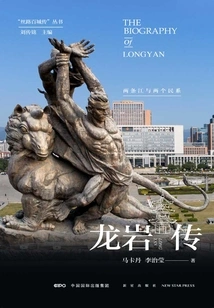
龙岩传:两条江与两个民系
Ma Kadan Li Zhiying
"The Legend of Longyan: Two Rivers and Two Folk Lines" is one of the large-scale book series "The Legend of Hundred Cities on the Silk Road". Longyan is essentially an immigrant city, where the descendants of immigrants from the Central Plains live and multiply, where the ancestors of overseas immigrants set off on long voyages, where the two ethnic lines of the Han ethnic group collide and blend, and where diverse cultures mix and mingle. The book starts from the pre-medieval civilization of western Fujian, details the origins and changes of folk customs, and the deeds of famous figures in the history of the Maritime Silk Road, and ends with half of the Central Soviet Area, which has become a key area for the Chinese nation to explore ways to revitalize the country in the past century... In elegant language, the author presents the creation and development of two rivers, two ethnic groups and two states (Tingjiang, Hakka, Tingzhoufu, Jiulongjiang, Heluolang, Longyanzhou) in the long history, and composes a symphonic poem of mountains and sea for his hometown of Longyan.
"The Legend of Longyan: Two Rivers and Two Folk Lines" is one of the large-scale book series "The Legend of Hundred Cities on the Silk Road". Longyan is essentially an immigrant city, where the descendants of immigrants from the Central Plains live and multiply, where the ancestors of overseas immigrants set off on long voyages, where the two ethnic lines of the Han ethnic group collide and blend, and where diverse cultures mix and mingle. The book starts from the pre-medieval civilization of western Fujian, details the origins and changes of folk customs, and the deeds of famous figures in the history of the Maritime Silk Road, and ends with half of the Central Soviet Area, which has become a key area for the Chinese nation to explore ways to revitalize the country in the past century... In elegant language, the author presents the creation and development of two rivers, two ethnic groups and two states (Tingjiang, Hakka, Tingzhoufu, Jiulongjiang, Heluolang, Longyanzhou) in the long history, and composes a symphonic poem of mountains and sea for his hometown of Longyan.
陕西卫生和计划生育年鉴.2017卷
Editorial Committee Of "shaanxi Provincial Health And Family Planning Yearbook"
The "Shaanxi Health and Family Planning Yearbook" is edited by the Shaanxi Provincial Health and Family Planning Commission, with the participation of various commission offices, municipal health and family planning bureaus, units directly under the commission and relevant academic (mass) teams. It is a large-scale authoritative information tool that aims to comprehensively, systematically and accurately record the status, progress and achievements of all aspects of health and family planning in Shaanxi Province. This volume is the 2017 volume and has been compiled up to the end of 2016. It comprehensively describes the basic situation, policies, regulations, and main experiences of the reform and development of health and family planning in Shaanxi Province in 2016, as well as major and important events that occurred during the year. It focuses on hot issues in the fields of medical health and family planning, as well as health and family planning issues of concern to the people. This volume adopts a classification editing method, with the chapter as the outline, with columns under the chapter, and items under the columns. The items are the main information carriers and are always enclosed by []. It consists of a front page picture album, important meeting reports, statistical data and appendices. Each work progress is divided into the province's health and family planning work overview, disease control, patriotic health, health emergency, health supervision, grassroots health, grassroots family planning guidance, medical and health system reform, new rural cooperative medical care, maternal and child health services, medical administration and drug policy There are 24 sub-heads related to the basic medicine system, traditional Chinese medicine management, cadre health care, personnel work, policies and regulations, disciplinary inspection and supervision, floating population family planning service management, family planning family development, retired personnel service and management, external exchanges and cooperation, party building and spiritual civilization construction.
The "Shaanxi Health and Family Planning Yearbook" is edited by the Shaanxi Provincial Health and Family Planning Commission, with the participation of various commission offices, municipal health and family planning bureaus, units directly under the commission and relevant academic (mass) teams. It is a large-scale authoritative information tool that aims to comprehensively, systematically and accurately record the status, progress and achievements of all aspects of health and family planning in Shaanxi Province. This volume is the 2017 volume and has been compiled up to the end of 2016. It comprehensively describes the basic situation, policies, regulations, and main experiences of the reform and development of health and family planning in Shaanxi Province in 2016, as well as major and important events that occurred during the year. It focuses on hot issues in the fields of medical health and family planning, as well as health and family planning issues of concern to the people. This volume adopts a classification editing method, with the chapter as the outline, with columns under the chapter, and items under the columns. The items are the main information carriers and are always enclosed by []. It consists of a front page picture album, important meeting reports, statistical data and appendices. Each work progress is divided into the province's health and family planning work overview, disease control, patriotic health, health emergency, health supervision, grassroots health, grassroots family planning guidance, medical and health system reform, new rural cooperative medical care, maternal and child health services, medical administration and drug policy There are 24 sub-heads related to the basic medicine system, traditional Chinese medicine management, cadre health care, personnel work, policies and regulations, disciplinary inspection and supervision, floating population family planning service management, family planning family development, retired personnel service and management, external exchanges and cooperation, party building and spiritual civilization construction.
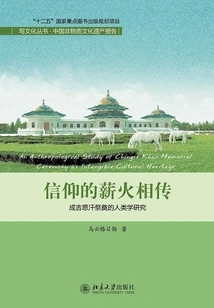
信仰的薪火相传:成吉思汗祭奠的人类学研究
Wuyungerile
This book mainly studies the customs of commemorating Genghis Khan, shows the current status of commemoration, explores the reasons for historical changes, and reveals the internal change mechanism; at the same time, it draws on the latest research results of religious anthropology to interpret the mysterious symbols and cultural connotations of Genghis Khan's commemoration. The author of this book conducted a large number of anthropological participant observations and in-depth interviews, and used a variety of written materials such as Mongolian, Chinese, and Japanese.
This book mainly studies the customs of commemorating Genghis Khan, shows the current status of commemoration, explores the reasons for historical changes, and reveals the internal change mechanism; at the same time, it draws on the latest research results of religious anthropology to interpret the mysterious symbols and cultural connotations of Genghis Khan's commemoration. The author of this book conducted a large number of anthropological participant observations and in-depth interviews, and used a variety of written materials such as Mongolian, Chinese, and Japanese.
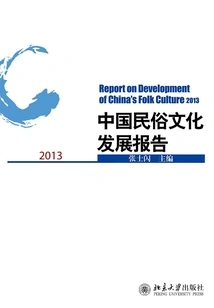
中国民俗文化发展报告2013
Zhang Shishan
The report is based on the grand background of Chinese social development and takes the life and phenomena arising from the development of contemporary folk culture as the object of investigation. On the one hand, as an observer of the development process of Chinese folk culture, it presents the details and context of contemporary Chinese folk custom phenomena. On the other hand, it provides a pulse on the development of contemporary Chinese folk customs, pays attention to the world background and realistic focus of the development of Chinese folk culture, and reveals the deep-seated drastic changes caused by folk custom changes in contemporary Chinese society. The report content is divided into a general report and several sub-reports and special reports. The sub-reports give a three-dimensional display of the development of folk culture from the perspectives of fieldwork, academic research and relevant national policies. The special report focuses on the focus and analyzes the hot spots, including traditional festivals, intellectual property protection of folk literature and art, folk beliefs, folk tourism, Internet rumors, etc. Using a large amount of fresh first-hand field survey data, conducting in-depth and detailed research, and making suggestions based on this, it is of great significance for the national government to better use folk culture to improve people's livelihood and get closer to the people's hearts in the next step.
The report is based on the grand background of Chinese social development and takes the life and phenomena arising from the development of contemporary folk culture as the object of investigation. On the one hand, as an observer of the development process of Chinese folk culture, it presents the details and context of contemporary Chinese folk custom phenomena. On the other hand, it provides a pulse on the development of contemporary Chinese folk customs, pays attention to the world background and realistic focus of the development of Chinese folk culture, and reveals the deep-seated drastic changes caused by folk custom changes in contemporary Chinese society. The report content is divided into a general report and several sub-reports and special reports. The sub-reports give a three-dimensional display of the development of folk culture from the perspectives of fieldwork, academic research and relevant national policies. The special report focuses on the focus and analyzes the hot spots, including traditional festivals, intellectual property protection of folk literature and art, folk beliefs, folk tourism, Internet rumors, etc. Using a large amount of fresh first-hand field survey data, conducting in-depth and detailed research, and making suggestions based on this, it is of great significance for the national government to better use folk culture to improve people's livelihood and get closer to the people's hearts in the next step.
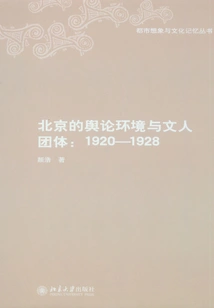
北京的舆论环境与文人团体:1920—1928
Yan Hao
This paper takes the Beijing intellectual community in the 1920s as the object of investigation, and attempts to pay attention to the public opinion environment and literati groups built around fan magazines and institutions of higher learning during this period from the multiple perspectives of newspaper history, education history, literary history, and intellectual history. From this perspective, although the topic discussed in the paper is not small: the literary group and public opinion atmosphere in a historical stage, the entry point of the discussion is not large. Therefore, the writing method of this paper will consciously start from the most subtle "investigation", trying to gradually present the clearest and most complete image of that era through in-depth discussion of specific issues. Therefore, this paper will not focus on sorting out the publications volume by volume, but rather focus on related issues and phenomena.
This paper takes the Beijing intellectual community in the 1920s as the object of investigation, and attempts to pay attention to the public opinion environment and literati groups built around fan magazines and institutions of higher learning during this period from the multiple perspectives of newspaper history, education history, literary history, and intellectual history. From this perspective, although the topic discussed in the paper is not small: the literary group and public opinion atmosphere in a historical stage, the entry point of the discussion is not large. Therefore, the writing method of this paper will consciously start from the most subtle "investigation", trying to gradually present the clearest and most complete image of that era through in-depth discussion of specific issues. Therefore, this paper will not focus on sorting out the publications volume by volume, but rather focus on related issues and phenomena.
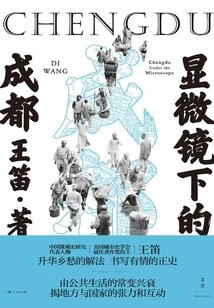
Chengdu under the Microscope
History显微镜下的成都
Wang Di
A Sichuan cricket, far away from its hometown, has been singing songs for nearly 30 years "in the hearts of those who are nostalgic"; decades of hard work builds a charming microscopic world, and the century-old history of Sichuan tells the story of "another China"; it includes new unpublished interviews and dozens of precious illustrations, making it the first collection of mahjong research published; it has been revised five times by the author, and it took three years to complete the book, which is carefully selected and compiled. "Chengdu Under the Microscope" is the quintessence of 30 years of work by Professor Wang Di, a famous historian and representative figure in Chinese micro-history research. The book takes four special historical\u002F cultural phenomena in Sichuan: streets, teahouses, paoge, and mahjong as specific cases, focusing on hawkers, tea patrons, waiters, urn makers, Through various materials such as archives, oral histories, local chronicles, novels, surveys, news reports, pictures, etc., Ordinary citizens and other small figures are used to restore the memories of daily life in Sichuan, especially in Chengdu, and to draw a vivid picture of public life in the hinterland of China in detail. Through this kind of affectionate narrative history, people can truly penetrate into the "other China" that is different from coastal, central and other cities, and discover the vibrant life world of ordinary people and their tenacious cultural continuity.
A Sichuan cricket, far away from its hometown, has been singing songs for nearly 30 years "in the hearts of those who are nostalgic"; decades of hard work builds a charming microscopic world, and the century-old history of Sichuan tells the story of "another China"; it includes new unpublished interviews and dozens of precious illustrations, making it the first collection of mahjong research published; it has been revised five times by the author, and it took three years to complete the book, which is carefully selected and compiled. "Chengdu Under the Microscope" is the quintessence of 30 years of work by Professor Wang Di, a famous historian and representative figure in Chinese micro-history research. The book takes four special historical\u002F cultural phenomena in Sichuan: streets, teahouses, paoge, and mahjong as specific cases, focusing on hawkers, tea patrons, waiters, urn makers, Through various materials such as archives, oral histories, local chronicles, novels, surveys, news reports, pictures, etc., Ordinary citizens and other small figures are used to restore the memories of daily life in Sichuan, especially in Chengdu, and to draw a vivid picture of public life in the hinterland of China in detail. Through this kind of affectionate narrative history, people can truly penetrate into the "other China" that is different from coastal, central and other cities, and discover the vibrant life world of ordinary people and their tenacious cultural continuity.
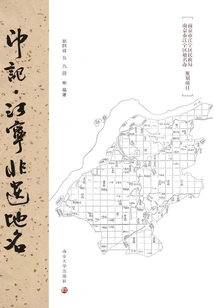
印记:江宁非遗地名
Hu Axiang Lu Fan Duan Bin
At present, the only place names in my country included in the "intangible cultural heritage" project are "Old Place Names of Nanjing" and "Old Place Names of Jiangning". The basic content of this book includes 50 explanations of Jiangning's intangible cultural heritage place names, related poetry, folklore and other link texts, old and old maps, new and old photos, books and shadows, cultural relics, products and other pictures. The book has about 80,000 words and 200 pictures.
At present, the only place names in my country included in the "intangible cultural heritage" project are "Old Place Names of Nanjing" and "Old Place Names of Jiangning". The basic content of this book includes 50 explanations of Jiangning's intangible cultural heritage place names, related poetry, folklore and other link texts, old and old maps, new and old photos, books and shadows, cultural relics, products and other pictures. The book has about 80,000 words and 200 pictures.
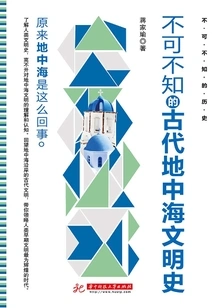
不可不知的古代地中海文明史
Jiang Jiayu
Classical civilization is the source and cradle of modern Western civilization, so it is also an indispensable and important part of the history of Mediterranean civilization. The Imperial Age of the Mediterranean can be described as a period of "integration" of civilization. It was the most glorious era of early human civilization in the Mediterranean region. This book mainly introduces the ancient civilizations that emerged along the Mediterranean coast during the long historical period from the 4000 BC to the demise of the Western Roman Empire in 476 AD, including ancient Mesopotamia civilization, ancient Egyptian civilization, ancient Syrian civilization, ancient Anatolian civilization, ancient Greek and ancient Roman civilization, etc., Uncovering the ancient and mysterious civilization of the Mediterranean layer by layer, and exploring the history of early human civilization.
Classical civilization is the source and cradle of modern Western civilization, so it is also an indispensable and important part of the history of Mediterranean civilization. The Imperial Age of the Mediterranean can be described as a period of "integration" of civilization. It was the most glorious era of early human civilization in the Mediterranean region. This book mainly introduces the ancient civilizations that emerged along the Mediterranean coast during the long historical period from the 4000 BC to the demise of the Western Roman Empire in 476 AD, including ancient Mesopotamia civilization, ancient Egyptian civilization, ancient Syrian civilization, ancient Anatolian civilization, ancient Greek and ancient Roman civilization, etc., Uncovering the ancient and mysterious civilization of the Mediterranean layer by layer, and exploring the history of early human civilization.
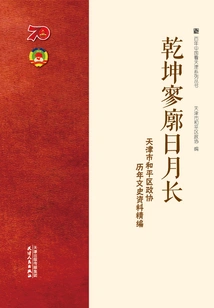
乾坤寥廓日月长:天津市和平区政协历年文史资料精编
Tianjin Heping District Cppcc
This year marks the 70th anniversary of the founding of New China and the People's Political Consultative Conference, and this book has been specially compiled to commemorate it. In recent years, the Tianjin Heping District CPPCC has collected and published a number of literature and history books in line with the policy of "preserving history, assisting government, uniting and educating people". This book is a compilation of these books published from 2007 to 2019. This book contains a total of 69 articles, divided into 10 columns, covering Tianjin's famous places such as Zizhulin, Haiguang Temple, Xiaobailou, Tianjin's time-honored brands, old banks, old schools, old restaurants, Tianjin's century-old shipping, cultural celebrities, anti-Japanese war history, etc. It aims to tell the story of Tianjin well, inherit history and culture, and promote the development of cultural tourism.
This year marks the 70th anniversary of the founding of New China and the People's Political Consultative Conference, and this book has been specially compiled to commemorate it. In recent years, the Tianjin Heping District CPPCC has collected and published a number of literature and history books in line with the policy of "preserving history, assisting government, uniting and educating people". This book is a compilation of these books published from 2007 to 2019. This book contains a total of 69 articles, divided into 10 columns, covering Tianjin's famous places such as Zizhulin, Haiguang Temple, Xiaobailou, Tianjin's time-honored brands, old banks, old schools, old restaurants, Tianjin's century-old shipping, cultural celebrities, anti-Japanese war history, etc. It aims to tell the story of Tianjin well, inherit history and culture, and promote the development of cultural tourism.
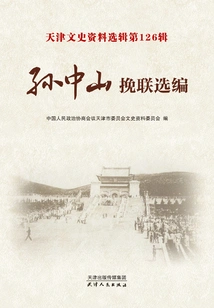
Selections of Tianjin Literary and Historical Materials·volume 126: Selected Elegies of Sun Yat-sen
History天津文史资料选辑·第126辑:孙中山挽联选编
Cultural And Historical Materials Committee Of The Tianjin Municipal Committee Of The Chinese People's Political Consultative Conference
"Selected Collection of Tianjin Literary and Historical Materials (Volume 126): Selected Elegies of Sun Yat-sen" is mainly divided into two parts: domestic and personal. "Selected Collection of Tianjin Literary and Historical Materials (Volume 126): Selected Elegy Couplets of Sun Yat-sen" is a selection of elegiac couplets for Mr. Sun Yat-sen.
"Selected Collection of Tianjin Literary and Historical Materials (Volume 126): Selected Elegies of Sun Yat-sen" is mainly divided into two parts: domestic and personal. "Selected Collection of Tianjin Literary and Historical Materials (Volume 126): Selected Elegy Couplets of Sun Yat-sen" is a selection of elegiac couplets for Mr. Sun Yat-sen.
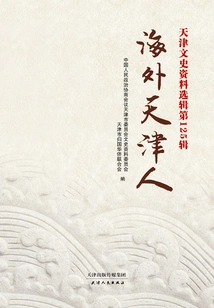
天津文史资料选辑·第125辑:海外天津人
Cultural And Historical Materials Committee Of The Tianjin Municipal Committee Of The Chinese People's Political Consultative Conference Tianjin Federation Of Returned Overseas Chinese
Overseas Chinese all over the world are all descendants of the Yan and Huang Dynasties, and they are all contributing to the construction and development of the motherland. Many of these overseas Chinese are Tianjin Chinese who grew up drinking the water of the Haihe River. Their deep nostalgia closely connects them thousands of miles away to their hometown in Tianjin. The stories behind them are shown in the book, allowing more people to understand the real stories of overseas Chinese who miss their hometown and dedicate themselves to their hometown. Most of the authors of this book are overseas Chinese. It is real and touching and has important historical value.
Overseas Chinese all over the world are all descendants of the Yan and Huang Dynasties, and they are all contributing to the construction and development of the motherland. Many of these overseas Chinese are Tianjin Chinese who grew up drinking the water of the Haihe River. Their deep nostalgia closely connects them thousands of miles away to their hometown in Tianjin. The stories behind them are shown in the book, allowing more people to understand the real stories of overseas Chinese who miss their hometown and dedicate themselves to their hometown. Most of the authors of this book are overseas Chinese. It is real and touching and has important historical value.
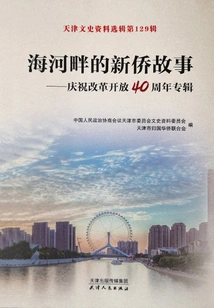
天津文史资料选辑·第129辑:海河畔的新侨故事:庆祝改革开放40周年专辑
Cultural And Historical Materials Committee Of The Tianjin Municipal Committee Of The Chinese People's Political Consultative Conference Tianjin Federation Of Returned Overseas Chinese
This book is a collection of information jointly organized and compiled by the Cultural and Historical Materials Committee of the Tianjin Municipal Committee of the Chinese People's Political Consultative Conference and the Tianjin Federation of Returned Overseas Chinese. The book contains nearly forty articles in total. These articles were written in the "three relatives" style, describing the touching deeds of a large number of patriotic overseas Chinese who returned to China to participate in construction after the reform and opening up. At the same time, they also affirmed their outstanding contributions to Tianjin's science and technology, education, economy, culture, medical and other fields. This book has important reference value for studying the history of overseas Chinese in Tianjin.
This book is a collection of information jointly organized and compiled by the Cultural and Historical Materials Committee of the Tianjin Municipal Committee of the Chinese People's Political Consultative Conference and the Tianjin Federation of Returned Overseas Chinese. The book contains nearly forty articles in total. These articles were written in the "three relatives" style, describing the touching deeds of a large number of patriotic overseas Chinese who returned to China to participate in construction after the reform and opening up. At the same time, they also affirmed their outstanding contributions to Tianjin's science and technology, education, economy, culture, medical and other fields. This book has important reference value for studying the history of overseas Chinese in Tianjin.
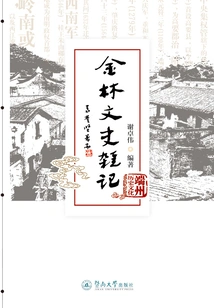
金林文史杂记
Xie Zhuowei
This book is one of the "Duanzhou History and Culture" series. The manuscript mainly describes the history and customs of Jinlin Village from three aspects: "local customs", "humanistic historical stories" and "auspicious humor". It "resurrects" the village's ancient objects, trees and ancient customs in the form of legends and stories, which has a certain appeal to readers; the collection of couplets is interesting and philosophical; the records of the Xie family in the book can be used as reference materials for family origin exploration. The book has a comprehensive overview, rich content, diverse forms, pictures and texts, is lively and interesting, and has certain historical value.
This book is one of the "Duanzhou History and Culture" series. The manuscript mainly describes the history and customs of Jinlin Village from three aspects: "local customs", "humanistic historical stories" and "auspicious humor". It "resurrects" the village's ancient objects, trees and ancient customs in the form of legends and stories, which has a certain appeal to readers; the collection of couplets is interesting and philosophical; the records of the Xie family in the book can be used as reference materials for family origin exploration. The book has a comprehensive overview, rich content, diverse forms, pictures and texts, is lively and interesting, and has certain historical value.
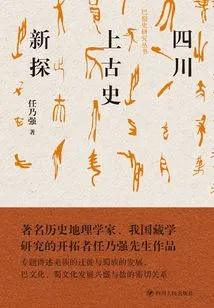
四川上古史新探
Ren Naiqiang
Henan University is located in Kaifeng, the ancient capital of seven dynasties. The study of ancient Chinese history has a long and fine tradition, which started in 1925 together with the history major. The strong teaching staff has long formed an academic tradition that emphasizes not only historical knowledge but also historical general knowledge, and enjoys a high reputation in the university. Famous scholars such as Fan Wenlan, Ji Wenfu, Meng Wentong, Gao Heng, Jiang Liangfu, Guo Shaoyu, Ma Feibai, Zhu Fangpu, Sun Haibo, Sun Zuoyun, Zhu Shaohou, etc. Have taught here successively. Yin Da, Shi Zhangru, Bai Shouyi, Han Rulin, etc. Who have studied here have also become well-known historians and archaeologists at home and abroad. The strong academic atmosphere has nurtured generations of historical talents. This book selects the new and representative works of the above-mentioned authors, conducts in-depth research on 25 ancient Chinese history topics, uses a large number of historical materials to demonstrate them, and puts forward new and reasonable insights. In particular, remarkable achievements have been made in the three fields of pre-Qin, Qin and Han, Song history, and Ming and Qing history.
Henan University is located in Kaifeng, the ancient capital of seven dynasties. The study of ancient Chinese history has a long and fine tradition, which started in 1925 together with the history major. The strong teaching staff has long formed an academic tradition that emphasizes not only historical knowledge but also historical general knowledge, and enjoys a high reputation in the university. Famous scholars such as Fan Wenlan, Ji Wenfu, Meng Wentong, Gao Heng, Jiang Liangfu, Guo Shaoyu, Ma Feibai, Zhu Fangpu, Sun Haibo, Sun Zuoyun, Zhu Shaohou, etc. Have taught here successively. Yin Da, Shi Zhangru, Bai Shouyi, Han Rulin, etc. Who have studied here have also become well-known historians and archaeologists at home and abroad. The strong academic atmosphere has nurtured generations of historical talents. This book selects the new and representative works of the above-mentioned authors, conducts in-depth research on 25 ancient Chinese history topics, uses a large number of historical materials to demonstrate them, and puts forward new and reasonable insights. In particular, remarkable achievements have been made in the three fields of pre-Qin, Qin and Han, Song history, and Ming and Qing history.
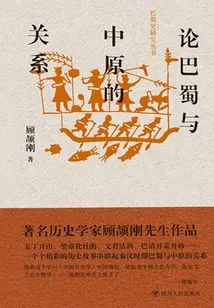
论巴蜀与中原的关系
Gu Jiegang
The Bashu History Research Association (later renamed the Bashu Culture Research Association) was established in 1979. Mr. Zhang Xiushu was the first president and Mr. Yang Xizong was the second president. In 2001, Mr. Li Youming, who was actually responsible for the specific work, advocated a younger generation, and Luo Zhitian, a professor at Sichuan University, succeeded him as president. In 2018, there was another change of office, and Xu Lianggong, a professor at Sichuan University, took over as president. Shortly after the establishment of the research association, the "Bashu History Research Series" was edited and published in 1981, focusing on the cultural, political, economic, ethnic and other issues of the Bashu region before the unification of Qin. Professor Xu Lianggong thought that the book needed to be reprinted urgently, and Sichuan People's Publishing House was happy to help, so the new edition was created.
The Bashu History Research Association (later renamed the Bashu Culture Research Association) was established in 1979. Mr. Zhang Xiushu was the first president and Mr. Yang Xizong was the second president. In 2001, Mr. Li Youming, who was actually responsible for the specific work, advocated a younger generation, and Luo Zhitian, a professor at Sichuan University, succeeded him as president. In 2018, there was another change of office, and Xu Lianggong, a professor at Sichuan University, took over as president. Shortly after the establishment of the research association, the "Bashu History Research Series" was edited and published in 1981, focusing on the cultural, political, economic, ethnic and other issues of the Bashu region before the unification of Qin. Professor Xu Lianggong thought that the book needed to be reprinted urgently, and Sichuan People's Publishing House was happy to help, so the new edition was created.
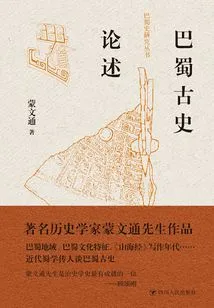
巴蜀古史论述
Mengwentong
The Bashu History Research Association (later renamed the Bashu Culture Research Association) was established in 1979. Mr. Zhang Xiushu was the first president and Mr. Yang Xizong was the second president. In 2001, Mr. Li Youming, who was actually responsible for the specific work, advocated a younger generation, and Luo Zhitian, a professor at Sichuan University, succeeded him as president. In 2018, there was another change of office, and Xu Lianggong, a professor at Sichuan University, took over as president. Shortly after the establishment of the research association, the "Bashu History Research Series" was edited and published in 1981, focusing on the cultural, political, economic, ethnic and other issues of the Bashu region before the unification of Qin. Professor Xu Lianggong thought that the book needed to be reprinted urgently, and Sichuan People's Publishing House was happy to help, so the new edition was created.
The Bashu History Research Association (later renamed the Bashu Culture Research Association) was established in 1979. Mr. Zhang Xiushu was the first president and Mr. Yang Xizong was the second president. In 2001, Mr. Li Youming, who was actually responsible for the specific work, advocated a younger generation, and Luo Zhitian, a professor at Sichuan University, succeeded him as president. In 2018, there was another change of office, and Xu Lianggong, a professor at Sichuan University, took over as president. Shortly after the establishment of the research association, the "Bashu History Research Series" was edited and published in 1981, focusing on the cultural, political, economic, ethnic and other issues of the Bashu region before the unification of Qin. Professor Xu Lianggong thought that the book needed to be reprinted urgently, and Sichuan People's Publishing House was happy to help, so the new edition was created.
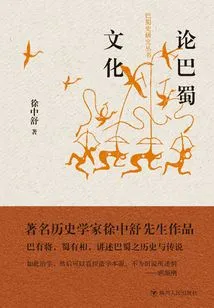
On Bashu Culture
History论巴蜀文化
Xu Zhongshu
"Dictionary of Cultural Celebrities of Bashu Dynasties (Ancient Volume)" compiles about 1,500 historical and cultural celebrities of Bashu. It is a reference book that introduces the cultural celebrities of Bashu in all dynasties in a comprehensive, systematic and detailed manner. The manuscript integrates academic, intellectual and readability, and comprehensively and systematically introduces the lives, cultural activities and major achievements of Bashu cultural celebrities in the past dynasties. It has important reference value for popularizing Bashu cultural knowledge and studying Bashu cultural phenomena.
"Dictionary of Cultural Celebrities of Bashu Dynasties (Ancient Volume)" compiles about 1,500 historical and cultural celebrities of Bashu. It is a reference book that introduces the cultural celebrities of Bashu in all dynasties in a comprehensive, systematic and detailed manner. The manuscript integrates academic, intellectual and readability, and comprehensively and systematically introduces the lives, cultural activities and major achievements of Bashu cultural celebrities in the past dynasties. It has important reference value for popularizing Bashu cultural knowledge and studying Bashu cultural phenomena.
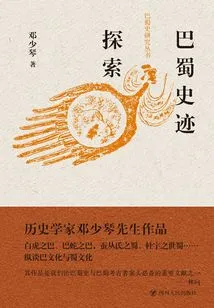
巴蜀史迹探索
Deng Shaoqin
The Bashu History Research Association (later renamed the Bashu Culture Research Association) was established in 1979. Mr. Zhang Xiushu was the first president and Mr. Yang Xizong was the second president. In 2001, Mr. Li Youming, who was actually responsible for the specific work, advocated a younger generation, and Luo Zhitian, a professor at Sichuan University, succeeded him as president. In 2018, there was another change of office, and Xu Lianggong, a professor at Sichuan University, took over as president. Shortly after the establishment of the research association, the "Bashu History Research Series" was edited and published in 1981, focusing on the cultural, political, economic, ethnic and other issues of the Bashu region before the unification of Qin. Professor Xu Lianggong thought that the book needed to be reprinted urgently, and Sichuan People's Publishing House was happy to help, so the new edition was created.
The Bashu History Research Association (later renamed the Bashu Culture Research Association) was established in 1979. Mr. Zhang Xiushu was the first president and Mr. Yang Xizong was the second president. In 2001, Mr. Li Youming, who was actually responsible for the specific work, advocated a younger generation, and Luo Zhitian, a professor at Sichuan University, succeeded him as president. In 2018, there was another change of office, and Xu Lianggong, a professor at Sichuan University, took over as president. Shortly after the establishment of the research association, the "Bashu History Research Series" was edited and published in 1981, focusing on the cultural, political, economic, ethnic and other issues of the Bashu region before the unification of Qin. Professor Xu Lianggong thought that the book needed to be reprinted urgently, and Sichuan People's Publishing House was happy to help, so the new edition was created.
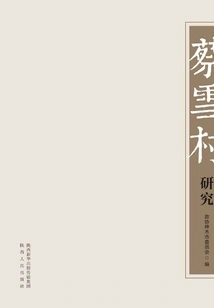
Research on Cai Xuecun
History蔡雪村研究
Cppcc Shenmu City Committee
Cai Xuecun, formerly known as Cai Zhende, was from Chengguan, Shenmu County, Shaanxi Province. He joined the Communist Party of China in 1924 when he was studying at Nankai Middle School in Tianjin, and later studied in the Soviet Union. After returning to China in 1926, he worked in the Central Committee of the Communist Party of China in Shanghai. He served as the Propaganda Minister of the Central Committee of the Communist Party of China and the Secretary of the Jiangsu Provincial Committee of the Communist Party of China. In order to commemorate this outstanding revolutionary in Shenmu County, the Shenmu County Committee of the Chinese People's Political Consultative Conference compiled Cai Xuecun's works and the research results of some scholars on Cai Xuecun into a book. Cai Xuecun's research results mainly analyzed and summarized the laws of Chinese peasant wars and their impact on productivity by sorting out several large-scale peasant wars in Chinese history, using the Marxist philosophical principle that the economic base determines the superstructure. It was praised as a very important historical work at the time.
Cai Xuecun, formerly known as Cai Zhende, was from Chengguan, Shenmu County, Shaanxi Province. He joined the Communist Party of China in 1924 when he was studying at Nankai Middle School in Tianjin, and later studied in the Soviet Union. After returning to China in 1926, he worked in the Central Committee of the Communist Party of China in Shanghai. He served as the Propaganda Minister of the Central Committee of the Communist Party of China and the Secretary of the Jiangsu Provincial Committee of the Communist Party of China. In order to commemorate this outstanding revolutionary in Shenmu County, the Shenmu County Committee of the Chinese People's Political Consultative Conference compiled Cai Xuecun's works and the research results of some scholars on Cai Xuecun into a book. Cai Xuecun's research results mainly analyzed and summarized the laws of Chinese peasant wars and their impact on productivity by sorting out several large-scale peasant wars in Chinese history, using the Marxist philosophical principle that the economic base determines the superstructure. It was praised as a very important historical work at the time.
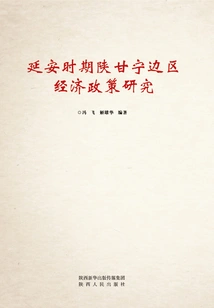
延安时期陕甘宁边区经济政策研究
Feng Fei Ji Xionghua
"Research on Rural Social and Cultural Changes in the Shaanxi-Gansu-Ningxia Border Region during the Yan'an Period" is a research work by Yue Guofang of Northwest University of Political Science and Law. The author believes that the rural social culture of the Shaanxi-Gansu-Ningxia Border Region is deeply influenced by the dual influence of traditional culture and the modern culture brought by the Chinese Communist Party. Its social and cultural change process shows the characteristics of the integration of tradition and modernity, the penetration of national culture and democratic culture, and the interaction between intellectual elites and the peasant masses. Studying the social and cultural changes in the rural areas of the Shaanxi-Gansu-Ningxia Border Region during the Yan'an period can not only further enrich the research on China's rural social and cultural changes in the first half of the twentieth century, enrich the research on the society of the Shaanxi-Gansu-Ningxia Border Region from the perspective of social and cultural changes, but also provide certain reference for the construction of Chinese rural culture during the social transformation period.
"Research on Rural Social and Cultural Changes in the Shaanxi-Gansu-Ningxia Border Region during the Yan'an Period" is a research work by Yue Guofang of Northwest University of Political Science and Law. The author believes that the rural social culture of the Shaanxi-Gansu-Ningxia Border Region is deeply influenced by the dual influence of traditional culture and the modern culture brought by the Chinese Communist Party. Its social and cultural change process shows the characteristics of the integration of tradition and modernity, the penetration of national culture and democratic culture, and the interaction between intellectual elites and the peasant masses. Studying the social and cultural changes in the rural areas of the Shaanxi-Gansu-Ningxia Border Region during the Yan'an period can not only further enrich the research on China's rural social and cultural changes in the first half of the twentieth century, enrich the research on the society of the Shaanxi-Gansu-Ningxia Border Region from the perspective of social and cultural changes, but also provide certain reference for the construction of Chinese rural culture during the social transformation period.
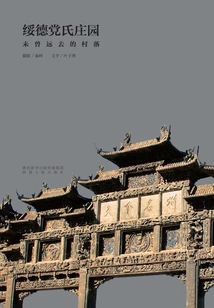
Suide Dang's Manor
History绥德党氏庄园
Qinling Mountains
Dang's Manor is located in Suide County, Shaanxi Province. It was built by the fourth generation of the Dang family. After six generations of continuous expansion, it has formed a cluster village composed of several courtyard houses with cave dwellings as the main body. It not only has a typical cave dwelling style, but is also a wonder in the field of architecture. It is permeated with rich northern Shaanxi customs and is the epitome of the traditional architectural culture of northern dwellings on the Loess Plateau. It is the pure and authentic "Impression of Northern Shaanxi" and "Character of Northern Shaanxi". "Dang's Manor in Northern Shaanxi - A Village That Never Gone Far" was photographed by Qin Ling, a member of the China Photographers Association and a famous photographer. The book uses pictures and text to fully display the style of this residential treasure.
Dang's Manor is located in Suide County, Shaanxi Province. It was built by the fourth generation of the Dang family. After six generations of continuous expansion, it has formed a cluster village composed of several courtyard houses with cave dwellings as the main body. It not only has a typical cave dwelling style, but is also a wonder in the field of architecture. It is permeated with rich northern Shaanxi customs and is the epitome of the traditional architectural culture of northern dwellings on the Loess Plateau. It is the pure and authentic "Impression of Northern Shaanxi" and "Character of Northern Shaanxi". "Dang's Manor in Northern Shaanxi - A Village That Never Gone Far" was photographed by Qin Ling, a member of the China Photographers Association and a famous photographer. The book uses pictures and text to fully display the style of this residential treasure.
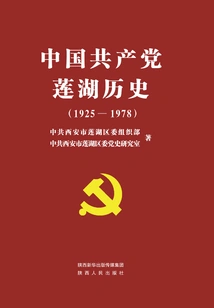
中国共产党莲湖历史(1925-1978)
Organization Department Of The Lianhu District Committee Of The Communist Party Of China In Xi'an City Lianhu District Committee Of The Communist Party Of China In Xi'an City
"The History of the Communist Party of China in Lianhu (1925-1978)" is divided into five chapters: the establishment and activities of the party organization during the new democratic revolution, the establishment of people's power and the realization of the transition to socialism, and the comprehensive development and tortuous development of the socialist construction cause. It mainly records the establishment and development of the party organization in the Lianhu area from October 1925 to December 1978. It is a basic work that records and reflects the history of the party in Lianhu area during the new democratic revolution period and the socialist construction period.
"The History of the Communist Party of China in Lianhu (1925-1978)" is divided into five chapters: the establishment and activities of the party organization during the new democratic revolution, the establishment of people's power and the realization of the transition to socialism, and the comprehensive development and tortuous development of the socialist construction cause. It mainly records the establishment and development of the party organization in the Lianhu area from October 1925 to December 1978. It is a basic work that records and reflects the history of the party in Lianhu area during the new democratic revolution period and the socialist construction period.
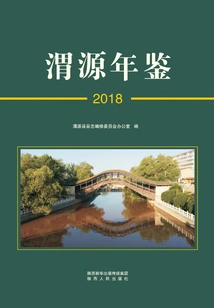
Weiyuan Yearbook.2018
History渭源年鉴.2018
Weiyuan County County Chronicles Editorial Committee Office
"Weiyuan Yearbook (2018)" records the basic situation and important information of various industries in Weiyuan County in 2017. In accordance with the principles of comprehensiveness, systematicness and accuracy, this volume of yearbook refers to the "Compilation of Documents and Catalogs of National Chronicles for the Second Round of National Chronicle Revision" and the "National Economic Industry Classification". It contains special sections, major events, overview of county conditions, party and government agencies, democratic parties and federations of industry and commerce, social groups, military There are 21 categories in total, about 350,000 words, including politics and law, economy, trade and circulation, finance, taxation and finance, transportation and tourism, postal communications, economic management, urban and rural construction and environmental protection, social undertakings, social people's livelihood, township overview, national economic and social development information, annual figures, and appendices. There is also a color picture album of major events and development achievements in the county.
"Weiyuan Yearbook (2018)" records the basic situation and important information of various industries in Weiyuan County in 2017. In accordance with the principles of comprehensiveness, systematicness and accuracy, this volume of yearbook refers to the "Compilation of Documents and Catalogs of National Chronicles for the Second Round of National Chronicle Revision" and the "National Economic Industry Classification". It contains special sections, major events, overview of county conditions, party and government agencies, democratic parties and federations of industry and commerce, social groups, military There are 21 categories in total, about 350,000 words, including politics and law, economy, trade and circulation, finance, taxation and finance, transportation and tourism, postal communications, economic management, urban and rural construction and environmental protection, social undertakings, social people's livelihood, township overview, national economic and social development information, annual figures, and appendices. There is also a color picture album of major events and development achievements in the county.
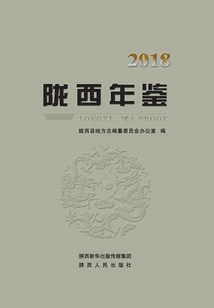
Longxi Yearbook.2018
History陇西年鉴.2018
Longxi County Local Chronicles Compilation Committee Office
"Longxi Yearbook (2018)" records the basic situation and important information of various industries in Longxi County in 2017. In accordance with the principles of comprehensiveness, systematicness and accuracy, this yearbook refers to the "Compilation of National Second Round of Work Documents and Chronicles Chapters" and the "National Economic Industry Classification", and draws on other yearbook catalogues. It plans to include special sections, special records, major events, county overview, party and government agencies, democratic parties and the Federation of Industry and Commerce, social groups, military politics and law, economy, trade circulation, finance, taxation and finance, transportation There are 21 categories in total including tourism, postal communications, economic management, urban and rural construction and environmental protection, social undertakings, social livelihood, township profiles, national economic and social development information, annual figures, and appendices. The content focuses on poverty alleviation, ecological construction, transformation and upgrading of advantageous and characteristic industries, and development of strategic emerging industries, etc. That reflect the economic and social development of the county.
"Longxi Yearbook (2018)" records the basic situation and important information of various industries in Longxi County in 2017. In accordance with the principles of comprehensiveness, systematicness and accuracy, this yearbook refers to the "Compilation of National Second Round of Work Documents and Chronicles Chapters" and the "National Economic Industry Classification", and draws on other yearbook catalogues. It plans to include special sections, special records, major events, county overview, party and government agencies, democratic parties and the Federation of Industry and Commerce, social groups, military politics and law, economy, trade circulation, finance, taxation and finance, transportation There are 21 categories in total including tourism, postal communications, economic management, urban and rural construction and environmental protection, social undertakings, social livelihood, township profiles, national economic and social development information, annual figures, and appendices. The content focuses on poverty alleviation, ecological construction, transformation and upgrading of advantageous and characteristic industries, and development of strategic emerging industries, etc. That reflect the economic and social development of the county.
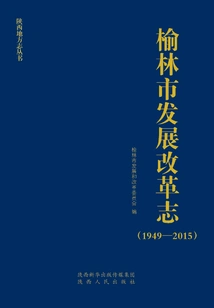
榆林市发展改革志
Yulin City Development And Reform Commission
This magazine uses the viewpoints of dialectical materialism and historical materialism to realistically reflect the historical facts of Yulin City's development and reform, and strives to achieve the unity of ideological, data and scientific nature. The upper limit is when the People's Republic of China was founded in 1949, and the lower limit is to the end of 2015. Major events and individual chapters involve 2016. This journal focuses on recording the development and reform of Yulin after the reform and opening up in December 1978. It is divided into major events. It mainly records important meetings, major events, key projects, major leadership changes, organizational changes and other events that can be used for reference. It is described in a colloquial style. The language strives to be concise, crisp, rigorous, and simple. It is mainly about ambition, including records, biographies, records, pictures, tables, etc., And strives to include both pictures and text. There are six chapters with nearly 400,000 words.
This magazine uses the viewpoints of dialectical materialism and historical materialism to realistically reflect the historical facts of Yulin City's development and reform, and strives to achieve the unity of ideological, data and scientific nature. The upper limit is when the People's Republic of China was founded in 1949, and the lower limit is to the end of 2015. Major events and individual chapters involve 2016. This journal focuses on recording the development and reform of Yulin after the reform and opening up in December 1978. It is divided into major events. It mainly records important meetings, major events, key projects, major leadership changes, organizational changes and other events that can be used for reference. It is described in a colloquial style. The language strives to be concise, crisp, rigorous, and simple. It is mainly about ambition, including records, biographies, records, pictures, tables, etc., And strives to include both pictures and text. There are six chapters with nearly 400,000 words.
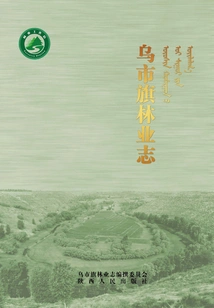
乌市旗林业志
Compilation Committee Of "wushen Banner Forestry Chronicle"
The compilation committee of "Wushen Banner Forestry Chronicles" is under the leadership of the General Branch Committee of the Wushen Banner Forestry Bureau of the Communist Party of China and the Wushen Banner Forestry Bureau. It takes Marxism-Leninism, Mao Zedong Thought, Deng Xiaoping Theory, the important thought of "Three Represents", the Scientific Outlook on Development and Xi Jinping Thought on Socialism with Chinese Characteristics for a New Era as its guiding ideology, and applies dialectical materialism and historical materialism. The book "Wushen Banner Forestry Chronicles" was objectively, fairly and accurately compiled based on the characteristics of the forestry industry and the layout of the internal division of work, reflecting the history and current situation of the development of Wushen Banner's forestry undertakings, and striving to highlight the characteristics of the times and regional characteristics of Wushen Banner's forestry work. This book adopts 7 genres, including narrative, record, chronicle, biography, diagram, table and record, with the main focus being ambition. In addition to the overview, major events, characters, etc., "Wushen Banner Forestry Chronicles" is written in principle at the level of chapters, sections, headings, and items. , Desertification control and afforestation, key forestry projects, forest resources, forest protection, forestry science and technology, forestry reform, forest sand industry, forestry funds, management agencies, introduction to the state-owned forest farm desertification control station nursery, characters, etc. 15 Parts of the description.
The compilation committee of "Wushen Banner Forestry Chronicles" is under the leadership of the General Branch Committee of the Wushen Banner Forestry Bureau of the Communist Party of China and the Wushen Banner Forestry Bureau. It takes Marxism-Leninism, Mao Zedong Thought, Deng Xiaoping Theory, the important thought of "Three Represents", the Scientific Outlook on Development and Xi Jinping Thought on Socialism with Chinese Characteristics for a New Era as its guiding ideology, and applies dialectical materialism and historical materialism. The book "Wushen Banner Forestry Chronicles" was objectively, fairly and accurately compiled based on the characteristics of the forestry industry and the layout of the internal division of work, reflecting the history and current situation of the development of Wushen Banner's forestry undertakings, and striving to highlight the characteristics of the times and regional characteristics of Wushen Banner's forestry work. This book adopts 7 genres, including narrative, record, chronicle, biography, diagram, table and record, with the main focus being ambition. In addition to the overview, major events, characters, etc., "Wushen Banner Forestry Chronicles" is written in principle at the level of chapters, sections, headings, and items. , Desertification control and afforestation, key forestry projects, forest resources, forest protection, forestry science and technology, forestry reform, forest sand industry, forestry funds, management agencies, introduction to the state-owned forest farm desertification control station nursery, characters, etc. 15 Parts of the description.
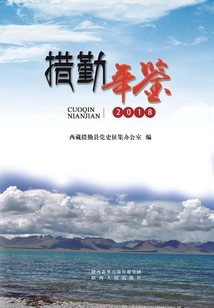
Cuoqin Yearbook.2018
History措勤年鉴.2018
Tibet Coqin County Party History Collection Office
"Coqin Yearbook 2018" is an informative document that systematically describes the natural, political, economic, cultural, social and other aspects of Coqin County. The content mainly records the basic situation, latest achievements, major events, development trends, etc. Of Coqin County in 2017. The publication of this yearbook will provide comprehensive and detailed information for all walks of life to understand, build, develop and research Cuoqin County. The author of the book is the Party History Collection Office of Tibet's Coqin County. Its main function is to rescue Party history resources in a timely, scientific and efficient manner based on the county's economic and social development status and the completion of the Party history work plan, and to collect, compile and organize local CCP materials.
"Coqin Yearbook 2018" is an informative document that systematically describes the natural, political, economic, cultural, social and other aspects of Coqin County. The content mainly records the basic situation, latest achievements, major events, development trends, etc. Of Coqin County in 2017. The publication of this yearbook will provide comprehensive and detailed information for all walks of life to understand, build, develop and research Cuoqin County. The author of the book is the Party History Collection Office of Tibet's Coqin County. Its main function is to rescue Party history resources in a timely, scientific and efficient manner based on the county's economic and social development status and the completion of the Party history work plan, and to collect, compile and organize local CCP materials.
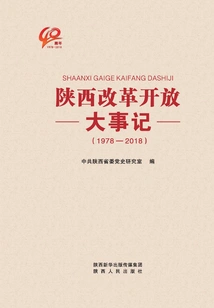
陕西改革开放大事记(1978-2018)
Party History Research Office Of The Shaanxi Provincial Committee Of The Communist Party Of China
Reform and opening up is a key decision that determines the destiny of contemporary China; it is the only way to develop socialism with Chinese characteristics and realize the great rejuvenation of the Chinese nation; it is the road to making our country strong. On the occasion of the 40th anniversary of reform and opening up, the "Shaanxi Reform and Opening Up Major Events" compiled by the Party History Research Office of the Shaanxi Provincial Committee of the Communist Party of China is a gift to commemorate the 40th anniversary of reform and opening up. The book mainly reflects the major decisions and arrangements, important meetings, major events, major work and important activities of the Shaanxi Provincial Committee of the Communist Party of China and the provincial government since the reform and opening up in the form of chronological entries. This chronicle of major events presents the great achievements that Shaanxi has made since its reform and opening up, and has very important research value and historical material value.
Reform and opening up is a key decision that determines the destiny of contemporary China; it is the only way to develop socialism with Chinese characteristics and realize the great rejuvenation of the Chinese nation; it is the road to making our country strong. On the occasion of the 40th anniversary of reform and opening up, the "Shaanxi Reform and Opening Up Major Events" compiled by the Party History Research Office of the Shaanxi Provincial Committee of the Communist Party of China is a gift to commemorate the 40th anniversary of reform and opening up. The book mainly reflects the major decisions and arrangements, important meetings, major events, major work and important activities of the Shaanxi Provincial Committee of the Communist Party of China and the provincial government since the reform and opening up in the form of chronological entries. This chronicle of major events presents the great achievements that Shaanxi has made since its reform and opening up, and has very important research value and historical material value.
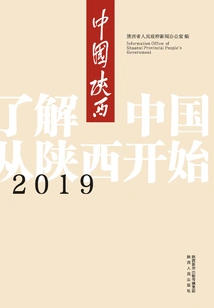
2019 Shaanxi, China
History2019中国陕西
Shaanxi Provincial People's Government Information Office
The book "China Shaanxi 2019" was organized and compiled by the Information Office of the Shaanxi Provincial People's Government. The book is divided into five parts to introduce Shaanxi's achievements in various aspects in 2017. 1. "Beautiful Chapter". Including: natural environment, history and humanity, and tourism resources; 2. "Vitality". Including abundant resources, innovation power, scientific and technological education and human resources. 3. "Happiness". Including: development overview, people's livelihood projects, city tour. 4. "Open Chapter". Including: foreign exchanges and economic and trade cooperation, development zone construction, and a new starting point for building the Silk Road Economic Belt. 5. "Appendix". Including: key planning, Shaanxi essence tourism strategy, Shaanxi snacks, and Shaanxi specialties.
The book "China Shaanxi 2019" was organized and compiled by the Information Office of the Shaanxi Provincial People's Government. The book is divided into five parts to introduce Shaanxi's achievements in various aspects in 2017. 1. "Beautiful Chapter". Including: natural environment, history and humanity, and tourism resources; 2. "Vitality". Including abundant resources, innovation power, scientific and technological education and human resources. 3. "Happiness". Including: development overview, people's livelihood projects, city tour. 4. "Open Chapter". Including: foreign exchanges and economic and trade cooperation, development zone construction, and a new starting point for building the Silk Road Economic Belt. 5. "Appendix". Including: key planning, Shaanxi essence tourism strategy, Shaanxi snacks, and Shaanxi specialties.
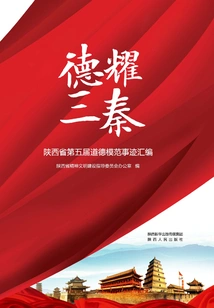
De Yao San Qin
History德耀三秦
Shaanxi Provincial Spiritual Civilization Construction Steering Committee Office
"De Yao San Qin" was compiled by the Shaanxi Provincial Spiritual Civilization Construction Steering Committee Office. It aims to publicize the advanced deeds of "Shaanxi good people", carry forward the core socialist values, and form a good social moral trend in which everyone learns from others and is a good person. This book collects the touching deeds of He Jun, Lu Xiaoping, Fan Wenlai, Liu Biao, Fang Yuguang, He Zhuoyuan, Li Keyi, Ren Lixin, Zhang Xiaoxia, Wang Yangzhou, Wang Manqiang, Ren Fengxiang, Wang Yingbao, Wu Shuqiang, Ma Caifeng, Hu Xin, Cao Peng, Zhang Dan, Gong Qifu, Wang Wei, Wu Jianfa and many other advanced figures who won the title of the Fourth Moral Model of Shaanxi Province. Adhering to the good wishes of inheriting advanced culture, spreading social civilization and improving the quality of all people. Record good people and good deeds and share them with readers.
"De Yao San Qin" was compiled by the Shaanxi Provincial Spiritual Civilization Construction Steering Committee Office. It aims to publicize the advanced deeds of "Shaanxi good people", carry forward the core socialist values, and form a good social moral trend in which everyone learns from others and is a good person. This book collects the touching deeds of He Jun, Lu Xiaoping, Fan Wenlai, Liu Biao, Fang Yuguang, He Zhuoyuan, Li Keyi, Ren Lixin, Zhang Xiaoxia, Wang Yangzhou, Wang Manqiang, Ren Fengxiang, Wang Yingbao, Wu Shuqiang, Ma Caifeng, Hu Xin, Cao Peng, Zhang Dan, Gong Qifu, Wang Wei, Wu Jianfa and many other advanced figures who won the title of the Fourth Moral Model of Shaanxi Province. Adhering to the good wishes of inheriting advanced culture, spreading social civilization and improving the quality of all people. Record good people and good deeds and share them with readers.
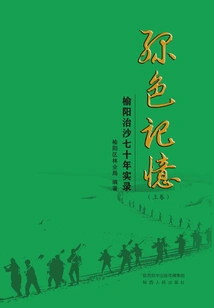
Green Memory
History绿色记忆
Yuyang District Forestry Bureau
"Green Memory" is a book compiled by the Yuyang District Committee of the Communist Party of China and the Yuyang District People's Government in order to further explore the history of desertification control and afforestation of the people of Yuyang District, carry forward the spirit of Yuyang's desertification control, draw lessons from history and spread the positive energy of Yuyang. Through the reminiscences of more than 80 people and a large number of historical pictures, this book focuses on the major events, figures and advanced examples in various historical periods after the founding of the People's Republic of China, in which Yuyang's successive party committees and governments led the masses to control desertification in the north, control soil in the south, and control floods in the middle. The narrators include experts and scholars who have personally experienced desertification control in Yuyang, leading cadres who have made decisions about desertification control, technicians and working people who have been working silently. With vivid and touching personal experiences, they have witnessed the arduous journey of desertification control in Yuyang from different perspectives, and have remembered Yuyang's brilliant achievements in desertification control that have attracted worldwide attention.
"Green Memory" is a book compiled by the Yuyang District Committee of the Communist Party of China and the Yuyang District People's Government in order to further explore the history of desertification control and afforestation of the people of Yuyang District, carry forward the spirit of Yuyang's desertification control, draw lessons from history and spread the positive energy of Yuyang. Through the reminiscences of more than 80 people and a large number of historical pictures, this book focuses on the major events, figures and advanced examples in various historical periods after the founding of the People's Republic of China, in which Yuyang's successive party committees and governments led the masses to control desertification in the north, control soil in the south, and control floods in the middle. The narrators include experts and scholars who have personally experienced desertification control in Yuyang, leading cadres who have made decisions about desertification control, technicians and working people who have been working silently. With vivid and touching personal experiences, they have witnessed the arduous journey of desertification control in Yuyang from different perspectives, and have remembered Yuyang's brilliant achievements in desertification control that have attracted worldwide attention.
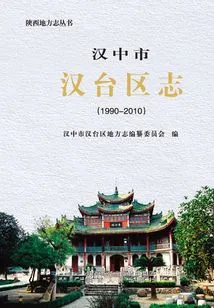
Hantai District Chronicle
History汉台区志
Hanzhong City Hantai District Local Chronicles Compilation Committee
"Hanzhong City Hantai District Chronicles (1990-2010)" is compiled by the Hanzhong City Hantai District Local Chronicles Compilation Committee. This chronicle is not only a continuation of the "Hanzhong City Chronicles", but also the first chronicle since the establishment of Hantai District. This chronicle covers various fields and chronicles historical facts. It took five years to compile. It covers many fields such as nature, economy, politics, military, culture, and society in Hantai District, Hanzhong City. It records the social development and changes of Hantai District, Hanzhong City in more detail in the two decades from 1990 to 2010. It aims to witness history, draw lessons from history, and enlighten future generations. It is a relatively comprehensive and informative scientific chronicle.
"Hanzhong City Hantai District Chronicles (1990-2010)" is compiled by the Hanzhong City Hantai District Local Chronicles Compilation Committee. This chronicle is not only a continuation of the "Hanzhong City Chronicles", but also the first chronicle since the establishment of Hantai District. This chronicle covers various fields and chronicles historical facts. It took five years to compile. It covers many fields such as nature, economy, politics, military, culture, and society in Hantai District, Hanzhong City. It records the social development and changes of Hantai District, Hanzhong City in more detail in the two decades from 1990 to 2010. It aims to witness history, draw lessons from history, and enlighten future generations. It is a relatively comprehensive and informative scientific chronicle.
中国共产党陕西省永寿县组织史资料第四卷
Organization Department Of Yongshou County Committee Of The Communist Party Of China
"Yongshou County Organizational History Materials of the Communist Party of China, Shaanxi Province" (Volume 4) is compiled in accordance with the unified deployment of the Organization Department of the Central Committee of the Communist Party of China on the continued compilation of organizational history materials of the Communist Party of China. Based on the principles of respecting history, seeking truth while preserving truth, and the compilation policy of "wide collection, approval, refinement, strict review, and timeliness", this book covers local party organizations and government organizations, local military organizations, CPPCC organizations, and mass organizations in Yongshou County from June 1998 to May 2007. As well as the organizational history, changes and leadership list of some enterprises and institutions, the major events of the organizational work of Yongshou County, Shaanxi Province, Shaanxi Province during the same period, and the summary of the party organization briefly reflects the main work and outstanding achievements of the Yongshou County Committee of the Communist Party of China in fulfilling its functions and responsibilities during the same period.
"Yongshou County Organizational History Materials of the Communist Party of China, Shaanxi Province" (Volume 4) is compiled in accordance with the unified deployment of the Organization Department of the Central Committee of the Communist Party of China on the continued compilation of organizational history materials of the Communist Party of China. Based on the principles of respecting history, seeking truth while preserving truth, and the compilation policy of "wide collection, approval, refinement, strict review, and timeliness", this book covers local party organizations and government organizations, local military organizations, CPPCC organizations, and mass organizations in Yongshou County from June 1998 to May 2007. As well as the organizational history, changes and leadership list of some enterprises and institutions, the major events of the organizational work of Yongshou County, Shaanxi Province, Shaanxi Province during the same period, and the summary of the party organization briefly reflects the main work and outstanding achievements of the Yongshou County Committee of the Communist Party of China in fulfilling its functions and responsibilities during the same period.
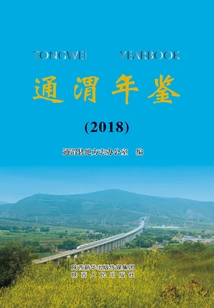
Tongwei Yearbook.2018
History通渭年鉴.2018
Tongwei County Local Chronicles Office
"Tongwei Yearbook (2018)" is a comprehensive local yearbook organized and compiled by the Tongwei County Chronicle Office. This yearbook records the basic natural, social, economic, political, and cultural conditions in Tongwei County in 2017. This volume of the yearbook adopts the classification editing method, with four levels of categories, sub-categories, sub-categories, and entries. It has a total of 19 categories: special articles, special records, major events, Tongwei overview, party and government, democratic parties' federation of industry and commerce, social groups, military politics and law, economy, economic management, transportation and tourism, postal communications, urban and rural construction and environmental protection, social undertakings, social people's livelihood, county overview, national economy and social development data statistical summary, figures and advanced collectives, and appendices.
"Tongwei Yearbook (2018)" is a comprehensive local yearbook organized and compiled by the Tongwei County Chronicle Office. This yearbook records the basic natural, social, economic, political, and cultural conditions in Tongwei County in 2017. This volume of the yearbook adopts the classification editing method, with four levels of categories, sub-categories, sub-categories, and entries. It has a total of 19 categories: special articles, special records, major events, Tongwei overview, party and government, democratic parties' federation of industry and commerce, social groups, military politics and law, economy, economic management, transportation and tourism, postal communications, urban and rural construction and environmental protection, social undertakings, social people's livelihood, county overview, national economy and social development data statistical summary, figures and advanced collectives, and appendices.
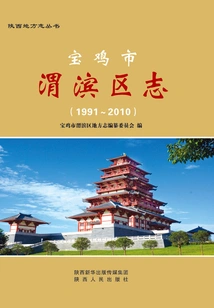
宝鸡市渭滨区志
Baoji City Weibin District Local Chronicles Compilation Committee
"Weibin District Chronicles (1991-2010)" is compiled by the Weibin District Chronicles Compilation Committee of Baoji City. It is the continuation of the first round of "Weibin District Chronicles" after the founding of New China. The upper limit is connected with the previous record, which is January 1, 1991; the lower limit is set at December 31, 2010. The annals are generally organized into sections, chapters, sections, and catalogues. Chronicles, biographies, records, tables, diagrams, and records are used together. Various undertakings are used as longitudes and chronological order is used as latitudes. Categories are arranged horizontally to provide a longitudinal overview of the 20-year development and changes of the natural, social, political, economic, and cultural aspects of Weibin District. The whole journal consists of 35 parts: preface, general examples, table of contents, summary, major events and special journals, followed by appendices and the beginning and end of the journal. The 35 special titles are administrative construction, ecological environment, population, land, urban construction, agriculture and livestock industry, forestry and water conservancy, construction and real estate, transportation, industry, commerce and trade, finance, taxation and finance, economic management, local organizations of the Communist Party of China, People's Congress, People's Congress, etc. Civilian government, People's Political Consultative Conference, political parties and mass organizations, public security and justice, trial and prosecution, people's armed air defense, civil affairs petitions, personnel, labor and social security, education, science and technology, health, sports, culture, cultural relics and tourism, Emperor Yan, bronzes, stone drum inscriptions, society, dialects, characters. There are color photos in the front of the journal, photos and tables in the special journal, and appendices at the end of the book, including the beginning and end of the journal.
"Weibin District Chronicles (1991-2010)" is compiled by the Weibin District Chronicles Compilation Committee of Baoji City. It is the continuation of the first round of "Weibin District Chronicles" after the founding of New China. The upper limit is connected with the previous record, which is January 1, 1991; the lower limit is set at December 31, 2010. The annals are generally organized into sections, chapters, sections, and catalogues. Chronicles, biographies, records, tables, diagrams, and records are used together. Various undertakings are used as longitudes and chronological order is used as latitudes. Categories are arranged horizontally to provide a longitudinal overview of the 20-year development and changes of the natural, social, political, economic, and cultural aspects of Weibin District. The whole journal consists of 35 parts: preface, general examples, table of contents, summary, major events and special journals, followed by appendices and the beginning and end of the journal. The 35 special titles are administrative construction, ecological environment, population, land, urban construction, agriculture and livestock industry, forestry and water conservancy, construction and real estate, transportation, industry, commerce and trade, finance, taxation and finance, economic management, local organizations of the Communist Party of China, People's Congress, People's Congress, etc. Civilian government, People's Political Consultative Conference, political parties and mass organizations, public security and justice, trial and prosecution, people's armed air defense, civil affairs petitions, personnel, labor and social security, education, science and technology, health, sports, culture, cultural relics and tourism, Emperor Yan, bronzes, stone drum inscriptions, society, dialects, characters. There are color photos in the front of the journal, photos and tables in the special journal, and appendices at the end of the book, including the beginning and end of the journal.
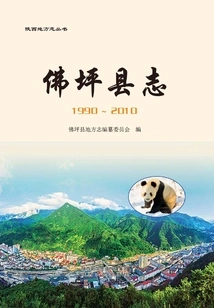
佛坪县志:1990-2010
Foping County Local Chronicles Compilation Committee
"Foping County Chronicle (1990~2010)" is divided into twenty-six volumes. There is an overview; major events; the first section is administrative establishment; the second section is physical geography; the third section is the Four Treasures of the Qinling Mountains; the fourth section is Chinese medicinal materials; the fifth section is population; the sixth section is agriculture, forestry, water and animal husbandry; the seventh section is industry; the eighth section is commerce and trade; the ninth section is tourism; the tenth section is urban and rural construction and environmental protection; the eleventh section is transportation and telecommunications; the 12th section is finance and taxation; the 13th section is comprehensive economic management; the 14th section is the local organization of the Communist Party of China; Section 15: Local People's Congress; Section 16: Local People's Government; Section 17: Local Political Consultative Conference; Section 18: Mass Organizations; Section 19: Trial and Procuratorial; Section 20: Military; Section 21: Comprehensive Government Affairs; Section 22: Education, Sports and Science and Technology; Section 23: Medical and Health; Section 24: Cultural Relics, Radio and Television; Section 25: Society; Section 26: People.
"Foping County Chronicle (1990~2010)" is divided into twenty-six volumes. There is an overview; major events; the first section is administrative establishment; the second section is physical geography; the third section is the Four Treasures of the Qinling Mountains; the fourth section is Chinese medicinal materials; the fifth section is population; the sixth section is agriculture, forestry, water and animal husbandry; the seventh section is industry; the eighth section is commerce and trade; the ninth section is tourism; the tenth section is urban and rural construction and environmental protection; the eleventh section is transportation and telecommunications; the 12th section is finance and taxation; the 13th section is comprehensive economic management; the 14th section is the local organization of the Communist Party of China; Section 15: Local People's Congress; Section 16: Local People's Government; Section 17: Local Political Consultative Conference; Section 18: Mass Organizations; Section 19: Trial and Procuratorial; Section 20: Military; Section 21: Comprehensive Government Affairs; Section 22: Education, Sports and Science and Technology; Section 23: Medical and Health; Section 24: Cultural Relics, Radio and Television; Section 25: Society; Section 26: People.