Library
Browse and search books
2,037 novels found
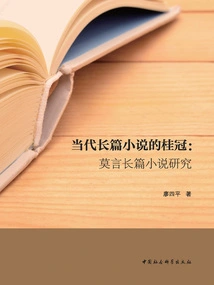
当代长篇小说的桂冠:莫言长篇小说研究
Liao Siping
This book studies Mo Yan's 11 (all) novels, including an overall study and a case study. The overall study takes Mo Yan's 11 novels as a whole and studies them from the aspects of content, aesthetic characteristics, themes, artistic expression, inheritance, significance and value; the case study studies each novel separately from its content outline, characters, themes, artistic expression, shortcomings, etc.; The personal experiences of existing researchers. , As well as quotes from the novel text and the insights of academic experts... Therefore, it has high academic value - it is not only an "intensive" and all-round study of all Mo Yan's novels, but also the basis for further research on Mo Yan's novels; it is also universal - its language is popular and fluent, and the content is comprehensive, concise and concise. It can be used as a reference for Mo Yan researchers, and can be read by all kinds of students, literature lovers, and ordinary readers.
This book studies Mo Yan's 11 (all) novels, including an overall study and a case study. The overall study takes Mo Yan's 11 novels as a whole and studies them from the aspects of content, aesthetic characteristics, themes, artistic expression, inheritance, significance and value; the case study studies each novel separately from its content outline, characters, themes, artistic expression, shortcomings, etc.; The personal experiences of existing researchers. , As well as quotes from the novel text and the insights of academic experts... Therefore, it has high academic value - it is not only an "intensive" and all-round study of all Mo Yan's novels, but also the basis for further research on Mo Yan's novels; it is also universal - its language is popular and fluent, and the content is comprehensive, concise and concise. It can be used as a reference for Mo Yan researchers, and can be read by all kinds of students, literature lovers, and ordinary readers.
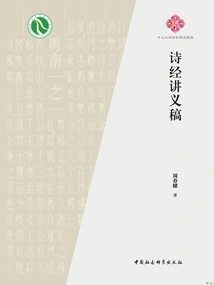
Book of Songs Lecture Notes
Literature诗经讲义稿
Zhou Chunjian
This book is a collection of the author's lectures on the Book of Songs at Sun Yat-sen University for ten years. The title "Lecture Notes on the Book of Songs" is modeled after the work of the same name that Mr. Fu Sinian used to teach the Book of Songs at Sun Yat-sen University. However, it is not for clinging to others. Firstly, it is to continue the "Book of Songs" class at Sun Yat-sen University, and secondly, it shows the difference in intention of the two drafts: one is from a modern standpoint, and the other is from a classical standpoint. The manuscript is divided into two parts. The first part discusses several basic issues in the study of "The Book of Songs", and the second part selects the key points of the "Book of Songs" for lectures. The purpose of the book is from the perspective of classical studies, focusing on elucidating the educational significance of the Book of Songs in classical Chinese society.
This book is a collection of the author's lectures on the Book of Songs at Sun Yat-sen University for ten years. The title "Lecture Notes on the Book of Songs" is modeled after the work of the same name that Mr. Fu Sinian used to teach the Book of Songs at Sun Yat-sen University. However, it is not for clinging to others. Firstly, it is to continue the "Book of Songs" class at Sun Yat-sen University, and secondly, it shows the difference in intention of the two drafts: one is from a modern standpoint, and the other is from a classical standpoint. The manuscript is divided into two parts. The first part discusses several basic issues in the study of "The Book of Songs", and the second part selects the key points of the "Book of Songs" for lectures. The purpose of the book is from the perspective of classical studies, focusing on elucidating the educational significance of the Book of Songs in classical Chinese society.
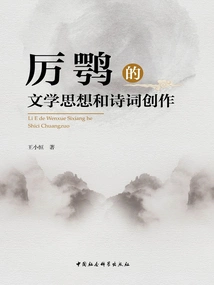
厉鹗的文学思想和诗词创作
Wang Xiaoheng
This book conducts a relatively systematic and comprehensive excavation and research on the literary thoughts and poetry creations of Li E, the leader of the Zhejiang School of poets in the mid-Qing Dynasty. Li E created a considerable number of poems and achieved high artistic achievements, which had a great influence at that time. In addition to poetry, Li E is also quite successful in his prose and sanqu creations. This book makes an in-depth study of Li E's multi-faceted literary creation; at the same time, it also makes necessary explorations into his status, role and influence in the poetry cultural activities of Zhejiang School poets in the mid-Qing Dynasty, with a view to attracting the attention of the academic community.
This book conducts a relatively systematic and comprehensive excavation and research on the literary thoughts and poetry creations of Li E, the leader of the Zhejiang School of poets in the mid-Qing Dynasty. Li E created a considerable number of poems and achieved high artistic achievements, which had a great influence at that time. In addition to poetry, Li E is also quite successful in his prose and sanqu creations. This book makes an in-depth study of Li E's multi-faceted literary creation; at the same time, it also makes necessary explorations into his status, role and influence in the poetry cultural activities of Zhejiang School poets in the mid-Qing Dynasty, with a view to attracting the attention of the academic community.
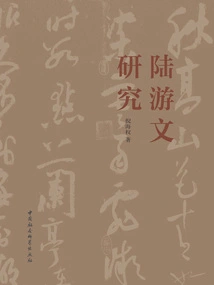
Research on Lu Youwen
Literature陆游文研究
Ni Haiquan
This book takes Lu Youwen as the research object. First of all, it is pointed out that the characteristics of Lu You's writings are sharp and sharp, full of emotion, lofty intentions, outstanding knowledge, comprehensive writing, clear style and high literary talent. The main part discusses the seven most valuable literary styles in Lu You's works, including preface and postscript, book introduction, miscellaneous notes, notes, historical biography, epitaph and praise. Finally, Lu You's writings are placed in the macro-background of literary development in the Two Song Dynasties, and it is believed that Lu You is one of the first-class ancient writers in the Two Song Dynasties and an outstanding representative of the revitalized literary world in the Southern Song Dynasty.
This book takes Lu Youwen as the research object. First of all, it is pointed out that the characteristics of Lu You's writings are sharp and sharp, full of emotion, lofty intentions, outstanding knowledge, comprehensive writing, clear style and high literary talent. The main part discusses the seven most valuable literary styles in Lu You's works, including preface and postscript, book introduction, miscellaneous notes, notes, historical biography, epitaph and praise. Finally, Lu You's writings are placed in the macro-background of literary development in the Two Song Dynasties, and it is believed that Lu You is one of the first-class ancient writers in the Two Song Dynasties and an outstanding representative of the revitalized literary world in the Southern Song Dynasty.
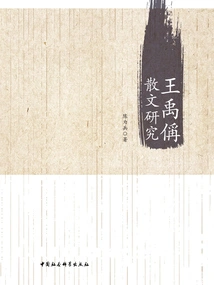
Research on Wang Yucheng's Prose
Literature王禹偁散文研究
Chen Weibing
This book is the first work in China that systematically studies and organizes Wang Yucheng's prose in separate parts. It reflects the author's extremely high ability to interpret documents, and the thesis is fully demonstrated. It conducts separate research on the writer's works and accurately grasps the mainstream practices in the current academic world. The topic selection has great theoretical value and the research is relatively in-depth. Wang Yucheng was an important writer in the early Northern Song Dynasty and played a leading role in the classical prose movement of the Tang and Song Dynasties. Studying his prose is of great help to understand the formation and development of the ancient prose movement in the Song Dynasty and to grasp the overall style of the Song Dynasty literature. The book is divided into two parts. In addition to the introduction and conclusion, the first part focuses on the classification and study of Wang Yucheng's prose according to style. The following part is about the proofreading and annotation of Wang Yucheng's prose. This is the first time that Wang Yucheng's prose has been proofread and annotated in China.
This book is the first work in China that systematically studies and organizes Wang Yucheng's prose in separate parts. It reflects the author's extremely high ability to interpret documents, and the thesis is fully demonstrated. It conducts separate research on the writer's works and accurately grasps the mainstream practices in the current academic world. The topic selection has great theoretical value and the research is relatively in-depth. Wang Yucheng was an important writer in the early Northern Song Dynasty and played a leading role in the classical prose movement of the Tang and Song Dynasties. Studying his prose is of great help to understand the formation and development of the ancient prose movement in the Song Dynasty and to grasp the overall style of the Song Dynasty literature. The book is divided into two parts. In addition to the introduction and conclusion, the first part focuses on the classification and study of Wang Yucheng's prose according to style. The following part is about the proofreading and annotation of Wang Yucheng's prose. This is the first time that Wang Yucheng's prose has been proofread and annotated in China.
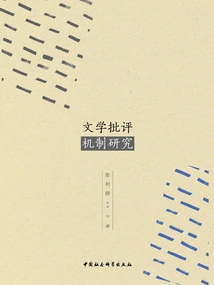
Research on Literary Criticism Mechanism
Literature文学批评机制研究
Zhang Liqun
This book takes literary criticism as the research object and the critical mechanism as the research perspective. It focuses on the functional role of the driving force, internal driving force, external thrust, and comprehensive force of criticism in the contemporary transformation and development. It not only focuses on the ontological research of the critical mechanism, consolidating its theoretical foundation of epistemology, practice theory, and axiology, but also based on the study of literary dynamics in the relationship between criticism and creation. , Elucidating the connotation and theoretical practical significance of critical experience, literary system, evaluation system and mechanism, values and value sources, critical ethics and critical self-discipline, critical aesthetic spirit, etc., Enriching and expanding the research space of critical theory with the theory of literary criticism mechanism, aiming to enhance critical productivity, evaluative power, and influence, so as to achieve the purpose of promoting the innovative development of literary criticism with Chinese characteristics in the new era.
This book takes literary criticism as the research object and the critical mechanism as the research perspective. It focuses on the functional role of the driving force, internal driving force, external thrust, and comprehensive force of criticism in the contemporary transformation and development. It not only focuses on the ontological research of the critical mechanism, consolidating its theoretical foundation of epistemology, practice theory, and axiology, but also based on the study of literary dynamics in the relationship between criticism and creation. , Elucidating the connotation and theoretical practical significance of critical experience, literary system, evaluation system and mechanism, values and value sources, critical ethics and critical self-discipline, critical aesthetic spirit, etc., Enriching and expanding the research space of critical theory with the theory of literary criticism mechanism, aiming to enhance critical productivity, evaluative power, and influence, so as to achieve the purpose of promoting the innovative development of literary criticism with Chinese characteristics in the new era.
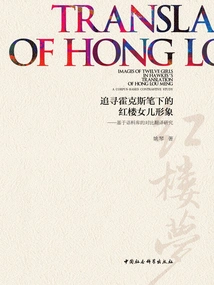
追寻霍克斯笔下的红楼女儿形象:基于语料库的对比翻译研究
Yao Qin
This book is the result of a general project of the China Postdoctoral Science Foundation. This book takes the representative and typical female images in the first 80 chapters of "Dream of Red Mansions" as the research object, and selects the main characters in the main volume, supplementary volume, and supplementary volume of The Twelve Golden Hairpins as the starting point. Through comparative research with the translations of Yang Xianyi and his wife, it explores the image of the daughter of the Red Mansion written by Hawkes. This book creates a "one-to-two" parallel corpus: the original text corpus of "Dream of Red Mansions" and the corpus of Huo and Yang's translation. It adopts a combination of quantitative and qualitative research methods. Through statistics, comparison and analysis, it discovers two paradigms of Hawkes' writing and image tracing: one is to write the expression of his words and dynamic outline; the other is to pursue his attributes and temperament and statically fixate the image. The research conclusions of this book can provide a useful paradigm for the English translation of characters in Chinese classic novels in the new century.
This book is the result of a general project of the China Postdoctoral Science Foundation. This book takes the representative and typical female images in the first 80 chapters of "Dream of Red Mansions" as the research object, and selects the main characters in the main volume, supplementary volume, and supplementary volume of The Twelve Golden Hairpins as the starting point. Through comparative research with the translations of Yang Xianyi and his wife, it explores the image of the daughter of the Red Mansion written by Hawkes. This book creates a "one-to-two" parallel corpus: the original text corpus of "Dream of Red Mansions" and the corpus of Huo and Yang's translation. It adopts a combination of quantitative and qualitative research methods. Through statistics, comparison and analysis, it discovers two paradigms of Hawkes' writing and image tracing: one is to write the expression of his words and dynamic outline; the other is to pursue his attributes and temperament and statically fixate the image. The research conclusions of this book can provide a useful paradigm for the English translation of characters in Chinese classic novels in the new century.
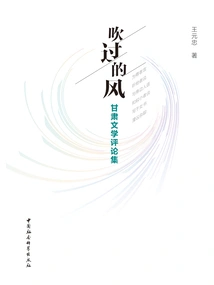
吹过的风:甘肃文学评论集
Wang Yuanzhong
This book takes the "Tianshui literary phenomenon" and the creation of the Tianshui writers group as the main analysis objects, and gives a more systematic review of the performance characteristics, value origins and flaws of Gansu literature from different angles. The book contains a total of forty-seven articles written by the author in different periods, divided into six volumes: "Speaking to the Honorable", "Listening to Others", "Songs of the Contemporaries", "Talk with Brothers", "Written in Nushu" and "Miscellaneous Discussions". Starting from the two levels of analysis of the author's creation and characteristic phenomena, it combines real text reading and rigorous theoretical interpretation, including detailed and sincere case analysis, as well as macro and overall problem research. In the process of writing, the author integrates his perceptual experience of daily literary writing and rational cognition of theoretical teaching, seeks a balance of expression between ideological enlightenment and aesthetic pleasure, and constructs a thoughtful and beautiful literary criticism through his own practice.
This book takes the "Tianshui literary phenomenon" and the creation of the Tianshui writers group as the main analysis objects, and gives a more systematic review of the performance characteristics, value origins and flaws of Gansu literature from different angles. The book contains a total of forty-seven articles written by the author in different periods, divided into six volumes: "Speaking to the Honorable", "Listening to Others", "Songs of the Contemporaries", "Talk with Brothers", "Written in Nushu" and "Miscellaneous Discussions". Starting from the two levels of analysis of the author's creation and characteristic phenomena, it combines real text reading and rigorous theoretical interpretation, including detailed and sincere case analysis, as well as macro and overall problem research. In the process of writing, the author integrates his perceptual experience of daily literary writing and rational cognition of theoretical teaching, seeks a balance of expression between ideological enlightenment and aesthetic pleasure, and constructs a thoughtful and beautiful literary criticism through his own practice.
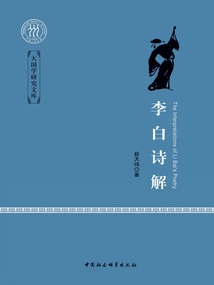
Interpretation of Li Bai's Poetry
Literature李白诗解
Xue Tianwei
This book introduces the 20th century and the first 10 years of this century, focusing on the empirical research on Li Bai's poetry in the writings of various writers since 1978 (including the textual research of the historical facts involved in the poem, the textual research of the poet's deeds, the revision of the poetic text, and the language in the poem). (Exegesis of words, etc.) And the results of poetic interpretation based on empirical research have been reviewed as comprehensively as possible, extensively drawing on the original results of various authors, and integrating their own research findings to provide varying degrees of new interpretations of the Li Bai poems involved. The book contains 484 poems with 298 titles by Li Bai, which is about half of the total number of Li Bai's poems.
This book introduces the 20th century and the first 10 years of this century, focusing on the empirical research on Li Bai's poetry in the writings of various writers since 1978 (including the textual research of the historical facts involved in the poem, the textual research of the poet's deeds, the revision of the poetic text, and the language in the poem). (Exegesis of words, etc.) And the results of poetic interpretation based on empirical research have been reviewed as comprehensively as possible, extensively drawing on the original results of various authors, and integrating their own research findings to provide varying degrees of new interpretations of the Li Bai poems involved. The book contains 484 poems with 298 titles by Li Bai, which is about half of the total number of Li Bai's poems.
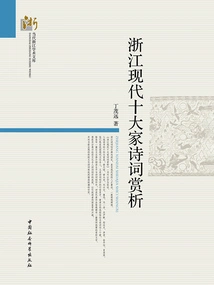
浙江现代十大家诗词赏析
Ding Maoyuan
Zhejiang's poetry creation has a long history, and even in modern times there are still many talented people, who once once again regained their glory. The book "Appreciation of the Poetry of Ten Modern Masters of Zhejiang" can be used as evidence. The ten people selected for the book are: Cai Yuanpei, Zhang Taiyan, Liu Dabai, Lu Xun, Ma Yifu, Shen Yinmo, Yu Dafu, Mao Dun, Yu Pingbo, and Xia Chengtao. They are not only celebrities in our country's modern culture, but also experts in poetry creation. The author selects thirty topics from each famous poet's poems. In addition to writing a long article to give an overall introduction to his life and poetry creation, the author also writes a concise appreciation text for each topic of his representative works, aiming to fully demonstrate the achievements of these cultural celebrities' poetry creation, arouse readers' interest in reading and appreciation, and contribute to the current craze of traditional cultural poetry.
Zhejiang's poetry creation has a long history, and even in modern times there are still many talented people, who once once again regained their glory. The book "Appreciation of the Poetry of Ten Modern Masters of Zhejiang" can be used as evidence. The ten people selected for the book are: Cai Yuanpei, Zhang Taiyan, Liu Dabai, Lu Xun, Ma Yifu, Shen Yinmo, Yu Dafu, Mao Dun, Yu Pingbo, and Xia Chengtao. They are not only celebrities in our country's modern culture, but also experts in poetry creation. The author selects thirty topics from each famous poet's poems. In addition to writing a long article to give an overall introduction to his life and poetry creation, the author also writes a concise appreciation text for each topic of his representative works, aiming to fully demonstrate the achievements of these cultural celebrities' poetry creation, arouse readers' interest in reading and appreciation, and contribute to the current craze of traditional cultural poetry.
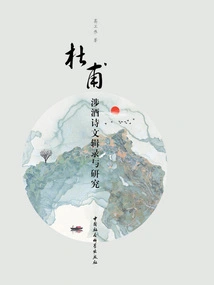
杜甫涉酒诗文辑录与研究
Gao Zhengwei
This book provides readers with a new perspective to understand Du Fu from his wine-related works. The main content includes five parts: Du Fu's life experience and an overview of wine-related poems and essays, wine-related poems and essays, problem solving, annotations, and collection reviews. A total of 318 poems and essays by Du Fu related to wine are selected, which basically covers his works related to wine. In the summary and problem solving section of Du Fu's life experience and wine-related poems, try to use concise words to outline Du Nan's life trajectory at this stage and the mental journey reflected in his wine-related poems. The annotation part grasps the important and difficult points and explains them in concise and easy-to-understand words without tedious research. The collective evaluation is a selection of representative evaluations by future generations, and does not seek to be comprehensive.
This book provides readers with a new perspective to understand Du Fu from his wine-related works. The main content includes five parts: Du Fu's life experience and an overview of wine-related poems and essays, wine-related poems and essays, problem solving, annotations, and collection reviews. A total of 318 poems and essays by Du Fu related to wine are selected, which basically covers his works related to wine. In the summary and problem solving section of Du Fu's life experience and wine-related poems, try to use concise words to outline Du Nan's life trajectory at this stage and the mental journey reflected in his wine-related poems. The annotation part grasps the important and difficult points and explains them in concise and easy-to-understand words without tedious research. The collective evaluation is a selection of representative evaluations by future generations, and does not seek to be comprehensive.
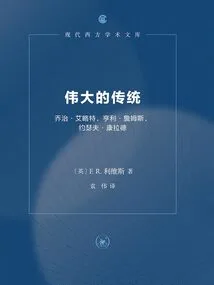
The Great Tradition (third Edition)
Literature伟大的传统(第三版)
(uk) F. R. Leavis
"The Great Tradition" is Leavis's masterpiece of novel criticism, first published in 1948. By analyzing the works of three great novelists, George Eliot, Henry James, and Joseph Conrad, and Dickens's "Hard Times," Leavis constructs the "great tradition" of British novels, and regards ethical sensibility and moral concern as important criteria for judging literary classics. This book not only establishes a "correct awareness of appropriate distinctions" in the field of novel criticism and provides a highly authoritative novel reading list for professors and students of English departments in Western universities, but also provides a paradigm and direction for future cultural studies of the Birmingham School, and has a status that cannot be ignored in the history of British literary criticism.
"The Great Tradition" is Leavis's masterpiece of novel criticism, first published in 1948. By analyzing the works of three great novelists, George Eliot, Henry James, and Joseph Conrad, and Dickens's "Hard Times," Leavis constructs the "great tradition" of British novels, and regards ethical sensibility and moral concern as important criteria for judging literary classics. This book not only establishes a "correct awareness of appropriate distinctions" in the field of novel criticism and provides a highly authoritative novel reading list for professors and students of English departments in Western universities, but also provides a paradigm and direction for future cultural studies of the Birmingham School, and has a status that cannot be ignored in the history of British literary criticism.
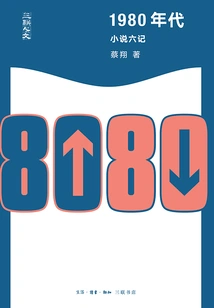
1980s: Six Novels
Literature1980年代:小说六记
Cai Xiang
Through literature, the social transition and ideological landscape of the 1980s are redrawn, and the term "two 1980s" is put forward: the first 1980s revolved around concepts such as reform, enlightenment, and modernization in the social field, starting from "scar literature" and opening up many writing fields. Literature still has full social and political functions and historical missions with realist techniques. The second 1980s originated from the reflection and questioning of the first 1980s. The main themes of reform and modernization brought not only vitality but also problems and crises. While individual consciousness and inner self became increasingly prominent, culture and civilization issues also became the core ideological issues after the mid-1980s; modernism quietly rose, and the concept of "pure literature" was born, and its influence continues to this day. At the end of the 1980s, new realistic novels and Wang Shuo's works appeared in turn, turning the Chinese people's yearning for a better future in the early 1980s into a mediocre daily life. They used literature to dissolve the ideals and values of a great era, thereby ending the 1980s and beginning the 1990s. This is an ideological text produced by the author combining the study of literary history with social history and intellectual history. The author believes that the 1980s cannot be a memorial to the people of the 1980s, but should become a library of history for us to read again and again.
Through literature, the social transition and ideological landscape of the 1980s are redrawn, and the term "two 1980s" is put forward: the first 1980s revolved around concepts such as reform, enlightenment, and modernization in the social field, starting from "scar literature" and opening up many writing fields. Literature still has full social and political functions and historical missions with realist techniques. The second 1980s originated from the reflection and questioning of the first 1980s. The main themes of reform and modernization brought not only vitality but also problems and crises. While individual consciousness and inner self became increasingly prominent, culture and civilization issues also became the core ideological issues after the mid-1980s; modernism quietly rose, and the concept of "pure literature" was born, and its influence continues to this day. At the end of the 1980s, new realistic novels and Wang Shuo's works appeared in turn, turning the Chinese people's yearning for a better future in the early 1980s into a mediocre daily life. They used literature to dissolve the ideals and values of a great era, thereby ending the 1980s and beginning the 1990s. This is an ideological text produced by the author combining the study of literary history with social history and intellectual history. The author believes that the 1980s cannot be a memorial to the people of the 1980s, but should become a library of history for us to read again and again.
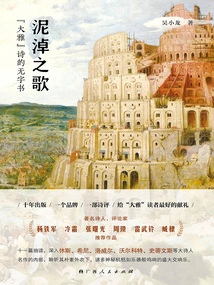
泥淖之歌:“大雅”诗的无字书
Wu Xiaolong
This book is a work that focuses on the "Daya" brand and uses a close reading method to delve into the poetic art and mystery of many famous poets' masterpieces. "Daya" is a humanities publishing brand under Guangxi People's Publishing House, focusing on poetry. Focusing on "Daya", the author, firstly, as a promoter and participant, recalls the process of "Daya" from initiative, establishment to brand influence over the past ten years, summarizes the experience of building a niche brand, and tells the unknown story of "Daya". Second, as a researcher, the author carefully read the representative works of many great poets at home and abroad in the "Daya" series, such as Hughes, Heaney, Lowell, Walcott, and Stevens. From the aspects of sound, image, language, rhetoric, structure, meaning, etc., The author comprehensively dissected these poetic masterpieces like a sparrow, analyzed the subtleties and beauty of modern poetry, touched the core of its aesthetic discourse, and presented the "wordless book" behind the "Daya" brand and its series of poetry works.
This book is a work that focuses on the "Daya" brand and uses a close reading method to delve into the poetic art and mystery of many famous poets' masterpieces. "Daya" is a humanities publishing brand under Guangxi People's Publishing House, focusing on poetry. Focusing on "Daya", the author, firstly, as a promoter and participant, recalls the process of "Daya" from initiative, establishment to brand influence over the past ten years, summarizes the experience of building a niche brand, and tells the unknown story of "Daya". Second, as a researcher, the author carefully read the representative works of many great poets at home and abroad in the "Daya" series, such as Hughes, Heaney, Lowell, Walcott, and Stevens. From the aspects of sound, image, language, rhetoric, structure, meaning, etc., The author comprehensively dissected these poetic masterpieces like a sparrow, analyzed the subtleties and beauty of modern poetry, touched the core of its aesthetic discourse, and presented the "wordless book" behind the "Daya" brand and its series of poetry works.
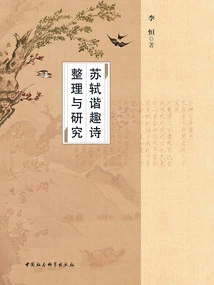
苏轼谐趣诗整理与研究
Li Heng
This book is based on Su Shi's poems compiled in "The Collected Poems of Su Shi" compiled and annotated by Wang Wengao and edited by Kong Fanli. It focuses on the compilation and research of Su Shi's humorous poems. After careful investigation and analysis, among the 2,388 main poems of Su Shi's poems, 105 should-be humorous poems and 384 actual humorous poems have been sorted out, totaling 489 poems in total. Judging from the five-chapter design of this book, the first chapter first defines the concept and causes of Su Shi's humorous poetry; the second and third chapters are the focus of the author's research, sorting out and analyzing the natural humorous poetry and the realistic humorous poetry, and focusing on classifying and analyzing them using texts and charts; the fourth chapter explores and summarizes the artistic characteristics of Su Shi's humorous poetry; finally, discusses the status and influence of Su Shi's humorous poetry, thus systematically completing the overall study of Su Shi's humorous poetry. At the same time, using methods such as textual evidence and chart analysis to examine Su Shi's humorous poems will help enrich the means and methods of studying Su Shi's poems.
This book is based on Su Shi's poems compiled in "The Collected Poems of Su Shi" compiled and annotated by Wang Wengao and edited by Kong Fanli. It focuses on the compilation and research of Su Shi's humorous poems. After careful investigation and analysis, among the 2,388 main poems of Su Shi's poems, 105 should-be humorous poems and 384 actual humorous poems have been sorted out, totaling 489 poems in total. Judging from the five-chapter design of this book, the first chapter first defines the concept and causes of Su Shi's humorous poetry; the second and third chapters are the focus of the author's research, sorting out and analyzing the natural humorous poetry and the realistic humorous poetry, and focusing on classifying and analyzing them using texts and charts; the fourth chapter explores and summarizes the artistic characteristics of Su Shi's humorous poetry; finally, discusses the status and influence of Su Shi's humorous poetry, thus systematically completing the overall study of Su Shi's humorous poetry. At the same time, using methods such as textual evidence and chart analysis to examine Su Shi's humorous poems will help enrich the means and methods of studying Su Shi's poems.
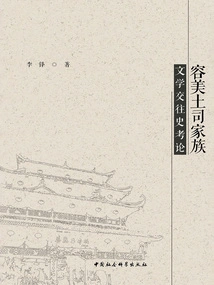
容美土司家族文学交往史考论
Li Feng
Based on a macro-inspection of the "Tusi children's admission" system, this book uses a combination of "examination" and "discussion" to systematically review the history of literary exchanges of the Rongmei Tusi family for the first time from four aspects: object re-examination, interaction situation, interaction characteristics, interaction influence and significance, and reveals from one perspective the reasons why this family's literary tradition has continued for hundreds of years. Relevant research results have also further enriched the history of Chinese ethnic minority literature. At the same time, Rongmei Tusi's literary exchanges serve as a classic example of cultural exchange within the Chinese nation. The study of them can also help us deeply understand the formation and development process of the "pluralistic unity" pattern of the Chinese nation.
Based on a macro-inspection of the "Tusi children's admission" system, this book uses a combination of "examination" and "discussion" to systematically review the history of literary exchanges of the Rongmei Tusi family for the first time from four aspects: object re-examination, interaction situation, interaction characteristics, interaction influence and significance, and reveals from one perspective the reasons why this family's literary tradition has continued for hundreds of years. Relevant research results have also further enriched the history of Chinese ethnic minority literature. At the same time, Rongmei Tusi's literary exchanges serve as a classic example of cultural exchange within the Chinese nation. The study of them can also help us deeply understand the formation and development process of the "pluralistic unity" pattern of the Chinese nation.
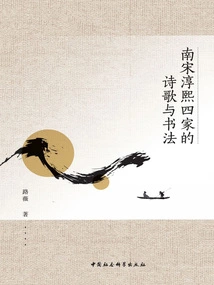
南宋淳熙四家的诗歌与书法
Lu Wei
"Poetry and Calligraphy of the Four Chunxi Masters of the Southern Song Dynasty" conducts a comprehensive study of the poetry and calligraphy of the four Chunxi Masters of the Southern Song Dynasty, Lu You, Fan Chengda, Zhu Xi, and Zhang Xiaoxiang. As a group of literati and calligraphers who grew up after the Song Dynasty moved south, the Chunxi family's four creative achievements in poetry and calligraphy, artistic style, ideological theory, etc. Are closely related to the author's knowledge, experience, character, and artistic accomplishment. They also show contemporary characteristics that are interdependent with historical and cultural background, literary aesthetic trends, and other factors. This book focuses on the ideological and artistic integration of poetry and calligraphy of the four Chunxi families of the Southern Song Dynasty, and the evaluation and discussion from different perspectives by contemporary people and later generations. It conducts a multi-dimensional and multi-faceted comprehensive analysis of the poetry and calligraphy of the four Chunxi families, studies the rich inner spiritual world of the creative subjects, and explores the common artistic emotions and aesthetic connotations of their poetry and calligraphy.
"Poetry and Calligraphy of the Four Chunxi Masters of the Southern Song Dynasty" conducts a comprehensive study of the poetry and calligraphy of the four Chunxi Masters of the Southern Song Dynasty, Lu You, Fan Chengda, Zhu Xi, and Zhang Xiaoxiang. As a group of literati and calligraphers who grew up after the Song Dynasty moved south, the Chunxi family's four creative achievements in poetry and calligraphy, artistic style, ideological theory, etc. Are closely related to the author's knowledge, experience, character, and artistic accomplishment. They also show contemporary characteristics that are interdependent with historical and cultural background, literary aesthetic trends, and other factors. This book focuses on the ideological and artistic integration of poetry and calligraphy of the four Chunxi families of the Southern Song Dynasty, and the evaluation and discussion from different perspectives by contemporary people and later generations. It conducts a multi-dimensional and multi-faceted comprehensive analysis of the poetry and calligraphy of the four Chunxi families, studies the rich inner spiritual world of the creative subjects, and explores the common artistic emotions and aesthetic connotations of their poetry and calligraphy.
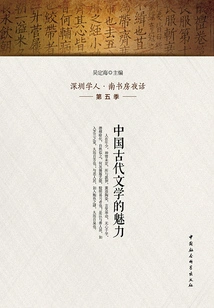
The Charm of Ancient Chinese Literature: Shenzhen Scholar·night Talk Season 5 in Nanshufang
Literature中国古代文学的魅力:深圳学人·南书房夜话第五季
Editor-in-chief Wu Dinghai
This book takes ancient Chinese literature as the entry point, focuses on traditional culture, and interprets the beauty of Chinese thought and literature. The content includes several common cultural themes at home and abroad, such as world, family, emotion, reason, and people. Through the reinterpretation of several ancient literary works such as "The Romance of the West Chamber", "Shuo Yuan", "Records of the Kingdoms of the Eastern Zhou Dynasty", "Yan Family Instructions", "Shishuo Xinyu" and "Jin Ping Mei", we will be guided to have an in-depth appreciation and understanding of them.
This book takes ancient Chinese literature as the entry point, focuses on traditional culture, and interprets the beauty of Chinese thought and literature. The content includes several common cultural themes at home and abroad, such as world, family, emotion, reason, and people. Through the reinterpretation of several ancient literary works such as "The Romance of the West Chamber", "Shuo Yuan", "Records of the Kingdoms of the Eastern Zhou Dynasty", "Yan Family Instructions", "Shishuo Xinyu" and "Jin Ping Mei", we will be guided to have an in-depth appreciation and understanding of them.
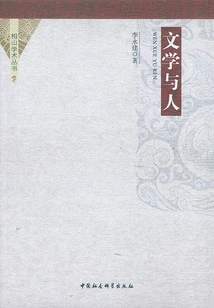
文学与人(相山学术丛书)
Li Yongjian
This book is a collection of essays and reviews on literature written by the author over the past thirty years, totaling thirty-eight articles. The author upholds and practices the concept of "pinching" research: selecting top celebrities, the best classics and important literary phenomena as the objects of research and interpretation, in order to achieve the goal of studying classics, approaching masters, and meeting great minds. Although the articles are divided into three categories (close reading of classics, analysis of famous experts, and perspective of phenomena) and span three generations (ancient, modern, and contemporary), they are integrated with each other with the red thread of human beings: exploring the mystery and depth of the human heart, observing the multidimensional aspects of human nature, paying attention to the situation and solutions of life, and praising the equality, tolerance, benevolence, and freedom of humanity; and among them The most important thing is to use humanities as the concept, perspective and theory to observe, study and interpret Jiaoxue: taking people as the object and purpose of investigation, using people's emotions, souls and value positions to appreciate and interpret the deep connotation of literature. Through the concepts and theories of humanities, we can reach the colorful, multi-dimensional, multi-dimensional and intersecting art world of literature.
This book is a collection of essays and reviews on literature written by the author over the past thirty years, totaling thirty-eight articles. The author upholds and practices the concept of "pinching" research: selecting top celebrities, the best classics and important literary phenomena as the objects of research and interpretation, in order to achieve the goal of studying classics, approaching masters, and meeting great minds. Although the articles are divided into three categories (close reading of classics, analysis of famous experts, and perspective of phenomena) and span three generations (ancient, modern, and contemporary), they are integrated with each other with the red thread of human beings: exploring the mystery and depth of the human heart, observing the multidimensional aspects of human nature, paying attention to the situation and solutions of life, and praising the equality, tolerance, benevolence, and freedom of humanity; and among them The most important thing is to use humanities as the concept, perspective and theory to observe, study and interpret Jiaoxue: taking people as the object and purpose of investigation, using people's emotions, souls and value positions to appreciate and interpret the deep connotation of literature. Through the concepts and theories of humanities, we can reach the colorful, multi-dimensional, multi-dimensional and intersecting art world of literature.
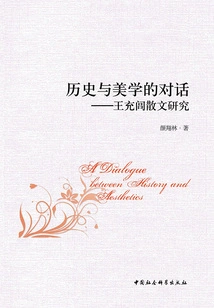
历史与美学的对话:王充闾散文研究
Yan Xianglin
The activity of literary understanding is a process of free travel through the jungle of thoughts, and it is also a re-aesthetic creation based on the text. Based on theoretical resources such as philosophy, aesthetics, hermeneutics, culture, ethics, etc., This book conducts a systematic and in-depth exploration of the literary traces of the famous contemporary essayist Wang Chonglu for more than half a century. With the text as the axis and the "dialogue between history and aesthetics" as the latitude and longitude, the writer Prose collections from various periods are subjected to detailed aesthetic analysis and artistic summary, which not only traces the meaning of the text, but also provides an in-depth interpretation of the text. It strives to restore and outline an aesthetic map of Wang Chonglu's prose, so that mysterious aesthetic research and perceptual prose texts complement each other.
The activity of literary understanding is a process of free travel through the jungle of thoughts, and it is also a re-aesthetic creation based on the text. Based on theoretical resources such as philosophy, aesthetics, hermeneutics, culture, ethics, etc., This book conducts a systematic and in-depth exploration of the literary traces of the famous contemporary essayist Wang Chonglu for more than half a century. With the text as the axis and the "dialogue between history and aesthetics" as the latitude and longitude, the writer Prose collections from various periods are subjected to detailed aesthetic analysis and artistic summary, which not only traces the meaning of the text, but also provides an in-depth interpretation of the text. It strives to restore and outline an aesthetic map of Wang Chonglu's prose, so that mysterious aesthetic research and perceptual prose texts complement each other.
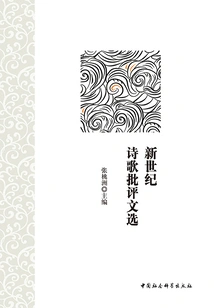
新世纪诗歌批评文选
Editor-in-chief Zhang Taozhou
After entering the 21st century, with the rapid changes in Chinese social culture and the changing position of poetry in social culture, poetry criticism has formed a conflict between a voice that resists the "technicalism" of poetry and requires poetry to pay attention to the current reality, and a voice that "defends poetry" and maintains the "particularity" and independence of poetry. In the new historical context, this conflict that continues the confrontation between traditional realism concepts and avant-garde literature has added many seemingly fresh elements and topics, such as "bottom-level writing", "migrant poetry", "grassroots" and "new rurality". This triggered a discussion about poetry and ethics or the ethics of poetry itself, involving new and old topics such as poetry and society, history, reality, politics, etc., Which in turn triggered the advocacy and expectation of moving poetry criticism towards a comprehensive criticism. This book focuses on the above-mentioned developments in poetry criticism in the new century, and strives to present the efforts of critics of all generations to deepen and expand contemporary Chinese poetry criticism, as well as their reflections on poetry criticism itself.
After entering the 21st century, with the rapid changes in Chinese social culture and the changing position of poetry in social culture, poetry criticism has formed a conflict between a voice that resists the "technicalism" of poetry and requires poetry to pay attention to the current reality, and a voice that "defends poetry" and maintains the "particularity" and independence of poetry. In the new historical context, this conflict that continues the confrontation between traditional realism concepts and avant-garde literature has added many seemingly fresh elements and topics, such as "bottom-level writing", "migrant poetry", "grassroots" and "new rurality". This triggered a discussion about poetry and ethics or the ethics of poetry itself, involving new and old topics such as poetry and society, history, reality, politics, etc., Which in turn triggered the advocacy and expectation of moving poetry criticism towards a comprehensive criticism. This book focuses on the above-mentioned developments in poetry criticism in the new century, and strives to present the efforts of critics of all generations to deepen and expand contemporary Chinese poetry criticism, as well as their reflections on poetry criticism itself.
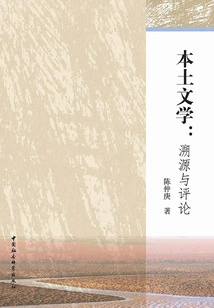
本土文学:溯源与评论
Chen Zhonggeng
This book is a collection of literary criticism. This book concentrates the author's thinking results of more than thirty years of relevant literary research and literary criticism. This book contains a total of 31 articles, divided into two parts. The upper part is "Tracing the Origin of Local Literature" and the lower part is "Reviews of Local Writers". The concept of "local literature" referred to in this book can be gradually narrowed: facing world literature, Chinese literature is "local"; facing Chinese literature, Hunan-Chu literature is "local"; facing Hunan-Chu literature, Yongzhou literature is "local". The "tracing of origins" in the previous chapter is based on such hierarchical concepts, starting from the relationship between literature, culture, and human life, to the influence of Shun culture on Chinese literary tradition, and then to the influence of Qu Yuan, Yuan Jie, and Liu Zongyuan on Xiangchu literature and Yongzhou literature. The influence of tradition, all the way to the roots of Hunan-Chu culture and the roots of traditional Chinese culture discovered by root-seeking literature writers, has formed a relatively complete system, which is a rough and historical macro-control of Chinese literature, Hunan-Chu literature, and Yongzhou literature.
This book is a collection of literary criticism. This book concentrates the author's thinking results of more than thirty years of relevant literary research and literary criticism. This book contains a total of 31 articles, divided into two parts. The upper part is "Tracing the Origin of Local Literature" and the lower part is "Reviews of Local Writers". The concept of "local literature" referred to in this book can be gradually narrowed: facing world literature, Chinese literature is "local"; facing Chinese literature, Hunan-Chu literature is "local"; facing Hunan-Chu literature, Yongzhou literature is "local". The "tracing of origins" in the previous chapter is based on such hierarchical concepts, starting from the relationship between literature, culture, and human life, to the influence of Shun culture on Chinese literary tradition, and then to the influence of Qu Yuan, Yuan Jie, and Liu Zongyuan on Xiangchu literature and Yongzhou literature. The influence of tradition, all the way to the roots of Hunan-Chu culture and the roots of traditional Chinese culture discovered by root-seeking literature writers, has formed a relatively complete system, which is a rough and historical macro-control of Chinese literature, Hunan-Chu literature, and Yongzhou literature.
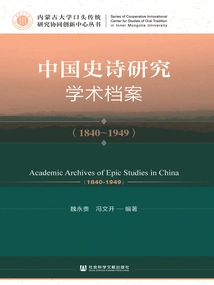
中国史诗研究学术档案(1840~1949)
Edited By Wei Yonggui And Feng Wenkai
This book focuses on the academic history of Chinese epic research from 1840 to 1949, and selects 13 representative and influential epic discussion articles, covering academic topics such as Homer's epics and China's "epic issues". These articles are transcribed in full or partially excerpted in this book, trying to present the essence of the original works to the maximum extent possible. Each article is accompanied by an "Introduction" to provide a brief review of the content of the article. It aims to explain the discourse system and ideological trajectory behind the author's epic concept, as well as the influence of the political thought and academic culture of the time on his epic concept. The book also comes with a record of major events in Chinese epic research from 1840 to 1949, which roughly outlines the academic context of the development of Chinese epic research during this period, and provides readers with reliable academic information and clues for expanded reading and in-depth research.
This book focuses on the academic history of Chinese epic research from 1840 to 1949, and selects 13 representative and influential epic discussion articles, covering academic topics such as Homer's epics and China's "epic issues". These articles are transcribed in full or partially excerpted in this book, trying to present the essence of the original works to the maximum extent possible. Each article is accompanied by an "Introduction" to provide a brief review of the content of the article. It aims to explain the discourse system and ideological trajectory behind the author's epic concept, as well as the influence of the political thought and academic culture of the time on his epic concept. The book also comes with a record of major events in Chinese epic research from 1840 to 1949, which roughly outlines the academic context of the development of Chinese epic research during this period, and provides readers with reliable academic information and clues for expanded reading and in-depth research.
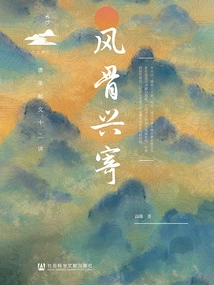
风骨兴寄:唐宋散文十二讲
Gao Lu
During the Tang and Song Dynasties, famous prose writers produced masterpieces one after another, showing an extremely prosperous creative situation. This book mainly focuses on the "Eight Great Masters of Tang and Song Dynasties". By explaining and appreciating the works of many famous prose writers of the Tang and Song Dynasties, this book introduces the development of prose in this period, the creation of writers, as well as the inheritance relationship and unique styles between various schools. This book is written based on the two major principles of truth-seeking and pragmatism. On the basis of learning from the best of others, it absorbs existing research results, takes the era and people as clues, and is divided into twelve lectures, each with several subsections. Each lecture is independent of and related to each other, forming a reasonable structural system, which not only has the advantage of being in line with professional characteristics, but also can meet the needs of the current public to understand ancient literary knowledge.
During the Tang and Song Dynasties, famous prose writers produced masterpieces one after another, showing an extremely prosperous creative situation. This book mainly focuses on the "Eight Great Masters of Tang and Song Dynasties". By explaining and appreciating the works of many famous prose writers of the Tang and Song Dynasties, this book introduces the development of prose in this period, the creation of writers, as well as the inheritance relationship and unique styles between various schools. This book is written based on the two major principles of truth-seeking and pragmatism. On the basis of learning from the best of others, it absorbs existing research results, takes the era and people as clues, and is divided into twelve lectures, each with several subsections. Each lecture is independent of and related to each other, forming a reasonable structural system, which not only has the advantage of being in line with professional characteristics, but also can meet the needs of the current public to understand ancient literary knowledge.
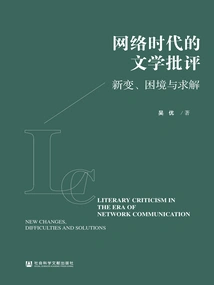
网络时代的文学批评:新变、困境与求解
Wu You
This book is divided into three parts. The first part, "New Changes," generally sorts out the new changes and new characteristics of literary criticism in terms of subject, model, discourse, and value orientation after the Internet media intervened in literary communication. The middle part, "Dilemma," analyzes the dilemmas faced by literary criticism in the Internet era from the aspects of evaluation models, media environments, literary concepts, and value scales, and examines the standards that Internet media brings to literature. And changes in value scales, analyzing the changes in the paradigm and discourse of literary works due to media changes; the next chapter, "Solution and Construction", solves the aforementioned problems from the aspects of technology, audience, system, paradigm, orientation, etc., And proposes a theoretical construction direction to pursue new rationality and humanistic value orientation in literary criticism, and conducts necessary exploration for the construction of new paradigms and new standards for literary evaluation in the Internet era.
This book is divided into three parts. The first part, "New Changes," generally sorts out the new changes and new characteristics of literary criticism in terms of subject, model, discourse, and value orientation after the Internet media intervened in literary communication. The middle part, "Dilemma," analyzes the dilemmas faced by literary criticism in the Internet era from the aspects of evaluation models, media environments, literary concepts, and value scales, and examines the standards that Internet media brings to literature. And changes in value scales, analyzing the changes in the paradigm and discourse of literary works due to media changes; the next chapter, "Solution and Construction", solves the aforementioned problems from the aspects of technology, audience, system, paradigm, orientation, etc., And proposes a theoretical construction direction to pursue new rationality and humanistic value orientation in literary criticism, and conducts necessary exploration for the construction of new paradigms and new standards for literary evaluation in the Internet era.
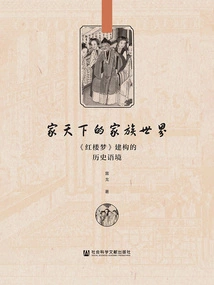
家天下的家族世界:《红楼梦》建构的历史语境
Rego
"A Dream of Red Mansions" is not a history book, but it writes history. This opens up a new historical context. It makes the boundaries between the family world and the family world highly overlap. It can be said that one family, one world, one flower, one world. Through a "historical contextual" interpretation of the family novel "A Dream of Red Mansions", this book reveals the complex relationship between imperial power and the family, as well as rich details such as the power structure, self-management, interpersonal relationships, and daily life within the big family, thereby outlining the basic outline of a servile society.
"A Dream of Red Mansions" is not a history book, but it writes history. This opens up a new historical context. It makes the boundaries between the family world and the family world highly overlap. It can be said that one family, one world, one flower, one world. Through a "historical contextual" interpretation of the family novel "A Dream of Red Mansions", this book reveals the complex relationship between imperial power and the family, as well as rich details such as the power structure, self-management, interpersonal relationships, and daily life within the big family, thereby outlining the basic outline of a servile society.
《外国文学评论》三十周年纪念特辑
Editor Of "foreign Literature Review"
"Foreign Literature Review" is a national core journal sponsored by the Institute of Foreign Literature, Chinese Academy of Social Sciences. It focuses on publishing research papers on the works of important foreign classical and modern contemporary writers, research papers on contemporary literary trends, theoretical schools and important theorists, research papers on the relationship between Chinese and foreign literature, and the comparison of the works of Chinese and foreign writers. It also provides timely first-hand important information on foreign literature research. This book compiles the contents of each issue's catalog and postscript since the 30th anniversary of the founding of "Foreign Literature Review", and writes a record of major events in the past 30 years based on the construction of the editorial department each year.
"Foreign Literature Review" is a national core journal sponsored by the Institute of Foreign Literature, Chinese Academy of Social Sciences. It focuses on publishing research papers on the works of important foreign classical and modern contemporary writers, research papers on contemporary literary trends, theoretical schools and important theorists, research papers on the relationship between Chinese and foreign literature, and the comparison of the works of Chinese and foreign writers. It also provides timely first-hand important information on foreign literature research. This book compiles the contents of each issue's catalog and postscript since the 30th anniversary of the founding of "Foreign Literature Review", and writes a record of major events in the past 30 years based on the construction of the editorial department each year.
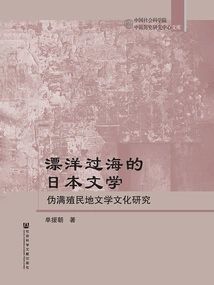
漂洋过海的日本文学:伪满殖民地文学文化研究
Single Aid To North Korea
Japanese humanities in Manchukuo, as part of the colonial culture, left behind many legacies, which had a profound impact on the fate of a generation of writers and the history of two countries. Despite this, there has been no in-depth and systematic research or liquidation on it in China. This book is a collection of the author's research results on Puppet Manchukuo culture for more than ten years. Based on empirical investigation, the author strives to outline an overview of Japanese literature in this special period that was parasitic on Chinese soil.
Japanese humanities in Manchukuo, as part of the colonial culture, left behind many legacies, which had a profound impact on the fate of a generation of writers and the history of two countries. Despite this, there has been no in-depth and systematic research or liquidation on it in China. This book is a collection of the author's research results on Puppet Manchukuo culture for more than ten years. Based on empirical investigation, the author strives to outline an overview of Japanese literature in this special period that was parasitic on Chinese soil.
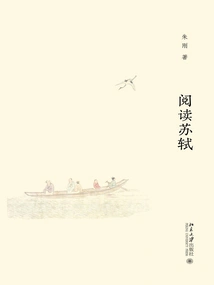
Read Su Shi
Literature阅读苏轼
Zhu Gang
This book is divided into four parts. The first part is a concise version of Su Shi's biography, describing Su Shi's maverick personality, wild personality, broad spiritual world, and unparalleled artistic achievements; the second part is "Appreciation of Works", analyzing Su Shi's representative works; the third part "Perspectives of Famous Artists" selects articles by Huang Tingjian and Wang Shuizhao, and the fourth part "Chronology of Su Shi" can help readers comprehensively and deeply understand Su Shi.
This book is divided into four parts. The first part is a concise version of Su Shi's biography, describing Su Shi's maverick personality, wild personality, broad spiritual world, and unparalleled artistic achievements; the second part is "Appreciation of Works", analyzing Su Shi's representative works; the third part "Perspectives of Famous Artists" selects articles by Huang Tingjian and Wang Shuizhao, and the fourth part "Chronology of Su Shi" can help readers comprehensively and deeply understand Su Shi.
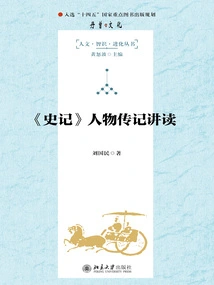
《史记》人物传记讲读
Liu Guomin
This book is the result of more than ten years of teaching and scientific research by the author. It is centered on the biographies of characters in "Historical Records" and based on careful reading of the text, leading readers into the time and space of history. Classified and selected biographies of characters from "Historical Records", a total of fourteen categories of heroes are listed, showing the heroes' personalities, encounters, achievements, reputation, etc.
This book is the result of more than ten years of teaching and scientific research by the author. It is centered on the biographies of characters in "Historical Records" and based on careful reading of the text, leading readers into the time and space of history. Classified and selected biographies of characters from "Historical Records", a total of fourteen categories of heroes are listed, showing the heroes' personalities, encounters, achievements, reputation, etc.
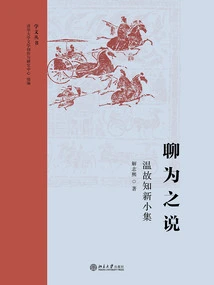
聊为之说:温故知新小集
Xie Zhixi
This book contains several articles by the author on reading ancient literary classics or modern academic classics. Many of them are casual conversations that span his own major, so the author considers himself to be "talking about it". The book is divided into three volumes: the first volume is about casual conversations about pre-Qin, Tang and Song poetry; the second volume talks about modern writers, mostly focusing on their relationship with the classics; the third volume is about reviews of classical literature research or modern literature research, and is also related to the classical academic tradition.
This book contains several articles by the author on reading ancient literary classics or modern academic classics. Many of them are casual conversations that span his own major, so the author considers himself to be "talking about it". The book is divided into three volumes: the first volume is about casual conversations about pre-Qin, Tang and Song poetry; the second volume talks about modern writers, mostly focusing on their relationship with the classics; the third volume is about reviews of classical literature research or modern literature research, and is also related to the classical academic tradition.
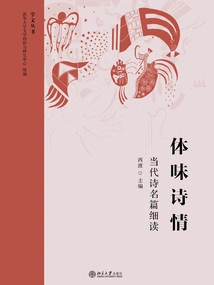
体味诗情:当代诗名篇细读
Editor-in-chief Of Xidu
This book contains a total of 35 close reading articles by 21 authors, involving 37 poems by 28 poets. These essays analyze the poetry's ideas, artistry, and emotion. The book is sorted by the year of birth of the poet's author. If more than one work by the same poet is selected, the poems will be sorted by the time when they were written. The poet's introduction is compiled by the editor based on relevant materials and provides information on the publication of his works.
This book contains a total of 35 close reading articles by 21 authors, involving 37 poems by 28 poets. These essays analyze the poetry's ideas, artistry, and emotion. The book is sorted by the year of birth of the poet's author. If more than one work by the same poet is selected, the poems will be sorted by the time when they were written. The poet's introduction is compiled by the editor based on relevant materials and provides information on the publication of his works.
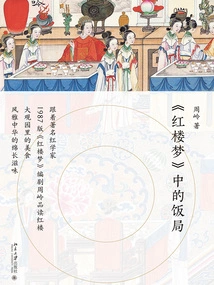
Dinner Party in "dream of Red Mansions
Literature《红楼梦》中的饭局
Zhou Ling
The author of this book starts from the food culture of "A Dream of Red Mansions", and through interesting units such as actual and actual food lists, northern and southern ingredients, tea ceremony analysis, drinking utensil authentication, wine and drinking orders, etc., You can taste the taste of Red Mansions and review the rich and rich details of traditional Chinese culture.
The author of this book starts from the food culture of "A Dream of Red Mansions", and through interesting units such as actual and actual food lists, northern and southern ingredients, tea ceremony analysis, drinking utensil authentication, wine and drinking orders, etc., You can taste the taste of Red Mansions and review the rich and rich details of traditional Chinese culture.
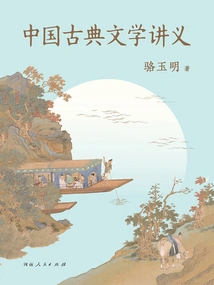
中国古典文学讲义
Luo Yuming
From the Book of Songs, Chu Ci, Han Yuefu to Tang poetry and Song lyrics, from Spring and Autumn, The Hundred Schools of Confucius, Historical Records to Ming and Qing sketches, from Yuan operas, dramas, legends of legends to vernacular novels, spanning 2,500 years of time and space, we can experience different life situations and return to the poetic spiritual world. We enter the world of Chinese literature, invest our emotions and imagination in the space constructed by language, experience the hopes and disappointments, happiness and sadness of our predecessors, appreciate the great artistic creations of our predecessors, and understand the history of the development of the national spirit. Our lives can unfold and become grand and beautiful; at the same time, we also gain a basis for understanding human culture.
From the Book of Songs, Chu Ci, Han Yuefu to Tang poetry and Song lyrics, from Spring and Autumn, The Hundred Schools of Confucius, Historical Records to Ming and Qing sketches, from Yuan operas, dramas, legends of legends to vernacular novels, spanning 2,500 years of time and space, we can experience different life situations and return to the poetic spiritual world. We enter the world of Chinese literature, invest our emotions and imagination in the space constructed by language, experience the hopes and disappointments, happiness and sadness of our predecessors, appreciate the great artistic creations of our predecessors, and understand the history of the development of the national spirit. Our lives can unfold and become grand and beautiful; at the same time, we also gain a basis for understanding human culture.
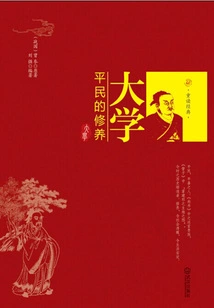
University: Civilian Cultivation
Literature大学:平民的修养
(warring States) Original Work By Zeng Shen, Edited By Liu Qiang
"The Great Learning" is a prose essay that discusses the Confucian thoughts of cultivating oneself, regulating one's family, governing the country, and bringing peace to the world. It is said to have been written by Zeng Zi during the Spring and Autumn Period and the Warring States Period. It is actually a Confucian work from the Qin and Han Dynasties. It is an important work discussing educational theory in ancient China. This book is the author's interpretation of "The University" from the perspective of ordinary people. The author re-analyzes and interprets "The Great Learning" from the perspective of an ordinary person, using simple and easy-to-understand words to explain the philosophical thoughts on self-cultivation and governance of the country, so as to achieve the purpose of interactive communication and achieve the best situation together. The compilation style of this book includes the original text, annotations, character introductions, translations, historical introductions and notes, etc. It is designed to facilitate readers to read and achieve the purpose of connecting with reality, applying what they have learned, and improving their cultivation.
"The Great Learning" is a prose essay that discusses the Confucian thoughts of cultivating oneself, regulating one's family, governing the country, and bringing peace to the world. It is said to have been written by Zeng Zi during the Spring and Autumn Period and the Warring States Period. It is actually a Confucian work from the Qin and Han Dynasties. It is an important work discussing educational theory in ancient China. This book is the author's interpretation of "The University" from the perspective of ordinary people. The author re-analyzes and interprets "The Great Learning" from the perspective of an ordinary person, using simple and easy-to-understand words to explain the philosophical thoughts on self-cultivation and governance of the country, so as to achieve the purpose of interactive communication and achieve the best situation together. The compilation style of this book includes the original text, annotations, character introductions, translations, historical introductions and notes, etc. It is designed to facilitate readers to read and achieve the purpose of connecting with reality, applying what they have learned, and improving their cultivation.
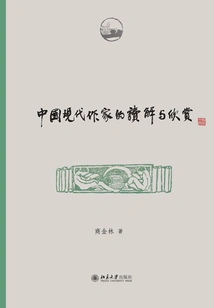
中国现代作家的读解与欣赏
Shang Jinlin
The author of this book focuses on the ideological mentality, literary concepts, academic methods and friendships of a large number of important writers such as Lu Xun, Hu Shi, Liu Bannong, Wen Yiduo, Shen Congwen, Zhu Ziqing, Zhu Guangqian, Ye Shengtao, etc., Interprets a large number of first-hand materials such as book versions, letters and diaries, newspapers and magazines, and combines personal experience to understand and appreciate the realm, performance, style and friendship of these important writers from the depth of history, allowing readers to appreciate their brilliance from different aspects.
The author of this book focuses on the ideological mentality, literary concepts, academic methods and friendships of a large number of important writers such as Lu Xun, Hu Shi, Liu Bannong, Wen Yiduo, Shen Congwen, Zhu Ziqing, Zhu Guangqian, Ye Shengtao, etc., Interprets a large number of first-hand materials such as book versions, letters and diaries, newspapers and magazines, and combines personal experience to understand and appreciate the realm, performance, style and friendship of these important writers from the depth of history, allowing readers to appreciate their brilliance from different aspects.
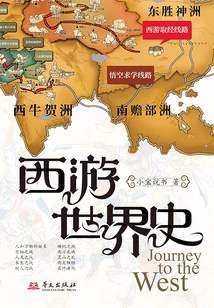
Journey to the West World History
Literature西游世界史
Xiaobao Storytelling
Xiaobao Storytelling has been telling Journey to the West since 2014. There are two versions, the 2014 version of Journey to the West: Game of Thrones, all of which are videos. At the end of 2017, three volumes of "Brain Journey to the West" were published. This book is reorganized, organized and expanded based on Xiaobao's storytelling. The author of this book has a great imagination and divides all the disputes in Journey to the West into several major parts: the battle of all things, the battle of humans and dragons, the battle of immortality, the battle of tree-men, the siege of three islands, the battle of flat peaches, the chaotic war in the west, the battle of Lingshan, and the search for scriptures in the west, and completes the plan to get the scriptures. This book is very imaginative and suitable for young people to read. It gives people a novel feeling. It turns out that Journey to the West can be told like this. The author is not just imagining things, but he is able to integrate many Chinese people's philosophies and world views, and he can also interpret people's hearts. When you read it, you will feel that "it really feels like this."
Xiaobao Storytelling has been telling Journey to the West since 2014. There are two versions, the 2014 version of Journey to the West: Game of Thrones, all of which are videos. At the end of 2017, three volumes of "Brain Journey to the West" were published. This book is reorganized, organized and expanded based on Xiaobao's storytelling. The author of this book has a great imagination and divides all the disputes in Journey to the West into several major parts: the battle of all things, the battle of humans and dragons, the battle of immortality, the battle of tree-men, the siege of three islands, the battle of flat peaches, the chaotic war in the west, the battle of Lingshan, and the search for scriptures in the west, and completes the plan to get the scriptures. This book is very imaginative and suitable for young people to read. It gives people a novel feeling. It turns out that Journey to the West can be told like this. The author is not just imagining things, but he is able to integrate many Chinese people's philosophies and world views, and he can also interpret people's hearts. When you read it, you will feel that "it really feels like this."
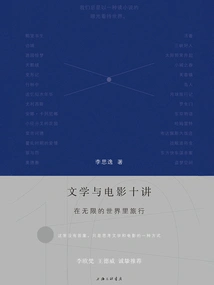
文学与电影十讲:在无限的世界里旅行
Li Siyi
With a highly speculative perspective and easy-to-understand writing style, this book focuses on the relationship between literature and film and dissects a large number of Chinese and foreign literature, film, and art classics, from "The Book of Songs" and "Sou Shen Ji" to Lu Xun and Zhang Ailing, from "Hamlet" and "Don Quixote" to "The Metamorphosis". ""Reminiscences of Lost Time", from Jia Zhangke and Jiang Wen to "Rashomon", "Inception" and "The Grand Budapest Hotel"... Explores 70+ works, involving 50+ writers, filmmakers, artists, and philosophers, interprets literary works in depth, and explains in detail the basic knowledge of movies. In order to compare the original literary work and the film adaptation and establish a new dialogue between the two, the author returned to the work and used in-depth text reading skills to place the work in the context of the historical era and provide cultural reflection. In his writing, "Border Town" written by Shen Congwen in the 1930s was to treat the personal illness caused by history; "The Sun Also Rises" about the 1960s wanted to say something about history; "Alive" and the fifth-generation directors in the 1990s moved from the pursuit of enlightenment to the opposite of enlightenment - observing movies with literature and history as reference systems, and seeing how movies act as conspirators of the spirit of the times. The author's writing is full of sympathy and understanding, but also extremely critical. This book is not a boring academic work piled with footnotes. Instead, it combines literary interpretation, film criticism, and philosophical thinking. Within the space of ten lectures, it uses refined language to peel off the cocoons of difficult theories, with frequent golden sentences. "Popular yet profound, short yet broad", "it has the momentum to cover 'literature, film and everything else' in the form of ten lectures". Open it and reach the infinite world of literature and movies.
With a highly speculative perspective and easy-to-understand writing style, this book focuses on the relationship between literature and film and dissects a large number of Chinese and foreign literature, film, and art classics, from "The Book of Songs" and "Sou Shen Ji" to Lu Xun and Zhang Ailing, from "Hamlet" and "Don Quixote" to "The Metamorphosis". ""Reminiscences of Lost Time", from Jia Zhangke and Jiang Wen to "Rashomon", "Inception" and "The Grand Budapest Hotel"... Explores 70+ works, involving 50+ writers, filmmakers, artists, and philosophers, interprets literary works in depth, and explains in detail the basic knowledge of movies. In order to compare the original literary work and the film adaptation and establish a new dialogue between the two, the author returned to the work and used in-depth text reading skills to place the work in the context of the historical era and provide cultural reflection. In his writing, "Border Town" written by Shen Congwen in the 1930s was to treat the personal illness caused by history; "The Sun Also Rises" about the 1960s wanted to say something about history; "Alive" and the fifth-generation directors in the 1990s moved from the pursuit of enlightenment to the opposite of enlightenment - observing movies with literature and history as reference systems, and seeing how movies act as conspirators of the spirit of the times. The author's writing is full of sympathy and understanding, but also extremely critical. This book is not a boring academic work piled with footnotes. Instead, it combines literary interpretation, film criticism, and philosophical thinking. Within the space of ten lectures, it uses refined language to peel off the cocoons of difficult theories, with frequent golden sentences. "Popular yet profound, short yet broad", "it has the momentum to cover 'literature, film and everything else' in the form of ten lectures". Open it and reach the infinite world of literature and movies.
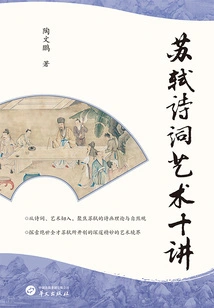
苏轼诗词艺术十讲
Tao Wenpeng
This book starts from poetry and art, focusing on Su Shi's theory of poetry and painting and his view of nature. It analyzes Su Shi's life experience, thoughts and feelings, creative mentality and literary insights to explore the profound and exquisite artistic realm created by Su Shi. The content of this book is divided into ten lectures: Su Shi's "theory of similarities and differences in poetry and painting", Su Shi's view of natural poetry, Su Shi's artistic style, Su Shi's painting poems, the dynamic beauty of natural landscapes in Su Shi's poems, and the humor, curiosity and rationality of Su Shi's landscape poems.
This book starts from poetry and art, focusing on Su Shi's theory of poetry and painting and his view of nature. It analyzes Su Shi's life experience, thoughts and feelings, creative mentality and literary insights to explore the profound and exquisite artistic realm created by Su Shi. The content of this book is divided into ten lectures: Su Shi's "theory of similarities and differences in poetry and painting", Su Shi's view of natural poetry, Su Shi's artistic style, Su Shi's painting poems, the dynamic beauty of natural landscapes in Su Shi's poems, and the humor, curiosity and rationality of Su Shi's landscape poems.
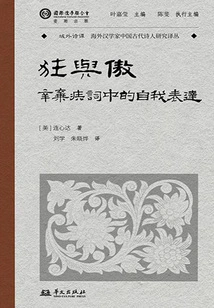
狂与傲:辛弃疾词中的自我表达(域外诗谭译丛)
(us) Lian Xinda
This book is a study of Xin Qiji's poetry by foreign scholar Lian Xinda. The author proposes to put aside Xin Qiji's halo as a "patriotic poet" and through textual analysis of Xin's poetry, find the "arrogance" and "rebellion in his heart" in his temperament, and reveal how Xin's poetry shows his "rebelliousness" under the "gentle and honest" poetic tradition. The book is divided into four chapters. It conducts an in-depth exploration of Xin Qiji's person, his words, and the significance of his words in literary history. It finally restores to us the rare expression of Xin Qiji - "a unique and unique personality" - in the Chinese poetry tradition, which is true and full of power. Different from the previous evaluation system that was deeply influenced by Confucian ethical values, this book focuses on Xin Qiji's unique personality and his strong self-awareness in his poems. Combining the author's life, philosophical thoughts, creative concepts and trends, it conducts an in-depth analysis of the word choice, intention, allusions, composition, etc. Of some representative poems, and then examines the value and significance of the artistic features of Xin Qiji and his works in the history of the development of Chinese poetry. This book is not a biography in the strict sense, but a unique piece of literary criticism.
This book is a study of Xin Qiji's poetry by foreign scholar Lian Xinda. The author proposes to put aside Xin Qiji's halo as a "patriotic poet" and through textual analysis of Xin's poetry, find the "arrogance" and "rebellion in his heart" in his temperament, and reveal how Xin's poetry shows his "rebelliousness" under the "gentle and honest" poetic tradition. The book is divided into four chapters. It conducts an in-depth exploration of Xin Qiji's person, his words, and the significance of his words in literary history. It finally restores to us the rare expression of Xin Qiji - "a unique and unique personality" - in the Chinese poetry tradition, which is true and full of power. Different from the previous evaluation system that was deeply influenced by Confucian ethical values, this book focuses on Xin Qiji's unique personality and his strong self-awareness in his poems. Combining the author's life, philosophical thoughts, creative concepts and trends, it conducts an in-depth analysis of the word choice, intention, allusions, composition, etc. Of some representative poems, and then examines the value and significance of the artistic features of Xin Qiji and his works in the history of the development of Chinese poetry. This book is not a biography in the strict sense, but a unique piece of literary criticism.
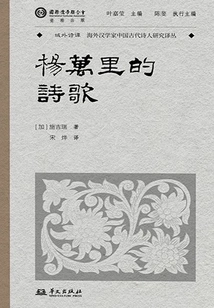
杨万里的诗歌(域外诗谭译丛)
(added) Shi Jirui
This book is a literary criticism of Yang Wanli's works written by the famous sinologist and translator Shi Jirui. The author places Yang Wanli's poetry in the social and artistic background of twelfth-century China, and explores the inextricable connections between the author's literary pursuits and active political activities, religious factors, philosophical thoughts, calligraphy and painting arts. Examine the artistic value and aesthetic qualities of Yang Wanli's works. This book is divided into eight chapters, focusing on Yang Wanli's life, literary theory, creative methods, creative themes, as well as the history of criticism and acceptance of Yang Wanli's poetry by later generations. The most prominent feature is that the author pays special attention to the relationship between Yang Wanli's poetry and Buddhism (especially Zen Buddhism). Yang Wanli is the subject of the author's doctoral thesis. In addition to this book, the author published a paper "Zen, Fantasy and Enlightenment in Yang Wanli's Poems" in the top Sinology journal "Bulletin" in 1974, which basically reflected some of his unique insights into Yang Wanli's research.
This book is a literary criticism of Yang Wanli's works written by the famous sinologist and translator Shi Jirui. The author places Yang Wanli's poetry in the social and artistic background of twelfth-century China, and explores the inextricable connections between the author's literary pursuits and active political activities, religious factors, philosophical thoughts, calligraphy and painting arts. Examine the artistic value and aesthetic qualities of Yang Wanli's works. This book is divided into eight chapters, focusing on Yang Wanli's life, literary theory, creative methods, creative themes, as well as the history of criticism and acceptance of Yang Wanli's poetry by later generations. The most prominent feature is that the author pays special attention to the relationship between Yang Wanli's poetry and Buddhism (especially Zen Buddhism). Yang Wanli is the subject of the author's doctoral thesis. In addition to this book, the author published a paper "Zen, Fantasy and Enlightenment in Yang Wanli's Poems" in the top Sinology journal "Bulletin" in 1974, which basically reflected some of his unique insights into Yang Wanli's research.
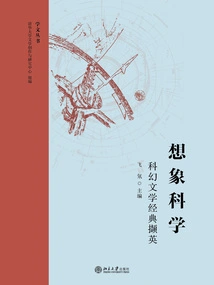
想象科学:科幻文学经典撷英
Editor-in-chief Of Fei Deuterium
This book brings together the reading experiences of 30 science fiction writers on 31 science fiction classics, conveying the writers' worries about today's world, with a very distinct imprint of the present.
This book brings together the reading experiences of 30 science fiction writers on 31 science fiction classics, conveying the writers' worries about today's world, with a very distinct imprint of the present.
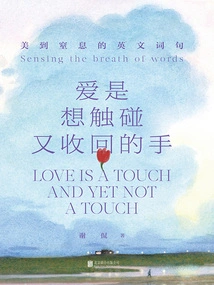
Love is a Hand That Wants to Touch and Then Withdraws: Breathtakingly Beautiful English Phrases
Literature爱是想触碰又收回的手:美到窒息的英文词句
Xie Kan
This book starts from vocabulary and expands from sentences to appreciate the scenery deep in the text, share the stories behind it, understand the essence of language, and understand the logical context of Chinese and Western cultures. The first part, "Words Build the World," traces the original meaning of words from semantics to connotation, and then to cultural depth, and feels the timeless stories and history. The next article, "Sentences to Reconstruct Life," allows the affectionate, touching, brave, and wise sentences to touch your heartstrings. From grammar and semantics to connotation interpretation and meaning derivation, we can gain emotional solace and soul tranquility from beautiful to suffocating English words and sentences.
This book starts from vocabulary and expands from sentences to appreciate the scenery deep in the text, share the stories behind it, understand the essence of language, and understand the logical context of Chinese and Western cultures. The first part, "Words Build the World," traces the original meaning of words from semantics to connotation, and then to cultural depth, and feels the timeless stories and history. The next article, "Sentences to Reconstruct Life," allows the affectionate, touching, brave, and wise sentences to touch your heartstrings. From grammar and semantics to connotation interpretation and meaning derivation, we can gain emotional solace and soul tranquility from beautiful to suffocating English words and sentences.
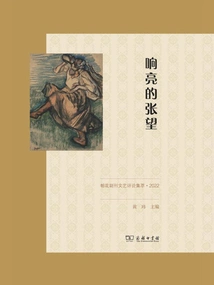
响亮的张望:朝花副刊文艺评论集萃·2022
Editor-in-chief Huang Wei
This book is a collection of literary criticism in 2022 from the Chaohua Supplement Literary Review Edition of "Liberation Daily". From nearly 200 works, 44 excellent commentaries and masterpieces by well-known critics, scholars, theoretical workers and active newspaper commentators are carefully selected. Among them, it involves not only cutting-edge tracking, in-depth interpretation, and reflection on cultural development, literary and artistic creation, and cultural trends, but also annual inventory reviews of major literary and artistic categories based on the historical dimension of periodic reviews. There are phenomenon criticisms that adhere to a blunt and sharp style of criticism, and there are fast, hot, short, and accurate quick reviews of works. They can more accurately reflect the hot content of 2022 in China's film and television dramas, literary circles, stages, exhibitions, and cultural and creative fields through the mirror of reviews. The title of the book "Loud Looking" briefly and artistically points out the two attributes of criticism: vocality and objectivity.
This book is a collection of literary criticism in 2022 from the Chaohua Supplement Literary Review Edition of "Liberation Daily". From nearly 200 works, 44 excellent commentaries and masterpieces by well-known critics, scholars, theoretical workers and active newspaper commentators are carefully selected. Among them, it involves not only cutting-edge tracking, in-depth interpretation, and reflection on cultural development, literary and artistic creation, and cultural trends, but also annual inventory reviews of major literary and artistic categories based on the historical dimension of periodic reviews. There are phenomenon criticisms that adhere to a blunt and sharp style of criticism, and there are fast, hot, short, and accurate quick reviews of works. They can more accurately reflect the hot content of 2022 in China's film and television dramas, literary circles, stages, exhibitions, and cultural and creative fields through the mirror of reviews. The title of the book "Loud Looking" briefly and artistically points out the two attributes of criticism: vocality and objectivity.
翻滚的钻石:朝花副刊文艺评论集萃·2021
Editor-in-chief Wu Bin
This book is a collection of literary criticism in 2021 from the Chaohua Supplement Literary Review Edition of "Liberation Daily". It carefully selects 46 masterpieces and masterpieces from nearly 200 works by well-known critics, scholars, theoreticians and active newspaper commentators. Among them, it involves not only cutting-edge tracking, in-depth interpretation, and reflection on cultural development, literary and artistic creation, and cultural trends, but also annual inventory reviews of major literary and artistic categories based on the historical dimension of periodic reviews. There are also phenomenon criticisms that adhere to a blunt and sharp style of criticism. There are also fast, hot, short, and accurate quick reviews of works, which can more accurately reflect the hot content of 2021 in China's film and television dramas, literary circles, stages, exhibitions, cultural creativity, and other fields through the mirror of reviews. The title of the book uses "Tumbling Diamonds" as a metaphor for the need for multiple voices and multi-faceted cutting before criticism can gain brilliance. It was also inspired by the article "How to Create "Tumbling Diamonds" in Opera Movies" included in the book.
This book is a collection of literary criticism in 2021 from the Chaohua Supplement Literary Review Edition of "Liberation Daily". It carefully selects 46 masterpieces and masterpieces from nearly 200 works by well-known critics, scholars, theoreticians and active newspaper commentators. Among them, it involves not only cutting-edge tracking, in-depth interpretation, and reflection on cultural development, literary and artistic creation, and cultural trends, but also annual inventory reviews of major literary and artistic categories based on the historical dimension of periodic reviews. There are also phenomenon criticisms that adhere to a blunt and sharp style of criticism. There are also fast, hot, short, and accurate quick reviews of works, which can more accurately reflect the hot content of 2021 in China's film and television dramas, literary circles, stages, exhibitions, cultural creativity, and other fields through the mirror of reviews. The title of the book uses "Tumbling Diamonds" as a metaphor for the need for multiple voices and multi-faceted cutting before criticism can gain brilliance. It was also inspired by the article "How to Create "Tumbling Diamonds" in Opera Movies" included in the book.
Romance of the Three Kingdoms Revelation
Literature三国演义启示录
Handan Deer
"The Romance of the Three Kingdoms" is one of the Four Great Classics and a representative work of historical romance novels among Chinese classical novels. Over the hundreds of years since its publication, it has formed a broad base of public reading and is still a well-known classic. "The Romance of the Three Kingdoms" has created many distinctive images of emperors and generals. Based on the text of "The Romance of the Three Kingdoms", this book analyzes the reasons, mentality, endings, influences, etc. Of these characters making important life choices in the historical trend. It also connects the characters in the novel to the general public and extracts the enlightenment significance for the lives of the public readers. Different identities, but similar principles, reveal that the book "Romance of the Three Kingdoms" has more life-guiding significance besides literature and art. The content of this book is compiled from the texts of CCTV's "Hundred Forum" programs.
"The Romance of the Three Kingdoms" is one of the Four Great Classics and a representative work of historical romance novels among Chinese classical novels. Over the hundreds of years since its publication, it has formed a broad base of public reading and is still a well-known classic. "The Romance of the Three Kingdoms" has created many distinctive images of emperors and generals. Based on the text of "The Romance of the Three Kingdoms", this book analyzes the reasons, mentality, endings, influences, etc. Of these characters making important life choices in the historical trend. It also connects the characters in the novel to the general public and extracts the enlightenment significance for the lives of the public readers. Different identities, but similar principles, reveal that the book "Romance of the Three Kingdoms" has more life-guiding significance besides literature and art. The content of this book is compiled from the texts of CCTV's "Hundred Forum" programs.
Talking About Becoming a God
Literature出仙入凡说封神
Chen Hong
"The Romance of the Gods" is one of the masterpieces of Chinese vernacular novels about gods and demons, and its influence is second only to "Journey to the West". For a long time, it has been a classical novel widely read by the public, and it is also one of the hot spots for adaptation and interpretation in film and television dramas. "The Romance of the Gods" may seem popular, but it has quite rich and complex cultural connotations. This book is based on rigorous and serious academic research and aims to explain it in a simple way. It reveals the deep and interesting connotations of "Fengshen Yanyi" and enhances readers' understanding of relevant cultural traditions. The book has sections such as overview, characters, artistic structure, communication influence, etc., And sets up a variety of topics, such as the "Fengshen List" and the folk tradition of deification, the multiple aspects of Jiang Taigong in historical documents and novels, the topic of banshee centered on Su Daji, the complex images of Nezha's "Devil Boy", "Parricide" and "Fujiang", magical artifacts in the magical world, the connection between "The Romance of the Gods" and "Journey to the West", etc. The author combines the original text and pays attention to detailed explanations. The writing style is smooth and interesting, and it is highly readable.
"The Romance of the Gods" is one of the masterpieces of Chinese vernacular novels about gods and demons, and its influence is second only to "Journey to the West". For a long time, it has been a classical novel widely read by the public, and it is also one of the hot spots for adaptation and interpretation in film and television dramas. "The Romance of the Gods" may seem popular, but it has quite rich and complex cultural connotations. This book is based on rigorous and serious academic research and aims to explain it in a simple way. It reveals the deep and interesting connotations of "Fengshen Yanyi" and enhances readers' understanding of relevant cultural traditions. The book has sections such as overview, characters, artistic structure, communication influence, etc., And sets up a variety of topics, such as the "Fengshen List" and the folk tradition of deification, the multiple aspects of Jiang Taigong in historical documents and novels, the topic of banshee centered on Su Daji, the complex images of Nezha's "Devil Boy", "Parricide" and "Fujiang", magical artifacts in the magical world, the connection between "The Romance of the Gods" and "Journey to the West", etc. The author combines the original text and pays attention to detailed explanations. The writing style is smooth and interesting, and it is highly readable.
The Secret Garden of Poetry: a Close Reading of Masterpieces by Great Poets of the 20th Century
Literature诗歌的秘密花园:20世纪伟大诗人名作细读
Reg
"The Secret Garden of Poetry" is an appreciation book of famous modern poems of the 20th century. As a poet, translator and critic, the editor carefully selected 15 world-class poets of the 20th century, including Yeats, Rilke, Eliot, Borges, Heaney, and Szymborska. Through intensive text reading, he exclusively created detailed explanations of 15 famous poems and 45 reviews of excellent works. The professional critical perspective and the vivid and easy-to-read appreciation text complement each other, explaining the reading method of modern poetry, opening up a unique path for readers to appreciate the extraordinary charm of modern poetry, and also giving a glimpse of the overview of Western modern poetry in the 20th century.
"The Secret Garden of Poetry" is an appreciation book of famous modern poems of the 20th century. As a poet, translator and critic, the editor carefully selected 15 world-class poets of the 20th century, including Yeats, Rilke, Eliot, Borges, Heaney, and Szymborska. Through intensive text reading, he exclusively created detailed explanations of 15 famous poems and 45 reviews of excellent works. The professional critical perspective and the vivid and easy-to-read appreciation text complement each other, explaining the reading method of modern poetry, opening up a unique path for readers to appreciate the extraordinary charm of modern poetry, and also giving a glimpse of the overview of Western modern poetry in the 20th century.
Internet Literature as Method
Literature作为方法的网络文学
Dust In The World
"Internet Literature as Method" is a collection of comments on Internet literature by the author Tian Xiachen Chen. It contains four chapters: Chapter 1, Small History: Between Nations and Localities; Chapter 2, New Era: The Scene that is Happening; Chapter 3, Subjectivity: I write with my hand, my heart and my mouth; Chapter 4, Internet Writing Style: Internet Field and Literaryization.
"Internet Literature as Method" is a collection of comments on Internet literature by the author Tian Xiachen Chen. It contains four chapters: Chapter 1, Small History: Between Nations and Localities; Chapter 2, New Era: The Scene that is Happening; Chapter 3, Subjectivity: I write with my hand, my heart and my mouth; Chapter 4, Internet Writing Style: Internet Field and Literaryization.