Library
Browse and search books
2,472 novels found
追寻现代世界的足迹
Dong Zhenghua
This book is based on the transformation of East Asia and China from traditional society to modern society in the 19th and 20th centuries, and selects the development and transformation experience of major Eastern and Western countries in modern times. It attempts to summarize and summarize the modernization models and modernization paths of different Eastern and Western countries and regions; it focuses on the discussion of modernization and development theories. It involves the relationship between the "modernization paradigm" of history and other historical paradigms, the relationship between science and humanities, and the relationship between economic growth and the ecological environment. It focuses on contemporary history and historians, and introduces, comments on and recalls representative works and representative figures in the study of colonialism and modernization in domestic and foreign historical circles.
This book is based on the transformation of East Asia and China from traditional society to modern society in the 19th and 20th centuries, and selects the development and transformation experience of major Eastern and Western countries in modern times. It attempts to summarize and summarize the modernization models and modernization paths of different Eastern and Western countries and regions; it focuses on the discussion of modernization and development theories. It involves the relationship between the "modernization paradigm" of history and other historical paradigms, the relationship between science and humanities, and the relationship between economic growth and the ecological environment. It focuses on contemporary history and historians, and introduces, comments on and recalls representative works and representative figures in the study of colonialism and modernization in domestic and foreign historical circles.
世界近现代史研究(第16辑)
Nankai University Center For Modern And Contemporary World History
"World Modern History Research" is an academic annual journal sponsored by the World Modern History Research Center of Nankai University, a key humanities and social science research base of the Ministry of Education. It is oriented to domestic universities and research institutions and provides a forum for academic exchanges to promote and promote domestic research on world modern history. It has columns such as historical theoretical research, global history research, international relations history, regional and national history, doctoral student forums, debates, book reviews, historical materials, research reviews, etc. It has important academic value in promoting China's research on world modern history.
"World Modern History Research" is an academic annual journal sponsored by the World Modern History Research Center of Nankai University, a key humanities and social science research base of the Ministry of Education. It is oriented to domestic universities and research institutions and provides a forum for academic exchanges to promote and promote domestic research on world modern history. It has columns such as historical theoretical research, global history research, international relations history, regional and national history, doctoral student forums, debates, book reviews, historical materials, research reviews, etc. It has important academic value in promoting China's research on world modern history.
法国旧制度末期的税收、特权和政治
Huang Yanhong
This book starts from the universal direct tax levied by the French monarchy on all subjects from 1695 to before the Great Revolution, and analyzes the results and difficulties encountered by this tax reform with an egalitarian tone in a class-group society. The author extensively cites various historical materials and comprehensively describes in detail the resistance encountered by the absolutist monarchy when implementing this policy, which includes not only mentality and concept, but also social structure and institutional settings. He then concludes that the implementation of the new tax system and the political-social repercussions it caused were important factors that led to the disintegration of the political-social order of the old system, and were also an important opportunity to breed and create modern political concepts.
This book starts from the universal direct tax levied by the French monarchy on all subjects from 1695 to before the Great Revolution, and analyzes the results and difficulties encountered by this tax reform with an egalitarian tone in a class-group society. The author extensively cites various historical materials and comprehensively describes in detail the resistance encountered by the absolutist monarchy when implementing this policy, which includes not only mentality and concept, but also social structure and institutional settings. He then concludes that the implementation of the new tax system and the political-social repercussions it caused were important factors that led to the disintegration of the political-social order of the old system, and were also an important opportunity to breed and create modern political concepts.
走向欧洲命运共同体之路
Li Wei Editor-in-chief Fan Jimin
This book is a collection of papers from the "Road to a European Community of Shared Future" doctoral forum held on September 15-16, 2018. It is divided into European thoughts and changes in early modern times, European military and war in modern times, order and peace on the European continent, and the history and history of European countries. The five parts include culture, crises and challenges of European integration, covering the history of European nation-states, exchanges and interactions between European countries, lessons and revelations from European wars, the history and reality of European integration, etc., Reflecting the latest research results of young researchers in European history.
This book is a collection of papers from the "Road to a European Community of Shared Future" doctoral forum held on September 15-16, 2018. It is divided into European thoughts and changes in early modern times, European military and war in modern times, order and peace on the European continent, and the history and history of European countries. The five parts include culture, crises and challenges of European integration, covering the history of European nation-states, exchanges and interactions between European countries, lessons and revelations from European wars, the history and reality of European integration, etc., Reflecting the latest research results of young researchers in European history.
欧美史研究(第1辑)
Meng Qinglong Editor-in-chief Wang Hongbo
This book is a collection of achievements completed in China from 2016 to 2017 by the European and American Modern History Department of the Institute of World History, Chinese Academy of Social Sciences. This book is the first volume of a series of anthologies, containing a total of 20 articles, all of which have been published. These articles cover the fields of European studies, American studies, Sino-European and Sino-US relations. The research scope is quite wide, either belonging to domestic cutting-edge issues or making breakthroughs in traditional research fields. The collection and publication of these results is not only a reflection and summary of past research, but also conducive to promoting continued research in this field and related fields.
This book is a collection of achievements completed in China from 2016 to 2017 by the European and American Modern History Department of the Institute of World History, Chinese Academy of Social Sciences. This book is the first volume of a series of anthologies, containing a total of 20 articles, all of which have been published. These articles cover the fields of European studies, American studies, Sino-European and Sino-US relations. The research scope is quite wide, either belonging to domestic cutting-edge issues or making breakthroughs in traditional research fields. The collection and publication of these results is not only a reflection and summary of past research, but also conducive to promoting continued research in this field and related fields.
意大利战争研究(1494~1559)
Pu Limin
The Italian War (1494-1559) was a major historical event in the late Middle Ages and early modern times in Europe. This protracted war that affected almost all of Western Europe contributed to the evolution of European political ideologies, prompting Western historical writings in the early 16th century to enter an era of alternation between the old and the new and a "sparkling star" era. Many political thinkers and historians represented by the "1494 generation" such as Machiavelli and Guicciardini emerged. This book places the Italian War in the macro-background of the history of European international relations, systematically sorts out the development of the Italian War, and outlines a magnificent picture of European international relations in the 16th century.
The Italian War (1494-1559) was a major historical event in the late Middle Ages and early modern times in Europe. This protracted war that affected almost all of Western Europe contributed to the evolution of European political ideologies, prompting Western historical writings in the early 16th century to enter an era of alternation between the old and the new and a "sparkling star" era. Many political thinkers and historians represented by the "1494 generation" such as Machiavelli and Guicciardini emerged. This book places the Italian War in the macro-background of the history of European international relations, systematically sorts out the development of the Italian War, and outlines a magnificent picture of European international relations in the 16th century.
Japanese Knot
History日本结
Li Xiaojiang
"Japan knot" has a double meaning: first, unity, the unity of the people, which is extremely exclusive in the open world; second, heart knot, deep-rooted, entangled between the people of China and Japan. Can the "Japanese Mystery" be solved? Is "Japanese civilization" established? Japan's modern behavior has left many puzzling mysteries. This book uses geohistorical philosophy as a cognitive platform to trace the national roots and cultural choices in the basic relationship between man and nature, and look at the origins of Japan's unique "secular" society and "secular" life, that is, how does it construct itself, inherit itself, and turn in a timely manner under the impact of foreign civilizations? How to be self-sufficient and self-improving in the fateful entanglement of "Japanization".
"Japan knot" has a double meaning: first, unity, the unity of the people, which is extremely exclusive in the open world; second, heart knot, deep-rooted, entangled between the people of China and Japan. Can the "Japanese Mystery" be solved? Is "Japanese civilization" established? Japan's modern behavior has left many puzzling mysteries. This book uses geohistorical philosophy as a cognitive platform to trace the national roots and cultural choices in the basic relationship between man and nature, and look at the origins of Japan's unique "secular" society and "secular" life, that is, how does it construct itself, inherit itself, and turn in a timely manner under the impact of foreign civilizations? How to be self-sufficient and self-improving in the fateful entanglement of "Japanization".
Arabic Culture Research
History阿拉伯固有文化研究
Xiao Ling
Is Arabic traditional culture equivalent to Islamic traditional culture? I believe this problem bothers many people. On the basis of explaining the relationship between the two, this book uses clear discussion and concise language to discuss the status of inherent Arab culture in the Arab cultural tradition, the medieval Arab culture's glorious history that has attracted worldwide attention, and the relationship between "heroic", "tolerant", "optimistic", "pragmatic" and "reconciliation" and the inherent Arab culture. It is of certain help to understand Arab culture.
Is Arabic traditional culture equivalent to Islamic traditional culture? I believe this problem bothers many people. On the basis of explaining the relationship between the two, this book uses clear discussion and concise language to discuss the status of inherent Arab culture in the Arab cultural tradition, the medieval Arab culture's glorious history that has attracted worldwide attention, and the relationship between "heroic", "tolerant", "optimistic", "pragmatic" and "reconciliation" and the inherent Arab culture. It is of certain help to understand Arab culture.
欧美史研究(第2辑)
Jin Hai Editor-in-chief Huang Yanhong
This book is a collection of achievements completed in China from 2016 to 2017 by the European and American Modern History Department of the Institute of World History, Chinese Academy of Social Sciences. This book is the second volume of a series of anthologies, containing a total of 12 articles, basically all of which have been published. The research scope of these articles is quite wide, either belonging to domestic cutting-edge issues, or hot topics involving the national economy and people's livelihood, or making breakthroughs in traditional research fields. These results are not only a reflection and summary of past research, but also conducive to promoting continued research in this field and related fields.
This book is a collection of achievements completed in China from 2016 to 2017 by the European and American Modern History Department of the Institute of World History, Chinese Academy of Social Sciences. This book is the second volume of a series of anthologies, containing a total of 12 articles, basically all of which have been published. The research scope of these articles is quite wide, either belonging to domestic cutting-edge issues, or hot topics involving the national economy and people's livelihood, or making breakthroughs in traditional research fields. These results are not only a reflection and summary of past research, but also conducive to promoting continued research in this field and related fields.
印度尼西亚(文化中行:“一带一路”国别文化手册)
Bank Of China Co., Ltd. Social Sciences Literature Press
The book is divided into four chapters: an overview of the national conditions, political environment, economic conditions and bilateral relations. It introduces Indonesia's physical geography, history and humanity, customs and habits, political system, judicial environment, policy orientation, resource status, foreign enterprises, financial markets, economic and trade relations, overseas Chinese, etc. The appendix also provides the country's ranking in the business environment rankings of various countries released by the World Bank, as well as the contact information of our country's embassies and consulates abroad.
The book is divided into four chapters: an overview of the national conditions, political environment, economic conditions and bilateral relations. It introduces Indonesia's physical geography, history and humanity, customs and habits, political system, judicial environment, policy orientation, resource status, foreign enterprises, financial markets, economic and trade relations, overseas Chinese, etc. The appendix also provides the country's ranking in the business environment rankings of various countries released by the World Bank, as well as the contact information of our country's embassies and consulates abroad.
帝国幻象:俄罗斯“国家形象”变迁与他者视野
Zhang Jianhua
This book adopts an interdisciplinary research method and introduces theories such as culture, politics, communication, and literature into the study of Russian history. It uses diverse documents such as archives, newspapers, memoirs, literary works, and video historical materials, and integrates multilingual materials such as Russian, Chinese, and English to conduct a diachronic and synchronic examination of Russia's "national image" and "national image." Throughout Russia's more than 1,100-year history since the founding of Novgorod in 862 AD, the empire's demands have been throughout, the shadow of the empire has been around, and the empire's image has been both criticized and praised.
This book adopts an interdisciplinary research method and introduces theories such as culture, politics, communication, and literature into the study of Russian history. It uses diverse documents such as archives, newspapers, memoirs, literary works, and video historical materials, and integrates multilingual materials such as Russian, Chinese, and English to conduct a diachronic and synchronic examination of Russia's "national image" and "national image." Throughout Russia's more than 1,100-year history since the founding of Novgorod in 862 AD, the empire's demands have been throughout, the shadow of the empire has been around, and the empire's image has been both criticized and praised.
古城拉萨市区历史地名考
Dawa
Lhasa has a history of more than 1,300 years. There are many ancient place names in the urban area or suburbs with rich cultural connotations. From these place names, we can also see the changes of Lhasa city. The author has researched the origin, location, meaning, Tibetan writing and word meaning, Chinese spelling, etc. Of each place name in the book one by one and consulted a large amount of archival materials. The author visited many experts, old monks and civilians, and asked them to tell about local customs, the origin of place names, etc. In addition, the author also searched for documentary records and old photos to show readers the original features of the place. He also used the opportunity of the visit to take photos of the current situation of the place, making the book rich in pictures and texts and more readable.
Lhasa has a history of more than 1,300 years. There are many ancient place names in the urban area or suburbs with rich cultural connotations. From these place names, we can also see the changes of Lhasa city. The author has researched the origin, location, meaning, Tibetan writing and word meaning, Chinese spelling, etc. Of each place name in the book one by one and consulted a large amount of archival materials. The author visited many experts, old monks and civilians, and asked them to tell about local customs, the origin of place names, etc. In addition, the author also searched for documentary records and old photos to show readers the original features of the place. He also used the opportunity of the visit to take photos of the current situation of the place, making the book rich in pictures and texts and more readable.

古文明之夜:探秘古代人类的城市夜间生活
(u. S.) Nancy Golin (u. S.) Megan E. Strong
This book was written by 15 experts and scholars in the fields of anthropology, archeology, history and other fields. It is the third collection of articles on the topic of "Night Archeology". It mainly discusses ancient cultures in different regions such as Egypt, Greece, Mesopotamia, North America and South America. It all revolves around a unique and romantic theme - how did the ancients illuminate and experience the night thousands of years ago? In the past, archaeological research and historical science often only told the history of the day, and rarely touched on the interaction between ancient people and the night. The darkness of night is a source of fear engraved deep in the human heart. In ancient civilizations around the world, the dark night always represents gloom, evil, chaos and death. Only sacred light can dispel it. Therefore, nighttime is a natural critical field, which is more likely to arouse people's reverie and myths, and is also more suitable for holding some rituals related to faith. This book uses 9 ancient civilizations as research cases. Through the research and analysis of a large number of ancient ruins, cultural relics, murals, documents and oral history, it restores the unique nights of ancient Egyptian civilization, ancient Greek civilization, ancient Mayan civilization and other ancient American civilizations. The ancient Egyptians' New Year's Eve lamp-laying ceremony was a way of worshiping and commemorating their gods and relatives; on the island of Samothrace, the ancient Greeks walked into the dark temples to complete the mysterious initiation ceremony; dots of beacons were revealed on the plains of Mesopotamia; the ancient Mayan monarchs chose to ascend on the dim moonlit New Year's Day. On the throne; the Aztecs have a tradition of formulating a solar calendar, and believe that only by sacrificing a person's living heart can a new fire be ignited, thereby ending the night and summoning the new sun... The night is not only directly related to the lives of the ancients, but also invisibly shaped the myths, beliefs and cultural cognition of the ancients.
This book was written by 15 experts and scholars in the fields of anthropology, archeology, history and other fields. It is the third collection of articles on the topic of "Night Archeology". It mainly discusses ancient cultures in different regions such as Egypt, Greece, Mesopotamia, North America and South America. It all revolves around a unique and romantic theme - how did the ancients illuminate and experience the night thousands of years ago? In the past, archaeological research and historical science often only told the history of the day, and rarely touched on the interaction between ancient people and the night. The darkness of night is a source of fear engraved deep in the human heart. In ancient civilizations around the world, the dark night always represents gloom, evil, chaos and death. Only sacred light can dispel it. Therefore, nighttime is a natural critical field, which is more likely to arouse people's reverie and myths, and is also more suitable for holding some rituals related to faith. This book uses 9 ancient civilizations as research cases. Through the research and analysis of a large number of ancient ruins, cultural relics, murals, documents and oral history, it restores the unique nights of ancient Egyptian civilization, ancient Greek civilization, ancient Mayan civilization and other ancient American civilizations. The ancient Egyptians' New Year's Eve lamp-laying ceremony was a way of worshiping and commemorating their gods and relatives; on the island of Samothrace, the ancient Greeks walked into the dark temples to complete the mysterious initiation ceremony; dots of beacons were revealed on the plains of Mesopotamia; the ancient Mayan monarchs chose to ascend on the dim moonlit New Year's Day. On the throne; the Aztecs have a tradition of formulating a solar calendar, and believe that only by sacrificing a person's living heart can a new fire be ignited, thereby ending the night and summoning the new sun... The night is not only directly related to the lives of the ancients, but also invisibly shaped the myths, beliefs and cultural cognition of the ancients.
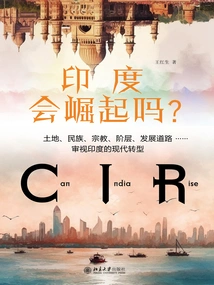
Will India Rise?
History印度会崛起吗?
Wang Hongsheng
From the four levels of "starting from the land", "elites and the masses", "reconstruction of the nation" and "exploration of development", this book outlines many aspects of India's modernization transformation from independence to the beginning of the 21st century, and analyzes the underlying causes of India's social problems, providing a useful perspective for a comprehensive understanding of developing India.
From the four levels of "starting from the land", "elites and the masses", "reconstruction of the nation" and "exploration of development", this book outlines many aspects of India's modernization transformation from independence to the beginning of the 21st century, and analyzes the underlying causes of India's social problems, providing a useful perspective for a comprehensive understanding of developing India.
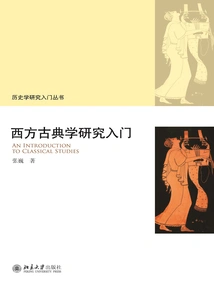
西方古典学研究入门
Zhang Wei
This book focuses on the interpretation and research of ancient Greek and Roman classics and provides an overview of the overall appearance of classical scholarship from five aspects. It aims to understand the classical spirit carried by ancient Greek and Roman classics through classical scholarship. The first chapter introduces the classics major training model of three European and American universities from undergraduate admission to doctoral graduation; the second chapter sorts out the handed down classics that novice students need to understand comprehensively and gives the required reading list; the third chapter guides the novice students to use collated editions, compiled and annotated editions, and gradually in-depth reading of the texts of handed down classics; Chapter 4 guides beginners to grasp the chosen research direction and the current research status of academic issues, and compiles the involved documents into a working bibliography. Chapter 5 discusses the three most common methods of classical research, and guides beginners to gradually use the Chinese research method, the historical research method and the ideological research method.
This book focuses on the interpretation and research of ancient Greek and Roman classics and provides an overview of the overall appearance of classical scholarship from five aspects. It aims to understand the classical spirit carried by ancient Greek and Roman classics through classical scholarship. The first chapter introduces the classics major training model of three European and American universities from undergraduate admission to doctoral graduation; the second chapter sorts out the handed down classics that novice students need to understand comprehensively and gives the required reading list; the third chapter guides the novice students to use collated editions, compiled and annotated editions, and gradually in-depth reading of the texts of handed down classics; Chapter 4 guides beginners to grasp the chosen research direction and the current research status of academic issues, and compiles the involved documents into a working bibliography. Chapter 5 discusses the three most common methods of classical research, and guides beginners to gradually use the Chinese research method, the historical research method and the ideological research method.
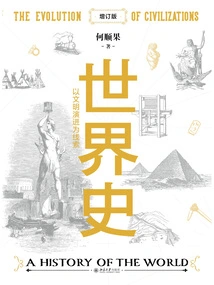
世界史:以文明演进为线索(增订版)
He Shunguo
This book observes the world historical process from ancient times to the present day from the perspective of "civilization evolution". In chronological order, it is divided into five parts to describe the rise of agricultural civilization in the East, the cultural exchanges caused by barbarian invasions, the gestation of industrial civilization in the West, various attempts by less developed countries and regions on the road to modernization, and the changes in human society brought about by the high-tech revolution.
This book observes the world historical process from ancient times to the present day from the perspective of "civilization evolution". In chronological order, it is divided into five parts to describe the rise of agricultural civilization in the East, the cultural exchanges caused by barbarian invasions, the gestation of industrial civilization in the West, various attempts by less developed countries and regions on the road to modernization, and the changes in human society brought about by the high-tech revolution.
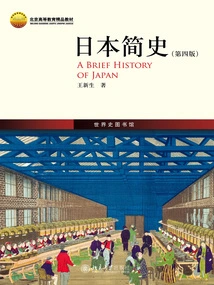
日本简史(第四版)
Wang Xinsheng
This book takes the evolution of the ruling body as the main line, and outlines Japan's political evolution from the origins of history and culture, the legal state, the military regime, pre-modern society, the Meiji Restoration, foreign aggression and expansion, change and war, occupation and post-war system, economic power, reforms in transitional periods, etc. It also takes into account cultural achievements, economic development, and popular mentality in different periods to draw a complete picture of Japanese history.
This book takes the evolution of the ruling body as the main line, and outlines Japan's political evolution from the origins of history and culture, the legal state, the military regime, pre-modern society, the Meiji Restoration, foreign aggression and expansion, change and war, occupation and post-war system, economic power, reforms in transitional periods, etc. It also takes into account cultural achievements, economic development, and popular mentality in different periods to draw a complete picture of Japanese history.
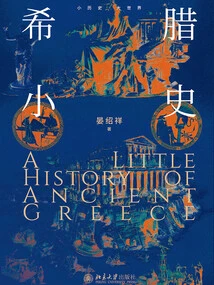
A Brief History of Greece
History希腊小史
Yan Shaoxiang
This book connects the history of ancient Greece from the Neolithic Age to the end of the Hellenistic Age in 30 chapters, covering everything from Schliemann's excavation of Troy to "Cleopatra's Nose." The book concludes by talking about the development of Greece in the Middle Ages and modern times and the significance of ancient Greek history to today.
This book connects the history of ancient Greece from the Neolithic Age to the end of the Hellenistic Age in 30 chapters, covering everything from Schliemann's excavation of Troy to "Cleopatra's Nose." The book concludes by talking about the development of Greece in the Middle Ages and modern times and the significance of ancient Greek history to today.
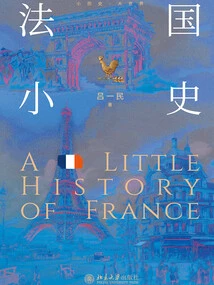
A Brief History of France
History法国小史
Lu Yimin
This book connects the history of France spanning more than 2,000 years in 30 chapters. From the birth of the city of Marseille (the predecessor of Marseille) in 600 BC to the hosting of the 2024 Paris Olympics, from Clovis, the founder of the Frankish Kingdom, Joan of Arc, the Pope "Prisoner of Avignon", "Sun King" Louis XIV, "The Monster of Corsica" Hundreds of characters and events intertwined to create the magnificent history of France, including Napoleon, the "Tiger Prime Minister" Clemenceau, and the "Eternal General" de Gaulle, to the masses of the Revolution, the students of the "May Storm", and the workers in the strike movement.
This book connects the history of France spanning more than 2,000 years in 30 chapters. From the birth of the city of Marseille (the predecessor of Marseille) in 600 BC to the hosting of the 2024 Paris Olympics, from Clovis, the founder of the Frankish Kingdom, Joan of Arc, the Pope "Prisoner of Avignon", "Sun King" Louis XIV, "The Monster of Corsica" Hundreds of characters and events intertwined to create the magnificent history of France, including Napoleon, the "Tiger Prime Minister" Clemenceau, and the "Eternal General" de Gaulle, to the masses of the Revolution, the students of the "May Storm", and the workers in the strike movement.
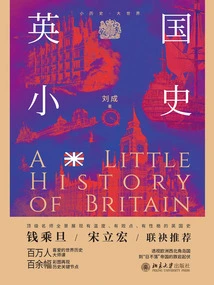
A Brief History of Britain
History英国小史
Liu Cheng
This book uses 30 themes to connect the history of Britain from prehistory to the present. It ranges from introducing important political and economic phenomena in British history, such as the birth and development of the constitutional monarchy, the evolution of the political party system, the formation of the modern judicial system, the achievements and shortcomings of the industrial revolution, foreign policy traditions and characteristics, etc.; It ranges from introducing the British's food, clothing, housing, transportation, customs, preferences, etc., Showing readers a clear development line of British history and clarifying its unique contribution to world civilization.
This book uses 30 themes to connect the history of Britain from prehistory to the present. It ranges from introducing important political and economic phenomena in British history, such as the birth and development of the constitutional monarchy, the evolution of the political party system, the formation of the modern judicial system, the achievements and shortcomings of the industrial revolution, foreign policy traditions and characteristics, etc.; It ranges from introducing the British's food, clothing, housing, transportation, customs, preferences, etc., Showing readers a clear development line of British history and clarifying its unique contribution to world civilization.

Brazilian Roots
History巴西之根
(brazil) Sergio Buarque De Hollanda
The author of this book focuses on history and explores the basic factors of Brazil's destiny, which is the "root" in the title of the book. The purpose is to understand the present and find the future of Brazil's democratization and modernization process, and concludes that the direction of Brazil's change is to gradually get rid of the burden of narrow traditional culture, remove the "roots" of Iberia, and move towards the establishment of urban civilization and integration into world civilization.
The author of this book focuses on history and explores the basic factors of Brazil's destiny, which is the "root" in the title of the book. The purpose is to understand the present and find the future of Brazil's democratization and modernization process, and concludes that the direction of Brazil's change is to gradually get rid of the burden of narrow traditional culture, remove the "roots" of Iberia, and move towards the establishment of urban civilization and integration into world civilization.
Outline of New World History
History新世界史纲要
Editor-in-chief Qian Chengdan
This book explores my country's own knowledge system of world history, guided by Marx's "world history" theory, and explains the objective fact that both horizontal and vertical development of world history are intertwined. The author emphasizes that "Western-centrism" should be abandoned in writing world history, attention should be paid to the history of other regions and civilizations in the world except for a few major countries, and attention should be paid to the history of human interaction and the formation process of "world history." These concepts will contribute to the construction of my country's new world history knowledge system.
This book explores my country's own knowledge system of world history, guided by Marx's "world history" theory, and explains the objective fact that both horizontal and vertical development of world history are intertwined. The author emphasizes that "Western-centrism" should be abandoned in writing world history, attention should be paid to the history of other regions and civilizations in the world except for a few major countries, and attention should be paid to the history of human interaction and the formation process of "world history." These concepts will contribute to the construction of my country's new world history knowledge system.
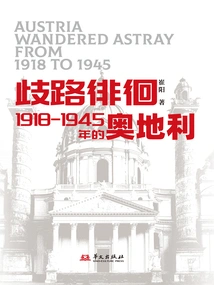
岐路徘徊:1918—1945年的奥地利
Cui Yang
This book is a popular book on the modern history of Austria. On the basis of tracing the birth process of the modern Austrian country, it introduces in detail how Austria gradually grew from a small country at the foot of the Alps with a poor economy and political isolation to the world-famous and wealthy country it is today after its independence in 1918. In particular, the book vividly narrates the history of Austria since 1933 when it gave up its illusions about the Anschluss of Germany and Austria, defying powerful enemies and trying its best to resist annexation by fascist Germany. It also provides a detailed description of the patriotic deeds of several famous figures in modern Austrian history such as Dollfuss and Schuschnigg.
This book is a popular book on the modern history of Austria. On the basis of tracing the birth process of the modern Austrian country, it introduces in detail how Austria gradually grew from a small country at the foot of the Alps with a poor economy and political isolation to the world-famous and wealthy country it is today after its independence in 1918. In particular, the book vividly narrates the history of Austria since 1933 when it gave up its illusions about the Anschluss of Germany and Austria, defying powerful enemies and trying its best to resist annexation by fascist Germany. It also provides a detailed description of the patriotic deeds of several famous figures in modern Austrian history such as Dollfuss and Schuschnigg.
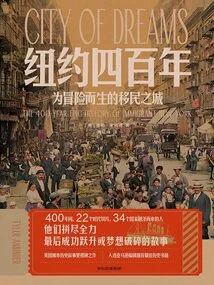
纽约四百年:为冒险而生的移民之城
(us) Tyler Anbinder
New York is a city shaped by the hands of immigrants. Every inch of land carries joys and sorrows, and every corner contains hidden past events. This book is written by American history professor Taylor Ambinder, who started with immigrant culture and spent many years investigating, interviewing, and sorting out the history of immigration development in New York over the past four hundred years. To a certain extent, it can also be regarded as the history of New York's urban construction. The book is unfolded and connected by real individual stories in the history of New York, including the Annie Moore family who were the first to board the Ellis Island immigration checkpoint on the "Nevada" immigration ship, the New York Governor Resler who was regarded as a rebel during the British coup, the German businessman Zenger who promoted the construction of New York's legal system, and the son of a Scottish milkman who worked hard all the way. MacDougall, who fought to become a wealthy businessman, Emma Lazarus, the Jewish poet who allowed the public to redefine the Statue of Liberty, Jacob Riis, the Danish immigrant who was the first to take photos of the horrific moments in a low-rent apartment building... Like many people who took the risk of immigrating to New York, the years they spent in New York changed the city, the country, and themselves.
New York is a city shaped by the hands of immigrants. Every inch of land carries joys and sorrows, and every corner contains hidden past events. This book is written by American history professor Taylor Ambinder, who started with immigrant culture and spent many years investigating, interviewing, and sorting out the history of immigration development in New York over the past four hundred years. To a certain extent, it can also be regarded as the history of New York's urban construction. The book is unfolded and connected by real individual stories in the history of New York, including the Annie Moore family who were the first to board the Ellis Island immigration checkpoint on the "Nevada" immigration ship, the New York Governor Resler who was regarded as a rebel during the British coup, the German businessman Zenger who promoted the construction of New York's legal system, and the son of a Scottish milkman who worked hard all the way. MacDougall, who fought to become a wealthy businessman, Emma Lazarus, the Jewish poet who allowed the public to redefine the Statue of Liberty, Jacob Riis, the Danish immigrant who was the first to take photos of the horrific moments in a low-rent apartment building... Like many people who took the risk of immigrating to New York, the years they spent in New York changed the city, the country, and themselves.
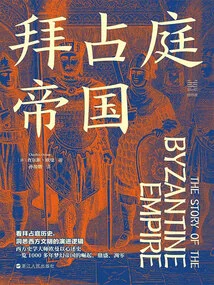
拜占庭帝国(经纬度丛书)
I
A masterpiece by Western historian Auman, it provides an overview of the rise and decline of the Dream Empire in 1300. From the establishment of the Byzantine Empire (Eastern Roman Empire) in 395 to the capture of the city of Constantinople (formerly known as Byzantium) by the Turks in 1453, the Byzantine Empire lasted for more than 1,000 years and was the longest-lasting empire among the ancient Western feudal dynasties. Its architecture, art and culture can be called miracles of mankind, and Christianity has developed rapidly in this country and reached its peak. British historian Sir Charles Ohman completely narrates the reasons for the birth of the Byzantine state, the hardships of its founding, the contributions and mistakes of monarchs in various historical periods, and the details of the wars of conquest and conquest. He explains thoroughly and vividly presents the image of an ancient empire to readers. This also makes this book an authoritative book in the field of Byzantine history research.
A masterpiece by Western historian Auman, it provides an overview of the rise and decline of the Dream Empire in 1300. From the establishment of the Byzantine Empire (Eastern Roman Empire) in 395 to the capture of the city of Constantinople (formerly known as Byzantium) by the Turks in 1453, the Byzantine Empire lasted for more than 1,000 years and was the longest-lasting empire among the ancient Western feudal dynasties. Its architecture, art and culture can be called miracles of mankind, and Christianity has developed rapidly in this country and reached its peak. British historian Sir Charles Ohman completely narrates the reasons for the birth of the Byzantine state, the hardships of its founding, the contributions and mistakes of monarchs in various historical periods, and the details of the wars of conquest and conquest. He explains thoroughly and vividly presents the image of an ancient empire to readers. This also makes this book an authoritative book in the field of Byzantine history research.
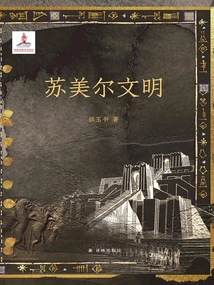
苏美尔文明(方尖碑)
Gong Yushu
Sumerian civilization has a long and glorious history and is one of the cradle of human civilization. At the end of 4000 BC, the Sumerian civilization emerged in the southern Tigris and Euphrates river basins. Over the next thousand years, it made outstanding achievements in politics, religion, culture, literature, art, law, medicine, etc., And had a profound impact on many civilizations in later generations. Based on archaeological and documentary materials, this book conducts a comprehensive and in-depth study of Sumerian civilization, and examines in detail the discovery process of Sumerian civilization, the typical Sumerian country, the rise and fall of Sumerian history, and the great achievements of the Sumerians, especially in writing, literature, education, law, and architecture. This book will take you across time and space and open a door to a long, profound and colorful ancient civilization. You can witness the charm of an ancient civilization through a reading journey.
Sumerian civilization has a long and glorious history and is one of the cradle of human civilization. At the end of 4000 BC, the Sumerian civilization emerged in the southern Tigris and Euphrates river basins. Over the next thousand years, it made outstanding achievements in politics, religion, culture, literature, art, law, medicine, etc., And had a profound impact on many civilizations in later generations. Based on archaeological and documentary materials, this book conducts a comprehensive and in-depth study of Sumerian civilization, and examines in detail the discovery process of Sumerian civilization, the typical Sumerian country, the rise and fall of Sumerian history, and the great achievements of the Sumerians, especially in writing, literature, education, law, and architecture. This book will take you across time and space and open a door to a long, profound and colorful ancient civilization. You can witness the charm of an ancient civilization through a reading journey.
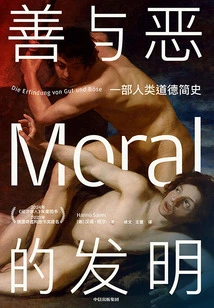
善与恶的发明
(german) Hanno Sauer
Humans are naturally social animals, but they are always in conflict. Since the advent of mankind, global mobility has continued to increase, and information technology has allowed people to communicate with each other. However, the world seems to be becoming more polarized and conservative, with constant estrangement and disputes. Can people with different positions still communicate and cooperate effectively today? Is human morality really declining? Or, let us ask a fundamental question - how did human society get to where it is today? In this book, German philosophy scholar Hanno Sauer uses archaeology, anthropology, sociology, psychology and other research tools as tools to explore how the standards and norms of good and evil of the human species evolve with group size, institutional changes and technological changes. From the time when humans learned to walk upright to the rapid development to the present century, the book shows seven key transitions from far to near: the birth of humans and group cooperation 5 million years ago, the emergence of punishment mechanisms 500,000 years ago, the evolution of culture 50,000 years ago, the invention of inequality 5,000 years ago, the emergence of modern society 500 years ago, the call for minority rights 50 years ago, and the rise of woke culture in the past five years. By teasing out the deep history of values, norms, institutions, and practices, Sauer offers a revelation that reshapes human moral thinking. He reminded us that today's social form is just the latest link in the long evolution of human "good" and "evil". Under the surface differences, most people still basically hold similar values, that is, valuing cooperation, freedom and security. This will become a new basis for us to re-understand each other.
Humans are naturally social animals, but they are always in conflict. Since the advent of mankind, global mobility has continued to increase, and information technology has allowed people to communicate with each other. However, the world seems to be becoming more polarized and conservative, with constant estrangement and disputes. Can people with different positions still communicate and cooperate effectively today? Is human morality really declining? Or, let us ask a fundamental question - how did human society get to where it is today? In this book, German philosophy scholar Hanno Sauer uses archaeology, anthropology, sociology, psychology and other research tools as tools to explore how the standards and norms of good and evil of the human species evolve with group size, institutional changes and technological changes. From the time when humans learned to walk upright to the rapid development to the present century, the book shows seven key transitions from far to near: the birth of humans and group cooperation 5 million years ago, the emergence of punishment mechanisms 500,000 years ago, the evolution of culture 50,000 years ago, the invention of inequality 5,000 years ago, the emergence of modern society 500 years ago, the call for minority rights 50 years ago, and the rise of woke culture in the past five years. By teasing out the deep history of values, norms, institutions, and practices, Sauer offers a revelation that reshapes human moral thinking. He reminded us that today's social form is just the latest link in the long evolution of human "good" and "evil". Under the surface differences, most people still basically hold similar values, that is, valuing cooperation, freedom and security. This will become a new basis for us to re-understand each other.
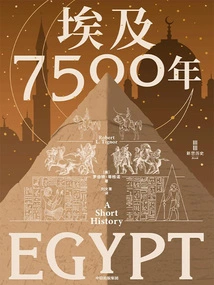
Egypt 7500 Years
History埃及7500年
(us)robert Tignor
Throughout its thousands of years of history, whether it developed independently or was ruled by external forces, Egypt has always been an important builder of world history. Ancient Egypt is one of the cradles of human civilization, the Ptolemaic dynasty is one of the three pillars of the Hellenistic world, the Roman province of Egypt is the granary of the Roman Empire, and the Patriarch of Alexandria is one of the five patriarchs of Roman Christendom. The Fatimid dynasty once formed a tripartite force in the Islamic world with the Umayyad dynasty who retreated to Spain and the Abbasid dynasty whose capital was Baghdad. Saladin's Ayyubid dynasty was the main force resisting the European Crusaders. The Mamluk dynasty defeated the Mongolian army that marched westward. During the Ottoman Empire, Egypt was a transit point for the spice trade between Europe and Asia. After the opening of the Suez Canal, Egypt became the throat of the British Empire. After the establishment of the modern nation-state, Egypt has always been an important force in the Arab world. It had united with Syria to form a state, extending its influence to the Arabian Peninsula. It was also the first country in the Arab world to reach accommodation with Israel. The history of Egypt can be said to condense key chapters of world history. After reading this general history of Egypt, you can not only understand the changes and continuation of Egyptian history, but also get a glimpse of the basic thread of world history such as the rise and fall of civilization, the expansion of empires, the spread of religion, and the collision of cultures.
Throughout its thousands of years of history, whether it developed independently or was ruled by external forces, Egypt has always been an important builder of world history. Ancient Egypt is one of the cradles of human civilization, the Ptolemaic dynasty is one of the three pillars of the Hellenistic world, the Roman province of Egypt is the granary of the Roman Empire, and the Patriarch of Alexandria is one of the five patriarchs of Roman Christendom. The Fatimid dynasty once formed a tripartite force in the Islamic world with the Umayyad dynasty who retreated to Spain and the Abbasid dynasty whose capital was Baghdad. Saladin's Ayyubid dynasty was the main force resisting the European Crusaders. The Mamluk dynasty defeated the Mongolian army that marched westward. During the Ottoman Empire, Egypt was a transit point for the spice trade between Europe and Asia. After the opening of the Suez Canal, Egypt became the throat of the British Empire. After the establishment of the modern nation-state, Egypt has always been an important force in the Arab world. It had united with Syria to form a state, extending its influence to the Arabian Peninsula. It was also the first country in the Arab world to reach accommodation with Israel. The history of Egypt can be said to condense key chapters of world history. After reading this general history of Egypt, you can not only understand the changes and continuation of Egyptian history, but also get a glimpse of the basic thread of world history such as the rise and fall of civilization, the expansion of empires, the spread of religion, and the collision of cultures.
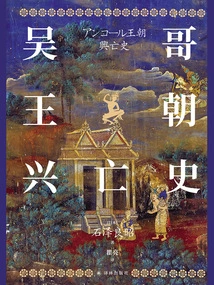
吴哥王朝兴亡史(方尖碑)
M
This book is a work written by the author based on the results of early excavations, new interpretations of inscriptions, research results in architecture and art iconography, revised new historical materials, and added new discoveries of traditional techniques in the restoration of ruins. The book is easy to understand and is an introductory book about the architecture of Angkor, the history of the Angkor Dynasty, and the social history of Angkor. It is full of pictures and texts, filling the gap in domestic books on the history of the Angkor Dynasty. It can help more Chinese readers no longer only know the existence of Angkor Wat, a world cultural heritage, but not the history behind it. It can also allow readers to have a better understanding of Cambodia, a Southeast Asian neighbor along the Maritime Silk Road.
This book is a work written by the author based on the results of early excavations, new interpretations of inscriptions, research results in architecture and art iconography, revised new historical materials, and added new discoveries of traditional techniques in the restoration of ruins. The book is easy to understand and is an introductory book about the architecture of Angkor, the history of the Angkor Dynasty, and the social history of Angkor. It is full of pictures and texts, filling the gap in domestic books on the history of the Angkor Dynasty. It can help more Chinese readers no longer only know the existence of Angkor Wat, a world cultural heritage, but not the history behind it. It can also allow readers to have a better understanding of Cambodia, a Southeast Asian neighbor along the Maritime Silk Road.
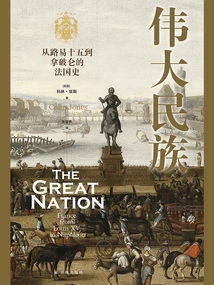
伟大民族:从路易十五到拿破仑的法国史(方尖碑)
T
The 18th century was France's century, and Louis XIV left a strong and stable monarchy to his successors. But in 1789, the game between the "old system" and the "Great Revolution" not only completely destroyed the former, but also discredited it. France also fell into turmoil until Napoleon reestablished order. This book outlines the turbulent picture of this historical period. Colin Jones traces the twilight of the Bourbon dynasty in this ups and downs century with a gripping narrative. The irreconcilable struggle between the royal power and the high court, the irreconcilable divide between the nobility and the common people, the wave of the Enlightenment, the impact of foreign wars... When the legacy of the "Sun King" becomes unsustainable in an increasingly complex environment, the "great nation" is destined to enter a new era.
The 18th century was France's century, and Louis XIV left a strong and stable monarchy to his successors. But in 1789, the game between the "old system" and the "Great Revolution" not only completely destroyed the former, but also discredited it. France also fell into turmoil until Napoleon reestablished order. This book outlines the turbulent picture of this historical period. Colin Jones traces the twilight of the Bourbon dynasty in this ups and downs century with a gripping narrative. The irreconcilable struggle between the royal power and the high court, the irreconcilable divide between the nobility and the common people, the wave of the Enlightenment, the impact of foreign wars... When the legacy of the "Sun King" becomes unsustainable in an increasingly complex environment, the "great nation" is destined to enter a new era.
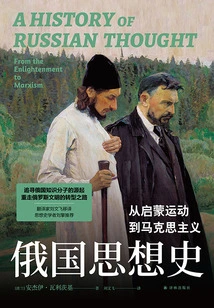
Russian Intellectual History: from Enlightenment to Marxism (translated by Lin History of Thought)
History俄国思想史:从启蒙运动到马克思主义(译林思想史)
(poland) Andrzej Walicki
Using the history of European thought as a mirror, this book provides a panoramic introduction to the historical process of the development of Russian thought for more than a hundred years from the period of Catherine II to the early 20th century. In the author's opinion, the 18th and 19th centuries in Russia constituted a cultural era with distinctive characteristics, making it easier for people to regard it as a structural whole. It was during this era that intellectuals as a group emerged in Russia. Their thinking about the fate of Russia and their own mission had important ideological historical significance; their thinking around the main axes of tradition and modernity, Russia and the West, populism and Marxism showed the process of Russian thinkers' acceptance and refutation of Western ideas, and also helped to construct the development context of the entire European intellectual history.
Using the history of European thought as a mirror, this book provides a panoramic introduction to the historical process of the development of Russian thought for more than a hundred years from the period of Catherine II to the early 20th century. In the author's opinion, the 18th and 19th centuries in Russia constituted a cultural era with distinctive characteristics, making it easier for people to regard it as a structural whole. It was during this era that intellectuals as a group emerged in Russia. Their thinking about the fate of Russia and their own mission had important ideological historical significance; their thinking around the main axes of tradition and modernity, Russia and the West, populism and Marxism showed the process of Russian thinkers' acceptance and refutation of Western ideas, and also helped to construct the development context of the entire European intellectual history.
Enter Ancient Civilization
History走进古代文明
Compiled By Wang Hanyang
"Into Ancient Civilization" takes readers on a wonderful journey through time and space. From the splendor of the pre-Qin period to the mystery of Mesopotamia, the magnificence of ancient Babylon, the profundity of ancient India, and the brilliance of ancient Greece, this book vividly demonstrates the unique charm of different ancient civilizations. Through in-depth discussions on the politics, economy, culture, science and technology, religion and other aspects of these civilizations, the origin, development and influence of ancient civilizations are revealed, presenting readers with a rich and colorful picture of ancient civilizations, allowing us to deeply appreciate the greatness of human wisdom and the weight of history.
"Into Ancient Civilization" takes readers on a wonderful journey through time and space. From the splendor of the pre-Qin period to the mystery of Mesopotamia, the magnificence of ancient Babylon, the profundity of ancient India, and the brilliance of ancient Greece, this book vividly demonstrates the unique charm of different ancient civilizations. Through in-depth discussions on the politics, economy, culture, science and technology, religion and other aspects of these civilizations, the origin, development and influence of ancient civilizations are revealed, presenting readers with a rich and colorful picture of ancient civilizations, allowing us to deeply appreciate the greatness of human wisdom and the weight of history.
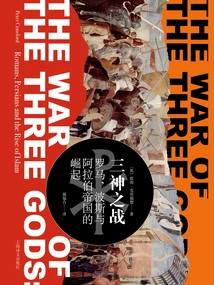
三神之战:罗马,波斯与阿拉伯帝国的崛起
(uk) Peter Crawford
The Eastern Roman Empire at the beginning of the seventh century AD was on the verge of collapse under the dual weight of internal strife and foreign enemies. Phocas, a warrior from the lower ranks, rebelled, brutally killed Maurice I, who was quite skilled in martial arts, and then usurped the throne and established himself on his own. Taking advantage of the civil strife in the empire, Rome's old enemy Sassanid Persia raised troops to invade the country on the pretext of revenge for Maurice. They won consecutive battles and seized large areas of land in the eastern provinces of the empire in just a few years. "New Rome" is at stake. In times of crisis, Heraclius, a generation of heroes, raised the flag of righteousness in North Africa, overthrew the tyrant, and was crowned emperor. Then he endured hardships for more than ten years. Finally, with a desperate all-out counterattack, he turned the tables and turned defeat into victory. He forced Sassanid Persia to regain all its lost territory, ushered in the "True Cross", and once again saved the empire. However, Rome's revival was short-lived. A storm that is about to change the Middle East, and even the entire world, is brewing in the Arabian Peninsula. An ancient nation, led by a new religion, will soon rush out of the desert, crushing the two old empires like a torrent, and inexorably push the classical world under the afterglow of Rome into the Middle Ages.
The Eastern Roman Empire at the beginning of the seventh century AD was on the verge of collapse under the dual weight of internal strife and foreign enemies. Phocas, a warrior from the lower ranks, rebelled, brutally killed Maurice I, who was quite skilled in martial arts, and then usurped the throne and established himself on his own. Taking advantage of the civil strife in the empire, Rome's old enemy Sassanid Persia raised troops to invade the country on the pretext of revenge for Maurice. They won consecutive battles and seized large areas of land in the eastern provinces of the empire in just a few years. "New Rome" is at stake. In times of crisis, Heraclius, a generation of heroes, raised the flag of righteousness in North Africa, overthrew the tyrant, and was crowned emperor. Then he endured hardships for more than ten years. Finally, with a desperate all-out counterattack, he turned the tables and turned defeat into victory. He forced Sassanid Persia to regain all its lost territory, ushered in the "True Cross", and once again saved the empire. However, Rome's revival was short-lived. A storm that is about to change the Middle East, and even the entire world, is brewing in the Arabian Peninsula. An ancient nation, led by a new religion, will soon rush out of the desert, crushing the two old empires like a torrent, and inexorably push the classical world under the afterglow of Rome into the Middle Ages.
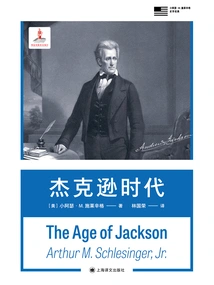
Jackson Era
History杰克逊时代
I
Andrew Jackson was the first civilian president in American history and the first Democratic president. After American political society entered the "Jacksonian Era" from the "Jeffersonian Era", the explosive development of the economy and industry posed a huge threat to the principles of American constitutional democracy. Facing a series of challenges, Andrew Jackson vigorously strengthened the power of the president, maintained federal unity, and created "Jacksonian democracy" during his term. The famous historian Arthur M. Schlesinger Jr. Deeply analyzed the history, culture, economy and political life of the United States during this period, reinterpreted "Jacksonian democracy", and sharply pointed out the double crisis faced by progressive historiography. In 1946, 28-year-old Arthur M. Schlesinger Jr. Won the Pulitzer Prize for History with this book, becoming the youngest winner of the prize at the time. This book is still the authoritative history book on this subject.
Andrew Jackson was the first civilian president in American history and the first Democratic president. After American political society entered the "Jacksonian Era" from the "Jeffersonian Era", the explosive development of the economy and industry posed a huge threat to the principles of American constitutional democracy. Facing a series of challenges, Andrew Jackson vigorously strengthened the power of the president, maintained federal unity, and created "Jacksonian democracy" during his term. The famous historian Arthur M. Schlesinger Jr. Deeply analyzed the history, culture, economy and political life of the United States during this period, reinterpreted "Jacksonian democracy", and sharply pointed out the double crisis faced by progressive historiography. In 1946, 28-year-old Arthur M. Schlesinger Jr. Won the Pulitzer Prize for History with this book, becoming the youngest winner of the prize at the time. This book is still the authoritative history book on this subject.
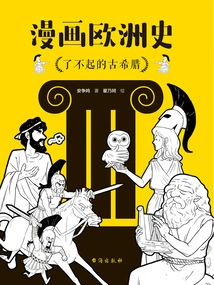
漫画欧洲史:了不起的古希腊
Written By An Zhengming, Painted By Zhai Naike
From the Age of Mythology and the chanting of "Homer's Epic" to the classical period when culture was extremely prosperous; from the path of democracy in Athens and the military peak of Sparta to the splendid civilization that continued under the conquest of the Roman Empire; from the origin of the Olympic Games to the drama, poetry and philosophy that had a profound impact on Western civilization; as well as famous figures such as Pericles, Socrates and Plato... These great civilizations all belong to the great ancient Greece. Understanding ancient Greece is to understand the cornerstone of European civilization; only by understanding ancient Greece can we truly grasp the development context of European civilization. "Cartoon History of Europe: The Amazing Ancient Greece" simplifies the complicated history of ancient Greece. The language is humorous and the comics are vivid and jumping-off. It is a serious knowledge and easy to read. Let readers learn knowledge easily while laughing.
From the Age of Mythology and the chanting of "Homer's Epic" to the classical period when culture was extremely prosperous; from the path of democracy in Athens and the military peak of Sparta to the splendid civilization that continued under the conquest of the Roman Empire; from the origin of the Olympic Games to the drama, poetry and philosophy that had a profound impact on Western civilization; as well as famous figures such as Pericles, Socrates and Plato... These great civilizations all belong to the great ancient Greece. Understanding ancient Greece is to understand the cornerstone of European civilization; only by understanding ancient Greece can we truly grasp the development context of European civilization. "Cartoon History of Europe: The Amazing Ancient Greece" simplifies the complicated history of ancient Greece. The language is humorous and the comics are vivid and jumping-off. It is a serious knowledge and easy to read. Let readers learn knowledge easily while laughing.
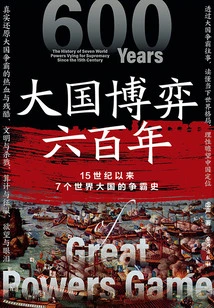
大国博弈六百年
False Voice
This book provides an overview of the history of the struggle for hegemony among seven world powers: Portugal, Spain, the Netherlands, the United Kingdom, France, Germany, and the United States since the 15th century. From the early efforts of each country to govern, enrich the country and strengthen the military, to the later strategic mistakes that led to the country's gradual decline, it reproduces the transfer process of the center of power in the Western world. The book provides a comprehensive analysis of the history of various countries from multiple dimensions such as war, trade, politics, diplomacy, science and technology, and explains the blood and cruelty, civilization and killing, calculation and conquest, desire and tears in the process of great powers competing for hegemony.
This book provides an overview of the history of the struggle for hegemony among seven world powers: Portugal, Spain, the Netherlands, the United Kingdom, France, Germany, and the United States since the 15th century. From the early efforts of each country to govern, enrich the country and strengthen the military, to the later strategic mistakes that led to the country's gradual decline, it reproduces the transfer process of the center of power in the Western world. The book provides a comprehensive analysis of the history of various countries from multiple dimensions such as war, trade, politics, diplomacy, science and technology, and explains the blood and cruelty, civilization and killing, calculation and conquest, desire and tears in the process of great powers competing for hegemony.
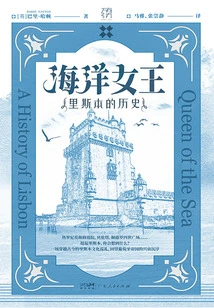
海洋女王:里斯本的历史
(uk) Barry Hutton
Lisbon, the Portuguese capital with a history of 2,000 years, has had its glory days and its dark days. The 1755 earthquake and the resulting tsunami and fires caused heavy scars to this ancient city "trapped between Spain and the Atlantic Ocean." The story of Lisbon is one of rising from the ashes of disaster. Barry Hutton, a British journalist who has lived in Lisbon for more than 30 years, uses his deep love for the city and his poetic and friendly writing style to lead readers on a stroll through the streets and alleys of Lisbon, exploring the clues and information left by historical relics to the present day, and getting a glimpse of the past and present of the Portuguese Empire.
Lisbon, the Portuguese capital with a history of 2,000 years, has had its glory days and its dark days. The 1755 earthquake and the resulting tsunami and fires caused heavy scars to this ancient city "trapped between Spain and the Atlantic Ocean." The story of Lisbon is one of rising from the ashes of disaster. Barry Hutton, a British journalist who has lived in Lisbon for more than 30 years, uses his deep love for the city and his poetic and friendly writing style to lead readers on a stroll through the streets and alleys of Lisbon, exploring the clues and information left by historical relics to the present day, and getting a glimpse of the past and present of the Portuguese Empire.
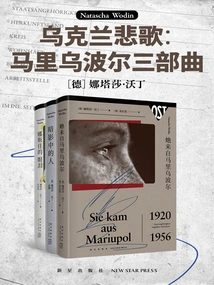
乌克兰悲歌:马里乌波尔三部曲
(germany) Natasha Warding
A true record of disasters in Eastern Europe in the 20th century. The Mariupol Trilogy includes: "She Came from Mariupol": a family history, a microcosm of the world's disasters over the past century. The 12,000,000 oriental laborers are by no means a historical footnote other than the Jewish Holocaust in World War II. They show a panoramic view of the tragedy of European civilization and reveal the unknown fate of the Ukrainians. "Man in the Shadow": a national fable of Ukraine's century of displacement and turmoil, a panoramic slice of the tragedy of human civilization. In the past, they were squeezed out of their last drop of sweat, but now, they are still being manipulated at will, with no nationality, no right to vote, and not allowed to find a place to live on their own... Writing about daily life in post-war Eastern Europe. "Nastya's Tears": The fall of the Berlin Wall, the end of the Cold War, the collapse of the Ukrainian economy... History repeats itself again and again, who can stay completely out of it? A contemporary Eastern European version of The Odyssey. It is a rare work that focuses on individual experiences after the collapse of the Soviet Union. From a civil engineer to a cleaner, it writes about the fall of high-level intellectuals under the drastic changes of the times, and is a shocking portrayal of the plight of contemporary Ukraine.
A true record of disasters in Eastern Europe in the 20th century. The Mariupol Trilogy includes: "She Came from Mariupol": a family history, a microcosm of the world's disasters over the past century. The 12,000,000 oriental laborers are by no means a historical footnote other than the Jewish Holocaust in World War II. They show a panoramic view of the tragedy of European civilization and reveal the unknown fate of the Ukrainians. "Man in the Shadow": a national fable of Ukraine's century of displacement and turmoil, a panoramic slice of the tragedy of human civilization. In the past, they were squeezed out of their last drop of sweat, but now, they are still being manipulated at will, with no nationality, no right to vote, and not allowed to find a place to live on their own... Writing about daily life in post-war Eastern Europe. "Nastya's Tears": The fall of the Berlin Wall, the end of the Cold War, the collapse of the Ukrainian economy... History repeats itself again and again, who can stay completely out of it? A contemporary Eastern European version of The Odyssey. It is a rare work that focuses on individual experiences after the collapse of the Soviet Union. From a civil engineer to a cleaner, it writes about the fall of high-level intellectuals under the drastic changes of the times, and is a shocking portrayal of the plight of contemporary Ukraine.
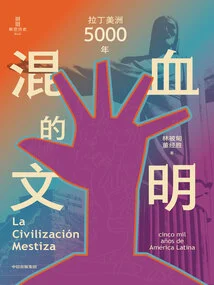
混血的文明:拉丁美洲5000年
Lin Beidian Dong Jingsheng
This book takes us back to the difficult and unique path of civilization in Latin America, from the dawn of civilization 5,000 years ago on the coast of the Andes, to the "Pink Tide" at the beginning of the 21st century. It uses three levels of material production and economic life, social structure and political system, and religious culture to elaborate on the characteristics of civilization in different historical periods of Latin America. It is a key to understanding the historical and realistic dilemmas of Latin America.
This book takes us back to the difficult and unique path of civilization in Latin America, from the dawn of civilization 5,000 years ago on the coast of the Andes, to the "Pink Tide" at the beginning of the 21st century. It uses three levels of material production and economic life, social structure and political system, and religious culture to elaborate on the characteristics of civilization in different historical periods of Latin America. It is a key to understanding the historical and realistic dilemmas of Latin America.
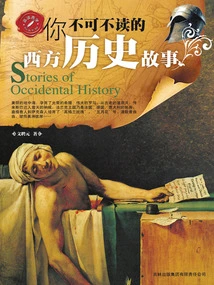
你不可不读的西方历史故事(品读西学系列)
Wen Pinyuan
This book uses time as a clue to tell the development overview and historical events of several Western countries in the form of stories. Each country has a distinct narrative clue, and is accompanied by pictures and illustrations in each period. The language is easy to understand, the structure is clear, and it is suitable for public reading.
This book uses time as a clue to tell the development overview and historical events of several Western countries in the form of stories. Each country has a distinct narrative clue, and is accompanied by pictures and illustrations in each period. The language is easy to understand, the structure is clear, and it is suitable for public reading.
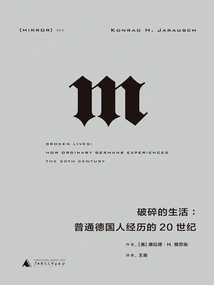
破碎的生活:普通德国人经历的20世纪
(u. S.) Conrad H. Yarausch
The "Weimar Generation" Germans born in the 1920s experienced almost all the important events of the 20th century: the Third Reich, World War II, the Holocaust, post-war reconstruction, Cold War divisions, and reunification and recovery after the fall of the Berlin Wall. Private life and the historical process are rarely closely intertwined. When they looked back on their life experiences, their former enthusiasm was disillusioned by seeing the truth about the dictatorship. Some repented, some used ignorance and being deceived as excuses, and some claimed that Germans were also victims to gain sympathy. Based on first-hand accounts from more than seventy autobiographies and memoirs, "Shattered Lives" describes 20th-century Germany from the perspective of ordinary people. Among them are soldiers who participated in the war on the front line, as well as women who endured the depression years on the home front; there are perpetrators of ethnic cleansing and victims of Nazi atrocities. By re-examining the German national identity, this book attempts to answer: why so many people supported Hitler's war and the brutality of the Nazis, and how they finally cut themselves off from racism and authoritarian regimes and re-embraced human rights, transforming from military aggressors into pillars of democracy in Europe.
The "Weimar Generation" Germans born in the 1920s experienced almost all the important events of the 20th century: the Third Reich, World War II, the Holocaust, post-war reconstruction, Cold War divisions, and reunification and recovery after the fall of the Berlin Wall. Private life and the historical process are rarely closely intertwined. When they looked back on their life experiences, their former enthusiasm was disillusioned by seeing the truth about the dictatorship. Some repented, some used ignorance and being deceived as excuses, and some claimed that Germans were also victims to gain sympathy. Based on first-hand accounts from more than seventy autobiographies and memoirs, "Shattered Lives" describes 20th-century Germany from the perspective of ordinary people. Among them are soldiers who participated in the war on the front line, as well as women who endured the depression years on the home front; there are perpetrators of ethnic cleansing and victims of Nazi atrocities. By re-examining the German national identity, this book attempts to answer: why so many people supported Hitler's war and the brutality of the Nazis, and how they finally cut themselves off from racism and authoritarian regimes and re-embraced human rights, transforming from military aggressors into pillars of democracy in Europe.
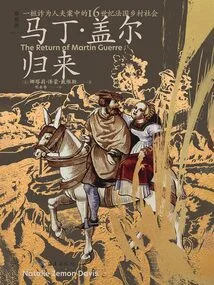
Martin Guerre Returns
History马丁·盖尔归来
(u. S.) Natalie Zemon Davis
In 1548, in a small village in the French Pyrenees, a wealthy farmer, Martin Gale, left his wife and son and family business. He was gone for many years without any news. Eight years later, he suddenly appeared in the village, surprising and delighting his family and neighbors. Although there were many changes in his appearance, he was still welcomed by everyone, lived a happy life with his wife again, and gave birth to a daughter. However, a property dispute broke out between him and his uncle, which aroused dissatisfaction among his family. His wife, who was deeply in love with him, was pressured to claim that she had been deceived by an imposter and put him on trial. The case went from the local court to the Supreme Court, with both sides holding different opinions and the neighbors also disagreeing. Just when this Martin Guerre almost convinced the court that he was not a liar and was about to make a verdict in his favor, the real Martin Guerre appeared. Natalie Zemon Davis immersed herself in the archives and used a variety of materials such as marriage documents, wills, transaction documents, disputes and arbitration documents, etc., In an attempt to recreate the economic, social, and spiritual world of French farmers in the 16th century, as well as the national judicial system of early modern France by telling this bizarre imposter story.
In 1548, in a small village in the French Pyrenees, a wealthy farmer, Martin Gale, left his wife and son and family business. He was gone for many years without any news. Eight years later, he suddenly appeared in the village, surprising and delighting his family and neighbors. Although there were many changes in his appearance, he was still welcomed by everyone, lived a happy life with his wife again, and gave birth to a daughter. However, a property dispute broke out between him and his uncle, which aroused dissatisfaction among his family. His wife, who was deeply in love with him, was pressured to claim that she had been deceived by an imposter and put him on trial. The case went from the local court to the Supreme Court, with both sides holding different opinions and the neighbors also disagreeing. Just when this Martin Guerre almost convinced the court that he was not a liar and was about to make a verdict in his favor, the real Martin Guerre appeared. Natalie Zemon Davis immersed herself in the archives and used a variety of materials such as marriage documents, wills, transaction documents, disputes and arbitration documents, etc., In an attempt to recreate the economic, social, and spiritual world of French farmers in the 16th century, as well as the national judicial system of early modern France by telling this bizarre imposter story.
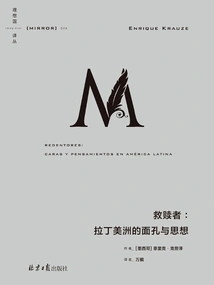
救赎者:拉丁美洲的面孔与思想
(mexico) Enrique Krauser
At the beginning of the nineteenth century, Latin America overthrew the rule of European colonists and embarked on the path of modern exploration. At that time, the United States was wielding the stick of interventionism and eyeing its backyard, and the established European empires were all coveting the abundant resources and vast markets across the ocean. In a historical predicament where everything is in ruins and surrounded by powerful enemies, how can Latin America find its way out? In this book, Enrique Krauze draws on the life clues of nine Latin American historical figures with a writing style comparable to literary works to outline the political and ideological landscape and historical exploration trajectory of Latin America over the past 150 years. Among these people are José Martí, who lit up the nation in Latin America, which had just emerged from darkness; Vás Concelos, who carried the ideological torch in the cracks of turbulent times; the Paz family, which devoted three generations of their descendants to the revolutionary cause; García Márquez, who wrote the world-famous "One Hundred Years of Solitude" but was controversial for his collusion with dictatorship; and Vargas Llosa, who persisted in resisting dictatorship throughout his life. Although they chose different paths, they harbored similar ideals: to establish a just, prosperous, and peaceful order so that Latin America, which was suffering from backwardness, poverty, and imperialism, could be saved.
At the beginning of the nineteenth century, Latin America overthrew the rule of European colonists and embarked on the path of modern exploration. At that time, the United States was wielding the stick of interventionism and eyeing its backyard, and the established European empires were all coveting the abundant resources and vast markets across the ocean. In a historical predicament where everything is in ruins and surrounded by powerful enemies, how can Latin America find its way out? In this book, Enrique Krauze draws on the life clues of nine Latin American historical figures with a writing style comparable to literary works to outline the political and ideological landscape and historical exploration trajectory of Latin America over the past 150 years. Among these people are José Martí, who lit up the nation in Latin America, which had just emerged from darkness; Vás Concelos, who carried the ideological torch in the cracks of turbulent times; the Paz family, which devoted three generations of their descendants to the revolutionary cause; García Márquez, who wrote the world-famous "One Hundred Years of Solitude" but was controversial for his collusion with dictatorship; and Vargas Llosa, who persisted in resisting dictatorship throughout his life. Although they chose different paths, they harbored similar ideals: to establish a just, prosperous, and peaceful order so that Latin America, which was suffering from backwardness, poverty, and imperialism, could be saved.
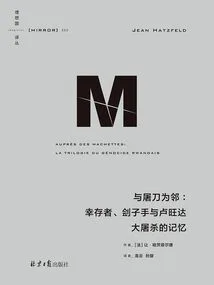
与屠刀为邻:幸存者、刽子手与卢旺达大屠杀的记忆
(french) Jean Hartsfield
The massacre in the Rwandan town of Nyamata began at 11 a. M. On April 11, 1994 and lasted until 2 p. M. On May 14. Every day during this period, from 9:30 am to 4 pm, Hutu militiamen and civilians massacred Tutsis on the hills of Nyamata. There were approximately 60,000 Tutsis in the area, and nearly 50,000 died under the butcher's knife. In this massacre, the murderer and the murdered were no strangers to each other. They live on the same land and are neighbors, colleagues, friends, lovers and even family members. Some Hutus had been drinking and chatting with their Tutsi friends the day before, but overnight, they picked up butcher knives and started massacring all Tutsis in an organized manner. Some Tutsis went into swamps, woods and mountains, escaping like prey from hunters every day. They ate raw food, drank dew during the day, and slept in mud at night. They managed to survive until the massacre was over. However, when they returned to the town, they found that the executioner had not received the punishment he deserved. They had to continue to live with these Hutus as before... What exactly happened during the massacre? Why did the Hutus massacre the Tutsis like this? How should they continue to live after the massacre? With these questions in mind, Hartsfield came to Rwanda and lived among the locals. After fourteen years of visits and investigations, he interviewed many survivors and mass murderers, trying to restore the truth of the massacre from multiple angles and understand this human catastrophe that has occurred in our era.
The massacre in the Rwandan town of Nyamata began at 11 a. M. On April 11, 1994 and lasted until 2 p. M. On May 14. Every day during this period, from 9:30 am to 4 pm, Hutu militiamen and civilians massacred Tutsis on the hills of Nyamata. There were approximately 60,000 Tutsis in the area, and nearly 50,000 died under the butcher's knife. In this massacre, the murderer and the murdered were no strangers to each other. They live on the same land and are neighbors, colleagues, friends, lovers and even family members. Some Hutus had been drinking and chatting with their Tutsi friends the day before, but overnight, they picked up butcher knives and started massacring all Tutsis in an organized manner. Some Tutsis went into swamps, woods and mountains, escaping like prey from hunters every day. They ate raw food, drank dew during the day, and slept in mud at night. They managed to survive until the massacre was over. However, when they returned to the town, they found that the executioner had not received the punishment he deserved. They had to continue to live with these Hutus as before... What exactly happened during the massacre? Why did the Hutus massacre the Tutsis like this? How should they continue to live after the massacre? With these questions in mind, Hartsfield came to Rwanda and lived among the locals. After fourteen years of visits and investigations, he interviewed many survivors and mass murderers, trying to restore the truth of the massacre from multiple angles and understand this human catastrophe that has occurred in our era.
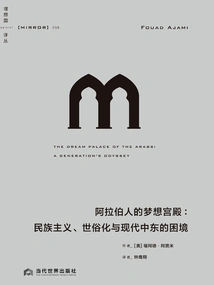
The Arab Dream Palace: Nationalism, Secularization, and the Dilemma of the Modern Middle East
History阿拉伯人的梦想宫殿:民族主义、世俗化与现代中东的困境
(u. S.) Fouad Ajami
On June 6, 1982, war broke out on the Lebanese border, and Israeli troops invaded southern Lebanon in three groups. Late that night in Beirut, the capital of Lebanon, the poet Khalil Harvey walked to the balcony of his home with a shotgun in his hand, facing the sea and the school bell tower, aimed it at his head and pulled the trigger. His body fell over the railing and fell to a cluster of jasmine flowers downstairs. Eight days later, Israeli troops approached Beirut. The final straw for Harvey was not only the shame of the country's defeat, but also the despair of the entire Arab nation's revival. For more than half a century, countless Arabs, including Harvey, have envisioned a dream palace of unity, progress, and modernity for their world. However, the quarrel between traditionalists and reformists, the confrontation between secularism and theocracy, local hatred of the West, and increasingly narrow nationalism eventually exhausted the hope in the hearts of Arabs. In this book, Lebanese scholar Fouad Ajami reviews Arab history since the 20th century from the perspective of politics, culture, and literature through a pair of eyes from inside the Arab world. He follows the life and thinking paths of Arab intellectuals such as Harvey, Adonis, Mahfouz, and Munif, from the mountains of Lebanon to Egypt to the Arabian Peninsula, telling the story of the revitalization and suffering that this great and tenacious nation has experienced over the past few decades, trying to answer a question that has been pondered for nearly a hundred years: Where is the path to modernization in the Arab world?
On June 6, 1982, war broke out on the Lebanese border, and Israeli troops invaded southern Lebanon in three groups. Late that night in Beirut, the capital of Lebanon, the poet Khalil Harvey walked to the balcony of his home with a shotgun in his hand, facing the sea and the school bell tower, aimed it at his head and pulled the trigger. His body fell over the railing and fell to a cluster of jasmine flowers downstairs. Eight days later, Israeli troops approached Beirut. The final straw for Harvey was not only the shame of the country's defeat, but also the despair of the entire Arab nation's revival. For more than half a century, countless Arabs, including Harvey, have envisioned a dream palace of unity, progress, and modernity for their world. However, the quarrel between traditionalists and reformists, the confrontation between secularism and theocracy, local hatred of the West, and increasingly narrow nationalism eventually exhausted the hope in the hearts of Arabs. In this book, Lebanese scholar Fouad Ajami reviews Arab history since the 20th century from the perspective of politics, culture, and literature through a pair of eyes from inside the Arab world. He follows the life and thinking paths of Arab intellectuals such as Harvey, Adonis, Mahfouz, and Munif, from the mountains of Lebanon to Egypt to the Arabian Peninsula, telling the story of the revitalization and suffering that this great and tenacious nation has experienced over the past few decades, trying to answer a question that has been pondered for nearly a hundred years: Where is the path to modernization in the Arab world?
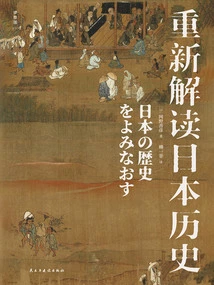
重新解读日本历史
(japan) Yoshihiko Amino
Yoshihiko Amino was one of the most original historians in Japan in the 20th century, and he single-handedly created a new situation in the study of Japanese medieval history. In this book, he shows the changes in Japan's country and society before modern times from many aspects such as the popularization of writing, currency circulation, class and discrimination, women's social status, the origin of the emperor and Japan's national title, and the differences in culture and life in different regions. He breaks the existing common sense and rethinks and interprets Japanese history. In his writings, medieval Japan was not an isolated island country, and its residents were not just farmers who worked on the land. Nor were they just warriors with strong armor, nobles vying for power, and emperors of the eternal line. In sharp contrast is the dynamic Japanese history driven by trade, circulation and competition. A large number of non-agricultural populations are active on these stages: mountain people and sea people who live on mountains, rivers and seas, various craftsmen who form guilds, various sects of New Buddhism that are deeply involved in social changes, women who enjoy a certain degree of freedom and actively participate in social activities, and fully participate in social activities. Merchants who make use of the land and sea transportation network, geishas, beggars, and witches who run around begging for a living, various "non-humans" with "filth" on their hands, lords and bureaucrats who work hard to run estates and territories... Together with the farmers, they constantly adapt and transform the environment in order to survive and develop, and create an economy, politics, society and culture with their own characteristics.
Yoshihiko Amino was one of the most original historians in Japan in the 20th century, and he single-handedly created a new situation in the study of Japanese medieval history. In this book, he shows the changes in Japan's country and society before modern times from many aspects such as the popularization of writing, currency circulation, class and discrimination, women's social status, the origin of the emperor and Japan's national title, and the differences in culture and life in different regions. He breaks the existing common sense and rethinks and interprets Japanese history. In his writings, medieval Japan was not an isolated island country, and its residents were not just farmers who worked on the land. Nor were they just warriors with strong armor, nobles vying for power, and emperors of the eternal line. In sharp contrast is the dynamic Japanese history driven by trade, circulation and competition. A large number of non-agricultural populations are active on these stages: mountain people and sea people who live on mountains, rivers and seas, various craftsmen who form guilds, various sects of New Buddhism that are deeply involved in social changes, women who enjoy a certain degree of freedom and actively participate in social activities, and fully participate in social activities. Merchants who make use of the land and sea transportation network, geishas, beggars, and witches who run around begging for a living, various "non-humans" with "filth" on their hands, lords and bureaucrats who work hard to run estates and territories... Together with the farmers, they constantly adapt and transform the environment in order to survive and develop, and create an economy, politics, society and culture with their own characteristics.
消逝的辉煌:印第安文明的神秘与悲壮
Wanke
Lead readers into the once glorious Indian civilizations on the American continent. From the Mayans to the Aztecs to the Inca Empire, these ancient civilizations are renowned for their excellence in art, architecture, religion and social organization. However, with the arrival of European colonists, these civilizations began to decline within just a few hundred years. Through detailed historical facts and archaeological discoveries, this book shows the rise and fall of Indian civilization and explores their response and resistance in the face of external impact. The book not only focuses on the great achievements of these civilizations, but also deeply reflects on their tragic endings and their implications for the contemporary era. This is a thoughtful work about the rise and fall of human civilization, and a sincere tribute to a lost culture.
Lead readers into the once glorious Indian civilizations on the American continent. From the Mayans to the Aztecs to the Inca Empire, these ancient civilizations are renowned for their excellence in art, architecture, religion and social organization. However, with the arrival of European colonists, these civilizations began to decline within just a few hundred years. Through detailed historical facts and archaeological discoveries, this book shows the rise and fall of Indian civilization and explores their response and resistance in the face of external impact. The book not only focuses on the great achievements of these civilizations, but also deeply reflects on their tragic endings and their implications for the contemporary era. This is a thoughtful work about the rise and fall of human civilization, and a sincere tribute to a lost culture.
跨越欧亚的神秘帝国:拜占廷的荣耀
Stone Second
An in-depth exploration of the Byzantine Empire, a great civilization that spanned Eurasia, from its origins, development to final decline. This book details the Byzantine Empire's political, military, cultural, and religious achievements and reveals the internal and external challenges it faced. By exploring the rise and fall of the empire, the book shows how Byzantium created a unique civilization and glorious legacy at the intersection of Eastern and Western cultures. Whether it is the compilation of Justinian's code, the construction of Hagia Sophia, or its important role in the exchange between the East and the West, the history of Byzantium is full of legends and reflections. This book is not only a historical review, but also a profound reflection on human civilization.
An in-depth exploration of the Byzantine Empire, a great civilization that spanned Eurasia, from its origins, development to final decline. This book details the Byzantine Empire's political, military, cultural, and religious achievements and reveals the internal and external challenges it faced. By exploring the rise and fall of the empire, the book shows how Byzantium created a unique civilization and glorious legacy at the intersection of Eastern and Western cultures. Whether it is the compilation of Justinian's code, the construction of Hagia Sophia, or its important role in the exchange between the East and the West, the history of Byzantium is full of legends and reflections. This book is not only a historical review, but also a profound reflection on human civilization.
历史的深思:亚非文明的奇迹
Dragon Watch
It leads readers to deeply explore the ancient civilizations of the Asian and African continents, and through the stories behind these cultural sites, reveals the wisdom and spirit they contain. From the tranquility of the Grotto to the grandeur of Angkor Wat, from the mystery of Borobudur to the splendor of the Shwedagon Pagoda in Yangon, this book details the historical, artistic and religious significance of these ruins. Through this book, readers can not only appreciate the diverse civilizational achievements of the Asian and African continents, but also feel the power of human creativity and belief carried by these ruins. This is a cultural journey that spans time and space, and is also a profound reflection and tribute to the historical heritage of mankind.
It leads readers to deeply explore the ancient civilizations of the Asian and African continents, and through the stories behind these cultural sites, reveals the wisdom and spirit they contain. From the tranquility of the Grotto to the grandeur of Angkor Wat, from the mystery of Borobudur to the splendor of the Shwedagon Pagoda in Yangon, this book details the historical, artistic and religious significance of these ruins. Through this book, readers can not only appreciate the diverse civilizational achievements of the Asian and African continents, but also feel the power of human creativity and belief carried by these ruins. This is a cultural journey that spans time and space, and is also a profound reflection and tribute to the historical heritage of mankind.