Library
Browse and search books
2,169 novels found
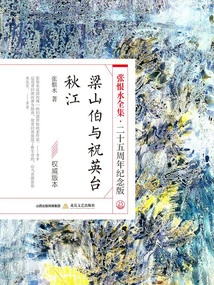
Liang Shanbo and Zhu Yingtai·qiujiang (the Complete Works of Zhang Henshui·25th Anniversary Edition)
Literature梁山伯与祝英台·秋江(张恨水全集·25周年纪念版)
Zhang Henshui
"Liang Shanbo and Zhu Yingtai" is adapted from one of the four major love stories in ancient China: Liang Shanbo and Zhu Yingtai. It was created by Mr. Zhang Henshui after the founding of the People's Republic of China. "Autumn River" tells the story of Pan Bizheng, a scholar who lives in the Privet Temple where his aunt lives. He meets Taoist nun Chen Miaochang and falls deeply in love with her. One night, I heard the quiet melody of the piano and followed the sound, which was played by Miao Chang. Pan then borrowed the music to pick it up. Although Miaochang also has intentions, he pretends to be angry and refuses because of the precepts. But the feelings have connected, and we are in love with each other from now on...
"Liang Shanbo and Zhu Yingtai" is adapted from one of the four major love stories in ancient China: Liang Shanbo and Zhu Yingtai. It was created by Mr. Zhang Henshui after the founding of the People's Republic of China. "Autumn River" tells the story of Pan Bizheng, a scholar who lives in the Privet Temple where his aunt lives. He meets Taoist nun Chen Miaochang and falls deeply in love with her. One night, I heard the quiet melody of the piano and followed the sound, which was played by Miao Chang. Pan then borrowed the music to pick it up. Although Miaochang also has intentions, he pretends to be angry and refuses because of the precepts. But the feelings have connected, and we are in love with each other from now on...
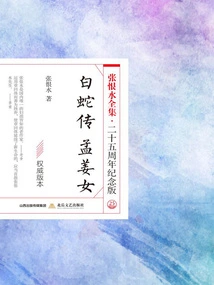
白蛇传·孟姜女(张恨水全集·25周年纪念版)
Zhang Henshui
"The Legend of White Snake" describes the tortuous love story between a snake spirit who cultivated into human form and a human being. The story includes plots such as borrowing an umbrella from a tented boat, the white lady stealing Ganoderma lucidum, flooding the Jinshan Mountain, broken bridges, Leifeng Pagoda, Xu Xian's son Shilin worshiping the Pagoda, etc. It expresses the people's praise and yearning for the free love between men and women and their hatred for the unreasonable restraint of feudal forces. "Meng Jiangnu" is a character in the Chinese folk tale "Meng Jiangnu Cries the Great Wall". Her story is one of the four major Chinese folk love stories. It has been widely circulated among the people through oral inheritance for thousands of years. The earliest legend can be traced back to "Zuo Zhuan".
"The Legend of White Snake" describes the tortuous love story between a snake spirit who cultivated into human form and a human being. The story includes plots such as borrowing an umbrella from a tented boat, the white lady stealing Ganoderma lucidum, flooding the Jinshan Mountain, broken bridges, Leifeng Pagoda, Xu Xian's son Shilin worshiping the Pagoda, etc. It expresses the people's praise and yearning for the free love between men and women and their hatred for the unreasonable restraint of feudal forces. "Meng Jiangnu" is a character in the Chinese folk tale "Meng Jiangnu Cries the Great Wall". Her story is one of the four major Chinese folk love stories. It has been widely circulated among the people through oral inheritance for thousands of years. The earliest legend can be traced back to "Zuo Zhuan".
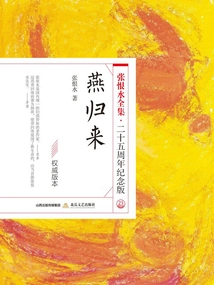
燕归来(张恨水全集·25周年纪念版)
Zhang Henshui
This book describes the story of four male students who accompanied a female student, Yang Yanqiu, back to the northwest to find relatives. It records the customs, customs and emotional entanglements between the characters during the journey. The portrayal of the character's psychology is excellent. Female college student Yang Yanqiu was originally a refugee from Gansu, but she was adopted after her family moved to Nanjing when she was a child, and she became a young lady from a wealthy family. But the good times did not last long. After her adoptive parents passed away, she could not tolerate her brothers and sister-in-law and decided to return to her hometown to find relatives and make some contributions to the northwest. However, due to the circumstances at the time, she could only invite four male classmates to escort her back all the way. In the eyes of these four male classmates, this also became a test of love, and they didn't know who would make it to the end. The work uses this clue to actually introduce the scenery and backward conditions along the northwest, and to show the suffering and tenacity of the people in the northwest.
This book describes the story of four male students who accompanied a female student, Yang Yanqiu, back to the northwest to find relatives. It records the customs, customs and emotional entanglements between the characters during the journey. The portrayal of the character's psychology is excellent. Female college student Yang Yanqiu was originally a refugee from Gansu, but she was adopted after her family moved to Nanjing when she was a child, and she became a young lady from a wealthy family. But the good times did not last long. After her adoptive parents passed away, she could not tolerate her brothers and sister-in-law and decided to return to her hometown to find relatives and make some contributions to the northwest. However, due to the circumstances at the time, she could only invite four male classmates to escort her back all the way. In the eyes of these four male classmates, this also became a test of love, and they didn't know who would make it to the end. The work uses this clue to actually introduce the scenery and backward conditions along the northwest, and to show the suffering and tenacity of the people in the northwest.
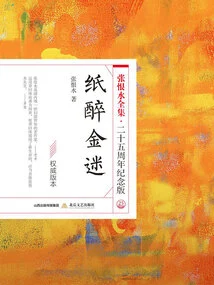
纸醉金迷(张恨水全集·25周年纪念版)
Zhang Henshui
The story takes place in Chongqing, the capital of the Nationalist Government in 1945. Here gathered a group of people who were feasting, feasting, and living in intoxication. Everything revolves around money. Corruption of officials, speculation by businessmen and bankers, and women being swindlers have become a common trend. The novel uses the clues of Wei Duanben, a young civil servant, and his beautiful but vain wife Tian Peizhi as they live together and break up. It takes the opportunity of many characters to rush to buy gold savings certificates to make the country's hard-earned wealth, and unfolds a complicated story. When the Anti-Japanese War was won, everything for the speculators was in vain. The work directs criticism towards the ugly, humble world in the Kuomintang-controlled areas on the eve of the victory of the Anti-Japanese War. It reveals the loss and struggle in the face of human nature and money in a special era.
The story takes place in Chongqing, the capital of the Nationalist Government in 1945. Here gathered a group of people who were feasting, feasting, and living in intoxication. Everything revolves around money. Corruption of officials, speculation by businessmen and bankers, and women being swindlers have become a common trend. The novel uses the clues of Wei Duanben, a young civil servant, and his beautiful but vain wife Tian Peizhi as they live together and break up. It takes the opportunity of many characters to rush to buy gold savings certificates to make the country's hard-earned wealth, and unfolds a complicated story. When the Anti-Japanese War was won, everything for the speculators was in vain. The work directs criticism towards the ugly, humble world in the Kuomintang-controlled areas on the eve of the victory of the Anti-Japanese War. It reveals the loss and struggle in the face of human nature and money in a special era.
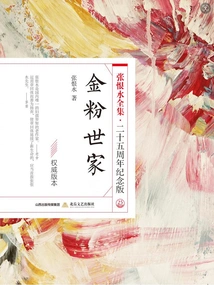
金粉世家(张恨水全集·25周年纪念版)
Zhang Henshui
"The Golden Fen Family" is a novel written by the modern novelist Zhang Henshui. The novel is based on the feudal family of Beiyang warlord Jin Quan, Prime Minister, and takes the marriage between Jin Quan's son Jin Yanxi and the commoner woman Leng Qingqiu from love, marriage to estrangement and divorce as the main line. It reveals the empty, degenerate spiritual world and declining and decadent life of the feudal bureaucrats and their wives and children, and describes a living history of the rise and fall of the wealthy aristocrats. The novel has 112 chapters, interspersed with the life stories of more than 20 characters in the Jin family, with magnificent colors, scattered but not chaotic. The story of the novel is lively and lively, the mood is sad, and it has a strong sense of leisure. After being published, it was deeply loved by citizen readers.
"The Golden Fen Family" is a novel written by the modern novelist Zhang Henshui. The novel is based on the feudal family of Beiyang warlord Jin Quan, Prime Minister, and takes the marriage between Jin Quan's son Jin Yanxi and the commoner woman Leng Qingqiu from love, marriage to estrangement and divorce as the main line. It reveals the empty, degenerate spiritual world and declining and decadent life of the feudal bureaucrats and their wives and children, and describes a living history of the rise and fall of the wealthy aristocrats. The novel has 112 chapters, interspersed with the life stories of more than 20 characters in the Jin family, with magnificent colors, scattered but not chaotic. The story of the novel is lively and lively, the mood is sad, and it has a strong sense of leisure. After being published, it was deeply loved by citizen readers.
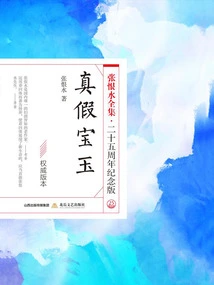
真假宝玉(张恨水全集·25周年纪念版)
Zhang Henshui
Zhang Henshui has been very fond of literature since he was a child. When he was 17 years old, he wrote under the pen name "Henshui". "True and False Baoyu" was his first short story, which started his career as a writer during the Republic of China.
Zhang Henshui has been very fond of literature since he was a child. When he was 17 years old, he wrote under the pen name "Henshui". "True and False Baoyu" was his first short story, which started his career as a writer during the Republic of China.
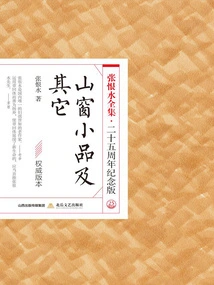
Mountain Window Sketch and Others (the Complete Works of Zhang Henshui·25th Anniversary Edition)
Literature山窗小品及其它(张恨水全集·25周年纪念版)
Zhang Henshui
"Mountain Window Essays and Others" is a collection of essays written by Zhang Henshui in modern times. It contains 43 essays and has an appendix of 13 essays in classical Chinese, for a total of 56 essays.
"Mountain Window Essays and Others" is a collection of essays written by Zhang Henshui in modern times. It contains 43 essays and has an appendix of 13 essays in classical Chinese, for a total of 56 essays.
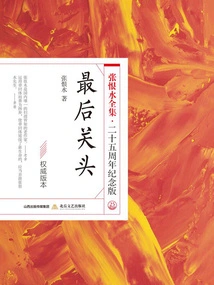
最后关头(张恨水全集·25周年纪念版)
Zhang Henshui
Zhang Henshui is a representative writer of the "Mandarin Duck and Butterfly School". He has always been overshadowed by his great reputation as a novelist. Not many prose has been published in the world, and few people in the world know about it. This is the first time that Zhang Henshui's prose works have been published in a complete collection. The "Complete Collection" is divided into seven volumes, namely "The Last Moment", "Little Moon Day", "Shanchuang Sketch", "Essays of Beijingers", "Shang Xia Ancient and Modern Talk", "Pearl" and "Memories of Writing Career". The lines of these works are filled with the beauty of poetry and painting, revealing a light, elegant and leisurely style. Reading these daily conversation-style works, one can clearly feel Zhang Henshui's deep sense of the vicissitudes of his family and country that resides in the ordinary alleys of the old city.
Zhang Henshui is a representative writer of the "Mandarin Duck and Butterfly School". He has always been overshadowed by his great reputation as a novelist. Not many prose has been published in the world, and few people in the world know about it. This is the first time that Zhang Henshui's prose works have been published in a complete collection. The "Complete Collection" is divided into seven volumes, namely "The Last Moment", "Little Moon Day", "Shanchuang Sketch", "Essays of Beijingers", "Shang Xia Ancient and Modern Talk", "Pearl" and "Memories of Writing Career". The lines of these works are filled with the beauty of poetry and painting, revealing a light, elegant and leisurely style. Reading these daily conversation-style works, one can clearly feel Zhang Henshui's deep sense of the vicissitudes of his family and country that resides in the ordinary alleys of the old city.
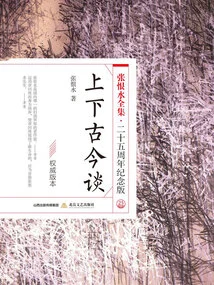
上下古今谈(张恨水全集·25周年纪念版)
Zhang Henshui
"Shang Xia Ancient and Modern Talk", the whole book has a unique style, the writing is diluted to the level of proficiency, the humor is humorous, and the solemnity is mixed with humor. It is really full of laughter and curses, making the readers laugh and laugh, but also feel the heartfelt pleasure.
"Shang Xia Ancient and Modern Talk", the whole book has a unique style, the writing is diluted to the level of proficiency, the humor is humorous, and the solemnity is mixed with humor. It is really full of laughter and curses, making the readers laugh and laugh, but also feel the heartfelt pleasure.
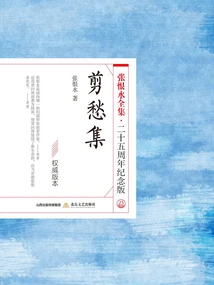
剪愁集(张恨水全集·25周年纪念版)
Zhang Henshui
"Jianchou Collection" is a collection of Zhang Henshui's poems, which include antique style and limerick-like works. You can appreciate Zhang Henshui's talent in poetry and comprehensive literary attainments.
"Jianchou Collection" is a collection of Zhang Henshui's poems, which include antique style and limerick-like works. You can appreciate Zhang Henshui's talent in poetry and comprehensive literary attainments.
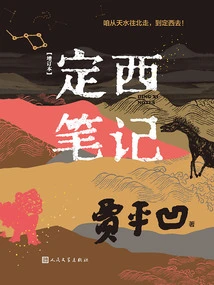
Dingxi Notes (updated Edition)
Literature定西笔记(增订本)
Jia Pingwa
This book is a work written by the writer Jia Pingwa who went out of his study and personally visited Dingxi, which is still one of the poor areas in China, and paid close attention to and observed the local living environment, customs and customs with his eyes. Issues related to the national economy and people's livelihood, such as the grassroots, people's livelihood, land, etc., Emerge vividly in this "Dingxi Notes". The author said at the beginning: "In my opinion, there are three places in China that are worth traveling to. One is the Yuncheng and Linfen area in Shanxi, the other is the Hancheng and Heyang Chaoyi area in Shaanxi, and the third is Gansu Longyou. These three places have a long history and rich culture. They are all areas of the country's great virtues. Their virtues are strong and civilized, but they share the same fate. It is because they have been ignored or even forgotten by Chinese people for a long time. Modern economic development has obscured their former glory, and people are infinitely yearning for the prosperity of the southeastern coastal areas; chasing the wonders of those emerging tourist attractions, few people are willing to visit these three places to understand the different geographical environments and the living conditions of different people. "
This book is a work written by the writer Jia Pingwa who went out of his study and personally visited Dingxi, which is still one of the poor areas in China, and paid close attention to and observed the local living environment, customs and customs with his eyes. Issues related to the national economy and people's livelihood, such as the grassroots, people's livelihood, land, etc., Emerge vividly in this "Dingxi Notes". The author said at the beginning: "In my opinion, there are three places in China that are worth traveling to. One is the Yuncheng and Linfen area in Shanxi, the other is the Hancheng and Heyang Chaoyi area in Shaanxi, and the third is Gansu Longyou. These three places have a long history and rich culture. They are all areas of the country's great virtues. Their virtues are strong and civilized, but they share the same fate. It is because they have been ignored or even forgotten by Chinese people for a long time. Modern economic development has obscured their former glory, and people are infinitely yearning for the prosperity of the southeastern coastal areas; chasing the wonders of those emerging tourist attractions, few people are willing to visit these three places to understand the different geographical environments and the living conditions of different people. "
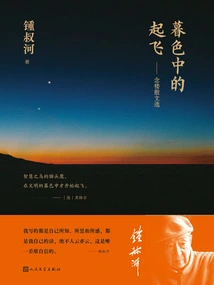
暮色中的起飞:念楼散文选
Chung Shu Ho
"Take Off in the Twilight" is a collection of essays personally edited by Zhong Shuhe. It includes more than one hundred essays from thirteen personal collections, including "Before and After the Book", "Nian Lou Collection" and "Occasional Collection", including "Zeng Guofan's Teaching Sons", "Iron Abacus and Others", "Geographer's Observation", "Sai Jinhua in Berlin", "Yellow Duck Crying", "Book Sellers and Readers", etc., Which is a panoramic display of the essence of his creation. Mr. Zhong Shuhe is a famous essayist and editor. His essays cover history, culture and many other aspects. Erudite, rigorous, profound and humorous, showing the scholar's mind and vision. As Zhong Shuhe himself said, "We must deeply understand yesterday and face today with a clear head."
"Take Off in the Twilight" is a collection of essays personally edited by Zhong Shuhe. It includes more than one hundred essays from thirteen personal collections, including "Before and After the Book", "Nian Lou Collection" and "Occasional Collection", including "Zeng Guofan's Teaching Sons", "Iron Abacus and Others", "Geographer's Observation", "Sai Jinhua in Berlin", "Yellow Duck Crying", "Book Sellers and Readers", etc., Which is a panoramic display of the essence of his creation. Mr. Zhong Shuhe is a famous essayist and editor. His essays cover history, culture and many other aspects. Erudite, rigorous, profound and humorous, showing the scholar's mind and vision. As Zhong Shuhe himself said, "We must deeply understand yesterday and face today with a clear head."
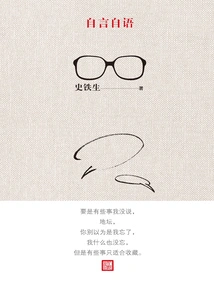
Talking to Oneself
Literature自言自语
Shi Tiesheng
Shi Tiesheng was not only a writer, but also a very outstanding thinker. The depth of his thoughts and the height of his spirit are very eye-catching among contemporary Chinese writers. His works can always bring warmth and strength to people's lives, enlightenment of thoughts and encouragement of spirit. This book is edited and selected by Yang Liu, senior editor of Shi Tiesheng's works, and has dozens of essays by the author on life, destiny, death, loneliness and love, and faith, including "Me and the Temple of Earth", "Missing the Temple of Earth", "Rotary Asking for Directions", "Letting Go and Perseverance", "Honesty and Kind Thoughts", etc., Which bring refreshing to busy urban white-collar workers and readers who love to think.
Shi Tiesheng was not only a writer, but also a very outstanding thinker. The depth of his thoughts and the height of his spirit are very eye-catching among contemporary Chinese writers. His works can always bring warmth and strength to people's lives, enlightenment of thoughts and encouragement of spirit. This book is edited and selected by Yang Liu, senior editor of Shi Tiesheng's works, and has dozens of essays by the author on life, destiny, death, loneliness and love, and faith, including "Me and the Temple of Earth", "Missing the Temple of Earth", "Rotary Asking for Directions", "Letting Go and Perseverance", "Honesty and Kind Thoughts", etc., Which bring refreshing to busy urban white-collar workers and readers who love to think.
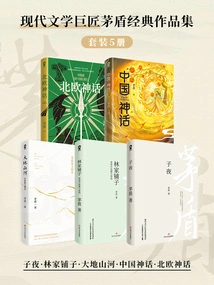
茅盾经典作品集(套装5册)
Mao Dun
"Collection of Mao Dun's Classic Works (5 volumes in total)" includes "Midnight", "Lin's Shop: Selected Novels and Short Stories by Mao Dun", "The Mountains and Rivers of the Earth: Selected Prose by Mao Dun", "Chinese Mythology" and "Norse Mythology".
"Collection of Mao Dun's Classic Works (5 volumes in total)" includes "Midnight", "Lin's Shop: Selected Novels and Short Stories by Mao Dun", "The Mountains and Rivers of the Earth: Selected Prose by Mao Dun", "Chinese Mythology" and "Norse Mythology".
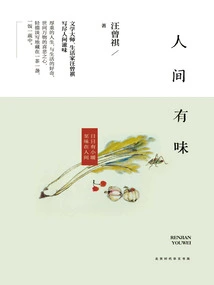
The World is Interesting
Literature人间有味
Wang Zengqi
In Wang Zengqi's words, life is very interesting and interesting. In his writing, a simple meal, a meal, a person, and everything are full of fun. Mr. Wang Zengqi said that he loves visiting the vegetable market. Looking at the live chickens and ducks, fresh fish and vegetables, green cucumbers, and red peppers, it is bustling and crowded, making people feel a sense of joy in life. The first two volumes of "The Taste of the World" are all about eating. For example: "Eating in Kunming" writes about cross-bridge rice noodles, steam pot chicken, ganba mushrooms, porcini mushrooms, green head mushrooms, white soup mutton on Huguo Road, steamed vegetables on Yuxi Street, scallion pancakes, pot stickers, sliced soup, ham moon cakes, and crispy steamed buns. Jade wheat cake, potato cake, modern cake; "Five Flavors" mentioned that Shanxi people can be jealous, Liaoning people love pickled cabbage and white meat hot pot, Beijing people eat mixed noodles with mutton pickled cabbage soup, Fujian people and Guangxi people love to eat sour food, southern people love to eat sweet food, Sichuan people prefer spicy food, etc. I drew up a food map in my mind; in "Food from Hometown", I wrote about fried rice and burnt crumbs, duck eggs dripping with red oil, pickled vegetables and arrowroot soup, various river delicacies, game and wild vegetables from the fields; "Old Searches for the Food Path" wrote about Mr. Lao She's hospitality and Shen Congwen's frequent eating of rice noodles. , The regular gatherings of Tao Chonghua, Wu Mi, Zhang Zonghe, Sun Fengzhu, Cui Zhilan, Shen Youding, and Wu Zhengyi at the beef noodle restaurant; writing about the skills of iced watermelon, various ways of making tofu... People can't help but feel salivating, and delicious food is hidden in the streets and ordinary people's kitchens. The last two volumes are about family, friendship, love in the streets and nostalgia, and are full of strong memories. That kind of indifferent, free and easy mood reaches people's hearts through the paper quilt.
In Wang Zengqi's words, life is very interesting and interesting. In his writing, a simple meal, a meal, a person, and everything are full of fun. Mr. Wang Zengqi said that he loves visiting the vegetable market. Looking at the live chickens and ducks, fresh fish and vegetables, green cucumbers, and red peppers, it is bustling and crowded, making people feel a sense of joy in life. The first two volumes of "The Taste of the World" are all about eating. For example: "Eating in Kunming" writes about cross-bridge rice noodles, steam pot chicken, ganba mushrooms, porcini mushrooms, green head mushrooms, white soup mutton on Huguo Road, steamed vegetables on Yuxi Street, scallion pancakes, pot stickers, sliced soup, ham moon cakes, and crispy steamed buns. Jade wheat cake, potato cake, modern cake; "Five Flavors" mentioned that Shanxi people can be jealous, Liaoning people love pickled cabbage and white meat hot pot, Beijing people eat mixed noodles with mutton pickled cabbage soup, Fujian people and Guangxi people love to eat sour food, southern people love to eat sweet food, Sichuan people prefer spicy food, etc. I drew up a food map in my mind; in "Food from Hometown", I wrote about fried rice and burnt crumbs, duck eggs dripping with red oil, pickled vegetables and arrowroot soup, various river delicacies, game and wild vegetables from the fields; "Old Searches for the Food Path" wrote about Mr. Lao She's hospitality and Shen Congwen's frequent eating of rice noodles. , The regular gatherings of Tao Chonghua, Wu Mi, Zhang Zonghe, Sun Fengzhu, Cui Zhilan, Shen Youding, and Wu Zhengyi at the beef noodle restaurant; writing about the skills of iced watermelon, various ways of making tofu... People can't help but feel salivating, and delicious food is hidden in the streets and ordinary people's kitchens. The last two volumes are about family, friendship, love in the streets and nostalgia, and are full of strong memories. That kind of indifferent, free and easy mood reaches people's hearts through the paper quilt.
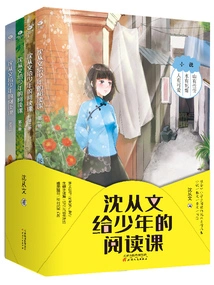
沈从文给少年的阅读课(全四册)
Shen Congwen
This set of books selects a total of 68 Shen Congwen's novels, essays, essays and letters, showing Shen Congwen's customs and customs of Xiangxi, the innocence of girls, his praise of simple people, his satire of commercial cities, as well as his life experiences and pursuits. Let the teenagers increase their knowledge, broaden their horizons, experience the literary master's skill in choosing words and sentences, and improve their literary appreciation and writing skills. Volume 1·Novel: This volume selects Shen Congwen's character-themed novels, including "Rose and Nine Sisters", "Father", "Fengzi", "Sansan" and "Xueqing". Some are full of wonderful descriptions of characters, some are full of poetic and calm spiritual world, and some are satires of society. Volume 2·Novel: This volume selects Shen Congwen's novels with scenery as the theme, including "Boat on the Shore", "Stone Boat", "Winter Space" and "Quiet". Some of the novels are full of beautiful scenery, some are full of deep nostalgia, and some are satires of society and criticism of human indifference. Volume Three: Prose and Essays: This volume carefully selects Shen Congwen's prose and essays, and compiles them into a collection of scenes, a collection of characters, a collection of Yuanshui and a collection of expressions. Some of these essays and essays are about the scenery, such as "Spring Tour to the Summer Palace" and "Viewing Phoenix Mountain"; some are about the customs, people and scenery of western Hunan, such as "Ships in Changde", "Celebrating the Festival and Turning Out the Lights"; some are speculations on the philosophy of life, such as "Life", "Hidden Abyss" and "White Nightmare". Some of the contents of the selected articles are rhythmic, and some are like flowing clouds and flowing water, which can make us read. Volume 4: Letters: This volume collects selected letters written by Shen Congwen to his eldest brother Shen Yunlu, sixth brother Shen Quan, wife Zhang Zhaohe, eldest son Shen Longzhu, second son Shen Huchu, niece Shen Chaohui and other family members between 1927 and 1982. The time span covers almost the author's life, recording the author's decades of pain and joy, pursuit, displacement, and longing for his relatives and hometown. In these letters, there is no lack of the author's insights on literature, thoughts on literary and art policies, and active guidance for children. At the same time, you can appreciate the poetic and picturesque way in which the author describes scenes and objects, and discover his rich inner world and his hidden delicate emotions.
This set of books selects a total of 68 Shen Congwen's novels, essays, essays and letters, showing Shen Congwen's customs and customs of Xiangxi, the innocence of girls, his praise of simple people, his satire of commercial cities, as well as his life experiences and pursuits. Let the teenagers increase their knowledge, broaden their horizons, experience the literary master's skill in choosing words and sentences, and improve their literary appreciation and writing skills. Volume 1·Novel: This volume selects Shen Congwen's character-themed novels, including "Rose and Nine Sisters", "Father", "Fengzi", "Sansan" and "Xueqing". Some are full of wonderful descriptions of characters, some are full of poetic and calm spiritual world, and some are satires of society. Volume 2·Novel: This volume selects Shen Congwen's novels with scenery as the theme, including "Boat on the Shore", "Stone Boat", "Winter Space" and "Quiet". Some of the novels are full of beautiful scenery, some are full of deep nostalgia, and some are satires of society and criticism of human indifference. Volume Three: Prose and Essays: This volume carefully selects Shen Congwen's prose and essays, and compiles them into a collection of scenes, a collection of characters, a collection of Yuanshui and a collection of expressions. Some of these essays and essays are about the scenery, such as "Spring Tour to the Summer Palace" and "Viewing Phoenix Mountain"; some are about the customs, people and scenery of western Hunan, such as "Ships in Changde", "Celebrating the Festival and Turning Out the Lights"; some are speculations on the philosophy of life, such as "Life", "Hidden Abyss" and "White Nightmare". Some of the contents of the selected articles are rhythmic, and some are like flowing clouds and flowing water, which can make us read. Volume 4: Letters: This volume collects selected letters written by Shen Congwen to his eldest brother Shen Yunlu, sixth brother Shen Quan, wife Zhang Zhaohe, eldest son Shen Longzhu, second son Shen Huchu, niece Shen Chaohui and other family members between 1927 and 1982. The time span covers almost the author's life, recording the author's decades of pain and joy, pursuit, displacement, and longing for his relatives and hometown. In these letters, there is no lack of the author's insights on literature, thoughts on literary and art policies, and active guidance for children. At the same time, you can appreciate the poetic and picturesque way in which the author describes scenes and objects, and discover his rich inner world and his hidden delicate emotions.
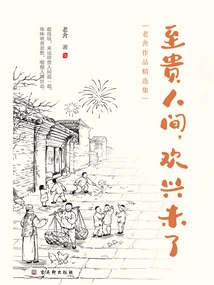
至贵人间,欢兴未了(老舍作品精选集)
Lao She
This book selects some of Lao She's classic short and medium-length works: "The Fire Car", "Crescent Moon", "Micro God", "Liu Family Courtyard", "Good Business Opening", "Let's Talk About the House", "Neighbors", "Time-honored Brand", "In My Life", etc. These novels not only express the love for the little people in the city, but also describe the interesting life stories of the intellectual class. The writing style is meticulous and nuanced, allowing people to appreciate the philosophy of life through lightness and humor. Behind the words, the author deeply thinks about society and the fate of his compatriots. Lao She's novels have an inclusive narrative attitude. He is serious and virtuous, treating the ridiculous as ridiculous and the sad as pathetic. He alternates between solemnity and humor, and a blend of sadness and joy, which makes his novels have unique aesthetic value and are deeply loved by generations of readers.
This book selects some of Lao She's classic short and medium-length works: "The Fire Car", "Crescent Moon", "Micro God", "Liu Family Courtyard", "Good Business Opening", "Let's Talk About the House", "Neighbors", "Time-honored Brand", "In My Life", etc. These novels not only express the love for the little people in the city, but also describe the interesting life stories of the intellectual class. The writing style is meticulous and nuanced, allowing people to appreciate the philosophy of life through lightness and humor. Behind the words, the author deeply thinks about society and the fate of his compatriots. Lao She's novels have an inclusive narrative attitude. He is serious and virtuous, treating the ridiculous as ridiculous and the sad as pathetic. He alternates between solemnity and humor, and a blend of sadness and joy, which makes his novels have unique aesthetic value and are deeply loved by generations of readers.
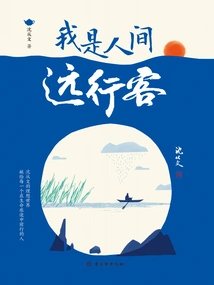
I Am a Human Traveler
Literature我是人间远行客
Shen Congwen
This book contains 21 of the author's travel notes about Western Hunan, Beijing, and Yunnan, including "Taoyuan and Yuanzhou", "Ships in Changde", "Phoenix", "Spring Tour to the Summer Palace", "Kunming Winter Scenery" and other famous articles. It not only describes the beautiful and strange mountains and rivers, but also expresses the lyrical narrative of people, things and objects, vividly, vividly and vividly showing what the author saw and heard during the journey. Finally, it ends with the author's article "Talking about Writing Travel Notes", explaining to readers how to create travel notes.
This book contains 21 of the author's travel notes about Western Hunan, Beijing, and Yunnan, including "Taoyuan and Yuanzhou", "Ships in Changde", "Phoenix", "Spring Tour to the Summer Palace", "Kunming Winter Scenery" and other famous articles. It not only describes the beautiful and strange mountains and rivers, but also expresses the lyrical narrative of people, things and objects, vividly, vividly and vividly showing what the author saw and heard during the journey. Finally, it ends with the author's article "Talking about Writing Travel Notes", explaining to readers how to create travel notes.
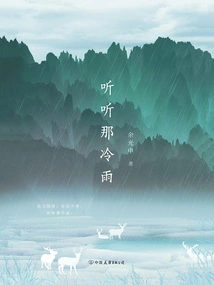
Listen to the Cold Rain (youth Edition)
Literature听听那冷雨(青春版)
Yu Guangzhong
"Listen to the Cold Rain" is the peak of contemporary literary master Yu Guangzhong's prose creation. It contains 28 articles, including "Listen to the Cold Rain", "The Great Wall", "Shanmeng", "Four Types of Friends", "The Realm of Borrowing Money" and other popular classics, and another There are wonderful travel notes, book reviews, poetry reviews, and music reviews. The writing style is eclectic and can bring readers multiple beautiful enjoyments: not only magnificent and sonorous large-scale writing, but also delicate and soft freehand brushwork, as well as deep and sincere emotions and thinking, as well as profound humanistic feelings. In this book, the author writes about his emotions and thoughts about his hometown during his travels in a poetic style, providing every reader with inspiration for life and the strength to move forward.
"Listen to the Cold Rain" is the peak of contemporary literary master Yu Guangzhong's prose creation. It contains 28 articles, including "Listen to the Cold Rain", "The Great Wall", "Shanmeng", "Four Types of Friends", "The Realm of Borrowing Money" and other popular classics, and another There are wonderful travel notes, book reviews, poetry reviews, and music reviews. The writing style is eclectic and can bring readers multiple beautiful enjoyments: not only magnificent and sonorous large-scale writing, but also delicate and soft freehand brushwork, as well as deep and sincere emotions and thinking, as well as profound humanistic feelings. In this book, the author writes about his emotions and thoughts about his hometown during his travels in a poetic style, providing every reader with inspiration for life and the strength to move forward.
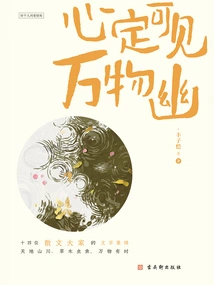
心定可见万物幽
Feng Zikai Et Al.
This is a collection of essays describing everything in the world, including wonderful works by writers such as Feng Zikai and Ji Xianlin. In the book, writers wrote about insects, birds, tea, boats, and the spring in their hometown. Watching all things calmly, all things seem to have spirituality, and are extremely clear and lovely. This contented and lovely life, leisurely and elegant in nature, has its own realm.
This is a collection of essays describing everything in the world, including wonderful works by writers such as Feng Zikai and Ji Xianlin. In the book, writers wrote about insects, birds, tea, boats, and the spring in their hometown. Watching all things calmly, all things seem to have spirituality, and are extremely clear and lovely. This contented and lovely life, leisurely and elegant in nature, has its own realm.
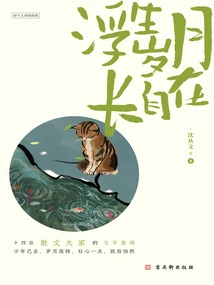
浮生岁月长自在
Shen Congwen Et Al.
This is a collection of essays telling stories over time, including many works by writers such as Shen Congwen, Xia Chuzun, and Shi Tiesheng. In the book, the writers talk about their own life journeys and describe their childhood, school career, friends, love, marriage and other life experiences in a timeless and free way. This book shows the growth trajectory of the literary master and reproduces the social appearance and cultural customs of the time.
This is a collection of essays telling stories over time, including many works by writers such as Shen Congwen, Xia Chuzun, and Shi Tiesheng. In the book, the writers talk about their own life journeys and describe their childhood, school career, friends, love, marriage and other life experiences in a timeless and free way. This book shows the growth trajectory of the literary master and reproduces the social appearance and cultural customs of the time.
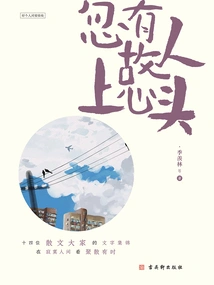
Suddenly an Old Friend Comes to Mind
Literature忽有故人上心头
Ji Xianlin Et Al.
This is a collection of articles about people's memories, including prose works by Ji Xianlin, Ding Ling, Feng Zikai and other writers. In these articles, writers talk about their relatives, friends, teachers and friends, either going directly to the topic or slowly describing them. Among them are memories of the most important and unforgettable experiences in the past years, as well as deep thoughts and remembrances of old friends and relatives.
This is a collection of articles about people's memories, including prose works by Ji Xianlin, Ding Ling, Feng Zikai and other writers. In these articles, writers talk about their relatives, friends, teachers and friends, either going directly to the topic or slowly describing them. Among them are memories of the most important and unforgettable experiences in the past years, as well as deep thoughts and remembrances of old friends and relatives.
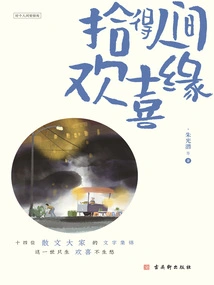
Found Joy in the World
Literature拾得人间欢喜缘
Zhu Guangqian Et Al.
This is a collection of essays about the wisdom of life, including classic prose works by Zhu Guangqian, Wang Zengqi, Liang Shiqiu and other writers. It presents the infinite possibilities of life in terms of reading, life, traveling, etc., And shows how writers get along with the world.
This is a collection of essays about the wisdom of life, including classic prose works by Zhu Guangqian, Wang Zengqi, Liang Shiqiu and other writers. It presents the infinite possibilities of life in terms of reading, life, traveling, etc., And shows how writers get along with the world.
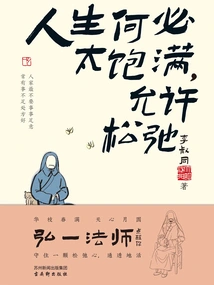
人生何必太饱满,允许松弛
Li Shutong
This book collects Li Shutong's works from different periods, such as "Sigh on First Coming to the World", "Night Journey to the West Lake", "Fast Diary" and other articles, as well as lyrics, poems and words, such as "Farewell", "Falling Flowers", "Night Park in Tanggu", etc. In addition, it also compiles his life mottos. These mottos are "a thousand dollars a word, worthy of everyone to read slowly, appreciate slowly, and quietly comprehend in a lifetime." I hope that in the process of reading the master's articles, readers can understand the master's wisdom in dealing with people.
This book collects Li Shutong's works from different periods, such as "Sigh on First Coming to the World", "Night Journey to the West Lake", "Fast Diary" and other articles, as well as lyrics, poems and words, such as "Farewell", "Falling Flowers", "Night Park in Tanggu", etc. In addition, it also compiles his life mottos. These mottos are "a thousand dollars a word, worthy of everyone to read slowly, appreciate slowly, and quietly comprehend in a lifetime." I hope that in the process of reading the master's articles, readers can understand the master's wisdom in dealing with people.
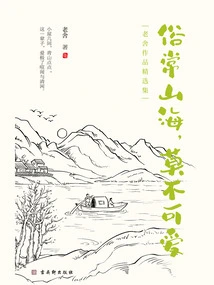
Mountains and Seas Are so Common, Everything is Lovely (selected Collection of Lao She's Works)
Literature俗常山海,莫不可爱(老舍作品精选集)
Lao She
The book is divided into five series: "Seven small houses, happy children", "Look at this bustling world", "There is an antidote to all troubles", "Everything is lovely", "Appreciating the landscape of the world", and selected "Look Up to See Joy" and "My Ideal Family" ", "Glorious Loneliness", "Another Year of Green Grass", "So Happy to Fly", "I Have a Will", "Little Sparrow", "Little Animals", "Informal Park", "Spring of Daming Lake", "Remembering Guangzhou in Spring" and other classic works. Talking about family, life, dreams, and paying attention to the interesting aspects of life and world affairs. Such a wide range of materials, rich content, sincere emotions and unique language taste constitute the unique charm of Lao She's prose, showing Lao She's love and attachment to nature, and his eulogy and praise of life.
The book is divided into five series: "Seven small houses, happy children", "Look at this bustling world", "There is an antidote to all troubles", "Everything is lovely", "Appreciating the landscape of the world", and selected "Look Up to See Joy" and "My Ideal Family" ", "Glorious Loneliness", "Another Year of Green Grass", "So Happy to Fly", "I Have a Will", "Little Sparrow", "Little Animals", "Informal Park", "Spring of Daming Lake", "Remembering Guangzhou in Spring" and other classic works. Talking about family, life, dreams, and paying attention to the interesting aspects of life and world affairs. Such a wide range of materials, rich content, sincere emotions and unique language taste constitute the unique charm of Lao She's prose, showing Lao She's love and attachment to nature, and his eulogy and praise of life.
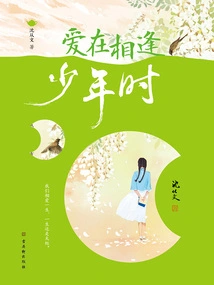
Love is When We Meet as Teenagers
Literature爱在相逢少年时
Shen Congwen
This book collects Shen Congwen's letters, novels, essays, and poems about love. The letters include love letters written by the author to his wife Zhang Zhaohe, whose passionate emotions are touching; and letters written by the author to his family and friends, whose words are full of attachment to his wife. The novels, essays and poems include "San San", "After the Rain", "Under the Moon", "I Like You", "Reading Mengwei's Poems and Thinking of the Word "Love"" and other emotional masterpieces. Although everyone knows the word "love", few people really understand its meaning. Let us look for the eternal love in short life in Shen Congwen's extremely romantic words.
This book collects Shen Congwen's letters, novels, essays, and poems about love. The letters include love letters written by the author to his wife Zhang Zhaohe, whose passionate emotions are touching; and letters written by the author to his family and friends, whose words are full of attachment to his wife. The novels, essays and poems include "San San", "After the Rain", "Under the Moon", "I Like You", "Reading Mengwei's Poems and Thinking of the Word "Love"" and other emotional masterpieces. Although everyone knows the word "love", few people really understand its meaning. Let us look for the eternal love in short life in Shen Congwen's extremely romantic words.
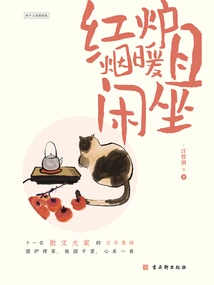
红炉烟暖且闲坐
Wang Zengqi Et Al.
This is a collection of prose with food as the main theme, including prose works by writers such as Liang Shiqiu, Wang Zengqi, and Yu Pingbo. In the book, whether it is the taste of hometown in memory or delicacies from all over the world, whether it is the gourmet feast in famous wineries and teahouses, or farm dishes and local snacks, they are neither high nor cheap, impartial and have their own merits.
This is a collection of prose with food as the main theme, including prose works by writers such as Liang Shiqiu, Wang Zengqi, and Yu Pingbo. In the book, whether it is the taste of hometown in memory or delicacies from all over the world, whether it is the gourmet feast in famous wineries and teahouses, or farm dishes and local snacks, they are neither high nor cheap, impartial and have their own merits.
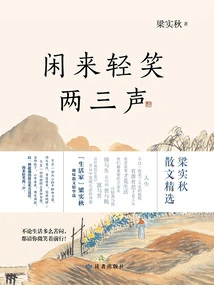
Come and Chuckle a Few Times
Literature闲来轻笑两三声
Liang Shiqiu
No matter how depressing life is, please move forward with a smile. Laughter is not silly joy, not forced, but a kind of transcendence of resentment, a kind of sudden enlightenment after going through vicissitudes of life. I know all the ups and downs of life, all the entanglements and calculations, all the sorrows and sorrows. Beyond this level, look at the world with a transcendent level of perspective, be a simple person, and live happily from the bottom of your heart. This is a very open-minded mind, a transcendent attitude and wisdom.
No matter how depressing life is, please move forward with a smile. Laughter is not silly joy, not forced, but a kind of transcendence of resentment, a kind of sudden enlightenment after going through vicissitudes of life. I know all the ups and downs of life, all the entanglements and calculations, all the sorrows and sorrows. Beyond this level, look at the world with a transcendent level of perspective, be a simple person, and live happily from the bottom of your heart. This is a very open-minded mind, a transcendent attitude and wisdom.
If You Turn the Years into Flowers
Literature若将岁月开成花
Liang Shiqiu
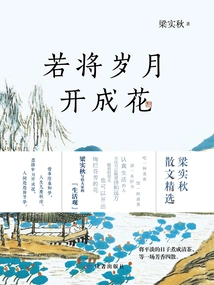
If a person has the ability to find happiness in the hardships, ugliness, and mundane life, is elegant in appearance, humorous, and indifferent to the world, then he must be a person with a rich heart who knows how to live and understands life, and also a person with a strong heart. This book specially collects 46 of Liang Shiqiu's classic prose masterpieces, including rare articles, which perfectly restore Liang Shiqiu's most beautiful and true life interests. Eat some delicious food, drink a cup of tea, read a good book... Grow flowers and grass, paint and recite poems, Mr. Wang makes his ordinary life interesting, flavorful and beautiful. And he conveyed his love for life word by word - the true meaning of life is to feel the trivial details of fireworks and mundane life with your heart. Life is too short and there is no time for regrets. You can stay lonely and enjoy peace and quiet. Don't be impetuous, don't be in a hurry. May you live up to yourself and the years, move forward with a smile, and turn every ordinary day into a flower.
If a person has the ability to find happiness in the hardships, ugliness, and mundane life, is elegant in appearance, humorous, and indifferent to the world, then he must be a person with a rich heart who knows how to live and understands life, and also a person with a strong heart. This book specially collects 46 of Liang Shiqiu's classic prose masterpieces, including rare articles, which perfectly restore Liang Shiqiu's most beautiful and true life interests. Eat some delicious food, drink a cup of tea, read a good book... Grow flowers and grass, paint and recite poems, Mr. Wang makes his ordinary life interesting, flavorful and beautiful. And he conveyed his love for life word by word - the true meaning of life is to feel the trivial details of fireworks and mundane life with your heart. Life is too short and there is no time for regrets. You can stay lonely and enjoy peace and quiet. Don't be impetuous, don't be in a hurry. May you live up to yourself and the years, move forward with a smile, and turn every ordinary day into a flower.
眉挑烟火过一生
Liang Shiqiu
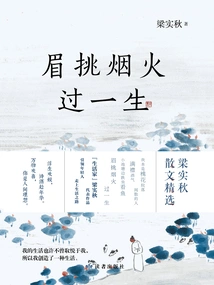
My life may not have pleased me, so I created a life. This book contains 52 of Liang Shiqiu's classic works, including "Sports", "Birds", "The White Cat Prince", and "Short Notes of Fragrances", including rare articles. Liang Shiqiu's life was full of wanderings and ups and downs, but he was neither discouraged nor resentful, fearless, content with the present, maintained his innocence, found poetry in the fireworks of the world, and settled his life in firewood, rice, oil and salt. The book is divided into five parts, namely taste: holding the moon, listening to the wind, and looking at the world indifferently; interest: I am not happy now, and the years are running fast; them: mountains and rivers are not important, but meeting close friends is important; food: fireworks in the world are the most soothing; art: living life into poetry. That is, having peace of mind, having fun, having love, having taste, and having beauty are the full expression of Mr. Liang Shiqiu's inner spirit and life aspirations. Plainness is true, simplicity is the most beautiful. In the complicated world, let your heart calm down, return to the simple and peaceful days, and enjoy the light joy of the pure years. A bowl of rice, a cup of tea, enjoying the infinite joy of life, all kinds of beauty. This book aims to convey Mr. Liang Shiqiu's life attitude to readers and the "longing for days" presented to those who come after him, leading readers upward, onto the road of life, and feel the beauty of words, life, and life.
My life may not have pleased me, so I created a life. This book contains 52 of Liang Shiqiu's classic works, including "Sports", "Birds", "The White Cat Prince", and "Short Notes of Fragrances", including rare articles. Liang Shiqiu's life was full of wanderings and ups and downs, but he was neither discouraged nor resentful, fearless, content with the present, maintained his innocence, found poetry in the fireworks of the world, and settled his life in firewood, rice, oil and salt. The book is divided into five parts, namely taste: holding the moon, listening to the wind, and looking at the world indifferently; interest: I am not happy now, and the years are running fast; them: mountains and rivers are not important, but meeting close friends is important; food: fireworks in the world are the most soothing; art: living life into poetry. That is, having peace of mind, having fun, having love, having taste, and having beauty are the full expression of Mr. Liang Shiqiu's inner spirit and life aspirations. Plainness is true, simplicity is the most beautiful. In the complicated world, let your heart calm down, return to the simple and peaceful days, and enjoy the light joy of the pure years. A bowl of rice, a cup of tea, enjoying the infinite joy of life, all kinds of beauty. This book aims to convey Mr. Liang Shiqiu's life attitude to readers and the "longing for days" presented to those who come after him, leading readers upward, onto the road of life, and feel the beauty of words, life, and life.
秋雨楹联:余秋雨自撰自书
Yu Qiuyu
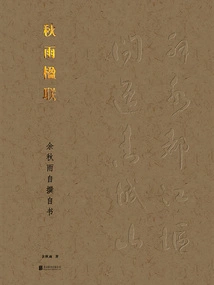
This book is a joint collection of couplets written by Mr. Yu Qiuyu in recent years. Couplet is the "spiritual lintel" displayed on the house. It is only two lines of text. It needs to be poetic and easy to understand. Different viewers can happily understand a life sentiment at a glance. The book is divided into two parts. The main part contains 40 couplets inscribed by Teacher Yu in recent years, all of which are written by Teacher Yu himself. The appendix contains several classical poems and historical monuments written by Teacher Yu. Couplets are a particularly concise literary form of Chinese culture, and they are also the aesthetic heritage of the culture. Teacher Yu's poems and calligraphy are often cited as ink, and the accumulation is profound, so the book was created. Many young people regard couplets as original mottos and mottos. They hope that they can use the couplets in the book and use their artistic vision to regard them as a modern version of Eastern aesthetics and continue it for a long time.
This book is a joint collection of couplets written by Mr. Yu Qiuyu in recent years. Couplet is the "spiritual lintel" displayed on the house. It is only two lines of text. It needs to be poetic and easy to understand. Different viewers can happily understand a life sentiment at a glance. The book is divided into two parts. The main part contains 40 couplets inscribed by Teacher Yu in recent years, all of which are written by Teacher Yu himself. The appendix contains several classical poems and historical monuments written by Teacher Yu. Couplets are a particularly concise literary form of Chinese culture, and they are also the aesthetic heritage of the culture. Teacher Yu's poems and calligraphy are often cited as ink, and the accumulation is profound, so the book was created. Many young people regard couplets as original mottos and mottos. They hope that they can use the couplets in the book and use their artistic vision to regard them as a modern version of Eastern aesthetics and continue it for a long time.
冬的情趣(跟大师学写作系列)
Lao She Et Al.
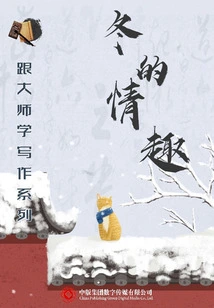
"Learning Writing from Masters Series" is a series of books specially edited for teenagers. It selects works suitable for teenagers to read from the "treasure trove" of modern literary masters, and guides children to swim in the ocean of literature and absorb nutrients from the spiritual world of the masters. "The Interest of Winter" collects prose works describing winter by Lao She, Yu Dafu, Zhang Henshui, Zhu Ziqing, and Xiao Hong, including "Winter Scenery in the South of the Yangtze River", "Winter in the Hulan River", "Listening to the Crows Sighing the Sunset", "Every Guest Misses Home When the Wind Comes", "Winter in Jinan", "Ice and Snow North Sea", and "Winter".
"Learning Writing from Masters Series" is a series of books specially edited for teenagers. It selects works suitable for teenagers to read from the "treasure trove" of modern literary masters, and guides children to swim in the ocean of literature and absorb nutrients from the spiritual world of the masters. "The Interest of Winter" collects prose works describing winter by Lao She, Yu Dafu, Zhang Henshui, Zhu Ziqing, and Xiao Hong, including "Winter Scenery in the South of the Yangtze River", "Winter in the Hulan River", "Listening to the Crows Sighing the Sunset", "Every Guest Misses Home When the Wind Comes", "Winter in Jinan", "Ice and Snow North Sea", and "Winter".
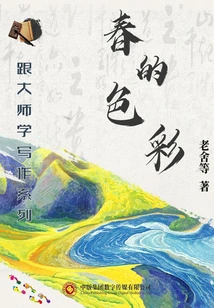
春的色彩(跟大师学写作系列)
Lao She Et Al.
"Learning Writing from Masters Series" is a series of books specially edited for teenagers. It selects works suitable for teenagers to read from the "treasure trove" of modern literary masters, and guides children to swim in the ocean of literature and absorb nutrients from the spiritual world of the masters. "The Color of Spring" collects prose works describing spring by Lao She, Zhu Ziqing, and Zhang Henshui, including "Spring Breeze", "Spring", "Spring of Daming Lake", "Spring in Peiping", and "Remembering Guangzhou in Spring".
"Learning Writing from Masters Series" is a series of books specially edited for teenagers. It selects works suitable for teenagers to read from the "treasure trove" of modern literary masters, and guides children to swim in the ocean of literature and absorb nutrients from the spiritual world of the masters. "The Color of Spring" collects prose works describing spring by Lao She, Zhu Ziqing, and Zhang Henshui, including "Spring Breeze", "Spring", "Spring of Daming Lake", "Spring in Peiping", and "Remembering Guangzhou in Spring".
Essay on Literature (part 1)
Literature文学小论(上)
Zhao Shuli
"Essays on Literature" is divided into two volumes, and this book is the first volume. The book not only contains Zhao Shuli's relevant letters and autobiography, but also compiles Zhao Shuli's speeches and conversation records on different occasions. This book maintains the original appearance of first-hand information and returns to the historical flow, allowing readers to understand Zhao Shuli's growth and experience and feel the innocence that Zhao Shuli exudes.
"Essays on Literature" is divided into two volumes, and this book is the first volume. The book not only contains Zhao Shuli's relevant letters and autobiography, but also compiles Zhao Shuli's speeches and conversation records on different occasions. This book maintains the original appearance of first-hand information and returns to the historical flow, allowing readers to understand Zhao Shuli's growth and experience and feel the innocence that Zhao Shuli exudes.
Essay on Literature (part 2)
Literature文学小论(下)
Zhao Shuli
"Essays on Literature" is divided into two volumes, and this book is the second volume. The book not only contains Zhao Shuli's relevant letters and autobiography, but also compiles Zhao Shuli's speeches and conversation records on different occasions. This book maintains the original appearance of first-hand information and returns to the historical flow, allowing readers to understand Zhao Shuli's growth and experience and feel the innocence that Zhao Shuli exudes.
"Essays on Literature" is divided into two volumes, and this book is the second volume. The book not only contains Zhao Shuli's relevant letters and autobiography, but also compiles Zhao Shuli's speeches and conversation records on different occasions. This book maintains the original appearance of first-hand information and returns to the historical flow, allowing readers to understand Zhao Shuli's growth and experience and feel the innocence that Zhao Shuli exudes.
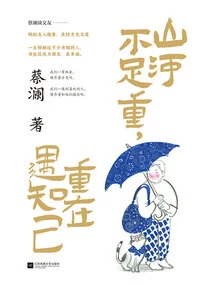
山河不足重,重在遇知己
Cai Lam
[Cai Lam personally teaches how to make friends, and talks about interesting stories about his interactions with Jin Yong, Ni Kuang, Jackie Chan, Stephen Chow and other friends! ]This book is a collection of Mr. Chua Lam's essays about making friends. It selects articles about his interactions with Jin Yong, Ni Kuang, Chung Chu-hong, Jackie Chan, Sammo Hung and other friends, allowing readers to understand the interesting stories of Mr. Chua Lam's interactions with his friends. In addition, it allows readers to understand contemporary celebrities from a new perspective. The author's description of the characters is extremely clever and brilliant. From this book, readers can not only appreciate Mr. Cai Lan's open-minded and tolerant character and interesting soul, but also learn his masterful way of making friends.
[Cai Lam personally teaches how to make friends, and talks about interesting stories about his interactions with Jin Yong, Ni Kuang, Jackie Chan, Stephen Chow and other friends! ]This book is a collection of Mr. Chua Lam's essays about making friends. It selects articles about his interactions with Jin Yong, Ni Kuang, Chung Chu-hong, Jackie Chan, Sammo Hung and other friends, allowing readers to understand the interesting stories of Mr. Chua Lam's interactions with his friends. In addition, it allows readers to understand contemporary celebrities from a new perspective. The author's description of the characters is extremely clever and brilliant. From this book, readers can not only appreciate Mr. Cai Lan's open-minded and tolerant character and interesting soul, but also learn his masterful way of making friends.
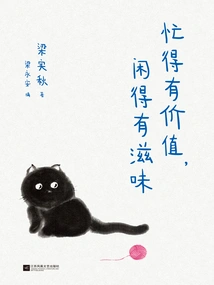
忙得有价值,闲的有滋味
Written By Liang Shiqiu And Edited By Liang Yongan
This book is a collection of selected essays by literary master Liang Shiqiu. Focusing on the theme of "Business brings gain, leisure brings fun", this book selects Liang Shiqiu's content on leisure, elegance, and thoughts on time and the value of life, with a total of 40 life essays. This book is divided into three chapters: "Be mindful of one thing and enjoy it", "Leisure and fun are life" and "A clear heart brings joy everywhere." Liang Shiqiu's writing is humorous and transparent, with content and values close to contemporary life, and full of a free and easy attitude towards life. I hope to convey to users Liang Shiqiu's philosophy of life: "The highest ideal of mankind should be that everyone has leisure, leisure to do human work and enjoy human life." This book was selected by Professor Liang Yong'an of the Chinese Department of Fudan University and wrote a 4,700-word introduction. It interprets and analyzes Liang Shiqiu's literary value and reading value in contemporary life, helping users better understand the content of the book. This book uses the works of cartoonist Lin Dihuan as the cover and interior illustrations to increase reading interest.
This book is a collection of selected essays by literary master Liang Shiqiu. Focusing on the theme of "Business brings gain, leisure brings fun", this book selects Liang Shiqiu's content on leisure, elegance, and thoughts on time and the value of life, with a total of 40 life essays. This book is divided into three chapters: "Be mindful of one thing and enjoy it", "Leisure and fun are life" and "A clear heart brings joy everywhere." Liang Shiqiu's writing is humorous and transparent, with content and values close to contemporary life, and full of a free and easy attitude towards life. I hope to convey to users Liang Shiqiu's philosophy of life: "The highest ideal of mankind should be that everyone has leisure, leisure to do human work and enjoy human life." This book was selected by Professor Liang Yong'an of the Chinese Department of Fudan University and wrote a 4,700-word introduction. It interprets and analyzes Liang Shiqiu's literary value and reading value in contemporary life, helping users better understand the content of the book. This book uses the works of cartoonist Lin Dihuan as the cover and interior illustrations to increase reading interest.
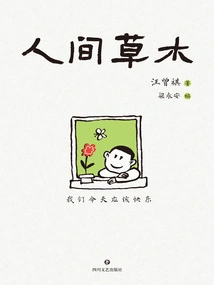
Human Vegetation
Literature人间草木
Written By Wang Zengqi And Edited By Liang Yongan
"Human Grass" is the most representative title of Wang Zengqi's prose. This book contains a total of 31 essays by Wang Zengqi about the interest in life, about 85,000 words. The book is selected by Professor Liang Yongan and is divided into two parts: the first part, "Plants and Trees in the World," contains 15 of Mr. Wang's masterpieces about plants and food; the second part, "My World," contains Mr. Wang's self-reported recollections and 16 essays about his hobbies. Wang Zengqi has been optimistic and optimistic throughout his life. Although he has experienced ups and downs, he has been able to take things easy and face them calmly. He is deeply aware of the hustle and bustle of modern social life, and uses calm and simple words to outline the beauty of trivial daily life. He has a wide range of hobbies, including gourmet food. His works are full of true love for life: eating a good meal, reading a good book, looking at a good flower, admiring a good scenery... Discover the beauty of the world in ordinary life and love the real world. This book was selected by Professor Liang Yong'an from the Chinese Department of Fudan University and wrote a 4,500-word introduction. He interprets and analyzes Wang Zengqi's literary value and reading value in contemporary life, helping users better understand the content of this book. This book uses the works of cartoonist Lin Dihuan as the cover and interior illustrations to increase reading interest.
"Human Grass" is the most representative title of Wang Zengqi's prose. This book contains a total of 31 essays by Wang Zengqi about the interest in life, about 85,000 words. The book is selected by Professor Liang Yongan and is divided into two parts: the first part, "Plants and Trees in the World," contains 15 of Mr. Wang's masterpieces about plants and food; the second part, "My World," contains Mr. Wang's self-reported recollections and 16 essays about his hobbies. Wang Zengqi has been optimistic and optimistic throughout his life. Although he has experienced ups and downs, he has been able to take things easy and face them calmly. He is deeply aware of the hustle and bustle of modern social life, and uses calm and simple words to outline the beauty of trivial daily life. He has a wide range of hobbies, including gourmet food. His works are full of true love for life: eating a good meal, reading a good book, looking at a good flower, admiring a good scenery... Discover the beauty of the world in ordinary life and love the real world. This book was selected by Professor Liang Yong'an from the Chinese Department of Fudan University and wrote a 4,500-word introduction. He interprets and analyzes Wang Zengqi's literary value and reading value in contemporary life, helping users better understand the content of this book. This book uses the works of cartoonist Lin Dihuan as the cover and interior illustrations to increase reading interest.
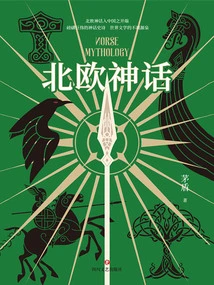
Norse Mythology
Literature北欧神话
Mao Dun
The beginning of Norse mythology entering China! More than 90 years ago, the cultural treasure of Nordic mythology was first introduced into the country by Mr. Mao Dun, and the towering mountains of world mythology have since taken root. After the baptism of time, it looks like new, influencing many scholars in later generations. Mr. Mao Dun introduced the personality traits and functions of the Nordic gods in a vivid way, and narrated many interesting stories that happened to them. A majestic picture of the world of ice and fire unfolded. At the same time, Mr. Mao Dun analyzed and traced the origin of myths based on the background of the times, historical factors, and geographical environment, providing academically innovative perspectives. As my country's first classic to introduce and study Nordic mythology, it still has strong vitality and is also of pioneering significance in the fields of comparative literature and world literature research in my country.
The beginning of Norse mythology entering China! More than 90 years ago, the cultural treasure of Nordic mythology was first introduced into the country by Mr. Mao Dun, and the towering mountains of world mythology have since taken root. After the baptism of time, it looks like new, influencing many scholars in later generations. Mr. Mao Dun introduced the personality traits and functions of the Nordic gods in a vivid way, and narrated many interesting stories that happened to them. A majestic picture of the world of ice and fire unfolded. At the same time, Mr. Mao Dun analyzed and traced the origin of myths based on the background of the times, historical factors, and geographical environment, providing academically innovative perspectives. As my country's first classic to introduce and study Nordic mythology, it still has strong vitality and is also of pioneering significance in the fields of comparative literature and world literature research in my country.
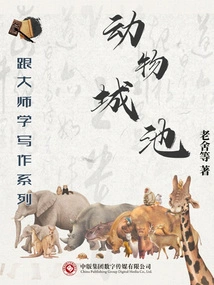
动物城池(跟大师学写作系列)
Lao She Et Al.
"Learning Writing from Masters Series" is a series of books specially edited for teenagers. It selects works suitable for teenagers to read from the "treasure trove" of modern literary masters, and guides children to swim in the ocean of literature and absorb nutrients from the spiritual world of the masters. "Animal City" collects prose works about animal descriptions by Lao She and Zheng Zhenduo, including "Cat City", "Cats", "Our Cats", "Englishmen and Cats and Dogs", and "Sparrows".
"Learning Writing from Masters Series" is a series of books specially edited for teenagers. It selects works suitable for teenagers to read from the "treasure trove" of modern literary masters, and guides children to swim in the ocean of literature and absorb nutrients from the spiritual world of the masters. "Animal City" collects prose works about animal descriptions by Lao She and Zheng Zhenduo, including "Cat City", "Cats", "Our Cats", "Englishmen and Cats and Dogs", and "Sparrows".
老舍教你写人物(跟大师学写作系列)
Lao She Et Al.
"Learning Writing from Masters Series" is a series of books specially edited for teenagers. It selects works suitable for teenagers to read from the "treasure trove" of modern literary masters, and guides children to swim in the ocean of literature and absorb nutrients from the spiritual world of the masters. "Lao She Teaches You to Write Characters" collects Lao She's prose works on character description, including "Four Gentlemen", "Master Zongyue", "Mourning to Mr. Xu Dishan", "My Mother" and other works.
"Learning Writing from Masters Series" is a series of books specially edited for teenagers. It selects works suitable for teenagers to read from the "treasure trove" of modern literary masters, and guides children to swim in the ocean of literature and absorb nutrients from the spiritual world of the masters. "Lao She Teaches You to Write Characters" collects Lao She's prose works on character description, including "Four Gentlemen", "Master Zongyue", "Mourning to Mr. Xu Dishan", "My Mother" and other works.
梅雨潭的绿(跟大师学写作系列)
Lao She Et Al.
"Learning Writing from Masters Series" is a series of books specially edited for teenagers. It selects works suitable for teenagers to read from the "treasure trove" of modern literary masters, and guides children to swim in the ocean of literature and absorb nutrients from the spiritual world of the masters. "The Green of the Plum Rain Pond" collects prose works about scenery descriptions by Zhu Ziqing, Xiao Hong, and Zhou Zuoren, including "Moonlight over the Lotus Pond", "Zha Cai Pu", "Traces of Wenzhou", "Big Mud Puddle in East Erdao Street", "Fire Clouds", and "Bitter Rain".
"Learning Writing from Masters Series" is a series of books specially edited for teenagers. It selects works suitable for teenagers to read from the "treasure trove" of modern literary masters, and guides children to swim in the ocean of literature and absorb nutrients from the spiritual world of the masters. "The Green of the Plum Rain Pond" collects prose works about scenery descriptions by Zhu Ziqing, Xiao Hong, and Zhou Zuoren, including "Moonlight over the Lotus Pond", "Zha Cai Pu", "Traces of Wenzhou", "Big Mud Puddle in East Erdao Street", "Fire Clouds", and "Bitter Rain".
民俗里的社戏河灯(跟大师学写作系列)
Lao She Et Al.
"Learning Writing from Masters Series" is a series of books specially edited for teenagers. It selects works suitable for teenagers to read from the "treasure trove" of modern literary masters, and guides children to swim in the ocean of literature and absorb nutrients from the spiritual world of the masters. "Social Opera and River Lanterns in Folk Customs" collects prose works by Xiao Hong and Lu Xun about the description of social opera and river lanterns, including "April 18th Empress Temple Meeting", "Tie Cai Pu", "Dance of the Great God", "Laying River Lanterns" and "Social Opera".
"Learning Writing from Masters Series" is a series of books specially edited for teenagers. It selects works suitable for teenagers to read from the "treasure trove" of modern literary masters, and guides children to swim in the ocean of literature and absorb nutrients from the spiritual world of the masters. "Social Opera and River Lanterns in Folk Customs" collects prose works by Xiao Hong and Lu Xun about the description of social opera and river lanterns, including "April 18th Empress Temple Meeting", "Tie Cai Pu", "Dance of the Great God", "Laying River Lanterns" and "Social Opera".
秋的意蕴(跟大师学写作系列)
Lao She Et Al.
"Learning Writing from Masters Series" is a series of books specially edited for teenagers. It selects works suitable for teenagers to read from the "treasure trove" of modern literary masters, and guides children to swim in the ocean of literature and absorb nutrients from the spiritual world of the masters. "The Meaning of Autumn" contains prose works describing autumn by Lao She, Yu Dafu, and Zhang Henshui, including "Autumn in Jinan", "Yellow Leaves at Tiananmen", and "Autumn in the Old Capital".
"Learning Writing from Masters Series" is a series of books specially edited for teenagers. It selects works suitable for teenagers to read from the "treasure trove" of modern literary masters, and guides children to swim in the ocean of literature and absorb nutrients from the spiritual world of the masters. "The Meaning of Autumn" contains prose works describing autumn by Lao She, Yu Dafu, and Zhang Henshui, including "Autumn in Jinan", "Yellow Leaves at Tiananmen", and "Autumn in the Old Capital".
抬头见喜的年味(跟大师学写作系列)
Lao She Et Al.
"Learning Writing from Masters Series" is a series of books specially edited for teenagers. It selects works suitable for teenagers to read from the "treasure trove" of modern literary masters, and guides children to swim in the ocean of literature and absorb nutrients from the spiritual world of the masters. "Looking Up to See Joy in the New Year" collects prose works by Lao She and Zhu Ziqing describing the taste of the New Year, including "Spring Festival in Beijing", "New Year's Drunk Talk", "Looking Up to See Joy", and "New Year's Story".
"Learning Writing from Masters Series" is a series of books specially edited for teenagers. It selects works suitable for teenagers to read from the "treasure trove" of modern literary masters, and guides children to swim in the ocean of literature and absorb nutrients from the spiritual world of the masters. "Looking Up to See Joy in the New Year" collects prose works by Lao She and Zhu Ziqing describing the taste of the New Year, including "Spring Festival in Beijing", "New Year's Drunk Talk", "Looking Up to See Joy", and "New Year's Story".
夏的咏叹(跟大师学写作系列)
Lao She Et Al.
"Learning Writing from Masters Series" is a series of books specially edited for teenagers. It selects works suitable for teenagers to read from the "treasure trove" of modern literary masters, and guides children to swim in the ocean of literature and absorb nutrients from the spiritual world of the masters. "Ode to Summer" contains prose works describing summer by Lao She, Zhu Ziqing, and Zhang Henshui, including "Yanju Xia Yijia", "Summer in Yangzhou", "Summer Break", "Summer Escape", and "Under the Scorching Sun and Heavy Rain".
"Learning Writing from Masters Series" is a series of books specially edited for teenagers. It selects works suitable for teenagers to read from the "treasure trove" of modern literary masters, and guides children to swim in the ocean of literature and absorb nutrients from the spiritual world of the masters. "Ode to Summer" contains prose works describing summer by Lao She, Zhu Ziqing, and Zhang Henshui, including "Yanju Xia Yijia", "Summer in Yangzhou", "Summer Break", "Summer Escape", and "Under the Scorching Sun and Heavy Rain".
月满星河的中秋夜(跟大师学写作系列)
Lao She Et Al.
"Learning Writing from Masters Series" is a series of books specially edited for teenagers. It selects works suitable for teenagers to read from the "treasure trove" of modern literary masters, and guides children to swim in the ocean of literature and absorb nutrients from the spiritual world of the masters. "Mid-Autumn Night with the Moon Full of Stars" contains prose works describing the Mid-Autumn Festival by Zhou Zuoren, Lao She, and Zhu Ziqing, including "The Moon of the Mid-Autumn Festival", "Master Rabbit", and "Moonlight over the Lotus Pond".
"Learning Writing from Masters Series" is a series of books specially edited for teenagers. It selects works suitable for teenagers to read from the "treasure trove" of modern literary masters, and guides children to swim in the ocean of literature and absorb nutrients from the spiritual world of the masters. "Mid-Autumn Night with the Moon Full of Stars" contains prose works describing the Mid-Autumn Festival by Zhou Zuoren, Lao She, and Zhu Ziqing, including "The Moon of the Mid-Autumn Festival", "Master Rabbit", and "Moonlight over the Lotus Pond".
老舍笔下的地方与民俗(万物可爱系列)
Lao She Et Al.
"All Things Lovely Series" is a series of books specially edited for young people's writing. It includes many of Lao She's well-known works and guides young people to improve their writing skills step by step. "All Things Lovely Series: Places and Folklore in Lao She's Writings" includes works such as "Appreciation of Baotu Spring", "Diagram of Jinan", "Lovely Chengdu" and other works.
"All Things Lovely Series" is a series of books specially edited for young people's writing. It includes many of Lao She's well-known works and guides young people to improve their writing skills step by step. "All Things Lovely Series: Places and Folklore in Lao She's Writings" includes works such as "Appreciation of Baotu Spring", "Diagram of Jinan", "Lovely Chengdu" and other works.
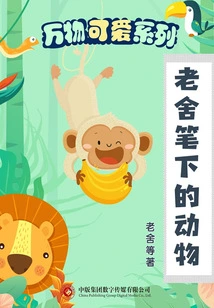
老舍笔下的动物(万物可爱系列)
Lao She Et Al.
"All Things Lovely Series" is a series of books specially edited for young people's writing. It contains many well-known works by Lao She and guides young people to improve their writing skills step by step, allowing children to swim in the ocean of literature. "All Things Lovely Series: Animals in Lao She's Works" includes works such as "Cats", "Little Animals", "Ghosts and Foxes".
"All Things Lovely Series" is a series of books specially edited for young people's writing. It contains many well-known works by Lao She and guides young people to improve their writing skills step by step, allowing children to swim in the ocean of literature. "All Things Lovely Series: Animals in Lao She's Works" includes works such as "Cats", "Little Animals", "Ghosts and Foxes".