Library
Browse and search books
2,823 novels found
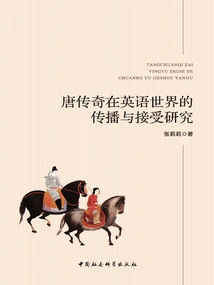
唐传奇在英语世界的传播与接受研究
Zhang Lili
The spread and acceptance of Tang Dynasty legends in the English-speaking world lasted for more than a hundred years, and a large number of valuable research results have emerged. This book is the first work in China that systematically sorts out and deeply analyzes the study of Tang legends in the English-speaking world. This book outlines and sorts out the academic history of Tang legends in the English-speaking world, explores the exchange and interpenetration of research on Tang legends in China and the West, and systematically analyzes, explains, and comments on the spread, acceptance, and variation of Tang legends in the English-speaking world from the perspectives of themes and characters in Tang legends. This book summarizes the advantages and disadvantages of Tang legends in the process of spreading to the English-speaking world, and thereby explains the differences and complementarities between heterogeneous cultures, expanding the influence of Tang Dynasty novels in the English-speaking world.
The spread and acceptance of Tang Dynasty legends in the English-speaking world lasted for more than a hundred years, and a large number of valuable research results have emerged. This book is the first work in China that systematically sorts out and deeply analyzes the study of Tang legends in the English-speaking world. This book outlines and sorts out the academic history of Tang legends in the English-speaking world, explores the exchange and interpenetration of research on Tang legends in China and the West, and systematically analyzes, explains, and comments on the spread, acceptance, and variation of Tang legends in the English-speaking world from the perspectives of themes and characters in Tang legends. This book summarizes the advantages and disadvantages of Tang legends in the process of spreading to the English-speaking world, and thereby explains the differences and complementarities between heterogeneous cultures, expanding the influence of Tang Dynasty novels in the English-speaking world.
网络文学批评的理论考辨
Yu Jianxiang
The key issue in Internet literature criticism is to theoretically explore what content should be covered in the construction of an Internet literature evaluation system, and to explore the relevant paths and internal logic of the construction of an Internet literature evaluation system. What new qualities does online literature generated by digital technology add to traditional literature? What kind of mechanism transformation has the literary evaluation activity experienced in the Internet era? What are the possibilities and paths for constructing an evaluation system for Chinese online literature? Theoretical examination of Chinese Internet literature criticism is to sort out all the results of Internet literature criticism, reveal what established theoretical goals the criticism community has achieved, and whether it has answered many theoretical questions about the development of Internet literature, thereby promoting the diversification of Internet literature criticism.
The key issue in Internet literature criticism is to theoretically explore what content should be covered in the construction of an Internet literature evaluation system, and to explore the relevant paths and internal logic of the construction of an Internet literature evaluation system. What new qualities does online literature generated by digital technology add to traditional literature? What kind of mechanism transformation has the literary evaluation activity experienced in the Internet era? What are the possibilities and paths for constructing an evaluation system for Chinese online literature? Theoretical examination of Chinese Internet literature criticism is to sort out all the results of Internet literature criticism, reveal what established theoretical goals the criticism community has achieved, and whether it has answered many theoretical questions about the development of Internet literature, thereby promoting the diversification of Internet literature criticism.
当代西方小说百科全书化趋向研究
Yang Lihong
In the 20th century, there was an encyclopedic trend in Western novels. It is a valuable result of experimenting with the infinite possibilities of the art of fiction after the decline of traditional classic novels. It is also an effective attempt by Western novels to find their own value in the contemporary knowledge system. This book defines the scope of the encyclopedic trend in contemporary Western novels and explores the reasons for its origins through an analysis of the origins of narrative literature with encyclopedic characteristics and an investigation of the theories and creative practices of contemporary relevant scholars. Among them, the encyclopedic trend in the novel creation of Borges, Nabokov, Calvino, and Eco is particularly typical and has far-reaching influence. Not only are the novels wonderfully written, but they are also fruitful in theory. Therefore, the author focuses on the creative practice and theoretical criticism of these four writers, supplemented by the works of some other writers, in an effort to gain a glimpse of this important phenomenon in contemporary Western novels.
In the 20th century, there was an encyclopedic trend in Western novels. It is a valuable result of experimenting with the infinite possibilities of the art of fiction after the decline of traditional classic novels. It is also an effective attempt by Western novels to find their own value in the contemporary knowledge system. This book defines the scope of the encyclopedic trend in contemporary Western novels and explores the reasons for its origins through an analysis of the origins of narrative literature with encyclopedic characteristics and an investigation of the theories and creative practices of contemporary relevant scholars. Among them, the encyclopedic trend in the novel creation of Borges, Nabokov, Calvino, and Eco is particularly typical and has far-reaching influence. Not only are the novels wonderfully written, but they are also fruitful in theory. Therefore, the author focuses on the creative practice and theoretical criticism of these four writers, supplemented by the works of some other writers, in an effort to gain a glimpse of this important phenomenon in contemporary Western novels.
乱世长歌:建安文人与文学
Zhang Yajun Wang Lisuo Ma Yujing Wang Honglin Qi Qing
The Jian'an era at the end of the Han Dynasty was an era of talented people and talented people. Jian'an literati, represented by "Three Cao", "Seventh Son" and Cai Yan, inherited the realist tradition of Han Yuefu poetry, focused on reflecting the sufferings of the people, expressing their ambitions to make achievements, and created an artistic style of simplicity, strength, generosity and sadness, which had a profound impact on later generations of literature. The long songs of separation and union are exciting and magnificent. The "Jian'an style" is not only a concentrated expression of the spirit of the Jian'an era, but also an important aesthetic connotation when we study and carry forward traditional culture.
The Jian'an era at the end of the Han Dynasty was an era of talented people and talented people. Jian'an literati, represented by "Three Cao", "Seventh Son" and Cai Yan, inherited the realist tradition of Han Yuefu poetry, focused on reflecting the sufferings of the people, expressing their ambitions to make achievements, and created an artistic style of simplicity, strength, generosity and sadness, which had a profound impact on later generations of literature. The long songs of separation and union are exciting and magnificent. The "Jian'an style" is not only a concentrated expression of the spirit of the Jian'an era, but also an important aesthetic connotation when we study and carry forward traditional culture.
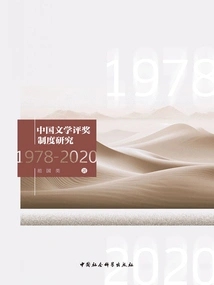
中国文学评奖制度研究(1978—2020)
Fan Guoying
From the perspective of literary sociology, this book studies the Chinese literary award system since 1978 within the framework of modernity. From 1978 to the late 1980s, the term modernization provided a holistic imagination for the entire country and society, and literary awards had a certain consensus on the expression of literary views and literary values. The last National Outstanding Short Story Award was the National Outstanding Short Story Award in 1987-1988. In the past ten years, the only national literary award left was the Mao Dun Literature Award. By the late 1990s, the market had become an important force in the process of modernity, and numerous literary awards emerged from the late 1990s to the early 21st century. By the 21st century, the return of realism has provided an anchor for integrating different value systems and concept systems in the literary field, and various literary awards have shown a certain identity. This book takes the Mao Dun Literary Award as a case study to explore the connection between the award mechanism and other aspects and the specific context of modernity.
From the perspective of literary sociology, this book studies the Chinese literary award system since 1978 within the framework of modernity. From 1978 to the late 1980s, the term modernization provided a holistic imagination for the entire country and society, and literary awards had a certain consensus on the expression of literary views and literary values. The last National Outstanding Short Story Award was the National Outstanding Short Story Award in 1987-1988. In the past ten years, the only national literary award left was the Mao Dun Literature Award. By the late 1990s, the market had become an important force in the process of modernity, and numerous literary awards emerged from the late 1990s to the early 21st century. By the 21st century, the return of realism has provided an anchor for integrating different value systems and concept systems in the literary field, and various literary awards have shown a certain identity. This book takes the Mao Dun Literary Award as a case study to explore the connection between the award mechanism and other aspects and the specific context of modernity.
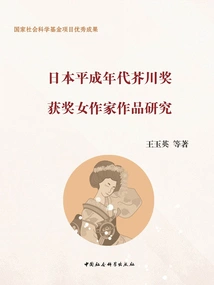
A Study on the Works of Japanese Female Writers Who Won the Akutagawa Prize in the Heisei Era
Literature日本平成年代芥川奖获奖女作家作品研究
Wang Yuying Et Al.
Japanese society in the Heisei era encountered unprecedented risks and crises, and the moral ethics and social relationships that maintained the healthy operation of the social order underwent fission and transformation. This book is based on the Heisei society in the period of transformation. Based on the cultural construction function carried by literature, this book uses the platform of the Akutagawa Prize, which represents the rhythm of contemporary Japanese literature, to focus on the 30 award-winning works of 30 independent award-winning female writers under the theme of "value orientation". It analyzes the value orientation of Japanese society and combines the award-winning female writers. The realistic writing of the textual world focuses on the presentation of problems in the lost, the exploration of problems in reality, and the solution of problems in leadership. It deeply explores the recognition, search and guidance of value orientation of this creative group. It summarizes the value orientation and guidance strategies of the Akutagawa Prize-winning female writers in the Heisei era and the guidance of their works, and responds to issues such as female literary speech and the cultural construction role of literature.
Japanese society in the Heisei era encountered unprecedented risks and crises, and the moral ethics and social relationships that maintained the healthy operation of the social order underwent fission and transformation. This book is based on the Heisei society in the period of transformation. Based on the cultural construction function carried by literature, this book uses the platform of the Akutagawa Prize, which represents the rhythm of contemporary Japanese literature, to focus on the 30 award-winning works of 30 independent award-winning female writers under the theme of "value orientation". It analyzes the value orientation of Japanese society and combines the award-winning female writers. The realistic writing of the textual world focuses on the presentation of problems in the lost, the exploration of problems in reality, and the solution of problems in leadership. It deeply explores the recognition, search and guidance of value orientation of this creative group. It summarizes the value orientation and guidance strategies of the Akutagawa Prize-winning female writers in the Heisei era and the guidance of their works, and responds to issues such as female literary speech and the cultural construction role of literature.
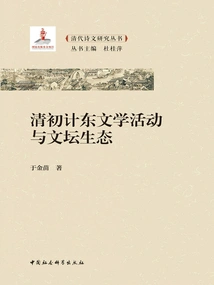
Ji Dong's Literary Activities and the Ecology of the Literary World in the Early Qing Dynasty
Literature清初计东文学活动与文坛生态
Yu Jinmiao
Ji Dong (1624-1676), courtesy name Fucao and nickname Gai Ting, was a native of Wujiang, Jiangsu Province. He was a poet and ancient writer in the early Qing Dynasty. He was able to write at the age of seven, and at the age of fifteen, he supplemented his studies. His reputation as a writer became increasingly high, and he even compared himself to Wang Meng and Ma Zhou. Jiashen Incident (1644), the author of "Bu Gongshu·Five Treatises on Choonan" stated in the history of Kefa the offensive and defensive strategies of the Southern Capital, "It can be strange, but it cannot be used." After the fall of the Southern Ming Dynasty, he was unwilling to take the exam and studied classics and history behind closed doors. After entering the Qing Dynasty, he was too poor to support himself, so he began to take the imperial examination in the eighth year of Shunzhi (1651). In the twelfth year of Shunzhi (1655), he entered the Imperial Academy as a tribute. In the fourteenth year of Shunzhi (1657), he took the Shuntian Provincial Examination and became famous in the capital. In the 18th year of Shunzhi (1661), he was burdened by the "complaint case" and was dismissed from his status as a civil servant. He gave up his ambition to become an official and traveled around, making friends with wise men and officials, traveling around for food and clothing. He died at the age of fifty-two. His existing works include 22 volumes of "Collection of Poetry and Prose of Gaiting" (6 volumes of collection of poetry and 16 volumes of collection of essays), 4 volumes of "Book of Bu Gong", 6 volumes of "Collection of Fuli", etc.
Ji Dong (1624-1676), courtesy name Fucao and nickname Gai Ting, was a native of Wujiang, Jiangsu Province. He was a poet and ancient writer in the early Qing Dynasty. He was able to write at the age of seven, and at the age of fifteen, he supplemented his studies. His reputation as a writer became increasingly high, and he even compared himself to Wang Meng and Ma Zhou. Jiashen Incident (1644), the author of "Bu Gongshu·Five Treatises on Choonan" stated in the history of Kefa the offensive and defensive strategies of the Southern Capital, "It can be strange, but it cannot be used." After the fall of the Southern Ming Dynasty, he was unwilling to take the exam and studied classics and history behind closed doors. After entering the Qing Dynasty, he was too poor to support himself, so he began to take the imperial examination in the eighth year of Shunzhi (1651). In the twelfth year of Shunzhi (1655), he entered the Imperial Academy as a tribute. In the fourteenth year of Shunzhi (1657), he took the Shuntian Provincial Examination and became famous in the capital. In the 18th year of Shunzhi (1661), he was burdened by the "complaint case" and was dismissed from his status as a civil servant. He gave up his ambition to become an official and traveled around, making friends with wise men and officials, traveling around for food and clothing. He died at the age of fifty-two. His existing works include 22 volumes of "Collection of Poetry and Prose of Gaiting" (6 volumes of collection of poetry and 16 volumes of collection of essays), 4 volumes of "Book of Bu Gong", 6 volumes of "Collection of Fuli", etc.
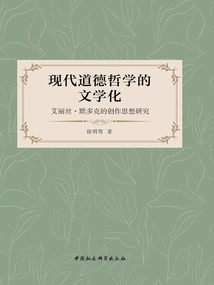
The Literaryization of Modern Moral Philosophy: a Study of Alice Murdoch's Creative Thoughts
Literature现代道德哲学的文学化:艾丽丝·默多克的创作思想研究
Xu Mingying
This book combines the philosophical works, literary criticism and literary works of the famous British novelist and philosopher Alice Murdoch to analyze the commonalities and differences between her philosophical thoughts and literary practices, and attempts to clarify the context of mutual complementation, mutual support and complementarity between literature and philosophy in her thoughts. It analyzes the basic elements and internal logic of his literary and philosophical thoughts, and outlines Murdoch's creative ideological system from four aspects: starting point, core concepts, creation theory and interpretation theory. Through the literary interpretation of the morality in his novel creation, it elaborates on the interpretation and presentation of Murdoch's philosophical thoughts in literary practice. This book expands the dimensions of Murdoch research at home and abroad, provides a new reference for interdisciplinary research on literature and philosophy, and is a highly theoretical and readable academic work.
This book combines the philosophical works, literary criticism and literary works of the famous British novelist and philosopher Alice Murdoch to analyze the commonalities and differences between her philosophical thoughts and literary practices, and attempts to clarify the context of mutual complementation, mutual support and complementarity between literature and philosophy in her thoughts. It analyzes the basic elements and internal logic of his literary and philosophical thoughts, and outlines Murdoch's creative ideological system from four aspects: starting point, core concepts, creation theory and interpretation theory. Through the literary interpretation of the morality in his novel creation, it elaborates on the interpretation and presentation of Murdoch's philosophical thoughts in literary practice. This book expands the dimensions of Murdoch research at home and abroad, provides a new reference for interdisciplinary research on literature and philosophy, and is a highly theoretical and readable academic work.
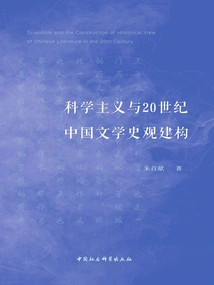
科学主义与20世纪中国文学史观建构
Zhu Shouxian
Scientism originated in China and originated in modern times. The Sino-Japanese War of 1884-1894 made building scientific beliefs a common understanding among Chinese people. Since then, after the May 4th New Culture Movement, the continuation of the scientific school in the debate on science and metaphysics, and its marriage with mechanical materialism, the idea of science has evolved from "instrument" to "tao" and has become the scientism that has dominated the field of Chinese thought for a century. It has had a complex, dynamic, deep-seated, and all-round influence on the construction of Chinese literary history in the 20th century. This book uses methods such as document analysis, empirical induction, and close reading of texts to conduct a systematic case study of Chinese literary history texts with scientism in the 20th century. It strives to have solid research, detailed historical materials, systematic views, and unique perspectives, in order to attract academic attention to the issue of scientism and the perspective of Chinese literary history in the 20th century.
Scientism originated in China and originated in modern times. The Sino-Japanese War of 1884-1894 made building scientific beliefs a common understanding among Chinese people. Since then, after the May 4th New Culture Movement, the continuation of the scientific school in the debate on science and metaphysics, and its marriage with mechanical materialism, the idea of science has evolved from "instrument" to "tao" and has become the scientism that has dominated the field of Chinese thought for a century. It has had a complex, dynamic, deep-seated, and all-round influence on the construction of Chinese literary history in the 20th century. This book uses methods such as document analysis, empirical induction, and close reading of texts to conduct a systematic case study of Chinese literary history texts with scientism in the 20th century. It strives to have solid research, detailed historical materials, systematic views, and unique perspectives, in order to attract academic attention to the issue of scientism and the perspective of Chinese literary history in the 20th century.
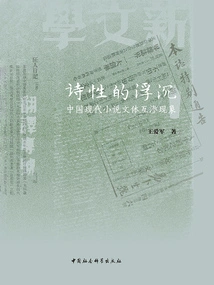
The Ups and Downs of Poetry: the Phenomenon of Interpenetration of Styles in Modern Chinese Novels
Literature诗性的浮沉:中国现代小说文体互渗现象
Wang Aijun
The phenomenon of "stylistic interpenetration" in modern Chinese novels mainly presents two paradigms: poetic and realistic. Poetic images are often associated with the life form of the "introverted" personality, revealing the subject's personality's experience and observation of the "poetic" life form; realistic images are often associated with the "extroverted" personality and ideologically lofty social life, reflecting the situation in which the subject's personality gradually moves towards real life, and demonstrating the purpose of "rationality". This book is the first to systematically explore the "intertextuality" phenomenon of "stylistic interpenetration" in modern Chinese novels and the "intertextuality" of spiritual and cultural connotations such as the "poetry" and "rationality" of life. It has unique stylistic value and literary historical significance. That is to say, it not only represents the "miscellaneous" literary characteristics of the novel, but also theoretically enriches the value connotation of literary stylistics and cultural stylistics, effectively connecting the aesthetic form value of the former with the cultural form value of the latter, highlighting the cultural aesthetic characteristics and significance of the novel's style. Furthermore, it can construct a new historical narrative style of modern novels based on the "ontological" dimension of the novel, which transcends the pure historical narrative model of characters or themes.
The phenomenon of "stylistic interpenetration" in modern Chinese novels mainly presents two paradigms: poetic and realistic. Poetic images are often associated with the life form of the "introverted" personality, revealing the subject's personality's experience and observation of the "poetic" life form; realistic images are often associated with the "extroverted" personality and ideologically lofty social life, reflecting the situation in which the subject's personality gradually moves towards real life, and demonstrating the purpose of "rationality". This book is the first to systematically explore the "intertextuality" phenomenon of "stylistic interpenetration" in modern Chinese novels and the "intertextuality" of spiritual and cultural connotations such as the "poetry" and "rationality" of life. It has unique stylistic value and literary historical significance. That is to say, it not only represents the "miscellaneous" literary characteristics of the novel, but also theoretically enriches the value connotation of literary stylistics and cultural stylistics, effectively connecting the aesthetic form value of the former with the cultural form value of the latter, highlighting the cultural aesthetic characteristics and significance of the novel's style. Furthermore, it can construct a new historical narrative style of modern novels based on the "ontological" dimension of the novel, which transcends the pure historical narrative model of characters or themes.
新世纪中国长篇小说的地方书写
Li Xiaohong
This book takes novels since the 21st century as the research object, takes "place" as the research perspective, adopts a research method that combines case analysis and theoretical analysis, and analyzes the characteristics of local writing in novels in the new century from the three dimensions of city, countryside, and border areas. It also points out the many new literary characteristics of writers in this writing in terms of subject selection, theme presentation, aesthetic pursuit, and artistic form. Based on the overall observation and in-depth analysis of the research object, the literary value and literary historical significance of local writing in novels in the new century are summarized, and on this basis, its possible development direction is prospected.
This book takes novels since the 21st century as the research object, takes "place" as the research perspective, adopts a research method that combines case analysis and theoretical analysis, and analyzes the characteristics of local writing in novels in the new century from the three dimensions of city, countryside, and border areas. It also points out the many new literary characteristics of writers in this writing in terms of subject selection, theme presentation, aesthetic pursuit, and artistic form. Based on the overall observation and in-depth analysis of the research object, the literary value and literary historical significance of local writing in novels in the new century are summarized, and on this basis, its possible development direction is prospected.
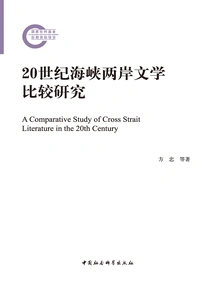
20世纪海峡两岸文学比较研究
Fang Zhong Et Al.
This book takes influence research as the starting point, uses detailed historical materials, and deeply analyzes the impact of the parent literature of the motherland on Taiwan's modern literature. It launches a comparative study of Taiwan and mainland literature within the overall framework of Chinese literature in the 20th century, and actively explores the significance of the spirit of modern Chinese literature, modern Chinese literary trends, and modern classic writers to the development of Taiwanese literature. This book systematically sorts out the profound relationship between Taiwanese literature and mainland literature, and explores the long-lasting and profound impact of modern Chinese literature since the May 4th Movement on Taiwanese literature in the process of modernization. Through comprehensive, multi-level, and three-dimensional comparative research on cross-strait literature, it explores the characteristics and value of Taiwanese literature in the broad vision of Chinese literature in the 20th century. This will help promote the construction of a multi-dimensional symbiosis, integration of both sides of the Taiwan Strait, and a compatible view of modern and contemporary Chinese literature history in the academic community.
This book takes influence research as the starting point, uses detailed historical materials, and deeply analyzes the impact of the parent literature of the motherland on Taiwan's modern literature. It launches a comparative study of Taiwan and mainland literature within the overall framework of Chinese literature in the 20th century, and actively explores the significance of the spirit of modern Chinese literature, modern Chinese literary trends, and modern classic writers to the development of Taiwanese literature. This book systematically sorts out the profound relationship between Taiwanese literature and mainland literature, and explores the long-lasting and profound impact of modern Chinese literature since the May 4th Movement on Taiwanese literature in the process of modernization. Through comprehensive, multi-level, and three-dimensional comparative research on cross-strait literature, it explores the characteristics and value of Taiwanese literature in the broad vision of Chinese literature in the 20th century. This will help promote the construction of a multi-dimensional symbiosis, integration of both sides of the Taiwan Strait, and a compatible view of modern and contemporary Chinese literature history in the academic community.
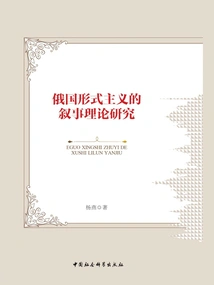
俄国形式主义的叙事理论研究
Yang Yan
This book focuses on the narrative theory of Russian formalism, especially the theory of novels. It is the first attempt and exploration in China to systematically study this content. It mainly includes two periods: Russian Formalism and Post-Russian Formalism, with the former mainly represented by Shklovsky, Eichenbaum, Tomaszewski, Jacobson and Tignanov. Specifically, this research mainly focuses on the school's theories on the essence and plot, form and function, time and space, protagonist and narrator, and literary history of narrative works, and examines the construction, historical evolution and development rules of the school's narrative theory system. At the same time, it explores the echo of Russian formalist narrative theory in contemporary academic circles, as well as its influence and inspiration on Western narrative theory in the 20th century. And combine the school's narrative theory with the literary creation of the main representatives to study, and on this basis, rethink the construction of Russian formalist narrative theory.
This book focuses on the narrative theory of Russian formalism, especially the theory of novels. It is the first attempt and exploration in China to systematically study this content. It mainly includes two periods: Russian Formalism and Post-Russian Formalism, with the former mainly represented by Shklovsky, Eichenbaum, Tomaszewski, Jacobson and Tignanov. Specifically, this research mainly focuses on the school's theories on the essence and plot, form and function, time and space, protagonist and narrator, and literary history of narrative works, and examines the construction, historical evolution and development rules of the school's narrative theory system. At the same time, it explores the echo of Russian formalist narrative theory in contemporary academic circles, as well as its influence and inspiration on Western narrative theory in the 20th century. And combine the school's narrative theory with the literary creation of the main representatives to study, and on this basis, rethink the construction of Russian formalist narrative theory.
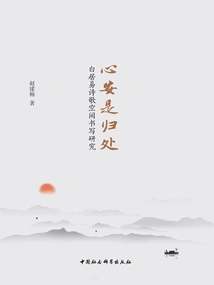
心安是归处:白居易诗歌空间书写研究
Zhao Jianmei
Bai Juyi was a poet who consciously positioned his life and existence with specific philosophical thoughts. He was an iconic figure in the division between the prosperous Tang Dynasty and the middle and late Tang Dynasty. He was also a representative poet in the transformation of Tang culture to Song culture. The spatial writing characteristics of his poems are an important manifestation of this iconic status. Spiritual settlement is what Bai Juyi has been doing all his life, and his spiritual settlement is completed in the form of spatial construction. In different encounters, poets project their personal values and souls into different spaces. Through space construction and poetic writing, they make space the basis for settling their souls. Their spatial construction always refers to the settlement of their souls. This book takes the spiritual settlement as the entry point, explores the interaction and integration between space and the poet's self-life experience from multiple dimensions, grasps the poet's approach and art of settling the soul in "all-in-one" and "unique kindness", and attempts to give an in-depth explanation of this from the Buddhist and Taoist philosophical levels.
Bai Juyi was a poet who consciously positioned his life and existence with specific philosophical thoughts. He was an iconic figure in the division between the prosperous Tang Dynasty and the middle and late Tang Dynasty. He was also a representative poet in the transformation of Tang culture to Song culture. The spatial writing characteristics of his poems are an important manifestation of this iconic status. Spiritual settlement is what Bai Juyi has been doing all his life, and his spiritual settlement is completed in the form of spatial construction. In different encounters, poets project their personal values and souls into different spaces. Through space construction and poetic writing, they make space the basis for settling their souls. Their spatial construction always refers to the settlement of their souls. This book takes the spiritual settlement as the entry point, explores the interaction and integration between space and the poet's self-life experience from multiple dimensions, grasps the poet's approach and art of settling the soul in "all-in-one" and "unique kindness", and attempts to give an in-depth explanation of this from the Buddhist and Taoist philosophical levels.
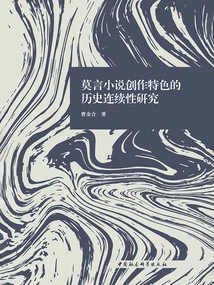
莫言小说创作特色的历史连续性研究
Cao Jinhe
From aspects such as the theme and connotation of "storytelling", the arrangement of plot structure, the pioneering and local style of original "Mo's" language, this paper conducts a macro grasp and micro analysis of Mo Yan's novel creation from the 1980s and 1990s to the new century. Taking continuity as the key point, we trace the diachronic narrative strategies and the aesthetic features of his novels genetically and genealogically.
From aspects such as the theme and connotation of "storytelling", the arrangement of plot structure, the pioneering and local style of original "Mo's" language, this paper conducts a macro grasp and micro analysis of Mo Yan's novel creation from the 1980s and 1990s to the new century. Taking continuity as the key point, we trace the diachronic narrative strategies and the aesthetic features of his novels genetically and genealogically.
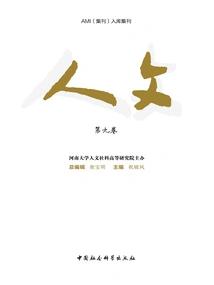
Humanities (volume 9)
Literature人文(第九卷)
Editor-in-chief Zhu Xiaofeng
The academic publication "Humanities" is edited by the Institute of Advanced Humanities of Henan University. "Humanities" adheres to the correct guidance of public opinion and puts social benefits first. "Humanities" centers on humanistic care, highlights academic originality and the dissemination of new knowledge, focuses on empirical research, encourages comprehensive innovation, and strives to integrate various disciplines, explore various academic thoughts and historical and cultural issues, and showcase new achievements in Chinese ideological and academic circles. "Humanities" strives to provide a platform for the academic community to publish high-quality academic results. The articles are mainly academic articles (essays), but we also publish academic essays that welcome ideas and other forms of academic articles. There are also columns such as "Dialogue", "Xuelin", "Notes", "Book Notes" and "Book Reviews" to reflect the research results of scholars in multiple forms and levels.
The academic publication "Humanities" is edited by the Institute of Advanced Humanities of Henan University. "Humanities" adheres to the correct guidance of public opinion and puts social benefits first. "Humanities" centers on humanistic care, highlights academic originality and the dissemination of new knowledge, focuses on empirical research, encourages comprehensive innovation, and strives to integrate various disciplines, explore various academic thoughts and historical and cultural issues, and showcase new achievements in Chinese ideological and academic circles. "Humanities" strives to provide a platform for the academic community to publish high-quality academic results. The articles are mainly academic articles (essays), but we also publish academic essays that welcome ideas and other forms of academic articles. There are also columns such as "Dialogue", "Xuelin", "Notes", "Book Notes" and "Book Reviews" to reflect the research results of scholars in multiple forms and levels.
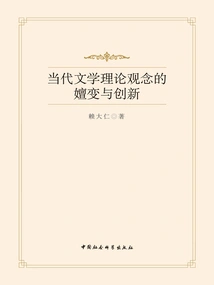
当代文学理论观念的嬗变与创新
Lai Daren
It aims to systematically study the evolution and innovation of contemporary literary theoretical concepts and its important role in the reform and development of contemporary literary theory. It mainly involves theoretical discussions on conceptual evolution and innovation in basic issues of contemporary literary theory such as the theory of literary essence, cutting-edge theoretical issues such as the turn of cultural studies, issues in the development of contemporary Marxist literary theory, and issues in contemporary literary theory discipline reflection and theoretical reconstruction.
It aims to systematically study the evolution and innovation of contemporary literary theoretical concepts and its important role in the reform and development of contemporary literary theory. It mainly involves theoretical discussions on conceptual evolution and innovation in basic issues of contemporary literary theory such as the theory of literary essence, cutting-edge theoretical issues such as the turn of cultural studies, issues in the development of contemporary Marxist literary theory, and issues in contemporary literary theory discipline reflection and theoretical reconstruction.
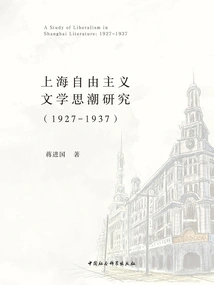
上海自由主义文学思潮研究(1927—1937)
Jiang Jinguo
From the perspectives of historical narrative, Shanghai culture, intellectual history, and community research, this book systematically discusses the development, evolution, and dispersion of Chinese liberal literary trends in Shanghai in the 1920s and 1930s. It focuses on the creation and living environment of liberal writers such as Hu Shi, Xu Zhimo, Liang Shiqiu, Lin Yutang, and Shen Congwen during this period. It presents the interdependent relationship between modern intellectuals and the cultural field, thereby expanding a new space for research on modern Shanghai literature.
From the perspectives of historical narrative, Shanghai culture, intellectual history, and community research, this book systematically discusses the development, evolution, and dispersion of Chinese liberal literary trends in Shanghai in the 1920s and 1930s. It focuses on the creation and living environment of liberal writers such as Hu Shi, Xu Zhimo, Liang Shiqiu, Lin Yutang, and Shen Congwen during this period. It presents the interdependent relationship between modern intellectuals and the cultural field, thereby expanding a new space for research on modern Shanghai literature.
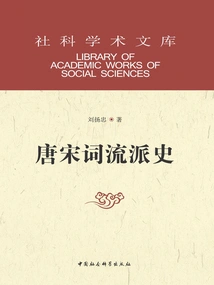
唐宋词流派史(第3版)
Liu Yangzhong
This book is a new type of history of poetry in the Tang and Song Dynasties that focuses on the evolution of the genre. The author breaks the dichotomy of traditional word theory such as "bold" and "graceful", and examines the development and evolution of each style and genre from the perspective of the spirit of the times and group aesthetic choices from the perspective of the cultural background. He panoramically grasps the evolution process of Tang and Song Ci: changing the study of individual authors into group research, and studying group interaction and the interaction between various schools. The influence, penetration and competition are analyzed in depth; the author examines the profound impact of philosophy, politics, religion, social customs and national psychology in the Tang and Song Dynasties on the creative concepts and aesthetic tastes of poets and different groups of poets, thus showing the history of the formation and development of the colorful styles and genres of poetry in the Tang and Song Dynasties.
This book is a new type of history of poetry in the Tang and Song Dynasties that focuses on the evolution of the genre. The author breaks the dichotomy of traditional word theory such as "bold" and "graceful", and examines the development and evolution of each style and genre from the perspective of the spirit of the times and group aesthetic choices from the perspective of the cultural background. He panoramically grasps the evolution process of Tang and Song Ci: changing the study of individual authors into group research, and studying group interaction and the interaction between various schools. The influence, penetration and competition are analyzed in depth; the author examines the profound impact of philosophy, politics, religion, social customs and national psychology in the Tang and Song Dynasties on the creative concepts and aesthetic tastes of poets and different groups of poets, thus showing the history of the formation and development of the colorful styles and genres of poetry in the Tang and Song Dynasties.
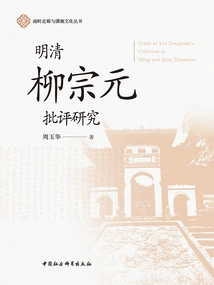
明清柳宗元批评研究
Zhou Yuhua
This book deepens the understanding of Liu Zongyuan's thoughts and the aesthetic value of his poems and works through a comprehensive study of the reception of Liu Zongyuan by key readers in the Ming and Qing Dynasties. In the study of the reception phenomenon of Liu Zongyuan during the Ming and Qing Dynasties, in addition to readers' evaluation of Liu Zongyuan and his poems, we also explored the multi-faceted influence of Liu Zongyuan's thoughts, character, life experience, poetic theory and creative achievements on important readers in the Ming and Qing Dynasties. This book helps Liu Zongyuan's communication and acceptance research system to be more complete; it is conducive to the reasonable application of communication and acceptance theory in Liu Zongyuan's research, and can better carry out Liu Zongyuan's comprehensive research.
This book deepens the understanding of Liu Zongyuan's thoughts and the aesthetic value of his poems and works through a comprehensive study of the reception of Liu Zongyuan by key readers in the Ming and Qing Dynasties. In the study of the reception phenomenon of Liu Zongyuan during the Ming and Qing Dynasties, in addition to readers' evaluation of Liu Zongyuan and his poems, we also explored the multi-faceted influence of Liu Zongyuan's thoughts, character, life experience, poetic theory and creative achievements on important readers in the Ming and Qing Dynasties. This book helps Liu Zongyuan's communication and acceptance research system to be more complete; it is conducive to the reasonable application of communication and acceptance theory in Liu Zongyuan's research, and can better carry out Liu Zongyuan's comprehensive research.
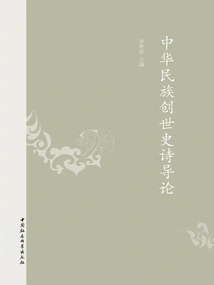
中华民族创世史诗导论
Editor-in-chief Li Shiwu
The Chinese nation's creation epic is the general name for the multi-ethnic creation epics in our country. The epic of the creation of the Chinese nation is a poetic representation of the exchanges and integration of multi-ethnic groups, and an important resource for forging a strong sense of community for the Chinese nation. The book begins by discussing the definition and text of the Chinese nation's creation epic, then analyzes the characteristics of the dialectical unity of commonality and individuality in the Chinese nation's creation epic, and finally elaborates on the value of the Chinese nation's creation epic. The main part of the book discusses the 33 creation epics of my country's 28 ethnic groups according to the structure of overview, examples of wonderful poems and storylines, poetic aesthetics, and poetic wisdom. This book has academic value and practical significance in building a strong sense of community for the Chinese nation and protecting intangible cultural heritage.
The Chinese nation's creation epic is the general name for the multi-ethnic creation epics in our country. The epic of the creation of the Chinese nation is a poetic representation of the exchanges and integration of multi-ethnic groups, and an important resource for forging a strong sense of community for the Chinese nation. The book begins by discussing the definition and text of the Chinese nation's creation epic, then analyzes the characteristics of the dialectical unity of commonality and individuality in the Chinese nation's creation epic, and finally elaborates on the value of the Chinese nation's creation epic. The main part of the book discusses the 33 creation epics of my country's 28 ethnic groups according to the structure of overview, examples of wonderful poems and storylines, poetic aesthetics, and poetic wisdom. This book has academic value and practical significance in building a strong sense of community for the Chinese nation and protecting intangible cultural heritage.
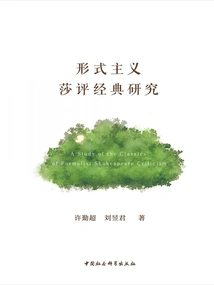
形式主义莎评经典研究
Xu Qinchao Liu Yujun
Formalist Shakespeare criticism is the most dynamic part of Shakespeare in the 20th century. Formalist Shakespeare criticism advocates the independence of literary criticism, conducts research with the help of concepts such as irony, metaphor, imagery, symbolism, archetypes, deconstruction, and close reading, and makes theoretical attempts within literary works. This book divides formalist Shakespeare into six genres: New Criticism, Imagery Criticism, Symbolic Criticism, Archetypal Criticism, Deconstructionist Shakespeare Criticism, and Close Reading Shakespeare Criticism. It selects classic Shakespeare criticism works from each genre for in-depth interpretation, reveals its characteristics, and uses point-by-point to cover the whole, in order to shed some light on the construction of poetics. The beauty of language, structure, and characters are important aesthetic principles in Shakespeare's artistic creation. The classics of formalist Shakespeare criticism focus on these issues and conduct in-depth research on Shakespeare's works, and contain profound humanistic concerns in formal aesthetic criticism.
Formalist Shakespeare criticism is the most dynamic part of Shakespeare in the 20th century. Formalist Shakespeare criticism advocates the independence of literary criticism, conducts research with the help of concepts such as irony, metaphor, imagery, symbolism, archetypes, deconstruction, and close reading, and makes theoretical attempts within literary works. This book divides formalist Shakespeare into six genres: New Criticism, Imagery Criticism, Symbolic Criticism, Archetypal Criticism, Deconstructionist Shakespeare Criticism, and Close Reading Shakespeare Criticism. It selects classic Shakespeare criticism works from each genre for in-depth interpretation, reveals its characteristics, and uses point-by-point to cover the whole, in order to shed some light on the construction of poetics. The beauty of language, structure, and characters are important aesthetic principles in Shakespeare's artistic creation. The classics of formalist Shakespeare criticism focus on these issues and conduct in-depth research on Shakespeare's works, and contain profound humanistic concerns in formal aesthetic criticism.
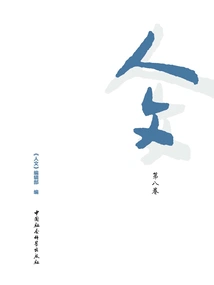
Humanities (volume 8)
Literature人文(第八卷)
Editor Of "humanities" Editorial Department
The academic publication "Humanities" is edited by the Institute of Advanced Humanities of Henan University. "Humanities" adheres to the correct guidance of public opinion and puts social benefits first. "Humanities" centers on humanistic care, highlights academic originality and the dissemination of new knowledge, focuses on empirical research, encourages comprehensive innovation, and strives to integrate various disciplines, explore various academic thoughts and historical and cultural issues, and showcase new achievements in Chinese ideological and academic circles. "Humanities" strives to provide a platform for the academic community to publish high-quality academic results. The articles are mainly academic articles (essays), but we also publish academic essays that welcome ideas and other forms of academic articles. There are also columns such as "Dialogue", "Xuelin", "Notes", "Book Notes" and "Book Reviews" to reflect the research results of scholars in multiple forms and levels.
The academic publication "Humanities" is edited by the Institute of Advanced Humanities of Henan University. "Humanities" adheres to the correct guidance of public opinion and puts social benefits first. "Humanities" centers on humanistic care, highlights academic originality and the dissemination of new knowledge, focuses on empirical research, encourages comprehensive innovation, and strives to integrate various disciplines, explore various academic thoughts and historical and cultural issues, and showcase new achievements in Chinese ideological and academic circles. "Humanities" strives to provide a platform for the academic community to publish high-quality academic results. The articles are mainly academic articles (essays), but we also publish academic essays that welcome ideas and other forms of academic articles. There are also columns such as "Dialogue", "Xuelin", "Notes", "Book Notes" and "Book Reviews" to reflect the research results of scholars in multiple forms and levels.
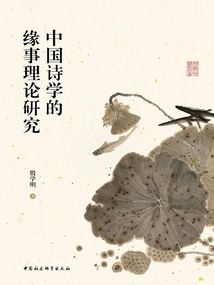
中国诗学的缘事理论研究
Yin Xueming
The theoretical study of fate in Chinese poetics includes three parts: category research, theoretical research and applied research. The basic category of the theory of predestined affairs is "things", and the basic concept is "predestined affairs". From the perspective of events, poetry is derived from the sense of events, shaped by events, and formed from events. The study of Yuanshi theory mainly explores a series of poetic issues such as the occurrence, creation, evolution, aesthetics and criticism of poetry and things, and then forms the systematic structure of Yuanshi occurrence theory, Yuanshi development theory, Yuanshi creation theory, Yuanshi poetry style theory, Yuanshi poetry method theory and Yuanshi poetry criticism. Applied research mainly applies the theory of predestined events to current poetry creation and criticism, poetic construction and comparison, poetic culture and poetic history reconstruction through case analysis, so that Chinese poetry and poetics can adapt to ancient and modern times, and integrate Chinese and foreign development.
The theoretical study of fate in Chinese poetics includes three parts: category research, theoretical research and applied research. The basic category of the theory of predestined affairs is "things", and the basic concept is "predestined affairs". From the perspective of events, poetry is derived from the sense of events, shaped by events, and formed from events. The study of Yuanshi theory mainly explores a series of poetic issues such as the occurrence, creation, evolution, aesthetics and criticism of poetry and things, and then forms the systematic structure of Yuanshi occurrence theory, Yuanshi development theory, Yuanshi creation theory, Yuanshi poetry style theory, Yuanshi poetry method theory and Yuanshi poetry criticism. Applied research mainly applies the theory of predestined events to current poetry creation and criticism, poetic construction and comparison, poetic culture and poetic history reconstruction through case analysis, so that Chinese poetry and poetics can adapt to ancient and modern times, and integrate Chinese and foreign development.
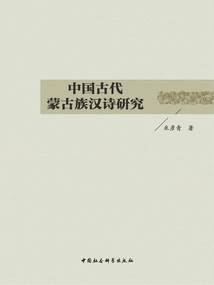
中国古代蒙古族汉诗研究
Mi Yanqing
The Yuan, Ming and Qing dynasties were historical periods with great cultural characteristics in Chinese history. The richness and diversity of Chinese literature were fully displayed during this period. The creation of Mongolian Chinese poetry in ancient China was concentrated in the Yuan, Ming and Qing dynasties, with more than 100 creators, and more than 50 people have handed down their collections. This book discusses the creation of Mongolian Chinese poetry in this period from multiple dimensions such as history, literature, and intellectual history. It discusses the creation of Mongolian Chinese poetry in the Yuan Dynasty under the construction of space-political order, the creation of Mongolian Chinese poetry in the Ming Dynasty under the construction of spiritual-spiritual order, and the creation of Mongolian Chinese poetry in the Qing Dynasty under the construction of history and space. In three parts, it systematically and in-depth studies the origin, development and evolution of Mongolian Chinese poetry creation in the Yuan, Ming and Qing dynasties, demonstrates the unique appearance and development history of Mongolian Chinese poetry creation in the Yuan, Ming and Qing dynasties, and reveals the important role of the integration of Mongolian and Chinese literature in the formation of Chinese literary spirit and Chinese cultural tradition. This book has both documentary and theoretical value.
The Yuan, Ming and Qing dynasties were historical periods with great cultural characteristics in Chinese history. The richness and diversity of Chinese literature were fully displayed during this period. The creation of Mongolian Chinese poetry in ancient China was concentrated in the Yuan, Ming and Qing dynasties, with more than 100 creators, and more than 50 people have handed down their collections. This book discusses the creation of Mongolian Chinese poetry in this period from multiple dimensions such as history, literature, and intellectual history. It discusses the creation of Mongolian Chinese poetry in the Yuan Dynasty under the construction of space-political order, the creation of Mongolian Chinese poetry in the Ming Dynasty under the construction of spiritual-spiritual order, and the creation of Mongolian Chinese poetry in the Qing Dynasty under the construction of history and space. In three parts, it systematically and in-depth studies the origin, development and evolution of Mongolian Chinese poetry creation in the Yuan, Ming and Qing dynasties, demonstrates the unique appearance and development history of Mongolian Chinese poetry creation in the Yuan, Ming and Qing dynasties, and reveals the important role of the integration of Mongolian and Chinese literature in the formation of Chinese literary spirit and Chinese cultural tradition. This book has both documentary and theoretical value.
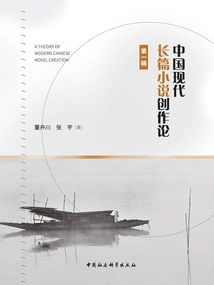
中国现代长篇小说创作论(第一辑)
Dong Huichuan Zhang Yu
"On the Creation of Modern Chinese Novel Volume 1" selects and explains the long-form creations of many modern Chinese writers such as Ping Jinya, Zhang Ziping, Jiang Guangci, Sha Ting, Ye Lingfeng, Zhang Tianyi, Yao Xueyin, Luo Hong, Zhou Lengjia, Li Huiying, Wang Xiyan, Cheng Zaozhi, Bi Ye, Gu Sifan, Tian Tao, and Anonymous. As an important supplement to the history of modern Chinese literature, this book is intended to take New Historicism as the guiding ideology, literary texts as the starting point, and historical materials as the foundation. It pays attention to the era experience, aesthetic experience, and stylistic pursuit of the novel, and presents a dynamic, micro-comprehensive research pursuit. It can not only improve the existing analysis of mainstream writers and the research on the works of non-mainstream writers, but also be a useful enrichment and supplement to the study of modern Chinese novels.
"On the Creation of Modern Chinese Novel Volume 1" selects and explains the long-form creations of many modern Chinese writers such as Ping Jinya, Zhang Ziping, Jiang Guangci, Sha Ting, Ye Lingfeng, Zhang Tianyi, Yao Xueyin, Luo Hong, Zhou Lengjia, Li Huiying, Wang Xiyan, Cheng Zaozhi, Bi Ye, Gu Sifan, Tian Tao, and Anonymous. As an important supplement to the history of modern Chinese literature, this book is intended to take New Historicism as the guiding ideology, literary texts as the starting point, and historical materials as the foundation. It pays attention to the era experience, aesthetic experience, and stylistic pursuit of the novel, and presents a dynamic, micro-comprehensive research pursuit. It can not only improve the existing analysis of mainstream writers and the research on the works of non-mainstream writers, but also be a useful enrichment and supplement to the study of modern Chinese novels.
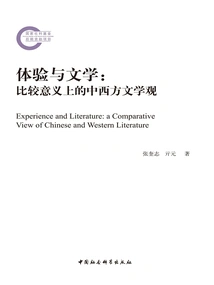
体验与文学:比较意义上的中西方文学观
Zhang Kuizhi Qi Yuan
This book agrees with what Gadamer said that there is an "affinity" between "experience" and aesthetics. It believes that both literary creation and literary criticism are inseparable from "experience". Because literary works are created by writers through "experience", critics must also use "experience" to understand the work. Only by deeply feeling the work and "experiencing" the emotions expressed in the work can we better understand the work. Understanding literature from the perspective of "experience" grasps the essence of literary creation and literary criticism. This book combs the evolution of literary concepts in Chinese and Western history from the perspective of "experience", analyzes the reasons for the formation of ancient Chinese literature and contemporary Western "experience" literary concepts, and also evaluates the impact of "experience" literary concepts on literary creation and literary criticism.
This book agrees with what Gadamer said that there is an "affinity" between "experience" and aesthetics. It believes that both literary creation and literary criticism are inseparable from "experience". Because literary works are created by writers through "experience", critics must also use "experience" to understand the work. Only by deeply feeling the work and "experiencing" the emotions expressed in the work can we better understand the work. Understanding literature from the perspective of "experience" grasps the essence of literary creation and literary criticism. This book combs the evolution of literary concepts in Chinese and Western history from the perspective of "experience", analyzes the reasons for the formation of ancient Chinese literature and contemporary Western "experience" literary concepts, and also evaluates the impact of "experience" literary concepts on literary creation and literary criticism.
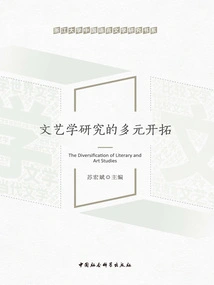
文艺学研究的多元开拓
Editor-in-chief Su Hongbin
This book contains representative papers by teachers from the Institute of Literature and Art of Zhejiang University, including a total of 45 papers by experts and scholars such as Wang Yuanxiang, Xu Dai, Xu Liang, Jin Jianren, Li Yongyin, Su Hongbin, Zou Guangsheng, and Liang Hui. The content covers basic theoretical issues in literature and art, aesthetics and art theory, literary history, literary criticism and other major areas of literary and art research. These papers have a variety of topics, including explorations of major issues such as the basic methods of literature and art research and the nature of literature, as well as a review of the history of the development of literature and art and aesthetics, as well as case analysis of literary and artistic works, which overall reflect the development history and academic level of the literature and art discipline of Zhejiang University.
This book contains representative papers by teachers from the Institute of Literature and Art of Zhejiang University, including a total of 45 papers by experts and scholars such as Wang Yuanxiang, Xu Dai, Xu Liang, Jin Jianren, Li Yongyin, Su Hongbin, Zou Guangsheng, and Liang Hui. The content covers basic theoretical issues in literature and art, aesthetics and art theory, literary history, literary criticism and other major areas of literary and art research. These papers have a variety of topics, including explorations of major issues such as the basic methods of literature and art research and the nature of literature, as well as a review of the history of the development of literature and art and aesthetics, as well as case analysis of literary and artistic works, which overall reflect the development history and academic level of the literature and art discipline of Zhejiang University.
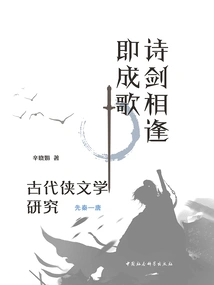
诗剑相逢即成歌:古代侠文学研究(先秦—唐)
Xin Xiaojuan
This book systematically sorts out the changes in the image of knight-errants in literary works from the Pre-Qin Dynasty to the Tang Dynasty, and explores the impact of knight-errant culture on ancient Chinese literature, the social atmosphere of the time, and the mentality of scholars. Sima Qian was the first to write a biography of the knight-errant, establishing the classic image of the knight-errant. Starting from Cao Zhi, the image of the chivalrous man has been combined with patriotism. The heroic feats of young chivalrous men who "sacrifice themselves to fight for the country's calamity and regard death as a sudden return" has inspired generations of passionate men. The image of knights in chivalrous poems and legendary novels of the Tang Dynasty is also a representative of the tolerant, open-minded, positive and high-spirited ethos of the times in the Tang Dynasty. Chivalrous literature is rooted in the rich soil of traditional culture and embodies the Chinese nation's pursuit of truth, goodness and beauty, so it has vigorous vitality. Contemporary college students are at an age where they admire heroes and need to establish a correct view of heroes and values. This book combs and elucidates the image of chivalry in excellent ancient literary works, absorbs the essence, eliminates the dross, and combines it with the new era's view of heroes to build a hero system with national characteristics and enhance college students' cultural confidence and patriotic sentiment.
This book systematically sorts out the changes in the image of knight-errants in literary works from the Pre-Qin Dynasty to the Tang Dynasty, and explores the impact of knight-errant culture on ancient Chinese literature, the social atmosphere of the time, and the mentality of scholars. Sima Qian was the first to write a biography of the knight-errant, establishing the classic image of the knight-errant. Starting from Cao Zhi, the image of the chivalrous man has been combined with patriotism. The heroic feats of young chivalrous men who "sacrifice themselves to fight for the country's calamity and regard death as a sudden return" has inspired generations of passionate men. The image of knights in chivalrous poems and legendary novels of the Tang Dynasty is also a representative of the tolerant, open-minded, positive and high-spirited ethos of the times in the Tang Dynasty. Chivalrous literature is rooted in the rich soil of traditional culture and embodies the Chinese nation's pursuit of truth, goodness and beauty, so it has vigorous vitality. Contemporary college students are at an age where they admire heroes and need to establish a correct view of heroes and values. This book combs and elucidates the image of chivalry in excellent ancient literary works, absorbs the essence, eliminates the dross, and combines it with the new era's view of heroes to build a hero system with national characteristics and enhance college students' cultural confidence and patriotic sentiment.
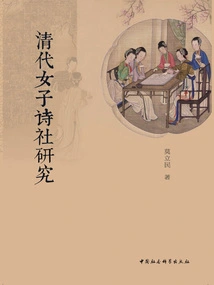
清代女子诗社研究
Mo Limin
"Research on Women's Poetry Society in Qing Dynasty" is my country's first comprehensive and comprehensive academic monograph on the formation of women's poetry in Qing Dynasty. It is also the final result of the National Social Science Fund project. This book is based on the two original theories of "layout restoration" and "scene restoration" in historical research, and takes blood relatives, poetic friends, geography, poetry activities and poetry creation as the main supporting points to study nearly 30 important or distinctive women's poetry societies in the female poetry circle of the Qing Dynasty. The book not only focuses on the objective content such as the evolution of the Qing Dynasty Women's Poetry Society, the context of the times, historical traditions, and organizational structure, but also focuses on exploring the ontological content such as the membership organization of the poetry society, poetry singing, poetic exchanges, and poetry creation tendencies and characteristics. The book also pays attention to commenting on the main poetic characteristics of the Qing Dynasty Women's Poetry Society, such as the "extreme prosperity", "region and familialization", and the "female writing" of poetry. The book also conducts detailed research on the family origins and poetic contributions of the leading figures of the Qing Dynasty Women's Poetry Society, as well as some doubts and anecdotes about the Qing Dynasty women's poetry circle. The book strives to use multiple cuts and perspectives to deeply and comprehensively display the overall style and historical reality of the Qing Dynasty Women's Poetry Society.
"Research on Women's Poetry Society in Qing Dynasty" is my country's first comprehensive and comprehensive academic monograph on the formation of women's poetry in Qing Dynasty. It is also the final result of the National Social Science Fund project. This book is based on the two original theories of "layout restoration" and "scene restoration" in historical research, and takes blood relatives, poetic friends, geography, poetry activities and poetry creation as the main supporting points to study nearly 30 important or distinctive women's poetry societies in the female poetry circle of the Qing Dynasty. The book not only focuses on the objective content such as the evolution of the Qing Dynasty Women's Poetry Society, the context of the times, historical traditions, and organizational structure, but also focuses on exploring the ontological content such as the membership organization of the poetry society, poetry singing, poetic exchanges, and poetry creation tendencies and characteristics. The book also pays attention to commenting on the main poetic characteristics of the Qing Dynasty Women's Poetry Society, such as the "extreme prosperity", "region and familialization", and the "female writing" of poetry. The book also conducts detailed research on the family origins and poetic contributions of the leading figures of the Qing Dynasty Women's Poetry Society, as well as some doubts and anecdotes about the Qing Dynasty women's poetry circle. The book strives to use multiple cuts and perspectives to deeply and comprehensively display the overall style and historical reality of the Qing Dynasty Women's Poetry Society.
清末民初小说语体研究
He Yuntao
This book takes the novel genre of the late Qing Dynasty and the early Republic of China as the research object, and strives to comprehensively and systematically demonstrate the unique historical value of the novel genre in the late Qing Dynasty and the early Republic of China in the process of the growth and decline of Chinese written language. This book makes a relatively detailed classification of novel genres in the late Qing Dynasty and the early Republic of China, explores the complexity and uniqueness of novel genres, analyzes the stylistic concepts, refined and popular aesthetic concepts, and the complex mentality of scholars behind the evolving trends of novel genres in the late Qing Dynasty and the early Republic of China, and explores how changes in social operating mechanisms accelerate the qualitative change process of vernacular replacing classical Chinese. In the specific historical time and space of the late Qing Dynasty and the early Republic of China, the rise and fall of literary and white languages followed its historical trajectory and entered a period of transformation. Natural language, literary language, and political language were glued together, jointly promoting the transformation of classical Chinese into vernacular.
This book takes the novel genre of the late Qing Dynasty and the early Republic of China as the research object, and strives to comprehensively and systematically demonstrate the unique historical value of the novel genre in the late Qing Dynasty and the early Republic of China in the process of the growth and decline of Chinese written language. This book makes a relatively detailed classification of novel genres in the late Qing Dynasty and the early Republic of China, explores the complexity and uniqueness of novel genres, analyzes the stylistic concepts, refined and popular aesthetic concepts, and the complex mentality of scholars behind the evolving trends of novel genres in the late Qing Dynasty and the early Republic of China, and explores how changes in social operating mechanisms accelerate the qualitative change process of vernacular replacing classical Chinese. In the specific historical time and space of the late Qing Dynasty and the early Republic of China, the rise and fall of literary and white languages followed its historical trajectory and entered a period of transformation. Natural language, literary language, and political language were glued together, jointly promoting the transformation of classical Chinese into vernacular.
比较视野下中日梦记研究
Zhao Jiyu
"Dream Notes" are diary-style dream records with distinct documentary characteristics. They are a narrative form shared by ancient dream literature in China and Japan. The Japanese "Dream Chronicles" often use dreams as a revelation to become a monk or to change their faith, a sign to determine whether they have successfully received the ordination, a confirmation of the stage of practice, or a sign to determine whether the practice has been accomplished. "Dream Notes" has become an important field for expressing religious beliefs, and has the nature of "Buddhist seeking records". China's "Dream Records" reached its peak in the Song Dynasty, and people such as Dezhen, Zhang Zai, Long Quan and others who recorded "Dream Records" emerged, as well as Su Shi, who persisted in recording dreams for a long time. The peak of Japanese "Dream Records" followed that of China, the content of Chinese and Japanese "Dream Records" both showed a tendency to become more and more everyday-oriented after the Song Dynasty, and the widespread dissemination of Su Shi's works in Japan, etc., Indicate the possibility that Japanese "Dream Records" were influenced by China.
"Dream Notes" are diary-style dream records with distinct documentary characteristics. They are a narrative form shared by ancient dream literature in China and Japan. The Japanese "Dream Chronicles" often use dreams as a revelation to become a monk or to change their faith, a sign to determine whether they have successfully received the ordination, a confirmation of the stage of practice, or a sign to determine whether the practice has been accomplished. "Dream Notes" has become an important field for expressing religious beliefs, and has the nature of "Buddhist seeking records". China's "Dream Records" reached its peak in the Song Dynasty, and people such as Dezhen, Zhang Zai, Long Quan and others who recorded "Dream Records" emerged, as well as Su Shi, who persisted in recording dreams for a long time. The peak of Japanese "Dream Records" followed that of China, the content of Chinese and Japanese "Dream Records" both showed a tendency to become more and more everyday-oriented after the Song Dynasty, and the widespread dissemination of Su Shi's works in Japan, etc., Indicate the possibility that Japanese "Dream Records" were influenced by China.
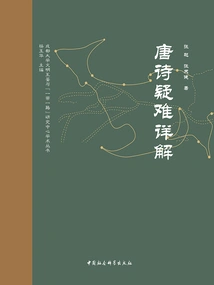
唐诗疑难详解
Zhang Qi Zhang Tianjian
This book is an explanation of difficult issues in famous Tang poems by Zhang Tianjian and Zhang Qi, two famous experts on Tang poetry. The book contains a wide range of contents, such as "decryption of Li Bai's "Drinking Alone under the Moon" and "Yongjie Wuqingyou"", "questions about Du Shenyan's "Early Spring Tour with Lu Cheng in the Jinling Mausoleum"", "Where is the Kuangshan Reading Center in Du Fu's "Missing"", "Tang Qiu, the poet of the late Tang Dynasty", etc. The book has well-founded and interesting answers. This book is based on careful reading of literature, "the shallow ones go deep, and the deep ones make it clear." Each topic is deep and implicit, with cross-references. It is carefully constructed according to the style of "Tang Poetry Decrypted" and uses the form of "questioning" to answer questions and solve problems. It is an academic and interesting reading of Tang poetry.
This book is an explanation of difficult issues in famous Tang poems by Zhang Tianjian and Zhang Qi, two famous experts on Tang poetry. The book contains a wide range of contents, such as "decryption of Li Bai's "Drinking Alone under the Moon" and "Yongjie Wuqingyou"", "questions about Du Shenyan's "Early Spring Tour with Lu Cheng in the Jinling Mausoleum"", "Where is the Kuangshan Reading Center in Du Fu's "Missing"", "Tang Qiu, the poet of the late Tang Dynasty", etc. The book has well-founded and interesting answers. This book is based on careful reading of literature, "the shallow ones go deep, and the deep ones make it clear." Each topic is deep and implicit, with cross-references. It is carefully constructed according to the style of "Tang Poetry Decrypted" and uses the form of "questioning" to answer questions and solve problems. It is an academic and interesting reading of Tang poetry.
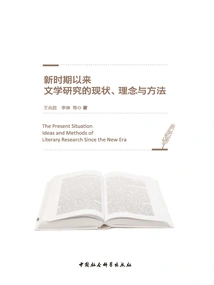
新时期以来文学研究的现状、理念与方法
Wang Zhaosheng Li Lin Et Al.
This book collects relevant papers on the study of literature in the new era by Wang Zhaosheng, Li Lin and other scholars. Based on China's standpoint, it uses a historical attitude, a global perspective, and a forward-looking perspective to analyze the current situation, theories, and methods of Chinese literary research since the new era, find its inherent laws, evaluate its merits and demerits, and provide useful reference and inspiration for literary research. Here there is not only an overall discussion of the theories and methods of Chinese literary research since the new era, but also a macro description of the development status of ancient Chinese literature, modern and contemporary literature, and modern literary theory, as well as tracking and reflection on hot and cutting-edge issues. Combining theory with practice, paying equal attention to micro and macro, it provides a panoramic display of the current status, concepts and methods of literary research since the new era.
This book collects relevant papers on the study of literature in the new era by Wang Zhaosheng, Li Lin and other scholars. Based on China's standpoint, it uses a historical attitude, a global perspective, and a forward-looking perspective to analyze the current situation, theories, and methods of Chinese literary research since the new era, find its inherent laws, evaluate its merits and demerits, and provide useful reference and inspiration for literary research. Here there is not only an overall discussion of the theories and methods of Chinese literary research since the new era, but also a macro description of the development status of ancient Chinese literature, modern and contemporary literature, and modern literary theory, as well as tracking and reflection on hot and cutting-edge issues. Combining theory with practice, paying equal attention to micro and macro, it provides a panoramic display of the current status, concepts and methods of literary research since the new era.
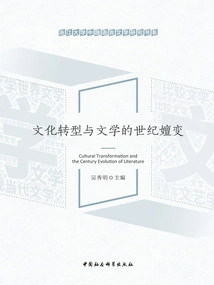
文化转型与文学的世纪嬗变
Editor-in-chief Wu Xiuming
This book is a compilation of research papers by teachers from the Institute of Modern and Contemporary Chinese Literature, Department of Chinese, Zhejiang University. The collected time ranges from 1982 to 2018. It is divided into six parts: "Issues and Methods", "Ideological Trends and Phenomenon", "Writers and Works", "Writers and Works (Zhejiang)", "Film, Television and Literature" and "Publishing and Culture", with a total of 58 articles. Its main content is Chinese modern and contemporary literature, but also includes film and television, editing and publishing, etc. The "Preface" comprehensively summarizes and sorts out the development of the modern and contemporary Chinese literature discipline at Zhejiang University (including the original Hangzhou University) as well as its academic personality and characteristics.
This book is a compilation of research papers by teachers from the Institute of Modern and Contemporary Chinese Literature, Department of Chinese, Zhejiang University. The collected time ranges from 1982 to 2018. It is divided into six parts: "Issues and Methods", "Ideological Trends and Phenomenon", "Writers and Works", "Writers and Works (Zhejiang)", "Film, Television and Literature" and "Publishing and Culture", with a total of 58 articles. Its main content is Chinese modern and contemporary literature, but also includes film and television, editing and publishing, etc. The "Preface" comprehensively summarizes and sorts out the development of the modern and contemporary Chinese literature discipline at Zhejiang University (including the original Hangzhou University) as well as its academic personality and characteristics.
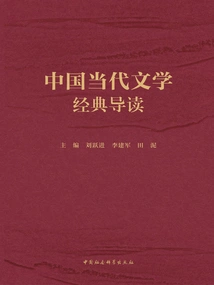
中国当代文学经典导读
Liu Yuejin Li Jianjun Chief Editor Tian Ni
This book focuses on outstanding literary classics since the founding of New China, involving novels, essays, reportage, drama and other literary genres. It introduces the works and writing experiences of writers such as Liu Qing, Zhao Shuli, Lu Yao, Chen Zhongshi, Jiang Zilong, Zhang Jie and Tiening. Scholars come from national scientific research institutions and universities. They stay close to texts and social reality, return to historical scenes and cultural contexts, examine literary phenomena and existing problems, and reveal the world of meaning and aesthetic value constituted by works. Re-read literary classics, draw a literary map in the form of "introduction", construct a different kind of literary history, spread the culture of literary classics, and share human experience and wisdom.
This book focuses on outstanding literary classics since the founding of New China, involving novels, essays, reportage, drama and other literary genres. It introduces the works and writing experiences of writers such as Liu Qing, Zhao Shuli, Lu Yao, Chen Zhongshi, Jiang Zilong, Zhang Jie and Tiening. Scholars come from national scientific research institutions and universities. They stay close to texts and social reality, return to historical scenes and cultural contexts, examine literary phenomena and existing problems, and reveal the world of meaning and aesthetic value constituted by works. Re-read literary classics, draw a literary map in the form of "introduction", construct a different kind of literary history, spread the culture of literary classics, and share human experience and wisdom.
Sixteen Talks About Contemporary Writers
Literature当代作家十六谈
Li Huizhao Et Al.
The public speech of writers and critics can always spread literature at different levels and potentially affect society. This book collects sixteen relevant interviews with more than ten writers and critics including Han Dong, Xu Zechen, Wang Xiangfu, Li Hao, Yi Zhou, Wang Chunlin, and He Ping, trying to restore their dialogues and confrontations on different occasions. Such as Han Dong's interpretation of local novels and older writers; Xu Zechen's subtle but profound ambition to draw his own literary map; Wang Xiangfu, Li Hao, and Yi Zhou's different expressions of calligraphy and painting art or many realities; Wang Chunlin and He Ping's candid remarks on the technological era or urban and rural changes; and so on. These lively and lively dialogues echo the vitality of literary research, multi-subject oral expression and dialogue in different senses. They may bring vigorous aesthetic vitality to rigid literary research and silent theoretical thinking, and provide new production possibilities for the construction of literary publicity.
The public speech of writers and critics can always spread literature at different levels and potentially affect society. This book collects sixteen relevant interviews with more than ten writers and critics including Han Dong, Xu Zechen, Wang Xiangfu, Li Hao, Yi Zhou, Wang Chunlin, and He Ping, trying to restore their dialogues and confrontations on different occasions. Such as Han Dong's interpretation of local novels and older writers; Xu Zechen's subtle but profound ambition to draw his own literary map; Wang Xiangfu, Li Hao, and Yi Zhou's different expressions of calligraphy and painting art or many realities; Wang Chunlin and He Ping's candid remarks on the technological era or urban and rural changes; and so on. These lively and lively dialogues echo the vitality of literary research, multi-subject oral expression and dialogue in different senses. They may bring vigorous aesthetic vitality to rigid literary research and silent theoretical thinking, and provide new production possibilities for the construction of literary publicity.
中国当代诗歌副文本研究
Wu Hongliang
Chinese contemporary poetry paratext materials are rich in poetic details, intertwined with complex political and cultural contexts, and contain many past events in the poetry world that need to be discovered. This book mainly takes poetry paratexts from 1949 to 1966 as the research object, touches the historical scene of the production, dissemination and reception of contemporary poetry, examines the dynamic mechanism of the popularization of contemporary poetry from another dimension, explores the complex and diverse ways in which ideology is embedded in poetry paratexts, analyzes the popular speech and image system, communication system and interpretation system constructed by the multi-dimensional combination of poetry's main and paratexts, and re-examines the unique phenomena and complex issues in the evolution of contemporary poetry.
Chinese contemporary poetry paratext materials are rich in poetic details, intertwined with complex political and cultural contexts, and contain many past events in the poetry world that need to be discovered. This book mainly takes poetry paratexts from 1949 to 1966 as the research object, touches the historical scene of the production, dissemination and reception of contemporary poetry, examines the dynamic mechanism of the popularization of contemporary poetry from another dimension, explores the complex and diverse ways in which ideology is embedded in poetry paratexts, analyzes the popular speech and image system, communication system and interpretation system constructed by the multi-dimensional combination of poetry's main and paratexts, and re-examines the unique phenomena and complex issues in the evolution of contemporary poetry.
跨文化的文学场:20世纪中英现代主义的对话与认同研究
Tao Jiajun
This book focuses on the cross-cultural literary field generated by the cross-cultural interaction between Chinese and British modernist groups in the 20th century. It explores the origin of this literary field, the China complex of the Cambridge Apostolic Society-Bloomsbury Group, the trip to China of the Oxford Modernist Talent Group, the China trip of Cambridge Modern Criticism leaders I. A. Richaci and William Empson, Xu Zhimo's perception and spread of British modernism, the new realm of Chinese and English poetics opened up by Ye Gongchao, the pattern of modern Chinese criticism established by Qian Zhongshu, and the cross-cultural travel writings of Xiao Qian and Ye Junjian. Five structural models of dialogue and identification between Chinese and British modernism are summarized-investigative aesthetic type, investigative ideological type, investigative poetics type, integrated experiential aesthetic type, and integrated comprehensive type.
This book focuses on the cross-cultural literary field generated by the cross-cultural interaction between Chinese and British modernist groups in the 20th century. It explores the origin of this literary field, the China complex of the Cambridge Apostolic Society-Bloomsbury Group, the trip to China of the Oxford Modernist Talent Group, the China trip of Cambridge Modern Criticism leaders I. A. Richaci and William Empson, Xu Zhimo's perception and spread of British modernism, the new realm of Chinese and English poetics opened up by Ye Gongchao, the pattern of modern Chinese criticism established by Qian Zhongshu, and the cross-cultural travel writings of Xiao Qian and Ye Junjian. Five structural models of dialogue and identification between Chinese and British modernism are summarized-investigative aesthetic type, investigative ideological type, investigative poetics type, integrated experiential aesthetic type, and integrated comprehensive type.
The Story Changes
Literature故事机变
Shi Aidong
Story changes include three aspects: 1. Stories, as folk prose narratives passed down orally, mutate anytime and anywhere; 2. Story mutation is not arbitrary mutation, but manifests as relatively stable "limited variation" of core elements and gradual "displacement" of detail replacement; 3. Variation is regular, and story variation is restricted by factors such as oral tradition, time and space environment, memory bias, and even popular culture, and has characteristics such as emotionality, patterning, and adaptability. This book borrows the concept of "machine change" (adaptive "change") to summarize the directional (non-arbitrary) variation characteristics of story communication and reconstruction. Starting from various aspects such as classic review, diachronic review, and theoretical reflection, we discuss the rules of how stories change with "chance"; and through empirical research such as field trips, communication experiments, and memory experiments, we specifically discuss the "chance" and "change" of stories as they adapt to changing circumstances.
Story changes include three aspects: 1. Stories, as folk prose narratives passed down orally, mutate anytime and anywhere; 2. Story mutation is not arbitrary mutation, but manifests as relatively stable "limited variation" of core elements and gradual "displacement" of detail replacement; 3. Variation is regular, and story variation is restricted by factors such as oral tradition, time and space environment, memory bias, and even popular culture, and has characteristics such as emotionality, patterning, and adaptability. This book borrows the concept of "machine change" (adaptive "change") to summarize the directional (non-arbitrary) variation characteristics of story communication and reconstruction. Starting from various aspects such as classic review, diachronic review, and theoretical reflection, we discuss the rules of how stories change with "chance"; and through empirical research such as field trips, communication experiments, and memory experiments, we specifically discuss the "chance" and "change" of stories as they adapt to changing circumstances.
Research on Sino-foreign Exchanges and Silk Road Travel Literature in the 13th and 14th Centuries
Literature中外交流与13—14世纪丝路纪行文学研究
Compiled By Qiu Jiangning, Tang Yunzhi And Others
In the 13th and 14th centuries, due to the world conquest activities of the Mongols, China realized a global opening pattern of its two major exports, desert and ocean. China-centered economic, trade and cultural exchanges between the East and the West reached their peak. The Silk Road travel literature of this period also became a typical representative of the diversity and tolerance of Chinese civilization. This book is an important manifestation of the results of the National Social Science Fund's major bidding project "Compilation and Research of Silk Road Literature Documents from the 13th to 14th Centuries". It is also an offline auxiliary textbook written and published in conjunction with the provincial-level graduate online course "Chinese and Foreign Exchanges and Research on Silk Road Literature Literature from the 13th to 14th Centuries." The book consists of an introduction, main text and appendices. In addition to the literature summary, it mainly focuses on the themes of six series including "Journey to the West Series", "Southwest Silk Road Travel Series", "Grassland Silk Road Series", "Maritime Silk Road Travel Series", "Eastern Journey Series" and "Silk Road and Cities Series". This book is of great help in understanding the far-reaching impact of the "image of China" in the world, especially in Europe, in the 13th and 14th centuries. It can be used not only as a textbook for graduate students in universities, but also as a reference for professional researchers.
In the 13th and 14th centuries, due to the world conquest activities of the Mongols, China realized a global opening pattern of its two major exports, desert and ocean. China-centered economic, trade and cultural exchanges between the East and the West reached their peak. The Silk Road travel literature of this period also became a typical representative of the diversity and tolerance of Chinese civilization. This book is an important manifestation of the results of the National Social Science Fund's major bidding project "Compilation and Research of Silk Road Literature Documents from the 13th to 14th Centuries". It is also an offline auxiliary textbook written and published in conjunction with the provincial-level graduate online course "Chinese and Foreign Exchanges and Research on Silk Road Literature Literature from the 13th to 14th Centuries." The book consists of an introduction, main text and appendices. In addition to the literature summary, it mainly focuses on the themes of six series including "Journey to the West Series", "Southwest Silk Road Travel Series", "Grassland Silk Road Series", "Maritime Silk Road Travel Series", "Eastern Journey Series" and "Silk Road and Cities Series". This book is of great help in understanding the far-reaching impact of the "image of China" in the world, especially in Europe, in the 13th and 14th centuries. It can be used not only as a textbook for graduate students in universities, but also as a reference for professional researchers.
云南古近代词史研究
Zhang Ruolan
Yunnan is a remote place in the south of the world with many ethnic groups. The history of Ci is not illustrious, and its status and value in the glorious history of Chinese Ci are almost vague. However, the history of ancient and modern poetry in Yunnan is an organic component of the history of Chinese poetry, witnessing the game and integration of local culture and mainstream civilization. At the same time, the basic history of ancient and modern Ci poetry in Yunnan, which began in the Yuan Dynasty, gradually emerged in the Ming Dynasty and flourished in the Qing Dynasty, and the style of the Ci poetry circle are quite different from the mainstream Ci poetry circle, and have local literary value and special cultural significance. This book is dedicated to sorting out the basic context and situation of Yunnan's ancient and modern poets' works and the Ci world, hoping to reproduce their appearance and ecology.
Yunnan is a remote place in the south of the world with many ethnic groups. The history of Ci is not illustrious, and its status and value in the glorious history of Chinese Ci are almost vague. However, the history of ancient and modern poetry in Yunnan is an organic component of the history of Chinese poetry, witnessing the game and integration of local culture and mainstream civilization. At the same time, the basic history of ancient and modern Ci poetry in Yunnan, which began in the Yuan Dynasty, gradually emerged in the Ming Dynasty and flourished in the Qing Dynasty, and the style of the Ci poetry circle are quite different from the mainstream Ci poetry circle, and have local literary value and special cultural significance. This book is dedicated to sorting out the basic context and situation of Yunnan's ancient and modern poets' works and the Ci world, hoping to reproduce their appearance and ecology.
叙事中的政治:当代叙事学论著研究
Kai Yan
This book reviews important achievements since the 20th century from the perspective of narrative politics. The book is divided into four series, each series consists of several intrinsically related papers. The first volume is dedicated to a schematic review of the academic thoughts of major scholars in contemporary narrative politics, mainly scanning the achievements of important scholars in structural narratology, Western Marxism, Bakhtin and post-classical narratology. The second to fourth volumes respectively provide an in-depth reading and review of the representative works of important narrative theorists such as Propp, Greimas, Todorov, Lukács, Jameson, and Bakhtin. Particular emphasis is placed on the representative works of Jameson and Bakhtin, and the main aspects of their narrative politics and novel politics are studied and analyzed to demonstrate the insights, value, and enlightenment of their achievements, while also revealing the difficulties and problems existing in their theories, and providing the author's thoughts on this. The author of this book has been studying narrative culture and narrative politics for a long time, has his own in-depth thinking on relevant issues, and has also formed his own independent opinions. Therefore, this book is not only an objective review of research objects, but also full of inherent reflection and dialogue.
This book reviews important achievements since the 20th century from the perspective of narrative politics. The book is divided into four series, each series consists of several intrinsically related papers. The first volume is dedicated to a schematic review of the academic thoughts of major scholars in contemporary narrative politics, mainly scanning the achievements of important scholars in structural narratology, Western Marxism, Bakhtin and post-classical narratology. The second to fourth volumes respectively provide an in-depth reading and review of the representative works of important narrative theorists such as Propp, Greimas, Todorov, Lukács, Jameson, and Bakhtin. Particular emphasis is placed on the representative works of Jameson and Bakhtin, and the main aspects of their narrative politics and novel politics are studied and analyzed to demonstrate the insights, value, and enlightenment of their achievements, while also revealing the difficulties and problems existing in their theories, and providing the author's thoughts on this. The author of this book has been studying narrative culture and narrative politics for a long time, has his own in-depth thinking on relevant issues, and has also formed his own independent opinions. Therefore, this book is not only an objective review of research objects, but also full of inherent reflection and dialogue.
英国现实主义小说中荷兰画派的文化记忆
Roger Parrot
Starting from the dual perspectives of memory and cultural history, this article examines how British realist novels choose to use Dutch paintings and the ideas behind them, and then reveals the fit and interaction between the two. It involves the criticisms of many major art historians, literary historians, and novelists of the 19th century about "Dutch Painting School and British Realist Novels." The Dutch School is characterized by a secular culture of peace, prosperity, wealth and tolerance. It is mixed in British realist novels and participates in the construction of collective memory and community culture. The "human reality" contained in the "realist" thought exactly reflects the aesthetic taste of ordinary citizens (middle class) in the Dutch School. The literary interpretation and cultural memory of the Dutch School in realist novels also reflects this trend. This book is divided into three parts (the evolution of the Dutch painting school and British realist novels), the middle part (the origin of the Dutch painting school and British realist writers), and the second part (the integration of the Dutch painting school and British realist novels). It answers the question of why, what, and how British realist novelists use Dutch paintings to express the nostalgia and nostalgia of the British nation. The psychological appeal of community building proposes three levels of novel text interpretation: the "natural meaning" of the text itself, the reproduction and imitation of the text; the "conventional meaning" of text analysis, the interpretation and metaphor of the meaning; the "cultural code" of text production, where images and text jointly determine the basic elements of nation, era, religion and philosophy. This summarizes and reflects on the novelist's cultural strategy of using images in writing and its cultural innovative significance.
Starting from the dual perspectives of memory and cultural history, this article examines how British realist novels choose to use Dutch paintings and the ideas behind them, and then reveals the fit and interaction between the two. It involves the criticisms of many major art historians, literary historians, and novelists of the 19th century about "Dutch Painting School and British Realist Novels." The Dutch School is characterized by a secular culture of peace, prosperity, wealth and tolerance. It is mixed in British realist novels and participates in the construction of collective memory and community culture. The "human reality" contained in the "realist" thought exactly reflects the aesthetic taste of ordinary citizens (middle class) in the Dutch School. The literary interpretation and cultural memory of the Dutch School in realist novels also reflects this trend. This book is divided into three parts (the evolution of the Dutch painting school and British realist novels), the middle part (the origin of the Dutch painting school and British realist writers), and the second part (the integration of the Dutch painting school and British realist novels). It answers the question of why, what, and how British realist novelists use Dutch paintings to express the nostalgia and nostalgia of the British nation. The psychological appeal of community building proposes three levels of novel text interpretation: the "natural meaning" of the text itself, the reproduction and imitation of the text; the "conventional meaning" of text analysis, the interpretation and metaphor of the meaning; the "cultural code" of text production, where images and text jointly determine the basic elements of nation, era, religion and philosophy. This summarizes and reflects on the novelist's cultural strategy of using images in writing and its cultural innovative significance.
清初遗民小说研究资料
Yang Jianbing
This book is a collection of critical materials collected during the research process of the national social science project "Research on Novel Novels of Early Qing Survivors". It is divided into two parts: classical Chinese and vernacular Chinese. It mainly includes the preface and postscript, summary, idioms, examples, final batch (return to the last batch) of the novel, etc. In particular, it includes some critical materials that have received less attention from academic circles.
This book is a collection of critical materials collected during the research process of the national social science project "Research on Novel Novels of Early Qing Survivors". It is divided into two parts: classical Chinese and vernacular Chinese. It mainly includes the preface and postscript, summary, idioms, examples, final batch (return to the last batch) of the novel, etc. In particular, it includes some critical materials that have received less attention from academic circles.
灵韵的寻回:当代河南城市文学研究
Wei Huaying
This book is the first academic monograph to conduct a comprehensive study of Henan urban literature since the founding of New China. This book takes contemporary Henan literature as a research perspective and provides an overview of the development of urban literature. By returning to the literary scene, on the basis of interpreting texts and examining historical facts, this book analyzes the regional attributes, cultural psychology, spiritual temperament, and the development history of cities and people. Henan's urban literature not only touches on the universal issues of urban literature, but also presents many different local experiences, including historical accumulation, the light, shadow and charm of the city under the culture of the ancient capital, and the specific state of mind in the process of modernization. And the "aura" found through excavating literature and historical experience may be a key for modern urbanites to get out of their inner dilemma.
This book is the first academic monograph to conduct a comprehensive study of Henan urban literature since the founding of New China. This book takes contemporary Henan literature as a research perspective and provides an overview of the development of urban literature. By returning to the literary scene, on the basis of interpreting texts and examining historical facts, this book analyzes the regional attributes, cultural psychology, spiritual temperament, and the development history of cities and people. Henan's urban literature not only touches on the universal issues of urban literature, but also presents many different local experiences, including historical accumulation, the light, shadow and charm of the city under the culture of the ancient capital, and the specific state of mind in the process of modernization. And the "aura" found through excavating literature and historical experience may be a key for modern urbanites to get out of their inner dilemma.
诗人与帝国:威廉·华兹华斯诗歌研究
Ma Yilin
This book takes the imperial narrative in William Wordsworth's poetry as the research object, uses post-colonial literary criticism as theoretical support, and combines textual reading, comparative research and post-structuralist research methods to more systematically explore the ideological connotation represented by William Wordsworth in relevant texts, as well as the discourse reference given to the text in a specific historical and cultural context and regional political background. It examines the multi-dimensional political intersection between the romantic poet and the empire, and reveals the dynamic interaction between the poet, his poems and the times.
This book takes the imperial narrative in William Wordsworth's poetry as the research object, uses post-colonial literary criticism as theoretical support, and combines textual reading, comparative research and post-structuralist research methods to more systematically explore the ideological connotation represented by William Wordsworth in relevant texts, as well as the discourse reference given to the text in a specific historical and cultural context and regional political background. It examines the multi-dimensional political intersection between the romantic poet and the empire, and reveals the dynamic interaction between the poet, his poems and the times.
德里罗四部小说中的体育叙事研究
An Shuai
Sports is a social force that cannot be ignored in the historical process of the United States. Sports also play a very important role in expressing themes and shaping characters in the works of many American writers. However, it has not yet attracted the attention of literary critics. If it is paid attention to, it is only partially mentioned. This book is the first monograph at home and abroad to systematically explore sports narratives in DeLillo's novels. It brings sports as a keyword into the interpretation of serious literary works, and provides a new interdisciplinary research paradigm between literature and other disciplines. From the perspectives of implicit narrative, historical writing and subjectivity, this book deeply and systematically reveals the connection between sports narrative and discourse construction, identity, agency, race and gender politics, historical process and living environment. It pays special attention to revealing the hidden internal connection, proving that sports, as an important social force, participates in the writing and representation of novels and is of great significance at the narrative level.
Sports is a social force that cannot be ignored in the historical process of the United States. Sports also play a very important role in expressing themes and shaping characters in the works of many American writers. However, it has not yet attracted the attention of literary critics. If it is paid attention to, it is only partially mentioned. This book is the first monograph at home and abroad to systematically explore sports narratives in DeLillo's novels. It brings sports as a keyword into the interpretation of serious literary works, and provides a new interdisciplinary research paradigm between literature and other disciplines. From the perspectives of implicit narrative, historical writing and subjectivity, this book deeply and systematically reveals the connection between sports narrative and discourse construction, identity, agency, race and gender politics, historical process and living environment. It pays special attention to revealing the hidden internal connection, proving that sports, as an important social force, participates in the writing and representation of novels and is of great significance at the narrative level.
新世纪乡村叙事研究
Ye Jun
This book takes rural-themed novels that have appeared since the new century, including some rural non-fiction works as the object of observation, and discusses the new qualitative elements and many changes that have appeared in rural narratives in the past twenty years. It has conducted detailed, in-depth and innovative interpretations of nearly twenty rural narrative works (especially novels), and analyzed the writers' creative motivations and expressive intentions. It combs the development of rural narratives in modern and contemporary Chinese literature and reveals the current rural reality, which is both academically rational and practical.
This book takes rural-themed novels that have appeared since the new century, including some rural non-fiction works as the object of observation, and discusses the new qualitative elements and many changes that have appeared in rural narratives in the past twenty years. It has conducted detailed, in-depth and innovative interpretations of nearly twenty rural narrative works (especially novels), and analyzed the writers' creative motivations and expressive intentions. It combs the development of rural narratives in modern and contemporary Chinese literature and reveals the current rural reality, which is both academically rational and practical.