Library
Browse and search books
4,115 novels found
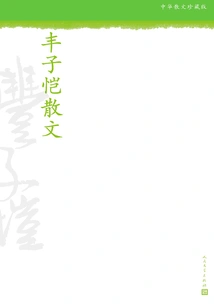
Feng Zikai's Prose
Literature丰子恺散文
Feng Zikai
This book includes more than 80 famous prose works by Feng Zikai, such as "Cut the Net", "Gradual", "Art Samadhi", "Reflections on the Fifth Anniversary of Lida", "Nature", "Face", "Children", "Idle Home", "Inspiration from Children", etc. It is an upgraded version of "Feng Zikai Prose Illustrated Collection Edition" in the "Chinese Prose Illustrated Collection Edition" series. Readers can get a glimpse of the style and essence of Feng Zikai's prose creation.
This book includes more than 80 famous prose works by Feng Zikai, such as "Cut the Net", "Gradual", "Art Samadhi", "Reflections on the Fifth Anniversary of Lida", "Nature", "Face", "Children", "Idle Home", "Inspiration from Children", etc. It is an upgraded version of "Feng Zikai Prose Illustrated Collection Edition" in the "Chinese Prose Illustrated Collection Edition" series. Readers can get a glimpse of the style and essence of Feng Zikai's prose creation.
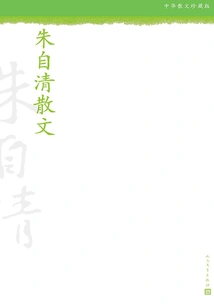
Zhu Ziqing's Prose
Literature朱自清散文
Zhu Ziqing
"Chinese Prose Collector's Edition: Zhu Ziqing's Prose" belongs to the "Chinese Prose Collector's Edition" series. Zhu Ziqing's prose is mainly narrative and lyrical essays. His famous prose collected in this book includes "Back View", "You and Me", "Moonlight over the Lotus Pond", "Hurry", "Qinhuai River in the Shadow of Oars and Lanterns", "Miscellaneous Notes of Mengzi", etc. They are all well-known masterpieces.
"Chinese Prose Collector's Edition: Zhu Ziqing's Prose" belongs to the "Chinese Prose Collector's Edition" series. Zhu Ziqing's prose is mainly narrative and lyrical essays. His famous prose collected in this book includes "Back View", "You and Me", "Moonlight over the Lotus Pond", "Hurry", "Qinhuai River in the Shadow of Oars and Lanterns", "Miscellaneous Notes of Mengzi", etc. They are all well-known masterpieces.
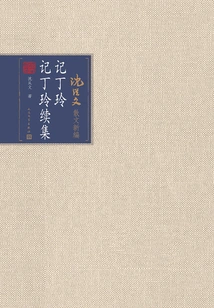
记丁玲 记丁玲续集
Shen Congwen
This is one of the "New Prose Collections by Shen Congwen" series, which includes Shen Congwen's two collections about Ding Ling, "Remembering Ding Ling" and "Remembering Ding Ling: The Continuation". The author uses simple emotions and simple language to describe the story of Hu Yepin and Ding Ling, as well as Ding Ling's early opportunity to enter the literary world. Now I have also recorded the extraordinary friendship between the three friends in that era.
This is one of the "New Prose Collections by Shen Congwen" series, which includes Shen Congwen's two collections about Ding Ling, "Remembering Ding Ling" and "Remembering Ding Ling: The Continuation". The author uses simple emotions and simple language to describe the story of Hu Yepin and Ding Ling, as well as Ding Ling's early opportunity to enter the literary world. Now I have also recorded the extraordinary friendship between the three friends in that era.
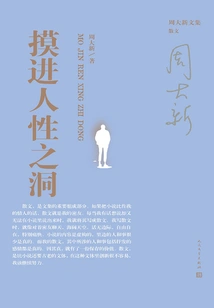
Entering the Cave of Human Nature
Literature摸进人性之洞
Zhou Daxin
"Into the Cave of Human Nature" is a collection of essays by Mao Dun Literature Award-winning writer Zhou Daxin, which is included in the prose volume of "Collected Works of Zhou Daxin". This collection of prose is one of the three volumes of prose in the "Collected Works of Zhou Daxin" and includes more than 90 excellent prose works written in different periods. Among them, the first volume is mainly about the thinking and interpretation of human nature, and the second volume is about the travel notes and feelings of "traveling thousands of miles". It basically summarizes his various experiences in thinking about man and nature, man and society, man and history, man and himself, man and literature in the past few years. Its profound emotional thoughts and dense rational analysis are full of sincerity and simple human fireworks.
"Into the Cave of Human Nature" is a collection of essays by Mao Dun Literature Award-winning writer Zhou Daxin, which is included in the prose volume of "Collected Works of Zhou Daxin". This collection of prose is one of the three volumes of prose in the "Collected Works of Zhou Daxin" and includes more than 90 excellent prose works written in different periods. Among them, the first volume is mainly about the thinking and interpretation of human nature, and the second volume is about the travel notes and feelings of "traveling thousands of miles". It basically summarizes his various experiences in thinking about man and nature, man and society, man and history, man and himself, man and literature in the past few years. Its profound emotional thoughts and dense rational analysis are full of sincerity and simple human fireworks.
A Legendary Skill
Literature一个传奇的本事
Shen Congwen
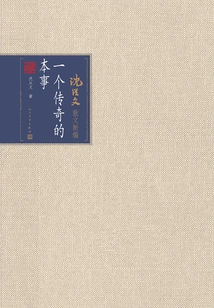
This is one of the book series "Newly Compiled by Shen Congwen's Prose", which includes Shen Congwen's writings about people's feelings. The first volume is mainly composed of two articles: "Remembering Hu Yepin" and "A Legendary Skill" (about his nephew Huang Yongyu). The other two articles are mostly about people in the literary circle such as Sun Dayu, Jin Yi, Situ Qiao, Chen Xianghe, etc.; The second volume is about essays. The texts describing the literary creations of Feng Wenbing, Wen Yiduo, Xu Dishan, etc. Are combined with writing about people and writing about people. The texts are very emotional, so they are collected together. From them, we can see the author's views on personnel and literature.
This is one of the book series "Newly Compiled by Shen Congwen's Prose", which includes Shen Congwen's writings about people's feelings. The first volume is mainly composed of two articles: "Remembering Hu Yepin" and "A Legendary Skill" (about his nephew Huang Yongyu). The other two articles are mostly about people in the literary circle such as Sun Dayu, Jin Yi, Situ Qiao, Chen Xianghe, etc.; The second volume is about essays. The texts describing the literary creations of Feng Wenbing, Wen Yiduo, Xu Dishan, etc. Are combined with writing about people and writing about people. The texts are very emotional, so they are collected together. From them, we can see the author's views on personnel and literature.
Yunnan Looks at Yunji
Literature云南看云集
Shen Congwen
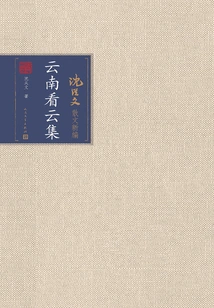
This is one of the "New Collections of Shen Congwen's Prose" book series, which includes four booklets: "Kunming Winter Scenery", "Yunnan Cloud Collection", "New Wasted Postal Collection" and "New Wasted Postal Collection Continuation" written by Shen Congwen in Yunnan in the rear area during the Anti-Japanese War. In addition to several essays such as "Winter Scenery in Kunming" and "Looking at the Clouds in Yunnan". Many of them are in the form of letters, but the content is to express one's own views on literature and human affairs.
This is one of the "New Collections of Shen Congwen's Prose" book series, which includes four booklets: "Kunming Winter Scenery", "Yunnan Cloud Collection", "New Wasted Postal Collection" and "New Wasted Postal Collection Continuation" written by Shen Congwen in Yunnan in the rear area during the Anti-Japanese War. In addition to several essays such as "Winter Scenery in Kunming" and "Looking at the Clouds in Yunnan". Many of them are in the form of letters, but the content is to express one's own views on literature and human affairs.
湘行散记 湘西
Shen Congwen
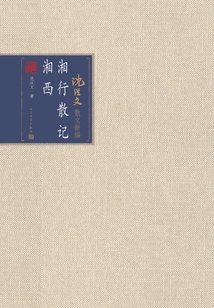
"Xiang Xing Xiang Xiangxi" is one of the series of books "Shen Congwen's New Prose Compilation". It contains two separate volumes of Shen Congwen's "Xiang Xing Xian Ji" and "Xiang Xi". They are both the author's writings about his hometown after returning to Xiangxi twice. The writing style of this book is natural and simple, showing the bright and wild scenery of western Hunan. It is also full of the author's hidden worries and philosophical thinking about life.
"Xiang Xing Xiang Xiangxi" is one of the series of books "Shen Congwen's New Prose Compilation". It contains two separate volumes of Shen Congwen's "Xiang Xing Xian Ji" and "Xiang Xi". They are both the author's writings about his hometown after returning to Xiangxi twice. The writing style of this book is natural and simple, showing the bright and wild scenery of western Hunan. It is also full of the author's hidden worries and philosophical thinking about life.
Letters from Hunan Travel
Literature湘行书简
Shen Congwen
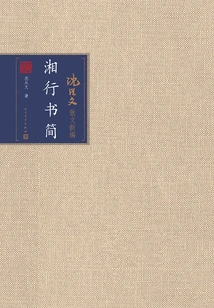
This is one of the "New Collections of Shen Congwen's Prose" and is also a collection of Shen Congwen's letters about western Hunan. In early 1934, Shen Congwen returned home due to his mother's illness. Before leaving, he and his wife Zhang Zhaohe agreed to write letters every day to report what they saw along the way. These letters and the illustrations drawn by the author had never been published publicly during the author's lifetime. It was not until 1991 that his son Shen Huchu compiled them into a volume and named them "Xiangxing Letters". The version is based on "The Complete Works of Shen Congwen" provided by the author's son.
This is one of the "New Collections of Shen Congwen's Prose" and is also a collection of Shen Congwen's letters about western Hunan. In early 1934, Shen Congwen returned home due to his mother's illness. Before leaving, he and his wife Zhang Zhaohe agreed to write letters every day to report what they saw along the way. These letters and the illustrations drawn by the author had never been published publicly during the author's lifetime. It was not until 1991 that his son Shen Huchu compiled them into a volume and named them "Xiangxing Letters". The version is based on "The Complete Works of Shen Congwen" provided by the author's son.
The Flower Language of Smile
Literature微笑的花语
Compiled By Li Xiaoyuan
People who can smile are confident, kind, calm, happy, strong, and full of hope... Life requires smiles, and people also need smiles between people. Give to others and give to yourself. Smile is not just an action, it may be a light in the darkness and a ray of warmth in the cold. "The Flower Language of Smile" starts from smiling, teaching people to learn to discover the beauty and happiness around them, and live a positive life.
People who can smile are confident, kind, calm, happy, strong, and full of hope... Life requires smiles, and people also need smiles between people. Give to others and give to yourself. Smile is not just an action, it may be a light in the darkness and a ray of warmth in the cold. "The Flower Language of Smile" starts from smiling, teaching people to learn to discover the beauty and happiness around them, and live a positive life.
Naipaul Family Letters (2019 Edition)
Literature奈保尔家书(2019版)
(uk) V. S. Naipaul
How a poor father cultivated a Nobel Prize-winning master - Naipaul's life-long pump of strength. How a poor father cultivated a Nobel Prize-winning master: Naipaul's life-long pump of strength! He was an unsuccessful reporter who lived in poverty all his life, but raised his seven children to become talented people. Two sons received the highest national scholarship to study at Oxford, one of whom won the Nobel Prize for Literature; five daughters, the eldest daughter received a scholarship to study in India, the fourth daughter and the youngest daughter received degrees in the UK, the third daughter graduated from high school and became a teacher, and the fifth daughter gave up the medical scholarship and became a successful businessman. He loves to grow flowers and appreciate paintings. He sticks to his dream of writing, but puts it behind his children's dreams. This book is a collection of letters exchanged between Nobel Prize winner Naipaul and his father when he was studying in England. Apart from being poor, old Naipaul was really a perfect and great father!
How a poor father cultivated a Nobel Prize-winning master - Naipaul's life-long pump of strength. How a poor father cultivated a Nobel Prize-winning master: Naipaul's life-long pump of strength! He was an unsuccessful reporter who lived in poverty all his life, but raised his seven children to become talented people. Two sons received the highest national scholarship to study at Oxford, one of whom won the Nobel Prize for Literature; five daughters, the eldest daughter received a scholarship to study in India, the fourth daughter and the youngest daughter received degrees in the UK, the third daughter graduated from high school and became a teacher, and the fifth daughter gave up the medical scholarship and became a successful businessman. He loves to grow flowers and appreciate paintings. He sticks to his dream of writing, but puts it behind his children's dreams. This book is a collection of letters exchanged between Nobel Prize winner Naipaul and his father when he was studying in England. Apart from being poor, old Naipaul was really a perfect and great father!
向忠魂致敬:金兰散文小说选
Yu Jinlan
"Salute to the Loyal Soul: Selected Prose Novels by Jin Lan" is a personal collection composed of 36 articles by the author Yu Jinlan. The content is roughly divided into three parts: review of past events, travel narratives, and short stories. The manuscript is in a narrative style as a whole, with occasional references to objects to express feelings and ambitions. The language is concise and plain. The author was born in the early 1940s and has experienced systematic education. The whole article reflects the feelings of that generation of intellectuals about their family and country, with obvious traces of the era.
"Salute to the Loyal Soul: Selected Prose Novels by Jin Lan" is a personal collection composed of 36 articles by the author Yu Jinlan. The content is roughly divided into three parts: review of past events, travel narratives, and short stories. The manuscript is in a narrative style as a whole, with occasional references to objects to express feelings and ambitions. The language is concise and plain. The author was born in the early 1940s and has experienced systematic education. The whole article reflects the feelings of that generation of intellectuals about their family and country, with obvious traces of the era.

Chinese Robot
Literature中国机器人
Wang Hongpeng Ma Na
This book provides a fascinating introduction to the development history of China's robot field. The growth process of China's robots is also the process of China's economy from weak to strong. China's future is full of multiple possibilities. This book is a rare read for readers who want to understand China's contemporary and future development strategies. It provides an in-depth analysis and reflection on the strategic and technological ethics of intelligent manufacturing, a high-tech field that is attracting much attention in the world today. The many cutting-edge viewpoints proposed in it are issues that the world will face, and it provides an objective record of the contributions made by Chinese scientists. The work also reveals some key details of Xinsong's brand building. The experience of each protagonist is not simply a review of setbacks and successes, but outlines the lessons learned by innovators, providing guidance and suggestions for those who want to follow their footsteps, and is a good guide and inspiration for entrepreneurs and innovators.
This book provides a fascinating introduction to the development history of China's robot field. The growth process of China's robots is also the process of China's economy from weak to strong. China's future is full of multiple possibilities. This book is a rare read for readers who want to understand China's contemporary and future development strategies. It provides an in-depth analysis and reflection on the strategic and technological ethics of intelligent manufacturing, a high-tech field that is attracting much attention in the world today. The many cutting-edge viewpoints proposed in it are issues that the world will face, and it provides an objective record of the contributions made by Chinese scientists. The work also reveals some key details of Xinsong's brand building. The experience of each protagonist is not simply a review of setbacks and successes, but outlines the lessons learned by innovators, providing guidance and suggestions for those who want to follow their footsteps, and is a good guide and inspiration for entrepreneurs and innovators.
Me and the Temple of Earth
Literature我与地坛
Shi Tiesheng
A collection of essays by Shi Tiesheng. Shi Tiesheng is one of the most admirable writers in contemporary China. His writing is completely isomorphic with his life. During his "writing night", Shi Tiesheng used his incomplete body to express the most sound and full thoughts. What he experienced was the suffering of life, but what he expressed was the brightness and joy of existence. His wise words illuminated our increasingly dark hearts. The Temple of Earth is just a carrier, but the essence of the article is the process of a desperate person seeking hope and missing his mother.
A collection of essays by Shi Tiesheng. Shi Tiesheng is one of the most admirable writers in contemporary China. His writing is completely isomorphic with his life. During his "writing night", Shi Tiesheng used his incomplete body to express the most sound and full thoughts. What he experienced was the suffering of life, but what he expressed was the brightness and joy of existence. His wise words illuminated our increasingly dark hearts. The Temple of Earth is just a carrier, but the essence of the article is the process of a desperate person seeking hope and missing his mother.
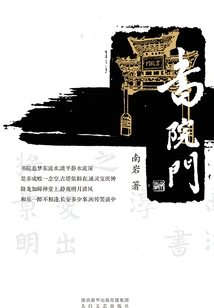
Academy Gate
Literature书院门
Zhang Jianwei
This book takes place at Academy Gate, a well-known cultural district in Chang'an, and tells the story of an Anhui native named PHS who came to the ancient city to start a business and struggled in the ancient city's collection circle. At the same time, the story revolves around the cultural protection of the ancient city, the identification of the authenticity of the collection, and the humanistic care of Buddhism about human nature, human desires and beliefs. It reflects some unique phenomena in the field of collection in my country.
This book takes place at Academy Gate, a well-known cultural district in Chang'an, and tells the story of an Anhui native named PHS who came to the ancient city to start a business and struggled in the ancient city's collection circle. At the same time, the story revolves around the cultural protection of the ancient city, the identification of the authenticity of the collection, and the humanistic care of Buddhism about human nature, human desires and beliefs. It reflects some unique phenomena in the field of collection in my country.
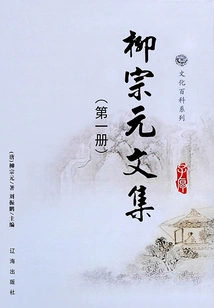
柳宗元文集(第1册)
(tang) Written By Liu Zongyuan Edited By Liu Zhenpeng
Liu Zongyuan (773 AD - November 28, 819 AD), courtesy name Zihou, was a Han nationality from Hedong (now the Yongji area of Yuncheng, Shanxi Province). He was one of the eight great writers, philosophers, essayists and thinkers of the Tang Dynasty. He was known as "Liu Hedong" and "Mr. Hedong" in the world. Because he died as governor of Liuzhou, he was also called "Liu Liuzhou". Liu Zongyuan was called "Han Liu" together with Han Yu, "Liu Liu" with Liu Yuxi, and "Wang Meng Wei Liu" with Wang Wei, Meng Haoran and Wei Yingwu. Liu Zongyuan wrote more than 600 poems and essays in his lifetime, and his achievements in writing were greater than those in poetry. There are nearly a hundred parallel prose pieces. The prose is highly argumentative, sharp and satirical. The travel notes describe the scenery, and many of them are based on "The Collection of Mr. Hedong". His representative works include "River Dwelling", "Jiang Snow" and "The Fisherman".
Liu Zongyuan (773 AD - November 28, 819 AD), courtesy name Zihou, was a Han nationality from Hedong (now the Yongji area of Yuncheng, Shanxi Province). He was one of the eight great writers, philosophers, essayists and thinkers of the Tang Dynasty. He was known as "Liu Hedong" and "Mr. Hedong" in the world. Because he died as governor of Liuzhou, he was also called "Liu Liuzhou". Liu Zongyuan was called "Han Liu" together with Han Yu, "Liu Liu" with Liu Yuxi, and "Wang Meng Wei Liu" with Wang Wei, Meng Haoran and Wei Yingwu. Liu Zongyuan wrote more than 600 poems and essays in his lifetime, and his achievements in writing were greater than those in poetry. There are nearly a hundred parallel prose pieces. The prose is highly argumentative, sharp and satirical. The travel notes describe the scenery, and many of them are based on "The Collection of Mr. Hedong". His representative works include "River Dwelling", "Jiang Snow" and "The Fisherman".
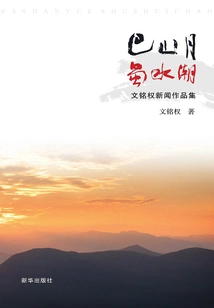
巴山月蜀水潮:文铭权新闻作品集
Wen Mingquan
This book is a large-scale news and documentary literary work that reflects the reform, development, and style of the times in many cities and states in Sichuan Province. The book has approximately 280,000 words. The author is full of true feelings and diligent in thinking. With the unique vision of news, he went deep into many news scenes, truly and comprehensively presented the practice and results of the reform and development of these cities and prefectures, and demonstrated the good mental outlook of the cadres and the masses. He not only eulogized the main theme of the times, highlighted the truth, goodness and beauty, but also advocated diversity and made bold innovations in content and form. What is particularly touching is that after the 2008 Wenchuan earthquake and the 2013 Lushan earthquake, the author rushed to the front line of earthquake relief and wrote a large number of touching news works.
This book is a large-scale news and documentary literary work that reflects the reform, development, and style of the times in many cities and states in Sichuan Province. The book has approximately 280,000 words. The author is full of true feelings and diligent in thinking. With the unique vision of news, he went deep into many news scenes, truly and comprehensively presented the practice and results of the reform and development of these cities and prefectures, and demonstrated the good mental outlook of the cadres and the masses. He not only eulogized the main theme of the times, highlighted the truth, goodness and beauty, but also advocated diversity and made bold innovations in content and form. What is particularly touching is that after the 2008 Wenchuan earthquake and the 2013 Lushan earthquake, the author rushed to the front line of earthquake relief and wrote a large number of touching news works.
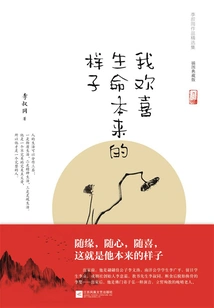
I Like Life as it Is
Literature我欢喜生命本来的样子
Li Shutong
This book is a collection of Li Shutong's works. It includes Li Shutong's articles on life experiences, reasons for becoming a monk, artistic achievements, Zen cultivation, personal letters, etc. It is divided into five series: "Before and after becoming a monk", "Art Talks", "Mingyue Zen Heart", "Jingguo Articles" and "Good Teachers and Friends". His writing style is sincere and simple, full of emotions, showing the true nature of Master Hongyi's life. The article is accompanied by Li Shutong's calligraphy, paintings, photos, etc., To appreciate his broad and unique spiritual world.
This book is a collection of Li Shutong's works. It includes Li Shutong's articles on life experiences, reasons for becoming a monk, artistic achievements, Zen cultivation, personal letters, etc. It is divided into five series: "Before and after becoming a monk", "Art Talks", "Mingyue Zen Heart", "Jingguo Articles" and "Good Teachers and Friends". His writing style is sincere and simple, full of emotions, showing the true nature of Master Hongyi's life. The article is accompanied by Li Shutong's calligraphy, paintings, photos, etc., To appreciate his broad and unique spiritual world.
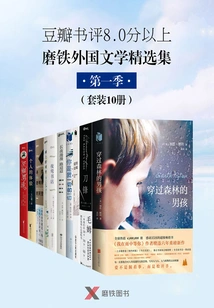
磨铁外国文学精选集第一季(套装10册)
(u. S.) Garth Stein Maugham Et Al.
The first season of Iron Grinding Foreign Literature Collection, a set of 10 books: "The Boy Walking Through the Forest", "The Blade", "The Frontier of Love", "You Are My Everything", "The Long Night", "Nightingale Bookstore", "Time in the Trees", "Looking for a Brighter Sky", "Personal Experience", "Christmas Boy".
The first season of Iron Grinding Foreign Literature Collection, a set of 10 books: "The Boy Walking Through the Forest", "The Blade", "The Frontier of Love", "You Are My Everything", "The Long Night", "Nightingale Bookstore", "Time in the Trees", "Looking for a Brighter Sky", "Personal Experience", "Christmas Boy".
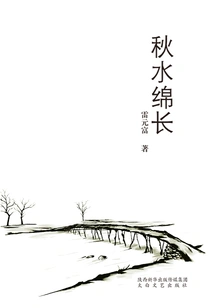
The Long Autumn Water
Literature秋水绵长
Lei Yuanfu
Reading through Lei Yuanfu's collection of essays "Autumn Waters Last", two words suddenly came to my mind: compassion. Most of the chapters in the collection are about recalling the past, telling sad and pitiable past events. The sad longing for relatives and friends and the compensation for shortcomings are the top priorities in the text. This constitutes a distinctive color of this collection: overflowing with sadness to increase emotion, and using compassion to induce sympathy. The deep affection of loess is created and becomes more intense in such an atmosphere.
Reading through Lei Yuanfu's collection of essays "Autumn Waters Last", two words suddenly came to my mind: compassion. Most of the chapters in the collection are about recalling the past, telling sad and pitiable past events. The sad longing for relatives and friends and the compensation for shortcomings are the top priorities in the text. This constitutes a distinctive color of this collection: overflowing with sadness to increase emotion, and using compassion to induce sympathy. The deep affection of loess is created and becomes more intense in such an atmosphere.
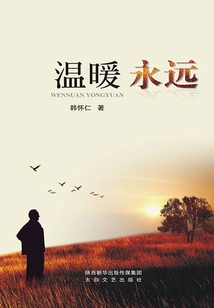
Warmth Forever
Literature温暖永远
Han Huairen
"Warmth Forever" is a collection of essays, including more than 60 essays of about 280,000 words published by the author in various newspapers and periodicals in the past five years. Most of the works are eulogies and praises for family, friendship and other true feelings in the world, expressing the theme that "sincere and friendly feelings in the world are the eternal warmth of mankind". The writing is simple, the style is elegant, and it artistically embodies the core values of socialism in many aspects.
"Warmth Forever" is a collection of essays, including more than 60 essays of about 280,000 words published by the author in various newspapers and periodicals in the past five years. Most of the works are eulogies and praises for family, friendship and other true feelings in the world, expressing the theme that "sincere and friendly feelings in the world are the eternal warmth of mankind". The writing is simple, the style is elegant, and it artistically embodies the core values of socialism in many aspects.
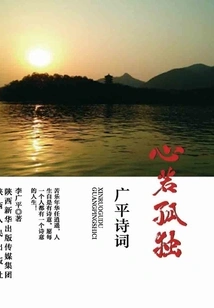
The Heart is Lonely: Quang Binh Poems
Literature心若孤独:广平诗词
Li Guangping
This book is a collection of mainly lyrical poems. It collects the author's poetry works in the past twenty years, from the difficult years of working in 1998 to the present, recording every scenery the author has seen and unforgettable things he has experienced. There is the comfort of "a wisp of breeze between the brows" when climbing high and looking into the distance, and there is also the infinite sadness of "hating the vastness when the water flows away". There is reverence for Du Fu and Li Yu. There are also deep lamentations about being alone and helpless for many years, as well as the pain and helplessness of fighting the disease. And as a volunteer, he has compassion and love for the poorest and most vulnerable groups in society. It can be said that it is soaked in the author's blood and tears. Most of the works are based on realistic themes, but there is also some romanticism by the author.
This book is a collection of mainly lyrical poems. It collects the author's poetry works in the past twenty years, from the difficult years of working in 1998 to the present, recording every scenery the author has seen and unforgettable things he has experienced. There is the comfort of "a wisp of breeze between the brows" when climbing high and looking into the distance, and there is also the infinite sadness of "hating the vastness when the water flows away". There is reverence for Du Fu and Li Yu. There are also deep lamentations about being alone and helpless for many years, as well as the pain and helplessness of fighting the disease. And as a volunteer, he has compassion and love for the poorest and most vulnerable groups in society. It can be said that it is soaked in the author's blood and tears. Most of the works are based on realistic themes, but there is also some romanticism by the author.
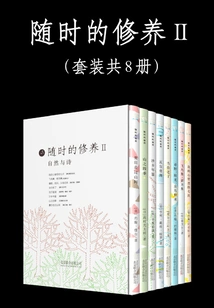
随时的修养2:自然与诗系列(套装共8册)
H
In this book, there are all the things you like above, and there is absolutely no unnecessary moaning text. A book with a small size and comfortable hand feel, suitable for you to open it anywhere. The moving subway, the fragrant cafes, the sofas where you can relax, the slightly heated benches in the park... Reading it is a wonderful thing. Everything is fresh, cheerful and lovely. Breathe smoothly and freely. The sun is pouring on the earth, and the soul is absorbing heat at this moment. Everything is awakened, yet everything is silent.
In this book, there are all the things you like above, and there is absolutely no unnecessary moaning text. A book with a small size and comfortable hand feel, suitable for you to open it anywhere. The moving subway, the fragrant cafes, the sofas where you can relax, the slightly heated benches in the park... Reading it is a wonderful thing. Everything is fresh, cheerful and lovely. Breathe smoothly and freely. The sun is pouring on the earth, and the soul is absorbing heat at this moment. Everything is awakened, yet everything is silent.
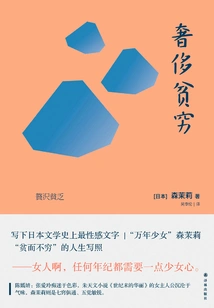
Luxury Poverty
Literature奢侈贫穷
(japanese) Mori Jasmine
Mori Mori, a legendary Japanese female writer, the beloved daughter of Meiji writer Ogai Mori, and a "master of language" highly praised by Yukio Mishima. Some people compare her to Kawabata Yasunari and Osamu Dazai, while others say she is the "Japanese Eileen Chang" because of her delicate and sharp writing, which captures the prosperity and romance of the Meiji period. Others say she is a Lolita who writes, with an eternal girl in her heart. Mori Moli's life is as legendary as her works. She got married twice when she was young and lived in poverty in her later years. She went from being a daughter of a wealthy family to being a tenant in a low-cost apartment. The title of the book "Luxury and Poverty" is actually the spiritual victory declaration of Mori Moli, who was down and out in her later years: "Although I am poor, I am a noble in spirit." Luxury is not necessarily monetary, it can also be spiritual. People with a rich spirit will retain their childlike innocence at any age. Especially women, you can still have a little bit of girlishness at any age!
Mori Mori, a legendary Japanese female writer, the beloved daughter of Meiji writer Ogai Mori, and a "master of language" highly praised by Yukio Mishima. Some people compare her to Kawabata Yasunari and Osamu Dazai, while others say she is the "Japanese Eileen Chang" because of her delicate and sharp writing, which captures the prosperity and romance of the Meiji period. Others say she is a Lolita who writes, with an eternal girl in her heart. Mori Moli's life is as legendary as her works. She got married twice when she was young and lived in poverty in her later years. She went from being a daughter of a wealthy family to being a tenant in a low-cost apartment. The title of the book "Luxury and Poverty" is actually the spiritual victory declaration of Mori Moli, who was down and out in her later years: "Although I am poor, I am a noble in spirit." Luxury is not necessarily monetary, it can also be spiritual. People with a rich spirit will retain their childlike innocence at any age. Especially women, you can still have a little bit of girlishness at any age!
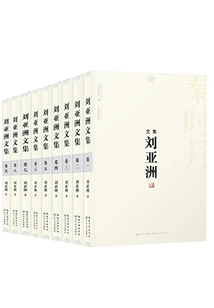
Collected Works of Liu Yazhou
Literature刘亚洲文集
Liu Yazhou
"Collected Works of Liu Yazhou" was officially published by Changjiang Literature and Art Publishing House. The new book is a set of 9 volumes. It took the author Liu Yazhou, Air Force General and Political Commissar of the National Defense University, 30 years of hard work to publish his works for the first time. He personally selected and revised them, striving to fully present the classic works to readers. The works cover multiple dimensions, spanning politics, military, history, economics, science, and vivid encyclopedias. The complete set of books unfolds grand narratives from a global perspective, with diverse themes, far-reaching connotations, and free literary grace. It covers novels, short stories, reportage, essays, scripts, literary theory and other themes. The book has nine volumes in total and is sold in a set, allowing readers to read it all at once.
"Collected Works of Liu Yazhou" was officially published by Changjiang Literature and Art Publishing House. The new book is a set of 9 volumes. It took the author Liu Yazhou, Air Force General and Political Commissar of the National Defense University, 30 years of hard work to publish his works for the first time. He personally selected and revised them, striving to fully present the classic works to readers. The works cover multiple dimensions, spanning politics, military, history, economics, science, and vivid encyclopedias. The complete set of books unfolds grand narratives from a global perspective, with diverse themes, far-reaching connotations, and free literary grace. It covers novels, short stories, reportage, essays, scripts, literary theory and other themes. The book has nine volumes in total and is sold in a set, allowing readers to read it all at once.
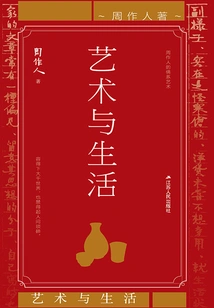
Art and Life
Literature艺术与生活
Zhou Zuoren
"Art and Life" is a long collection of essays among all Zhou Zuoren's works, which establishes his humanitarian ideological tone. In "Art and Life", Zhou Zuoren discusses the relationship between literature and life from the perspective of a thinker. His focus is no longer limited to thinking about literature itself, but also involves the impact of women, children, and exotic folk literature on real life.
"Art and Life" is a long collection of essays among all Zhou Zuoren's works, which establishes his humanitarian ideological tone. In "Art and Life", Zhou Zuoren discusses the relationship between literature and life from the perspective of a thinker. His focus is no longer limited to thinking about literature itself, but also involves the impact of women, children, and exotic folk literature on real life.
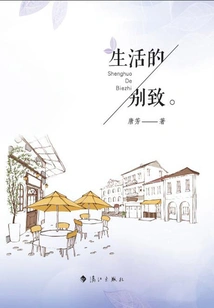
Chic Life
Literature生活的别致
Tang Fang
This book is a collection of essays, which include a mother's deep love for her daughter, a wanderer's haunting hometown complex, a bit of admiration for the prosperous city, a bookish sentiment that is beneficial when opening a book, a return to nature and a sightseeing scene, a taste for delicious food, and some feelings about the friendship between friends and life events. There are more than one hundred essays in the book, which are the author's meticulous observation and understanding of life, and are full of the author's love for literature, his love for his hometown, and his love for life.
This book is a collection of essays, which include a mother's deep love for her daughter, a wanderer's haunting hometown complex, a bit of admiration for the prosperous city, a bookish sentiment that is beneficial when opening a book, a return to nature and a sightseeing scene, a taste for delicious food, and some feelings about the friendship between friends and life events. There are more than one hundred essays in the book, which are the author's meticulous observation and understanding of life, and are full of the author's love for literature, his love for his hometown, and his love for life.
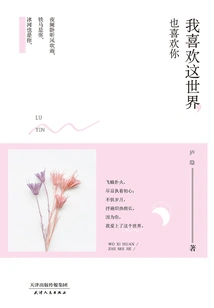
I Like This World and I Like You
Literature我喜欢这世界,也喜欢你
Luyin
"I Like This World, and I Like You" - a collection of classic prose and novels written by Lu Yin. Some of these works reflect the anguish of young people unwilling to live and die in a dream, some reflect the wandering and sentimentality of intellectual women in the emotional world, and some reflect the existential confusion faced by women in dark societies. Through these works, we can find traces of Lu Yin's "playing with the world" and the courage of "flying into a flame". At the same time, we can also hear the complaints and lamentations of a woman struggling under the grinding wheels of the times.
"I Like This World, and I Like You" - a collection of classic prose and novels written by Lu Yin. Some of these works reflect the anguish of young people unwilling to live and die in a dream, some reflect the wandering and sentimentality of intellectual women in the emotional world, and some reflect the existential confusion faced by women in dark societies. Through these works, we can find traces of Lu Yin's "playing with the world" and the courage of "flying into a flame". At the same time, we can also hear the complaints and lamentations of a woman struggling under the grinding wheels of the times.
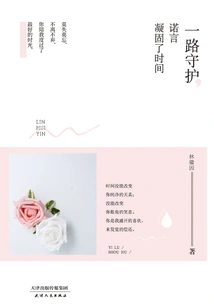
一路守护,诺言凝固了时间
Lin Huiyin
"Guarding All the Way, Promises Freeze Time" - a collection of Lin Huiyin's prose, novels and poetry works, divided into three parts: "Reminiscing about a little light in the heart of waves", "Showing talents and talents" and "April in the eternal world". It is quiet and elegant, elegant and graceful, and sometimes reveals a confused and melancholy feeling of caring about the future and destiny of the motherland.
"Guarding All the Way, Promises Freeze Time" - a collection of Lin Huiyin's prose, novels and poetry works, divided into three parts: "Reminiscing about a little light in the heart of waves", "Showing talents and talents" and "April in the eternal world". It is quiet and elegant, elegant and graceful, and sometimes reveals a confused and melancholy feeling of caring about the future and destiny of the motherland.
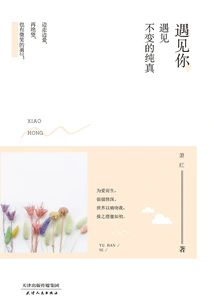
遇见你,遇见不变的纯真
Xiao Hong
"Meet You, Meet the Unchanging Innocence" - includes some autobiographical essays and novels from Xiao Hong's works. Some works are memories of a rebellious and interesting childhood life, some are descriptions of the hungry and embarrassment life experienced in adulthood, and some are works in memory of Mr. Lu Xun and with the theme of anti-Japanese war. The plot of the book is vivid and full of strong human touch, and the language is simple, sharp and yet humorous.
"Meet You, Meet the Unchanging Innocence" - includes some autobiographical essays and novels from Xiao Hong's works. Some works are memories of a rebellious and interesting childhood life, some are descriptions of the hungry and embarrassment life experienced in adulthood, and some are works in memory of Mr. Lu Xun and with the theme of anti-Japanese war. The plot of the book is vivid and full of strong human touch, and the language is simple, sharp and yet humorous.
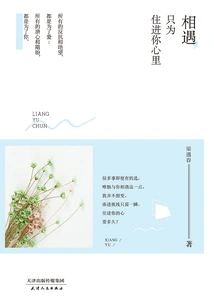
We Meet Just to Live in Your Heart
Literature相遇,只为住进你心里
Liang Yuchun
"Meet Me Just to Live in Your Heart" - a collection of Liang Yuchun's selected essays, which are divided into three parts: "Zhuang Sheng Dreams of Butterflies", "Drunken Dream Talk" and "Belated West Wind". Liang Yuchun's works have a unique style. For things that are fleeting but gorgeous and charming, such as spring and flames, there is a kind of worry and sadness of an idealist's disillusionment. But at the same time, he is extremely passionate about life, has a youthful energy and frankness, pays attention to the contradictions and sensitivity of human nature, is willful, and is light and casual.
"Meet Me Just to Live in Your Heart" - a collection of Liang Yuchun's selected essays, which are divided into three parts: "Zhuang Sheng Dreams of Butterflies", "Drunken Dream Talk" and "Belated West Wind". Liang Yuchun's works have a unique style. For things that are fleeting but gorgeous and charming, such as spring and flames, there is a kind of worry and sadness of an idealist's disillusionment. But at the same time, he is extremely passionate about life, has a youthful energy and frankness, pays attention to the contradictions and sensitivity of human nature, is willful, and is light and casual.
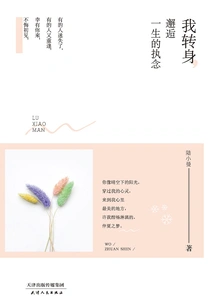
我转身,邂逅一生的执念
Lu Xiaoman
"I Turned Around and Encountered the Obsession of a Lifetime" - a collection of Lu Xiaoman's essays, novels and diaries, as well as a selection of the "Love Eyebrows" written by Xu Zhimo to him. It is divided into three parts: "My heart is in the clouds", "The loneliness of the lakes and mountains" and "No destiny". The affection is lingering, warm and sincere, clear and touching.
"I Turned Around and Encountered the Obsession of a Lifetime" - a collection of Lu Xiaoman's essays, novels and diaries, as well as a selection of the "Love Eyebrows" written by Xu Zhimo to him. It is divided into three parts: "My heart is in the clouds", "The loneliness of the lakes and mountains" and "No destiny". The affection is lingering, warm and sincere, clear and touching.
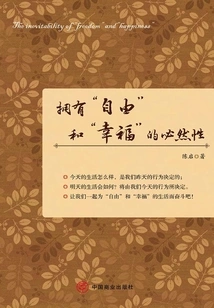
拥有“自由”和“幸福”的必然性
Chen Qi
When I entered society, it was at the beginning of the country's reform and opening up. "Revolution is bound to be mixed with filth and blood." Reform and opening up is a "peaceful revolution." In the process of reform and opening up, it is inevitable that fake, evil, ugly or worse things will appear. If history wants to move forward and society wants to develop, someone needs to rise up and fight against it. While fighting, I recorded some of my opinions, thoughts, and experiences in the form of words, hoping to share them with others. The cry for entrepreneurship is everywhere, and the blood will last forever. In life, you should laugh at your husband, and don't leave it to future shame! The loyal soul dances on the Fengbo Pavilion, and the water in the Miluo River is still worried. Fighting with words and writing is like fighting a war, sacrificing one's country without sand spreads the word! It can be said that each of us behaves in order to have "freedom" and "happiness", and true "freedom" and "happiness" only belong to those who pursue rich knowledge, noble morals, and perfect character.
When I entered society, it was at the beginning of the country's reform and opening up. "Revolution is bound to be mixed with filth and blood." Reform and opening up is a "peaceful revolution." In the process of reform and opening up, it is inevitable that fake, evil, ugly or worse things will appear. If history wants to move forward and society wants to develop, someone needs to rise up and fight against it. While fighting, I recorded some of my opinions, thoughts, and experiences in the form of words, hoping to share them with others. The cry for entrepreneurship is everywhere, and the blood will last forever. In life, you should laugh at your husband, and don't leave it to future shame! The loyal soul dances on the Fengbo Pavilion, and the water in the Miluo River is still worried. Fighting with words and writing is like fighting a war, sacrificing one's country without sand spreads the word! It can be said that each of us behaves in order to have "freedom" and "happiness", and true "freedom" and "happiness" only belong to those who pursue rich knowledge, noble morals, and perfect character.
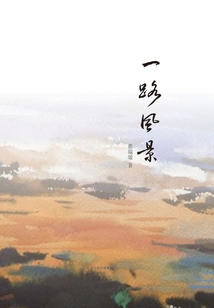
Scenery Along the Way
Literature一路风景
Zhang Ruimin
This book is divided into three parts: prose, documentary literature and novels. Prose occupies a small proportion in the whole book, while documentary literature occupies a certain length and covers a wide range of contents. The largest number is novels, with a total of 9 pieces, including two novellas. In the novel, the author touches the people's livelihood and social reality as much as possible ("The Sorrow of Petitioning" and "Nineteenth Floor"), reflecting the social life of a period and a certain region in the process of social development ("World of Life and Death"). When reflecting on the unhealthy tendencies in the selection and appointment of cadres ("Seeking Truth from Facts"), the implementation of retired cadre policies ("Oh, Two Hundred Dollars"), and the purification of the social environment ("Xiao Xie"), the pen is pungent and to the point. In addition, there are some legendary novels, such as "Man and Wolf" and "Feng Shui", which improve the readability of this book.
This book is divided into three parts: prose, documentary literature and novels. Prose occupies a small proportion in the whole book, while documentary literature occupies a certain length and covers a wide range of contents. The largest number is novels, with a total of 9 pieces, including two novellas. In the novel, the author touches the people's livelihood and social reality as much as possible ("The Sorrow of Petitioning" and "Nineteenth Floor"), reflecting the social life of a period and a certain region in the process of social development ("World of Life and Death"). When reflecting on the unhealthy tendencies in the selection and appointment of cadres ("Seeking Truth from Facts"), the implementation of retired cadre policies ("Oh, Two Hundred Dollars"), and the purification of the social environment ("Xiao Xie"), the pen is pungent and to the point. In addition, there are some legendary novels, such as "Man and Wolf" and "Feng Shui", which improve the readability of this book.
Collected Works of Sardin
Literature沙汀文集
Satine
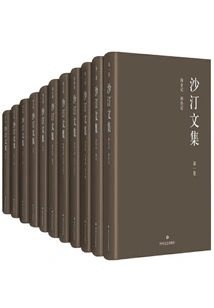
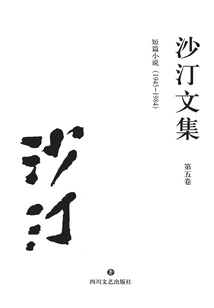
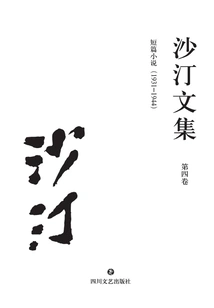
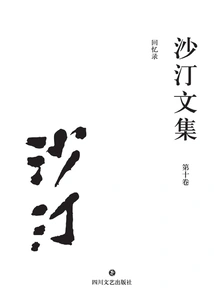
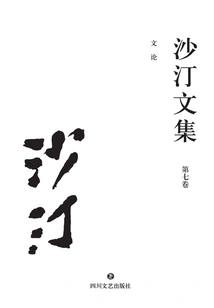
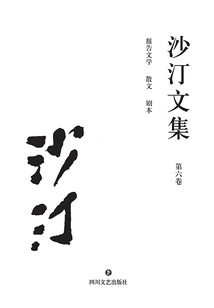
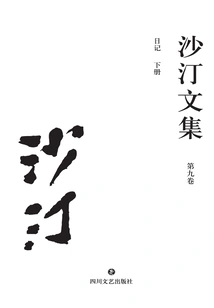
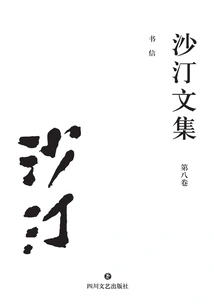
"Collected Works of Sardin" collects all the extant works of Sardin since he started literary creation in 1931, including unedited and unpublished works, letters, diaries, etc. During the author's lifetime. The "Collected Works" consists of ten volumes and eleven volumes. Each volume is organized into novels (volumes 1, 2 and 3), short stories (volumes 4 and 5), reportage and prose (volume 6), literary theory (volume 7), letters (volume 8), diary (volume 9, volumes 1 and 2), and memoirs (volume 10). This compilation and publication, with detailed collection and large-scale publication, aims to comprehensively display the creative process, style and appearance of this old Sichuan writer, as well as his creative exchanges, life stories, and emotional connections with many writers in the modern literary world. Therefore, it is of high value for the supplement of historical materials in the history of modern literature and the study of the writer's works.
"Collected Works of Sardin" collects all the extant works of Sardin since he started literary creation in 1931, including unedited and unpublished works, letters, diaries, etc. During the author's lifetime. The "Collected Works" consists of ten volumes and eleven volumes. Each volume is organized into novels (volumes 1, 2 and 3), short stories (volumes 4 and 5), reportage and prose (volume 6), literary theory (volume 7), letters (volume 8), diary (volume 9, volumes 1 and 2), and memoirs (volume 10). This compilation and publication, with detailed collection and large-scale publication, aims to comprehensively display the creative process, style and appearance of this old Sichuan writer, as well as his creative exchanges, life stories, and emotional connections with many writers in the modern literary world. Therefore, it is of high value for the supplement of historical materials in the history of modern literature and the study of the writer's works.
沙汀文集(第九卷):日记(上册)
Satine
There was the sound of airplanes after breakfast. Immediately ran into the air raid shelter by the east gate. There were already people there, and many more continued to come: men and women, civilians, and soldiers. Two or three soldiers squatted at the entrance of the cave and looked around. The sound of the plane disappeared. "There are five planes in total," a soldier reported looking into the cave, "They are coming from Baode." At the same time, he thought that the enemy planes would turn around; soon, the sound of planes sounded again. Then came the roar of bombs. There seemed to be only the sound of bombs exploding in my head. Everyone expected the soldiers to be as timid as themselves and advised them not to look at the cave entrance. And someone shouted to a common man who was looking at the entrance of the cave: "Come in! Are you a traitor?" There was another series of countless explosions. A soldier came into the cave and told everyone: "The Gospel Hall was bombed."
There was the sound of airplanes after breakfast. Immediately ran into the air raid shelter by the east gate. There were already people there, and many more continued to come: men and women, civilians, and soldiers. Two or three soldiers squatted at the entrance of the cave and looked around. The sound of the plane disappeared. "There are five planes in total," a soldier reported looking into the cave, "They are coming from Baode." At the same time, he thought that the enemy planes would turn around; soon, the sound of planes sounded again. Then came the roar of bombs. There seemed to be only the sound of bombs exploding in my head. Everyone expected the soldiers to be as timid as themselves and advised them not to look at the cave entrance. And someone shouted to a common man who was looking at the entrance of the cave: "Come in! Are you a traitor?" There was another series of countless explosions. A soldier came into the cave and told everyone: "The Gospel Hall was bombed."
沙汀文集(第一卷):淘金记·困兽记
Satine
I was born on the 13th day of the winter lunar month in 1904, and my original name was Yang Chaoxi. After graduating from Sichuan Provincial First Normal University, he changed his name to Yang Ziqing. "Satin" was the pen name I used when I published a collection of short stories, "Routes Outside the Law" (later renamed "Routes"), in 1932. I also published a short story in "Free Talk" under the pseudonym "Yin Guang" and published a collection of short stories called "Pregnancy". My father was born in the Qing Dynasty. My grandfather's experience is unknown. I only heard that he was famous for his calligraphy. When I was five or six years old, my father passed away, leaving behind about fifty acres of land and a yard. What impressed me most when I was a child was that my uncles entangled my mother very hard over family property issues. I was also deeply impressed by the social life of the county town and some of its towns. Because when I was young, I often followed my uncle in teahouses and visited various places, and came into contact with all kinds of people. I only have one eldest brother who once served in the local army and died long ago.
I was born on the 13th day of the winter lunar month in 1904, and my original name was Yang Chaoxi. After graduating from Sichuan Provincial First Normal University, he changed his name to Yang Ziqing. "Satin" was the pen name I used when I published a collection of short stories, "Routes Outside the Law" (later renamed "Routes"), in 1932. I also published a short story in "Free Talk" under the pseudonym "Yin Guang" and published a collection of short stories called "Pregnancy". My father was born in the Qing Dynasty. My grandfather's experience is unknown. I only heard that he was famous for his calligraphy. When I was five or six years old, my father passed away, leaving behind about fifty acres of land and a yard. What impressed me most when I was a child was that my uncles entangled my mother very hard over family property issues. I was also deeply impressed by the social life of the county town and some of its towns. Because when I was young, I often followed my uncle in teahouses and visited various places, and came into contact with all kinds of people. I only have one eldest brother who once served in the local army and died long ago.
沙汀文集(第二卷):还乡记·闯关
Satine
It is quite difficult to trace the entire development history of Lin Chong Gou in detail. But one thing is worth mentioning: since the end of the last century, a certain law that governs social life in the entire valley has become invalid. This rule is: every ten or twenty years, a few families will move to Khanba with their hard-earned savings; while another group of people who were exploited by landlords and bullies in Khanba or other fertile lands in the neighborhood and became bankrupt will use baskets to carry babies, broken pots and broken cotton wool, and move into Linco Valley to slowly lick and heal their wounds. They may live with the backward production methods from generation to generation and be trapped in this poor ravine forever; but they may also be lucky enough to return to Pingba. In this way, the population of Quangou is quite stable.
It is quite difficult to trace the entire development history of Lin Chong Gou in detail. But one thing is worth mentioning: since the end of the last century, a certain law that governs social life in the entire valley has become invalid. This rule is: every ten or twenty years, a few families will move to Khanba with their hard-earned savings; while another group of people who were exploited by landlords and bullies in Khanba or other fertile lands in the neighborhood and became bankrupt will use baskets to carry babies, broken pots and broken cotton wool, and move into Linco Valley to slowly lick and heal their wounds. They may live with the backward production methods from generation to generation and be trapped in this poor ravine forever; but they may also be lucky enough to return to Pingba. In this way, the population of Quangou is quite stable.
沙汀文集(第五卷):短篇小说(1945-1984)
Satine
Faint light came in through the small window. The light and shadow in the room are still very blurry. Those piles of thick black shadows of different sizes. Only with the help of habit can one be sure that they are some old suitcases, cabinets, or a black lacquer box for storing hair combing equipment. The widow of former District Court judge Choi Ja-hun suddenly woke up. Because she firmly believes that all evil often occurs when day and night alternate, she has always woken up at dawn for a long time. Although the information she got, there was no sound to prove that it was reliable. Moreover, she has seen the world and is not as easily confused as an ordinary country woman. She sat up, put on her clothes, and struggled with the remnants of sleep she had; listening to see if there were any suspicious noises nearby.
Faint light came in through the small window. The light and shadow in the room are still very blurry. Those piles of thick black shadows of different sizes. Only with the help of habit can one be sure that they are some old suitcases, cabinets, or a black lacquer box for storing hair combing equipment. The widow of former District Court judge Choi Ja-hun suddenly woke up. Because she firmly believes that all evil often occurs when day and night alternate, she has always woken up at dawn for a long time. Although the information she got, there was no sound to prove that it was reliable. Moreover, she has seen the world and is not as easily confused as an ordinary country woman. She sat up, put on her clothes, and struggled with the remnants of sleep she had; listening to see if there were any suspicious noises nearby.
沙汀文集(第四卷):短篇小说(1931-1944)
Satine
Thinking of the move, Luo Mo couldn't help but feel angry again. "Shanghai people are so annoying!" Three days ago, when he was carefully lighting up the newly purchased gas stove, squatting on the floor, leaning back, squinting his left eye, and puffing gently, suddenly, a woman's high-pitched voice slipped in through the gap in the door. Then, as if someone pulled his thin yellow hair upwards, the body that was folded into three folds immediately straightened up, and he tilted his neck to listen: "In the house... Dinner... Here..." He guessed that the usually talkative owner was probably trying to get along with him again. Although he was pretending to be attentive as usual, it is not a bad thing for people who travel far away to be a little relaxed.
Thinking of the move, Luo Mo couldn't help but feel angry again. "Shanghai people are so annoying!" Three days ago, when he was carefully lighting up the newly purchased gas stove, squatting on the floor, leaning back, squinting his left eye, and puffing gently, suddenly, a woman's high-pitched voice slipped in through the gap in the door. Then, as if someone pulled his thin yellow hair upwards, the body that was folded into three folds immediately straightened up, and he tilted his neck to listen: "In the house... Dinner... Here..." He guessed that the usually talkative owner was probably trying to get along with him again. Although he was pretending to be attentive as usual, it is not a bad thing for people who travel far away to be a little relaxed.
沙汀文集(第十卷):回忆录
Satine
In the spring of 1991, I suffered from blue-white syndrome and was almost blind. I suffered in the dark for a while, but now I'm getting used to it and getting better. Fortunately, this memoir, which had been written for seven or eight years, was finally completed before I lost my sight. I left the heavy organizing and proofreading work to my assistant Qin Yousu, and left Beijing and moved back to Sichuan in November last year. I have traveled far away from Sichuan several times in my life, but every time I was attracted by a force and came back. I'm afraid this will be the last time. After all, I'm almost 90 years old.
In the spring of 1991, I suffered from blue-white syndrome and was almost blind. I suffered in the dark for a while, but now I'm getting used to it and getting better. Fortunately, this memoir, which had been written for seven or eight years, was finally completed before I lost my sight. I left the heavy organizing and proofreading work to my assistant Qin Yousu, and left Beijing and moved back to Sichuan in November last year. I have traveled far away from Sichuan several times in my life, but every time I was attracted by a force and came back. I'm afraid this will be the last time. After all, I'm almost 90 years old.
沙汀文集(第七卷):文论
Satine
I have suppressed my mood to bother my husband so presumptuously for a long time, but the gentleman in our minds probably would not be indifferent to an enthusiastic young man's request for advice. After thinking about it several times, I finally abruptly express to you our hesitation and hesitation in literature and art, especially short stories. We have written several short stories by hand, using themes: one is focused on petty bourgeois youths who are familiar to them, using ironic artistic techniques to express the common weaknesses that appear and lurk in the modern era; the other is focused on familiar lower-class characters. --The lower-class people who are outside the impact of the big trends of the modern era, portray those strong desires for survival and vague impulses of resistance under the pressure of life in their creations. --I wonder if works with such content are worthy of being said to have contributed to the modern era? We were hesitant at first, then hesitated again when we picked up the pen.
I have suppressed my mood to bother my husband so presumptuously for a long time, but the gentleman in our minds probably would not be indifferent to an enthusiastic young man's request for advice. After thinking about it several times, I finally abruptly express to you our hesitation and hesitation in literature and art, especially short stories. We have written several short stories by hand, using themes: one is focused on petty bourgeois youths who are familiar to them, using ironic artistic techniques to express the common weaknesses that appear and lurk in the modern era; the other is focused on familiar lower-class characters. --The lower-class people who are outside the impact of the big trends of the modern era, portray those strong desires for survival and vague impulses of resistance under the pressure of life in their creations. --I wonder if works with such content are worthy of being said to have contributed to the modern era? We were hesitant at first, then hesitated again when we picked up the pen.
沙汀文集(第六卷):报告文学·散文·剧本
Satine
On November 19, 1938, a sunny day with melting snow, some of our "Lu Yi" classmates and Comrade He Qifang set out from Yan'an to northwestern Shanxi together with the comrades. Because there was something wrong with the machine, the car we took was the last to drive when we set off. When we arrived at Qinghuabian at three o'clock in the afternoon, our comrades had already rested for a long time. Qinghua Bian is seventy miles away from Yan'an. It is a small village high on the mountain road with only twenty or thirty households. The comrade was standing in the middle of the road talking to a young farmer. The short and thin farmer answered his inquiry while weaving the kind of woolen strips that fit the heroic character of the northerners. Most of these inquiries are about the technical knowledge of weaving woolen fabrics. Finally, the comrade took the unfinished wool strip and learned to knit it for a while. The cadres, the children, and the simple peasants with towels on their heads who surrounded him all couldn't help but laugh.
On November 19, 1938, a sunny day with melting snow, some of our "Lu Yi" classmates and Comrade He Qifang set out from Yan'an to northwestern Shanxi together with the comrades. Because there was something wrong with the machine, the car we took was the last to drive when we set off. When we arrived at Qinghuabian at three o'clock in the afternoon, our comrades had already rested for a long time. Qinghua Bian is seventy miles away from Yan'an. It is a small village high on the mountain road with only twenty or thirty households. The comrade was standing in the middle of the road talking to a young farmer. The short and thin farmer answered his inquiry while weaving the kind of woolen strips that fit the heroic character of the northerners. Most of these inquiries are about the technical knowledge of weaving woolen fabrics. Finally, the comrade took the unfinished wool strip and learned to knit it for a while. The cadres, the children, and the simple peasants with towels on their heads who surrounded him all couldn't help but laugh.
沙汀文集(第九卷):日记(下册)
Satine
There was the sound of airplanes after breakfast. Immediately ran into the air raid shelter by the east gate. There were already people there, and many more continued to come: men and women, civilians, and soldiers. Two or three soldiers squatted at the entrance of the cave and looked around. The sound of the plane disappeared. "There are five planes in total," a soldier reported looking into the cave, "They are coming from Baode." At the same time, he thought that the enemy planes would turn around; soon, the sound of planes sounded again. Then came the roar of bombs. There seemed to be only the sound of bombs exploding in my head. Everyone expected the soldiers to be as timid as themselves and advised them not to look at the cave entrance. And someone shouted to a common man who was looking at the entrance of the cave: "Come in! Are you a traitor?" There was another series of countless explosions. A soldier came into the cave and told everyone: "The Gospel Hall was bombed."
There was the sound of airplanes after breakfast. Immediately ran into the air raid shelter by the east gate. There were already people there, and many more continued to come: men and women, civilians, and soldiers. Two or three soldiers squatted at the entrance of the cave and looked around. The sound of the plane disappeared. "There are five planes in total," a soldier reported looking into the cave, "They are coming from Baode." At the same time, he thought that the enemy planes would turn around; soon, the sound of planes sounded again. Then came the roar of bombs. There seemed to be only the sound of bombs exploding in my head. Everyone expected the soldiers to be as timid as themselves and advised them not to look at the cave entrance. And someone shouted to a common man who was looking at the entrance of the cave: "Come in! Are you a traitor?" There was another series of countless explosions. A soldier came into the cave and told everyone: "The Gospel Hall was bombed."
沙汀文集(第八卷):书信
Satine
Comrade Chen Zhuokun of the Guangzhou Academy of Fine Arts sent me a special letter to look for woodcuts made by Ye Fu of the "18th Art Society" for the Xinken edition of "Routes Outside the Law" so that he could send them to Tokyo. But I no longer have the original book in my hands. It's not easy to search here. I wonder if you can ask someone to copy the post in Chengdu and send it to you? I remember that you asked a wild man to engrave this woodcut. The content is "On the Pier". I still remember that the Federation of Literary and Art Circles held an exhibition of poisonous weeds in the early days of the """, which included an old volume of "Routes Outside the Law". Please help Comrade Xiao Caixiu for me. I believe you can find it. If Chengdu really has no solution, please write a note at the end of this letter and send it to Comrade Wang Jue or Lin Yan, asking them to take the trouble to look for it in Chongqing.
Comrade Chen Zhuokun of the Guangzhou Academy of Fine Arts sent me a special letter to look for woodcuts made by Ye Fu of the "18th Art Society" for the Xinken edition of "Routes Outside the Law" so that he could send them to Tokyo. But I no longer have the original book in my hands. It's not easy to search here. I wonder if you can ask someone to copy the post in Chengdu and send it to you? I remember that you asked a wild man to engrave this woodcut. The content is "On the Pier". I still remember that the Federation of Literary and Art Circles held an exhibition of poisonous weeds in the early days of the """, which included an old volume of "Routes Outside the Law". Please help Comrade Xiao Caixiu for me. I believe you can find it. If Chengdu really has no solution, please write a note at the end of this letter and send it to Comrade Wang Jue or Lin Yan, asking them to take the trouble to look for it in Chongqing.
东南亚反法西斯华文文学书卷(第一卷·作品编)
Zhuang Zhongqing Zheng Chu
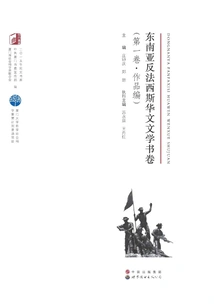
The works included in this book expose the despicable acts of fascism and show that the people of Southeast Asia and overseas Chinese jointly opposed the invaders and achieved brilliant achievements. The selected works have been tested by time and people, have the right direction, and have a unique "Southern flavor" in art, thus effectively proving the power of Chinese literature in Southeast Asia.
The works included in this book expose the despicable acts of fascism and show that the people of Southeast Asia and overseas Chinese jointly opposed the invaders and achieved brilliant achievements. The selected works have been tested by time and people, have the right direction, and have a unique "Southern flavor" in art, thus effectively proving the power of Chinese literature in Southeast Asia.
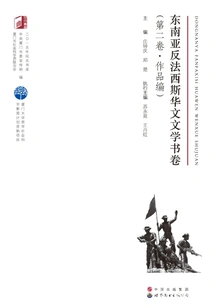
东南亚反法西斯华文文学书卷(第二卷·作品编)
Zhuang Zhongqing Zheng Chu
The works included in this book expose the despicable acts of fascism and show that the people of Southeast Asia and overseas Chinese jointly opposed the invaders and achieved brilliant achievements. The selected works have been tested by time and people, have the right direction, and have a unique "Southern flavor" in art, thus effectively proving the power of Chinese literature in Southeast Asia.
The works included in this book expose the despicable acts of fascism and show that the people of Southeast Asia and overseas Chinese jointly opposed the invaders and achieved brilliant achievements. The selected works have been tested by time and people, have the right direction, and have a unique "Southern flavor" in art, thus effectively proving the power of Chinese literature in Southeast Asia.
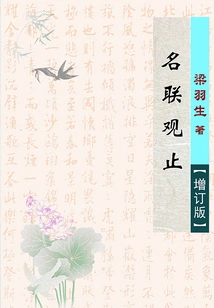
Ming Lian Guan Zhi
Literature名联观止
Liang Yusheng
This book is a selected collection of Liang Yusheng's joint dialogues. It compiles 902 joint dialogues published in Hong Kong's "Ta Kung Pao" and was personally updated by the author. Liang Yusheng loved couplet literature since he was a child. Although he later engaged in martial arts creation, he believed that "in terms of collecting and researching data on couplets, I probably spent more time and energy than martial arts novels." This book selects famous couplets from ancient and modern times. It not only talks about the "internal science" of couplets, including various types of couplets such as inscription couplets, lyrical couplets, episodic couplets, joking couplets, and elegiac couplets, as well as various types of couplets such as ruthless couplets, embedded word pairs, split word pairs, and palindrome couplets. Liang's Lianhua emphasizes interest, knowledge, and verification, and can be regarded as an encyclopedia of Lianhua style literature and history.
This book is a selected collection of Liang Yusheng's joint dialogues. It compiles 902 joint dialogues published in Hong Kong's "Ta Kung Pao" and was personally updated by the author. Liang Yusheng loved couplet literature since he was a child. Although he later engaged in martial arts creation, he believed that "in terms of collecting and researching data on couplets, I probably spent more time and energy than martial arts novels." This book selects famous couplets from ancient and modern times. It not only talks about the "internal science" of couplets, including various types of couplets such as inscription couplets, lyrical couplets, episodic couplets, joking couplets, and elegiac couplets, as well as various types of couplets such as ruthless couplets, embedded word pairs, split word pairs, and palindrome couplets. Liang's Lianhua emphasizes interest, knowledge, and verification, and can be regarded as an encyclopedia of Lianhua style literature and history.
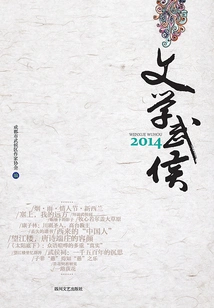
Literary Wuhou
Literature文学武侯
Chengdu Wuhou District Writers Association
Wuhou is a cultural symbol that shines with wisdom, and it is also a poetic name that exudes a strong regional cultural atmosphere. The people and things that stand silently behind this name are like a jar of old wine stored in a cellar in the long river of time. When we pass by the wine cellar, we can smell the mellow aroma overflowing from the cork of history. Different people will taste different flavors, which makes people have endless aftertaste.
Wuhou is a cultural symbol that shines with wisdom, and it is also a poetic name that exudes a strong regional cultural atmosphere. The people and things that stand silently behind this name are like a jar of old wine stored in a cellar in the long river of time. When we pass by the wine cellar, we can smell the mellow aroma overflowing from the cork of history. Different people will taste different flavors, which makes people have endless aftertaste.
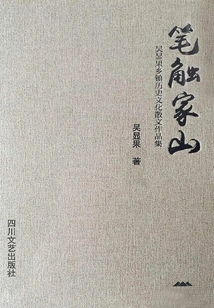
A Touch of Homeland-a Collection of Wu Xianguo's Township Historical and Cultural Prose Works
Literature笔触家山——吴显果乡镇历史文化散文作品集
Wu Xianguo
As a member writer of the Sichuan Writers Association, I was born and raised in Yilong, and my literary vision of my hometown is basically panoramic. But due to professional reasons, I have always been immersed in communications and reportage. As for prose, I have never thought about getting involved.
As a member writer of the Sichuan Writers Association, I was born and raised in Yilong, and my literary vision of my hometown is basically panoramic. But due to professional reasons, I have always been immersed in communications and reportage. As for prose, I have never thought about getting involved.