Library
Browse and search books
4,115 novels found
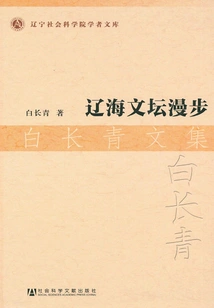
辽海文坛漫步·白长青文集
Bai Changqing
This book is a collection of literary criticism by the author. The author is the former director and researcher of the Institute of Literature of the Liaoning Academy of Social Sciences, and a member of the academic committee of the academy. The author is one of the earliest scholars engaged in Northeast modern literature after our province's reform and opening up, especially focusing on the academic research on the creation of the "Northeast Writers Group". In terms of aesthetic research, he conducted a thematic study on the aesthetic nature of literary creation. In addition, he also paid great attention to the creation of contemporary writers in Liaoning and published a large number of commentaries. On this basis, the author also conducted early research on the characteristics of Liaoning's regional culture and published specialized academic works. The articles included in this book are basically newly published by the author in recent years, and some are articles that have been published in the past but have not been included in the collection.
This book is a collection of literary criticism by the author. The author is the former director and researcher of the Institute of Literature of the Liaoning Academy of Social Sciences, and a member of the academic committee of the academy. The author is one of the earliest scholars engaged in Northeast modern literature after our province's reform and opening up, especially focusing on the academic research on the creation of the "Northeast Writers Group". In terms of aesthetic research, he conducted a thematic study on the aesthetic nature of literary creation. In addition, he also paid great attention to the creation of contemporary writers in Liaoning and published a large number of commentaries. On this basis, the author also conducted early research on the characteristics of Liaoning's regional culture and published specialized academic works. The articles included in this book are basically newly published by the author in recent years, and some are articles that have been published in the past but have not been included in the collection.
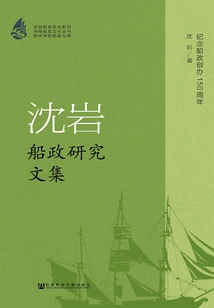
沈岩船政研究文集
Shen Yan
Shipping administration is an unavoidable issue in China's modern history. Shipbuilding is an extraordinary act, a historical product of three thousand years of great changes. It blows the clarion call to march towards industrial civilization, plays the march of awakening and strengthening, opens a new page in cultural exchanges between China and the West, is a pioneer in safeguarding maritime power, and is a model of national self-esteem, patriotism and self-improvement. The Shipbuilding School and the subsequent new education craze laid the foundation for modern education in Fujian, Taiwan and even China. The cry of the shipping elite has become the strongest voice of that era. This book selects and publishes research articles by Shen Yan, an expert on shipping research in recent years, for the benefit of readers.
Shipping administration is an unavoidable issue in China's modern history. Shipbuilding is an extraordinary act, a historical product of three thousand years of great changes. It blows the clarion call to march towards industrial civilization, plays the march of awakening and strengthening, opens a new page in cultural exchanges between China and the West, is a pioneer in safeguarding maritime power, and is a model of national self-esteem, patriotism and self-improvement. The Shipbuilding School and the subsequent new education craze laid the foundation for modern education in Fujian, Taiwan and even China. The cry of the shipping elite has become the strongest voice of that era. This book selects and publishes research articles by Shen Yan, an expert on shipping research in recent years, for the benefit of readers.
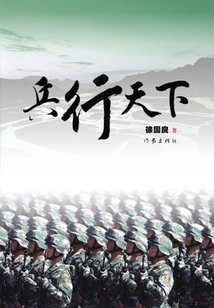
Soldiers March All over the World
Literature兵行天下
Xu Guoliang
"Soldiers in the World" records the step-by-step growth process of Xu Guoliang from an ordinary soldier to a senior colonel: when he was a soldier, he often dug out manure in the cesspit and endured the stench of methane; when he was a squad leader, he practiced pole-climbing skills in ten days; when he was an instructor, he insisted on sleeping in shifts for many years and trained with the soldiers. He practiced hard work and took the lead; when he was the political commissar of the regiment, he personally led the troops in emergency rescue and disaster relief, marching eighty miles in one night; when he was the political commissar of the garrison district, he took the lead in reforming the cadre promotion system, giving grassroots officers and soldiers the right to recommend and vote for cadre promotion, and increasing the transparency of cadre promotion...
"Soldiers in the World" records the step-by-step growth process of Xu Guoliang from an ordinary soldier to a senior colonel: when he was a soldier, he often dug out manure in the cesspit and endured the stench of methane; when he was a squad leader, he practiced pole-climbing skills in ten days; when he was an instructor, he insisted on sleeping in shifts for many years and trained with the soldiers. He practiced hard work and took the lead; when he was the political commissar of the regiment, he personally led the troops in emergency rescue and disaster relief, marching eighty miles in one night; when he was the political commissar of the garrison district, he took the lead in reforming the cadre promotion system, giving grassroots officers and soldiers the right to recommend and vote for cadre promotion, and increasing the transparency of cadre promotion...
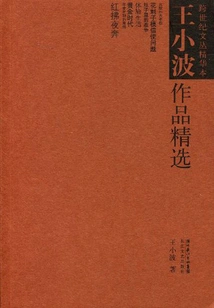
Selected Works of Wang Xiaobo
Literature王小波作品精选
Wang Xiaobo
It collects Wang Xiaobo's essays and novels. Wang Xiaobo is a creative writer in China, known as China's Joyce and Kafka. His literary creation is unique, full of imagination and fantasy, but also has a rational spirit. His writing is both transparent and hazy, honest and cunning. The maze-like text reminds you of Borges... In short, you can read infinite possibilities or impossibilities, infinite certainties or uncertainties.
It collects Wang Xiaobo's essays and novels. Wang Xiaobo is a creative writer in China, known as China's Joyce and Kafka. His literary creation is unique, full of imagination and fantasy, but also has a rational spirit. His writing is both transparent and hazy, honest and cunning. The maze-like text reminds you of Borges... In short, you can read infinite possibilities or impossibilities, infinite certainties or uncertainties.
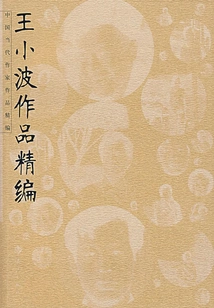
Compilation of Works by Wang Xiaobo
Literature王小波作品精编
Wang Xiaobo
This book includes Wang Xiaobo's representative works of fiction, including the novel "Running at Night with a Red Whisk", the novellas "Love in the Revolutionary Period" and "The World of the Future", and the short stories "The Golden Age", "Uncle's Lover" and "Night Journey". Wang Xiaobo's novels use comic spirit and humorous style to satirize the absurdity and suffering of human existence - the oppression and distortion of human nature, and the destiny of the past, present and future. His novels are based on stories spanning various eras and time and space, with multiple changing perspectives and misplaced character styles, dialogue narratives that travel through ancient and modern times, and witty first-person narratives. They calmly transcend the kitsch and rules of modern and contemporary novels, and have become indispensable in the contemporary literary world.
This book includes Wang Xiaobo's representative works of fiction, including the novel "Running at Night with a Red Whisk", the novellas "Love in the Revolutionary Period" and "The World of the Future", and the short stories "The Golden Age", "Uncle's Lover" and "Night Journey". Wang Xiaobo's novels use comic spirit and humorous style to satirize the absurdity and suffering of human existence - the oppression and distortion of human nature, and the destiny of the past, present and future. His novels are based on stories spanning various eras and time and space, with multiple changing perspectives and misplaced character styles, dialogue narratives that travel through ancient and modern times, and witty first-person narratives. They calmly transcend the kitsch and rules of modern and contemporary novels, and have become indispensable in the contemporary literary world.
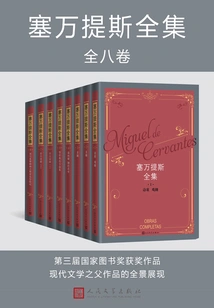
塞万提斯全集(全8卷)
(spain) Miguel De Cervantes
"The Complete Works of Cervantes" consists of eight volumes, based on the 18th edition of "The Complete Works of Cervantes" (two volumes) by Spanish Aguilar Publishing House. According to its arrangement order, taking into account genre and length, it is divided into one volume for poetry and drama, two volumes for comedy, one volume for interludes and novels, one volume for short stories, and three volumes for novels. It is magnificent and shows the panoramic social and literary situation of Spain in the 15th and 16th centuries.
"The Complete Works of Cervantes" consists of eight volumes, based on the 18th edition of "The Complete Works of Cervantes" (two volumes) by Spanish Aguilar Publishing House. According to its arrangement order, taking into account genre and length, it is divided into one volume for poetry and drama, two volumes for comedy, one volume for interludes and novels, one volume for short stories, and three volumes for novels. It is magnificent and shows the panoramic social and literary situation of Spain in the 15th and 16th centuries.
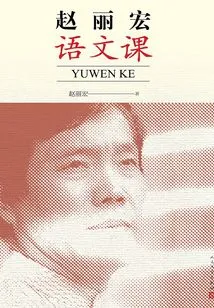
Zhao Lihong Chinese Class
Literature赵丽宏语文课
Zhao Lihong
This is a collection of short stories by the famous writer Zhao Lihong. Zhao Lihong has created a large number of prose works, which are rich in connotation, delicate and smooth language, and profound in thought. They convey countless positive energy to readers and are especially suitable for middle school students to read and study. Many of his works have been included in Chinese textbooks for middle school students and are models for middle school students to learn composition. Zhao Lihong is also one of the writers whose works have been included in most textbooks. This book compiles and selects Zhao Lihong's articles that have been included in the text over the years, providing a high-quality and convenient reading text for the majority of middle school students.
This is a collection of short stories by the famous writer Zhao Lihong. Zhao Lihong has created a large number of prose works, which are rich in connotation, delicate and smooth language, and profound in thought. They convey countless positive energy to readers and are especially suitable for middle school students to read and study. Many of his works have been included in Chinese textbooks for middle school students and are models for middle school students to learn composition. Zhao Lihong is also one of the writers whose works have been included in most textbooks. This book compiles and selects Zhao Lihong's articles that have been included in the text over the years, providing a high-quality and convenient reading text for the majority of middle school students.
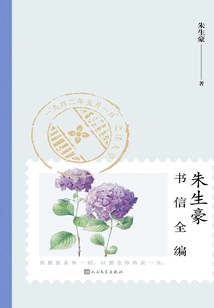
朱生豪书信全编
Zhu Shenghao
Zhu Shenghao's love letters all show the handwriting and thoughts of his writing at that time, and allow us to re-understand a three-dimensional and lifelike Zhu Shenghao. This may not be recognized by his classmates and friends, because he does not like to speak in front of others. All the humor, intelligence and reverie can only be seen in his love letters to his wife. These love letters are touching, every sentence is touching, and every word is unforgettable.
Zhu Shenghao's love letters all show the handwriting and thoughts of his writing at that time, and allow us to re-understand a three-dimensional and lifelike Zhu Shenghao. This may not be recognized by his classmates and friends, because he does not like to speak in front of others. All the humor, intelligence and reverie can only be seen in his love letters to his wife. These love letters are touching, every sentence is touching, and every word is unforgettable.
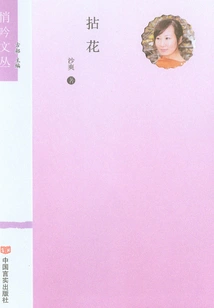
Nianhua (whispers)
Literature拈花(悄吟文丛)
Sha Shuangzhu Editor-in-chief Gu Shu
"Nian Hua" is a collection of fine essays by writer Sha Shuang. Her prose is interesting and rich in imagery, and she is good at bringing out the aura of wisdom in ordinary places. She recorded her personal life experiences, complex social phenomena, poetic insights on life, and the turmoil of women with her intellectual and smart writing style. With a novel and unique perspective, he paints scenery, talks about the world, talks about ancient and modern times, and shows a different kind of cultural understanding... Sha Shuang's prose can warm people's hearts, inspire, arouse emotions, or inspire philosophical thinking.
"Nian Hua" is a collection of fine essays by writer Sha Shuang. Her prose is interesting and rich in imagery, and she is good at bringing out the aura of wisdom in ordinary places. She recorded her personal life experiences, complex social phenomena, poetic insights on life, and the turmoil of women with her intellectual and smart writing style. With a novel and unique perspective, he paints scenery, talks about the world, talks about ancient and modern times, and shows a different kind of cultural understanding... Sha Shuang's prose can warm people's hearts, inspire, arouse emotions, or inspire philosophical thinking.
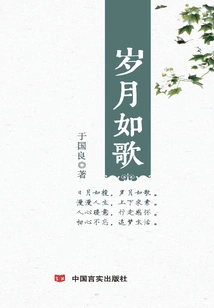
Time is Like a Song
Literature岁月如歌
Yu Guoliang
This book is a collection of Yu Guoliang's works, consisting of prose and poetry. It is divided into five volumes: Never Forget the Original Intention, Hometown Feelings, Feelings of Walking, Warmth of People's Hearts, and Lyrical Poems. This book records the hardships and joys of the author's life and reflects his rich rural sentiments. The author's writing style is simple, and the lines are full of sincere emotions and full of positive energy.
This book is a collection of Yu Guoliang's works, consisting of prose and poetry. It is divided into five volumes: Never Forget the Original Intention, Hometown Feelings, Feelings of Walking, Warmth of People's Hearts, and Lyrical Poems. This book records the hardships and joys of the author's life and reflects his rich rural sentiments. The author's writing style is simple, and the lines are full of sincere emotions and full of positive energy.
《砚耕塘诗稿》作品评论集
Editor-in-chief Bai Youyou
Many people are talking about the relationship between father and son, or in other words, in addition to blood father and son, in what capacity or way should two people who are more than 20 years apart pass on the blood of a family. My father is my teacher and my friend.
Many people are talking about the relationship between father and son, or in other words, in addition to blood father and son, in what capacity or way should two people who are more than 20 years apart pass on the blood of a family. My father is my teacher and my friend.
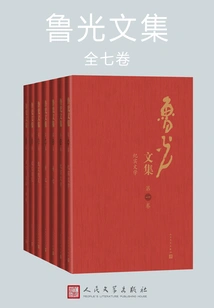
Collected Works of Lu Guang (volume 1-7)
Literature鲁光文集(1—7卷)
Lu Guang
Lu Guang, a famous contemporary writer, painter, and senior journalist. He has successively served as Vice President of the Chinese Reportage Society, Vice President of the Chinese Documentary Literature Research Association, and President of the Chinese Sports Reportage Research Association. This collection is a collection of his more than fifty years of literary creation, including influential reportage, biographies, essays, film and television scripts, etc. Such as the reportage "Chinese Girl" and "Chinese Man"; the long prose "War of the Century" and "Those who are close to the ink are black", etc. His works have been translated into more than a dozen languages and published abroad, and have won many national, provincial and ministerial literary awards.
Lu Guang, a famous contemporary writer, painter, and senior journalist. He has successively served as Vice President of the Chinese Reportage Society, Vice President of the Chinese Documentary Literature Research Association, and President of the Chinese Sports Reportage Research Association. This collection is a collection of his more than fifty years of literary creation, including influential reportage, biographies, essays, film and television scripts, etc. Such as the reportage "Chinese Girl" and "Chinese Man"; the long prose "War of the Century" and "Those who are close to the ink are black", etc. His works have been translated into more than a dozen languages and published abroad, and have won many national, provincial and ministerial literary awards.
Good Story, Good Family Tradition
Literature好故事 好家风
Compiled By The Shenyang Heping District Committee Of The Communist Party Of China
Reading is a basic project that can cultivate people over a century. In 1995, UNESCO designated April 23 each year as "World Book Day" and proposed "letting everyone in every corner of the world read books"; in 2006, the General Administration of Press and Publication proposed "reading for all" and jointly issued the "About Reading" with 11 departments "Initiative for Carrying out National Reading Activities"; in 2012, the report of the 18th National Congress of the Communist Party of China historically included "Carrying Out National Reading Activities"; this year, on the occasion of the tenth anniversary of the launch of national reading activities, the fifth National Reading Festival in Liaoning Province is ushered in, and reading is even more meaningful to us.
Reading is a basic project that can cultivate people over a century. In 1995, UNESCO designated April 23 each year as "World Book Day" and proposed "letting everyone in every corner of the world read books"; in 2006, the General Administration of Press and Publication proposed "reading for all" and jointly issued the "About Reading" with 11 departments "Initiative for Carrying out National Reading Activities"; in 2012, the report of the 18th National Congress of the Communist Party of China historically included "Carrying Out National Reading Activities"; this year, on the occasion of the tenth anniversary of the launch of national reading activities, the fifth National Reading Festival in Liaoning Province is ushered in, and reading is even more meaningful to us.
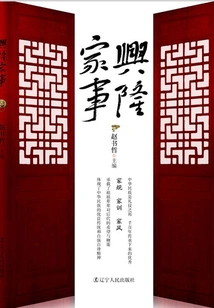
Prosperous Family Affairs
Literature兴隆家事
Editor-in-chief Zhao Shuzhe
The Chinese nation is a country of etiquette, and its five thousand years of cultural heritage are deeply engraved in the hearts of every Chinese. Excellent family rules, family mottos, and family traditions passed down for thousands of years not only carry the hopes and encouragement of ancestors for future generations, but also embody the fine traditions and self-improvement and self-discipline of the Chinese nation.
The Chinese nation is a country of etiquette, and its five thousand years of cultural heritage are deeply engraved in the hearts of every Chinese. Excellent family rules, family mottos, and family traditions passed down for thousands of years not only carry the hopes and encouragement of ancestors for future generations, but also embody the fine traditions and self-improvement and self-discipline of the Chinese nation.
Babel and His Novels, Etc
Literature巴别尔和他的小说等
Beijing Literary Editor
In the 1950s, a delegation of Soviet writers visited the United States. The leader of the delegation was a famous writer. During a symposium between Soviet and American writers, an American writer asked the delegation leader why he had not seen Babel publish any new works for a long time and why there were no reports about him. What happened to him? The leader replied that Babel was very good. On the eve of my visit to the United States, I met him at the Soviet Writers' Association and we talked for a long time. He was immersed in writing a novel. Seeing the leader's answer, the American writer changed the topic to other things, because he heard that Babel was no longer alive and died during the counterrevolutionary movement. This vivid lie concocted by the famous Soviet writer became a laughing stock, not only in the United States, but also in the later Soviet Union.
In the 1950s, a delegation of Soviet writers visited the United States. The leader of the delegation was a famous writer. During a symposium between Soviet and American writers, an American writer asked the delegation leader why he had not seen Babel publish any new works for a long time and why there were no reports about him. What happened to him? The leader replied that Babel was very good. On the eve of my visit to the United States, I met him at the Soviet Writers' Association and we talked for a long time. He was immersed in writing a novel. Seeing the leader's answer, the American writer changed the topic to other things, because he heard that Babel was no longer alive and died during the counterrevolutionary movement. This vivid lie concocted by the famous Soviet writer became a laughing stock, not only in the United States, but also in the later Soviet Union.
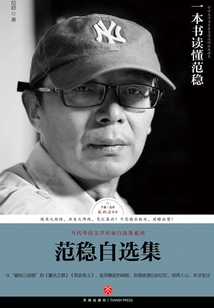
Selected Works by Fan Wen
Literature范稳自选集
Fan Wen
This book selects Fan Wen's most representative works on the two major themes of Tibetan culture, history and cultural resistance, including the "Tibetan Trilogy", "The Milk of Water", "Compassion for the Earth", "Song of Songs of the Earth", as well as "Eye of Chongqing" and the latest work "My Blood, My Soil". Although it is an excerpt, each book tries its best to maintain the logic and beauty of the story and the fate of the characters. It can be said to be the "essence" of the story and text. It is full of the tempering and collision, persistence and blending of nations and beliefs, and is full of strong and moving emotions.
This book selects Fan Wen's most representative works on the two major themes of Tibetan culture, history and cultural resistance, including the "Tibetan Trilogy", "The Milk of Water", "Compassion for the Earth", "Song of Songs of the Earth", as well as "Eye of Chongqing" and the latest work "My Blood, My Soil". Although it is an excerpt, each book tries its best to maintain the logic and beauty of the story and the fate of the characters. It can be said to be the "essence" of the story and text. It is full of the tempering and collision, persistence and blending of nations and beliefs, and is full of strong and moving emotions.
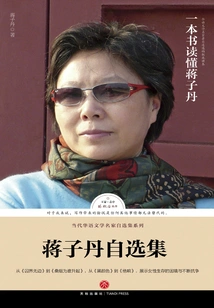
Jiang Zidan's Selected Works
Literature蒋子丹自选集
Jiang Zidan
Jiang Zidan's novels are profound and sharp, with witty and smooth language. They are unique among contemporary Chinese feminist novels. The pioneering spirit shown in her novel creation has opened a new window for contemporary feminist novel creation. This book selects and excerpts from Jiang Zidan's representative works, including the novels "Boundless Prison" and "Growing Up Isn't Easy", the novellas "For Whom the Sang Yan Rises", "Feng Yue@E Era" and "Ever After", and the short stories "The Left Hand" and "The Last Ring". "Black Color", "No Color", essays "Master Peng is Tired", "Plural Shi Tiesheng", essays "When I'm Alone", "When Sad Water Flows Through the River of Kindness", "Look at the Deer's Eyes", etc., Comprehensively reflect Jiang Zidan's achievements in novel creation.
Jiang Zidan's novels are profound and sharp, with witty and smooth language. They are unique among contemporary Chinese feminist novels. The pioneering spirit shown in her novel creation has opened a new window for contemporary feminist novel creation. This book selects and excerpts from Jiang Zidan's representative works, including the novels "Boundless Prison" and "Growing Up Isn't Easy", the novellas "For Whom the Sang Yan Rises", "Feng Yue@E Era" and "Ever After", and the short stories "The Left Hand" and "The Last Ring". "Black Color", "No Color", essays "Master Peng is Tired", "Plural Shi Tiesheng", essays "When I'm Alone", "When Sad Water Flows Through the River of Kindness", "Look at the Deer's Eyes", etc., Comprehensively reflect Jiang Zidan's achievements in novel creation.
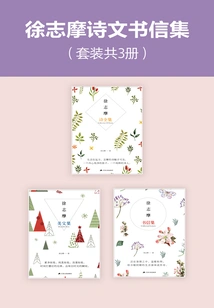
徐志摩诗文书信集(套装共3册)
Xu Zhimo
"The Complete Poems of Xu Zhimo" is divided into five parts: "Zhimo's Poems" contains 56 poems published by the poet in his early years; "A Night in the Green Green" contains 35 poems; "Collection of Tigers" contains 33 poems; "Xu Zhimo's Letters" collects the letters between Xu Zhimo and four legendary women of the Republic of China, and explores the poet's true inner emotions beyond the story - his feelings as a friend to his original wife Zhang Youyi; his forgotten relationship with his old love Lin Huiyin; his thoughtful and tender affection for Lu Xiaoman; and his gentlemanly friendship with his confidant Ling Shuhua. "Xu Zhimo's Collection of Beautiful Essays" contains a total of 26 beautiful essays, divided into three parts: "Wandering in the Footprints" contains 11 essays and reflections on his experiences while traveling; "Cool Breeze at the End of the Day" describes the friendship with old acquaintances, confidants, teachers, and relatives in 8 essays; "Fireworks in the World" collects 7 essays on life and insights about life.
"The Complete Poems of Xu Zhimo" is divided into five parts: "Zhimo's Poems" contains 56 poems published by the poet in his early years; "A Night in the Green Green" contains 35 poems; "Collection of Tigers" contains 33 poems; "Xu Zhimo's Letters" collects the letters between Xu Zhimo and four legendary women of the Republic of China, and explores the poet's true inner emotions beyond the story - his feelings as a friend to his original wife Zhang Youyi; his forgotten relationship with his old love Lin Huiyin; his thoughtful and tender affection for Lu Xiaoman; and his gentlemanly friendship with his confidant Ling Shuhua. "Xu Zhimo's Collection of Beautiful Essays" contains a total of 26 beautiful essays, divided into three parts: "Wandering in the Footprints" contains 11 essays and reflections on his experiences while traveling; "Cool Breeze at the End of the Day" describes the friendship with old acquaintances, confidants, teachers, and relatives in 8 essays; "Fireworks in the World" collects 7 essays on life and insights about life.
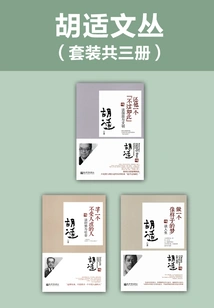
胡适文丛(套装共三册)
Hu Shi
In "Looking for a person who is not deceived by others: Talking about the current situation and society", Hu used his lifelong practice and thinking to build an ideal country that he had dreamed of all his life. He used his innocence and compassion to write about the worldly feelings of an intellectual. "Dream a Decent Dream: Talking about Life" collects 36 of his articles about life, showing the worldly feelings of an intellectual written by Mr. Hu Shi with his innocence and compassion. We can see a scholar Hu Shi who has an extremely profound foundation in Chinese studies and can break out of the old papers and think clearly about "life issues". "Repaying Him with "Nothing More": Talking about National Heritage and Civilization" tells the plot of Mr. Hu Shi's national heritage and civilization, and includes articles such as sorting out national heritage and fighting ghosts, attitudes towards modern Western civilization, preliminary opinions on literary reform, breaking the romantic disease, current trends in world culture, and current Chinese cultural issues.
In "Looking for a person who is not deceived by others: Talking about the current situation and society", Hu used his lifelong practice and thinking to build an ideal country that he had dreamed of all his life. He used his innocence and compassion to write about the worldly feelings of an intellectual. "Dream a Decent Dream: Talking about Life" collects 36 of his articles about life, showing the worldly feelings of an intellectual written by Mr. Hu Shi with his innocence and compassion. We can see a scholar Hu Shi who has an extremely profound foundation in Chinese studies and can break out of the old papers and think clearly about "life issues". "Repaying Him with "Nothing More": Talking about National Heritage and Civilization" tells the plot of Mr. Hu Shi's national heritage and civilization, and includes articles such as sorting out national heritage and fighting ghosts, attitudes towards modern Western civilization, preliminary opinions on literary reform, breaking the romantic disease, current trends in world culture, and current Chinese cultural issues.
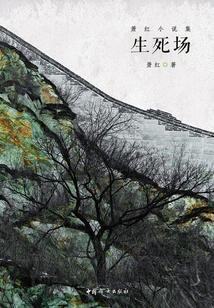
萧红小说集:生死场
Xiao Hong
Xiao Hong, known as the "Literary Goddess of the 1930s", was the woman with the most tragic fate among the four talented women in the Republic of China, and was also a legendary figure. This book selects Xiao Hong's most classic novels such as "The Back Garden", "The Story of Hulan River", "The Field of Life and Death", "Mabele", "The Death of Aunt Wang" and "March in the Small Town". Xiao Hong is unique in the history of literature because of the mixed emotional tone of sadness and joy in her works, her strong and soft language style, her unique use of writing perspective and her treatment of writing structure. His works express his subjective feelings in a lyrical style; he has a prose novel structure; he emphasizes the description of cultural customs and natural scenery, and does not waste pen and ink on the portrayal of characters; the storyline is intermittent, but meaningful; and the interesting stories from his childhood are full of wit and humor.
Xiao Hong, known as the "Literary Goddess of the 1930s", was the woman with the most tragic fate among the four talented women in the Republic of China, and was also a legendary figure. This book selects Xiao Hong's most classic novels such as "The Back Garden", "The Story of Hulan River", "The Field of Life and Death", "Mabele", "The Death of Aunt Wang" and "March in the Small Town". Xiao Hong is unique in the history of literature because of the mixed emotional tone of sadness and joy in her works, her strong and soft language style, her unique use of writing perspective and her treatment of writing structure. His works express his subjective feelings in a lyrical style; he has a prose novel structure; he emphasizes the description of cultural customs and natural scenery, and does not waste pen and ink on the portrayal of characters; the storyline is intermittent, but meaningful; and the interesting stories from his childhood are full of wit and humor.
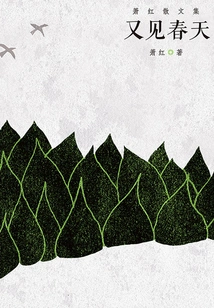
萧红散文大全集:又见春天
Xiao Hong
Xiao Hong, known as the "Literary Goddess of the 1930s", was the woman with the most tragic fate among the four talented women in the Republic of China, and was also a legendary figure. As a literary legend, Xiao Hong's works are always told in conjunction with her fate, which somewhat obscures the brilliance that her works should have. This book contains almost all of Xiao Hong's classic prose works that are worth reading again and again. Xiao Hong's prose has very distinct feminine characteristics, with an innate sense of desolation, poetic undercurrents, melancholic undertones, and charming childishness. At the same time, she does not reject the cruelty of reality. This makes her transcend the female writers in the general sense and join the great masters of modern literature.
Xiao Hong, known as the "Literary Goddess of the 1930s", was the woman with the most tragic fate among the four talented women in the Republic of China, and was also a legendary figure. As a literary legend, Xiao Hong's works are always told in conjunction with her fate, which somewhat obscures the brilliance that her works should have. This book contains almost all of Xiao Hong's classic prose works that are worth reading again and again. Xiao Hong's prose has very distinct feminine characteristics, with an innate sense of desolation, poetic undercurrents, melancholic undertones, and charming childishness. At the same time, she does not reject the cruelty of reality. This makes her transcend the female writers in the general sense and join the great masters of modern literature.
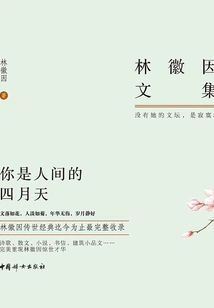
林徽因文集:你是人间四月天
Lin Huiyin
This book collects Lin Huiyin's most classic works in poetry, prose, novels, letters and architecture. These articles either write about interactions with relatives and friends, trivial family matters, or write about real experiences and feelings, or publish real discussions. They are extremely rich in ideological connotation and profound in cultural heritage. The poems are exquisite and clear, the emotions are delicate, the style is graceful, and they are full of beauty; the architectural-related works are easy to understand, have unique aesthetics, and are full of classical charm. It has high artistic quality, readability and collection value.
This book collects Lin Huiyin's most classic works in poetry, prose, novels, letters and architecture. These articles either write about interactions with relatives and friends, trivial family matters, or write about real experiences and feelings, or publish real discussions. They are extremely rich in ideological connotation and profound in cultural heritage. The poems are exquisite and clear, the emotions are delicate, the style is graceful, and they are full of beauty; the architectural-related works are easy to understand, have unique aesthetics, and are full of classical charm. It has high artistic quality, readability and collection value.
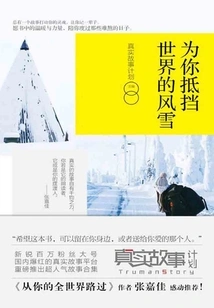
为你抵挡世界的风雪
True Story Project
This is a collection of popular stories selected by the "True Story Project", a popular magazine with millions of fans in China. The book selects many different types of popular stories, involving love, friendship, family affection, etc. Almost every one of these stories has been read more than 100,000 times since its publication, and some stories have even been read over 10 million times. Storytellers come from all over the world and from all walks of life. Through their stories, we can discover the extraordinary in ordinary lives and find our own warmth and strength.
This is a collection of popular stories selected by the "True Story Project", a popular magazine with millions of fans in China. The book selects many different types of popular stories, involving love, friendship, family affection, etc. Almost every one of these stories has been read more than 100,000 times since its publication, and some stories have even been read over 10 million times. Storytellers come from all over the world and from all walks of life. Through their stories, we can discover the extraordinary in ordinary lives and find our own warmth and strength.
Fragrant Petals
Literature芳菲的花瓣儿
Song Xiaojie
What I gave to myself was also given to me by Beijing. I know this is a kind of "rashness", relatively ignorant and immature, but I like this kind of unreasonable dependence and recourse, probably because of the smell of words. It was really serendipitous. In the Soviet filmmaker Tarkovsky's book "The Time of Time", Tarkovsky took the trouble to mention Hesse several times, and quoted words from his work "The Glass Bead Game" like a primary school student, many, many, basically proving the "hardcore" relationship between fans and idols.
What I gave to myself was also given to me by Beijing. I know this is a kind of "rashness", relatively ignorant and immature, but I like this kind of unreasonable dependence and recourse, probably because of the smell of words. It was really serendipitous. In the Soviet filmmaker Tarkovsky's book "The Time of Time", Tarkovsky took the trouble to mention Hesse several times, and quoted words from his work "The Glass Bead Game" like a primary school student, many, many, basically proving the "hardcore" relationship between fans and idols.
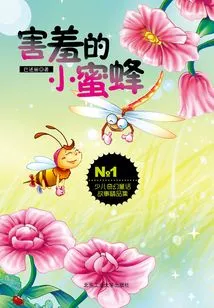
Shy Little Bee
Literature害羞的小蜜蜂
Bathuli
"The Shy Little Bee" tells the story: There was a little bee who was too shy. No matter who she met, her face was as red as an apple with embarrassment, and she would hide around whenever she flew. Mother Bee was very anxious and wanted her to go to a crowded place and have more contact with everyone. But the little bee always refused, which made the mother bee very sad. The mother bee finally convinced the little bee to follow her to collect honey. Finally, the little bee became cheerful.
"The Shy Little Bee" tells the story: There was a little bee who was too shy. No matter who she met, her face was as red as an apple with embarrassment, and she would hide around whenever she flew. Mother Bee was very anxious and wanted her to go to a crowded place and have more contact with everyone. But the little bee always refused, which made the mother bee very sad. The mother bee finally convinced the little bee to follow her to collect honey. Finally, the little bee became cheerful.
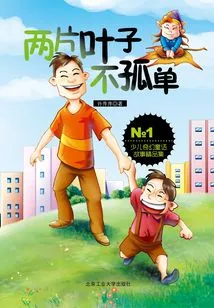
Two Leaves Are Not Alone
Literature两片叶子不孤单
Xu Pingping
"Children's Fantasy Fairy Tale Collection: Two Leaves Are Not Alone" is a feast of fairy tales with brilliant literary talent. The concise and smooth text is supplemented by lovely and lifelike exquisite illustrations, creating a lively and flexible fairy tale world for children. Under these interesting fairy tales, what flows is true love and pure emotions, and contains the innocence and childishness of active exploration, which can effectively help children develop good qualities and habits.
"Children's Fantasy Fairy Tale Collection: Two Leaves Are Not Alone" is a feast of fairy tales with brilliant literary talent. The concise and smooth text is supplemented by lovely and lifelike exquisite illustrations, creating a lively and flexible fairy tale world for children. Under these interesting fairy tales, what flows is true love and pure emotions, and contains the innocence and childishness of active exploration, which can effectively help children develop good qualities and habits.
Collection of Autumn Thoughts
Literature秋思集
Liu Qiulai
This book is a collection of the author's essays, which selects the author's outstanding works in recent years. The book is divided into three parts: preface, main text, and postscript, with a total of 35 articles, including 33 main articles, divided into four parts: Chapter 1, Keep the Good Things, 8 articles, mainly introducing interesting childhood stories; Chapter 2, Cherish the Moment, 9 articles, mainly recalling the author's elders, mentors, relatives, close friends, etc. The third chapter, Starting from the Heart, has a total of 10 articles, which mainly records the author's insights on life, as well as unforgettable experiences in life; the fourth chapter, Dust Shadows, has a total of 8 articles, introducing all kinds of living beings in real life, as well as several events that left a particularly deep impression on the author.
This book is a collection of the author's essays, which selects the author's outstanding works in recent years. The book is divided into three parts: preface, main text, and postscript, with a total of 35 articles, including 33 main articles, divided into four parts: Chapter 1, Keep the Good Things, 8 articles, mainly introducing interesting childhood stories; Chapter 2, Cherish the Moment, 9 articles, mainly recalling the author's elders, mentors, relatives, close friends, etc. The third chapter, Starting from the Heart, has a total of 10 articles, which mainly records the author's insights on life, as well as unforgettable experiences in life; the fourth chapter, Dust Shadows, has a total of 8 articles, introducing all kinds of living beings in real life, as well as several events that left a particularly deep impression on the author.
Directed and Acted
Literature自导自演
Chen Huan
This book is divided into five series: mainly collections of life essays, essays and novels. The first volume: visual retention, mainly for life insights from past lives. The second volume: Silent Films, mainly alternative reviews of music, film and television. The third series: Fading in and out, prose sentiment, more delicate writing; the fourth series: Scene writer, more novel style, with more descriptions of characters. The fifth volume: Jazz Glitz: mainly writes about the sublimation of life in recent years.
This book is divided into five series: mainly collections of life essays, essays and novels. The first volume: visual retention, mainly for life insights from past lives. The second volume: Silent Films, mainly alternative reviews of music, film and television. The third series: Fading in and out, prose sentiment, more delicate writing; the fourth series: Scene writer, more novel style, with more descriptions of characters. The fifth volume: Jazz Glitz: mainly writes about the sublimation of life in recent years.
莎士比亚悲剧喜剧全集
(english) Shakespeare
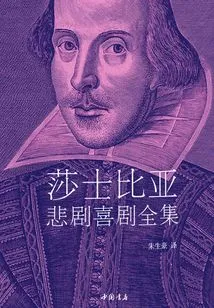
Zhu Shenghao's translation is recognized as a translation that perfectly reproduces the charm of Shakespeare's drama and is extremely easy to understand! The authoritative final version, completely unabridged! Among Shakespeare's plays that have survived to this day, tragedies and comedies are the most popular. This set of books collects all 10 tragedies and 13 comedies by Shakespeare. The plays in this set of books are arranged in order of the time of Shakespeare's writing. Readers will more easily understand Shakespeare's writing context. The complete set of books is divided into 5 volumes. Volume 2 of tragedies includes 10 plays including Romeo and Juliet, Hamlet, Othello, King Lear, and Macbeth. Volume 3 of comedies includes 13 plays including A Midsummer Night's Dream, Love in vain, The Merchant of Venice, The Merry Wives of Windsor, Much Ado About Nothing, As You Like It, and Twelfth Night.
Zhu Shenghao's translation is recognized as a translation that perfectly reproduces the charm of Shakespeare's drama and is extremely easy to understand! The authoritative final version, completely unabridged! Among Shakespeare's plays that have survived to this day, tragedies and comedies are the most popular. This set of books collects all 10 tragedies and 13 comedies by Shakespeare. The plays in this set of books are arranged in order of the time of Shakespeare's writing. Readers will more easily understand Shakespeare's writing context. The complete set of books is divided into 5 volumes. Volume 2 of tragedies includes 10 plays including Romeo and Juliet, Hamlet, Othello, King Lear, and Macbeth. Volume 3 of comedies includes 13 plays including A Midsummer Night's Dream, Love in vain, The Merchant of Venice, The Merry Wives of Windsor, Much Ado About Nothing, As You Like It, and Twelfth Night.
鲁迅文学全集(共7册)
Lu Xun
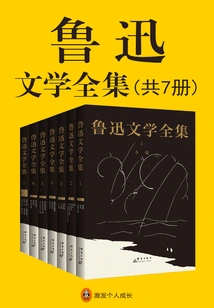
Not a single word has been changed, the original text of Lu Xun! The most popular and easy-to-read version of Lu Xun on the market! It truly collects all the literary works created by Lu Xun, including 31 novels, 668 essays, 33 essays, and 34 poems. The exclusive appendix "Lu Xun talks about writing", Lu Xun personally teaches the meaning of literature and the basic ideas of creation. Collecting Lu Xun's only "Autobiography", Lu Xun, who was nearly 50 years old, made a brief and objective review of his life. The 1938 edition compiled by the "Mr. Lu Xun Memorial Committee" retains Lu Xun's customary vocabulary without changing a word, making it truly original! Cai Yuanpei served as chairman of the Lu Xun Memorial Committee and wrote the preface himself!
Not a single word has been changed, the original text of Lu Xun! The most popular and easy-to-read version of Lu Xun on the market! It truly collects all the literary works created by Lu Xun, including 31 novels, 668 essays, 33 essays, and 34 poems. The exclusive appendix "Lu Xun talks about writing", Lu Xun personally teaches the meaning of literature and the basic ideas of creation. Collecting Lu Xun's only "Autobiography", Lu Xun, who was nearly 50 years old, made a brief and objective review of his life. The 1938 edition compiled by the "Mr. Lu Xun Memorial Committee" retains Lu Xun's customary vocabulary without changing a word, making it truly original! Cai Yuanpei served as chairman of the Lu Xun Memorial Committee and wrote the preface himself!
谈盐就说咸:李富散文集
Li Fu
"Talk about salt, just say salty: Li Fu's collection of essays" includes essays such as: Wudalianchi Essays, "Strange Slopes" Are Not Strange, White Dolphins Are Not White, Viewing the Sea from Jingbian, A Line Connecting Two Points, Dialogue with Hundred Thousand Mountains, "Sit in a Well and View the Sky" to Appreciate Spirits, Climbing Jilong Mountain, Leaving Some Regrets on Liufeng Mountain, Touching the Scenery, Seeing the Moon in a Foreign Country Again, etc.
"Talk about salt, just say salty: Li Fu's collection of essays" includes essays such as: Wudalianchi Essays, "Strange Slopes" Are Not Strange, White Dolphins Are Not White, Viewing the Sea from Jingbian, A Line Connecting Two Points, Dialogue with Hundred Thousand Mountains, "Sit in a Well and View the Sky" to Appreciate Spirits, Climbing Jilong Mountain, Leaving Some Regrets on Liufeng Mountain, Touching the Scenery, Seeing the Moon in a Foreign Country Again, etc.
Emotional Story
Literature情感故事
Fangyuan Xue Zhaoping
The series of books on improving the core competencies of Chinese teachers consists of six volumes, namely "Educational Wisdom of Famous Chinese and Foreign Education Masters", "Emotional Stories to Nourish Teachers' Souls", "Inspiring Stories to Inspire Teachers", "Philosophical Stories to Cultivate Teachers' Sentiments", "Workplace Stories to Improve Teachers' Quality" and "Inspiring Teachers". "Innovative Stories of Growth" starts from improving teachers' core competencies, and strives to nourish and water teachers from the outside to the inside in terms of spiritual emotions, philosophical wisdom, educational art, etc., And hopes to cultivate a group of well-known teachers and education experts who demonstrate their personality charm.
The series of books on improving the core competencies of Chinese teachers consists of six volumes, namely "Educational Wisdom of Famous Chinese and Foreign Education Masters", "Emotional Stories to Nourish Teachers' Souls", "Inspiring Stories to Inspire Teachers", "Philosophical Stories to Cultivate Teachers' Sentiments", "Workplace Stories to Improve Teachers' Quality" and "Inspiring Teachers". "Innovative Stories of Growth" starts from improving teachers' core competencies, and strives to nourish and water teachers from the outside to the inside in terms of spiritual emotions, philosophical wisdom, educational art, etc., And hopes to cultivate a group of well-known teachers and education experts who demonstrate their personality charm.
张爱玲大全集(18册)
Zhang Ailing
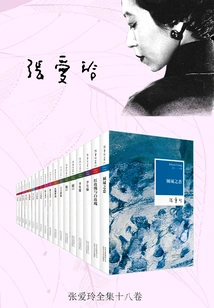
Destiny writes her, and she writes destiny. Zhang Ailing is a uniquely charming writer in the history of modern Chinese literature. Her novels transcend her era. Whether it is the selection of materials, conception, characterization, narrative structure, or language skills, they all show her personal characteristics and have achieved outstanding achievements. This collection collects as many of Eileen Chang's 19 works as possible, including collections of short stories, novels, essays, treatises, plays, translations, etc., To face Eileen Chang directly and read about the love and hatred of that era. "In this era, old things are collapsing and new ones are growing. But before the climax of the era comes, the decisive things are just exceptions."
Destiny writes her, and she writes destiny. Zhang Ailing is a uniquely charming writer in the history of modern Chinese literature. Her novels transcend her era. Whether it is the selection of materials, conception, characterization, narrative structure, or language skills, they all show her personal characteristics and have achieved outstanding achievements. This collection collects as many of Eileen Chang's 19 works as possible, including collections of short stories, novels, essays, treatises, plays, translations, etc., To face Eileen Chang directly and read about the love and hatred of that era. "In this era, old things are collapsing and new ones are growing. But before the climax of the era comes, the decisive things are just exceptions."
Educational Wisdom
Literature教育智慧
Fangyuan Li Jianlong
The series of books on improving the core competencies of Chinese teachers consists of six volumes, namely "Educational Wisdom of Famous Chinese and Foreign Education Masters", "Emotional Stories to Nourish Teachers' Souls", "Inspiring Stories to Inspire Teachers", "Philosophical Stories to Cultivate Teachers' Sentiments", "Workplace Stories to Improve Teachers' Quality" and "Inspiring Teachers". "Innovative Stories of Growth" starts from improving teachers' core competencies, and strives to nourish and water teachers from the outside to the inside in terms of spiritual emotions, philosophical wisdom, educational art, etc., And hopes to cultivate a group of well-known teachers and education experts who demonstrate their personality charm.
The series of books on improving the core competencies of Chinese teachers consists of six volumes, namely "Educational Wisdom of Famous Chinese and Foreign Education Masters", "Emotional Stories to Nourish Teachers' Souls", "Inspiring Stories to Inspire Teachers", "Philosophical Stories to Cultivate Teachers' Sentiments", "Workplace Stories to Improve Teachers' Quality" and "Inspiring Teachers". "Innovative Stories of Growth" starts from improving teachers' core competencies, and strives to nourish and water teachers from the outside to the inside in terms of spiritual emotions, philosophical wisdom, educational art, etc., And hopes to cultivate a group of well-known teachers and education experts who demonstrate their personality charm.
Workplace Story
Literature职场故事
Fangyuan Liu Wanqiang
The series of books on improving the core competencies of Chinese teachers consists of six volumes, namely "Educational Wisdom of Famous Chinese and Foreign Education Masters", "Emotional Stories to Nourish Teachers' Souls", "Inspiring Stories to Inspire Teachers", "Philosophical Stories to Cultivate Teachers' Sentiments", "Workplace Stories to Improve Teachers' Quality" and "Inspiring Teachers". "Innovative Stories of Growth" starts from improving teachers' core competencies, and strives to nourish and water teachers from the outside to the inside in terms of spiritual emotions, philosophical wisdom, educational art, etc., And hopes to cultivate a group of well-known teachers and education experts who demonstrate their personality charm.
The series of books on improving the core competencies of Chinese teachers consists of six volumes, namely "Educational Wisdom of Famous Chinese and Foreign Education Masters", "Emotional Stories to Nourish Teachers' Souls", "Inspiring Stories to Inspire Teachers", "Philosophical Stories to Cultivate Teachers' Sentiments", "Workplace Stories to Improve Teachers' Quality" and "Inspiring Teachers". "Innovative Stories of Growth" starts from improving teachers' core competencies, and strives to nourish and water teachers from the outside to the inside in terms of spiritual emotions, philosophical wisdom, educational art, etc., And hopes to cultivate a group of well-known teachers and education experts who demonstrate their personality charm.
Innovation Story
Literature创新故事
Fangyuan Dou Yihao
The series of books on improving the core competencies of Chinese teachers consists of six volumes, namely "Educational Wisdom of Famous Chinese and Foreign Education Masters", "Emotional Stories to Nourish Teachers' Souls", "Inspiring Stories to Inspire Teachers", "Philosophical Stories to Cultivate Teachers' Sentiments", "Workplace Stories to Improve Teachers' Quality" and "Inspiring Teachers". "Innovative Stories of Growth" starts from improving teachers' core competencies, and strives to nourish and water teachers from the outside to the inside in terms of spiritual emotions, philosophical wisdom, educational art, etc., And hopes to cultivate a group of well-known teachers and education experts who demonstrate their personality charm.
The series of books on improving the core competencies of Chinese teachers consists of six volumes, namely "Educational Wisdom of Famous Chinese and Foreign Education Masters", "Emotional Stories to Nourish Teachers' Souls", "Inspiring Stories to Inspire Teachers", "Philosophical Stories to Cultivate Teachers' Sentiments", "Workplace Stories to Improve Teachers' Quality" and "Inspiring Teachers". "Innovative Stories of Growth" starts from improving teachers' core competencies, and strives to nourish and water teachers from the outside to the inside in terms of spiritual emotions, philosophical wisdom, educational art, etc., And hopes to cultivate a group of well-known teachers and education experts who demonstrate their personality charm.
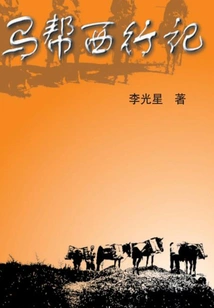
The Caravan's Journey to the West
Literature马帮西行记
Li Guangxing
"The Journey of the Caravan to the West" is a travel prose, using the author Li Guangxing's travels as a clue. It describes what the author saw when he followed the caravan through Guizhou and the customs and customs of the Yunnan-Guizhou Plateau. It also tells what the author saw and heard when he traveled on the Yinping Ancient Road and walked on Longshang. It also describes the beautiful scenery and interesting things he saw when he visited Gansu and Guilin, etc. It can be said that "The Journey of the Caravan to the West" shows readers a style painting with beautiful scenery and beautiful people.
"The Journey of the Caravan to the West" is a travel prose, using the author Li Guangxing's travels as a clue. It describes what the author saw when he followed the caravan through Guizhou and the customs and customs of the Yunnan-Guizhou Plateau. It also tells what the author saw and heard when he traveled on the Yinping Ancient Road and walked on Longshang. It also describes the beautiful scenery and interesting things he saw when he visited Gansu and Guilin, etc. It can be said that "The Journey of the Caravan to the West" shows readers a style painting with beautiful scenery and beautiful people.
Philosophical Story
Literature哲理故事
Fangyuan Xu Feng
The series of books on improving the core competencies of Chinese teachers consists of six volumes, namely "Educational Wisdom of Famous Chinese and Foreign Education Masters", "Emotional Stories to Nourish Teachers' Souls", "Inspiring Stories to Inspire Teachers", "Philosophical Stories to Cultivate Teachers' Sentiments", "Workplace Stories to Improve Teachers' Quality" and "Inspiring Teachers". "Innovative Stories of Growth" starts from improving teachers' core competencies, and strives to nourish and water teachers from the outside to the inside in terms of spiritual emotions, philosophical wisdom, educational art, etc., And hopes to cultivate a group of well-known teachers and education experts who demonstrate their personality charm.
The series of books on improving the core competencies of Chinese teachers consists of six volumes, namely "Educational Wisdom of Famous Chinese and Foreign Education Masters", "Emotional Stories to Nourish Teachers' Souls", "Inspiring Stories to Inspire Teachers", "Philosophical Stories to Cultivate Teachers' Sentiments", "Workplace Stories to Improve Teachers' Quality" and "Inspiring Teachers". "Innovative Stories of Growth" starts from improving teachers' core competencies, and strives to nourish and water teachers from the outside to the inside in terms of spiritual emotions, philosophical wisdom, educational art, etc., And hopes to cultivate a group of well-known teachers and education experts who demonstrate their personality charm.
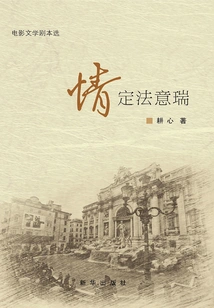
Affection Sets the Law and Rui Rui
Literature情定法意瑞
Hard Work
This book is a collection of film literature, including 4 literary scripts created and published by the author in recent years. The contents include "Love determines the law and auspiciousness", "Searching for the password of the world", "Jie Zhenguo", "Green mountains and clear waters enter the community". The four literary scripts have vivid stories and strong readability, and have certain reference value for literature lovers.
This book is a collection of film literature, including 4 literary scripts created and published by the author in recent years. The contents include "Love determines the law and auspiciousness", "Searching for the password of the world", "Jie Zhenguo", "Green mountains and clear waters enter the community". The four literary scripts have vivid stories and strong readability, and have certain reference value for literature lovers.
Bump into the Future
Literature撞见未来
Liu Guangying
"Encountering the Future" is a collection of essays carefully written by the author. The content is diverse, including thoughts on environmental energy and new technologies, exploration of the nature of human life, understanding of economic development, and laments on social development, etc. The book is rich in content and written from a positive perspective, integrating the author's insights into society and life over the years.
"Encountering the Future" is a collection of essays carefully written by the author. The content is diverse, including thoughts on environmental energy and new technologies, exploration of the nature of human life, understanding of economic development, and laments on social development, etc. The book is rich in content and written from a positive perspective, integrating the author's insights into society and life over the years.
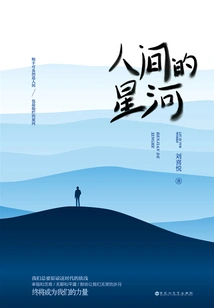
The Galaxy in the World
Literature人间的星河
Liu Hexi
"The Galaxy in the World" is a book of life written for contemporary youth. May you have flowers, wine and morning dew, joy and peace. This book was written by young writer Liu Joy after years of visits. 4 Stories of different people, 4 experiences that will make you suffocate with pain. When we are at the bottom of life and the road ahead is uncertain, we must also believe that those experiences that sting us will eventually become our strength, and from now on the future will be open and fragrant with birds singing and flowers fragrant. Within reach is the human world and the splendid stars.
"The Galaxy in the World" is a book of life written for contemporary youth. May you have flowers, wine and morning dew, joy and peace. This book was written by young writer Liu Joy after years of visits. 4 Stories of different people, 4 experiences that will make you suffocate with pain. When we are at the bottom of life and the road ahead is uncertain, we must also believe that those experiences that sting us will eventually become our strength, and from now on the future will be open and fragrant with birds singing and flowers fragrant. Within reach is the human world and the splendid stars.
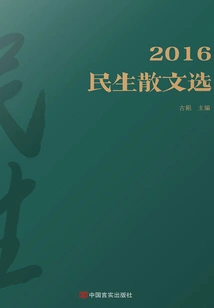
2016 People's Livelihood Prose Selection
Literature2016民生散文选
Editor-in-chief Gu Shu
This book selects a variety of excellent prose published in major national literary publications in 2016 by famous writers such as Wang Jucai, Radar, Wang Chonglu, Xiao Fuxing, and Baoji Yuanye. These articles have profound meanings, and the words are beautiful and fresh, or gentle and mellow, eloquent, or sophisticated and original, and penetrating to the point. Regardless of discussion or narrative, writing about people or chanting things, they all express sincere emotions, and at the same time, they also allow us to hear the footsteps of the economic and social development of the motherland, which fully reflects the author's deep feelings about people's livelihood.
This book selects a variety of excellent prose published in major national literary publications in 2016 by famous writers such as Wang Jucai, Radar, Wang Chonglu, Xiao Fuxing, and Baoji Yuanye. These articles have profound meanings, and the words are beautiful and fresh, or gentle and mellow, eloquent, or sophisticated and original, and penetrating to the point. Regardless of discussion or narrative, writing about people or chanting things, they all express sincere emotions, and at the same time, they also allow us to hear the footsteps of the economic and social development of the motherland, which fully reflects the author's deep feelings about people's livelihood.
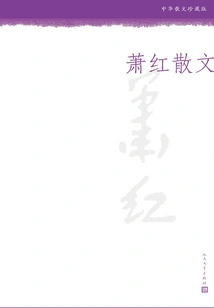
Xiao Hong's Prose
Literature萧红散文
Xiao Hong
"Xiao Hong's Prose" is one of the large series of "Chinese Prose Collection Edition". As a literary legend, Xiao Hong's works are always told together with her fate, which somewhat obscures the brilliance of her works. Xiao Hong's prose has very distinct feminine characteristics, with an innate sense of desolation, poetic undercurrents, melancholic undertones, and charming childishness. At the same time, she does not reject the cruelty of reality. This makes her transcend the female writers in the general sense and join the great masters of modern literature.
"Xiao Hong's Prose" is one of the large series of "Chinese Prose Collection Edition". As a literary legend, Xiao Hong's works are always told together with her fate, which somewhat obscures the brilliance of her works. Xiao Hong's prose has very distinct feminine characteristics, with an innate sense of desolation, poetic undercurrents, melancholic undertones, and charming childishness. At the same time, she does not reject the cruelty of reality. This makes her transcend the female writers in the general sense and join the great masters of modern literature.
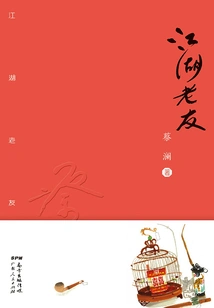
江湖老友:蔡澜散文集(修订版)
Cai Lam
This book selects Chua Lam's articles on cultural celebrities, written by well-known celebrities, such as Jin Yong, Huang Zhan, Huang Yongyu, Ting Xiongquan, Chang Cheh, Hu Jinquan, Gu Long, Jackie Chan, John Woo, etc. The author's wonderful writing and description of these characters are full of humor and are of high literary value. Cai Lam has published nearly a hundred books in simplified Chinese characters in China. This book adopts a unique perspective. It selects articles about characters from Cai Lam's articles, many of which are collected and published for the first time.
This book selects Chua Lam's articles on cultural celebrities, written by well-known celebrities, such as Jin Yong, Huang Zhan, Huang Yongyu, Ting Xiongquan, Chang Cheh, Hu Jinquan, Gu Long, Jackie Chan, John Woo, etc. The author's wonderful writing and description of these characters are full of humor and are of high literary value. Cai Lam has published nearly a hundred books in simplified Chinese characters in China. This book adopts a unique perspective. It selects articles about characters from Cai Lam's articles, many of which are collected and published for the first time.
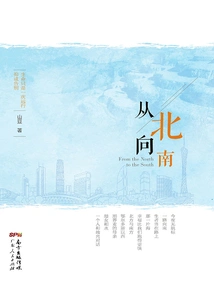
From North to South
Literature从北向南
Mountain Beans
This book is a collection of works by Shan Dou, a pioneer in entrepreneurship in the medical field and poet, on topics such as entrepreneurship, hometown, and literary creation. It has five parts: short stories, prose essays, poetry, prefaces, and comments.
This book is a collection of works by Shan Dou, a pioneer in entrepreneurship in the medical field and poet, on topics such as entrepreneurship, hometown, and literary creation. It has five parts: short stories, prose essays, poetry, prefaces, and comments.
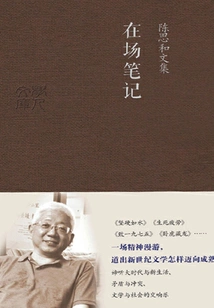
陈思和文集:在场笔记
Chen Sihe
This book collects Chen Sihe's masterpieces of literary criticism since the new century, covering the overall evaluation of literature in the ten years of the new century, research on famous writers such as Jia Pingwa, Zhang Wei, Mo Yan, and Wang Anyi and their works, as well as the thoughts and insights of the chief editor of "Shanghai Literature", etc., And is highly readable.
This book collects Chen Sihe's masterpieces of literary criticism since the new century, covering the overall evaluation of literature in the ten years of the new century, research on famous writers such as Jia Pingwa, Zhang Wei, Mo Yan, and Wang Anyi and their works, as well as the thoughts and insights of the chief editor of "Shanghai Literature", etc., And is highly readable.
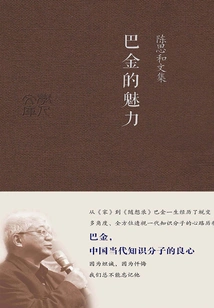
陈思和文集:巴金的魅力
Chen Sihe
The book is divided into three volumes: "Ba Jin's Research Paper", "Ba Jin's Research Paper Continuation", and "Ba Jin's Research Review and Prospect". It mainly contains the author's special articles on Ba Jin's literary thought research since the 1980s. Among modern and contemporary writers, Ba Jin is unique. From the young Ba Jin to the late Ba Jin, especially the publication of "Random Thoughts", it was a shining moment for his thoughts. This book is the result of the author's all-round and in-depth research. It shows a multi-faceted Ba Jin and can be called a true "Ba Jin critical biography"!
The book is divided into three volumes: "Ba Jin's Research Paper", "Ba Jin's Research Paper Continuation", and "Ba Jin's Research Review and Prospect". It mainly contains the author's special articles on Ba Jin's literary thought research since the 1980s. Among modern and contemporary writers, Ba Jin is unique. From the young Ba Jin to the late Ba Jin, especially the publication of "Random Thoughts", it was a shining moment for his thoughts. This book is the result of the author's all-round and in-depth research. It shows a multi-faceted Ba Jin and can be called a true "Ba Jin critical biography"!
Ba Jin's Prose
Literature巴金散文
Ba Jin
"Chinese Prose Collection: Ba Jin's Prose" selects several articles of Ba Jin's prose, showing the centenarian's thoughts, feelings and life traces at different stages of his life. This book has been marketed for many years and has a wide influence among readers.
"Chinese Prose Collection: Ba Jin's Prose" selects several articles of Ba Jin's prose, showing the centenarian's thoughts, feelings and life traces at different stages of his life. This book has been marketed for many years and has a wide influence among readers.
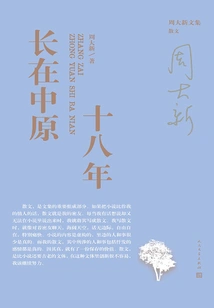
长在中原十八年
Zhou Daxin
"Growing Up in the Central Plains for Eighteen Years" is a collection of essays by Mao Dun Literature Award-winning writer Zhou Daxin, which is included in the prose volume of "Collected Works of Zhou Daxin". This collection of prose is one of the three volumes of prose in the "Collected Works of Zhou Daxin" and contains more than one hundred prose works. This volume can basically be called the "Hometown and Family Love" volume. The writer affectionately recalls his childhood memories, his hometown family relationships, and his various life insights of studying and serving as a soldier. From it, we can clearly see the fate of the writer Zhou Daxin from a rural boy to a mature writer.
"Growing Up in the Central Plains for Eighteen Years" is a collection of essays by Mao Dun Literature Award-winning writer Zhou Daxin, which is included in the prose volume of "Collected Works of Zhou Daxin". This collection of prose is one of the three volumes of prose in the "Collected Works of Zhou Daxin" and contains more than one hundred prose works. This volume can basically be called the "Hometown and Family Love" volume. The writer affectionately recalls his childhood memories, his hometown family relationships, and his various life insights of studying and serving as a soldier. From it, we can clearly see the fate of the writer Zhou Daxin from a rural boy to a mature writer.