Library
Browse and search books
4,115 novels found
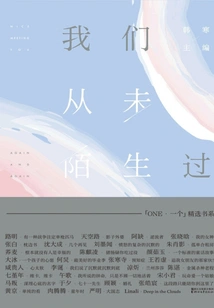
One 7: We Have Never Been Strangers
Literature一个7:我们从未陌生过
Editor-in-chief Han Han
The seventh book in the "ONE·One" selected book series "We Have Never Been Strangers", edited by Han Han himself, has 27 good articles selected by the APP for exclusive broadcast. The latest combat forces of original literature are once again assembled, new forces VS "one" powerful veteran. This book follows the unique style of the first six volumes, and makes a more detailed selection of manuscripts. It specially invites exclusive articles from He Jiong, Zhang Haochen, Da Bing, Buckwheat, and Xian Guiren.
The seventh book in the "ONE·One" selected book series "We Have Never Been Strangers", edited by Han Han himself, has 27 good articles selected by the APP for exclusive broadcast. The latest combat forces of original literature are once again assembled, new forces VS "one" powerful veteran. This book follows the unique style of the first six volumes, and makes a more detailed selection of manuscripts. It specially invites exclusive articles from He Jiong, Zhang Haochen, Da Bing, Buckwheat, and Xian Guiren.
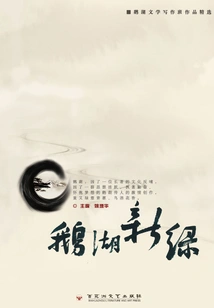
The New Green of Goose Lake
Literature鹅湖新绿
Yao Zenghua
"New Green in E Lake" is an "exercise" by students of the "E Lake Literary Writing Class" under the Qianshan County Federation of Literary and Art Circles. "New Green in E Lake" is published by Baihuazhou Literature and Art Publishing House. It is divided into several parts: prose; novel; reportage. The main contents include: Father, The Golden Fragrance of the Doctor's Mother, Tea Ceremony, Bauhinia, Bird's Nest, Half of the Red Mansion, Remembering Mother, Deep Love on a Rainy Night, etc.
"New Green in E Lake" is an "exercise" by students of the "E Lake Literary Writing Class" under the Qianshan County Federation of Literary and Art Circles. "New Green in E Lake" is published by Baihuazhou Literature and Art Publishing House. It is divided into several parts: prose; novel; reportage. The main contents include: Father, The Golden Fragrance of the Doctor's Mother, Tea Ceremony, Bauhinia, Bird's Nest, Half of the Red Mansion, Remembering Mother, Deep Love on a Rainy Night, etc.
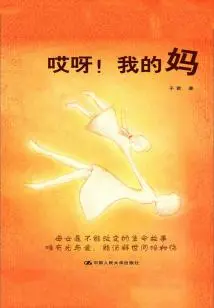
Oops! My Mom
Literature哎呀!我的妈
Zijun
Mother's love is a life story that cannot be changed. Only light and love can dissolve it.
Mother's love is a life story that cannot be changed. Only light and love can dissolve it.
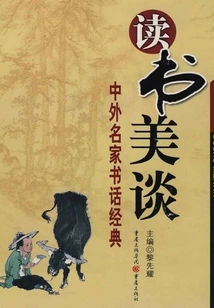
Beautiful Talk About Reading
Literature读书美谈
Editor-in-chief Li Guangyao
"Classics of Calligraphy by Chinese and Foreign Famous Writers" is a two-volume collection of famous essays about books and reading by famous Chinese and foreign writers. The book is informative, literary, interesting and practical, and has a strong sense of the times. It is a rare book for today's readers. This book is a volume about reading in the "Classics of Calligraphy by Chinese and Foreign Famous Masters". The content includes: beautiful talks about reading, hunting for interesting things in books, looking for paths in the mountains of books, boating in the sea of learning, saving people with a golden needle, etc., And other random talks about reading life.
"Classics of Calligraphy by Chinese and Foreign Famous Writers" is a two-volume collection of famous essays about books and reading by famous Chinese and foreign writers. The book is informative, literary, interesting and practical, and has a strong sense of the times. It is a rare book for today's readers. This book is a volume about reading in the "Classics of Calligraphy by Chinese and Foreign Famous Masters". The content includes: beautiful talks about reading, hunting for interesting things in books, looking for paths in the mountains of books, boating in the sea of learning, saving people with a golden needle, etc., And other random talks about reading life.
Vision·perception·picking up Pearls
Literature视野·感悟·拾珠
Compiled By The Hong Kong, Macao And Taiwan Office Of The International Cultural Liaison Bureau Of The Ministry Of Culture
This book is a collection of essays by cultural diplomats from the Bureau of International Cultural Liaison of the Ministry of Culture. It selects what these cultural diplomats have seen and felt in their work and life over the years, including their experiences working abroad and essays about missing their relatives in the motherland while abroad.
This book is a collection of essays by cultural diplomats from the Bureau of International Cultural Liaison of the Ministry of Culture. It selects what these cultural diplomats have seen and felt in their work and life over the years, including their experiences working abroad and essays about missing their relatives in the motherland while abroad.
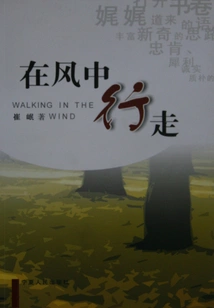
Walking in the Wind
Literature在风中行走
Cui Min
This manuscript is divided into three parts: "Women's Fragrance", "Writing and Writing" and "Spicy Life". It summarizes and discusses the author's long-term scientific research, learning experience and work results. The content is positive and healthy.
This manuscript is divided into three parts: "Women's Fragrance", "Writing and Writing" and "Spicy Life". It summarizes and discusses the author's long-term scientific research, learning experience and work results. The content is positive and healthy.
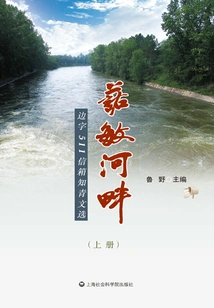
诺敏河畔:边字511信箱知青文选
Lu Ye
"By the Nuomin River - Selected Works of Educated Youth in Bianzi 511 Mailbox (Part 1 and 2)" is edited by Lu Ye. "Nuomin River - Selected Works of Educated Youth in Bianzi 511 Mailbox (Part 1 and 2)" content introduction: In the northern border of my country, at the eastern foot of the towering Greater Khingan Mountains, there is a long river flowing with white waves. Her name is Nuomin River. The "jasper"-like river flows southwards and flows through a place called Chahayang in Heilongjiang Province before joining the surging Nenjiang River. As a place name, "Chahayang" means a land of plenty and prosperity in Daur; in Manchu, it means the place where mountains and plains meet, that is, a "good place." In order to build and defend the frontier, in the late 1960s, tens of thousands of immature and passionate urban youths came here and fought together with the People's Liberation Army officers and soldiers and farm workers who had previously developed and constructed the "Beidahuang". They worked hard and built today's "Beidacang". The turbulent water of Nuomin River has witnessed the ideals, beliefs, joys, sorrows and joys of a generation of educated youth...
"By the Nuomin River - Selected Works of Educated Youth in Bianzi 511 Mailbox (Part 1 and 2)" is edited by Lu Ye. "Nuomin River - Selected Works of Educated Youth in Bianzi 511 Mailbox (Part 1 and 2)" content introduction: In the northern border of my country, at the eastern foot of the towering Greater Khingan Mountains, there is a long river flowing with white waves. Her name is Nuomin River. The "jasper"-like river flows southwards and flows through a place called Chahayang in Heilongjiang Province before joining the surging Nenjiang River. As a place name, "Chahayang" means a land of plenty and prosperity in Daur; in Manchu, it means the place where mountains and plains meet, that is, a "good place." In order to build and defend the frontier, in the late 1960s, tens of thousands of immature and passionate urban youths came here and fought together with the People's Liberation Army officers and soldiers and farm workers who had previously developed and constructed the "Beidahuang". They worked hard and built today's "Beidacang". The turbulent water of Nuomin River has witnessed the ideals, beliefs, joys, sorrows and joys of a generation of educated youth...
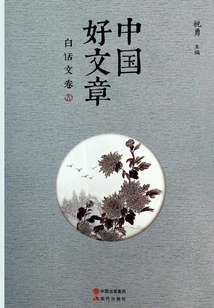
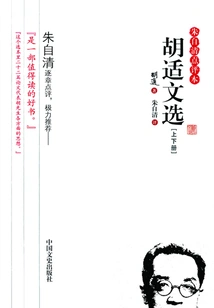
胡适文选:朱自清点评本(全二册)
Hu Shi
Hu Shi wrote the preface and edited it himself, and suggested that it be selected as a intensive reading volume for student textbooks. The "Selected Works of Hu Shi" contains a total of 23 articles including the preface. The earliest version was the traditional vertical format published by Yadong Library in 1930. After liberation, due to the "criticism of Hu" in China, Peking University Press republished "Selected Works of Hu Shi" in the mid-1950s, but most of it was abridged and lost its original appearance. From 1940 to 1941, Ye Shengtao and Zhu Ziqing presided over the compilation of a series of "Reading Guide" to promote Chinese language teaching in secondary schools. Among them, Zhu Ziqing highly praised "Selected Works of Hu Shi" and considered it a good book worth reading. He personally wrote the 20,000-word "Selected Works of Hu Shi" (Collected in the second volume of "The Complete Works of Zhu Ziqing"). For the first time, this book collects the complete "Selected Works of Hu Shi" and Zhu Ziqing's "Selected Works of Hu Shi" into a collection. It represents the essence of Mr. Hu Shi's thoughts in all aspects, and also shows the influence of Hu Shi's thoughts in that special era.
Hu Shi wrote the preface and edited it himself, and suggested that it be selected as a intensive reading volume for student textbooks. The "Selected Works of Hu Shi" contains a total of 23 articles including the preface. The earliest version was the traditional vertical format published by Yadong Library in 1930. After liberation, due to the "criticism of Hu" in China, Peking University Press republished "Selected Works of Hu Shi" in the mid-1950s, but most of it was abridged and lost its original appearance. From 1940 to 1941, Ye Shengtao and Zhu Ziqing presided over the compilation of a series of "Reading Guide" to promote Chinese language teaching in secondary schools. Among them, Zhu Ziqing highly praised "Selected Works of Hu Shi" and considered it a good book worth reading. He personally wrote the 20,000-word "Selected Works of Hu Shi" (Collected in the second volume of "The Complete Works of Zhu Ziqing"). For the first time, this book collects the complete "Selected Works of Hu Shi" and Zhu Ziqing's "Selected Works of Hu Shi" into a collection. It represents the essence of Mr. Hu Shi's thoughts in all aspects, and also shows the influence of Hu Shi's thoughts in that special era.
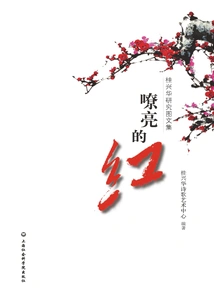
Bright Red
Literature嘹亮的红
Gui Xinghua Poetry Art Center
In order to study Gui Xinghua's extensive social influence and pioneering achievements in the field of political lyric poetry and prose poetry, this book brings together for the first time He Jingzhi, Li Ying, Xie Mian, Zhang Jiong, Tu An, Lei Shuyan, Jin Binghua, Yin Yicui, Zhao Qizheng, Gao Zhanxiang, Ding Ximan, Zhou Hanmin, Chen Dong, Luo Luo, Ren Zhonglun, Huang Yazhou, Du Xuan, Ye Xin, Yeman, Li Xiao Yu, Zhu Xianshu, Shi Ying, Gu Xiaoming, Mao Shi'an, He Jianhua, Chen Shenglai, Sun Qin'an, Song Yan, Wang Shan, Ke Lan, Guo Feng, Zou Yuehan, Liu Qian, Xu Chengmiao, Mi Yue, Wang Ke, Qin Yi, Ding Jianhua and other more than 70 famous scholars, experts, and artists have reviewed and reviewed Gui Xinghua's works, as well as Gui Xinghua's related papers and speeches. At the same time, it also includes a series of materials such as Gui Xinghua's creative chronology, published books, interview notes, long poem manuscripts, planning texts, and large-scale recitation performances from 1976 to 2015. This book has high academic value and can provide detailed historical reference for future generations to conduct in-depth research in these two fields.
In order to study Gui Xinghua's extensive social influence and pioneering achievements in the field of political lyric poetry and prose poetry, this book brings together for the first time He Jingzhi, Li Ying, Xie Mian, Zhang Jiong, Tu An, Lei Shuyan, Jin Binghua, Yin Yicui, Zhao Qizheng, Gao Zhanxiang, Ding Ximan, Zhou Hanmin, Chen Dong, Luo Luo, Ren Zhonglun, Huang Yazhou, Du Xuan, Ye Xin, Yeman, Li Xiao Yu, Zhu Xianshu, Shi Ying, Gu Xiaoming, Mao Shi'an, He Jianhua, Chen Shenglai, Sun Qin'an, Song Yan, Wang Shan, Ke Lan, Guo Feng, Zou Yuehan, Liu Qian, Xu Chengmiao, Mi Yue, Wang Ke, Qin Yi, Ding Jianhua and other more than 70 famous scholars, experts, and artists have reviewed and reviewed Gui Xinghua's works, as well as Gui Xinghua's related papers and speeches. At the same time, it also includes a series of materials such as Gui Xinghua's creative chronology, published books, interview notes, long poem manuscripts, planning texts, and large-scale recitation performances from 1976 to 2015. This book has high academic value and can provide detailed historical reference for future generations to conduct in-depth research in these two fields.
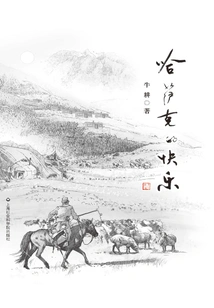
Kazakh Happiness
Literature哈萨克的快乐
Cattle Plowing
"The Happiness of Kazakhstan" written by Niu Geng takes the organizations and leaders at all levels of the Xinjiang Production and Construction Corps as the main line to improve the production and lifestyle of Kazakh herdsmen, establish livestock company settlements, and guide the herdsmen to settle down the mountains and start a better new life. The main description of the production and living conditions of more than a dozen characters vividly reflects the simple character, strong will, joy and hardship of nomadic life of Kazakh herdsmen, as well as the understanding and adaptation process of coming down the mountain to settle down, and the good life status after settlement. It also fully reflects the strong love and sense of responsibility of the Corps' organizations and leading cadres for the benefit of Kazakh herdsmen.
"The Happiness of Kazakhstan" written by Niu Geng takes the organizations and leaders at all levels of the Xinjiang Production and Construction Corps as the main line to improve the production and lifestyle of Kazakh herdsmen, establish livestock company settlements, and guide the herdsmen to settle down the mountains and start a better new life. The main description of the production and living conditions of more than a dozen characters vividly reflects the simple character, strong will, joy and hardship of nomadic life of Kazakh herdsmen, as well as the understanding and adaptation process of coming down the mountain to settle down, and the good life status after settlement. It also fully reflects the strong love and sense of responsibility of the Corps' organizations and leading cadres for the benefit of Kazakh herdsmen.
Collected Works of Chen Bohai
Literature陈伯海文集
Chen Bohai
The anthology contains Mr. Chen Bohai's main academic achievements. It is divided into six volumes, and the contents of each volume are respectively the study of macroscopic literary history, the study of Chinese classical literature theory, the study of Chinese classical literary works, the study of Tang poetry, the study of ancient Chinese writers, and the study of Chinese classical poetry theory. These works reflect Chen Bohai's long-term theoretical thinking, embody his spirit of exploration, and are of great inspiration to future generations' research.
The anthology contains Mr. Chen Bohai's main academic achievements. It is divided into six volumes, and the contents of each volume are respectively the study of macroscopic literary history, the study of Chinese classical literature theory, the study of Chinese classical literary works, the study of Tang poetry, the study of ancient Chinese writers, and the study of Chinese classical poetry theory. These works reflect Chen Bohai's long-term theoretical thinking, embody his spirit of exploration, and are of great inspiration to future generations' research.
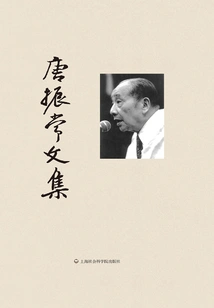
唐振常文集(全集)
Tang Zhenchang
Tang Zhenchang spanned the three major fields of journalism, literature and art, and history throughout his life, and made outstanding achievements in all of them. He was hailed as a "generalist in the three fields." According to Xiong Yuezhi, president of the Shanghai Historical Society, Tang Zhenchang was born into a wealthy family in Chengdu, Sichuan on October 7, 1922. After graduating from the Journalism Department of Yenching University in 1946, he worked successively at Ta Kung Pao and Wen Wei Po, and later worked in Shanghai Film Script A screenwriter at the Creation Institute, he was transferred to the Institute of History of the Shanghai Academy of Social Sciences in 1977 and engaged in research on modern Chinese history and Shanghai history. During his lifetime, he once said that the reason why he switched from journalism to history was out of reflection on the "Cultural Revolution" and believed that "if you don't study history, you can't know the present." "Collected Works of Tang Zhenchang" focuses on his representative works after entering the field of history, including his news works published in "West China Daily" and "Ta Kung Pao" in his early years.
Tang Zhenchang spanned the three major fields of journalism, literature and art, and history throughout his life, and made outstanding achievements in all of them. He was hailed as a "generalist in the three fields." According to Xiong Yuezhi, president of the Shanghai Historical Society, Tang Zhenchang was born into a wealthy family in Chengdu, Sichuan on October 7, 1922. After graduating from the Journalism Department of Yenching University in 1946, he worked successively at Ta Kung Pao and Wen Wei Po, and later worked in Shanghai Film Script A screenwriter at the Creation Institute, he was transferred to the Institute of History of the Shanghai Academy of Social Sciences in 1977 and engaged in research on modern Chinese history and Shanghai history. During his lifetime, he once said that the reason why he switched from journalism to history was out of reflection on the "Cultural Revolution" and believed that "if you don't study history, you can't know the present." "Collected Works of Tang Zhenchang" focuses on his representative works after entering the field of history, including his news works published in "West China Daily" and "Ta Kung Pao" in his early years.
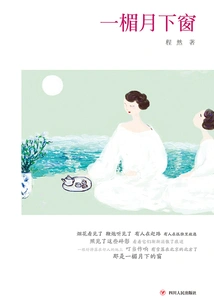
A Lintel with a Moon under the Window
Literature一楣月下窗
Cheng Ran
The predecessor of "One Lintel and Moonlight Window" was "Kaling Binga". Due to the reprint, the name was changed to this. Yes, Kalingbinga is a divine bird with a sweet singing voice. It is said that its sound is so gentle that listeners will never tire of it. There are six albums in "A Moonlight Under the Window": "As if I Hear Ksitigarbha" is the harmonious heart sound; "A Moonlight Under the Window" is the heart of poetry; "The Cards in the Hand of Time" is about old age, farewell, and guilt caused by returning home Some sighs; the "Clouds Are Singing" part is a travel note; the "Guanshan" part is a soliloquy while swimming in the past three years from 2007 to 2010; and the "Walking to the Sound of Thunder" is a set of words expressing one's heart through other people's calligraphy and painting. There are many kinds of them, they are prose, and they are also reflections of the heart.
The predecessor of "One Lintel and Moonlight Window" was "Kaling Binga". Due to the reprint, the name was changed to this. Yes, Kalingbinga is a divine bird with a sweet singing voice. It is said that its sound is so gentle that listeners will never tire of it. There are six albums in "A Moonlight Under the Window": "As if I Hear Ksitigarbha" is the harmonious heart sound; "A Moonlight Under the Window" is the heart of poetry; "The Cards in the Hand of Time" is about old age, farewell, and guilt caused by returning home Some sighs; the "Clouds Are Singing" part is a travel note; the "Guanshan" part is a soliloquy while swimming in the past three years from 2007 to 2010; and the "Walking to the Sound of Thunder" is a set of words expressing one's heart through other people's calligraphy and painting. There are many kinds of them, they are prose, and they are also reflections of the heart.
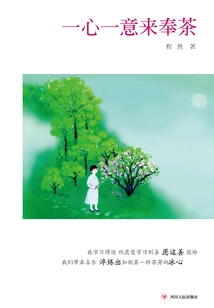
Serve Tea Wholeheartedly
Literature一心一意来奉茶
Cheng Ran
"Serving Tea with One Heart and One Mind" is a collection of contemporary prose with beautiful writing and long-lasting meaning. This collection of essays uses tea as a carrier and a support to write about the love for tea, the description of tea people, and the experience of tea Zen. From the real to the virtual, dozens of short essays merge into a long river. The three albums respectively show: a cup of tea brings an opportunity, and the tea state is deep and beautiful under the influence of nature; a cup of tea tastes one person's world, showing the joys and sorrows of one's life; in the third step, drinking tea and talking about cultivating the mind, you can see the Zen state in the cup of water.
"Serving Tea with One Heart and One Mind" is a collection of contemporary prose with beautiful writing and long-lasting meaning. This collection of essays uses tea as a carrier and a support to write about the love for tea, the description of tea people, and the experience of tea Zen. From the real to the virtual, dozens of short essays merge into a long river. The three albums respectively show: a cup of tea brings an opportunity, and the tea state is deep and beautiful under the influence of nature; a cup of tea tastes one person's world, showing the joys and sorrows of one's life; in the third step, drinking tea and talking about cultivating the mind, you can see the Zen state in the cup of water.
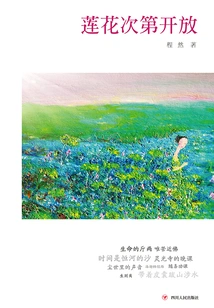
Lotus Flowers Bloom One after Another
Literature莲花次第开放
Cheng Ran
Going to the place of light, whether in life or death, or even in this lifelong exploration process, will be our only path. That is the moment when the silkworm bites through the cocoon, sees the light, transforms into a butterfly, and flies freely. Life after life, just for enlightenment, until enlightenment.
Going to the place of light, whether in life or death, or even in this lifelong exploration process, will be our only path. That is the moment when the silkworm bites through the cocoon, sees the light, transforms into a butterfly, and flies freely. Life after life, just for enlightenment, until enlightenment.
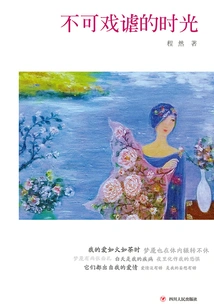
A Time Not to Be Joked About
Literature不可戏谑的时光
Cheng Ran
The first edition of "The Time That Cannot Be Played with" was called "The Dance of the Mandala". After a lapse of seven years, it was revised and published. This is a book about love. In this reprint, the author has deleted some of the pseudo-enlightenment words in the book and restored it to its original appearance. When we go to school, our teachers teach us knowledge; when we grow up, our parents teach us life skills. Love and death, no one teaches. We have no principles to refer to or learn from. "The Time That Cannot Be Ridiculed" is willing to be a companion for lonely travelers. It talks and it listens. In the long river of strangers, may it be friendly and become a hug that no one gets tired of.
The first edition of "The Time That Cannot Be Played with" was called "The Dance of the Mandala". After a lapse of seven years, it was revised and published. This is a book about love. In this reprint, the author has deleted some of the pseudo-enlightenment words in the book and restored it to its original appearance. When we go to school, our teachers teach us knowledge; when we grow up, our parents teach us life skills. Love and death, no one teaches. We have no principles to refer to or learn from. "The Time That Cannot Be Ridiculed" is willing to be a companion for lonely travelers. It talks and it listens. In the long river of strangers, may it be friendly and become a hug that no one gets tired of.
网络校园文学四季青春之夏:至理名言
Sun Zhipeng Song Shujun
Internet literature is a form of literary existence that is published, disseminated and received responses on the Internet, known as the "fourth media". In today's information age, it has become a literary communication method that is popular on campus. This book compiles, collects, and organizes excellent works of campus literature that have been widely circulated on the Internet in recent years and publishes them into a book. It embodies all aspects of campus literature in four series of chapters: passionate inspiration, wise sayings, lost years, and warm blessings. It provides students with encouragement during their growth period and guidance during their youthful confusion. It is an excellent campus reading that keeps pace with the times.
Internet literature is a form of literary existence that is published, disseminated and received responses on the Internet, known as the "fourth media". In today's information age, it has become a literary communication method that is popular on campus. This book compiles, collects, and organizes excellent works of campus literature that have been widely circulated on the Internet in recent years and publishes them into a book. It embodies all aspects of campus literature in four series of chapters: passionate inspiration, wise sayings, lost years, and warm blessings. It provides students with encouragement during their growth period and guidance during their youthful confusion. It is an excellent campus reading that keeps pace with the times.
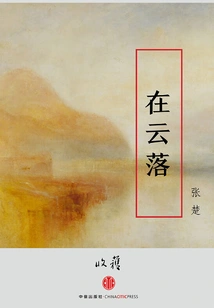
In the Clouds (harvest Wencong)
Literature在云落(收获文丛)
Zhang Chu
The male protagonist Zhang Wenbo quit his job as a film school lecturer and moved from a big city to the small town of Yunluo. This once beautiful town is on the road to urbanization, and there is a choking smell of dust wherever you go. Here, Zhang Wenbo encounters a mysterious neighbor by chance. In the process of helping the neighbor find his girlfriend, the growing pains and spiritual sorrows of several characters are slowly revealed. The works included in this book were first published in "Harvest". "Harvest", a purely literary magazine founded in 1957, has always been full of vitality and published a large number of works that have caused major repercussions in the history of contemporary literature. It can be called a simplified version of contemporary Chinese literature.
The male protagonist Zhang Wenbo quit his job as a film school lecturer and moved from a big city to the small town of Yunluo. This once beautiful town is on the road to urbanization, and there is a choking smell of dust wherever you go. Here, Zhang Wenbo encounters a mysterious neighbor by chance. In the process of helping the neighbor find his girlfriend, the growing pains and spiritual sorrows of several characters are slowly revealed. The works included in this book were first published in "Harvest". "Harvest", a purely literary magazine founded in 1957, has always been full of vitality and published a large number of works that have caused major repercussions in the history of contemporary literature. It can be called a simplified version of contemporary Chinese literature.
Memories of Past Lives
Literature前世的记忆
Wang Yufang
This book is a novel set in a remote mountain village. The book describes local folk customs and rural life, giving people living in cities a brand new concept of life.
This book is a novel set in a remote mountain village. The book describes local folk customs and rural life, giving people living in cities a brand new concept of life.
Hometown·the Touch of Life
Literature故乡·生命的感动
Liao Shijian
This book is a collection of the author's works, including a variety of genres: poetry, folk songs, lyrics, folk jokes, stories, fables, modern humor, costume dramas, novels, calligraphy, etc. The works are all original, and the whole book has a high tone and is full of patriotic sentiments.
This book is a collection of the author's works, including a variety of genres: poetry, folk songs, lyrics, folk jokes, stories, fables, modern humor, costume dramas, novels, calligraphy, etc. The works are all original, and the whole book has a high tone and is full of patriotic sentiments.
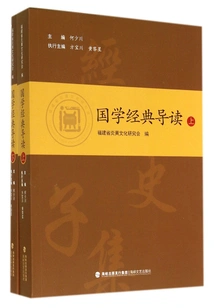
国学经典导读(全2册)
Fujian Yanhuang Culture Research Association
"Introduction to Classics of Chinese Studies" was compiled by the Fujian Yanhuang Culture Research Association and relevant professors and experts from universities in the province. It aims to discuss the connotation of Chinese studies, methods of studying Chinese studies, ways of obtaining information, and basic common sense of studying Chinese studies. It is divided into classics, history, There are four parts: Zi and Collection. The Classics part includes 25 classics such as "Book of Changes", "Book of Songs", "Book of Songs" and "Zhou Rites"; the History part includes 38 classics such as "Historical Records", "Hanshu", "Three Kingdoms" and "Ming History"; the Zibu includes "Laozi", "Mozi", "Han" Feizi", "Lu Shi Chunqiu" and other 14 classics; the collection includes 23 classics such as "The Songs of Chu", "Tao Yuanming Collection", "Li Taibai Collection", etc. Each part introduces and sorts out the relevant classics and classics of Chinese studies in detail, and also discusses the traditional Chinese studies. It provides commentary on basic treatises, basic schools and academic viewpoints, which can enlighten and guide readers who are new to Chinese studies. For researchers of Chinese studies, "Introduction to Chinese Studies" also provides in-depth interpretation and improvement, and has a good reference value.
"Introduction to Classics of Chinese Studies" was compiled by the Fujian Yanhuang Culture Research Association and relevant professors and experts from universities in the province. It aims to discuss the connotation of Chinese studies, methods of studying Chinese studies, ways of obtaining information, and basic common sense of studying Chinese studies. It is divided into classics, history, There are four parts: Zi and Collection. The Classics part includes 25 classics such as "Book of Changes", "Book of Songs", "Book of Songs" and "Zhou Rites"; the History part includes 38 classics such as "Historical Records", "Hanshu", "Three Kingdoms" and "Ming History"; the Zibu includes "Laozi", "Mozi", "Han" Feizi", "Lu Shi Chunqiu" and other 14 classics; the collection includes 23 classics such as "The Songs of Chu", "Tao Yuanming Collection", "Li Taibai Collection", etc. Each part introduces and sorts out the relevant classics and classics of Chinese studies in detail, and also discusses the traditional Chinese studies. It provides commentary on basic treatises, basic schools and academic viewpoints, which can enlighten and guide readers who are new to Chinese studies. For researchers of Chinese studies, "Introduction to Chinese Studies" also provides in-depth interpretation and improvement, and has a good reference value.
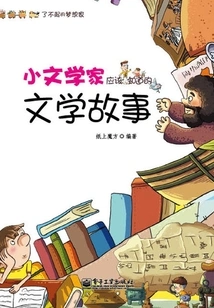
小文学家应该知道的文学故事
Compiled By Rubik's Cube On Paper
This set of books is a popular science book based on cultivating children's interests in technology, invention, military, literature, aerospace and other professional fields, and developing children's creative thinking. Starting from various professions, children can learn various short stories and knowledge in the professions they like and dream about. It digs into various professional historical stories and anecdotes, avoiding boring theoretical indoctrination like textbooks. The text is simple, the content is rich, and it is equipped with a lively and cute painting style and layout to stimulate children's interest in reading.
This set of books is a popular science book based on cultivating children's interests in technology, invention, military, literature, aerospace and other professional fields, and developing children's creative thinking. Starting from various professions, children can learn various short stories and knowledge in the professions they like and dream about. It digs into various professional historical stories and anecdotes, avoiding boring theoretical indoctrination like textbooks. The text is simple, the content is rich, and it is equipped with a lively and cute painting style and layout to stimulate children's interest in reading.
银川的歌---希圣文集
Xi Sheng Yang Bo
This book contains the author's poems, prose, novels, reviews, essays, folk tales, inscriptions, paintings, scripts, songs, etc. It can be said to be a comprehensive work.
This book contains the author's poems, prose, novels, reviews, essays, folk tales, inscriptions, paintings, scripts, songs, etc. It can be said to be a comprehensive work.
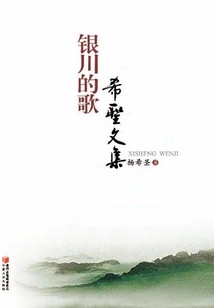
银川的歌:希圣文集
Yang Xisheng
This book contains the author's poems, prose, novels, reviews, essays, folk tales, inscriptions, paintings, scripts, songs, etc. It can be said to be a comprehensive work.
This book contains the author's poems, prose, novels, reviews, essays, folk tales, inscriptions, paintings, scripts, songs, etc. It can be said to be a comprehensive work.
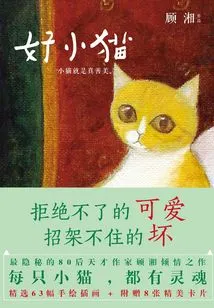
好小猫:小猫就是真善美
Gu Xiang
Gu Xiang moved out of his home in the city and lived in a small three-story house in the countryside. She took her two beloved kittens, one named Xiaohuang and the other Shuangseqiu, and became a "person who lives far away". Gu Xiang said: "Time happens faster with the kitten than with me." Every time she thinks about this, she feels extremely reluctant to let go. She used to like to travel, but then she got a kitten, and she was worried about it. She would rather stay at home and wander around in dreams with the kitten. She dotes on the kittens in every possible way. She wakes them up early in the morning and plays with them on the balcony. Gu Xiang drew many pictures and wrote many words for her kitten, and all the kittens in the world. Every kitten has a soul. Their country is full of fantasy and grace. This book is dedicated to you and your wonderful kitty.
Gu Xiang moved out of his home in the city and lived in a small three-story house in the countryside. She took her two beloved kittens, one named Xiaohuang and the other Shuangseqiu, and became a "person who lives far away". Gu Xiang said: "Time happens faster with the kitten than with me." Every time she thinks about this, she feels extremely reluctant to let go. She used to like to travel, but then she got a kitten, and she was worried about it. She would rather stay at home and wander around in dreams with the kitten. She dotes on the kittens in every possible way. She wakes them up early in the morning and plays with them on the balcony. Gu Xiang drew many pictures and wrote many words for her kitten, and all the kittens in the world. Every kitten has a soul. Their country is full of fantasy and grace. This book is dedicated to you and your wonderful kitty.
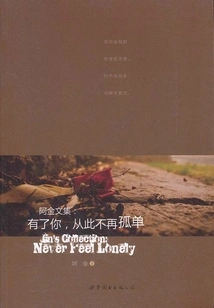
阿金文集:有了你,从此不再孤单
Ajin
This book is written by A Jin. The reason why this book is called "A Jin's Collected Works: With You, I'll Never Be Alone Again" is because all the articles written by the author are diaries written in his spare time, and the content covered is extensive but not precise. For better reading, the author divided this "Collected Works of Ajin: With You, I'm No Longer Alone" into four parts. The first part is a novella "With You, I'll Never Be Alone Again", which tells a beautiful love story.
This book is written by A Jin. The reason why this book is called "A Jin's Collected Works: With You, I'll Never Be Alone Again" is because all the articles written by the author are diaries written in his spare time, and the content covered is extensive but not precise. For better reading, the author divided this "Collected Works of Ajin: With You, I'm No Longer Alone" into four parts. The first part is a novella "With You, I'll Never Be Alone Again", which tells a beautiful love story.
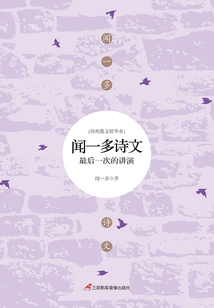
Wen Yiduo's Poems: the Last Lecture
Literature闻一多诗文:最后一次的讲演
Wen Yiduo
Wen Yiduo's works are full of passionate emotions, complete imagery, and harmonious rhythms. They are like oil paintings with heavy colors and are memorable. This book is divided into two parts: prose and poetry. It selects some of Wen Yiduo's classic prose and poetry and contains the essence of Wen Yiduo's works. The book's exposition is incisive, its writing is beautiful and fluent, it is both informative and interesting, and it is fascinating and suitable for a wide range of readers.
Wen Yiduo's works are full of passionate emotions, complete imagery, and harmonious rhythms. They are like oil paintings with heavy colors and are memorable. This book is divided into two parts: prose and poetry. It selects some of Wen Yiduo's classic prose and poetry and contains the essence of Wen Yiduo's works. The book's exposition is incisive, its writing is beautiful and fluent, it is both informative and interesting, and it is fascinating and suitable for a wide range of readers.
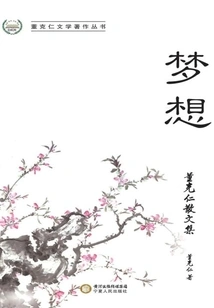
Dream: Dong Keren's Prose Collection
Literature梦想:董克仁散文集
Dong Keren
A few years ago, I reviewed the life path I have taken, looked forward to my future, and based on my current situation and ideals when I was young, I wrote a motto of "Dream, Passion, Exploration, and Transcendence". Now I will give some interpretations of these eight words.
A few years ago, I reviewed the life path I have taken, looked forward to my future, and based on my current situation and ideals when I was young, I wrote a motto of "Dream, Passion, Exploration, and Transcendence". Now I will give some interpretations of these eight words.
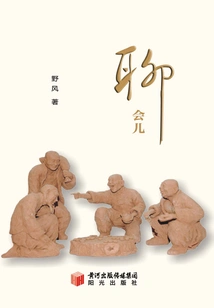
Chat for a While
Literature聊会儿
Wild Wind
In today's world, it can be said that it is difficult to get along, but it can be said that it is easy to get along. A "half-time scholar" like me, with my head full of sorghum flowers, has been able to survive for most of my life with the few words I know with eight years of education. Although he has not become famous, he still has enough food and clothing. Sometimes, you can even pretend to be powerful. When I was lucky, I also had a few years of arrogance. Where do you go to say this?
In today's world, it can be said that it is difficult to get along, but it can be said that it is easy to get along. A "half-time scholar" like me, with my head full of sorghum flowers, has been able to survive for most of my life with the few words I know with eight years of education. Although he has not become famous, he still has enough food and clothing. Sometimes, you can even pretend to be powerful. When I was lucky, I also had a few years of arrogance. Where do you go to say this?
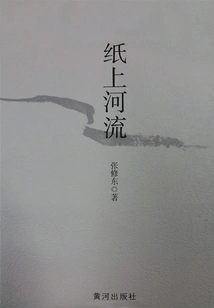
Paper River
Literature纸上河流
Zhang Xiudong
The collection of essays "River Flows on Paper" contains 166 essays and essays written by the author over the past ten years, divided into chapters such as Fragrance of Milan, Love in the Eyes, King Kang's Scenery, Shadows of Life, Rhythm of Thoughts, Streams Along the Road, and Spatial Smoothness. It contains the author's detailed observation, deep thinking and heartfelt praise of the mining scene and the humanistic environment of the mining area, including many thoughts and understandings about life and society. It is a collection of literature that enlightens the soul and delights the mind.
The collection of essays "River Flows on Paper" contains 166 essays and essays written by the author over the past ten years, divided into chapters such as Fragrance of Milan, Love in the Eyes, King Kang's Scenery, Shadows of Life, Rhythm of Thoughts, Streams Along the Road, and Spatial Smoothness. It contains the author's detailed observation, deep thinking and heartfelt praise of the mining scene and the humanistic environment of the mining area, including many thoughts and understandings about life and society. It is a collection of literature that enlightens the soul and delights the mind.
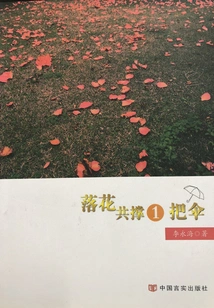
Falling Flowers Share an Umbrella
Literature落花共撑一把伞
Li Yonghai
The book is divided into six series: "Traces of Time", "Ru Ge Sanban", and "Warmth in the Heart". The author is based on taxation and faces the society. His writing style is smooth, distinctive, and his perspective is novel. He describes the truth, goodness and beauty in human nature. The article contains nostalgia, emotion, compassion, and praise, and is full of philosophical thoughts and wise calmness. Readers can not only broaden their horizons and increase their knowledge, but also listen to the author's soul and enjoy the enlightenment and beauty of life.
The book is divided into six series: "Traces of Time", "Ru Ge Sanban", and "Warmth in the Heart". The author is based on taxation and faces the society. His writing style is smooth, distinctive, and his perspective is novel. He describes the truth, goodness and beauty in human nature. The article contains nostalgia, emotion, compassion, and praise, and is full of philosophical thoughts and wise calmness. Readers can not only broaden their horizons and increase their knowledge, but also listen to the author's soul and enjoy the enlightenment and beauty of life.
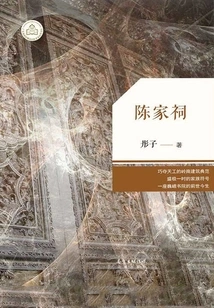
Chen Clan Ancestral Hall
Literature陈家祠
Tongzi
In the 16th year of Guangxu's reign, the Qing government was weakened and uprisings occurred one after another in various places, especially in Guangdong. There were even more gatherings of parties and groups in the name of clan. At that time, the Qing court strictly prohibited the construction of temples and associations in the name of clan. Mr. Chen Ruinan, an overseas Chinese, missed his homeland and looked north to China. His nostalgia grew stronger, so he packed his bags and returned home resolutely. Since the fallen leaves have returned to their roots, they naturally hope to be blessed by their descendants. He, Chen Zhaonan, Chen Xianglin and other celebrities in Guangzhou's philanthropic circles, as well as officials and gentry such as Chen Botao and Chen Lanbin, initiated the construction of a joint ancestral hall, the Chen Family Ancestral Hall, by gathering the efforts of the Chen family members from 72 counties in Guangdong Province. However, the difficulty of motion, the difficulty of construction, the human heart and the world, and the family's hatred and national calamity are naturally entangled. The work uses this as the main line to bring out the past and present lives of the Chen family.
In the 16th year of Guangxu's reign, the Qing government was weakened and uprisings occurred one after another in various places, especially in Guangdong. There were even more gatherings of parties and groups in the name of clan. At that time, the Qing court strictly prohibited the construction of temples and associations in the name of clan. Mr. Chen Ruinan, an overseas Chinese, missed his homeland and looked north to China. His nostalgia grew stronger, so he packed his bags and returned home resolutely. Since the fallen leaves have returned to their roots, they naturally hope to be blessed by their descendants. He, Chen Zhaonan, Chen Xianglin and other celebrities in Guangzhou's philanthropic circles, as well as officials and gentry such as Chen Botao and Chen Lanbin, initiated the construction of a joint ancestral hall, the Chen Family Ancestral Hall, by gathering the efforts of the Chen family members from 72 counties in Guangdong Province. However, the difficulty of motion, the difficulty of construction, the human heart and the world, and the family's hatred and national calamity are naturally entangled. The work uses this as the main line to bring out the past and present lives of the Chen family.
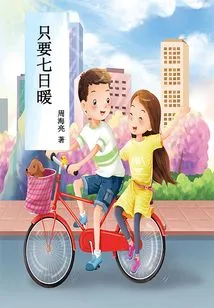
As Long as It's Warm for Seven Days
Literature只要七日暖
Zhou Hailiang
"As Long as Seven Days Warm" is another collection of emotional essays by Zhou Hailiang after "Send You a Warmth". This collection continues the author's consistent writing style and theme, focusing on describing the suffering of life at the bottom, and looking for the shining points of life in the world and hearts of these little people. Therefore, the characters in his works are the poor in life and need people's care and attention. At the same time, these people are also preachers of traditional Chinese virtues and spirit. In "As Long as 7 Days Warm", most of the things narrated and the protagonists are unemployed, disabled, and losers in love and career, but these people possess the most rare kind qualities in today's society. Behind these simple and even sad stories, there is a warm and pleasant light, which makes people feel the precious warmth in our material age.
"As Long as Seven Days Warm" is another collection of emotional essays by Zhou Hailiang after "Send You a Warmth". This collection continues the author's consistent writing style and theme, focusing on describing the suffering of life at the bottom, and looking for the shining points of life in the world and hearts of these little people. Therefore, the characters in his works are the poor in life and need people's care and attention. At the same time, these people are also preachers of traditional Chinese virtues and spirit. In "As Long as 7 Days Warm", most of the things narrated and the protagonists are unemployed, disabled, and losers in love and career, but these people possess the most rare kind qualities in today's society. Behind these simple and even sad stories, there is a warm and pleasant light, which makes people feel the precious warmth in our material age.
Empty Position
Literature虚位
Zhuo Chunxiao
"Empty Position" includes "Empty Position", "Autumn is Dark and Light", "Rejection", "Seeking Proof", "Washing Feet", etc. These novels describe different characters in the workplace, with different psychological characteristics, and are reflected in the continuously advancing storyline.
"Empty Position" includes "Empty Position", "Autumn is Dark and Light", "Rejection", "Seeking Proof", "Washing Feet", etc. These novels describe different characters in the workplace, with different psychological characteristics, and are reflected in the continuously advancing storyline.
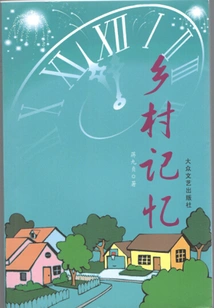
Rural Memory
Literature乡村记忆
Jiang Jiuzhen
The author's writing style is simple and unpretentious, but his little finger is as big as his little finger, and he can understand the subtleties. He scanned the countryside of that period from multiple levels and angles, and comprehensively and truly reflected the rural social style at the beginning of the reform tide. The work has a high position and accurately grasps the pulse of the times. It praises the Party's rural system reform policy with passionate writing, reflects the earth-shaking changes in the countryside, exhales the aspirations of the farmers, eulogizes the new atmosphere and new fashion of the new socialist countryside, and sings the main melody of the times.
The author's writing style is simple and unpretentious, but his little finger is as big as his little finger, and he can understand the subtleties. He scanned the countryside of that period from multiple levels and angles, and comprehensively and truly reflected the rural social style at the beginning of the reform tide. The work has a high position and accurately grasps the pulse of the times. It praises the Party's rural system reform policy with passionate writing, reflects the earth-shaking changes in the countryside, exhales the aspirations of the farmers, eulogizes the new atmosphere and new fashion of the new socialist countryside, and sings the main melody of the times.
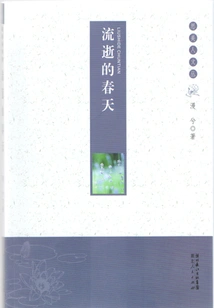
Passing Spring
Literature流逝的春天
Manxi
A collection of essays by the author of "The Passing Spring". Manxi, whose real name is Fu Jinhua, is from Zigui, the hometown of Qu Yuan. He has a calm personality and likes reading and writing. I believe that words are very loyal friends of the soul, and I am willing to stay with the hands of words for a lifetime. I am willing to hold on to the fragrance between the undercurrent and words with a calm and calm mind, and regard these as the most beautiful yearnings in life. There are poems, essays, book (movie) reviews, novels and other texts distributed in various newspapers and magazines.
A collection of essays by the author of "The Passing Spring". Manxi, whose real name is Fu Jinhua, is from Zigui, the hometown of Qu Yuan. He has a calm personality and likes reading and writing. I believe that words are very loyal friends of the soul, and I am willing to stay with the hands of words for a lifetime. I am willing to hold on to the fragrance between the undercurrent and words with a calm and calm mind, and regard these as the most beautiful yearnings in life. There are poems, essays, book (movie) reviews, novels and other texts distributed in various newspapers and magazines.
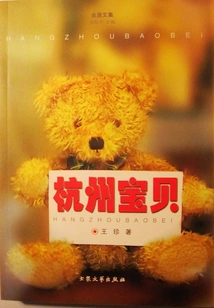
Hangzhou Baby
Literature杭州宝贝
Wang Zhen
"Hangzhou Baby" is reminiscent of Wei Hui's popular "Shanghai Baby" many years ago. Yet the two books are completely different. "Hangzhou Baby" is a film that introduces people who are currently popular in various fields. Each of them has a shining point and is a beautiful scenery. The whole book is divided into "Famous Mouths Chapter", "Art Chapter", "Famous Brands Chapter" and "Rising Stars Chapter", with pictures and texts, and is very visual and interesting.
"Hangzhou Baby" is reminiscent of Wei Hui's popular "Shanghai Baby" many years ago. Yet the two books are completely different. "Hangzhou Baby" is a film that introduces people who are currently popular in various fields. Each of them has a shining point and is a beautiful scenery. The whole book is divided into "Famous Mouths Chapter", "Art Chapter", "Famous Brands Chapter" and "Rising Stars Chapter", with pictures and texts, and is very visual and interesting.
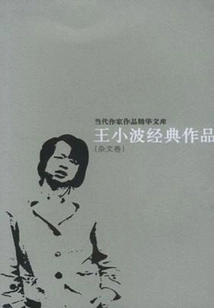
Wang Xiaobo's Classic Works
Literature王小波经典作品
Wang Xiaobo
Wang Xiaobo, a famous writer of his generation. Since his death on April 11, 1997, a large number of comments and commemorative articles have emerged, and the cultural phenomenon of "Wang Xiaobo Fever" has emerged. "Taiwanese Li Ao once said that he is the number one in Chinese vernacular writing. I don't know if I will say that after reading Wang Xiaobo's writing. Really, that's what I think." Li Yinhe said.
Wang Xiaobo, a famous writer of his generation. Since his death on April 11, 1997, a large number of comments and commemorative articles have emerged, and the cultural phenomenon of "Wang Xiaobo Fever" has emerged. "Taiwanese Li Ao once said that he is the number one in Chinese vernacular writing. I don't know if I will say that after reading Wang Xiaobo's writing. Really, that's what I think." Li Yinhe said.
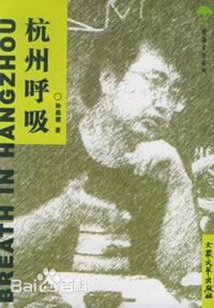
Hangzhou Breathe
Literature杭州呼吸
Sun Changjian
"Gui Yu Wen Cong" collects the works of many outstanding writers in the Hangzhou area. Among them, the book "Hangzhou Breathing" is of self-evident significance in cultivating and strengthening the creative power of Hangzhou.
"Gui Yu Wen Cong" collects the works of many outstanding writers in the Hangzhou area. Among them, the book "Hangzhou Breathing" is of self-evident significance in cultivating and strengthening the creative power of Hangzhou.
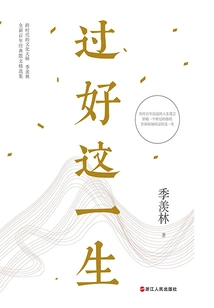
Live This Life Well
Literature过好这一生
Ji Xianlin
Regarding the value and meaning of life, fate and destiny, being a person and doing things... Mr. Ji Xianlin, a wise man of a generation, uses his life wisdom and experience of nearly a century to tell the younger generation of readers how we should live a good life. Although Mr. Ji Xianlin has traveled farther and farther, the life mottos he accumulated remain timeless and have an increasingly profound impact on young readers. What is a complete life? Only when you understand that life is not perfect, but still live extremely truly, and understand your own value and meaning, is that the best state of life.
Regarding the value and meaning of life, fate and destiny, being a person and doing things... Mr. Ji Xianlin, a wise man of a generation, uses his life wisdom and experience of nearly a century to tell the younger generation of readers how we should live a good life. Although Mr. Ji Xianlin has traveled farther and farther, the life mottos he accumulated remain timeless and have an increasingly profound impact on young readers. What is a complete life? Only when you understand that life is not perfect, but still live extremely truly, and understand your own value and meaning, is that the best state of life.
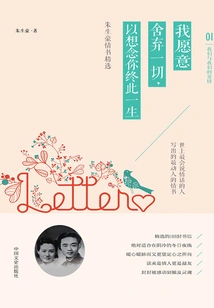
我愿意舍弃一切,以想念你终此一生:朱生豪情书精选
Zhu Shenghao
In the autumn of 1932, Zhu Shenghao and Song Qingru met through poetry at Zhijiang University. Later, they got to know each other because they had similar interests. In 1933, Zhu Shenghao went to Shanghai to work after graduation, and the two separated from each other. They began a journey of bitter love for nearly ten years, exchanging emotions and expressing their lovesickness through letters. In the letter, Zhu Shenghao talked about everything, chatting about life, confiding his longing, comparing poems, exchanging joys and sorrows, encouraging each other, translating Shakespeare's plays... The main thread throughout was his infinite longing and admiration for Song Qingru. Zhu Shenghao's letters are absolutely suitable for those cold winter nights. They warm the heart and lungs and strengthen the heart's aspirations. They are both lovers and good friends. They are so moved that they touch the soul. There is something indescribably good about it. This book selects 188 love letters from Mr. Zhu. These love letters all show his writing handwriting and thoughts at that time, and allow us to re-understand a three-dimensional and lifelike Zhu Shenghao. This may not be recognized by his classmates and friends, because he does not like to speak in front of others, and all his humor, intelligence and reverie are only spoken to his dear "good friend" Song Qingru.
In the autumn of 1932, Zhu Shenghao and Song Qingru met through poetry at Zhijiang University. Later, they got to know each other because they had similar interests. In 1933, Zhu Shenghao went to Shanghai to work after graduation, and the two separated from each other. They began a journey of bitter love for nearly ten years, exchanging emotions and expressing their lovesickness through letters. In the letter, Zhu Shenghao talked about everything, chatting about life, confiding his longing, comparing poems, exchanging joys and sorrows, encouraging each other, translating Shakespeare's plays... The main thread throughout was his infinite longing and admiration for Song Qingru. Zhu Shenghao's letters are absolutely suitable for those cold winter nights. They warm the heart and lungs and strengthen the heart's aspirations. They are both lovers and good friends. They are so moved that they touch the soul. There is something indescribably good about it. This book selects 188 love letters from Mr. Zhu. These love letters all show his writing handwriting and thoughts at that time, and allow us to re-understand a three-dimensional and lifelike Zhu Shenghao. This may not be recognized by his classmates and friends, because he does not like to speak in front of others, and all his humor, intelligence and reverie are only spoken to his dear "good friend" Song Qingru.
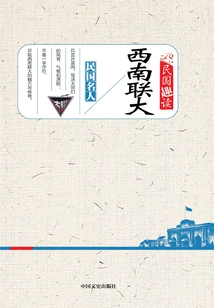
Southwest Associated University
Literature西南联大
"southwestern Associated University" Editorial Team
This is a collection of texts recalling the days of Southwest Associated University. The authors are all great figures from the Republic of China, such as Feng Youlan, Wang Zengqi, Li Jianwu, Wen Yiduo, Wang Jingshan, He Liankui, Zhu Guangya, etc. These great figures from the Republic of China told about anecdotes about the classroom, the demeanor of famous teachers, and club activities during the eight years of Southwest Associated University... Snippets and a few sentences vividly reproduced the bygone past on the campus of Southwest Associated University. Chewing these distinctive and dynamic words, the love and scenery between them can be vividly remembered, and the time in college also seems gorgeous and glorious.
This is a collection of texts recalling the days of Southwest Associated University. The authors are all great figures from the Republic of China, such as Feng Youlan, Wang Zengqi, Li Jianwu, Wen Yiduo, Wang Jingshan, He Liankui, Zhu Guangya, etc. These great figures from the Republic of China told about anecdotes about the classroom, the demeanor of famous teachers, and club activities during the eight years of Southwest Associated University... Snippets and a few sentences vividly reproduced the bygone past on the campus of Southwest Associated University. Chewing these distinctive and dynamic words, the love and scenery between them can be vividly remembered, and the time in college also seems gorgeous and glorious.
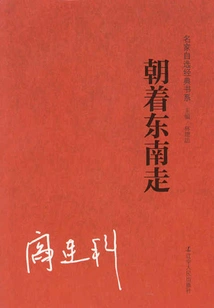
Go Southeast
Literature朝着东南走
Yan Lianke
"Going Southeast" is the latest collection of short stories and essays by the powerful contemporary writer Yan Lianke. "Going Southeast" covers themes such as family affection, nostalgia, military life, and criticism of local culture. Especially in the more reminiscence articles, the author's discovery, care and care for human nature, his extreme respect for life, and his heavy questioning of dreams and ultimate destiny are revealed from time to time, full of a sense of history and weight.
"Going Southeast" is the latest collection of short stories and essays by the powerful contemporary writer Yan Lianke. "Going Southeast" covers themes such as family affection, nostalgia, military life, and criticism of local culture. Especially in the more reminiscence articles, the author's discovery, care and care for human nature, his extreme respect for life, and his heavy questioning of dreams and ultimate destiny are revealed from time to time, full of a sense of history and weight.
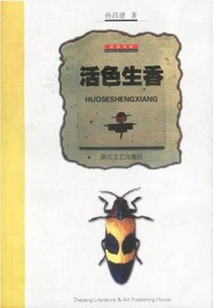
Lively and Colorful
Literature活色生香
Sun Changjian
"Live Color and Fragrance" includes articles such as "Youth is too short to wear anymore", "Youth in 1977", "A moment of silence for sketches", "Cui Yongyuan is nothing more than that", "Zhou Bapi's wife turned into snow", etc.
"Live Color and Fragrance" includes articles such as "Youth is too short to wear anymore", "Youth in 1977", "A moment of silence for sketches", "Cui Yongyuan is nothing more than that", "Zhou Bapi's wife turned into snow", etc.
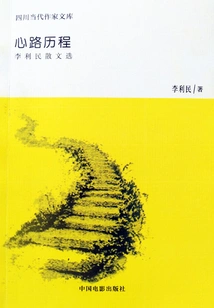
心路历程:李利民散文选
Li Limin
Li Limin, whose pen name is Muhe, was born in 1958 in Bazhong, Sichuan. He is a national first-class artist, writer and attending physician. His main business is medicine and he is engaged in literary and artistic creation in his spare time. He has published more than 500 pieces of literature, calligraphy and painting in more than 100 newspapers and periodicals such as People's Daily Online, "Young Poets" and "Chinese Painting and Calligraphy". His literary and artistic works have won more than 30 awards in domestic and foreign competitions, and have been selected for overseas exhibitions many times. He is currently the vice chairman of the Chinese Calligraphy Artists Association, a member of the Chinese Traditional Chinese Painters Association, a director of the Chinese Poets Association, a member of the Sichuan Writers Association, and the deputy secretary-general of the Bazhou District Writers Association. He has published three collections of personal literary works and four collections of fine art works.
Li Limin, whose pen name is Muhe, was born in 1958 in Bazhong, Sichuan. He is a national first-class artist, writer and attending physician. His main business is medicine and he is engaged in literary and artistic creation in his spare time. He has published more than 500 pieces of literature, calligraphy and painting in more than 100 newspapers and periodicals such as People's Daily Online, "Young Poets" and "Chinese Painting and Calligraphy". His literary and artistic works have won more than 30 awards in domestic and foreign competitions, and have been selected for overseas exhibitions many times. He is currently the vice chairman of the Chinese Calligraphy Artists Association, a member of the Chinese Traditional Chinese Painters Association, a director of the Chinese Poets Association, a member of the Sichuan Writers Association, and the deputy secretary-general of the Bazhou District Writers Association. He has published three collections of personal literary works and four collections of fine art works.
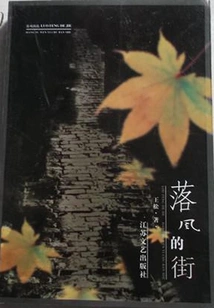
Windy Street
Literature落风的街
Wang Song
Wang Song, male, originally from Beijing. Member of the Chinese Writers Association, national first-level writer, visiting professor of Beijing Normal University, and enjoys the State Council Expert Allowance. Professional writer from Tianjin Writers Association. Graduated from the Department of Mathematics of Tianjin Normal University in 1982 and has served as a teacher, reporter, magazine editor, and television director. He started writing literature in 1983, mainly novels. He has published a large number of long, medium and short stories in major domestic literary journals such as People's Literature, Harvest, Chinese Writers, October, Contemporary, Flower City, Everyone, and Zhongshan. He has published more than 10 full-length novels, such as "No Love in Spring", "Song·Balad", "Fish", "Motivation", and "Night·Color", and self-selected novellas such as "Sunshine Like Smoke", "Toads in Bloom", "Collected Works of Wang Song" (four volumes), etc. To date, he has published more than 10 million words of novels, and his works have been reprinted and selected for many times by "Selected Novels", "Novel Monthly" and various domestic literary anthologies and anthologies. In 2004, he won the Tianjin "Young Writers Creation Award". The novella "Mercurochrome" won the "Great Red Eagle Literary Award for Outstanding Novel" by "Chinese Writers". The novella "The Story of Two Donkeys" has won the "2003-2006 National Outstanding Novel Award" from "Selected Novels", the "National Readers' Favorite Novel Award" from "Selected Novels", and the "Beijing Literature Novella Monthly" Excellent Novel Award, etc., And has been adapted into a movie. Other works have won various domestic literary awards many times and been adapted into film and television works. From 2005 to 2008, he began to write novels with the theme of "post-educated youth", trying to interpret and express that special history from a new perspective. He published "post-educated youth" in magazines such as "Harvest", "People's Literature", "Contemporary" and "Everyone". A number of short and medium-sized novels, including "Pigs for Educated Youth", "Sunflowers to the Sun", "A River of Red Flags", "Eyebrows", "Two Donkeys", "Toads in Bloom", "Pig-Headed Qin", "Autumn Ming Mountain", "Crying Wheat", "Woodcock - Vertical Blowing", "Sunflower Induction", and "Our Story". At the same time, he created a large number of sketches, cross talk and lyrics. The sketches and cross talk works have been broadcast and performed at the domestic CCTV Spring Festival Gala and major TV stations' art evening parties, and have won many domestic awards.
Wang Song, male, originally from Beijing. Member of the Chinese Writers Association, national first-level writer, visiting professor of Beijing Normal University, and enjoys the State Council Expert Allowance. Professional writer from Tianjin Writers Association. Graduated from the Department of Mathematics of Tianjin Normal University in 1982 and has served as a teacher, reporter, magazine editor, and television director. He started writing literature in 1983, mainly novels. He has published a large number of long, medium and short stories in major domestic literary journals such as People's Literature, Harvest, Chinese Writers, October, Contemporary, Flower City, Everyone, and Zhongshan. He has published more than 10 full-length novels, such as "No Love in Spring", "Song·Balad", "Fish", "Motivation", and "Night·Color", and self-selected novellas such as "Sunshine Like Smoke", "Toads in Bloom", "Collected Works of Wang Song" (four volumes), etc. To date, he has published more than 10 million words of novels, and his works have been reprinted and selected for many times by "Selected Novels", "Novel Monthly" and various domestic literary anthologies and anthologies. In 2004, he won the Tianjin "Young Writers Creation Award". The novella "Mercurochrome" won the "Great Red Eagle Literary Award for Outstanding Novel" by "Chinese Writers". The novella "The Story of Two Donkeys" has won the "2003-2006 National Outstanding Novel Award" from "Selected Novels", the "National Readers' Favorite Novel Award" from "Selected Novels", and the "Beijing Literature Novella Monthly" Excellent Novel Award, etc., And has been adapted into a movie. Other works have won various domestic literary awards many times and been adapted into film and television works. From 2005 to 2008, he began to write novels with the theme of "post-educated youth", trying to interpret and express that special history from a new perspective. He published "post-educated youth" in magazines such as "Harvest", "People's Literature", "Contemporary" and "Everyone". A number of short and medium-sized novels, including "Pigs for Educated Youth", "Sunflowers to the Sun", "A River of Red Flags", "Eyebrows", "Two Donkeys", "Toads in Bloom", "Pig-Headed Qin", "Autumn Ming Mountain", "Crying Wheat", "Woodcock - Vertical Blowing", "Sunflower Induction", and "Our Story". At the same time, he created a large number of sketches, cross talk and lyrics. The sketches and cross talk works have been broadcast and performed at the domestic CCTV Spring Festival Gala and major TV stations' art evening parties, and have won many domestic awards.
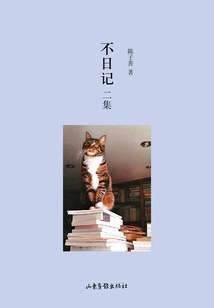
No Diary Episode 2
Literature不日记二集
Chen Zishan
"Bu Diary Volume 2" is the second collection published after "Bu Diary". "No Diary" is the name of Mr. Chen Zishan's column in "Wenhui Po·Pen Club". As the name suggests, "It is not a diary written every day." The column content mostly records the author's interactions with writers and celebrities, as well as elegant events in the literary world. Mr. Chen said that "the topics are relatively focused, and I have a brief understanding of the study of modern and contemporary Chinese literature, especially the excavation of historical materials, from a micro level" and "occasionally talk about my own interests and hobbies, such as Western music." This book also comes with 22 photos and manuscripts of first editions and printed works of modern writers. The cover picture shows Mr. Chen Zishan's cat Chen Duo, and there is a kitten bookplate on the title page for readers to enjoy.
"Bu Diary Volume 2" is the second collection published after "Bu Diary". "No Diary" is the name of Mr. Chen Zishan's column in "Wenhui Po·Pen Club". As the name suggests, "It is not a diary written every day." The column content mostly records the author's interactions with writers and celebrities, as well as elegant events in the literary world. Mr. Chen said that "the topics are relatively focused, and I have a brief understanding of the study of modern and contemporary Chinese literature, especially the excavation of historical materials, from a micro level" and "occasionally talk about my own interests and hobbies, such as Western music." This book also comes with 22 photos and manuscripts of first editions and printed works of modern writers. The cover picture shows Mr. Chen Zishan's cat Chen Duo, and there is a kitten bookplate on the title page for readers to enjoy.
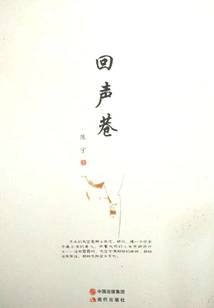
Echo Alley
Literature回声巷
Chen Yu
"Echo Alley" is divided into six series: "The Lost Years", "The Post Road Journey", "The Love Is Short on Paper", "In Dreams and Beyond", "I Have Something to Say", and "Green Mountains Outside the Territory", and is composed of more than 40 short prose essays. When reading "Echo Alley", there is often a kind of soaring poetic feeling that jumps up and down in my heart. My thoughts are always immersed in his feelings for his hometown, his father and fellow villagers, and the warm soil under his feet. From his willful and calm historical description, we can find the foundation of his life and the source of his creation.
"Echo Alley" is divided into six series: "The Lost Years", "The Post Road Journey", "The Love Is Short on Paper", "In Dreams and Beyond", "I Have Something to Say", and "Green Mountains Outside the Territory", and is composed of more than 40 short prose essays. When reading "Echo Alley", there is often a kind of soaring poetic feeling that jumps up and down in my heart. My thoughts are always immersed in his feelings for his hometown, his father and fellow villagers, and the warm soil under his feet. From his willful and calm historical description, we can find the foundation of his life and the source of his creation.