Library
Browse and search books
6,953 novels found
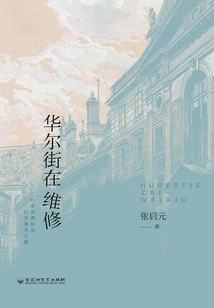
Wall Street is in Repair
Literature华尔街在维修
Zhang Qiyuan
"Maintenance on Wall Street" is a collection of prose essays, including "Tasting Fragrances and Appreciating Herbs from Foreign Lands", "Feelings of Family and Country", "Ode to the Floating World" and "Seeing the Creation of Novel". It mainly collects the author's experiences in a foreign country and the resulting understanding of cultural differences. At the same time, the author also expresses his own opinions on related issues based on his own position, which has certain reference value.
"Maintenance on Wall Street" is a collection of prose essays, including "Tasting Fragrances and Appreciating Herbs from Foreign Lands", "Feelings of Family and Country", "Ode to the Floating World" and "Seeing the Creation of Novel". It mainly collects the author's experiences in a foreign country and the resulting understanding of cultural differences. At the same time, the author also expresses his own opinions on related issues based on his own position, which has certain reference value.
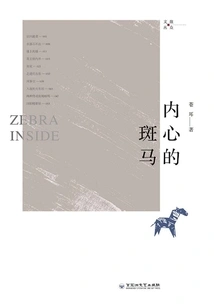
Inner Zebra
Literature内心的斑马
Cocklebur
"The Zebra in the Heart" is one of our company's "Sanzhong Books". It contains more than ten essays and essays by the author Xanthella, covering traditional culture, social real life, and the world's human nature, etc. It has strong aesthetic value and revealing significance. The writing style of the work is calm and concise, showing the author's profound and meticulous observation and thinking about real life and his recollection of traditional culture.
"The Zebra in the Heart" is one of our company's "Sanzhong Books". It contains more than ten essays and essays by the author Xanthella, covering traditional culture, social real life, and the world's human nature, etc. It has strong aesthetic value and revealing significance. The writing style of the work is calm and concise, showing the author's profound and meticulous observation and thinking about real life and his recollection of traditional culture.
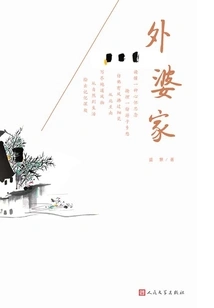
Grandma's House
Literature外婆家
Sheng Hui
"Grandma's House" is a collection of essays about rural society in the 1980s. It recreates the old days of a southern town called Yantou Town, records the author's youth growth, and expresses the nostalgia for the hometown and the touching love between grandparents and grandchildren who have left home. Past events in the countryside, childhood images, memories of growing up, and the customs on the road... The author's free and straightforward narration shines with poetic light. He makes a delicate and profound description of the ethics, economic activities, folk beliefs, and traditional customs of southern China's towns and villages, with poetic quality and humanistic sentiments.
"Grandma's House" is a collection of essays about rural society in the 1980s. It recreates the old days of a southern town called Yantou Town, records the author's youth growth, and expresses the nostalgia for the hometown and the touching love between grandparents and grandchildren who have left home. Past events in the countryside, childhood images, memories of growing up, and the customs on the road... The author's free and straightforward narration shines with poetic light. He makes a delicate and profound description of the ethics, economic activities, folk beliefs, and traditional customs of southern China's towns and villages, with poetic quality and humanistic sentiments.
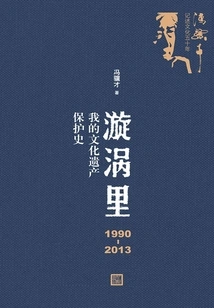
漩涡里:1990—2013我的文化遗产保护史
Feng Jicai
This is a collection of essays. Writer Feng Jicai wrote about his journey since the 1990s when he devoted himself to the protection of folk cultural heritage. Feng Jicai regards protecting folk culture and traditional culture as his bounden duty in terms of emotion and mission. From the initial spontaneous action to the later active investment, Feng Jicai never left his identity and position as a writer. This position is not only an ideological position, but also carries a strong emotion. The specific stories of protecting folk cultural heritage reflect his cultural sensitivity and awareness, responsibility and responsibility as an intellectual.
This is a collection of essays. Writer Feng Jicai wrote about his journey since the 1990s when he devoted himself to the protection of folk cultural heritage. Feng Jicai regards protecting folk culture and traditional culture as his bounden duty in terms of emotion and mission. From the initial spontaneous action to the later active investment, Feng Jicai never left his identity and position as a writer. This position is not only an ideological position, but also carries a strong emotion. The specific stories of protecting folk cultural heritage reflect his cultural sensitivity and awareness, responsibility and responsibility as an intellectual.
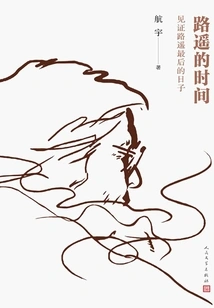
路遥的时间:见证路遥最后的日子
Hangyu
The author Hangyu was Lu Yao's colleague and friend. In the last two years of Lu Yao's life, he accompanied and cared for Lu Yao like a relative and brother, and became Lu Yao's only support in the end. The book not only records Lu Yao's complex emotions after winning the first prize, but also comprehensively describes Lu Yao's unknown stories in his last days, such as compiling anthologies, fighting against illness, encountering family breakups, etc. It also delicately and truly presents Lu Yao's complex emotions of longing for life and bravely fighting for life. The author Hangyu's writing style is delicate, the description is vivid, smooth and natural, and the words are full of true feelings.
The author Hangyu was Lu Yao's colleague and friend. In the last two years of Lu Yao's life, he accompanied and cared for Lu Yao like a relative and brother, and became Lu Yao's only support in the end. The book not only records Lu Yao's complex emotions after winning the first prize, but also comprehensively describes Lu Yao's unknown stories in his last days, such as compiling anthologies, fighting against illness, encountering family breakups, etc. It also delicately and truly presents Lu Yao's complex emotions of longing for life and bravely fighting for life. The author Hangyu's writing style is delicate, the description is vivid, smooth and natural, and the words are full of true feelings.
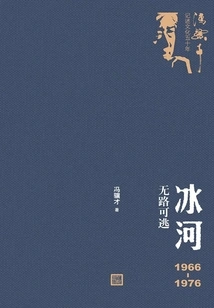
Glacier: 1966-1976 No Escape
Literature冰河:1966—1976无路可逃
Feng Jicai
This is a collection of essays that records the writer Feng Jicai's bits and pieces of memories about writing, life, and reality, and tells his life experience from being a painter to becoming a writer. This collection of essays contains the author's family and family stories, as well as Feng Jicai's own growth, love and other past events in his youth. The writing is humorous, fluent and natural, plain yet touching, and full of power to read.
This is a collection of essays that records the writer Feng Jicai's bits and pieces of memories about writing, life, and reality, and tells his life experience from being a painter to becoming a writer. This collection of essays contains the author's family and family stories, as well as Feng Jicai's own growth, love and other past events in his youth. The writing is humorous, fluent and natural, plain yet touching, and full of power to read.
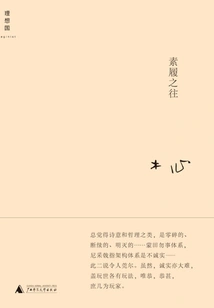
The Past
Literature素履之往
Mu Xin
I always feel that poetry and philosophy are fragmented, intermittent, and bright and dim. There are more than 27,000 lines of poetic drama, and logical works with overlapping peaks and ridges. Goethe and Hegel did not feel tired after finishing them, but they were already exhausted and clueless just thinking about them. Montaigne said nothing about the system, and Nietzsche pointed out that the structural system is dishonest. These two statements make people smile. Although being honest is also a big problem, everyone has his own way of playing the game, but only respectful, respectful, and common people are just players. I have followed Gong and Dangdang to this day, otherwise there would be no need for literature.
I always feel that poetry and philosophy are fragmented, intermittent, and bright and dim. There are more than 27,000 lines of poetic drama, and logical works with overlapping peaks and ridges. Goethe and Hegel did not feel tired after finishing them, but they were already exhausted and clueless just thinking about them. Montaigne said nothing about the system, and Nietzsche pointed out that the structural system is dishonest. These two statements make people smile. Although being honest is also a big problem, everyone has his own way of playing the game, but only respectful, respectful, and common people are just players. I have followed Gong and Dangdang to this day, otherwise there would be no need for literature.
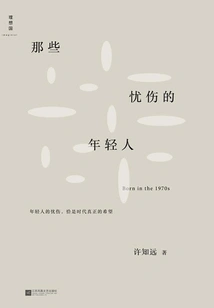
Those Sad Young People (new Version)
Literature那些忧伤的年轻人(新版)
Xu Zhiyuan
This book is Xu Zhiyuan's masterpiece in his early years and has been selling well for nearly twenty years. The chapters in the book are the reading thoughts and reading notes written by the author in places such as Starbucks cafes and the boys' dormitory on the Peking University campus. They are full of young people's yearning for human civilization and the brilliance of integrating into the great soul. At the same time, facing a rich and monotonous society, he analyzed his own heart again and again, determined the distance between ideals and reality, and searched for his own historical coordinates. The book shows the insistence on personal uniqueness and the vigilance against the closed and self-indulgent small world, which is quite inspiring to the younger generation.
This book is Xu Zhiyuan's masterpiece in his early years and has been selling well for nearly twenty years. The chapters in the book are the reading thoughts and reading notes written by the author in places such as Starbucks cafes and the boys' dormitory on the Peking University campus. They are full of young people's yearning for human civilization and the brilliance of integrating into the great soul. At the same time, facing a rich and monotonous society, he analyzed his own heart again and again, determined the distance between ideals and reality, and searched for his own historical coordinates. The book shows the insistence on personal uniqueness and the vigilance against the closed and self-indulgent small world, which is quite inspiring to the younger generation.
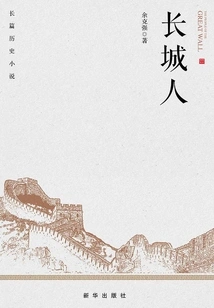
Great Wall Man
Literature长城人
Yu Keqiang
Yu Keqiang is a member of the Hebei Provincial Writers Association, a consultant of the Tangshan Writers Association, and the legal person of Hebei Daai Zhaoxue Film and Television Production Co., Ltd., Who hosted the first and second national "Li Dazhao Cup, Zhang Ailing Cup, Cheng Zhaocai Cup, and Cao Xueqin Cup Literary Competitions" and published a collection of essays "People Looking for Dreams". He has written the novel "Dance of the Phoenix"; the film script "The Story of Shangdao Village"; selected poems, essays, novels, essays, travel notes, film and television stories, film scripts and other works such as "Great Love Signs Snow" and "Plowing Heart"; and selected film literary scripts "Love Determines Laws and Meanings". Editor-in-chief of "Contemporary Economic Library", director of the board of directors of Xinghai Huayuan Real Estate Group Co., Ltd., Author of the novella and movie script "My Huayuan, My Home", and the first commercial and film double star Haihuayuan civilization industry.
Yu Keqiang is a member of the Hebei Provincial Writers Association, a consultant of the Tangshan Writers Association, and the legal person of Hebei Daai Zhaoxue Film and Television Production Co., Ltd., Who hosted the first and second national "Li Dazhao Cup, Zhang Ailing Cup, Cheng Zhaocai Cup, and Cao Xueqin Cup Literary Competitions" and published a collection of essays "People Looking for Dreams". He has written the novel "Dance of the Phoenix"; the film script "The Story of Shangdao Village"; selected poems, essays, novels, essays, travel notes, film and television stories, film scripts and other works such as "Great Love Signs Snow" and "Plowing Heart"; and selected film literary scripts "Love Determines Laws and Meanings". Editor-in-chief of "Contemporary Economic Library", director of the board of directors of Xinghai Huayuan Real Estate Group Co., Ltd., Author of the novella and movie script "My Huayuan, My Home", and the first commercial and film double star Haihuayuan civilization industry.
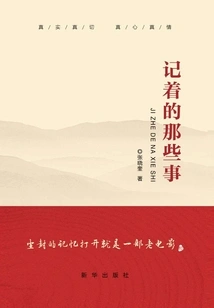
Things I Remember
Literature记着的那些事
Zhang Xiaokui
This book is a collection of essays written by Comrade Zhang Xiaokui, the former deputy deputy prosecutor of the Jincheng City People's Procuratorate, based on his life experiences. Comrade Zhang Xiaokui has a rich life experience. He was an educated youth. After the resumption of the college entrance examination, he was admitted to Shanxi Agricultural College, worked in business for a period of time, and then entered politics. He served successively as Secretary of the Youth League Committee of the Agricultural Bureau of Southeast Shanxi Province; Director of the Education Office and Standing Committee of the Jincheng City Discipline Inspection Commission; Deputy Prosecutor General and Director of the Anti-Corruption Bureau, Deputy Secretary of the Party Leadership Group, and Executive Deputy Prosecutor General of the Jincheng City People's Procuratorate. In his spare time, he keeps writing and has published many works in various newspapers and periodicals at all levels. This book uses time as a node to review his life experience and expresses the author's love for work and gratitude for life.
This book is a collection of essays written by Comrade Zhang Xiaokui, the former deputy deputy prosecutor of the Jincheng City People's Procuratorate, based on his life experiences. Comrade Zhang Xiaokui has a rich life experience. He was an educated youth. After the resumption of the college entrance examination, he was admitted to Shanxi Agricultural College, worked in business for a period of time, and then entered politics. He served successively as Secretary of the Youth League Committee of the Agricultural Bureau of Southeast Shanxi Province; Director of the Education Office and Standing Committee of the Jincheng City Discipline Inspection Commission; Deputy Prosecutor General and Director of the Anti-Corruption Bureau, Deputy Secretary of the Party Leadership Group, and Executive Deputy Prosecutor General of the Jincheng City People's Procuratorate. In his spare time, he keeps writing and has published many works in various newspapers and periodicals at all levels. This book uses time as a node to review his life experience and expresses the author's love for work and gratitude for life.
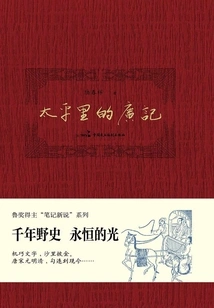
Guangji in Taiping Lane
Literature太平里的广记
Lu Chunxiang
The subject matter of this manuscript is essays, covering more than 100 short stories. It records the author's insights and random thoughts after reading the notes of literati in the Song, Yuan, Ming and Qing dynasties. The types of notes interpreted by the author include three categories: "novel and story type", "historical trivia type" and "textual research and dialectical type", which are more specifically divided into legends, legends, miscellaneous records, series of talks and identification. The author of Proverbs writes smoothly and concisely. The manuscript is rich in content and has a novel perspective.
The subject matter of this manuscript is essays, covering more than 100 short stories. It records the author's insights and random thoughts after reading the notes of literati in the Song, Yuan, Ming and Qing dynasties. The types of notes interpreted by the author include three categories: "novel and story type", "historical trivia type" and "textual research and dialectical type", which are more specifically divided into legends, legends, miscellaneous records, series of talks and identification. The author of Proverbs writes smoothly and concisely. The manuscript is rich in content and has a novel perspective.
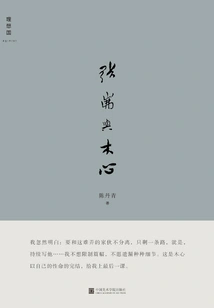
Zhang Hu and Mu Xin
Literature张岪与木心
Chen Danqing
"I suddenly understood: There is only one way to stay with this difficult guy, which is to continue writing about him... I don't want to limit the length or leave out all kinds of details. This is the end of Mu Xin's own life to teach me the last lesson." - Chen Danqing Zhang Hu is the pen name Mu Xin gave Chen Danqing. In 1982, Chen Danqing and Mu Xin went to the United States and met on the New York subway. They became both mentor and friend for nearly thirty years. After Mu Xin passed away in 2011, Chen Danqing began to write about Mu Xin. Eight years later, this collection was produced. The book uses extremely realistic pen and ink and careful and sincere words to recall Mu Xin's literary journey starting from the end point. It is rare that a person's death is described in such detail, and it is rare that such words gaze at death so affectionately. "Zhang Hu and Mu Xin" records the death of literature and itself becomes the literature of death.
"I suddenly understood: There is only one way to stay with this difficult guy, which is to continue writing about him... I don't want to limit the length or leave out all kinds of details. This is the end of Mu Xin's own life to teach me the last lesson." - Chen Danqing Zhang Hu is the pen name Mu Xin gave Chen Danqing. In 1982, Chen Danqing and Mu Xin went to the United States and met on the New York subway. They became both mentor and friend for nearly thirty years. After Mu Xin passed away in 2011, Chen Danqing began to write about Mu Xin. Eight years later, this collection was produced. The book uses extremely realistic pen and ink and careful and sincere words to recall Mu Xin's literary journey starting from the end point. It is rare that a person's death is described in such detail, and it is rare that such words gaze at death so affectionately. "Zhang Hu and Mu Xin" records the death of literature and itself becomes the literature of death.
Feeling Relieved
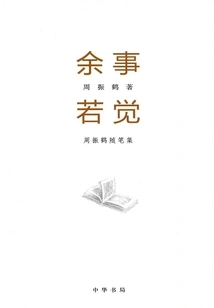
Literature余事若觉
Zhou Zhenhe
This book contains more than thirty essays written by Mr. Zhou Zhenhe in addition to his academic research. It is some of Mr. Zhou's reflections on academics and culture in recent years. Including history, religion, linguistics and other aspects. Although it is not a systematic discussion, each article has a finishing touch and can be called a classic.
This book contains more than thirty essays written by Mr. Zhou Zhenhe in addition to his academic research. It is some of Mr. Zhou's reflections on academics and culture in recent years. Including history, religion, linguistics and other aspects. Although it is not a systematic discussion, each article has a finishing touch and can be called a classic.
Meeting in Kyoto
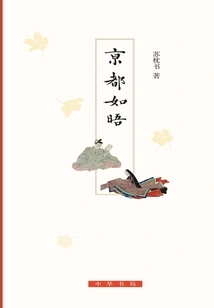
Literature京都如晤
Su Zhenshu
This is the first collection of correspondence essays by Su Zhenshu, a writer living in Japan, who has been living in Kyoto for nine years. The author spent seven years recording the beauty of Kyoto's mountains and rivers, what he saw and felt during his travels and reading, and echoed the flow of time in the ancient city of Kyoto with elegant and delicate words. A thousand-year-old ancient capital, the words are as clear as the face.
This is the first collection of correspondence essays by Su Zhenshu, a writer living in Japan, who has been living in Kyoto for nine years. The author spent seven years recording the beauty of Kyoto's mountains and rivers, what he saw and felt during his travels and reading, and echoed the flow of time in the ancient city of Kyoto with elegant and delicate words. A thousand-year-old ancient capital, the words are as clear as the face.
School with No Way to Graduate
Literature无从毕业的学校
Shen Congwen
"The School Without Graduation" is a compilation of Mr. Shen Congwen's classic essays on scholarship. It is divided into three parts: the reading and educational experience in adolescence; the thinking and exploration of literature in the literary creation stage; and the stop of literary creation after 1049 and the transition to the stage of cultural relics research, where the collection and research of cultural relics are carried out. The book contains twenty-two autobiographical articles, showing the arduous and persistent academic path of an intellectual throughout his life.
"The School Without Graduation" is a compilation of Mr. Shen Congwen's classic essays on scholarship. It is divided into three parts: the reading and educational experience in adolescence; the thinking and exploration of literature in the literary creation stage; and the stop of literary creation after 1049 and the transition to the stage of cultural relics research, where the collection and research of cultural relics are carried out. The book contains twenty-two autobiographical articles, showing the arduous and persistent academic path of an intellectual throughout his life.
The Forest is Getting Bigger
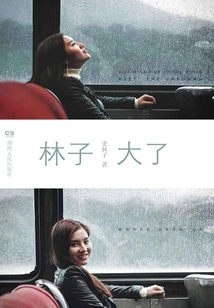
Literature林子大了
Shi Linzi
As the host of Tourism TV, Shi Linzi has written down the beautiful and magical places in the world that he has traveled to over the years. This book not only presents the strangeness of exotic landscapes and the beauty of natural landscapes, but also contains Lin Zi's thoughts on life and the self-growth gained during travel. The book contains the experience of almost losing his life in the sugar cane field of Aswan, and the memory of encountering the love of a stranger in Bourges... The book sincerely describes the various thrills, surprises, and surprises of the journey and life. I believe that readers will be able to see a different world with Lin Zi's gaze.
As the host of Tourism TV, Shi Linzi has written down the beautiful and magical places in the world that he has traveled to over the years. This book not only presents the strangeness of exotic landscapes and the beauty of natural landscapes, but also contains Lin Zi's thoughts on life and the self-growth gained during travel. The book contains the experience of almost losing his life in the sugar cane field of Aswan, and the memory of encountering the love of a stranger in Bourges... The book sincerely describes the various thrills, surprises, and surprises of the journey and life. I believe that readers will be able to see a different world with Lin Zi's gaze.
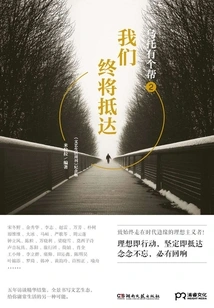
乌托有个帮2:我们终将抵达
Compiled By Mirala
This book will carefully select and organize the exclusive interviews and precious images of literary and artistic figures over the past five years to restore the "spiritual enjoyment" that the literary and artistic life weekly really wants to lead. They grow freely in their own fields like a tree, such as music, drama, film, photography, contemporary art, literature, etc. They pay attention to their own leaves and roots, focus on the exploration of their own professional fields, and maintain a certain distance from the times. This kind of consistency in the cramped life is so rare in today's slightly impetuous society. The book will mainly include: Li Liqun, Meng Jinghui, Liao Yimei, Hu Defu, Liang Xiaoxue, Chen Li, Shao Xiaomao, Zhao Lei, Lin Huaimin, Hao Lei, Eason Chan, Xu Wei, Hara Yanzai, Xiao Quan, Lin Yihua, Hou Xiao Xian, Wong Kar-wai, Ozu Yasujiro, Yang Dechang, Tao Lixia, Shen Lihui, Gui Lunmei, Yip Jintian, Cao Fang, Zhao Zhao, Zhang Weiwei, Jin Shijie, Fang Xu, Wang Xiaoshuai, Zhang Zhen, Luo Qirui and others.
This book will carefully select and organize the exclusive interviews and precious images of literary and artistic figures over the past five years to restore the "spiritual enjoyment" that the literary and artistic life weekly really wants to lead. They grow freely in their own fields like a tree, such as music, drama, film, photography, contemporary art, literature, etc. They pay attention to their own leaves and roots, focus on the exploration of their own professional fields, and maintain a certain distance from the times. This kind of consistency in the cramped life is so rare in today's slightly impetuous society. The book will mainly include: Li Liqun, Meng Jinghui, Liao Yimei, Hu Defu, Liang Xiaoxue, Chen Li, Shao Xiaomao, Zhao Lei, Lin Huaimin, Hao Lei, Eason Chan, Xu Wei, Hara Yanzai, Xiao Quan, Lin Yihua, Hou Xiao Xian, Wong Kar-wai, Ozu Yasujiro, Yang Dechang, Tao Lixia, Shen Lihui, Gui Lunmei, Yip Jintian, Cao Fang, Zhao Zhao, Zhang Weiwei, Jin Shijie, Fang Xu, Wang Xiaoshuai, Zhang Zhen, Luo Qirui and others.
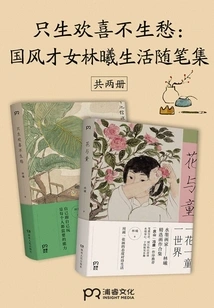
只生欢喜不生愁:国风才女林曦生活随笔集(共2册)
Lin Xi
This set contains two volumes: 1. "Only Joy and No Sorrow" is a collection of essays on art and life by ink painter Lin Xi, talking about the art of art and the beauty of uselessness. The book is divided into six series according to the theme: "Art can pass through", "Contemplating the world", "Getting at ease with Zen", "A place of peace of mind", "Written to time" and "Innocent heart". The text is light and the artistic conception is elegant. Lin Xi analyzes the essential connotation of artistic aesthetic education in the way of a craftsman, and shares the joy of writing, the method of concentration, the cultivation of mental strength, and the learning methods of art. From the perspective of Chinese literati, she observes the aesthetic taste of contemporary life, explains what "useless beauty" is, how to "live alone", and explores ways to return traditional aesthetics to modern life. It is everyone's nature to love to play, but how to have fun and engage in play is an ability that everyone must learn. Lin Xi, an ink painter who became famous at a young age, is also a craftsman, teacher and designer. She loves to play by nature and has many specific hobbies: sitting quietly, reading, writing, painting, flower arranging, smelling incense, playing the piano, drinking tea, studying Chinese medicine and philosophy... Because of her diverse identity and rich interests, she has a rich inner source of creation, and she expresses her insights on artistic creation, technical expertise, traditional aesthetics of Chinese literati, children's aesthetic education, and daily life in spiritual and philosophical words. Nourish a rich daily life with useless aesthetics, telling us that a person's happiness does not require external things. 2. "Flowers and Children" is a collection of selected paintings by ink painter Lin Xi, with prefaces recommended by Qingshan and Feng Tang. Lin Xi's paintings are simple, innocent, delicate and lively, and she especially likes to paint beautiful small scenes such as flowers, children, and desk toys. The album is Lin Xi's inner monologue about nature, art, life, etc., Using the themes of "flowers" and "children" to reflect on the subtle beauty, touching moments, and romantic moments in daily life. Find innocence among flowers and regain the tranquil and beautiful natural nature; gain enthusiasm from a child's heart and regain the precious possessions in life. The whole book is divided into three series: "Collection of Flowers", "Tongxinshuo" and "Questions and Answers". "Flower Collection" - peonies, gardenias, peonies, narcissus, peach blossoms, lotus, plum blossoms... 60 Elegant flowers, showing the beauty of the four seasons, explaining what is "the way to support one's own flower arrangement"; "Childlike Innocence" - innocence, cuteness, sweetness, sadness... 88 Children's drawings, ink and wash game room, cherishing the childlike innocence of "exerting all your strength to live a good life now". "Questions and Answers" - using the metaphor of "a piece of moss on the windowsill" to interpret the aesthetics and standards of Chinese literati; starting from "breaking away from others", discussing the ancients' way of treating things. "Talking about Art" - shares the path of learning painting and creative experience, and talks in depth about the cultivation of pen and ink, the upbringing life, the lightness and solidity of literati, the standards of good works, the collection of art and other topics.
This set contains two volumes: 1. "Only Joy and No Sorrow" is a collection of essays on art and life by ink painter Lin Xi, talking about the art of art and the beauty of uselessness. The book is divided into six series according to the theme: "Art can pass through", "Contemplating the world", "Getting at ease with Zen", "A place of peace of mind", "Written to time" and "Innocent heart". The text is light and the artistic conception is elegant. Lin Xi analyzes the essential connotation of artistic aesthetic education in the way of a craftsman, and shares the joy of writing, the method of concentration, the cultivation of mental strength, and the learning methods of art. From the perspective of Chinese literati, she observes the aesthetic taste of contemporary life, explains what "useless beauty" is, how to "live alone", and explores ways to return traditional aesthetics to modern life. It is everyone's nature to love to play, but how to have fun and engage in play is an ability that everyone must learn. Lin Xi, an ink painter who became famous at a young age, is also a craftsman, teacher and designer. She loves to play by nature and has many specific hobbies: sitting quietly, reading, writing, painting, flower arranging, smelling incense, playing the piano, drinking tea, studying Chinese medicine and philosophy... Because of her diverse identity and rich interests, she has a rich inner source of creation, and she expresses her insights on artistic creation, technical expertise, traditional aesthetics of Chinese literati, children's aesthetic education, and daily life in spiritual and philosophical words. Nourish a rich daily life with useless aesthetics, telling us that a person's happiness does not require external things. 2. "Flowers and Children" is a collection of selected paintings by ink painter Lin Xi, with prefaces recommended by Qingshan and Feng Tang. Lin Xi's paintings are simple, innocent, delicate and lively, and she especially likes to paint beautiful small scenes such as flowers, children, and desk toys. The album is Lin Xi's inner monologue about nature, art, life, etc., Using the themes of "flowers" and "children" to reflect on the subtle beauty, touching moments, and romantic moments in daily life. Find innocence among flowers and regain the tranquil and beautiful natural nature; gain enthusiasm from a child's heart and regain the precious possessions in life. The whole book is divided into three series: "Collection of Flowers", "Tongxinshuo" and "Questions and Answers". "Flower Collection" - peonies, gardenias, peonies, narcissus, peach blossoms, lotus, plum blossoms... 60 Elegant flowers, showing the beauty of the four seasons, explaining what is "the way to support one's own flower arrangement"; "Childlike Innocence" - innocence, cuteness, sweetness, sadness... 88 Children's drawings, ink and wash game room, cherishing the childlike innocence of "exerting all your strength to live a good life now". "Questions and Answers" - using the metaphor of "a piece of moss on the windowsill" to interpret the aesthetics and standards of Chinese literati; starting from "breaking away from others", discussing the ancients' way of treating things. "Talking about Art" - shares the path of learning painting and creative experience, and talks in depth about the cultivation of pen and ink, the upbringing life, the lightness and solidity of literati, the standards of good works, the collection of art and other topics.
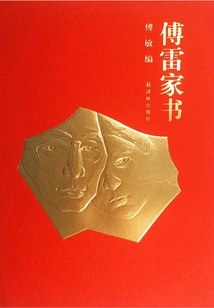
傅雷家书(50周年纪念版)
Written By Fu Lei, Zhu Meifu, Fu Cong, Edited By Fu Min
This book takes Fu Lei's eldest son Fu Cong's experience of studying abroad and his emotional marriage as the main line. It carefully selects the family letters between Fu Lei and his wife, Fu Cong and Mila. The content focuses on "human relations and daily use" and highlights Fu Lei's "life" principle of "treating people sincerely and doing things seriously". It contains less long expositions on culture and art and more short stories about daily life. This written record of the two-way communication between two generations is serious yet cordial, profound yet never divorced from daily life, seeing the big from the small, and enjoying it. It not only reflects the importance of parent-child communication, but also helps young students understand their parents and enhance communication during reading. The rare photos in the book, Lou Shiyi's preface to the first edition, Fu Cong's family letters, and English and French letters are exclusive copyrights and will not be included in the public edition with Fu Lei's copyright in 2017. Any other selected family letters cannot be included. Do
This book takes Fu Lei's eldest son Fu Cong's experience of studying abroad and his emotional marriage as the main line. It carefully selects the family letters between Fu Lei and his wife, Fu Cong and Mila. The content focuses on "human relations and daily use" and highlights Fu Lei's "life" principle of "treating people sincerely and doing things seriously". It contains less long expositions on culture and art and more short stories about daily life. This written record of the two-way communication between two generations is serious yet cordial, profound yet never divorced from daily life, seeing the big from the small, and enjoying it. It not only reflects the importance of parent-child communication, but also helps young students understand their parents and enhance communication during reading. The rare photos in the book, Lou Shiyi's preface to the first edition, Fu Cong's family letters, and English and French letters are exclusive copyrights and will not be included in the public edition with Fu Lei's copyright in 2017. Any other selected family letters cannot be included. Do
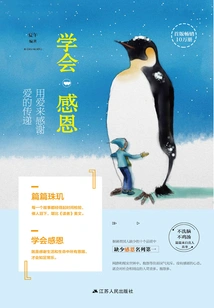
Learn to Be Grateful
Literature学会感恩
Compiled By Xia Wu
This book is a collection of essays on the theme of "gratitude". It selects lyrical essays and stories about ordinary people's understanding of gratitude and their feelings about the Thanksgiving holiday. It is true and contagious.
This book is a collection of essays on the theme of "gratitude". It selects lyrical essays and stories about ordinary people's understanding of gratitude and their feelings about the Thanksgiving holiday. It is true and contagious.
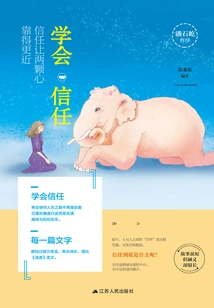
Learn to Trust
Literature学会信任
Compiled By Su Lidong
"Learn to Trust" is a collection of philosophical and inspirational essays, centered around the theme of "trust", with 79 vivid historical stories, essays, workplace cases, etc., Telling the importance of trusting others in life and work from multiple aspects such as spiritual growth, emotional maintenance, and career development.
"Learn to Trust" is a collection of philosophical and inspirational essays, centered around the theme of "trust", with 79 vivid historical stories, essays, workplace cases, etc., Telling the importance of trusting others in life and work from multiple aspects such as spiritual growth, emotional maintenance, and career development.
书里书外(增订版)
Chen Pingyuan
An updated collection of Chen Pingyuan's book talks and interesting articles. In the book, he does not talk about knowledge in the form of lectures, but talks about buying books, visiting books, reading, and appreciating books. He talks about it in a friendly and down-to-earth manner. Chen Pingyuan is a scholar, and writing is not his main job. Unlike his predecessors such as Huang Shang, Xie Guozhen, and Tang Tao, he is not qualified to pay attention to editions. He just tries his best to search and read novels and journals of the late Qing Dynasty, and extends his vision to relevant books in ancient and modern China and the West. Everything is related to his own research and thinking. This book shows Chen Pingyuan's academic realm and his true character as a scholar.
An updated collection of Chen Pingyuan's book talks and interesting articles. In the book, he does not talk about knowledge in the form of lectures, but talks about buying books, visiting books, reading, and appreciating books. He talks about it in a friendly and down-to-earth manner. Chen Pingyuan is a scholar, and writing is not his main job. Unlike his predecessors such as Huang Shang, Xie Guozhen, and Tang Tao, he is not qualified to pay attention to editions. He just tries his best to search and read novels and journals of the late Qing Dynasty, and extends his vision to relevant books in ancient and modern China and the West. Everything is related to his own research and thinking. This book shows Chen Pingyuan's academic realm and his true character as a scholar.
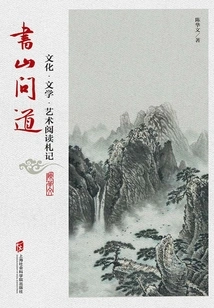
书山问道:文化·文学·艺术阅读札记
Chen Huawen
As a collection of book reviews on culture, literature and art, this book is divided into four volumes: Chinese cultural observation, Western cultural overview, contemporary literature, and Chinese and Western art. The author first discusses the form of traditional Chinese culture and its spiritual core of self-improvement. Secondly, he points out the various crises hidden behind the power of Western culture. He once again outlines the various realistic ecology of the contemporary literary world and the literary corners that are easily overlooked. Finally, he analyzes the aesthetic differences between Chinese and Western painting art, as well as the little-known ideological game behind Hollywood movies. In the book review of more than 200,000 words, the author sometimes analyzed rationally, sometimes expressed passionately, and conducted a unique "discussion on the mountain of books". In the author's opinion, culture, literature and art are connected by flesh and blood and spirit. Looking at art without culture, or talking about literature without culture, is one-sided and incomplete.
As a collection of book reviews on culture, literature and art, this book is divided into four volumes: Chinese cultural observation, Western cultural overview, contemporary literature, and Chinese and Western art. The author first discusses the form of traditional Chinese culture and its spiritual core of self-improvement. Secondly, he points out the various crises hidden behind the power of Western culture. He once again outlines the various realistic ecology of the contemporary literary world and the literary corners that are easily overlooked. Finally, he analyzes the aesthetic differences between Chinese and Western painting art, as well as the little-known ideological game behind Hollywood movies. In the book review of more than 200,000 words, the author sometimes analyzed rationally, sometimes expressed passionately, and conducted a unique "discussion on the mountain of books". In the author's opinion, culture, literature and art are connected by flesh and blood and spirit. Looking at art without culture, or talking about literature without culture, is one-sided and incomplete.
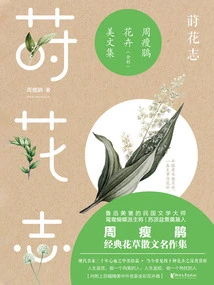
莳花志:周瘦鹃花卉美文集
Zhou Shojuan
"Flower Planting Chronicles" compiles nearly 60 essays about flowers written by Mr. Zhou Shojuan when he was at home in his later years. These essays record some of Mr. Zhou Shojuan's experience in growing flowers, his knowledge of various flowers, his understanding of various flowers, as well as poems about flowers by famous writers of the past dynasties. Mr. Zhou Shojuan's writing style is fluent and beautiful, and he has a profound knowledge of flowers. In addition, he has many years of experience in flower cultivation and can be called a gardening expert. This book is a rare collection of essays on flower appreciation.
"Flower Planting Chronicles" compiles nearly 60 essays about flowers written by Mr. Zhou Shojuan when he was at home in his later years. These essays record some of Mr. Zhou Shojuan's experience in growing flowers, his knowledge of various flowers, his understanding of various flowers, as well as poems about flowers by famous writers of the past dynasties. Mr. Zhou Shojuan's writing style is fluent and beautiful, and he has a profound knowledge of flowers. In addition, he has many years of experience in flower cultivation and can be called a gardening expert. This book is a rare collection of essays on flower appreciation.
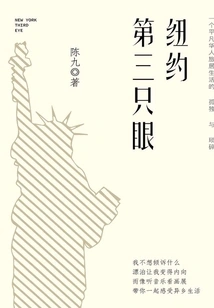
New York Third Eye
Literature纽约第三只眼
Chen Jiu
This book is about what Chen Jiu saw and heard in the United States. It has a perspective that is different from locals and tourists, and has a familiar yet unfamiliar attitude towards the city. The writing style is pungent, with the unique energy of Beijing people, giving ordinary life a different flavor, allowing people to see a different kind of life in New York and the United States.
This book is about what Chen Jiu saw and heard in the United States. It has a perspective that is different from locals and tourists, and has a familiar yet unfamiliar attitude towards the city. The writing style is pungent, with the unique energy of Beijing people, giving ordinary life a different flavor, allowing people to see a different kind of life in New York and the United States.
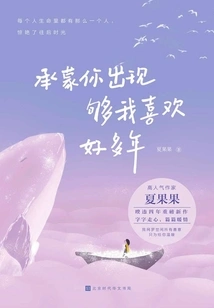
承蒙你出现,够我喜欢好多年
Xiaguoguo
14 heartfelt stories, 16 kinds of delicate thoughts, some are "not particular", some are "not settled", some are "asked for but cannot be obtained", and some are "no more than that". What is right and what is wrong, right and wrong, the fascinating thing about this world may not be that you get what you want at all, but that it is a mistake. Time is like a piece of film, and the years are clear and bright. Because of you, the summer cicadas are not noisy, and the spring breeze is not urgent.
14 heartfelt stories, 16 kinds of delicate thoughts, some are "not particular", some are "not settled", some are "asked for but cannot be obtained", and some are "no more than that". What is right and what is wrong, right and wrong, the fascinating thing about this world may not be that you get what you want at all, but that it is a mistake. Time is like a piece of film, and the years are clear and bright. Because of you, the summer cicadas are not noisy, and the spring breeze is not urgent.
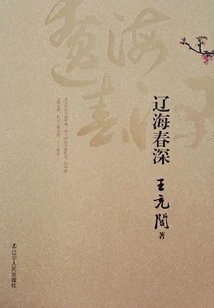
Liaohai Chunshen
Literature辽海春深
Wang Chonglu
"It is a record of social customs, a grand view of culture, a chronicle of mountains and rivers, and a history of the development of the times." The content may not reach its level, but it is close to it.
"It is a record of social customs, a grand view of culture, a chronicle of mountains and rivers, and a history of the development of the times." The content may not reach its level, but it is close to it.
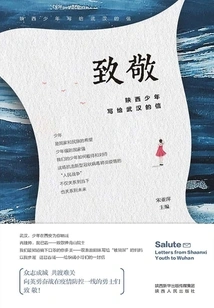
Tribute: a Shaanxi Boy's Letter to Wuhan
Literature致敬:陕西少年写给武汉的信
Editor-in-chief Song Yaping
"Salute - A Letter from a Shaanxi Teenager to Wuhan" looks at how our teenagers view and treat this "people's war" against the COVID-19 epidemic from a special perspective, showing the love, kindness, responsibility and responsibility of a generation of Chinese teenagers. Among the eighteen letters included in the book, some are written to Academician Zhong Nanshan, some are written to nurses and mothers who are fighting on the front line, some are written to the builders of Huoshenshan Hospital, some are written to public security police, some are written to courier boys, and some are written to the Minister of Foreign Affairs... These simple words nourish the hearts of readers like a trickle, expressing the contemporary teenagers' tribute to the "rebels" and to the people working on the front line of prevention and control in various positions! ...Through this book, we hope to convey to the general public, especially our young people, that after this disaster, what is left to us is not just tension, tears and fear, but the love, kindness, courage, wisdom, perseverance and responsibility shown by our party, our country, and our people in the face of a huge disaster.
"Salute - A Letter from a Shaanxi Teenager to Wuhan" looks at how our teenagers view and treat this "people's war" against the COVID-19 epidemic from a special perspective, showing the love, kindness, responsibility and responsibility of a generation of Chinese teenagers. Among the eighteen letters included in the book, some are written to Academician Zhong Nanshan, some are written to nurses and mothers who are fighting on the front line, some are written to the builders of Huoshenshan Hospital, some are written to public security police, some are written to courier boys, and some are written to the Minister of Foreign Affairs... These simple words nourish the hearts of readers like a trickle, expressing the contemporary teenagers' tribute to the "rebels" and to the people working on the front line of prevention and control in various positions! ...Through this book, we hope to convey to the general public, especially our young people, that after this disaster, what is left to us is not just tension, tears and fear, but the love, kindness, courage, wisdom, perseverance and responsibility shown by our party, our country, and our people in the face of a huge disaster.
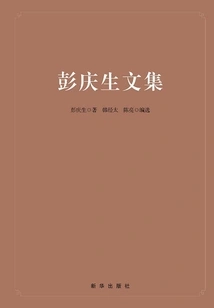
Collected Works of Peng Qingsheng
Literature彭庆生文集
Han Jingtai Chen Liang
This book is a school-level scientific research project of Beijing Language and Culture University. It is a collection of essays published by Mr. Peng Qingsheng, a famous Chinese expert on Tang Dynasty literature during his lifetime. Peng Qingsheng (1938~2016), professor at Beijing Language and Culture University. He graduated from the Chinese Department of Peking University in July 1961 and graduated from the Chinese Ancient Literature Department of Peking University in July 1965. He studied under Mr. Lin Geng. From July 1965 to August 1973, he served as editor of the Classical Literature Editorial Department of People's Literature Publishing House. From August 1973 to present, he teaches at Beijing Language Institute (later renamed Beijing Language and Culture University and Beijing Language and Culture University).
This book is a school-level scientific research project of Beijing Language and Culture University. It is a collection of essays published by Mr. Peng Qingsheng, a famous Chinese expert on Tang Dynasty literature during his lifetime. Peng Qingsheng (1938~2016), professor at Beijing Language and Culture University. He graduated from the Chinese Department of Peking University in July 1961 and graduated from the Chinese Ancient Literature Department of Peking University in July 1965. He studied under Mr. Lin Geng. From July 1965 to August 1973, he served as editor of the Classical Literature Editorial Department of People's Literature Publishing House. From August 1973 to present, he teaches at Beijing Language Institute (later renamed Beijing Language and Culture University and Beijing Language and Culture University).
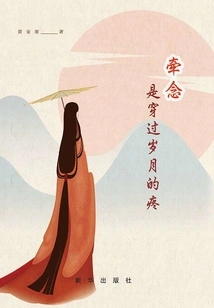
牵念是穿过岁月的疼
Huang Jinli
This is a collection of lyrical poems written by the author over the years. It contains nearly a hundred poems, mainly love poems, as well as friendship and understanding of ancient and modern ladies. It is divided into 8 series:\
This is a collection of lyrical poems written by the author over the years. It contains nearly a hundred poems, mainly love poems, as well as friendship and understanding of ancient and modern ladies. It is divided into 8 series:\
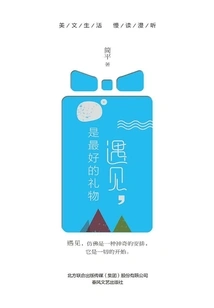
Meeting is the Best Gift
Literature遇见,是最好的礼物
Jian Ping
"Meeting is the Best Gift" is a collection of prose essays, which collects 80 essays about the author's interaction with books or his heart. These proses describe people, objects, scenes and events, including warm little stories and big feelings about life, conveying the beauty and goodwill in the world. On the surface, these words describe the visible Paris, rowan trees, yellow moon, express delivery... In fact, they convey the author's spiritual strength of choosing to persevere between despair and persistence after suffering from life and death. These powers are about truth, kindness, and beauty, and spread in every corner of life.
"Meeting is the Best Gift" is a collection of prose essays, which collects 80 essays about the author's interaction with books or his heart. These proses describe people, objects, scenes and events, including warm little stories and big feelings about life, conveying the beauty and goodwill in the world. On the surface, these words describe the visible Paris, rowan trees, yellow moon, express delivery... In fact, they convey the author's spiritual strength of choosing to persevere between despair and persistence after suffering from life and death. These powers are about truth, kindness, and beauty, and spread in every corner of life.
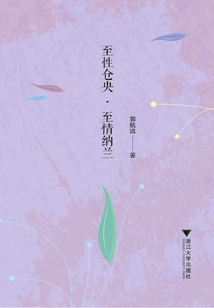
Zhixingcangyang·zhiqing Nalan
Literature至性仓央·至情纳兰
O
Tsangyang Gyatso sang love songs on the snow-covered plateau with his Buddha nature and secular sentiments, and played sentimental songs in the Potala Palace with sorrow and pain; Nalan Rongruo's clear words are like the first buds on the night tree, like the red bean on the acacia tree, implanted in the hearts and lungs of the world, awakening the emotions of the world. The manuscript provides a relatively comprehensive introduction to the lives of two talented men, Tsangyang Gyatso and Nalan Rongruo, and expresses his thoughts on their poetry, emotions, and destiny.
Tsangyang Gyatso sang love songs on the snow-covered plateau with his Buddha nature and secular sentiments, and played sentimental songs in the Potala Palace with sorrow and pain; Nalan Rongruo's clear words are like the first buds on the night tree, like the red bean on the acacia tree, implanted in the hearts and lungs of the world, awakening the emotions of the world. The manuscript provides a relatively comprehensive introduction to the lives of two talented men, Tsangyang Gyatso and Nalan Rongruo, and expresses his thoughts on their poetry, emotions, and destiny.
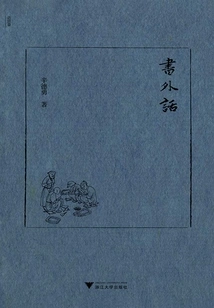
Outside the Book
Literature书外话
Xin Deyong
To be included in the "Recent Thoughts" series. This book is a collection of Mr. Xin Deyong's recent articles about books. It uses academic discussions and life reflections as the background to talk about some recent people and things about books. It is a sister edition of "Those Books and Those People" published by our publisher. The book touches on hot issues in today's cultural circles such as Haihunhou Liu He and the creation of Emperor Wu of the Han Dynasty. It also contains book-style articles with humanistic sentiments such as "Loving Books, Finding Books and Using Books" and "Really Thinking Like a Child". The whole book has been written as the main line and contains more than ten unpublished articles by the author. The content of the book is based on academics and is higher than academics.
To be included in the "Recent Thoughts" series. This book is a collection of Mr. Xin Deyong's recent articles about books. It uses academic discussions and life reflections as the background to talk about some recent people and things about books. It is a sister edition of "Those Books and Those People" published by our publisher. The book touches on hot issues in today's cultural circles such as Haihunhou Liu He and the creation of Emperor Wu of the Han Dynasty. It also contains book-style articles with humanistic sentiments such as "Loving Books, Finding Books and Using Books" and "Really Thinking Like a Child". The whole book has been written as the main line and contains more than ten unpublished articles by the author. The content of the book is based on academics and is higher than academics.
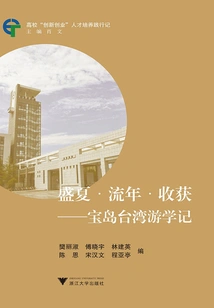
盛夏·流年·收获:宝岛台湾游学记
Xiao Wen
In 2014 and 2015, many students from all grades and majors in the School of Economics and Trade at Ningbo Institute of Technology, Zhejiang University, led by two teachers, Lin Jianying from the Academic Affairs Office and Song Hanwen from the Academic Affairs Office, went to the Business School of Taipei University to participate in the 20-day "Contemporary Financial Theory and Practice Research Camp" study tour. This event integrates travel, study, and company visits. Through a multi-level and multi-dimensional series of study activities such as special lectures, practical exercises, and in-depth visits, it provides teachers and students in Taiwan with a trinity trip of "humanistic literacy-professional learning-life experience" to understand Taiwan, broaden their horizons, and enhance their professional knowledge. It was a complete success. This book mainly records every detail of thirty-eight students' study tour in Taipei, recording their insights, gains and growth. "What you see on paper will eventually make you feel shallow", "Learn while walking", "Think while walking", "There is an unforgettable memory"... I believe this experience will have an important impact on their future lives.
In 2014 and 2015, many students from all grades and majors in the School of Economics and Trade at Ningbo Institute of Technology, Zhejiang University, led by two teachers, Lin Jianying from the Academic Affairs Office and Song Hanwen from the Academic Affairs Office, went to the Business School of Taipei University to participate in the 20-day "Contemporary Financial Theory and Practice Research Camp" study tour. This event integrates travel, study, and company visits. Through a multi-level and multi-dimensional series of study activities such as special lectures, practical exercises, and in-depth visits, it provides teachers and students in Taiwan with a trinity trip of "humanistic literacy-professional learning-life experience" to understand Taiwan, broaden their horizons, and enhance their professional knowledge. It was a complete success. This book mainly records every detail of thirty-eight students' study tour in Taipei, recording their insights, gains and growth. "What you see on paper will eventually make you feel shallow", "Learn while walking", "Think while walking", "There is an unforgettable memory"... I believe this experience will have an important impact on their future lives.
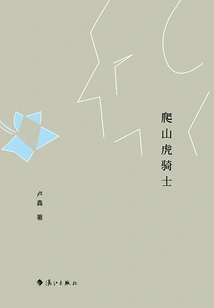
Creeper Rider
Literature爬山虎骑士
Lu Xin
The book "Creeper Rider" is divided into three volumes. Each volume is full of the author's insights and reflections on his ancestors, relatives, old friends, mountains and rivers, and the soul. It purely integrates the loss and sadness in reality, the warmth and enthusiasm in reality, and the loneliness in fantasy into one volume. This book starts with the two images of "creeper" and "knight", and attempts to carry out image writing and psychic writing based on the Chinese "speaking under the guidance of writing". "I have completely become a kind of narration and a trickle flowing through the mountain stream." The author believes that such physical practice will gain the energy of the entire life and the universe.
The book "Creeper Rider" is divided into three volumes. Each volume is full of the author's insights and reflections on his ancestors, relatives, old friends, mountains and rivers, and the soul. It purely integrates the loss and sadness in reality, the warmth and enthusiasm in reality, and the loneliness in fantasy into one volume. This book starts with the two images of "creeper" and "knight", and attempts to carry out image writing and psychic writing based on the Chinese "speaking under the guidance of writing". "I have completely become a kind of narration and a trickle flowing through the mountain stream." The author believes that such physical practice will gain the energy of the entire life and the universe.
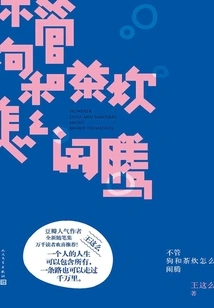
不管狗和茶炊怎么闹腾
Wang Is So
This book is a new collection of essays by Wang Su, a popular author on Douban. It is divided into three parts: Jiujiashan, Idle Flowers and Grasses, and Mortal Songs. It covers everything from household chores and city life to flowers, trees, daily diet, and many other aspects. The author uses her keen antennae to capture the warmth and tenderness revealed behind the humble life, and uses it with knowledgeable cross-border, sharp insights, and witty ridicule. In her writing, the peaceful days appear to be particularly meaningful and touching. The author is more like a naive and understanding philosopher of life. In his pyrotechnic narration, he reviews and records the lives of ordinary people with a Zen feel.
This book is a new collection of essays by Wang Su, a popular author on Douban. It is divided into three parts: Jiujiashan, Idle Flowers and Grasses, and Mortal Songs. It covers everything from household chores and city life to flowers, trees, daily diet, and many other aspects. The author uses her keen antennae to capture the warmth and tenderness revealed behind the humble life, and uses it with knowledgeable cross-border, sharp insights, and witty ridicule. In her writing, the peaceful days appear to be particularly meaningful and touching. The author is more like a naive and understanding philosopher of life. In his pyrotechnic narration, he reviews and records the lives of ordinary people with a Zen feel.
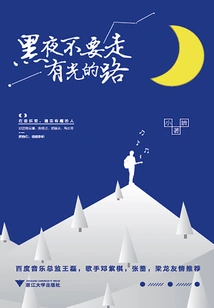
黑夜不要走有光的路
Xiaojing
"Don't Take the Lighted Road in the Dark" collects 31 vivid and exciting stories about musicians to learn about their thoughts, their musical works, and their life and emotional world. In this book, Hu Defu said: The Creator just puts us here for a while, and then goes back when the time is up. Zhou Yunpeng said: There is no fixed total amount of love. It does not mean that if you give part first, there will be part left, or if you give it all, there will be nothing left. Love inspires each other, and there is rarely one-way love. As long as you meet someone who inspires you, you can still awaken the new ability to love. Wan Fang said: We must always return to our original intention, always let go of yesterday's setbacks and successes, and return to our clean original intention.
"Don't Take the Lighted Road in the Dark" collects 31 vivid and exciting stories about musicians to learn about their thoughts, their musical works, and their life and emotional world. In this book, Hu Defu said: The Creator just puts us here for a while, and then goes back when the time is up. Zhou Yunpeng said: There is no fixed total amount of love. It does not mean that if you give part first, there will be part left, or if you give it all, there will be nothing left. Love inspires each other, and there is rarely one-way love. As long as you meet someone who inspires you, you can still awaken the new ability to love. Wan Fang said: We must always return to our original intention, always let go of yesterday's setbacks and successes, and return to our clean original intention.
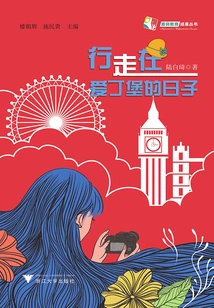
A Day Walking in Edinburgh
Literature行走在爱丁堡的日子
Lu Baiqi
Lu Baiqi, a senior English teacher at Tianchang Primary School, visited England for a year. He visited many schools and visited the frontline of European and American education. He collected a large amount of first-hand information, which is of high reference value. She writes what she sees, hears and feels during her study visit in a beautiful and personalized style, and spreads the useful inspiration she gained to more people who are interested in education.
Lu Baiqi, a senior English teacher at Tianchang Primary School, visited England for a year. He visited many schools and visited the frontline of European and American education. He collected a large amount of first-hand information, which is of high reference value. She writes what she sees, hears and feels during her study visit in a beautiful and personalized style, and spreads the useful inspiration she gained to more people who are interested in education.
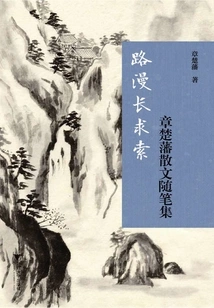
路漫长求索:章楚藩散文随笔集
Zhang Chufan
This book collects prose by some authors, including three categories: one is travel prose, the other is exploration prose on life path, and the other is appreciation of ancient philosophy, poems and essays and comparison of Chinese and Western cultures. In view of the author's good literary foundation and rich life experience, this book has certain readability.
This book collects prose by some authors, including three categories: one is travel prose, the other is exploration prose on life path, and the other is appreciation of ancient philosophy, poems and essays and comparison of Chinese and Western cultures. In view of the author's good literary foundation and rich life experience, this book has certain readability.
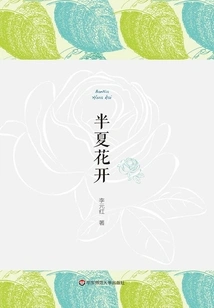
Pinellia Flowers Blooming
Literature半夏花开
Li Yuanhong
As a professional woman in the city, through the perspective of her life, in the thousands of twists and turns of life, she has repeatedly thought about nirvana and rebirth. She is always on the road, and thus she keeps meeting better versions of herself. This book is composed of novellas and several essays. It has beautiful writing style and profound artistic conception. It can be used as an inspirational reading for urban women.
As a professional woman in the city, through the perspective of her life, in the thousands of twists and turns of life, she has repeatedly thought about nirvana and rebirth. She is always on the road, and thus she keeps meeting better versions of herself. This book is composed of novellas and several essays. It has beautiful writing style and profound artistic conception. It can be used as an inspirational reading for urban women.
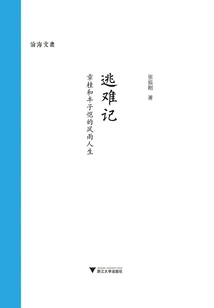
逃难记:章桂和丰子恺的风雨人生
Zhang Zhengang
Zhang Gui, a little person. Feng Zikai mentioned this name as "cousin", "clerk" and "guy" in more than 30 places in his articles, diaries and letters; while Zhang Gui affectionately called Feng Zikai "Uncle Ci"... This book focuses on Feng Zi Zhang Gui played a huge role in the arduous process of Kai's family escaping from Shimen Bay to Chongqing. It can be said that without Zhang Gui's hard escort and care along the way, Feng Zikai's family would not have been able to safely and smoothly escape from the occupied area to Chongqing. The book also records a large number of anecdotes and dangers during the escape. On the one hand, it reflects the huge changes that the people suffered due to the Japanese invasion during the Anti-Japanese War, and also reflects the indomitable national spirit of the people. In addition, the book also describes the process of Zhang Gui working and living together with Feng Zikai for a long time, and gradually becoming a progressive cultural figure in my country's publishing industry from a dye shop clerk.
Zhang Gui, a little person. Feng Zikai mentioned this name as "cousin", "clerk" and "guy" in more than 30 places in his articles, diaries and letters; while Zhang Gui affectionately called Feng Zikai "Uncle Ci"... This book focuses on Feng Zi Zhang Gui played a huge role in the arduous process of Kai's family escaping from Shimen Bay to Chongqing. It can be said that without Zhang Gui's hard escort and care along the way, Feng Zikai's family would not have been able to safely and smoothly escape from the occupied area to Chongqing. The book also records a large number of anecdotes and dangers during the escape. On the one hand, it reflects the huge changes that the people suffered due to the Japanese invasion during the Anti-Japanese War, and also reflects the indomitable national spirit of the people. In addition, the book also describes the process of Zhang Gui working and living together with Feng Zikai for a long time, and gradually becoming a progressive cultural figure in my country's publishing industry from a dye shop clerk.
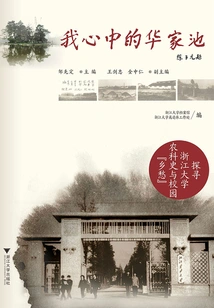
我心中的华家池:探寻浙江大学农科史与校园“乡愁”
Ma Jingdi
This book is a compilation of oral histories of Zhejiang University's old teachers and seniors organized by the Archives of Zhejiang University. This collection uses Hua Jiachi's memories and commemorative articles to record the history and development of Zhejiang University, which has important historical value.
This book is a compilation of oral histories of Zhejiang University's old teachers and seniors organized by the Archives of Zhejiang University. This collection uses Hua Jiachi's memories and commemorative articles to record the history and development of Zhejiang University, which has important historical value.
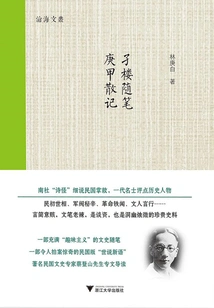
Jialou Essays Gengjia's Notes
Literature孑楼随笔·庚甲散记
Lin Gengbai
Nanshe's "Poetry Monster" details the anecdotes of the Republic of China, and a generation of celebrities comments on historical figures. How a revolutionary "madman" retired at the climax of the revolution... A weird and humorous version of "Li Shutong".
Nanshe's "Poetry Monster" details the anecdotes of the Republic of China, and a generation of celebrities comments on historical figures. How a revolutionary "madman" retired at the climax of the revolution... A weird and humorous version of "Li Shutong".
风华千年 锦色临城
Editor-in-chief Mi Lihong
The manuscript mainly selects prose works from Hebei Province about the humanities and history of Lincheng, landscapes and scenery, and residential nostalgia. These works may praise the natural scenery of Lincheng, express feelings of patriotism and love for family, or display local customs and customs, etc. It is a work that records the history and humanity of Lincheng in prose style and displays the humanity of Lincheng. The content of the work is positive and has no political issues.
The manuscript mainly selects prose works from Hebei Province about the humanities and history of Lincheng, landscapes and scenery, and residential nostalgia. These works may praise the natural scenery of Lincheng, express feelings of patriotism and love for family, or display local customs and customs, etc. It is a work that records the history and humanity of Lincheng in prose style and displays the humanity of Lincheng. The content of the work is positive and has no political issues.
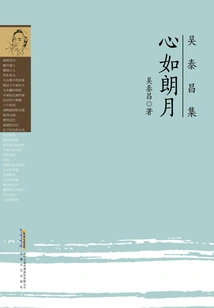
Heart Like Bright Moon
Literature心如朗月
Wu Taichang
"Heart Like a Bright Moon" is a collection of essays. The author is a famous prose writer and has great influence in the domestic prose circle. Anhui Literature and Art Publishing House published "Wu Taichang's Prose" as early as 1993. Since the new era, Baihua Literature and Art and other publishing houses have published selected prose by the author. This volume selects the author's representative masterpieces of prose, including those that describe people and events, some that describe scenes and scenes, and some that relate to famous writers and ordinary writers from all over the country, fully demonstrating the author's overall prose and artistic characteristics.
"Heart Like a Bright Moon" is a collection of essays. The author is a famous prose writer and has great influence in the domestic prose circle. Anhui Literature and Art Publishing House published "Wu Taichang's Prose" as early as 1993. Since the new era, Baihua Literature and Art and other publishing houses have published selected prose by the author. This volume selects the author's representative masterpieces of prose, including those that describe people and events, some that describe scenes and scenes, and some that relate to famous writers and ordinary writers from all over the country, fully demonstrating the author's overall prose and artistic characteristics.
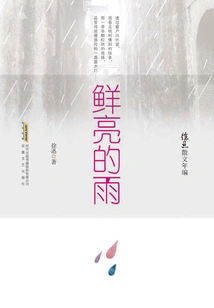
Xu Xun's Prose Yearbook: Bright Rain
Literature徐迅散文年编:鲜亮的雨
Xu Xun
This book is the third volume of Xu Xun's annual prose collection. It contains more than a hundred prose essays written by the author from 1985 to 1999. Among them, works with the themes of describing scenes, recalling people, reading, reminiscing about the past, and remembering hometown, as well as prefaces and book reviews written for others. The writing is fresh and warm, simple and refreshing, the description of the scene is full of interest, the expression of emotion is profound and meaningful, and the direction is positive. The writing of the communication with friends shows the author's cordial and sincere personality.
This book is the third volume of Xu Xun's annual prose collection. It contains more than a hundred prose essays written by the author from 1985 to 1999. Among them, works with the themes of describing scenes, recalling people, reading, reminiscing about the past, and remembering hometown, as well as prefaces and book reviews written for others. The writing is fresh and warm, simple and refreshing, the description of the scene is full of interest, the expression of emotion is profound and meaningful, and the direction is positive. The writing of the communication with friends shows the author's cordial and sincere personality.
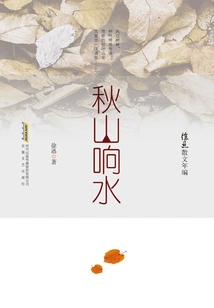
徐迅散文年编:秋山响水
Xu Xun
This book is the fourth volume of Xu Xun's prose collection. It contains more than one hundred prose essays written by the author from 1985 to 2000. Among them, works with the themes of describing scenes, recalling people, reading, reminiscing about the past, and remembering hometown, as well as prefaces and book reviews written for others. The writing is fresh and warm, simple and refreshing, the description of the scene is full of interest, the expression of emotion is profound and meaningful, and the direction is positive. The writing of the communication with friends shows the author's cordial and sincere personality.
This book is the fourth volume of Xu Xun's prose collection. It contains more than one hundred prose essays written by the author from 1985 to 2000. Among them, works with the themes of describing scenes, recalling people, reading, reminiscing about the past, and remembering hometown, as well as prefaces and book reviews written for others. The writing is fresh and warm, simple and refreshing, the description of the scene is full of interest, the expression of emotion is profound and meaningful, and the direction is positive. The writing of the communication with friends shows the author's cordial and sincere personality.
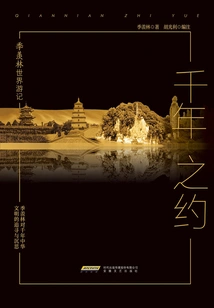
季羡林国内游记:千年之约
Ji Xianlin
"A Thousand-Year Dating" is a compilation of Ji Lao's domestic travel notes, including some of his more important articles about visiting domestic tourist attractions. For example, "Under the Flame Mountain", "In Dunhuang", "Viewing the Qin Terracotta Warriors", "Famen Temple", "Climbing Mount Huangshan", "On the Fuchun River", "Visiting the Small Three Gorges", "Sea World", etc., Among which there are whimsical historical and humanistic stories, lingering natural beauty, and laments about modern prosperous urban life.
"A Thousand-Year Dating" is a compilation of Ji Lao's domestic travel notes, including some of his more important articles about visiting domestic tourist attractions. For example, "Under the Flame Mountain", "In Dunhuang", "Viewing the Qin Terracotta Warriors", "Famen Temple", "Climbing Mount Huangshan", "On the Fuchun River", "Visiting the Small Three Gorges", "Sea World", etc., Among which there are whimsical historical and humanistic stories, lingering natural beauty, and laments about modern prosperous urban life.
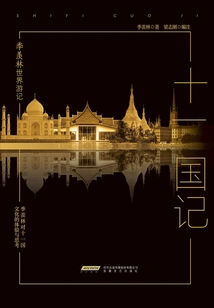
季羡林世界游记:十一国记
Ji Xianlin
"Eleven Kingdoms" is a sorting out of Ji Lao's foreign travel notes, presenting to readers what he saw, heard, thought and sighed when he went to Germany to study in his youth, and later as a scholar, writer, educator and historian when he visited India, Myanmar, Nepal, Thailand, Uzbekistan, Japan and other countries. No matter in what capacity Ji Xianlin goes abroad, he does his best to serve as a friendly envoy of the Chinese people and spares no effort to pave the way and build bridges between our country and people from all over the world. Therefore, "Records of the Eleven Kingdoms" can be seen as a precious record reflecting cultural exchanges and friendship between China and foreign countries.
"Eleven Kingdoms" is a sorting out of Ji Lao's foreign travel notes, presenting to readers what he saw, heard, thought and sighed when he went to Germany to study in his youth, and later as a scholar, writer, educator and historian when he visited India, Myanmar, Nepal, Thailand, Uzbekistan, Japan and other countries. No matter in what capacity Ji Xianlin goes abroad, he does his best to serve as a friendly envoy of the Chinese people and spares no effort to pave the way and build bridges between our country and people from all over the world. Therefore, "Records of the Eleven Kingdoms" can be seen as a precious record reflecting cultural exchanges and friendship between China and foreign countries.