Library
Browse and search books
3,417 novels found
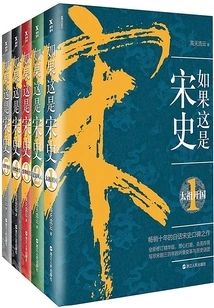
如果这是宋史(新版套装全5册)
Gao Tianliuyun
Troubled times are like a kaleidoscope, capable of conjuring up anything unexpected. The warlord Guo Wei ascended to the supreme throne in the world after his family was slaughtered; Chai Rongzhong betrayed his relatives and was on the verge of despair but began his own victorious and magnificent life; Zhao Kuangyin was extremely bored and chose to run away from home. No one was optimistic about his prospects. A few years later, it was his turn to design the blueprint for a new generation of empire. Due to a combination of circumstances, as long as the course of history was slightly normal during this period, it would never have been this result. And these also lead to the differences in the new empire. As a soldier, the founding emperor suppressed the army; he had an undefeated record throughout his life, but he set a record of the lowest land expansion speed among all the founding emperors in the past; standing on a fragmented land, he created unprecedented wealth at an astonishing speed!
Troubled times are like a kaleidoscope, capable of conjuring up anything unexpected. The warlord Guo Wei ascended to the supreme throne in the world after his family was slaughtered; Chai Rongzhong betrayed his relatives and was on the verge of despair but began his own victorious and magnificent life; Zhao Kuangyin was extremely bored and chose to run away from home. No one was optimistic about his prospects. A few years later, it was his turn to design the blueprint for a new generation of empire. Due to a combination of circumstances, as long as the course of history was slightly normal during this period, it would never have been this result. And these also lead to the differences in the new empire. As a soldier, the founding emperor suppressed the army; he had an undefeated record throughout his life, but he set a record of the lowest land expansion speed among all the founding emperors in the past; standing on a fragmented land, he created unprecedented wealth at an astonishing speed!
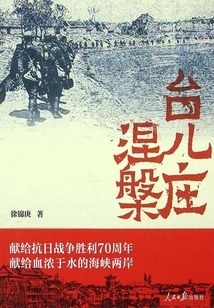
Taierzhuang Nirvana
History台儿庄涅槃
Xu Jingeng
This manuscript uses the reconstruction of Taierzhuang District, Zaozhuang City, Shandong Province, a famous city in the history of China's Anti-Japanese War as a clue, to review the causes and consequences of the Taierzhuang Victory in 1938, which wrote a significant chapter in the history of China's Anti-Japanese War. It reproduces the entire process of how the Chinese army won its first victory since the Opium War on a frontal battlefield against foreign aggression, thereby making a huge contribution to the victory of the Anti-Japanese War. The great victory of Taierzhuang was the glorious crystallization of the second cooperation between the Kuomintang and the Communist Party. This book describes the reconstruction of the ancient city of Taierzhuang more vividly and vividly, as a gift to both sides of the Taiwan Strait where blood is thicker than water, and to the excellent traditional culture of the Chinese nation.
This manuscript uses the reconstruction of Taierzhuang District, Zaozhuang City, Shandong Province, a famous city in the history of China's Anti-Japanese War as a clue, to review the causes and consequences of the Taierzhuang Victory in 1938, which wrote a significant chapter in the history of China's Anti-Japanese War. It reproduces the entire process of how the Chinese army won its first victory since the Opium War on a frontal battlefield against foreign aggression, thereby making a huge contribution to the victory of the Anti-Japanese War. The great victory of Taierzhuang was the glorious crystallization of the second cooperation between the Kuomintang and the Communist Party. This book describes the reconstruction of the ancient city of Taierzhuang more vividly and vividly, as a gift to both sides of the Taiwan Strait where blood is thicker than water, and to the excellent traditional culture of the Chinese nation.
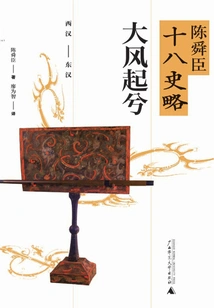
大风起兮:西汉—东汉(陈舜臣十八史略)
I
"Chen Shunchen's Eighteen Historical Briefs: The Strong Wind Rises" is the second book in the "Chen Shunchen's Eighteen Historical Briefs" series. It tells the story of the Han Dynasty from the founding of Han Emperor Gaozu through hundreds of battles to the golden age of Emperor Wu of the Han Dynasty. Afterwards, the national fortunes deteriorated, and finally Wang Mang usurped the Han Dynasty. After that, Liu Xiu wiped out all the heroes and established the Eastern Han Dynasty. After experiencing the "Ming Zhang Reign", the young emperor, relatives, and eunuchs became the protagonists, and history finally reached the end of the Eastern Han Dynasty. Bold heroism is the theme throughout this book. Zhang Liang, the wise man who chooses his master, Xiang Yu, the overlord who calls out crimes other than war, Liu Bang, who sings about the rising wind, Han Xin, who boasts that the more soldiers the better, Huo Qubing, who "doesn't care about his family until the Huns are destroyed", Li Guang, the ill-fated flying general, Li Ling, who surrendered his country to the enemy in a deadly battle and could not return, Ban Chao, who wrote and joined the army... These characters all shine in this book.
"Chen Shunchen's Eighteen Historical Briefs: The Strong Wind Rises" is the second book in the "Chen Shunchen's Eighteen Historical Briefs" series. It tells the story of the Han Dynasty from the founding of Han Emperor Gaozu through hundreds of battles to the golden age of Emperor Wu of the Han Dynasty. Afterwards, the national fortunes deteriorated, and finally Wang Mang usurped the Han Dynasty. After that, Liu Xiu wiped out all the heroes and established the Eastern Han Dynasty. After experiencing the "Ming Zhang Reign", the young emperor, relatives, and eunuchs became the protagonists, and history finally reached the end of the Eastern Han Dynasty. Bold heroism is the theme throughout this book. Zhang Liang, the wise man who chooses his master, Xiang Yu, the overlord who calls out crimes other than war, Liu Bang, who sings about the rising wind, Han Xin, who boasts that the more soldiers the better, Huo Qubing, who "doesn't care about his family until the Huns are destroyed", Li Guang, the ill-fated flying general, Li Ling, who surrendered his country to the enemy in a deadly battle and could not return, Ban Chao, who wrote and joined the army... These characters all shine in this book.
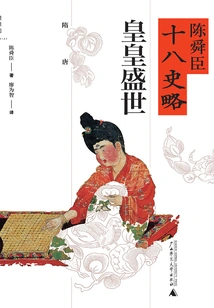
The Age of Emperors: Sui and Tang Dynasties (a Brief History of Chen Shunchen's Eighteenth History)
History皇皇盛世:隋唐(陈舜臣十八史略)
I
"Chen Shun-chen's Eighteen Historical Briefs: The Prosperity of the Emperor" is the fourth book in the "Chen Shun-chen's Eighteen Historical Briefs" series. It tells the history from the unification of China by the Sui Dynasty to the fall of the Tang Dynasty. The palace intrigues and political competition of the Tang Empire are the main thread of "The Great Emperor". Li Shimin's unparalleled general talents and meticulous tactics, Changsun Wuji's desire for power and vicious schemes, Wu Zetian's bold killings and recruitment of talented people, Li Longji's majesty and old age, Yang Guozhong's jealousy and good at whitewashing, An Lushan's flattering disguise and eventual rebellion, and the major events of the rise, fall and chaos of the Tang Dynasty in the three hundred years are all in "Chen Shunchen's Eighteen Histories: The Emperor's Prosperity".
"Chen Shun-chen's Eighteen Historical Briefs: The Prosperity of the Emperor" is the fourth book in the "Chen Shun-chen's Eighteen Historical Briefs" series. It tells the history from the unification of China by the Sui Dynasty to the fall of the Tang Dynasty. The palace intrigues and political competition of the Tang Empire are the main thread of "The Great Emperor". Li Shimin's unparalleled general talents and meticulous tactics, Changsun Wuji's desire for power and vicious schemes, Wu Zetian's bold killings and recruitment of talented people, Li Longji's majesty and old age, Yang Guozhong's jealousy and good at whitewashing, An Lushan's flattering disguise and eventual rebellion, and the major events of the rise, fall and chaos of the Tang Dynasty in the three hundred years are all in "Chen Shunchen's Eighteen Histories: The Emperor's Prosperity".
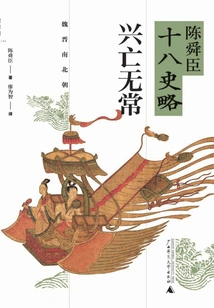
兴亡无常:魏晋南北朝(陈舜臣十八史略)
I
"Chen Shun-chen's Eighteen Historical Briefs: The Rise and Fall of Impermanence" is the third book in the "Chen Shun-chen's Eighteen Historical Briefs" series, which tells the important historical figures and events during the Wei, Jin, Southern and Northern Dynasties. The theme running through this book is the vicissitudes of long, troubled times. Following the previous book, the plot begins with the Yellow Turban Uprising at the end of the Eastern Han Dynasty, and the troubled times of the Wei, Jin, Southern and Northern Dynasties unfold. The characters in the author's works are wonderfully different from traditional images. In addition to his cruelty, Dong Zhuo also had the wisdom to increase his troops through illusions and the political intuition to establish a new emperor; Kong Ming had superb political talents, but when the national power of Shu was weak, he could only use the method of deifying himself to unite the hearts of the people of Shu. And combat power; Sima Yi and Kong Ming were indeed matched against each other, but their later show of weakness and caution was to better hide and preserve their ambitions... Human nature, desire, bloodshed, and intrigue in troubled times are all reflected in the unpredictable rise and fall of this book.
"Chen Shun-chen's Eighteen Historical Briefs: The Rise and Fall of Impermanence" is the third book in the "Chen Shun-chen's Eighteen Historical Briefs" series, which tells the important historical figures and events during the Wei, Jin, Southern and Northern Dynasties. The theme running through this book is the vicissitudes of long, troubled times. Following the previous book, the plot begins with the Yellow Turban Uprising at the end of the Eastern Han Dynasty, and the troubled times of the Wei, Jin, Southern and Northern Dynasties unfold. The characters in the author's works are wonderfully different from traditional images. In addition to his cruelty, Dong Zhuo also had the wisdom to increase his troops through illusions and the political intuition to establish a new emperor; Kong Ming had superb political talents, but when the national power of Shu was weak, he could only use the method of deifying himself to unite the hearts of the people of Shu. And combat power; Sima Yi and Kong Ming were indeed matched against each other, but their later show of weakness and caution was to better hide and preserve their ambitions... Human nature, desire, bloodshed, and intrigue in troubled times are all reflected in the unpredictable rise and fall of this book.
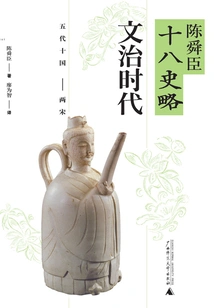
文治时代:五代十国—两宋(陈舜臣十八史略)
I
"Chen Shun-chen's Eighteen Historical Briefs: The Wenzhi Era" is the fifth and final book in the "Chen Shun-chen's Eighteen Historical Briefs" series. It tells the history from the Five Dynasties and Ten Kingdoms to the demise of the Southern Song Dynasty. "Wenzhi Era" takes as its main line the internal political struggles of the Song Dynasty and the external conflicts and connections with the Liao, Jin, Xixia, and Mongolia. What impact did Song Taizu's civilism and the national policy of free speech have on scholar-bureaucrats? What was the content of Wang Anshi's reform, and what were the reasons why it faced opposition and ultimately failed? What was Song Gaozong's impression of the main war faction represented by Li Gang and the peace-making faction represented by Zhang Bangchang? Why was Qin Hui's frame-up of Yue Fei supported by Gaozong and the court officials? What made Genghis Khan the conqueror of the steppes? The author's many unique views are all in "Wenzhi Era".
"Chen Shun-chen's Eighteen Historical Briefs: The Wenzhi Era" is the fifth and final book in the "Chen Shun-chen's Eighteen Historical Briefs" series. It tells the history from the Five Dynasties and Ten Kingdoms to the demise of the Southern Song Dynasty. "Wenzhi Era" takes as its main line the internal political struggles of the Song Dynasty and the external conflicts and connections with the Liao, Jin, Xixia, and Mongolia. What impact did Song Taizu's civilism and the national policy of free speech have on scholar-bureaucrats? What was the content of Wang Anshi's reform, and what were the reasons why it faced opposition and ultimately failed? What was Song Gaozong's impression of the main war faction represented by Li Gang and the peace-making faction represented by Zhang Bangchang? Why was Qin Hui's frame-up of Yue Fei supported by Gaozong and the court officials? What made Genghis Khan the conqueror of the steppes? The author's many unique views are all in "Wenzhi Era".
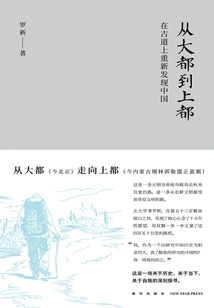
从大都到上都:在古道上重新发现中国
Luo Xin
This is a road that the emperor of the Yuan Dynasty used to come and go from spring to autumn like a migratory bird. Peking University scholar Luo Xin, at the age of fifty-three, fulfilled his long-cherished wish fifteen years ago - to move from Dadu to Xanadu. "At my age, all hopes, dreams, confidence and ideals have been 'blown away by the rain and the wind', leaving only indescribable helplessness, frustration, anger and confusion. Yes, do I understand the society I live in? What is the connection between the distant and misty China I studied and the current China that often puzzles me?" Historian Luo Xin used arduous walking to start a profound exploration of history, the present and himself.
This is a road that the emperor of the Yuan Dynasty used to come and go from spring to autumn like a migratory bird. Peking University scholar Luo Xin, at the age of fifty-three, fulfilled his long-cherished wish fifteen years ago - to move from Dadu to Xanadu. "At my age, all hopes, dreams, confidence and ideals have been 'blown away by the rain and the wind', leaving only indescribable helplessness, frustration, anger and confusion. Yes, do I understand the society I live in? What is the connection between the distant and misty China I studied and the current China that often puzzles me?" Historian Luo Xin used arduous walking to start a profound exploration of history, the present and himself.
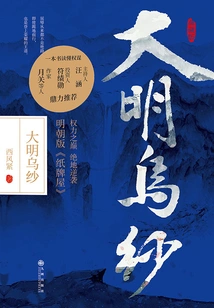
Daming Wusha
History大明乌纱
Strong West Wind
During the Wanli period of the Ming Dynasty, in an environment where party strife arose and corruption was common, Zhang Wen strategized and used unscrupulous means to kill power! Zhang Wen, an ordinary young man, decided to join the official career because of the death of his childhood sweetheart cousin Xiaowan. At that time, there were the Donglin Party, which valued good reputation and dared to speak out, the Zhejiang Party, which represented the interests of the big plutocrats in Jiangsu and Zhejiang, and later the Eunuch Party, headed by Wei Zhongxian and Hakka. The emperor neglected his administration, rebellions broke out everywhere, borders were in crisis, and the fate of the country was in turmoil. The Ming Empire was like a big net, from the emperor to the traffickers and pawns, as well as rebels and foreign spies, all intertwined with each other's interests, and you and I were fighting for it. In this network, the plot of power affects the whole body, and no one can avoid it. The intrigues and intrigues are brilliant. Zhang Wen started from Shangyu County, a small county, and experienced a series of severe tests such as the salt policy turmoil and the Liaodong War, and gradually grew into an important minister of the new emperor. With his extraordinary strategy and courage, he worked hard to turn the tide.
During the Wanli period of the Ming Dynasty, in an environment where party strife arose and corruption was common, Zhang Wen strategized and used unscrupulous means to kill power! Zhang Wen, an ordinary young man, decided to join the official career because of the death of his childhood sweetheart cousin Xiaowan. At that time, there were the Donglin Party, which valued good reputation and dared to speak out, the Zhejiang Party, which represented the interests of the big plutocrats in Jiangsu and Zhejiang, and later the Eunuch Party, headed by Wei Zhongxian and Hakka. The emperor neglected his administration, rebellions broke out everywhere, borders were in crisis, and the fate of the country was in turmoil. The Ming Empire was like a big net, from the emperor to the traffickers and pawns, as well as rebels and foreign spies, all intertwined with each other's interests, and you and I were fighting for it. In this network, the plot of power affects the whole body, and no one can avoid it. The intrigues and intrigues are brilliant. Zhang Wen started from Shangyu County, a small county, and experienced a series of severe tests such as the salt policy turmoil and the Liaodong War, and gradually grew into an important minister of the new emperor. With his extraordinary strategy and courage, he worked hard to turn the tide.
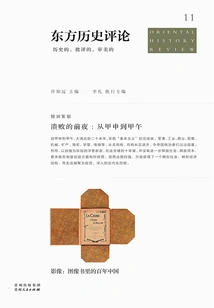
溃败的前夜:从甲申到甲午(东方历史评论11)
Xu Zhiyuan
From Jiashen to Sino-Japanese War, the Qing Dynasty's adoption of the "borrowing doctrine" in the previous twenty years has achieved initial results. Military, industry, commerce, trade, machinery, minerals, navy, schools, telegraph, etc., All have made great progress from scratch, making the rulers of the empire complacent. However, during these critical ten years, the Westernization New Deal, which aimed at self-improvement, did not further liberate society and release capital, nor did it achieve anything in the creation of institutions. It only acquired a deformed society and a deformed economic structure, which could not be condensed into a conscious and in-depth modernization process. And in these critical ten years, what opportunities did China miss?
From Jiashen to Sino-Japanese War, the Qing Dynasty's adoption of the "borrowing doctrine" in the previous twenty years has achieved initial results. Military, industry, commerce, trade, machinery, minerals, navy, schools, telegraph, etc., All have made great progress from scratch, making the rulers of the empire complacent. However, during these critical ten years, the Westernization New Deal, which aimed at self-improvement, did not further liberate society and release capital, nor did it achieve anything in the creation of institutions. It only acquired a deformed society and a deformed economic structure, which could not be condensed into a conscious and in-depth modernization process. And in these critical ten years, what opportunities did China miss?
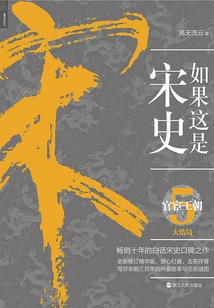
如果这是宋史5:官宦王朝
Gao Tianliuyun
"If This Is Song History 5: The Official Dynasty" tells the history of the Southern Song Dynasty for more than 150 years, and vividly interprets an official dynasty. The foolish and unscrupulous emperors, the important ministers who monopolized power, and the clumsy officials all formed the other side of that era. All of them are swordsmen and Machiavellians, vying to be the first to appear on stage. After the situation in the Southern Song Dynasty stabilized, Qin Hui and others of the Zhuhe faction were reused to sideline Gaozong, and famous generals such as Li Gang and Yue Fei were excluded and framed. Then, the government fell into the hands of Ding Daquan and Jia Sidao one after another, and the country declined rapidly. During the reigns of Du Zong and Gong Zong, the Yuan army marched southward in large numbers and faced a national crisis. However, the government was controlled by Jia Sidao and Chen Yizhong. Eventually, Kaicheng surrendered and Youchu fled. After the Battle of Yashan, the Southern Song Dynasty was overthrown.
"If This Is Song History 5: The Official Dynasty" tells the history of the Southern Song Dynasty for more than 150 years, and vividly interprets an official dynasty. The foolish and unscrupulous emperors, the important ministers who monopolized power, and the clumsy officials all formed the other side of that era. All of them are swordsmen and Machiavellians, vying to be the first to appear on stage. After the situation in the Southern Song Dynasty stabilized, Qin Hui and others of the Zhuhe faction were reused to sideline Gaozong, and famous generals such as Li Gang and Yue Fei were excluded and framed. Then, the government fell into the hands of Ding Daquan and Jia Sidao one after another, and the country declined rapidly. During the reigns of Du Zong and Gong Zong, the Yuan army marched southward in large numbers and faced a national crisis. However, the government was controlled by Jia Sidao and Chen Yizhong. Eventually, Kaicheng surrendered and Youchu fled. After the Battle of Yashan, the Southern Song Dynasty was overthrown.
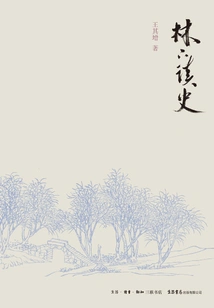
林下读史
Wang Qizeng
This book is the author's insights and experiences from reading history in his spare time for many years. It narrates the historical facts clearly and has his own unique insights in elucidating the discussions. Taking history as a mirror can help us understand gains and losses. This book has a certain enlightening effect on readers, especially party members, cadres, and business managers.
This book is the author's insights and experiences from reading history in his spare time for many years. It narrates the historical facts clearly and has his own unique insights in elucidating the discussions. Taking history as a mirror can help us understand gains and losses. This book has a certain enlightening effect on readers, especially party members, cadres, and business managers.
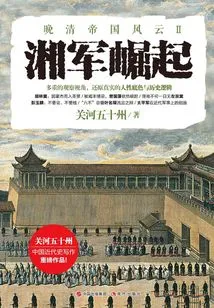
The Rise of the Hunan Army
History湘军崛起
Guanhe Fifty States
In the early 1950s, Lin Fanqing, a son of a wealthy businessman, left the beautiful south of the Yangtze River and headed to the northwest in order to inherit his mentor's unfinished business. Her lover Xu Jingzhi decided to leave with him for the sake of love, but unexpectedly encountered family obstruction and missed the train to the west. Lin Fanqing thought that his lover had changed his mind and embarked on the road to the West District alone. With the help of her classmates, Xu Jingzhi got rid of her shackles and squeezed into the team participating in the construction of the western region. She has only one purpose - to pursue her lover Lin Fanqing. On the vast grassland, a group of young intellectuals, together with local cadres and the masses, used their youth and sweat to write the years of building the Northwest. Their lives and emotions interpreted the legend of half a century.
In the early 1950s, Lin Fanqing, a son of a wealthy businessman, left the beautiful south of the Yangtze River and headed to the northwest in order to inherit his mentor's unfinished business. Her lover Xu Jingzhi decided to leave with him for the sake of love, but unexpectedly encountered family obstruction and missed the train to the west. Lin Fanqing thought that his lover had changed his mind and embarked on the road to the West District alone. With the help of her classmates, Xu Jingzhi got rid of her shackles and squeezed into the team participating in the construction of the western region. She has only one purpose - to pursue her lover Lin Fanqing. On the vast grassland, a group of young intellectuals, together with local cadres and the masses, used their youth and sweat to write the years of building the Northwest. Their lives and emotions interpreted the legend of half a century.
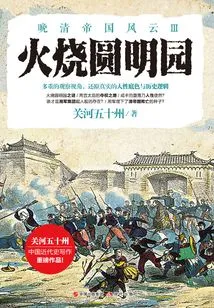
Burning Old Summer Palace
History火烧圆明园
Guanhe Fifty States
The burning of the Old Summer Palace, as a landmark event of the Second Opium War, caused great trauma to the hearts of all Chinese people. In the south of the Qing Empire, the decisive battle between the Hunan Army led by Zeng Guofan and the Taiping Army was imminent. How did the Qing Empire survive this difficult time? Can history give it another chance? This book takes the burning of the Old Summer Palace as the starting point, slowly unfolds the turbulent historical scene of the late Qing Empire, and deeply depicts and describes many historical figures such as Emperor Xianfeng, Zeng Guofan, Hu Linyi, Li Hongzhang, Hong Xiuquan, Li Xiucheng, Park Li, and Wall... ; Here are the growth and failure of influential figures, the treacherous ups and downs of court politics, the blood on the battlefield, the Qing government's dilemma in the external game, the flash, cowardice and complexity of human nature, and the identification and reflection of many historical misunderstandings such as the mystery of the burning of the Old Summer Palace.
The burning of the Old Summer Palace, as a landmark event of the Second Opium War, caused great trauma to the hearts of all Chinese people. In the south of the Qing Empire, the decisive battle between the Hunan Army led by Zeng Guofan and the Taiping Army was imminent. How did the Qing Empire survive this difficult time? Can history give it another chance? This book takes the burning of the Old Summer Palace as the starting point, slowly unfolds the turbulent historical scene of the late Qing Empire, and deeply depicts and describes many historical figures such as Emperor Xianfeng, Zeng Guofan, Hu Linyi, Li Hongzhang, Hong Xiuquan, Li Xiucheng, Park Li, and Wall... ; Here are the growth and failure of influential figures, the treacherous ups and downs of court politics, the blood on the battlefield, the Qing government's dilemma in the external game, the flash, cowardice and complexity of human nature, and the identification and reflection of many historical misunderstandings such as the mystery of the burning of the Old Summer Palace.
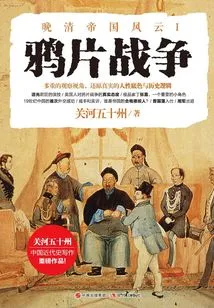
Opium War
History鸦片战争
Guanhe Fifty States
During the late Qing Dynasty, Emperor Daoguang, who had a long history of being conservative, encountered a challenge that traditional Chinese emperors had never faced - the Opium War. It cracked the solid shell of traditional Chinese society. This crisis made the entire Qing Empire unable to cope with the crisis. Just when the Opium War came to an end, bad news came again - something happened in Guangxi... This book uses the "Lin-Qing Incident" in the Jiaqing Dynasty as an introduction, starting from the accession of Emperor Daoguang to the throne, through the interpretation of the many shortcomings of the declining Qing Empire, and the stories of various characters. The multi-perspective display of personality collisions and conflicts reveals the secrets behind the historical scene of the Opium War, interpreting the reasons for the outbreak of the Opium War and China's failure from multiple aspects, as well as many historical details of the collision, temptation, conflict and game with the external British Empire.
During the late Qing Dynasty, Emperor Daoguang, who had a long history of being conservative, encountered a challenge that traditional Chinese emperors had never faced - the Opium War. It cracked the solid shell of traditional Chinese society. This crisis made the entire Qing Empire unable to cope with the crisis. Just when the Opium War came to an end, bad news came again - something happened in Guangxi... This book uses the "Lin-Qing Incident" in the Jiaqing Dynasty as an introduction, starting from the accession of Emperor Daoguang to the throne, through the interpretation of the many shortcomings of the declining Qing Empire, and the stories of various characters. The multi-perspective display of personality collisions and conflicts reveals the secrets behind the historical scene of the Opium War, interpreting the reasons for the outbreak of the Opium War and China's failure from multiple aspects, as well as many historical details of the collision, temptation, conflict and game with the external British Empire.
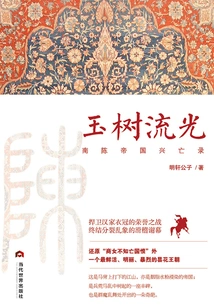
玉树流光:南陈帝国兴亡录
Mr. Mingxuan
In the 169-year history of the Northern and Southern Dynasties, the Chen Dynasty, which lasted only 33 years, may not be remarkable. People's impression of it may only remain on the absurd emperor Chen Shubao who sang "The flowers in the backyard of the jade tree will not last long". However, the real Chen Dynasty was by no means a dynasty soaked in rouge and gouache. It was fought out in the rain of swords, guns and arrows. In the darkest moments, the Chen Dynasty tenaciously retained the fire of Han culture, and finally waited until the Sui Dynasty was unified and restored the Han family's clothes. So, let us enter the long-dusted golden powder empire of Chen Dynasty!
In the 169-year history of the Northern and Southern Dynasties, the Chen Dynasty, which lasted only 33 years, may not be remarkable. People's impression of it may only remain on the absurd emperor Chen Shubao who sang "The flowers in the backyard of the jade tree will not last long". However, the real Chen Dynasty was by no means a dynasty soaked in rouge and gouache. It was fought out in the rain of swords, guns and arrows. In the darkest moments, the Chen Dynasty tenaciously retained the fire of Han culture, and finally waited until the Sui Dynasty was unified and restored the Han family's clothes. So, let us enter the long-dusted golden powder empire of Chen Dynasty!
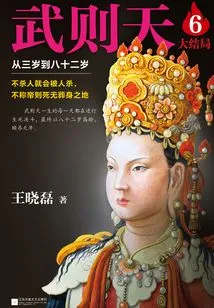
武则天6:从三岁到八十二岁
Wang Xiaolei
Wang Xiaolei's works are masterpieces that exhaust all existing historical materials on Wu Zetian! A generation of empresses who reached the pinnacle of power died at the age of 82, leaving behind a wordless monument for future generations to comment on. If fate refuses to create a great Wu Zetian, the great Wu Zetian will create her own destiny. Wu Zetian lived for 82 years. In the first 31 years, she was involved in a power struggle and fought for her life from a palace maid to the queen's throne. In the second 51 years, she caused a bloody storm and used the queen's dragon robe to ensure her own safety. Every crisis that Wu Zetian faced was the cornerstone of her becoming the queen. In Wu Zetian's 82 years of life, she was on the verge of life and death every day, and she won every duel.
Wang Xiaolei's works are masterpieces that exhaust all existing historical materials on Wu Zetian! A generation of empresses who reached the pinnacle of power died at the age of 82, leaving behind a wordless monument for future generations to comment on. If fate refuses to create a great Wu Zetian, the great Wu Zetian will create her own destiny. Wu Zetian lived for 82 years. In the first 31 years, she was involved in a power struggle and fought for her life from a palace maid to the queen's throne. In the second 51 years, she caused a bloody storm and used the queen's dragon robe to ensure her own safety. Every crisis that Wu Zetian faced was the cornerstone of her becoming the queen. In Wu Zetian's 82 years of life, she was on the verge of life and death every day, and she won every duel.
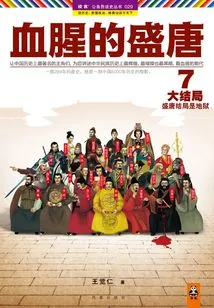
血腥的盛唐7:盛唐结局是地狱
I
At its peak, the Tang Dynasty's economic GDP accounted for 60% of the world's total, and its territory was twice the size of today's China. People from more than 300 countries flocked to Chang'an for pilgrimage with reverence, and more than 2,300 poets created an insurmountable cultural prosperity; however, the facts In the Tang Dynasty, such a prosperous scene only lasted for less than half of the entire dynasty. In the last nearly hundred years of the Tang Dynasty, there were continuous civil wars, gunfire everywhere, corpses strewn in the Yellow River Basin, no roosters crowing, no dogs barking for thousands of miles, and under the afterglow of the setting sun, it was an endless country of hell. Opening the book, the most famous protagonists in Chinese history: Li Yuan, Li Shimin, Wu Zetian, Yang Guifei, Tang Minghuang, Li Bai, An Lushan, Huang Chao... Emperors and generals took turns to go into battle, poets and grass bandits appeared on the stage, with intense gongs and drums, no breathing space, and several good plays in a row: each one is more exciting than the last! Each game is more ups and downs than the next! Each one is more bloody and full of conspiracy than the last!
At its peak, the Tang Dynasty's economic GDP accounted for 60% of the world's total, and its territory was twice the size of today's China. People from more than 300 countries flocked to Chang'an for pilgrimage with reverence, and more than 2,300 poets created an insurmountable cultural prosperity; however, the facts In the Tang Dynasty, such a prosperous scene only lasted for less than half of the entire dynasty. In the last nearly hundred years of the Tang Dynasty, there were continuous civil wars, gunfire everywhere, corpses strewn in the Yellow River Basin, no roosters crowing, no dogs barking for thousands of miles, and under the afterglow of the setting sun, it was an endless country of hell. Opening the book, the most famous protagonists in Chinese history: Li Yuan, Li Shimin, Wu Zetian, Yang Guifei, Tang Minghuang, Li Bai, An Lushan, Huang Chao... Emperors and generals took turns to go into battle, poets and grass bandits appeared on the stage, with intense gongs and drums, no breathing space, and several good plays in a row: each one is more exciting than the last! Each game is more ups and downs than the next! Each one is more bloody and full of conspiracy than the last!
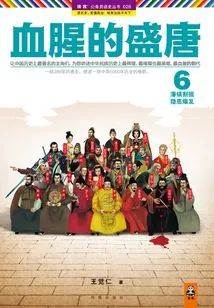
血腥的盛唐6:藩镇割据,隐患爆发
I
T
T
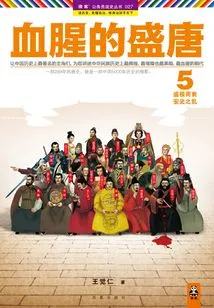
血腥的盛唐5:盛极而衰,安史之乱
I
T
T
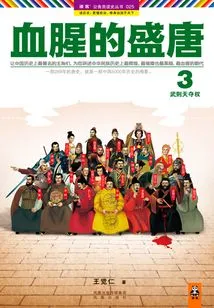
血腥的盛唐3:武则天夺权
Wang Jueren
At its peak, the Tang Dynasty's economic GDP accounted for 60% of the world's total, and its territory was twice the size of today's China. People from more than 300 countries flocked to Chang'an for pilgrimage with reverence, and more than 2,300 poets created an insurmountable cultural prosperity; however, the facts In the Tang Dynasty, such a prosperous scene only lasted for less than half of the entire dynasty. In the last nearly hundred years of the Tang Dynasty, there were continuous civil wars, gunfire everywhere, corpses strewn in the Yellow River Basin, no roosters crowing, no dogs barking for thousands of miles, and under the afterglow of the setting sun, it was an endless country of hell. Opening the book, the most famous protagonists in Chinese history: Li Yuan, Li Shimin, Wu Zetian, Yang Guifei, Tang Minghuang, Li Bai, An Lushan, Huang Chao... Emperors and generals took turns to go into battle, poets and grass bandits appeared on the stage, with intense gongs and drums, no breathing space, and several good plays in a row: each one is more exciting than the last! Each game is more ups and downs than the next! Each one is more bloody and full of conspiracy than the last!
At its peak, the Tang Dynasty's economic GDP accounted for 60% of the world's total, and its territory was twice the size of today's China. People from more than 300 countries flocked to Chang'an for pilgrimage with reverence, and more than 2,300 poets created an insurmountable cultural prosperity; however, the facts In the Tang Dynasty, such a prosperous scene only lasted for less than half of the entire dynasty. In the last nearly hundred years of the Tang Dynasty, there were continuous civil wars, gunfire everywhere, corpses strewn in the Yellow River Basin, no roosters crowing, no dogs barking for thousands of miles, and under the afterglow of the setting sun, it was an endless country of hell. Opening the book, the most famous protagonists in Chinese history: Li Yuan, Li Shimin, Wu Zetian, Yang Guifei, Tang Minghuang, Li Bai, An Lushan, Huang Chao... Emperors and generals took turns to go into battle, poets and grass bandits appeared on the stage, with intense gongs and drums, no breathing space, and several good plays in a row: each one is more exciting than the last! Each game is more ups and downs than the next! Each one is more bloody and full of conspiracy than the last!
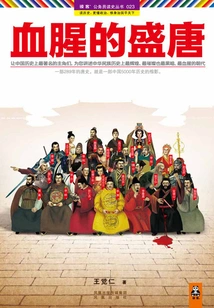
T
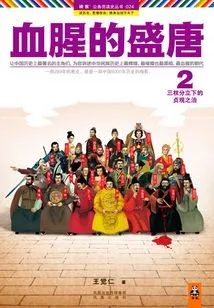
血腥的盛唐2:三权分立下的贞观之治
I
T
T
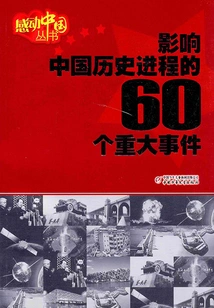
影响中国历史进程的60个重大事件
Editor-in-chief Shu Yiying
May these touching stories flow naturally like clear springs, straight through our hearts. Let us be moved by the great power of our nation and share those eternally beautiful lives. We hope that through this book, we can mark the most dazzling highlights in the 60-year history of the People's Republic of China and present the powerful force for the revitalization and rise of the Chinese nation throughout it.
May these touching stories flow naturally like clear springs, straight through our hearts. Let us be moved by the great power of our nation and share those eternally beautiful lives. We hope that through this book, we can mark the most dazzling highlights in the 60-year history of the People's Republic of China and present the powerful force for the revitalization and rise of the Chinese nation throughout it.
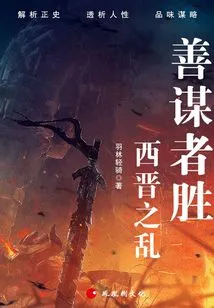
善谋者胜:西晋之乱
Yulin Qingqi
The Sima family founded the country with power and strategy. Soon after the founding of the country, it fell into a power struggle within the family, which caused chaos and chaos in China. This caused the division and confrontation between the Northern and Southern Dynasties for nearly 170 years. Therefore, people do not think highly of this dynasty, because after its establishment, this dynasty lived in turmoil and precariousness and perished. This book begins with Sima Zhao's regicide and ends with the founding of the Eastern Jin Dynasty. It introduces the internal and external conflicts in each period of this stage, and comments and analyzes the behaviors and thoughts of all parties. It is highly readable and instructive. The book describes the rise to power of Yang Jun, Jia Nanfeng and others, the collapse of the Western Jin Empire after the Eight Kings Rebellion, the wars and strategies between Han, Jin and Dacheng, as well as the power and struggles of various factions within Jin and Han.
The Sima family founded the country with power and strategy. Soon after the founding of the country, it fell into a power struggle within the family, which caused chaos and chaos in China. This caused the division and confrontation between the Northern and Southern Dynasties for nearly 170 years. Therefore, people do not think highly of this dynasty, because after its establishment, this dynasty lived in turmoil and precariousness and perished. This book begins with Sima Zhao's regicide and ends with the founding of the Eastern Jin Dynasty. It introduces the internal and external conflicts in each period of this stage, and comments and analyzes the behaviors and thoughts of all parties. It is highly readable and instructive. The book describes the rise to power of Yang Jun, Jia Nanfeng and others, the collapse of the Western Jin Empire after the Eight Kings Rebellion, the wars and strategies between Han, Jin and Dacheng, as well as the power and struggles of various factions within Jin and Han.
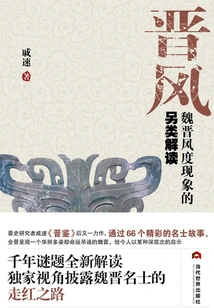
Jin Style: an Alternative Interpretation of the Phenomenon of Style in the Wei and Jin Dynasties
History晋风:魏晋风度现象的另类解读
Qi Su
Taking time as the latitude, characters as the longitude, and human nature and the state of the world as the entry point, from Ji Shuye to Xie Kangle, a long picture of the style of the Wei and Jin Dynasties is formed. This book attempts to reflect the common mentality of scholar-bureaucrats in the Jin Dynasty with fresh writing style, reveal the essence behind the demeanor of Wei and Jin Dynasty with sharp writing style, and provide some deep inspiration to people today.
Taking time as the latitude, characters as the longitude, and human nature and the state of the world as the entry point, from Ji Shuye to Xie Kangle, a long picture of the style of the Wei and Jin Dynasties is formed. This book attempts to reflect the common mentality of scholar-bureaucrats in the Jin Dynasty with fresh writing style, reveal the essence behind the demeanor of Wei and Jin Dynasty with sharp writing style, and provide some deep inspiration to people today.
中国历史故事精选(二)
Ma Yili
The "Selected Stories from Chinese Historical Stories" series is divided into 4 volumes, including stories about civil and martial arts, battles of wits and courage, adaptability, talents and strategies, magical calculations, resourcefulness, strategizing, unique insight, surprise victory, shrewdness and ability, etc. The content is huge and has historical materials. The richness, engaging plot, and vivid narration lead readers to browse along the historical footprints left by Chinese ancestors, allowing people to appreciate the wisdom and magic of their predecessors while reading and appreciating it, triggering today's thinking and reverie, and thus fully appreciate the wonder and greatness of Chinese history and culture. The purpose of writing this series of works is to continue to carry forward the broad and profound Chinese culture. The second volume contains the main selections: Zi Chan, Prime Minister of Zheng State, Lu Buwei, Prime Minister of Qin State, Zhao Gao, the powerful minister of the late Qin Dynasty, Dou Xian, the prime minister of the Eastern Han Dynasty, Chen Fan, the good prime minister of the Eastern Han Dynasty, Wang Meng, the famous minister of the former Qin Dynasty, Wang Anshi, the prime minister of the Northern Song Dynasty, Wang Yaochen, the famous minister of the Northern Song Dynasty, Zhang Juzheng, the prime minister of the Ming Dynasty, Huo Guang, the powerful minister of the Western Han Dynasty, Wang Mang, the powerful minister of the Eastern Han Dynasty...
The "Selected Stories from Chinese Historical Stories" series is divided into 4 volumes, including stories about civil and martial arts, battles of wits and courage, adaptability, talents and strategies, magical calculations, resourcefulness, strategizing, unique insight, surprise victory, shrewdness and ability, etc. The content is huge and has historical materials. The richness, engaging plot, and vivid narration lead readers to browse along the historical footprints left by Chinese ancestors, allowing people to appreciate the wisdom and magic of their predecessors while reading and appreciating it, triggering today's thinking and reverie, and thus fully appreciate the wonder and greatness of Chinese history and culture. The purpose of writing this series of works is to continue to carry forward the broad and profound Chinese culture. The second volume contains the main selections: Zi Chan, Prime Minister of Zheng State, Lu Buwei, Prime Minister of Qin State, Zhao Gao, the powerful minister of the late Qin Dynasty, Dou Xian, the prime minister of the Eastern Han Dynasty, Chen Fan, the good prime minister of the Eastern Han Dynasty, Wang Meng, the famous minister of the former Qin Dynasty, Wang Anshi, the prime minister of the Northern Song Dynasty, Wang Yaochen, the famous minister of the Northern Song Dynasty, Zhang Juzheng, the prime minister of the Ming Dynasty, Huo Guang, the powerful minister of the Western Han Dynasty, Wang Mang, the powerful minister of the Eastern Han Dynasty...
中国历史故事精选(四)
Ma Yili
The "Selected Stories from Chinese Historical Stories" series is divided into 4 volumes, including stories about civil and martial arts, battles of wits and courage, adaptability, talents and strategies, magical calculations, resourcefulness, strategizing, unique insight, surprise victory, shrewdness and ability, etc. The content is huge and has historical materials. The richness, engaging plot, and vivid narration lead readers to browse along the historical footprints left by Chinese ancestors, allowing people to appreciate the wisdom and magic of their predecessors while reading and appreciating it, triggering today's thinking and reverie, and thus fully appreciate the wonder and greatness of Chinese history and culture. The purpose of writing this series of works is to continue to carry forward the broad and profound Chinese culture. The fourth volume mainly includes strategic stories about princes competing for favor with wisdom and seeking power, such as; strategic stories about princes seizing the throne by force; strategic stories about princes using power to stabilize the country; and strategic stories about princes with different aspirations and interests, cultivating themselves and studying.
The "Selected Stories from Chinese Historical Stories" series is divided into 4 volumes, including stories about civil and martial arts, battles of wits and courage, adaptability, talents and strategies, magical calculations, resourcefulness, strategizing, unique insight, surprise victory, shrewdness and ability, etc. The content is huge and has historical materials. The richness, engaging plot, and vivid narration lead readers to browse along the historical footprints left by Chinese ancestors, allowing people to appreciate the wisdom and magic of their predecessors while reading and appreciating it, triggering today's thinking and reverie, and thus fully appreciate the wonder and greatness of Chinese history and culture. The purpose of writing this series of works is to continue to carry forward the broad and profound Chinese culture. The fourth volume mainly includes strategic stories about princes competing for favor with wisdom and seeking power, such as; strategic stories about princes seizing the throne by force; strategic stories about princes using power to stabilize the country; and strategic stories about princes with different aspirations and interests, cultivating themselves and studying.
中国历史故事精选(一)
Ma Yili
The "Selected Stories from Chinese Historical Stories" series is divided into 4 volumes, including stories about civil and martial arts, battles of wits and courage, adaptability, talents and strategies, magical calculations, resourcefulness, strategizing, unique insight, surprise victory, shrewdness and ability, etc. The content is huge and has historical materials. The richness, engaging plot, and vivid narration lead readers to browse along the historical footprints left by Chinese ancestors, allowing people to appreciate the wisdom and magic of their predecessors while reading and appreciating it, triggering today's thinking and reverie, and thus fully appreciate the wonder and greatness of Chinese history and culture. The purpose of writing this series of works is to continue to carry forward the broad and profound Chinese culture. The first volume selects the wisdom stories of emperors such as Qin Shihuang Ying Zheng, Han Gaozu Liu Bang, Han Wu Emperor Liu Che, Tang Taizong Li Shimin, Song Taizu Zhao Kuangyin, Ming Taizu Zhu Yuanzhang, Qing Saint Ancestor Xuanye and so on.
The "Selected Stories from Chinese Historical Stories" series is divided into 4 volumes, including stories about civil and martial arts, battles of wits and courage, adaptability, talents and strategies, magical calculations, resourcefulness, strategizing, unique insight, surprise victory, shrewdness and ability, etc. The content is huge and has historical materials. The richness, engaging plot, and vivid narration lead readers to browse along the historical footprints left by Chinese ancestors, allowing people to appreciate the wisdom and magic of their predecessors while reading and appreciating it, triggering today's thinking and reverie, and thus fully appreciate the wonder and greatness of Chinese history and culture. The purpose of writing this series of works is to continue to carry forward the broad and profound Chinese culture. The first volume selects the wisdom stories of emperors such as Qin Shihuang Ying Zheng, Han Gaozu Liu Bang, Han Wu Emperor Liu Che, Tang Taizong Li Shimin, Song Taizu Zhao Kuangyin, Ming Taizu Zhu Yuanzhang, Qing Saint Ancestor Xuanye and so on.
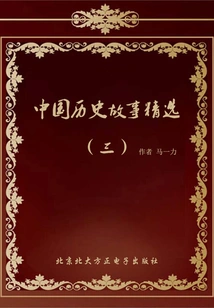
中国历史故事精选(三)
Ma Yili
The "Selected Stories from Chinese Historical Stories" series is divided into 4 volumes, including stories about civil and martial arts, battles of wits and courage, adaptability, talents and strategies, magical calculations, resourcefulness, strategizing, unique insight, surprise victory, shrewdness and ability, etc. The content is huge and has historical materials. The richness, engaging plot, and vivid narration lead readers to browse along the historical footprints left by Chinese ancestors, allowing people to appreciate the wisdom and magic of their predecessors while reading and appreciating it, triggering today's thinking and reverie, and thus fully appreciate the wonder and greatness of Chinese history and culture. The third volume mainly includes the battles to defeat the enemy by surprise and use the weak to attack the strong, such as the battle of Wei to destroy Shu in the Three Kingdoms era; the battles to destroy the enemy with less and fight more, such as the Ming Dynasty's war to aid the Korean War to resist Japan; the mobile battles to conquer far distances and separate the strong and combine the weak, such as the Battle of Shilipo in the Qing Dynasty; and the battles of annihilation to gather the best and besieged with heavy troops, such as Genghis Khan's unification battle.
The "Selected Stories from Chinese Historical Stories" series is divided into 4 volumes, including stories about civil and martial arts, battles of wits and courage, adaptability, talents and strategies, magical calculations, resourcefulness, strategizing, unique insight, surprise victory, shrewdness and ability, etc. The content is huge and has historical materials. The richness, engaging plot, and vivid narration lead readers to browse along the historical footprints left by Chinese ancestors, allowing people to appreciate the wisdom and magic of their predecessors while reading and appreciating it, triggering today's thinking and reverie, and thus fully appreciate the wonder and greatness of Chinese history and culture. The third volume mainly includes the battles to defeat the enemy by surprise and use the weak to attack the strong, such as the battle of Wei to destroy Shu in the Three Kingdoms era; the battles to destroy the enemy with less and fight more, such as the Ming Dynasty's war to aid the Korean War to resist Japan; the mobile battles to conquer far distances and separate the strong and combine the weak, such as the Battle of Shilipo in the Qing Dynasty; and the battles of annihilation to gather the best and besieged with heavy troops, such as Genghis Khan's unification battle.
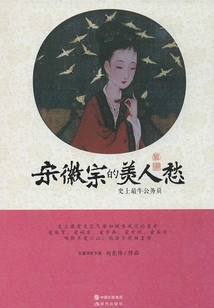
宋徽宗的美人愁:史上最牛公务员
Liu Dongwei
"Song Huizong's Beauty Sorrow: The Best Civil Servant in History" takes the emotional life and the pain of national subjugation as the last emperor of the Northern Song Dynasty, Song Huizong, and unfolds the description of various major historical events such as the ethnic conflicts in the late Northern Song Dynasty, the political corruption of the Song Dynasty and Ming Dynasty, and the resistance to the Jin Dynasty. "Song Huizong's Beauty Sorrow: The Best Civil Servant in History" provides a vivid and emotional reading for us to understand that special period of history.
"Song Huizong's Beauty Sorrow: The Best Civil Servant in History" takes the emotional life and the pain of national subjugation as the last emperor of the Northern Song Dynasty, Song Huizong, and unfolds the description of various major historical events such as the ethnic conflicts in the late Northern Song Dynasty, the political corruption of the Song Dynasty and Ming Dynasty, and the resistance to the Jin Dynasty. "Song Huizong's Beauty Sorrow: The Best Civil Servant in History" provides a vivid and emotional reading for us to understand that special period of history.
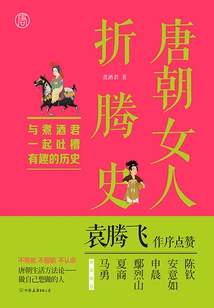
唐朝女人折腾史
Cooking Wine
In this book, there are powerful political women who were favored by six emperors, royal female men who dared to love and hate, green tea bitches who were all-rounded in the workplace, heroic female generals on the battlefield who were not inferior to women, beautiful and sinister women who endured humiliation, aristocratic young ladies with talents and talents, and extremely luxurious ladies from aristocratic families. These women of the Tang Dynasty, without exception, were all heroic women with true temperament who dared to love, hate, act, think and fight. If you think about it carefully, only an era like the Tang Dynasty can create such a real woman with independent personality, pursuit of dreams, and uncompromising life.
In this book, there are powerful political women who were favored by six emperors, royal female men who dared to love and hate, green tea bitches who were all-rounded in the workplace, heroic female generals on the battlefield who were not inferior to women, beautiful and sinister women who endured humiliation, aristocratic young ladies with talents and talents, and extremely luxurious ladies from aristocratic families. These women of the Tang Dynasty, without exception, were all heroic women with true temperament who dared to love, hate, act, think and fight. If you think about it carefully, only an era like the Tang Dynasty can create such a real woman with independent personality, pursuit of dreams, and uncompromising life.
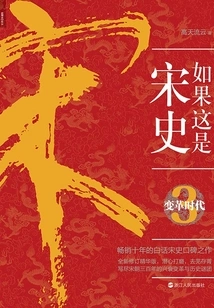
如果这是宋史3:变革时代
Gao Tianliuyun
This book tells the story of the mid-Northern Song Dynasty. Although famous ministers such as Yan Shu, Fan Zhongyan, Ouyang Xiu, Bao Zheng, Sima Guang, and Wang Anshi emerged, they faced internal and external troubles and social crises became increasingly serious. In such an environment, the Northern Song Dynasty ushered in an era of change. Renzong appointed Fan Zhongyan and others to implement the New Deal, but because it violated the interests of the aristocracy and bureaucrats, the opposition was huge, and the reform was immediately suspended. Yingzong re-appointed important reformist ministers in an attempt to remedy the long-standing shortcomings, but due to premature death of illness, little was accomplished. Soon after Shenzong ascended the throne, he summoned Wang Anshi to Beijing to implement reforms. Under the attack of the conservative forces, it struggled to maintain the New Deal. After that, the Song army was defeated by Xixia twice, and Shenzong died in depression. Empress Dowager Gao listened to politics behind the curtain, and the new law was abolished. After the death of Empress Dowager Gao, Zhezong took over the government personally, deposed the old party, appointed a new party, and restored the new law. But at this time, the new law has become a butcher knife for party disputes, and the essence of the reform has been completely lost. The era of change that the four generations of emperors of the Zhao family had struggled to support came to an end, and the history of the Northern Song Dynasty would also come to an end.
This book tells the story of the mid-Northern Song Dynasty. Although famous ministers such as Yan Shu, Fan Zhongyan, Ouyang Xiu, Bao Zheng, Sima Guang, and Wang Anshi emerged, they faced internal and external troubles and social crises became increasingly serious. In such an environment, the Northern Song Dynasty ushered in an era of change. Renzong appointed Fan Zhongyan and others to implement the New Deal, but because it violated the interests of the aristocracy and bureaucrats, the opposition was huge, and the reform was immediately suspended. Yingzong re-appointed important reformist ministers in an attempt to remedy the long-standing shortcomings, but due to premature death of illness, little was accomplished. Soon after Shenzong ascended the throne, he summoned Wang Anshi to Beijing to implement reforms. Under the attack of the conservative forces, it struggled to maintain the New Deal. After that, the Song army was defeated by Xixia twice, and Shenzong died in depression. Empress Dowager Gao listened to politics behind the curtain, and the new law was abolished. After the death of Empress Dowager Gao, Zhezong took over the government personally, deposed the old party, appointed a new party, and restored the new law. But at this time, the new law has become a butcher knife for party disputes, and the essence of the reform has been completely lost. The era of change that the four generations of emperors of the Zhao family had struggled to support came to an end, and the history of the Northern Song Dynasty would also come to an end.
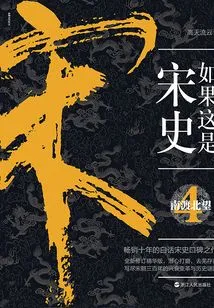
如果这是宋史4:南渡北望
Gao Tianliuyun
The history of the turn of the two Song Dynasties reproduced in this book is more like a magical suspense drama, full of unexpected and absurd reversals, which sometimes make people rush with blood, sometimes fill them with righteous indignation, but always cannot stop. The wealthy, prosperous, and civilized Northern Song Dynasty was at its peak. It was already the eighth generation of Emperor Huizong. The ruling group was luxurious and corrupt. After four generations of reforms without any results, the building was about to collapse. The emergence of the Six Thieves was a historical necessity. They led the implementation of a series of major erroneous measures that completely emptied the Northern Song Dynasty's national power. At the same time, the Jin Dynasty rose and destroyed the Liao Dynasty. The country was at its peak, which was in sharp contrast to the Northern Song Dynasty. The Jingkang Change was inevitable. Although there were bloody battles with strong generals and troops such as Yue Fei, Han Shizhong, and Wu Jie, and exciting victories such as Huang Tiandang, Xianren Pass, and Zhuxian Town, it seemed that the disadvantages of the Southern Song Dynasty were reversed.
The history of the turn of the two Song Dynasties reproduced in this book is more like a magical suspense drama, full of unexpected and absurd reversals, which sometimes make people rush with blood, sometimes fill them with righteous indignation, but always cannot stop. The wealthy, prosperous, and civilized Northern Song Dynasty was at its peak. It was already the eighth generation of Emperor Huizong. The ruling group was luxurious and corrupt. After four generations of reforms without any results, the building was about to collapse. The emergence of the Six Thieves was a historical necessity. They led the implementation of a series of major erroneous measures that completely emptied the Northern Song Dynasty's national power. At the same time, the Jin Dynasty rose and destroyed the Liao Dynasty. The country was at its peak, which was in sharp contrast to the Northern Song Dynasty. The Jingkang Change was inevitable. Although there were bloody battles with strong generals and troops such as Yue Fei, Han Shizhong, and Wu Jie, and exciting victories such as Huang Tiandang, Xianren Pass, and Zhuxian Town, it seemed that the disadvantages of the Southern Song Dynasty were reversed.
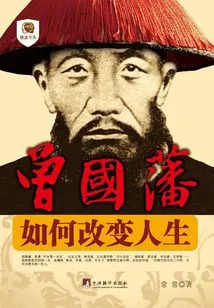
曾国藩如何改变人生
Frequent
This book takes Zeng Guofan's life experience as the main line, and deeply explores his life pursuits and ideals in four different periods: studying, becoming a Beijing official, suppressing the Taiping Rebellion, and his later years, and even how they significantly affected his life trajectory. This still has positive reference significance for contemporary times.
This book takes Zeng Guofan's life experience as the main line, and deeply explores his life pursuits and ideals in four different periods: studying, becoming a Beijing official, suppressing the Taiping Rebellion, and his later years, and even how they significantly affected his life trajectory. This still has positive reference significance for contemporary times.
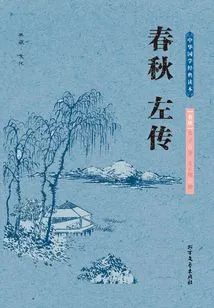
Chunqiu Zuozhuan
History春秋左传
Zuo Qiuming (spring And Autumn Period) Confucius
"Classic Readers of Chinese Classics: Zuo Zhuan of the Spring and Autumn Period (set of 2 volumes)" introduces that the Spring and Autumn Period was a period of great change in Chinese history. During this period, the power of the Zhou royal family gradually weakened. Power fell away, and the vassal states conquered each other, causing frequent wars. Small vassal states were annexed one after another, and powerful vassal states achieved unification in local areas. The most powerful vassal states came to dominate successively, and overlords such as Duke Huan of Qi, Duke Wen of Jin, King Zhuang of Chu, King Helu of Smelly, and King Goujian of Yue emerged. In terms of culture, Confucianism came into being and had a profound impact on society at that time and later.
"Classic Readers of Chinese Classics: Zuo Zhuan of the Spring and Autumn Period (set of 2 volumes)" introduces that the Spring and Autumn Period was a period of great change in Chinese history. During this period, the power of the Zhou royal family gradually weakened. Power fell away, and the vassal states conquered each other, causing frequent wars. Small vassal states were annexed one after another, and powerful vassal states achieved unification in local areas. The most powerful vassal states came to dominate successively, and overlords such as Duke Huan of Qi, Duke Wen of Jin, King Zhuang of Chu, King Helu of Smelly, and King Goujian of Yue emerged. In terms of culture, Confucianism came into being and had a profound impact on society at that time and later.
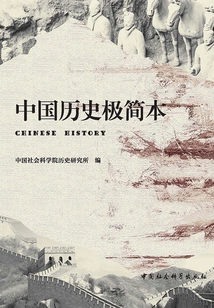
中国历史极简本
Institute Of History, Chinese Academy Of Social Sciences
A small book takes you through the development trajectory of China's history, to appreciate the long history and brilliance of China, and to appreciate the breadth, depth and timelessness of Chinese culture.
A small book takes you through the development trajectory of China's history, to appreciate the long history and brilliance of China, and to appreciate the breadth, depth and timelessness of Chinese culture.
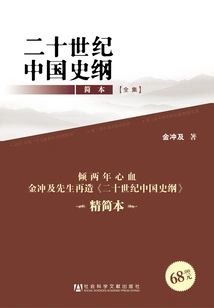
二十世纪中国史纲(全集)
Jin Chongji
A history of China in the 20th century can also be said to be a collection of practical records of the Chinese people during this century. It has experienced tragic encounters and enjoyed the joy of victory; in the process of achieving victory, it has experienced great successes and serious setbacks. All opinions and opinions have been tested in such rich practice. It can explain better than any eloquent words what is correct and what is fallacious, and leaves endless enlightenment to future generations. Throughout the history of China in the 20th century, a clear theme runs throughout: striving for the great rejuvenation of the Chinese nation. The Chinese nation faces two major historical tasks: one is to seek national independence and people's liberation, and the other is to realize the prosperity of the country and the common prosperity of the people. It must be carried out in two steps: the latter is the goal that people long for and strive for, and the former is the necessary prerequisite for the latter.
A history of China in the 20th century can also be said to be a collection of practical records of the Chinese people during this century. It has experienced tragic encounters and enjoyed the joy of victory; in the process of achieving victory, it has experienced great successes and serious setbacks. All opinions and opinions have been tested in such rich practice. It can explain better than any eloquent words what is correct and what is fallacious, and leaves endless enlightenment to future generations. Throughout the history of China in the 20th century, a clear theme runs throughout: striving for the great rejuvenation of the Chinese nation. The Chinese nation faces two major historical tasks: one is to seek national independence and people's liberation, and the other is to realize the prosperity of the country and the common prosperity of the people. It must be carried out in two steps: the latter is the goal that people long for and strive for, and the former is the necessary prerequisite for the latter.
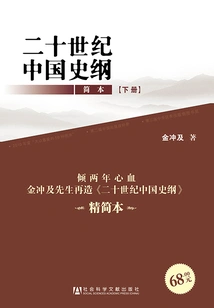
二十世纪中国史纲(下册)
I
A history of China in the 20th century can also be said to be a collection of practical records of the Chinese people during this century. It has experienced tragic encounters and enjoyed the joy of victory; in the process of achieving victory, it has experienced great successes and serious setbacks. All opinions and opinions have been tested in such rich practice. It can explain better than any eloquent words what is correct and what is fallacious, and leaves endless enlightenment to future generations. Throughout the history of China in the 20th century, a clear theme runs throughout: striving for the great rejuvenation of the Chinese nation. The Chinese nation faces two major historical tasks: one is to seek national independence and people's liberation, and the other is to realize the prosperity of the country and the common prosperity of the people. It must be carried out in two steps: the latter is the goal that people long for and strive for, and the former is the necessary prerequisite for the latter.
A history of China in the 20th century can also be said to be a collection of practical records of the Chinese people during this century. It has experienced tragic encounters and enjoyed the joy of victory; in the process of achieving victory, it has experienced great successes and serious setbacks. All opinions and opinions have been tested in such rich practice. It can explain better than any eloquent words what is correct and what is fallacious, and leaves endless enlightenment to future generations. Throughout the history of China in the 20th century, a clear theme runs throughout: striving for the great rejuvenation of the Chinese nation. The Chinese nation faces two major historical tasks: one is to seek national independence and people's liberation, and the other is to realize the prosperity of the country and the common prosperity of the people. It must be carried out in two steps: the latter is the goal that people long for and strive for, and the former is the necessary prerequisite for the latter.
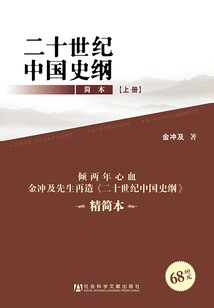
二十世纪中国史纲(上册)
Jin Chongji
A history of China in the 20th century can also be said to be a collection of practical records of the Chinese people during this century. It has experienced tragic encounters and enjoyed the joy of victory; in the process of achieving victory, it has experienced great successes and serious setbacks. All opinions and opinions have been tested in such rich practice. It can explain better than any eloquent words what is correct and what is fallacious, and leaves endless enlightenment to future generations. Throughout the history of China in the 20th century, a clear theme runs throughout: striving for the great rejuvenation of the Chinese nation. The Chinese nation faces two major historical tasks: one is to seek national independence and people's liberation, and the other is to realize the prosperity of the country and the common prosperity of the people. It must be carried out in two steps: the latter is the goal that people long for and strive for, and the former is the necessary prerequisite for the latter.
A history of China in the 20th century can also be said to be a collection of practical records of the Chinese people during this century. It has experienced tragic encounters and enjoyed the joy of victory; in the process of achieving victory, it has experienced great successes and serious setbacks. All opinions and opinions have been tested in such rich practice. It can explain better than any eloquent words what is correct and what is fallacious, and leaves endless enlightenment to future generations. Throughout the history of China in the 20th century, a clear theme runs throughout: striving for the great rejuvenation of the Chinese nation. The Chinese nation faces two major historical tasks: one is to seek national independence and people's liberation, and the other is to realize the prosperity of the country and the common prosperity of the people. It must be carried out in two steps: the latter is the goal that people long for and strive for, and the former is the necessary prerequisite for the latter.
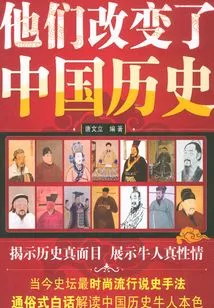
They Changed Chinese History
History他们改变了中国历史
Tang Wenli
In the history of China, there are three people who have played a very important role. They are Confucius. His greatest contribution is to democratize education and introduce education to the people, making the Chinese one of the nations that value education most in the world. The second is Chen Sheng. His greatest contribution is to democratize politics and enable the public to have early access to education for the first time. The qualifications of the emperor broke the blood monopoly of the kings, generals and ministers; the third is Wu Zetian. Her greatest contribution is to pioneer the equality of men and women in politics. Although she is not as turbulent as the first two, she is still commendable. In a society where men control everything, she has received such an honor, which has to be admired!
In the history of China, there are three people who have played a very important role. They are Confucius. His greatest contribution is to democratize education and introduce education to the people, making the Chinese one of the nations that value education most in the world. The second is Chen Sheng. His greatest contribution is to democratize politics and enable the public to have early access to education for the first time. The qualifications of the emperor broke the blood monopoly of the kings, generals and ministers; the third is Wu Zetian. Her greatest contribution is to pioneer the equality of men and women in politics. Although she is not as turbulent as the first two, she is still commendable. In a society where men control everything, she has received such an honor, which has to be admired!
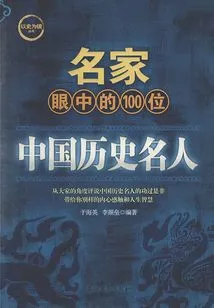
名家眼中的100位中国历史名人
Yu Haiying Li Yanlei
"100 Chinese Historical Celebrities in the Eyes of Famous Masters" introduces the stories of 100 historical celebrities such as Genghis Khan, Yelu Chucai, Wen Tianxiang, and Guan Hanqing. When we are running forward quickly, when we cannot see the future clearly, let us look back at history! An unqualified politician - Wang Chunyu commented on Li Zicheng; he brought a successful conclusion to the history of ancient Chinese hermitage - He Ming looked at Huang Zongxi; Speculator: Lost in the east, gained in mulberry - Wu Sangui in Bo Yang's eyes; Yi is an extraordinary woman, with unparalleled realm - Xiaozhuang in Yan Chongnian's eyes; Be cautious and solve problems - Yan Chongnian's interpretation of Kang Xi; neglecting sentry deer, diligently pioneering the world - Fan Shuzhi talks about Yongzheng; the enterprising Confucian scholar and the shocking madman - Meng Zhen comments on Zheng Banqiao; the dynasty he helmed, prosperity and crisis coexisted - Fan Wenlan commented on Qianlong... "100 Chinese Historical Celebrities in the Eyes of Famous Experts" contains hundreds of comments on 100 Chinese historical celebrities in the eyes of famous experts.
"100 Chinese Historical Celebrities in the Eyes of Famous Masters" introduces the stories of 100 historical celebrities such as Genghis Khan, Yelu Chucai, Wen Tianxiang, and Guan Hanqing. When we are running forward quickly, when we cannot see the future clearly, let us look back at history! An unqualified politician - Wang Chunyu commented on Li Zicheng; he brought a successful conclusion to the history of ancient Chinese hermitage - He Ming looked at Huang Zongxi; Speculator: Lost in the east, gained in mulberry - Wu Sangui in Bo Yang's eyes; Yi is an extraordinary woman, with unparalleled realm - Xiaozhuang in Yan Chongnian's eyes; Be cautious and solve problems - Yan Chongnian's interpretation of Kang Xi; neglecting sentry deer, diligently pioneering the world - Fan Shuzhi talks about Yongzheng; the enterprising Confucian scholar and the shocking madman - Meng Zhen comments on Zheng Banqiao; the dynasty he helmed, prosperity and crisis coexisted - Fan Wenlan commented on Qianlong... "100 Chinese Historical Celebrities in the Eyes of Famous Experts" contains hundreds of comments on 100 Chinese historical celebrities in the eyes of famous experts.
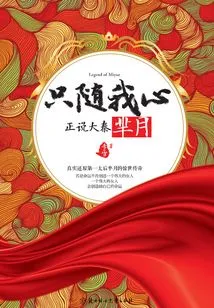
只随我心:正说大秦芈月
Li Xue
Historical records record: "The queen mother has been in charge of government since the Queen Mother Xuan of Qin Dynasty." The Queen Mother Xuan was Mi Yue. Mi Yue's life was magnificent and indulgent, and she ruled the Qin State as the Queen Mother for 36 years. As a female, she traveled among the countries and influenced the current situation of the entire Warring States Period. She is an outstanding woman, a magnificent piece of music. "Only Follow My Heart: The True Story of Mi Yue in the Qin Dynasty" starts from history, while recreating Mi Yue's legendary experience, it also highlights the things in her that women can learn from.
Historical records record: "The queen mother has been in charge of government since the Queen Mother Xuan of Qin Dynasty." The Queen Mother Xuan was Mi Yue. Mi Yue's life was magnificent and indulgent, and she ruled the Qin State as the Queen Mother for 36 years. As a female, she traveled among the countries and influenced the current situation of the entire Warring States Period. She is an outstanding woman, a magnificent piece of music. "Only Follow My Heart: The True Story of Mi Yue in the Qin Dynasty" starts from history, while recreating Mi Yue's legendary experience, it also highlights the things in her that women can learn from.
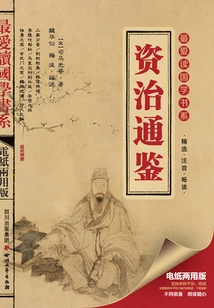
资治通鉴(最爱读国学系列)
Sima Guang
"The Most Read Chinese Studies Series (Volume 2): Zizhi Tongjian" is a masterpiece of history compiled by Sima Guang, a famous historian and politician in the Northern Song Dynasty, and his assistants Liu Xun, Liu Shu, Fan Zuyu, Sima Kang and others, which took 19 years to compile. The book narrates the history in chronological order from the 23rd year of King Weilie of the Zhou Dynasty (403 BC) to the 6th year of Xiande of the Later Zhou Dynasty (959 AD), that is, "from the Warring States period to the Five Dynasties", a total of 1,362 years of history. It is the first chronological general history of our country. The book has a total of 354 volumes and about 3 million words. Among them, the Sui, Tang and Five Dynasties are the focus, accounting for two-fifths of the book, and it is the most valuable part of the book.
"The Most Read Chinese Studies Series (Volume 2): Zizhi Tongjian" is a masterpiece of history compiled by Sima Guang, a famous historian and politician in the Northern Song Dynasty, and his assistants Liu Xun, Liu Shu, Fan Zuyu, Sima Kang and others, which took 19 years to compile. The book narrates the history in chronological order from the 23rd year of King Weilie of the Zhou Dynasty (403 BC) to the 6th year of Xiande of the Later Zhou Dynasty (959 AD), that is, "from the Warring States period to the Five Dynasties", a total of 1,362 years of history. It is the first chronological general history of our country. The book has a total of 354 volumes and about 3 million words. Among them, the Sui, Tang and Five Dynasties are the focus, accounting for two-fifths of the book, and it is the most valuable part of the book.
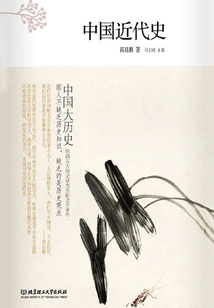
中国近代史(中国大历史)
Jiang Tingfu
"Modern History of China" written by Jiang Tingfu takes China's modernization as a clue and believes that "whether the Chinese can modernize will determine the rise or fall of the country." It mainly elaborates on the self-improvement efforts of modern people and the reasons for their failure in the face of "big changes unseen in thousands of years." It then proposes that "modern national defense not only requires modern transportation, education, and economy, but also modern politics and citizens. Half-new and half-old are useless."
"Modern History of China" written by Jiang Tingfu takes China's modernization as a clue and believes that "whether the Chinese can modernize will determine the rise or fall of the country." It mainly elaborates on the self-improvement efforts of modern people and the reasons for their failure in the face of "big changes unseen in thousands of years." It then proposes that "modern national defense not only requires modern transportation, education, and economy, but also modern politics and citizens. Half-new and half-old are useless."
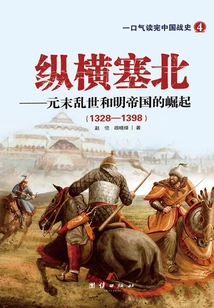
Across Saibei
History纵横塞北
Zhao Kai Gu Xiaolu
From a timid and ignorant boy to the supreme authority of the King's Landing Empire, how did Tohuan Temür successfully regain the power that had been left aside for a long time in only 7 years? On the fertile land of Jiangnan, what kind of unprecedented and brutal battles are being staged by various military forces? In the process of disputes among heroes, how did Zhu Yuanzhang manage step by step and accumulate unprecedented power? From the northwest to Liaodong, how many key battles did the Northern Yuan and the Ming Empire engage in in the past ten years? Faced with the pressing pressure of the Ming Empire's heavily armed group, is the Beiyuan side completely powerless to fight back? This book will for the first time show you the magnificent historical picture of the late Yuan Dynasty and the Ming Dynasty in a comprehensive way.
From a timid and ignorant boy to the supreme authority of the King's Landing Empire, how did Tohuan Temür successfully regain the power that had been left aside for a long time in only 7 years? On the fertile land of Jiangnan, what kind of unprecedented and brutal battles are being staged by various military forces? In the process of disputes among heroes, how did Zhu Yuanzhang manage step by step and accumulate unprecedented power? From the northwest to Liaodong, how many key battles did the Northern Yuan and the Ming Empire engage in in the past ten years? Faced with the pressing pressure of the Ming Empire's heavily armed group, is the Beiyuan side completely powerless to fight back? This book will for the first time show you the magnificent historical picture of the late Yuan Dynasty and the Ming Dynasty in a comprehensive way.
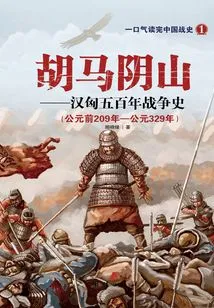
Humayin Mountain
History胡马阴山
Gu Xiaolu
As the grassland overlords who once dominated the Eurasian continent, the Xiongnu can be said to be one of the most well-known nomadic peoples in Chinese history. But we know very little about this horseback civilization that regularly hit Northeast Asia like the Siberian cold current and even penetrated deep into the hinterland of Western Europe. Even though its long history of confrontation with the Han Empire remains in the memory of the world, it is only the glory of "but the flying generals in Dragon City are there, and Hu Ma is not taught to cross the Yin Mountain". However, it is often overlooked that in order to give birth to the climax of this scene, the two empires of Han and Hungary had a tug of war for several centuries. For the first time, this book will use the theory of the Western Annals School to comprehensively review the five hundred years of conflict between the Han Empire and its successors and the Xiongnu. It will comprehensively display the comprehensive confrontation and game of politics, economy, and military in this historical period, and provide readers with an in-depth interpretation of the considerations behind various high-level decisions during this period.
As the grassland overlords who once dominated the Eurasian continent, the Xiongnu can be said to be one of the most well-known nomadic peoples in Chinese history. But we know very little about this horseback civilization that regularly hit Northeast Asia like the Siberian cold current and even penetrated deep into the hinterland of Western Europe. Even though its long history of confrontation with the Han Empire remains in the memory of the world, it is only the glory of "but the flying generals in Dragon City are there, and Hu Ma is not taught to cross the Yin Mountain". However, it is often overlooked that in order to give birth to the climax of this scene, the two empires of Han and Hungary had a tug of war for several centuries. For the first time, this book will use the theory of the Western Annals School to comprehensively review the five hundred years of conflict between the Han Empire and its successors and the Xiongnu. It will comprehensively display the comprehensive confrontation and game of politics, economy, and military in this historical period, and provide readers with an in-depth interpretation of the considerations behind various high-level decisions during this period.
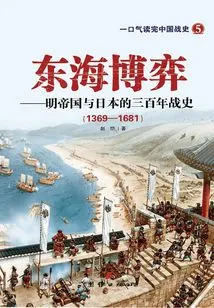
East China Sea Game
History东海博弈
Zhao Kai
When talking about the diplomatic relations between the Ming Empire and Japan, the Japanese pirate rebellion and Wanli's aid to the DPRK should be the impression of Chinese people. However, various historical materials are complicated, and ordinary history enthusiasts often have little understanding of these two major historical events themselves, and lack a comprehensive understanding of their causes and consequences. In view of this, this book will use the theory of the Western Annals School to comprehensively review the three hundred years of exchanges between the Ming Empire and Japan, comprehensively display the comprehensive political, economic, and military confrontation and game between China and Japan during this historical period, and provide readers with an in-depth interpretation of the considerations behind various high-level decisions during this period.
When talking about the diplomatic relations between the Ming Empire and Japan, the Japanese pirate rebellion and Wanli's aid to the DPRK should be the impression of Chinese people. However, various historical materials are complicated, and ordinary history enthusiasts often have little understanding of these two major historical events themselves, and lack a comprehensive understanding of their causes and consequences. In view of this, this book will use the theory of the Western Annals School to comprehensively review the three hundred years of exchanges between the Ming Empire and Japan, comprehensively display the comprehensive political, economic, and military confrontation and game between China and Japan during this historical period, and provide readers with an in-depth interpretation of the considerations behind various high-level decisions during this period.
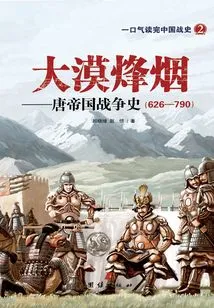
Desert Beacon Smoke
History大漠烽烟
Gu Xiaolu Zhao Kai
As the dynasty with the longest reign and the strongest national power in Chinese history, the Tang Empire left its people unlimited spiritual wealth. So much so that to this day, there are still bloody men singing "Dream Back to the Tang Dynasty" generously. But many people don't know much about the swords and swords behind that prosperous age a thousand years ago. This book will deconstruct the rise and fall of a powerful era for readers from a comprehensive perspective.
As the dynasty with the longest reign and the strongest national power in Chinese history, the Tang Empire left its people unlimited spiritual wealth. So much so that to this day, there are still bloody men singing "Dream Back to the Tang Dynasty" generously. But many people don't know much about the swords and swords behind that prosperous age a thousand years ago. This book will deconstruct the rise and fall of a powerful era for readers from a comprehensive perspective.
Wolf Chasing Deer
History苍狼逐鹿
Zhao Kai Guo Qiang
In fact, many Chinese people are already familiar with the history of the Mongolian Yuan Dynasty and the fall of the Southern Song Dynasty. But whether it is the sigh of "Great Qianyuan" or the compassion of "There is no China after Yashan", perceptual cognition cannot truly explain that turbulent "great era". This book will use the theory of the Western "Annals School" to restore that century-old history for readers with an unprecedented "long and wide angle" vision. It systematically displays the political, economic, military and even social ecology of the various regimes in East Asia at that time, as well as the real driving forces behind their rise and fall.
In fact, many Chinese people are already familiar with the history of the Mongolian Yuan Dynasty and the fall of the Southern Song Dynasty. But whether it is the sigh of "Great Qianyuan" or the compassion of "There is no China after Yashan", perceptual cognition cannot truly explain that turbulent "great era". This book will use the theory of the Western "Annals School" to restore that century-old history for readers with an unprecedented "long and wide angle" vision. It systematically displays the political, economic, military and even social ecology of the various regimes in East Asia at that time, as well as the real driving forces behind their rise and fall.