Library
Browse and search books
1,508 novels found
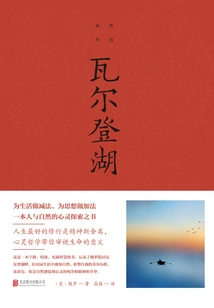
Walden Pond (new Edition)
Literature瓦尔登湖(新版)
H
The whole book begins with spring, goes through summer, autumn, and winter, and ends with spring, completing a cycle of life. The end is also the starting point, and life is revived. Where the article analyzes life and criticizes customs, the language is astonishing, the words are sparkling, the insights are unique, and thought-provoking; where the scenery is described, the language is beautiful and detailed, such as the clear and transparent lake water and the dense and green mountains and forests. This is a fresh, healthy, and uplifting book with very moving descriptions of spring and dawn. Here you can find the pure air provided by nature, the gurgling streams, and the singing of birds, without the environmental pollution caused by industrial society. By reading this book, you will not only feel the purity of your soul and the sublimation of your spirit, but you will also learn about flora and fauna, extensive knowledge of humanities, geography, and history, and experience the inspiring thoughts that flow through the clouds. Taste the philosophy of life, increase the wisdom of life, and feel the beauty of nature and life.
The whole book begins with spring, goes through summer, autumn, and winter, and ends with spring, completing a cycle of life. The end is also the starting point, and life is revived. Where the article analyzes life and criticizes customs, the language is astonishing, the words are sparkling, the insights are unique, and thought-provoking; where the scenery is described, the language is beautiful and detailed, such as the clear and transparent lake water and the dense and green mountains and forests. This is a fresh, healthy, and uplifting book with very moving descriptions of spring and dawn. Here you can find the pure air provided by nature, the gurgling streams, and the singing of birds, without the environmental pollution caused by industrial society. By reading this book, you will not only feel the purity of your soul and the sublimation of your spirit, but you will also learn about flora and fauna, extensive knowledge of humanities, geography, and history, and experience the inspiring thoughts that flow through the clouds. Taste the philosophy of life, increase the wisdom of life, and feel the beauty of nature and life.
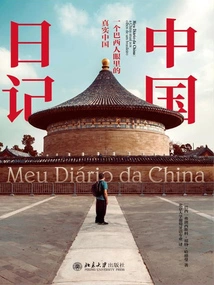
中国日记:一个巴西人眼里的真实中国
(brazil) Francisco Ford Hardman
Since August 2019, Professor Hardman has served as a visiting professor in the Department of Spanish and Portuguese, School of Foreign Languages, Peking University, conducting teaching work in Yanyuan. As the new coronavirus prevention and control situation escalates, he has experienced the effectiveness of China's strong control measures, and is also worried about the spread of the epidemic in Brazil, thousands of miles away. Invited by the Brazilian media, Hardman recorded every detail of life and insights in Beijing in the form of a diary, expressing a Brazilian intellectual's call for mankind to unite in the fight against the epidemic. What does a Brazilian professor think of China's epidemic prevention experience? What ideological resources are there to understand this unprecedented crisis from Brazil's intellectual tradition? This diary selection provides us with a different perspective.
Since August 2019, Professor Hardman has served as a visiting professor in the Department of Spanish and Portuguese, School of Foreign Languages, Peking University, conducting teaching work in Yanyuan. As the new coronavirus prevention and control situation escalates, he has experienced the effectiveness of China's strong control measures, and is also worried about the spread of the epidemic in Brazil, thousands of miles away. Invited by the Brazilian media, Hardman recorded every detail of life and insights in Beijing in the form of a diary, expressing a Brazilian intellectual's call for mankind to unite in the fight against the epidemic. What does a Brazilian professor think of China's epidemic prevention experience? What ideological resources are there to understand this unprecedented crisis from Brazil's intellectual tradition? This diary selection provides us with a different perspective.
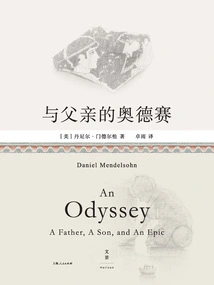
An Odyssey with My Father
Literature与父亲的奥德赛
(us) Daniel Mendelsohn
The legendary epic of ancient Greek heroic father and son overlaps with the ordinary life of contemporary father and son. The 81-year-old mathematician father of contemporary American classicist Daniel Mendelsohn went to attend his son's "Odyssey" study class for undergraduates and read carefully the 12,110-line epic poem about "Wandering and Returning Home." Afterwards, the father and son went on an "Odyssey"-themed cruise together. In the "Odyssey" of text and space, he was able to re-understand his father again and again. "The Odyssey" is the story of a hero who has been wandering for many years and returns home after going through all kinds of hardships; it is also the story of a child who grows up and gradually understands his father in the process of searching for him. "The Odyssey with My Father" juxtaposes the legendary epic of the ancient Greek heroic father and son in "The Odyssey" with the ordinary lives of contemporary fathers and sons. In the overlap of text and reality, the two pairs of father and son reflect each other. In the crisscrossing time and space, the story of father, son and epic slowly unfolds.
The legendary epic of ancient Greek heroic father and son overlaps with the ordinary life of contemporary father and son. The 81-year-old mathematician father of contemporary American classicist Daniel Mendelsohn went to attend his son's "Odyssey" study class for undergraduates and read carefully the 12,110-line epic poem about "Wandering and Returning Home." Afterwards, the father and son went on an "Odyssey"-themed cruise together. In the "Odyssey" of text and space, he was able to re-understand his father again and again. "The Odyssey" is the story of a hero who has been wandering for many years and returns home after going through all kinds of hardships; it is also the story of a child who grows up and gradually understands his father in the process of searching for him. "The Odyssey with My Father" juxtaposes the legendary epic of the ancient Greek heroic father and son in "The Odyssey" with the ordinary lives of contemporary fathers and sons. In the overlap of text and reality, the two pairs of father and son reflect each other. In the crisscrossing time and space, the story of father, son and epic slowly unfolds.
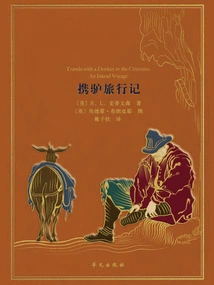
Traveling with a Donkey
Literature携驴旅行记
(english) R. L. Stevenson, Edmund Brompietu
This book includes two travel notes full of humor, "Travel with a Donkey" and "Inland Navigation" by the British writer R. L. Stevenson, which are the author's early works. Whether driving a donkey across the Severn Mountains or taking a yacht down the Oise River, Stevenson's writing style is always light and plain, putting aside many philosophies and preaching, and speaks with a happy mood. Compared with grand adventures, meeting and discovering gentle and honest friends in trivial matters, what you see and hear along the way, as well as the imagination and thinking contained in them, undoubtedly have a more unique personal style and are more fascinating. Mr. Dai Ziqin's translation strives to be faithful and exquisite. Even though there are many quotations from scriptures in the text, it is still easy and natural to read without any pretentiousness. This publication plans to use the classic illustrations of British painter Edmund Brompier and reproduce them in high definition, so that readers can enjoy visual enjoyment during the reading process.
This book includes two travel notes full of humor, "Travel with a Donkey" and "Inland Navigation" by the British writer R. L. Stevenson, which are the author's early works. Whether driving a donkey across the Severn Mountains or taking a yacht down the Oise River, Stevenson's writing style is always light and plain, putting aside many philosophies and preaching, and speaks with a happy mood. Compared with grand adventures, meeting and discovering gentle and honest friends in trivial matters, what you see and hear along the way, as well as the imagination and thinking contained in them, undoubtedly have a more unique personal style and are more fascinating. Mr. Dai Ziqin's translation strives to be faithful and exquisite. Even though there are many quotations from scriptures in the text, it is still easy and natural to read without any pretentiousness. This publication plans to use the classic illustrations of British painter Edmund Brompier and reproduce them in high definition, so that readers can enjoy visual enjoyment during the reading process.
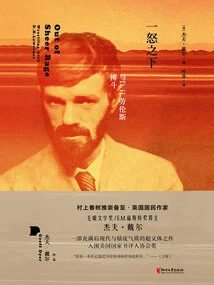
In a Fury: Fighting with D. H. Lawrence
Literature一怒之下:与D.H.劳伦斯搏斗
H
A non-academic work on D. H. Lawrence. It is like a biography but not a biography, a novel but not a novel, a travelogue but not a travelogue, a memoir but not a memoir: a fusion of, or rather, a postmodern genre that transcends all specific genres, a genre that is counter-genre. Therefore, although the author repeatedly claimed to write a "serious academic work on Lawrence", he ended up writing a black comedy that is neither serious nor academic, and makes people laugh from beginning to end. It's still about Lawrence, but more precisely about "the book that was intended to be written about Lawrence but never was." Despite this, the author still uses his new and free style, and uses excerpts, descriptions and comments on Lawrence's works sprinkled throughout the text like spices, to outline a unique D. H. Lawrence for us.
A non-academic work on D. H. Lawrence. It is like a biography but not a biography, a novel but not a novel, a travelogue but not a travelogue, a memoir but not a memoir: a fusion of, or rather, a postmodern genre that transcends all specific genres, a genre that is counter-genre. Therefore, although the author repeatedly claimed to write a "serious academic work on Lawrence", he ended up writing a black comedy that is neither serious nor academic, and makes people laugh from beginning to end. It's still about Lawrence, but more precisely about "the book that was intended to be written about Lawrence but never was." Despite this, the author still uses his new and free style, and uses excerpts, descriptions and comments on Lawrence's works sprinkled throughout the text like spices, to outline a unique D. H. Lawrence for us.
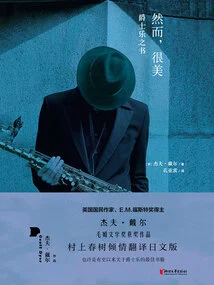
Yet Beautiful: the Book of Jazz
Literature然而,很美:爵士乐之书
H
Lester Young, Billie Holiday, Thelonious Monk, Duke Ellington, Chet Baker... Legendary musicians like suffering saints. A movie montage of life scenes. Whether you're a jazz fan or not, whether you've heard those songs or not, this book will make you want to listen to them-or listen to them again. And after you hear it, you'll want to look at those sentences again. Your heart will become soft and sensitive, like a poor little animal. Sometimes you will smile, sometimes you will want to cry inexplicably, sometimes you will suddenly remember something or someone from a long time ago, and sometimes you will stand up and go to the balcony to smoke a cigarette. And when you finish reading it, you know you will read it again, you will confidently (even proudly) recommend it to your friends, and you will keep it on your bookshelf forever, hoping that one day, when you leave this world, your children - your children's children - will read it too. Because, this is a little jazz bible.
Lester Young, Billie Holiday, Thelonious Monk, Duke Ellington, Chet Baker... Legendary musicians like suffering saints. A movie montage of life scenes. Whether you're a jazz fan or not, whether you've heard those songs or not, this book will make you want to listen to them-or listen to them again. And after you hear it, you'll want to look at those sentences again. Your heart will become soft and sensitive, like a poor little animal. Sometimes you will smile, sometimes you will want to cry inexplicably, sometimes you will suddenly remember something or someone from a long time ago, and sometimes you will stand up and go to the balcony to smoke a cigarette. And when you finish reading it, you know you will read it again, you will confidently (even proudly) recommend it to your friends, and you will keep it on your bookshelf forever, hoping that one day, when you leave this world, your children - your children's children - will read it too. Because, this is a little jazz bible.
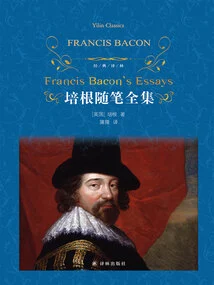
培根随笔全集(2022版)
H
"The Complete Essays of Bacon" is a collection of essays written by the British philosopher and writer Francis Bacon. It mainly contains some short essays of an argumentative nature, involving politics, economy, religion, love, marriage, friendship, art, education, ethics and other aspects. Among them, "On Reading", "On Truth", "On Jealousy" and "On Death" have concise language, beautiful writing style, thorough reasoning and repeated aphorisms. They contain the essence of Bacon's thoughts and are Bacon's representative works in literature. This book has lasted four hundred years and remains immortal, reflecting the author's thorough understanding of human life and providing life inspiration to many future generations and scholars. The author uses his keen insight and unique insights into life to make the originally boring theory vivid and interesting, making it fascinating for readers to read.
"The Complete Essays of Bacon" is a collection of essays written by the British philosopher and writer Francis Bacon. It mainly contains some short essays of an argumentative nature, involving politics, economy, religion, love, marriage, friendship, art, education, ethics and other aspects. Among them, "On Reading", "On Truth", "On Jealousy" and "On Death" have concise language, beautiful writing style, thorough reasoning and repeated aphorisms. They contain the essence of Bacon's thoughts and are Bacon's representative works in literature. This book has lasted four hundred years and remains immortal, reflecting the author's thorough understanding of human life and providing life inspiration to many future generations and scholars. The author uses his keen insight and unique insights into life to make the originally boring theory vivid and interesting, making it fascinating for readers to read.
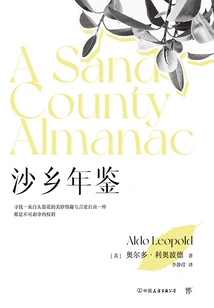
P
Literaturep
I
"Sand Country Almanac" is a model of natural beauty along with "Walden". The whole book records the author's thoughts during his life's work and travel in various states in the United States. The writing style is lyrical, quiet, indifferent, full of wisdom and infectious. It expresses our desire to find peace in the chaotic world, to listen to the sounds of nature, and to find a stable home for our souls. The entire work profoundly explains the relationship between man and nature from the perspectives of philosophy, ethics, aesthetics and cultural tradition. The whole book is like a wise man telling us the secrets of nature, the universe and life.
"Sand Country Almanac" is a model of natural beauty along with "Walden". The whole book records the author's thoughts during his life's work and travel in various states in the United States. The writing style is lyrical, quiet, indifferent, full of wisdom and infectious. It expresses our desire to find peace in the chaotic world, to listen to the sounds of nature, and to find a stable home for our souls. The entire work profoundly explains the relationship between man and nature from the perspectives of philosophy, ethics, aesthetics and cultural tradition. The whole book is like a wise man telling us the secrets of nature, the universe and life.
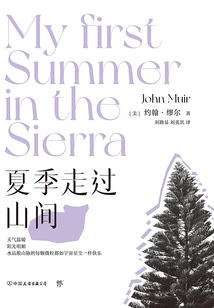
Walking Through the Mountains in Summer
Literature夏季走过山间
J
"A Summer Walk Through the Mountains" is a diary of John Muir's nearly four months of living in the wilds of the Sierra Nevada mountains. Through meticulous observation and fresh and meaningful writing, the author gives an infectious description of the flora and fauna and natural beauty of the mountainous area, expressing his sincere love and deep feelings for nature. The works are full of infinite beauty, filled with grasslands, valleys, pine trees, deer, clouds, mountains... They are natural and simple, and full of fresh breath. They are called "words that touch a country". The naturalism advocated in the book profoundly influenced the direction of the U. S. Government's economic and social control at that time.
"A Summer Walk Through the Mountains" is a diary of John Muir's nearly four months of living in the wilds of the Sierra Nevada mountains. Through meticulous observation and fresh and meaningful writing, the author gives an infectious description of the flora and fauna and natural beauty of the mountainous area, expressing his sincere love and deep feelings for nature. The works are full of infinite beauty, filled with grasslands, valleys, pine trees, deer, clouds, mountains... They are natural and simple, and full of fresh breath. They are called "words that touch a country". The naturalism advocated in the book profoundly influenced the direction of the U. S. Government's economic and social control at that time.

马略卡之冬:雪球橘(马略卡的四季)
I
"Look! This snow is coming from Scotland, as if to welcome you to Mallorca." The new neighbor was happy, but "I" was depressed. The heavy snow, like a cold white cloak, quickly transformed the original sunny paradise into a weird winter scene composed of citrus Christmas trees, wool palms and snowball-shaped tangerines. It is not an easy task to settle on the island as a "crazy foreigner". The trees in the orchard seem to be dying, the water and electrical equipment at home frequently break down, and the cats and dogs left by the original owner to take care of are disobedient and have to solve physical problems at home... The initial stage of the new life is not easy, but as time goes by, the neighborhood relationship established with sincerity and sincerity seems to make it possible to solve all problems.
"Look! This snow is coming from Scotland, as if to welcome you to Mallorca." The new neighbor was happy, but "I" was depressed. The heavy snow, like a cold white cloak, quickly transformed the original sunny paradise into a weird winter scene composed of citrus Christmas trees, wool palms and snowball-shaped tangerines. It is not an easy task to settle on the island as a "crazy foreigner". The trees in the orchard seem to be dying, the water and electrical equipment at home frequently break down, and the cats and dogs left by the original owner to take care of are disobedient and have to solve physical problems at home... The initial stage of the new life is not easy, but as time goes by, the neighborhood relationship established with sincerity and sincerity seems to make it possible to solve all problems.
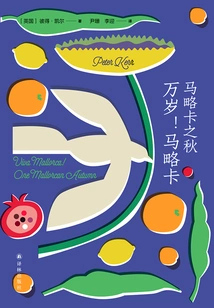
马略卡之秋:万岁!马略卡(马略卡的四季)
(uk) Peter Kell
The Kyle family, who run a fruit farm in Mallorca, finally ushered in autumn... The third season of the year, also called "winter and spring" in Mallorca. By this time, Peter had already learned the Spanish's relaxed habits, but his wife Ellie could no longer stand it and began to discipline him strictly, causing Peter to struggle. At the same time, the family got acquainted with the island's champagne-drinking wealthy class, and their completely different lifestyle opened their eyes. However, they remain down to earth. Vinegar baths to get rid of mosquitoes, delicious dishes on the island, support from old and new friends, dogs, donkeys, parrots and canaries, all this made them see an autumn they had never experienced before: Viva Mallorca!
The Kyle family, who run a fruit farm in Mallorca, finally ushered in autumn... The third season of the year, also called "winter and spring" in Mallorca. By this time, Peter had already learned the Spanish's relaxed habits, but his wife Ellie could no longer stand it and began to discipline him strictly, causing Peter to struggle. At the same time, the family got acquainted with the island's champagne-drinking wealthy class, and their completely different lifestyle opened their eyes. However, they remain down to earth. Vinegar baths to get rid of mosquitoes, delicious dishes on the island, support from old and new friends, dogs, donkeys, parrots and canaries, all this made them see an autumn they had never experienced before: Viva Mallorca!

马略卡之春:雪花满篮(马略卡的四季)
I
In the charming Tramuntana mountains on the island of Mallorca, the Kyle family, who run a farm, ushered in the orange harvest season. To adapt to their new life on Spain's sunny island, the family is trying to learn to relax and take things slowly. However, now is the critical moment: one year has passed, can they make a decent living by growing orange trees? Will Peter's talent for "tomorrow after tomorrow" delay the new home renovation plan indefinitely? Can Ellie, who has had enough of it, get the new swimming pool of her dreams? Will nineteen-year-old Sendy return to Scotland, and will little Charlie be deceived by the luxurious life of the island's rich? Despite dealing with shady customs officials and dodgy businessmen, the Kyle family's sense of humor remains vibrant. As the fragrant and peaceful spring time passed slowly, amidst the falling snow-like almond blossoms, they were helped by a large group of eccentric friends and neighbors. But the highlight was Jock Burns's "Island Heights Carnival Night," the island's biggest social event!
In the charming Tramuntana mountains on the island of Mallorca, the Kyle family, who run a farm, ushered in the orange harvest season. To adapt to their new life on Spain's sunny island, the family is trying to learn to relax and take things slowly. However, now is the critical moment: one year has passed, can they make a decent living by growing orange trees? Will Peter's talent for "tomorrow after tomorrow" delay the new home renovation plan indefinitely? Can Ellie, who has had enough of it, get the new swimming pool of her dreams? Will nineteen-year-old Sendy return to Scotland, and will little Charlie be deceived by the luxurious life of the island's rich? Despite dealing with shady customs officials and dodgy businessmen, the Kyle family's sense of humor remains vibrant. As the fragrant and peaceful spring time passed slowly, amidst the falling snow-like almond blossoms, they were helped by a large group of eccentric friends and neighbors. But the highlight was Jock Burns's "Island Heights Carnival Night," the island's biggest social event!
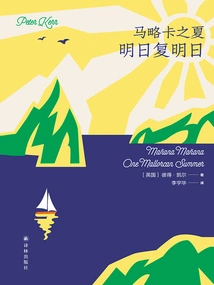
马略卡之夏:明日复明日(马略卡的四季)
I
"Let's talk tomorrow" is the rule of life in the Mallorcan countryside, and the Kyle family tried to fight it, but ultimately lost. In the summer, they were supposed to slowly start living a simple life, concentrating on planting orange trees in a valley farm called the "Mayor's Mansion". However, despite a series of trials, setbacks and triumphs, Spain has not let them go. Embarrassing hidden meanings in Spanish, run-ins with the local police, the repercussions of a drinking fight... These scares are everywhere, constantly testing the determination, endurance and, most importantly, sense of humor of this adventurous (some would say "reckless") immigrant family.
"Let's talk tomorrow" is the rule of life in the Mallorcan countryside, and the Kyle family tried to fight it, but ultimately lost. In the summer, they were supposed to slowly start living a simple life, concentrating on planting orange trees in a valley farm called the "Mayor's Mansion". However, despite a series of trials, setbacks and triumphs, Spain has not let them go. Embarrassing hidden meanings in Spanish, run-ins with the local police, the repercussions of a drinking fight... These scares are everywhere, constantly testing the determination, endurance and, most importantly, sense of humor of this adventurous (some would say "reckless") immigrant family.

Clarkson's Farm
Literature克拉克森的农场
J
A popular car show host and columnist, a grumpy old man who has repeatedly appeared on the blacklist of the British media, a man who can't tell the difference between barley and wheat, a plant killer, suddenly wants to run a farm. The sowing period coincides with the rainy season that will occur once in decades, the growing season coincides with the driest spring on record, and the harvest period coincides with the epidemic that occurs once in a century. After working hard for a whole year, I made a net profit of 144 pounds. But he never imagined that he could get such pure joy from his Lamborghini tractor, the deer and hares in the fields, the sandwiches made from his own wheat, and the juice squeezed from his own apples. This book is the most authentic and vivid record of the "rural life" that was full of fun and trivial matters throughout the year.
A popular car show host and columnist, a grumpy old man who has repeatedly appeared on the blacklist of the British media, a man who can't tell the difference between barley and wheat, a plant killer, suddenly wants to run a farm. The sowing period coincides with the rainy season that will occur once in decades, the growing season coincides with the driest spring on record, and the harvest period coincides with the epidemic that occurs once in a century. After working hard for a whole year, I made a net profit of 144 pounds. But he never imagined that he could get such pure joy from his Lamborghini tractor, the deer and hares in the fields, the sandwiches made from his own wheat, and the juice squeezed from his own apples. This book is the most authentic and vivid record of the "rural life" that was full of fun and trivial matters throughout the year.
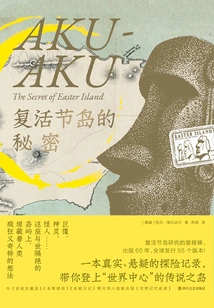
Easter Island Secrets
Literature复活节岛的秘密
(norway) Thor Heyerdahl
East of the sun and west of the moon. On the world's loneliest island, mankind's most bizarre ideas have ever occurred. Easter Island is called "the center of the world" by the indigenous people. Surrounded by nothing but the moon and stars, there is only the vast sea. So, what are those giant stone statues that have stood for thousands of years staring at? This time, I will land on Easter Island and conduct a year-long expedition on the island. The mystery of the construction of the stone statues, the treasures deep in the caves, the mysterious disappearance of the long-eared people, the ghost called "Aku-Aku"... I want to uncover the secrets of Easter Island! However, the local people were superstitious and greedy, and the sudden outbreak of infectious diseases made the inspection difficult. Can I complete the task?
East of the sun and west of the moon. On the world's loneliest island, mankind's most bizarre ideas have ever occurred. Easter Island is called "the center of the world" by the indigenous people. Surrounded by nothing but the moon and stars, there is only the vast sea. So, what are those giant stone statues that have stood for thousands of years staring at? This time, I will land on Easter Island and conduct a year-long expedition on the island. The mystery of the construction of the stone statues, the treasures deep in the caves, the mysterious disappearance of the long-eared people, the ghost called "Aku-Aku"... I want to uncover the secrets of Easter Island! However, the local people were superstitious and greedy, and the sudden outbreak of infectious diseases made the inspection difficult. Can I complete the task?
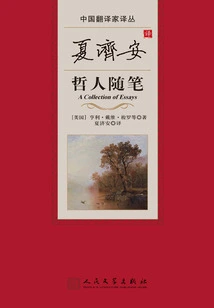
夏济安译哲人随笔
(u. S.) Henry David Thoreau, Etc.
This book is a collection of essays by philosophers selected by the famous translator Xia Jian. It includes the works of ten masters in the history of Western literature, including Benjamin Franklin, Thomas Jefferson, Washington Irving, Bryant, Emerson, Hawthorne, Holmes, and Thoreau. The content covers many aspects such as natural scenery, philosophical debates, and literary criticism. Mr. Xia Jian's literary attainments are profound, his translation is concise and beautiful, his personal style is calm and solemn, and he is rich in history, which vividly shows readers the subtleties of the works of these masters. At the same time, before each author's selected article, there is also a critical biography written by Mr. Xia Jian for readers' reference. This book not only generally shows the connection, inheritance and development of the literary creation and thought of these famous writers, but is also an excellent philosophical prose reader with high appreciation value in aesthetics and translation.
This book is a collection of essays by philosophers selected by the famous translator Xia Jian. It includes the works of ten masters in the history of Western literature, including Benjamin Franklin, Thomas Jefferson, Washington Irving, Bryant, Emerson, Hawthorne, Holmes, and Thoreau. The content covers many aspects such as natural scenery, philosophical debates, and literary criticism. Mr. Xia Jian's literary attainments are profound, his translation is concise and beautiful, his personal style is calm and solemn, and he is rich in history, which vividly shows readers the subtleties of the works of these masters. At the same time, before each author's selected article, there is also a critical biography written by Mr. Xia Jian for readers' reference. This book not only generally shows the connection, inheritance and development of the literary creation and thought of these famous writers, but is also an excellent philosophical prose reader with high appreciation value in aesthetics and translation.

进入不可能:天才物理学家的软技能
(us) Brian Keating
This book is a collection of interviews with Nobel laureates in physics. It provides an in-depth introduction to the growth and success experiences, thinking styles and behavior patterns of these natural scientists with the smartest brains. It will be deeply inspiring to readers. All scientists stand on the shoulders of giants past and present, yet some of the most profound moments of inspiration truly inject magic into a person's equation, and this book takes us through them. Also learn how scientists navigate the challenges between focus and diversity, balancing breadth and depth of knowledge. In their words, you'll discover why Nobel Prize-winning scientists view "soft skills" like communication, motivation, and introspection as keys to their success-skills we often overlook. When they need a fresh perspective on some of the universe's toughest questions, you'll understand why they turn their attention to curiosity, beauty, surprise, and joy.... When it comes to face-to-face interviews, I think asking the right questions is just as important as getting the right answers. The author of this book is an authoritative physicist and a genius observer of physical reality. He conducted fascinating and to-the-point interviews with nine Nobel Prize winners in physics, the best and brightest brains in the world, trying to deconstruct their mental habits and strategies in order to share their wisdom with readers and make readers realize that these people and lives that seem far away from us can also be very close to us, that is, we can do it too. At the same time, this book makes us understand that life is short and we should absorb as much wisdom as possible.
This book is a collection of interviews with Nobel laureates in physics. It provides an in-depth introduction to the growth and success experiences, thinking styles and behavior patterns of these natural scientists with the smartest brains. It will be deeply inspiring to readers. All scientists stand on the shoulders of giants past and present, yet some of the most profound moments of inspiration truly inject magic into a person's equation, and this book takes us through them. Also learn how scientists navigate the challenges between focus and diversity, balancing breadth and depth of knowledge. In their words, you'll discover why Nobel Prize-winning scientists view "soft skills" like communication, motivation, and introspection as keys to their success-skills we often overlook. When they need a fresh perspective on some of the universe's toughest questions, you'll understand why they turn their attention to curiosity, beauty, surprise, and joy.... When it comes to face-to-face interviews, I think asking the right questions is just as important as getting the right answers. The author of this book is an authoritative physicist and a genius observer of physical reality. He conducted fascinating and to-the-point interviews with nine Nobel Prize winners in physics, the best and brightest brains in the world, trying to deconstruct their mental habits and strategies in order to share their wisdom with readers and make readers realize that these people and lives that seem far away from us can also be very close to us, that is, we can do it too. At the same time, this book makes us understand that life is short and we should absorb as much wisdom as possible.
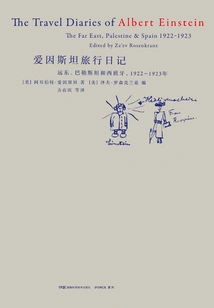
Einstein's Travel Diary
Literature爱因斯坦旅行日记
(u. S. A.) Written By Albert Einstein Edited By Zev Rosenkranz
In the autumn of 1922, Einstein and his wife embarked on a five-and-a-half-month trip to the Far East and the Middle East, areas he had never been to before. The trip included stops in Singapore, Hong Kong and Shanghai, a whirlwind six weeks of speaking engagements in Japan, a 12-day short visit to Palestine and a three-week visit to Spain. This book presents Einstein's complete diary during this important journey, giving us a private glimpse into how a brilliant mind encountered the vast world. The three documents specially attached to the Chinese version show Einstein's full sympathy for China, which has been bullied by foreign countries.
In the autumn of 1922, Einstein and his wife embarked on a five-and-a-half-month trip to the Far East and the Middle East, areas he had never been to before. The trip included stops in Singapore, Hong Kong and Shanghai, a whirlwind six weeks of speaking engagements in Japan, a 12-day short visit to Palestine and a three-week visit to Spain. This book presents Einstein's complete diary during this important journey, giving us a private glimpse into how a brilliant mind encountered the vast world. The three documents specially attached to the Chinese version show Einstein's full sympathy for China, which has been bullied by foreign countries.
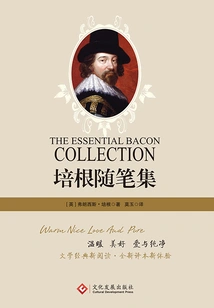
Collection of Bacon's Essays
Literature培根随笔集
(english) Francis Bacon
Bacon was a famous philosopher and writer during the English Renaissance. He served as chief prosecutor, Lord Chancellor and Lord Chancellor. This book is a collection of Bacon's essays, covering politics, economics, religion, love, marriage, friendship, art, education, ethics, etc., Touching almost every aspect of human life. "Collected Essays of Bacon" can be said to be one of the rare world-wide works. This book is not only written for one country, but also for the whole world; Bacon's words are not only written for his era, but also for all eras.
Bacon was a famous philosopher and writer during the English Renaissance. He served as chief prosecutor, Lord Chancellor and Lord Chancellor. This book is a collection of Bacon's essays, covering politics, economics, religion, love, marriage, friendship, art, education, ethics, etc., Touching almost every aspect of human life. "Collected Essays of Bacon" can be said to be one of the rare world-wide works. This book is not only written for one country, but also for the whole world; Bacon's words are not only written for his era, but also for all eras.
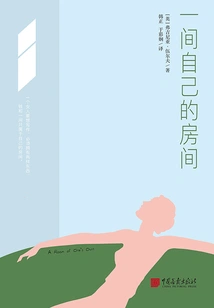
V
Literaturev
H
This is a work that explores female consciousness and feminist thought. European women have had a low status since ancient times. In Woolf's era, prejudice against women and inequality in the status of men and women had gradually weakened. At the same time, she insists that there is still a long way to go to achieve true equality between men and women. Based on this, she put forward her own opinion: "If a woman wants to write novels, she must have money and a room of her own."
This is a work that explores female consciousness and feminist thought. European women have had a low status since ancient times. In Woolf's era, prejudice against women and inequality in the status of men and women had gradually weakened. At the same time, she insists that there is still a long way to go to achieve true equality between men and women. Based on this, she put forward her own opinion: "If a woman wants to write novels, she must have money and a room of her own."
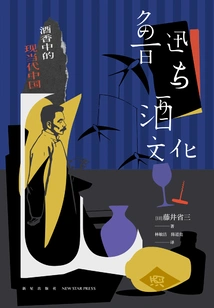
鲁迅与酒文化:酒香中的现当代中国
(japan) Fujii Shozo
This book is a collection of essays where you can smell the aroma of wine between the lines. Following "Lu Xun's Urban Odyssey", Shozo Fujii took a different approach, using wine as the key word to conduct a detailed investigation of modern and contemporary China. From Erguotou and Yanjing Beer in Beijing to Shanghai Beer, Shaoxing Wine, Shandong Sorghum Wine and Sake in Taiwan, etc., Wine is used as a clue to reconnect modern and contemporary literature and film and television works, reflecting the changes in Chinese culture and economic life, such as Paramount in Shanghai Ballroom Legend has it that the changes in China's economic system before and after reform and opening up, as well as the changes in the landscape of "public banquets" and "private banquets" brought about by the anti-corruption campaign in the past decade or so... The author is also a witness to the changes. The changes in the Chinese cultural circle since the reform and opening up are perfectly integrated with the author's study abroad experience.
This book is a collection of essays where you can smell the aroma of wine between the lines. Following "Lu Xun's Urban Odyssey", Shozo Fujii took a different approach, using wine as the key word to conduct a detailed investigation of modern and contemporary China. From Erguotou and Yanjing Beer in Beijing to Shanghai Beer, Shaoxing Wine, Shandong Sorghum Wine and Sake in Taiwan, etc., Wine is used as a clue to reconnect modern and contemporary literature and film and television works, reflecting the changes in Chinese culture and economic life, such as Paramount in Shanghai Ballroom Legend has it that the changes in China's economic system before and after reform and opening up, as well as the changes in the landscape of "public banquets" and "private banquets" brought about by the anti-corruption campaign in the past decade or so... The author is also a witness to the changes. The changes in the Chinese cultural circle since the reform and opening up are perfectly integrated with the author's study abroad experience.
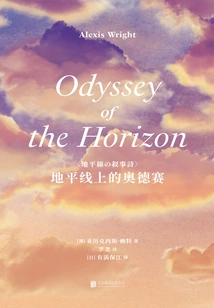
P
Literaturep
Q
The narrator stands as a spokesman for an indigenous nation that has been overrun and abused by imperialist colonizers. He recalls the deep beauty of his homeland in a lyrical and stream-of-consciousness way, and accuses imperialists and chauvinists, mainly in the Western world, of exploiting and alienating the simple creatures of this nation. When the indigenous civilization met the Western civilization, under the strong impact of the economy, military, technology and civilization of the Western industrial civilization, the indigenous civilization retreated and died. People were forced to leave their homeland, their familiar production methods and daily routines, and go to the Western civilized world to earn wages and make a living. While describing this change, the author also brings up a global dilemma we are facing today: forced migration.
The narrator stands as a spokesman for an indigenous nation that has been overrun and abused by imperialist colonizers. He recalls the deep beauty of his homeland in a lyrical and stream-of-consciousness way, and accuses imperialists and chauvinists, mainly in the Western world, of exploiting and alienating the simple creatures of this nation. When the indigenous civilization met the Western civilization, under the strong impact of the economy, military, technology and civilization of the Western industrial civilization, the indigenous civilization retreated and died. People were forced to leave their homeland, their familiar production methods and daily routines, and go to the Western civilized world to earn wages and make a living. While describing this change, the author also brings up a global dilemma we are facing today: forced migration.

Chekhov's Notes
Literature契诃夫手记
H
Chekhov had many notebooks, which contained momentary feelings he jotted down in his life, rough drafts, sketches of future works, reading experiences, and best practices copied from other writers' books. The notes are not only a memorandum of his literary creation, but also an index of his mature works. Ten years after his death, his wife Knibil made the "Chekhov's Notes" after rigorous selection and organization and made it public. Woolf's husband Leonard once co-translated "Notes" into English and published it. The Chinese translation was first released in 1953. With the fate of the translator Jia Zhifang, it was buried in the library for nearly thirty years until it was reprinted in 1982. In his words, the fate of this translation was also the fate of his life.
Chekhov had many notebooks, which contained momentary feelings he jotted down in his life, rough drafts, sketches of future works, reading experiences, and best practices copied from other writers' books. The notes are not only a memorandum of his literary creation, but also an index of his mature works. Ten years after his death, his wife Knibil made the "Chekhov's Notes" after rigorous selection and organization and made it public. Woolf's husband Leonard once co-translated "Notes" into English and published it. The Chinese translation was first released in 1953. With the fate of the translator Jia Zhifang, it was buried in the library for nearly thirty years until it was reprinted in 1982. In his words, the fate of this translation was also the fate of his life.
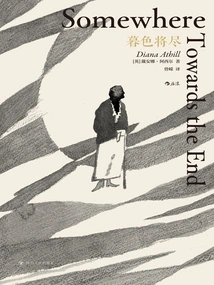
Dusk is Coming to an End
Literature暮色将尽
(british) Diana Acier
"Twilight" is Diana Asier's masterpiece. It has won many awards such as the Costa Biography Award and the National Book Critics Circle Award. It is an essay about her old life written when she was approaching 90 years old. It is frank, open-minded and interesting. She talked about the various changes in old age, mixed with memories of her past life. She generously recalled several of her love histories, confessed her indifference to missing her motherhood, and honestly faced the pain of old age. However, she still talked passionately about the new experiences gained in gardening, painting, reading, writing, etc. Overall, Asir shows us a very unique female sample, allowing us to see how an ordinary intellectual woman maintains her independent self in dealing with the world, and finally faces aging and the end of life calmly.
"Twilight" is Diana Asier's masterpiece. It has won many awards such as the Costa Biography Award and the National Book Critics Circle Award. It is an essay about her old life written when she was approaching 90 years old. It is frank, open-minded and interesting. She talked about the various changes in old age, mixed with memories of her past life. She generously recalled several of her love histories, confessed her indifference to missing her motherhood, and honestly faced the pain of old age. However, she still talked passionately about the new experiences gained in gardening, painting, reading, writing, etc. Overall, Asir shows us a very unique female sample, allowing us to see how an ordinary intellectual woman maintains her independent self in dealing with the world, and finally faces aging and the end of life calmly.

拼团人生:无关爱情的同居生活
(korean) Kim Ha Neul Hwang Sun Woo
Does being single, unmarried, and living alone mean that you will die alone? They refuse to follow formulas in life! Friends Kim Ha Neul and Hwang Sun Woo, who have lived alone for more than 20 years, are gradually getting tired of the loneliness and uneasiness of living alone. They accidentally fell in love with a house and decided to buy it together and start living together. After living together, the two friends truly saw the huge differences between each other - hoarding vs. Minimalism, cooking idiot vs. Cooking genius. As they quarreled, worked together, and complemented each other's strengths and weaknesses, they gradually understood themselves better through their differences with each other. They eat together, exercise together, drink together, and be cat slaves together. They don't have to support each other's parents or become someone's daughter-in-law. They take care of each other when they are sick and help each other in difficulties... They have found the lightness of being single and the warmth of being with someone, and the beauty of being able to coexist at the same time.
Does being single, unmarried, and living alone mean that you will die alone? They refuse to follow formulas in life! Friends Kim Ha Neul and Hwang Sun Woo, who have lived alone for more than 20 years, are gradually getting tired of the loneliness and uneasiness of living alone. They accidentally fell in love with a house and decided to buy it together and start living together. After living together, the two friends truly saw the huge differences between each other - hoarding vs. Minimalism, cooking idiot vs. Cooking genius. As they quarreled, worked together, and complemented each other's strengths and weaknesses, they gradually understood themselves better through their differences with each other. They eat together, exercise together, drink together, and be cat slaves together. They don't have to support each other's parents or become someone's daughter-in-law. They take care of each other when they are sick and help each other in difficulties... They have found the lightness of being single and the warmth of being with someone, and the beauty of being able to coexist at the same time.

N
Literaturen
H
"Sand Country Almanack" is a collection of essays by Aldo Leopold, the "father of ecological ethics". Among them, "The Return of the Wild Geese" and "Thinking Like a Mountain" were selected into middle school Chinese textbooks. The book is divided into four series. The first series is divided into 12 chapters according to the 12 months of the year, collectively called "Sand Country Almanac". The second series is called "Sketches from Four Directions" and takes Wisconsin and other places as the writing object. The third series is "Rural Reveries", and the fourth series is the conclusion. This book is the crystallization of the author's lifelong observation, experience and thinking. The book not only expresses the recollection of the harmonious life on the farm in Wisconsin's sandy countryside, but also records the lessons and pain experienced in pursuing a scientific ecological view. It also discusses the relationship between man and nature, man and land, and attempts to reawaken people's love and respect for nature. Translator Cao Minglun's translation highlights the charm of nature and beauty.
"Sand Country Almanack" is a collection of essays by Aldo Leopold, the "father of ecological ethics". Among them, "The Return of the Wild Geese" and "Thinking Like a Mountain" were selected into middle school Chinese textbooks. The book is divided into four series. The first series is divided into 12 chapters according to the 12 months of the year, collectively called "Sand Country Almanac". The second series is called "Sketches from Four Directions" and takes Wisconsin and other places as the writing object. The third series is "Rural Reveries", and the fourth series is the conclusion. This book is the crystallization of the author's lifelong observation, experience and thinking. The book not only expresses the recollection of the harmonious life on the farm in Wisconsin's sandy countryside, but also records the lessons and pain experienced in pursuing a scientific ecological view. It also discusses the relationship between man and nature, man and land, and attempts to reawaken people's love and respect for nature. Translator Cao Minglun's translation highlights the charm of nature and beauty.

Murakami T: My Favorite T-shirts
Literature村上T:我喜爱的T恤们
G
Haruki Murakami's 2022 new essay collection, 18 essays and anecdotes, 108 photos of Murakami's private collection of T-shirts. From rock T-shirts, record T-shirts, marathon-themed T-shirts, corporate co-branded T-shirts, to beer T-shirts... Haruki Murakami's personal wardrobe is revealed! He is a writer and a lifestyle expert! The book is full of pictures and texts, making it enjoyable to read. Each essay topic in the book, such as whiskey, marathon, and records, is Haruki Murakami's most representative personal label. It is not an exaggeration to say that Haruki is read through a "T-shirt." The new book also includes 108 selected photos of T-shirts that are dazzling just by looking at them and make you want them, showing Murakami's aesthetics of life. At the same time, don't miss the specially included wonderful interviews with Japanese heavyweight fashionistas Nomura Nomura and Haruki Murakami. Readers who like Murakami's prose can appreciate the Murakami-style essays in the book, as well as the fascinating interest in life. The way to become a Murakami-style lifestyler is all in this book. Begin to get to know Haruki Murakami again from "Murakami T".
Haruki Murakami's 2022 new essay collection, 18 essays and anecdotes, 108 photos of Murakami's private collection of T-shirts. From rock T-shirts, record T-shirts, marathon-themed T-shirts, corporate co-branded T-shirts, to beer T-shirts... Haruki Murakami's personal wardrobe is revealed! He is a writer and a lifestyle expert! The book is full of pictures and texts, making it enjoyable to read. Each essay topic in the book, such as whiskey, marathon, and records, is Haruki Murakami's most representative personal label. It is not an exaggeration to say that Haruki is read through a "T-shirt." The new book also includes 108 selected photos of T-shirts that are dazzling just by looking at them and make you want them, showing Murakami's aesthetics of life. At the same time, don't miss the specially included wonderful interviews with Japanese heavyweight fashionistas Nomura Nomura and Haruki Murakami. Readers who like Murakami's prose can appreciate the Murakami-style essays in the book, as well as the fascinating interest in life. The way to become a Murakami-style lifestyler is all in this book. Begin to get to know Haruki Murakami again from "Murakami T".
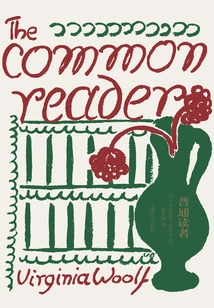
普通读者(伍尔夫文集)
H
Woolf's selection of literary criticism is sharp and profound, and the words are full of interest and wisdom, giving people rich inspiration. Mr. Qu Shijing's classic translation, the new edition includes two newly translated excellent works, and is accompanied by the translator's long article "Virginia Woolf's Novel Theory". Woolf was not only accomplished in novel creation, but also a keen-eyed critic. This book is a selection of her literary criticism, including two volumes of "The Common Reader" and representative works from other anthologies. In these twenty wonderful articles, the author discusses her views on the works of famous writers such as Austen, Conrad, Hardy, Lawrence, Forster, etc. The writing style is sharp and profound, and the words are full of interest and wisdom, giving people rich enlightenment.
Woolf's selection of literary criticism is sharp and profound, and the words are full of interest and wisdom, giving people rich inspiration. Mr. Qu Shijing's classic translation, the new edition includes two newly translated excellent works, and is accompanied by the translator's long article "Virginia Woolf's Novel Theory". Woolf was not only accomplished in novel creation, but also a keen-eyed critic. This book is a selection of her literary criticism, including two volumes of "The Common Reader" and representative works from other anthologies. In these twenty wonderful articles, the author discusses her views on the works of famous writers such as Austen, Conrad, Hardy, Lawrence, Forster, etc. The writing style is sharp and profound, and the words are full of interest and wisdom, giving people rich enlightenment.
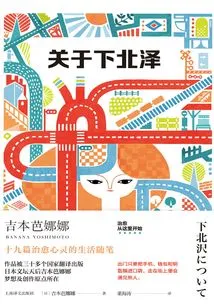
关于下北泽(吉本芭娜娜作品系列)
H
"About Shimokitazawa" is a companion piece to "Hey Shimokitazawa" ten years later. It contains nineteen life essays that heal the soul and describes the humane Shimokitazawa. "About Shimokitazawa" is a collection of essays by Banana Yoshimoto, which contains nineteen short essays. Banana Yoshimoto used her unique sensitivity and sensibility to talk about life in Shimokitazawa, while expressing her calm outlook on life and values. Shimokitazawa in Tokyo is one of the most popular neighborhoods in Japan among young people, but for Banana Yoshimoto, it is a place full of unforgettable memories. The author uses plain language to describe the opportunities and various stories of living in Shimokitazawa. The intertwining of life and memories allows readers to experience Shimokitazawa, which is different from their impressions and full of humaneness.
"About Shimokitazawa" is a companion piece to "Hey Shimokitazawa" ten years later. It contains nineteen life essays that heal the soul and describes the humane Shimokitazawa. "About Shimokitazawa" is a collection of essays by Banana Yoshimoto, which contains nineteen short essays. Banana Yoshimoto used her unique sensitivity and sensibility to talk about life in Shimokitazawa, while expressing her calm outlook on life and values. Shimokitazawa in Tokyo is one of the most popular neighborhoods in Japan among young people, but for Banana Yoshimoto, it is a place full of unforgettable memories. The author uses plain language to describe the opportunities and various stories of living in Shimokitazawa. The intertwining of life and memories allows readers to experience Shimokitazawa, which is different from their impressions and full of humaneness.
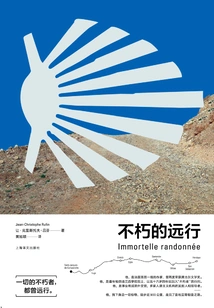
Immortal Journey
Literature不朽的远行
(france) Jean-christophe Lufen
The founder of "Doctors Without Borders" and an academician of the French Academy embarked on a 900-kilometer walking pilgrimage. It is not about religious piety, but about forgetfulness, the spiritual "pilgrimage" of forgetting the constraints of daily life, forgetting the fatigue and bad weather of long distances, forgetting industrialization and material scarcity. Santiago de Compostela (Spanish: Santiago de Compostela; meaning "Santiago of the Starry Fields") is the capital of the Galician Autonomous Region in Spain, with a population of less than 100,000. According to legend, James, one of the Twelve Apostles of Jesus, is buried here and is one of the Catholic pilgrimage destinations. Since the Middle Ages, pilgrims have come here in an endless stream, and even formed a famous pilgrimage road, the Way of St. James. In 2011, after leaving his post as ambassador, Jean-Christophe Luffin decided to embark on a journey to Santiago. "Immortal Journey" is a true record of Lu Fen's pilgrimage. The humorous, self-deprecating and emotional writing style shows not only the basic common sense of pilgrimage, but also the magnificent scenery, interesting things along the way, portraits of unexpected characters, and even the boundless thoughts of a lonely walker between heaven and earth.
The founder of "Doctors Without Borders" and an academician of the French Academy embarked on a 900-kilometer walking pilgrimage. It is not about religious piety, but about forgetfulness, the spiritual "pilgrimage" of forgetting the constraints of daily life, forgetting the fatigue and bad weather of long distances, forgetting industrialization and material scarcity. Santiago de Compostela (Spanish: Santiago de Compostela; meaning "Santiago of the Starry Fields") is the capital of the Galician Autonomous Region in Spain, with a population of less than 100,000. According to legend, James, one of the Twelve Apostles of Jesus, is buried here and is one of the Catholic pilgrimage destinations. Since the Middle Ages, pilgrims have come here in an endless stream, and even formed a famous pilgrimage road, the Way of St. James. In 2011, after leaving his post as ambassador, Jean-Christophe Luffin decided to embark on a journey to Santiago. "Immortal Journey" is a true record of Lu Fen's pilgrimage. The humorous, self-deprecating and emotional writing style shows not only the basic common sense of pilgrimage, but also the magnificent scenery, interesting things along the way, portraits of unexpected characters, and even the boundless thoughts of a lonely walker between heaven and earth.

Z
LiteratureZ
H
Woolf's famous work is the foundation of stream-of-consciousness novels. It has many innovations in subject matter, style and writing methods. Woolf created an eternal classic with her keen perception of the moment. "Mrs. Dalloway" was published in 1925 and is known as the foundation of the stream of consciousness novel. The novel describes a day in the life of the heroine Clarissa Dalloway, detailing her preparations for a dinner party held at home. However, what readers see is not just Mrs. Dalloway's activities in a day, but her temperament, her encounters, and her relationship with her family and friends. The characters' memories and the transformation of time and space are intertwined and interpenetrated, falling like raindrops in colorful colors, making us unconsciously empathize with each other, and the picture of Mrs. Dalloway's life is slowly unfolding before our eyes.
Woolf's famous work is the foundation of stream-of-consciousness novels. It has many innovations in subject matter, style and writing methods. Woolf created an eternal classic with her keen perception of the moment. "Mrs. Dalloway" was published in 1925 and is known as the foundation of the stream of consciousness novel. The novel describes a day in the life of the heroine Clarissa Dalloway, detailing her preparations for a dinner party held at home. However, what readers see is not just Mrs. Dalloway's activities in a day, but her temperament, her encounters, and her relationship with her family and friends. The characters' memories and the transformation of time and space are intertwined and interpenetrated, falling like raindrops in colorful colors, making us unconsciously empathize with each other, and the picture of Mrs. Dalloway's life is slowly unfolding before our eyes.
Schopenhauer's Essays
Literature叔本华随笔
H
This collection of essays are all independent chapters, and the topics discussed involve reading, thinking, writing, language learning, destiny, survival and many other aspects. The materials for these topics all come from our daily lives. Therefore, ordinary readers can also follow Schopenhauer's lead and start from familiar things to appreciate his grand vision. Schopenhauer's articles are meaningful and have clear views. "Their thinking points directly to the things themselves" and "We should think like great men and express like ordinary people" ("On Writing and Style"). Readers who have read Schopenhauer's work, whether they agree with Schopenhauer's views or not, will probably have no objection to this: Schopenhauer always practices his own views and expresses his thoughts objectively and clearly.
This collection of essays are all independent chapters, and the topics discussed involve reading, thinking, writing, language learning, destiny, survival and many other aspects. The materials for these topics all come from our daily lives. Therefore, ordinary readers can also follow Schopenhauer's lead and start from familiar things to appreciate his grand vision. Schopenhauer's articles are meaningful and have clear views. "Their thinking points directly to the things themselves" and "We should think like great men and express like ordinary people" ("On Writing and Style"). Readers who have read Schopenhauer's work, whether they agree with Schopenhauer's views or not, will probably have no objection to this: Schopenhauer always practices his own views and expresses his thoughts objectively and clearly.
P
Literaturep
H
This collection of essays is a selection of carefully translated articles from "The Complete Essays of Montaigne", most of which deal with important issues that trouble life. Through these articles, we can roughly understand the valuable characteristics of life that Montaigne paid attention to. For example, in "To discuss philosophy is to study death", Montaigne talked about his own philosophy of life and understanding of death; in "On Books", he commented on the books he had read and introduced his reading methods; in "On Three Kinds of Intercourse", he described the study in which he wrote and discussed how to read and think...
This collection of essays is a selection of carefully translated articles from "The Complete Essays of Montaigne", most of which deal with important issues that trouble life. Through these articles, we can roughly understand the valuable characteristics of life that Montaigne paid attention to. For example, in "To discuss philosophy is to study death", Montaigne talked about his own philosophy of life and understanding of death; in "On Books", he commented on the books he had read and introduced his reading methods; in "On Three Kinds of Intercourse", he described the study in which he wrote and discussed how to read and think...
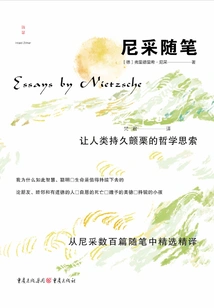
Nietzsche's Essays
Literature尼采随笔
H
This book selects 36 polemical essays from Friedrich Nietzsche's many important works. The book opens with three classic articles by Nietzsche discussing educational issues: "On the Future of Our Educational Institutions", "Humanistic Education Begins with Strict Language Training" and "Three Measures of University Education". The rest of the book contains 33 exquisite expositions selected from important works such as "Thus Spoke Zarathustra", "Twilight of the Idols" and "Look, This Man". In the process of criticizing Christianity, Nietzsche focused on criticizing "pity". Nietzsche believes that great acts of kindness will not make people grateful, but will lead to revenge; if this small favor has not been forgotten, it will become a worm that is always gnawing; loving one's neighbor is a pathological good and the morality of the weak; the kindness of the strong should inspire people's unique personality of self-respect and self-improvement, and promote "healthy selfishness" in people. And "healthy selfishness" is the clean selfishness that overflows from the powerful soul. It takes all things into itself and then makes them ebb from the individual soul as a gift of love. Therefore, Nietzsche advocates that human beings should love distant people, love people in the future, love the beginning, and love ghosts.
This book selects 36 polemical essays from Friedrich Nietzsche's many important works. The book opens with three classic articles by Nietzsche discussing educational issues: "On the Future of Our Educational Institutions", "Humanistic Education Begins with Strict Language Training" and "Three Measures of University Education". The rest of the book contains 33 exquisite expositions selected from important works such as "Thus Spoke Zarathustra", "Twilight of the Idols" and "Look, This Man". In the process of criticizing Christianity, Nietzsche focused on criticizing "pity". Nietzsche believes that great acts of kindness will not make people grateful, but will lead to revenge; if this small favor has not been forgotten, it will become a worm that is always gnawing; loving one's neighbor is a pathological good and the morality of the weak; the kindness of the strong should inspire people's unique personality of self-respect and self-improvement, and promote "healthy selfishness" in people. And "healthy selfishness" is the clean selfishness that overflows from the powerful soul. It takes all things into itself and then makes them ebb from the individual soul as a gift of love. Therefore, Nietzsche advocates that human beings should love distant people, love people in the future, love the beginning, and love ghosts.
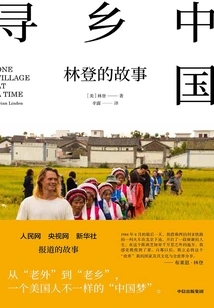
Seeking Home in China: Lyndon's Story
Literature寻乡中国:林登的故事
(us) Linden
"Searching for China" is Brian Lyndon's memoir of 35 years of living in China. This is an American "Chinese Dream" story. The author details how China has changed his life over the past thirty years, vividly demonstrating his personal exploration, understanding, and integration into China as well as his emotional changes during the process. During the thirty years of his association with China, Linden and his family have witnessed the development of China. In 1984, Linden was cleaning carpets while attending night school in Chicago. By chance, he won a Chinese government scholarship, came to China to study, and experienced China's reform and opening up in the 1980s. During his arrival in Beijing, he studied Chinese, starred in movies, became a photojournalist, entered Nanjing University Johns Hopkins Research Center for graduate studies and met his wife. This valuable experience enabled him to return to the United States as a doctoral candidate at Stanford University. In 2004, he returned to China with his wife and two young sons and took root in Xizhou, Yunnan. He devoted himself to protecting and restoring China's (national) material cultural heritage and founded the "Xilinyuan" hotel brand. Linden participated in the exploration and development of the inner texture of Chinese rural areas and became a practitioner of international education, connecting China and the world so that more foreigners and Chinese can have a deeper understanding of the real China.
"Searching for China" is Brian Lyndon's memoir of 35 years of living in China. This is an American "Chinese Dream" story. The author details how China has changed his life over the past thirty years, vividly demonstrating his personal exploration, understanding, and integration into China as well as his emotional changes during the process. During the thirty years of his association with China, Linden and his family have witnessed the development of China. In 1984, Linden was cleaning carpets while attending night school in Chicago. By chance, he won a Chinese government scholarship, came to China to study, and experienced China's reform and opening up in the 1980s. During his arrival in Beijing, he studied Chinese, starred in movies, became a photojournalist, entered Nanjing University Johns Hopkins Research Center for graduate studies and met his wife. This valuable experience enabled him to return to the United States as a doctoral candidate at Stanford University. In 2004, he returned to China with his wife and two young sons and took root in Xizhou, Yunnan. He devoted himself to protecting and restoring China's (national) material cultural heritage and founded the "Xilinyuan" hotel brand. Linden participated in the exploration and development of the inner texture of Chinese rural areas and became a practitioner of international education, connecting China and the world so that more foreigners and Chinese can have a deeper understanding of the real China.
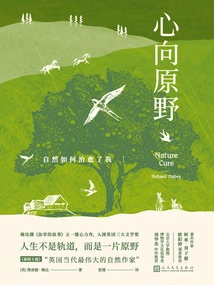
心向原野:自然如何治愈了我
O
After Richard Mabey completed "Encyclopedia Britannica Plants", he reached the peak of his career. However, his personal life experience and emotional changes caused him to fall into a period of depression. With the help of friends, he moved to East Anglia and the vast wilderness of Norfolk, allowing him to return to nature, find the source of joy and inspiration from childhood, and rebuild his life. He is as acquainted with nature, its plants and its earth, as a scholar is acquainted with ideas and books. He can see the veins of the earth and appreciate the nature of the soil; he can recognize the songs of various birds and the signs of animals, and understand the secrets of each plant's flowering and nectar production. Richard Mabee's writing style is witty and elegant, sophisticated but not obscure. "Heart to the Wilderness" not only contains meticulous observations and rich knowledge of animals and plants, but also discusses history, literature, and philosophy. The language is poetic, touching, and full of philosophical thoughts. The Guardian commented on his work, "Just as the poet William Blake said: See the world in a grain of sand."
After Richard Mabey completed "Encyclopedia Britannica Plants", he reached the peak of his career. However, his personal life experience and emotional changes caused him to fall into a period of depression. With the help of friends, he moved to East Anglia and the vast wilderness of Norfolk, allowing him to return to nature, find the source of joy and inspiration from childhood, and rebuild his life. He is as acquainted with nature, its plants and its earth, as a scholar is acquainted with ideas and books. He can see the veins of the earth and appreciate the nature of the soil; he can recognize the songs of various birds and the signs of animals, and understand the secrets of each plant's flowering and nectar production. Richard Mabee's writing style is witty and elegant, sophisticated but not obscure. "Heart to the Wilderness" not only contains meticulous observations and rich knowledge of animals and plants, but also discusses history, literature, and philosophy. The language is poetic, touching, and full of philosophical thoughts. The Guardian commented on his work, "Just as the poet William Blake said: See the world in a grain of sand."
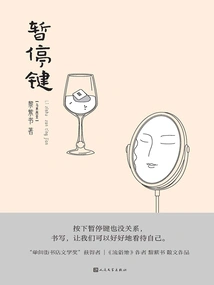
Pause Button
Literature暂停键
(malaysia) Li Zishu
This book is a collection of essays by the author of the critically acclaimed novel "Pornographic Land". In this reprint, the author has made new revisions and added original illustrations specially created by the illustrator for this book. In recent years, overseas Chinese literature has attracted more and more attention, and the quality of Li Zishu's writing is particularly worthy of attention. Her creations have also been praised by many Chinese writers and critics, and her Douban score has reached a high score of 9.2. Celebrities in the literary world such as Wang Anyi and Wang Dewei praised her highly. In this book, she uses delicate words, strong description ability and rich philosophical thoughts to record her thoughts and thoughts while traveling around the world. Readers can see the world in Li Zishu's eyes, and more importantly, they can feel the beauty of language itself, allowing reading to return to reading itself.
This book is a collection of essays by the author of the critically acclaimed novel "Pornographic Land". In this reprint, the author has made new revisions and added original illustrations specially created by the illustrator for this book. In recent years, overseas Chinese literature has attracted more and more attention, and the quality of Li Zishu's writing is particularly worthy of attention. Her creations have also been praised by many Chinese writers and critics, and her Douban score has reached a high score of 9.2. Celebrities in the literary world such as Wang Anyi and Wang Dewei praised her highly. In this book, she uses delicate words, strong description ability and rich philosophical thoughts to record her thoughts and thoughts while traveling around the world. Readers can see the world in Li Zishu's eyes, and more importantly, they can feel the beauty of language itself, allowing reading to return to reading itself.
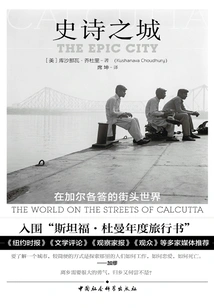
Epic City: the Street World of Kolkata
Literature史诗之城:在加尔各答的街头世界
(u. S.) Kushanava Chowdhury
Calcutta, the capital of British India, was once the "Gateway to the Empire" and the largest city in Asia. It was the center of India's industrial and cultural development and gave birth to Rabindranath Tagore, Vivekananda, Satyajit Ray... As a trading port established by the British on the Ganges, this city was originally composed of immigrants from all over the world. People came here from across the ocean, formed communities, and settled down on this land. But in the 21st century, Calcutta's status is no longer what it used to be, and young people have to leave their hometowns and go to more developed European and American countries in order to make a living. It was at this time that Kushanava Chowdhury, who had emigrated many times, came back - he graduated from Princeton University and received a doctorate from Yale University. He gave up his job in the United States and returned to the city abandoned by his immigrant parents to re-examine this "child of yesterday" who grew up between rivers and swamps...
Calcutta, the capital of British India, was once the "Gateway to the Empire" and the largest city in Asia. It was the center of India's industrial and cultural development and gave birth to Rabindranath Tagore, Vivekananda, Satyajit Ray... As a trading port established by the British on the Ganges, this city was originally composed of immigrants from all over the world. People came here from across the ocean, formed communities, and settled down on this land. But in the 21st century, Calcutta's status is no longer what it used to be, and young people have to leave their hometowns and go to more developed European and American countries in order to make a living. It was at this time that Kushanava Chowdhury, who had emigrated many times, came back - he graduated from Princeton University and received a doctorate from Yale University. He gave up his job in the United States and returned to the city abandoned by his immigrant parents to re-examine this "child of yesterday" who grew up between rivers and swamps...
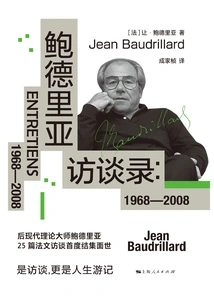
Interviews with Baudrillard: 1968-2008
Literature鲍德里亚访谈录:1968—2008
N
Jean Baudrillard is a world-renowned postmodern theorist. But in front of interviewers and audiences, he became an excellent speaker, sharing his views on theory, reality, and life with enthusiasm and philosophy. This book contains for the first time 25 interviews covering his entire career, spanning the 40 years from 1968 to 2008. These interviews cover a wide range of topics, including major works such as "Consumer Society", "Lethal Tactics", "On Seduction" and "Simulacra and Simulation", as well as his rich life experiences such as his academic career, journey to the United States, and photography practice, as well as his responses to contemporary topics such as terrorism. In this book, we can not only get a glimpse of the scholar's ideological career, but also have a dialogue with such a sincere and profound old friend. These interviews, scattered in newspapers, magazines and journals around the world, may be the most precious and vivid collection of Baudrillard's thoughts in the world.
Jean Baudrillard is a world-renowned postmodern theorist. But in front of interviewers and audiences, he became an excellent speaker, sharing his views on theory, reality, and life with enthusiasm and philosophy. This book contains for the first time 25 interviews covering his entire career, spanning the 40 years from 1968 to 2008. These interviews cover a wide range of topics, including major works such as "Consumer Society", "Lethal Tactics", "On Seduction" and "Simulacra and Simulation", as well as his rich life experiences such as his academic career, journey to the United States, and photography practice, as well as his responses to contemporary topics such as terrorism. In this book, we can not only get a glimpse of the scholar's ideological career, but also have a dialogue with such a sincere and profound old friend. These interviews, scattered in newspapers, magazines and journals around the world, may be the most precious and vivid collection of Baudrillard's thoughts in the world.
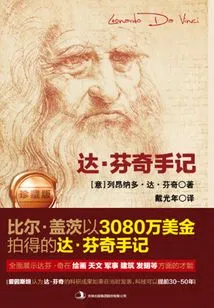
达·芬奇手记(珍藏版)
M
Leonardo da Vinci left many notes throughout his life. He had tens of thousands of notes. Later generations are also looking for these precious notes and preserving them. From these notes, we can not only get a glimpse of the ideological circuit of Leonardo da Vinci, but also trace the ideological trend of the Renaissance. Leonardo da Vinci was diligent in recording throughout his life and wrote tens of thousands of notes. Today, only more than 5,000 pages remain. The notes in this book cover many fields, including a large number of explanations and sketches on astronomy, geography, architecture, water conservancy, fossils, and even optics. There are many wonders among them, and all kinds of knowledge that transcend the cognition of the times emerge in endlessly. Its preciousness can be seen from the world's pursuit of it. His works are scattered in various European countries. Although later generations tried hard to preserve them, some of them were destroyed by Napoleon. Therefore, this manuscript is particularly precious. This notebook was auctioned by Microsoft founder Bill Gates for US$30.8 Million in 1994, making it the most expensive book in the world and making this notebook truly well-known to the world. Most of Leonardo da Vinci's notes were written backwards in Italian with his left hand. The reason for writing backwards was to prevent the handwriting from becoming blurred. However, most of Leonardo's handwriting is messy and therefore difficult to read, and must be mirrored to read correctly. Leonardo da Vinci's great talent in using language, rhetoric and image thinking made these chapters beautiful essays that future generations will never tire of reading.
Leonardo da Vinci left many notes throughout his life. He had tens of thousands of notes. Later generations are also looking for these precious notes and preserving them. From these notes, we can not only get a glimpse of the ideological circuit of Leonardo da Vinci, but also trace the ideological trend of the Renaissance. Leonardo da Vinci was diligent in recording throughout his life and wrote tens of thousands of notes. Today, only more than 5,000 pages remain. The notes in this book cover many fields, including a large number of explanations and sketches on astronomy, geography, architecture, water conservancy, fossils, and even optics. There are many wonders among them, and all kinds of knowledge that transcend the cognition of the times emerge in endlessly. Its preciousness can be seen from the world's pursuit of it. His works are scattered in various European countries. Although later generations tried hard to preserve them, some of them were destroyed by Napoleon. Therefore, this manuscript is particularly precious. This notebook was auctioned by Microsoft founder Bill Gates for US$30.8 Million in 1994, making it the most expensive book in the world and making this notebook truly well-known to the world. Most of Leonardo da Vinci's notes were written backwards in Italian with his left hand. The reason for writing backwards was to prevent the handwriting from becoming blurred. However, most of Leonardo's handwriting is messy and therefore difficult to read, and must be mirrored to read correctly. Leonardo da Vinci's great talent in using language, rhetoric and image thinking made these chapters beautiful essays that future generations will never tire of reading.
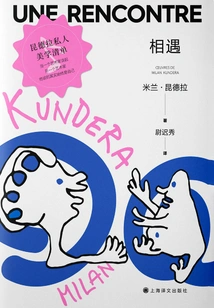
相遇:米兰·昆德拉作品系列(2022版)
Milan Kundera
When an artist talks about another artist, he is always talking about himself. Kundera's private aesthetic inventory, a map of modern literature, music, and painting. "Encounter" is Milan Kundera's fourth collection of essays after "The Art of the Novel", "The Testament Betrayed" and "Curtain". It is divided into nine parts, covering various fields such as painting, literature, music and so on. Kundera, as always, "enters and exits the realm of art", and in the book recalls the "encounter" with Francis Bacon, Fuentes, Schoenberg, Anatole France and others. It is not only an "encounter" of aesthetics, but also an "encounter" of several eras, and it is also an "encounter" of the author with his old themes and old loves.
When an artist talks about another artist, he is always talking about himself. Kundera's private aesthetic inventory, a map of modern literature, music, and painting. "Encounter" is Milan Kundera's fourth collection of essays after "The Art of the Novel", "The Testament Betrayed" and "Curtain". It is divided into nine parts, covering various fields such as painting, literature, music and so on. Kundera, as always, "enters and exits the realm of art", and in the book recalls the "encounter" with Francis Bacon, Fuentes, Schoenberg, Anatole France and others. It is not only an "encounter" of aesthetics, but also an "encounter" of several eras, and it is also an "encounter" of the author with his old themes and old loves.
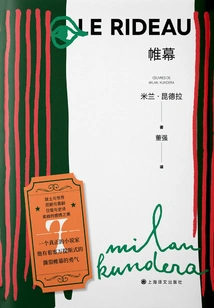
帷幕:米兰·昆德拉作品系列(2022版)
Milan Kundera
Milan Kundera's literary essays, the third of Kundera's novel theory trilogy, are the continuation of "The Testament Betrayed" and "The Art of the Novel". "Curtain" is Kundera's rectification of many concepts on novels, literature and even art. "Curtain" outlines Kundera's previous thoughts on the art of fiction, and explores the world of fiction art that is intertwined with history and life reality in a freer way. Cervantes sent Don Quixote to travel around the world, tearing apart the "curtain" woven by legends and pre-interpretations that concealed the nature of reality... Kundera summarily integrated his own life experiences, mentioning Cervantes, Rabelais, Stern, Flaubert, Musil, Joyce, and Carstens. Fka and many other his favorite novelists, interspersed with multiple texts such as "Emotional Education", "1993", "Idiot" and "As I Lay Dying", divided into "awareness of continuity", "world literature", "entering the soul of things", "what is a novelist", "aesthetics and existence" and "torn" "Curtain", "Novel, Memory, Forgetting", in seven parts, with numerous subtitles, unfolds the analysis of multiple concepts such as time, kitsch, comedy, forgetfulness, etc., Announcing that "once used in art, the concept of history has nothing to do with progress; it does not mean a kind of perfection. An improvement, an improvement; it is like a journey to explore unknown lands and mark them on the map." "The novelist is not the servant of the historian." "The novelist is not someone who only wants to please the reader." This proves the need to introduce "the non-poetic nature of life" in novels.
Milan Kundera's literary essays, the third of Kundera's novel theory trilogy, are the continuation of "The Testament Betrayed" and "The Art of the Novel". "Curtain" is Kundera's rectification of many concepts on novels, literature and even art. "Curtain" outlines Kundera's previous thoughts on the art of fiction, and explores the world of fiction art that is intertwined with history and life reality in a freer way. Cervantes sent Don Quixote to travel around the world, tearing apart the "curtain" woven by legends and pre-interpretations that concealed the nature of reality... Kundera summarily integrated his own life experiences, mentioning Cervantes, Rabelais, Stern, Flaubert, Musil, Joyce, and Carstens. Fka and many other his favorite novelists, interspersed with multiple texts such as "Emotional Education", "1993", "Idiot" and "As I Lay Dying", divided into "awareness of continuity", "world literature", "entering the soul of things", "what is a novelist", "aesthetics and existence" and "torn" "Curtain", "Novel, Memory, Forgetting", in seven parts, with numerous subtitles, unfolds the analysis of multiple concepts such as time, kitsch, comedy, forgetfulness, etc., Announcing that "once used in art, the concept of history has nothing to do with progress; it does not mean a kind of perfection. An improvement, an improvement; it is like a journey to explore unknown lands and mark them on the map." "The novelist is not the servant of the historian." "The novelist is not someone who only wants to please the reader." This proves the need to introduce "the non-poetic nature of life" in novels.
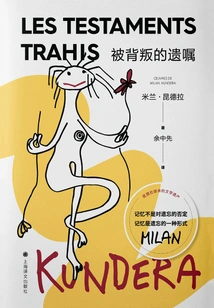
被背叛的遗嘱:米兰·昆德拉作品系列(2022版)
Milan Kundera
Kundera's literary legacy and the world beyond Kundera's novels. What the novel discovers is what is hidden in each of us. Memory is not the denial of forgetting, but a form of forgetting. "The Testament Betrayed" is divided into nine independent parts, and some of the same characters appear again and again: including Stravinsky and Kafka and their intriguing friends, Janacek and Hemingway, Rabelais and his descendants-those great novelists. This book focuses on the humorous spirit on which the novel is based, its mysterious origins with music, its three-stage historical development process, the aesthetics of modern novels, and the life intelligence of the novel. _X000b__x000b_
Kundera's literary legacy and the world beyond Kundera's novels. What the novel discovers is what is hidden in each of us. Memory is not the denial of forgetting, but a form of forgetting. "The Testament Betrayed" is divided into nine independent parts, and some of the same characters appear again and again: including Stravinsky and Kafka and their intriguing friends, Janacek and Hemingway, Rabelais and his descendants-those great novelists. This book focuses on the humorous spirit on which the novel is based, its mysterious origins with music, its three-stage historical development process, the aesthetics of modern novels, and the life intelligence of the novel. _X000b__x000b_
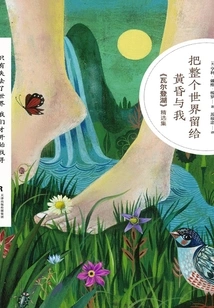
Leave the Whole World to Dusk and Me
Literature把整个世界留给黄昏与我
G
"Leave the World to Dusk and Me" is a selection from Thoreau's autobiographical essay collection "Walden". Complete collection of the classic chapters "Economy", "Where Do I Live; Why Do I Live" and "Hermitage". Thoreau stayed away from the hustle and bustle of the world. He wanted to find an authentic state of existence and a more poetic life in the tranquility of nature. "Walden" describes the author's deep thinking and self-reshaping process in a simple life. The writing style is quiet and tranquil, thought-provoking, and has a calming power.
"Leave the World to Dusk and Me" is a selection from Thoreau's autobiographical essay collection "Walden". Complete collection of the classic chapters "Economy", "Where Do I Live; Why Do I Live" and "Hermitage". Thoreau stayed away from the hustle and bustle of the world. He wanted to find an authentic state of existence and a more poetic life in the tranquility of nature. "Walden" describes the author's deep thinking and self-reshaping process in a simple life. The writing style is quiet and tranquil, thought-provoking, and has a calming power.
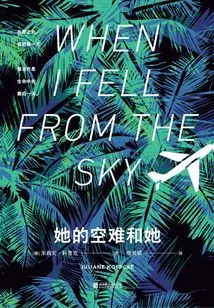
Her Plane Crash and Her
Literature她的空难和她
(germany) Juliane Koepke
The true story of the sole survivor of the 1971 Peruvian plane crash who returned to civilization after trekking through the Amazon rainforest for 11 days. On December 24, 1971, 17-year-old girl Juliane boarded an Air Peru plane with her mother, preparing to go home to spend Christmas with her father. It was originally a smooth journey, but when it was approaching the Amazon rainforest, it encountered a heavy thunderstorm, and the plane crashed in the primitive jungle only dozens of kilometers away from the civilized world. Julianne was tied to an airplane seat and fell into the jungle from an altitude of three thousand meters. She was the only survivor among the 92 passengers, including her mother, a survival that experts could barely explain as a "modern miracle." With unimaginable courage, intuition and tenacity, Julianne walked alone in the Green Hell of the Amazon rainforest for eleven days. The skills she learned as a child in the rainforest with her parents allowed her to survive. It was not until more than 40 years after the plane crash that the author wrote a book about this incredible catastrophe for the first time, reviewing the efforts of his biologist parents in the science of birds, animals and plants, reliving his happy childhood in the Amazon rainforest, and the turning points in his life after the disaster.
The true story of the sole survivor of the 1971 Peruvian plane crash who returned to civilization after trekking through the Amazon rainforest for 11 days. On December 24, 1971, 17-year-old girl Juliane boarded an Air Peru plane with her mother, preparing to go home to spend Christmas with her father. It was originally a smooth journey, but when it was approaching the Amazon rainforest, it encountered a heavy thunderstorm, and the plane crashed in the primitive jungle only dozens of kilometers away from the civilized world. Julianne was tied to an airplane seat and fell into the jungle from an altitude of three thousand meters. She was the only survivor among the 92 passengers, including her mother, a survival that experts could barely explain as a "modern miracle." With unimaginable courage, intuition and tenacity, Julianne walked alone in the Green Hell of the Amazon rainforest for eleven days. The skills she learned as a child in the rainforest with her parents allowed her to survive. It was not until more than 40 years after the plane crash that the author wrote a book about this incredible catastrophe for the first time, reviewing the efforts of his biologist parents in the science of birds, animals and plants, reliving his happy childhood in the Amazon rainforest, and the turning points in his life after the disaster.
It's Shoko
Literature是翔子啊
(japanese) Kanazawa Yasuko's Book, Kanazawa Shoko's Book
Shoko is a patient with Down syndrome. Her mother, Yasuko, raised her child in tears. She experienced boundless darkness again and again, but she was always able to find light in the darkness and move on. The words of mother Yasuko and the calligraphy of daughter Shoko together constitute this warm little book. From this book, we see a vivid Shoko. She is innocent, kind, happy, and full of vitality. She is her mother's treasure, a little magician in the shopping street, and an angel-like existence. Such a unique existence is Shoko!
Shoko is a patient with Down syndrome. Her mother, Yasuko, raised her child in tears. She experienced boundless darkness again and again, but she was always able to find light in the darkness and move on. The words of mother Yasuko and the calligraphy of daughter Shoko together constitute this warm little book. From this book, we see a vivid Shoko. She is innocent, kind, happy, and full of vitality. She is her mother's treasure, a little magician in the shopping street, and an angel-like existence. Such a unique existence is Shoko!
Common Sense Dictionary
Literature庸见词典
I
Stupidity armed with knowledge, mediocrity adorned with respectability. The majority is always right and the minority is always wrong. Let's consult the Commonplace Dictionary to "find the words you must say to be a decent and approachable person in society." "Dictionary of Commonplaces" is a legendary short book by the great French writer Flaubert. It is derived from Flaubert's posthumous comic novel "Bovart and Pécuchet". It has a special form. It presents a dictionary compiled by two scribes after they abandoned their jobs to join the "scientific career". It is both a "work hidden in the novel" and a "work outside the novel". It was edited and published in France more than 30 years after the author's death. The Dictionary of Commonplaces ridicules various prejudices, prejudices, and conclusions of "bourgeois" in the form of entries. It can be called an encyclopedia of human stupidity and ignorance. Flaubert, an innovator ahead of his time, had long wanted to ridicule the world at that time. From today's perspective, it has a bitter irony on human nature. This legendary little book is unique among Flaubert's creations. Studies of Flaubert's works such as "Critical Biography of Flaubert" and "Flaubert's Parrot" have analyzed it. Many writers such as famous contemporary writers Milan Kundera and Alain de Botton have talked about the beauty of this book.
Stupidity armed with knowledge, mediocrity adorned with respectability. The majority is always right and the minority is always wrong. Let's consult the Commonplace Dictionary to "find the words you must say to be a decent and approachable person in society." "Dictionary of Commonplaces" is a legendary short book by the great French writer Flaubert. It is derived from Flaubert's posthumous comic novel "Bovart and Pécuchet". It has a special form. It presents a dictionary compiled by two scribes after they abandoned their jobs to join the "scientific career". It is both a "work hidden in the novel" and a "work outside the novel". It was edited and published in France more than 30 years after the author's death. The Dictionary of Commonplaces ridicules various prejudices, prejudices, and conclusions of "bourgeois" in the form of entries. It can be called an encyclopedia of human stupidity and ignorance. Flaubert, an innovator ahead of his time, had long wanted to ridicule the world at that time. From today's perspective, it has a bitter irony on human nature. This legendary little book is unique among Flaubert's creations. Studies of Flaubert's works such as "Critical Biography of Flaubert" and "Flaubert's Parrot" have analyzed it. Many writers such as famous contemporary writers Milan Kundera and Alain de Botton have talked about the beauty of this book.
S
LiteratureS
H
Yukio Mishima's masterpiece of essays is a sharp introduction to love, marriage, and personality development. It is humorous and playful and shows how a straight male writer teaches the secrets of love. It includes three short stories: "New Love Lecture", "The Aesthetics of Ending" and "Spiritual Conversation to Young Samurai". They talk about the art of love, social skills and the development of teenagers' character and provide sincere suggestions. What exactly is love? What kind of love do you want to have? Japanese literary master Yukio Mishima wrote this book specifically to explain love. From the form, morality, philosophy and techniques of love, Mishima uses humorous and sharp writing to get to the core, guiding men and women how to fall in love and how to reveal their true emotions in love. This book contains three short story collections: "Lectures on New Love", "The Aesthetics of Ending" and "Spiritual Talks to Young Samurai". In addition to love, it also touches on issues such as social art, character development, etc. It is unique and thought-provoking. Especially in today's society where people's views on love and values are unstable, this book can help readers examine love, family, and life from another perspective, which has great practical significance. This book is also the embodiment of Mishima's philosophy and aesthetic thoughts.
Yukio Mishima's masterpiece of essays is a sharp introduction to love, marriage, and personality development. It is humorous and playful and shows how a straight male writer teaches the secrets of love. It includes three short stories: "New Love Lecture", "The Aesthetics of Ending" and "Spiritual Conversation to Young Samurai". They talk about the art of love, social skills and the development of teenagers' character and provide sincere suggestions. What exactly is love? What kind of love do you want to have? Japanese literary master Yukio Mishima wrote this book specifically to explain love. From the form, morality, philosophy and techniques of love, Mishima uses humorous and sharp writing to get to the core, guiding men and women how to fall in love and how to reveal their true emotions in love. This book contains three short story collections: "Lectures on New Love", "The Aesthetics of Ending" and "Spiritual Talks to Young Samurai". In addition to love, it also touches on issues such as social art, character development, etc. It is unique and thought-provoking. Especially in today's society where people's views on love and values are unstable, this book can help readers examine love, family, and life from another perspective, which has great practical significance. This book is also the embodiment of Mishima's philosophy and aesthetic thoughts.

A Moveable Feast
Literature流动的盛宴
K
This is a non-fiction prose book full of novel reading quality. 20 Concise chapters outline Hemingway's life experience in his most beautiful years. At that time, he had not yet written masterpieces such as "The Old Man and the Sea" and "The Sun Also Rises" that allowed him to escape from the worldly triviality. However, Paris during this period and the artists he interacted with deeply influenced his subsequent literary creation.
This is a non-fiction prose book full of novel reading quality. 20 Concise chapters outline Hemingway's life experience in his most beautiful years. At that time, he had not yet written masterpieces such as "The Old Man and the Sea" and "The Sun Also Rises" that allowed him to escape from the worldly triviality. However, Paris during this period and the artists he interacted with deeply influenced his subsequent literary creation.