Library
Browse and search books
2,472 novels found
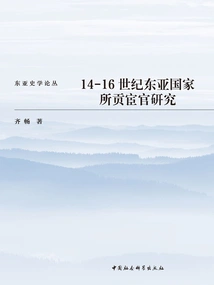
Research on the Eunuchs Paid Tribute by East Asian Countries from the 14th to the 16th Century
History14—16世纪东亚国家所贡宦官研究
Qi Chang
In the pre-modern East Asian world, "China", "Zhonghua" or "Huaxia" were more of a label for civilization, and they were quite homogeneous with neighboring Korea and Vietnam, which shared the Confucian value system of ancient China. They either call themselves Little China, or claim to be "Little China", which is true for the saying that "all the rituals, music, cultural relics, people's customs and practices are all imitated by the imperial dynasty." The eunuch system also imitated China, and eunuchs were often used as tribute. Especially during the Ming and Qing dynasties when the tributary system was the most typical, Annan and Korea, which bordered China, paid the most tribute, becoming the largest source of foreign eunuchs in the Ming Dynasty. This group of outsiders who were closest to the Ming emperor were often sent back to their place of origin as envoys, becoming the most active group on the regional stage in pre-modern East Asia. They even affected the internal affairs and diplomacy of the central dynasty and surrounding vassal states, and can provide a new entry point for interpreting regional relations in East Asia.
In the pre-modern East Asian world, "China", "Zhonghua" or "Huaxia" were more of a label for civilization, and they were quite homogeneous with neighboring Korea and Vietnam, which shared the Confucian value system of ancient China. They either call themselves Little China, or claim to be "Little China", which is true for the saying that "all the rituals, music, cultural relics, people's customs and practices are all imitated by the imperial dynasty." The eunuch system also imitated China, and eunuchs were often used as tribute. Especially during the Ming and Qing dynasties when the tributary system was the most typical, Annan and Korea, which bordered China, paid the most tribute, becoming the largest source of foreign eunuchs in the Ming Dynasty. This group of outsiders who were closest to the Ming emperor were often sent back to their place of origin as envoys, becoming the most active group on the regional stage in pre-modern East Asia. They even affected the internal affairs and diplomacy of the central dynasty and surrounding vassal states, and can provide a new entry point for interpreting regional relations in East Asia.
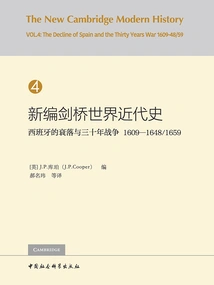
新编剑桥世界近代史(第4卷):西班牙的衰落与三十年战争(1609—1648/1659)
(uk) J. P. Cooper
Wars, plagues, rebellions, religious and dynastic conflicts changed the distribution of power between them, as well as their structures, and many of the social, intellectual and political foundations of ancient Europe were laid. The masses of the people suffered the direct and indirect effects of the war, but limited and authoritarian governments and various social groups strengthened themselves. In this book, the author discusses the transfer of power and command of the sea lanes of northwest Europe, the defeat of the Habsburg regime in Spain and Germany, and their restoration of power in Bohemia, and assesses the internal costs of France's victory over Spain in the 1650s and its position, with the large immediate benefits gained by the smaller ones, the Netherlands and Sweden.
Wars, plagues, rebellions, religious and dynastic conflicts changed the distribution of power between them, as well as their structures, and many of the social, intellectual and political foundations of ancient Europe were laid. The masses of the people suffered the direct and indirect effects of the war, but limited and authoritarian governments and various social groups strengthened themselves. In this book, the author discusses the transfer of power and command of the sea lanes of northwest Europe, the defeat of the Habsburg regime in Spain and Germany, and their restoration of power in Bohemia, and assesses the internal costs of France's victory over Spain in the 1650s and its position, with the large immediate benefits gained by the smaller ones, the Netherlands and Sweden.
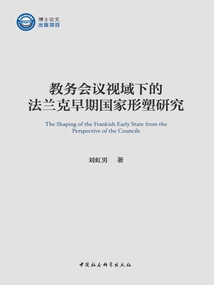
Research on the Shaping of the Early Frankish State from the Perspective of the Academic Council
History教务会议视域下的法兰克早期国家形塑研究
Liu Hongnan
During the Merovingian Dynasty, as the Frank monarchs relied more and more on the orthodox Christian church, the convening of academic councils with a "collegial spirit" gradually rose from church tradition to state behavior. The canonical rules and decrees formulated by the Frankish religious and secular elites in response to many practical issues during the meeting greatly changed the power structure, royal power theory, ethnic consciousness, internal and external order, and social atmosphere of the Frankish community to a great extent, and then created an "early Frankish state" with ecclesiastical characteristics in the post-Roman Mediterranean world.
During the Merovingian Dynasty, as the Frank monarchs relied more and more on the orthodox Christian church, the convening of academic councils with a "collegial spirit" gradually rose from church tradition to state behavior. The canonical rules and decrees formulated by the Frankish religious and secular elites in response to many practical issues during the meeting greatly changed the power structure, royal power theory, ethnic consciousness, internal and external order, and social atmosphere of the Frankish community to a great extent, and then created an "early Frankish state" with ecclesiastical characteristics in the post-Roman Mediterranean world.
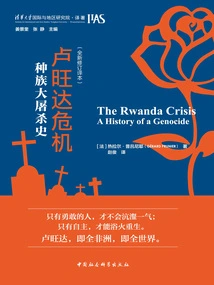
卢旺达危机:种族大屠杀史
(france) Gérard Prunier
This book is dedicated to my two Rwandan colleagues, Jean-Népomucène Nkurikiyimfura and Jean Rumiya. The former is a Tutsi and the latter is a Hutu in an inter-ethnic marriage. Both are excellent and young historians with unlimited futures. Nkuliki Imfula was not involved in politics and accepted the pre-violent Habyarimana regime. Rumia was actively involved in politics. As the Habyarimana regime gradually moved to extremes, some intellectuals began to advocate for the regime, and Rumia also joined this camp for a time. However, Rumia later came to his senses, became righteous, and opposed the killings that were about to be carried out by the crazy extremist forces. Two people were tragically killed during the genocide. During that special period, some of their colleagues flattered the very demons they should have denounced, but they upheld the integrity and dignity of our profession.
This book is dedicated to my two Rwandan colleagues, Jean-Népomucène Nkurikiyimfura and Jean Rumiya. The former is a Tutsi and the latter is a Hutu in an inter-ethnic marriage. Both are excellent and young historians with unlimited futures. Nkuliki Imfula was not involved in politics and accepted the pre-violent Habyarimana regime. Rumia was actively involved in politics. As the Habyarimana regime gradually moved to extremes, some intellectuals began to advocate for the regime, and Rumia also joined this camp for a time. However, Rumia later came to his senses, became righteous, and opposed the killings that were about to be carried out by the crazy extremist forces. Two people were tragically killed during the genocide. During that special period, some of their colleagues flattered the very demons they should have denounced, but they upheld the integrity and dignity of our profession.
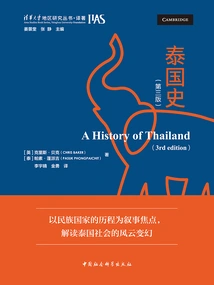
泰国史(第三版)
(english) Chris Baker (thailand) Paso Pompej
Baker and Pompage capture the collision between disparate groups, including urban nationalists, ambitious generals, communist rebels, and business politicians, as they sought control of the nation-state in the 20th century. They trace Thailand's economic changes through the highs and lows of economic prosperity, globalization, and the evolution of mass society. This book sheds light on recent political, social, and economic developments in Thailand, including the 2006 military coup, the violent street politics of May 2010, and the landmark 2011 general election and its aftermath. It reveals how, in Thailand today, the monarchy, the military, business and new popular movements play a role in complex conflicts over the nature and future of democracy in the country.
Baker and Pompage capture the collision between disparate groups, including urban nationalists, ambitious generals, communist rebels, and business politicians, as they sought control of the nation-state in the 20th century. They trace Thailand's economic changes through the highs and lows of economic prosperity, globalization, and the evolution of mass society. This book sheds light on recent political, social, and economic developments in Thailand, including the 2006 military coup, the violent street politics of May 2010, and the landmark 2011 general election and its aftermath. It reveals how, in Thailand today, the monarchy, the military, business and new popular movements play a role in complex conflicts over the nature and future of democracy in the country.
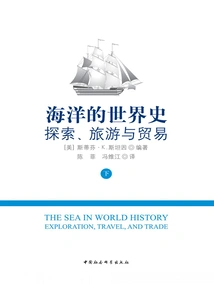
海洋的世界史:探索、旅游与贸易(下)
Z
H
H
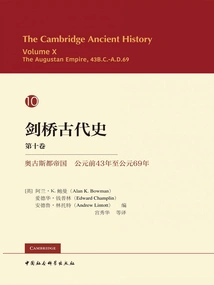
剑桥古代史·第十卷:奥古斯都帝国(公元前43年至公元69年)
(uk) Alan K. Bowman (uk) Edward Champlin (uk) Andrew Lintott
This book mainly discusses the changes in the political system of the Roman state and the establishment of the Roman Empire. It describes the time from the second year of the assassination of Julius Caesar to the second year of the suicide of Nero, the last emperor of the Julian-Claudian dynasty. Chapters 1 to 6 mainly describe the political history of this period. Chapters 7 to 12 discuss and analyze the government system. Chapters 13 to 14 mainly provide a basic overview of various regions in the Roman world during this period. Chapters 15 to 21 cover the most important aspects of Roman social and cultural development during this period (the city of Rome; social structure; art, literature and law). The most outstanding achievement of this period was that Augustus-the first emperor in Roman history and the genius leader behind the political transformation-evolved the republican system of the Roman state into a monarchy ruled by dynastic rule. The reign of Augustus was the peak period of Rome's territorial expansion into the Mediterranean, the Near East and northwest Europe. The comprehensive development of this period created prerequisites for the major achievements of the "High Empire" under the "Pax Romana" (pax romana).
This book mainly discusses the changes in the political system of the Roman state and the establishment of the Roman Empire. It describes the time from the second year of the assassination of Julius Caesar to the second year of the suicide of Nero, the last emperor of the Julian-Claudian dynasty. Chapters 1 to 6 mainly describe the political history of this period. Chapters 7 to 12 discuss and analyze the government system. Chapters 13 to 14 mainly provide a basic overview of various regions in the Roman world during this period. Chapters 15 to 21 cover the most important aspects of Roman social and cultural development during this period (the city of Rome; social structure; art, literature and law). The most outstanding achievement of this period was that Augustus-the first emperor in Roman history and the genius leader behind the political transformation-evolved the republican system of the Roman state into a monarchy ruled by dynastic rule. The reign of Augustus was the peak period of Rome's territorial expansion into the Mediterranean, the Near East and northwest Europe. The comprehensive development of this period created prerequisites for the major achievements of the "High Empire" under the "Pax Romana" (pax romana).
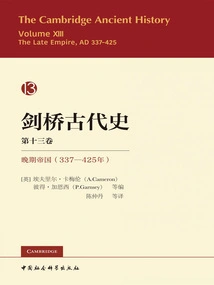
剑桥古代史·第十三卷:晚期帝国(337—425年)
(uk) Averell Cameron (uk) Peter Garnsey
Volume 13 covers the 4th century AD, from the death of Constantine in 337 to the early 5th century, ending with the reign of Theodosius II (408-450) around 425. During this period, when Theodosius I died in 395, the Roman Empire was divided into eastern and western parts. As seen by the people of that time and the next generation, the Roman army was defeated by the Goths at Hadrian Castle in 378. In 410, Alaric invaded Italy and plundered the city of Rome. This was the first stage of the disintegration of the western part of the Roman Empire. With the beginning of Theodosius II's reign in Constantinople, a more characteristic style of governance in the east emerged. Its governance ability was based on the rapid expansion of the capital. In the 6th century, relying on the energy of Eastern Rome, Justinian launched a war to "reconquer" the west. Crucial to this development was the east's ability to avoid the disintegration that had befallen the west. Several chapters in this volume deal with what happened in Constantinople around 400 AD. By the end of this period the barbarians had settled in the west; in 430 the Vandals crossed the sea from Spain into North Africa and were able to attack Augustine's hometown of Hippo. The long reign of Theodosius II was a period of civilian governance and prosperous markets.
Volume 13 covers the 4th century AD, from the death of Constantine in 337 to the early 5th century, ending with the reign of Theodosius II (408-450) around 425. During this period, when Theodosius I died in 395, the Roman Empire was divided into eastern and western parts. As seen by the people of that time and the next generation, the Roman army was defeated by the Goths at Hadrian Castle in 378. In 410, Alaric invaded Italy and plundered the city of Rome. This was the first stage of the disintegration of the western part of the Roman Empire. With the beginning of Theodosius II's reign in Constantinople, a more characteristic style of governance in the east emerged. Its governance ability was based on the rapid expansion of the capital. In the 6th century, relying on the energy of Eastern Rome, Justinian launched a war to "reconquer" the west. Crucial to this development was the east's ability to avoid the disintegration that had befallen the west. Several chapters in this volume deal with what happened in Constantinople around 400 AD. By the end of this period the barbarians had settled in the west; in 430 the Vandals crossed the sea from Spain into North Africa and were able to attack Augustine's hometown of Hippo. The long reign of Theodosius II was a period of civilian governance and prosperous markets.
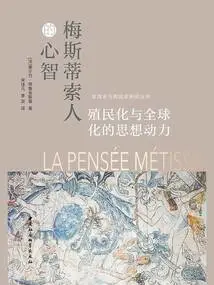
梅斯蒂索人的心智:殖民化与全球化的思想动力
U
"The Mestizo Mind: The Ideological Dynamics of Colonization and Globalization" is the result of Serge Grudinsky's groundbreaking research on the colonization of Latin America in the 15th and 16th centuries. Colonization inevitably brings about a dramatic process of hybridization, which is often associated with unification and globalization. This book uses detailed historical materials to demonstrate the phenomenon of the integration of native colonial and European cultures, from the artistic images of churches to the books, songs and even handicrafts spread to the people, and the impact they had on the colonial people. This mixing of cultures resulted in interbreeding between natives and settlers, conversion of Indians to Catholicism and their participation in the colonial government, and the artistic visualization of figures such as Jesus and Perseus by American Indians. The fusion of these cultures gave birth to new cultures, new individuals, and a new phenomenon called globalization, as well as the mestizo mind-a common state of multicultural thinking that emerged 500 years later. This book provides us with answers to the causes of various phenomena and extreme changes covered by cultural integration, and answers one by one to questions that people often ignore - the ways, conditions, environment, methods and even speed of cultural integration.
"The Mestizo Mind: The Ideological Dynamics of Colonization and Globalization" is the result of Serge Grudinsky's groundbreaking research on the colonization of Latin America in the 15th and 16th centuries. Colonization inevitably brings about a dramatic process of hybridization, which is often associated with unification and globalization. This book uses detailed historical materials to demonstrate the phenomenon of the integration of native colonial and European cultures, from the artistic images of churches to the books, songs and even handicrafts spread to the people, and the impact they had on the colonial people. This mixing of cultures resulted in interbreeding between natives and settlers, conversion of Indians to Catholicism and their participation in the colonial government, and the artistic visualization of figures such as Jesus and Perseus by American Indians. The fusion of these cultures gave birth to new cultures, new individuals, and a new phenomenon called globalization, as well as the mestizo mind-a common state of multicultural thinking that emerged 500 years later. This book provides us with answers to the causes of various phenomena and extreme changes covered by cultural integration, and answers one by one to questions that people often ignore - the ways, conditions, environment, methods and even speed of cultural integration.
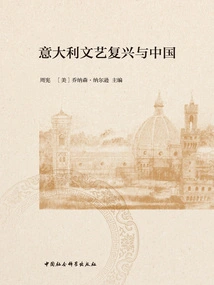
意大利文艺复兴与中国
(u. S.) Jonathan Nelson Editor-in-chief Zhou Xian
This book includes papers by Professor Wang Yuejin from Harvard University, Professor Ge Zhaoguang from Fudan University, Professor Zhou Xian from Nanjing University, Professor Jonathan Nelson from I Tatti Research Center, Professor Fabrio Nevola, Professor Zou Hui from University of Florida, Professor Liu Chen from Tsinghua University, and several young professors. These papers were selected from more than 20 papers at the international academic symposium "Italian Renaissance and Chinese Cultural Revitalization". This international academic symposium was co-sponsored by the Graduate School of Art of Nanjing University and the Italian Renaissance Research Center of Harvard University (ITTATI). With the theme of "Research on the Italian Renaissance in China", it centered on the two directions of translation and acceptance of the Italian Renaissance in Chinese academic history. It aimed to explore the different connotations of the Renaissance in different time and space and provide possible paths for the revitalization of Chinese culture in a global context.
This book includes papers by Professor Wang Yuejin from Harvard University, Professor Ge Zhaoguang from Fudan University, Professor Zhou Xian from Nanjing University, Professor Jonathan Nelson from I Tatti Research Center, Professor Fabrio Nevola, Professor Zou Hui from University of Florida, Professor Liu Chen from Tsinghua University, and several young professors. These papers were selected from more than 20 papers at the international academic symposium "Italian Renaissance and Chinese Cultural Revitalization". This international academic symposium was co-sponsored by the Graduate School of Art of Nanjing University and the Italian Renaissance Research Center of Harvard University (ITTATI). With the theme of "Research on the Italian Renaissance in China", it centered on the two directions of translation and acceptance of the Italian Renaissance in Chinese academic history. It aimed to explore the different connotations of the Renaissance in different time and space and provide possible paths for the revitalization of Chinese culture in a global context.
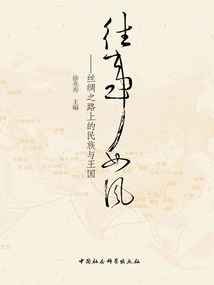
往事如风:丝绸之路上的民族与王国
Editor-in-chief Xu Zhaoshou
This book is written about some of the nations and kingdoms that once dominated the Silk Road. Some have disappeared, and some are still active in contemporary times. They once played a very important role in Chinese history, and today they are still a topic that is constantly being written and discovered by history, literature, and anthropology. They have also left too many mysteries to history, and this book is here to reveal these mysteries.
This book is written about some of the nations and kingdoms that once dominated the Silk Road. Some have disappeared, and some are still active in contemporary times. They once played a very important role in Chinese history, and today they are still a topic that is constantly being written and discovered by history, literature, and anthropology. They have also left too many mysteries to history, and this book is here to reveal these mysteries.
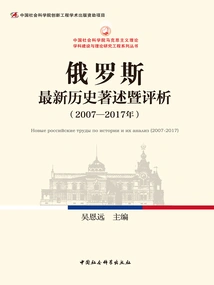
俄罗斯最新历史著述暨评析(2007—2017年)
Editor-in-chief Wu Enyuan
This book translates and reviews the latest Russian historical writings from 2007 to 2017. The new materials include: selected content from the 2016 new version of the 10th-grade textbook on Russian history; excerpts from "The Economic History of the Soviet Union" edited by Academician Abarkin and published by the Institute of Economics of the Russian Academy of Sciences, which is the most accurate evaluation of the Soviet Union's 70-year social and economic development in recent years; and the introduction of "Who and How Destroyed the Soviet Union" compiled by Professor Sazonov from the Institute of Political Science of the Russian Academy of Sciences, which integrated a large number of original documents. - Reconstructing the Process of the Soviet Union's Disintegration Based on Archival Documents; "Reforms: Achievements and Lessons" written by Zhukov, an academician of the Russian Academy of Sciences, is an authoritative treatise that systematically studies the entire process of the relationship between Soviet social development and the Soviet Union's disintegration from a sociological perspective; it translated some articles from volumes 14-18 of the latest Russian publication of "The Complete Works of Stalin", and published the later volumes of "The Complete Works of Stalin" for the first time in China. The book is classified according to thematic categories such as politics, economy, culture, ethnicity, military, and history, and roughly covers the development of all aspects of Russian society.
This book translates and reviews the latest Russian historical writings from 2007 to 2017. The new materials include: selected content from the 2016 new version of the 10th-grade textbook on Russian history; excerpts from "The Economic History of the Soviet Union" edited by Academician Abarkin and published by the Institute of Economics of the Russian Academy of Sciences, which is the most accurate evaluation of the Soviet Union's 70-year social and economic development in recent years; and the introduction of "Who and How Destroyed the Soviet Union" compiled by Professor Sazonov from the Institute of Political Science of the Russian Academy of Sciences, which integrated a large number of original documents. - Reconstructing the Process of the Soviet Union's Disintegration Based on Archival Documents; "Reforms: Achievements and Lessons" written by Zhukov, an academician of the Russian Academy of Sciences, is an authoritative treatise that systematically studies the entire process of the relationship between Soviet social development and the Soviet Union's disintegration from a sociological perspective; it translated some articles from volumes 14-18 of the latest Russian publication of "The Complete Works of Stalin", and published the later volumes of "The Complete Works of Stalin" for the first time in China. The book is classified according to thematic categories such as politics, economy, culture, ethnicity, military, and history, and roughly covers the development of all aspects of Russian society.
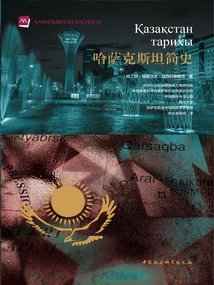
哈萨克斯坦简史
(ha)kan Georgy Vasilyevich
History is an immortal inscription that carries the code of national culture. It is history that can shape unique nationality and national characteristics, such as ways of thinking, worldview, values, language and cultural traditions. Without history, there is no future. Development and advancement first depend on a deep understanding of national history, and historical understanding of friendly countries can bring people closer and consolidate relations between countries. As President of Kazakhstan Nursultan Nazarbayev said: "To take a panoramic view of the present and look forward to the future, you must look back and examine the past." This book quotes the most convincing historical materials and generally accepted theories, analyzes historical facts from different angles, and displays the historical essence of Kazakhstan through the ages. This book will help Chinese experts and readers better understand Kazakhstan, and see and understand the history of Kazakhstan from a new perspective that is different from previous fixed concepts and opinions.
History is an immortal inscription that carries the code of national culture. It is history that can shape unique nationality and national characteristics, such as ways of thinking, worldview, values, language and cultural traditions. Without history, there is no future. Development and advancement first depend on a deep understanding of national history, and historical understanding of friendly countries can bring people closer and consolidate relations between countries. As President of Kazakhstan Nursultan Nazarbayev said: "To take a panoramic view of the present and look forward to the future, you must look back and examine the past." This book quotes the most convincing historical materials and generally accepted theories, analyzes historical facts from different angles, and displays the historical essence of Kazakhstan through the ages. This book will help Chinese experts and readers better understand Kazakhstan, and see and understand the history of Kazakhstan from a new perspective that is different from previous fixed concepts and opinions.
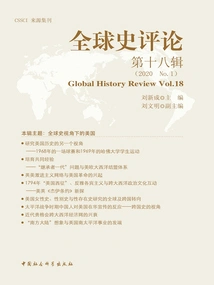
全球史评论·第18辑
Editor-in-chief Liu Xincheng
"Global History Review" was founded in 2008 by the Global History Research Center of Capital Normal University, with Professor Liu Xincheng as the chief editor. It is committed to promoting the research perspective and methods of global history in the Chinese history academic circle, advocating the study of cross-cultural, cross-national, and long-term historical phenomena, focusing on revealing the interaction and exchanges of civilizations in the global perspective, and exploring the globalization process in politics, economy, and culture, and its interaction with local characteristics.
"Global History Review" was founded in 2008 by the Global History Research Center of Capital Normal University, with Professor Liu Xincheng as the chief editor. It is committed to promoting the research perspective and methods of global history in the Chinese history academic circle, advocating the study of cross-cultural, cross-national, and long-term historical phenomena, focusing on revealing the interaction and exchanges of civilizations in the global perspective, and exploring the globalization process in politics, economy, and culture, and its interaction with local characteristics.
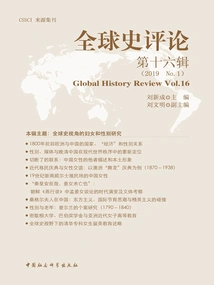
全球史评论·第16辑
Editor-in-chief Liu Xincheng
"Global History Review" was founded in 2008 by the Global History Research Center of Capital Normal University, with Professor Liu Xincheng as the chief editor. It is committed to promoting the research perspective and methods of global history in the Chinese history academic circle, advocating the study of cross-cultural, cross-national, and long-term historical phenomena, focusing on revealing the interaction and exchanges of civilizations in the global perspective, and exploring the globalization process in politics, economy, and culture, and its interaction with local characteristics.
"Global History Review" was founded in 2008 by the Global History Research Center of Capital Normal University, with Professor Liu Xincheng as the chief editor. It is committed to promoting the research perspective and methods of global history in the Chinese history academic circle, advocating the study of cross-cultural, cross-national, and long-term historical phenomena, focusing on revealing the interaction and exchanges of civilizations in the global perspective, and exploring the globalization process in politics, economy, and culture, and its interaction with local characteristics.
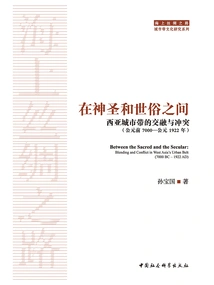
在神圣和世俗之间:西亚城市带的交融与冲突(公元前7000—公元1922年)
Sun Baoguo
From the perspective of civilization evolution and urban development, West Asia is not only one of the birthplaces of human civilization, but also one of the birthplaces of world cities. From the perspective of material and spiritual exchanges between China and foreign countries, West Asian cities are not only a series of fulcrums on the land Silk Road, but also important nodes on the Maritime Silk Road. Vertically, this book divides the development of cities in West Asia into seven stages: the city-state-dominated period, the primitive empire period, the Hellenistic period, the Roman Empire period, the Arab Empire period, the Ilkhanate period and the Ottoman Empire period, starting with the rise of the earliest cities in West Asia and even the world represented by Jericho in about 7000 BC. , Starting with the end of the Ottoman Empire in 1922 AD; horizontally, this book discusses from three levels: "political ecology", "development overview" and "typical cities", in order to present a three-dimensional overview of the political ecology, economy and trade, social life, religious culture, planning and management of West Asian cities at different stages.
From the perspective of civilization evolution and urban development, West Asia is not only one of the birthplaces of human civilization, but also one of the birthplaces of world cities. From the perspective of material and spiritual exchanges between China and foreign countries, West Asian cities are not only a series of fulcrums on the land Silk Road, but also important nodes on the Maritime Silk Road. Vertically, this book divides the development of cities in West Asia into seven stages: the city-state-dominated period, the primitive empire period, the Hellenistic period, the Roman Empire period, the Arab Empire period, the Ilkhanate period and the Ottoman Empire period, starting with the rise of the earliest cities in West Asia and even the world represented by Jericho in about 7000 BC. , Starting with the end of the Ottoman Empire in 1922 AD; horizontally, this book discusses from three levels: "political ecology", "development overview" and "typical cities", in order to present a three-dimensional overview of the political ecology, economy and trade, social life, religious culture, planning and management of West Asian cities at different stages.
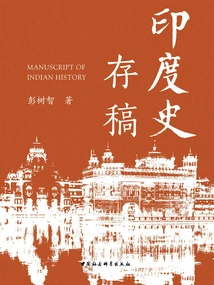
Indian History Archives
History印度史存稿
Peng Shuzhi
"The Preserved Manuscripts of Indian History" is the result of Professor Peng Shuzhi's early research on the modern history of South Asia. The whole book is divided into chapters such as "Xiaobu Manuscripts (Part 1)", "Xiaobu Manuscripts (Part 2)", "Xiaobu Manuscripts" and "Xiaobu Manuscripts". Starting from Marxist historical materialism, this book systematically explains the Indian anti-British uprising from 1857 to 1859, the economic and social motivations, historical processes and influences of the Indian independence movement from 1905 to 1908, as well as the nationalist thoughts and practices of Tilak and others. It has reference value for understanding the changes in India's modern history.
"The Preserved Manuscripts of Indian History" is the result of Professor Peng Shuzhi's early research on the modern history of South Asia. The whole book is divided into chapters such as "Xiaobu Manuscripts (Part 1)", "Xiaobu Manuscripts (Part 2)", "Xiaobu Manuscripts" and "Xiaobu Manuscripts". Starting from Marxist historical materialism, this book systematically explains the Indian anti-British uprising from 1857 to 1859, the economic and social motivations, historical processes and influences of the Indian independence movement from 1905 to 1908, as well as the nationalist thoughts and practices of Tilak and others. It has reference value for understanding the changes in India's modern history.
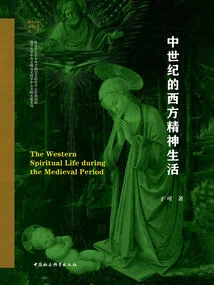
中世纪的西方精神生活
Yu Ke
This book brings together Mr. Yu Ke's research results since the 1980s. It mainly analyzes the faith issues and the influence of related ideological movements in Western and Central Europe in the Middle Ages from a historical perspective. After the reform and opening up, Chinese scholars have gradually deepened their research in this field, and Mr. Yu Ke is one of the leading figures. This book is based on Marxist historical materialism and presents research results with Chinese characteristics. It not only marks a new chapter in cultural exchanges and mutual learning between Chinese and foreign civilizations, but also focuses on people's spiritual life and rationally explores the ideological process of Western European society. The academic and historical depth of this book is of high reference value for studying related issues and understanding my country's research progress in this field.
This book brings together Mr. Yu Ke's research results since the 1980s. It mainly analyzes the faith issues and the influence of related ideological movements in Western and Central Europe in the Middle Ages from a historical perspective. After the reform and opening up, Chinese scholars have gradually deepened their research in this field, and Mr. Yu Ke is one of the leading figures. This book is based on Marxist historical materialism and presents research results with Chinese characteristics. It not only marks a new chapter in cultural exchanges and mutual learning between Chinese and foreign civilizations, but also focuses on people's spiritual life and rationally explores the ideological process of Western European society. The academic and historical depth of this book is of high reference value for studying related issues and understanding my country's research progress in this field.
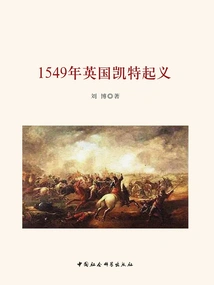
1549年英国凯特起义
Liu Bo
Kate's Rebellion in 1549 was the largest popular uprising in the Tudor Dynasty in the late Middle Ages in England. At that time, Britain was in an important stage of transition from feudal society to capitalist society. Kate's Rebellion was a violent protest led by wealthy yeoman farmers and widely participated by urban freemen, craftsmen, merchants, small farmers, homeless people and other lower-class working people in urban and rural society to oppose aristocratic oppression and pursue social justice. Kate's Rebellion was the most mature of the many uprisings in Britain during the turbulent years of the mid-16th century. It was a concentrated expression of the social crisis in Britain. This social crisis was caused by a series of issues such as enclosure movements, religious reform, political reform, currency devaluation, demographic and social problems. Kate's Rebellion had an important impact on the development of British politics and was a landmark event in British "popular politics". This book analyzes the occurrence patterns of social crises and believes that mass politics can take five forms: revolution, uprising, riot, petition and public opinion.
Kate's Rebellion in 1549 was the largest popular uprising in the Tudor Dynasty in the late Middle Ages in England. At that time, Britain was in an important stage of transition from feudal society to capitalist society. Kate's Rebellion was a violent protest led by wealthy yeoman farmers and widely participated by urban freemen, craftsmen, merchants, small farmers, homeless people and other lower-class working people in urban and rural society to oppose aristocratic oppression and pursue social justice. Kate's Rebellion was the most mature of the many uprisings in Britain during the turbulent years of the mid-16th century. It was a concentrated expression of the social crisis in Britain. This social crisis was caused by a series of issues such as enclosure movements, religious reform, political reform, currency devaluation, demographic and social problems. Kate's Rebellion had an important impact on the development of British politics and was a landmark event in British "popular politics". This book analyzes the occurrence patterns of social crises and believes that mass politics can take five forms: revolution, uprising, riot, petition and public opinion.
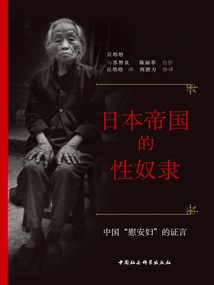
日本帝国的性奴隶:中国“慰安妇”的证言
Su Zhiliang Chen Lifei Qiu Peipei
Through the testimonies of twelve Chinese "comfort women" survivors and rich historical materials and investigation evidence, the book reveals the cruel ravages of many women by the Japanese invading army, and reveals the fact that the Japanese army established comfort stations in an organized and planned way to advance the war of aggression. This book is divided into three parts. The first part, "War Memory," outlines the close connection between Japan's war of aggression against China and the "comfort women" system, the fact that the Japanese army recruited "comfort women" on a large scale, the fact-finding investigation of comfort stations, and the appalling sexual crimes committed under the "comfort women" system. The second part, "Survivor Testimonies," records the oral histories of twelve survivors of the Japanese military comfort stations. The author places individual cases within the macro-background of the war, revealing the cruelty Chinese women suffered during the Japanese invasion of China, as well as the tremendous suffering the war brought to the Chinese nation. The third part, "Pursuing Justice," summarizes the neglect of Japanese military sexual crimes in international war criminal trials after World War II, the living conditions of the "comfort women" victim groups, and the "comfort women" compensation movement in the past two decades. This section provides an in-depth analysis of the legal debate on the issue of "comfort women" claims in the international community. The author has extensively collected relevant first-hand historical materials in Japanese and Japanese, combined with contemporary research results in Chinese, Japanese and English, including investigation reports, local historical records, eyewitness testimonies and many other precious Chinese and Japanese archives, to conduct a comprehensive and rigorous review of the history and current situation of the "comfort women" issue, and to provide an in-depth and detailed account of the suffering experience of Chinese women during Japan's war of aggression, as well as their bumpy road to pursuing justice after the war.
Through the testimonies of twelve Chinese "comfort women" survivors and rich historical materials and investigation evidence, the book reveals the cruel ravages of many women by the Japanese invading army, and reveals the fact that the Japanese army established comfort stations in an organized and planned way to advance the war of aggression. This book is divided into three parts. The first part, "War Memory," outlines the close connection between Japan's war of aggression against China and the "comfort women" system, the fact that the Japanese army recruited "comfort women" on a large scale, the fact-finding investigation of comfort stations, and the appalling sexual crimes committed under the "comfort women" system. The second part, "Survivor Testimonies," records the oral histories of twelve survivors of the Japanese military comfort stations. The author places individual cases within the macro-background of the war, revealing the cruelty Chinese women suffered during the Japanese invasion of China, as well as the tremendous suffering the war brought to the Chinese nation. The third part, "Pursuing Justice," summarizes the neglect of Japanese military sexual crimes in international war criminal trials after World War II, the living conditions of the "comfort women" victim groups, and the "comfort women" compensation movement in the past two decades. This section provides an in-depth analysis of the legal debate on the issue of "comfort women" claims in the international community. The author has extensively collected relevant first-hand historical materials in Japanese and Japanese, combined with contemporary research results in Chinese, Japanese and English, including investigation reports, local historical records, eyewitness testimonies and many other precious Chinese and Japanese archives, to conduct a comprehensive and rigorous review of the history and current situation of the "comfort women" issue, and to provide an in-depth and detailed account of the suffering experience of Chinese women during Japan's war of aggression, as well as their bumpy road to pursuing justice after the war.
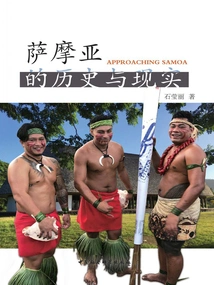
Samoa's History and Reality
History萨摩亚的历史与现实
Shi Yingli
Based on the author's three-year teaching aid experience in the South Pacific island country of Samoa, through a large number of first-hand materials, he tells the history, politics, humanities, education, and customs of this mysterious island country, outlines the changes in the public image and social status of overseas Chinese in Samoa over the past 100 years, systematically sorts out China's various aid to Samoa, and uses moving stories to show China in the eyes of Samoans.
Based on the author's three-year teaching aid experience in the South Pacific island country of Samoa, through a large number of first-hand materials, he tells the history, politics, humanities, education, and customs of this mysterious island country, outlines the changes in the public image and social status of overseas Chinese in Samoa over the past 100 years, systematically sorts out China's various aid to Samoa, and uses moving stories to show China in the eyes of Samoans.
全球史评论·第14辑
Editor-in-chief Liu Xincheng
"Global History Review" was founded in 2008 by the Global History Research Center of Capital Normal University, with Professor Liu Xincheng as the chief editor. It is committed to promoting the research perspective and methods of global history in the Chinese history academic circle, advocating the study of cross-cultural, cross-national, and long-term historical phenomena, focusing on revealing the interaction and exchanges of civilizations in the global perspective, and exploring the globalization process in politics, economy, and culture, and its interaction with local characteristics.
"Global History Review" was founded in 2008 by the Global History Research Center of Capital Normal University, with Professor Liu Xincheng as the chief editor. It is committed to promoting the research perspective and methods of global history in the Chinese history academic circle, advocating the study of cross-cultural, cross-national, and long-term historical phenomena, focusing on revealing the interaction and exchanges of civilizations in the global perspective, and exploring the globalization process in politics, economy, and culture, and its interaction with local characteristics.
全球史评论·第12辑
Editor-in-chief Liu Xincheng
"Global History Review" was founded in 2008 by the Global History Research Center of Capital Normal University, with Professor Liu Xincheng as the chief editor. It is committed to promoting the research perspective and methods of global history in the Chinese history academic circle, advocating the study of cross-cultural, cross-national, and long-term historical phenomena, focusing on revealing the interaction and exchanges of civilizations in the global perspective, and exploring the globalization process in politics, economy, and culture, and its interaction with local characteristics.
"Global History Review" was founded in 2008 by the Global History Research Center of Capital Normal University, with Professor Liu Xincheng as the chief editor. It is committed to promoting the research perspective and methods of global history in the Chinese history academic circle, advocating the study of cross-cultural, cross-national, and long-term historical phenomena, focusing on revealing the interaction and exchanges of civilizations in the global perspective, and exploring the globalization process in politics, economy, and culture, and its interaction with local characteristics.
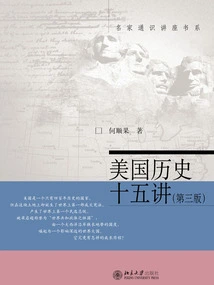
美国历史十五讲(第三版)
He Shunguo
From the perspective of social history, this book tells the historical origin of American civilization, its occurrence and development in the New World, and the growth of society, culture, science and technology that accompanied its political and economic development, and provides basic questions and basic clues for studying American history.
From the perspective of social history, this book tells the historical origin of American civilization, its occurrence and development in the New World, and the growth of society, culture, science and technology that accompanied its political and economic development, and provides basic questions and basic clues for studying American history.
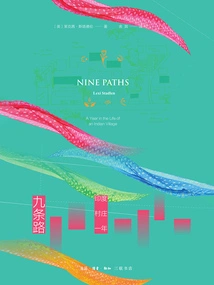
九条路:印度村庄一年
(uk) Lexi Stadlen
The work of British anthropologist Stadlen who has accumulated eight years of research on India. An intimate dialogue spanning languages, cultures and beliefs, connecting the marriage life and life experiences of nine women. For a long time, India has seemed to be synonymous with "chaos" and "backwardness" in the eyes of developed countries. However, British anthropologist Lexi Stadlen is committed to breaking the way Western-centric discourse shapes India. She went to an island on the eastern edge of India and conducted 16 months of fieldwork in Muslim villages on the island. Ultimately, the narrative focused on nine Muslim women, tracing their trivial and extraordinary daily lives. This is an in-depth and lasting encounter, a gift from one woman to another group of women, and an ethnography dedicated to all women: abandoning all established theories and obscure terminology, truly recording everything seen, heard, and felt in person, and presenting the complex and subtle inner world of the female group. In her conversations with them, we were able to touch upon the truest female friendship. When the differences between old and new ideas and the competition over interests fade away, the most solid thing will always be empathy, understanding and mutual help.
The work of British anthropologist Stadlen who has accumulated eight years of research on India. An intimate dialogue spanning languages, cultures and beliefs, connecting the marriage life and life experiences of nine women. For a long time, India has seemed to be synonymous with "chaos" and "backwardness" in the eyes of developed countries. However, British anthropologist Lexi Stadlen is committed to breaking the way Western-centric discourse shapes India. She went to an island on the eastern edge of India and conducted 16 months of fieldwork in Muslim villages on the island. Ultimately, the narrative focused on nine Muslim women, tracing their trivial and extraordinary daily lives. This is an in-depth and lasting encounter, a gift from one woman to another group of women, and an ethnography dedicated to all women: abandoning all established theories and obscure terminology, truly recording everything seen, heard, and felt in person, and presenting the complex and subtle inner world of the female group. In her conversations with them, we were able to touch upon the truest female friendship. When the differences between old and new ideas and the competition over interests fade away, the most solid thing will always be empathy, understanding and mutual help.
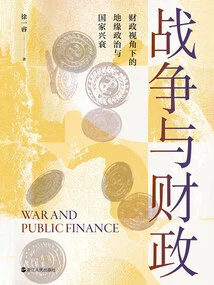
战争与财政(财之道丛书)
Xu Yirui
Decipher the financial code behind the genes of war and interpret the layout of scientific and technological innovation on the chessboard of national power; all crises will eventually transform into financial crises; behind geopolitics is the politics of money.
Decipher the financial code behind the genes of war and interpret the layout of scientific and technological innovation on the chessboard of national power; all crises will eventually transform into financial crises; behind geopolitics is the politics of money.
S
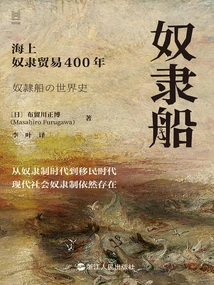
奴隶船:海上奴隶贸易400年
(japan) Masahiro Burukawa
The representative work of Japanese historian Masahiro Furukawa explores the deep logic of the history of human civilization and has been unanimously recommended by Asian, European and American media. This book is a rare ideological work that describes the phenomenon of slave trade in the development of human civilization and combines historical narrative with humanistic thinking. The slave group has existed throughout all periods of human civilization since ancient times. From the 15th to the 18th century, the slave trade reached its peak with the rise of European colonists on the African continent and the Americas. In the past 400 years, the Western world has ushered in political, economic, and military prosperity, but all of this was built on the blood and tears of slaves of all races. Masahiro Burukawa, a well-known Japanese historian and economist, started from the perspective of the maritime slave trade. He used historical stories and data to give a rigorous and detailed description and discussion of the slave trade, slave life, and the slave liberation movement. He revealed in a simple and easy-to-understand way the underlying logic of why the slave trade was repeatedly banned. It is of great reference value for people to understand that dark history as the world today enters an emerging civilization.
The representative work of Japanese historian Masahiro Furukawa explores the deep logic of the history of human civilization and has been unanimously recommended by Asian, European and American media. This book is a rare ideological work that describes the phenomenon of slave trade in the development of human civilization and combines historical narrative with humanistic thinking. The slave group has existed throughout all periods of human civilization since ancient times. From the 15th to the 18th century, the slave trade reached its peak with the rise of European colonists on the African continent and the Americas. In the past 400 years, the Western world has ushered in political, economic, and military prosperity, but all of this was built on the blood and tears of slaves of all races. Masahiro Burukawa, a well-known Japanese historian and economist, started from the perspective of the maritime slave trade. He used historical stories and data to give a rigorous and detailed description and discussion of the slave trade, slave life, and the slave liberation movement. He revealed in a simple and easy-to-understand way the underlying logic of why the slave trade was repeatedly banned. It is of great reference value for people to understand that dark history as the world today enters an emerging civilization.
S
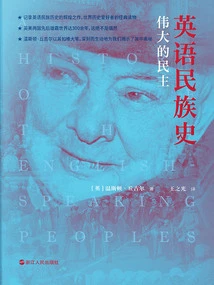
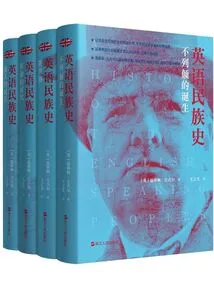
英语民族史:新世界
(english) Winston Churchill
A brilliant work that records the history of the English-speaking nation, it is a classic book for every history lover. A panoramic historical masterpiece by Churchill, winner of the Nobel Prize for Literature and "the greatest Englishman of all time". "A History of the English People" is a book centered on British history, from the origin and development of the English nation to the death of Queen Victoria in 1901. It not only outlines the political, military, economic, cultural, religious, social and other developments of the British in various historical periods; it also fully introduces the birth process of English-speaking countries such as the United States, Canada, Australia and New Zealand and their relationship with the United Kingdom. The author of this book, Winston Churchill, is a world-famous politician, painter, speaker, writer, and journalist. He is considered one of the most important political leaders of the 20th century. He was the winner of the 1953 Nobel Prize for Literature. With profound insight and epic writing, he paints a panoramic historical picture for readers.
A brilliant work that records the history of the English-speaking nation, it is a classic book for every history lover. A panoramic historical masterpiece by Churchill, winner of the Nobel Prize for Literature and "the greatest Englishman of all time". "A History of the English People" is a book centered on British history, from the origin and development of the English nation to the death of Queen Victoria in 1901. It not only outlines the political, military, economic, cultural, religious, social and other developments of the British in various historical periods; it also fully introduces the birth process of English-speaking countries such as the United States, Canada, Australia and New Zealand and their relationship with the United Kingdom. The author of this book, Winston Churchill, is a world-famous politician, painter, speaker, writer, and journalist. He is considered one of the most important political leaders of the 20th century. He was the winner of the 1953 Nobel Prize for Literature. With profound insight and epic writing, he paints a panoramic historical picture for readers.
S
罗马近卫军史纲
Zhang Xiaoxiao
The "Historical Outline of the Roman Guards" edited by Zhang Xiao uses the change of dynasties as a time clue to systematically sort out the history of the development and changes of the Guards over more than 300 years, examines the ins and outs of the Guards, and comments on the history of the formation and development of the Guards. The book consists of eight parts, focusing on the relationship between the Guards and the succession of the throne, thereby examining the status of the Guards in the history of the Roman Empire. During the existence of the Guards, various disputes and civil strife occurred one after another in the Roman Empire for most of the time. Many turmoils were directly related to the Guards. They were not only participants in the turmoil, but sometimes even the initiators. The curve of the social development of the empire coincides with the curve of the evolution of the Guards: when the empire was strong, the Guards also entered a golden period of development. But what this coincidence reflects is that the emperor managed the Guards well. On the contrary, when the incompetent emperors in the history of the empire were in power, the Guards were unscrupulous. The emperor's governance of the Guards and its effectiveness were directly proportional to the peace of the empire. The Guards did not do many good things in the history of the empire. It has a bad reputation and its negative effects far outweigh its positive effects. The overall evaluation of the Guards should not be too high.
The "Historical Outline of the Roman Guards" edited by Zhang Xiao uses the change of dynasties as a time clue to systematically sort out the history of the development and changes of the Guards over more than 300 years, examines the ins and outs of the Guards, and comments on the history of the formation and development of the Guards. The book consists of eight parts, focusing on the relationship between the Guards and the succession of the throne, thereby examining the status of the Guards in the history of the Roman Empire. During the existence of the Guards, various disputes and civil strife occurred one after another in the Roman Empire for most of the time. Many turmoils were directly related to the Guards. They were not only participants in the turmoil, but sometimes even the initiators. The curve of the social development of the empire coincides with the curve of the evolution of the Guards: when the empire was strong, the Guards also entered a golden period of development. But what this coincidence reflects is that the emperor managed the Guards well. On the contrary, when the incompetent emperors in the history of the empire were in power, the Guards were unscrupulous. The emperor's governance of the Guards and its effectiveness were directly proportional to the peace of the empire. The Guards did not do many good things in the history of the empire. It has a bad reputation and its negative effects far outweigh its positive effects. The overall evaluation of the Guards should not be too high.
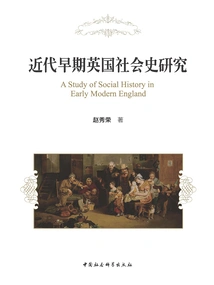
近代早期英国社会史研究
Zhao Xiurong
Early modern Britain was a transitional period from feudal society to capitalist society, and from traditional society to modern society. The pastoral pastoral life in the Middle Ages was challenged unprecedentedly, and society was in a state of change. The rise of capitalism during this period broke the self-sufficient manor economy; the religious reform impacted people's inherent beliefs; the transformation of society broke the original customs and practices. This period saw both the scientific revolution and the development of education, as well as problems such as poverty, rebellion, and witchcraft. This book selects 16 topics for discussion, trying to show readers a picture of British society in the early modern period.
Early modern Britain was a transitional period from feudal society to capitalist society, and from traditional society to modern society. The pastoral pastoral life in the Middle Ages was challenged unprecedentedly, and society was in a state of change. The rise of capitalism during this period broke the self-sufficient manor economy; the religious reform impacted people's inherent beliefs; the transformation of society broke the original customs and practices. This period saw both the scientific revolution and the development of education, as well as problems such as poverty, rebellion, and witchcraft. This book selects 16 topics for discussion, trying to show readers a picture of British society in the early modern period.
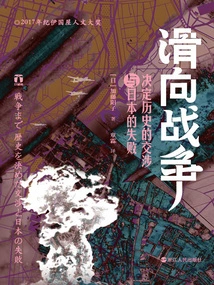
滑向战争:决定历史的交涉与日本的失败(好望角丛书)
Z
2017 Ikuniya Humanities Award, the final work of Kato Yoko's "War Trilogy". Why does Japan, which has been asked three times by the world "Which side to choose", always slides into war? An in-depth analysis of Japan's path to war and the secret of the diplomatic mistakes behind Japan's war. Before the outbreak of the Pacific War in 1941, the world tested Japan's choices through three diplomatic incidents. However, Japan ultimately failed to choose the right path. This book is the last part of the "War Trilogy" by Yoko Kato, a history professor at the University of Tokyo, Japan. It uses diplomatic negotiations as the entry point and focuses on three choices in Japan's history, namely how to deal with the "September 18th" incident, whether to join the German-Italian-Japanese Triple Alliance, and whether the relationship with the United States will be war or peace? Describe in detail the ins and outs of Japan's final "slide" into the vortex of World War II. Based on rigorous historical research and extensive archival materials, the author conducts an in-depth analysis of Japan's political, diplomatic and media environment, analyzes Japan's diplomatic decision-making mistakes before World War II, and reveals the deep reasons why Japan chose the path of war many times in modern history, especially during World War II when it chose to confront the United States and ultimately failed.
2017 Ikuniya Humanities Award, the final work of Kato Yoko's "War Trilogy". Why does Japan, which has been asked three times by the world "Which side to choose", always slides into war? An in-depth analysis of Japan's path to war and the secret of the diplomatic mistakes behind Japan's war. Before the outbreak of the Pacific War in 1941, the world tested Japan's choices through three diplomatic incidents. However, Japan ultimately failed to choose the right path. This book is the last part of the "War Trilogy" by Yoko Kato, a history professor at the University of Tokyo, Japan. It uses diplomatic negotiations as the entry point and focuses on three choices in Japan's history, namely how to deal with the "September 18th" incident, whether to join the German-Italian-Japanese Triple Alliance, and whether the relationship with the United States will be war or peace? Describe in detail the ins and outs of Japan's final "slide" into the vortex of World War II. Based on rigorous historical research and extensive archival materials, the author conducts an in-depth analysis of Japan's political, diplomatic and media environment, analyzes Japan's diplomatic decision-making mistakes before World War II, and reveals the deep reasons why Japan chose the path of war many times in modern history, especially during World War II when it chose to confront the United States and ultimately failed.
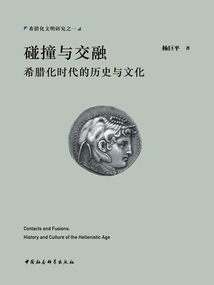
碰撞与交融:希腊化时代的历史与文化
Yang Juping
In 334 BC, Alexander, the King of Macedonia and the commander-in-chief of the Greek coalition, launched his eastern expedition, ushering in the first major collision, exchange, and convergence of ancient Eastern and Western civilizations. Although Alexander died young and his empire quickly fell apart, the Hellenistic world he created lasted for about three centuries across the vast land from the Eastern Mediterranean to the Indus River. Facing the oriental civilization with a long history and profound traditions, the Greek conquerors had to maintain their political rule and cultural advantages while respecting the local culture and absorbing, transforming and utilizing it conditionally. Thus, together with some Hellenistic locals, they created a mixed culture that was mainly Greek elements and compatible with Eastern elements - Hellenistic culture. This culture has a long history and influenced the development direction of European culture through the Roman Empire. It also had a certain degree of contact and integration with Chinese civilization in the Far East through the Silk Road.
In 334 BC, Alexander, the King of Macedonia and the commander-in-chief of the Greek coalition, launched his eastern expedition, ushering in the first major collision, exchange, and convergence of ancient Eastern and Western civilizations. Although Alexander died young and his empire quickly fell apart, the Hellenistic world he created lasted for about three centuries across the vast land from the Eastern Mediterranean to the Indus River. Facing the oriental civilization with a long history and profound traditions, the Greek conquerors had to maintain their political rule and cultural advantages while respecting the local culture and absorbing, transforming and utilizing it conditionally. Thus, together with some Hellenistic locals, they created a mixed culture that was mainly Greek elements and compatible with Eastern elements - Hellenistic culture. This culture has a long history and influenced the development direction of European culture through the Roman Empire. It also had a certain degree of contact and integration with Chinese civilization in the Far East through the Silk Road.
S
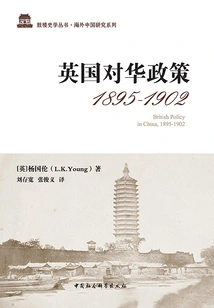
英国对华政策(1895—1902)
(uk) Yang Guolun
This book discusses a very important period in Sino-British relations. After the Sino-Japanese Sino-Japanese War of 1894-1895, China under the rule of the Qing Dynasty became the target of carving up by the imperialist powers and began to become a semi-colonial country. On the side of the aggressor, with the rise of emerging powers such as the United States, Japan, and Germany in the Far East, the British interests in China, which were once the most prosperous "empire on which the sun never sets," faced severe challenges. In response to this new change in the situation, the third British Salisbury Cabinet had to adjust its China policy. It shifted from viewing China as a taboo of the United Kingdom to participating in the division of the spheres of influence of the great powers in China. It also began to abandon its traditional policy of "glorious isolation" and tried to find allies. In 1902, Britain and Japan concluded the "Anglo-Japanese Alliance", which marked a major historical turning point in British foreign policy compared with the past.
This book discusses a very important period in Sino-British relations. After the Sino-Japanese Sino-Japanese War of 1894-1895, China under the rule of the Qing Dynasty became the target of carving up by the imperialist powers and began to become a semi-colonial country. On the side of the aggressor, with the rise of emerging powers such as the United States, Japan, and Germany in the Far East, the British interests in China, which were once the most prosperous "empire on which the sun never sets," faced severe challenges. In response to this new change in the situation, the third British Salisbury Cabinet had to adjust its China policy. It shifted from viewing China as a taboo of the United Kingdom to participating in the division of the spheres of influence of the great powers in China. It also began to abandon its traditional policy of "glorious isolation" and tried to find allies. In 1902, Britain and Japan concluded the "Anglo-Japanese Alliance", which marked a major historical turning point in British foreign policy compared with the past.
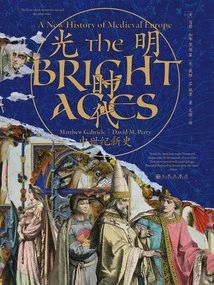
光明时代:中世纪新史
(u. S.) Matthew Gabriele (u. S.) David M. Perry
For a long time, the "Middle Ages" has been a symbol of Western historical narrative, a "dark age" of ignorance and stagnation before modern times. "Age of Light" looks back at the thousand-year history of the Middle Ages from a new perspective, starting from the chapel of Ravenna and ending with the poet Dante, re-examining the fall of Rome, the rise of Byzantium, the rule of Charlemagne, the migration of the Vikings, the expansion of the Arabs, the legend of miracles, and the Black Death Disease, as well as the impact of the Mongols, show us the continuation of Roman culture in the Middle Ages, the flow of people, materials, and culture between different ethnic groups and regions, the coexistence and conflict of different traditions, and rediscover the history of non-centered groups such as women, Arabs, and Jews. This book points out that historical narratives centered on white Western men serve real politics and obscure the true face of the Middle Ages. In fact, the Middle Ages were a "bright age" where material and spirituality continued to flow, and all kinds of beauty and terror coexisted.
For a long time, the "Middle Ages" has been a symbol of Western historical narrative, a "dark age" of ignorance and stagnation before modern times. "Age of Light" looks back at the thousand-year history of the Middle Ages from a new perspective, starting from the chapel of Ravenna and ending with the poet Dante, re-examining the fall of Rome, the rise of Byzantium, the rule of Charlemagne, the migration of the Vikings, the expansion of the Arabs, the legend of miracles, and the Black Death Disease, as well as the impact of the Mongols, show us the continuation of Roman culture in the Middle Ages, the flow of people, materials, and culture between different ethnic groups and regions, the coexistence and conflict of different traditions, and rediscover the history of non-centered groups such as women, Arabs, and Jews. This book points out that historical narratives centered on white Western men serve real politics and obscure the true face of the Middle Ages. In fact, the Middle Ages were a "bright age" where material and spirituality continued to flow, and all kinds of beauty and terror coexisted.
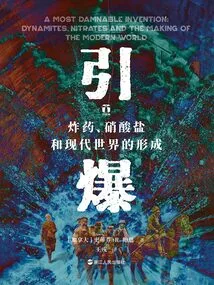
引爆:炸药、硝酸盐和现代世界的形成(好望角丛书)
(add) Stephen R. Bowen
A history of explosives, but also a history of human nature full of contradictions and struggles. With the sharp rise in explosive consumption, countries around the world have launched fierce competition around the scarce natural resource of saltpeter. It can be said that the value of saltpeter in the 19th century is no less than that of oil in the 21st century. Both are the underlying causes of international competition and power struggles. In order to get rid of the constraints of resources, German scientist Fritz Haber solved the technical problem of artificial nitrogen fixation. This breakthrough became the basis for the Green Revolution, which allowed the population to grow dramatically. Haber also developed poison gas during the war and is considered the father of gas warfare. For this reason, when he won the Nobel Prize in Chemistry, the international community expressed strong indignation and condemnation. This book tells a story about human beings, including their obsession with science, their trampling on morality, and the inherent irony of history. This story proves that humans can burst into amazing creativity during war, and it also reminds us that history is cyclical, and past solutions often create new problems that need to be solved.
A history of explosives, but also a history of human nature full of contradictions and struggles. With the sharp rise in explosive consumption, countries around the world have launched fierce competition around the scarce natural resource of saltpeter. It can be said that the value of saltpeter in the 19th century is no less than that of oil in the 21st century. Both are the underlying causes of international competition and power struggles. In order to get rid of the constraints of resources, German scientist Fritz Haber solved the technical problem of artificial nitrogen fixation. This breakthrough became the basis for the Green Revolution, which allowed the population to grow dramatically. Haber also developed poison gas during the war and is considered the father of gas warfare. For this reason, when he won the Nobel Prize in Chemistry, the international community expressed strong indignation and condemnation. This book tells a story about human beings, including their obsession with science, their trampling on morality, and the inherent irony of history. This story proves that humans can burst into amazing creativity during war, and it also reminds us that history is cyclical, and past solutions often create new problems that need to be solved.
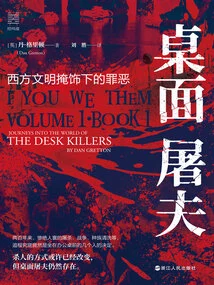
桌面屠夫:西方文明掩饰下的罪恶(经纬度丛书)
S
The ways of killing may have changed, but the desktop butcher is still with us. Over the past century, the brutal massacres, wars, ethnic cleansing, etc. Were ultimately the decisions of a few people sitting in an office. The author of this book spent more than 20 years traveling around the world, reviewing thousands of archival documents and testimonies to write this book. The content includes the murder of local indigenous people in Nigeria by Dutch oil companies, how the Swiss Sula Group provided mobile gas chambers to the Nazis during World War II, the meeting memos and the stories behind the Nazi Wannsee Conference, how the colonists carried out genocide against the indigenous Maori people in Australia, etc. This book gives us an in-depth understanding of the psychological state of these desktop butchers, and is also his personal reflection on capitalism and nationalism. The historical research and analysis in the book are interspersed with the author's walks in the woods reflecting on lost love and the moral dilemmas that humans have continued to face for thousands of years.
The ways of killing may have changed, but the desktop butcher is still with us. Over the past century, the brutal massacres, wars, ethnic cleansing, etc. Were ultimately the decisions of a few people sitting in an office. The author of this book spent more than 20 years traveling around the world, reviewing thousands of archival documents and testimonies to write this book. The content includes the murder of local indigenous people in Nigeria by Dutch oil companies, how the Swiss Sula Group provided mobile gas chambers to the Nazis during World War II, the meeting memos and the stories behind the Nazi Wannsee Conference, how the colonists carried out genocide against the indigenous Maori people in Australia, etc. This book gives us an in-depth understanding of the psychological state of these desktop butchers, and is also his personal reflection on capitalism and nationalism. The historical research and analysis in the book are interspersed with the author's walks in the woods reflecting on lost love and the moral dilemmas that humans have continued to face for thousands of years.
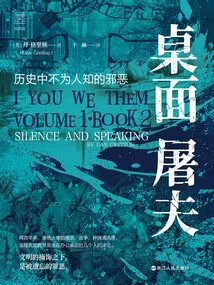
桌面屠夫:历史中不为人知的邪恶(经纬度丛书)
S
Beneath the cover of civilization lies forgotten sin. A book that understands how government officials or business executives kill people at the table, and the moral dilemmas that humans have faced for thousands of years. The author spent more than 20 years traveling around the world, reviewing thousands of archives and testimonies to write this book. The content includes the murder of local indigenous people in Nigeria by Dutch oil companies, how the Swiss Sula Group provided mobile gas chambers to the Nazis during World War II, the meeting memos and the stories behind the Nazi Wannsee Conference, how the colonists carried out genocide against the indigenous Maori people in Australia, etc. This book gives us an in-depth understanding of the psychological state of these desktop butchers, and is also his personal reflection on capitalism and nationalism. The historical research and analysis in the book are interspersed with the author's walks in the woods reflecting on lost love and the moral dilemmas that humans have continued to face for thousands of years.
Beneath the cover of civilization lies forgotten sin. A book that understands how government officials or business executives kill people at the table, and the moral dilemmas that humans have faced for thousands of years. The author spent more than 20 years traveling around the world, reviewing thousands of archives and testimonies to write this book. The content includes the murder of local indigenous people in Nigeria by Dutch oil companies, how the Swiss Sula Group provided mobile gas chambers to the Nazis during World War II, the meeting memos and the stories behind the Nazi Wannsee Conference, how the colonists carried out genocide against the indigenous Maori people in Australia, etc. This book gives us an in-depth understanding of the psychological state of these desktop butchers, and is also his personal reflection on capitalism and nationalism. The historical research and analysis in the book are interspersed with the author's walks in the woods reflecting on lost love and the moral dilemmas that humans have continued to face for thousands of years.
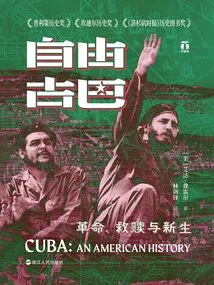
自由古巴:革命、救赎与新生(好望角丛书)
(us) Ida Ferrell
With the Spanish-American War at the end of the 19th century, the Spanish colonists retired sadly, but the newly born Republic of Cuba (1902-1959) was quickly controlled by the United States and became the spoils of the latter's foreign expansion policy. It had to start a new round of struggle for independence and freedom. In 1959, the Cuban revolution led by Castro succeeded, and Cubans finally established the independent country they had longed for. The United States, this dangerous and powerful neighbor, has never taken its eyes off Cuba. In fact, this five-century history of Cuba is not only a history of the Cuban people's pursuit of freedom and liberation, but also a history of slavery, sugar industrial parks, colonialism and national revolution. It is also a history of the intricate relationship between Cuba and the United States. By reading up close the development of Cuba, we will witness her glorious history from conquest and slavery to freedom and independence. The mirror of Cuba also reflects the process of the United States gradually gaining world hegemony over the past 100 years. It is worth mentioning that this book never limits its perspective to individual great figures. Those who sewed under the faint fluorescent light of the slave cabins, those who took up arms in the revolution, those who did not leave their names in official history, are the real protagonists of Cuban history.
With the Spanish-American War at the end of the 19th century, the Spanish colonists retired sadly, but the newly born Republic of Cuba (1902-1959) was quickly controlled by the United States and became the spoils of the latter's foreign expansion policy. It had to start a new round of struggle for independence and freedom. In 1959, the Cuban revolution led by Castro succeeded, and Cubans finally established the independent country they had longed for. The United States, this dangerous and powerful neighbor, has never taken its eyes off Cuba. In fact, this five-century history of Cuba is not only a history of the Cuban people's pursuit of freedom and liberation, but also a history of slavery, sugar industrial parks, colonialism and national revolution. It is also a history of the intricate relationship between Cuba and the United States. By reading up close the development of Cuba, we will witness her glorious history from conquest and slavery to freedom and independence. The mirror of Cuba also reflects the process of the United States gradually gaining world hegemony over the past 100 years. It is worth mentioning that this book never limits its perspective to individual great figures. Those who sewed under the faint fluorescent light of the slave cabins, those who took up arms in the revolution, those who did not leave their names in official history, are the real protagonists of Cuban history.
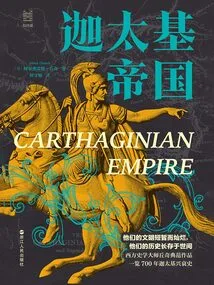
迦太基帝国(经纬度丛书)
(uk) Alfred Church
Why did the once brilliant Carthage Empire collapse after more than 700 years of prosperity? What important implications does its rise and fall have for future generations? In order to answer these questions, modern British historian Alfred Church carefully combed through a large amount of historical materials, explored all the historical fragments of the former Mediterranean overlords, and completed this book describing the history of Carthage. He has worked hard for many years and mastered the classics, carefully sketching the old appearance of Carthage, describing in detail the entire process of Carthage from its establishment, rise to fall, exploring the culture of Carthage and the national characteristics of the Phoenicians, and shaping the image of the famous Carthage general Hannibal as a brave and good warrior, making this book an authoritative work for readers to study and learn the history of Carthage.
Why did the once brilliant Carthage Empire collapse after more than 700 years of prosperity? What important implications does its rise and fall have for future generations? In order to answer these questions, modern British historian Alfred Church carefully combed through a large amount of historical materials, explored all the historical fragments of the former Mediterranean overlords, and completed this book describing the history of Carthage. He has worked hard for many years and mastered the classics, carefully sketching the old appearance of Carthage, describing in detail the entire process of Carthage from its establishment, rise to fall, exploring the culture of Carthage and the national characteristics of the Phoenicians, and shaping the image of the famous Carthage general Hannibal as a brave and good warrior, making this book an authoritative work for readers to study and learn the history of Carthage.
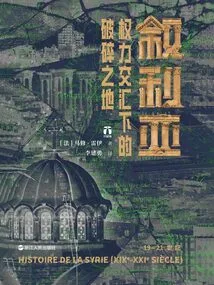
叙利亚:权力交汇下的破碎之地(好望角丛书)
(france) Mathieu Rey
Get a complete understanding of Syria from this book. It is one of the few good books in China that analyzes the modern history of Syria and reveals the root causes of Syria's turmoil. Its time period extends to the present day, and its analysis of the birth of the Syrian state not only explains the foundations of contemporary Syria, but also reveals the roots of Syria's turmoil. It shows in detail the various forces that emerged in Syria due to social, geographical, political and ethnic differences - the confrontation between European forces such as the Ottomans, Egypt, Britain and France, as well as local elite forces, as well as Syria's attempts to establish a national constitutional government after independence, and why the military finally controlled the political discourse. The history of Syria is also a microcosm of many Arab countries.
Get a complete understanding of Syria from this book. It is one of the few good books in China that analyzes the modern history of Syria and reveals the root causes of Syria's turmoil. Its time period extends to the present day, and its analysis of the birth of the Syrian state not only explains the foundations of contemporary Syria, but also reveals the roots of Syria's turmoil. It shows in detail the various forces that emerged in Syria due to social, geographical, political and ethnic differences - the confrontation between European forces such as the Ottomans, Egypt, Britain and France, as well as local elite forces, as well as Syria's attempts to establish a national constitutional government after independence, and why the military finally controlled the political discourse. The history of Syria is also a microcosm of many Arab countries.
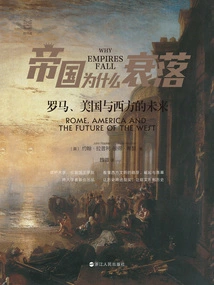
Why Empires Fell: Rome, America, and the Future of the West (latitudes and Longitudes Series)
History帝国为什么衰落:罗马、美国与西方的未来(经纬度丛书)
(us) John Rapley (us) Peter Heather
This book is a humanistic thought work that combines international politics with historical narrative. In the past three centuries, the Western world has risen and dominated the earth. It has led the countries in Asia, Africa and Latin America in science and technology, economy, and culture, and has encouraged other parts of the world to follow their lifestyles and ideas. However, at the turn of the millennium, faced with economic stagnation and internal political divisions, the Western world found itself in decline, much like the Roman Empire. In this book, political economist John Rapley and historian Peter Heather use the history of the Roman Empire to rethink and interpret the crisis state of the contemporary West. From a novel perspective, they use unique case analysis to explore the incredible similarities and differences between Rome and the United States, and deconstruct how Western civilization meets challenges and gains new life. At a time when the world situation is changing rapidly, this book has great reference value for ordinary people to understand history and the current situation.
This book is a humanistic thought work that combines international politics with historical narrative. In the past three centuries, the Western world has risen and dominated the earth. It has led the countries in Asia, Africa and Latin America in science and technology, economy, and culture, and has encouraged other parts of the world to follow their lifestyles and ideas. However, at the turn of the millennium, faced with economic stagnation and internal political divisions, the Western world found itself in decline, much like the Roman Empire. In this book, political economist John Rapley and historian Peter Heather use the history of the Roman Empire to rethink and interpret the crisis state of the contemporary West. From a novel perspective, they use unique case analysis to explore the incredible similarities and differences between Rome and the United States, and deconstruct how Western civilization meets challenges and gains new life. At a time when the world situation is changing rapidly, this book has great reference value for ordinary people to understand history and the current situation.
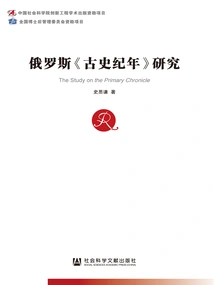
俄罗斯《古史纪年》研究
Shi Siqian
As a work that combines literature and history, the early Russian chronicle "Ancient History" has particularly unique text construction characteristics. Ancient Russian chroniclers tried to give the ancient Russian nation a sacred and legal origin derived from the Bible and construct the "sacred history" of the ancient Russian nation. The study of religious and national ideological dimensions is also an important dimension in the study of "Ancient History". This book strives to analyze the above three dimensions to study the chronicle text of "Ancient History" and its important role and significance in the origin, origin and development of the entire Russian national thought.
As a work that combines literature and history, the early Russian chronicle "Ancient History" has particularly unique text construction characteristics. Ancient Russian chroniclers tried to give the ancient Russian nation a sacred and legal origin derived from the Bible and construct the "sacred history" of the ancient Russian nation. The study of religious and national ideological dimensions is also an important dimension in the study of "Ancient History". This book strives to analyze the above three dimensions to study the chronicle text of "Ancient History" and its important role and significance in the origin, origin and development of the entire Russian national thought.
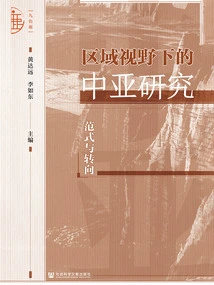
区域视野下的中亚研究:范式与转向
Li Rudong Editor-in-chief Huang Dayuan
This book places Central Asia in the broad perspective of global history and discusses the study of Central Asian history from the perspectives of theories, methods, and specific issues. The first article is "The Belt and Road Initiative and Regional Studies". From the perspective of the "Belt and Road Initiative", from the perspective of world history, it examines the historical status of Central Asia in ancient history, emphasizing that Central Asia was the center connecting the Eurasian continent in ancient times; the second article "Emphasis on "Thinking about 'Central Asia'", mainly discusses the history of Central Asia in the 18th and 19th centuries in pre-modern times; the third part, "'Central Asia' in Transformation", focuses on academic history and discusses the relevant disciplinary construction, paradigm and discourse transformation of my country's Central Asian history research since 1949.
This book places Central Asia in the broad perspective of global history and discusses the study of Central Asian history from the perspectives of theories, methods, and specific issues. The first article is "The Belt and Road Initiative and Regional Studies". From the perspective of the "Belt and Road Initiative", from the perspective of world history, it examines the historical status of Central Asia in ancient history, emphasizing that Central Asia was the center connecting the Eurasian continent in ancient times; the second article "Emphasis on "Thinking about 'Central Asia'", mainly discusses the history of Central Asia in the 18th and 19th centuries in pre-modern times; the third part, "'Central Asia' in Transformation", focuses on academic history and discusses the relevant disciplinary construction, paradigm and discourse transformation of my country's Central Asian history research since 1949.
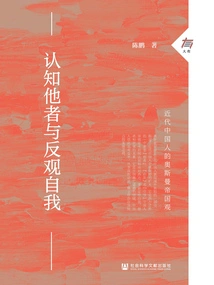
认知他者与反观自我:近代中国人的奥斯曼帝国观
Chen Peng
The Ottoman Empire was a special "other" in the process of modern Chinese people's understanding of the world and self-reflection. This book systematically sorts out the historical background and documentary sources of modern Chinese people's understanding of the Ottoman Empire, and grasps it from three levels: "Knowledge description and dissemination of the Ottoman Empire", "Ottoman Empire image and Chinese people's self-perception", and "References and reflections on the history of the development of the Ottoman Empire". It believes that the introduction of Ottoman Empire knowledge brought many new changes to modern China and also reflected many characteristics of Chinese social development. The history of modern Chinese people's perception of Ottoman-Turkey is actually the history of Chinese people's self-understanding. It is a unique history of exploration by modern Chinese people in thinking about the path to national salvation and development.
The Ottoman Empire was a special "other" in the process of modern Chinese people's understanding of the world and self-reflection. This book systematically sorts out the historical background and documentary sources of modern Chinese people's understanding of the Ottoman Empire, and grasps it from three levels: "Knowledge description and dissemination of the Ottoman Empire", "Ottoman Empire image and Chinese people's self-perception", and "References and reflections on the history of the development of the Ottoman Empire". It believes that the introduction of Ottoman Empire knowledge brought many new changes to modern China and also reflected many characteristics of Chinese social development. The history of modern Chinese people's perception of Ottoman-Turkey is actually the history of Chinese people's self-understanding. It is a unique history of exploration by modern Chinese people in thinking about the path to national salvation and development.
欧美史研究(第3辑)
Wang Chao Editor-in-chief Xin Meili
"European and American History Research" is a collection of results completed in China from 2018 to 2019 by the European and American Modern History Department of the Institute of World History, Chinese Academy of Social Sciences. This book is the third volume, divided into two parts: special research and academic review, including 8 special studies and 12 academic reviews. These articles involve the political history, economic history, diplomatic history, social and cultural history of Europe and the Americas, etc., Or belong to domestic cutting-edge issues, or have made breakthroughs in traditional research fields, or summarized and analyzed the research status of related fields at home and abroad in the past two years.
"European and American History Research" is a collection of results completed in China from 2018 to 2019 by the European and American Modern History Department of the Institute of World History, Chinese Academy of Social Sciences. This book is the third volume, divided into two parts: special research and academic review, including 8 special studies and 12 academic reviews. These articles involve the political history, economic history, diplomatic history, social and cultural history of Europe and the Americas, etc., Or belong to domestic cutting-edge issues, or have made breakthroughs in traditional research fields, or summarized and analyzed the research status of related fields at home and abroad in the past two years.