Library
Browse and search books
4,115 novels found
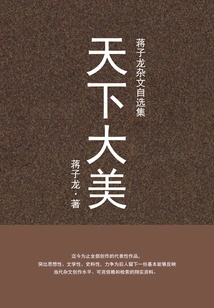
天下大美:蒋子龙杂文自选集
Jiang Zilong
This book contains more than 80 fine essays by writer and essayist Jiang Zilong. With his novelist's unique perspective and sophisticated artistic skills, he has created a small number of excellent essays that are both strong and soft, and fascinating. The contents include: "A dead tree appears again in the city", "Brother" in 2010", "Folk remedies to cure serious diseases", "Don't be afraid of "taking off"", "No farting", "Bald head" and so on.
This book contains more than 80 fine essays by writer and essayist Jiang Zilong. With his novelist's unique perspective and sophisticated artistic skills, he has created a small number of excellent essays that are both strong and soft, and fascinating. The contents include: "A dead tree appears again in the city", "Brother" in 2010", "Folk remedies to cure serious diseases", "Don't be afraid of "taking off"", "No farting", "Bald head" and so on.
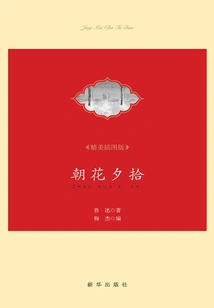
朝花夕拾
Lu Xun
"Morning Blossoms Plucked at Dusk" is Mr. Lu Xun's well-known collection of reminiscence essays. It relatively completely records his life experience and ideological context from childhood to youth. While shaping some distinctive characters, it also integrates these memories into rational thinking. It is a warm and beneficial read. "Wild Grass" is the only collection of prose poems by Mr. Lu Xun in his creative career, which contains twenty-three prose poems. According to Mr. Lu Xun, these works contain his own philosophy of life throughout his life. The whole book expresses his disappointment and resentment towards reality with tortuous and obscure symbolic techniques. The writing style is profound and timeless, and the imagery is mysterious and beautiful. It is a classic masterpiece in modern Chinese poetry. At the same time, it is also an important material for studying Mr. Lu Xun's thoughts.
"Morning Blossoms Plucked at Dusk" is Mr. Lu Xun's well-known collection of reminiscence essays. It relatively completely records his life experience and ideological context from childhood to youth. While shaping some distinctive characters, it also integrates these memories into rational thinking. It is a warm and beneficial read. "Wild Grass" is the only collection of prose poems by Mr. Lu Xun in his creative career, which contains twenty-three prose poems. According to Mr. Lu Xun, these works contain his own philosophy of life throughout his life. The whole book expresses his disappointment and resentment towards reality with tortuous and obscure symbolic techniques. The writing style is profound and timeless, and the imagery is mysterious and beautiful. It is a classic masterpiece in modern Chinese poetry. At the same time, it is also an important material for studying Mr. Lu Xun's thoughts.
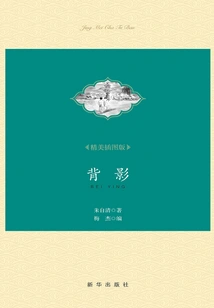
Back View
Literature背影
Zhu Ziqing
"Back View" is Zhu Ziqing's most famous collection of essays. His essay of the same name, "Back View", is a classic retrospective documentary lyrical prose in the history of modern Chinese literature and has been selected into junior high school Chinese textbooks many times. This book includes Zhu Ziqing's representative works such as "Back View", "Moonlight over the Lotus Pond", "Hurry", and "Qinhuai River in the Shadow of Oars and Lights", as well as his travel notes and essays in Europe and London, as well as his daily essays. These articles are extremely rich in ideological connotation and are classic works that represent the highest achievement of Zhu Ziqing's prose. They are worthy of repeated reading and understanding by generations of young people.
"Back View" is Zhu Ziqing's most famous collection of essays. His essay of the same name, "Back View", is a classic retrospective documentary lyrical prose in the history of modern Chinese literature and has been selected into junior high school Chinese textbooks many times. This book includes Zhu Ziqing's representative works such as "Back View", "Moonlight over the Lotus Pond", "Hurry", and "Qinhuai River in the Shadow of Oars and Lights", as well as his travel notes and essays in Europe and London, as well as his daily essays. These articles are extremely rich in ideological connotation and are classic works that represent the highest achievement of Zhu Ziqing's prose. They are worthy of repeated reading and understanding by generations of young people.
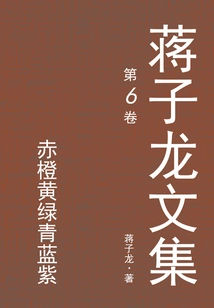
蒋子龙文集6:赤橙黄绿青蓝紫
Jiang Zilong
This is the novella volume in "The Collected Works of Jiang Zilong". This volume mainly collects the author's representative works and famous works in different periods. In this volume, the author's writing techniques have changed greatly, and the themes are diverse, such as "Pioneers", "Arclight", "Review", etc. The protagonists also involve all aspects, including doctors, farmers, entrepreneurs, prisoners, etc. It is a great display of modern life and a revelation of various human characteristics.
This is the novella volume in "The Collected Works of Jiang Zilong". This volume mainly collects the author's representative works and famous works in different periods. In this volume, the author's writing techniques have changed greatly, and the themes are diverse, such as "Pioneers", "Arclight", "Review", etc. The protagonists also involve all aspects, including doctors, farmers, entrepreneurs, prisoners, etc. It is a great display of modern life and a revelation of various human characteristics.
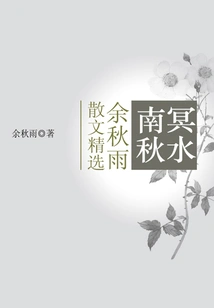
南冥秋水:余秋雨散文精选
Yu Qiuyu
This book contains the works of Yu Qiuyu, one of the eight major contemporary Chinese prose writers. These proses are rich in content, including the beautiful scenery of the south of the Yangtze River with beautiful scenery, small bridges and flowing water, and scenes of the capital such as small courtyards and small alleys. From the perspective of childhood, he writes about ordinary people's trivial matters, records nostalgia and folk customs, talks about flowers, birds, insects and fish, examines poems and allusions, and improvises his occasional thoughts and narrations. The spiritual temperament and artistic charm of the work exert a strong influence on readers, and they can feel a unique joy of being a little person from Zhongyou.
This book contains the works of Yu Qiuyu, one of the eight major contemporary Chinese prose writers. These proses are rich in content, including the beautiful scenery of the south of the Yangtze River with beautiful scenery, small bridges and flowing water, and scenes of the capital such as small courtyards and small alleys. From the perspective of childhood, he writes about ordinary people's trivial matters, records nostalgia and folk customs, talks about flowers, birds, insects and fish, examines poems and allusions, and improvises his occasional thoughts and narrations. The spiritual temperament and artistic charm of the work exert a strong influence on readers, and they can feel a unique joy of being a little person from Zhongyou.
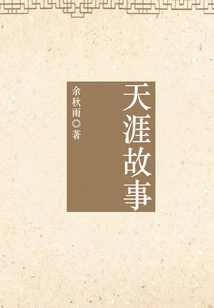
Tianya Story
Literature天涯故事
Yu Qiuyu
Yu Qiuyu is both famous and criticized. But when you follow him into the millennium courtyard and touch the millennium context of the ancient Chinese country; when you follow him into the vast desert and point your fingers at the Taoist priests who shed tears in Dunhuang; when you follow him into the depths of Su Dongpo's heart, lamenting that great talents fell at the hands of villains; when you follow him into the back of a dynasty and meditate on the rights and wrongs of three hundred years... You will suddenly realize: Yu Qiuyu's fame is justified!
Yu Qiuyu is both famous and criticized. But when you follow him into the millennium courtyard and touch the millennium context of the ancient Chinese country; when you follow him into the vast desert and point your fingers at the Taoist priests who shed tears in Dunhuang; when you follow him into the depths of Su Dongpo's heart, lamenting that great talents fell at the hands of villains; when you follow him into the back of a dynasty and meditate on the rights and wrongs of three hundred years... You will suddenly realize: Yu Qiuyu's fame is justified!
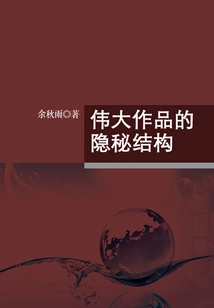
The Hidden Structure of Great Works
Literature伟大作品的隐秘结构
Yu Qiuyu
This book is Mr. Yu Qiuyu's masterpiece of artistic essays. It was published in the late 1980s and has been reprinted many times over the past 20 years, winning Yu Qiuyu great reputation. The writing is very smooth and as enjoyable as a cultural prose. This book is a brief tutorial suitable for the practice of artistic creation. The author uses international aesthetic thinking and his own aesthetic experience as standards to construct a concise, lightweight and rich theoretical framework, allowing readers to understand the deep mysteries of artistic creation without knowing it.
This book is Mr. Yu Qiuyu's masterpiece of artistic essays. It was published in the late 1980s and has been reprinted many times over the past 20 years, winning Yu Qiuyu great reputation. The writing is very smooth and as enjoyable as a cultural prose. This book is a brief tutorial suitable for the practice of artistic creation. The author uses international aesthetic thinking and his own aesthetic experience as standards to construct a concise, lightweight and rich theoretical framework, allowing readers to understand the deep mysteries of artistic creation without knowing it.
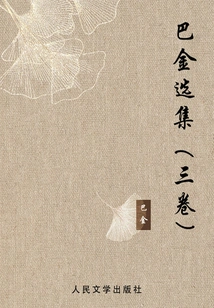
Selected Works of Ba Jin (three Volumes)
Literature巴金选集(三卷)
I
Among Ba Jin's many novels, "The Torrent Trilogy", which consists of three novels: "Home", "Spring" and "Autumn", is the most accomplished and influential work. "The Torrent Trilogy" is set in the Chengdu area of Sichuan in the early 1920s after the May 4th Movement. It describes the history of the collapse of a large feudal family (the Gao family) in the new revolutionary period. The work unfolds the entire family life of a feudal bureaucrat and ruthlessly exposes the decadence of the feudal landlord class and the hypocrisy and cruelty of feudal ethics. "Selected Works of Ba Jin (Volume 3)" is "Autumn" in "The Torrent Trilogy".
Among Ba Jin's many novels, "The Torrent Trilogy", which consists of three novels: "Home", "Spring" and "Autumn", is the most accomplished and influential work. "The Torrent Trilogy" is set in the Chengdu area of Sichuan in the early 1920s after the May 4th Movement. It describes the history of the collapse of a large feudal family (the Gao family) in the new revolutionary period. The work unfolds the entire family life of a feudal bureaucrat and ruthlessly exposes the decadence of the feudal landlord class and the hypocrisy and cruelty of feudal ethics. "Selected Works of Ba Jin (Volume 3)" is "Autumn" in "The Torrent Trilogy".
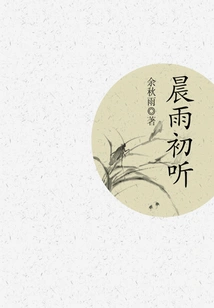
Morning Rain First Heard
Literature晨雨初听
Yu Qiuyu
This book is a collection of Yu Qiuyu's essays, including "Young People's Reading", "Searching for Cultural Scenes", "The Back of a Dynasty", "Distant Death", "The Last Lesson", "The Last Wisdom of Life" and other articles. This is a book compiled for students. Young students read some literature and learn some writing, not mainly to become writers in the future. When literature is seen as a non-professional life quality, and when writing is seen as an inter-professional social training, they will become truly important. Only in this way can excellent professional writers have a broader acceptance platform.
This book is a collection of Yu Qiuyu's essays, including "Young People's Reading", "Searching for Cultural Scenes", "The Back of a Dynasty", "Distant Death", "The Last Lesson", "The Last Wisdom of Life" and other articles. This is a book compiled for students. Young students read some literature and learn some writing, not mainly to become writers in the future. When literature is seen as a non-professional life quality, and when writing is seen as an inter-professional social training, they will become truly important. Only in this way can excellent professional writers have a broader acceptance platform.
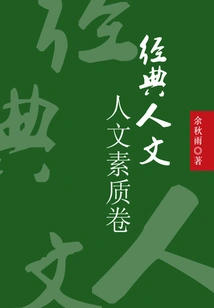
经典人文:人文素质卷
Yu Qiuyu
This book is a series of readings edited by the famous writer Yu Qiuyu. It contains many classic ideological, humanistic and social science articles and has strong reading and collection value. There is great stability in the realm of soul and spirit. There are also flying clouds and unpredictable changes, but you can see the deep starry sky every night. Flowers will bloom and fall there, and time will not stand, but it cannot change the mountains and rivers of the ages. Those Nordic heroes saw the deep starry sky and ancient mountains and rivers in this field and rewrote their lives.
This book is a series of readings edited by the famous writer Yu Qiuyu. It contains many classic ideological, humanistic and social science articles and has strong reading and collection value. There is great stability in the realm of soul and spirit. There are also flying clouds and unpredictable changes, but you can see the deep starry sky every night. Flowers will bloom and fall there, and time will not stand, but it cannot change the mountains and rivers of the ages. Those Nordic heroes saw the deep starry sky and ancient mountains and rivers in this field and rewrote their lives.
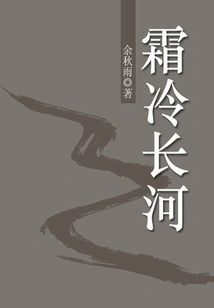
Frost Cold River
Literature霜冷长河
Yu Qiuyu
"The Frost-Cold River" is divided into four volumes, with the main content being: Volume One: Warriors, Mid-Autumn Festival, Glass, Fishing, Teachers, Elders; Volume Two: About Friendship, About Reputation, About Rumors, About Jealousy, About Kindness, About Age, and the Last Lesson; Volume Three: The Kidnapper's Paper Tasks, Intelligent Nightmares, Cultural Sensitive Zones, Such Men, The Fable of the Bridge, The Reality of Regret, Components of the Hydrogen Bomb, Wandering Women in Troubled Times, Colorful Questions, Expanding Snowballs, The Wolf in the Heart, Reducing Oneself; Series 4: Replying to Letters under the Lamp, Covering the Book and Meditating, and Swing Frame.
"The Frost-Cold River" is divided into four volumes, with the main content being: Volume One: Warriors, Mid-Autumn Festival, Glass, Fishing, Teachers, Elders; Volume Two: About Friendship, About Reputation, About Rumors, About Jealousy, About Kindness, About Age, and the Last Lesson; Volume Three: The Kidnapper's Paper Tasks, Intelligent Nightmares, Cultural Sensitive Zones, Such Men, The Fable of the Bridge, The Reality of Regret, Components of the Hydrogen Bomb, Wandering Women in Troubled Times, Colorful Questions, Expanding Snowballs, The Wolf in the Heart, Reducing Oneself; Series 4: Replying to Letters under the Lamp, Covering the Book and Meditating, and Swing Frame.
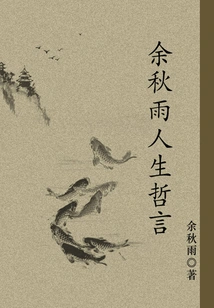
Yu Qiuyu's Life Philosophy
Literature余秋雨人生哲言
Yu Qiuyu
This book is a selection from all the works of Mr. Yu Qiuyu. The whole book is divided into sixteen chapters, which are about the taste of life, personal dignity, etc. All revolve around the theme of "life". Yu Qiuyu added a lot of new content to this book, which is the first time he has published it since he "closed the pen". His writing style and ideological accumulation are obviously different from his previous works. The entire selection of quotations strives to reflect the unique "Yu Qiuyu characteristics".
This book is a selection from all the works of Mr. Yu Qiuyu. The whole book is divided into sixteen chapters, which are about the taste of life, personal dignity, etc. All revolve around the theme of "life". Yu Qiuyu added a lot of new content to this book, which is the first time he has published it since he "closed the pen". His writing style and ideological accumulation are obviously different from his previous works. The entire selection of quotations strives to reflect the unique "Yu Qiuyu characteristics".
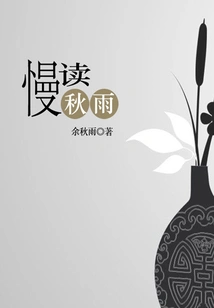
Slow Reading Qiu Yu
Literature慢读秋雨
Yu Qiuyu
This is a collection of essays, with the theme of slow life, more than 20 articles selected from the author's old articles, totaling about 130,000 words, divided into four groups, namely "Slowly Walking in China", "Slowly Viewing the World", "Slowly Enjoying the Beauty", and "Slowly Savoring the Floating Life". "Slowly Walking in China" is a cultural essay about Yu Qiuyu's personal inspection of the key sites of Chinese culture; "Slowly Viewing the World" is a travel essay about Yu Qiuyu's exploration of ancient civilization sites in the world such as Rome, Egypt, and Iraq; "Slowly Enjoying the Beauty" is Yu Qiuyu's appreciation of China's three unique cultural masterpieces: Kun Opera, calligraphy and Pu'er tea.
This is a collection of essays, with the theme of slow life, more than 20 articles selected from the author's old articles, totaling about 130,000 words, divided into four groups, namely "Slowly Walking in China", "Slowly Viewing the World", "Slowly Enjoying the Beauty", and "Slowly Savoring the Floating Life". "Slowly Walking in China" is a cultural essay about Yu Qiuyu's personal inspection of the key sites of Chinese culture; "Slowly Viewing the World" is a travel essay about Yu Qiuyu's exploration of ancient civilization sites in the world such as Rome, Egypt, and Iraq; "Slowly Enjoying the Beauty" is Yu Qiuyu's appreciation of China's three unique cultural masterpieces: Kun Opera, calligraphy and Pu'er tea.
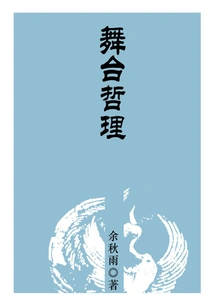
Stage Philosophy
Literature舞台哲理
Yu Qiuyu
"Stage Philosophy" condenses Yu Qiuyu's academic masterpieces on drama theory. Yu Qiuyu's academic monographs "History of Drama Theory" and "Aesthetic Psychology of Drama" are both masterpieces in the mainland drama theory circle. Open this volume. Yu Qiuyu will take you to Guichi Nuo and Kun Opera, to Guan Hanqing and Tang Xianzu, to Li Yu and Hegel... Read "Autumn Rain Culture" and once again feel the cultural feast and cultural shock brought by Yu Qiuyu. Read "Autumn Rain Culture" and calmly take a panoramic view of Yu Qiuyu's decades of cultural cultivation and development.
"Stage Philosophy" condenses Yu Qiuyu's academic masterpieces on drama theory. Yu Qiuyu's academic monographs "History of Drama Theory" and "Aesthetic Psychology of Drama" are both masterpieces in the mainland drama theory circle. Open this volume. Yu Qiuyu will take you to Guichi Nuo and Kun Opera, to Guan Hanqing and Tang Xianzu, to Li Yu and Hegel... Read "Autumn Rain Culture" and once again feel the cultural feast and cultural shock brought by Yu Qiuyu. Read "Autumn Rain Culture" and calmly take a panoramic view of Yu Qiuyu's decades of cultural cultivation and development.
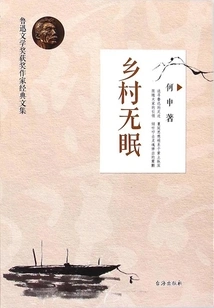
Sleepless Country
Literature乡村无眠
He Shen
The works in this book mainly describe contemporary rural life, face the new contradictions and problems that arise in rural changes, and show the spiritual and material collisions between villagers, cadres, poor people, and rich people from multiple angles, thus portraying vivid characters and revealing colorful rural landscapes. At the same time, the prose records the author's personal young life. When reading, looking back on past events, one can gain a deeper understanding of the author.
The works in this book mainly describe contemporary rural life, face the new contradictions and problems that arise in rural changes, and show the spiritual and material collisions between villagers, cadres, poor people, and rich people from multiple angles, thus portraying vivid characters and revealing colorful rural landscapes. At the same time, the prose records the author's personal young life. When reading, looking back on past events, one can gain a deeper understanding of the author.
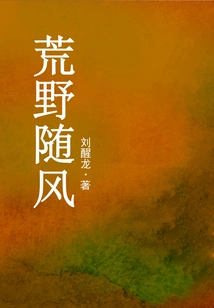
Wilderness with the Wind
Literature荒野随风
Liu Xinglong
Legend has it that it is a pine tree or azalea oil lamp that illuminates the darkness of life. The reason why I don't use other lighting equipment is because it is difficult for people to see the pine tree or azalea oil lamp, so they are closest to the legend. Now, in the places where I once lived, there are also some legends about me. Of course it has to do with literature. Once I am separated from literature there, legends will have no qualifications for me. People always view history more clearly and accurately than reality. Legends also have a historical meaning, but people are particularly emotional about them. For example, the legend about Chen Shimei is actually just a fabrication by a group of jealous villains. Regarding this kind of legend, it should not be called legend but rather rumor.
Legend has it that it is a pine tree or azalea oil lamp that illuminates the darkness of life. The reason why I don't use other lighting equipment is because it is difficult for people to see the pine tree or azalea oil lamp, so they are closest to the legend. Now, in the places where I once lived, there are also some legends about me. Of course it has to do with literature. Once I am separated from literature there, legends will have no qualifications for me. People always view history more clearly and accurately than reality. Legends also have a historical meaning, but people are particularly emotional about them. For example, the legend about Chen Shimei is actually just a fabrication by a group of jealous villains. Regarding this kind of legend, it should not be called legend but rather rumor.
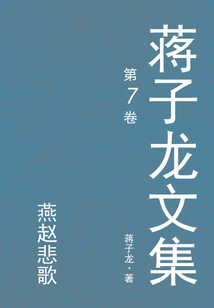
蒋子龙文集7:燕赵悲歌
Jiang Zilong
This is the novella volume in "The Collected Works of Jiang Zilong". This volume mainly collects the author's representative works and famous works in different periods. In this volume, the author's writing techniques have changed greatly, the themes are diverse, and the protagonists are involved in all aspects. It is a great display of modern life and a revelation of various human characteristics.
This is the novella volume in "The Collected Works of Jiang Zilong". This volume mainly collects the author's representative works and famous works in different periods. In this volume, the author's writing techniques have changed greatly, the themes are diverse, and the protagonists are involved in all aspects. It is a great display of modern life and a revelation of various human characteristics.
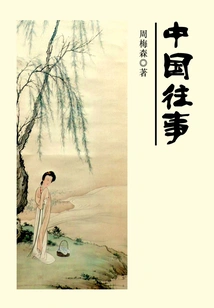
China's Past
Literature中国往事
Mason Zhou
This is a masterpiece of literature recommended to readers by famous writers Liu Heng, Su Tong, Lao Gui, Ye Zhaoyan and Zhe Fu. In 1997, the famous writer Zhou Meisen won two national awards, the National Book Award and the Five One Project Award, for his novel "The Righteous Way in the World", which describes contemporary life. However, Zhou Meisen's more important artistic achievement is his historical novels. As early as 10 years ago, Comrade Tang Dacheng, a well-known critic and former party secretary of the Chinese Writers Association, pointed out that "Zhou Meisen's historical novels are as bold as Mao Dun's "Midnight"". The famous writer Zhefu said frankly in an article: "Looking at the current literary world, there is no one who can write about the past events of China with Zhou Meisen's penmanship, such a magical artistic feeling that turns decay into magic, and has achieved such magnificent achievements." "Once Upon a Time in China" is an important representative work of Zhou Meisen's historical novels. What was staged were scenes of thrilling past events in China. It is like an ingenious historical lens, opening up a special channel for us to understand Chinese history, allowing us to have an in-depth examination of the life and society of old China without having to go through the fog of history. Although this book tells about old events in China, its people and events make people feel extremely familiar; its wisdom and strategies will benefit you endlessly. This is probably the charm of works of art that deeply touch the human soul! The writing in this book is free and unbridled, the conception is profound and grand, the romance is not vulgar, and the absurdity is not untrue. As soon as the first part came out, a film adaptation contract was signed with the famous director Zhang Yimou. It is a must-read book.
This is a masterpiece of literature recommended to readers by famous writers Liu Heng, Su Tong, Lao Gui, Ye Zhaoyan and Zhe Fu. In 1997, the famous writer Zhou Meisen won two national awards, the National Book Award and the Five One Project Award, for his novel "The Righteous Way in the World", which describes contemporary life. However, Zhou Meisen's more important artistic achievement is his historical novels. As early as 10 years ago, Comrade Tang Dacheng, a well-known critic and former party secretary of the Chinese Writers Association, pointed out that "Zhou Meisen's historical novels are as bold as Mao Dun's "Midnight"". The famous writer Zhefu said frankly in an article: "Looking at the current literary world, there is no one who can write about the past events of China with Zhou Meisen's penmanship, such a magical artistic feeling that turns decay into magic, and has achieved such magnificent achievements." "Once Upon a Time in China" is an important representative work of Zhou Meisen's historical novels. What was staged were scenes of thrilling past events in China. It is like an ingenious historical lens, opening up a special channel for us to understand Chinese history, allowing us to have an in-depth examination of the life and society of old China without having to go through the fog of history. Although this book tells about old events in China, its people and events make people feel extremely familiar; its wisdom and strategies will benefit you endlessly. This is probably the charm of works of art that deeply touch the human soul! The writing in this book is free and unbridled, the conception is profound and grand, the romance is not vulgar, and the absurdity is not untrue. As soon as the first part came out, a film adaptation contract was signed with the famous director Zhang Yimou. It is a must-read book.
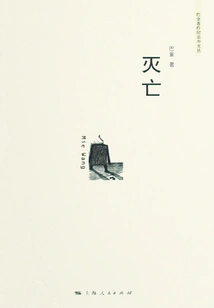
Perish
Literature灭亡
Ba Jin
The novel "Destruction" is set in Shanghai, which was stained with "red blood" under the rule of the Beiyang warlords. It describes the depression and struggle of some intellectual youths who were inspired by the new ideological trend of the May Fourth Movement and sought the road to social liberation. What echoes throughout the book is the cry: "Anyone who has ever built his happiness on the pain of others should perish." This is also the theme of the novel. The protagonist Du Daxin has the determination "for the sake of my beloved oppressed compatriots, I am willing to perish." In the end, he heroically sacrificed his life for his "faith."
The novel "Destruction" is set in Shanghai, which was stained with "red blood" under the rule of the Beiyang warlords. It describes the depression and struggle of some intellectual youths who were inspired by the new ideological trend of the May Fourth Movement and sought the road to social liberation. What echoes throughout the book is the cry: "Anyone who has ever built his happiness on the pain of others should perish." This is also the theme of the novel. The protagonist Du Daxin has the determination "for the sake of my beloved oppressed compatriots, I am willing to perish." In the end, he heroically sacrificed his life for his "faith."
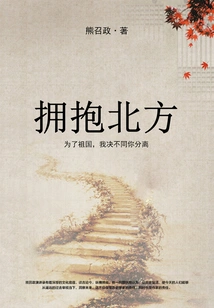
Embrace the North
Literature拥抱北方
Xiong Zhaozheng
"Embracing the North: Selected Poems of Xiong Zhaozheng" is an anthology of poems by contemporary Chinese poet Xiong Zhaozheng. The content is divided into three volumes: "I Recommend Xuanyuan with My Blood", "My Five Precepts" and "Embrace the North". Xiong Zhaozheng is a contemporary Chinese poet, writer, and historian. He has been engaged in literary creation for more than 30 years, and has studied Chinese studies and Chinese history for more than 30 years. The author's new poems included in "Embracing the North: Selected Poems of Xiong Zhaozheng" are unique in style and have profound cultural significance.
"Embracing the North: Selected Poems of Xiong Zhaozheng" is an anthology of poems by contemporary Chinese poet Xiong Zhaozheng. The content is divided into three volumes: "I Recommend Xuanyuan with My Blood", "My Five Precepts" and "Embrace the North". Xiong Zhaozheng is a contemporary Chinese poet, writer, and historian. He has been engaged in literary creation for more than 30 years, and has studied Chinese studies and Chinese history for more than 30 years. The author's new poems included in "Embracing the North: Selected Poems of Xiong Zhaozheng" are unique in style and have profound cultural significance.
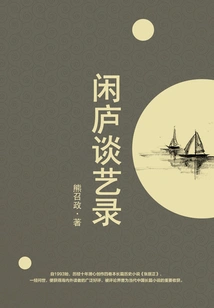
Xianlu Talks About Art
Literature闲庐谈艺录
Xiong Zhaozheng
"Writer's Library Series: Xianlu Talks about Art" is divided into three parts: Roots of Literati, Singers of Autumn, and a River of Culture. It includes prose such as "Nostalgia is a Hasty Visit", "History Carved in Stone", "A Dangerous Person in China Called Li Geng", "I Don't Understand After Reading the Ming Dynasty", "The Unresounding Chu Feng". "Xianlu Tan Yi Lu" is suitable for prose lovers to read.
"Writer's Library Series: Xianlu Talks about Art" is divided into three parts: Roots of Literati, Singers of Autumn, and a River of Culture. It includes prose such as "Nostalgia is a Hasty Visit", "History Carved in Stone", "A Dangerous Person in China Called Li Geng", "I Don't Understand After Reading the Ming Dynasty", "The Unresounding Chu Feng". "Xianlu Tan Yi Lu" is suitable for prose lovers to read.
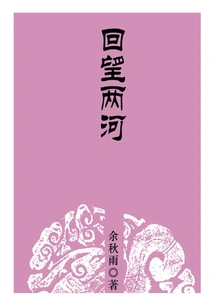
Looking Back at the Two Rivers
Literature回望两河
Yu Qiuyu
This book is a selection of Yu Qiuyu's works. Fifty-eight articles were selected from Yu Qiuyu's masterpieces "A Sigh for a Thousand Years" and "Walker Without Borders", and were divided into the following volumes according to the themes of the articles: Banks of the Nile, Lament of the Ganges, Solomon's Pillars, Babylonian Pathos, West Wind Sunset, Temple Inscriptions, Rise and Fall of Ivory, Old Doors in Alleys, Pursuit of Germany, Oxford Fairy Tales, and Slamming Doors. This book almost collects the essence of Yu Qiuyu's historical prose on foreign themes, and it can be called an excellent work in the collection.
This book is a selection of Yu Qiuyu's works. Fifty-eight articles were selected from Yu Qiuyu's masterpieces "A Sigh for a Thousand Years" and "Walker Without Borders", and were divided into the following volumes according to the themes of the articles: Banks of the Nile, Lament of the Ganges, Solomon's Pillars, Babylonian Pathos, West Wind Sunset, Temple Inscriptions, Rise and Fall of Ivory, Old Doors in Alleys, Pursuit of Germany, Oxford Fairy Tales, and Slamming Doors. This book almost collects the essence of Yu Qiuyu's historical prose on foreign themes, and it can be called an excellent work in the collection.
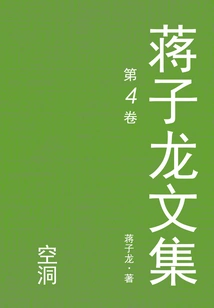
Jiang Zilong's Collected Works 4: Hollow
Literature蒋子龙文集4:空洞
Jiang Zilong
Through a true and touching story, this book shows people the tear-jerking deeds of the founder of Anguo Tuberculosis Hospital of Traditional Chinese Medicine in Yuncheng City, Shanxi, who dedicated his life to the cause of fighting tuberculosis. The author Jiang Zilong joined the Party in March 1972 and started working in August 1958. He has a technical secondary school degree and is an editor and reviewer. Jiang Zilong is the former vice chairman of the Chinese Writers Association, chairman of the Tianjin Writers Association, and vice chairman of the Tianjin Federation of Literary and Art Circles. As a famous writer and ambassador of Chinese culture, he has visited more than a dozen countries in Europe, America and Asia.
Through a true and touching story, this book shows people the tear-jerking deeds of the founder of Anguo Tuberculosis Hospital of Traditional Chinese Medicine in Yuncheng City, Shanxi, who dedicated his life to the cause of fighting tuberculosis. The author Jiang Zilong joined the Party in March 1972 and started working in August 1958. He has a technical secondary school degree and is an editor and reviewer. Jiang Zilong is the former vice chairman of the Chinese Writers Association, chairman of the Tianjin Writers Association, and vice chairman of the Tianjin Federation of Literary and Art Circles. As a famous writer and ambassador of Chinese culture, he has visited more than a dozen countries in Europe, America and Asia.
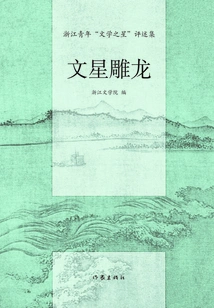
Literary Stars Carve Dragons: a Collection of Commentaries on Zhejiang Youth's "literary Stars
Literature文星雕龙:浙江青年“文学之星”评述集
Zhejiang University Of Literature
Zhejiang is the center of contemporary Chinese literature. After the new century, a group of young writers in Zhejiang suddenly emerged, and their creations aroused exclamations and praise from the literary world and readers. These young writers have successively won the title of "Youth Literature Star" in Zhejiang. From 1998 to 2016, 19 writers have won this honor. ? This book brings together the comments of 20 domestic famous and emerging literary critics on the works of the 19 award-winning authors, and combines the representative works of the 19 award-winning authors. ? Comprehensive presentation of the creative style and achievements of Zhejiang's "Youth Literary Stars".
Zhejiang is the center of contemporary Chinese literature. After the new century, a group of young writers in Zhejiang suddenly emerged, and their creations aroused exclamations and praise from the literary world and readers. These young writers have successively won the title of "Youth Literature Star" in Zhejiang. From 1998 to 2016, 19 writers have won this honor. ? This book brings together the comments of 20 domestic famous and emerging literary critics on the works of the 19 award-winning authors, and combines the representative works of the 19 award-winning authors. ? Comprehensive presentation of the creative style and achievements of Zhejiang's "Youth Literary Stars".
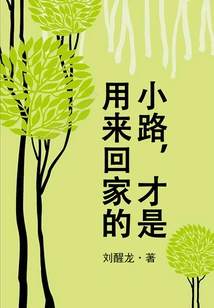
The Path is for Going Home
Literature小路,才是用来回家的
Liu Xinglong
This book is a collection of Liu Xinglong's essays. It contains more than 30 of his touching and profound essays from aspects such as life sentiments, hometown, family affection, culture, and travel notes. It expresses Liu Xinglong's feelings about his life experience, his persistence in his hometown, his cherishment of family affection, his unique insights into culture and his appreciation of beautiful things.
This book is a collection of Liu Xinglong's essays. It contains more than 30 of his touching and profound essays from aspects such as life sentiments, hometown, family affection, culture, and travel notes. It expresses Liu Xinglong's feelings about his life experience, his persistence in his hometown, his cherishment of family affection, his unique insights into culture and his appreciation of beautiful things.
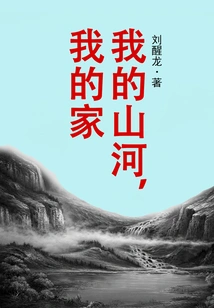
My Mountains and Rivers, My Home
Literature我的山河,我的家
Liu Xinglong
This book is a collection of prose works, which mainly include the prose works of Teacher Liu Xinglong, including those about family, affection, hometown, soul, and urban culture. It aims to fully reflect the characteristics of Teacher Liu Xinglong's prose through these works, absorb the essence, and allow readers to appreciate the charm of Teacher Liu Xinglong's prose works.
This book is a collection of prose works, which mainly include the prose works of Teacher Liu Xinglong, including those about family, affection, hometown, soul, and urban culture. It aims to fully reflect the characteristics of Teacher Liu Xinglong's prose through these works, absorb the essence, and allow readers to appreciate the charm of Teacher Liu Xinglong's prose works.
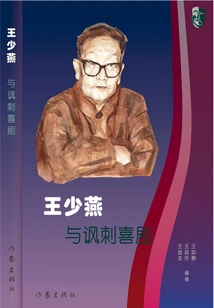
Wang Shaoyan and Satirical Comedy
Literature王少燕与讽刺喜剧
Compiled By Wang Yilong, Wang Yiling And Wang Yipeng
This book is an anthology compiled by the three children of the famous satirical comedy writer Wang Shaoyan. The manuscript is divided into three parts. The first part is a narration of the life history, creative experience and writing achievements of the dramatist Wang Shaoyan. It tells the story of Wang Shaoyan's revolutionary struggle and lifelong dedication to the literary and artistic work of the motherland. The second part is the script of Wang Shaoyan's masterpiece. The third part is the articles written by Wang Shaoyan's three children respectively in memory of their father.
This book is an anthology compiled by the three children of the famous satirical comedy writer Wang Shaoyan. The manuscript is divided into three parts. The first part is a narration of the life history, creative experience and writing achievements of the dramatist Wang Shaoyan. It tells the story of Wang Shaoyan's revolutionary struggle and lifelong dedication to the literary and artistic work of the motherland. The second part is the script of Wang Shaoyan's masterpiece. The third part is the articles written by Wang Shaoyan's three children respectively in memory of their father.
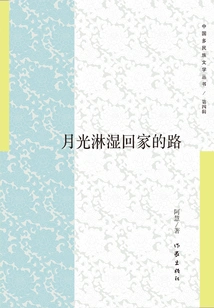
The Moonlight Soaked the Way Home
Literature月光淋湿回家的路
Ah Hui
"The Road Home Drenched by Moonlight" is another masterpiece of prose by the powerful female writer A Hui after "Sheep Come and Go". The collection includes 26 of her excellent prose works published in "National Literature", "People's Daily" and other newspapers in recent years. These include prose on childhood life such as "Fried Beans" and "Looking at the Four Corners of the Sky"; prose on human love such as "The Road Home Drenched by Moonlight" and "There Are Many Good Things Ahead"; prose on character stories such as "Yellow Flower Girl" and "Big Green Face"; prose on landscape travels such as "Barefoot on the Golden Mountain Ridge" and "Splash Blooming in Jinan"; and prose on realistic survival such as "Cotton Blossoms White" and "Clouds on the Earth".
"The Road Home Drenched by Moonlight" is another masterpiece of prose by the powerful female writer A Hui after "Sheep Come and Go". The collection includes 26 of her excellent prose works published in "National Literature", "People's Daily" and other newspapers in recent years. These include prose on childhood life such as "Fried Beans" and "Looking at the Four Corners of the Sky"; prose on human love such as "The Road Home Drenched by Moonlight" and "There Are Many Good Things Ahead"; prose on character stories such as "Yellow Flower Girl" and "Big Green Face"; prose on landscape travels such as "Barefoot on the Golden Mountain Ridge" and "Splash Blooming in Jinan"; and prose on realistic survival such as "Cotton Blossoms White" and "Clouds on the Earth".
A Touch of Blue
Literature一抹蓝
Gao Daofen
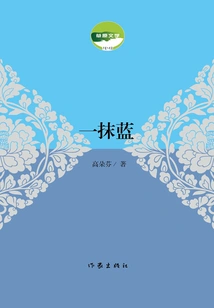
"A Touch of Blue" is a collection of long poems based on the Inner Mongolia Plateau, describing national history, culture, customs, and natural geography. The author describes the mutually reinforcing ecological relationship between man and nature with delicate and generous brushwork, and adds philosophical thinking to demonstrate his humanistic feelings of advocating nature and civilization. Strong lyricism, distinctive themes, broad vision, rich imagination, deep love, and skillful expression constitute the characteristics of this collection of poems. "A Touch of Blue" is the author's affectionate tribute to his hometown.
"A Touch of Blue" is a collection of long poems based on the Inner Mongolia Plateau, describing national history, culture, customs, and natural geography. The author describes the mutually reinforcing ecological relationship between man and nature with delicate and generous brushwork, and adds philosophical thinking to demonstrate his humanistic feelings of advocating nature and civilization. Strong lyricism, distinctive themes, broad vision, rich imagination, deep love, and skillful expression constitute the characteristics of this collection of poems. "A Touch of Blue" is the author's affectionate tribute to his hometown.
Qiyuan
Literature憩园
Ba Jin
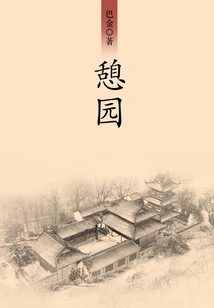
"Open Garden" was created in 1944. It was based on the author's impressions of returning to his hometown in Chengdu twice during the Anti-Japanese War. It can be regarded as a sequel to "The Torrent Trilogy", telling what happened after the decline of the big family. This novel uses the clues of a mansion to tell the unfortunate story of two owners in the old society. Unearned money has become the cause of family disaster and an opportunity for descendants to fall. Hong Kong literary historian Sima Changfeng once commented on "Open Garden": "In terms of precision, it can compete with Lu Xun, in terms of elegance, it can compete with Shen Congwen, in terms of vividness, it cannot surpass Lao She, and in terms of lingering, it cannot compare with Yu Dafu. However, in terms of the moderation and purity of art, the balance and harmony of plot and character, interest and technique, as well as the crystal roundness of the entire work, if it is viewed just right from all angles, it is far superior to everyone else."
"Open Garden" was created in 1944. It was based on the author's impressions of returning to his hometown in Chengdu twice during the Anti-Japanese War. It can be regarded as a sequel to "The Torrent Trilogy", telling what happened after the decline of the big family. This novel uses the clues of a mansion to tell the unfortunate story of two owners in the old society. Unearned money has become the cause of family disaster and an opportunity for descendants to fall. Hong Kong literary historian Sima Changfeng once commented on "Open Garden": "In terms of precision, it can compete with Lu Xun, in terms of elegance, it can compete with Shen Congwen, in terms of vividness, it cannot surpass Lao She, and in terms of lingering, it cannot compare with Yu Dafu. However, in terms of the moderation and purity of art, the balance and harmony of plot and character, interest and technique, as well as the crystal roundness of the entire work, if it is viewed just right from all angles, it is far superior to everyone else."
丧(万夏作品集)
Wanxia
This winter, I dined with the Song brothers every night in the cold drizzle in Muchuan, and drank tea under the hibiscus tree by the creek in front of our door when the sun was shining. Facing the rolling green mountains, I wrote "A Chronic Illness" and tried to use the time-space machine of "Mourning" to create a visible time-space box, and it succeeded. And I was amazed by the perfection of the way it was expressed. In this race against death, we see more clearly than in "Mourning" every detail of the death process of the tenants, the kiln owner's family, the father, and the men who dug the well, and every detail is fatal, an inevitable death trap that neither oneself nor others can escape. All the details are presented to us at the same time, and each detail is divergent. In my opinion, these deaths themselves are not important, what is important is the way in which they are written.
This winter, I dined with the Song brothers every night in the cold drizzle in Muchuan, and drank tea under the hibiscus tree by the creek in front of our door when the sun was shining. Facing the rolling green mountains, I wrote "A Chronic Illness" and tried to use the time-space machine of "Mourning" to create a visible time-space box, and it succeeded. And I was amazed by the perfection of the way it was expressed. In this race against death, we see more clearly than in "Mourning" every detail of the death process of the tenants, the kiln owner's family, the father, and the men who dug the well, and every detail is fatal, an inevitable death trap that neither oneself nor others can escape. All the details are presented to us at the same time, and each detail is divergent. In my opinion, these deaths themselves are not important, what is important is the way in which they are written.
纳博科夫文集第一辑(套装共11册)
H
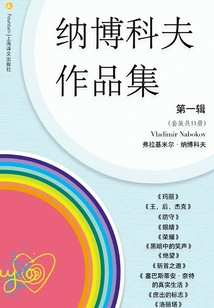
A collection of classic works by Nabokov, recognized as an outstanding novelist and stylist in the 20th century and the author of "Lolita". Each of the eleven works has its own characteristics, showing the unique aspects of Nabokov's creation, and together they form the magnificent and extraordinary creative spectrum of the novel master. The set includes the most famous and controversial "Lolita", the dark fable "Laughter in the Dark" that parodies the melodrama, the youthful coming-of-age novel "Glory", the depiction of first love "Mary", the absurd and cruel fable "The Sign of the Bastard", as well as "King, Queen, Jack", "Defense", "Eye", "Despair", "Invitation to the Beheading" and "The Real Life of Sebastian Knight".
A collection of classic works by Nabokov, recognized as an outstanding novelist and stylist in the 20th century and the author of "Lolita". Each of the eleven works has its own characteristics, showing the unique aspects of Nabokov's creation, and together they form the magnificent and extraordinary creative spectrum of the novel master. The set includes the most famous and controversial "Lolita", the dark fable "Laughter in the Dark" that parodies the melodrama, the youthful coming-of-age novel "Glory", the depiction of first love "Mary", the absurd and cruel fable "The Sign of the Bastard", as well as "King, Queen, Jack", "Defense", "Eye", "Despair", "Invitation to the Beheading" and "The Real Life of Sebastian Knight".
博尔赫斯全集第一辑(套装共16册)
H
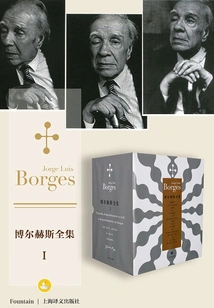
"The Complete Works of Borges Volume 1 (16 volumes in total)" includes "The Villain", "The Garden of Forking Paths", "Apocryphal Collection", "Aleph", "The Brody Report", "The Book of Sand", "Evaristo Calle" Ge", "Discussions", "Eternal History", "Discussions", "Poetry", "Prefaces and Prefaces", "Borges, Oral Narration", "Seven Nights", "Nine Dante Cantos" and "Private Collection: Prefaces", a total of sixteen volumes. Borges led the trend of Latin American literature in the twentieth century and was a landmark figure in Spanish and Latin American literature. He "paved the way for a generation of Spanish-American novelists to stand out" (Nobel Prize winner in literature, South African writer Coetzee). Garcia Marquez, the author of "One Hundred Years of Solitude" said: "The only novel I bought in Buenos Aires was The first thing is "The Complete Works of Borges". I put this set of books in my suitcase and carry it with me, intending to take it out and read it every day. "His influence extends beyond Latin America and Europe, and he has become a world-renowned literary master in the twentieth century. This version is an exclusively authorized version that fills the gap in the market in the past ten years. It is an authoritative translation and has been revised and improved; it also eliminates the heaviness of the complete set. It is launched for the first time in the form of a stand-alone independent version of the author's original work, allowing readers to experience the world of Borges in detail.
"The Complete Works of Borges Volume 1 (16 volumes in total)" includes "The Villain", "The Garden of Forking Paths", "Apocryphal Collection", "Aleph", "The Brody Report", "The Book of Sand", "Evaristo Calle" Ge", "Discussions", "Eternal History", "Discussions", "Poetry", "Prefaces and Prefaces", "Borges, Oral Narration", "Seven Nights", "Nine Dante Cantos" and "Private Collection: Prefaces", a total of sixteen volumes. Borges led the trend of Latin American literature in the twentieth century and was a landmark figure in Spanish and Latin American literature. He "paved the way for a generation of Spanish-American novelists to stand out" (Nobel Prize winner in literature, South African writer Coetzee). Garcia Marquez, the author of "One Hundred Years of Solitude" said: "The only novel I bought in Buenos Aires was The first thing is "The Complete Works of Borges". I put this set of books in my suitcase and carry it with me, intending to take it out and read it every day. "His influence extends beyond Latin America and Europe, and he has become a world-renowned literary master in the twentieth century. This version is an exclusively authorized version that fills the gap in the market in the past ten years. It is an authoritative translation and has been revised and improved; it also eliminates the heaviness of the complete set. It is launched for the first time in the form of a stand-alone independent version of the author's original work, allowing readers to experience the world of Borges in detail.
本质:诗十四首(万夏作品集)
M
The works included in this book mainly include: Air, Skin and Water, The Man Who Passes Time, Under the Cherry Tree, Essence, Words, Heart, Words, House, Words, Blade, Pure Man, The Fragrance of Lu Bu, The Poet Has No Rice, A Lifetime, Moonset, etc.
The works included in this book mainly include: Air, Skin and Water, The Man Who Passes Time, Under the Cherry Tree, Essence, Words, Heart, Words, House, Words, Blade, Pure Man, The Fragrance of Lu Bu, The Poet Has No Rice, A Lifetime, Moonset, etc.
See for Yourself
Literature自己看看
Hu Meilan
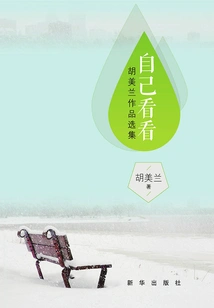
All manuscripts are selected from the news, newsletters, news reviews, poems and essays that the author has published in newspapers and periodicals across the country since 1990 when he was in middle school. He wrote, wrote independently and co-written with friends. The content is rich, the perspectives are diverse, and the writing is fluent. It includes reports on food hygiene and safety, observations and reflections on the cultural industry, and essays written by the author based on his own life insights.
All manuscripts are selected from the news, newsletters, news reviews, poems and essays that the author has published in newspapers and periodicals across the country since 1990 when he was in middle school. He wrote, wrote independently and co-written with friends. The content is rich, the perspectives are diverse, and the writing is fluent. It includes reports on food hygiene and safety, observations and reflections on the cultural industry, and essays written by the author based on his own life insights.
Remembering Zhang Yisheng
Literature追忆张逸生
Compiled By The Cppcc Of Caofeidian District, Tangshan City
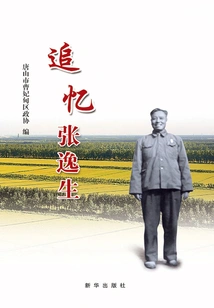
Zhang Yisheng was a revolutionary soldier and loyal Communist Party member during the War of Resistance Against Japanese Aggression and Liberation in Eastern Hebei Province. In 1973, he served as Secretary of the Party Committee of Baigezhuang Farm. 2016 Marks the 60th anniversary of the establishment of Baigezhuang Farm and the 100th anniversary of Zhang Yisheng's birth. This book contains more than 20 reminiscence articles full of true feelings. From different angles and aspects, it witnesses the extraordinary personality and spirit of an outstanding Communist Party member and public servant of the people. This book is not only a commemoration and remembrance of him, but also an important literary and historical material that uses history to draw lessons from the present.
Zhang Yisheng was a revolutionary soldier and loyal Communist Party member during the War of Resistance Against Japanese Aggression and Liberation in Eastern Hebei Province. In 1973, he served as Secretary of the Party Committee of Baigezhuang Farm. 2016 Marks the 60th anniversary of the establishment of Baigezhuang Farm and the 100th anniversary of Zhang Yisheng's birth. This book contains more than 20 reminiscence articles full of true feelings. From different angles and aspects, it witnesses the extraordinary personality and spirit of an outstanding Communist Party member and public servant of the people. This book is not only a commemoration and remembrance of him, but also an important literary and historical material that uses history to draw lessons from the present.
Life First Lesson
Literature人生第一课
Wang Muchun
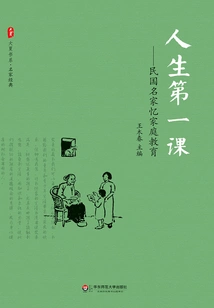
This book selects articles by famous figures from the Republic of China, such as Feng Youlan, Lin Yutang, Hu Shi, and Chen Heqin, who reviewed family education that had a profound impact on their lives. It consists of five volumes: Writers, Scholars, Educators, Scientists, and Artists. The history of family education is the first lesson in everyone's life and is the source of happiness in life. The author of this book fondly recalls his parents' education, which is a useful lesson for parents today.
This book selects articles by famous figures from the Republic of China, such as Feng Youlan, Lin Yutang, Hu Shi, and Chen Heqin, who reviewed family education that had a profound impact on their lives. It consists of five volumes: Writers, Scholars, Educators, Scientists, and Artists. The history of family education is the first lesson in everyone's life and is the source of happiness in life. The author of this book fondly recalls his parents' education, which is a useful lesson for parents today.
足迹:代兆民作品选
Dai Zhaomin
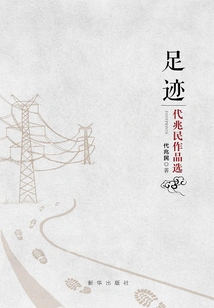
The author has worked on the front line of substation operation and maintenance for 20 years, and has personally experienced the extraordinary journey of grassroots power grid enterprises. This manuscript is a selection of news and literary works published in newspapers and periodicals by the propaganda officer of Dezhou Power Supply Company of Shandong Power Grid. It records the touching stories of several generations of grassroots power supply enterprise employees who followed their own companies and made selfless contributions in the tide of reform. It also reflects the reform process of grassroots power grid enterprises.
The author has worked on the front line of substation operation and maintenance for 20 years, and has personally experienced the extraordinary journey of grassroots power grid enterprises. This manuscript is a selection of news and literary works published in newspapers and periodicals by the propaganda officer of Dezhou Power Supply Company of Shandong Power Grid. It records the touching stories of several generations of grassroots power supply enterprise employees who followed their own companies and made selfless contributions in the tide of reform. It also reflects the reform process of grassroots power grid enterprises.
Point of View (translation Essay)
Literature观点(译文随笔)
H
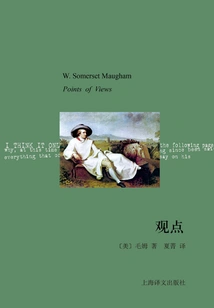
"Point of View" is the last collection of essays published by the famous British writer and "story master" Somerset Maugham during his lifetime. It is not only a collection of brilliant essays, but also a collection of literary criticism that is knowledgeable and considerate about the world. The characters and themes involved range from the novels of the great poet Goethe to the spiritual cultivation and life story of a Hindu sage, from the self-centeredness and sharpness of three French writers famous for their diaries. The acrimony is reflected in the generosity and kindness of the British theologian and archbishop Tillotson, as well as his plain and natural style. In particular, through the interpretation of the life experiences and artistic characteristics of several short story masters he admired, including Edgar Allan Poe, Kipling, and especially Maupassant, Chekhov and Mansfield, this book provides a wonderful and in-depth discussion and analysis of the short story, a literary form for which he himself is a master. Maugham used his insight in shaping novel characters and his superb story-telling skills to vividly paint a group of images of literati from different eras, different countries, and different fields, and then penetrate into their literary world and inner soul. What he finally opened up is the universal human nature and human heart - from "literary heart" to "human heart".
"Point of View" is the last collection of essays published by the famous British writer and "story master" Somerset Maugham during his lifetime. It is not only a collection of brilliant essays, but also a collection of literary criticism that is knowledgeable and considerate about the world. The characters and themes involved range from the novels of the great poet Goethe to the spiritual cultivation and life story of a Hindu sage, from the self-centeredness and sharpness of three French writers famous for their diaries. The acrimony is reflected in the generosity and kindness of the British theologian and archbishop Tillotson, as well as his plain and natural style. In particular, through the interpretation of the life experiences and artistic characteristics of several short story masters he admired, including Edgar Allan Poe, Kipling, and especially Maupassant, Chekhov and Mansfield, this book provides a wonderful and in-depth discussion and analysis of the short story, a literary form for which he himself is a master. Maugham used his insight in shaping novel characters and his superb story-telling skills to vividly paint a group of images of literati from different eras, different countries, and different fields, and then penetrate into their literary world and inner soul. What he finally opened up is the universal human nature and human heart - from "literary heart" to "human heart".
弗勒希:一条狗的传记(伍尔夫文集)
H
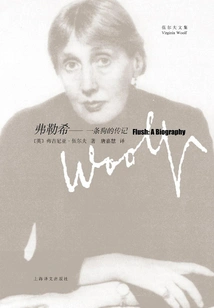
"Flush: The Biography of a Dog", as the name suggests, the protagonist of the novel is a dog named Flush. But this is a dog with a great background, and his owner is a legendary woman in the history of British literature. In a concise and humorous way, the author describes Elizabeth Barrett, the famous British poetess of the Victorian era, from the side: her character, her extraordinary love with the poet Browning, their secret marriage and then their elopement, and the happy married life they spent in the sunny country of Italy. At the same time, the author also uses a dog's perspective to reflect the class contradictions at the time, the author's feminist thoughts, etc., Adding an evocative depth of thought to this short-like work.
"Flush: The Biography of a Dog", as the name suggests, the protagonist of the novel is a dog named Flush. But this is a dog with a great background, and his owner is a legendary woman in the history of British literature. In a concise and humorous way, the author describes Elizabeth Barrett, the famous British poetess of the Victorian era, from the side: her character, her extraordinary love with the poet Browning, their secret marriage and then their elopement, and the happy married life they spent in the sunny country of Italy. At the same time, the author also uses a dog's perspective to reflect the class contradictions at the time, the author's feminist thoughts, etc., Adding an evocative depth of thought to this short-like work.
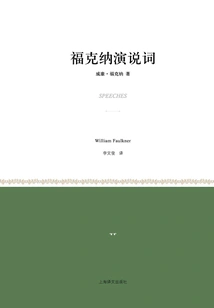
福克纳演说词(小经典系列)
G
"Faulkner's Speeches" collects Faulkner's wonderful speeches on different public occasions. Faulkner's wisdom, knowledge, imagination, talent and sense of humor are fully reflected in this book. This collection of non-fiction essays provides a glimpse into some aspects of Faulkner as an artist and as a human being. These articles, while showing us what this extremely passionate, extremely complex, and extremely secretive writer was willing to reveal to the public during the last forty years of his career, also allow us to gain a better understanding of his person and his work.
"Faulkner's Speeches" collects Faulkner's wonderful speeches on different public occasions. Faulkner's wisdom, knowledge, imagination, talent and sense of humor are fully reflected in this book. This collection of non-fiction essays provides a glimpse into some aspects of Faulkner as an artist and as a human being. These articles, while showing us what this extremely passionate, extremely complex, and extremely secretive writer was willing to reveal to the public during the last forty years of his career, also allow us to gain a better understanding of his person and his work.
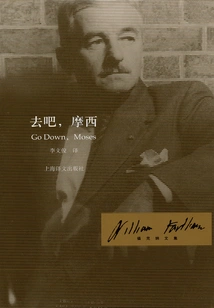
Go, Moses (collected Works of Faulkner)
Literature去吧,摩西(福克纳文集)
F
"Go, Moses" is one of Faulkner's most famous works and an important part of the "Yoknapatawpha Lineage". McCaslin, a manor owner in the southern United States, had a daughter with a slave girl, and later gave birth to a son, Terry Le, with this daughter. Terry Le later married Tanney, a slave girl of another manor owner, Bush Champ, and their children all bear the surname Bush Champ. McCaslin's granddaughter married Edmonds. The whole book is about the complex relationship between the descendants of these three surnames. The most colorful character is McCaslin's grandson Isaac. He participated in bear hunting activities since he was a child under the guidance of black hunters. When he grew up, he saw through the abnormal relationship between white people and black slaves. He voluntarily gave up his family property and went to the town to make a living as a carpenter. The whole book consists of two novellas and five short stories. Each part is relatively independent and integrated into a complete picture.
"Go, Moses" is one of Faulkner's most famous works and an important part of the "Yoknapatawpha Lineage". McCaslin, a manor owner in the southern United States, had a daughter with a slave girl, and later gave birth to a son, Terry Le, with this daughter. Terry Le later married Tanney, a slave girl of another manor owner, Bush Champ, and their children all bear the surname Bush Champ. McCaslin's granddaughter married Edmonds. The whole book is about the complex relationship between the descendants of these three surnames. The most colorful character is McCaslin's grandson Isaac. He participated in bear hunting activities since he was a child under the guidance of black hunters. When he grew up, he saw through the abnormal relationship between white people and black slaves. He voluntarily gave up his family property and went to the town to make a living as a carpenter. The whole book consists of two novellas and five short stories. Each part is relatively independent and integrated into a complete picture.
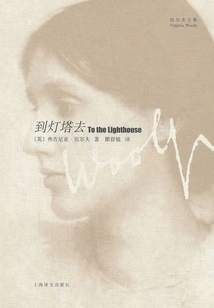
H
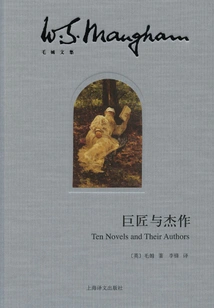
巨匠与杰作(毛姆文集)
H
In 1945, Maugham was invited by the American "Red Book" magazine to draw up a book list, enumerating what he considered the world's top ten novels, and wrote a series of book reviews for it, commenting on the writing process, writing techniques, and artistic features of these masterpieces one by one, thus creating this book "Masters and Masterpieces." The ten novels and their authors are: Fielding and "Tom Jones", Austen and "Pride and Prejudice", Stendhal and "The Red and the Black", Balzac and "Petro Goriot", Dickens and "David Copperfield", Flaubert and "Madame Bovary", Melville and "Moby-Dick", Emily Brontë and "Wuthering Heights", Dostoevsky and "The Brothers Karamazov" and Tolstoy and "War and Peace". Maugham's way of commenting on these ten novel masters is very simple, that is, "knowing people and judging the world." Maugham did this not intentionally to sing a different tune or to sensationalize, but to remove all pretense and use his profound insight into human nature and his rich experience as a novelist to truly consider the writers and works he reviewed, leading readers to taste and appreciate them. As a result, this review by a great novelist about his own great novelist has become a classic of literary criticism and a unique literary guide for ordinary readers.
In 1945, Maugham was invited by the American "Red Book" magazine to draw up a book list, enumerating what he considered the world's top ten novels, and wrote a series of book reviews for it, commenting on the writing process, writing techniques, and artistic features of these masterpieces one by one, thus creating this book "Masters and Masterpieces." The ten novels and their authors are: Fielding and "Tom Jones", Austen and "Pride and Prejudice", Stendhal and "The Red and the Black", Balzac and "Petro Goriot", Dickens and "David Copperfield", Flaubert and "Madame Bovary", Melville and "Moby-Dick", Emily Brontë and "Wuthering Heights", Dostoevsky and "The Brothers Karamazov" and Tolstoy and "War and Peace". Maugham's way of commenting on these ten novel masters is very simple, that is, "knowing people and judging the world." Maugham did this not intentionally to sing a different tune or to sensationalize, but to remove all pretense and use his profound insight into human nature and his rich experience as a novelist to truly consider the writers and works he reviewed, leading readers to taste and appreciate them. As a result, this review by a great novelist about his own great novelist has become a classic of literary criticism and a unique literary guide for ordinary readers.
孟二冬纪念文集(精装)
Geng Qin
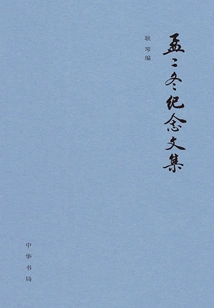
This book is a commemorative collection of essays by the late Peking University Professor Meng Erdong. It is hosted by Professor Meng Erdong's widow, Associate Researcher Geng Qin. This anthology objectively evaluates and reminisces Meng Erdong's academics and life in terms of academic contributions, teaching style, and moral contributions for the academic community, relatives, friends, and students. In particular, it gives a highly comprehensive evaluation of his medieval literature research and teacher ethics.
This book is a commemorative collection of essays by the late Peking University Professor Meng Erdong. It is hosted by Professor Meng Erdong's widow, Associate Researcher Geng Qin. This anthology objectively evaluates and reminisces Meng Erdong's academics and life in terms of academic contributions, teaching style, and moral contributions for the academic community, relatives, friends, and students. In particular, it gives a highly comprehensive evaluation of his medieval literature research and teacher ethics.
中国近代人物文集丛书:吴虞集
Organized By Tian Miaomiao
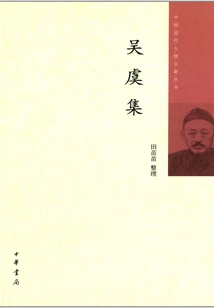
Wu Yu (1874-1939), courtesy name Youling, was born in Huayang, Sichuan. He once published an article in "New Youth" that severely criticized the old ethics and Confucianism. It had a great influence during the "May Fourth Movement" period. His "Wu Yu Wen Lu", "Hu Shi Wen Cun" and "Du Xiu Wen Cun" were three of the most influential classic texts during the New Culture Movement. \U003CBR\u003E This book collects almost all of Wu's writings currently available except for diaries, including "Wenlu", "Continuation", "Bielu" and poems and letters, etc. It has been carefully revised, compiled and published in order to show the ideological style and mental journey of this 54th general in Sichuan who echoed Hu Shi and Chen Duxiu.
Wu Yu (1874-1939), courtesy name Youling, was born in Huayang, Sichuan. He once published an article in "New Youth" that severely criticized the old ethics and Confucianism. It had a great influence during the "May Fourth Movement" period. His "Wu Yu Wen Lu", "Hu Shi Wen Cun" and "Du Xiu Wen Cun" were three of the most influential classic texts during the New Culture Movement. \U003CBR\u003E This book collects almost all of Wu's writings currently available except for diaries, including "Wenlu", "Continuation", "Bielu" and poems and letters, etc. It has been carefully revised, compiled and published in order to show the ideological style and mental journey of this 54th general in Sichuan who echoed Hu Shi and Chen Duxiu.
Guo Moruo's Prose
Literature郭沫若散文
Guo Moruo
Guo Moruo had a wide range of interests and published many works throughout his life. His prose is powerful, clear, romantic and full of artistic charm. Autobiography constitutes the obvious feature of Guo Moruo's prose and is the product of the author's personality. His time-sensitive prose has strong realistic relevance. The lyrical works are good at using a variety of artistic techniques to create poetic artistic conception.
Guo Moruo had a wide range of interests and published many works throughout his life. His prose is powerful, clear, romantic and full of artistic charm. Autobiography constitutes the obvious feature of Guo Moruo's prose and is the product of the author's personality. His time-sensitive prose has strong realistic relevance. The lyrical works are good at using a variety of artistic techniques to create poetic artistic conception.
周作人经典作品合集(全集)
Zhou Zuoren
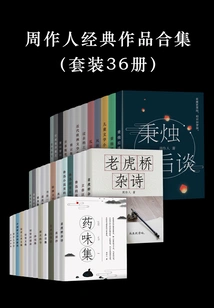
This set of books includes "Talks after a Candle", "Talks by a Candle", "A Short Essay on Children's Literature", "Talks on Wind and Rain", "Collection of Melon and Dou", "Past Work", "History of Modern European Literature", "Looking at the Clouds", "Essays on Bitter Tea", etc., A total of 36 volumes. "Talks after Holding a Candle" mainly collects Zhou Zuoren's works from April to October 1937. The content is divided into two categories: one expresses interest, which can be described as truly leisurely, such as "Talking about Persuading Drinking"; the other is false, such as "Talking about Leprosy". In the article, Zhou Zuoren criticized the darkest phenomenon in Chinese and Western cultures, pointing out that the essence of ideological autocracy lies in the fact that people generally lose their ability to think and judge, and consciously converge towards autocracy itself - that is, "killing people with their thoughts." "If the crime of killing people with thoughts is deviant and treacherous, it is not holy. Most people feel that they are all opposed, and they are willing to get what they want. Not only the tyrant wants to kill, but the mob also agrees." And "the feelings of ordinary scholars on this matter" are no different from that of the "mob", forming an authoritarian situation in which everyone is consistent, and individuals as thinkers can only be killed. Zhou has always maintained a clear understanding of traditional Chinese culture, carefully discerning it, and not letting go of the bad side. His previous works, "Yedu Chao·Eunuch" and "Kan Yunji·On Eight-legged Essay", are all masterpieces, and he pays special attention to the criticism of ideological tyranny, which is the key point.
This set of books includes "Talks after a Candle", "Talks by a Candle", "A Short Essay on Children's Literature", "Talks on Wind and Rain", "Collection of Melon and Dou", "Past Work", "History of Modern European Literature", "Looking at the Clouds", "Essays on Bitter Tea", etc., A total of 36 volumes. "Talks after Holding a Candle" mainly collects Zhou Zuoren's works from April to October 1937. The content is divided into two categories: one expresses interest, which can be described as truly leisurely, such as "Talking about Persuading Drinking"; the other is false, such as "Talking about Leprosy". In the article, Zhou Zuoren criticized the darkest phenomenon in Chinese and Western cultures, pointing out that the essence of ideological autocracy lies in the fact that people generally lose their ability to think and judge, and consciously converge towards autocracy itself - that is, "killing people with their thoughts." "If the crime of killing people with thoughts is deviant and treacherous, it is not holy. Most people feel that they are all opposed, and they are willing to get what they want. Not only the tyrant wants to kill, but the mob also agrees." And "the feelings of ordinary scholars on this matter" are no different from that of the "mob", forming an authoritarian situation in which everyone is consistent, and individuals as thinkers can only be killed. Zhou has always maintained a clear understanding of traditional Chinese culture, carefully discerning it, and not letting go of the bad side. His previous works, "Yedu Chao·Eunuch" and "Kan Yunji·On Eight-legged Essay", are all masterpieces, and he pays special attention to the criticism of ideological tyranny, which is the key point.
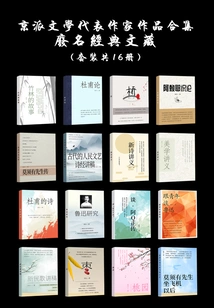
京派文学代表作家作品合集:废名经典文藏(全集)
Waste Name
This set of books includes "The Story of the Bamboo Forest"; "Du Fu's Theory"; "The Bridge (Up and Down)"; "Alaya Theory of Knowledge"; "The Biography of Mr. Mo Xuyou"; "Ancient People's Literature and Art: Lectures on the Book of Songs"; "Lecture Notes on New Poetry"; "Lecture Notes on Aesthetics (Part 1 and Down)" , "Du Fu's Poems"; "Studies on Lu Xun (Part 1, Part 2)"; "On "The True Story of Ah Q""; "Talking about Lu Xun with Young People"; "Lectures on New Folk Songs"; "Jujube"; "Taoyuan" and "After Mr. Mo Xuyou Takes a Plane (Part 1, Part 2)", a total of 16 volumes. "The Story of the Bamboo Forest" is the representative work of Fei Ming's first stage. During this period, Fei Ming's novels were generally far away from reality and social problems, and it is almost difficult to find the writer's sadness or protest against real life in them. "The Story of the Bamboo Forest" is a collection of short stories by Fei Ming, including "Window", "The Attractive Envelope", "Grapefruit", "The Disappearance of the Young Ruan Ren", "The Patient", "Huanyi Mother", "Half Years", "My Neighbor", "First Love", "My Sister", "The Monk of the Fire Temple", "Partridge", "The Story of the Bamboo Forest", "Willows on the River" and "Going Home". Fei Ming's works are often related to his Zen thoughts. Fei Ming's works in different periods show different style characteristics, which is also due to the influence of the transformation of Zen thought. "On Du Fu" is a study of Du Fu's personality, including the poet's life and thoughts. The poet Du Fu is an extremely great figure in China. The main reason is that he is close to the people. His life and his thoughts and feelings expressed in his poems are intertwined with the people's lives and people's thoughts and feelings. Du Fu said: "Articles are about things through the ages, and you know the gains and losses carefully." He worked so hard at that time. As readers through the ages, we can completely feel his amazing pen. It is a joy to read his poems, and we can also infer how he worked hard. The value of Du Fu and the achievements of Du Fu's poetry can be said to be universally recognized in the history of Chinese literature, from ancient times to the present. Du Fu inherited and developed the fine tradition of our country's folk literature. Feiming's Zen thoughts are also reflected in his works. "Taoyuan" is also his masterpiece in the first stage. During this period, Feiming's novels were generally far away from reality and social problems, and it is almost difficult to find the writer's sorrow or protest against real life in them. By the time of "Peach Garden", Fei Ming was very familiar with writing and carefully constructed a "Peach Garden World", but in fact this world contains the great sorrow of life, which is quite obscure. It is a book full of beauty and love on the surface, but in fact it talks about the tragic ending after the fierce confrontation between good and evil, ideal and reality. It is a book that makes people feel the pain. Symbols and metaphors can be seen everywhere in the book, which is rare in Fei Ming's works.
This set of books includes "The Story of the Bamboo Forest"; "Du Fu's Theory"; "The Bridge (Up and Down)"; "Alaya Theory of Knowledge"; "The Biography of Mr. Mo Xuyou"; "Ancient People's Literature and Art: Lectures on the Book of Songs"; "Lecture Notes on New Poetry"; "Lecture Notes on Aesthetics (Part 1 and Down)" , "Du Fu's Poems"; "Studies on Lu Xun (Part 1, Part 2)"; "On "The True Story of Ah Q""; "Talking about Lu Xun with Young People"; "Lectures on New Folk Songs"; "Jujube"; "Taoyuan" and "After Mr. Mo Xuyou Takes a Plane (Part 1, Part 2)", a total of 16 volumes. "The Story of the Bamboo Forest" is the representative work of Fei Ming's first stage. During this period, Fei Ming's novels were generally far away from reality and social problems, and it is almost difficult to find the writer's sadness or protest against real life in them. "The Story of the Bamboo Forest" is a collection of short stories by Fei Ming, including "Window", "The Attractive Envelope", "Grapefruit", "The Disappearance of the Young Ruan Ren", "The Patient", "Huanyi Mother", "Half Years", "My Neighbor", "First Love", "My Sister", "The Monk of the Fire Temple", "Partridge", "The Story of the Bamboo Forest", "Willows on the River" and "Going Home". Fei Ming's works are often related to his Zen thoughts. Fei Ming's works in different periods show different style characteristics, which is also due to the influence of the transformation of Zen thought. "On Du Fu" is a study of Du Fu's personality, including the poet's life and thoughts. The poet Du Fu is an extremely great figure in China. The main reason is that he is close to the people. His life and his thoughts and feelings expressed in his poems are intertwined with the people's lives and people's thoughts and feelings. Du Fu said: "Articles are about things through the ages, and you know the gains and losses carefully." He worked so hard at that time. As readers through the ages, we can completely feel his amazing pen. It is a joy to read his poems, and we can also infer how he worked hard. The value of Du Fu and the achievements of Du Fu's poetry can be said to be universally recognized in the history of Chinese literature, from ancient times to the present. Du Fu inherited and developed the fine tradition of our country's folk literature. Feiming's Zen thoughts are also reflected in his works. "Taoyuan" is also his masterpiece in the first stage. During this period, Feiming's novels were generally far away from reality and social problems, and it is almost difficult to find the writer's sorrow or protest against real life in them. By the time of "Peach Garden", Fei Ming was very familiar with writing and carefully constructed a "Peach Garden World", but in fact this world contains the great sorrow of life, which is quite obscure. It is a book full of beauty and love on the surface, but in fact it talks about the tragic ending after the fierce confrontation between good and evil, ideal and reality. It is a book that makes people feel the pain. Symbols and metaphors can be seen everywhere in the book, which is rare in Fei Ming's works.