Library
Browse and search books
3,417 novels found
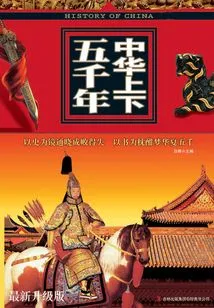
Five Thousand Years of China
History中华上下五千年
White Birch
"Five Thousand Years of China" involves specialized knowledge in history, geography and other aspects, and describes China's historical trends, institutional evolution, cultural development, etc. "Five Thousand Years of China" runs through the Three Sovereigns and Five Emperors, Xia, Shang and Western Zhou Dynasties, Spring and Autumn and Warring States, Qin and Han Dynasties to the Republic of China, covering various fields such as politics, economy, system, culture, society, ethnicity, religion and so on. This volume of "Five Thousand Years of China" is different from the comprehensive writing style of traditional textbooks. Instead, it selects hundreds of stories that play an important role in Chinese history. It contains both wonderful close-ups of characters and rich historical events.
"Five Thousand Years of China" involves specialized knowledge in history, geography and other aspects, and describes China's historical trends, institutional evolution, cultural development, etc. "Five Thousand Years of China" runs through the Three Sovereigns and Five Emperors, Xia, Shang and Western Zhou Dynasties, Spring and Autumn and Warring States, Qin and Han Dynasties to the Republic of China, covering various fields such as politics, economy, system, culture, society, ethnicity, religion and so on. This volume of "Five Thousand Years of China" is different from the comprehensive writing style of traditional textbooks. Instead, it selects hundreds of stories that play an important role in Chinese history. It contains both wonderful close-ups of characters and rich historical events.
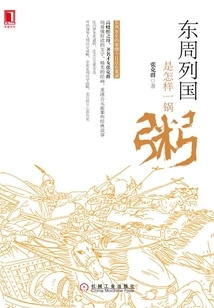
东周列国是怎样一锅粥
Zhang Kequn
Have you read "The Chronicles of the Eastern Zhou Dynasties"? Zhang Kequn, a talented woman from Tsinghua University, has reinterpreted the stories in this classic novel in a modern way of telling stories, and specially drawn 243 illustrations for it, so that you can read a little bit of history and entertain yourself in a quiet small space during a boring meeting, during a busy journey.
Have you read "The Chronicles of the Eastern Zhou Dynasties"? Zhang Kequn, a talented woman from Tsinghua University, has reinterpreted the stories in this classic novel in a modern way of telling stories, and specially drawn 243 illustrations for it, so that you can read a little bit of history and entertain yourself in a quiet small space during a boring meeting, during a busy journey.
中国原生文明启示录(第三部)
Sun Haohui
This is a book that attempts to clarify the history of Chinese civilization in the first 3,000 years. During these 3,000 years, the Chinese ethnic group has experienced seven major eras - the Age of Five Emperors, Xia, Shang, Zhou, Spring and Autumn Period, Warring States, and Qin Empire. In each of these eras, our nation has achieved a huge leap in civilization. After seven major historical leaps, our nation has finally reached the highest peak of the plateau of Chinese classical civilization - the Qin Empire. We have successfully achieved the unification of China's territory, successfully created the unification of Chinese civilization, and established an eternal and immortal historical survival paradigm for our country and nation.
This is a book that attempts to clarify the history of Chinese civilization in the first 3,000 years. During these 3,000 years, the Chinese ethnic group has experienced seven major eras - the Age of Five Emperors, Xia, Shang, Zhou, Spring and Autumn Period, Warring States, and Qin Empire. In each of these eras, our nation has achieved a huge leap in civilization. After seven major historical leaps, our nation has finally reached the highest peak of the plateau of Chinese classical civilization - the Qin Empire. We have successfully achieved the unification of China's territory, successfully created the unification of Chinese civilization, and established an eternal and immortal historical survival paradigm for our country and nation.
中国原生文明启示录(第二部)
Sun Haohui
This is a book that attempts to clarify the history of Chinese civilization in the first 3,000 years. During these 3,000 years, the Chinese ethnic group has experienced seven major eras - the Age of Five Emperors, Xia, Shang, Zhou, Spring and Autumn Period, Warring States, and Qin Empire. In each of these eras, our nation has achieved a huge leap in civilization. After seven major historical leaps, our nation has finally reached the highest peak of the plateau of Chinese classical civilization - the Qin Empire. We have successfully achieved the unification of China's territory, successfully created the unification of Chinese civilization, and established an eternal and immortal historical survival paradigm for our country and nation.
This is a book that attempts to clarify the history of Chinese civilization in the first 3,000 years. During these 3,000 years, the Chinese ethnic group has experienced seven major eras - the Age of Five Emperors, Xia, Shang, Zhou, Spring and Autumn Period, Warring States, and Qin Empire. In each of these eras, our nation has achieved a huge leap in civilization. After seven major historical leaps, our nation has finally reached the highest peak of the plateau of Chinese classical civilization - the Qin Empire. We have successfully achieved the unification of China's territory, successfully created the unification of Chinese civilization, and established an eternal and immortal historical survival paradigm for our country and nation.
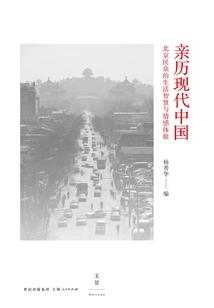
Experience Modern China
History亲历现代中国
Yang Shanhua
"Experiencing Modern China" is an oral history book edited by Yang Shanhua, professor of the Department of Sociology at Peking University. The 100 years of the 20th century have been a 100 years of earth-shaking changes in China's urban and rural society. When the entire society undergoes drastic changes, Chinese society actually does not show obvious ruptures, but still reflects a kind of continuity. This is largely because such social continuity is manifested through the continuity of people living in Chinese society across different eras. This book records such a period of urban life history buried in the memories of ordinary people.
"Experiencing Modern China" is an oral history book edited by Yang Shanhua, professor of the Department of Sociology at Peking University. The 100 years of the 20th century have been a 100 years of earth-shaking changes in China's urban and rural society. When the entire society undergoes drastic changes, Chinese society actually does not show obvious ruptures, but still reflects a kind of continuity. This is largely because such social continuity is manifested through the continuity of people living in Chinese society across different eras. This book records such a period of urban life history buried in the memories of ordinary people.
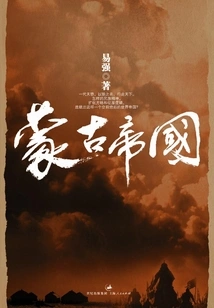
Mongol Empire
History蒙古帝国
Yi Qiang
A generation of genius, walking around the world in the name of wolf. What kind of national spirit, expansion strategy and conquest logic created such an unprecedented world empire? Do you believe that Genghis Khan was afraid of dogs when he was nine years old? Do you believe that this timid boy would kill his brother in a few years just for a little whitebait? What turned this timid kid into a murderer? Is there a genetic code hidden deep in this child's brain that can control his destiny under certain circumstances? How could Mongolia, with a population of less than 2 million at the beginning, be able to conquer other countries and open up an unprecedented territory that encompasses many civilizations?
A generation of genius, walking around the world in the name of wolf. What kind of national spirit, expansion strategy and conquest logic created such an unprecedented world empire? Do you believe that Genghis Khan was afraid of dogs when he was nine years old? Do you believe that this timid boy would kill his brother in a few years just for a little whitebait? What turned this timid kid into a murderer? Is there a genetic code hidden deep in this child's brain that can control his destiny under certain circumstances? How could Mongolia, with a population of less than 2 million at the beginning, be able to conquer other countries and open up an unprecedented territory that encompasses many civilizations?
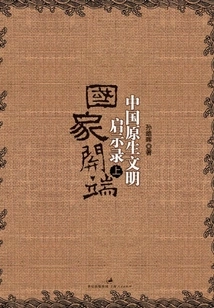
中国原生文明启示录(第一部)
Sun Haohui
This is a book that attempts to clarify the history of Chinese civilization in the first 3,000 years. During these 3,000 years, the Chinese ethnic group has experienced seven major eras - the Age of Five Emperors, Xia, Shang, Zhou, Spring and Autumn Period, Warring States, and Qin Empire. In each of these eras, our nation has achieved a huge leap in civilization. After seven major historical leaps, our nation has finally reached the highest peak of the plateau of Chinese classical civilization - the Qin Empire. We have successfully achieved the unification of China's territory, successfully created the unification of Chinese civilization, and established an eternal and immortal historical survival paradigm for our country and nation.
This is a book that attempts to clarify the history of Chinese civilization in the first 3,000 years. During these 3,000 years, the Chinese ethnic group has experienced seven major eras - the Age of Five Emperors, Xia, Shang, Zhou, Spring and Autumn Period, Warring States, and Qin Empire. In each of these eras, our nation has achieved a huge leap in civilization. After seven major historical leaps, our nation has finally reached the highest peak of the plateau of Chinese classical civilization - the Qin Empire. We have successfully achieved the unification of China's territory, successfully created the unification of Chinese civilization, and established an eternal and immortal historical survival paradigm for our country and nation.
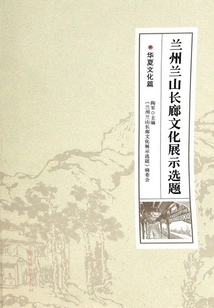
兰州兰山长廊文化展示选题:甘肃文化篇
Compiled By Tao Jun
This book is in response to the call of the Gansu Provincial Party Committee and the Provincial Government to build a cultural province, to implement the strategy of protecting and inheriting innovation zones of Chinese civilization, to implement the spirit of the Lanzhou Municipal Party Committee and the Municipal Government to strengthen Lanzhou cultural construction, to highlight the important position of Lanzhou City in the "1313" project, and to showcase the main line of Chinese civilization, Gansu local culture and the historical and cultural resources of Lanzhou City.
This book is in response to the call of the Gansu Provincial Party Committee and the Provincial Government to build a cultural province, to implement the strategy of protecting and inheriting innovation zones of Chinese civilization, to implement the spirit of the Lanzhou Municipal Party Committee and the Municipal Government to strengthen Lanzhou cultural construction, to highlight the important position of Lanzhou City in the "1313" project, and to showcase the main line of Chinese civilization, Gansu local culture and the historical and cultural resources of Lanzhou City.
Modern China (volume 22)
History近代中国(第22辑)
Chen Jiang Shanghai Zhongshan Society
"Modern China (Volume 22)" includes "Sun Yat-sen and the Outline of Provisional Conventions" and "From Confucius\
"Modern China (Volume 22)" includes "Sun Yat-sen and the Outline of Provisional Conventions" and "From Confucius\
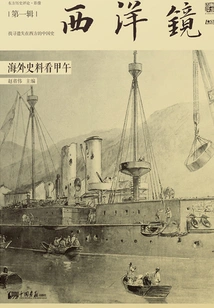
西洋镜:海外史料看甲午
Editor-in-chief Zhao Shengwei
The domestic "Peepshow: A Look at the Sino-Japanese War from Overseas Historical Materials" brings together the British "Illustrated London News" (100 pictures, 20,000 words of reporter's first-hand report), the famous British satirical magazine "Clumsy" (15 cartoons), French Pictorial (80 pictures, 20,000 words of reporter's first-hand report), and Japanese Customs Illustrated (reported by a Japanese soldier) Journalists, compiled based on what they "saw and heard" on the battlefield. From 1894 to 1895, a total of ten issues of the Sino-Japanese War supplement were published (the complete set of this book is currently difficult to find even in Japan) and other classic graphic records about Sino-Japanese War, which has a strong market differentiation for books on Sino-Japanese War and Sino-Japanese topics.
The domestic "Peepshow: A Look at the Sino-Japanese War from Overseas Historical Materials" brings together the British "Illustrated London News" (100 pictures, 20,000 words of reporter's first-hand report), the famous British satirical magazine "Clumsy" (15 cartoons), French Pictorial (80 pictures, 20,000 words of reporter's first-hand report), and Japanese Customs Illustrated (reported by a Japanese soldier) Journalists, compiled based on what they "saw and heard" on the battlefield. From 1894 to 1895, a total of ten issues of the Sino-Japanese War supplement were published (the complete set of this book is currently difficult to find even in Japan) and other classic graphic records about Sino-Japanese War, which has a strong market differentiation for books on Sino-Japanese War and Sino-Japanese topics.
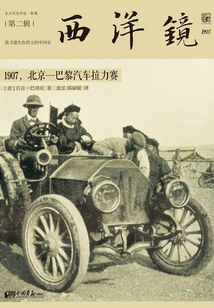
西洋镜:1907,北京-巴黎汽车拉力赛
(italian) Luigi Bazzini
Unique perspective: China's first car rally in the eyes of a Western journalist. Precious scarcity: 100 precious photos record the first remote car race in human history. The 1907 Beijing-Paris car rally was the original journey of world motor sports and the first transcontinental car event in human history. The event was hosted by Paris's "Le Matin" and hosted by China, Russia and other countries. The participating cars are transported by ship to Shanghai, Tianjin, and then to Beijing. On the morning of June 10, 1907, five racing cars set off from the French barracks in the legation area of Beijing, headed for Zhangjiakou, passed through the Mongolian grasslands and the Gobi, and arrived in Paris, which lasted 62 days. Bazini rode in Prince Borghese's racing car, followed and interviewed the whole process and left behind a large amount of precious text and video materials. The 1907 Beijing-Paris Automobile Rally not only promoted the rapid popularization of human automobile sports, but also had a profound impact on the development of the world's automobile industry.
Unique perspective: China's first car rally in the eyes of a Western journalist. Precious scarcity: 100 precious photos record the first remote car race in human history. The 1907 Beijing-Paris car rally was the original journey of world motor sports and the first transcontinental car event in human history. The event was hosted by Paris's "Le Matin" and hosted by China, Russia and other countries. The participating cars are transported by ship to Shanghai, Tianjin, and then to Beijing. On the morning of June 10, 1907, five racing cars set off from the French barracks in the legation area of Beijing, headed for Zhangjiakou, passed through the Mongolian grasslands and the Gobi, and arrived in Paris, which lasted 62 days. Bazini rode in Prince Borghese's racing car, followed and interviewed the whole process and left behind a large amount of precious text and video materials. The 1907 Beijing-Paris Automobile Rally not only promoted the rapid popularization of human automobile sports, but also had a profound impact on the development of the world's automobile industry.
彪悍南北朝之铁血后三国
The Clouds Are Calm And The Heart Is Far Away
重说中国近代史
Zhang Ming
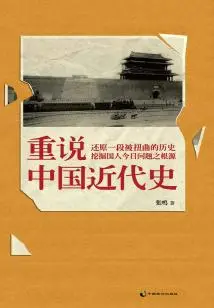
This book originated from a popular elective course at the National People's Congress, namely the open course on political history taught by teacher Zhang Ming. It became popular on campus due to word-of-mouth spread among students, and eventually made more people take a serious look at this seemingly boring history. Why is this course so popular? It turns out that under the restoration of teacher Zhang Ming, China's modern history has become so complex, exciting, and so subversive. It is very different from the stereotypes in our memories. It is definitely not the two columns of loyal and traitors, black and white in the textbooks. When many characters and historical facts are presented in front of us, it is difficult to make a simple judgment of right and wrong. While facing up to a distorted period of modern Chinese history, we can also discover the spiritual roots of the Chinese people's problems today. Based on this, we have compiled the lecture notes of this course into a book, hoping to share this true history full of contradictions and paradoxes with more people: China and the West, the Qing court and the people, the Manchus and Han scholars, foreign religions and local beliefs, guns and pens, rebellion and reform, imperial examinations and revolution... Yes, during that period of history, apart from humiliation and hatred, there is still too much content that is worth revisiting and reflecting on. As Professor Zhang Ming said: If we don't know or completely ignore this process, it will be difficult to find our own position in the long river of history, it will be difficult to place ourselves well, and we will not be able to position ourselves well in the world structure. It's true.
This book originated from a popular elective course at the National People's Congress, namely the open course on political history taught by teacher Zhang Ming. It became popular on campus due to word-of-mouth spread among students, and eventually made more people take a serious look at this seemingly boring history. Why is this course so popular? It turns out that under the restoration of teacher Zhang Ming, China's modern history has become so complex, exciting, and so subversive. It is very different from the stereotypes in our memories. It is definitely not the two columns of loyal and traitors, black and white in the textbooks. When many characters and historical facts are presented in front of us, it is difficult to make a simple judgment of right and wrong. While facing up to a distorted period of modern Chinese history, we can also discover the spiritual roots of the Chinese people's problems today. Based on this, we have compiled the lecture notes of this course into a book, hoping to share this true history full of contradictions and paradoxes with more people: China and the West, the Qing court and the people, the Manchus and Han scholars, foreign religions and local beliefs, guns and pens, rebellion and reform, imperial examinations and revolution... Yes, during that period of history, apart from humiliation and hatred, there is still too much content that is worth revisiting and reflecting on. As Professor Zhang Ming said: If we don't know or completely ignore this process, it will be difficult to find our own position in the long river of history, it will be difficult to place ourselves well, and we will not be able to position ourselves well in the world structure. It's true.
大谋略:三国外交智慧书
Zhang Cheng
陇南非物质文化遗产
Zhao Qiwei
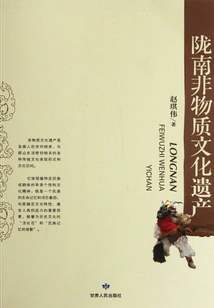
The book "Longnan Intangible Cultural Heritage" comprehensively summarizes the overall appearance of our city's intangible cultural heritage, and breaks down the types, characteristics, manifestations and protection values of our city's national, provincial, municipal and county-level intangible cultural heritage. "Longnan South Africa Material Cultural Heritage" reviews and looks forward to the protection of Longnan South Africa's material cultural heritage, and puts forward corresponding protection ideas and countermeasures. It is a book with data value and practical reference significance.
The book "Longnan Intangible Cultural Heritage" comprehensively summarizes the overall appearance of our city's intangible cultural heritage, and breaks down the types, characteristics, manifestations and protection values of our city's national, provincial, municipal and county-level intangible cultural heritage. "Longnan South Africa Material Cultural Heritage" reviews and looks forward to the protection of Longnan South Africa's material cultural heritage, and puts forward corresponding protection ideas and countermeasures. It is a book with data value and practical reference significance.
Modern China (volume 24)
History近代中国(第24辑)
Shanghai Zhongshan Society
"Modern China (Twenty-fourth Series)" is a collection of essays on the study of modern Chinese history. It is divided into seven parts: Sun Yat-sen research, academic culture, politics and military, social economy, academic commentary, and historical reading notes. It fully reflects the latest research results of the academic community on modern China, and has great reference value and reference significance for people to deeply understand and study modern China and promote the development of my country's reform and opening up.
"Modern China (Twenty-fourth Series)" is a collection of essays on the study of modern Chinese history. It is divided into seven parts: Sun Yat-sen research, academic culture, politics and military, social economy, academic commentary, and historical reading notes. It fully reflects the latest research results of the academic community on modern China, and has great reference value and reference significance for people to deeply understand and study modern China and promote the development of my country's reform and opening up.
春秋战国那点事儿
Xiao Shi, Xiao Xinzhu
This book mainly tells about the people and events recorded in historical materials that happened during the Spring and Autumn Period and the Warring States Period. The book is based on historical materials, with chronology and specific tasks as the main line. It provides a clear, easy-to-understand description of the fourteen major vassal states of Jin, Qi, Chu, Yan, Zhao, Han, Wei, Qin, Wu, Yue, Lu, Song, Wei, and Zheng, as well as the rise and fall of their monarchs and their families.
This book mainly tells about the people and events recorded in historical materials that happened during the Spring and Autumn Period and the Warring States Period. The book is based on historical materials, with chronology and specific tasks as the main line. It provides a clear, easy-to-understand description of the fourteen major vassal states of Jin, Qi, Chu, Yan, Zhao, Han, Wei, Qin, Wu, Yue, Lu, Song, Wei, and Zheng, as well as the rise and fall of their monarchs and their families.
辛亥革命前后的江苏社会研究
Zhou Xinguo Lu Hejian
"Research on Jiangsu Society before and after the Revolution of 1911" is an academic monograph that studies the social changes in Jiangsu before and after the Revolution of 1911. It shows the social changes in Jiangsu during that period from the aspects of Jiangsu's social and historical status quo and development changes, and makes a true and objective study and reproduction of China's social development at that time from one aspect.
"Research on Jiangsu Society before and after the Revolution of 1911" is an academic monograph that studies the social changes in Jiangsu before and after the Revolution of 1911. It shows the social changes in Jiangsu during that period from the aspects of Jiangsu's social and historical status quo and development changes, and makes a true and objective study and reproduction of China's social development at that time from one aspect.
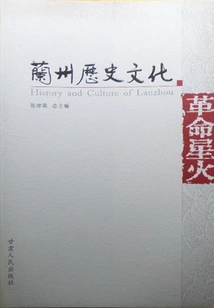
Revolutionary Spark
History革命星火
Ren Hong
This book describes the revolutionary history from the 1911 and May 4th Revolutions to the liberation of Lanzhou in 1949 with the titles of "Spring Thunder Awakens the Ancient City", "We braved the thorns and thorns to march forward", "United as one to resist the stubborn enemy", and "Red Flag waved the new world".
This book describes the revolutionary history from the 1911 and May 4th Revolutions to the liberation of Lanzhou in 1949 with the titles of "Spring Thunder Awakens the Ancient City", "We braved the thorns and thorns to march forward", "United as one to resist the stubborn enemy", and "Red Flag waved the new world".
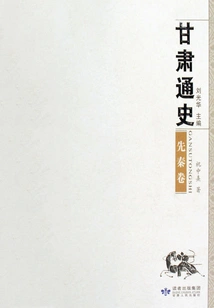
甘肃通史 先秦卷
Liu Guanghua
The contents of this book include: the territory and natural conditions of Gansu Province; Gansu in the primitive society period; Gansu Fangguo in the Xia, Shang and Western Zhou dynasties; Gansu bronze culture in the pre-Qin period; Gansu in the Warring States period, etc.
The contents of this book include: the territory and natural conditions of Gansu Province; Gansu in the primitive society period; Gansu Fangguo in the Xia, Shang and Western Zhou dynasties; Gansu bronze culture in the pre-Qin period; Gansu in the Warring States period, etc.
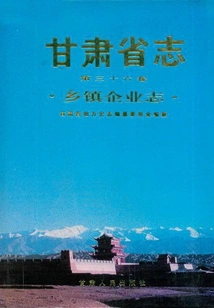
甘肃省志·乡镇企业志
Gansu Provincial Local History Compilation Committee, "gansu Provincial Chronicle·township Enterprise Chronicle" Compilation Committee
Gansu Provincial Local History Compilation Committee "Gansu Provincial Chronicle·Township Enterprise Chronicle" Compilation Committee
Gansu Provincial Local History Compilation Committee "Gansu Provincial Chronicle·Township Enterprise Chronicle" Compilation Committee
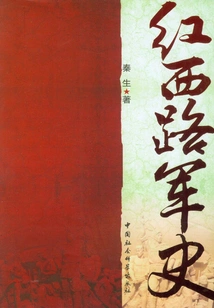
红西路军史
Qin Sheng
The Western Route Army of the Chinese Workers' and Peasants' Red Army was an "unprecedented" major historical event that occurred at the end of the Second Civil Revolutionary War. This book is the final result of the National Social Science Foundation project "Research on the History of the Chinese Workers' and Peasants' Red Army's Western Route Army". It is also the first non-fiction monograph currently available that comprehensively and systematically studies the true history of the Red Army's Western Route Army. With a scientific and rigorous attitude, the author fully demonstrates the social and historical conditions for the formation of the Red West Route Army, the historical process of its evolution and final outcome, and fully demonstrates and objectively evaluates the Red West Route Army from the perspective of research on the history of the Communist Party of China and the history of military warfare, based on full possession of detailed information and on-the-spot investigations. It extols the historical achievements of the founding of the army and the strategic role it played, and eulogizes the lofty revolutionary spirit of the Red West Route Army; studies the formation and impact of the major strategies of the Red West Route Army, analyzes and summarizes the reasons for the failure of the Red West Route Army, and answers many major theoretical questions that have long been debated in the party history and academic circles.
The Western Route Army of the Chinese Workers' and Peasants' Red Army was an "unprecedented" major historical event that occurred at the end of the Second Civil Revolutionary War. This book is the final result of the National Social Science Foundation project "Research on the History of the Chinese Workers' and Peasants' Red Army's Western Route Army". It is also the first non-fiction monograph currently available that comprehensively and systematically studies the true history of the Red Army's Western Route Army. With a scientific and rigorous attitude, the author fully demonstrates the social and historical conditions for the formation of the Red West Route Army, the historical process of its evolution and final outcome, and fully demonstrates and objectively evaluates the Red West Route Army from the perspective of research on the history of the Communist Party of China and the history of military warfare, based on full possession of detailed information and on-the-spot investigations. It extols the historical achievements of the founding of the army and the strategic role it played, and eulogizes the lofty revolutionary spirit of the Red West Route Army; studies the formation and impact of the major strategies of the Red West Route Army, analyzes and summarizes the reasons for the failure of the Red West Route Army, and answers many major theoretical questions that have long been debated in the party history and academic circles.
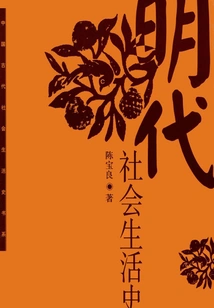
明代社会生活史
Chen Baoliang
The society of the Ming Dynasty was a process of transformation. The continuous growth of the population, the commercialization and monetization of the economy, the prosperity of cities, the acceleration of social mobility, and the "vitality" and "diversity" of life and culture all showed that it was essentially different from the previous era. The cities of the Ming Dynasty brought together all kinds of people. Government officials were full of ambition and went out to play gongs to make their debut; scholars who took the imperial examination fell into disgrace and became guests of the mountain people, working as idlers in yamen and brothels to enjoy the autumn breeze; businessmen wore gorgeous clothes and walked in and out of flower streets; bachelors and bachelors, dressed in short clothes and carrying scales, hammers, and fancy-dressed concubines and female helpers, went in and out of the boudoirs of officials' families.
The society of the Ming Dynasty was a process of transformation. The continuous growth of the population, the commercialization and monetization of the economy, the prosperity of cities, the acceleration of social mobility, and the "vitality" and "diversity" of life and culture all showed that it was essentially different from the previous era. The cities of the Ming Dynasty brought together all kinds of people. Government officials were full of ambition and went out to play gongs to make their debut; scholars who took the imperial examination fell into disgrace and became guests of the mountain people, working as idlers in yamen and brothels to enjoy the autumn breeze; businessmen wore gorgeous clothes and walked in and out of flower streets; bachelors and bachelors, dressed in short clothes and carrying scales, hammers, and fancy-dressed concubines and female helpers, went in and out of the boudoirs of officials' families.
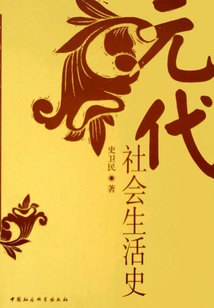
元代社会生活史
Shi Weimin
In the long history of China, although the rule of the Yuan Dynasty only lasted for more than a hundred years, under the unprecedented "great unification" situation, the mutual influence and integration of farming culture, nomadic culture, and fishing and hunting culture left an indelible mark on the social life of all ethnic groups in China. This book provides a detailed description of all aspects of Chinese social life in the 13th and 14th centuries, focusing on revealing the impact of the integration of nomadic culture and farming culture on social life. It is a historical monograph that comprehensively and systematically studies social life in the Yuan Dynasty.
In the long history of China, although the rule of the Yuan Dynasty only lasted for more than a hundred years, under the unprecedented "great unification" situation, the mutual influence and integration of farming culture, nomadic culture, and fishing and hunting culture left an indelible mark on the social life of all ethnic groups in China. This book provides a detailed description of all aspects of Chinese social life in the 13th and 14th centuries, focusing on revealing the impact of the integration of nomadic culture and farming culture on social life. It is a historical monograph that comprehensively and systematically studies social life in the Yuan Dynasty.
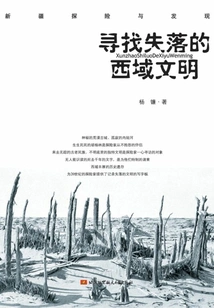
寻找失落的西域文明
Yang Jian
This book describes the human geography discoveries of Xinjiang. It is a documentary introduction of human geography discoveries with the theme of Xinjiang exploration history in the 20th century. It is also a vivid and valuable exploration archaeological record. The human geography investigation of western China in the 20th century can be said to a certain extent to have begun with the discovery of the ancient city of Loulan. This book describes the history of Xinjiang exploration in the 20th century, represented by the archaeological discoveries of Loulan\u002F Lop Nur and Khotan\u002F Hotan. Its series of geographical discoveries are subversive and have always attracted worldwide attention. Moreover, its exploration process is full of drama of a narrow escape. It contains more than 50 precious historical photos, including Sven Hedin's handwriting paintings during his expedition to Xinjiang.
This book describes the human geography discoveries of Xinjiang. It is a documentary introduction of human geography discoveries with the theme of Xinjiang exploration history in the 20th century. It is also a vivid and valuable exploration archaeological record. The human geography investigation of western China in the 20th century can be said to a certain extent to have begun with the discovery of the ancient city of Loulan. This book describes the history of Xinjiang exploration in the 20th century, represented by the archaeological discoveries of Loulan\u002F Lop Nur and Khotan\u002F Hotan. Its series of geographical discoveries are subversive and have always attracted worldwide attention. Moreover, its exploration process is full of drama of a narrow escape. It contains more than 50 precious historical photos, including Sven Hedin's handwriting paintings during his expedition to Xinjiang.
民国宁夏风云实录5
Yang Shaoqing Hu Xunlei
"Records of Ningxia's Storms in the Republic of China" has a total of 10 volumes and 26 volumes. This book uses time as a clue to record the major historical events that occurred in Ningxia during the Republic of China. The events written in the article are all provided by the parties involved, those who experienced the events, and insiders. The sources of historical materials are reliable, and the recorded events are detailed and truly reflect the situation in Ningxia at that time. The whole book has a clear chronological context, distinct themes of the times, and has high historical value.
"Records of Ningxia's Storms in the Republic of China" has a total of 10 volumes and 26 volumes. This book uses time as a clue to record the major historical events that occurred in Ningxia during the Republic of China. The events written in the article are all provided by the parties involved, those who experienced the events, and insiders. The sources of historical materials are reliable, and the recorded events are detailed and truly reflect the situation in Ningxia at that time. The whole book has a clear chronological context, distinct themes of the times, and has high historical value.
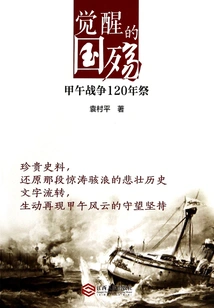
觉醒的国殇
Yuan Cunping
The main content of this book is to describe the Sino-Japanese War of 1894-1894, from the background of the war, the process of the war to the impact of the war, including the characters in the war, specific battles, comparison of personnel strength, every step of the war, etc. It vividly restores the situation of the war between the Qing Dynasty and the Japanese Empire more than a hundred years ago that is unforgettable for the world and unforgettable for China. It is both a historical book and a popular war novel.
The main content of this book is to describe the Sino-Japanese War of 1894-1894, from the background of the war, the process of the war to the impact of the war, including the characters in the war, specific battles, comparison of personnel strength, every step of the war, etc. It vividly restores the situation of the war between the Qing Dynasty and the Japanese Empire more than a hundred years ago that is unforgettable for the world and unforgettable for China. It is both a historical book and a popular war novel.
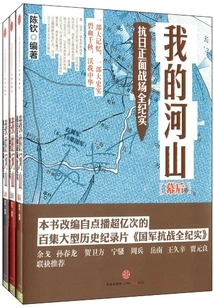
我的河山:抗日正面战场全纪实(套装共3册)
Chen Qin
The "My Rivers and Mountains: Complete Documentary of the Frontal Battlefields of the Anti-Japanese War" series is a series of documentary books describing the frontal battlefields during the Anti-Japanese War. It contains three books. During the eight years of the Anti-Japanese War, so many events and characters were lost in the dust of history, and no one can describe the entire process in detail. In 2011, a documentary evoked people's memories of those years. "The Complete Documentary of the National Army's War of Resistance" has set a record of over 100 million views on demand, which fully proves that too many people want to understand this period of history. Two years later, "My River and Mountains" adapted from the documentary was released to meet everyone's expectations for a frontal battlefield. There are so many unsolved mysteries in these eight years that I need to uncover one by one.
The "My Rivers and Mountains: Complete Documentary of the Frontal Battlefields of the Anti-Japanese War" series is a series of documentary books describing the frontal battlefields during the Anti-Japanese War. It contains three books. During the eight years of the Anti-Japanese War, so many events and characters were lost in the dust of history, and no one can describe the entire process in detail. In 2011, a documentary evoked people's memories of those years. "The Complete Documentary of the National Army's War of Resistance" has set a record of over 100 million views on demand, which fully proves that too many people want to understand this period of history. Two years later, "My River and Mountains" adapted from the documentary was released to meet everyone's expectations for a frontal battlefield. There are so many unsolved mysteries in these eight years that I need to uncover one by one.
酒泉华夏文明概论
Editor-in-chief Sun Zhan'ao
This topic is a theoretical work whose main content is to build the inheritance and innovation of Chinese civilization in Jiuquan. This paper gives a general overview of the main forms and characteristics of Jiuquan Chinese civilization such as Jiuquan's prehistoric culture, Dunhuang culture, slip culture, Silk Road culture, Great Wall culture, frontier culture, national culture, and aerospace culture. The manuscript captures the two keys of "inheritance" and "innovation". An in-depth introduction to Jiuquan's excellent history and culture was given.
This topic is a theoretical work whose main content is to build the inheritance and innovation of Chinese civilization in Jiuquan. This paper gives a general overview of the main forms and characteristics of Jiuquan Chinese civilization such as Jiuquan's prehistoric culture, Dunhuang culture, slip culture, Silk Road culture, Great Wall culture, frontier culture, national culture, and aerospace culture. The manuscript captures the two keys of "inheritance" and "innovation". An in-depth introduction to Jiuquan's excellent history and culture was given.
甘肃文史精粹
Gansu Provincial Museum Of Culture And History
The articles included in this book include "Talk about Chinese Culture from Fuxi", "Fuxi's Life Experience", "The Evolution of the Image of the Queen Mother of the West", "The Myth of Nuwa", "Pre-Zhou History and the Legend of the Morning Bull", etc.
The articles included in this book include "Talk about Chinese Culture from Fuxi", "Fuxi's Life Experience", "The Evolution of the Image of the Queen Mother of the West", "The Myth of Nuwa", "Pre-Zhou History and the Legend of the Morning Bull", etc.
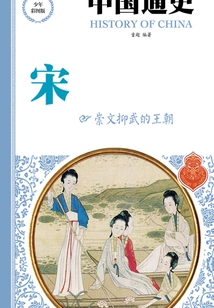
中国通史:宋
Compiled By Tong Chao
"General History of China (set of 10 volumes)" includes "Legendary Era·Xia·Shang·Western Zhou Dynasty", "Spring and Autumn·Warring States", "Qin·Han", "Three Kingdoms·Two Jin·Southern and Northern Dynasties", "Sui·Tang·Five Dynasties", "Song", "Liao·Xixia·Jin", "Yuan", "Ming" and "Qing" are full of pictures and texts in various genres. Through carefully selected more than 600 historical stories, the book vividly reproduces China's long history. History and Brilliant Civilization has a clear historical context, concrete historical details, concise and vivid text, and rich and pleasing pictures. It is a tasteful historical knowledge reading with story-based text reading, diversified picture expressions, the success and failure of people over the ages, the rise and fall of dynasties, and the wonderful moments of ancient civilizations form a dignified historical encyclopedia.
"General History of China (set of 10 volumes)" includes "Legendary Era·Xia·Shang·Western Zhou Dynasty", "Spring and Autumn·Warring States", "Qin·Han", "Three Kingdoms·Two Jin·Southern and Northern Dynasties", "Sui·Tang·Five Dynasties", "Song", "Liao·Xixia·Jin", "Yuan", "Ming" and "Qing" are full of pictures and texts in various genres. Through carefully selected more than 600 historical stories, the book vividly reproduces China's long history. History and Brilliant Civilization has a clear historical context, concrete historical details, concise and vivid text, and rich and pleasing pictures. It is a tasteful historical knowledge reading with story-based text reading, diversified picture expressions, the success and failure of people over the ages, the rise and fall of dynasties, and the wonderful moments of ancient civilizations form a dignified historical encyclopedia.
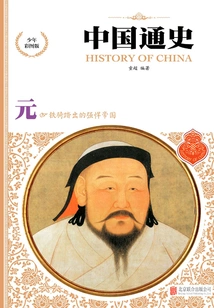
中国通史:元
Compiled By Tong Chao
"General History of China (set of 10 volumes)" includes "Legendary Era·Xia·Shang·Western Zhou Dynasty", "Spring and Autumn·Warring States", "Qin·Han", "Three Kingdoms·Two Jin·Southern and Northern Dynasties", "Sui·Tang·Five Dynasties", "Song", "Liao·Xixia·Jin", "Yuan", "Ming" and "Qing" are full of pictures and texts in various genres. Through carefully selected more than 600 historical stories, the book vividly reproduces China's long history. History and Brilliant Civilization has a clear historical context, concrete historical details, concise and vivid text, and rich and pleasing pictures. It is a tasteful historical knowledge reading with story-based text reading, diversified picture expressions, the success and failure of people over the ages, the rise and fall of dynasties, and the wonderful moments of ancient civilizations form a dignified historical encyclopedia.
"General History of China (set of 10 volumes)" includes "Legendary Era·Xia·Shang·Western Zhou Dynasty", "Spring and Autumn·Warring States", "Qin·Han", "Three Kingdoms·Two Jin·Southern and Northern Dynasties", "Sui·Tang·Five Dynasties", "Song", "Liao·Xixia·Jin", "Yuan", "Ming" and "Qing" are full of pictures and texts in various genres. Through carefully selected more than 600 historical stories, the book vividly reproduces China's long history. History and Brilliant Civilization has a clear historical context, concrete historical details, concise and vivid text, and rich and pleasing pictures. It is a tasteful historical knowledge reading with story-based text reading, diversified picture expressions, the success and failure of people over the ages, the rise and fall of dynasties, and the wonderful moments of ancient civilizations form a dignified historical encyclopedia.
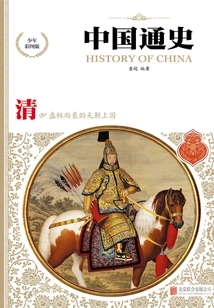
中国通史:清
Compiled By Tong Chao
"General History of China (set of 10 volumes)" includes "Legendary Era·Xia·Shang·Western Zhou Dynasty", "Spring and Autumn·Warring States", "Qin·Han", "Three Kingdoms·Two Jin·Southern and Northern Dynasties", "Sui·Tang·Five Dynasties", "Song", "Liao·Xixia·Jin", "Yuan", "Ming" and "Qing" are full of pictures and texts in various genres. Through carefully selected more than 600 historical stories, the book vividly reproduces China's long history. History and Brilliant Civilization has a clear historical context, concrete historical details, concise and vivid text, and rich and pleasing pictures. It is a tasteful historical knowledge reading with story-based text reading, diversified picture expressions, the success and failure of people over the ages, the rise and fall of dynasties, and the wonderful moments of ancient civilizations form a dignified historical encyclopedia.
"General History of China (set of 10 volumes)" includes "Legendary Era·Xia·Shang·Western Zhou Dynasty", "Spring and Autumn·Warring States", "Qin·Han", "Three Kingdoms·Two Jin·Southern and Northern Dynasties", "Sui·Tang·Five Dynasties", "Song", "Liao·Xixia·Jin", "Yuan", "Ming" and "Qing" are full of pictures and texts in various genres. Through carefully selected more than 600 historical stories, the book vividly reproduces China's long history. History and Brilliant Civilization has a clear historical context, concrete historical details, concise and vivid text, and rich and pleasing pictures. It is a tasteful historical knowledge reading with story-based text reading, diversified picture expressions, the success and failure of people over the ages, the rise and fall of dynasties, and the wonderful moments of ancient civilizations form a dignified historical encyclopedia.
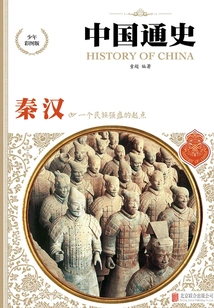
中国通史:秦·汉
Compiled By Tong Chao
"General History of China (set of 10 volumes)" includes "Legendary Era·Xia·Shang·Western Zhou Dynasty", "Spring and Autumn·Warring States", "Qin·Han", "Three Kingdoms·Two Jin·Southern and Northern Dynasties", "Sui·Tang·Five Dynasties", "Song", "Liao·Xixia·Jin", "Yuan", "Ming" and "Qing" are full of pictures and texts in various genres. Through carefully selected more than 600 historical stories, the book vividly reproduces China's long history. History and Brilliant Civilization has a clear historical context, concrete historical details, concise and vivid text, and rich and pleasing pictures. It is a tasteful historical knowledge reading with story-based text reading, diversified picture expressions, the success and failure of people over the ages, the rise and fall of dynasties, and the wonderful moments of ancient civilizations form a dignified historical encyclopedia.
"General History of China (set of 10 volumes)" includes "Legendary Era·Xia·Shang·Western Zhou Dynasty", "Spring and Autumn·Warring States", "Qin·Han", "Three Kingdoms·Two Jin·Southern and Northern Dynasties", "Sui·Tang·Five Dynasties", "Song", "Liao·Xixia·Jin", "Yuan", "Ming" and "Qing" are full of pictures and texts in various genres. Through carefully selected more than 600 historical stories, the book vividly reproduces China's long history. History and Brilliant Civilization has a clear historical context, concrete historical details, concise and vivid text, and rich and pleasing pictures. It is a tasteful historical knowledge reading with story-based text reading, diversified picture expressions, the success and failure of people over the ages, the rise and fall of dynasties, and the wonderful moments of ancient civilizations form a dignified historical encyclopedia.
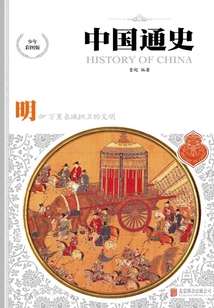
中国通史:明
Compiled By Tong Chao
"General History of China (set of 10 volumes)" includes "Legendary Era·Xia·Shang·Western Zhou Dynasty", "Spring and Autumn·Warring States", "Qin·Han", "Three Kingdoms·Two Jin·Southern and Northern Dynasties", "Sui·Tang·Five Dynasties", "Song", "Liao·Xixia·Jin", "Yuan", "Ming" and "Qing" are full of pictures and texts in various genres. Through carefully selected more than 600 historical stories, the book vividly reproduces China's long history. History and Brilliant Civilization has a clear historical context, concrete historical details, concise and vivid text, and rich and pleasing pictures. It is a tasteful historical knowledge reading with story-based text reading, diversified picture expressions, the success and failure of people over the ages, the rise and fall of dynasties, and the wonderful moments of ancient civilizations form a dignified historical encyclopedia.
"General History of China (set of 10 volumes)" includes "Legendary Era·Xia·Shang·Western Zhou Dynasty", "Spring and Autumn·Warring States", "Qin·Han", "Three Kingdoms·Two Jin·Southern and Northern Dynasties", "Sui·Tang·Five Dynasties", "Song", "Liao·Xixia·Jin", "Yuan", "Ming" and "Qing" are full of pictures and texts in various genres. Through carefully selected more than 600 historical stories, the book vividly reproduces China's long history. History and Brilliant Civilization has a clear historical context, concrete historical details, concise and vivid text, and rich and pleasing pictures. It is a tasteful historical knowledge reading with story-based text reading, diversified picture expressions, the success and failure of people over the ages, the rise and fall of dynasties, and the wonderful moments of ancient civilizations form a dignified historical encyclopedia.
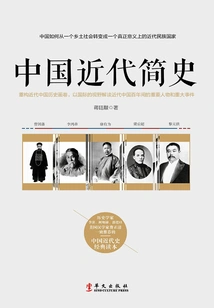
中国近代简史
Jiang Tingfu
This book, originally titled "Modern History of China", is Jiang Tingfu's classic work on the study of modern Chinese history. It was also a textbook for university history departments and has a wide influence. With a calm and objective attitude, Jiang Tingfu narrated the history of China from the Opium War to the Revolution of 1911. He expressed concerns about the future of China and the fate of the nation in an academic way, and put forward many insights. American sinologist John Fairbank called Jiang Tingfu "the leader in the study of modern Chinese history." This book is a tripartite stand with Guo Tingyi's "Outline of Modern Chinese History" and Xu Zhongyue's "Modern Chinese History".
This book, originally titled "Modern History of China", is Jiang Tingfu's classic work on the study of modern Chinese history. It was also a textbook for university history departments and has a wide influence. With a calm and objective attitude, Jiang Tingfu narrated the history of China from the Opium War to the Revolution of 1911. He expressed concerns about the future of China and the fate of the nation in an academic way, and put forward many insights. American sinologist John Fairbank called Jiang Tingfu "the leader in the study of modern Chinese history." This book is a tripartite stand with Guo Tingyi's "Outline of Modern Chinese History" and Xu Zhongyue's "Modern Chinese History".
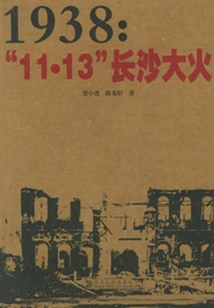
1938: 11.13 Changsha Fire
History1938:11.13长沙大火
Liang Xiaojin Chen Xianshu
The Wenxi Fire was caused by the aggressive war launched by the Japanese imperialists. The culprit of this disaster was Japanese imperialism. The Kuomintang military authorities made strategic mistakes, and the Kuomintang military and political authorities in Hunan neglected their duties and brought disaster to the people. This was the direct cause of this disaster. The people of Changsha made great sacrifices for the national war of resistance, which will surely go down in history forever. This book will introduce readers to the beginning and end of the fire, as well as its causes and consequences.
The Wenxi Fire was caused by the aggressive war launched by the Japanese imperialists. The culprit of this disaster was Japanese imperialism. The Kuomintang military authorities made strategic mistakes, and the Kuomintang military and political authorities in Hunan neglected their duties and brought disaster to the people. This was the direct cause of this disaster. The people of Changsha made great sacrifices for the national war of resistance, which will surely go down in history forever. This book will introduce readers to the beginning and end of the fire, as well as its causes and consequences.
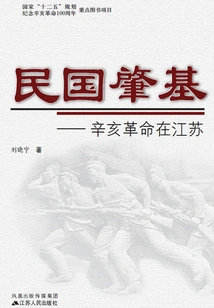
民国肇基:辛亥革命在江苏
Liu Xiaoning
"The Founding of the Republic of China: The Revolution of 1911 in Jiangsu" tells the story of the recovery of Jiangsu during the Revolution of 1911 and the establishment of the Nanjing Provisional Government. Sun Yat-sen's lofty spiritual outlook of being upright, willing to be a public servant, obeying public deliberations, and selfless left us a precious spiritual legacy; at the same time, it also has profound historical lessons that are worthy of our summary, reflection, inheritance, and reference.
"The Founding of the Republic of China: The Revolution of 1911 in Jiangsu" tells the story of the recovery of Jiangsu during the Revolution of 1911 and the establishment of the Nanjing Provisional Government. Sun Yat-sen's lofty spiritual outlook of being upright, willing to be a public servant, obeying public deliberations, and selfless left us a precious spiritual legacy; at the same time, it also has profound historical lessons that are worthy of our summary, reflection, inheritance, and reference.
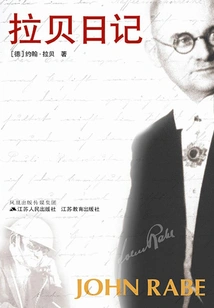
Rabe's Diary
History拉贝日记
(german) John Rabe
This book was written by John Rabe at the risk of his life during the war, but it had been lying in the attic where Rabe's son lived for decades. It was not released to the world until 1997, 60 years later. Its publication has aroused great repercussions at home and abroad, and is recognized as the largest and most complete historical material on the Nanjing Massacre discovered in recent years. What it describes is Rabe's personal experience and personal experience. It is very specific, detailed and true, and no one can deny its credibility. It is a bloody and tearful indictment of the Nanjing Massacre caused by the Japanese invaders and a powerful testimony to the crimes committed by Japanese imperialism. "Rabe's Diary" is the first-hand local information about the Nanjing Massacre. Its description has the utmost objectivity and fairness. It is very rich in content. It not only records the shocking atrocities committed by the Japanese army such as burning, killing, prostitution, and looting, but also points out that the atrocities committed by the Japanese army violate international law and were completely planned and premeditated.
This book was written by John Rabe at the risk of his life during the war, but it had been lying in the attic where Rabe's son lived for decades. It was not released to the world until 1997, 60 years later. Its publication has aroused great repercussions at home and abroad, and is recognized as the largest and most complete historical material on the Nanjing Massacre discovered in recent years. What it describes is Rabe's personal experience and personal experience. It is very specific, detailed and true, and no one can deny its credibility. It is a bloody and tearful indictment of the Nanjing Massacre caused by the Japanese invaders and a powerful testimony to the crimes committed by Japanese imperialism. "Rabe's Diary" is the first-hand local information about the Nanjing Massacre. Its description has the utmost objectivity and fairness. It is very rich in content. It not only records the shocking atrocities committed by the Japanese army such as burning, killing, prostitution, and looting, but also points out that the atrocities committed by the Japanese army violate international law and were completely planned and premeditated.
病榻梦痕录 双节堂庸训 吴中判牍
(qing Dynasty) Wang Huizu Kuai Demo Liang Wensheng Li Yawang
"Records of Dreams on the Sickbed, Shuangjietang Yongxun, Wuzhong Interpretation" is a Qing Dynasty work written by Wang Huizu. "Records of Dreams on the Sickbed, Shuangjietang Yongxun, Wuzhong Interpretation" contains the content of Gengxu in the eighth year of Yongzheng, one year old; Xinhai, two years old in the ninth year; Renzi, three years old in the tenth year; Guichou, four years old in the eleventh year; Jiayin, five years old in the twelfth year, etc. "Records of Dreams on the Sickbed, Shuangjietang Yongxun. Interpretation of Wuzhong" is provided for reference reading by relevant scholars.
"Records of Dreams on the Sickbed, Shuangjietang Yongxun, Wuzhong Interpretation" is a Qing Dynasty work written by Wang Huizu. "Records of Dreams on the Sickbed, Shuangjietang Yongxun, Wuzhong Interpretation" contains the content of Gengxu in the eighth year of Yongzheng, one year old; Xinhai, two years old in the ninth year; Renzi, three years old in the tenth year; Guichou, four years old in the eleventh year; Jiayin, five years old in the twelfth year, etc. "Records of Dreams on the Sickbed, Shuangjietang Yongxun. Interpretation of Wuzhong" is provided for reference reading by relevant scholars.
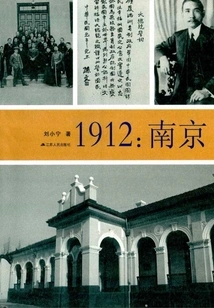
1912: Nanjing
History1912:南京
Liu Xiaoning
"1912: Nanjing" takes Sun Yat-sen as the provisional president of the Republic of China in Nanjing on January 1, 1912 and established the Nanjing Provisional Government as the node. It comprehensively reviews the twists and turns of the Revolution of 1911 led by Sun Yat-sen, as well as the revolutionary measures of the provisional government to abolish the old and establish the new and promote social progress. It shows the turbulent political and social landscape in the early days of the Republic of China. This book is rich in illustrations and text, highly readable and full of information. It uses original archives and lenses to regain the memories of 100 years ago, so that people today can better understand history and interpret historical choices.
"1912: Nanjing" takes Sun Yat-sen as the provisional president of the Republic of China in Nanjing on January 1, 1912 and established the Nanjing Provisional Government as the node. It comprehensively reviews the twists and turns of the Revolution of 1911 led by Sun Yat-sen, as well as the revolutionary measures of the provisional government to abolish the old and establish the new and promote social progress. It shows the turbulent political and social landscape in the early days of the Republic of China. This book is rich in illustrations and text, highly readable and full of information. It uses original archives and lenses to regain the memories of 100 years ago, so that people today can better understand history and interpret historical choices.
北宋往事
Shi Jing
The Northern Song Dynasty was a complex era, with its achievements and mistakes, glory and humiliation, which have a lot of inspiration for us today. This "Past Events of the Northern Song Dynasty" is based on the Ming Dynasty historian Chen Bangzhan's "Chronicles of Song History". It carefully selects important chapters and makes a systematic summary of the historical events of the Northern Song Dynasty, taking the internal affairs and diplomacy of the Northern Song Dynasty as the main line. It comprehensively displays the establishment and consolidation of the Northern Song Dynasty, its relationship with Liao and Xia, the process of seeking change, and its final decay and decline. Although it is said that "Orchid Pavilion is gone, Zize Qiu Ruins", but "taking history as a mirror can help us know the ups and downs". Reading history can make you sigh, and you can also gain understanding and wisdom. We sincerely hope that this book can help readers deepen their understanding of this important era of the Northern Song Dynasty. , Ordinary people, endured huge sacrifices and pain at critical moments in life, and we care about the lives of these ordinary people.
The Northern Song Dynasty was a complex era, with its achievements and mistakes, glory and humiliation, which have a lot of inspiration for us today. This "Past Events of the Northern Song Dynasty" is based on the Ming Dynasty historian Chen Bangzhan's "Chronicles of Song History". It carefully selects important chapters and makes a systematic summary of the historical events of the Northern Song Dynasty, taking the internal affairs and diplomacy of the Northern Song Dynasty as the main line. It comprehensively displays the establishment and consolidation of the Northern Song Dynasty, its relationship with Liao and Xia, the process of seeking change, and its final decay and decline. Although it is said that "Orchid Pavilion is gone, Zize Qiu Ruins", but "taking history as a mirror can help us know the ups and downs". Reading history can make you sigh, and you can also gain understanding and wisdom. We sincerely hope that this book can help readers deepen their understanding of this important era of the Northern Song Dynasty. , Ordinary people, endured huge sacrifices and pain at critical moments in life, and we care about the lives of these ordinary people.
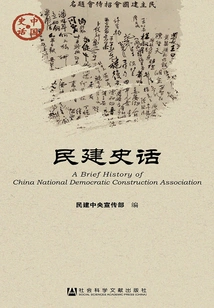
民建史话(中国史话·政治系列)
Propaganda Department Of The Central Committee Of Democratic National Construction Association
"History of the Democratic National Construction Association" uses "A Brief History of the China Democratic National Construction Association" as the main source of information, and also refers to a large number of historical archives and biographies of the sages of the Democratic National Construction Association to interpret the 70-year development history of a democratic party for readers. The book tells how generations of democratic construction workers have worked hard to realize their ideals in the tide of the times; in the face of difficulties and choices, how a political party can grasp the course and sail from patriotism to new democracy, and from new democracy to socialism.
"History of the Democratic National Construction Association" uses "A Brief History of the China Democratic National Construction Association" as the main source of information, and also refers to a large number of historical archives and biographies of the sages of the Democratic National Construction Association to interpret the 70-year development history of a democratic party for readers. The book tells how generations of democratic construction workers have worked hard to realize their ideals in the tide of the times; in the face of difficulties and choices, how a political party can grasp the course and sail from patriotism to new democracy, and from new democracy to socialism.
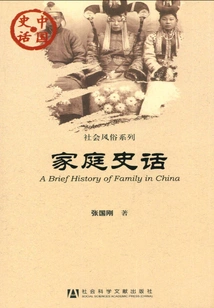
家庭史话(中国史话·社会风俗系列)
Zhang Guogang
The family is a kinship group based on marriage and tied by blood relations. It is the basic life organization for people to live together and live together. Traditional China is a family-oriented society with "family and country isomorphic", and the family occupies an important position in society. This book is the first "History of Chinese Family". It discusses the entire process of the origin, foundation, development, transformation and decline of traditional Chinese families from the emergence of matrilineal families in the late Yangshao culture to modern times. It is believed that the traditional family emerged from scratch in the Pre-Qin Dynasty and gradually took shape; the period from the Spring and Autumn Period and the Warring States Period to the Wei, Jin, Southern and Northern Dynasties was the foundation and preliminary development stage of the traditional family. The traditional family form characterized by small nuclear families and linear families occupied the mainstream, and the livelihood model of small and fully comprehensive small-scale peasant families with the family as the unit gradually took shape; during the Sui, Tang and Five Dynasties, the traditional family ushered in its first prosperity During the Ming and Qing Dynasties, the development of production tools provided a material basis for small family production, and small families and large families coexisted at the same time; the Song, Liao, Jin, and Yuan dynasties were an important period for the modern transformation of traditional families. The three-generation family of five with a prime-age couple as the core became the main form of Chinese families thereafter; during the Ming and Qing dynasties, the traditional family reached its peak; after the Republic of China, the traditional family declined and the modern family emerged. It comprehensively displays the development and evolution history of Chinese families.
The family is a kinship group based on marriage and tied by blood relations. It is the basic life organization for people to live together and live together. Traditional China is a family-oriented society with "family and country isomorphic", and the family occupies an important position in society. This book is the first "History of Chinese Family". It discusses the entire process of the origin, foundation, development, transformation and decline of traditional Chinese families from the emergence of matrilineal families in the late Yangshao culture to modern times. It is believed that the traditional family emerged from scratch in the Pre-Qin Dynasty and gradually took shape; the period from the Spring and Autumn Period and the Warring States Period to the Wei, Jin, Southern and Northern Dynasties was the foundation and preliminary development stage of the traditional family. The traditional family form characterized by small nuclear families and linear families occupied the mainstream, and the livelihood model of small and fully comprehensive small-scale peasant families with the family as the unit gradually took shape; during the Sui, Tang and Five Dynasties, the traditional family ushered in its first prosperity During the Ming and Qing Dynasties, the development of production tools provided a material basis for small family production, and small families and large families coexisted at the same time; the Song, Liao, Jin, and Yuan dynasties were an important period for the modern transformation of traditional families. The three-generation family of five with a prime-age couple as the core became the main form of Chinese families thereafter; during the Ming and Qing dynasties, the traditional family reached its peak; after the Republic of China, the traditional family declined and the modern family emerged. It comprehensively displays the development and evolution history of Chinese families.
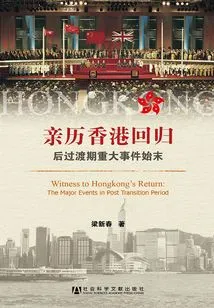
亲历香港回归:后过渡期重大事件始末
Liang Xinchun
Listen to the accounts of those who have experienced it - The storms on the road to Hong Kong's return Since the official signing of the Sino-British Joint Declaration on Hong Kong on December 19, 1984, Hong Kong has embarked on the road to its return. Liang Xinchun, the former deputy president and first deputy editor-in-chief of Hong Kong's Ta Kung Pao, recounted the thrilling journey of Hong Kong's post-transition period - the British side insisted on going its own way, step by step, and constantly provoked confrontation in the political system, law and economy. The last Hong Kong governor Patten called it "the bloodiest decisive battle with China." China is facing tit-for-tat and will not give in. It insists on "putting itself first" and relies on Hong Kong people to organize the Hong Kong Special Administrative Region to ensure a smooth transition. More than 160 editorials and observer articles selected in this book record and comment on the beginning and end of major events in Hong Kong's post-transition period, reflecting the determination and wisdom of the central government to implement "one country, two systems" and "Hong Kong people governing Hong Kong" in Hong Kong, and showing the will and strength of Hong Kong people to overcome obstacles on the way back to China. This book provides valuable information on this glorious and evocative history of the Chinese nation.
Listen to the accounts of those who have experienced it - The storms on the road to Hong Kong's return Since the official signing of the Sino-British Joint Declaration on Hong Kong on December 19, 1984, Hong Kong has embarked on the road to its return. Liang Xinchun, the former deputy president and first deputy editor-in-chief of Hong Kong's Ta Kung Pao, recounted the thrilling journey of Hong Kong's post-transition period - the British side insisted on going its own way, step by step, and constantly provoked confrontation in the political system, law and economy. The last Hong Kong governor Patten called it "the bloodiest decisive battle with China." China is facing tit-for-tat and will not give in. It insists on "putting itself first" and relies on Hong Kong people to organize the Hong Kong Special Administrative Region to ensure a smooth transition. More than 160 editorials and observer articles selected in this book record and comment on the beginning and end of major events in Hong Kong's post-transition period, reflecting the determination and wisdom of the central government to implement "one country, two systems" and "Hong Kong people governing Hong Kong" in Hong Kong, and showing the will and strength of Hong Kong people to overcome obstacles on the way back to China. This book provides valuable information on this glorious and evocative history of the Chinese nation.
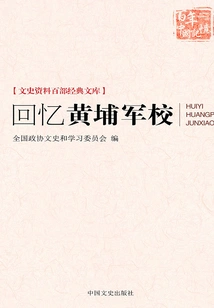
回忆黄埔军校
Cppcc National Committee On Culture, History And Study
This book is one of the "Hundred Classics of Literature and History Materials" formulated by the Literature, History and Study Committee of the National Committee of the Chinese People's Political Consultative Conference. The book was first published in May 1984, on the occasion of the 60th anniversary of the founding of the Whampoa Military Academy, under the title "Whampoa Military Academy during the First Cooperation between the Kuomintang and the Communist Party". It collects the speeches or recollections of more than twenty comrades who have served or studied in the military academy, vividly and truly recording the scenes of Huangpu Military Academy officers and students studying, living and fighting together during the first cooperation between the Kuomintang and the Communist Party. Readers can understand one aspect of the Great Revolution period and draw historical lessons from the failure of the Kuomintang and the Communist Party to promote the third Kuomintang-Communist cooperation and the realization of the reunification of the motherland.
This book is one of the "Hundred Classics of Literature and History Materials" formulated by the Literature, History and Study Committee of the National Committee of the Chinese People's Political Consultative Conference. The book was first published in May 1984, on the occasion of the 60th anniversary of the founding of the Whampoa Military Academy, under the title "Whampoa Military Academy during the First Cooperation between the Kuomintang and the Communist Party". It collects the speeches or recollections of more than twenty comrades who have served or studied in the military academy, vividly and truly recording the scenes of Huangpu Military Academy officers and students studying, living and fighting together during the first cooperation between the Kuomintang and the Communist Party. Readers can understand one aspect of the Great Revolution period and draw historical lessons from the failure of the Kuomintang and the Communist Party to promote the third Kuomintang-Communist cooperation and the realization of the reunification of the motherland.
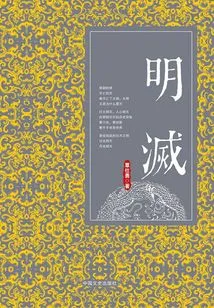
Light and Death
History明灭
Qin Shiyong
The late Ming Dynasty and the early Qing Dynasty were an era of great change and turmoil. In just a few decades, wars continued and wars were everywhere. Thousands of people were reduced to ashes, and trillions of creatures were reduced to withered bones. In this context, Zhang Xianzhong, Li Zicheng, Wu Sangui, Geng Jingzhong, Shang Kexi, Kong Youde, Dorgon, Ma Shiying, Zuo Maodi, Ruan Dacheng, Li Xiangjun, Hou Fangyu, Qian Qianyi, Liu Rushi, Shi Kefa, Gao Jie, Xia Wanchun, Chen Zilong, Li Chengdong, Zhang Mingzhen, Qu Shiqi, Zhang Tongchang, Zheng Zhilong, Zheng Chenggong, Zhang Huangyan and many other famous figures in history have stepped onto the stage of history in their own unique manners, performing heart-wrenching and generous elegies of the times. In the test of blood and fire, knives and swords, they are either frontier ministers, frontier generals who have fought many battles, civilian scribes, rough heroes, or even traffickers, prostitutes and beggars. They all have to face the cruel reality and make their fateful choices. Heroes and traitors often can kill themselves in a flash of thought. If they survive, they will be famous throughout the ages. If they cannot avoid it, they will become treacherous and become notorious. This book takes national justice and moral values as the orientation of loyalty, good and evil, and right and wrong. Through analyzing the human nature of each of them, it conducts historical torture, praises the noble patriotic sentiments of people with lofty ideals, and exposes and criticizes shameless traitorous behavior.
The late Ming Dynasty and the early Qing Dynasty were an era of great change and turmoil. In just a few decades, wars continued and wars were everywhere. Thousands of people were reduced to ashes, and trillions of creatures were reduced to withered bones. In this context, Zhang Xianzhong, Li Zicheng, Wu Sangui, Geng Jingzhong, Shang Kexi, Kong Youde, Dorgon, Ma Shiying, Zuo Maodi, Ruan Dacheng, Li Xiangjun, Hou Fangyu, Qian Qianyi, Liu Rushi, Shi Kefa, Gao Jie, Xia Wanchun, Chen Zilong, Li Chengdong, Zhang Mingzhen, Qu Shiqi, Zhang Tongchang, Zheng Zhilong, Zheng Chenggong, Zhang Huangyan and many other famous figures in history have stepped onto the stage of history in their own unique manners, performing heart-wrenching and generous elegies of the times. In the test of blood and fire, knives and swords, they are either frontier ministers, frontier generals who have fought many battles, civilian scribes, rough heroes, or even traffickers, prostitutes and beggars. They all have to face the cruel reality and make their fateful choices. Heroes and traitors often can kill themselves in a flash of thought. If they survive, they will be famous throughout the ages. If they cannot avoid it, they will become treacherous and become notorious. This book takes national justice and moral values as the orientation of loyalty, good and evil, and right and wrong. Through analyzing the human nature of each of them, it conducts historical torture, praises the noble patriotic sentiments of people with lofty ideals, and exposes and criticizes shameless traitorous behavior.