Library
Browse and search books
17,591 novels found
科幻小说之父经典作品:蒸汽屋(下册)
G
Ad
Ad

The Classic Work of the Father of Science Fiction: the Adventures of the Jonathan (volume 2)
General Fiction科幻小说之父经典作品:约纳丹号历险记(下册)
G
U
U
科幻小说之父经典作品:金火山(第一部)
(france) Jules Verne
Works by the famous French writer Jules Verne. Two brothers, Sameh and Radel, from Montreal, Canada, received an inheritance from their deceased uncle - a piece of gold mining land. But just when the mining was fruitful, an earthquake caused them to lose the gold mining land and the gold they obtained. During a hunting trip, Samui rescued a gold miner. When the gold miner was about to die, he left a map - the entire map of a volcano spewing gold - to the brothers. For the gold that is easily available in Jinshan Mountain, the two brothers went through all kinds of difficulties and dangers, and almost risked their lives. However, when the Gold Volcano erupted, it sprayed gold into the air and fell into the vast waters of the Arctic Ocean. In the novel, Verne accurately described the methods of finding gold, the plight of gold miners, their frustrations, difficulties, and even death.
Works by the famous French writer Jules Verne. Two brothers, Sameh and Radel, from Montreal, Canada, received an inheritance from their deceased uncle - a piece of gold mining land. But just when the mining was fruitful, an earthquake caused them to lose the gold mining land and the gold they obtained. During a hunting trip, Samui rescued a gold miner. When the gold miner was about to die, he left a map - the entire map of a volcano spewing gold - to the brothers. For the gold that is easily available in Jinshan Mountain, the two brothers went through all kinds of difficulties and dangers, and almost risked their lives. However, when the Gold Volcano erupted, it sprayed gold into the air and fell into the vast waters of the Arctic Ocean. In the novel, Verne accurately described the methods of finding gold, the plight of gold miners, their frustrations, difficulties, and even death.

World Classics: Selected Novels by Jules Verne
General Fiction世界经典名著:凡尔纳小说选
G
This book includes "A Winter in the Ice and Snow", "The Eternal Adam" and "Master Zokiri". For readers who like Verne's works, this book is worth reading. Verne's works are full of obvious social tendencies. At the same time full of knowledge, he himself was a cosmic mystic with a mysterious worship of the world. Science fiction novels did not begin with Verne, but in the scale of fantasy, especially in the linguistic nature of science, Verne greatly surpassed his predecessors. Verne's works are not boring scientific illustrations, but basically belong to the nature of romantic literature. He always weaves complex, tortuous and interesting stories within the framework of scientific imagination. The plots are thrilling and full of strange coincidences, and are set off by extraordinary natural wonders, creating a strong romantic color. Combined with Verne's smooth writing and brisk narrative.
This book includes "A Winter in the Ice and Snow", "The Eternal Adam" and "Master Zokiri". For readers who like Verne's works, this book is worth reading. Verne's works are full of obvious social tendencies. At the same time full of knowledge, he himself was a cosmic mystic with a mysterious worship of the world. Science fiction novels did not begin with Verne, but in the scale of fantasy, especially in the linguistic nature of science, Verne greatly surpassed his predecessors. Verne's works are not boring scientific illustrations, but basically belong to the nature of romantic literature. He always weaves complex, tortuous and interesting stories within the framework of scientific imagination. The plots are thrilling and full of strange coincidences, and are set off by extraordinary natural wonders, creating a strong romantic color. Combined with Verne's smooth writing and brisk narrative.
科幻小说之父经典作品:桑道夫伯爵(第二部)
G
This book is the author's tribute to Alexandre Dumas. It is called another wonderful "The Count of Monte Cristo", which is also rich in imagination, novel, wonderful and fascinating. The novel is based on the Hungarian self-government movement in 1861 to get rid of the Austrian rulers. The uprising led by the Hungarian aristocrat Count Sandolf failed because he was informed. He escaped from prison after going through many hardships. From then on, Count Sanddorf began his career of revenge and justice incognito. After many twists and turns, he finally severely punished the informer. The liberation of the Hungarian people was finally completed.
This book is the author's tribute to Alexandre Dumas. It is called another wonderful "The Count of Monte Cristo", which is also rich in imagination, novel, wonderful and fascinating. The novel is based on the Hungarian self-government movement in 1861 to get rid of the Austrian rulers. The uprising led by the Hungarian aristocrat Count Sandolf failed because he was informed. He escaped from prison after going through many hardships. From then on, Count Sanddorf began his career of revenge and justice incognito. After many twists and turns, he finally severely punished the informer. The liberation of the Hungarian people was finally completed.
The Classic Work of the Father of Science Fiction: Adventures in the Solar System (part 2)
General Fiction科幻小说之父经典作品:太阳系历险记(第二部)
G
This is Verne's classic work. For readers who like Verne's works, this book is worth reading. In the mid-19th century, a comet suddenly collided with the Earth. Some residents near the Mediterranean Sea were taken to the comet and began to roam the solar system. Under the leadership of a French captain, they worked together and overcame various difficulties such as the severe cold of space. Finally, two years later, they returned to Earth triumphantly when the comet encountered the Earth again. The author uses a lot of space to introduce the characteristics of comets, Jupiter, Saturn and other celestial bodies and a lot of interesting astronomical knowledge in a simple and easy-to-understand way. He praises people's tireless exploration spirit in science and their noble sentiments of staying calm in times of crisis and sharing weal and woe. At the same time, he also lashes out at the selfish behavior of some individuals.
This is Verne's classic work. For readers who like Verne's works, this book is worth reading. In the mid-19th century, a comet suddenly collided with the Earth. Some residents near the Mediterranean Sea were taken to the comet and began to roam the solar system. Under the leadership of a French captain, they worked together and overcame various difficulties such as the severe cold of space. Finally, two years later, they returned to Earth triumphantly when the comet encountered the Earth again. The author uses a lot of space to introduce the characteristics of comets, Jupiter, Saturn and other celestial bodies and a lot of interesting astronomical knowledge in a simple and easy-to-understand way. He praises people's tireless exploration spirit in science and their noble sentiments of staying calm in times of crisis and sharing weal and woe. At the same time, he also lashes out at the selfish behavior of some individuals.

科幻小说之父经典作品:沙皇的邮件(第二部)
(france) Jules Verne
At a party in the New Palace, a telegram from Tomuk reported that a serious event had occurred east of the borders of the Ural Mountains: a Tatar invasion of the Russian Empire. Since communications were cut off, a messenger could only be sent to inform the Grand Duke that the city must be defended and that a traitor named Ivan Ogarev would frame him. So Michel Stogoff set out on a journey. He went through many difficulties and dangers along the way, and even became blind, but this did not stop Michel Stogov's confidence. At the critical moment, he rushed to Irkutsk, killed the traitors, and shattered the conspiracy.
At a party in the New Palace, a telegram from Tomuk reported that a serious event had occurred east of the borders of the Ural Mountains: a Tatar invasion of the Russian Empire. Since communications were cut off, a messenger could only be sent to inform the Grand Duke that the city must be defended and that a traitor named Ivan Ogarev would frame him. So Michel Stogoff set out on a journey. He went through many difficulties and dangers along the way, and even became blind, but this did not stop Michel Stogov's confidence. At the critical moment, he rushed to Irkutsk, killed the traitors, and shattered the conspiracy.
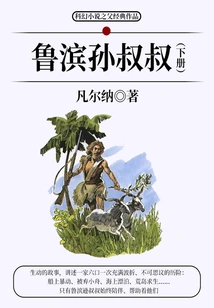
科幻小说之父经典作品:鲁滨孙叔叔(下册)
(france) Jules Verne
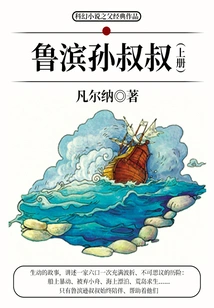
This book is an unfinished work by the famous French writer Jules Verne. The "Vancouver" was a ship carrying coolies. During a voyage, the second officer rioted. The captain was killed and the Clifford family on board was exiled to the sea and left to fend for themselves. The waves sent the family and sailor Flupp to an isolated island. Flupp, who was respectfully called "Uncle Robinson" by the children, led the family to start a hard life on the isolated island... The work vividly describes all kinds of life on the island, and the down-to-earth writing style makes people love it.
This book is an unfinished work by the famous French writer Jules Verne. The "Vancouver" was a ship carrying coolies. During a voyage, the second officer rioted. The captain was killed and the Clifford family on board was exiled to the sea and left to fend for themselves. The waves sent the family and sailor Flupp to an isolated island. Flupp, who was respectfully called "Uncle Robinson" by the children, led the family to start a hard life on the isolated island... The work vividly describes all kinds of life on the island, and the down-to-earth writing style makes people love it.
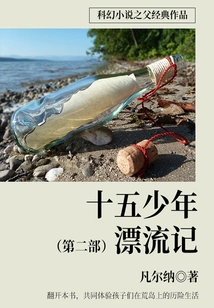
科幻小说之父经典作品:十五少年漂流记 (第二部)
G
Ab
Ab

科幻小说之父经典作品:十五少年漂流记 (第一部)
(france) Jules Verne
This is Verne's classic work. For readers who like Verne's works, this book is worth reading. The work was written in 1888, when Verne was sixty years old. This is the only children's novel among his works. It was originally titled "Two Years' Vacation" and was renamed "Fifteen Boys' Drifting" after it was introduced to Japan in the Meiji era. It describes the story of a sailing ship carrying fifteen teenagers that was wrecked in a storm and drifted to a desert island. The strong fifteen teenagers united as one, used their intelligence and wisdom to bravely face and overcome the cruel natural environment. Under the leadership of two adults, Ivanson and Kate, they defeated the vicious Walston gang. After two years, they finally returned to their hometown. The work tells us that a boy of thirteen or fourteen can spend a two-year special "vacation" with a group of children on an uninhabited island. During the past two years, they continued to learn and exercise, and finally grew into young men who understood reason, were passionate about people, and had courage. I hope that this book "Two Years' Vacation" by the famous French science fiction and adventure novelist Jules Verne will give you a different experience and feeling.
This is Verne's classic work. For readers who like Verne's works, this book is worth reading. The work was written in 1888, when Verne was sixty years old. This is the only children's novel among his works. It was originally titled "Two Years' Vacation" and was renamed "Fifteen Boys' Drifting" after it was introduced to Japan in the Meiji era. It describes the story of a sailing ship carrying fifteen teenagers that was wrecked in a storm and drifted to a desert island. The strong fifteen teenagers united as one, used their intelligence and wisdom to bravely face and overcome the cruel natural environment. Under the leadership of two adults, Ivanson and Kate, they defeated the vicious Walston gang. After two years, they finally returned to their hometown. The work tells us that a boy of thirteen or fourteen can spend a two-year special "vacation" with a group of children on an uninhabited island. During the past two years, they continued to learn and exercise, and finally grew into young men who understood reason, were passionate about people, and had courage. I hope that this book "Two Years' Vacation" by the famous French science fiction and adventure novelist Jules Verne will give you a different experience and feeling.
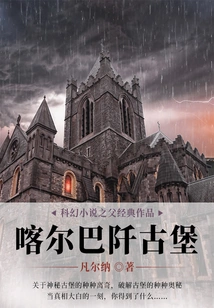
科幻小说之父经典作品:喀尔巴阡古堡
(france) Jules Verne
Works by the famous French writer Jules Verne. In the Transylvania region of the Austrian Empire, the shepherd Fuliko discovered that the Carpathian Castle, which had been deserted for many years, suddenly started to smoke again. He screamed in terror. Fuliko was regarded as a wizard. People said he had the ability to summon gods and monsters. Did he see monsters? The author of this book uses amazingly rich imagination and unique artistic conception to describe an ancient castle that is both mysterious and terrifying. The author reveals the mystery of the castle by describing Franz, a legendary figure who bravely explores the castle. This story is full of romantic legend, but it is by no means a boring fabrication. The owner of the castle is an eccentric old man. When he was young, he liked a popular soprano singer very much, but this singer fell in love with the young Count Franz. During the singer's farewell performance, the terrifying face of the owner of the castle scared the poor singer to death. However, the lonely owner of the castle thought that Franz had killed his dream lover and took revenge on him. When Franz passed by the Carpathian Castle, he heard the familiar singing voice of the dead female singer coming from inside. He thought that his lover was still alive, but was imprisoned inside by the owner of the castle. So he crazily sneaked into the castle. After a series of adventures, he discovered that all the supernatural phenomena in the mysterious castle were the magical effects of electricity, and the voice and image of the singer's lover were also illusions made of electricity. Although he solved the mystery of the castle, he became insane and spent a sad life in his memories.
Works by the famous French writer Jules Verne. In the Transylvania region of the Austrian Empire, the shepherd Fuliko discovered that the Carpathian Castle, which had been deserted for many years, suddenly started to smoke again. He screamed in terror. Fuliko was regarded as a wizard. People said he had the ability to summon gods and monsters. Did he see monsters? The author of this book uses amazingly rich imagination and unique artistic conception to describe an ancient castle that is both mysterious and terrifying. The author reveals the mystery of the castle by describing Franz, a legendary figure who bravely explores the castle. This story is full of romantic legend, but it is by no means a boring fabrication. The owner of the castle is an eccentric old man. When he was young, he liked a popular soprano singer very much, but this singer fell in love with the young Count Franz. During the singer's farewell performance, the terrifying face of the owner of the castle scared the poor singer to death. However, the lonely owner of the castle thought that Franz had killed his dream lover and took revenge on him. When Franz passed by the Carpathian Castle, he heard the familiar singing voice of the dead female singer coming from inside. He thought that his lover was still alive, but was imprisoned inside by the owner of the castle. So he crazily sneaked into the castle. After a series of adventures, he discovered that all the supernatural phenomena in the mysterious castle were the magical effects of electricity, and the voice and image of the singer's lover were also illusions made of electricity. Although he solved the mystery of the castle, he became insane and spent a sad life in his memories.
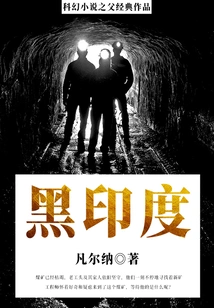
科幻小说之父经典作品:黑印度
(france) Jules Verne
This is a work by the famous French writer Jules Verne. For readers who like Verne's works, this book is worth reading. After James, a 55-year-old coal mining engineer, received two secret letters with completely different contents, he decided to go to the Aberfoyle coal mine, which had been exhausted 10 years ago. It was also the workplace where he had devoted most of his life. Ford, the former foreman of the coal mine, was the first letter writer to send an invitation to James. He did not believe that the coal seam had been hollowed out. He had been looking for new veins every day for 10 years and finally got his wish. Before finding this larger rich mine, he, like many people who made the mine their home, moved his family down the mine. Although the second letter writer who dissuaded James from going to the coal mine did not show up for a long time, James and Ford were repeatedly in danger on their way to the new mine for inspection. Some accidents occurred naturally, but more were caused by man-made obstructions. At the end of the novel, the truth is revealed, and the Abefuir coal mine returns to its former prosperity.
This is a work by the famous French writer Jules Verne. For readers who like Verne's works, this book is worth reading. After James, a 55-year-old coal mining engineer, received two secret letters with completely different contents, he decided to go to the Aberfoyle coal mine, which had been exhausted 10 years ago. It was also the workplace where he had devoted most of his life. Ford, the former foreman of the coal mine, was the first letter writer to send an invitation to James. He did not believe that the coal seam had been hollowed out. He had been looking for new veins every day for 10 years and finally got his wish. Before finding this larger rich mine, he, like many people who made the mine their home, moved his family down the mine. Although the second letter writer who dissuaded James from going to the coal mine did not show up for a long time, James and Ford were repeatedly in danger on their way to the new mine for inspection. Some accidents occurred naturally, but more were caused by man-made obstructions. At the end of the novel, the truth is revealed, and the Abefuir coal mine returns to its former prosperity.
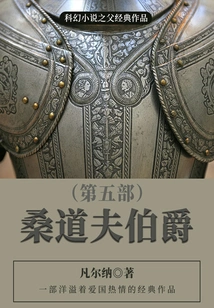
科幻小说之父经典作品:桑道夫伯爵(第五部)
G
This book is the author's tribute to Alexandre Dumas. It is called another wonderful "The Count of Monte Cristo", which is also rich in imagination, novel, wonderful and fascinating. The novel is based on the Hungarian self-government movement in the 1860s to get rid of the Austrian rulers. The uprising led by the Hungarian aristocrat Count Sandolf failed because he was informed. He escaped from prison after going through many hardships. From then on, Count Sanddorf began his career of revenge and justice incognito. After many twists and turns, he finally severely punished the informer. The liberation of the Hungarian people was finally completed.
This book is the author's tribute to Alexandre Dumas. It is called another wonderful "The Count of Monte Cristo", which is also rich in imagination, novel, wonderful and fascinating. The novel is based on the Hungarian self-government movement in the 1860s to get rid of the Austrian rulers. The uprising led by the Hungarian aristocrat Count Sandolf failed because he was informed. He escaped from prison after going through many hardships. From then on, Count Sanddorf began his career of revenge and justice incognito. After many twists and turns, he finally severely punished the informer. The liberation of the Hungarian people was finally completed.
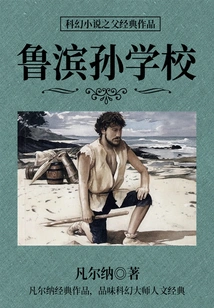
科幻小说之父经典作品:鲁滨孙学校
G
This is Verne's classic work. For readers who like Verne's works, this book is worth reading. Young Godfrey Morgan is about to get married, but he thinks he must first travel around the world, like Robinson Crusoe in the novel. Although his relatives did not want Godfrey to travel, they still sent him on the journey. They set out on the ship "Dream", but the ship mysteriously crashed in the sea, leaving Godfrey and his teacher Tatley on a desert island. They really lived the life of Robinson on the island...
This is Verne's classic work. For readers who like Verne's works, this book is worth reading. Young Godfrey Morgan is about to get married, but he thinks he must first travel around the world, like Robinson Crusoe in the novel. Although his relatives did not want Godfrey to travel, they still sent him on the journey. They set out on the ship "Dream", but the ship mysteriously crashed in the sea, leaving Godfrey and his teacher Tatley on a desert island. They really lived the life of Robinson on the island...
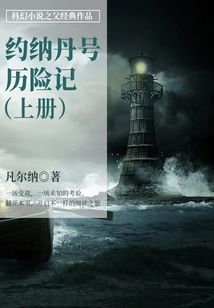
The Classic Work of the Father of Science Fiction: the Adventures of the Jonathan (volume 1)
General Fiction科幻小说之父经典作品:约纳丹号历险记(上册)
(france) Jules Verne
An American clipper ship, the Jonathan, left San Francisco, California, heading for South Africa. The ship was carrying more than a thousand immigrants recruited by an immigration company, preparing to go to Lagoa Bay, a place granted land development and management rights by the Portuguese government. Unexpectedly, at the beginning of the voyage, things went contrary to expectations. Under the attack of violent storms, the ship ran aground on Khost Island in the Magellan Islands. The victims of the Jonathan settled on this island. What kind of future awaits them?
An American clipper ship, the Jonathan, left San Francisco, California, heading for South Africa. The ship was carrying more than a thousand immigrants recruited by an immigration company, preparing to go to Lagoa Bay, a place granted land development and management rights by the Portuguese government. Unexpectedly, at the beginning of the voyage, things went contrary to expectations. Under the attack of violent storms, the ship ran aground on Khost Island in the Magellan Islands. The victims of the Jonathan settled on this island. What kind of future awaits them?
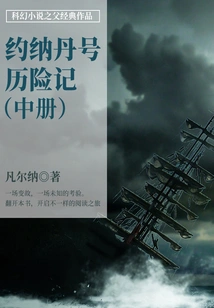
The Classic Work of the Father of Science Fiction: the Adventures of the Jonathan (volume 2)
General Fiction科幻小说之父经典作品:约纳丹号历险记(中册)
G
U
U
科幻小说之父经典作品:旅行基金(第二部)
G
Ad
Ad
科幻小说之父经典作品:鲁滨孙叔叔(上册)
G
Ac
Ac
科幻小说之父经典作品:流星追逐记(上册)
(france) Jules Verne
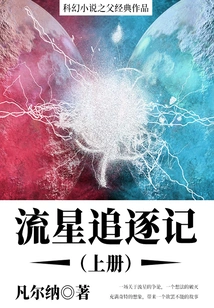
According to the work of the famous French writer Jules Verne, in a small town in Virginia, two amateur astronomers simultaneously discovered a bolide orbiting the earth. According to astronomers' calculations, it was a small celestial body weighing about 1.867 Million tons and made of pure gold, worth as much as 588,880 billion francs. Another amateur in this city designed a machine based on a new principle he discovered, and successfully made the Venus fall on his private property in Greenland. The discovery and fall of this meteor led to scenes of human farce, from family discord to the battles between world powers, and there was panic and chaos everywhere. In the end, the inventor angrily pushed Venus into the sea, ending the farce.
According to the work of the famous French writer Jules Verne, in a small town in Virginia, two amateur astronomers simultaneously discovered a bolide orbiting the earth. According to astronomers' calculations, it was a small celestial body weighing about 1.867 Million tons and made of pure gold, worth as much as 588,880 billion francs. Another amateur in this city designed a machine based on a new principle he discovered, and successfully made the Venus fall on his private property in Greenland. The discovery and fall of this meteor led to scenes of human farce, from family discord to the battles between world powers, and there was panic and chaos everywhere. In the end, the inventor angrily pushed Venus into the sea, ending the farce.

科幻小说之父经典作品:旅行基金(第一部)
G
Ae
Ae
科幻小说之父经典作品:流星追逐记(下册)
(france) Jules Verne
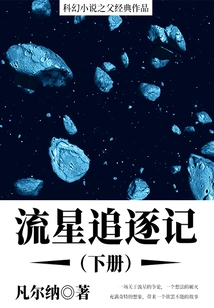
The works of the famous French writer Jules Verne. For readers who like Verne's works, this book is worth reading. In a small town in Virginia, USA, two amateur astronomers simultaneously discovered a bolide orbiting the Earth. According to astronomers' estimates, it was a small celestial body weighing about 1.867 Million tons, made of pure gold, and worth as much as 588,880 billion francs. Another amateur in this city designed a machine based on a new principle he discovered, and successfully made the Venus fall on his private property in Greenland. The discovery and fall of this meteor led to scenes of human farce, from family discord to the battles between world powers, and there was panic and chaos everywhere. In the end, the inventor angrily pushed Venus into the sea, ending the farce.
The works of the famous French writer Jules Verne. For readers who like Verne's works, this book is worth reading. In a small town in Virginia, USA, two amateur astronomers simultaneously discovered a bolide orbiting the Earth. According to astronomers' estimates, it was a small celestial body weighing about 1.867 Million tons, made of pure gold, and worth as much as 588,880 billion francs. Another amateur in this city designed a machine based on a new principle he discovered, and successfully made the Venus fall on his private property in Greenland. The discovery and fall of this meteor led to scenes of human farce, from family discord to the battles between world powers, and there was panic and chaos everywhere. In the end, the inventor angrily pushed Venus into the sea, ending the farce.

科幻小说之父经典作品:飘逝的半岛(上部)
G
This is Verne's classic work. For readers who like Verne's works, this book is worth reading. A detachment of the Hudson Bay Fur Company was ordered to build a new trading station on the border of the American continent north of the 70th parallel north. Due to unexpected reasons, they mistakenly built the trading station on a huge ice floe attached to the edge of the continent. Later, during an earthquake, the ice separated from the land and turned into a floating island. After the ice sheet thawed, all the residents on the island drifted with the sea water, and gradually melted under the dual effects of sunlight and warm currents. Under this circumstance, all the team members united and with great courage and ingenuity, they finally made the ice floe reach a small island in the Aleutian Islands just before it was about to completely melt. The members of the team were able to escape death. The book also uses heavy ink description to introduce the mysterious polar features, indigenous customs, rare birds and animals, which is very interesting to read.
This is Verne's classic work. For readers who like Verne's works, this book is worth reading. A detachment of the Hudson Bay Fur Company was ordered to build a new trading station on the border of the American continent north of the 70th parallel north. Due to unexpected reasons, they mistakenly built the trading station on a huge ice floe attached to the edge of the continent. Later, during an earthquake, the ice separated from the land and turned into a floating island. After the ice sheet thawed, all the residents on the island drifted with the sea water, and gradually melted under the dual effects of sunlight and warm currents. Under this circumstance, all the team members united and with great courage and ingenuity, they finally made the ice floe reach a small island in the Aleutian Islands just before it was about to completely melt. The members of the team were able to escape death. The book also uses heavy ink description to introduce the mysterious polar features, indigenous customs, rare birds and animals, which is very interesting to read.

科幻小说之父经典作品:隐身新娘
(france) Jules Verne
"The Invisible Bride" is a work by the famous French writer Jules Verne. After Verne's death, it was rewritten by his son Michel Verne and published as a posthumous work. In 1757, in the Hungarian city of Laz, the French painter Marc Vidal was about to hold a wedding to Milla, the daughter of the famous local doctor Roetlich. However, the German William Storlitz, who proposed to Mila a few months ago but failed to propose, used the invisibility skills left by his father to wantonly obstruct and sabotage their wedding: first he tore up the wedding notice many times, and then sang the German "Song of Hate" at the engagement party, trampled the bouquet, tore up the engagement, and took away the bride's crown... When they held their wedding in the church, Storlitz threw the wedding ring out and uttered a vicious curse. Mira fainted in Mark's arms on the spot. After doing this, Stolitz openly provoked the residents of the city and used invisibility to make Mira invisible. Finally, when Stolitz and his servant went to get the potion to remove the invisibility, they died under the vengeful knife of the doctor's son, Captain Haraland, and the secret of his invisibility was also buried with his death. The next year, Mira, who had been living an invisible life, finally lost the effect of the invisibility potion when she gave birth to a child.
"The Invisible Bride" is a work by the famous French writer Jules Verne. After Verne's death, it was rewritten by his son Michel Verne and published as a posthumous work. In 1757, in the Hungarian city of Laz, the French painter Marc Vidal was about to hold a wedding to Milla, the daughter of the famous local doctor Roetlich. However, the German William Storlitz, who proposed to Mila a few months ago but failed to propose, used the invisibility skills left by his father to wantonly obstruct and sabotage their wedding: first he tore up the wedding notice many times, and then sang the German "Song of Hate" at the engagement party, trampled the bouquet, tore up the engagement, and took away the bride's crown... When they held their wedding in the church, Storlitz threw the wedding ring out and uttered a vicious curse. Mira fainted in Mark's arms on the spot. After doing this, Stolitz openly provoked the residents of the city and used invisibility to make Mira invisible. Finally, when Stolitz and his servant went to get the potion to remove the invisibility, they died under the vengeful knife of the doctor's son, Captain Haraland, and the secret of his invisibility was also buried with his death. The next year, Mira, who had been living an invisible life, finally lost the effect of the invisibility potion when she gave birth to a child.
R
General Fictionr
J
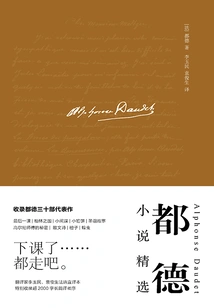
"The Last Lesson" includes the short story collection "Monday Stories" and the prose story collection "The Mill Letters". In 1912, "The Last Lesson" was translated and introduced to China for the first time, becoming one of the famous French literary works that is well-known in China and has a strong mass base. With exquisite brushstrokes and exquisite conception, the work shows the sincerity, trustworthiness, kindness, strength and other qualities of the people at the bottom of France. It depicts the beautiful and picturesque scenery of southern France, reflects the deep patriotism of the French people, and embodies the author's exquisite artistic creation skills and ultimate humanistic care.
"The Last Lesson" includes the short story collection "Monday Stories" and the prose story collection "The Mill Letters". In 1912, "The Last Lesson" was translated and introduced to China for the first time, becoming one of the famous French literary works that is well-known in China and has a strong mass base. With exquisite brushstrokes and exquisite conception, the work shows the sincerity, trustworthiness, kindness, strength and other qualities of the people at the bottom of France. It depicts the beautiful and picturesque scenery of southern France, reflects the deep patriotism of the French people, and embodies the author's exquisite artistic creation skills and ultimate humanistic care.
T
General Fictiont
H
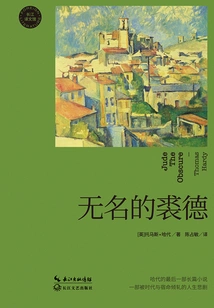
The novel narrates the tragedy of the life of rural young Jude in a tragic tone. Jude was diligent and studious, but was rejected by the university because of his poor background. He broke through the shackles of religion, regardless of worldly views, and firmly married his cousin Sue. However, he was not tolerated by the church and despised by the world. In the end, his love and dreams were shattered, and he died of illness in despair and loneliness. This work reflects the moral and religious prejudices of ordinary poor people represented by Jude as a typical representative, as well as the social tragedy under the legal and educational systems at that time. It effectively attacks the moral concepts and marriage system of the Victorian era, and has far-reaching significance.
The novel narrates the tragedy of the life of rural young Jude in a tragic tone. Jude was diligent and studious, but was rejected by the university because of his poor background. He broke through the shackles of religion, regardless of worldly views, and firmly married his cousin Sue. However, he was not tolerated by the church and despised by the world. In the end, his love and dreams were shattered, and he died of illness in despair and loneliness. This work reflects the moral and religious prejudices of ordinary poor people represented by Jude as a typical representative, as well as the social tragedy under the legal and educational systems at that time. It effectively attacks the moral concepts and marriage system of the Victorian era, and has far-reaching significance.
张翎作品集:长篇小说卷(共六册)
(add) Zhang Ling
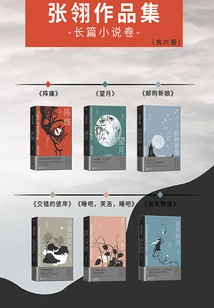
Director Feng Xiaogang is the original author of the award-winning film "Tangshan Earthquake" including the Golden Rooster Award, Hundred Flowers Award, and Asian Film Awards; a collection of works by writer Zhang Ling that was highly praised by Mo Yan, Li Jingze, Shi Hang, and Di An. A high-scoring masterpiece, winning many honors. It was listed on the 2nd Annual Chinese Novel Gold List, the "Harvest" Annual Novel List, and other lists; won the "Contemporary" annual novel masterpiece, the Dream of Red Mansions Award (also known as the World Chinese Novel Award) Expert Recommendation Award and other awards.
Director Feng Xiaogang is the original author of the award-winning film "Tangshan Earthquake" including the Golden Rooster Award, Hundred Flowers Award, and Asian Film Awards; a collection of works by writer Zhang Ling that was highly praised by Mo Yan, Li Jingze, Shi Hang, and Di An. A high-scoring masterpiece, winning many honors. It was listed on the 2nd Annual Chinese Novel Gold List, the "Harvest" Annual Novel List, and other lists; won the "Contemporary" annual novel masterpiece, the Dream of Red Mansions Award (also known as the World Chinese Novel Award) Expert Recommendation Award and other awards.
穿越后,我学女娲补苍天
Endless Sky
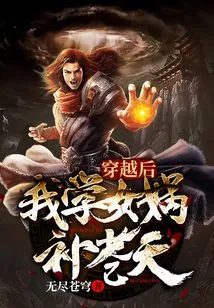
Hua Qiang, an ordinary college student, inadvertently took a Kanyu course, but was tricked back to ancient times by a substitute teacher. By chance, he worshiped the Huangxu Taoist Sect who protected the Book of Heaven and the Tomb of Pangu. He was accidentally trapped in the Tomb of Pangu God, and accidentally obtained the "Water God Essentials", which opened Hua Qiang's path to the pinnacle of spiritual practice. Following the army, defeating the barbarians, and Huaqiang dominating the world, he was involved in the second war between heaven and man. Help the road and resist Shura. Huaqiang imitated Nuwa and repaired the sky alone.
Hua Qiang, an ordinary college student, inadvertently took a Kanyu course, but was tricked back to ancient times by a substitute teacher. By chance, he worshiped the Huangxu Taoist Sect who protected the Book of Heaven and the Tomb of Pangu. He was accidentally trapped in the Tomb of Pangu God, and accidentally obtained the "Water God Essentials", which opened Hua Qiang's path to the pinnacle of spiritual practice. Following the army, defeating the barbarians, and Huaqiang dominating the world, he was involved in the second war between heaven and man. Help the road and resist Shura. Huaqiang imitated Nuwa and repaired the sky alone.

Dark Sea Chronicle
Fantasy Romance暗海志
X
All acquaintances in this world are bound by past lives. Some come to pay off debts, some come to owe debts, and some come to start new relationships. The reincarnations of life after life are just the end of love in chaos.
All acquaintances in this world are bound by past lives. Some come to pay off debts, some come to owe debts, and some come to start new relationships. The reincarnations of life after life are just the end of love in chaos.

There is You in the Hills
Modern Romance丘中有你
Meng Chunhui
Associate Professor of Literature Youyou has been having a headache recently, and his parents are getting divorced again. \
Associate Professor of Literature Youyou has been having a headache recently, and his parents are getting divorced again. \
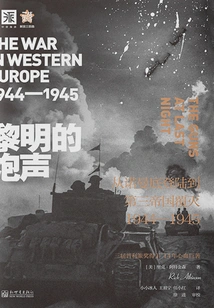
黎明的炮声:从诺曼底登陆到第三帝国覆灭1944—1945
I
This is an unparalleled epic of the 20th century. This book reproduces the large-scale battles and dramatic stories on the Western European battlefields from 1944 to 1945, and restores the thrilling process of the Allies occupying Europe at a huge cost and destroying the Third Reich. The Allied forces kicked off the decisive battle in Western Europe with the Normandy landing, and then captured the ill-fated French cities of Cherbourg and Paris, pointing their guns at the Ruhr area, Germany's industrial lifeline. Since then, the war on the Western Front has spread to Germany itself. In the subsequent Operation Market Garden, the Battle of Hürtgen Forest, and the thrilling Battle of the Bulge, the Allies suffered heavy losses, but they had cleared the way and drove straight into the heart of Nazi Germany, Berlin, with overwhelming force. At the same time, a bloody revenge action is about to begin. As a successful journalist and an outstanding historian, Atkinson uses superb writing skills and beautiful words to vividly describe the bold and risky military operations, and presents this history from the perspectives of different participants: arrogant senior officers and politicians, trembling soldiers in the trenches, Berlin civilians whimpering during plunder, burning and rape... Atkinson writes about those heavy sufferings and honors stained with blood and stains in a compassionate way.
This is an unparalleled epic of the 20th century. This book reproduces the large-scale battles and dramatic stories on the Western European battlefields from 1944 to 1945, and restores the thrilling process of the Allies occupying Europe at a huge cost and destroying the Third Reich. The Allied forces kicked off the decisive battle in Western Europe with the Normandy landing, and then captured the ill-fated French cities of Cherbourg and Paris, pointing their guns at the Ruhr area, Germany's industrial lifeline. Since then, the war on the Western Front has spread to Germany itself. In the subsequent Operation Market Garden, the Battle of Hürtgen Forest, and the thrilling Battle of the Bulge, the Allies suffered heavy losses, but they had cleared the way and drove straight into the heart of Nazi Germany, Berlin, with overwhelming force. At the same time, a bloody revenge action is about to begin. As a successful journalist and an outstanding historian, Atkinson uses superb writing skills and beautiful words to vividly describe the bold and risky military operations, and presents this history from the perspectives of different participants: arrogant senior officers and politicians, trembling soldiers in the trenches, Berlin civilians whimpering during plunder, burning and rape... Atkinson writes about those heavy sufferings and honors stained with blood and stains in a compassionate way.

破晓的军队:从挺进突尼斯到解放北非1942—1943年
I
If the fierce fighting on the European battlefield is a historical drama, then the North African campaign is the first act of this drama. Here, the British Empire was reduced to a vassal in the Anglo-American alliance, the Axis soldiers lost confidence in their officers and were unwilling to fight, while the United States showed its edge and became the leading force in the world. This book sets a monument to this forgotten history. It uses the dangerous Operation Torch as an entry point to sort out the tragic war between November 1942 and May 1942 when the Allied forces landed in French Morocco and Algeria, captured Tunisia, and annihilated the Axis African Corps. The newly formed Allied Forces were originally mired in disorganized logistical supplies, power struggles among allies, and endless military miscalculations. However, after experiencing the Judeid surprise attack, the tragic defeat at Kesselin Pass and the decisive battle at the Tunisian bridgehead, the US military who rushed into battle finally learned to hate and how to defeat the battlefield-hardened enemy. The author not only vividly describes Eisenhower, Patton, Montgomery and other outstanding commanders in North Africa, but also compassionately depicts the soldiers who fell in a pool of blood before they could draw their guns, the civilians who were ravaged in the war, and the miserable prisoners whose lives were cut off. Atkinson's realistic and terrifying North African battlefield tells the world that World War II is not a biography of a saint. Even though heroes and sages emerge in endlessly, there are also rats, fools and corrupt degenerates.
If the fierce fighting on the European battlefield is a historical drama, then the North African campaign is the first act of this drama. Here, the British Empire was reduced to a vassal in the Anglo-American alliance, the Axis soldiers lost confidence in their officers and were unwilling to fight, while the United States showed its edge and became the leading force in the world. This book sets a monument to this forgotten history. It uses the dangerous Operation Torch as an entry point to sort out the tragic war between November 1942 and May 1942 when the Allied forces landed in French Morocco and Algeria, captured Tunisia, and annihilated the Axis African Corps. The newly formed Allied Forces were originally mired in disorganized logistical supplies, power struggles among allies, and endless military miscalculations. However, after experiencing the Judeid surprise attack, the tragic defeat at Kesselin Pass and the decisive battle at the Tunisian bridgehead, the US military who rushed into battle finally learned to hate and how to defeat the battlefield-hardened enemy. The author not only vividly describes Eisenhower, Patton, Montgomery and other outstanding commanders in North Africa, but also compassionately depicts the soldiers who fell in a pool of blood before they could draw their guns, the civilians who were ravaged in the war, and the miserable prisoners whose lives were cut off. Atkinson's realistic and terrifying North African battlefield tells the world that World War II is not a biography of a saint. Even though heroes and sages emerge in endlessly, there are also rats, fools and corrupt degenerates.
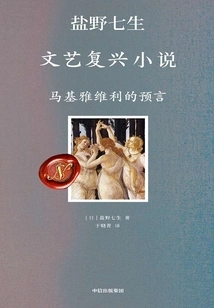
Machiavelli's Prophecy
General Fiction马基雅维利的预言
G
This is a novel and a history, more like a movie. From Venice, Rome, to Florence, and back to Venice, you follow the beautiful man Marco, penetrate into every pore of the Renaissance era, and be a Renaissance man for a day. There's roasted guinea chicken served on a silver platter decorated with the Medici coat of arms, Pecorino goat cheese, and bite-sized pastries made of almond flour and wrapped in cream. There are also studios of artists in the center of Florence in the 16th century, major banks all over Europe, and a dazzling array of shops filled with foreign goods. Not only that, the love drama between a handsome man and an elegant geisha, the power struggle between ambitious young people, and the complex relationships between the great powers at that time are all presented in this "Renaissance Novel" series. Marco, who was dismissed from his job, traveled to Florence to adjust his mood. He happened to meet Olympia, who had used him for espionage, and "fell in love" with her again. The "Flower Capital", once governed by the benevolent Medici family, has now become a puppet capital - the Holy Roman Emperor secretly controlled Alessandro, the illegitimate son of the Medici family, to rule dictatorially. Alessandro also coveted the sister of Lorenzino, who also belonged to the Medici family. This made Lorenzino, who was already rebellious and self-blame, determined to kill Alessandro by using the secret passage between the Medici Palace and his home, and fled to Venice that night. Marco and Olympia were also involved in the quagmire of internal strife within the Medici family, and they decided to leave Florence for Rome.
This is a novel and a history, more like a movie. From Venice, Rome, to Florence, and back to Venice, you follow the beautiful man Marco, penetrate into every pore of the Renaissance era, and be a Renaissance man for a day. There's roasted guinea chicken served on a silver platter decorated with the Medici coat of arms, Pecorino goat cheese, and bite-sized pastries made of almond flour and wrapped in cream. There are also studios of artists in the center of Florence in the 16th century, major banks all over Europe, and a dazzling array of shops filled with foreign goods. Not only that, the love drama between a handsome man and an elegant geisha, the power struggle between ambitious young people, and the complex relationships between the great powers at that time are all presented in this "Renaissance Novel" series. Marco, who was dismissed from his job, traveled to Florence to adjust his mood. He happened to meet Olympia, who had used him for espionage, and "fell in love" with her again. The "Flower Capital", once governed by the benevolent Medici family, has now become a puppet capital - the Holy Roman Emperor secretly controlled Alessandro, the illegitimate son of the Medici family, to rule dictatorially. Alessandro also coveted the sister of Lorenzino, who also belonged to the Medici family. This made Lorenzino, who was already rebellious and self-blame, determined to kill Alessandro by using the secret passage between the Medici Palace and his home, and fled to Venice that night. Marco and Olympia were also involved in the quagmire of internal strife within the Medici family, and they decided to leave Florence for Rome.

The Magician (nabokov Collection Iii)
General Fiction魔法师(纳博科夫精选集Ⅲ)
H
"The Magician" is the predecessor of the famous novel "Lolita" by the novelist Navladimir Nabokov. According to the author himself, the title of "The Magician" foreshadows the theme of "The Possessed Hunter" in "Lolita". In the novel, the "magician" is also a middle-aged man who woos the widow in order to get close to her daughter. Finally, he uses magic tricks to turn his desire into a fairy-tale dream, thus creating an ending that is completely different from "Lolita". The novel is narrated in the third person, the characters have no names, and the location where the story takes place is exotic, while "Lolita" details the ins and outs of each element of the novel in the first person. Even setting aside its relationship with "Lolita", "The Magician" is still an interesting work and worth reading. The same book contains an introductory article by Nabokov's son Dmitry Nabokov.
"The Magician" is the predecessor of the famous novel "Lolita" by the novelist Navladimir Nabokov. According to the author himself, the title of "The Magician" foreshadows the theme of "The Possessed Hunter" in "Lolita". In the novel, the "magician" is also a middle-aged man who woos the widow in order to get close to her daughter. Finally, he uses magic tricks to turn his desire into a fairy-tale dream, thus creating an ending that is completely different from "Lolita". The novel is narrated in the third person, the characters have no names, and the location where the story takes place is exotic, while "Lolita" details the ins and outs of each element of the novel in the first person. Even setting aside its relationship with "Lolita", "The Magician" is still an interesting work and worth reading. The same book contains an introductory article by Nabokov's son Dmitry Nabokov.
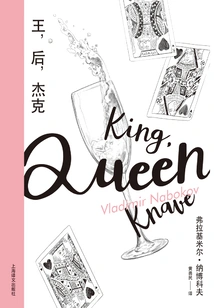
King, Queen, Jack (nabokov Collection Iii)
General Fiction王,后,杰克(纳博科夫精选集Ⅲ)
H
"King, Queen, Jack" is an early masterpiece by the novel master Nabokov, first published in 1928. Starting from this work, Nabokov began to frequently use multiple languages in his works, play word games, and create many surrealist characters and images. This unique "Nabokov style" has also become one of the important reasons for his long-term foothold in the literary world. As the title of the novel suggests, the image of playing cards appears throughout the work. Franz, an inexperienced and ambitious young man, came to Berlin to seek refuge with his wealthy businessman uncle Dreher, and then was seduced into becoming the lover of Dreher's wife Martha, and the two conspired to kill Dreher. But when Martha learns that Dreyer is about to make a fortune, she suddenly changes her mind, and the conspiracy ends abruptly in an unexpected way... Elements such as derailment, deception, and murder are cleverly integrated into this triangular card game, making people appreciate the absurdity and darkness of human nature, but they are also unable to extricate themselves from the wonderful details created by the wordsmith.
"King, Queen, Jack" is an early masterpiece by the novel master Nabokov, first published in 1928. Starting from this work, Nabokov began to frequently use multiple languages in his works, play word games, and create many surrealist characters and images. This unique "Nabokov style" has also become one of the important reasons for his long-term foothold in the literary world. As the title of the novel suggests, the image of playing cards appears throughout the work. Franz, an inexperienced and ambitious young man, came to Berlin to seek refuge with his wealthy businessman uncle Dreher, and then was seduced into becoming the lover of Dreher's wife Martha, and the two conspired to kill Dreher. But when Martha learns that Dreyer is about to make a fortune, she suddenly changes her mind, and the conspiracy ends abruptly in an unexpected way... Elements such as derailment, deception, and murder are cleverly integrated into this triangular card game, making people appreciate the absurdity and darkness of human nature, but they are also unable to extricate themselves from the wonderful details created by the wordsmith.

当我们谈论科学时,我们在谈论什么(麦克尤恩双语作品)
(uk) Ian Mcewan
"What We Talk About When We Talk About Science" is a collection of essays on science and humanities by British national writer Ian McEwan, which is included in Penguin Random House's classic Vintage Minis anthropology series. The book contains five essays by McEwan: "Literature, Science and Humanity", "Species Originality", "Parallel Traditions", "Apocalyptic Blues" and "Self". The author focuses on the relationship between literature, science and human nature, expounding his incisive, unique and philosophical views, supplemented by several koans in the history of science - Was it Darwin or Wallace who first proposed the theory of evolution? Does general relativity belong to Einstein or the German mathematician Hilbert? There is also Leeuwenhoek's letter to the Royal Society... From science to literature, McEwan's writing is vivid and interesting, contains philosophical thoughts, and wanders between sensibility and rationality. It is heart-breaking to read.
"What We Talk About When We Talk About Science" is a collection of essays on science and humanities by British national writer Ian McEwan, which is included in Penguin Random House's classic Vintage Minis anthropology series. The book contains five essays by McEwan: "Literature, Science and Humanity", "Species Originality", "Parallel Traditions", "Apocalyptic Blues" and "Self". The author focuses on the relationship between literature, science and human nature, expounding his incisive, unique and philosophical views, supplemented by several koans in the history of science - Was it Darwin or Wallace who first proposed the theory of evolution? Does general relativity belong to Einstein or the German mathematician Hilbert? There is also Leeuwenhoek's letter to the Royal Society... From science to literature, McEwan's writing is vivid and interesting, contains philosophical thoughts, and wanders between sensibility and rationality. It is heart-breaking to read.
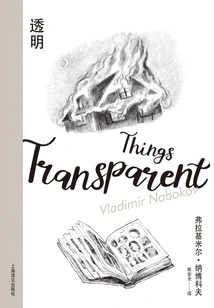
Transparency (Nabokov Collection Iii)
General Fiction透明(纳博科夫精选集Ⅲ)
H
"Transparent" is Nabokov's masterpiece, recognized as the master of novels in the 20th century. In it, Nabokov further developed an elegant writing style with a slow, almost languid pace. The protagonist, Hugh Person, is a melancholic and clumsy publisher who visited Switzerland four times in his life. He lost his father forever on the first trip, and met his future wife on the second trip. Eventually he embarks on a lonely sentimental journey, sweet-talking himself into his past. Person has been living in memories, insisting on staying in the same hotel every time he goes to Switzerland; at the same time, he tries his best to escape from memories, because memories can only bring pain. Nabokov writes about this ambivalence vividly, exploring the interplay between memories and reality with a light, transparent tone. The transparent world surrounding Person is an existence different from reality, and it is the silent history he carries.
"Transparent" is Nabokov's masterpiece, recognized as the master of novels in the 20th century. In it, Nabokov further developed an elegant writing style with a slow, almost languid pace. The protagonist, Hugh Person, is a melancholic and clumsy publisher who visited Switzerland four times in his life. He lost his father forever on the first trip, and met his future wife on the second trip. Eventually he embarks on a lonely sentimental journey, sweet-talking himself into his past. Person has been living in memories, insisting on staying in the same hotel every time he goes to Switzerland; at the same time, he tries his best to escape from memories, because memories can only bring pain. Nabokov writes about this ambivalence vividly, exploring the interplay between memories and reality with a light, transparent tone. The transparent world surrounding Person is an existence different from reality, and it is the silent history he carries.

如何带着三文鱼旅行(翁贝托·埃科作品系列)
H
A witty and atypical guide to life, telling us how to take a meaningful vacation, how to travel with salmon, how to avoid talking about football, how to take a train in the United States, how to talk about animals, and even how to become a Knight of Malta... Joking, provocative, and humorous, it is an incredible combination of profoundness and worldliness. With his naughty wit and genius-like cynicism, Eco answers questions we have never thought of and questions the answers we are accustomed to. Football, porn, and coffee pots, these seemingly "brainless" topics, become both interesting and profound in his writing, leading us to peek into the absurdity of modern life.
A witty and atypical guide to life, telling us how to take a meaningful vacation, how to travel with salmon, how to avoid talking about football, how to take a train in the United States, how to talk about animals, and even how to become a Knight of Malta... Joking, provocative, and humorous, it is an incredible combination of profoundness and worldliness. With his naughty wit and genius-like cynicism, Eco answers questions we have never thought of and questions the answers we are accustomed to. Football, porn, and coffee pots, these seemingly "brainless" topics, become both interesting and profound in his writing, leading us to peek into the absurdity of modern life.

Yuan Station
General Fiction元车站
R
Thousands of years later, humans left the earth and established a huge empire and a huge network in the universe. Robots, intelligent systems, and databases have become an integral part of human life. The planets are connected by Kaiben trains. At the end of "Dark Light Train", Nova stayed in the dark light area, and Cen returned to the Star Luo Empire and lived a peaceful life, but he missed Nova all the time and missed the days of adventure in the past. One day, Cen received a strange signal. It was a secret signal sent to him by Nova, asking him to go to the Yuan Station in the dark light area. He was greeted by more than a hundred Nova. In "Yuan Station", all the secrets about the Insect Monk, Station Angel, Guardian God, and Yuan Station will finally be revealed.
Thousands of years later, humans left the earth and established a huge empire and a huge network in the universe. Robots, intelligent systems, and databases have become an integral part of human life. The planets are connected by Kaiben trains. At the end of "Dark Light Train", Nova stayed in the dark light area, and Cen returned to the Star Luo Empire and lived a peaceful life, but he missed Nova all the time and missed the days of adventure in the past. One day, Cen received a strange signal. It was a secret signal sent to him by Nova, asking him to go to the Yuan Station in the dark light area. He was greeted by more than a hundred Nova. In "Yuan Station", all the secrets about the Insect Monk, Station Angel, Guardian God, and Yuan Station will finally be revealed.

End of Railroad
General Fiction铁道尽头
S
Thousands of years later, humans left the earth and established a huge empire and a huge network in the universe. Robots, intelligent systems, and databases have become an integral part of human life. The planets are connected by Kaiben trains. The Nunn family rules the entire empire, and it needs to constantly balance the interests of princes, plutocrats, and warlords. But the real rulers are intelligent systems called "Guardians", which already have independent thoughts. Cen is a street gangster who makes a living by stealing and lives in a slum with his mother and sister. One day, a robot girl named Nova and the mysterious man Raven came to him and asked him to board the royal train and steal a mysterious treasure box. Cen managed to get through smoothly and stole the treasure box, but the fate of everyone and the empire changed from this. What's inside the box? Who is Raven? Why does he covet the contents of the treasure box? Who developed Weishen? The interstellar adventure officially begins...
Thousands of years later, humans left the earth and established a huge empire and a huge network in the universe. Robots, intelligent systems, and databases have become an integral part of human life. The planets are connected by Kaiben trains. The Nunn family rules the entire empire, and it needs to constantly balance the interests of princes, plutocrats, and warlords. But the real rulers are intelligent systems called "Guardians", which already have independent thoughts. Cen is a street gangster who makes a living by stealing and lives in a slum with his mother and sister. One day, a robot girl named Nova and the mysterious man Raven came to him and asked him to board the royal train and steal a mysterious treasure box. Cen managed to get through smoothly and stole the treasure box, but the fate of everyone and the empire changed from this. What's inside the box? Who is Raven? Why does he covet the contents of the treasure box? Who developed Weishen? The interstellar adventure officially begins...

Dark Light Train
General Fiction暗光列车
U
Thousands of years later, humans left the earth and established a huge empire and a huge network in the universe. Robots, intelligent systems, and databases have become an integral part of human life. The planets are connected by Kaiben trains. "Dark Light Train" follows the plot of "End of the Railroad". Sen and Nova use the mysterious treasure box to open a new universe, which is a world called "World Network", where they encounter many novel species. These species look different from humans, but they all have high IQs. Cen and Nova also came into contact with them and learned more about the secrets of the mysterious treasure box, the Guardian God, and the Station Angel. But if you want to uncover the ultimate mystery of the universe, you must enter the dark light area. But why is there no sign of life in the dark light area now? The interstellar adventure continues, and more mysteries are left to be solved in the final chapter...
Thousands of years later, humans left the earth and established a huge empire and a huge network in the universe. Robots, intelligent systems, and databases have become an integral part of human life. The planets are connected by Kaiben trains. "Dark Light Train" follows the plot of "End of the Railroad". Sen and Nova use the mysterious treasure box to open a new universe, which is a world called "World Network", where they encounter many novel species. These species look different from humans, but they all have high IQs. Cen and Nova also came into contact with them and learned more about the secrets of the mysterious treasure box, the Guardian God, and the Station Angel. But if you want to uncover the ultimate mystery of the universe, you must enter the dark light area. But why is there no sign of life in the dark light area now? The interstellar adventure continues, and more mysteries are left to be solved in the final chapter...

快穿之大佬她又来了!
Ye Ximo
[Quick wear·cp·1v1·Sweet] The heroine who can quickly travel to heaven and earth is omnipotent. Who could have imagined... Sheng Mo: "Can this plane be free of blood?" Porridge: "What is it like to have a blood-hating host... Experience a big-headed ghost!" Porridge is feeling miserable and can't express it. Damn her omnipotence! ! ! ! When the hero of the strategy game is wandering around carrying yogurt wherever and whenever he can't get home... Shi Shao: "Where is my partner??!" He was heartbroken. System: "On the experience of not knowing but not daring to say you don't know... Fuck you!" This system is quitting! ! ? Ooooh, I can't stop doing it! The saddest thing in time is being separated by your boss and not being allowed to call TT The rice porridge and the system feel bitter in their hearts and bitter on the face, just lie down and make progress every day! Work hard! ! ! What a fart!
[Quick wear·cp·1v1·Sweet] The heroine who can quickly travel to heaven and earth is omnipotent. Who could have imagined... Sheng Mo: "Can this plane be free of blood?" Porridge: "What is it like to have a blood-hating host... Experience a big-headed ghost!" Porridge is feeling miserable and can't express it. Damn her omnipotence! ! ! ! When the hero of the strategy game is wandering around carrying yogurt wherever and whenever he can't get home... Shi Shao: "Where is my partner??!" He was heartbroken. System: "On the experience of not knowing but not daring to say you don't know... Fuck you!" This system is quitting! ! ? Ooooh, I can't stop doing it! The saddest thing in time is being separated by your boss and not being allowed to call TT The rice porridge and the system feel bitter in their hearts and bitter on the face, just lie down and make progress every day! Work hard! ! ! What a fart!
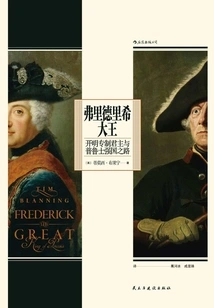
弗里德里希大王:开明专制君主与普鲁士强国之路
Q
In European history, there are few figures as great as King Friedrich the Great. When he succeeded to the Prussian throne in 1740, he ruled a weak and scattered kingdom; by the end of his reign, Prussia had become one of the great powers of continental Europe. In this book, historian Timothy Braining gives us a comprehensive portrait of the king who dominated the political, military, and cultural life of Europe half a century before Napoleon. Friedrich had a complex and multi-faceted character. He was sometimes a ruthless monarch, sometimes a strategizing battlefield commander, and sometimes an enthusiastic patron of the arts. He also maintained active contacts with other major thinkers of the era such as Voltaire. Timothy Breining's ambitious biography recounts Friedrich's remarkable life and the sweeping political and cultural transformation of Prussia under his rule. Readers can delve into the mind of this great monarch and better understand Prussia's rise to become a European power.
In European history, there are few figures as great as King Friedrich the Great. When he succeeded to the Prussian throne in 1740, he ruled a weak and scattered kingdom; by the end of his reign, Prussia had become one of the great powers of continental Europe. In this book, historian Timothy Braining gives us a comprehensive portrait of the king who dominated the political, military, and cultural life of Europe half a century before Napoleon. Friedrich had a complex and multi-faceted character. He was sometimes a ruthless monarch, sometimes a strategizing battlefield commander, and sometimes an enthusiastic patron of the arts. He also maintained active contacts with other major thinkers of the era such as Voltaire. Timothy Breining's ambitious biography recounts Friedrich's remarkable life and the sweeping political and cultural transformation of Prussia under his rule. Readers can delve into the mind of this great monarch and better understand Prussia's rise to become a European power.
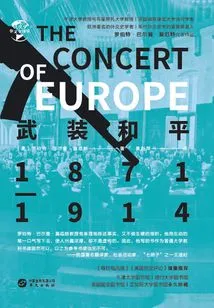
武装和平:1871—1914(华文全球史)
K
"Armed peace" is recognized by European historians as the "key" to the outbreak of World War I. The Franco-Prussian War defeated France and Germany was unified. Why couldn't France be destroyed? What role did coordination among European powers play at the Berlin Conference? Why was the transition of the Second German Empire from the Bismarck era to the Wilhelm II era a strategic mistake? Why are there irreconcilable contradictions between the Austro-Hungarian Empire's coveting of the Balkan Peninsula and the Russian Empire's Pan-Slavism? Why did the Ottoman Empire lose to the Balkan Alliance in the First Balkan War? How did the uneven distribution of spoils in the Balkan Alliance trigger the Second Balkan War? How did the Moroccan crisis occur and be resolved? Was the assassination of Archduke Franz Ferdinand, Crown Prince of the Austro-Hungarian Empire, an official act of the Kingdom of Serbia or a private act? What happened in the critical twelve days before the outbreak of World War I? Why did the European coordination and ambassadorial conferences fail to prevent the outbreak of the First World War? This book will give detailed answers.
"Armed peace" is recognized by European historians as the "key" to the outbreak of World War I. The Franco-Prussian War defeated France and Germany was unified. Why couldn't France be destroyed? What role did coordination among European powers play at the Berlin Conference? Why was the transition of the Second German Empire from the Bismarck era to the Wilhelm II era a strategic mistake? Why are there irreconcilable contradictions between the Austro-Hungarian Empire's coveting of the Balkan Peninsula and the Russian Empire's Pan-Slavism? Why did the Ottoman Empire lose to the Balkan Alliance in the First Balkan War? How did the uneven distribution of spoils in the Balkan Alliance trigger the Second Balkan War? How did the Moroccan crisis occur and be resolved? Was the assassination of Archduke Franz Ferdinand, Crown Prince of the Austro-Hungarian Empire, an official act of the Kingdom of Serbia or a private act? What happened in the critical twelve days before the outbreak of World War I? Why did the European coordination and ambassadorial conferences fail to prevent the outbreak of the First World War? This book will give detailed answers.

大英帝国简史(华文全球史)
J
"A Brief History of the British Empire" vividly and rigorously tells the history of the establishment, development, strength, and decline of the British Empire from the reign of Elizabeth I to the end of the Ottawa Conference in 1932. This book is divided into three parts, corresponding to the three stages of the British Empire - the British Empire, the Second British Empire and the Third British Empire. The first part mainly tells the history of the British Empire's colonization of the Americas. The second part tells the history of the Second British Empire's colonization of Australia, New Zealand, Canada, South Africa and India. The third part tells the history of the Third British Empire's heavy losses in World War I and the rebirth of the colonies and autonomous dominions after the war.
"A Brief History of the British Empire" vividly and rigorously tells the history of the establishment, development, strength, and decline of the British Empire from the reign of Elizabeth I to the end of the Ottawa Conference in 1932. This book is divided into three parts, corresponding to the three stages of the British Empire - the British Empire, the Second British Empire and the Third British Empire. The first part mainly tells the history of the British Empire's colonization of the Americas. The second part tells the history of the Second British Empire's colonization of Australia, New Zealand, Canada, South Africa and India. The third part tells the history of the Third British Empire's heavy losses in World War I and the rebirth of the colonies and autonomous dominions after the war.

My Life is Empty, I Want to Do Something Big
General Fiction我的人生空虚,我想干票大的
(norway) Alan Lu
This book is a novel written by Norwegian novelist Alan Lew. The book tells the story of the protagonist Lu and a group of his friends who felt that they had not made much contribution to Norway. They wanted to make up for this, so they decided to go on an adventure. The purpose of the adventure was to prove one of Lu's absurd theories: He believed that the residents of the Pacific islands were South Americans long ago, and that the first batch of island immigrants skated across the South American continent when the Pacific Ocean froze. They felt that by proving this theory they could put Norway back on the world map and become a national hero. The second half of the book amounts to a journal of their adventures on a small island in the Pacific Ocean called the Cook Islands. This book continues Lu's method of writing novels as documentary literature among young people. The book provides a large amount of evidence, including photos of himself and his friends on the expedition, and even a scanned copy of a reply letter from the king's secretary, to "prove" that what he wrote is true.
This book is a novel written by Norwegian novelist Alan Lew. The book tells the story of the protagonist Lu and a group of his friends who felt that they had not made much contribution to Norway. They wanted to make up for this, so they decided to go on an adventure. The purpose of the adventure was to prove one of Lu's absurd theories: He believed that the residents of the Pacific islands were South Americans long ago, and that the first batch of island immigrants skated across the South American continent when the Pacific Ocean froze. They felt that by proving this theory they could put Norway back on the world map and become a national hero. The second half of the book amounts to a journal of their adventures on a small island in the Pacific Ocean called the Cook Islands. This book continues Lu's method of writing novels as documentary literature among young people. The book provides a large amount of evidence, including photos of himself and his friends on the expedition, and even a scanned copy of a reply letter from the king's secretary, to "prove" that what he wrote is true.
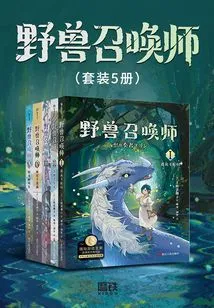
Beast Summoner (set of 5 Volumes)
General Fiction野兽召唤师(套装5册)
J
The book set includes: "Beast Summoner 1: Escape from the Snake Fighting Village", "Beast Summoner 2: The King of Beasts Fly to the Sky", "Beast Summoner 3: Erin's Choice", "Beast Summoner 4: Crazy Melee", "Beast Summoner 5: Fragments of Time".
The book set includes: "Beast Summoner 1: Escape from the Snake Fighting Village", "Beast Summoner 2: The King of Beasts Fly to the Sky", "Beast Summoner 3: Erin's Choice", "Beast Summoner 4: Crazy Melee", "Beast Summoner 5: Fragments of Time".

A Heart-pounding First Love Story (set of 2 Volumes)
General Fiction怦然心动的初恋故事(套装共2册)
J
The book set includes: "Heartbeat Kiss" and "Pumping Heartbeat: Hardcover Commemorative Edition".
The book set includes: "Heartbeat Kiss" and "Pumping Heartbeat: Hardcover Commemorative Edition".
Ming Pirate King
History大明海贼王
S
In the fifth year of the Apocalypse, this is the eve of the collapse of the Ming Dynasty. At this time, the wild boar skin, which rose from the white mountains and black waters, moved its capital to Shenyang and occupied Liaodong. This year, various disasters continued in the Ming Dynasty under the Little Ice Age. There was severe famine in various places, leading to cannibalism. At this time, Europeans were crossing the ocean and plundering colonies around the world. On this day, a young social beast traveled through time. Before he could make up his mind to save the world and bring peace to the country, a stunning woman with a frosty face came to chop him with a knife. "The lewd thief... Is here to die!" Wait? What is going on? Who are you? I - the man of One Piece! Welcome to join the communication group: 749048140 VIP certification group:150536544
In the fifth year of the Apocalypse, this is the eve of the collapse of the Ming Dynasty. At this time, the wild boar skin, which rose from the white mountains and black waters, moved its capital to Shenyang and occupied Liaodong. This year, various disasters continued in the Ming Dynasty under the Little Ice Age. There was severe famine in various places, leading to cannibalism. At this time, Europeans were crossing the ocean and plundering colonies around the world. On this day, a young social beast traveled through time. Before he could make up his mind to save the world and bring peace to the country, a stunning woman with a frosty face came to chop him with a knife. "The lewd thief... Is here to die!" Wait? What is going on? Who are you? I - the man of One Piece! Welcome to join the communication group: 749048140 VIP certification group:150536544
F
General FictionF
H
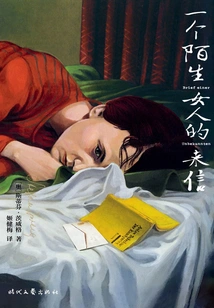
"The feelings that I once thought could only be understood and indescribable are now held in my own hands." Zweig's amazing talent and dual attainments in literature and psychology make his works unique. Gorky praised him as "no writer who understands women better than him", and Romain Rolland called him a "soul hunter". Freud, the master of psychoanalysis, marveled at his psychological description ability. This book includes famous "deep psychological" novels such as Zweig's "The Burning Secret", "Letter from a Strange Woman", "Emotional Confusion", "Twenty-Four Hours in a Woman's Life", "The Story of Chess", etc. It comprehensively and profoundly reveals the deep truth about desire, emotion and love. Each article is a research document regarded as a treasure by psychologists; each article is an excellent reading book for ordinary people to enjoy the charm of literature and understand their own emotions.
"The feelings that I once thought could only be understood and indescribable are now held in my own hands." Zweig's amazing talent and dual attainments in literature and psychology make his works unique. Gorky praised him as "no writer who understands women better than him", and Romain Rolland called him a "soul hunter". Freud, the master of psychoanalysis, marveled at his psychological description ability. This book includes famous "deep psychological" novels such as Zweig's "The Burning Secret", "Letter from a Strange Woman", "Emotional Confusion", "Twenty-Four Hours in a Woman's Life", "The Story of Chess", etc. It comprehensively and profoundly reveals the deep truth about desire, emotion and love. Each article is a research document regarded as a treasure by psychologists; each article is an excellent reading book for ordinary people to enjoy the charm of literature and understand their own emotions.