Library
Browse and search books
2,982 novels found
这些年,我们还在相信的历史谣言
Han Minghui
For thousands of years, people have always believed that King You of Zhou's beacon fire play on the princes was a historical fact. However, according to the research of Qian Mu, a master of Chinese traditional culture, this did not exist, and there are unearthed cultural relics to prove it. It can be seen that even if it has been passed down for thousands of years, there are still many so-called histories that cannot withstand scrutiny. This book combines the latest research results to get to the bottom of thirty-one seemingly certain "final cases" in history and dig out the truth that has been hidden for thousands of years. Rumors are debunked here and history is rectified! Did Liu Bei pay three visits to the thatched cottage, or did Zhuge Liang recommend himself? Can the helpless Adou really be helpless? All kinds of history that people think are unquestionable will be unveiled one by one in this book, revealing the extremely shocking truth.
For thousands of years, people have always believed that King You of Zhou's beacon fire play on the princes was a historical fact. However, according to the research of Qian Mu, a master of Chinese traditional culture, this did not exist, and there are unearthed cultural relics to prove it. It can be seen that even if it has been passed down for thousands of years, there are still many so-called histories that cannot withstand scrutiny. This book combines the latest research results to get to the bottom of thirty-one seemingly certain "final cases" in history and dig out the truth that has been hidden for thousands of years. Rumors are debunked here and history is rectified! Did Liu Bei pay three visits to the thatched cottage, or did Zhuge Liang recommend himself? Can the helpless Adou really be helpless? All kinds of history that people think are unquestionable will be unveiled one by one in this book, revealing the extremely shocking truth.
超级版图:蒙古帝国的鼎盛荣光(下册)
Zhang Shengquan
After Meng Ge came to power in the second volume, he inherited the cause of his ancestors and launched the Western Expedition and the Southern Invasion. The military fronts spread throughout West Asia, most of Europe and North Africa, creating the largest territory in Chinese history and achieving the largest national integration. However, while Meng Ge was launching his conquest, his position was faced with a huge threat from his second brother Kublai Khan; at the same time, his personal conquest was blocked by the Diaoyu City of Hezhou, which was a small place, for seven months. Can Brother Meng break through the siege and show his glory again? Can the super territory of the Mongol Empire remain intact?
After Meng Ge came to power in the second volume, he inherited the cause of his ancestors and launched the Western Expedition and the Southern Invasion. The military fronts spread throughout West Asia, most of Europe and North Africa, creating the largest territory in Chinese history and achieving the largest national integration. However, while Meng Ge was launching his conquest, his position was faced with a huge threat from his second brother Kublai Khan; at the same time, his personal conquest was blocked by the Diaoyu City of Hezhou, which was a small place, for seven months. Can Brother Meng break through the siege and show his glory again? Can the super territory of the Mongol Empire remain intact?
超级版图:蒙古帝国的鼎盛荣光(上册)
Zhang Shengquan
In the first volume, Genghis Khan passed the throne to Wokuotai, which triggered an open and covert struggle between his two sons and their families. Tuo Lei's eldest son, Meng Ge, has shown bravery, tenacity and outstanding talents since he was a child. However, due to Wogotai's suppression and restrictions, his life has suffered many hardships: his girlfriend was forced to jump into a river, his victory was demobilized, his father was induced to take poison, and his mother was humiliated into marriage... However, how will Meng Ge sharpen his will? How to use wisdom in adversity and make great contributions to the creation of the super territory of the Mongol Empire?
In the first volume, Genghis Khan passed the throne to Wokuotai, which triggered an open and covert struggle between his two sons and their families. Tuo Lei's eldest son, Meng Ge, has shown bravery, tenacity and outstanding talents since he was a child. However, due to Wogotai's suppression and restrictions, his life has suffered many hardships: his girlfriend was forced to jump into a river, his victory was demobilized, his father was induced to take poison, and his mother was humiliated into marriage... However, how will Meng Ge sharpen his will? How to use wisdom in adversity and make great contributions to the creation of the super territory of the Mongol Empire?
松赞干布与文成公主
Wu Xinxun Et Al.
"Songtsan Gampo and Princess Wencheng" written by Wu Xinxun tells the story of Songtsan Gampo who inherited his father's legacy, used his talents and strategies to turn the tide, and became the king of Tubo who unified the Tibetan Plateau. In order to consolidate the foundation of Tubo, Songtsen Gampo yearned for the prosperity of the Tang Dynasty civilization and the reputation of Princess Wencheng, learned from the experience of other tribal countries, and sought marriage with the Tang Dynasty. After a series of twists and turns, thrilling and soul-stirring stories, with the assistance of Songtsan Gampo and his group of loyal generals, Emperor Taizong of the Tang Dynasty's wise governance strategy and national policy decisions, and Princess Wencheng's profound understanding of justice With their great ambition and lofty feelings, Songtsen Gampo and Princess Wencheng got married, which promoted and formed the unshakable blood and family ties between the Tibetan and Han peoples and the broad and deep integration of the Tang civilization and the civilization of the snow-covered plateau.
"Songtsan Gampo and Princess Wencheng" written by Wu Xinxun tells the story of Songtsan Gampo who inherited his father's legacy, used his talents and strategies to turn the tide, and became the king of Tubo who unified the Tibetan Plateau. In order to consolidate the foundation of Tubo, Songtsen Gampo yearned for the prosperity of the Tang Dynasty civilization and the reputation of Princess Wencheng, learned from the experience of other tribal countries, and sought marriage with the Tang Dynasty. After a series of twists and turns, thrilling and soul-stirring stories, with the assistance of Songtsan Gampo and his group of loyal generals, Emperor Taizong of the Tang Dynasty's wise governance strategy and national policy decisions, and Princess Wencheng's profound understanding of justice With their great ambition and lofty feelings, Songtsen Gampo and Princess Wencheng got married, which promoted and formed the unshakable blood and family ties between the Tibetan and Han peoples and the broad and deep integration of the Tang civilization and the civilization of the snow-covered plateau.
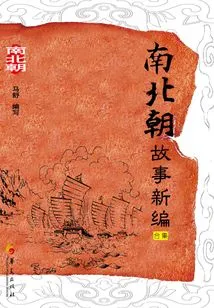
南北朝故事新编(全集)
Written By Ma Shu
The Southern and Northern Dynasties inherited the two Jin, Five Hu and Sixteen Kingdoms at the top, and the Sui Dynasty at the bottom. In fact, although the North and the South had their own dynasties, they maintained a long-term confrontation with continuous wars and endless bloody stories. At the same time, heroes and talents gathered in large numbers during this period, including the famous general Tan Daoji who "singed the sand", Cang Tou Gong Shen Qingzhi, the ever-victorious general Liu Yuanjing, the iron-blooded general Zong Yue, the white-clothed official Wu happy who led several counties to the east with three hundred soldiers, Zhang Xingshi who broke into Qianxi alone and became famous in Quezhou...
The Southern and Northern Dynasties inherited the two Jin, Five Hu and Sixteen Kingdoms at the top, and the Sui Dynasty at the bottom. In fact, although the North and the South had their own dynasties, they maintained a long-term confrontation with continuous wars and endless bloody stories. At the same time, heroes and talents gathered in large numbers during this period, including the famous general Tan Daoji who "singed the sand", Cang Tou Gong Shen Qingzhi, the ever-victorious general Liu Yuanjing, the iron-blooded general Zong Yue, the white-clothed official Wu happy who led several counties to the east with three hundred soldiers, Zhang Xingshi who broke into Qianxi alone and became famous in Quezhou...
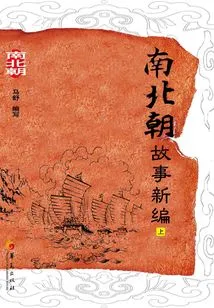
南北朝故事新编(上)
Written By Ma Shu
The Southern and Northern Dynasties inherited the two Jin, Five Hu and Sixteen Kingdoms at the top, and the Sui Dynasty at the bottom. In fact, although the North and the South had their own dynasties, they maintained a long-term confrontation with continuous wars and endless bloody stories. At the same time, heroes and talents gathered in large numbers during this period, including the famous general Tan Daoji who "singed the sand", Cang Tou Gong Shen Qingzhi, the ever-victorious general Liu Yuanjing, the iron-blooded general Zong Yue, the white-clothed official Wu happy who led several counties to the east with three hundred soldiers, Zhang Xingshi who broke into Qianxi alone and became famous in Quezhou...
The Southern and Northern Dynasties inherited the two Jin, Five Hu and Sixteen Kingdoms at the top, and the Sui Dynasty at the bottom. In fact, although the North and the South had their own dynasties, they maintained a long-term confrontation with continuous wars and endless bloody stories. At the same time, heroes and talents gathered in large numbers during this period, including the famous general Tan Daoji who "singed the sand", Cang Tou Gong Shen Qingzhi, the ever-victorious general Liu Yuanjing, the iron-blooded general Zong Yue, the white-clothed official Wu happy who led several counties to the east with three hundred soldiers, Zhang Xingshi who broke into Qianxi alone and became famous in Quezhou...
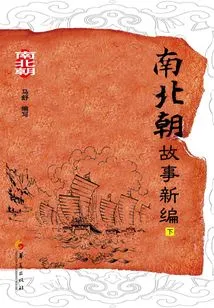
南北朝故事新编(下)
Written By Ma Shu
The Southern and Northern Dynasties inherited the two Jin, Five Hu and Sixteen Kingdoms at the top, and the Sui Dynasty at the bottom. In fact, although the North and the South had their own dynasties, they maintained a long-term confrontation with continuous wars and endless bloody stories. At the same time, heroes and talents gathered in large numbers during this period, including the famous general Tan Daoji who "singed the sand", Cang Tou Gong Shen Qingzhi, the ever-victorious general Liu Yuanjing, the iron-blooded general Zong Yue, the white-clothed official Wu happy who led several counties to the east with three hundred soldiers, Zhang Xingshi who broke into Qianxi alone and became famous in Quezhou...
The Southern and Northern Dynasties inherited the two Jin, Five Hu and Sixteen Kingdoms at the top, and the Sui Dynasty at the bottom. In fact, although the North and the South had their own dynasties, they maintained a long-term confrontation with continuous wars and endless bloody stories. At the same time, heroes and talents gathered in large numbers during this period, including the famous general Tan Daoji who "singed the sand", Cang Tou Gong Shen Qingzhi, the ever-victorious general Liu Yuanjing, the iron-blooded general Zong Yue, the white-clothed official Wu happy who led several counties to the east with three hundred soldiers, Zhang Xingshi who broke into Qianxi alone and became famous in Quezhou...
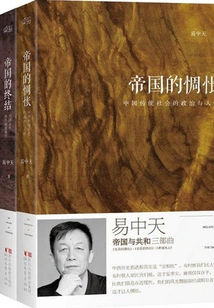
易中天:“帝国与共和”三部曲
H
"The Melancholy of Empire" Yi Zhongtian reflects on the imperial system after the Qin and Han Dynasties: "From the destruction of the six kingdoms by Qin to the Revolution of 1911, 70% of the history of Chinese civilization is melancholy, and melancholy is because of caring." Yi Zhongtian's analysis of "The End of Empire" Analysis of the suicide path of empire: "History actually has a limit. Once the limit comes, there is no chance." "Philadelphia Storm" Yi Zhongtian: "How did the world's first written constitution-the United States Federal Constitution come into being?"
"The Melancholy of Empire" Yi Zhongtian reflects on the imperial system after the Qin and Han Dynasties: "From the destruction of the six kingdoms by Qin to the Revolution of 1911, 70% of the history of Chinese civilization is melancholy, and melancholy is because of caring." Yi Zhongtian's analysis of "The End of Empire" Analysis of the suicide path of empire: "History actually has a limit. Once the limit comes, there is no chance." "Philadelphia Storm" Yi Zhongtian: "How did the world's first written constitution-the United States Federal Constitution come into being?"
谷园讲通鉴:这才是战国
Valley Garden
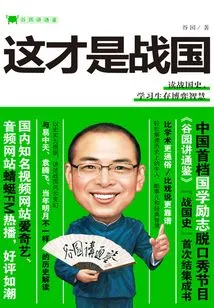
This book is a collection of the text about the Warring States Period in the first 24 episodes of the video program. From the early Warring States Period when Han, Zhao and Wei were divided into Jin in 403 BC, it tells the history of the Qin Dynasty's destruction of the Six Kingdoms in 221 BC in one go. It brilliantly interprets many of the famous historical events. The content is lively, interesting, and easy to understand, but it does not lose the rigor of official history. It is very interesting to read, just like a good TV series, with a prelude, conflicts, and climaxes, including intrigues between countries and the love and hatred of heroes. It also highlights the wisdom of cultivating oneself, benefiting others, and governing the country that is relevant to modern people, which is of great benefit to today's readers.
This book is a collection of the text about the Warring States Period in the first 24 episodes of the video program. From the early Warring States Period when Han, Zhao and Wei were divided into Jin in 403 BC, it tells the history of the Qin Dynasty's destruction of the Six Kingdoms in 221 BC in one go. It brilliantly interprets many of the famous historical events. The content is lively, interesting, and easy to understand, but it does not lose the rigor of official history. It is very interesting to read, just like a good TV series, with a prelude, conflicts, and climaxes, including intrigues between countries and the love and hatred of heroes. It also highlights the wisdom of cultivating oneself, benefiting others, and governing the country that is relevant to modern people, which is of great benefit to today's readers.
明朝历史的教训
Wu Han
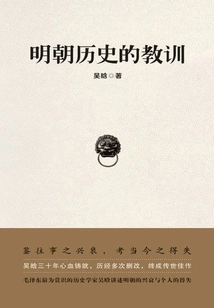
Why did a huge country go from the initial grand founding, imposing momentum, and world domination to the final state of being precarious, riddled with holes, and vulnerable? What happened in the middle? What impact will more than three hundred years of Ming Dynasty history have on today's rapidly developing China? Through succinct outlines and a rigorous and fair attitude towards history, this book briefly describes the politics, systems, society, characters and other aspects of the Ming Dynasty. Based on real historical materials, it deeply unearths the truth hidden under the surface of the terrorist politics, guard system, and imperial examinations in the early Ming Dynasty, as well as bandits and peasant uprisings in the late Ming Dynasty, and reveals the ups and downs of history. History does not repeat itself, but it may happen again. Keep historical experience in mind, historical lessons in mind, and historical warnings in mind. The lessons of history are the best inspiration for the present and the future.
Why did a huge country go from the initial grand founding, imposing momentum, and world domination to the final state of being precarious, riddled with holes, and vulnerable? What happened in the middle? What impact will more than three hundred years of Ming Dynasty history have on today's rapidly developing China? Through succinct outlines and a rigorous and fair attitude towards history, this book briefly describes the politics, systems, society, characters and other aspects of the Ming Dynasty. Based on real historical materials, it deeply unearths the truth hidden under the surface of the terrorist politics, guard system, and imperial examinations in the early Ming Dynasty, as well as bandits and peasant uprisings in the late Ming Dynasty, and reveals the ups and downs of history. History does not repeat itself, but it may happen again. Keep historical experience in mind, historical lessons in mind, and historical warnings in mind. The lessons of history are the best inspiration for the present and the future.
《资治通鉴》二十讲
Liu Houbin Li Xiaoju
"Zi Zhi Tong Jian" is a highly representative masterpiece of traditional Chinese history and an important resource for people from all walks of life to understand Chinese traditional culture and absorb historical wisdom. Hu Sansheng said: "If you are a ruler and do not know "Tongjian", you will want to govern but do not know the source of self-government, and you will cause chaos but do not know the art of preventing chaos. If you are a minister and do not know "Tongjian", then you will not be able to serve the emperor and your subordinates will be unable to govern the people. If you are a son and do not know "Tongjian", you will end up humiliating the first and not being able to follow behind. It is like using troops to conduct divisions, creating laws and establishing systems, and not knowing the reason why the ancients got it, Jian. The reason why the ancients failed was because they sought victory but lost, and sought profit and harm. This is inevitable. "This book takes the major themes of ancient Chinese governance as the main line, organizes selected articles in units, selects and compiles the narration of several major historical events in "Zizhi Tongjian", and provides detailed annotations and explanations. While highlighting Sima Guang's master's work, it also pays attention to the popularization of historical knowledge and the exploration of political wisdom.
"Zi Zhi Tong Jian" is a highly representative masterpiece of traditional Chinese history and an important resource for people from all walks of life to understand Chinese traditional culture and absorb historical wisdom. Hu Sansheng said: "If you are a ruler and do not know "Tongjian", you will want to govern but do not know the source of self-government, and you will cause chaos but do not know the art of preventing chaos. If you are a minister and do not know "Tongjian", then you will not be able to serve the emperor and your subordinates will be unable to govern the people. If you are a son and do not know "Tongjian", you will end up humiliating the first and not being able to follow behind. It is like using troops to conduct divisions, creating laws and establishing systems, and not knowing the reason why the ancients got it, Jian. The reason why the ancients failed was because they sought victory but lost, and sought profit and harm. This is inevitable. "This book takes the major themes of ancient Chinese governance as the main line, organizes selected articles in units, selects and compiles the narration of several major historical events in "Zizhi Tongjian", and provides detailed annotations and explanations. While highlighting Sima Guang's master's work, it also pays attention to the popularization of historical knowledge and the exploration of political wisdom.
卑鄙的圣人:曹操(第6部)
Wang Xiaolei
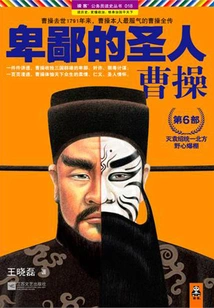
The traitors and loyalists in history are all similar, only Cao Cao is very different! Cao Cao's schemes and cunning often make his opponents dizzy and confused, and his despicableness often breaks the moral bottom line. However, he is a saint who cares about the world and cares for all living beings; he is also a tender and talented poet; in the end, he is still an ordinary man who is sensitive, has low self-esteem, and is lonely at heart.
The traitors and loyalists in history are all similar, only Cao Cao is very different! Cao Cao's schemes and cunning often make his opponents dizzy and confused, and his despicableness often breaks the moral bottom line. However, he is a saint who cares about the world and cares for all living beings; he is also a tender and talented poet; in the end, he is still an ordinary man who is sensitive, has low self-esteem, and is lonely at heart.
民国总理档案
Song Guotao
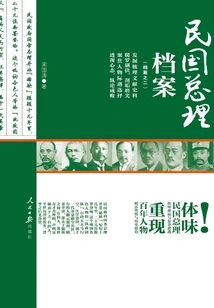
In the modern history of China, the period from 1912 to 1928 was the period of rule by the Beiyang warlords. In the ruling group where the Beiyang government changes, the Prime Minister is not a "scarce" position. There are countless changes and replacements. The shortest-lived cabinet only lasts for 6 days. It can be said that you sing and I come on stage. The period of the Beiyang Government was a turbulent time. A large number of warlords, politicians, bureaucrats and celebrities performed a period of turbulent history in modern China. The successive cabinet prime ministers during this period became the protagonists who influenced that period of history. The tide ebbs and flows, ups and downs, and people of all colors perform comedies, tragedies, farces, and farces one after another.
In the modern history of China, the period from 1912 to 1928 was the period of rule by the Beiyang warlords. In the ruling group where the Beiyang government changes, the Prime Minister is not a "scarce" position. There are countless changes and replacements. The shortest-lived cabinet only lasts for 6 days. It can be said that you sing and I come on stage. The period of the Beiyang Government was a turbulent time. A large number of warlords, politicians, bureaucrats and celebrities performed a period of turbulent history in modern China. The successive cabinet prime ministers during this period became the protagonists who influenced that period of history. The tide ebbs and flows, ups and downs, and people of all colors perform comedies, tragedies, farces, and farces one after another.
民国十大奇案
Li Bingqing
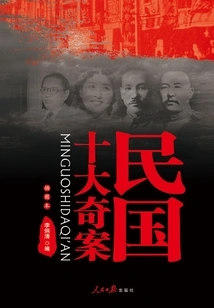
This book tells the story of ten bizarre events that occurred during the Republic of China, including the Lincheng carjacking and kidnapping case, the leak of the "Tianzhong Memorial" case, the Qing Dongling treasure theft case, the beginning and end of the assassination of Chiang Kai-shek in Mount Lu, the assassination of Yang Yongtai, and the secret of the sudden death of the traitor Li Shiqun. Each case is based on historical facts and the content is true.
This book tells the story of ten bizarre events that occurred during the Republic of China, including the Lincheng carjacking and kidnapping case, the leak of the "Tianzhong Memorial" case, the Qing Dongling treasure theft case, the beginning and end of the assassination of Chiang Kai-shek in Mount Lu, the assassination of Yang Yongtai, and the secret of the sudden death of the traitor Li Shiqun. Each case is based on historical facts and the content is true.
Virtual History
History虚拟的历史
(uk) Niall Ferguson
"Virtual History" uses novel counterfactual assumptions to delve into the human process for the first time, leading readers to rethink historical determinism. "Virtual History" uses rigorous logic to deduce a series of turning events that mainly occurred in the 20th century. It imagines another possibility of these events and guides readers to explore: what would history be like if major events had changed. What would have happened if the American Revolution had not happened? What would have happened if the socialist camp had not collapsed? Some historical events are not inevitable. Many accidental factors such as subjective errors or limitations of the parties involved and objective conditions play an important role. The author has conceived a complete set of plots about history that has never happened in a thorough, clear and easy-to-understand way. Even readers who have no understanding of history can get new revelations in "Virtual History".
"Virtual History" uses novel counterfactual assumptions to delve into the human process for the first time, leading readers to rethink historical determinism. "Virtual History" uses rigorous logic to deduce a series of turning events that mainly occurred in the 20th century. It imagines another possibility of these events and guides readers to explore: what would history be like if major events had changed. What would have happened if the American Revolution had not happened? What would have happened if the socialist camp had not collapsed? Some historical events are not inevitable. Many accidental factors such as subjective errors or limitations of the parties involved and objective conditions play an important role. The author has conceived a complete set of plots about history that has never happened in a thorough, clear and easy-to-understand way. Even readers who have no understanding of history can get new revelations in "Virtual History".
Sichuan Paoge History
History四川袍哥史
Mi Yungang
Looking through Chinese history books, we can find broken halberds on the battlefield, skirts in the harem, and the filthiness and filth of eunuchs and traitors. However, in Chinese history, there have been many ups and downs, and the blood and bones of Pao Ge, who made people sigh and sigh, were buried in the smoke of history. Their hurried and vague back figures can only be seen through the billowing dust. This cannot but be said to be a great pity in history. Yes, they are distant rivers and lakes. Some of their characters and events are mostly recorded in the archives of the Qing Dynasty, the Republic of China, and even the People's Republic of China with hateful words such as "bandit" and "robbery." And most of them are just ordinary beings, those who lick blood from the knife edge and live in humiliation, and they don't even have time to figure out what happened.
Looking through Chinese history books, we can find broken halberds on the battlefield, skirts in the harem, and the filthiness and filth of eunuchs and traitors. However, in Chinese history, there have been many ups and downs, and the blood and bones of Pao Ge, who made people sigh and sigh, were buried in the smoke of history. Their hurried and vague back figures can only be seen through the billowing dust. This cannot but be said to be a great pity in history. Yes, they are distant rivers and lakes. Some of their characters and events are mostly recorded in the archives of the Qing Dynasty, the Republic of China, and even the People's Republic of China with hateful words such as "bandit" and "robbery." And most of them are just ordinary beings, those who lick blood from the knife edge and live in humiliation, and they don't even have time to figure out what happened.
贾志刚说春秋之七:孔子世家
Jia Zhigang
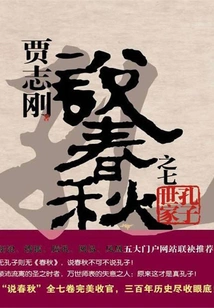
"Jia Zhigang Talks about the Spring and Autumn Period, Part 7: Confucius' Family" is the perfect conclusion of Jia Zhigang's "Spring and Autumn Period". Confucius passed away on April 11, the sixteenth year of Duke Ai of Lu (479 BC), at the age of seventy-three. A physical Confucius returned to the dust, and a Confucius as a saint went to the altar. However, this symbolic Confucius saint had an ill-fated fate in China in the 20th century. In the 21st century, he has become a familiar stranger again. What kind of person was Confucius? We don't have to rush to label him as a thinker, educator, etc. Let's look at the humble dreams he once had, his growth, his joyful and sorrowful life, and how Confucius and his disciples stirred up the general trend of the Spring and Autumn Period in an era when nations were competing for supremacy. Confucius was not a perfect man, he was not a god. However, Confucius was a person who had a profound influence on Chinese history. Every Chinese may have the blood of Confucius flowing in his body, and every Chinese must have the spirit of Confucius in his bones.
"Jia Zhigang Talks about the Spring and Autumn Period, Part 7: Confucius' Family" is the perfect conclusion of Jia Zhigang's "Spring and Autumn Period". Confucius passed away on April 11, the sixteenth year of Duke Ai of Lu (479 BC), at the age of seventy-three. A physical Confucius returned to the dust, and a Confucius as a saint went to the altar. However, this symbolic Confucius saint had an ill-fated fate in China in the 20th century. In the 21st century, he has become a familiar stranger again. What kind of person was Confucius? We don't have to rush to label him as a thinker, educator, etc. Let's look at the humble dreams he once had, his growth, his joyful and sorrowful life, and how Confucius and his disciples stirred up the general trend of the Spring and Autumn Period in an era when nations were competing for supremacy. Confucius was not a perfect man, he was not a god. However, Confucius was a person who had a profound influence on Chinese history. Every Chinese may have the blood of Confucius flowing in his body, and every Chinese must have the spirit of Confucius in his bones.
贾志刚说春秋之六:圣贤本色
Jia Zhigang
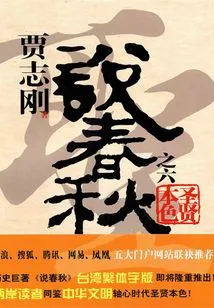
"Jia Zhigang Talks about Spring and Autumn Period No. 6: The True Character of Saints" shifts from "hero" to "sage", showing the appearances of "Sage of Harmony" Liu Xiahui, "Sage of Thieves" Zhan Xiong, "Sage of Love" Wu Chen, "Sage of Joy" Shi Kuang, and "Sage of the Universe" Laozi in an era rich in sages in the Spring and Autumn Period. He and Uncle Xiang, the virtuous minister of the Jin Dynasty with the surname Yang, are the ancestors of the state protector, Yan Ying, the great reformer of Zheng Guo, the great reformer who protects the family and property of the country, Qi Xiang Yan Ying, the "most powerful householder in history", Ji Zha, the musical genius and the ancestor of the Wu surname who sees through the world, and Jin, the young genius and the ancestor of the Wang surname who have become immortals, appear on the stage. Amid the flames of war, intrigues, poems, rituals and singing, let's see how they speak, act and live...
"Jia Zhigang Talks about Spring and Autumn Period No. 6: The True Character of Saints" shifts from "hero" to "sage", showing the appearances of "Sage of Harmony" Liu Xiahui, "Sage of Thieves" Zhan Xiong, "Sage of Love" Wu Chen, "Sage of Joy" Shi Kuang, and "Sage of the Universe" Laozi in an era rich in sages in the Spring and Autumn Period. He and Uncle Xiang, the virtuous minister of the Jin Dynasty with the surname Yang, are the ancestors of the state protector, Yan Ying, the great reformer of Zheng Guo, the great reformer who protects the family and property of the country, Qi Xiang Yan Ying, the "most powerful householder in history", Ji Zha, the musical genius and the ancestor of the Wu surname who sees through the world, and Jin, the young genius and the ancestor of the Wang surname who have become immortals, appear on the stage. Amid the flames of war, intrigues, poems, rituals and singing, let's see how they speak, act and live...
贾志刚说春秋之五:吴越兴亡
Jia Zhigang
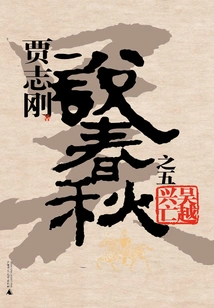
The two major families of Qi State, Cui and Qing, were fighting each other, and Jin and Chu were unable to escape the whirlpool of corruption and internal strife. When the established powers were doing nothing, the barbarian country in the south entered the stage of history. Wu State and Yue State, two barbarian countries in the southeast during the Spring and Autumn Period, rose to prominence in a short period of time, but soon perished. The rise of these two countries is the result of the fermentation of hatred; when the hatred goes away, the bubble bursts and everything becomes silent. In this bloody history, two famous revenge figures appeared one after another, Wu Zixu and King Gou Jian of Yue. One had hatred for his family and the other had hatred for his country. Their perseverance and humiliation were breathtaking. Their revenge process has become a legend that has been passed down for thousands of years.
The two major families of Qi State, Cui and Qing, were fighting each other, and Jin and Chu were unable to escape the whirlpool of corruption and internal strife. When the established powers were doing nothing, the barbarian country in the south entered the stage of history. Wu State and Yue State, two barbarian countries in the southeast during the Spring and Autumn Period, rose to prominence in a short period of time, but soon perished. The rise of these two countries is the result of the fermentation of hatred; when the hatred goes away, the bubble bursts and everything becomes silent. In this bloody history, two famous revenge figures appeared one after another, Wu Zixu and King Gou Jian of Yue. One had hatred for his family and the other had hatred for his country. Their perseverance and humiliation were breathtaking. Their revenge process has become a legend that has been passed down for thousands of years.
贾志刚说春秋之四:天下大乱
Jia Zhigang
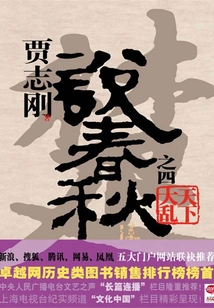
"Jia Zhigang Talks about the Spring and Autumn Period IV: Chaos in the World" has reached a turning point in the history of the Spring and Autumn Period. With the destruction of the Three Kingdoms of Jin, the 14-year-old boy Sun Zhou returned to the country and ascended the throne, becoming another generation of heroes in the Spring and Autumn Period after Jin Wengong. The power struggle within the Jin State finally gradually subsided, and a rare harmonious situation emerged. However, the power of Jin and Chu for hegemony gradually declined, and the world was still in chaos, and could even be called "the world is in chaos." While Jin and Chu are competing for hegemony, medium-sized and small countries are also seeking survival and development. If they want to live a more prosperous life, they must find a correct position for themselves and know how to stand in a team. Should they stick to one team or be ready to change teams at any time? Are you committed to joining one superpower, or are you trying to sow discord between the two sides and reap the benefits? One wrong step after another, or even death and destruction of the country, depends on the different diplomatic wisdom of each country.
"Jia Zhigang Talks about the Spring and Autumn Period IV: Chaos in the World" has reached a turning point in the history of the Spring and Autumn Period. With the destruction of the Three Kingdoms of Jin, the 14-year-old boy Sun Zhou returned to the country and ascended the throne, becoming another generation of heroes in the Spring and Autumn Period after Jin Wengong. The power struggle within the Jin State finally gradually subsided, and a rare harmonious situation emerged. However, the power of Jin and Chu for hegemony gradually declined, and the world was still in chaos, and could even be called "the world is in chaos." While Jin and Chu are competing for hegemony, medium-sized and small countries are also seeking survival and development. If they want to live a more prosperous life, they must find a correct position for themselves and know how to stand in a team. Should they stick to one team or be ready to change teams at any time? Are you committed to joining one superpower, or are you trying to sow discord between the two sides and reap the benefits? One wrong step after another, or even death and destruction of the country, depends on the different diplomatic wisdom of each country.
Jia Zhigang Talks About Spring and Autumn Part 3: the Struggle between Jin and Chu for Supremacy
History贾志刚说春秋之三:晋楚争雄
Jia Zhigang
The two countries of Jin and Chu competed in the Central Plains, and the Spring and Autumn Period scrolls were splendid. Fighting vertically and horizontally, attacking and making plans. Three battles between Jin and Chu, three classic battles. In the battle of Chengpu, the Jin army retreated and lured the enemy deep, and won a complete victory; the Chu army hastily divided its troops, underestimated the enemy and advanced rashly, and suffered heavy losses. In the Battle of Bi, the commander-in-chief of the Jin army was hesitant and undecided in the battle. He was unprepared for the battle and was controlled by others, which led to failure. The commander-in-chief of the Chu army strives to take the initiative in the war, uses circumstances to mislead the enemy, and pre-empts the enemy to win decisively. As a result, the Jin State lost its hegemony, and the Chu State gained hegemony in the Central Plains. In the Battle of Yanling, the Jin army was good at observing opportunities and commanding cleverly, defeating the Chu State and consolidating its hegemony. The battlefield in the Central Plains began to fall silent. "Jia Zhigang Talks about the Spring and Autumn Period Part 3: The Struggle between Jin and Chu" reproduces the thrilling scenes of the Spring and Autumn Period with a unique perspective, grand narrative, and humorous writing style, providing a convenient way for every reader to enter the Spring and Autumn Period scene.
The two countries of Jin and Chu competed in the Central Plains, and the Spring and Autumn Period scrolls were splendid. Fighting vertically and horizontally, attacking and making plans. Three battles between Jin and Chu, three classic battles. In the battle of Chengpu, the Jin army retreated and lured the enemy deep, and won a complete victory; the Chu army hastily divided its troops, underestimated the enemy and advanced rashly, and suffered heavy losses. In the Battle of Bi, the commander-in-chief of the Jin army was hesitant and undecided in the battle. He was unprepared for the battle and was controlled by others, which led to failure. The commander-in-chief of the Chu army strives to take the initiative in the war, uses circumstances to mislead the enemy, and pre-empts the enemy to win decisively. As a result, the Jin State lost its hegemony, and the Chu State gained hegemony in the Central Plains. In the Battle of Yanling, the Jin army was good at observing opportunities and commanding cleverly, defeating the Chu State and consolidating its hegemony. The battlefield in the Central Plains began to fall silent. "Jia Zhigang Talks about the Spring and Autumn Period Part 3: The Struggle between Jin and Chu" reproduces the thrilling scenes of the Spring and Autumn Period with a unique perspective, grand narrative, and humorous writing style, providing a convenient way for every reader to enter the Spring and Autumn Period scene.
贾志刚说春秋之二:秦晋恩怨
Jia Zhigang
"Jia Zhigang Talks about Spring and Autumn Part 2: Qin and Jin Dynasties" continues the vivid and humorous language style of the first part, takes the character portrayal to a higher level, and interprets the great wisdom of the Spring and Autumn Period with a concise and smooth narrative. The good drama of "poaching" and "teamwork" in modern social competition has already been staged more than 2,000 years ago! Let's see how Qin Mu Gong proposes marriage to Jin while poaching his father-in-law, introducing a group of talents from the Central Plains into the legendary border country where birds have no shit and wolves are everywhere... How the exiled Jin Gongzi Chong'er formed a super team: the treacherous Hu Yan, the selfless Zhao Shui, the knowledgeable ministers, the brave and fearless Xian Zhen... What was the most precious thing in the Spring and Autumn Period? Talent! Highlights of this book: The narrative is smooth, the language is vivid and humorous; the Spring and Autumn Stories have a large mass base, and history is told in a popular way, which is humorous and interesting, and is very popular among the public.
"Jia Zhigang Talks about Spring and Autumn Part 2: Qin and Jin Dynasties" continues the vivid and humorous language style of the first part, takes the character portrayal to a higher level, and interprets the great wisdom of the Spring and Autumn Period with a concise and smooth narrative. The good drama of "poaching" and "teamwork" in modern social competition has already been staged more than 2,000 years ago! Let's see how Qin Mu Gong proposes marriage to Jin while poaching his father-in-law, introducing a group of talents from the Central Plains into the legendary border country where birds have no shit and wolves are everywhere... How the exiled Jin Gongzi Chong'er formed a super team: the treacherous Hu Yan, the selfless Zhao Shui, the knowledgeable ministers, the brave and fearless Xian Zhen... What was the most precious thing in the Spring and Autumn Period? Talent! Highlights of this book: The narrative is smooth, the language is vivid and humorous; the Spring and Autumn Stories have a large mass base, and history is told in a popular way, which is humorous and interesting, and is very popular among the public.
贾志刚说春秋之一:齐楚崛起
Jia Zhigang
The Qishan earthquake, King Zhou You's beacon fire play on the princes, and King Zhou Ping moved the capital to Luoyi, the spring and Autumn period began... Qi State was a fiefdom of Jiang Taigong. Due to its simple customs and simple etiquette, it quickly became powerful. Later, it gained the power of conquest by "five princes and nine uncles, and women were able to conquer it"; with the assistance of "Guan Paopao" Guan Zhong, Qi Huan Gong's "nine princes" became hegemonic first; Chu State became increasingly powerful in the south, wrapped in Threatening the surrounding small countries to establish the "Southern Alliance", in an attempt to establish "one country, two systems" in the Zhou Dynasty, Qi and Chu, two "incompatible" countries, will eventually come into direct contact... The royal family declined, etiquette collapsed, and under the struggle of the great powers, there were countless strange and strange historical stories, righteousness, selfish desires, wisdom, and power... The most exciting drama in Chinese history was staged.
The Qishan earthquake, King Zhou You's beacon fire play on the princes, and King Zhou Ping moved the capital to Luoyi, the spring and Autumn period began... Qi State was a fiefdom of Jiang Taigong. Due to its simple customs and simple etiquette, it quickly became powerful. Later, it gained the power of conquest by "five princes and nine uncles, and women were able to conquer it"; with the assistance of "Guan Paopao" Guan Zhong, Qi Huan Gong's "nine princes" became hegemonic first; Chu State became increasingly powerful in the south, wrapped in Threatening the surrounding small countries to establish the "Southern Alliance", in an attempt to establish "one country, two systems" in the Zhou Dynasty, Qi and Chu, two "incompatible" countries, will eventually come into direct contact... The royal family declined, etiquette collapsed, and under the struggle of the great powers, there were countless strange and strange historical stories, righteousness, selfish desires, wisdom, and power... The most exciting drama in Chinese history was staged.
变法与治吏:历史深处的风云人物
Zhang Jun
"Reform and Governance - Figures in the Deep History" fully presents Zhang Jun's unique approach to historical writing. Its uniqueness does not lie in reinterpreting the deeds and spiritual significance of historical figures based on the ideological achievements of modern people, but in carefully selecting historical figures who have been dusted off to return to our reality, thus highlighting the true limitations of modern people who have always been self-righteous.
"Reform and Governance - Figures in the Deep History" fully presents Zhang Jun's unique approach to historical writing. Its uniqueness does not lie in reinterpreting the deeds and spiritual significance of historical figures based on the ideological achievements of modern people, but in carefully selecting historical figures who have been dusted off to return to our reality, thus highlighting the true limitations of modern people who have always been self-righteous.
诸葛亮:蜀汉舵手的历史真相
Nanmen Prefect
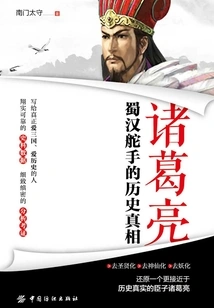
Zhuge Liang is a historical figure who has been transformed into a sage, a god, and even a demon. Especially after being artistically transformed in the novel "Romance of the Three Kingdoms" and TV series, he is regarded as the embodiment of wisdom. At the same time, some people also criticized and objected to Zhuge Liang. The author of "Zhuge Liang: The Historical Truth of the Shu Han Helmsman" adopts a serious and objective attitude, based on official historical records, and makes reasonable inferences and analyses, but does not fictionalize or joke, and presents Zhuge Liang's life as completely as possible, which is close to the historical reality. After careful textual research, the author sorted out and analyzed a large number of historical materials, and introduced many results of previous research on Zhuge Liang to interpret controversial topics one by one.
Zhuge Liang is a historical figure who has been transformed into a sage, a god, and even a demon. Especially after being artistically transformed in the novel "Romance of the Three Kingdoms" and TV series, he is regarded as the embodiment of wisdom. At the same time, some people also criticized and objected to Zhuge Liang. The author of "Zhuge Liang: The Historical Truth of the Shu Han Helmsman" adopts a serious and objective attitude, based on official historical records, and makes reasonable inferences and analyses, but does not fictionalize or joke, and presents Zhuge Liang's life as completely as possible, which is close to the historical reality. After careful textual research, the author sorted out and analyzed a large number of historical materials, and introduced many results of previous research on Zhuge Liang to interpret controversial topics one by one.
阿拉伯帝国(世界帝国史话)
Shang Quanyu
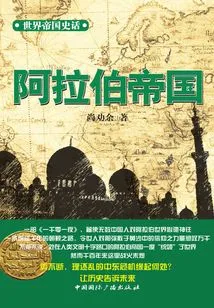
The Arab Empire is also called the Islamic Empire, or the Arab-Islamic Empire. In this huge empire with multiple ethnicities, languages, religions and social forms, the two magic weapons of the Arabs: religion and language, have always been in a superior position. Islam is the state religion and Arabic is the national language. Islam and Arabia constitute the two major symbols and characteristics of this empire. According to the internal logic and process of the emergence, development and decline of the Arab Empire, this book is divided into three parts: upper, middle and lower, systematically showing the majestic historical picture of the Arab Empire's gestation and origin, rise and prosperity, decline and destruction.
The Arab Empire is also called the Islamic Empire, or the Arab-Islamic Empire. In this huge empire with multiple ethnicities, languages, religions and social forms, the two magic weapons of the Arabs: religion and language, have always been in a superior position. Islam is the state religion and Arabic is the national language. Islam and Arabia constitute the two major symbols and characteristics of this empire. According to the internal logic and process of the emergence, development and decline of the Arab Empire, this book is divided into three parts: upper, middle and lower, systematically showing the majestic historical picture of the Arab Empire's gestation and origin, rise and prosperity, decline and destruction.
O
Historyo
I
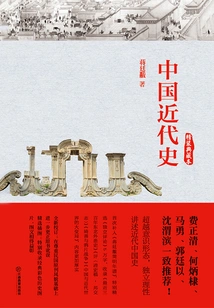
In the 20th century, China and the world experienced major changes unseen in two thousand years. This book uses China's modernization as a clue to narrate the evolution of the country and the stories of its characters over the past century. There is no boring textual research or accumulation of historical materials, and it fully demonstrates the concern for the future of the country, the destiny of the nation and the development trend of society. In particular, the author's analysis of the self-improvement efforts made by modern Chinese people and the reasons for their failure is far-sighted and thought-provoking to this day.
In the 20th century, China and the world experienced major changes unseen in two thousand years. This book uses China's modernization as a clue to narrate the evolution of the country and the stories of its characters over the past century. There is no boring textual research or accumulation of historical materials, and it fully demonstrates the concern for the future of the country, the destiny of the nation and the development trend of society. In particular, the author's analysis of the self-improvement efforts made by modern Chinese people and the reasons for their failure is far-sighted and thought-provoking to this day.
武则天3:从三岁到八十二岁
I
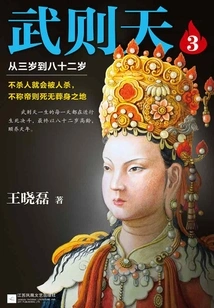
The emperor and the empress fight to save the day! If you don't kill, you will be killed. If you don't proclaim yourself emperor, you will die without a burial place! Wu Zetian's transformation from empress to queen begins here! If fate refuses to create a great Wu Zetian, the great Wu Zetian will create her own destiny. Wu Zetian lived for 82 years. In the first 31 years, she was involved in a power struggle and fought for her life from a palace maid to the queen's throne. In the second 51 years, she caused a bloody storm and used the queen's dragon robe to ensure her own safety. Every crisis that Wu Zetian faced was the cornerstone of her becoming the queen. Wu Zetian's stage shifted from the harem to the front court. Because of the unprecedented temptation of power, she fell into her first political crisis. At the moment when she was about to be deposed, Wu Zetian took a chance and tried to turn the tide and turn her destiny around again.
The emperor and the empress fight to save the day! If you don't kill, you will be killed. If you don't proclaim yourself emperor, you will die without a burial place! Wu Zetian's transformation from empress to queen begins here! If fate refuses to create a great Wu Zetian, the great Wu Zetian will create her own destiny. Wu Zetian lived for 82 years. In the first 31 years, she was involved in a power struggle and fought for her life from a palace maid to the queen's throne. In the second 51 years, she caused a bloody storm and used the queen's dragon robe to ensure her own safety. Every crisis that Wu Zetian faced was the cornerstone of her becoming the queen. Wu Zetian's stage shifted from the harem to the front court. Because of the unprecedented temptation of power, she fell into her first political crisis. At the moment when she was about to be deposed, Wu Zetian took a chance and tried to turn the tide and turn her destiny around again.
Another Civilization
History另一种文明
Gao Honglei
The author continues the way "The Other Half of Chinese History" uses stories to tell history, narrating the stories of people who escaped from the East China Sea Plain and lived in Shandong Peninsula, the Yangtze River Estuary, the Mongolian Grassland, the Japanese Island, and the Americas, and became the ancestors of the Dongyi people, Yue people, Xinglongwa people, Japanese, and Indians. In this book, the author directly interrogates issues of human concern such as territorial disputes, genocide, and environmental degradation, and conducts in-depth discussions on practical issues such as China's maritime awareness, the United States' strategy of returning to Asia, and Japan's national character.
The author continues the way "The Other Half of Chinese History" uses stories to tell history, narrating the stories of people who escaped from the East China Sea Plain and lived in Shandong Peninsula, the Yangtze River Estuary, the Mongolian Grassland, the Japanese Island, and the Americas, and became the ancestors of the Dongyi people, Yue people, Xinglongwa people, Japanese, and Indians. In this book, the author directly interrogates issues of human concern such as territorial disputes, genocide, and environmental degradation, and conducts in-depth discussions on practical issues such as China's maritime awareness, the United States' strategy of returning to Asia, and Japan's national character.
三天读懂中国五千年趣闻传说
Zhuge Wen
Human beings have always been full of curiosity and reverie about the unknown world. And how much do we know about the interesting stories and legends that have been handed down for five thousand years? This book begins with the origin of civilization in the pre-Qin Dynasty and ends with the setting sun in the Ming and Qing Dynasties. It collects five thousand years of legends and anecdotes, revealing the beauty, ugliness, good and evil of human nature, showing the changes in society, or understanding the vicissitudes of human life. It strives to make the content of each chapter closely connected and interlocking. The content involves myths and stories, allusions, interesting anecdotes of famous people, historical mysteries, etc., Allowing readers to gain an in-depth understanding of our country's history, culture and art, while also adding a lot of interest to the book.
Human beings have always been full of curiosity and reverie about the unknown world. And how much do we know about the interesting stories and legends that have been handed down for five thousand years? This book begins with the origin of civilization in the pre-Qin Dynasty and ends with the setting sun in the Ming and Qing Dynasties. It collects five thousand years of legends and anecdotes, revealing the beauty, ugliness, good and evil of human nature, showing the changes in society, or understanding the vicissitudes of human life. It strives to make the content of each chapter closely connected and interlocking. The content involves myths and stories, allusions, interesting anecdotes of famous people, historical mysteries, etc., Allowing readers to gain an in-depth understanding of our country's history, culture and art, while also adding a lot of interest to the book.
一本书读完科学发现的历史(哈佛历史丛书)
Compiled By Cui Jia
Throughout the history of human civilization and progress, it is a living history of natural exploration. The exploration of natural geography has promoted the development of human civilization. This book tells the story of the exploration and discovery of the animal world, the plant world, the microbial world and the universe, focusing on scientific mysteries of the natural world, which is full of interest and knowledge.
Throughout the history of human civilization and progress, it is a living history of natural exploration. The exploration of natural geography has promoted the development of human civilization. This book tells the story of the exploration and discovery of the animal world, the plant world, the microbial world and the universe, focusing on scientific mysteries of the natural world, which is full of interest and knowledge.
一本书读完生物进化的历史
Cui Jia
"The History of Biological Evolution" edited by Cui Jia is one of the "Small Stories, Big History" series. Reading history can make people wise. The world's civilization has a long history. How can we clearly understand and understand the history of the world with many characters and numerous events in a short period of time? The simplest way is to read the details. Details can reflect history. Capturing the little details in the long history and connecting them together is a way to interpret history. One book covers the past and present, and the world can be known by opening the book. Highlights of this book: The book has a novel style, well-chosen materials, vivid expressions, and rich pictures and texts, allowing you to fully appreciate the historical events and absorb historical wisdom through easy reading.
"The History of Biological Evolution" edited by Cui Jia is one of the "Small Stories, Big History" series. Reading history can make people wise. The world's civilization has a long history. How can we clearly understand and understand the history of the world with many characters and numerous events in a short period of time? The simplest way is to read the details. Details can reflect history. Capturing the little details in the long history and connecting them together is a way to interpret history. One book covers the past and present, and the world can be known by opening the book. Highlights of this book: The book has a novel style, well-chosen materials, vivid expressions, and rich pictures and texts, allowing you to fully appreciate the historical events and absorb historical wisdom through easy reading.
一本书读完人类一战的历史
Cui Jia
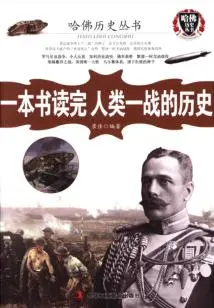
The First World War is one of the most important wars in human history. The bloody battlefields, the inhumane killings, and the bloody scenes are unforgettable and unforgettable; they are also thrilling and lamentable. From the smoke-filled war stories, this book allows you to read the famous battles of World War I, remember history, and cherish peace.
The First World War is one of the most important wars in human history. The bloody battlefields, the inhumane killings, and the bloody scenes are unforgettable and unforgettable; they are also thrilling and lamentable. From the smoke-filled war stories, this book allows you to read the famous battles of World War I, remember history, and cherish peace.
一本书读完特种作战的历史
Cui Jia
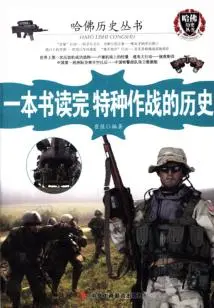
Surprise, bold insertion, cutting off the escape route, encirclement, close combat, quick victory... These are tactics that intimidate the enemy; pocket formations, heart-breaking warfare, surprise warfare, mobile warfare, psychological warfare... These are also tricky and ruthless combat types... All of these are classic examples of special operations.
Surprise, bold insertion, cutting off the escape route, encirclement, close combat, quick victory... These are tactics that intimidate the enemy; pocket formations, heart-breaking warfare, surprise warfare, mobile warfare, psychological warfare... These are also tricky and ruthless combat types... All of these are classic examples of special operations.
一本书读完人类兵器的历史
Cui Jia
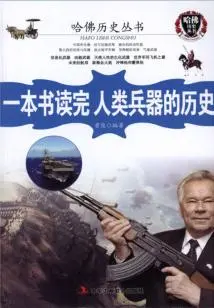
If war promotes and creates history, then weapons promote and create war. "The History of Human Weapons in One Book" edited by Cui Jia tells the history of the development of human weapons in the form of stories, reproduces the historical events in the development process of human weapons, and stimulates readers' desire for knowledge and curiosity. "Reading the History of Human Weapons in One Book" is a rare book that tells the history of the development of weapons with rich pictures and texts. Now let us follow the exciting content of this book and enter the tunnel of the historical development of human weapons to start a wonderful and exciting journey.
If war promotes and creates history, then weapons promote and create war. "The History of Human Weapons in One Book" edited by Cui Jia tells the history of the development of human weapons in the form of stories, reproduces the historical events in the development process of human weapons, and stimulates readers' desire for knowledge and curiosity. "Reading the History of Human Weapons in One Book" is a rare book that tells the history of the development of weapons with rich pictures and texts. Now let us follow the exciting content of this book and enter the tunnel of the historical development of human weapons to start a wonderful and exciting journey.
一本书读完人类文学的历史
Cui Jia
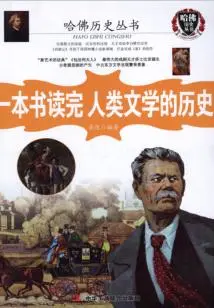
This book starts from the creation of human oral literature and introduces the Western "Homeric Epic" and the Chinese "Book of Songs" respectively. In the Chinese literature section, it starts from the literary phenomena of the pre-Qin Dynasty to Tang poems, Song lyrics, Yuan operas and legends of the Ming and Qing Dynasties, and also introduces famous modern and contemporary Chinese literary masters and their works. In the foreign literature section, many literary masters and their works are introduced, such as Gorky, Dumas Xiao, Shakespeare, Balzac, Pushkin, etc.
This book starts from the creation of human oral literature and introduces the Western "Homeric Epic" and the Chinese "Book of Songs" respectively. In the Chinese literature section, it starts from the literary phenomena of the pre-Qin Dynasty to Tang poems, Song lyrics, Yuan operas and legends of the Ming and Qing Dynasties, and also introduces famous modern and contemporary Chinese literary masters and their works. In the foreign literature section, many literary masters and their works are introduced, such as Gorky, Dumas Xiao, Shakespeare, Balzac, Pushkin, etc.
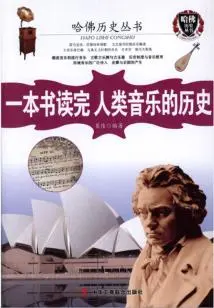
一本书读完人类音乐的历史
Cui Jia
If you want to read the history of human music in one book, "Reading the History of Human Music in One Book" edited by Cui Jia is your best choice. This book covers almost the entire history of human music. If you want to learn musical thinking, cultivate your sentiments, and increase your knowledge, this book is your best choice. It explains in detail the anecdotes of musicians, the process of the birth of famous songs, and the rise and fall of various genres of music.
If you want to read the history of human music in one book, "Reading the History of Human Music in One Book" edited by Cui Jia is your best choice. This book covers almost the entire history of human music. If you want to learn musical thinking, cultivate your sentiments, and increase your knowledge, this book is your best choice. It explains in detail the anecdotes of musicians, the process of the birth of famous songs, and the rise and fall of various genres of music.
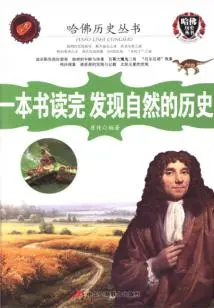
一本书读完发现自然的历史(哈佛历史丛书)
Compiled By Cui Jia
Throughout the history of human civilization and progress, it is a living history of natural exploration. The exploration of natural geography has promoted the development of human civilization. This book tells the story of the exploration and discovery of the animal world, the plant world, the microbial world and the universe, focusing on scientific mysteries of the natural world, which is full of interest and knowledge.
Throughout the history of human civilization and progress, it is a living history of natural exploration. The exploration of natural geography has promoted the development of human civilization. This book tells the story of the exploration and discovery of the animal world, the plant world, the microbial world and the universe, focusing on scientific mysteries of the natural world, which is full of interest and knowledge.
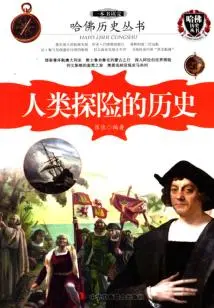
一本书读完人类探险的历史
Cui Jia
It contains nearly 200 adventure stories strung together into a history of adventure, each of which is an adventure on the journey. It is highly informative and favored by travel enthusiasts in the outdoor community. It is an encyclopedia and information collection that shows perseverance and courage. For human explorers, there is no end to the world and no limit to the universe. Now, let us open "The History of Human Exploration", follow the footsteps of the explorers, and experience the fun of exploration together.
It contains nearly 200 adventure stories strung together into a history of adventure, each of which is an adventure on the journey. It is highly informative and favored by travel enthusiasts in the outdoor community. It is an encyclopedia and information collection that shows perseverance and courage. For human explorers, there is no end to the world and no limit to the universe. Now, let us open "The History of Human Exploration", follow the footsteps of the explorers, and experience the fun of exploration together.
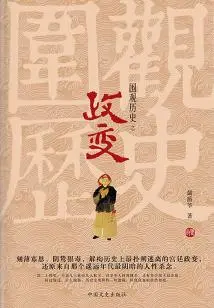
Watching the Coup in History
History围观历史之政变
Lord Ru
In ancient Chinese history, there were numerous coups. It was everywhere in the pre-Qin, Han and Tang Dynasties; in the Song, Yuan, Ming and Qing dynasties, it existed in every generation; in the Wei, Jin, Southern and Northern Dynasties, "abcessions" alternated; in the Five Dynasties and Ten Kingdoms, mutinies broke out... For the sake of the throne, many tragedies of killing each other were staged. In the whirlpool of power, everything never makes sense. This book uses humorous language to narrate the major and minor coups in various dynasties from Xia, Shang to Ming and Qing. It leads readers back to the era of conspiracy and subversion, and quietly watches the bloody evolution of power directed by Bloodthirsty Crown. It allows readers to clearly see the relationship between power, interests and life in the thrilling coups, and to experience a more real life in a funny and interesting way.
In ancient Chinese history, there were numerous coups. It was everywhere in the pre-Qin, Han and Tang Dynasties; in the Song, Yuan, Ming and Qing dynasties, it existed in every generation; in the Wei, Jin, Southern and Northern Dynasties, "abcessions" alternated; in the Five Dynasties and Ten Kingdoms, mutinies broke out... For the sake of the throne, many tragedies of killing each other were staged. In the whirlpool of power, everything never makes sense. This book uses humorous language to narrate the major and minor coups in various dynasties from Xia, Shang to Ming and Qing. It leads readers back to the era of conspiracy and subversion, and quietly watches the bloody evolution of power directed by Bloodthirsty Crown. It allows readers to clearly see the relationship between power, interests and life in the thrilling coups, and to experience a more real life in a funny and interesting way.
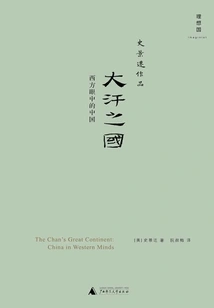
大汗之国:西方眼中的中国
J
This book is an important work by the internationally renowned sinologist Mr. Shi Jingqian! This is not only a book about China, but also a book about cultural stimulation and response. When the West meets the East, what kind of sparks will arise? The famous sinologist Shi Jingqian has collected all the novel and diverse China described by Western writers from the 13th century to the 20th century in this important work that can bear witness to the cultural exchanges between China and the West. What we see through this "diorama" is also Westerners' records and fantasies, insights and prejudices about China for eight hundred years. For Chinese readers, these historical materials, which have been carefully combed through European and Western archives and literary and historical records, have been sewn together by Tian Sun's skillful hands into beautiful stories, like exquisite tapestry. It is not only fascinating, but also broadens our horizons to understand the encounter, collision and interaction of different cultures. Shi Jingqian is good at studying Chinese history. He observes the long history of China from a unique perspective and introduces his observations and research results to readers in an unusual "storytelling" way. His works are sharp, profound, unique and "good-looking", making him not only an internationally renowned sinologist but also a master of writing academic bestsellers. His representative works include "Cao Yin and Kangxi", "The Death of Wang", "The Taiping Heavenly Kingdom", "In Search of Modern China", etc.
This book is an important work by the internationally renowned sinologist Mr. Shi Jingqian! This is not only a book about China, but also a book about cultural stimulation and response. When the West meets the East, what kind of sparks will arise? The famous sinologist Shi Jingqian has collected all the novel and diverse China described by Western writers from the 13th century to the 20th century in this important work that can bear witness to the cultural exchanges between China and the West. What we see through this "diorama" is also Westerners' records and fantasies, insights and prejudices about China for eight hundred years. For Chinese readers, these historical materials, which have been carefully combed through European and Western archives and literary and historical records, have been sewn together by Tian Sun's skillful hands into beautiful stories, like exquisite tapestry. It is not only fascinating, but also broadens our horizons to understand the encounter, collision and interaction of different cultures. Shi Jingqian is good at studying Chinese history. He observes the long history of China from a unique perspective and introduces his observations and research results to readers in an unusual "storytelling" way. His works are sharp, profound, unique and "good-looking", making him not only an internationally renowned sinologist but also a master of writing academic bestsellers. His representative works include "Cao Yin and Kangxi", "The Death of Wang", "The Taiping Heavenly Kingdom", "In Search of Modern China", etc.
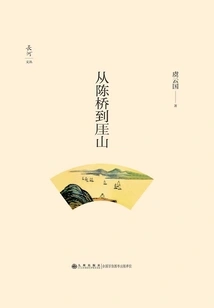
From Chenqiao to Yashan
History从陈桥到厓山
Yu Yunguo
This book is a collection of essays and book reviews dedicated to the two Song Dynasties. The author, Mr. Yu Yunguo, combines the professional vision of a historian with the vivid writing style of a humanistic scholar. Through the portraits of monarchs and ministers, unique interpretations of major historical events, unique interpretations of cultural phenomena, and thorough analysis of the institutional level, the author finally presents a high-level overview of the Song Dynasty, which comprehensively and deeply displays the logical trajectory of the rise and fall of the Song Dynasty.
This book is a collection of essays and book reviews dedicated to the two Song Dynasties. The author, Mr. Yu Yunguo, combines the professional vision of a historian with the vivid writing style of a humanistic scholar. Through the portraits of monarchs and ministers, unique interpretations of major historical events, unique interpretations of cultural phenomena, and thorough analysis of the institutional level, the author finally presents a high-level overview of the Song Dynasty, which comprehensively and deeply displays the logical trajectory of the rise and fall of the Song Dynasty.
Heavenly Nightmare
History天国梦魇
Zhang Ming
This book is the second volume in Zhang Ming's series of re-telling the modern history of China. It has rich pictures, texts and vivid explanations. The theme is the Taiping Heavenly Kingdom Movement. It systematically analyzes the rise, development and impact of the Taiping Heavenly Kingdom Movement on the rule of the Qing Dynasty, as well as the mysteries hidden in the Qing government's response, what role the rise of Han officials played in the subsequent development of the form, etc. It fully demonstrates the chaos and connections of China's political and military struggles during this period.
This book is the second volume in Zhang Ming's series of re-telling the modern history of China. It has rich pictures, texts and vivid explanations. The theme is the Taiping Heavenly Kingdom Movement. It systematically analyzes the rise, development and impact of the Taiping Heavenly Kingdom Movement on the rule of the Qing Dynasty, as well as the mysteries hidden in the Qing government's response, what role the rise of Han officials played in the subsequent development of the form, etc. It fully demonstrates the chaos and connections of China's political and military struggles during this period.
开国之惑
Zhang Ming
This book is the first volume in Zhang Ming's series of retellings of China's modern history. It is richly illustrated with text and vivid explanations. The theme is the two Opium Wars and the analysis of the situation before and after the war and the subsequent impact. It shows the first violent collision between the modern Western world represented by Britain and the ancient empire of the Qing Dynasty. It unveils the beginning of a century of modern history and shows the basic contradictions and potential development directions of China's modern history.
This book is the first volume in Zhang Ming's series of retellings of China's modern history. It is richly illustrated with text and vivid explanations. The theme is the two Opium Wars and the analysis of the situation before and after the war and the subsequent impact. It shows the first violent collision between the modern Western world represented by Britain and the ancient empire of the Qing Dynasty. It unveils the beginning of a century of modern history and shows the basic contradictions and potential development directions of China's modern history.
饥饿的盛世:乾隆时代的得与失
Zhang Hongjie
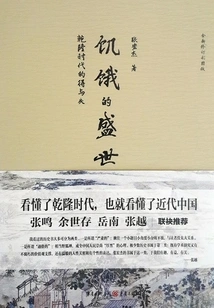
The content of this book mainly writes about the gains and losses of the Qianlong era. Through the deconstruction of the Qianlong era, the author paints a colorful picture of the "prosperous age" for readers, and at the same time profoundly reveals the lost secrets of modern China. China under Qianlong's rule was the most populous and most powerful period in China's thousands of years of history. Horizontally, it was the most powerful and wealthy country in the world at that time. It is no exaggeration to call it the greatest prosperous era in Chinese history. The Qianlong era created unprecedented political stability, supported an unprecedented population, and established today's territory. However, the author sees from a deeper level that behind the superficial prosperity is a huge crisis. Qianlong's sixty-year reign coincided with Britain going through the entire process of the industrial revolution.
The content of this book mainly writes about the gains and losses of the Qianlong era. Through the deconstruction of the Qianlong era, the author paints a colorful picture of the "prosperous age" for readers, and at the same time profoundly reveals the lost secrets of modern China. China under Qianlong's rule was the most populous and most powerful period in China's thousands of years of history. Horizontally, it was the most powerful and wealthy country in the world at that time. It is no exaggeration to call it the greatest prosperous era in Chinese history. The Qianlong era created unprecedented political stability, supported an unprecedented population, and established today's territory. However, the author sees from a deeper level that behind the superficial prosperity is a huge crisis. Qianlong's sixty-year reign coincided with Britain going through the entire process of the industrial revolution.
重说中国近代史
I
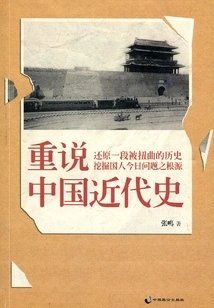
This book is the result of modern history research by Zhang Ming, a professor of history at Renmin University of China. The book is rich in information, rigorous in argumentation, and popular. It contains new ideas and helps us re-understand China's modern history. The book starts from the Sino-British trade, the Opium War, the Taiping Heavenly Kingdom, the Westernization Movement, the Reform Movement of 1898, and the Yihe Dynasty. Major historical events such as the Youth League Movement, the Wanqing New Deal, the Revolution of 1911, the Yuan Dynasty, the Beiyang Civil War, and the May Fourth Movement are all divided into special topics, which are thorough and vivid. This book integrates the basic views of the author's best-selling books "Xinhai: Shaking China" and "Beiyang Fission: Warlords and the May Fourth Movement". It is more systematic than the two books alone. It has very good academic and historical value.
This book is the result of modern history research by Zhang Ming, a professor of history at Renmin University of China. The book is rich in information, rigorous in argumentation, and popular. It contains new ideas and helps us re-understand China's modern history. The book starts from the Sino-British trade, the Opium War, the Taiping Heavenly Kingdom, the Westernization Movement, the Reform Movement of 1898, and the Yihe Dynasty. Major historical events such as the Youth League Movement, the Wanqing New Deal, the Revolution of 1911, the Yuan Dynasty, the Beiyang Civil War, and the May Fourth Movement are all divided into special topics, which are thorough and vivid. This book integrates the basic views of the author's best-selling books "Xinhai: Shaking China" and "Beiyang Fission: Warlords and the May Fourth Movement". It is more systematic than the two books alone. It has very good academic and historical value.
分分合合的朝代更替(下)
Lin Zhiman Editor-in-chief Xiao Feng
China, which has a splendid civilization history of five thousand years, has created countless civilization miracles in its long history. Throughout the dynasties, capable people have emerged in large numbers. But it corroborates a sentence in the Romance of the Three Kingdoms: "When it comes to the general trend of the world, if we divide for a long time, we will unite, and if we unite for a long time, we will divide." This book tells you about the dynasty changes that divided and combined.
China, which has a splendid civilization history of five thousand years, has created countless civilization miracles in its long history. Throughout the dynasties, capable people have emerged in large numbers. But it corroborates a sentence in the Romance of the Three Kingdoms: "When it comes to the general trend of the world, if we divide for a long time, we will unite, and if we unite for a long time, we will divide." This book tells you about the dynasty changes that divided and combined.
分分合合的朝代更替(上)
Lin Zhiman Editor-in-chief Xiao Feng
China, which has a splendid civilization history of five thousand years, has created countless civilization miracles in its long history. Throughout the dynasties, capable people have emerged in large numbers. But it corroborates a sentence in the Romance of the Three Kingdoms: "When it comes to the general trend of the world, if we divide for a long time, we will unite, and if we unite for a long time, we will divide." This book tells you about the dynasty changes that divided and combined.
China, which has a splendid civilization history of five thousand years, has created countless civilization miracles in its long history. Throughout the dynasties, capable people have emerged in large numbers. But it corroborates a sentence in the Romance of the Three Kingdoms: "When it comes to the general trend of the world, if we divide for a long time, we will unite, and if we unite for a long time, we will divide." This book tells you about the dynasty changes that divided and combined.
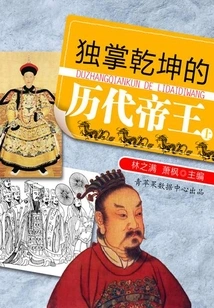
独掌乾坤的历代帝王(上)
Lin Zhiman Editor-in-chief Xiao Feng
In China's two thousand years of imperial society, the emperor is the supreme ruler of the country and the symbol and representative of autocratic rule. Although there are many talented and enlightened rulers in history, there have also been various tyrants and foolish emperors, as well as many baby emperors, idiot emperors, absurd and eccentric emperors, etc. This book tells you the stories of Chinese emperors throughout the ages.
In China's two thousand years of imperial society, the emperor is the supreme ruler of the country and the symbol and representative of autocratic rule. Although there are many talented and enlightened rulers in history, there have also been various tyrants and foolish emperors, as well as many baby emperors, idiot emperors, absurd and eccentric emperors, etc. This book tells you the stories of Chinese emperors throughout the ages.