Library
Browse and search books
2,982 novels found
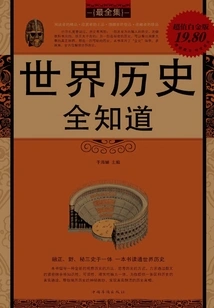
Know All About World History
History世界历史全知道
Yu Haidi
This book includes three parts: General History of the World, Unofficial History of the World, and Secret History of the World, which systematically and completely outlines the development of world history.
This book includes three parts: General History of the World, Unofficial History of the World, and Secret History of the World, which systematically and completely outlines the development of world history.
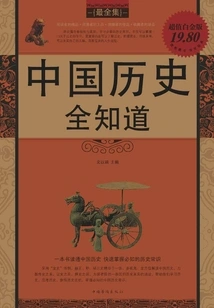
中国历史全知道
Ciic Blog
This book adopts the style of "full history", draws on a wide range of materials, and integrates official, unofficial and secret history into one. It is divided into three chapters: general history exposition, unofficial history tracking, and secret history exploration.
This book adopts the style of "full history", draws on a wide range of materials, and integrates official, unofficial and secret history into one. It is divided into three chapters: general history exposition, unofficial history tracking, and secret history exploration.
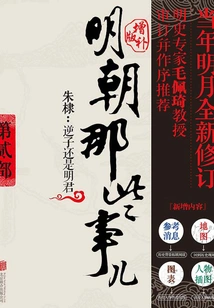
明朝那些事儿2:增补版
The Bright Moon
The second part of "Those Things in the Ming Dynasty" mainly tells the history of the twenty-six years from Emperor Jianwen to Yongle. Before Zhu Yuanzhang died of illness, he confidently passed the throne to his grandson Zhu Yunwen. Subtle instability was brewing in the seemingly orderly succession of the Ming Dynasty. The nine border-guarding vassal kings held heavy troops. The young and weak Zhu Yunwen always felt threatened and began to reduce the vassal policy. King Zhu Di of Yan responded and rebelled, thus provoking a four-year peace war. How could Zhu Yunwen, who had taken advantage of the right time, location, and people, be forced to lose his strength and change hands? Zhu Di went from resisting despite the reputation of being a rebel to marching straight into Beijing with his troops. During this period, he experienced many crises and miraculously escaped from death many times. Is there really a destiny? Fang Xiaoru, Tie Xuan, Dao Yan... Loyal ministers and good generals all showed their true colors, creating momentum and slandering Fang Qiu. The impact of this war has not dissipated. Jianwen's old ministers were driven out and killed, and the unknown whereabouts of Zhu Yunwen's life and death have become an eternal mystery. But no matter what, Zhu Di started his career as a king and single-handedly created a prosperous dynasty, a great country that everyone looked up to, the Ming Dynasty!
The second part of "Those Things in the Ming Dynasty" mainly tells the history of the twenty-six years from Emperor Jianwen to Yongle. Before Zhu Yuanzhang died of illness, he confidently passed the throne to his grandson Zhu Yunwen. Subtle instability was brewing in the seemingly orderly succession of the Ming Dynasty. The nine border-guarding vassal kings held heavy troops. The young and weak Zhu Yunwen always felt threatened and began to reduce the vassal policy. King Zhu Di of Yan responded and rebelled, thus provoking a four-year peace war. How could Zhu Yunwen, who had taken advantage of the right time, location, and people, be forced to lose his strength and change hands? Zhu Di went from resisting despite the reputation of being a rebel to marching straight into Beijing with his troops. During this period, he experienced many crises and miraculously escaped from death many times. Is there really a destiny? Fang Xiaoru, Tie Xuan, Dao Yan... Loyal ministers and good generals all showed their true colors, creating momentum and slandering Fang Qiu. The impact of this war has not dissipated. Jianwen's old ministers were driven out and killed, and the unknown whereabouts of Zhu Yunwen's life and death have become an eternal mystery. But no matter what, Zhu Di started his career as a king and single-handedly created a prosperous dynasty, a great country that everyone looked up to, the Ming Dynasty!
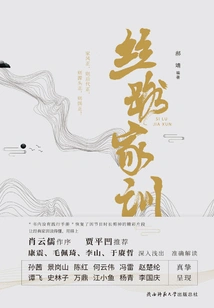
丝路家训
Hao Jing
This book extracts twelve themes from thousands of family mottos: self-discipline and conduct, virtue in the world, respecting teachers and teachings, teaching students in accordance with their aptitude, respecting fathers and loving mothers, raising eyebrows in every case, knowing the smallest things, improving aesthetic education, being as light as a chrysanthemum, being good-neighborly and friendly, making a promise and learning. Four well-known scholars, Mao Peiqi, Li Shan, Kang Zhen, and Yu Gengzhe, as well as entertainment stars such as Sun Qian, He Yunwei, and Feng Lei, as well as Chinese and foreign college students were invited to discuss. It has wonderful, vivid and reliable explanations, as well as down-to-earth and sincere narrations.
This book extracts twelve themes from thousands of family mottos: self-discipline and conduct, virtue in the world, respecting teachers and teachings, teaching students in accordance with their aptitude, respecting fathers and loving mothers, raising eyebrows in every case, knowing the smallest things, improving aesthetic education, being as light as a chrysanthemum, being good-neighborly and friendly, making a promise and learning. Four well-known scholars, Mao Peiqi, Li Shan, Kang Zhen, and Yu Gengzhe, as well as entertainment stars such as Sun Qian, He Yunwei, and Feng Lei, as well as Chinese and foreign college students were invited to discuss. It has wonderful, vivid and reliable explanations, as well as down-to-earth and sincere narrations.
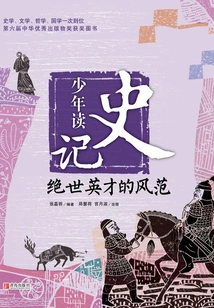
少年读史记:绝世英才的风范
Zhang Jiahua
This series of books is compiled by the famous Taiwanese writer Zhang Jiahua, who selects the stories of characters in "Historical Records", with a total of 60 articles. Mainly based on the relevant chapters of "Annals", "Aristocratic Family" and "Biographies" of "Historical Records", it selects the deeds of outstanding figures from Tang Yao to Emperor Wu of the Han Dynasty, including emperors, generals, sons of aristocratic families, counselors, educators, warriors, debaters, assassins, etc. The language is vivid, the text is smooth and concise, easy to understand, and has strong storytelling and readability.
This series of books is compiled by the famous Taiwanese writer Zhang Jiahua, who selects the stories of characters in "Historical Records", with a total of 60 articles. Mainly based on the relevant chapters of "Annals", "Aristocratic Family" and "Biographies" of "Historical Records", it selects the deeds of outstanding figures from Tang Yao to Emperor Wu of the Han Dynasty, including emperors, generals, sons of aristocratic families, counselors, educators, warriors, debaters, assassins, etc. The language is vivid, the text is smooth and concise, easy to understand, and has strong storytelling and readability.
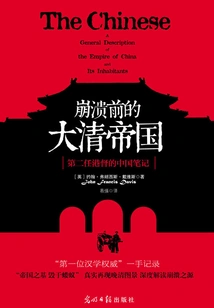
崩溃前的大清帝国:第二任港督的中国笔记
(uk) Davis (davis, J. F.)
The failure of the Opium War led to the collapse of the Chinese Empire. Before the collapse, how did the British, as colonizers, view this ancient Eastern Empire? This book was first published in 1836 and was reprinted four years later in the same year when the Opium War broke out. This book is obviously an important reference for British readers to understand China before the war, and even to some extent, it is an action guide for middle- and lower-level officers who went to China. Now, with the help of the records of the later Governor of Hong Kong, we can also understand China on the eve of the Opium War from another perspective. The author uses scientific methods such as geography and political economics to introduce and analyze China's political system, legal system, judicial system, customs, important cities, Buddhism, Taoism and Confucianism, literature and art, agriculture and commerce. It is by using these scientific methods that Westerners have unveiled the veil of mysterious China and seen through the illusion of the Qing Dynasty's "rich country and strong people". The author has repeatedly hinted that Chinese politicians are blind, turning a deaf ear to the conflicts between European countries, especially the conflicts between the United Kingdom and the Netherlands, and the United Kingdom and Portugal, due to the competition for hegemony in East Asia.
The failure of the Opium War led to the collapse of the Chinese Empire. Before the collapse, how did the British, as colonizers, view this ancient Eastern Empire? This book was first published in 1836 and was reprinted four years later in the same year when the Opium War broke out. This book is obviously an important reference for British readers to understand China before the war, and even to some extent, it is an action guide for middle- and lower-level officers who went to China. Now, with the help of the records of the later Governor of Hong Kong, we can also understand China on the eve of the Opium War from another perspective. The author uses scientific methods such as geography and political economics to introduce and analyze China's political system, legal system, judicial system, customs, important cities, Buddhism, Taoism and Confucianism, literature and art, agriculture and commerce. It is by using these scientific methods that Westerners have unveiled the veil of mysterious China and seen through the illusion of the Qing Dynasty's "rich country and strong people". The author has repeatedly hinted that Chinese politicians are blind, turning a deaf ear to the conflicts between European countries, especially the conflicts between the United Kingdom and the Netherlands, and the United Kingdom and Portugal, due to the competition for hegemony in East Asia.
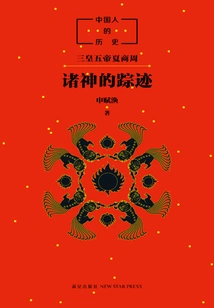
中国人的历史:诸神的踪迹
Shen Fuyu
For five thousand years, where is the source of Chinese culture? If we understand the history of the Chinese people, our lives will be extended for five thousand years. The opening chapter of "The History of the Chinese People" vividly and clearly depicts the genealogy of Chinese gods, leading you to trace the traces of the gods and trace the roots of the Chinese people. The first book in the "History of the Chinese People" series produced by Love Tree. The world was created, Nuwa mended the sky, Yu controlled the floods, Hou Yi shot the sun... In the past, our understanding of myths and even history came from idioms. However, where did Pangu go after the creation of the world? Why does the sky leak? What is the background of Dayu's flood control? How is the sun-shooting hero doing? ...Where do these gods come from and where do they go? What is the connection between God and God? This book is like a documentary full of lens, vividly and clearly depicting the genealogy of Chinese gods, taking you step by step to trace the traces of the gods and trace the roots of the Chinese people.
For five thousand years, where is the source of Chinese culture? If we understand the history of the Chinese people, our lives will be extended for five thousand years. The opening chapter of "The History of the Chinese People" vividly and clearly depicts the genealogy of Chinese gods, leading you to trace the traces of the gods and trace the roots of the Chinese people. The first book in the "History of the Chinese People" series produced by Love Tree. The world was created, Nuwa mended the sky, Yu controlled the floods, Hou Yi shot the sun... In the past, our understanding of myths and even history came from idioms. However, where did Pangu go after the creation of the world? Why does the sky leak? What is the background of Dayu's flood control? How is the sun-shooting hero doing? ...Where do these gods come from and where do they go? What is the connection between God and God? This book is like a documentary full of lens, vividly and clearly depicting the genealogy of Chinese gods, taking you step by step to trace the traces of the gods and trace the roots of the Chinese people.
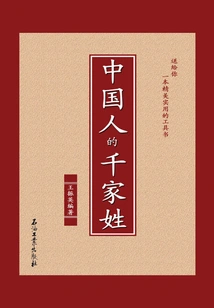
Chinese Surnames
History中国人的千家姓
Wang Zhenying
"Chinese Surnames" selects 678 single and compound surnames commonly used by contemporary Chinese and common in ancient historical books. It provides an accurate and concise introduction to the origin of each surname and the ancient and modern figures listed. When you face a new friend or new colleague and you don't know how to pronounce the other person's last name and feel embarrassed, you can deal with it calmly with the help of "Thousands of Chinese Surnames".
"Chinese Surnames" selects 678 single and compound surnames commonly used by contemporary Chinese and common in ancient historical books. It provides an accurate and concise introduction to the origin of each surname and the ancient and modern figures listed. When you face a new friend or new colleague and you don't know how to pronounce the other person's last name and feel embarrassed, you can deal with it calmly with the help of "Thousands of Chinese Surnames".
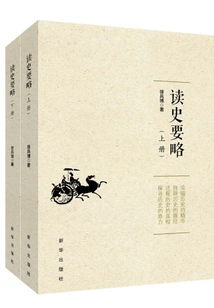
读史要略
Xu Bingbo
The author uses the method of stringing beads to reorganize the language of major influential events and historical figures in history, telling the story from a modern perspective, and adding personal comments. This book adheres to the spirit of traditional Chinese historians in governing history, with the ultimate goal of "creating a unique historical path, restoring the truth of history, exploring the original force of history, and grasping the pulse of history." It discusses historical events and historical figures from the perspective of modern soldiers. During the compilation process, the author focused on restoring the historical truth through a large number of historical materials, vigorously praised and advocated the Chinese nation's integrity, bravery, bloody and martial spirit, and conveyed positive energy.
The author uses the method of stringing beads to reorganize the language of major influential events and historical figures in history, telling the story from a modern perspective, and adding personal comments. This book adheres to the spirit of traditional Chinese historians in governing history, with the ultimate goal of "creating a unique historical path, restoring the truth of history, exploring the original force of history, and grasping the pulse of history." It discusses historical events and historical figures from the perspective of modern soldiers. During the compilation process, the author focused on restoring the historical truth through a large number of historical materials, vigorously praised and advocated the Chinese nation's integrity, bravery, bloody and martial spirit, and conveyed positive energy.
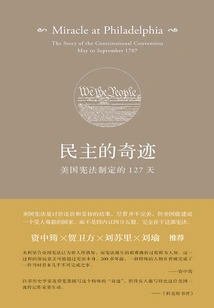
The Miracle of Democracy: the 127 Days in the Establishment of the United States Constitution
History民主的奇迹:美国宪法制定的127天
(us) Catherine Drinker Bowen
In the summer of 1787, in the sweltering heat of Philadelphia, a federal convention that was originally convened just to revise old regulations turned into an effort to formulate an unprecedented constitution. Fifty-five representatives, with an average age of less than 43 years old, came from 12 states with different positions and represented different interest groups. They debated for more than four months. Some people made threats and some left the venue in protest. Even Chairman Washington wrote: "I really regret having anything to do with this matter." It was in an atmosphere of almost despair that the meeting created the world's first written constitution, the United States Constitution. Bowen vividly reproduces the heated debates at the Federal Constitutional Convention and vividly restores the unique personalities of the American forefathers. They conducted this unprecedented experiment amid contradictions and compromises, prejudices and frankness.
In the summer of 1787, in the sweltering heat of Philadelphia, a federal convention that was originally convened just to revise old regulations turned into an effort to formulate an unprecedented constitution. Fifty-five representatives, with an average age of less than 43 years old, came from 12 states with different positions and represented different interest groups. They debated for more than four months. Some people made threats and some left the venue in protest. Even Chairman Washington wrote: "I really regret having anything to do with this matter." It was in an atmosphere of almost despair that the meeting created the world's first written constitution, the United States Constitution. Bowen vividly reproduces the heated debates at the Federal Constitutional Convention and vividly restores the unique personalities of the American forefathers. They conducted this unprecedented experiment amid contradictions and compromises, prejudices and frankness.
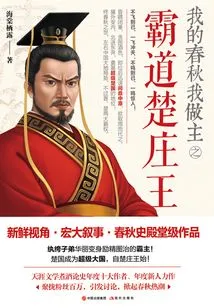
我的春秋我做主之霸道楚庄王
Begonia Qilu
The "My Spring and Autumn Period, I Make the Decision" series presents a panoramic view of the feudal kingdoms competing for hegemony in the "Spring and Autumn Era" from a brand-new perspective. In 770 BC, the Zhou royal family moved eastward to Luoyi to continue to enjoy the country, which was known as the Eastern Zhou Dynasty in history. After the first monarch of the Eastern Zhou Dynasty, King Zhou Ping, there were a total of twenty-five kings. They were destroyed by Qin in 256 BC, which lasted 515 years. In the first half of the Eastern Zhou Dynasty, vassal states competed for hegemony, which is known as the "Spring and Autumn Period" in history. Most of China's laws, regulations, and cultural customs originated from the "Spring and Autumn Period", and many of the political conquests and legendary allusions widely used in later generations also originated from this period. For more than two hundred years, the countries of Lu, Qi, Song, Jin, Chu, Zheng, Cao, Chen, Wei, Yan, Qin, Cai, Wu, Yue, etc. Entangled, collided, contained, and formed alliances with each other, and together they created an era that was bloody, turbulent, and full of the vitality of Chinese culture. Based on historical materials, the author takes the feudal princes' struggle for hegemony as the main line, with the "Five Hegemons" as the center, and uses popular and friendly words and rich writing styles to examine, narrate and evaluate the geographical pattern, cultural landscape and political evolution of the "Spring and Autumn Period" from multiple angles. This book is the third volume, "The Overbearing King of Chuzhuang", which mainly describes the process by which King Chuzhuang, his son King Chugong, and his grandson King Chukang achieved the great success of Chu Kingdom. Faced with internal and external troubles, the King of Chuzhuang, who had been dormant for a time, cheered up, defeated Ruo Ao, and marched northward to aspire to the Zhou Dynasty. The battle in Bi and the Jin army swept across the Jin army, which historically broke the Jin's hegemonic monopoly; Shangqiu besieged the city and forced the Song to surrender, which essentially laid the foundation for Chu's hegemony. King Zhuang of Chu "merged twenty-six countries and opened up three thousand miles of land" in his life. He showed his domineering power and pushed the Chu country to the top. The two guardian kings, King Gong of Chu and King Kang of Chu, inherited the legacy of King Zhuang of Chu and dealt with Jin without falling behind. At the Xiangxu Extermination Meeting, Jin and Chu equally divided the Central Plains hegemony, paving the way for China to usher in a more chaotic Warring States era.
The "My Spring and Autumn Period, I Make the Decision" series presents a panoramic view of the feudal kingdoms competing for hegemony in the "Spring and Autumn Era" from a brand-new perspective. In 770 BC, the Zhou royal family moved eastward to Luoyi to continue to enjoy the country, which was known as the Eastern Zhou Dynasty in history. After the first monarch of the Eastern Zhou Dynasty, King Zhou Ping, there were a total of twenty-five kings. They were destroyed by Qin in 256 BC, which lasted 515 years. In the first half of the Eastern Zhou Dynasty, vassal states competed for hegemony, which is known as the "Spring and Autumn Period" in history. Most of China's laws, regulations, and cultural customs originated from the "Spring and Autumn Period", and many of the political conquests and legendary allusions widely used in later generations also originated from this period. For more than two hundred years, the countries of Lu, Qi, Song, Jin, Chu, Zheng, Cao, Chen, Wei, Yan, Qin, Cai, Wu, Yue, etc. Entangled, collided, contained, and formed alliances with each other, and together they created an era that was bloody, turbulent, and full of the vitality of Chinese culture. Based on historical materials, the author takes the feudal princes' struggle for hegemony as the main line, with the "Five Hegemons" as the center, and uses popular and friendly words and rich writing styles to examine, narrate and evaluate the geographical pattern, cultural landscape and political evolution of the "Spring and Autumn Period" from multiple angles. This book is the third volume, "The Overbearing King of Chuzhuang", which mainly describes the process by which King Chuzhuang, his son King Chugong, and his grandson King Chukang achieved the great success of Chu Kingdom. Faced with internal and external troubles, the King of Chuzhuang, who had been dormant for a time, cheered up, defeated Ruo Ao, and marched northward to aspire to the Zhou Dynasty. The battle in Bi and the Jin army swept across the Jin army, which historically broke the Jin's hegemonic monopoly; Shangqiu besieged the city and forced the Song to surrender, which essentially laid the foundation for Chu's hegemony. King Zhuang of Chu "merged twenty-six countries and opened up three thousand miles of land" in his life. He showed his domineering power and pushed the Chu country to the top. The two guardian kings, King Gong of Chu and King Kang of Chu, inherited the legacy of King Zhuang of Chu and dealt with Jin without falling behind. At the Xiangxu Extermination Meeting, Jin and Chu equally divided the Central Plains hegemony, paving the way for China to usher in a more chaotic Warring States era.
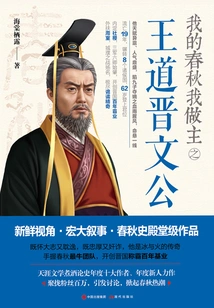
我的春秋我做主之王道晋文公
Begonia Qilu
The "My Spring and Autumn Period, I Make the Decision" series uses a new perspective to panoramically show the turmoil of the feudal kingdoms competing for hegemony in the "Spring and Autumn Era". In 770 BC, the Zhou royal family moved eastward to Luoyi to continue to enjoy the country, which was known as the Eastern Zhou Dynasty in history. After the first monarch of the Eastern Zhou Dynasty, King Zhou Ping, there were a total of twenty-five kings. They were destroyed by Qin in 256 BC, which lasted 515 years. In the first half of the Eastern Zhou Dynasty, vassal states competed for hegemony, which is known as the "Spring and Autumn Period" in history. Most of China's laws, regulations, and cultural customs originated from the "Spring and Autumn Period", and many of the political conquests and legendary allusions widely used in later generations also originated from this period. For more than two hundred years, the countries of Lu, Qi, Song, Jin, Chu, Zheng, Cao, Chen, Wei, Yan, Qin, Cai, Wu, Yue, etc. Entangled, collided, contained, and formed alliances with each other, and together they created an era that was bloody, turbulent, and full of the vitality of Chinese culture. Based on historical materials, the author takes the feudal princes' struggle for hegemony as the main line, with the "Five Hegemons" as the center, and uses popular and friendly words and rich writing styles to examine, narrate and evaluate the geographical pattern, cultural landscape and political evolution of the "Spring and Autumn Period" from multiple angles. This book is the second part of "The Royal Way of Jin Wen Gong". It mainly describes the process of Chong'er, a down-and-out young master of the Jin Kingdom who was born with different traits, and how he finally became the hegemon of the generation after facing "dangers and hardships". Chong'er was forced to go into exile due to the Liji Rebellion. He traveled thousands of miles and experienced ups and downs several times. Finally, he gained the benefits of being thrifty and courteous, and took over the Jin Kingdom with the strong support of Duke Mu of Qin. Duke Wen of Jin appointed good ministers such as Hu Yan, Xian Zhen, Zhao Shui, and Jia Tuo internally. He ignored the resentment and only listened to the virtuous. He created three armies and six ministers, showing his royal demeanor; In 632 BC, Duke Wen of Jin defeated the Chu army in Chengpu, magnificently performing the king's way of "retreating to three quarters". In the winter of the same year, he convened the Qin, Lu, Qi and other nine nationalities to form an alliance in Wendi, creating a century-old hegemony for the Jin state. Later, his son Jin Xianggong and the famous prime minister Zhao Dun came to power one after another, and Jin's hegemony continued.
The "My Spring and Autumn Period, I Make the Decision" series uses a new perspective to panoramically show the turmoil of the feudal kingdoms competing for hegemony in the "Spring and Autumn Era". In 770 BC, the Zhou royal family moved eastward to Luoyi to continue to enjoy the country, which was known as the Eastern Zhou Dynasty in history. After the first monarch of the Eastern Zhou Dynasty, King Zhou Ping, there were a total of twenty-five kings. They were destroyed by Qin in 256 BC, which lasted 515 years. In the first half of the Eastern Zhou Dynasty, vassal states competed for hegemony, which is known as the "Spring and Autumn Period" in history. Most of China's laws, regulations, and cultural customs originated from the "Spring and Autumn Period", and many of the political conquests and legendary allusions widely used in later generations also originated from this period. For more than two hundred years, the countries of Lu, Qi, Song, Jin, Chu, Zheng, Cao, Chen, Wei, Yan, Qin, Cai, Wu, Yue, etc. Entangled, collided, contained, and formed alliances with each other, and together they created an era that was bloody, turbulent, and full of the vitality of Chinese culture. Based on historical materials, the author takes the feudal princes' struggle for hegemony as the main line, with the "Five Hegemons" as the center, and uses popular and friendly words and rich writing styles to examine, narrate and evaluate the geographical pattern, cultural landscape and political evolution of the "Spring and Autumn Period" from multiple angles. This book is the second part of "The Royal Way of Jin Wen Gong". It mainly describes the process of Chong'er, a down-and-out young master of the Jin Kingdom who was born with different traits, and how he finally became the hegemon of the generation after facing "dangers and hardships". Chong'er was forced to go into exile due to the Liji Rebellion. He traveled thousands of miles and experienced ups and downs several times. Finally, he gained the benefits of being thrifty and courteous, and took over the Jin Kingdom with the strong support of Duke Mu of Qin. Duke Wen of Jin appointed good ministers such as Hu Yan, Xian Zhen, Zhao Shui, and Jia Tuo internally. He ignored the resentment and only listened to the virtuous. He created three armies and six ministers, showing his royal demeanor; In 632 BC, Duke Wen of Jin defeated the Chu army in Chengpu, magnificently performing the king's way of "retreating to three quarters". In the winter of the same year, he convened the Qin, Lu, Qi and other nine nationalities to form an alliance in Wendi, creating a century-old hegemony for the Jin state. Later, his son Jin Xianggong and the famous prime minister Zhao Dun came to power one after another, and Jin's hegemony continued.
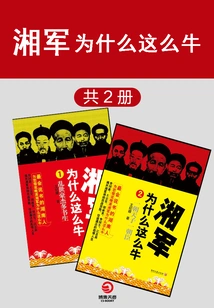
湘军为什么这么牛(全集)
Wang Jiqing
In the late Qing Dynasty, the peasant movement led by the Taiping Rebellion was raging, and the court was unable to maintain stability. Under the urgent situation, Emperor Xianfeng made an exception and promoted civil servants and generals from the grassroots. As a result, a generation of Hunan scholars emerged from the countryside. Zuo Zongtang, Jiang Zhongyuan, Liu Changyou, Luo Zenan and others joined the battle to defend the imperial court. Zeng Guofan, Luo Bingzhang, Guo Songtao and other civil and military officials of the previous dynasty would also be baptized by the fire of war.
In the late Qing Dynasty, the peasant movement led by the Taiping Rebellion was raging, and the court was unable to maintain stability. Under the urgent situation, Emperor Xianfeng made an exception and promoted civil servants and generals from the grassroots. As a result, a generation of Hunan scholars emerged from the countryside. Zuo Zongtang, Jiang Zhongyuan, Liu Changyou, Luo Zenan and others joined the battle to defend the imperial court. Zeng Guofan, Luo Bingzhang, Guo Songtao and other civil and military officials of the previous dynasty would also be baptized by the fire of war.
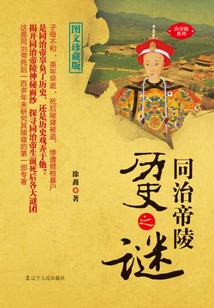
同治帝陵历史之谜
Xu Xin
As the short-lived emperor of the Qing Dynasty, Emperor Tongzhi was born into a noble family, but he was naturally tired of studying. In the end, his imperial power was taken over by his biological mother, the Empress Dowager Cixi. Emperor Tongzhi fell ill and died at the age of 19. The cause of death is controversial. Since no mausoleum was built during his lifetime, his biological mother broke the ancestral system of "Zhao and Mu built each other" and built a mausoleum for him in Dongling out of love for power. Although the regulations and scale of the completed Tongzhi Emperor's mausoleum are simple, the construction quality is unambiguous and it is known as "copper beams and iron pillars." The selection of the mausoleum is complicated, but the process of building the mausoleum is strictly handled in accordance with the regulations. Based on official history and Qing palace archives, through field research and social surveys, combined with current historical research results, the author uses popular and skillful writing to tell you the little-known secrets of Emperor Tongzhi himself and his mausoleum.
As the short-lived emperor of the Qing Dynasty, Emperor Tongzhi was born into a noble family, but he was naturally tired of studying. In the end, his imperial power was taken over by his biological mother, the Empress Dowager Cixi. Emperor Tongzhi fell ill and died at the age of 19. The cause of death is controversial. Since no mausoleum was built during his lifetime, his biological mother broke the ancestral system of "Zhao and Mu built each other" and built a mausoleum for him in Dongling out of love for power. Although the regulations and scale of the completed Tongzhi Emperor's mausoleum are simple, the construction quality is unambiguous and it is known as "copper beams and iron pillars." The selection of the mausoleum is complicated, but the process of building the mausoleum is strictly handled in accordance with the regulations. Based on official history and Qing palace archives, through field research and social surveys, combined with current historical research results, the author uses popular and skillful writing to tell you the little-known secrets of Emperor Tongzhi himself and his mausoleum.
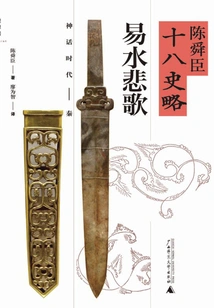
陈舜臣十八史略:易水悲歌
(japan) Chen Shunchen
"Chen Shun-chen's Eighteen Historical Briefs: The Elegy of Yishui" is the first book in the "Chen Shun-chen's Eighteen Historical Briefs" series. It tells the historical figures who appeared one after another from the mythical age to the end of the Qin Dynasty and the historical processes related to them. The author is good at grasping the contrasts and conflicts between interrelated characters with completely different personalities and fates: Guan Zhong and Bao Shuya, Wu Zixu and Fan Li, Pang Juan and Sun Bin, Wu Qi and Shang Yang, Su Qin and Zhang Yi, Han Fei and Li Si, Lu Buwei and Ying Zheng, etc. This setting makes the work full of dramatic tension and allows readers to gain more beneficial experiences during reading.
"Chen Shun-chen's Eighteen Historical Briefs: The Elegy of Yishui" is the first book in the "Chen Shun-chen's Eighteen Historical Briefs" series. It tells the historical figures who appeared one after another from the mythical age to the end of the Qin Dynasty and the historical processes related to them. The author is good at grasping the contrasts and conflicts between interrelated characters with completely different personalities and fates: Guan Zhong and Bao Shuya, Wu Zixu and Fan Li, Pang Juan and Sun Bin, Wu Qi and Shang Yang, Su Qin and Zhang Yi, Han Fei and Li Si, Lu Buwei and Ying Zheng, etc. This setting makes the work full of dramatic tension and allows readers to gain more beneficial experiences during reading.
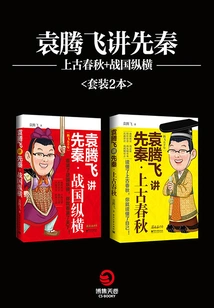
袁腾飞讲先秦:上古春秋+战国纵横(套装2本)
Yuan Tengfei
This set of works is divided into two volumes based on historical nodes: "Yuan Tengfei Talks about Pre-Qin: Ancient Spring and Autumn Period" and "Yuan Tengfei Talks about Pre-Qin: Warring States Period". The previous volume starts from ancient legends, with Nuwa, Fuxi, Shennong, Huangdi, Emperor Ku, Yao, and Shun taking turns to appear. The awe-inspiring mystery of one's life experience, the immortal achievements of Bu Tian's teachings and the people; the changes in the Xia, Shang and Western Zhou Dynasties, the mediocre king lost his country, the holy Lord ruled the world, the villain harmed the country, and the wise ministers assisted the Lord; there were also the five hegemons of the Spring and Autumn Period vying for the top. The latter volume talks about the Seven Heroes of the Warring States Period, where soldiers from various countries quarreled with each other, politicians met and politicians fought against each other. Strange moves, trick moves, underhanded moves, and dangerous moves are dazzling. Big battles, small battles, overt struggles, and covert fights are dizzying... Until Qin Shihuang unified the world, China entered a new historical stage.
This set of works is divided into two volumes based on historical nodes: "Yuan Tengfei Talks about Pre-Qin: Ancient Spring and Autumn Period" and "Yuan Tengfei Talks about Pre-Qin: Warring States Period". The previous volume starts from ancient legends, with Nuwa, Fuxi, Shennong, Huangdi, Emperor Ku, Yao, and Shun taking turns to appear. The awe-inspiring mystery of one's life experience, the immortal achievements of Bu Tian's teachings and the people; the changes in the Xia, Shang and Western Zhou Dynasties, the mediocre king lost his country, the holy Lord ruled the world, the villain harmed the country, and the wise ministers assisted the Lord; there were also the five hegemons of the Spring and Autumn Period vying for the top. The latter volume talks about the Seven Heroes of the Warring States Period, where soldiers from various countries quarreled with each other, politicians met and politicians fought against each other. Strange moves, trick moves, underhanded moves, and dangerous moves are dazzling. Big battles, small battles, overt struggles, and covert fights are dizzying... Until Qin Shihuang unified the world, China entered a new historical stage.
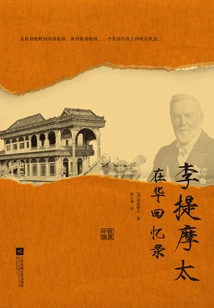
李提摩太在华回忆录
(english) Timothy Richard
Timothy Richard was an important figure who influenced the course of modern Chinese history. He was not only an influential religious figure, but also a guest of Chinese and foreign dignitaries, a master behind the reformists, and an opponent of Sun Yat-sen's revolutionary party... This book records in detail Timothy Richard's participation in the process of Chinese history in almost all fields during the 45 years of the late Qing Dynasty, including religion, science, communications, international trade, disaster relief, the establishment of modern schools and professional colleges, and the establishment of modern publishing houses. His personal experience is almost a microcosm of modern Chinese history: major contradictions such as the fierce contest between tradition and modernity, the conflict and integration of Chinese civilization and Western civilization, the unity of opposites between political and economic aggression and ideological and technological enlightenment are all vividly reflected in his memoirs.
Timothy Richard was an important figure who influenced the course of modern Chinese history. He was not only an influential religious figure, but also a guest of Chinese and foreign dignitaries, a master behind the reformists, and an opponent of Sun Yat-sen's revolutionary party... This book records in detail Timothy Richard's participation in the process of Chinese history in almost all fields during the 45 years of the late Qing Dynasty, including religion, science, communications, international trade, disaster relief, the establishment of modern schools and professional colleges, and the establishment of modern publishing houses. His personal experience is almost a microcosm of modern Chinese history: major contradictions such as the fierce contest between tradition and modernity, the conflict and integration of Chinese civilization and Western civilization, the unity of opposites between political and economic aggression and ideological and technological enlightenment are all vividly reflected in his memoirs.
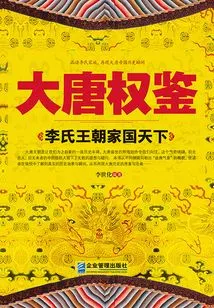
大唐权鉴:李氏王朝家国天下
Li Shihua
The Tang Dynasty is a historical pinnacle that we are proud of. The glory of the Tang Dynasty has always made us yearn for it. This majestic and unprecedented empire has left countless reveries and questions to future generations. This book starts from the perspective of the family, restores historical details through a variety of historical materials, and reinterprets the Li family of the Tang Dynasty in a popular way.
The Tang Dynasty is a historical pinnacle that we are proud of. The glory of the Tang Dynasty has always made us yearn for it. This majestic and unprecedented empire has left countless reveries and questions to future generations. This book starts from the perspective of the family, restores historical details through a variety of historical materials, and reinterprets the Li family of the Tang Dynasty in a popular way.
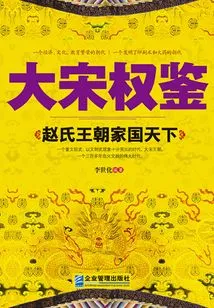
大宋权鉴:赵氏王朝家国天下
Li Shihua
In the thousands of years of Chinese history, most dynasty changes have been accompanied by bloodshed and massacres. Only the Song Dynasty is a rare exception in Chinese history. When Zhao Kuangyin replaced the Later Zhou Dynasty, he did not adopt bloody methods, nor did he worry about the restoration of the descendants of the previous dynasty and massacre. Instead, he made an alliance with the stone and asked the new king to abide by his oath and treat the Zhou family well. In the Three Dynasties of the Song Dynasty, Confucianism was revived, and the society was filled with the atmosphere of respecting teachers and teaching. While emphasizing the monopoly of power, the emperor of the Song Dynasty also took care of the physical appearance and gentleness of his officials. Therefore, he rarely killed people in battles and was relatively open-minded and honest. By the end of the Song Dynasty, there were no serious eunuch chaos and local separatism, and the number of mutinies and civil unrest was relatively rare in Chinese history.
In the thousands of years of Chinese history, most dynasty changes have been accompanied by bloodshed and massacres. Only the Song Dynasty is a rare exception in Chinese history. When Zhao Kuangyin replaced the Later Zhou Dynasty, he did not adopt bloody methods, nor did he worry about the restoration of the descendants of the previous dynasty and massacre. Instead, he made an alliance with the stone and asked the new king to abide by his oath and treat the Zhou family well. In the Three Dynasties of the Song Dynasty, Confucianism was revived, and the society was filled with the atmosphere of respecting teachers and teaching. While emphasizing the monopoly of power, the emperor of the Song Dynasty also took care of the physical appearance and gentleness of his officials. Therefore, he rarely killed people in battles and was relatively open-minded and honest. By the end of the Song Dynasty, there were no serious eunuch chaos and local separatism, and the number of mutinies and civil unrest was relatively rare in Chinese history.
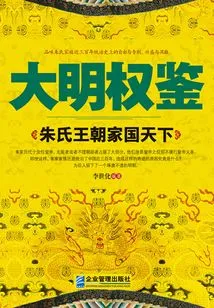
大明权鉴:朱氏王朝家国天下
Li Shihua
Like previous dynasties, in a traditional country like China, family rule was the choice of that era. From father to son, and from son to grandson, the emperors only hoped that their position could be passed on to their descendants, but they did not care about the virtuous, filial, or stupid nature of their descendants, and it was precisely because of this that the fate of family rule was determined. There have been more than ten emperors in the Zhu family, most of whom were incompetent or ignored the government. They held the position of emperor but did not fulfill their obligations as emperors. Even so, the Zhu family has ruled China for nearly three hundred years. What is the reason for this miracle?
Like previous dynasties, in a traditional country like China, family rule was the choice of that era. From father to son, and from son to grandson, the emperors only hoped that their position could be passed on to their descendants, but they did not care about the virtuous, filial, or stupid nature of their descendants, and it was precisely because of this that the fate of family rule was determined. There have been more than ten emperors in the Zhu family, most of whom were incompetent or ignored the government. They held the position of emperor but did not fulfill their obligations as emperors. Even so, the Zhu family has ruled China for nearly three hundred years. What is the reason for this miracle?
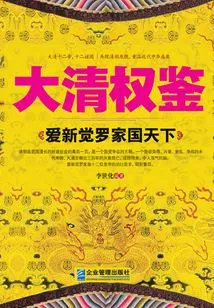
大清权鉴:爱新觉罗家国天下
Li Shihua
The Qing Dynasty, a dynasty that coexisted with glory and humiliation, an empire at a turning point in history, ultimately failed to seize the opportunity of history and fell in the torrent of history. This era of rule by the Aisin Gioro family witnessed the rise and fall of the Chinese nation. The nearly three hundred years of the Qing Dynasty were an era of ups and downs, from the peak of glory to the valley of decay.
The Qing Dynasty, a dynasty that coexisted with glory and humiliation, an empire at a turning point in history, ultimately failed to seize the opportunity of history and fell in the torrent of history. This era of rule by the Aisin Gioro family witnessed the rise and fall of the Chinese nation. The nearly three hundred years of the Qing Dynasty were an era of ups and downs, from the peak of glory to the valley of decay.
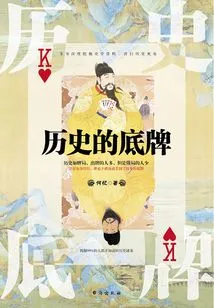
History's Trump Card
History历史的底牌
He Yi
From the origin of Qin Shihuang's life experience to the mystery of the whereabouts of the imperial seal; from the unsolved case of Song Taizong's brother-killing to the mystery of Emperor Yongzheng's violent death... This book brings together a large number of unsolved suspense mysteries in history. Based on comprehensive historical research results, the author also conducts research on many folk secrets and legends. The book has been compiled in an attempt to integrate the scientific, intellectual and exploratory nature of historical research with the interest of folklore, fully collect various opinions on historical suspense, and provide unique insights, allowing you to clear away the fog of history and explore the truth of history among the divergent opinions of previous generations.
From the origin of Qin Shihuang's life experience to the mystery of the whereabouts of the imperial seal; from the unsolved case of Song Taizong's brother-killing to the mystery of Emperor Yongzheng's violent death... This book brings together a large number of unsolved suspense mysteries in history. Based on comprehensive historical research results, the author also conducts research on many folk secrets and legends. The book has been compiled in an attempt to integrate the scientific, intellectual and exploratory nature of historical research with the interest of folklore, fully collect various opinions on historical suspense, and provide unique insights, allowing you to clear away the fog of history and explore the truth of history among the divergent opinions of previous generations.
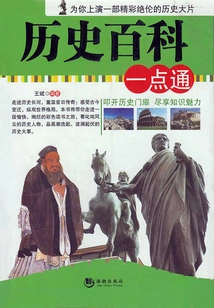
历史百科一点通
Wang Bin
"Historical Encyclopedia Made Easy" is divided into two parts: the Chinese part and the world part. The Chinese history part tells the long history from the beginning of mankind to the founding of New China, accurately, vividly and concisely connecting the social changes, wars, science and technology, culture and art of the Chinese nation over the past five thousand years; the world history part includes prehistoric humans, ancient civilizations, medieval times, etc., Which is both informative, scientific and interesting, and provides a wonderful interpretation of world history.
"Historical Encyclopedia Made Easy" is divided into two parts: the Chinese part and the world part. The Chinese history part tells the long history from the beginning of mankind to the founding of New China, accurately, vividly and concisely connecting the social changes, wars, science and technology, culture and art of the Chinese nation over the past five thousand years; the world history part includes prehistoric humans, ancient civilizations, medieval times, etc., Which is both informative, scientific and interesting, and provides a wonderful interpretation of world history.
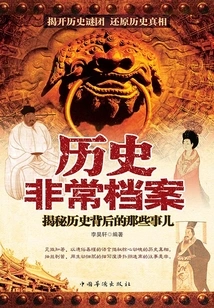
Historical Archives
History历史非常档案
Li Haoxuan
Some of the articles collected in "Historical Unusual Files" are the memories of those who were familiar with and experienced historical events, restoring the rigid history to a living life, making it flesh and blood, ready to be revealed; some are the history that has been deliberately avoided or unclear, and are brought to light through investigation and exploration; some are based on gradually declassified archives or Historical materials give new life and meaning to history that has been in the dust for many years and has been misunderstood for a long time; some are statements, evaluations and even "conclusive conclusions" about certain events and figures in history, constructing very different propositions and implications based on research and discoveries; some are to restore the true nature or reverse the history that has been distorted, tampered or even reversed...
Some of the articles collected in "Historical Unusual Files" are the memories of those who were familiar with and experienced historical events, restoring the rigid history to a living life, making it flesh and blood, ready to be revealed; some are the history that has been deliberately avoided or unclear, and are brought to light through investigation and exploration; some are based on gradually declassified archives or Historical materials give new life and meaning to history that has been in the dust for many years and has been misunderstood for a long time; some are statements, evaluations and even "conclusive conclusions" about certain events and figures in history, constructing very different propositions and implications based on research and discoveries; some are to restore the true nature or reverse the history that has been distorted, tampered or even reversed...
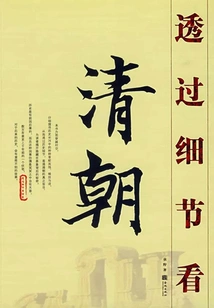
透过细节看清朝
Yuan Ye
This book strives to travel through time and space, carefully searching for all kinds of clues and clues in the long river of history, so as to see the true face of the Qing Dynasty through historical details and reveal the secrets hidden behind the appearance for readers. History has causes and consequences, and this kind of cause and effect seems to be the will of God. A foreshadowing of hundreds or even thousands of years will have unexpected effects on subsequent history.
This book strives to travel through time and space, carefully searching for all kinds of clues and clues in the long river of history, so as to see the true face of the Qing Dynasty through historical details and reveal the secrets hidden behind the appearance for readers. History has causes and consequences, and this kind of cause and effect seems to be the will of God. A foreshadowing of hundreds or even thousands of years will have unexpected effects on subsequent history.
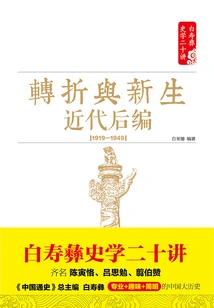
转折与新生:近代后编(1919—1949)
Bai Zhide
This book tells the story that after the May 4th Movement, the proletariat stepped onto the political stage, and then Marxism-Leninism was introduced into China. The great Communist Party of China was born and established the correct revolutionary guidelines, leading the people to achieve victory in the new-democratic revolution.
This book tells the story that after the May 4th Movement, the proletariat stepped onto the political stage, and then Marxism-Leninism was introduced into China. The great Communist Party of China was born and established the correct revolutionary guidelines, leading the people to achieve victory in the new-democratic revolution.
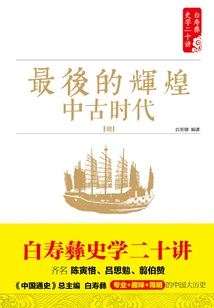
最后的辉煌:中古时代:明
Bai Zhide
The Ming Dynasty has a special status in the history of our country. No matter in terms of economy or culture, newcomers of one kind or another are constantly emerging. At the same time, the corruption of the feudal system is also deepening. During the more than 270 years of the Ming Dynasty, ethnic disputes existed, but there were no major disputes. Generally speaking, ethnic relations were relatively stable. The expansion of feudalization in ethnic areas and the Han nationality as the mainstream in national ethnic relations have been further clarified. The Ming Dynasty was a period when the advanced social forces demanded faster development, while the old social forces continued to intensify oppression and exploitation. Therefore, the social contradictions in the Ming Dynasty were sharp and complex. The "dead" holding back the "living" is a reflection of this era.
The Ming Dynasty has a special status in the history of our country. No matter in terms of economy or culture, newcomers of one kind or another are constantly emerging. At the same time, the corruption of the feudal system is also deepening. During the more than 270 years of the Ming Dynasty, ethnic disputes existed, but there were no major disputes. Generally speaking, ethnic relations were relatively stable. The expansion of feudalization in ethnic areas and the Han nationality as the mainstream in national ethnic relations have been further clarified. The Ming Dynasty was a period when the advanced social forces demanded faster development, while the old social forces continued to intensify oppression and exploitation. Therefore, the social contradictions in the Ming Dynasty were sharp and complex. The "dead" holding back the "living" is a reflection of this era.
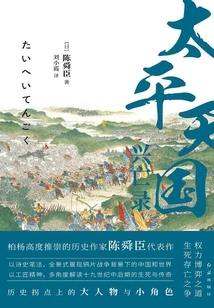
太平天国兴亡录
I
"The Rise and Fall of the Taiping Rebellion" takes the development of the Taiping Rebellion as the main line and presents a panoramic view of China and the world in the late Qing Dynasty. The author has accurately portrayed the characters, from the leaders of the Taiping Heavenly Kingdom such as Hong Xiuquan, Shi Dakai, Yang Xiuqing, Chen Yucheng, etc., To officials at all levels of the Qing government such as Zuo Zongtang, Lin Zexu, Zeng Guofan, Li Hongzhang, etc., To the leaders of organizations such as the Tiandihui and Xiaodaohui. It can be said that important figures from all classes in the late Qing Dynasty, their deeds and thoughts, and the customs and customs of various places are all reflected in this book. Here there is both official and businessmanship, power games, intrigues, and passionate legends!
"The Rise and Fall of the Taiping Rebellion" takes the development of the Taiping Rebellion as the main line and presents a panoramic view of China and the world in the late Qing Dynasty. The author has accurately portrayed the characters, from the leaders of the Taiping Heavenly Kingdom such as Hong Xiuquan, Shi Dakai, Yang Xiuqing, Chen Yucheng, etc., To officials at all levels of the Qing government such as Zuo Zongtang, Lin Zexu, Zeng Guofan, Li Hongzhang, etc., To the leaders of organizations such as the Tiandihui and Xiaodaohui. It can be said that important figures from all classes in the late Qing Dynasty, their deeds and thoughts, and the customs and customs of various places are all reflected in this book. Here there is both official and businessmanship, power games, intrigues, and passionate legends!
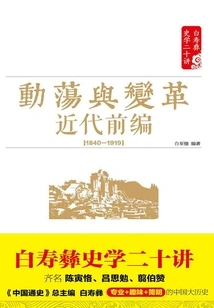
动荡与变革:近代前编(1840—1919)
Bai Zhide
In the "First Edition of Modern Times (1840-1919)", the word "new" is prominently reflected. The significance of academic research lies in innovation. The criterion for identifying the value of an academic work also depends on whether it is novel. If viewed from this point of view, Mr. Bai Shouyi's research on modern Chinese history is full of new ideas, embodying "new" characteristics in terms of content, style, etc. First of all, it reflects "communication", and the basic requirement is to achieve "communication". When talking about China's modern history, Mr. Bai said: "China's relevant literature, research status and other modern history are the history of the Chinese people being tested in the crucible of modern times. It is the history of a period when military, political, economic and cultural failures were suffered. In general, it is the history of hindering Western imperialism's eastward invasion." It can be seen that Mr. Bai broke the convention of previous writings and integrated all aspects of modern China into consideration.
In the "First Edition of Modern Times (1840-1919)", the word "new" is prominently reflected. The significance of academic research lies in innovation. The criterion for identifying the value of an academic work also depends on whether it is novel. If viewed from this point of view, Mr. Bai Shouyi's research on modern Chinese history is full of new ideas, embodying "new" characteristics in terms of content, style, etc. First of all, it reflects "communication", and the basic requirement is to achieve "communication". When talking about China's modern history, Mr. Bai said: "China's relevant literature, research status and other modern history are the history of the Chinese people being tested in the crucible of modern times. It is the history of a period when military, political, economic and cultural failures were suffered. In general, it is the history of hindering Western imperialism's eastward invasion." It can be seen that Mr. Bai broke the convention of previous writings and integrated all aspects of modern China into consideration.
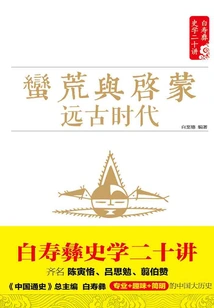
蛮荒与启蒙:远古时代
Bai Zhide
This book describes the exploration of primitive society before written records from archaeological data. Starting from the primitive human beings and connecting with the Xia, Shang and Zhou dynasties at the bottom, it touches on all aspects of the research objects of Chinese prehistoric archeology and related disciplines. Ancient Era mainly describes the glory of the ancient cultures of our ancient ancestors (about 1.8 Million years ago to 10,000 years ago), the Neolithic Age (about 10,000 BC to 1 3500 BC), the Chalcolithic Age (about 3500 BC to 1 2000 BC), and the surrounding areas (Northeast, Gansu and Qinghai, Southeast, South China, and Southwest). In ancient times, there were widespread human activities in China. They left traces of primitive society.
This book describes the exploration of primitive society before written records from archaeological data. Starting from the primitive human beings and connecting with the Xia, Shang and Zhou dynasties at the bottom, it touches on all aspects of the research objects of Chinese prehistoric archeology and related disciplines. Ancient Era mainly describes the glory of the ancient cultures of our ancient ancestors (about 1.8 Million years ago to 10,000 years ago), the Neolithic Age (about 10,000 BC to 1 3500 BC), the Chalcolithic Age (about 3500 BC to 1 2000 BC), and the surrounding areas (Northeast, Gansu and Qinghai, Southeast, South China, and Southwest). In ancient times, there were widespread human activities in China. They left traces of primitive society.
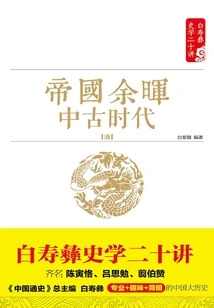
帝国余晖:中古时代:清
Bai Zhide
The Qing Dynasty was the last dynasty of my country's feudal society. In the process of historical development, the Qing Dynasty played a role as a link between the past and the future. On the one hand, the Qing Dynasty retained the basic characteristics of feudal society and was similar to its previous dynasties.
The Qing Dynasty was the last dynasty of my country's feudal society. In the process of historical development, the Qing Dynasty played a role as a link between the past and the future. On the one hand, the Qing Dynasty retained the basic characteristics of feudal society and was similar to its previous dynasties.
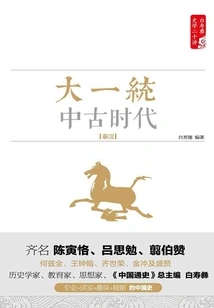
大一统:中古时代:秦汉
Bai Zhide
This book discusses the growth period of China's medieval era, which is roughly equivalent to the history of the Qin and Han dynasties. The so-called medieval era refers to the era when the feudal production method was dominant and other production methods existed. During the reign of the Qin and Han dynasties, the upper limit was from 221 BC when Qin Shihuang destroyed the six kingdoms, and the lower limit was from 196 AD when the Han Dynasty moved its capital to Xuchang. After moving the capital to Xuchang, the Han Dynasty still maintained its title as a dynasty, but in fact power was in the hands of Cao Cao, and history had entered another period.
This book discusses the growth period of China's medieval era, which is roughly equivalent to the history of the Qin and Han dynasties. The so-called medieval era refers to the era when the feudal production method was dominant and other production methods existed. During the reign of the Qin and Han dynasties, the upper limit was from 221 BC when Qin Shihuang destroyed the six kingdoms, and the lower limit was from 196 AD when the Han Dynasty moved its capital to Xuchang. After moving the capital to Xuchang, the Han Dynasty still maintained its title as a dynasty, but in fact power was in the hands of Cao Cao, and history had entered another period.
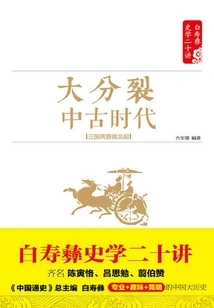
大分裂:中古时代:三国两晋南北朝
Bai Zhide
This is a period of nationwide national reorganization. During the Three Kingdoms, Jin, Southern and Northern Dynasties, the phenomenon of ethnic reorganization was unfolding, and during the Sui and Tang Dynasties, the phenomenon of ethnic reorganization gradually came to an end. The Three Kingdoms, Two Jins, Southern and Northern Dynasties period gives some people the impression that it is just a mess. In fact, this period of history has its own itinerary that can be examined. Roughly speaking, this period is equivalent to 196 to 589 AD and can be divided into four stages. First, the tripartite confrontation of the Three Kingdoms; second, the brief unification of the Western Jin Dynasty and the chaos of the Sixteen Kingdoms of the Eastern Jin Dynasty; third, the confrontation between the Southern and Northern Dynasties; fourth, the split from the Northern Wei to the unification of the Sui Dynasty. Judging from the division of these four stages, the historical formation of this period is quite clear. This volume also discusses this situation in more detail. This division is viewed from the overall perspective of historical development, rather than simply treated as the history of separate regimes.
This is a period of nationwide national reorganization. During the Three Kingdoms, Jin, Southern and Northern Dynasties, the phenomenon of ethnic reorganization was unfolding, and during the Sui and Tang Dynasties, the phenomenon of ethnic reorganization gradually came to an end. The Three Kingdoms, Two Jins, Southern and Northern Dynasties period gives some people the impression that it is just a mess. In fact, this period of history has its own itinerary that can be examined. Roughly speaking, this period is equivalent to 196 to 589 AD and can be divided into four stages. First, the tripartite confrontation of the Three Kingdoms; second, the brief unification of the Western Jin Dynasty and the chaos of the Sixteen Kingdoms of the Eastern Jin Dynasty; third, the confrontation between the Southern and Northern Dynasties; fourth, the split from the Northern Wei to the unification of the Sui Dynasty. Judging from the division of these four stages, the historical formation of this period is quite clear. This volume also discusses this situation in more detail. This division is viewed from the overall perspective of historical development, rather than simply treated as the history of separate regimes.
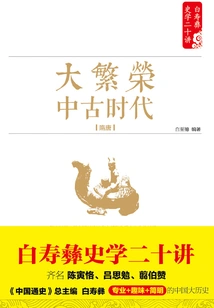
大繁荣:中古时代:隋唐
Bai Zhide
Medieval Era, Sui and Tang Dynasties, discusses the history of the late development period of China's feudal society in the Middle Ages, and mainly describes the history of the Sui and Tang dynasties, the prosperous and powerful era of China's feudal society. From it, we can see the development of historiography, the process of historical evolution and related focus issues of the Sui and Tang Dynasties, and explore the reasons for the strong development of the Sui and Tang Dynasties in many aspects and in depth.
Medieval Era, Sui and Tang Dynasties, discusses the history of the late development period of China's feudal society in the Middle Ages, and mainly describes the history of the Sui and Tang dynasties, the prosperous and powerful era of China's feudal society. From it, we can see the development of historiography, the process of historical evolution and related focus issues of the Sui and Tang Dynasties, and explore the reasons for the strong development of the Sui and Tang Dynasties in many aspects and in depth.
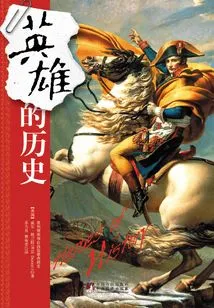
Heroic History
History英雄的历史
(us) Will Durant
This book depicts a magnificent cultural picture that spans dozens of centuries through historical cultural heroes such as Confucius, Li Bai, Buddha, Gandhi, Plato, Socrates, Shakespeare, and Bacon.
This book depicts a magnificent cultural picture that spans dozens of centuries through historical cultural heroes such as Confucius, Li Bai, Buddha, Gandhi, Plato, Socrates, Shakespeare, and Bacon.
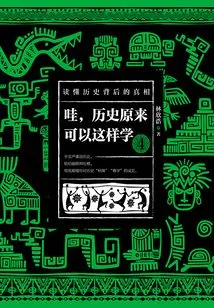
哇,历史原来可以这样学4
Lin Xinhao
It talks about history in a plain and rigorous way, with a relaxed and humorous way of making fun of it. It is a super best-seller that is guaranteed to make you fall in love with "history"! This book begins with the Reform Movement of 1898 and continues to the outbreak of the Revolution of 1911. This is a history of the late Qing Dynasty in which the Qing government awakened from its dream of saving the nation but ultimately failed. The author uses humorous writing and easy-to-understand examples to explain to readers why the Qing Dynasty was destined to perish. Why did Li Hongzhang bear the infamy and sign a treaty that was humiliating and humiliating the country? Was the direct cause of the outbreak of the Eight-Power Allied Forces' war of aggression against China due to the obstruction of information transmission? Why was the Qing government, "packaged" by the Westernization Movement, still vulnerable to foreign invasion? This book will answer them all for you.
It talks about history in a plain and rigorous way, with a relaxed and humorous way of making fun of it. It is a super best-seller that is guaranteed to make you fall in love with "history"! This book begins with the Reform Movement of 1898 and continues to the outbreak of the Revolution of 1911. This is a history of the late Qing Dynasty in which the Qing government awakened from its dream of saving the nation but ultimately failed. The author uses humorous writing and easy-to-understand examples to explain to readers why the Qing Dynasty was destined to perish. Why did Li Hongzhang bear the infamy and sign a treaty that was humiliating and humiliating the country? Was the direct cause of the outbreak of the Eight-Power Allied Forces' war of aggression against China due to the obstruction of information transmission? Why was the Qing government, "packaged" by the Westernization Movement, still vulnerable to foreign invasion? This book will answer them all for you.
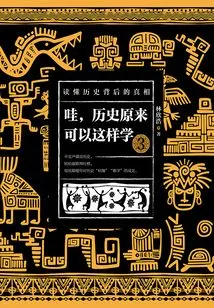
哇,历史原来可以这样学3
Lin Xinhao
It talks about history in a plain and rigorous way, with a relaxed and humorous way of making fun of it. It is a super best-seller that is guaranteed to make you fall in love with "history"! This book uses humorous language to describe the decades of history from the Opium War of the late Qing Dynasty to the Sino-Japanese Sino-Japanese War of 1894-1894. It details the transformation process of the Qing Dynasty from the "Celestial Kingdom" to the "Sick Man of East Asia" and provides an in-depth analysis of the underlying reasons behind the transformation. Why did the emperor of the Qing Dynasty always seem to be living in a dream and unable to see the situation clearly? What kind of weapons were used by the Qing Dynasty and the Western powers in the late Qing Dynasty? Why did Japan and the Qing Dynasty rise rapidly despite suffering the same invasion? All the questions you want to know can be answered in this book.
It talks about history in a plain and rigorous way, with a relaxed and humorous way of making fun of it. It is a super best-seller that is guaranteed to make you fall in love with "history"! This book uses humorous language to describe the decades of history from the Opium War of the late Qing Dynasty to the Sino-Japanese Sino-Japanese War of 1894-1894. It details the transformation process of the Qing Dynasty from the "Celestial Kingdom" to the "Sick Man of East Asia" and provides an in-depth analysis of the underlying reasons behind the transformation. Why did the emperor of the Qing Dynasty always seem to be living in a dream and unable to see the situation clearly? What kind of weapons were used by the Qing Dynasty and the Western powers in the late Qing Dynasty? Why did Japan and the Qing Dynasty rise rapidly despite suffering the same invasion? All the questions you want to know can be answered in this book.
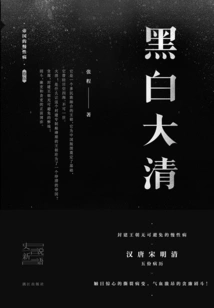
帝国的慢性病:黑白大清
Zhang Cheng
The "Chronic Diseases of the Empire" series consists of five volumes, namely "The Wanderings of the Han Dynasty", "The Melancholy of the Tang Dynasty", "Lice on the Beautiful Robes of the Song Dynasty", "The Ming Dynasty on Ice and Fire" and "The Qing Dynasty in Black and White". This series tells the stories of several major dynasties in Chinese history in popular language, revealing the inevitable institutional flaws of the feudal dynasties and drawing lessons from them. This book focuses on more than ten famous cases in the Qing Dynasty, revealing the ups and downs and inherent political shortcomings experienced by the last dynasty of Chinese feudal society in its more than 260 years of history. Among these cases, there are financial cases involving important officials, such as the Jiangzhou deficit case, the Weining Lead Factory case, the Fujian corruption den case, etc., And there are also unjust private cases that are inseparable from the dark political ecology, such as the Hezhou murder case, the Shuntian rural trial case, the Yang Naiwu Xiaobaicai case, etc. The book has a vivid writing style, strong logic, and provides detailed historical information. It is a work worth reading for history lovers.
The "Chronic Diseases of the Empire" series consists of five volumes, namely "The Wanderings of the Han Dynasty", "The Melancholy of the Tang Dynasty", "Lice on the Beautiful Robes of the Song Dynasty", "The Ming Dynasty on Ice and Fire" and "The Qing Dynasty in Black and White". This series tells the stories of several major dynasties in Chinese history in popular language, revealing the inevitable institutional flaws of the feudal dynasties and drawing lessons from them. This book focuses on more than ten famous cases in the Qing Dynasty, revealing the ups and downs and inherent political shortcomings experienced by the last dynasty of Chinese feudal society in its more than 260 years of history. Among these cases, there are financial cases involving important officials, such as the Jiangzhou deficit case, the Weining Lead Factory case, the Fujian corruption den case, etc., And there are also unjust private cases that are inseparable from the dark political ecology, such as the Hezhou murder case, the Shuntian rural trial case, the Yang Naiwu Xiaobaicai case, etc. The book has a vivid writing style, strong logic, and provides detailed historical information. It is a work worth reading for history lovers.
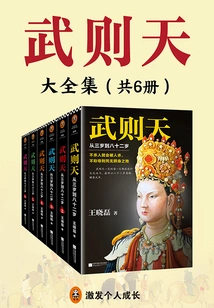
武则天大全集(共6册)
Wang Xiaolei
"The Complete Works of Wu Zetian (6 volumes in total)", a complete 6-part set. From three years old to eighty-two years old, everything is covered and every detail is covered! The only long biographical epic that covers Wu Zetian's complete life from the age of three to the age of eighty-two. In Wu Zetian's 82 years of life, she was on the verge of life and death every day, and she won every duel. Wu Zetian lived for 82 years. In the first 31 years, she was involved in a power struggle and fought for her life from a palace maid to the queen's throne. In the second 51 years, she caused a bloody storm and used the queen's dragon robe to ensure her own safety. In Wu Zetian's 82 years of life, she was on the verge of life and death every day, and she won every duel.
"The Complete Works of Wu Zetian (6 volumes in total)", a complete 6-part set. From three years old to eighty-two years old, everything is covered and every detail is covered! The only long biographical epic that covers Wu Zetian's complete life from the age of three to the age of eighty-two. In Wu Zetian's 82 years of life, she was on the verge of life and death every day, and she won every duel. Wu Zetian lived for 82 years. In the first 31 years, she was involved in a power struggle and fought for her life from a palace maid to the queen's throne. In the second 51 years, she caused a bloody storm and used the queen's dragon robe to ensure her own safety. In Wu Zetian's 82 years of life, she was on the verge of life and death every day, and she won every duel.
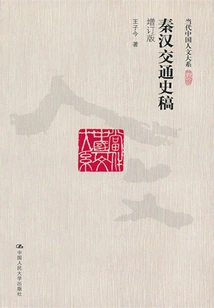
秦汉交通史稿(增订版)(当代中国人文大系)
Wang Zijin
The Qin and Han Dynasties were a historical stage when transportation development in ancient China achieved significant progress. The transportation construction of Qin and Han Dynasties had a very significant positive impact on the subsequent process of transportation history. Wang Zijin, the author of "Manuscript of the History of Transportation in Qin and Han Dynasties (Updated Edition)" summarizes the achievements of Qin and Han Dynasties in transportation road construction, Jinqiao, vehicle manufacturing, transportation power development, inland waterway shipping, offshore shipping and overseas transportation, shipbuilding industry, urban transportation and other aspects. It also discusses the traffic structure, warehouse system and main grain roads, industrial layout and transportation and marketing divisions, transportation industry, population migration and mobility, communication forms, and extraterritorial transportation in the main cultural areas of Qin and Han Dynasties. Transportation and the establishment of the Qin and Han polities, transportation and the operation of the Qin and Han economy, transportation and the development of Qin and Han culture are explained under the theme of "Transportation Historical Background of Qin and Han Civilizations". "The traffic psychology and traffic habits of the Qin and Han people" were also discussed as an object of historical and cultural investigation.
The Qin and Han Dynasties were a historical stage when transportation development in ancient China achieved significant progress. The transportation construction of Qin and Han Dynasties had a very significant positive impact on the subsequent process of transportation history. Wang Zijin, the author of "Manuscript of the History of Transportation in Qin and Han Dynasties (Updated Edition)" summarizes the achievements of Qin and Han Dynasties in transportation road construction, Jinqiao, vehicle manufacturing, transportation power development, inland waterway shipping, offshore shipping and overseas transportation, shipbuilding industry, urban transportation and other aspects. It also discusses the traffic structure, warehouse system and main grain roads, industrial layout and transportation and marketing divisions, transportation industry, population migration and mobility, communication forms, and extraterritorial transportation in the main cultural areas of Qin and Han Dynasties. Transportation and the establishment of the Qin and Han polities, transportation and the operation of the Qin and Han economy, transportation and the development of Qin and Han culture are explained under the theme of "Transportation Historical Background of Qin and Han Civilizations". "The traffic psychology and traffic habits of the Qin and Han people" were also discussed as an object of historical and cultural investigation.
其实我们一直活在春秋战国5
L
V
V
其实我们一直活在春秋战国4
L
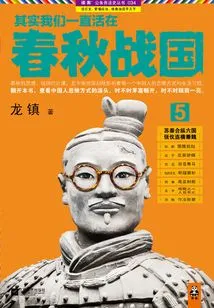
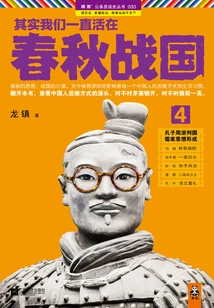
From 770 BC to 221 BC, during this period of 550 years, which later generations call the Spring and Autumn Period and the Warring States Period, unprecedented great figures and handed down classics emerged like a spurt: Confucius wrote "The Analects", Mencius wrote "Mencius", Laozi wrote "Tao Te Ching", Mozi wrote "Mozi", Sun Yat-sen University Zi wrote "The Art of War" by Sun Tzu, Gui Guzi wrote "Gui Guzi", Han Fei wrote "Han Feizi"... The contention of a hundred schools of thought laid the foundation of Chinese civilization, the Four Books and the Five Classics forged the values of later Chinese people, the Five Hegemons of the Spring and Autumn Period created a model of strategy, and the Seven Heroes of the Warring States Period constructed the framework of today's Chinese territory.
From 770 BC to 221 BC, during this period of 550 years, which later generations call the Spring and Autumn Period and the Warring States Period, unprecedented great figures and handed down classics emerged like a spurt: Confucius wrote "The Analects", Mencius wrote "Mencius", Laozi wrote "Tao Te Ching", Mozi wrote "Mozi", Sun Yat-sen University Zi wrote "The Art of War" by Sun Tzu, Gui Guzi wrote "Gui Guzi", Han Fei wrote "Han Feizi"... The contention of a hundred schools of thought laid the foundation of Chinese civilization, the Four Books and the Five Classics forged the values of later Chinese people, the Five Hegemons of the Spring and Autumn Period created a model of strategy, and the Seven Heroes of the Warring States Period constructed the framework of today's Chinese territory.
其实我们一直活在春秋战国2
L
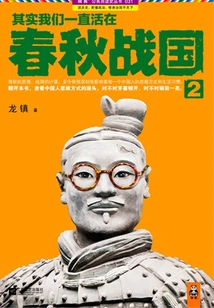
From 770 BC to 221 BC, during this period of 550 years, which later generations call the Spring and Autumn Period and the Warring States Period, those unprecedented great figures and handed down classics emerged like a spurt: Confucius wrote "The Analects", Mencius wrote "Mencius", Laozi wrote "Tao Te Ching", Mozi wrote "Mozi", Sun Tzu wrote "The Art of War", Gui Guzi wrote "Gui Guzi", Han Fei wrote "Han Feizi"... The contention of a hundred schools of thought laid the foundation of Chinese civilization, the Four Books and the Five Classics forged the values of later Chinese people, the Five Hegemons of the Spring and Autumn Period created a model of strategy, and the Seven Heroes of the Warring States Period constructed the framework of today's Chinese territory.
From 770 BC to 221 BC, during this period of 550 years, which later generations call the Spring and Autumn Period and the Warring States Period, those unprecedented great figures and handed down classics emerged like a spurt: Confucius wrote "The Analects", Mencius wrote "Mencius", Laozi wrote "Tao Te Ching", Mozi wrote "Mozi", Sun Tzu wrote "The Art of War", Gui Guzi wrote "Gui Guzi", Han Fei wrote "Han Feizi"... The contention of a hundred schools of thought laid the foundation of Chinese civilization, the Four Books and the Five Classics forged the values of later Chinese people, the Five Hegemons of the Spring and Autumn Period created a model of strategy, and the Seven Heroes of the Warring States Period constructed the framework of today's Chinese territory.
中国历史的里儿和面儿
Zhang Cheng
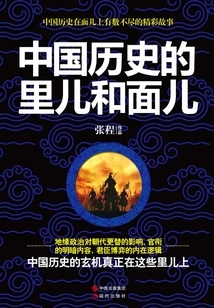
There are countless wonderful stories in Chinese history, which provide great inspiration to people today. The entrepreneurial wisdom narrated by Xiong Zhuangshan, the rules of survival in the workplace reflected in the way of being a minister, the nobility of human nature reflected in the face of morality and interests... The wisdom that people can learn from history is endless. If you are familiar with the above content, you can be called a history "enthusiast", but if you want to achieve the gorgeous upgrade of a "quasi-expert", you must also understand the "understanding" of Chinese history. For example, what kind of strategic significance does the southwest region often have in the confrontation between the north and the south of China? Why are China's "official positions" and "power" often unequal? Why has the controversial imperial examination system become the main means of selecting officials in China for more than a thousand years, and what positive role does it play in the achievements of Chinese civilization? These are contents that are not easy to see or understand from other books, but they have always played a decisive role in the regular trend of Chinese history.
There are countless wonderful stories in Chinese history, which provide great inspiration to people today. The entrepreneurial wisdom narrated by Xiong Zhuangshan, the rules of survival in the workplace reflected in the way of being a minister, the nobility of human nature reflected in the face of morality and interests... The wisdom that people can learn from history is endless. If you are familiar with the above content, you can be called a history "enthusiast", but if you want to achieve the gorgeous upgrade of a "quasi-expert", you must also understand the "understanding" of Chinese history. For example, what kind of strategic significance does the southwest region often have in the confrontation between the north and the south of China? Why are China's "official positions" and "power" often unequal? Why has the controversial imperial examination system become the main means of selecting officials in China for more than a thousand years, and what positive role does it play in the achievements of Chinese civilization? These are contents that are not easy to see or understand from other books, but they have always played a decisive role in the regular trend of Chinese history.
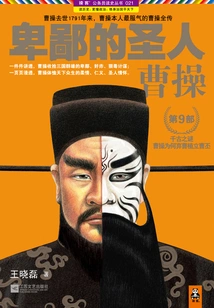
卑鄙的圣人:曹操(第9部)
Wang Xiaolei
The traitors and loyalists in history are all similar, only Cao Cao is very different! Cao Cao's schemes and cunning often make his opponents dizzy and confused, and his despicableness often breaks the moral bottom line. However, he is a saint who cares about the world and cares for all living beings; he is also a tender and talented poet; in the end, he is still an ordinary man who is sensitive, has low self-esteem, and is lonely at heart.
The traitors and loyalists in history are all similar, only Cao Cao is very different! Cao Cao's schemes and cunning often make his opponents dizzy and confused, and his despicableness often breaks the moral bottom line. However, he is a saint who cares about the world and cares for all living beings; he is also a tender and talented poet; in the end, he is still an ordinary man who is sensitive, has low self-esteem, and is lonely at heart.
正说大汉廿二帝
Compiled By Liu Yaling
This book inherits historical knowledge and improves cultural literacy. Only by taking history as a mirror and reading life can we understand the gains and losses.
This book inherits historical knowledge and improves cultural literacy. Only by taking history as a mirror and reading life can we understand the gains and losses.
正说大明十六帝
Compiled By Liu Yaling
Inherit historical knowledge and improve cultural literacy. Only by taking history as a mirror and reading life can we understand the gains and losses. The Ming Dynasty (1368-1644) was a feudal dynasty established on the land of China after the Yuan Dynasty. It was also the reconstruction and development of the Han landlord regime. The establishment of the Ming Dynasty improved the status of the Han people, allowing the Han people, who accounted for the majority of the population, to return to the status of civilians, creating favorable conditions for China's further development. In August 1368 AD, the rebel army led by Zhu Yuanzhang captured the capital of the Yuan Dynasty (today's Beijing), announcing the demise of the Yuan Dynasty, establishing the Ming Dynasty, and ushering in the 276-year history of the Zhu family's rule. The Ming Dynasty was the only dynasty in Chinese history that used the southern army to defeat the northern nomads and unified the world from south to north.
Inherit historical knowledge and improve cultural literacy. Only by taking history as a mirror and reading life can we understand the gains and losses. The Ming Dynasty (1368-1644) was a feudal dynasty established on the land of China after the Yuan Dynasty. It was also the reconstruction and development of the Han landlord regime. The establishment of the Ming Dynasty improved the status of the Han people, allowing the Han people, who accounted for the majority of the population, to return to the status of civilians, creating favorable conditions for China's further development. In August 1368 AD, the rebel army led by Zhu Yuanzhang captured the capital of the Yuan Dynasty (today's Beijing), announcing the demise of the Yuan Dynasty, establishing the Ming Dynasty, and ushering in the 276-year history of the Zhu family's rule. The Ming Dynasty was the only dynasty in Chinese history that used the southern army to defeat the northern nomads and unified the world from south to north.
正说大清十二帝
Compiled By Liu Yaling
Inherit historical knowledge and improve cultural literacy. Only by taking history as a mirror and reading life can we understand the gains and losses. This is a portrait of the emperors of the Qing Dynasty. By telling the life experiences of the emperors of the Qing Dynasty, it shows the rise, prosperity, decline and fall of the Qing Dynasty. From the entry of the Qing Dynasty to the end of the dynasty, it lasted nearly three hundred years. From the founding of the country by Nurhachi, to the prosperous times of Kangxi, Yongzheng and Qianlong, Tongzhi and Guangxu's reform and revival, and then the decline and decline in the later period, all revealed the inseparable relationship between the rise and fall of a country and the choice of emperor.
Inherit historical knowledge and improve cultural literacy. Only by taking history as a mirror and reading life can we understand the gains and losses. This is a portrait of the emperors of the Qing Dynasty. By telling the life experiences of the emperors of the Qing Dynasty, it shows the rise, prosperity, decline and fall of the Qing Dynasty. From the entry of the Qing Dynasty to the end of the dynasty, it lasted nearly three hundred years. From the founding of the country by Nurhachi, to the prosperous times of Kangxi, Yongzheng and Qianlong, Tongzhi and Guangxu's reform and revival, and then the decline and decline in the later period, all revealed the inseparable relationship between the rise and fall of a country and the choice of emperor.
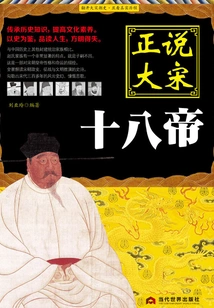
正说大宋十八帝
Compiled By Liu Yaling
Inherit historical knowledge and improve cultural literacy. Only by taking history as a mirror and reading life can we understand the gains and losses. The Song Dynasty (960-1279) was a special dynasty in Chinese history.
Inherit historical knowledge and improve cultural literacy. Only by taking history as a mirror and reading life can we understand the gains and losses. The Song Dynasty (960-1279) was a special dynasty in Chinese history.