Library
Browse and search books
2,823 novels found
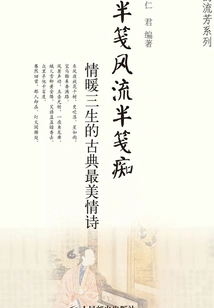
半笺风流半笺痴:情暖三生的古典最美情诗
Compiled By Renjun
When a poet encounters love, there is the most beautiful language in the world, and that is love poetry! "Half Notes are Romantic and Half Notes Are Infatuated - The Most Beautiful Classical Love Poems of Love and Warmth for Three Lives" selects ancient Chinese love poems and uses poetic language to interpret these love poems from six aspects: encounter, lovesickness, staying together, parting, abandonment, and memorial. In the process of reading and analyzing, the author unearthed the love stories of the poets behind the poems and presented the writing background of the poems. "Half Notes are Romantic and Half Notes Are Infatuated - The Most Beautiful Classical Love Poems of Warm Love for Three Lifetimes" is highly readable. "Half Notes are Romantic and Half Notes Are Infatuated - The Most Beautiful Classical Love Poems of Warm Love for Three Lives" is suitable for reading by literature lovers, history lovers and readers who are interested in poetry.
When a poet encounters love, there is the most beautiful language in the world, and that is love poetry! "Half Notes are Romantic and Half Notes Are Infatuated - The Most Beautiful Classical Love Poems of Love and Warmth for Three Lives" selects ancient Chinese love poems and uses poetic language to interpret these love poems from six aspects: encounter, lovesickness, staying together, parting, abandonment, and memorial. In the process of reading and analyzing, the author unearthed the love stories of the poets behind the poems and presented the writing background of the poems. "Half Notes are Romantic and Half Notes Are Infatuated - The Most Beautiful Classical Love Poems of Warm Love for Three Lifetimes" is highly readable. "Half Notes are Romantic and Half Notes Are Infatuated - The Most Beautiful Classical Love Poems of Warm Love for Three Lives" is suitable for reading by literature lovers, history lovers and readers who are interested in poetry.
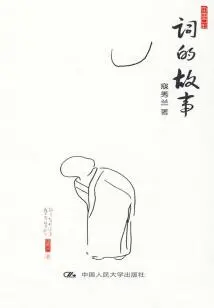
词的故事(中国古韵)
Kou Xiulan
"The Story of Ci" may be an opportunity for you to learn more about poetry, recite more famous poems, and cultivate yourself; it may also enable you to try to write out the love and sadness in your heart like a poet. "The Story of Ci" may allow you to understand a period of history, and see an individual's life trajectory and destiny from the long history; it may also give you different inspirations and guidance. At least it allows you to appreciate a poetic life, and perhaps you will pursue a poetic life and poetry in life throughout your life.
"The Story of Ci" may be an opportunity for you to learn more about poetry, recite more famous poems, and cultivate yourself; it may also enable you to try to write out the love and sadness in your heart like a poet. "The Story of Ci" may allow you to understand a period of history, and see an individual's life trajectory and destiny from the long history; it may also give you different inspirations and guidance. At least it allows you to appreciate a poetic life, and perhaps you will pursue a poetic life and poetry in life throughout your life.
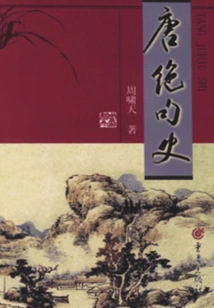
History of Tang Quatrains
Literature唐绝句史
Zhou Xiaotian
Zhou Xiaotian's "History of Tang Quatrains" is a partial chronological history and the first monograph on the history of Tang Dynasty quatrains in mainland China. It is a historical narrative about Tang quatrains, and at the same time it is a comprehensive study of the art of Chinese quatrains; it is both a literary history and an experiment in historical methodology. It not only uses Tang quatrains as material to write history, but also uses history as a means to study Tang quatrains. Quatrains are the shortest form of traditional Chinese poetry. Jin Shengtan analyzed Tang Dynasty rhymed poetry and regarded a rhymed poem as consisting of two quatrains. Xizhou Qu among the Five Ancients and Sijie Style among the Seven Ancients can also be regarded as composed of several quatrains. As for one of the sources of word style is quatrain, this is also an indisputable fact.
Zhou Xiaotian's "History of Tang Quatrains" is a partial chronological history and the first monograph on the history of Tang Dynasty quatrains in mainland China. It is a historical narrative about Tang quatrains, and at the same time it is a comprehensive study of the art of Chinese quatrains; it is both a literary history and an experiment in historical methodology. It not only uses Tang quatrains as material to write history, but also uses history as a means to study Tang quatrains. Quatrains are the shortest form of traditional Chinese poetry. Jin Shengtan analyzed Tang Dynasty rhymed poetry and regarded a rhymed poem as consisting of two quatrains. Xizhou Qu among the Five Ancients and Sijie Style among the Seven Ancients can also be regarded as composed of several quatrains. As for one of the sources of word style is quatrain, this is also an indisputable fact.
Yaji
Literature雅集
Chen Zishan
Mr. Chen Zishan's latest collection of essays. This book covers important modern writers and schools such as Lu Xun, Zhou Zuoren, the Crescent School, Zhang Ailing, Qian Zhongshu, and Yu Dafu. In Chen Zishan's research and writing, celebrities and people are no longer just people in the cold pile of old papers, but their style and taste are vividly displayed on the page. The research done by Mr. Chen Zishan is to gradually trace the appearance of the writer and his works, restore the true history, and at the same time turn it into a fun experience.
Mr. Chen Zishan's latest collection of essays. This book covers important modern writers and schools such as Lu Xun, Zhou Zuoren, the Crescent School, Zhang Ailing, Qian Zhongshu, and Yu Dafu. In Chen Zishan's research and writing, celebrities and people are no longer just people in the cold pile of old papers, but their style and taste are vividly displayed on the page. The research done by Mr. Chen Zishan is to gradually trace the appearance of the writer and his works, restore the true history, and at the same time turn it into a fun experience.
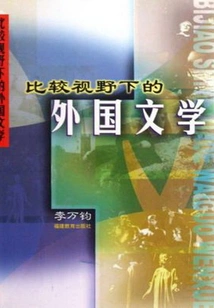
比较视野下的外国文学
Li Wanjun
This book is a textbook for online teaching at the School of Liberal Arts of Fujian Normal University. The book includes the works of more than 40 writers and various important literary types from ancient times to medieval times. When making comparisons, there are both influential studies and parallel studies; there are both my own theories and those of ancient Chinese. The book also comes with more than 400 review questions and answers for readers' review reference.
This book is a textbook for online teaching at the School of Liberal Arts of Fujian Normal University. The book includes the works of more than 40 writers and various important literary types from ancient times to medieval times. When making comparisons, there are both influential studies and parallel studies; there are both my own theories and those of ancient Chinese. The book also comes with more than 400 review questions and answers for readers' review reference.
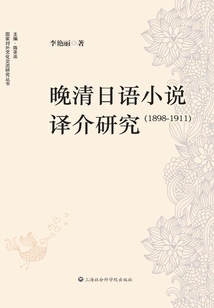
Research on the Translation and Introduction of Japanese Novels in the Late Qing Dynasty: 1898~1911
Literature晚清日语小说译介研究:1898~1911
Li Yanli
Novels developed in the late Qing Dynasty. Among them, "Japanese novels" not only brought Japanese novels to China, but also introduced many works from other countries that had been translated into Japanese, which had a considerable impact on the development of modern Chinese literature and social culture. "Research on the Translation and Introduction of Japanese Novels in the Late Qing Dynasty (1898-1911)" edited by Li Yanli focuses on the period from 1898 to 1911, making a preliminary discussion on the translated novels in the late Qing Dynasty. This article sorted out the bibliography of Japanese novels, supplemented them with Japanese information, analyzed novel patterns, authors, translators, and literary and artistic trends, and re-examined late Qing novels from the perspective of "looking at China from its periphery".
Novels developed in the late Qing Dynasty. Among them, "Japanese novels" not only brought Japanese novels to China, but also introduced many works from other countries that had been translated into Japanese, which had a considerable impact on the development of modern Chinese literature and social culture. "Research on the Translation and Introduction of Japanese Novels in the Late Qing Dynasty (1898-1911)" edited by Li Yanli focuses on the period from 1898 to 1911, making a preliminary discussion on the translated novels in the late Qing Dynasty. This article sorted out the bibliography of Japanese novels, supplemented them with Japanese information, analyzed novel patterns, authors, translators, and literary and artistic trends, and re-examined late Qing novels from the perspective of "looking at China from its periphery".
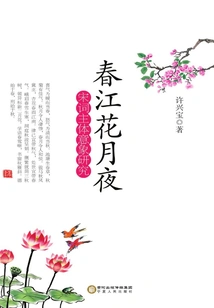
春江花月夜:宋词主体意象研究
Xu Xingbao
This book takes the main image of Song poetry as a research topic. Through the "spring image", "river image", "flower image", "moon image" and "night image" in Song poetry, it shows us a world of Song poetry with meaningful connotations and rich imagery. It is worth noting that the book uses subject discourse vocabulary such as main image, big image, small image, construction, and absorption, which is rare in the field of Song poetry research. Every new discourse used by the author in the book has its own specific meaning. Readers will definitely understand its essence while reading, and will definitely recognize it after getting used to the research ideas of this topic.
This book takes the main image of Song poetry as a research topic. Through the "spring image", "river image", "flower image", "moon image" and "night image" in Song poetry, it shows us a world of Song poetry with meaningful connotations and rich imagery. It is worth noting that the book uses subject discourse vocabulary such as main image, big image, small image, construction, and absorption, which is rare in the field of Song poetry research. Every new discourse used by the author in the book has its own specific meaning. Readers will definitely understand its essence while reading, and will definitely recognize it after getting used to the research ideas of this topic.
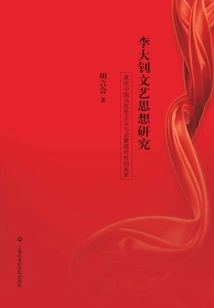
李大钊文艺思想研究:兼论中国马克思主义与启蒙现代性的关系
Nonsense Club
Based on the complex relationship between enlightenment modernity, traditional Chinese culture and early Chinese Marxism, this book restores the intersection, collision and distillation process of multiple cultures, and studies the internal logic of Li Dazhao's construction of early Chinese Marxist literary theory in the dual narrative of modernity knowledge and ethics. It focuses on Li Dazhao's theory of multicultural harmony, the "scientific nature" of Marxism, literary ideology, civilian literature, literary humanism, the relationship between enlightenment and national salvation, etc. On this basis, we explore the basic points and paths of mutual penetration, mutual construction and transcendence between Chinese Marxism and Enlightenment modernity, and put forward our own innovative insights.
Based on the complex relationship between enlightenment modernity, traditional Chinese culture and early Chinese Marxism, this book restores the intersection, collision and distillation process of multiple cultures, and studies the internal logic of Li Dazhao's construction of early Chinese Marxist literary theory in the dual narrative of modernity knowledge and ethics. It focuses on Li Dazhao's theory of multicultural harmony, the "scientific nature" of Marxism, literary ideology, civilian literature, literary humanism, the relationship between enlightenment and national salvation, etc. On this basis, we explore the basic points and paths of mutual penetration, mutual construction and transcendence between Chinese Marxism and Enlightenment modernity, and put forward our own innovative insights.
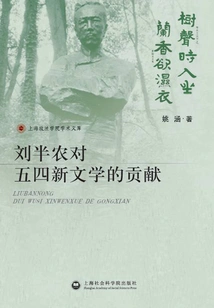
刘半农对五四新文学的贡献
Yao Han
This book mainly studies the relationship between Liu Bannong and the May Fourth New Literature, and explores the unique value and significance of Liu Bannong in modern Chinese literature through the interconnection between popular literature, folk culture and literature, and the May Fourth New Literature. It strives to provide a more meaningful interpretation of Liu Bannong's literary creation and activities from the standpoint of local culture and literature. Then, we can more comprehensively understand the composition of the May Fourth New Literature tradition and explain the deep connection between the May Fourth New Literature and local culture.
This book mainly studies the relationship between Liu Bannong and the May Fourth New Literature, and explores the unique value and significance of Liu Bannong in modern Chinese literature through the interconnection between popular literature, folk culture and literature, and the May Fourth New Literature. It strives to provide a more meaningful interpretation of Liu Bannong's literary creation and activities from the standpoint of local culture and literature. Then, we can more comprehensively understand the composition of the May Fourth New Literature tradition and explain the deep connection between the May Fourth New Literature and local culture.
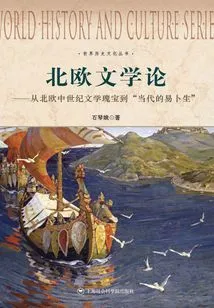
北欧文学论:从北欧中世纪文学瑰宝到“当代的易卜生”
Shi Qin'e
This book embodies the research results of Shi Qin'e, a famous expert in Nordic literature, over the past 30 years, covering various aspects of research on Nordic epic mythology, famous Nordic writers and Nobel Prize winners, and the role of Nordic literature in social development. ?
This book embodies the research results of Shi Qin'e, a famous expert in Nordic literature, over the past 30 years, covering various aspects of research on Nordic epic mythology, famous Nordic writers and Nobel Prize winners, and the role of Nordic literature in social development. ?
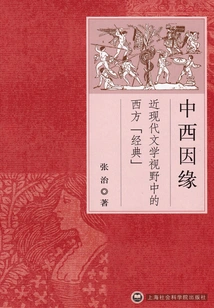
中西因缘:近现代文学视野中的西方“经典”
Zhang Zhi
"The Origin of Chinese and Western Literature", written by Zhang Zhi, examines the foreign literary works translated and published in Chinese from the late Qing Dynasty to the Republic of China, as well as the comments, research and other activities carried out on these works, and the resulting impact on modern literature. Try to avoid empty and grand narratives of literary history, and select classic cases one by one to conduct research. It not only provides a detailed introduction to the literary translation and writing activities of this period, but also incorporates personal unique insights. "The Destiny between China and the West" was funded by the third Wenhui·Peng Xinchao Excellent Book Publishing Fund.
"The Origin of Chinese and Western Literature", written by Zhang Zhi, examines the foreign literary works translated and published in Chinese from the late Qing Dynasty to the Republic of China, as well as the comments, research and other activities carried out on these works, and the resulting impact on modern literature. Try to avoid empty and grand narratives of literary history, and select classic cases one by one to conduct research. It not only provides a detailed introduction to the literary translation and writing activities of this period, but also incorporates personal unique insights. "The Destiny between China and the West" was funded by the third Wenhui·Peng Xinchao Excellent Book Publishing Fund.
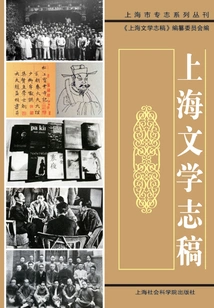
Shanghai Literature Magazine
Literature上海文学志稿
"shanghai Literature Magazine" Editorial Committee Zhu Wenhua Xu Daoming
"Shanghai Special Journal Series: Shanghai Literature Chronicle Manuscript" records a time limit. The upper limit traces the origin of literature in Shanghai, and the lower limit is October 1, 1949. It mainly records Shanghai's ancient, modern and contemporary literature. "Shanghai Special Journal Series: Shanghai Literary Chronicles" mainly describes literary creations, literary schools, literary trends of thought, literary events, literary theories, foreign literature translations, literary societies, literary newspapers, literary publishing organizations, literary figures, etc. That occurred in history or occurred in today's Shanghai area. Works by writers who have lived in Shanghai for a long time, works by foreign writers published in Shanghai, and works published by writers in Shanghai are also included.
"Shanghai Special Journal Series: Shanghai Literature Chronicle Manuscript" records a time limit. The upper limit traces the origin of literature in Shanghai, and the lower limit is October 1, 1949. It mainly records Shanghai's ancient, modern and contemporary literature. "Shanghai Special Journal Series: Shanghai Literary Chronicles" mainly describes literary creations, literary schools, literary trends of thought, literary events, literary theories, foreign literature translations, literary societies, literary newspapers, literary publishing organizations, literary figures, etc. That occurred in history or occurred in today's Shanghai area. Works by writers who have lived in Shanghai for a long time, works by foreign writers published in Shanghai, and works published by writers in Shanghai are also included.
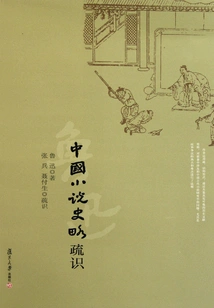
中国小说史略疏识
Lu Xun
This thesis carefully combs and studies Lu Xun's "A Brief History of Chinese Novels", which is well-known in the academic circles and has great influence on the history of ancient Chinese novels.
This thesis carefully combs and studies Lu Xun's "A Brief History of Chinese Novels", which is well-known in the academic circles and has great influence on the history of ancient Chinese novels.
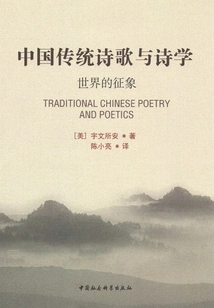
中国传统诗歌与诗学:世界的征象
L
"Traditional Chinese Poetry and Poetics (Symbols of the World)" is the first non-systematic poetry theory masterpiece written by the famous American sinologist Yuwen Suoan after ten years of research on the literary history of "Poetry of the Early Tang" and "Poetry of the Prosperous Tang". Although the original book was published earlier, many of the literary concepts he later developed can still be seen in it. In "Traditional Chinese Poetry and Poetics (Symbols of the World)", Yuwen Suo'an put forward the important proposition of China's "non-fiction" poetic tradition and made a comprehensive analysis and discussion. To paraphrase Feronosa's discovery that Chinese characters are the ideal language of poetry, it can be said that Yu Wensuo'an discovered that Chinese poetry in the tradition of non-fiction poetry is ideal poetry, which comes from the diversity of nature and is a subversion of poetry in the Western literary tradition as the second nature created by divine poets. To read Chinese poetry, one must give up the concept of analyzing poetry as a language structure, and instead dwell in the context of contemporary poetry and listen to the true voice.
"Traditional Chinese Poetry and Poetics (Symbols of the World)" is the first non-systematic poetry theory masterpiece written by the famous American sinologist Yuwen Suoan after ten years of research on the literary history of "Poetry of the Early Tang" and "Poetry of the Prosperous Tang". Although the original book was published earlier, many of the literary concepts he later developed can still be seen in it. In "Traditional Chinese Poetry and Poetics (Symbols of the World)", Yuwen Suo'an put forward the important proposition of China's "non-fiction" poetic tradition and made a comprehensive analysis and discussion. To paraphrase Feronosa's discovery that Chinese characters are the ideal language of poetry, it can be said that Yu Wensuo'an discovered that Chinese poetry in the tradition of non-fiction poetry is ideal poetry, which comes from the diversity of nature and is a subversion of poetry in the Western literary tradition as the second nature created by divine poets. To read Chinese poetry, one must give up the concept of analyzing poetry as a language structure, and instead dwell in the context of contemporary poetry and listen to the true voice.
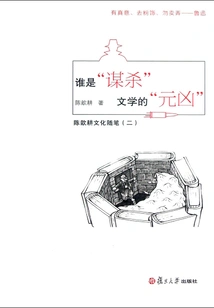
谁是“谋杀”文学的“元凶”
Chen Xingeng
This book is the author's second collection of essays on literature and cultural criticism after "Collection of Kuaiyu". These words have recently been published in the "Xinmin Evening News" "Night-Light Cup" supplement, "Yangcheng Evening News", "Humanities Weekly" and other newspapers and periodicals. His writing style still continues the characteristics of "Collection of Kuaiyu", "quick words, quick words, full of joy". The text is concise and short, directly addresses the current problems, is sharp and vivid, and is a rare criticism in the literary world.
This book is the author's second collection of essays on literature and cultural criticism after "Collection of Kuaiyu". These words have recently been published in the "Xinmin Evening News" "Night-Light Cup" supplement, "Yangcheng Evening News", "Humanities Weekly" and other newspapers and periodicals. His writing style still continues the characteristics of "Collection of Kuaiyu", "quick words, quick words, full of joy". The text is concise and short, directly addresses the current problems, is sharp and vivid, and is a rare criticism in the literary world.
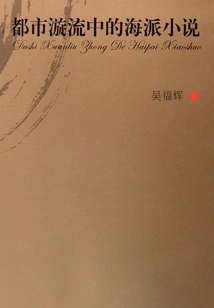
都市漩流中的海派小说
Wu Fuhui
This book is an important theoretical work on the study of Shanghai-style literature, and provides a classic summary of the literary characteristics of Shanghai-style literature.
This book is an important theoretical work on the study of Shanghai-style literature, and provides a classic summary of the literary characteristics of Shanghai-style literature.
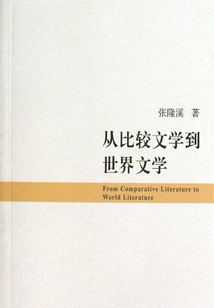
从比较文学到世界文学
Zhang Longxi
This book contains a total of 18 articles, which not only discuss literature, but also extensively cover various fields of humanities such as philosophy, history, religion, etc., And explore the comparative research issues of Chinese and Western literature and culture on a broader background. The author has been engaged in comparative research between China and the West, and this collection of essays is part of his research results over the past thirty years.
This book contains a total of 18 articles, which not only discuss literature, but also extensively cover various fields of humanities such as philosophy, history, religion, etc., And explore the comparative research issues of Chinese and Western literature and culture on a broader background. The author has been engaged in comparative research between China and the West, and this collection of essays is part of his research results over the past thirty years.
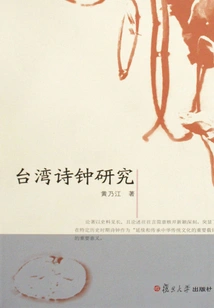
Research on Taiwanese Poetry Bells
Literature台湾诗钟研究
Huang Naijiang
This book is a theoretical monograph focusing on the study of Taiwanese poetry. Chapters include an overview of Taiwanese poetry, the theory and genre of Taiwanese poetry, essays on Taiwanese poetry and its historical status. The writing is fluent, the information is rich, and it is self-contained.
This book is a theoretical monograph focusing on the study of Taiwanese poetry. Chapters include an overview of Taiwanese poetry, the theory and genre of Taiwanese poetry, essays on Taiwanese poetry and its historical status. The writing is fluent, the information is rich, and it is self-contained.
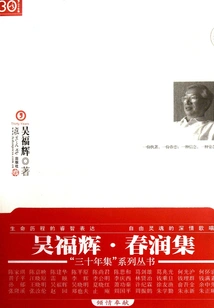
Chunrunji
Literature春润集
Wu Fuhui
This book contains the author's representative articles from different periods, recording some of the author's mental journey in ideological and academic work since 1978, as well as his concern and thinking about cultural trends of thought and social issues. The articles are mainly reviews of modern and contemporary Chinese literature.
This book contains the author's representative articles from different periods, recording some of the author's mental journey in ideological and academic work since 1978, as well as his concern and thinking about cultural trends of thought and social issues. The articles are mainly reviews of modern and contemporary Chinese literature.
岭南古代小说史(广州大学·广府文化系列)
Geng Shuyan
The book is divided into eight chapters. Chapters 1 to 7 are in chronological order from the beginning of Lingnan novels in the Han and Tang dynasties to the maturity and perfection of Lingnan novels in the Qing Dynasty. They introduce in detail their gradual development process, including their background, representative works, and the characteristics of the works at that time. Typical novels in each period are analyzed in detail, from content to writing methods, so that the development process of Lingnan novels is fully presented. Chapter 8 generally introduces the characteristics of Lingnan novels and their artistic contributions.
The book is divided into eight chapters. Chapters 1 to 7 are in chronological order from the beginning of Lingnan novels in the Han and Tang dynasties to the maturity and perfection of Lingnan novels in the Qing Dynasty. They introduce in detail their gradual development process, including their background, representative works, and the characteristics of the works at that time. Typical novels in each period are analyzed in detail, from content to writing methods, so that the development process of Lingnan novels is fully presented. Chapter 8 generally introduces the characteristics of Lingnan novels and their artistic contributions.
端木蕻良小说创作与中国文学传统
Ma Hongbai
The main part of this book selects several important connection points between Duanmu's novel creation and Chinese literary tradition to carry out specific investigation and analysis. First of all, we focus on the spiritual connection between the two, and explore the connection between the strong sense of worry, earth feelings, patriotic character and the patriotism tradition of Chinese literature in Duanmu's novels; then we examine the connection between the novel as a unique narrative art and the literary tradition of Chinese historical biography, and its innovation in narrative mode; then we explore the connection between the blend of "emotion" and "ambition", the lyrical imagery of Duanmu's novels, and the lyrical tradition of Chinese literature. On the basis of macro comparison, Duanmu novels are selected for counterpoint comparison with some classic texts in the two major literary traditions of ancient and modern China, and the characteristics of the connection between the two are discussed in detail.
The main part of this book selects several important connection points between Duanmu's novel creation and Chinese literary tradition to carry out specific investigation and analysis. First of all, we focus on the spiritual connection between the two, and explore the connection between the strong sense of worry, earth feelings, patriotic character and the patriotism tradition of Chinese literature in Duanmu's novels; then we examine the connection between the novel as a unique narrative art and the literary tradition of Chinese historical biography, and its innovation in narrative mode; then we explore the connection between the blend of "emotion" and "ambition", the lyrical imagery of Duanmu's novels, and the lyrical tradition of Chinese literature. On the basis of macro comparison, Duanmu novels are selected for counterpoint comparison with some classic texts in the two major literary traditions of ancient and modern China, and the characteristics of the connection between the two are discussed in detail.
“底层文学”在中国与韩国
Yuan Yingyi
Compared with ancient times, the histories of China and Korea have overlapped more closely in modern times. From politics, economy to culture, South Korea's modernization experience has a lot to learn from China. The book ""Underclass Literature" in China and South Korea" written by Dr. Yuan Yingyi explores China's "underclass literature" and South Korea's "popular literature" from the perspective of comparative literature, and presents the common and different experiences, reactions and mental processes of China and South Korea's modernization.
Compared with ancient times, the histories of China and Korea have overlapped more closely in modern times. From politics, economy to culture, South Korea's modernization experience has a lot to learn from China. The book ""Underclass Literature" in China and South Korea" written by Dr. Yuan Yingyi explores China's "underclass literature" and South Korea's "popular literature" from the perspective of comparative literature, and presents the common and different experiences, reactions and mental processes of China and South Korea's modernization.
Ma Ruifang Talks About Liaozhai
Literature马瑞芳说聊斋
Ma Ruifang
While telling fascinating stories one after another, Pu Songling uses the protagonist's special life to tell readers how people survive in a turbulent society. How do people develop under difficult circumstances? How to face adversity in life and survive after death? How to maximize your potential in life? How to become a successful person? How to get rich? How to deal with the three eternal life problems of "love", "wealth" and "status"? The life experiences, joys and sorrows, joys and sorrows of the characters in Liaozhai can still inspire and draw lessons from modern people.
While telling fascinating stories one after another, Pu Songling uses the protagonist's special life to tell readers how people survive in a turbulent society. How do people develop under difficult circumstances? How to face adversity in life and survive after death? How to maximize your potential in life? How to become a successful person? How to get rich? How to deal with the three eternal life problems of "love", "wealth" and "status"? The life experiences, joys and sorrows, joys and sorrows of the characters in Liaozhai can still inspire and draw lessons from modern people.
History of Modern Thai Literature
Literature泰国现代文学史
Luan Wenhua
This book systematically introduces the development of Thailand's modern literature, modern literature and contemporary literature, as well as its main writers and important works. It enriches the accumulation of information in the field of foreign literature and is of considerable reference value for understanding the development of Thai literature. It also describes the status of Thai Chinese literature, new poetry and domestic literary research. I believe that interested readers can comprehensively understand the modern literary trajectory of Thailand, a close neighbor with a long history with China, through this book. Another distinctive feature of this book is the detailed and detailed introduction and analysis of important modern Thai writers and representative works, so it can also be used as a teaching material for related majors.
This book systematically introduces the development of Thailand's modern literature, modern literature and contemporary literature, as well as its main writers and important works. It enriches the accumulation of information in the field of foreign literature and is of considerable reference value for understanding the development of Thai literature. It also describes the status of Thai Chinese literature, new poetry and domestic literary research. I believe that interested readers can comprehensively understand the modern literary trajectory of Thailand, a close neighbor with a long history with China, through this book. Another distinctive feature of this book is the detailed and detailed introduction and analysis of important modern Thai writers and representative works, so it can also be used as a teaching material for related majors.
Manchu Novels and Chinese Culture
Literature满族小说与中华文化
Guan Jixin
This book considers the overall achievements of Manchu novel creation in connection with the changes in national culture in Manchu history, and explores it in connection with the fact that the Manchus once generally accepted the Han culture in the Central Plains while paying attention to maintaining their own aesthetic characteristics. It is the first time in academic history to completely sort out the overall achievements of Manchu novels. This book aims to show the "similarities" and "differences" between Manchu novels and Han novels; it not only identifies the important influence of Han culture on Manchu novel creation, but also clearly sees the aesthetic differences between Manchu novel creation and Han culture in the Central Plains, thereby explaining the multiple values that Manchu novel creation gives back to Chinese culture.
This book considers the overall achievements of Manchu novel creation in connection with the changes in national culture in Manchu history, and explores it in connection with the fact that the Manchus once generally accepted the Han culture in the Central Plains while paying attention to maintaining their own aesthetic characteristics. It is the first time in academic history to completely sort out the overall achievements of Manchu novels. This book aims to show the "similarities" and "differences" between Manchu novels and Han novels; it not only identifies the important influence of Han culture on Manchu novel creation, but also clearly sees the aesthetic differences between Manchu novel creation and Han culture in the Central Plains, thereby explaining the multiple values that Manchu novel creation gives back to Chinese culture.
抗战文学与正面战场
Zhang Zhongliang
"Anti-Japanese War Literature and Frontal Battlefield", based on consulting a large number of first-hand literature and conducting a large number of field investigations, demonstrates the objectivity, richness and importance of frontal battlefield literature from both macro and micro aspects. The book's perspective is unique, its topic selection is novel, and it cites materials that have hardly been covered in previous modern literary studies.
"Anti-Japanese War Literature and Frontal Battlefield", based on consulting a large number of first-hand literature and conducting a large number of field investigations, demonstrates the objectivity, richness and importance of frontal battlefield literature from both macro and micro aspects. The book's perspective is unique, its topic selection is novel, and it cites materials that have hardly been covered in previous modern literary studies.
文之舞:网络文学与互文性研究
Chen Dingjia
This book is a treatise on Internet literature from the perspective of intertextuality. The topics of the book have a clear sense of cutting-edge, and the research methods have a conscious sense of innovation. It is a truth-seeking and pragmatic work worthy of attention.
This book is a treatise on Internet literature from the perspective of intertextuality. The topics of the book have a clear sense of cutting-edge, and the research methods have a conscious sense of innovation. It is a truth-seeking and pragmatic work worthy of attention.
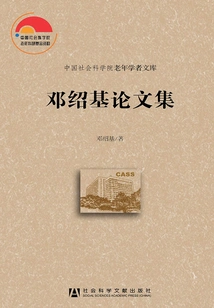
Collected Papers of Deng Shaoji
Literature邓绍基论文集
Deng Shaoji
This book collects important research papers published by Mr. Deng Shaoji over the past decades, mainly including research and review articles on ancient Chinese literature. Some of these articles, such as "Some Issues Concerning the Inheritance of Literary Heritage since the Founding of the People's Republic of China", "The May Fourth Literary Revolution and Literary Tradition" and "Adhere to the Principles of Marxism-Leninism and Mao Zedong Thought, Improve the Research Level of Ancient Literature", etc., Have had great influence in different periods and in different aspects. There are also some articles that put forward unique insights in the study of literary history or in the review and revision of writers' works. They are the results of the author's years of painstaking research, and are valued by the academic community, which is extremely precious.
This book collects important research papers published by Mr. Deng Shaoji over the past decades, mainly including research and review articles on ancient Chinese literature. Some of these articles, such as "Some Issues Concerning the Inheritance of Literary Heritage since the Founding of the People's Republic of China", "The May Fourth Literary Revolution and Literary Tradition" and "Adhere to the Principles of Marxism-Leninism and Mao Zedong Thought, Improve the Research Level of Ancient Literature", etc., Have had great influence in different periods and in different aspects. There are also some articles that put forward unique insights in the study of literary history or in the review and revision of writers' works. They are the results of the author's years of painstaking research, and are valued by the academic community, which is extremely precious.
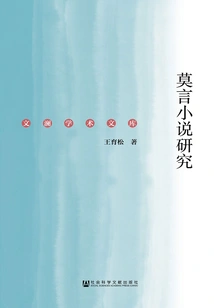
Research on Mo Yan's Novels
Literature莫言小说研究
Wang Yusong
This book studies Mo Yan's novels from seven aspects: the world of Mo Yan's novels, Mo Yan's literary concepts, the narrative perspective of Mo Yan's novels, the body writing in Mo Yan's novels, Mo Yan's novels and literary modernity, the comparative study of Mo Yan's novels, and the literary history evaluation of Mo Yan's novels, and puts forward his own insights and opinions.
This book studies Mo Yan's novels from seven aspects: the world of Mo Yan's novels, Mo Yan's literary concepts, the narrative perspective of Mo Yan's novels, the body writing in Mo Yan's novels, Mo Yan's novels and literary modernity, the comparative study of Mo Yan's novels, and the literary history evaluation of Mo Yan's novels, and puts forward his own insights and opinions.
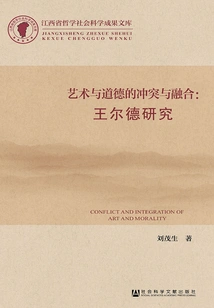
艺术与道德的冲突与融合:王尔德研究
Liu Maosheng
This book mainly uses literary ethics criticism as a research method, combined with the historical, political and social background of the British Victorian period, and based on a close reading of the text, systematically discusses the formation and development process of Wilde's ethical thoughts in his artistic practice, reveals the ethical connotation and internal correlation in Wilde's artistic practice, and focuses on the specific characteristics of conflict and integration between art and ethics.
This book mainly uses literary ethics criticism as a research method, combined with the historical, political and social background of the British Victorian period, and based on a close reading of the text, systematically discusses the formation and development process of Wilde's ethical thoughts in his artistic practice, reveals the ethical connotation and internal correlation in Wilde's artistic practice, and focuses on the specific characteristics of conflict and integration between art and ethics.
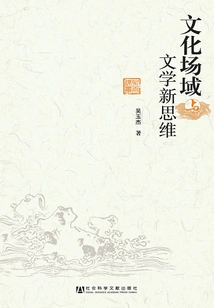
Cultural Field and New Literary Thinking
Literature文化场域与文学新思维
Wu Yujie
This book is a special work focusing on reviews and research on writers in Liaoning area. This book is different from general works review collections and general literary theory monographs. It is a monograph that elevates criticism to the level of aesthetic research and provides theoretical evaluation and promotion of creation. This book scans the current creative situation of Liaoning literary circles in recent years from multiple perspectives and in all fields. It involves more than 30 writers, mainly Wang Chonglu, Wang Xiangfeng, Jurchen and others. It is a rare reference book for readers and commentators who study Liaoning writers.
This book is a special work focusing on reviews and research on writers in Liaoning area. This book is different from general works review collections and general literary theory monographs. It is a monograph that elevates criticism to the level of aesthetic research and provides theoretical evaluation and promotion of creation. This book scans the current creative situation of Liaoning literary circles in recent years from multiple perspectives and in all fields. It involves more than 30 writers, mainly Wang Chonglu, Wang Xiangfeng, Jurchen and others. It is a rare reference book for readers and commentators who study Liaoning writers.
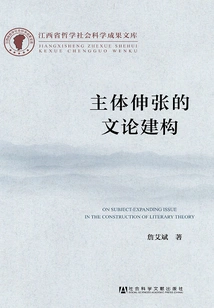
主体伸张的文论建构
Zhan Aibin
The construction of literary theory is an urgent issue with great practical significance for the current Chinese literary and art circles. This book combines the two knowledge forms, the literary subjectivity theory proposed by Liu Zaifu in the mid-1980s and the intersubjective literary theory proposed by Yang Chunshi in recent years, into the same subject area as the research object, thereby intervening in the thinking of the construction of contemporary literature and art, and launching a direct discussion of the related basic literary theoretical issues arising therefrom. The author believes that neither the theory of subjectivity nor the theory of intersubjectivity is sufficient to answer all the questions in literary theory, nor can it provide a complete explanation of the nature of literature. The historical construction of human subjectivity should follow and conform to the highest goal of human freedom and comprehensive development; only from this teleological perspective can the construction of fluid, diverse and contemporary subjectivity be carried out more rationally.
The construction of literary theory is an urgent issue with great practical significance for the current Chinese literary and art circles. This book combines the two knowledge forms, the literary subjectivity theory proposed by Liu Zaifu in the mid-1980s and the intersubjective literary theory proposed by Yang Chunshi in recent years, into the same subject area as the research object, thereby intervening in the thinking of the construction of contemporary literature and art, and launching a direct discussion of the related basic literary theoretical issues arising therefrom. The author believes that neither the theory of subjectivity nor the theory of intersubjectivity is sufficient to answer all the questions in literary theory, nor can it provide a complete explanation of the nature of literature. The historical construction of human subjectivity should follow and conform to the highest goal of human freedom and comprehensive development; only from this teleological perspective can the construction of fluid, diverse and contemporary subjectivity be carried out more rationally.
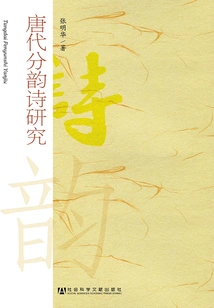
Research on Rhyme Poems of Tang Dynasty
Literature唐代分韵诗研究
Zhang Minghua
Divided rhyme is the poetry creation method most commonly used by ancient Chinese literati during their gatherings, and their works are divided rhyme poems. Although developed from the "Fu De Poetry" before the Tang Dynasty, the rhymed poetry of the Tang Dynasty not only formed its own characteristics in subject matter, artistic form and rhyme word selection, but also showed obvious traces of development in different historical stages. The division of rhyme promoted the progress of Tang poetry, promoted the formation of Tang poetry school, and laid a solid foundation for the prosperity of division of rhyme poetry after the Song Dynasty. Since the last century, the creation of divided-rhyme poetry has been in decline, but as long as we actively cultivate talents from now on and continuously expand the space for divided-rhyme creation, divided-rhyme poetry will surely play a positive role in the construction of socialist culture.
Divided rhyme is the poetry creation method most commonly used by ancient Chinese literati during their gatherings, and their works are divided rhyme poems. Although developed from the "Fu De Poetry" before the Tang Dynasty, the rhymed poetry of the Tang Dynasty not only formed its own characteristics in subject matter, artistic form and rhyme word selection, but also showed obvious traces of development in different historical stages. The division of rhyme promoted the progress of Tang poetry, promoted the formation of Tang poetry school, and laid a solid foundation for the prosperity of division of rhyme poetry after the Song Dynasty. Since the last century, the creation of divided-rhyme poetry has been in decline, but as long as we actively cultivate talents from now on and continuously expand the space for divided-rhyme creation, divided-rhyme poetry will surely play a positive role in the construction of socialist culture.
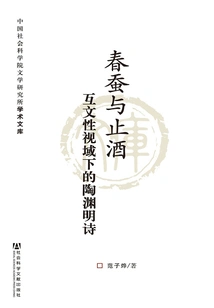
Spring Silkworms and Stopping Drinking: Tao Yuanming's Poems from the Perspective of Intertextuality
Literature春蚕与止酒:互文性视域下的陶渊明诗
Fan Ziye
This book is the first academic monograph in Chinese academic circles to use the theory of "intertextuality" to study Tao's poetry. The core of this theory is that any literary text is not self-sufficient, but is produced on the basis of absorbing literary texts created by predecessors and contemporaries. Therefore, any text implies other texts. This book deeply analyzes the text generation mechanism of this group of poems in both vertical and horizontal directions, and completely dispels the fog that has shrouded this group of poems throughout the ages. The elucidation of the poem "Zhijiu" in this book also reveals the artistic origin and far-reaching influence of the poem "Zhijiu" in the artistic form, and shows the relationship between the "Zhijiu" style and the "Zhijiu complex" of ancient Chinese literati. Through in-depth research on these classic Tao poems, this book makes up for the shortcomings of Western "intertextuality" theory that emphasizes content over form, and shows the importance of "intertextuality" in artistic forms for literary construction. The three appendices at the back of the book are by-products of the author's study of the "intertextuality" of Tao's poems, providing richer literary text evidence for the theoretical interpretation of the book.
This book is the first academic monograph in Chinese academic circles to use the theory of "intertextuality" to study Tao's poetry. The core of this theory is that any literary text is not self-sufficient, but is produced on the basis of absorbing literary texts created by predecessors and contemporaries. Therefore, any text implies other texts. This book deeply analyzes the text generation mechanism of this group of poems in both vertical and horizontal directions, and completely dispels the fog that has shrouded this group of poems throughout the ages. The elucidation of the poem "Zhijiu" in this book also reveals the artistic origin and far-reaching influence of the poem "Zhijiu" in the artistic form, and shows the relationship between the "Zhijiu" style and the "Zhijiu complex" of ancient Chinese literati. Through in-depth research on these classic Tao poems, this book makes up for the shortcomings of Western "intertextuality" theory that emphasizes content over form, and shows the importance of "intertextuality" in artistic forms for literary construction. The three appendices at the back of the book are by-products of the author's study of the "intertextuality" of Tao's poems, providing richer literary text evidence for the theoretical interpretation of the book.
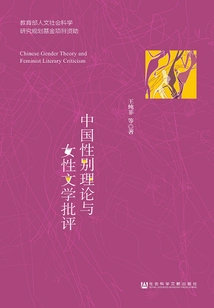
中国性别理论与女性文学批评
Wang Chunfei Li Jing
In the field of Chinese women's literary criticism, Western feminist theory has always had discourse hegemony. "Luxury from the West" and "Construction from the West" are the critical paradigms and paths chosen by most scholars. Western feminist theory is constructed based on Western gender political oppression and literary practice as a critical reference, and its applicability in China deserves analysis. Breaking out of the Western discourse barriers and constructing the theory of national subjectivity has become an important topic for the continued development of Chinese women's literary criticism. To this end, this book proposes the concept of the theoretical construction of national subjectivity in Chinese women's literary criticism based on studying traditional Chinese gender theory and observing the practice of Chinese feminist literary criticism.
In the field of Chinese women's literary criticism, Western feminist theory has always had discourse hegemony. "Luxury from the West" and "Construction from the West" are the critical paradigms and paths chosen by most scholars. Western feminist theory is constructed based on Western gender political oppression and literary practice as a critical reference, and its applicability in China deserves analysis. Breaking out of the Western discourse barriers and constructing the theory of national subjectivity has become an important topic for the continued development of Chinese women's literary criticism. To this end, this book proposes the concept of the theoretical construction of national subjectivity in Chinese women's literary criticism based on studying traditional Chinese gender theory and observing the practice of Chinese feminist literary criticism.
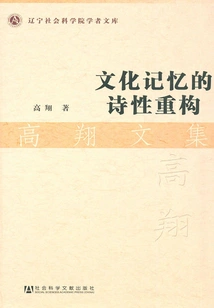
文化记忆的诗性重构:高翔文集
Gao Xiang
This book is one of the works of the "Liaoning Academy of Social Sciences Scholar Library". It collects more than 30 papers published by Mr. Gao Xiang in many academic media since the new era. It is divided into four parts: Northeast Modern Literature Research, Literary Ecological Thought Research, Academic Communication Research, and Literature and Aesthetics Research. Mr. Gao Xiang is the scholar who has been studying Northeastern modern and contemporary literature for the longest time. He has spent a lot of time and energy in collecting and studying historical materials of Northeastern literature, and has achieved many research results. This book "Research on Northeastern Modern Literature" is a concrete manifestation of these achievements and is also the most distinctive feature of this collection. For example, he carefully analyzed New Youth (Shenyang), a publication from the Puppet Manchukuo period, and carefully analyzed the great contrast between its political subversion and the flattery of some literary works to the enemy and literature that followed the principles of realist creation. He revealed the bicultural choice under the political pressure of the Puppet Manchukuo State, and dug into typical cases to start thinking about important literary issues.
This book is one of the works of the "Liaoning Academy of Social Sciences Scholar Library". It collects more than 30 papers published by Mr. Gao Xiang in many academic media since the new era. It is divided into four parts: Northeast Modern Literature Research, Literary Ecological Thought Research, Academic Communication Research, and Literature and Aesthetics Research. Mr. Gao Xiang is the scholar who has been studying Northeastern modern and contemporary literature for the longest time. He has spent a lot of time and energy in collecting and studying historical materials of Northeastern literature, and has achieved many research results. This book "Research on Northeastern Modern Literature" is a concrete manifestation of these achievements and is also the most distinctive feature of this collection. For example, he carefully analyzed New Youth (Shenyang), a publication from the Puppet Manchukuo period, and carefully analyzed the great contrast between its political subversion and the flattery of some literary works to the enemy and literature that followed the principles of realist creation. He revealed the bicultural choice under the political pressure of the Puppet Manchukuo State, and dug into typical cases to start thinking about important literary issues.
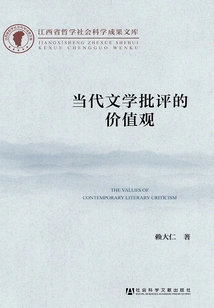
当代文学批评的价值观
Lai Daren
This article conducts a systematic theoretical discussion on the value system involved in contemporary literary criticism, including aesthetic values, social and historical values, human values, moral values, cultural values, etc., And analyzes it in connection with the practical issues of contemporary literary criticism, and then thinks about the value stance and reconstruction of value concepts in contemporary literary criticism. Combining academic thinking and discussion with realistic observation and analysis, it has a broad vision and is full of enlightenment.
This article conducts a systematic theoretical discussion on the value system involved in contemporary literary criticism, including aesthetic values, social and historical values, human values, moral values, cultural values, etc., And analyzes it in connection with the practical issues of contemporary literary criticism, and then thinks about the value stance and reconstruction of value concepts in contemporary literary criticism. Combining academic thinking and discussion with realistic observation and analysis, it has a broad vision and is full of enlightenment.
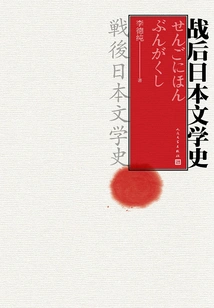
Postwar Japanese Literary History
Literature战后日本文学史
Li Dechun
The book "History of Postwar Japanese Literature" makes its own sorting out of Japanese literature in the past sixty years. It places literature in the social and historical background of different periods, discusses the development of different genres such as Japanese novels, poetry, and dramas, and explains and interprets for readers the writers and works of different genres such as the postwar school, the scoundrel school, the third group of newcomers, the modern school, the social school, and the introverted generation. The author adheres to the ideological and artistic standards of literary criticism with a high degree of historical materialism. The book has detailed data, abundant citations, fluent writing and unique opinions.
The book "History of Postwar Japanese Literature" makes its own sorting out of Japanese literature in the past sixty years. It places literature in the social and historical background of different periods, discusses the development of different genres such as Japanese novels, poetry, and dramas, and explains and interprets for readers the writers and works of different genres such as the postwar school, the scoundrel school, the third group of newcomers, the modern school, the social school, and the introverted generation. The author adheres to the ideological and artistic standards of literary criticism with a high degree of historical materialism. The book has detailed data, abundant citations, fluent writing and unique opinions.
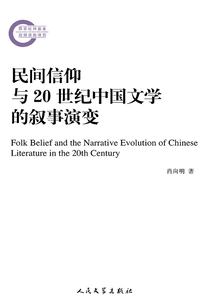
民间信仰与20世纪中国文学的叙事演变
Xiao Xiangming
This book mainly discusses the literary writing of "folk belief" culture in the cultural transformation period such as the "May Fourth Movement", "before and after liberation" and the "New Era". It takes the "realistic and free folk culture" of "folk belief" that exists in relevant works or the "folk narrative under the real regime ideology" reflected in it as the background and foundation of the investigation. It is an essential part of the study of "folk cultural forms" in Chinese literature in the 20th century.
This book mainly discusses the literary writing of "folk belief" culture in the cultural transformation period such as the "May Fourth Movement", "before and after liberation" and the "New Era". It takes the "realistic and free folk culture" of "folk belief" that exists in relevant works or the "folk narrative under the real regime ideology" reflected in it as the background and foundation of the investigation. It is an essential part of the study of "folk cultural forms" in Chinese literature in the 20th century.
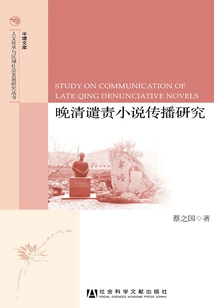
晚清谴责小说传播研究
Cai Zhiguo
The late Qing Dynasty denounced the origin and prosperity of novels as the result of "specially adapting to the requirements of the times" and "adhering to the preferences of the people of the time". The novel of condemnation echoes the revolutionary and realist creative trends in the novel world, and provides a panoramic exposure and criticism of all aspects of late Qing society's politics, economy, culture, and society. It has historical value and ideological implications, provides information for people to understand the original appearance of late Qing society, and has become an important document in the history of modern thought; novel form The evolution of refined and popular literature has guided the further development of vernacular literature, and also triggered the transformation and development of novels. In the history of Chinese novels, it reflects the characteristics of the transition from ancient novels to modern novels; while condemnation novels have also made active and useful explorations in the marketization of literature, and have certain reference significance for the creation of current market-oriented novels. Not only that, condemnation novels in the late Qing Dynasty also have strong social value and cultural significance. They use the art of repetitive narrative to build a "mimetic environment" for media communication, which can produce aggregation effects, promote people's understanding of social reality, form social public opinion, and make public opinion waves continue to swirl and reverberate, prompting people to take action, and playing a certain role in social change and even revolution.
The late Qing Dynasty denounced the origin and prosperity of novels as the result of "specially adapting to the requirements of the times" and "adhering to the preferences of the people of the time". The novel of condemnation echoes the revolutionary and realist creative trends in the novel world, and provides a panoramic exposure and criticism of all aspects of late Qing society's politics, economy, culture, and society. It has historical value and ideological implications, provides information for people to understand the original appearance of late Qing society, and has become an important document in the history of modern thought; novel form The evolution of refined and popular literature has guided the further development of vernacular literature, and also triggered the transformation and development of novels. In the history of Chinese novels, it reflects the characteristics of the transition from ancient novels to modern novels; while condemnation novels have also made active and useful explorations in the marketization of literature, and have certain reference significance for the creation of current market-oriented novels. Not only that, condemnation novels in the late Qing Dynasty also have strong social value and cultural significance. They use the art of repetitive narrative to build a "mimetic environment" for media communication, which can produce aggregation effects, promote people's understanding of social reality, form social public opinion, and make public opinion waves continue to swirl and reverberate, prompting people to take action, and playing a certain role in social change and even revolution.
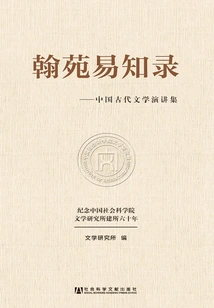
翰苑易知录:中国古代文学演讲集
Compiled By The Institute Of Literature, Chinese Academy Of Social Sciences
This collection of lectures contains some records of lectures given by classical literature experts from the Institute of Literature to leading comrades of the central government from 2007 to 2012. From the pre-Qin "Book of Songs" and "Chu Ci" to modern literature, the topics are very wide. This manuscript enables us to better understand the traditional value and contemporary significance of classical literature.
This collection of lectures contains some records of lectures given by classical literature experts from the Institute of Literature to leading comrades of the central government from 2007 to 2012. From the pre-Qin "Book of Songs" and "Chu Ci" to modern literature, the topics are very wide. This manuscript enables us to better understand the traditional value and contemporary significance of classical literature.
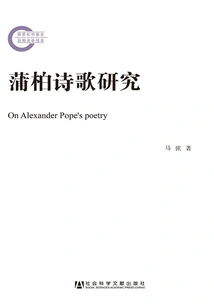
Research on Pope's Poetry (later Funded Project by the National Social Science Foundation)
Literature蒲柏诗歌研究(国家社科基金后期资助项目)
Ma Xian
Through in-depth analysis and discussion of Pope's poetry, this book discovers and reveals the multi-layered connotations of the ethical thoughts in Pope's poetry and explores the tradition, historical origins and development trajectory of his thought formation. Mainly using literary ethics criticism methods, combined with psychoanalysis, social and historical criticism, feminist criticism and new criticism, etc., It analyzes Pope's early works "On Criticism", "The Rape of the Hair" and "The Forest of Windsor", and his later ethical poems "On Man" and "Ethical Theory" and the large-scale imitation heroic epic "Historical Records of Qun Yu" are carefully read to explain the ethical ideological system based on "harmony" and "nature", "rationality", "moderate" and "order" as the core concepts embodied in them as a whole. This book attempts to change the academic circles' neglect and omission of Pope as an important British poet to a certain extent, and to re-understand the ideological and artistic value of his poetry.
Through in-depth analysis and discussion of Pope's poetry, this book discovers and reveals the multi-layered connotations of the ethical thoughts in Pope's poetry and explores the tradition, historical origins and development trajectory of his thought formation. Mainly using literary ethics criticism methods, combined with psychoanalysis, social and historical criticism, feminist criticism and new criticism, etc., It analyzes Pope's early works "On Criticism", "The Rape of the Hair" and "The Forest of Windsor", and his later ethical poems "On Man" and "Ethical Theory" and the large-scale imitation heroic epic "Historical Records of Qun Yu" are carefully read to explain the ethical ideological system based on "harmony" and "nature", "rationality", "moderate" and "order" as the core concepts embodied in them as a whole. This book attempts to change the academic circles' neglect and omission of Pope as an important British poet to a certain extent, and to re-understand the ideological and artistic value of his poetry.
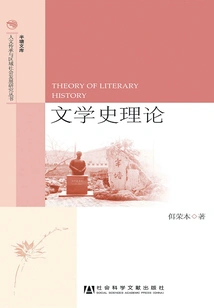
Literary History Theory
Literature文学史理论
Ji Rongben
This book is guided by the literary method of historical aesthetics and draws on new methods of modern and contemporary foreign literature and art. It covers the objects and nature of literary history research, the methods of literary history research, the time dimension and periodization of literary history, the stylistic classification and evolution of literary history, the text and humanism of literary history, and the history of literature and its creative subjects. It conducts a relatively comprehensive and in-depth examination of many basic issues in literary history theory from multiple dimensions, including the overall mentality, literary history and literary dissemination, literary history and literary historical materials, and the form of literary historical works, and explores how literary historians use their own views on literature and literary history to construct a literary history full of vitality.
This book is guided by the literary method of historical aesthetics and draws on new methods of modern and contemporary foreign literature and art. It covers the objects and nature of literary history research, the methods of literary history research, the time dimension and periodization of literary history, the stylistic classification and evolution of literary history, the text and humanism of literary history, and the history of literature and its creative subjects. It conducts a relatively comprehensive and in-depth examination of many basic issues in literary history theory from multiple dimensions, including the overall mentality, literary history and literary dissemination, literary history and literary historical materials, and the form of literary historical works, and explores how literary historians use their own views on literature and literary history to construct a literary history full of vitality.
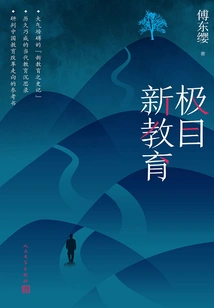
Jimu New Education
Literature极目新教育
Fu Dongying
The book provides a comprehensive overview of the grand background of ancient and modern education, and stands at the forefront of education at home and abroad. It uses picturesque descriptions, penetrating thinking, and high-level analysis to carefully display and provide a profound insight into the magnificent operation of the new education for more than ten years. The broad historical picture effectively demonstrates the new education team that has emerged in China's education over the past 40 years of reform and opening up. It gives a historical qualitative and positioning to the new education experiment, and also provides a wide-angle and deep view of the true meaning of education.
The book provides a comprehensive overview of the grand background of ancient and modern education, and stands at the forefront of education at home and abroad. It uses picturesque descriptions, penetrating thinking, and high-level analysis to carefully display and provide a profound insight into the magnificent operation of the new education for more than ten years. The broad historical picture effectively demonstrates the new education team that has emerged in China's education over the past 40 years of reform and opening up. It gives a historical qualitative and positioning to the new education experiment, and also provides a wide-angle and deep view of the true meaning of education.
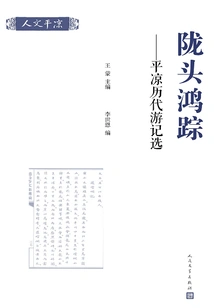
陇头鸿踪:平凉历代游记选
Wang Meng Li Shien
The "Humanities Pingliang" series is a set of 5 books (tentatively titled "Pingliang Poems", "Kongtong Poems", "Pingliang Travels", "Pingliang Stories", "Pingliang Jinshi"). The editors' names are: Ru Jian, Li Shi'en, Wei Baishu, Li Yehui, etc. The first two volumes select various poems, lyrics, and verses written by poets from ancient times to the Republic of China on Kongtong Mountain and other places in Pingliang, with brief annotations. The third volume selects travel notes of Pingliang's scenic spots, local customs and customs written by authors from past dynasties. The fourth volume contains selected anecdotes. The fifth volume selects important local epigraphic inscriptions. This volume is the third one in the original plan, and is tentatively titled "The Traces of Longshang - Selected Travel Notes of Famous Pingliang Masters".
The "Humanities Pingliang" series is a set of 5 books (tentatively titled "Pingliang Poems", "Kongtong Poems", "Pingliang Travels", "Pingliang Stories", "Pingliang Jinshi"). The editors' names are: Ru Jian, Li Shi'en, Wei Baishu, Li Yehui, etc. The first two volumes select various poems, lyrics, and verses written by poets from ancient times to the Republic of China on Kongtong Mountain and other places in Pingliang, with brief annotations. The third volume selects travel notes of Pingliang's scenic spots, local customs and customs written by authors from past dynasties. The fourth volume contains selected anecdotes. The fifth volume selects important local epigraphic inscriptions. This volume is the third one in the original plan, and is tentatively titled "The Traces of Longshang - Selected Travel Notes of Famous Pingliang Masters".
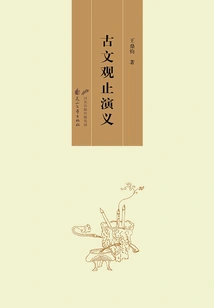
The Romance of Ancient Wen Guanzhi
Literature古文观止演义
Wang Dingjun
"The Romance of Ancient Wen Guan Zhi" is a wonderful "translation" of the twenty-four articles in "Gu Wen Guan Zhi" by Mr. Wang Dingjun, a famous contemporary Chinese literature master and prose master. Mr. Wang Dingjun, in his dual capacity as a writer and scholar, based on ancient Chinese literary theory and the "close reading method" of European and American New Criticism as a reference, conducted a wonderful "translation" of the works from point to line, from interpretation to restoration, from two dimensions to multi-dimensionality, from knowledge to creation, from works to life, from culture to philosophy, and from literature to religion. This opened up the spiritual world composed of words and elevated the acceptance of literature to the height of "parallel cultivation".
"The Romance of Ancient Wen Guan Zhi" is a wonderful "translation" of the twenty-four articles in "Gu Wen Guan Zhi" by Mr. Wang Dingjun, a famous contemporary Chinese literature master and prose master. Mr. Wang Dingjun, in his dual capacity as a writer and scholar, based on ancient Chinese literary theory and the "close reading method" of European and American New Criticism as a reference, conducted a wonderful "translation" of the works from point to line, from interpretation to restoration, from two dimensions to multi-dimensionality, from knowledge to creation, from works to life, from culture to philosophy, and from literature to religion. This opened up the spiritual world composed of words and elevated the acceptance of literature to the height of "parallel cultivation".
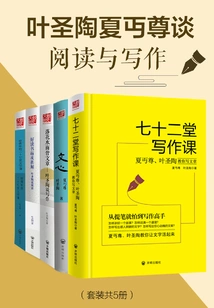
叶圣陶夏丏尊谈阅读与写作(套装共5册)
Ye Shengtao Xia Chuzun
"Ye Shengtao Xia Zun talks about reading and writing (set of 5 volumes)" includes "Seventy-two Writing Lessons", "Good Reading and Seeking Deep Understanding: Ye Shengtao Talks about Reading", "Articles Falling on the Water: Ye Shengtao Talks about Writing", "Wenxin", and "Twenty-seven Literature Lessons for Youth", which integrates how to read and how to write. It is a book by Ye Shengtao and Xia Zun to guide young people on how to appreciate classic literature and how to write vivid articles.
"Ye Shengtao Xia Zun talks about reading and writing (set of 5 volumes)" includes "Seventy-two Writing Lessons", "Good Reading and Seeking Deep Understanding: Ye Shengtao Talks about Reading", "Articles Falling on the Water: Ye Shengtao Talks about Writing", "Wenxin", and "Twenty-seven Literature Lessons for Youth", which integrates how to read and how to write. It is a book by Ye Shengtao and Xia Zun to guide young people on how to appreciate classic literature and how to write vivid articles.
Pass on the Everlasting Cultural Fire
Literature传递不灭的文化薪火
Jiang Yu
As a university that has always been with the Anti-Japanese War, Southwest Associated University has created a miracle in the history of higher education in China and even the world under specific historical conditions. The unique campus literature of Lianda University is an indispensable and important part of the territory of modern Chinese literature. This article takes a historical and cultural look at the literary activities and literary creations of teachers and students at the United Nations to gain perspective on the relationship between university cultural form and literary development.
As a university that has always been with the Anti-Japanese War, Southwest Associated University has created a miracle in the history of higher education in China and even the world under specific historical conditions. The unique campus literature of Lianda University is an indispensable and important part of the territory of modern Chinese literature. This article takes a historical and cultural look at the literary activities and literary creations of teachers and students at the United Nations to gain perspective on the relationship between university cultural form and literary development.