Library
Browse and search books
233 novels found
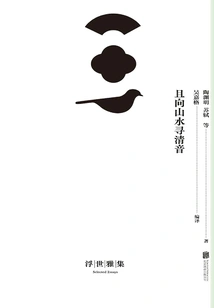
且向山水寻清音
Tao Yuanming Su Shi Et Al. Compiled By Wu Jiage
"Looking to the Landscape for Clear Voices" is a collection of essays. It selects classic prose passages written about landscapes and pavilions by Tao Yuanming, Su Shi and other writers from "Guanwen Guanzhi". It leads readers to return to the elegant feelings of the ancients through the scrolls and the fragrance of ink, to live poetically in secular life, and to "steal half a day's leisure" in real life.
"Looking to the Landscape for Clear Voices" is a collection of essays. It selects classic prose passages written about landscapes and pavilions by Tao Yuanming, Su Shi and other writers from "Guanwen Guanzhi". It leads readers to return to the elegant feelings of the ancients through the scrolls and the fragrance of ink, to live poetically in secular life, and to "steal half a day's leisure" in real life.
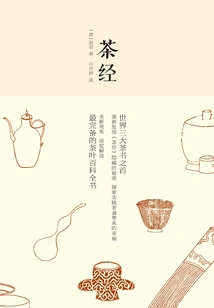
Tea Classic
Literature茶经
(tang Dynasty) Written By Lu Yu, Annotated By Riyuezhou
Rediscover the secrets hidden in the "Tea Classic" and explore the happiness brought by practicing tea ceremony. It collects more than 100 precious and exquisite pictures of tea utensils from the Tang Dynasty and interprets them in depth from a new perspective. It ranks first among the three major tea books in the world, interprets the true meaning of Chinese tea ceremony, and conveys the essence of Eastern aesthetics. It is the most complete encyclopedia of tea and a tea classic worthy of being treasured forever.
Rediscover the secrets hidden in the "Tea Classic" and explore the happiness brought by practicing tea ceremony. It collects more than 100 precious and exquisite pictures of tea utensils from the Tang Dynasty and interprets them in depth from a new perspective. It ranks first among the three major tea books in the world, interprets the true meaning of Chinese tea ceremony, and conveys the essence of Eastern aesthetics. It is the most complete encyclopedia of tea and a tea classic worthy of being treasured forever.
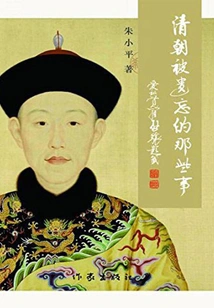
Qing Dynasty, Forgotten Things
Literature清朝,被遗忘的那些事
Zhu Xiaoping
The author is fond of Qing history, combing through historical materials and accumulating a wealth of knowledge; he pays attention to tracing the origins and forming independent opinions. Since the early 1980s, he has written a large number of literary and historical columns for overseas newspapers. He has been writing continuously for many years, and his articles have also been scattered in domestic newspapers. And form the author's inherent style and writing style. Although the article may not necessarily be a consensus statement, it still has the benefit of filling in gaps. The article is focused, explaining the profound things in simple terms, and strives to be rigorous. Not only are the historical materials rich, they are also interesting, such as a series of hooks about the Beiyang Navy, the relationship between Lin Zexu and Emperor Daoguang, the anecdotes of the Fourth Young Master, and the style of the poet monk Su Manshu. The suave and pathos of Qiu Jin's Jueming Ci, the mystery and mystery of Yuan Shikai's fishing on the Huan, the legendary journey of Tang Ying and Tang kiln, etc., Are ups and downs, fascinating and worth reading.
The author is fond of Qing history, combing through historical materials and accumulating a wealth of knowledge; he pays attention to tracing the origins and forming independent opinions. Since the early 1980s, he has written a large number of literary and historical columns for overseas newspapers. He has been writing continuously for many years, and his articles have also been scattered in domestic newspapers. And form the author's inherent style and writing style. Although the article may not necessarily be a consensus statement, it still has the benefit of filling in gaps. The article is focused, explaining the profound things in simple terms, and strives to be rigorous. Not only are the historical materials rich, they are also interesting, such as a series of hooks about the Beiyang Navy, the relationship between Lin Zexu and Emperor Daoguang, the anecdotes of the Fourth Young Master, and the style of the poet monk Su Manshu. The suave and pathos of Qiu Jin's Jueming Ci, the mystery and mystery of Yuan Shikai's fishing on the Huan, the legendary journey of Tang Ying and Tang kiln, etc., Are ups and downs, fascinating and worth reading.
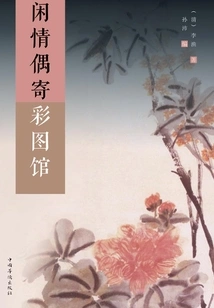
闲情偶寄彩图馆
(qing Dynasty) Written By Li Yu And Edited By Sun Pei
"Xian Qing Ou Ji" is a unique book. It is divided into 8 chapters, including lyrics and music, exercises, vocals, living rooms, playing utensils, and planting. It talks about the creation and performance of operas, the layout of pavilions and tickets, the placement of utensils and antiques, women's grooming and dressing up, exquisite diet, health care, etc., And even includes the skills of growing flowers and trees.
"Xian Qing Ou Ji" is a unique book. It is divided into 8 chapters, including lyrics and music, exercises, vocals, living rooms, playing utensils, and planting. It talks about the creation and performance of operas, the layout of pavilions and tickets, the placement of utensils and antiques, women's grooming and dressing up, exquisite diet, health care, etc., And even includes the skills of growing flowers and trees.
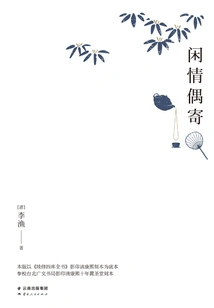
Occasionally Sending Leisurely Feelings
Literature闲情偶寄
Li Yu
Since ancient times, everyone has longed for a leisurely and elegant life: watching snow, admiring flowers, drinking tea... But few people truly understand the essence of "life aesthetics". The true meaning of the beauty of life lies in careful experience, careful observation, thinking and innovation, and uncompromising quality, rather than just sensual enjoyment. "Occasional Letters of Leisure" is just such a wonderful book about the art of life. It can think about the little things in life that ordinary people disdain, and express the opinions that ordinary people want to say but cannot. From song and song creation, drama performances, voice and appearance to all aspects of literary and artistic life such as utensils and antiques, architecture, planting, diet and health care, every word is a summary of Li Yu's lifelong efforts. Li Yu, courtesy name Lihong and nickname Liweng, was a native of Jinhua, Zhejiang. A famous dramatist and writer in the late Ming Dynasty and early Qing Dynasty, he is known as the "ancestor of Chinese drama theory". His representative works include: the opera "Ten Songs of Li Weng", the novels "Rou Fu Tuan", "Liancheng Bi", "The Twelfth Floor", "He Jin Huiwen Biography", the anthology "The Story of Li Weng's Family", etc.
Since ancient times, everyone has longed for a leisurely and elegant life: watching snow, admiring flowers, drinking tea... But few people truly understand the essence of "life aesthetics". The true meaning of the beauty of life lies in careful experience, careful observation, thinking and innovation, and uncompromising quality, rather than just sensual enjoyment. "Occasional Letters of Leisure" is just such a wonderful book about the art of life. It can think about the little things in life that ordinary people disdain, and express the opinions that ordinary people want to say but cannot. From song and song creation, drama performances, voice and appearance to all aspects of literary and artistic life such as utensils and antiques, architecture, planting, diet and health care, every word is a summary of Li Yu's lifelong efforts. Li Yu, courtesy name Lihong and nickname Liweng, was a native of Jinhua, Zhejiang. A famous dramatist and writer in the late Ming Dynasty and early Qing Dynasty, he is known as the "ancestor of Chinese drama theory". His representative works include: the opera "Ten Songs of Li Weng", the novels "Rou Fu Tuan", "Liancheng Bi", "The Twelfth Floor", "He Jin Huiwen Biography", the anthology "The Story of Li Weng's Family", etc.
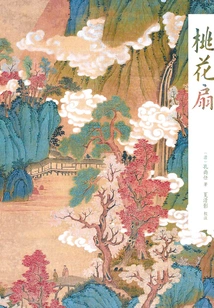
Peach Blossom Fan
Literature桃花扇
(qing Dynasty) Written By Kong Shangren Annotated By Xia Qing Film Director
"The Peach Blossom Fan" is a Kunqu opera script written by Kong Shangren in the Qing Dynasty. This book has full annotations and redesigned layout. The reading habits of ancient times and modern times are different. In ancient playbooks, characters only have their names written when they appear. Sometimes there are multiple people using the same profession in a play, which can easily lead to ambiguity. Therefore, in this book, all characters are referred to by their names instead of their names. Although there are some formal changes in this book, the text and annotation of this book are sincere and meticulous. It uses the earliest Kangxi Jie'antang version as the base, and also consults the Xiyuan version (Qianlong), Jiaqing version, Lanxuetang version (Guangxu), and Nuanhongshi version (Xuantong). It tries to retain the original appearance of the Kangxi version, and refers to the rare books for corrections when there are individual inaccuracies or deficiencies. Peach blossoms are painted on the blood-stained fan. Where can the peach blossoms be found in the blood-stained country? Gomai Collector's Edition "Peach Blossom Fan" tells you a legendary story of overwhelming love.
"The Peach Blossom Fan" is a Kunqu opera script written by Kong Shangren in the Qing Dynasty. This book has full annotations and redesigned layout. The reading habits of ancient times and modern times are different. In ancient playbooks, characters only have their names written when they appear. Sometimes there are multiple people using the same profession in a play, which can easily lead to ambiguity. Therefore, in this book, all characters are referred to by their names instead of their names. Although there are some formal changes in this book, the text and annotation of this book are sincere and meticulous. It uses the earliest Kangxi Jie'antang version as the base, and also consults the Xiyuan version (Qianlong), Jiaqing version, Lanxuetang version (Guangxu), and Nuanhongshi version (Xuantong). It tries to retain the original appearance of the Kangxi version, and refers to the rare books for corrections when there are individual inaccuracies or deficiencies. Peach blossoms are painted on the blood-stained fan. Where can the peach blossoms be found in the blood-stained country? Gomai Collector's Edition "Peach Blossom Fan" tells you a legendary story of overwhelming love.
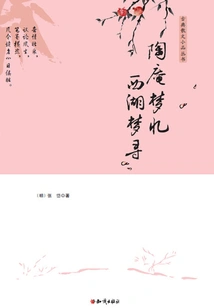
陶庵梦忆 西湖梦寻
G
"Tao'an Dream Memories" contains many trivial things, covering various aspects of city scenery, beautiful mountains and rivers, folk customs, and the art of life. The lines in the book are permeated with a fresh breath of life, bearing the imprint of rich emerging citizen culture, and also embodying the author's thoughts on water shield perch. "Dream Seeking the West Lake" has a total of five volumes and more than 80 articles, most of which are short stories. They are written in the spatial order of general record, north road, west road, middle road, south road, and exterior scenes, showing the past and present of Hangzhou in front of readers. Each scene begins with a small preface, and selected ancient and modern poems about the West Lake are listed below.
"Tao'an Dream Memories" contains many trivial things, covering various aspects of city scenery, beautiful mountains and rivers, folk customs, and the art of life. The lines in the book are permeated with a fresh breath of life, bearing the imprint of rich emerging citizen culture, and also embodying the author's thoughts on water shield perch. "Dream Seeking the West Lake" has a total of five volumes and more than 80 articles, most of which are short stories. They are written in the spatial order of general record, north road, west road, middle road, south road, and exterior scenes, showing the past and present of Hangzhou in front of readers. Each scene begins with a small preface, and selected ancient and modern poems about the West Lake are listed below.
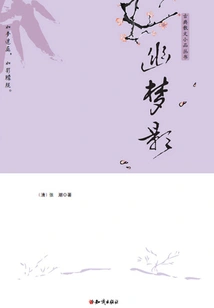
Y
Literaturey
I
There are 219 chapters in the book. The author carefully and attentively observes life and nature, as blurry as a dream, as hazy as a shadow, which is completely an artist's feeling and experience of life. Although there are not many words, the content is relatively complex, including the publication note 2, which contains the author's pursuit of life, such as listening to sounds, talking about wine, landscapes, flowers, moon, beauties, etc., As well as the author's understanding of life and life experiences.
There are 219 chapters in the book. The author carefully and attentively observes life and nature, as blurry as a dream, as hazy as a shadow, which is completely an artist's feeling and experience of life. Although there are not many words, the content is relatively complex, including the publication note 2, which contains the author's pursuit of life, such as listening to sounds, talking about wine, landscapes, flowers, moon, beauties, etc., As well as the author's understanding of life and life experiences.
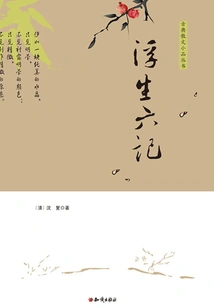
Six Chapters of a Floating Life
Literature浮生六记
Shen Fu
"Six Chapters of a Floating Life" is an autobiographical prose written by Shen Fu, a scholar during the Qianlong period of the Qing Dynasty. The author uses concise and simple words to describe all aspects of personal life, such as love and marriage, family changes, leisure time and interests, travel and sightseeing, etc. The author's unique character traits, attitude towards life, values and aesthetic taste are revealed between the lines.
"Six Chapters of a Floating Life" is an autobiographical prose written by Shen Fu, a scholar during the Qianlong period of the Qing Dynasty. The author uses concise and simple words to describe all aspects of personal life, such as love and marriage, family changes, leisure time and interests, travel and sightseeing, etc. The author's unique character traits, attitude towards life, values and aesthetic taste are revealed between the lines.
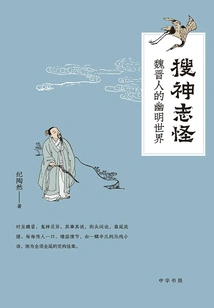
搜神志怪:魏晋人的幽明世界
Ji Taoran
A popular reading that interprets the strange novels of the Wei, Jin, Southern and Northern Dynasties. The author selects classic works from the Wei, Jin, Southern and Northern Dynasties, such as "Sou Shen Ji", "Sou Shen Postscript", "Shi Yi Ji", "Shu Yi Ji", "You Ming Lu", etc., Carefully read, research and textual research, using a relaxed style to reveal the profound truth, which is highly informative and readable. This book is classified according to the content of supernatural novels and is divided into seven series: Love between Humans and Immortals, Strange Romances, Tracing the Origin of Myths, Continuing Ghost Stories, Talking about Monsters and Mysteries, Legends of Monsters, and Fighting between Buddhism and Taoism, totaling 44 chapters.
A popular reading that interprets the strange novels of the Wei, Jin, Southern and Northern Dynasties. The author selects classic works from the Wei, Jin, Southern and Northern Dynasties, such as "Sou Shen Ji", "Sou Shen Postscript", "Shi Yi Ji", "Shu Yi Ji", "You Ming Lu", etc., Carefully read, research and textual research, using a relaxed style to reveal the profound truth, which is highly informative and readable. This book is classified according to the content of supernatural novels and is divided into seven series: Love between Humans and Immortals, Strange Romances, Tracing the Origin of Myths, Continuing Ghost Stories, Talking about Monsters and Mysteries, Legends of Monsters, and Fighting between Buddhism and Taoism, totaling 44 chapters.
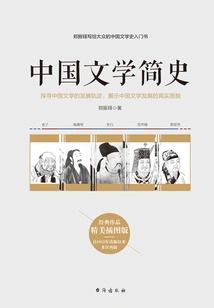
A Brief History of Chinese Literature
Literature中国文学简史
Zheng Zhenduo
"A Brief History of Chinese Literature" was published by Zheng Zhenduo in 1932. The original title was "Illustrated History of Chinese Literature". The book is divided into three parts: ancient literature, medieval literature and modern literature. From a bird's-eye view of ancient literature to Ruan Dacheng and Li Yu in the late Ming Dynasty, there are sixty-four chapters in total. Describes the origin and development of Chinese literature. There are many types of genres involved, and more than one-third of the collected materials are not mentioned in other books of the same period, such as Bianwen, drama, Zhugongdiao, Sanqu, folk songs, Baojuan, Tanci, Drum Ci, etc. The book is rich in illustrations and text (approximately 180 pictures), rich in historical materials, and has a broad vision. It fully affirms the status of folk literature in the history of literature and is an introductory book for understanding the history of Chinese literature.
"A Brief History of Chinese Literature" was published by Zheng Zhenduo in 1932. The original title was "Illustrated History of Chinese Literature". The book is divided into three parts: ancient literature, medieval literature and modern literature. From a bird's-eye view of ancient literature to Ruan Dacheng and Li Yu in the late Ming Dynasty, there are sixty-four chapters in total. Describes the origin and development of Chinese literature. There are many types of genres involved, and more than one-third of the collected materials are not mentioned in other books of the same period, such as Bianwen, drama, Zhugongdiao, Sanqu, folk songs, Baojuan, Tanci, Drum Ci, etc. The book is rich in illustrations and text (approximately 180 pictures), rich in historical materials, and has a broad vision. It fully affirms the status of folk literature in the history of literature and is an introductory book for understanding the history of Chinese literature.
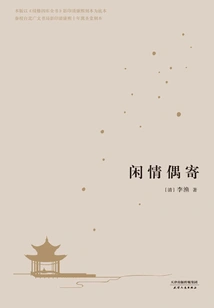
Love from Time to Time (2017)
Literature闲情偶寄(2017)
Li Yu
Since ancient times, everyone has longed for a leisurely and elegant life: watching snow, admiring flowers, drinking tea... But few people truly understand the essence of "life aesthetics". The true meaning of the beauty of life lies in careful experience, careful observation, thinking and innovation, and uncompromising quality, rather than just sensual enjoyment. "Occasional Letters of Leisure" is just such a wonderful book about the art of life. It can think about the little things in life that ordinary people disdain, and express the opinions that ordinary people want to say but cannot. From song and song creation, drama performances, voice and appearance to all aspects of literary and artistic life such as utensils and antiques, architecture, planting, diet and health care, every word is a summary of Li Yu's lifelong efforts.
Since ancient times, everyone has longed for a leisurely and elegant life: watching snow, admiring flowers, drinking tea... But few people truly understand the essence of "life aesthetics". The true meaning of the beauty of life lies in careful experience, careful observation, thinking and innovation, and uncompromising quality, rather than just sensual enjoyment. "Occasional Letters of Leisure" is just such a wonderful book about the art of life. It can think about the little things in life that ordinary people disdain, and express the opinions that ordinary people want to say but cannot. From song and song creation, drama performances, voice and appearance to all aspects of literary and artistic life such as utensils and antiques, architecture, planting, diet and health care, every word is a summary of Li Yu's lifelong efforts.
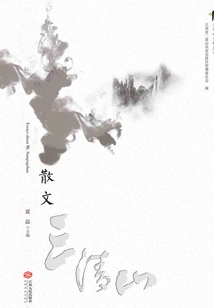
Prose Sanqingshan
Literature散文三清山
Xia Lei
The selection of outstanding prose on Sanqing Mountain is led by the travel prose "A Trip to Sanqing Mountain" written by Lu Qiyuan, a Juren in the Yuan Dynasty. The text is continuous and connects ancient and modern times. A total of thirty-one essays on Sanqing Mountain are extracted from cultural celebrities. "The hometown of clouds and mist, the gallery of turquoise" rises and falls in the mountains of words.
The selection of outstanding prose on Sanqing Mountain is led by the travel prose "A Trip to Sanqing Mountain" written by Lu Qiyuan, a Juren in the Yuan Dynasty. The text is continuous and connects ancient and modern times. A total of thirty-one essays on Sanqing Mountain are extracted from cultural celebrities. "The hometown of clouds and mist, the gallery of turquoise" rises and falls in the mountains of words.
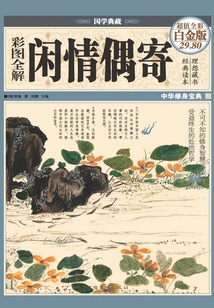
彩图全解闲情偶寄(彩图精装)
(qing Dynasty) Li Yu Hongyan
"Xian Qing Occasion" is a unique book. Li Yu integrated his thoughts on daily life into the book, including subtle observations and profound thinking, showing his unique artistic attainments and aesthetic taste.
"Xian Qing Occasion" is a unique book. Li Yu integrated his thoughts on daily life into the book, including subtle observations and profound thinking, showing his unique artistic attainments and aesthetic taste.
大梅法常二偈之流传轨迹
Chen Shangjun
He became a monk at Yuquan Temple in Jingzhou when he was young. At the age of twenty, he received full ordination at Longxing Temple. Later, his teacher Mazu Daoyi learned the Zen method. In the twelfth year of Zhenyuan of Emperor Dezong, he moved from Tiantai to Damei Mountain, seventy miles south of Yuyao, Mingzhou. This place was the old hidden place of Han Meizi. He is known as Monk Damei in the world, and he is called Damei Fachang in practice. When Emperor Wenzong first established the temple, monks from all over invited six to seven hundred scholars. He died in September of the fourth year of Kaicheng's reign at the age of eighty-eight. His deeds can be found in Volume 15 of "Zutangji", Volume 11 of "Biography of Eminent Monks of the Song Dynasty", and Volume 7 of "Jingde Zhuan Deng Lu". The quotations of Zen Master Fochang on Zen Buddhism were compiled by his disciples as "Quotations of Zen Master Meishu Daimeishanchan". It is not transmitted in China. An old copy is kept in the Kanazawa Bunko in Japan and is now kept in Shimeiji Temple. The Japanese scholar Takahiko Hioki wrote "Quotations of Zen Master Meishu Daimeishanchan". "Related Investigations" has a collated version, published in "Kanaze Bunko Research Minutes" No. 10 (Linchuan Bookstore, 1989); Jia Jinhua's "Research on handed down Hongzhou Zen Documents" ("Wenshi" 2010, 2nd issue) is also included in the review.
He became a monk at Yuquan Temple in Jingzhou when he was young. At the age of twenty, he received full ordination at Longxing Temple. Later, his teacher Mazu Daoyi learned the Zen method. In the twelfth year of Zhenyuan of Emperor Dezong, he moved from Tiantai to Damei Mountain, seventy miles south of Yuyao, Mingzhou. This place was the old hidden place of Han Meizi. He is known as Monk Damei in the world, and he is called Damei Fachang in practice. When Emperor Wenzong first established the temple, monks from all over invited six to seven hundred scholars. He died in September of the fourth year of Kaicheng's reign at the age of eighty-eight. His deeds can be found in Volume 15 of "Zutangji", Volume 11 of "Biography of Eminent Monks of the Song Dynasty", and Volume 7 of "Jingde Zhuan Deng Lu". The quotations of Zen Master Fochang on Zen Buddhism were compiled by his disciples as "Quotations of Zen Master Meishu Daimeishanchan". It is not transmitted in China. An old copy is kept in the Kanazawa Bunko in Japan and is now kept in Shimeiji Temple. The Japanese scholar Takahiko Hioki wrote "Quotations of Zen Master Meishu Daimeishanchan". "Related Investigations" has a collated version, published in "Kanaze Bunko Research Minutes" No. 10 (Linchuan Bookstore, 1989); Jia Jinhua's "Research on handed down Hongzhou Zen Documents" ("Wenshi" 2010, 2nd issue) is also included in the review.
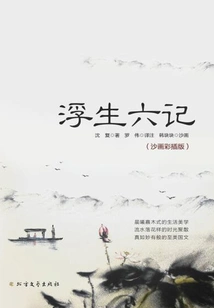
浮生六记(沙画彩插版)
(qing Dynasty) Written By Shen Fu, Translated And Annotated By Luo Wei, Han Kuaikuai Sand Painting
This book is an autobiographical prose written by Shen Fu, a native of Changzhou in the Qing Dynasty, in the 13th year of Jiaqing (1808). The original six volumes include only four volumes of incomplete manuscripts. The second dictionary of "Floating Life" comes from Li Bai's poem "Preface to the Spring Night Banquet from My Brother's Peach and Li Garden": "Heaven and earth are the reverse journey of all things; time and light are the passers-by of hundreds of generations. And floating life is like a dream, and it is the geometry of joy." The book takes the life of Shen and his wife as the main line, enriching the ordinary but interesting time at home, as well as what they saw and heard while traveling around the world. The author and his wife Chen Yun fell in love with each other and wanted to live a life of common people, eating vegetables and engaging in art. However, due to the oppression of feudal ethics and the suffering of poverty, their ideals were finally shattered. The writing in this book is fresh and honest, without any trace of embellishment. The Shen couple had a deep love that lasted until death. It started with joy and ended with sorrow, drifting to a foreign land, which is very sad and moving.
This book is an autobiographical prose written by Shen Fu, a native of Changzhou in the Qing Dynasty, in the 13th year of Jiaqing (1808). The original six volumes include only four volumes of incomplete manuscripts. The second dictionary of "Floating Life" comes from Li Bai's poem "Preface to the Spring Night Banquet from My Brother's Peach and Li Garden": "Heaven and earth are the reverse journey of all things; time and light are the passers-by of hundreds of generations. And floating life is like a dream, and it is the geometry of joy." The book takes the life of Shen and his wife as the main line, enriching the ordinary but interesting time at home, as well as what they saw and heard while traveling around the world. The author and his wife Chen Yun fell in love with each other and wanted to live a life of common people, eating vegetables and engaging in art. However, due to the oppression of feudal ethics and the suffering of poverty, their ideals were finally shattered. The writing in this book is fresh and honest, without any trace of embellishment. The Shen couple had a deep love that lasted until death. It started with joy and ended with sorrow, drifting to a foreign land, which is very sad and moving.
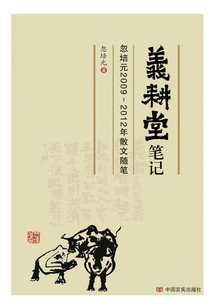
义耕堂笔记(忽培元2009~2012年散文随笔)
Hu Peiyuan
"Yi Geng Tang Notes (Hu Peiyuan's Prose Essays from 2009 to 2012)" selects prose essays written by the contemporary writer, scholar, calligrapher and painter Hu Peiyuan in the past four years from 2009 to 2012 after returning to Beijing from Daqing. The book is divided into six parts: 1. Learning, counting the romantic years; 2. Reminiscing, remembering old friends with high mountains and rivers; 3. Traveling, the scenery is still on the road; 4. Enlightenment, being moved by everything in life; 5. Reading, the fragrance of ink can float far away; 6. Talking, singing and singing has become a trend of its own. From political economy to past stories of old friends, from life insights to literary creation. Vertically and horizontally, it is full of innocent feelings, making people moved and benefited after reading it, and full of positive energy. The author's articles and works have been strongly recognized and recommended by famous figures such as He Jingzhi, Chen Zhongshi, Jia Pingwa and so on.
"Yi Geng Tang Notes (Hu Peiyuan's Prose Essays from 2009 to 2012)" selects prose essays written by the contemporary writer, scholar, calligrapher and painter Hu Peiyuan in the past four years from 2009 to 2012 after returning to Beijing from Daqing. The book is divided into six parts: 1. Learning, counting the romantic years; 2. Reminiscing, remembering old friends with high mountains and rivers; 3. Traveling, the scenery is still on the road; 4. Enlightenment, being moved by everything in life; 5. Reading, the fragrance of ink can float far away; 6. Talking, singing and singing has become a trend of its own. From political economy to past stories of old friends, from life insights to literary creation. Vertically and horizontally, it is full of innocent feelings, making people moved and benefited after reading it, and full of positive energy. The author's articles and works have been strongly recognized and recommended by famous figures such as He Jingzhi, Chen Zhongshi, Jia Pingwa and so on.
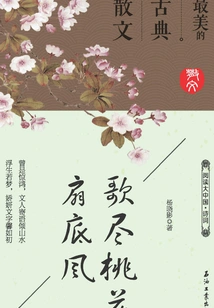
歌尽桃花扇底风:最美的古典散文
Yang Xiaoying
This book "Singing the Peach Blossom Fan: The Most Beautiful Classical Prose" edited by Yang Xiaoying selects famous ancient prose that can be incorporated into poetry and painting, and allows readers to appreciate, analyze and indulge in it together. In this reading trip of classical prose, we can appreciate the majestic and long speeches written by saints in the pre-Qin period, like an iris born on the rolling and deep mountains; the poets who moved to the tower in the Han Dynasty to compose poems, like an elegant iris exuding rich The fragrant tulips are noble and gorgeous; the creations of literati in the Wei, Jin, Southern and Northern Dynasties are like spring bamboo shoots after the rain; the literati of the Tang and Song Dynasties are poetic about a pool of spring water, a slanting wind, a green willow tree, and a piece of falling red; the noble and elegant prose of the Ming and Qing Dynasties slowly exudes the charm of fresh fragrance. Let us restore the beautiful era together and tell beautiful stories.
This book "Singing the Peach Blossom Fan: The Most Beautiful Classical Prose" edited by Yang Xiaoying selects famous ancient prose that can be incorporated into poetry and painting, and allows readers to appreciate, analyze and indulge in it together. In this reading trip of classical prose, we can appreciate the majestic and long speeches written by saints in the pre-Qin period, like an iris born on the rolling and deep mountains; the poets who moved to the tower in the Han Dynasty to compose poems, like an elegant iris exuding rich The fragrant tulips are noble and gorgeous; the creations of literati in the Wei, Jin, Southern and Northern Dynasties are like spring bamboo shoots after the rain; the literati of the Tang and Song Dynasties are poetic about a pool of spring water, a slanting wind, a green willow tree, and a piece of falling red; the noble and elegant prose of the Ming and Qing Dynasties slowly exudes the charm of fresh fragrance. Let us restore the beautiful era together and tell beautiful stories.
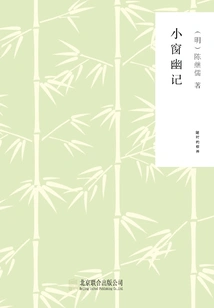
Notes on the Small Window
Literature小窗幽记
Chen Jiru
The author of "Little Window Secrets" is Chen Jiru. The whole book begins with awakening and ends with beauty. Although it is mixed in the dust, it has a high view of the outside world. In its criticism of the world's trend, it reveals the coldness of a philosopher. Its aphorisms are exquisite, short and exquisite, prompting caution and benefiting people's minds. Since its publication, it has spread like wildfire and attracted the attention of readers again and again. Its cultural charm is becoming more and more recognized by readers.
The author of "Little Window Secrets" is Chen Jiru. The whole book begins with awakening and ends with beauty. Although it is mixed in the dust, it has a high view of the outside world. In its criticism of the world's trend, it reveals the coldness of a philosopher. Its aphorisms are exquisite, short and exquisite, prompting caution and benefiting people's minds. Since its publication, it has spread like wildfire and attracted the attention of readers again and again. Its cultural charm is becoming more and more recognized by readers.
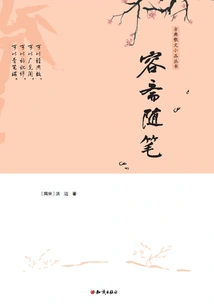
Rong Zhai's Essays
Literature容斋随笔
I
"Rong Zhai Essays" is the general name of the reading notes of Hong Mai (1123-1202) of the Southern Song Dynasty in the past forty years. It is the testimony and crystallization of Hong Mai's extensive reading and rigorous scholarship. This book consists of five strokes and 74 volumes. Among them, "Rong Zhai's Essays" (one stroke, 16 volumes), "Rong Zhai's Continuation" (two strokes, 16 volumes), "Rong Zhai's Three Strokes" (16 volumes), "Rong Zhai's Four Strokes" (16 volumes), "Rong Zhai's Five Strokes" (10 volumes).
"Rong Zhai Essays" is the general name of the reading notes of Hong Mai (1123-1202) of the Southern Song Dynasty in the past forty years. It is the testimony and crystallization of Hong Mai's extensive reading and rigorous scholarship. This book consists of five strokes and 74 volumes. Among them, "Rong Zhai's Essays" (one stroke, 16 volumes), "Rong Zhai's Continuation" (two strokes, 16 volumes), "Rong Zhai's Three Strokes" (16 volumes), "Rong Zhai's Four Strokes" (16 volumes), "Rong Zhai's Five Strokes" (10 volumes).
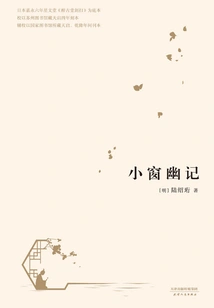
The Secret of a Small Window (2017)
Literature小窗幽记(2017)
Lu Shaoheng
Wong Kar-Wai enthusiastically recommends and extracts exquisite words and phrases from more than fifty classics and history collections, and uses "Zuigutang Jiansao" by Xingwentang in the sixth year of Jiayong as the basis. During the Tianqi period of the Ming Dynasty, Lu Shaoheng, a talented man from the south of the Yangtze River, lived in Beijing. When he witnessed the world's vulgar sentiments, he suddenly felt a lump in his chest. Why relieve poverty and sorrow? Only reading. So in his spare time reading, Lu Shaoheng extracted exquisite words and phrases from more than fifty classics and historical collections, divided them into twelve volumes, and compiled them into a book for his own entertainment. Read it carefully, and as you turn your lips and teeth, you can feel the feeling of drunkenness, the ancient meaning, the sword intention, and the chivalrous spirit.
Wong Kar-Wai enthusiastically recommends and extracts exquisite words and phrases from more than fifty classics and history collections, and uses "Zuigutang Jiansao" by Xingwentang in the sixth year of Jiayong as the basis. During the Tianqi period of the Ming Dynasty, Lu Shaoheng, a talented man from the south of the Yangtze River, lived in Beijing. When he witnessed the world's vulgar sentiments, he suddenly felt a lump in his chest. Why relieve poverty and sorrow? Only reading. So in his spare time reading, Lu Shaoheng extracted exquisite words and phrases from more than fifty classics and historical collections, divided them into twelve volumes, and compiled them into a book for his own entertainment. Read it carefully, and as you turn your lips and teeth, you can feel the feeling of drunkenness, the ancient meaning, the sword intention, and the chivalrous spirit.
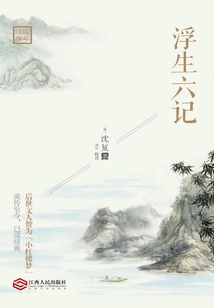
Six Chapters of a Floating Life
Literature浮生六记
Shen Fu
This book is an autobiographical essay. The author Shen Fu describes all aspects of life in concise and vivid writing, including his marriage and love life, family changes, leisurely interests, landscape travel notes, etc. The article is natural and unique, and the author's unique attitude towards life, values, character, temperament and aesthetic taste are revealed between the lines. There is a state of "joy but not obscenity, decay but not hurt" when reading, which was highly praised by later generations of literati.
This book is an autobiographical essay. The author Shen Fu describes all aspects of life in concise and vivid writing, including his marriage and love life, family changes, leisurely interests, landscape travel notes, etc. The article is natural and unique, and the author's unique attitude towards life, values, character, temperament and aesthetic taste are revealed between the lines. There is a state of "joy but not obscenity, decay but not hurt" when reading, which was highly praised by later generations of literati.
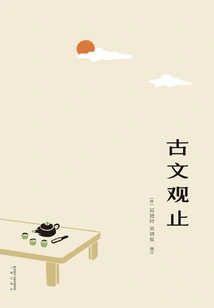
Guanwen Guanzhi
Literature古文观止
(qing Dynasty) Wu Chucai (qing Dynasty) Editor's Notes By Wu Tiaohou
"Guan Zhi", compiled by the mid-Qing literati Wu Chucai and Wu Tiaohou's uncle and nephew, is a comprehensive book of the essence of Chinese prose from all dynasties. It is an enlightenment reading book for classical Chinese since the Qing Dynasty. Together with "Three Hundred Tang Poems", it is called the "double wall" of Chinese ancient poetry anthology. Lu Xun praised it as being as beautiful as "Selected Works of Zhaoming". "Guanzhi of Ancient Prose" means that one can view the ancient promulgation at a glance in this book, and all the beauties selected from it will be collected together. The collection of articles starts from the pre-Qin Dynasty and ends at the end of the Ming Dynasty. It consists of twelve volumes and 222 articles. It includes various literary styles and selects famous articles by sages. It is short in length, refined in language, and easy to read. It represents the highest level of prose from the pre-Qin to the late Ming Dynasty. It also shows the development of Chinese articles from one side. It is the first choice for understanding Chinese culture and enlightening Chinese articles.
"Guan Zhi", compiled by the mid-Qing literati Wu Chucai and Wu Tiaohou's uncle and nephew, is a comprehensive book of the essence of Chinese prose from all dynasties. It is an enlightenment reading book for classical Chinese since the Qing Dynasty. Together with "Three Hundred Tang Poems", it is called the "double wall" of Chinese ancient poetry anthology. Lu Xun praised it as being as beautiful as "Selected Works of Zhaoming". "Guanzhi of Ancient Prose" means that one can view the ancient promulgation at a glance in this book, and all the beauties selected from it will be collected together. The collection of articles starts from the pre-Qin Dynasty and ends at the end of the Ming Dynasty. It consists of twelve volumes and 222 articles. It includes various literary styles and selects famous articles by sages. It is short in length, refined in language, and easy to read. It represents the highest level of prose from the pre-Qin to the late Ming Dynasty. It also shows the development of Chinese articles from one side. It is the first choice for understanding Chinese culture and enlightening Chinese articles.
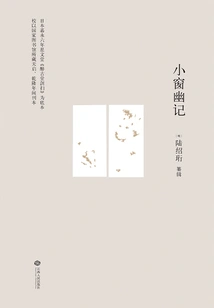
Notes on the Small Window
Literature小窗幽记
(ming Dynasty) Compiled By Lu Shaoheng
During the Tianqi period of the Ming Dynasty, Lu Shaoheng, a talented man from the south of the Yangtze River, lived in Beijing. When he witnessed the world's vulgar sentiments, he suddenly felt a lump in his chest. Why relieve poverty and sorrow? Only reading. So in his spare time reading, Lu Shaoheng extracted exquisite words and phrases from more than fifty classics and historical collections, divided them into twelve volumes, and compiled them into a book for his own entertainment. Read it carefully, and as you turn your lips and teeth, you can feel the feeling of drunkenness, the ancient meaning, the sword intention, and the chivalrous spirit.
During the Tianqi period of the Ming Dynasty, Lu Shaoheng, a talented man from the south of the Yangtze River, lived in Beijing. When he witnessed the world's vulgar sentiments, he suddenly felt a lump in his chest. Why relieve poverty and sorrow? Only reading. So in his spare time reading, Lu Shaoheng extracted exquisite words and phrases from more than fifty classics and historical collections, divided them into twelve volumes, and compiled them into a book for his own entertainment. Read it carefully, and as you turn your lips and teeth, you can feel the feeling of drunkenness, the ancient meaning, the sword intention, and the chivalrous spirit.
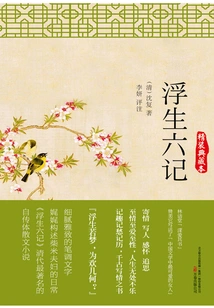
浮生六记(典藏本)
(qing) Commentary By Shen Fu And Li Yan
"Six Chapters of a Floating Life" is an autobiographical prose written by Shen Fu, a native of Changzhou in the Qing Dynasty, in the 13th year of Jiaqing (1808). The original book was in six volumes, but today there are only four volumes of incomplete manuscripts. The second dictionary of "Floating Life" comes from Li Bai's poem "Preface to the Spring Night Banquet from My Brother's Peach and Li Garden": "Heaven and earth are the reverse journey of all things; time is the passerby of hundreds of generations. And floating life is like a dream, how much joy is there?".
"Six Chapters of a Floating Life" is an autobiographical prose written by Shen Fu, a native of Changzhou in the Qing Dynasty, in the 13th year of Jiaqing (1808). The original book was in six volumes, but today there are only four volumes of incomplete manuscripts. The second dictionary of "Floating Life" comes from Li Bai's poem "Preface to the Spring Night Banquet from My Brother's Peach and Li Garden": "Heaven and earth are the reverse journey of all things; time is the passerby of hundreds of generations. And floating life is like a dream, how much joy is there?".
L
Literaturel
I
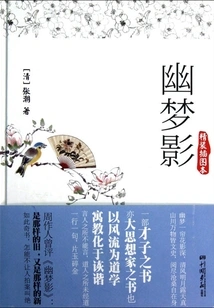
"Youmengying" is a collection of essay-style aphorisms written by Zhang Chao, a writer in the Qing Dynasty. It is rich in content and elegant in writing. The sky and the earth, the moving clouds, rain and dew, flowers and birds, grass and trees, lakes and mountains, all seem to be picked up at your fingertips and talked about, but in fact they contain profound meaning and interest, which make people daydream. During the writing process of this book, it received praise and comments from more than 120 great scholars and artists in the early Qing Dynasty. It has great influence and far-reaching significance!
"Youmengying" is a collection of essay-style aphorisms written by Zhang Chao, a writer in the Qing Dynasty. It is rich in content and elegant in writing. The sky and the earth, the moving clouds, rain and dew, flowers and birds, grass and trees, lakes and mountains, all seem to be picked up at your fingertips and talked about, but in fact they contain profound meaning and interest, which make people daydream. During the writing process of this book, it received praise and comments from more than 120 great scholars and artists in the early Qing Dynasty. It has great influence and far-reaching significance!
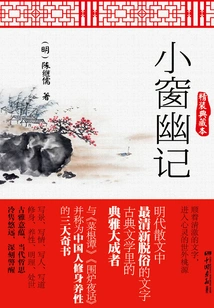
Notes on the Small Window
Literature小窗幽记
Chen Jiru
"The Story of a Small Window", a "Zuigutang Sword Sweeper", twelve volumes, short essays on aphorisms and aphorisms. The book is divided into twelve chapters: Xing, Qing, Qiao, Ling, Su, Scenery, Rhythm, Qi, Qi, Hao, Fa and Qian. The content mainly explains the importance of cultivating one's mind and dealing with the world. It expresses the Tao Ran and detached feelings of a reclusive scholar who is indifferent to fame and wealth and enjoys being in the mountains and forests. It is one of the representative works of Qingyan in the Ming Dynasty. This book, together with "Cai Gen Tan" and "Night Talk around the Furnace", are known as the three great books on self-cultivation in China. This book has been praised by professionals as "dignified, elegant and gentle, full of beauty and perfection, and full of surprises". It is said by the public that "sometimes he picks up trivial things and writes them into books, and people from far and near compete to buy and write them."
"The Story of a Small Window", a "Zuigutang Sword Sweeper", twelve volumes, short essays on aphorisms and aphorisms. The book is divided into twelve chapters: Xing, Qing, Qiao, Ling, Su, Scenery, Rhythm, Qi, Qi, Hao, Fa and Qian. The content mainly explains the importance of cultivating one's mind and dealing with the world. It expresses the Tao Ran and detached feelings of a reclusive scholar who is indifferent to fame and wealth and enjoys being in the mountains and forests. It is one of the representative works of Qingyan in the Ming Dynasty. This book, together with "Cai Gen Tan" and "Night Talk around the Furnace", are known as the three great books on self-cultivation in China. This book has been praised by professionals as "dignified, elegant and gentle, full of beauty and perfection, and full of surprises". It is said by the public that "sometimes he picks up trivial things and writes them into books, and people from far and near compete to buy and write them."
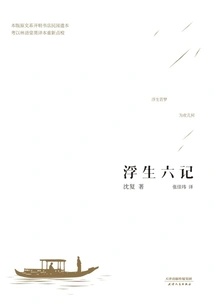
浮生六记(汪涵推荐,张佳玮译)
Shen Fu
"Six Chapters of a Floating Life" is an autobiographical prose novel. The book records the joy of the boudoir, the harmonious harmony of the piano and the piano, and the deep affection; it records leisurely elegance, the character of a poor man, his likes and dislikes; it records the ups and downs of life, difficulties and separations, and the human condition of the world; it records travels to various places, scenic spots, and anecdotes. The author uses simple writing style to describe the experience of most of his life. The contrast between joy and sorrow is truly moving. The book describes that he and his wife Chen Yun had similar interests and deep love as a couple, and were willing to live a life of commoners and vegetarians. However, due to the suffering of poverty, their ideals were finally shattered and they experienced the pain of life and death.
"Six Chapters of a Floating Life" is an autobiographical prose novel. The book records the joy of the boudoir, the harmonious harmony of the piano and the piano, and the deep affection; it records leisurely elegance, the character of a poor man, his likes and dislikes; it records the ups and downs of life, difficulties and separations, and the human condition of the world; it records travels to various places, scenic spots, and anecdotes. The author uses simple writing style to describe the experience of most of his life. The contrast between joy and sorrow is truly moving. The book describes that he and his wife Chen Yun had similar interests and deep love as a couple, and were willing to live a life of commoners and vegetarians. However, due to the suffering of poverty, their ideals were finally shattered and they experienced the pain of life and death.
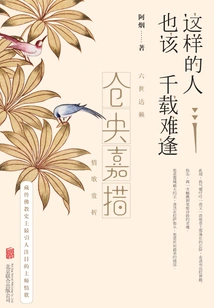
这样的人也该千载难逢
Ayan
Use the time of a song to commemorate a person, and the meditation of a cup of tea to recall a person. I sat under the Bodhi tree and watched quietly. There was only one photo between me and him in the past life. In this life, in the next life, the red lotus blossoms quietly under the Bodhi tree and the Buddha's light flashes between the opening and closing.
Use the time of a song to commemorate a person, and the meditation of a cup of tea to recall a person. I sat under the Bodhi tree and watched quietly. There was only one photo between me and him in the past life. In this life, in the next life, the red lotus blossoms quietly under the Bodhi tree and the Buddha's light flashes between the opening and closing.
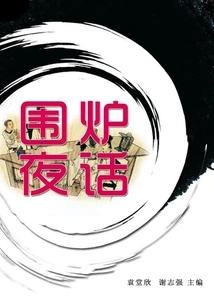
围炉夜话(中华国学经典)
Yuan Tangxin Editor-in-chief Xie Zhiqiang
"Night Talk Around the Fire" is a collection of popular aphorisms. He is not good at rigorous reasoning, but wins with short and concise aphorisms. A few words contain profound philosophy of life, which not only makes himself sober, but also makes others alert.
"Night Talk Around the Fire" is a collection of popular aphorisms. He is not good at rigorous reasoning, but wins with short and concise aphorisms. A few words contain profound philosophy of life, which not only makes himself sober, but also makes others alert.
古文观止(中华国学经典)
Yuan Tangxin Editor-in-chief Xie Zhiqiang
"Gu Wen Guan Zhi" generally reflects the general outline and main features of the development of prose from the pre-Qin to the late Ming dynasties: the essays selected in this book are all excellent works with refined language, short and concise, and easy to pass on. It is not difficult to see the meticulous and thoughtful vision of the editor, who basically takes into account both ideological and artistic qualities. The title of the book is "Guanzhi", which shows that the purpose of editing the book is to provide a complete overview of the book. You can "view and stop" the ancient literature.
"Gu Wen Guan Zhi" generally reflects the general outline and main features of the development of prose from the pre-Qin to the late Ming dynasties: the essays selected in this book are all excellent works with refined language, short and concise, and easy to pass on. It is not difficult to see the meticulous and thoughtful vision of the editor, who basically takes into account both ideological and artistic qualities. The title of the book is "Guanzhi", which shows that the purpose of editing the book is to provide a complete overview of the book. You can "view and stop" the ancient literature.
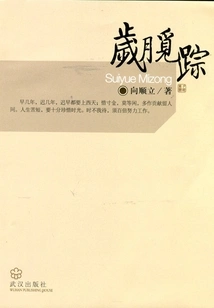
Years Looking for Traces
Literature岁月觅踪
Xiang Shunli
The book is divided into four parts: my life, poetry selections, recent collections, and local chronicle excerpts. It records the traces of life and social changes from the Anti-Japanese War period to the reform and opening up period: it expresses the feelings for family, homeland and national development; it explores and summarizes the experience of compiling local chronicles for more than ten years.
The book is divided into four parts: my life, poetry selections, recent collections, and local chronicle excerpts. It records the traces of life and social changes from the Anti-Japanese War period to the reform and opening up period: it expresses the feelings for family, homeland and national development; it explores and summarizes the experience of compiling local chronicles for more than ten years.
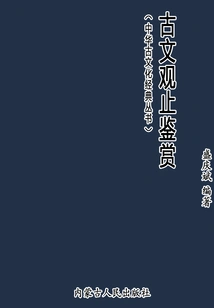
古文观止鉴赏(中华古文化经典丛书)
Compiled By Sheng Qingbin
China has a long history of prose tradition. From the pre-Qin Dynasty to the Ming and Qing Dynasties, there were numerous famous writers and excellent works, and there are numerous anthologies of various articles. Among the many prose selections, "Gu Wen Guan Zhi" can be regarded as the most influential one. This book dates from the Zhou Dynasty to the late Ming Dynasty, and includes famous works and articles of various genres and styles. Therefore, it has been an enlightenment textbook suitable for beginners of prose for more than 300 years. In order to help young readers read and understand "Guwen Guanzhi", this book integrates the original text, annotations, and vernacular translation, and adds "appreciation" to analyze the writing background, ideological content, and writing characteristics of each article, so that readers can better understand the spiritual essence and artistic charm of the original text.
China has a long history of prose tradition. From the pre-Qin Dynasty to the Ming and Qing Dynasties, there were numerous famous writers and excellent works, and there are numerous anthologies of various articles. Among the many prose selections, "Gu Wen Guan Zhi" can be regarded as the most influential one. This book dates from the Zhou Dynasty to the late Ming Dynasty, and includes famous works and articles of various genres and styles. Therefore, it has been an enlightenment textbook suitable for beginners of prose for more than 300 years. In order to help young readers read and understand "Guwen Guanzhi", this book integrates the original text, annotations, and vernacular translation, and adds "appreciation" to analyze the writing background, ideological content, and writing characteristics of each article, so that readers can better understand the spiritual essence and artistic charm of the original text.
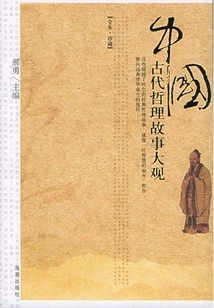
中国古代哲理故事大观
Compiled By Hao Yong
Humanity has entered the 21st century. In the irreversible process of life, in the fleeting time, people always hope that they will take less detours in life, do less stupid things, and pay less unnecessary costs. This requires improving their own quality, strengthening and using their own wisdom. This book uses the profound and thought-provoking philosophical stories of ancient times to help people, after appreciating them, transform the methods and principles worth absorbing into their personal qualities, thereby becoming wiser and more capable. This book is based on ancient philosophical stories. In order to highlight the readability of the story, it is rewritten on its basis to make the reading process more relaxed and interesting for readers. At the same time, each story is followed by concise philosophical advice, allowing readers to appreciate and comprehend the story, and then draw inferences and draw inferences, thereby achieving a wise and beneficial effect.
Humanity has entered the 21st century. In the irreversible process of life, in the fleeting time, people always hope that they will take less detours in life, do less stupid things, and pay less unnecessary costs. This requires improving their own quality, strengthening and using their own wisdom. This book uses the profound and thought-provoking philosophical stories of ancient times to help people, after appreciating them, transform the methods and principles worth absorbing into their personal qualities, thereby becoming wiser and more capable. This book is based on ancient philosophical stories. In order to highlight the readability of the story, it is rewritten on its basis to make the reading process more relaxed and interesting for readers. At the same time, each story is followed by concise philosophical advice, allowing readers to appreciate and comprehend the story, and then draw inferences and draw inferences, thereby achieving a wise and beneficial effect.
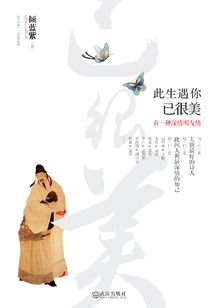
此生遇你已很美:有一种深情叫友情
Qing Blue Purple
A book about the friendship between ancient literati. It's about friendship, but also about kindness. These outstanding literati in the literary world are often inseparable from each other spiritually. When they are apart, they will miss each other. If one party suffers the disaster of war, the other party will be tossing and turning. They are Li Bai and Meng Haoran, Wang Wei and Pei Xiucai, Han Yu and Meng Jiao. The relationship between them is not love, but friendship, but it is better than thousands of love in the world that can go through fire and water. The author Qing Lan Zi still writes in prose in the style he is good at. The diction is gorgeous and the materials are detailed. It is a rich and readable masterpiece.
A book about the friendship between ancient literati. It's about friendship, but also about kindness. These outstanding literati in the literary world are often inseparable from each other spiritually. When they are apart, they will miss each other. If one party suffers the disaster of war, the other party will be tossing and turning. They are Li Bai and Meng Haoran, Wang Wei and Pei Xiucai, Han Yu and Meng Jiao. The relationship between them is not love, but friendship, but it is better than thousands of love in the world that can go through fire and water. The author Qing Lan Zi still writes in prose in the style he is good at. The diction is gorgeous and the materials are detailed. It is a rich and readable masterpiece.
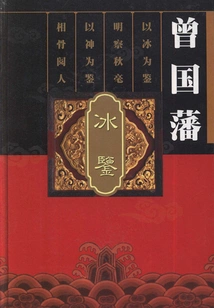
Zeng Guofan's Ice Mirror (volume 1)
Literature曾国藩冰鉴(第一卷)
Song Tiantian
"Bing Jian" uses ice as a mirror to discern everything, and uses gods as a mirror to identify people by their bones. The only way to do things is to employ people. To employ people, you must first know people, and to know people, you must first observe people. It can be said that there have been successes and failures in observing, recognizing, and employing people in ancient and modern times. In order to prevent everyone from having any influence on observing, recognizing, and employing people, this book has been specially edited. This book discusses the seven parts of the human body: the bones, mood, hardness and softness, appearance, eyebrows, complexion, and voice, in order to achieve the purpose of correctly observing, recognizing, and employing people. Here we will not talk about the general principles of observing, recognizing, and employing people. We only hope that everyone can benefit greatly from observing, recognizing, and employing people.
"Bing Jian" uses ice as a mirror to discern everything, and uses gods as a mirror to identify people by their bones. The only way to do things is to employ people. To employ people, you must first know people, and to know people, you must first observe people. It can be said that there have been successes and failures in observing, recognizing, and employing people in ancient and modern times. In order to prevent everyone from having any influence on observing, recognizing, and employing people, this book has been specially edited. This book discusses the seven parts of the human body: the bones, mood, hardness and softness, appearance, eyebrows, complexion, and voice, in order to achieve the purpose of correctly observing, recognizing, and employing people. Here we will not talk about the general principles of observing, recognizing, and employing people. We only hope that everyone can benefit greatly from observing, recognizing, and employing people.
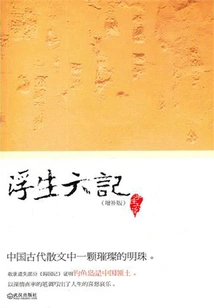
浮生六记(增补版)
Shen Fu
"Six Chapters of a Floating Life (Supplementary Edition)" edited by Shen Fu takes the life of the author and his wife as the main line. It is a book that traces the past. Among them are "Records of Joy in the Boudoir", "Records of Leisure and Fun", "Records of Sorrows in Ups and Downs", "Records of Wandering Travels", "Records of Zhongshan Calendar", and "Records of Health Preservation". In addition, there is also the long-lost "A Brief Record of the Conferment of Ryukyu Kingdom" ("Sea Kingdom").
"Six Chapters of a Floating Life (Supplementary Edition)" edited by Shen Fu takes the life of the author and his wife as the main line. It is a book that traces the past. Among them are "Records of Joy in the Boudoir", "Records of Leisure and Fun", "Records of Sorrows in Ups and Downs", "Records of Wandering Travels", "Records of Zhongshan Calendar", and "Records of Health Preservation". In addition, there is also the long-lost "A Brief Record of the Conferment of Ryukyu Kingdom" ("Sea Kingdom").