Library
Browse and search books
753 novels found
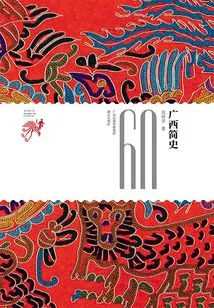
A Brief History of Guangxi
History广西简史
Liu Xiangxue
"A Brief History of Guangxi" abandons the usual practice of straightforward narration and comprehensive coverage, and adopts a writing framework and writing form that takes important figures as the purpose and important events as the outline. It uses important events and important figures one by one to connect the history of Guangxi and outline the basic context of Guangxi's historical development.
"A Brief History of Guangxi" abandons the usual practice of straightforward narration and comprehensive coverage, and adopts a writing framework and writing form that takes important figures as the purpose and important events as the outline. It uses important events and important figures one by one to connect the history of Guangxi and outline the basic context of Guangxi's historical development.
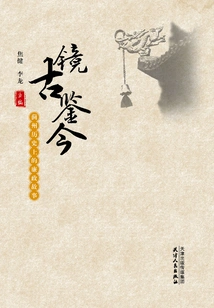
镜古鉴今
Jiao Jian Editor-in-chief Li Long
Jizhou has a long history, and was known as Wuyang and Yuyang in ancient times. It is rich in regional cultural resources, including historical figures who shine in the annals of history, as well as touching allusions and legends. It has both the ancient clean government culture and the modern red gene inheritance. In order to give full play to the leading role of ancient anti-corruption culture and absorb spiritual nutrition from history, "Mirroring the Past to Learn the Present (Integrity Stories in the History of Jizhou)" deeply explores the unique anti-corruption culture stories in the Jizhou region that have been passed down to this day. To learn integrity, educate and guide party members and cadres, especially leading cadres, to take the lead in inheriting and carrying forward the traditional virtues of the Chinese nation, taking the lead in cultivating noble moral sentiments, adhering to the original intention, firm beliefs, clear rules, and observing great virtues. They always maintain flesh-and-blood ties with the people, faithfully perform their duties, work diligently and honestly, and use practical actions to drive the party's conduct, government, and people's conduct to be good, thereby promoting the comprehensive and strict development of the party.
Jizhou has a long history, and was known as Wuyang and Yuyang in ancient times. It is rich in regional cultural resources, including historical figures who shine in the annals of history, as well as touching allusions and legends. It has both the ancient clean government culture and the modern red gene inheritance. In order to give full play to the leading role of ancient anti-corruption culture and absorb spiritual nutrition from history, "Mirroring the Past to Learn the Present (Integrity Stories in the History of Jizhou)" deeply explores the unique anti-corruption culture stories in the Jizhou region that have been passed down to this day. To learn integrity, educate and guide party members and cadres, especially leading cadres, to take the lead in inheriting and carrying forward the traditional virtues of the Chinese nation, taking the lead in cultivating noble moral sentiments, adhering to the original intention, firm beliefs, clear rules, and observing great virtues. They always maintain flesh-and-blood ties with the people, faithfully perform their duties, work diligently and honestly, and use practical actions to drive the party's conduct, government, and people's conduct to be good, thereby promoting the comprehensive and strict development of the party.
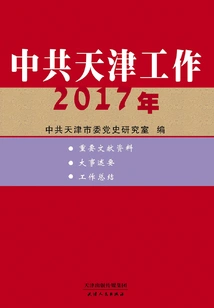
Ccp Work in Tianjin: 2017
History中共天津工作:2017年
Party History Research Office Of Tianjin Municipal Committee Of The Communist Party Of China
This book is mainly divided into three parts: "Important Documents in 2017", "Summary of Major Events in 2017" and "Summary of Work in 2017". The main content of "Important Documents in 2017" is a collection of 7 important reports made by relevant leaders of the municipal party committee and municipal government. The main content of the "Summary of Major Events in 2017" is the summary of major events in 2017 by the Tianjin Municipal Committee of the Communist Party of China, the Standing Committee of the Tianjin Municipal People's Congress, the People's Government, the CPPCC, various district committees, people's organizations and other units and their affiliated units; the main content of the "Summary of Work in 2017" is the summary of the work of the above-mentioned units in 2017. The information in the book is comprehensive, authoritative, and standardized. It provides historical data retention and recording significance for us to review, summarize, and consult the work in Tianjin in 2017. It has certain reference and collection value for relevant counterpart work departments.
This book is mainly divided into three parts: "Important Documents in 2017", "Summary of Major Events in 2017" and "Summary of Work in 2017". The main content of "Important Documents in 2017" is a collection of 7 important reports made by relevant leaders of the municipal party committee and municipal government. The main content of the "Summary of Major Events in 2017" is the summary of major events in 2017 by the Tianjin Municipal Committee of the Communist Party of China, the Standing Committee of the Tianjin Municipal People's Congress, the People's Government, the CPPCC, various district committees, people's organizations and other units and their affiliated units; the main content of the "Summary of Work in 2017" is the summary of the work of the above-mentioned units in 2017. The information in the book is comprehensive, authoritative, and standardized. It provides historical data retention and recording significance for us to review, summarize, and consult the work in Tianjin in 2017. It has certain reference and collection value for relevant counterpart work departments.
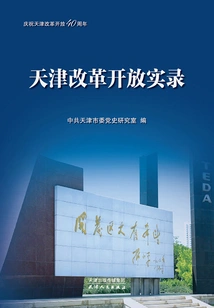
天津改革开放实录(庆祝天津改革开放40周年)
Party History Research Office Of Tianjin Municipal Committee Of The Communist Party Of China
This book takes the form of a special topic and is based on detailed historical materials. It objectively records the great achievements and valuable experiences made by the Communist Party of China in leading the people of Tianjin in promoting economic construction, political construction, cultural construction, social construction, ecological civilization construction and party building in the past 40 years of reform and opening up. It summarizes the experience of the Communist Party of China in leading economic construction, political construction, cultural construction, social construction, and ecological civilization construction, and its experience in building a moderately prosperous society in an all-round way, comprehensively deepening reforms, comprehensively governing the country according to law, and comprehensively and strictly governing the party, thereby seeking historical reference and inspiration. This book combines history with theory and draws theory from history to vividly and concretely express the historical achievements, basic experience and regional traditions of Tianjin's reform and opening up, leaving a precious historical material for future generations.
This book takes the form of a special topic and is based on detailed historical materials. It objectively records the great achievements and valuable experiences made by the Communist Party of China in leading the people of Tianjin in promoting economic construction, political construction, cultural construction, social construction, ecological civilization construction and party building in the past 40 years of reform and opening up. It summarizes the experience of the Communist Party of China in leading economic construction, political construction, cultural construction, social construction, and ecological civilization construction, and its experience in building a moderately prosperous society in an all-round way, comprehensively deepening reforms, comprehensively governing the country according to law, and comprehensively and strictly governing the party, thereby seeking historical reference and inspiration. This book combines history with theory and draws theory from history to vividly and concretely express the historical achievements, basic experience and regional traditions of Tianjin's reform and opening up, leaving a precious historical material for future generations.
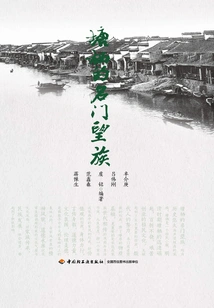
The Famous Family in Tangqi
History塘栖的名门望族
Compiled By Zhuo Jiegeng, Lu Weigang, Yu Ming, Fan Xinsen And Jiang Yusheng
The famous families in Tangqi are all families with a long history and high reputation. In the history of Tangqi, especially in the Ming, Qing and Republic of China, many famous families and many remarkable figures emerged. The world is ups and downs, vicissitudes of life, the glory is lost in the dust of history, but the cultural blood is especially present. The organization and writing of "The Famous Families of Tangqi" took more than years. Its purpose is to explore and promote the cultural traditions in traditional culture. The five authors are all natives of Tangqi, and they are all people who love Tangqi culture. The five families are like the five dazzling lights in history. I hope readers can read the spiritual core of Tangqi's ancestors.
The famous families in Tangqi are all families with a long history and high reputation. In the history of Tangqi, especially in the Ming, Qing and Republic of China, many famous families and many remarkable figures emerged. The world is ups and downs, vicissitudes of life, the glory is lost in the dust of history, but the cultural blood is especially present. The organization and writing of "The Famous Families of Tangqi" took more than years. Its purpose is to explore and promote the cultural traditions in traditional culture. The five authors are all natives of Tangqi, and they are all people who love Tangqi culture. The five families are like the five dazzling lights in history. I hope readers can read the spiritual core of Tangqi's ancestors.
唐山市大事记2006-2010(上下册)
Tangshan Municipal Archives
This book records the more significant events that occurred in Tangshan City from 2006 to 2010. It mainly includes important contents such as economic construction achievements, the introduction of major policies, and the annual two sessions. The purpose of writing and publishing this book is to develop and utilize archival information resources, so that leaders at all levels and relevant departments can understand the great achievements and development of socialist construction in Tangshan City, better guide future work, and achieve the purpose of preserving history, assisting government, and promoting profits.
This book records the more significant events that occurred in Tangshan City from 2006 to 2010. It mainly includes important contents such as economic construction achievements, the introduction of major policies, and the annual two sessions. The purpose of writing and publishing this book is to develop and utilize archival information resources, so that leaders at all levels and relevant departments can understand the great achievements and development of socialist construction in Tangshan City, better guide future work, and achieve the purpose of preserving history, assisting government, and promoting profits.
内蒙古历史上的今天
Wang Zhanyi Editor-in-chief Temuqin
This is a new book that reflects the history of Inner Mongolia. The arrangement is very novel. It is not only a work diary, but also records the major events that happened in the history of Inner Mongolia every day. It can be regarded as an excellent textbook for people to meet every day and receive education conveniently every day. This book uses time as a clue to capture the major and representative events that occurred every day in the history of Inner Mongolia, especially the major events that have had a greater impact on Inner Mongolia over the past 40 years of reform and opening up, the major achievements made in the economic and social development of Inner Mongolia, and the important figures with greater influence in the history of Inner Mongolia. It not only highlights the main historical nodes, but also fully grasps the mainstream of historical development, and comprehensively and systematically displays the glorious development process of the autonomous region. Promote Inner Mongolia to the world comprehensively, accurately and systematically, and provide readers with a large amount of vivid historical information on Inner Mongolia. Through this book, the children of Inner Mongolia can understand the changes in their grassland hometown and the glorious history of cadres and masses of all ethnic groups connecting heart to heart and holding hands. Through this book, readers from all over the country can understand the great changes in Inner Mongolia and the beautiful scenery of the northern frontier of the motherland today.
This is a new book that reflects the history of Inner Mongolia. The arrangement is very novel. It is not only a work diary, but also records the major events that happened in the history of Inner Mongolia every day. It can be regarded as an excellent textbook for people to meet every day and receive education conveniently every day. This book uses time as a clue to capture the major and representative events that occurred every day in the history of Inner Mongolia, especially the major events that have had a greater impact on Inner Mongolia over the past 40 years of reform and opening up, the major achievements made in the economic and social development of Inner Mongolia, and the important figures with greater influence in the history of Inner Mongolia. It not only highlights the main historical nodes, but also fully grasps the mainstream of historical development, and comprehensively and systematically displays the glorious development process of the autonomous region. Promote Inner Mongolia to the world comprehensively, accurately and systematically, and provide readers with a large amount of vivid historical information on Inner Mongolia. Through this book, the children of Inner Mongolia can understand the changes in their grassland hometown and the glorious history of cadres and masses of all ethnic groups connecting heart to heart and holding hands. Through this book, readers from all over the country can understand the great changes in Inner Mongolia and the beautiful scenery of the northern frontier of the motherland today.
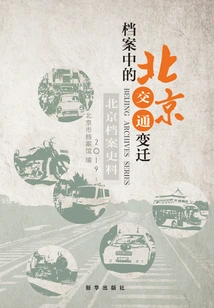
Beijing Archives and Historical Materials.2019.1: Beijing's Transportation Changes in Archives
History北京档案史料.2019.1:档案中的北京交通变迁
Beijing Municipal Archives
This book mainly reflects the traffic changes in Beijing from the early 20th century to the 1990s, including an article about Beijing's road traffic, 10 sets of archival historical materials about Beijing's roads, trams, bicycles, buses, railways, airports, and overpasses, and 3 sets of photos about Beijing buses, Beijing's automobile manufacturing, and Beijing railways. The historical materials in this book are all from the archives of the Beijing Municipal Archives. In addition to the photos stored in the archives, the bus and automobile manufacturing groups were provided by Beijing Public Transport Holding (Group) Co., Ltd. And Beijing Automotive Group Co., Ltd. Respectively.
This book mainly reflects the traffic changes in Beijing from the early 20th century to the 1990s, including an article about Beijing's road traffic, 10 sets of archival historical materials about Beijing's roads, trams, bicycles, buses, railways, airports, and overpasses, and 3 sets of photos about Beijing buses, Beijing's automobile manufacturing, and Beijing railways. The historical materials in this book are all from the archives of the Beijing Municipal Archives. In addition to the photos stored in the archives, the bus and automobile manufacturing groups were provided by Beijing Public Transport Holding (Group) Co., Ltd. And Beijing Automotive Group Co., Ltd. Respectively.
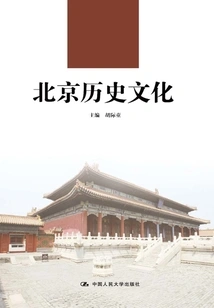
Beijing History and Culture
History北京历史文化
Editor-in-chief Hu Jitong
This book uses the material resources of modern revolutionary historical traditions and integrity innovation education in various districts and counties in Beijing, such as the former residences of celebrities, places where revolutionaries fought, memorial sites for revolutionary activities, scientific and cultural relics, time-honored brands, etc. As the main content. It combines the historical and cultural relics of Beijing with its revolutionary history, scientific exploration, and honest management. It allows learners to not only understand Beijing's splendid culture, but also visit historical sites, receive revolutionary traditional education, integrity education, and cultivate the spirit of scientific exploration and patriotism. This book is suitable for teachers and students who offer relevant courses in various schools and those who are interested in Beijing's history and culture.
This book uses the material resources of modern revolutionary historical traditions and integrity innovation education in various districts and counties in Beijing, such as the former residences of celebrities, places where revolutionaries fought, memorial sites for revolutionary activities, scientific and cultural relics, time-honored brands, etc. As the main content. It combines the historical and cultural relics of Beijing with its revolutionary history, scientific exploration, and honest management. It allows learners to not only understand Beijing's splendid culture, but also visit historical sites, receive revolutionary traditional education, integrity education, and cultivate the spirit of scientific exploration and patriotism. This book is suitable for teachers and students who offer relevant courses in various schools and those who are interested in Beijing's history and culture.
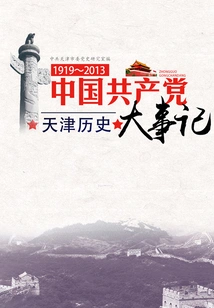
中国共产党天津历史大事记:1919-2013
Party History Research Office Of Tianjin Municipal Committee Of The Communist Party Of China
The founding of the Communist Party of China, the period of the Great Revolution, the Agrarian Revolutionary War, the National Anti-Japanese War, the National Liberation War, the period of implementing the new democratic nation-building program and restoring the national economy, the period of the establishment of the basic socialist system, the period of comprehensive construction of socialism, the period of the "Cultural Revolution", the period of wandering forward and heading towards the great turning point in history, the beginning of reform and opening up, the comprehensive development of reform and opening up, the initial establishment of a socialist market economic system, and the comprehensive construction of a moderately prosperous society.
The founding of the Communist Party of China, the period of the Great Revolution, the Agrarian Revolutionary War, the National Anti-Japanese War, the National Liberation War, the period of implementing the new democratic nation-building program and restoring the national economy, the period of the establishment of the basic socialist system, the period of comprehensive construction of socialism, the period of the "Cultural Revolution", the period of wandering forward and heading towards the great turning point in history, the beginning of reform and opening up, the comprehensive development of reform and opening up, the initial establishment of a socialist market economic system, and the comprehensive construction of a moderately prosperous society.
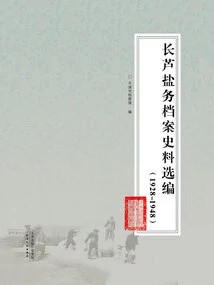
长芦盐务档案史料选编(1928—1948)
Tianjin Municipal Archives
This book is selected from the archives of Tianjin Municipal Archives Director Lu Salt Administration, Tianjin Chamber of Commerce, Tianjin Special Municipal Government and other archives. The time limit is from September 1928 to December 1948, and is divided into three stages before the Anti-Japanese War, the Japanese and puppet period and the post-Anti-Japanese War. The types of texts include laws and regulations, statistical reports, investigation reports, government orders and announcements, official correspondence, etc. A total of 676 files with 530,000 words were selected. The content covers salt management institutions, salt production, transportation and marketing systems, salt taxation, salt anti-smuggling, etc. It relatively comprehensively reflects the development of Changlu Salt Industry during this period, and shows the plunder of Changlu Salt Industry by Japanese invaders with first-hand information. Arrangement method: divided into three stages: before the Anti-Japanese War, during the Japanese and Puppet War, and after the Anti-Japanese War. Each stage is arranged in chronological order.
This book is selected from the archives of Tianjin Municipal Archives Director Lu Salt Administration, Tianjin Chamber of Commerce, Tianjin Special Municipal Government and other archives. The time limit is from September 1928 to December 1948, and is divided into three stages before the Anti-Japanese War, the Japanese and puppet period and the post-Anti-Japanese War. The types of texts include laws and regulations, statistical reports, investigation reports, government orders and announcements, official correspondence, etc. A total of 676 files with 530,000 words were selected. The content covers salt management institutions, salt production, transportation and marketing systems, salt taxation, salt anti-smuggling, etc. It relatively comprehensively reflects the development of Changlu Salt Industry during this period, and shows the plunder of Changlu Salt Industry by Japanese invaders with first-hand information. Arrangement method: divided into three stages: before the Anti-Japanese War, during the Japanese and Puppet War, and after the Anti-Japanese War. Each stage is arranged in chronological order.
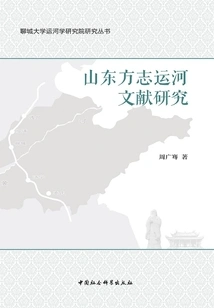
山东方志运河文献研究
Zhou Guangqian
Shandong is an important province through which the Beijing-Hangzhou Grand Canal flows. It is also a major province in the compilation of local chronicles. There are 541 types of local chronicles in existence, ranking third in the country, and a large number of valuable canal documents have been preserved. Under the background that the Party Central Committee attaches great importance to the protection, inheritance and utilization of the history and culture of the Grand Canal, a more in-depth thematic study of Shandong Oriental Canal documents has great historical value and practical significance. This book mainly contains the following three aspects. The first is to study the quantity, characteristics, value and compilation mechanism of the local chronicles of the Shandong Canal Region from the perspective of philology, so as to present the overall style of the local chronicles of the Shandong Canal Region more clearly and accurately. The second is to conduct in-depth excavation and interpretation of the large number of canal documents preserved in Shandong Oriental Chronicles from a historical perspective, especially the canal channels and engineering documents, canal river affairs documents, canal cultural documents, canal architectural documents, canal economic documents, etc. Recorded in Shandong Oriental Chronicles, and to conduct in-depth and systematic interpretations and extract valuable opinions, which will provide useful reference for the smooth advancement of Shandong Canal-related topics. The third is to conduct a more in-depth discussion on the significance and value of Shandong Dongzhi Canal documents in the protection and inheritance of canal cultural heritage, the improvement and beautification of the canal surrounding environment, and the integration and improvement of canal cultural tourism from the perspective of serving reality, so as to provide relatively solid historical document support and intellectual support for the construction of Shandong Canal Cultural Belt and Canal Cultural Park.
Shandong is an important province through which the Beijing-Hangzhou Grand Canal flows. It is also a major province in the compilation of local chronicles. There are 541 types of local chronicles in existence, ranking third in the country, and a large number of valuable canal documents have been preserved. Under the background that the Party Central Committee attaches great importance to the protection, inheritance and utilization of the history and culture of the Grand Canal, a more in-depth thematic study of Shandong Oriental Canal documents has great historical value and practical significance. This book mainly contains the following three aspects. The first is to study the quantity, characteristics, value and compilation mechanism of the local chronicles of the Shandong Canal Region from the perspective of philology, so as to present the overall style of the local chronicles of the Shandong Canal Region more clearly and accurately. The second is to conduct in-depth excavation and interpretation of the large number of canal documents preserved in Shandong Oriental Chronicles from a historical perspective, especially the canal channels and engineering documents, canal river affairs documents, canal cultural documents, canal architectural documents, canal economic documents, etc. Recorded in Shandong Oriental Chronicles, and to conduct in-depth and systematic interpretations and extract valuable opinions, which will provide useful reference for the smooth advancement of Shandong Canal-related topics. The third is to conduct a more in-depth discussion on the significance and value of Shandong Dongzhi Canal documents in the protection and inheritance of canal cultural heritage, the improvement and beautification of the canal surrounding environment, and the integration and improvement of canal cultural tourism from the perspective of serving reality, so as to provide relatively solid historical document support and intellectual support for the construction of Shandong Canal Cultural Belt and Canal Cultural Park.
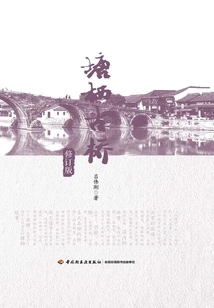
塘栖古桥(修订版)
Lu Weigang
The author of this book conducted a large number of field investigations and related literature searches on the ancient bridges in Tangqi Ancient Town on the banks of the Beijing-Hangzhou Grand Canal. From the perspective and logic of "a world cultural heritage - an immovable cultural relic - a path that villagers must take when traveling", combined with field investigation and document compilation, with pictures and texts, the bridges lead to people and events, and provide readers with a long picture of life in a water town with profound historical heritage and rich flavor of life.
The author of this book conducted a large number of field investigations and related literature searches on the ancient bridges in Tangqi Ancient Town on the banks of the Beijing-Hangzhou Grand Canal. From the perspective and logic of "a world cultural heritage - an immovable cultural relic - a path that villagers must take when traveling", combined with field investigation and document compilation, with pictures and texts, the bridges lead to people and events, and provide readers with a long picture of life in a water town with profound historical heritage and rich flavor of life.
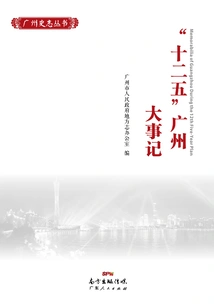
“十二五”广州大事记
Guangzhou Municipal People's Government Local Chronicles Office
"Chronicles of Major Events in Guangzhou during the Twelfth Five-Year Plan" is one of the "Guangzhou Historical Records Series". This book adopts a chronological format and records in chronological order the major, important, new and special events in politics, economy, culture, society, ecology, people's livelihood and other aspects in Guangzhou from January 2011 to December 2015. It adheres to the principle of preserving truth and seeking truth, one thing at a time, and concise writing. It objectively, comprehensively and truly reflects the construction achievements of Guangzhou during the "Twelfth Five-Year Plan" period. The whole book has about 300,000 words.
"Chronicles of Major Events in Guangzhou during the Twelfth Five-Year Plan" is one of the "Guangzhou Historical Records Series". This book adopts a chronological format and records in chronological order the major, important, new and special events in politics, economy, culture, society, ecology, people's livelihood and other aspects in Guangzhou from January 2011 to December 2015. It adheres to the principle of preserving truth and seeking truth, one thing at a time, and concise writing. It objectively, comprehensively and truly reflects the construction achievements of Guangzhou during the "Twelfth Five-Year Plan" period. The whole book has about 300,000 words.
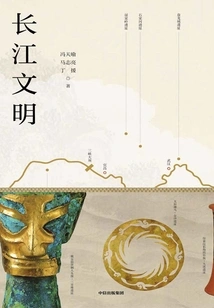
Yangtze River Civilization
History长江文明
Feng Tianyu Ma Zhiliang Ding Yuan
Human civilization is a gift from rivers. The Yangtze River Basin and the Yellow River Basin are both the birthplaces of Chinese civilization. This is the consensus among historians, and it is also a confirmation of the starry sky and the diversity of Chinese civilization. Since the Tang and Song Dynasties, the center of Chinese civilization has gradually shifted from north to south. The Yangtze River has nurtured and witnessed the rise and changes of Chinese history for thousands of years. This book provides an overview of ancient and modern times, and from a global perspective, it comprehensively introduces the unique natural conditions and cultural advantages of the Yangtze River Civilization, as well as its development process and cultural divisions. The entire Yangtze River basin is rich in resources, prosperous in humanities, and prosperous in economy. It is an important symbol of Chinese culture and history. It still maintains a strong momentum of development and maintains the lasting vitality of Chinese civilization. In this book, the author provides a comprehensive introduction to the nature and humanities of the Yangtze River Basin in the form of pictures and texts. He also enumerates the development process and characteristics of other large river civilizations in the world, and compares them with the Yangtze River Civilization. Since ancient times, the Chinese nation's understanding and investigation of the Yangtze River Basin has gradually formed. The author attempts to break regional barriers based on previous research, re-establish an overall understanding of the Yangtze River Civilization from the height of Chinese civilization, explain in detail the civilizational pattern of the Yangtze River and the Yellow River coexisting, and define the historical role of the Yangtze River Civilization. The outline of this book is comprehensive and comprehensive. It is narrated from multiple dimensions of time, space, nature, and culture. It is also concise, easy to read, and rich. It is a cultural reader launched by famous historians for the public. This book covers the branches and core of the Yangtze River Civilization.
Human civilization is a gift from rivers. The Yangtze River Basin and the Yellow River Basin are both the birthplaces of Chinese civilization. This is the consensus among historians, and it is also a confirmation of the starry sky and the diversity of Chinese civilization. Since the Tang and Song Dynasties, the center of Chinese civilization has gradually shifted from north to south. The Yangtze River has nurtured and witnessed the rise and changes of Chinese history for thousands of years. This book provides an overview of ancient and modern times, and from a global perspective, it comprehensively introduces the unique natural conditions and cultural advantages of the Yangtze River Civilization, as well as its development process and cultural divisions. The entire Yangtze River basin is rich in resources, prosperous in humanities, and prosperous in economy. It is an important symbol of Chinese culture and history. It still maintains a strong momentum of development and maintains the lasting vitality of Chinese civilization. In this book, the author provides a comprehensive introduction to the nature and humanities of the Yangtze River Basin in the form of pictures and texts. He also enumerates the development process and characteristics of other large river civilizations in the world, and compares them with the Yangtze River Civilization. Since ancient times, the Chinese nation's understanding and investigation of the Yangtze River Basin has gradually formed. The author attempts to break regional barriers based on previous research, re-establish an overall understanding of the Yangtze River Civilization from the height of Chinese civilization, explain in detail the civilizational pattern of the Yangtze River and the Yellow River coexisting, and define the historical role of the Yangtze River Civilization. The outline of this book is comprehensive and comprehensive. It is narrated from multiple dimensions of time, space, nature, and culture. It is also concise, easy to read, and rich. It is a cultural reader launched by famous historians for the public. This book covers the branches and core of the Yangtze River Civilization.
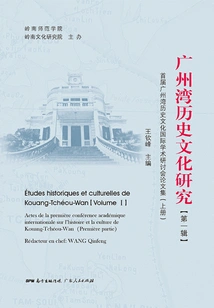
《广州湾历史文化研究》第一辑
Editor-in-chief Wang Qinfeng
This book is a collection of papers from the 2016 "First International Academic Symposium on Guangzhou Bay History and Culture". The history of Guangzhou Bay seems to have not been systematically and in-depth studied. This academic seminar is precisely to make a comprehensive summary of the historical and cultural research on Guangzhou Bay. There are two series in total. The main content of the first series is the research overview and academic review of the history and culture of Guangzhou Bay. The main content of the second series includes the research on the ancient history of Guangzhou Bay and the research on the utilization of historical heritage resources of Guangzhou Bay.
This book is a collection of papers from the 2016 "First International Academic Symposium on Guangzhou Bay History and Culture". The history of Guangzhou Bay seems to have not been systematically and in-depth studied. This academic seminar is precisely to make a comprehensive summary of the historical and cultural research on Guangzhou Bay. There are two series in total. The main content of the first series is the research overview and academic review of the history and culture of Guangzhou Bay. The main content of the second series includes the research on the ancient history of Guangzhou Bay and the research on the utilization of historical heritage resources of Guangzhou Bay.
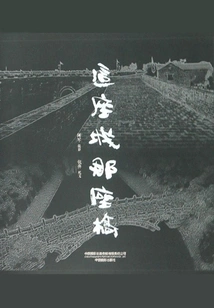
This City, That Bridge
History这座城那座桥
Ajun
The two ancient buildings in Yongnian District, Handan, Guangfu Ancient City and Yongnian Bridge, are the crystallization of the excellent historical culture of the Chinese nation. They not only have a history of 2,600 years, but are still intact. "This City, That Bridge" uses rich image language and colorful light and shadow tones to show us the wisdom of the ancients. The author's affectionate words are full of gratitude and reverence for ancient buildings. In the form of pictures and texts, this book brilliantly presents the simple and grand style of the ancient city of Guangfu and the Hongji Bridge in the east of the city. It also shows the scenes of the people in the ancient city living and working in peace and contentment. The book's content is positive and uplifting, allowing more people to understand the ancient city and bridge, and it can play a positive role in promoting and protecting cultural heritage.
The two ancient buildings in Yongnian District, Handan, Guangfu Ancient City and Yongnian Bridge, are the crystallization of the excellent historical culture of the Chinese nation. They not only have a history of 2,600 years, but are still intact. "This City, That Bridge" uses rich image language and colorful light and shadow tones to show us the wisdom of the ancients. The author's affectionate words are full of gratitude and reverence for ancient buildings. In the form of pictures and texts, this book brilliantly presents the simple and grand style of the ancient city of Guangfu and the Hongji Bridge in the east of the city. It also shows the scenes of the people in the ancient city living and working in peace and contentment. The book's content is positive and uplifting, allowing more people to understand the ancient city and bridge, and it can play a positive role in promoting and protecting cultural heritage.
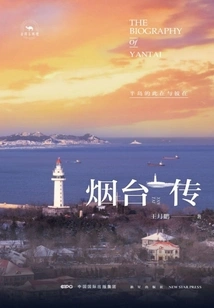
Yantai Biography
History烟台传
Wang Yuepeng
"Yantai Biography: The Here and There of the Peninsula" is one of the important books in the "Silk Road Biography of One Hundred Cities" series. Yantai is located on the Jiaodong Peninsula, surrounded by the sea on three sides. It is a magical land. Once upon a time, Emperor Qin and Emperor Wu of the Han Dynasty visited here, Xu Fu crossed east from here, the Eastern Maritime Silk Road set sail from here, Quanzhen Taoism was founded here, and famous figures such as Qiu Chuji, Qi Jiguang, Wang Yirong, and Zhang Bishi had historic "encounters" with this place. The natural scenery and humanistic history blend together here. It has both rich heritage and romantic color. It is a poetic existence with "roots".
"Yantai Biography: The Here and There of the Peninsula" is one of the important books in the "Silk Road Biography of One Hundred Cities" series. Yantai is located on the Jiaodong Peninsula, surrounded by the sea on three sides. It is a magical land. Once upon a time, Emperor Qin and Emperor Wu of the Han Dynasty visited here, Xu Fu crossed east from here, the Eastern Maritime Silk Road set sail from here, Quanzhen Taoism was founded here, and famous figures such as Qiu Chuji, Qi Jiguang, Wang Yirong, and Zhang Bishi had historic "encounters" with this place. The natural scenery and humanistic history blend together here. It has both rich heritage and romantic color. It is a poetic existence with "roots".
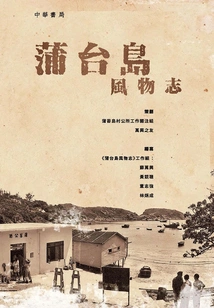
Po Toi Island Scenery
History蒲台岛风物志
Putai Island Village Office Friends Of Wanxing "po Toi Island Scenery" Working Group
Po Toi Island, known as the "Antarctic" of Hong Kong, was recorded on the "Zheng He Navigation Chart" drawn in 1425. In the 1950s and 1960s, the population of Po Toi Island villagers once reached 2,000. Most of the residents made a living by fishing, and also collected and sold products such as seaweed and kelp. However, with the decline of the fishing industry, the original residents have moved to public housing estates in the southern district of Hong Kong Island. Currently, there are less than 20 people left, and most of them are elderly. Putai Island's unique natural scenery and rich cultural resources, including ancient stone carvings dating back more than 3,000 years, rugged rocks, Tin Hau's Birthday, Taiping Jiao... Make Putai Island a famous tourist attraction. This book is the first monograph to comprehensively introduce Po Toi Island, including the natural environment, landforms, economic activities, population and clans, education, historical sites, customs, and visits by indigenous residents, giving us an in-depth understanding of this southernmost island in Hong Kong.
Po Toi Island, known as the "Antarctic" of Hong Kong, was recorded on the "Zheng He Navigation Chart" drawn in 1425. In the 1950s and 1960s, the population of Po Toi Island villagers once reached 2,000. Most of the residents made a living by fishing, and also collected and sold products such as seaweed and kelp. However, with the decline of the fishing industry, the original residents have moved to public housing estates in the southern district of Hong Kong Island. Currently, there are less than 20 people left, and most of them are elderly. Putai Island's unique natural scenery and rich cultural resources, including ancient stone carvings dating back more than 3,000 years, rugged rocks, Tin Hau's Birthday, Taiping Jiao... Make Putai Island a famous tourist attraction. This book is the first monograph to comprehensively introduce Po Toi Island, including the natural environment, landforms, economic activities, population and clans, education, historical sites, customs, and visits by indigenous residents, giving us an in-depth understanding of this southernmost island in Hong Kong.
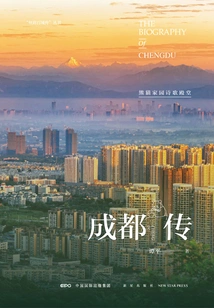
成都传:熊猫家园诗歌殿堂
Tan Ping
"Chengdu Biography: Panda Home Poetry Palace" is one of the key works in the "Silk Road Biography of Hundred Cities" series. In accordance with the basic requirements and compilation style of the series, this book combines the author's many years of thinking about Chengdu's history, culture and modernization pursuits. It places Chengdu in the four dimensions of human civilization linked by the ancient and modern Silk Road, the diverse and integrated Chinese civilization, the distinctive Bashu culture, and the competition with Chinese and foreign cities of the same level. From the perspective of natural geography, humanistic endowment, and urban infrastructure. It uses character stories, major historical facts, important relics and landscapes as carriers to take care of the "empathy" of Chinese and foreign readers, present the vivid charm and vitality of Chengdu, an extraordinary city, and reveal its limitless grand vision of reproducing "a world-famous cultural city".
"Chengdu Biography: Panda Home Poetry Palace" is one of the key works in the "Silk Road Biography of Hundred Cities" series. In accordance with the basic requirements and compilation style of the series, this book combines the author's many years of thinking about Chengdu's history, culture and modernization pursuits. It places Chengdu in the four dimensions of human civilization linked by the ancient and modern Silk Road, the diverse and integrated Chinese civilization, the distinctive Bashu culture, and the competition with Chinese and foreign cities of the same level. From the perspective of natural geography, humanistic endowment, and urban infrastructure. It uses character stories, major historical facts, important relics and landscapes as carriers to take care of the "empathy" of Chinese and foreign readers, present the vivid charm and vitality of Chengdu, an extraordinary city, and reveal its limitless grand vision of reproducing "a world-famous cultural city".
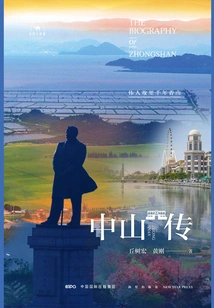
中山传:伟人故里千年香山
Qiu Shuhong Huang Gang
"Zhongshan Biography: Fragrant Hills, the Hometown of Great Men for Thousand Years" is one of the important books in the "Silk Road Biography of Hundred Cities" series. Starting from the geographical roots, unique urban spirit, important figures who have had a profound impact on China in various fields, the first miracles in the history of contemporary China's reform and opening up, and local folk customs and food culture, it uses a limited space to focus on the most concentrated, distinctive, and beautiful history, spirit, culture, and characteristics of the city, and systematically presents the panoramic view of the city named after the great man of the century Sun Yat-sen. From Xiangshan to Zhongshan, from the sea to the plains, from the "Iron City" to the city, it is born from the sea and grows towards the sea. The two authors combine their many years of thinking and on-site observation of the history and culture of Zhongshan to describe how this important node city on the "Maritime Silk Road" has grown over the past millennium. It has become a window and bridgehead for Chinese people to go to the world and understand the world, and it has played an irreplaceable role in the communication and exchange of Chinese and Western cultures and economies.
"Zhongshan Biography: Fragrant Hills, the Hometown of Great Men for Thousand Years" is one of the important books in the "Silk Road Biography of Hundred Cities" series. Starting from the geographical roots, unique urban spirit, important figures who have had a profound impact on China in various fields, the first miracles in the history of contemporary China's reform and opening up, and local folk customs and food culture, it uses a limited space to focus on the most concentrated, distinctive, and beautiful history, spirit, culture, and characteristics of the city, and systematically presents the panoramic view of the city named after the great man of the century Sun Yat-sen. From Xiangshan to Zhongshan, from the sea to the plains, from the "Iron City" to the city, it is born from the sea and grows towards the sea. The two authors combine their many years of thinking and on-site observation of the history and culture of Zhongshan to describe how this important node city on the "Maritime Silk Road" has grown over the past millennium. It has become a window and bridgehead for Chinese people to go to the world and understand the world, and it has played an irreplaceable role in the communication and exchange of Chinese and Western cultures and economies.
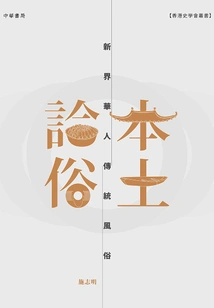
本土论俗:新界华人传统风俗
Shi Zhiming
In recent years, there have been a lot of voices talking about the New Territories and the local area, all because the New Territories has always played a key role in Hong Kong's local history and social evolution. Since the Song Dynasty, the four major ethnic groups (Cantonese, Hakka, Danjia and Hok Lao) have moved to the New Territories one after another. Today's locals eat Poon Choi, go cold, worship the Queen of Heaven, worship Emperor Guan, love the villages, and protect the markets, all of which are closely linked to their long-standing customs and culture. After the British leased the New Territories at the end of the 19th century, changes in the Hong Kong government's land policy brought a different situation to the New Territories. In order to reshape this precious life history of the Chinese in the New Territories of Hong Kong, the author of this book, Shi Zhiming, takes the above-mentioned four major ethnic groups of the New Territories of Hong Kong as the main axis and presents their folk beliefs, customs and their integration and evolution process in a three-dimensional manner in chronological order. In terms of research methods, we not only used macro-level research on historical documents, local chronicles and Hong Kong archives, but also used micro-level fieldwork and micro-combination with genealogy, inscriptions, oral histories and archival materials from villages in the New Territories to systematically present the traditional customs of the Chinese in the New Territories.
In recent years, there have been a lot of voices talking about the New Territories and the local area, all because the New Territories has always played a key role in Hong Kong's local history and social evolution. Since the Song Dynasty, the four major ethnic groups (Cantonese, Hakka, Danjia and Hok Lao) have moved to the New Territories one after another. Today's locals eat Poon Choi, go cold, worship the Queen of Heaven, worship Emperor Guan, love the villages, and protect the markets, all of which are closely linked to their long-standing customs and culture. After the British leased the New Territories at the end of the 19th century, changes in the Hong Kong government's land policy brought a different situation to the New Territories. In order to reshape this precious life history of the Chinese in the New Territories of Hong Kong, the author of this book, Shi Zhiming, takes the above-mentioned four major ethnic groups of the New Territories of Hong Kong as the main axis and presents their folk beliefs, customs and their integration and evolution process in a three-dimensional manner in chronological order. In terms of research methods, we not only used macro-level research on historical documents, local chronicles and Hong Kong archives, but also used micro-level fieldwork and micro-combination with genealogy, inscriptions, oral histories and archival materials from villages in the New Territories to systematically present the traditional customs of the Chinese in the New Territories.
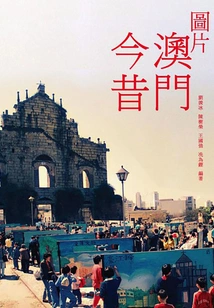
图片澳门今昔(修订版)
Compiled By Liu Xianbing, Chen Shurong, Wang Guoqiang And Xian Weikeng
Macau is a beautiful small city that has not experienced the ravages of war. It has a strong charm of the accumulation and blending of Eastern and Western cultural traditions. December 20 this year marks the 10th anniversary of Macao's return to China. This is a great event for the residents of Macao and also for the Chinese people. Based on the development context of Macao's history, this book is divided into three chapters: the formation of "Macao Street", "Slow Urban Development" and "Towards a Cross-Century Future", covering three periods of Macao's prehistory, its opening as a port to pre-war and post-war to the present, about more than 5,000 years of history. In the form of pictures and texts, it introduces various issues such as politics, economy, society, culture, education, religion, population, land area and so on before and after the opening of the port. It is an ideal introductory book on the history of Macao. Based on the original version, this revised edition adds new content such as "World Heritage: Macao's Historical City Products" and "Macao after the Return to the Motherland".
Macau is a beautiful small city that has not experienced the ravages of war. It has a strong charm of the accumulation and blending of Eastern and Western cultural traditions. December 20 this year marks the 10th anniversary of Macao's return to China. This is a great event for the residents of Macao and also for the Chinese people. Based on the development context of Macao's history, this book is divided into three chapters: the formation of "Macao Street", "Slow Urban Development" and "Towards a Cross-Century Future", covering three periods of Macao's prehistory, its opening as a port to pre-war and post-war to the present, about more than 5,000 years of history. In the form of pictures and texts, it introduces various issues such as politics, economy, society, culture, education, religion, population, land area and so on before and after the opening of the port. It is an ideal introductory book on the history of Macao. Based on the original version, this revised edition adds new content such as "World Heritage: Macao's Historical City Products" and "Macao after the Return to the Motherland".
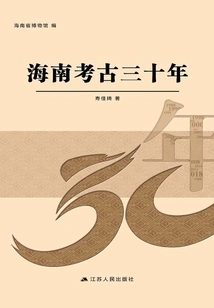
海南考古三十年
Shou Jiaqi
Due to the particularity of its geographical location, Hainan archeology has always occupied a unique position in the development and territory of Chinese archaeology. Over the past thirty years, new archaeological discoveries and research have made Hainan archeology continue to become a topic of concern to the Chinese archaeological academic community and the public. This book focuses on these topics, summarizes the development process of Hainan archeology over the past thirty years, comprehensively sorts out the results of disciplinary research, provides the latest archaeological materials, discusses basic issues in Hainan archaeological culture, solves problems in the development of the discipline, so that the past of Hainan archeology can serve the present and future, and make Hainan archeology known to the public. The first chapter of this book reviews the history of Hainan archeology, the second chapter introduces the development of archaeological work in Hainan over the past thirty years, the third chapter shows the significant achievements of Hainan archeology in the past thirty years through the important archaeological developments in the cultural relics of Hainan Province, and the fourth chapter reviews the academic construction and research status of Hainan archeology. Chapter 5 discusses the problems faced by archaeological research in Hainan and puts forward relevant suggestions.
Due to the particularity of its geographical location, Hainan archeology has always occupied a unique position in the development and territory of Chinese archaeology. Over the past thirty years, new archaeological discoveries and research have made Hainan archeology continue to become a topic of concern to the Chinese archaeological academic community and the public. This book focuses on these topics, summarizes the development process of Hainan archeology over the past thirty years, comprehensively sorts out the results of disciplinary research, provides the latest archaeological materials, discusses basic issues in Hainan archaeological culture, solves problems in the development of the discipline, so that the past of Hainan archeology can serve the present and future, and make Hainan archeology known to the public. The first chapter of this book reviews the history of Hainan archeology, the second chapter introduces the development of archaeological work in Hainan over the past thirty years, the third chapter shows the significant achievements of Hainan archeology in the past thirty years through the important archaeological developments in the cultural relics of Hainan Province, and the fourth chapter reviews the academic construction and research status of Hainan archeology. Chapter 5 discusses the problems faced by archaeological research in Hainan and puts forward relevant suggestions.
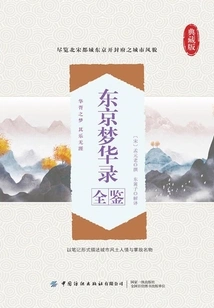
东京梦华录全鉴
(song Dynasty) Written By Meng Yuanlao And Interpreted By Dong Lizi
"Tokyo Menghua Lu" is a notebook-style prose essay written by Meng Yuanlao in the Song Dynasty. It traces the urban style of Kaifeng Prefecture, Tokyo, the capital of the Northern Song Dynasty. Most of the records are about the daily life of people in Tokyo, the capital of the Northern Song Dynasty, and the market scenes in Tokyo during the reign of Emperor Huizong of the Song Dynasty from Chongning to Xuanhe. It is an important ancient document for studying the history and culture of the Northern Song Dynasty. This book is divided into three parts: the original text, annotations, and translations, making it easier for lovers of Chinese studies to read and understand, and gain literary influence while gaining extensive knowledge of Chinese studies.
"Tokyo Menghua Lu" is a notebook-style prose essay written by Meng Yuanlao in the Song Dynasty. It traces the urban style of Kaifeng Prefecture, Tokyo, the capital of the Northern Song Dynasty. Most of the records are about the daily life of people in Tokyo, the capital of the Northern Song Dynasty, and the market scenes in Tokyo during the reign of Emperor Huizong of the Song Dynasty from Chongning to Xuanhe. It is an important ancient document for studying the history and culture of the Northern Song Dynasty. This book is divided into three parts: the original text, annotations, and translations, making it easier for lovers of Chinese studies to read and understand, and gain literary influence while gaining extensive knowledge of Chinese studies.
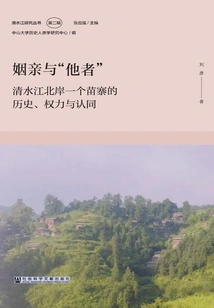
姻亲与“他者”:清水江北岸一个苗寨的历史、权力与认同
Liu Yan
On the bank of Qingshui River, there is a village called "Miaobei". Since the Ming and Qing Dynasties, its role as a transportation place for "imperial wood" has been recorded piecemeal in official history. Perhaps people know more about her than just the "Imperial Wood", but also about the historical process of constant transformation between the house clan and the in-laws into "others", which is linked to major historical events such as "surname change", "surname breaking and marriage", and "conventional marriage", as well as the mythical and emotional stories with the charm of rivers and lakes that are bred in this historical structure. Regarding all this, she is willing to use beautiful contract words and performances to present it to those who want to understand her mind.
On the bank of Qingshui River, there is a village called "Miaobei". Since the Ming and Qing Dynasties, its role as a transportation place for "imperial wood" has been recorded piecemeal in official history. Perhaps people know more about her than just the "Imperial Wood", but also about the historical process of constant transformation between the house clan and the in-laws into "others", which is linked to major historical events such as "surname change", "surname breaking and marriage", and "conventional marriage", as well as the mythical and emotional stories with the charm of rivers and lakes that are bred in this historical structure. Regarding all this, she is willing to use beautiful contract words and performances to present it to those who want to understand her mind.
武汉学研究(2019年第2期\u002F总第2期)
Tu Wenxue
The collection of "Wuhan Studies" has the basic purpose of being close to Wuhan, researching Wuhan, and serving Wuhan. It adheres to the idea of emphasizing both academic and application, professionalism and effectiveness. It adheres to a rigorous and realistic style of study, an original publication style, and actively gives play to theoretical innovation, public opinion guidance, and consultation. The basic functions of political advice and social service are to explore innovative theories and methods for local studies and urban studies, to contribute to enhancing the cultural soft power of Wuhan city, and to provide intellectual support and spiritual support for building a modern, international and ecological Wuhan and comprehensively starting a new journey of revitalizing Wuhan.
The collection of "Wuhan Studies" has the basic purpose of being close to Wuhan, researching Wuhan, and serving Wuhan. It adheres to the idea of emphasizing both academic and application, professionalism and effectiveness. It adheres to a rigorous and realistic style of study, an original publication style, and actively gives play to theoretical innovation, public opinion guidance, and consultation. The basic functions of political advice and social service are to explore innovative theories and methods for local studies and urban studies, to contribute to enhancing the cultural soft power of Wuhan city, and to provide intellectual support and spiritual support for building a modern, international and ecological Wuhan and comprehensively starting a new journey of revitalizing Wuhan.
Southern Yearbook.2019
History南部年鉴.2019
Nanfang County Local Records Office
This manuscript is a publicly published comprehensive yearbook, which mainly contains the economic, political, cultural, social and other aspects of construction in Nanfang County in 2018, as well as major events that occurred in Nanfang County. It highlights the characteristics of the southern county economy and the development and changes of the southern county's economy and society in reform and innovation; it reflects the achievements of southern county in reform and opening up, material civilization, spiritual civilization and political civilization construction in 2018, and highlights the county characteristics and spiritual outlook of southern county.
This manuscript is a publicly published comprehensive yearbook, which mainly contains the economic, political, cultural, social and other aspects of construction in Nanfang County in 2018, as well as major events that occurred in Nanfang County. It highlights the characteristics of the southern county economy and the development and changes of the southern county's economy and society in reform and innovation; it reflects the achievements of southern county in reform and opening up, material civilization, spiritual civilization and political civilization construction in 2018, and highlights the county characteristics and spiritual outlook of southern county.
2016 成都调查与思考
Chengdu Municipal People's Government Research Office
Only through investigation and research, we strive to master comprehensive, authentic, rich and vivid first-hand materials, truly understand the actual situation of the region, department and unit, truly understand the prominent issues affecting reform, development and stability, and truly understand the people's thoughts and expectations in a timely manner. Investigation and research are an important prerequisite for the implementation of scientific decision-making, a fundamental method for closely contacting the masses, and an effective way to change work style. To accelerate the construction of a national central city that fully embodies the new development concept, Chengdu faces many development opportunities as well as multiple difficulties and challenges. It needs to carry out in-depth investigation and research, objectively reflect the internal connections of things, accurately grasp the development laws of things, provide strong government research and support for the realization of scientific decision-making, and accelerate the modernization of the urban governance system and governance capabilities.
Only through investigation and research, we strive to master comprehensive, authentic, rich and vivid first-hand materials, truly understand the actual situation of the region, department and unit, truly understand the prominent issues affecting reform, development and stability, and truly understand the people's thoughts and expectations in a timely manner. Investigation and research are an important prerequisite for the implementation of scientific decision-making, a fundamental method for closely contacting the masses, and an effective way to change work style. To accelerate the construction of a national central city that fully embodies the new development concept, Chengdu faces many development opportunities as well as multiple difficulties and challenges. It needs to carry out in-depth investigation and research, objectively reflect the internal connections of things, accurately grasp the development laws of things, provide strong government research and support for the realization of scientific decision-making, and accelerate the modernization of the urban governance system and governance capabilities.
龙湾区建区35周年口述历史
Oral History Institute Of Wenzhou University Propaganda Department Of Wenzhou Longwan District Committee Of The Communist Party Of China
This book is an oral history work jointly compiled by the Propaganda Department of the Wenzhou Longwan District Committee of the Communist Party of China and the Oral History Institute of Wenzhou University. Focusing on the theme of the 35th anniversary of the establishment of Longwan District, the book conducts oral history interviews with 16 people, fully revealing every detail of the development process of Longwan District. Through their narrations, the development process of Longwan District over the past 35 years is vividly presented to readers, giving people an immersive feeling.
This book is an oral history work jointly compiled by the Propaganda Department of the Wenzhou Longwan District Committee of the Communist Party of China and the Oral History Institute of Wenzhou University. Focusing on the theme of the 35th anniversary of the establishment of Longwan District, the book conducts oral history interviews with 16 people, fully revealing every detail of the development process of Longwan District. Through their narrations, the development process of Longwan District over the past 35 years is vividly presented to readers, giving people an immersive feeling.
元明北京建都与粮食供应
Wang Peihua
This book studies the establishment of the capital of Beijing in the Yuan and Ming dynasties and its food supply issues from the important historical perspective of the interactive relationship between natural conditions and the development of human society. Beijing, the capital city, has geographical advantages, but the difficulty lies in food supply. In order to solve the problem of food supply for the capital, the Yuan, Ming and Qing Dynasties initiated water transportation to transport food from the southeast. Then came the problems of canal water transportation and management of the Yellow and Huaihe rivers. Therefore, officials and scholars in the south of the Yangtze River proposed to develop water conservancy in north and northwest China, solve the problem of food supply for the capital nearby, or restore sea transportation, which vividly demonstrated the historical scene of people at that time being restricted by natural conditions. This book studies the geographical concepts and changes of Duyan in the Yuan and Ming Dynasties, the conflicts and consciousness between northern agriculture and the capital's support for food in the southeast, and the relationship and understanding of water and sea transportation and geographical conditions.
This book studies the establishment of the capital of Beijing in the Yuan and Ming dynasties and its food supply issues from the important historical perspective of the interactive relationship between natural conditions and the development of human society. Beijing, the capital city, has geographical advantages, but the difficulty lies in food supply. In order to solve the problem of food supply for the capital, the Yuan, Ming and Qing Dynasties initiated water transportation to transport food from the southeast. Then came the problems of canal water transportation and management of the Yellow and Huaihe rivers. Therefore, officials and scholars in the south of the Yangtze River proposed to develop water conservancy in north and northwest China, solve the problem of food supply for the capital nearby, or restore sea transportation, which vividly demonstrated the historical scene of people at that time being restricted by natural conditions. This book studies the geographical concepts and changes of Duyan in the Yuan and Ming Dynasties, the conflicts and consciousness between northern agriculture and the capital's support for food in the southeast, and the relationship and understanding of water and sea transportation and geographical conditions.
职业礼仪与形象设计
Du Wei
This book consists of five chapters. That is (1) behavioral etiquette; (2) social interaction etiquette; (3) social emotional etiquette; (4) appearance etiquette; (5) Chinese and foreign customs and etiquette. This book contains profound educational thoughts, aesthetic cultivation concepts and popular training methods. The content ranges from campus to workplace, from workplace to society, and from society to family, so that students can get the influence of etiquette, aesthetic cultivation and spiritual cleansing when they enter the beautiful campus. Grow up and become talents in a good atmosphere of learning etiquette, knowing etiquette, and using etiquette. This book combines the characteristics of higher education, with educational guidance as the main line, quality education as the main line, etiquette cultivation as the foundation, and campus etiquette as the entry point. It is close to students and reality, based on reality, and focused on the future. It strives to be novel in content and form, combine theory with practice, and highlight practicality, pertinence, interest, and operability. Pay attention to the popularization of common sense of etiquette and the training of etiquette and behavior, strengthen quality education, and provide guidance to students in theory and practice. This book is suitable for use by colleges and universities cultivating applied and skilled talents, and can also be used as a book on etiquette cultivation for all types of students.
This book consists of five chapters. That is (1) behavioral etiquette; (2) social interaction etiquette; (3) social emotional etiquette; (4) appearance etiquette; (5) Chinese and foreign customs and etiquette. This book contains profound educational thoughts, aesthetic cultivation concepts and popular training methods. The content ranges from campus to workplace, from workplace to society, and from society to family, so that students can get the influence of etiquette, aesthetic cultivation and spiritual cleansing when they enter the beautiful campus. Grow up and become talents in a good atmosphere of learning etiquette, knowing etiquette, and using etiquette. This book combines the characteristics of higher education, with educational guidance as the main line, quality education as the main line, etiquette cultivation as the foundation, and campus etiquette as the entry point. It is close to students and reality, based on reality, and focused on the future. It strives to be novel in content and form, combine theory with practice, and highlight practicality, pertinence, interest, and operability. Pay attention to the popularization of common sense of etiquette and the training of etiquette and behavior, strengthen quality education, and provide guidance to students in theory and practice. This book is suitable for use by colleges and universities cultivating applied and skilled talents, and can also be used as a book on etiquette cultivation for all types of students.
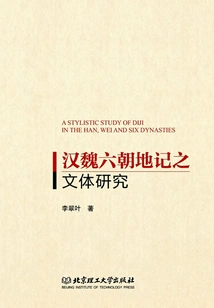
汉魏六朝地记之文体研究
Li Cuiye
At present, the geography circle generally regards the geographical records of the Six Dynasties as the beginning of the local chronicles and only briefly sorts them out in the introduction. The literary circle uses a purely literary research paradigm to examine the external background of the birth of the geographical records, the literary characteristics of the geographical records, and the influence of the geographical records on later generations. This is not enough to understand the stylistic characteristics of various geographical records documents and its relationship with the academic form of geological knowledge of the Six Dynasties. "Study on the Stylistics of Geographical Records in the Han, Wei and Six Dynasties" will take "knowledge inheritance and stylistic change" as the research angle, and examine geographical records in the development of geological knowledge in the Six Dynasties. It mainly explores the relationship between the generation and expansion of geological knowledge and the genre of geoscience from four aspects: the independence of geoscience knowledge and the generation of geology genres, the evolution of geoscience cognitive perspectives and genres, the subject of geoscience cognition and the narrative form of geology, and the transformation of various literary styles by the geoscience accomplishments of literati.
At present, the geography circle generally regards the geographical records of the Six Dynasties as the beginning of the local chronicles and only briefly sorts them out in the introduction. The literary circle uses a purely literary research paradigm to examine the external background of the birth of the geographical records, the literary characteristics of the geographical records, and the influence of the geographical records on later generations. This is not enough to understand the stylistic characteristics of various geographical records documents and its relationship with the academic form of geological knowledge of the Six Dynasties. "Study on the Stylistics of Geographical Records in the Han, Wei and Six Dynasties" will take "knowledge inheritance and stylistic change" as the research angle, and examine geographical records in the development of geological knowledge in the Six Dynasties. It mainly explores the relationship between the generation and expansion of geological knowledge and the genre of geoscience from four aspects: the independence of geoscience knowledge and the generation of geology genres, the evolution of geoscience cognitive perspectives and genres, the subject of geoscience cognition and the narrative form of geology, and the transformation of various literary styles by the geoscience accomplishments of literati.
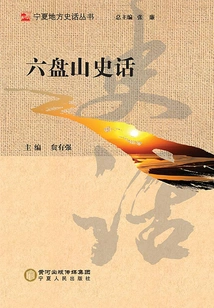
History of Liupan Mountain
History六盘山史话
Editor-in-chief Yun Youqiang
This book is a sub-volume of the "Ningxia Local History" series planned and compiled by the Ningxia Hui Autonomous Region Local History Office. It is based on historical facts and uses a large number of interesting stories to show the readers the historical evolution and cultural heritage of Liupan Mountain since the Qin, Han, Wei and Jin Dynasties from the aspects of Liupan Mountain's history, culture, and characters. It plays a certain positive role in promoting and building the Ningxia brand.
This book is a sub-volume of the "Ningxia Local History" series planned and compiled by the Ningxia Hui Autonomous Region Local History Office. It is based on historical facts and uses a large number of interesting stories to show the readers the historical evolution and cultural heritage of Liupan Mountain since the Qin, Han, Wei and Jin Dynasties from the aspects of Liupan Mountain's history, culture, and characters. It plays a certain positive role in promoting and building the Ningxia brand.
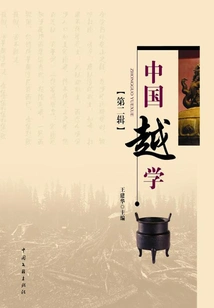
中国越学.第二辑
Wang Jianhua
This book is divided into eight parts: a talk about regional culture, academic research on eastern Zhejiang, research on Yue history, a comprehensive review of Yue studies, a study on Shaoxing masters, and a theory on the culture of celebrities.
This book is divided into eight parts: a talk about regional culture, academic research on eastern Zhejiang, research on Yue history, a comprehensive review of Yue studies, a study on Shaoxing masters, and a theory on the culture of celebrities.
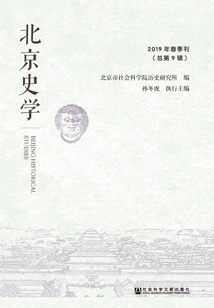
北京史学(2019年春季刊\u002F总第9辑)
Editor, Institute Of History, Beijing Academy Of Social Sciences, Executive Editor, Sun Donghu
"Beijing Historiography" is an academic journal edited by the History Institute of the Beijing Academy of Social Sciences. This collection includes five columns: water conservancy history, urban space, historical site research, regional culture, and academic archives. It publishes 20 academic papers in the fields of historical geography, urban history, etc., Centered on Beijing, and also covers related research in Hebei, Tianjin, Shaanxi and other regions.
"Beijing Historiography" is an academic journal edited by the History Institute of the Beijing Academy of Social Sciences. This collection includes five columns: water conservancy history, urban space, historical site research, regional culture, and academic archives. It publishes 20 academic papers in the fields of historical geography, urban history, etc., Centered on Beijing, and also covers related research in Hebei, Tianjin, Shaanxi and other regions.
燕赵文化研究(第3辑)
Hebei University College Of Liberal Arts
"Yanzhao Culture Research" is sponsored by the School of Liberal Arts of Hebei University. It has columns such as Foreign Expo, Language and Culture, Domain of Thought, Dimension of Theory, Lotus Pond Book Garden, Interviews with Famous Experts, Master and Doctoral Forum, etc. It focuses on publishing academic papers, reports, reviews, essays and interviews that embody the latest results of research on Yanzhao regional culture and reflect the modern inheritance and development of Yanzhao culture.
"Yanzhao Culture Research" is sponsored by the School of Liberal Arts of Hebei University. It has columns such as Foreign Expo, Language and Culture, Domain of Thought, Dimension of Theory, Lotus Pond Book Garden, Interviews with Famous Experts, Master and Doctoral Forum, etc. It focuses on publishing academic papers, reports, reviews, essays and interviews that embody the latest results of research on Yanzhao regional culture and reflect the modern inheritance and development of Yanzhao culture.
整合与重构:近代西南的边政与边疆学术
Editor-in-chief Wang Hongliang
This book brings together the latest research results of key scholars from Sichuan Normal University. It not only explores the different policies of the Qing government, the Nanjing National Government, and the Red Army towards borderland ethnic areas from a political perspective, but also provides historical research on the importation of inland crops to the frontiers and the construction of frontier markets in modern times from an economic perspective. It not only examines the development of basic education and social education in the frontiers of the Republic of China, but also analyzes the evolution and academic shaping of modern frontier research institutions. While discussing the different academic path choices and adaptations of scholars in the late Qing Dynasty and the Republic of China, it also analyzes the evolution of Chinese frontier history research in Western academic circles. From the perspective of historical facts and academic theories, it systematically and three-dimensionally presents the great border changes experienced by modern China, the various efforts of the political and academic circles to develop border areas and improve border affairs, and the recent research on China's border areas in Chinese and foreign academic circles.
This book brings together the latest research results of key scholars from Sichuan Normal University. It not only explores the different policies of the Qing government, the Nanjing National Government, and the Red Army towards borderland ethnic areas from a political perspective, but also provides historical research on the importation of inland crops to the frontiers and the construction of frontier markets in modern times from an economic perspective. It not only examines the development of basic education and social education in the frontiers of the Republic of China, but also analyzes the evolution and academic shaping of modern frontier research institutions. While discussing the different academic path choices and adaptations of scholars in the late Qing Dynasty and the Republic of China, it also analyzes the evolution of Chinese frontier history research in Western academic circles. From the perspective of historical facts and academic theories, it systematically and three-dimensionally presents the great border changes experienced by modern China, the various efforts of the political and academic circles to develop border areas and improve border affairs, and the recent research on China's border areas in Chinese and foreign academic circles.
詹豪强文集(第二卷 海坛夜话)
Zhan Haoqiang
This book is a monograph on the history and folk customs of Pingtan, Fujian. The author supplements and annotates local humanistic materials in Pingtan, Fujian, and edits humanistic materials on Haitan Tongjian (1912-2016) and Haitan-Ryukyu Relations History (1912-2016). In addition, this book uses rich historical materials to explain that before the establishment of the province of Taiwan Island, the "Diaoyu Islands" had always been within the jurisdiction of the Chinese Navy where Pingtan County, Fujian Province is now located. General Zhan Gongxian, the commander-in-chief of the Fujian-Taiwan Penghu Association in the Qing Dynasty, participated in the defense of the sea area when he was young, and the cultural relics left behind also show that the "Diaoyu Islands" belong to Pingtan, Fujian Province, China. This book also improves and supplements the information on the Zhan Gongxian family.
This book is a monograph on the history and folk customs of Pingtan, Fujian. The author supplements and annotates local humanistic materials in Pingtan, Fujian, and edits humanistic materials on Haitan Tongjian (1912-2016) and Haitan-Ryukyu Relations History (1912-2016). In addition, this book uses rich historical materials to explain that before the establishment of the province of Taiwan Island, the "Diaoyu Islands" had always been within the jurisdiction of the Chinese Navy where Pingtan County, Fujian Province is now located. General Zhan Gongxian, the commander-in-chief of the Fujian-Taiwan Penghu Association in the Qing Dynasty, participated in the defense of the sea area when he was young, and the cultural relics left behind also show that the "Diaoyu Islands" belong to Pingtan, Fujian Province, China. This book also improves and supplements the information on the Zhan Gongxian family.
礼记新编
Compiled By Yu Tianpeng And Others
The Chinese nation is a country of etiquette and has a rich etiquette culture. "Book of Rites" is an important book for understanding ancient Chinese etiquette culture, but its content is very confusing and confusing. This book has rewritten chapters, selected and reorganized the content of the original book, made a more detailed logical classification of the selected content, and corrected recognized errors in the selected texts, in order to help beginners not only appreciate the original appearance of the "Book of Rites" but also have a clearer understanding of it, and at the same time provide some convenience and reference for in-depth researchers.
The Chinese nation is a country of etiquette and has a rich etiquette culture. "Book of Rites" is an important book for understanding ancient Chinese etiquette culture, but its content is very confusing and confusing. This book has rewritten chapters, selected and reorganized the content of the original book, made a more detailed logical classification of the selected content, and corrected recognized errors in the selected texts, in order to help beginners not only appreciate the original appearance of the "Book of Rites" but also have a clearer understanding of it, and at the same time provide some convenience and reference for in-depth researchers.
晚清至新中国成立初期四川社会史研究
Compiled By Li Jianyan Zhang Xu And Zhang Yang
By carefully combing and summarizing several cases of Sichuan society from the late Qing Dynasty to the early founding of the People's Republic of China, this book strives to clarify the relationship between the whole and the region, the macro and the micro, and the long-term and short-term in social history research, deepening the understanding of historical development and social changes, and facilitating future research on Sichuan social history from multiple angles and levels.
By carefully combing and summarizing several cases of Sichuan society from the late Qing Dynasty to the early founding of the People's Republic of China, this book strives to clarify the relationship between the whole and the region, the macro and the micro, and the long-term and short-term in social history research, deepening the understanding of historical development and social changes, and facilitating future research on Sichuan social history from multiple angles and levels.
职业礼仪(第二版)
Editor-in-chief Xiang Duojia
This book mainly introduces the basic concepts of etiquette, how to shape the professional image of appearance standards and the art of conversation, as well as the basic etiquette and skills of proficiently using professional etiquette and other practices and skills. It takes into account theoretical knowledge learning and practical application training guidance, highlighting practical operation guidance.
This book mainly introduces the basic concepts of etiquette, how to shape the professional image of appearance standards and the art of conversation, as well as the basic etiquette and skills of proficiently using professional etiquette and other practices and skills. It takes into account theoretical knowledge learning and practical application training guidance, highlighting practical operation guidance.
民国时期成都社会研究
Compiled By Chen Shuhui, Ying Houfei And Wang Qingshan
Regional social history research is a branch of Chinese history research. In recent years, with the successive excavation and opening up of batches of historical materials, its research fields have been increasingly expanded, research methods have become increasingly flexible, and research perspectives have become increasingly diverse. A series of major academic results have been achieved, which has attracted widespread attention from the academic community and society. This book will take the social research of Chengdu during the Republic of China as its theme. By investigating the social development of Chengdu during this period, it will explore the tortuous course of urban development and social changes in Sichuan since modern times.
Regional social history research is a branch of Chinese history research. In recent years, with the successive excavation and opening up of batches of historical materials, its research fields have been increasingly expanded, research methods have become increasingly flexible, and research perspectives have become increasingly diverse. A series of major academic results have been achieved, which has attracted widespread attention from the academic community and society. This book will take the social research of Chengdu during the Republic of China as its theme. By investigating the social development of Chengdu during this period, it will explore the tortuous course of urban development and social changes in Sichuan since modern times.
An Analysis of Local Chronicles in Sichuan Area in the Late Qing Dynasty and Early Republic of China
History清末民初四川地区乡土志探析
Zou Yan
This book analyzes the inheritance and innovation of local chronicles in Sichuan in the late Qing Dynasty and early Republic of China in terms of arrangement and content. It selects representative local chronicles from various regions inside and outside the province as the object of case study. Comparing the compilation method with the local chronicles outside the province, it is believed that the local chronicles in Sichuan not only retain the traces of the compilation of ancient local chronicles, but also show the continuous exploration of scientific enlightenment in the inland areas, showing the historical trend from ancient local chronicles to modern enlightenment textbooks.
This book analyzes the inheritance and innovation of local chronicles in Sichuan in the late Qing Dynasty and early Republic of China in terms of arrangement and content. It selects representative local chronicles from various regions inside and outside the province as the object of case study. Comparing the compilation method with the local chronicles outside the province, it is believed that the local chronicles in Sichuan not only retain the traces of the compilation of ancient local chronicles, but also show the continuous exploration of scientific enlightenment in the inland areas, showing the historical trend from ancient local chronicles to modern enlightenment textbooks.
梧桐乡是凤凰家
Written By Zhang Sensheng And Edited By Xia Chunjin
This book is divided into four volumes. In terms of content, it mainly focuses on the investigation of the characters, literature, history and documents of Tongxiang. In it, Mr. Zhang's love for books as a senior bookworm cannot help but be revealed. The first part is about certain issues in the study of rural history, either examining historical facts or clarifying facts, adhering to the truth-seeking spirit of saying something with every basis. This is in sharp contrast to those behaviors that exaggerate the historical achievements and cultural influence of rural sages out of thin air and narcissistically. The second and third volumes are a collection and introduction of the materials of dozens of sages in Tongxiang from ancient times to the present. Among them, there are references to the past events of famous celebrities, such as Zhang Luxiang's good words and deeds, Lu Liuliang and Wu Zhizhen's righteous deeds, Bao Tingbo and Wu Qian's contacts, Lao Naixuan's reform of Chinese characters, Mao Dun's literary creation, Feng Zikai's anecdotes, etc. There is also an investigation of the deeds of little-known characters, such as Zhao Ruyu's loyalty to the sun and the moon, Li Le's self-improvement and love for the people, Wu Kexie's wandering life, Shen Qi's political achievements like plum blossoms, etc. Whether these people were once high-ranking princes or low-ranking officials, most of them have lost their fame in later generations and their influence is very limited. However, most of the authors can focus on their merits, either exalting their spirit or commending their qualities, using historical figures from their hometowns and close examples of sages to rediscover the fine humanistic traditions and reshape the local cultural spirit. Their good intentions are worthy of admiration. The fourth volume is a set of reading essays and memories of past events, several of which were written at the author's request. Nowadays, the author is no longer alive, but the text is still passed down, which is in line with the old saying that "paper and ink outlast metal and stone".
This book is divided into four volumes. In terms of content, it mainly focuses on the investigation of the characters, literature, history and documents of Tongxiang. In it, Mr. Zhang's love for books as a senior bookworm cannot help but be revealed. The first part is about certain issues in the study of rural history, either examining historical facts or clarifying facts, adhering to the truth-seeking spirit of saying something with every basis. This is in sharp contrast to those behaviors that exaggerate the historical achievements and cultural influence of rural sages out of thin air and narcissistically. The second and third volumes are a collection and introduction of the materials of dozens of sages in Tongxiang from ancient times to the present. Among them, there are references to the past events of famous celebrities, such as Zhang Luxiang's good words and deeds, Lu Liuliang and Wu Zhizhen's righteous deeds, Bao Tingbo and Wu Qian's contacts, Lao Naixuan's reform of Chinese characters, Mao Dun's literary creation, Feng Zikai's anecdotes, etc. There is also an investigation of the deeds of little-known characters, such as Zhao Ruyu's loyalty to the sun and the moon, Li Le's self-improvement and love for the people, Wu Kexie's wandering life, Shen Qi's political achievements like plum blossoms, etc. Whether these people were once high-ranking princes or low-ranking officials, most of them have lost their fame in later generations and their influence is very limited. However, most of the authors can focus on their merits, either exalting their spirit or commending their qualities, using historical figures from their hometowns and close examples of sages to rediscover the fine humanistic traditions and reshape the local cultural spirit. Their good intentions are worthy of admiration. The fourth volume is a set of reading essays and memories of past events, several of which were written at the author's request. Nowadays, the author is no longer alive, but the text is still passed down, which is in line with the old saying that "paper and ink outlast metal and stone".
书楼探踪(江苏卷)
Wei Li
Wei Li has been searching for ancient private libraries for more than 20 years. "Library Exploration·Jiangsu Volume" is the second volume of the "Library Exploration" series. In this book, he visited 20 famous libraries in Jiangsu. He not only detailed his experience of traveling and visiting ancient libraries, but also quoted extensively and narrated the stories of the book collectors before and after his life. From the biography of Xu Qianxue during the Qianlong period, From Huang Pilie's "One Hundred Songs" to Liu Yazi's sword-grinding room and Qian Mu's plain library during the Republic of China, these chapters are like monuments of book-collecting culture. They are arranged in chronological order so that readers can understand Jiangsu's humanistic literary atmosphere from the deep historical connection, the formation and evolution of the scholarly atmosphere, and inspire readers' respect for traditional Chinese culture in an era where lightweight reading is advocated.
Wei Li has been searching for ancient private libraries for more than 20 years. "Library Exploration·Jiangsu Volume" is the second volume of the "Library Exploration" series. In this book, he visited 20 famous libraries in Jiangsu. He not only detailed his experience of traveling and visiting ancient libraries, but also quoted extensively and narrated the stories of the book collectors before and after his life. From the biography of Xu Qianxue during the Qianlong period, From Huang Pilie's "One Hundred Songs" to Liu Yazi's sword-grinding room and Qian Mu's plain library during the Republic of China, these chapters are like monuments of book-collecting culture. They are arranged in chronological order so that readers can understand Jiangsu's humanistic literary atmosphere from the deep historical connection, the formation and evolution of the scholarly atmosphere, and inspire readers' respect for traditional Chinese culture in an era where lightweight reading is advocated.
不断拓展的保护视野:西南地区线性文化遗产保护研究
Wu Xiaoqiu
The first part of this book is an investigation and study on the distribution and protection status of immovable cultural relics such as cities, towns, villages, and representative ancient ruins, ancient buildings, and cliff carvings that retain traditional natural patterns and geographical features within the linear heritage area of Southwest China, and can reflect or partially reflect the architectural cultural characteristics and ethnic characteristics of the region. The second is to formulate scientific identification standards and analyze and identify the representative linear cultural heritage types and categories in Southwest China. The third is to construct a scientific heritage resource assessment system through the analytic hierarchy process to conduct a comprehensive assessment of the value, protection status, management status and utilization status of linear cultural heritage resources that have had a significant impact on politics, military, economy, culture, science, art and other fields in the southwest region during historical periods. The fourth is to introduce the concept of cross-regional and holistic protection of European cultural routes and American heritage corridors, build a theoretical framework for the protection of various types of linear cultural heritage at all levels in the Southwest, and explore sustainable development strategies at the policy, operational and expansion levels.
The first part of this book is an investigation and study on the distribution and protection status of immovable cultural relics such as cities, towns, villages, and representative ancient ruins, ancient buildings, and cliff carvings that retain traditional natural patterns and geographical features within the linear heritage area of Southwest China, and can reflect or partially reflect the architectural cultural characteristics and ethnic characteristics of the region. The second is to formulate scientific identification standards and analyze and identify the representative linear cultural heritage types and categories in Southwest China. The third is to construct a scientific heritage resource assessment system through the analytic hierarchy process to conduct a comprehensive assessment of the value, protection status, management status and utilization status of linear cultural heritage resources that have had a significant impact on politics, military, economy, culture, science, art and other fields in the southwest region during historical periods. The fourth is to introduce the concept of cross-regional and holistic protection of European cultural routes and American heritage corridors, build a theoretical framework for the protection of various types of linear cultural heritage at all levels in the Southwest, and explore sustainable development strategies at the policy, operational and expansion levels.
海上丝绸之路:宁波的历史与未来
Zhang Minghua
This book profoundly explains and comparatively analyzes the connotations of the "Maritime Silk Road" and the "21st Century Maritime Silk Road", and puts forward the strategic significance of the "21st Century Maritime Silk Road". By systematically sorting out the evolution of Ningbo's historical status in the "Maritime Silk Road", its characteristics are proposed, and the conditions for the formation and development of the "Maritime Silk Road" are summarized. At the same time, through the SWOT analysis of Ningbo in the construction of the "21st Century Maritime Silk Road" in the new era, the development positioning of Ningbo in the construction of the "21st Century Maritime Silk Road" was determined, and a development path for Ningbo to achieve the goal positioning of the "21st Century Maritime Silk Road" was proposed.
This book profoundly explains and comparatively analyzes the connotations of the "Maritime Silk Road" and the "21st Century Maritime Silk Road", and puts forward the strategic significance of the "21st Century Maritime Silk Road". By systematically sorting out the evolution of Ningbo's historical status in the "Maritime Silk Road", its characteristics are proposed, and the conditions for the formation and development of the "Maritime Silk Road" are summarized. At the same time, through the SWOT analysis of Ningbo in the construction of the "21st Century Maritime Silk Road" in the new era, the development positioning of Ningbo in the construction of the "21st Century Maritime Silk Road" was determined, and a development path for Ningbo to achieve the goal positioning of the "21st Century Maritime Silk Road" was proposed.
三峡文献举要
Li Xiaolong Gong Yilong
The manuscript is a sub-topic of the "General History of the Three Gorges". It includes eight items including official history, ancient books, local chronicles, epigraphy, newspapers, archives, archaeological results, and genealogies into the scope of Three Gorges documents. It mainly introduces some of the more important Three Gorges documents. The book is divided into eight chapters, divided into official historical records, private writings, local chronicles, epigraphy, newspapers and magazines, archives, archaeological materials, and genealogy. Each category is organized according to the time of writing. Each document focuses on introducing the compiler's information, the origin of compilation, content introduction, collection information and other aspects.
The manuscript is a sub-topic of the "General History of the Three Gorges". It includes eight items including official history, ancient books, local chronicles, epigraphy, newspapers, archives, archaeological results, and genealogies into the scope of Three Gorges documents. It mainly introduces some of the more important Three Gorges documents. The book is divided into eight chapters, divided into official historical records, private writings, local chronicles, epigraphy, newspapers and magazines, archives, archaeological materials, and genealogy. Each category is organized according to the time of writing. Each document focuses on introducing the compiler's information, the origin of compilation, content introduction, collection information and other aspects.