Library
Browse and search books
2,075 novels found

The Brothers Karamazov (part 1)
General Fiction卡拉马佐夫兄弟(上)
(russian) Dostoevsky
Through a complicated and confusing murder case that shocked the whole of Russia, it describes the sharp conflict between the old Karamazov and his three sons. The novel has a tense and depressing atmosphere, a compact plot, and suspense, which is shocking. It integrates the revelation of social reality, the portrayal of characters, the path of social development, and the thinking of human destiny. The groundbreaking significance of the work and the unmatched achievements of others have been universally recognized, and it has had a profound and huge impact on the development of world literature.
Through a complicated and confusing murder case that shocked the whole of Russia, it describes the sharp conflict between the old Karamazov and his three sons. The novel has a tense and depressing atmosphere, a compact plot, and suspense, which is shocking. It integrates the revelation of social reality, the portrayal of characters, the path of social development, and the thinking of human destiny. The groundbreaking significance of the work and the unmatched achievements of others have been universally recognized, and it has had a profound and huge impact on the development of world literature.
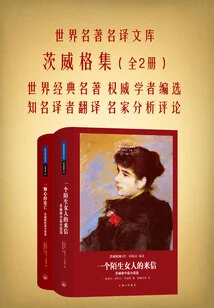
Zweig Collection (set of 2 Volumes)
General Fiction茨威格集(套装共2册)
J
"Letter from an Unknown Woman" is a collection of Zweig's novellas. It tells the story of a man who received a thick unsigned letter on his forty-first birthday. The letter was written by a dying woman. Between the lines was her unforgettable love for him for eighteen years, but the man who received the letter had no idea about it. In addition, it also includes the famous works "The Burning Secret", "Tropical Madness", "Twenty-Four Hours in a Woman's Life", "The Story of Chess", etc. "The Fall of a Heart" is a collection of Zweig's short stories. Zweig's works are good at meticulous character characterization, as well as descriptions of personal experiences and souls under strange fates. He is especially good at insight into women's inner activities in the torment of passion. This book contains more than twenty famous short stories, such as "The Story of a Woman's Enforcement", "The Invisible Collection", "The Death of a Heart", etc.
"Letter from an Unknown Woman" is a collection of Zweig's novellas. It tells the story of a man who received a thick unsigned letter on his forty-first birthday. The letter was written by a dying woman. Between the lines was her unforgettable love for him for eighteen years, but the man who received the letter had no idea about it. In addition, it also includes the famous works "The Burning Secret", "Tropical Madness", "Twenty-Four Hours in a Woman's Life", "The Story of Chess", etc. "The Fall of a Heart" is a collection of Zweig's short stories. Zweig's works are good at meticulous character characterization, as well as descriptions of personal experiences and souls under strange fates. He is especially good at insight into women's inner activities in the torment of passion. This book contains more than twenty famous short stories, such as "The Story of a Woman's Enforcement", "The Invisible Collection", "The Death of a Heart", etc.
V
General Fictionv
G
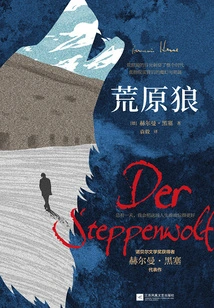
This book is an autobiographical novel by Hermann Hesse, a classic work of self-healing and growth for "social fears". The protagonist Harry had lofty personal ideals when he was young, but was rejected by the society at that time. Once, he read a booklet called "Steppenwolf" and awakened the "wolf nature" hidden under his "human nature". In order to get rid of the pain of loneliness, he went to a pub to get drunk and have fun, but he only gained short-term relief. Later, he entered a magic theater and saw various scattered personalities, so he pieced them together into a complete self. Finally, he got rid of despair and returned to real life. This book uses Harry's situation to express Hesse's own physical and mental healing process, while also revealing the symptoms of the decline of European culture at that time.
This book is an autobiographical novel by Hermann Hesse, a classic work of self-healing and growth for "social fears". The protagonist Harry had lofty personal ideals when he was young, but was rejected by the society at that time. Once, he read a booklet called "Steppenwolf" and awakened the "wolf nature" hidden under his "human nature". In order to get rid of the pain of loneliness, he went to a pub to get drunk and have fun, but he only gained short-term relief. Later, he entered a magic theater and saw various scattered personalities, so he pieced them together into a complete self. Finally, he got rid of despair and returned to real life. This book uses Harry's situation to express Hesse's own physical and mental healing process, while also revealing the symptoms of the decline of European culture at that time.
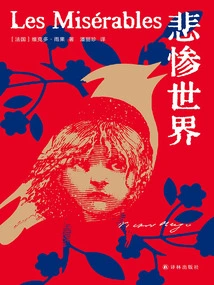
Les Misérables (hugo Collection)
General Fiction悲惨世界(雨果精选集)
G
"Les Misérables" is another magnificent masterpiece written by the famous French romantic writer Victor Hugo after "The Hunchback of Notre Dame". It is a novel that represents Hugo's thoughts and artistic style. With outstanding artistic expression, the book shows people a picture of the French Revolution from 1793 to 1832 through the description of the tragic experiences of Jean Valjean and others and a series of touching deeds done by Jean Valjean after he was converted by Bishop Myrière. The brilliant picture of French social and political life during the Paris Popular Uprising in 2006 profoundly exposed and criticized the decadent nature of French society and its criminal phenomena at that time, and expressed compassion and sympathy for the exploitation, fraud and cruel persecution suffered by the poor people under heavy pressure.
"Les Misérables" is another magnificent masterpiece written by the famous French romantic writer Victor Hugo after "The Hunchback of Notre Dame". It is a novel that represents Hugo's thoughts and artistic style. With outstanding artistic expression, the book shows people a picture of the French Revolution from 1793 to 1832 through the description of the tragic experiences of Jean Valjean and others and a series of touching deeds done by Jean Valjean after he was converted by Bishop Myrière. The brilliant picture of French social and political life during the Paris Popular Uprising in 2006 profoundly exposed and criticized the decadent nature of French society and its criminal phenomena at that time, and expressed compassion and sympathy for the exploitation, fraud and cruel persecution suffered by the poor people under heavy pressure.
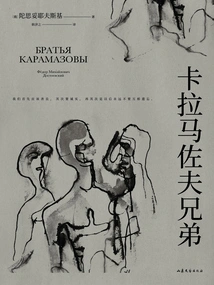
Brothers Karamazov
General Fiction卡拉马佐夫兄弟
G
"The Brothers Karamazov" is a novel written by the Russian writer Dostoevsky, and is also considered to be his most accomplished masterpiece. The novel begins with the murder of old Karamazov, a provincial rural landowner, and his son becomes a suspect and is put on trial. The author weaves a narrative surrounded by three-dimensional characters, developing a story with twists and turns, facing insurmountable philosophical dilemmas at each stage until it reaches the climax of the plot. In this work, Dostoevsky not only demonstrated the uncanny writing skills and talent of a literary master, but also conducted in-depth discussions on philosophy, psychology, religion, etc. The Brothers Karamazov is one of the greatest novels of all time. Among a small number of outstanding works, "The Brothers Karamazov" ranks first!
"The Brothers Karamazov" is a novel written by the Russian writer Dostoevsky, and is also considered to be his most accomplished masterpiece. The novel begins with the murder of old Karamazov, a provincial rural landowner, and his son becomes a suspect and is put on trial. The author weaves a narrative surrounded by three-dimensional characters, developing a story with twists and turns, facing insurmountable philosophical dilemmas at each stage until it reaches the climax of the plot. In this work, Dostoevsky not only demonstrated the uncanny writing skills and talent of a literary master, but also conducted in-depth discussions on philosophy, psychology, religion, etc. The Brothers Karamazov is one of the greatest novels of all time. Among a small number of outstanding works, "The Brothers Karamazov" ranks first!
R
General Fictionr
H
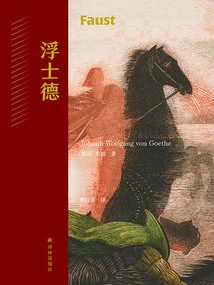
"Faust" is Goethe's most important and well-known masterpiece. It took nearly sixty years from creation to final completion, covering Goethe's entire literary career. It is also an insurmountable classic in the history of German literature and has a worldwide influence. It is one of the four major European masterpieces along with Homer's epic, Dante's "Divine Comedy" and Shakespeare's "Hamlet". "Faust" is based on the German folklore about Dr. Faustus in the 16th century. It tells the story of Faust's contract with the devil Mephistopheles, starting from his study and entering the outside world, in his unremitting pursuit of love, power, beauty and ideals. Although Faust's pursuit constantly encountered tragedies, and he finally died when his work of transforming nature was completed, his spirit reflected Goethe's own exploration of the inner world and the world in his long life. It was also a microcosm of the cultural development during the rise of the European bourgeoisie in the three hundred years from the Renaissance to the early 19th century.
"Faust" is Goethe's most important and well-known masterpiece. It took nearly sixty years from creation to final completion, covering Goethe's entire literary career. It is also an insurmountable classic in the history of German literature and has a worldwide influence. It is one of the four major European masterpieces along with Homer's epic, Dante's "Divine Comedy" and Shakespeare's "Hamlet". "Faust" is based on the German folklore about Dr. Faustus in the 16th century. It tells the story of Faust's contract with the devil Mephistopheles, starting from his study and entering the outside world, in his unremitting pursuit of love, power, beauty and ideals. Although Faust's pursuit constantly encountered tragedies, and he finally died when his work of transforming nature was completed, his spirit reflected Goethe's own exploration of the inner world and the world in his long life. It was also a microcosm of the cultural development during the rise of the European bourgeoisie in the three hundred years from the Renaissance to the early 19th century.

Beluga Whale
General Fiction白鲸
(us) Herman Melville
The narrator of the novel, Ishmael, was tired of life on land and boarded the Pequod whaling ship to work as a sailor. Captain Ahab was bitten off half of his leg by a beluga whale on a previous voyage. He is determined to find the beluga and take revenge on this voyage.
The narrator of the novel, Ishmael, was tired of life on land and boarded the Pequod whaling ship to work as a sailor. Captain Ahab was bitten off half of his leg by a beluga whale on a previous voyage. He is determined to find the beluga and take revenge on this voyage.
Little Leper
General Fiction小癞子
O
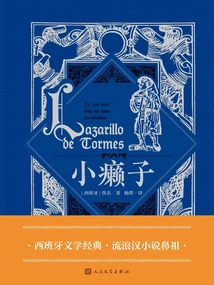
The little leper serves one master after another, and personally experiences all kinds of hardships in the world. He wanders around in a society that does not allow him to live, and struggles to survive. It makes people understand that in the course of a poor and humble life, the little leper exudes a life style of not surrendering to the situation in order to survive. "The Little Leper", with its simple and concise text and brilliant and vivid story, truly reflects the social conditions of medieval Spain, setting a precedent for picaresque novels and becoming the originator of similar works.
The little leper serves one master after another, and personally experiences all kinds of hardships in the world. He wanders around in a society that does not allow him to live, and struggles to survive. It makes people understand that in the course of a poor and humble life, the little leper exudes a life style of not surrendering to the situation in order to survive. "The Little Leper", with its simple and concise text and brilliant and vivid story, truly reflects the social conditions of medieval Spain, setting a precedent for picaresque novels and becoming the originator of similar works.

A Tale of Two Heroes
General Fiction双雄记
H
"The Count of Monte Cristo" is a work by the author Alexandre Dumas. It has been released for thirty years and is an eternal classic. It reproduces the original book illustrations. In France in 1799, the revolutionary blood had not faded. The king's head fell to the ground, the royalists were waiting for an opportunity to recover, and Napoleon wanted to seize power. Roland, Napoleon's right-hand man, and Morgan, a loyal nobleman of the previous dynasty. The two evenly matched people each belong to their own master. They have repeatedly clashed and fought with each other. Although their positions are different, they cherish each other. On the eve of the Wuyue Coup, various forces took turns to appear. This was a competition for power and a collision of beliefs. Should you live for your lover or die for your ideal?
"The Count of Monte Cristo" is a work by the author Alexandre Dumas. It has been released for thirty years and is an eternal classic. It reproduces the original book illustrations. In France in 1799, the revolutionary blood had not faded. The king's head fell to the ground, the royalists were waiting for an opportunity to recover, and Napoleon wanted to seize power. Roland, Napoleon's right-hand man, and Morgan, a loyal nobleman of the previous dynasty. The two evenly matched people each belong to their own master. They have repeatedly clashed and fought with each other. Although their positions are different, they cherish each other. On the eve of the Wuyue Coup, various forces took turns to appear. This was a competition for power and a collision of beliefs. Should you live for your lover or die for your ideal?
War and Peace (part 2)
General Fiction战争与和平(下)
N
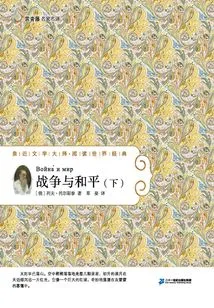
"War and Peace" is an immortal masterpiece in the history of world literature, ranking first among the "Top Ten Masterpieces in the World", with a total of four volumes. Focusing on Napoleon's invasion of Russia in 1812, the writer describes the heroic scenes of the Russian people rising up to fight against the invaders, while also exploring the historical destiny of the aristocracy. The novel revolves around the lives of four aristocratic families including Bolkonsky, and uses the fate of the main members of the four families as the plot clue throughout. It depicts Russian social fashion and shows a broad picture of life.
"War and Peace" is an immortal masterpiece in the history of world literature, ranking first among the "Top Ten Masterpieces in the World", with a total of four volumes. Focusing on Napoleon's invasion of Russia in 1812, the writer describes the heroic scenes of the Russian people rising up to fight against the invaders, while also exploring the historical destiny of the aristocracy. The novel revolves around the lives of four aristocratic families including Bolkonsky, and uses the fate of the main members of the four families as the plot clue throughout. It depicts Russian social fashion and shows a broad picture of life.

Anna Karenina (part 2)
General Fiction安娜·卡列尼娜(下)
N
"Anna Karenina" is Tolstoy's second landmark novel, written from 1873 to 1877. Anna is a high-society lady, young and beautiful, pursuing individual liberation and freedom of love, while her husband is a "bureaucratic machine" with an indifferent temperament. Once at the station, Anna met the young officer Vronsky. The latter was attracted by her beauty and pursued her desperately. In the end, Anna fell in love and decided to leave her husband and live with Vronsky. But the longing for her son and the pressure from the surrounding environment made her fall into pain and uneasiness, and she gradually discovered that Vronsky was not a dedicated and ideal figure. After losing her son and her last spiritual support, Vronsky, in despair, she chose to commit suicide by lying on the train. The novel exposes the ugliness and hypocrisy of the Russian upper class in the 1860s and 1970s. It also expresses the author's complex moral exploration and ideological exploration during a period of social transformation.
"Anna Karenina" is Tolstoy's second landmark novel, written from 1873 to 1877. Anna is a high-society lady, young and beautiful, pursuing individual liberation and freedom of love, while her husband is a "bureaucratic machine" with an indifferent temperament. Once at the station, Anna met the young officer Vronsky. The latter was attracted by her beauty and pursued her desperately. In the end, Anna fell in love and decided to leave her husband and live with Vronsky. But the longing for her son and the pressure from the surrounding environment made her fall into pain and uneasiness, and she gradually discovered that Vronsky was not a dedicated and ideal figure. After losing her son and her last spiritual support, Vronsky, in despair, she chose to commit suicide by lying on the train. The novel exposes the ugliness and hypocrisy of the Russian upper class in the 1860s and 1970s. It also expresses the author's complex moral exploration and ideological exploration during a period of social transformation.

Anna Karenina (part 1)
General Fiction安娜·卡列尼娜(上)
(russian) Leo Tolstoy
"Anna Karenina" is Tolstoy's second landmark novel, written from 1873 to 1877. Anna is a high-society lady, young and beautiful, pursuing individual liberation and freedom of love, while her husband is a "bureaucratic machine" with an indifferent temperament. Once at the station, Anna met the young officer Vronsky. The latter was attracted by her beauty and pursued her desperately. In the end, Anna fell in love and decided to leave her husband and live with Vronsky. But the longing for her son and the pressure from the surrounding environment made her fall into pain and uneasiness, and she gradually discovered that Vronsky was not a dedicated and ideal figure. After losing her son and her last spiritual support, Vronsky, in despair, she chose to commit suicide by lying on the train. The novel exposes the ugliness and hypocrisy of the Russian upper class in the 1860s and 1970s. It also expresses the author's complex moral exploration and ideological exploration during a period of social transformation.
"Anna Karenina" is Tolstoy's second landmark novel, written from 1873 to 1877. Anna is a high-society lady, young and beautiful, pursuing individual liberation and freedom of love, while her husband is a "bureaucratic machine" with an indifferent temperament. Once at the station, Anna met the young officer Vronsky. The latter was attracted by her beauty and pursued her desperately. In the end, Anna fell in love and decided to leave her husband and live with Vronsky. But the longing for her son and the pressure from the surrounding environment made her fall into pain and uneasiness, and she gradually discovered that Vronsky was not a dedicated and ideal figure. After losing her son and her last spiritual support, Vronsky, in despair, she chose to commit suicide by lying on the train. The novel exposes the ugliness and hypocrisy of the Russian upper class in the 1860s and 1970s. It also expresses the author's complex moral exploration and ideological exploration during a period of social transformation.

Resurrection
General Fiction复活
(russian) Leo Tolstoy
This book tells the story of the aristocratic young man Nekhludoff who seduced the adopted daughter of his aunt, the peasant girl Katyusha Maslova, causing her to become a prostitute; but when she was falsely accused of murder for money, he attended the court as a jury to try her. This seemingly coincidental event had typical social significance at the time. On the one hand, the novel presents the representative themes of the author's later years - spiritual awakening and running away from home; on the other hand, it mainly uses Nekhlyudov's experience and knowledge to show the dark side of society from cities to rural areas, and makes a profound criticism of the government, courts, prisons, churches, private ownership of land and the capitalist system.
This book tells the story of the aristocratic young man Nekhludoff who seduced the adopted daughter of his aunt, the peasant girl Katyusha Maslova, causing her to become a prostitute; but when she was falsely accused of murder for money, he attended the court as a jury to try her. This seemingly coincidental event had typical social significance at the time. On the one hand, the novel presents the representative themes of the author's later years - spiritual awakening and running away from home; on the other hand, it mainly uses Nekhlyudov's experience and knowledge to show the dark side of society from cities to rural areas, and makes a profound criticism of the government, courts, prisons, churches, private ownership of land and the capitalist system.
The Sorrows of Young Werther
General Fiction少年维特之烦恼
(germany) Goethe
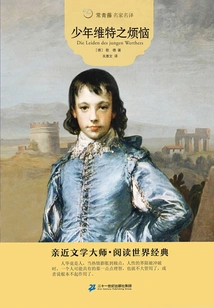
The Sorrows of Young Werther is Goethe's important early work. The novel describes the experience and feelings of progressive young people towards the despicable German society at that time. It shows the author's reaction to the feudal moral hierarchy and his strong demand for individual liberation: Young Werther fell in love with a girl named Lotte, who was engaged to someone else. The setback in love made Werther devastated. Later, Werther committed suicide because he was incompatible with feudal society and felt that his future was hopeless. This book came out in 1775, and its publication was considered an epoch-making event in the history of German literature; it shocked the hearts of an entire generation of young people in Germany and even Europe.
The Sorrows of Young Werther is Goethe's important early work. The novel describes the experience and feelings of progressive young people towards the despicable German society at that time. It shows the author's reaction to the feudal moral hierarchy and his strong demand for individual liberation: Young Werther fell in love with a girl named Lotte, who was engaged to someone else. The setback in love made Werther devastated. Later, Werther committed suicide because he was incompatible with feudal society and felt that his future was hopeless. This book came out in 1775, and its publication was considered an epoch-making event in the history of German literature; it shocked the hearts of an entire generation of young people in Germany and even Europe.
Y
General Fictiony
H
This book is one of the representative works in "The Human Comedy". It describes the evil methods of the bourgeois upstarts in realistic writing: Grandet controls the market, drives up prices, engages in public debt speculation, and usury; Charles sells people, evades taxes and smuggling, colludes with pirates, etc. The work takes the miser Grandet's family life and exploitative activities as the main line, and Eugenie's love and marriage tragedy as the central event. It analyzes Grandet's sinful fortune and his dehumanizing money worship in layers, and successfully portrays the immortal image of the miser in the history of world literature. This book also includes "Old Man Goriot", which tells the story of the protagonist Goriot Goriot, a flour merchant who started his career during the French Revolution. He lost his wife in middle age. He devoted all his love to his two daughters. In order to let them squeeze into the upper class, he gave them a good education since childhood and gave them a dowry of 800,000 francs each when they got married. However, his two daughters lived a lavish life, and his love was easily defeated by the principle of money supremacy. This work is representative in showing the breadth and depth of social life, in reflecting the progress and limitations of the writer's worldview, and in expressing the artistic achievements and shortcomings of "The Human Comedy". Its artistic style is one of the works that can represent the characteristics of Balzac.
This book is one of the representative works in "The Human Comedy". It describes the evil methods of the bourgeois upstarts in realistic writing: Grandet controls the market, drives up prices, engages in public debt speculation, and usury; Charles sells people, evades taxes and smuggling, colludes with pirates, etc. The work takes the miser Grandet's family life and exploitative activities as the main line, and Eugenie's love and marriage tragedy as the central event. It analyzes Grandet's sinful fortune and his dehumanizing money worship in layers, and successfully portrays the immortal image of the miser in the history of world literature. This book also includes "Old Man Goriot", which tells the story of the protagonist Goriot Goriot, a flour merchant who started his career during the French Revolution. He lost his wife in middle age. He devoted all his love to his two daughters. In order to let them squeeze into the upper class, he gave them a good education since childhood and gave them a dowry of 800,000 francs each when they got married. However, his two daughters lived a lavish life, and his love was easily defeated by the principle of money supremacy. This work is representative in showing the breadth and depth of social life, in reflecting the progress and limitations of the writer's worldview, and in expressing the artistic achievements and shortcomings of "The Human Comedy". Its artistic style is one of the works that can represent the characteristics of Balzac.
R
General Fictionr
H
A young pregnant woman of unknown origin collapsed on the street, and people sent her to a poor asylum. She died the next day after giving birth to a boy. The orphan was named Oliver Twist. Ten years later Oliver became an apprentice in a coffin shop. Unable to endure the abuse, he fled to the foggy London, where he unfortunately fell into the hands of a gang of thieves. The little orphan struggled in adversity, but fortunately he got help from kind people because of his kind nature. He saved the day from danger time and time again, and was finally reunited with his loved ones, and the truth about his mysterious origin was revealed. While deeply revealing social ills, this book also left a series of vivid characters in the history of British literature, and has been deeply loved by readers for more than a hundred years.
A young pregnant woman of unknown origin collapsed on the street, and people sent her to a poor asylum. She died the next day after giving birth to a boy. The orphan was named Oliver Twist. Ten years later Oliver became an apprentice in a coffin shop. Unable to endure the abuse, he fled to the foggy London, where he unfortunately fell into the hands of a gang of thieves. The little orphan struggled in adversity, but fortunately he got help from kind people because of his kind nature. He saved the day from danger time and time again, and was finally reunited with his loved ones, and the truth about his mysterious origin was revealed. While deeply revealing social ills, this book also left a series of vivid characters in the history of British literature, and has been deeply loved by readers for more than a hundred years.

The Adventures of Good Soldier Svejke (part 2)
General Fiction好兵帅克历险记(下)
(czech Republic) Ya Hašek
"The Adventures of Good Soldier Schweik" written by J. Hasek, through the various encounters of an ordinary soldier Schweik in the First World War and the activities of various people around him, uses a wonderful technique of joking but not cruelty, adding solemnity and humor, and containing anger and laughter, exposing the cruel and decadent Austro-Hungarian Empire and all its ugliness to the broad daylight.
"The Adventures of Good Soldier Schweik" written by J. Hasek, through the various encounters of an ordinary soldier Schweik in the First World War and the activities of various people around him, uses a wonderful technique of joking but not cruelty, adding solemnity and humor, and containing anger and laughter, exposing the cruel and decadent Austro-Hungarian Empire and all its ugliness to the broad daylight.

The Adventures of Good Soldier Svejke (part 1)
General Fiction好兵帅克历险记(上)
J
"The Adventures of Good Soldier Schweik" written by J. Hasek, through the various encounters of an ordinary soldier Schweik in the First World War and the activities of various people around him, uses a wonderful technique of joking but not cruelty, adding solemnity and humor, and containing anger and laughter, exposing the cruel and decadent Austro-Hungarian Empire and all its ugliness to the broad daylight.
"The Adventures of Good Soldier Schweik" written by J. Hasek, through the various encounters of an ordinary soldier Schweik in the First World War and the activities of various people around him, uses a wonderful technique of joking but not cruelty, adding solemnity and humor, and containing anger and laughter, exposing the cruel and decadent Austro-Hungarian Empire and all its ugliness to the broad daylight.

Gone with the Wind (part 2)
General Fiction飘(下)
J
As the first novel to narrate the American Civil War from the perspective of southern women, it focuses on the experiences and feelings of women who stayed at home and suffered from the war, from their reverence for the war and their full support for the war at the beginning of the war, to the pain of losing loved ones caused by the war, having to succumb to the fate of failure, and the arduous journey of rebuilding their homes after the war. The war was defeated, and some people were depressed because of it, losing their original fighting spirit and unable to adjust their mentality to face the fragmented life after the war. On the contrary, other people have overcome the mentality of failure, faced the harsh reality with awe, and become strong people who are not afraid of difficulties in life and move forward on the journey of life.
As the first novel to narrate the American Civil War from the perspective of southern women, it focuses on the experiences and feelings of women who stayed at home and suffered from the war, from their reverence for the war and their full support for the war at the beginning of the war, to the pain of losing loved ones caused by the war, having to succumb to the fate of failure, and the arduous journey of rebuilding their homes after the war. The war was defeated, and some people were depressed because of it, losing their original fighting spirit and unable to adjust their mentality to face the fragmented life after the war. On the contrary, other people have overcome the mentality of failure, faced the harsh reality with awe, and become strong people who are not afraid of difficulties in life and move forward on the journey of life.

Gone (part 1)
General Fiction飘(上)
J
As the first novel to narrate the American Civil War from the perspective of southern women, it focuses on the experiences and feelings of women who stayed at home and suffered from the war, from their reverence for the war and their full support for the war at the beginning of the war, to the pain of losing loved ones caused by the war, having to succumb to the fate of failure, and the arduous journey of rebuilding their homes after the war. The war was defeated, and some people were depressed because of it, losing their original fighting spirit and unable to adjust their mentality to face the fragmented life after the war. On the contrary, other people have overcome the mentality of failure, faced the harsh reality with awe, and become strong people who are not afraid of difficulties in life and move forward on the journey of life.
As the first novel to narrate the American Civil War from the perspective of southern women, it focuses on the experiences and feelings of women who stayed at home and suffered from the war, from their reverence for the war and their full support for the war at the beginning of the war, to the pain of losing loved ones caused by the war, having to succumb to the fate of failure, and the arduous journey of rebuilding their homes after the war. The war was defeated, and some people were depressed because of it, losing their original fighting spirit and unable to adjust their mentality to face the fragmented life after the war. On the contrary, other people have overcome the mentality of failure, faced the harsh reality with awe, and become strong people who are not afraid of difficulties in life and move forward on the journey of life.
The Three Musketeers (part 2)
General Fiction三个火枪手(下)
H
"The Three Musketeers" is one of the masterpieces of French 19th-century romantic writer Alexandre Dumas, and has been made into movies many times. The work describes the legendary life of a knight swordsman in the 17th century and creates a series of flesh-and-blood characters: d'Artagnan's heroic youth, Athos' steady sophistication, Porthos's boldness and recklessness, and Aramis' resourcefulness and graceful demeanor. They are all vividly drawn by the author's wonderful pen, ready to be drawn out. The work is based on the conflict between King Louis XIII of France and the powerful Cardinal Richelieu. It is interspersed with the overt and secret struggles among ministers and factions, and revolves around secret historical anecdotes in the palace, showing readers a magnificent picture of French society in the 18th century.
"The Three Musketeers" is one of the masterpieces of French 19th-century romantic writer Alexandre Dumas, and has been made into movies many times. The work describes the legendary life of a knight swordsman in the 17th century and creates a series of flesh-and-blood characters: d'Artagnan's heroic youth, Athos' steady sophistication, Porthos's boldness and recklessness, and Aramis' resourcefulness and graceful demeanor. They are all vividly drawn by the author's wonderful pen, ready to be drawn out. The work is based on the conflict between King Louis XIII of France and the powerful Cardinal Richelieu. It is interspersed with the overt and secret struggles among ministers and factions, and revolves around secret historical anecdotes in the palace, showing readers a magnificent picture of French society in the 18th century.
The Three Musketeers (part 1)
General Fiction三个火枪手(上)
H
"The Three Musketeers" is one of the masterpieces of French 19th-century romantic writer Alexandre Dumas, and has been made into movies many times. The work describes the legendary life of a knight swordsman in the 17th century and creates a series of flesh-and-blood characters: d'Artagnan's heroic youth, Athos' steady sophistication, Porthos's boldness and recklessness, and Aramis' resourcefulness and graceful demeanor. They are all vividly drawn by the author's wonderful pen, ready to be drawn out. The work is based on the conflict between King Louis XIII of France and the powerful Cardinal Richelieu. It is interspersed with the overt and secret struggles among ministers and factions, and revolves around secret historical anecdotes in the palace, showing readers a magnificent picture of French society in the 18th century.
"The Three Musketeers" is one of the masterpieces of French 19th-century romantic writer Alexandre Dumas, and has been made into movies many times. The work describes the legendary life of a knight swordsman in the 17th century and creates a series of flesh-and-blood characters: d'Artagnan's heroic youth, Athos' steady sophistication, Porthos's boldness and recklessness, and Aramis' resourcefulness and graceful demeanor. They are all vividly drawn by the author's wonderful pen, ready to be drawn out. The work is based on the conflict between King Louis XIII of France and the powerful Cardinal Richelieu. It is interspersed with the overt and secret struggles among ministers and factions, and revolves around secret historical anecdotes in the palace, showing readers a magnificent picture of French society in the 18th century.
The Count of Monte Cristo (part 2)
General Fiction基督山伯爵(下)
(french) Alexandre Dumas
"The Count of Monte Cristo" mainly describes a story of revenge that took place during the French Bourbon Dynasty. Dantes, the young first mate of the Pharaon ship, was entrusted by the captain to deliver a letter to the Napoleonic party before his death. He was framed by two despicable villains and the insidious prosecutor Villefort, and was imprisoned on death row. Depriving him of the beautiful sunshine, love and future that should have belonged to him. Eighteen years later, he escaped from prison with the secret told to him by his fellow inmate Faria before his death. After finding the treasure hidden by Faria, he became extremely rich. From then on, he changed his name to the Count of Monte Cristo. After careful planning, he repaid his benefactor and punished three enemies who wanted to kill him.
"The Count of Monte Cristo" mainly describes a story of revenge that took place during the French Bourbon Dynasty. Dantes, the young first mate of the Pharaon ship, was entrusted by the captain to deliver a letter to the Napoleonic party before his death. He was framed by two despicable villains and the insidious prosecutor Villefort, and was imprisoned on death row. Depriving him of the beautiful sunshine, love and future that should have belonged to him. Eighteen years later, he escaped from prison with the secret told to him by his fellow inmate Faria before his death. After finding the treasure hidden by Faria, he became extremely rich. From then on, he changed his name to the Count of Monte Cristo. After careful planning, he repaid his benefactor and punished three enemies who wanted to kill him.

Count of Monte Cristo (middle)
General Fiction基督山伯爵(中)
H
"The Count of Monte Cristo" mainly describes a story of revenge that took place during the French Bourbon Dynasty. Dantes, the young first mate of the Pharaon ship, was entrusted by the captain to deliver a letter to the Napoleonic party before his death. He was framed by two despicable villains and the insidious prosecutor Villefort, and was imprisoned on death row. Depriving him of the beautiful sunshine, love and future that should have belonged to him. Eighteen years later, he escaped from prison with the secret told to him by his fellow inmate Faria before his death. After finding the treasure hidden by Faria, he became extremely rich. From then on, he changed his name to the Count of Monte Cristo. After careful planning, he repaid his benefactor and punished three enemies who wanted to kill him.
"The Count of Monte Cristo" mainly describes a story of revenge that took place during the French Bourbon Dynasty. Dantes, the young first mate of the Pharaon ship, was entrusted by the captain to deliver a letter to the Napoleonic party before his death. He was framed by two despicable villains and the insidious prosecutor Villefort, and was imprisoned on death row. Depriving him of the beautiful sunshine, love and future that should have belonged to him. Eighteen years later, he escaped from prison with the secret told to him by his fellow inmate Faria before his death. After finding the treasure hidden by Faria, he became extremely rich. From then on, he changed his name to the Count of Monte Cristo. After careful planning, he repaid his benefactor and punished three enemies who wanted to kill him.
The Count of Monte Cristo (part 1)
General Fiction基督山伯爵(上)
G
"The Count of Monte Cristo" mainly describes a story of revenge that took place during the French Bourbon Dynasty. Dantes, the young first mate of the Pharaon ship, was entrusted by the captain to deliver a letter to the Napoleonic party before his death. He was framed by two despicable villains and the insidious prosecutor Villefort, and was imprisoned on death row. Depriving him of the beautiful sunshine, love and future that should have belonged to him. Eighteen years later, he escaped from prison with the secret told to him by his fellow inmate Faria before his death. After finding the treasure hidden by Faria, he became extremely rich. From then on, he changed his name to the Count of Monte Cristo. After careful planning, he repaid his benefactor and punished three enemies who wanted to kill him.
"The Count of Monte Cristo" mainly describes a story of revenge that took place during the French Bourbon Dynasty. Dantes, the young first mate of the Pharaon ship, was entrusted by the captain to deliver a letter to the Napoleonic party before his death. He was framed by two despicable villains and the insidious prosecutor Villefort, and was imprisoned on death row. Depriving him of the beautiful sunshine, love and future that should have belonged to him. Eighteen years later, he escaped from prison with the secret told to him by his fellow inmate Faria before his death. After finding the treasure hidden by Faria, he became extremely rich. From then on, he changed his name to the Count of Monte Cristo. After careful planning, he repaid his benefactor and punished three enemies who wanted to kill him.

O
General Fictiono
I
"La Traviata" has created some vivid and distinctive artistic images for us, among which the outstanding and unforgettable one is naturally the heroine Margaret. Margaret is beautiful, smart and kind. Although she has fallen into the world, she still maintains a pure and noble heart. She pursues a true love life with passion and hope, and when this hope is shattered, she is willing to sacrifice herself to help others. All these make the image of this despised fireworks woman shine with a holy brilliance, so that when people mention the three words "La Traviata", the first thing that comes to mind is not something despicable, but a beautiful, lovely and sympathetic woman.
"La Traviata" has created some vivid and distinctive artistic images for us, among which the outstanding and unforgettable one is naturally the heroine Margaret. Margaret is beautiful, smart and kind. Although she has fallen into the world, she still maintains a pure and noble heart. She pursues a true love life with passion and hope, and when this hope is shattered, she is willing to sacrifice herself to help others. All these make the image of this despised fireworks woman shine with a holy brilliance, so that when people mention the three words "La Traviata", the first thing that comes to mind is not something despicable, but a beautiful, lovely and sympathetic woman.

O
General Fictiono
J
"Animal Farm" is one of Orwell's works. It is a profound dystopian political allegory. A group of animals on the farm successfully carried out a "revolution", driving their exploitative human masters out of the farm and establishing an equal animal society. However, the animal leaders, those smart pigs, eventually usurped the fruits of the revolution and became more authoritarian and totalitarian rulers than their human counterparts. "If one more person reads Orwell, there will be an additional guarantee of freedom," one critic said.
"Animal Farm" is one of Orwell's works. It is a profound dystopian political allegory. A group of animals on the farm successfully carried out a "revolution", driving their exploitative human masters out of the farm and establishing an equal animal society. However, the animal leaders, those smart pigs, eventually usurped the fruits of the revolution and became more authoritarian and totalitarian rulers than their human counterparts. "If one more person reads Orwell, there will be an additional guarantee of freedom," one critic said.

P
General Fictionp
J
Julien, the protagonist of "The Red and the Black", was born in a family of small proprietors. He was obsessed with Napoleon's great achievements and wanted to get ahead. Unfortunately, France was in the midst of the Bourbon Restoration at that time, and he had no choice but to join the army and chose the path of the church. Because he could recite the entire New Testament, Julien was favored by the local mayor and became his family's tutor. Later, he was recommended by the church and became the personal secretary of the Marquis de Larmore, a backbone of the royalist party. But in the end, a whistleblower letter ruined his career.
Julien, the protagonist of "The Red and the Black", was born in a family of small proprietors. He was obsessed with Napoleon's great achievements and wanted to get ahead. Unfortunately, France was in the midst of the Bourbon Restoration at that time, and he had no choice but to join the army and chose the path of the church. Because he could recite the entire New Testament, Julien was favored by the local mayor and became his family's tutor. Later, he was recommended by the church and became the personal secretary of the Marquis de Larmore, a backbone of the royalist party. But in the end, a whistleblower letter ruined his career.

Outsider
General Fiction局外人
(france) Albert Camus
"The Outsider" is divided into two parts. Part of the story begins with the death of Meursault's mother and ends with him killing the Arabs on the beach. There seems to be no necessary connection between successive events, dialogues, gestures and feelings, giving people a sense of incoherence and absurdity. In the second part, social consciousness replaces Meursault's spontaneous consciousness. The judicial institution, with its inherent logic, described Meursault, who always believed that he was innocent and didn't care about anything, as a ruthless devil who deliberately killed people.
"The Outsider" is divided into two parts. Part of the story begins with the death of Meursault's mother and ends with him killing the Arabs on the beach. There seems to be no necessary connection between successive events, dialogues, gestures and feelings, giving people a sense of incoherence and absurdity. In the second part, social consciousness replaces Meursault's spontaneous consciousness. The judicial institution, with its inherent logic, described Meursault, who always believed that he was innocent and didn't care about anything, as a ruthless devil who deliberately killed people.
War and Peace (part 1)
General Fiction战争与和平(上)
N
"War and Peace" is an immortal masterpiece in the history of world literature, ranking first among the "Top Ten Masterpieces in the World", with a total of four volumes. Focusing on Napoleon's invasion of Russia in 1812, the writer describes the heroic scenes of the Russian people rising up to fight against the invaders, while also exploring the historical destiny of the aristocracy. The novel revolves around the lives of four aristocratic families including Bolkonsky, and uses the fate of the main members of the four families as the plot clue throughout. It depicts Russian social fashion and shows a broad picture of life.
"War and Peace" is an immortal masterpiece in the history of world literature, ranking first among the "Top Ten Masterpieces in the World", with a total of four volumes. Focusing on Napoleon's invasion of Russia in 1812, the writer describes the heroic scenes of the Russian people rising up to fight against the invaders, while also exploring the historical destiny of the aristocracy. The novel revolves around the lives of four aristocratic families including Bolkonsky, and uses the fate of the main members of the four families as the plot clue throughout. It depicts Russian social fashion and shows a broad picture of life.

T
General Fictiont
I
"Little Women" describes the life of a family during the American Civil War in the mid-19th century. In this autobiographical work, the four sisters' father joined the Northern Army in the war. They lived with their loving mother and experienced many tearful and laughing stories. Although the four sisters have different ideals and destinies, they are all self-reliant, cherish their family, and cherish their love. In this book, you can find all the emotional experiences and life experiences that all girls have to go through and face.
"Little Women" describes the life of a family during the American Civil War in the mid-19th century. In this autobiographical work, the four sisters' father joined the Northern Army in the war. They lived with their loving mother and experienced many tearful and laughing stories. Although the four sisters have different ideals and destinies, they are all self-reliant, cherish their family, and cherish their love. In this book, you can find all the emotional experiences and life experiences that all girls have to go through and face.

David Copperfield (part 2)
General Fiction大卫·科波菲尔(下)
H
"David Copperfield" is a semi-autobiographical novel by the British novelist Charles Dickens, who he called his "favorite child in his heart". The protagonist Copperfield is a posthumous son, and his stepfather abuses him and his mother. His mother died soon, leaving Copperfield an orphan. He found his aunt and started a new life under her guardianship. The world has changed, family and friendship are joyful, and turmoil and pain have tempered people. Copperfield became a successful writer and was happily married to his beloved. The book adopts a personal narrative technique and depicts a broad social picture through the unfortunate experience of an orphan. The work uses superb skills to create the images of typical characters from different classes, showing the author's generous and broad humanistic care.
"David Copperfield" is a semi-autobiographical novel by the British novelist Charles Dickens, who he called his "favorite child in his heart". The protagonist Copperfield is a posthumous son, and his stepfather abuses him and his mother. His mother died soon, leaving Copperfield an orphan. He found his aunt and started a new life under her guardianship. The world has changed, family and friendship are joyful, and turmoil and pain have tempered people. Copperfield became a successful writer and was happily married to his beloved. The book adopts a personal narrative technique and depicts a broad social picture through the unfortunate experience of an orphan. The work uses superb skills to create the images of typical characters from different classes, showing the author's generous and broad humanistic care.

David Copperfield (part 1)
General Fiction大卫·科波菲尔(上)
H
"David Copperfield" is a semi-autobiographical novel by the British novelist Charles Dickens, who he called his "favorite child in his heart". The protagonist Copperfield is a posthumous son, and his stepfather abuses him and his mother. His mother died soon, leaving Copperfield an orphan. He found his aunt and started a new life under her guardianship. The world has changed, family and friendship are joyful, and turmoil and pain have tempered people. Copperfield became a successful writer and was happily married to his beloved. The book adopts a personal narrative technique and depicts a broad social picture through the unfortunate experience of an orphan. The work uses superb skills to create the images of typical characters from different classes, showing the author's generous and broad humanistic care.
"David Copperfield" is a semi-autobiographical novel by the British novelist Charles Dickens, who he called his "favorite child in his heart". The protagonist Copperfield is a posthumous son, and his stepfather abuses him and his mother. His mother died soon, leaving Copperfield an orphan. He found his aunt and started a new life under her guardianship. The world has changed, family and friendship are joyful, and turmoil and pain have tempered people. Copperfield became a successful writer and was happily married to his beloved. The book adopts a personal narrative technique and depicts a broad social picture through the unfortunate experience of an orphan. The work uses superb skills to create the images of typical characters from different classes, showing the author's generous and broad humanistic care.

Les Miserables (part 2)
General Fiction悲惨世界(下)
H
Jean Valjean, the protagonist of "Les Misérables", is a hard labor prisoner serving a nineteen-year sentence. After he was released from prison, he was inspired by the bishop and determined to do good. He went away to a different place, changed his name to Madeleine, and after becoming a wealthy man, he extended his benevolence and was later appointed mayor. He helps the female worker Fantine and the orphan Cosette. Throughout his life, Jean Valjean struggled in suffering, but he had the sentiment of self-sacrifice for others. Hugo used the image of Jean Valjean to point out a way out for the predicament of human existence. The novel reflects Hugo's humanitarian thoughts and is full of Hugo's concern for the suffering and destiny of mankind and his unswerving belief in the future. It has a shocking artistic appeal.
Jean Valjean, the protagonist of "Les Misérables", is a hard labor prisoner serving a nineteen-year sentence. After he was released from prison, he was inspired by the bishop and determined to do good. He went away to a different place, changed his name to Madeleine, and after becoming a wealthy man, he extended his benevolence and was later appointed mayor. He helps the female worker Fantine and the orphan Cosette. Throughout his life, Jean Valjean struggled in suffering, but he had the sentiment of self-sacrifice for others. Hugo used the image of Jean Valjean to point out a way out for the predicament of human existence. The novel reflects Hugo's humanitarian thoughts and is full of Hugo's concern for the suffering and destiny of mankind and his unswerving belief in the future. It has a shocking artistic appeal.

Les Misérables (part 2)
General Fiction悲惨世界(中)
G
Jean Valjean, the protagonist of "Les Misérables", is a hard labor prisoner serving a nineteen-year sentence. After he was released from prison, he was inspired by the bishop and determined to do good. He went away to a different place, changed his name to Madeleine, and after becoming a wealthy man, he extended his benevolence and was later appointed mayor. He helps the female worker Fantine and the orphan Cosette. Throughout his life, Jean Valjean struggled in suffering, but he had the sentiment of self-sacrifice for others. Hugo used the image of Jean Valjean to point out a way out for the predicament of human existence. The novel reflects Hugo's humanitarian thoughts and is full of Hugo's concern for the suffering and destiny of mankind and his unswerving belief in the future. It has a shocking artistic appeal.
Jean Valjean, the protagonist of "Les Misérables", is a hard labor prisoner serving a nineteen-year sentence. After he was released from prison, he was inspired by the bishop and determined to do good. He went away to a different place, changed his name to Madeleine, and after becoming a wealthy man, he extended his benevolence and was later appointed mayor. He helps the female worker Fantine and the orphan Cosette. Throughout his life, Jean Valjean struggled in suffering, but he had the sentiment of self-sacrifice for others. Hugo used the image of Jean Valjean to point out a way out for the predicament of human existence. The novel reflects Hugo's humanitarian thoughts and is full of Hugo's concern for the suffering and destiny of mankind and his unswerving belief in the future. It has a shocking artistic appeal.

Les Miserables (part 1)
General Fiction悲惨世界(上)
F
Jean Valjean, the protagonist of "Les Misérables", is a hard labor prisoner serving a nineteen-year sentence. After he was released from prison, he was inspired by the bishop and determined to do good. He went away to a different place, changed his name to Madeleine, and after becoming a wealthy man, he extended his benevolence and was later appointed mayor. He helps the female worker Fantine and the orphan Cosette. Throughout his life, Jean Valjean struggled in suffering, but he had the sentiment of self-sacrifice for others. Hugo used the image of Jean Valjean to point out a way out for the predicament of human existence. The novel reflects Hugo's humanitarian thoughts and is full of Hugo's concern for the suffering and destiny of mankind and his unswerving belief in the future. It has a shocking artistic appeal.
Jean Valjean, the protagonist of "Les Misérables", is a hard labor prisoner serving a nineteen-year sentence. After he was released from prison, he was inspired by the bishop and determined to do good. He went away to a different place, changed his name to Madeleine, and after becoming a wealthy man, he extended his benevolence and was later appointed mayor. He helps the female worker Fantine and the orphan Cosette. Throughout his life, Jean Valjean struggled in suffering, but he had the sentiment of self-sacrifice for others. Hugo used the image of Jean Valjean to point out a way out for the predicament of human existence. The novel reflects Hugo's humanitarian thoughts and is full of Hugo's concern for the suffering and destiny of mankind and his unswerving belief in the future. It has a shocking artistic appeal.
Sherlock Holmes (part 2)
General Fiction福尔摩斯探案集(下)
Arthur Conan Doyle
This book is the culmination of detective novels by Conan Doyle, the "father of British detective novels", and is also a popular work in the world's literary world. It includes "The Hound of the Baskervilles," "Last Regards," "New Case Files" and "The Uncanny Valley." "The Sherlock Holmes" is one of the great and best-selling literary works in the world. It creates an image of Sherlock Holmes who is full of wisdom. The cases he faces are always full of doubts and confusing, but with logical reasoning, he is always able to clear away the fog, make the truth of the case clear, bring justice to the weak, and leave criminals with nowhere to hide. When the author tells the story, he cleverly creates suspense and his writing style is concise, making the story climax and fascinating to read. Based on the principle of selecting the best from the best, this book carefully selects Conan Doyle's well-known and most representative classic detective stories, such as "A Study in Scarlet", "The Hound of the Baskervilles", "The Uncanny Valley", "The Sign of the Four", "The Sussex Vampire", "The Case of the Crown Jewels", etc. These works demonstrate Holmes' rigorous reasoning genius and unparalleled investigative skills at different levels, and are immortal masterpieces in the history of detective mystery novels.
This book is the culmination of detective novels by Conan Doyle, the "father of British detective novels", and is also a popular work in the world's literary world. It includes "The Hound of the Baskervilles," "Last Regards," "New Case Files" and "The Uncanny Valley." "The Sherlock Holmes" is one of the great and best-selling literary works in the world. It creates an image of Sherlock Holmes who is full of wisdom. The cases he faces are always full of doubts and confusing, but with logical reasoning, he is always able to clear away the fog, make the truth of the case clear, bring justice to the weak, and leave criminals with nowhere to hide. When the author tells the story, he cleverly creates suspense and his writing style is concise, making the story climax and fascinating to read. Based on the principle of selecting the best from the best, this book carefully selects Conan Doyle's well-known and most representative classic detective stories, such as "A Study in Scarlet", "The Hound of the Baskervilles", "The Uncanny Valley", "The Sign of the Four", "The Sussex Vampire", "The Case of the Crown Jewels", etc. These works demonstrate Holmes' rigorous reasoning genius and unparalleled investigative skills at different levels, and are immortal masterpieces in the history of detective mystery novels.

Sherlock Holmes (part 1)
General Fiction福尔摩斯探案集(上)
Arthur Conan Doyle
This book is the culmination of detective novels by Conan Doyle, the "father of British detective novels", and is also a popular work in the world's literary world. It includes "The Four Signs" and "A Study in Scarlet". "The Sign of Four" is the second full-length detective novel in the series. The work is based on the historical background of the Indian soldiers' rebellion, through people's desperate struggle for the King's Treasure Box, and the pursuit of pure love by Watson and Miss Morstan, who regard ill-gotten wealth as a barrier. "A Study in Scarlet" tells the story of two detectives who came to ask for help. A murder case occurred in a suburban villa. The victim fell in a pool of blood, but there were no wounds on his body. The word "Revenge" was left on the wall. To their surprise, there was a women's ring beside the deceased. Based on the information at the scene, Holmes deduced the general appearance of the murderer, and started with the women's ring to find the murderer. Another person was killed soon after, and the circumstances at the scene showed that the case was carefully designed by the murderer in order to enjoy the pleasure of revenge. With the help of the Bailey Street detective, the murderer Hope surfaced. The reason for all murders comes from one word: love. It turns out that Hope is from the western United States. Because his girlfriend was persecuted to death by the local Mormons, he went through all kinds of hardships and dangers to track the murderer and come to England to take revenge.
This book is the culmination of detective novels by Conan Doyle, the "father of British detective novels", and is also a popular work in the world's literary world. It includes "The Four Signs" and "A Study in Scarlet". "The Sign of Four" is the second full-length detective novel in the series. The work is based on the historical background of the Indian soldiers' rebellion, through people's desperate struggle for the King's Treasure Box, and the pursuit of pure love by Watson and Miss Morstan, who regard ill-gotten wealth as a barrier. "A Study in Scarlet" tells the story of two detectives who came to ask for help. A murder case occurred in a suburban villa. The victim fell in a pool of blood, but there were no wounds on his body. The word "Revenge" was left on the wall. To their surprise, there was a women's ring beside the deceased. Based on the information at the scene, Holmes deduced the general appearance of the murderer, and started with the women's ring to find the murderer. Another person was killed soon after, and the circumstances at the scene showed that the case was carefully designed by the murderer in order to enjoy the pleasure of revenge. With the help of the Bailey Street detective, the murderer Hope surfaced. The reason for all murders comes from one word: love. It turns out that Hope is from the western United States. Because his girlfriend was persecuted to death by the local Mormons, he went through all kinds of hardships and dangers to track the murderer and come to England to take revenge.

P
General Fictionp
F
"Notre Dame de Paris" tells the story of Esmeralda, a beautiful and pure Gypsy girl who performs on the street. Frollo, the deputy bishop of Notre Dame, covets her beauty and wants to take it for himself. Later, he discovered that she had another lover, so he assassinated her lover and blamed him, causing her to be sentenced to death. Cassimordo, the ugly bell ringer who was favored by Esmeralda by chance, was full of love and humility for her. He rescued her and took refuge in Notre Dame. Later, Frollo kidnapped her and after failing to force her to succumb to his bestial desires, he handed her over to the officers and soldiers and watched her being hanged upstairs in Notre Dame. In despair, Cassimordor angrily pushed Frollo, who raised him, down the stairs and fell to death. He went to the Eagle Mountain Crypt to hug Esmeralda's body and die with her, completing his "wedding".
"Notre Dame de Paris" tells the story of Esmeralda, a beautiful and pure Gypsy girl who performs on the street. Frollo, the deputy bishop of Notre Dame, covets her beauty and wants to take it for himself. Later, he discovered that she had another lover, so he assassinated her lover and blamed him, causing her to be sentenced to death. Cassimordo, the ugly bell ringer who was favored by Esmeralda by chance, was full of love and humility for her. He rescued her and took refuge in Notre Dame. Later, Frollo kidnapped her and after failing to force her to succumb to his bestial desires, he handed her over to the officers and soldiers and watched her being hanged upstairs in Notre Dame. In despair, Cassimordor angrily pushed Frollo, who raised him, down the stairs and fell to death. He went to the Eagle Mountain Crypt to hug Esmeralda's body and die with her, completing his "wedding".

The Great Gatsby
General Fiction了不起的盖茨比
(us) Scott Fitzgerald
"The Great Gatsby" describes the American society in the 1920s, where people were singing and drinking. By chance, a poor clerk named Nick met the rich and spendthrift Gatsby. He was surprised to find that the latter's inner connection was actually the little green light on the other side of the river. In the dancing light, lived his former lover Daisy. However, in the end, the goddess in Gatsby's heart is just a material girl in the world. As the hazy plot continues to unfold, all the truth is revealed, and Gatsby's tragic life is like fireworks. The brilliance is only for a moment, and the disillusionment is eternal. This is a gorgeous elegy of the "Jazz Age". In Fitzgerald's writing, it is like a poem and a dream, leaving a strong mark on the history of contemporary American literature.
"The Great Gatsby" describes the American society in the 1920s, where people were singing and drinking. By chance, a poor clerk named Nick met the rich and spendthrift Gatsby. He was surprised to find that the latter's inner connection was actually the little green light on the other side of the river. In the dancing light, lived his former lover Daisy. However, in the end, the goddess in Gatsby's heart is just a material girl in the world. As the hazy plot continues to unfold, all the truth is revealed, and Gatsby's tragic life is like fireworks. The brilliance is only for a moment, and the disillusionment is eternal. This is a gorgeous elegy of the "Jazz Age". In Fitzgerald's writing, it is like a poem and a dream, leaving a strong mark on the history of contemporary American literature.
N
General Fictionn
H
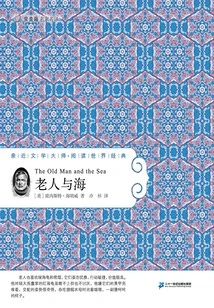
The protagonist of "The Old Man and the Sea", the old fisherman Santiago, makes a living by fishing, but he goes out to sea to fish for eighty-four consecutive days and returns empty-handed. On this day, he unexpectedly caught a huge fish. In order to subdue the big fish, Santiago worked hard. After finally catching the big fish, he met a ferocious shark. Santiago started a fight with the shark... This novel based on real people and true stories praises the indestructible spiritual power of human beings in the face of hardships.
The protagonist of "The Old Man and the Sea", the old fisherman Santiago, makes a living by fishing, but he goes out to sea to fish for eighty-four consecutive days and returns empty-handed. On this day, he unexpectedly caught a huge fish. In order to subdue the big fish, Santiago worked hard. After finally catching the big fish, he met a ferocious shark. Santiago started a fight with the shark... This novel based on real people and true stories praises the indestructible spiritual power of human beings in the face of hardships.

R
General Fictionr
I
"My University" is the last part of Gorky's trilogy of autobiographical novels. The work tells the story of Alyosha's life in Kazan. When he was 16 years old, he came to Kazan with the dream of going to university. After his dream was shattered, he had to work hard to survive. He lived in a "large courtyard", worked hard, interacted with homeless people, and interacted with all kinds of small citizens, college students, and intellectuals. He entered a vast "social university" and eventually grew into a revolutionary intellectual. In this university, he experienced the complex path of spiritual development, withstood the test of life in many aspects, and made his initial exploration of the meaning of life and the complexity of the world.
"My University" is the last part of Gorky's trilogy of autobiographical novels. The work tells the story of Alyosha's life in Kazan. When he was 16 years old, he came to Kazan with the dream of going to university. After his dream was shattered, he had to work hard to survive. He lived in a "large courtyard", worked hard, interacted with homeless people, and interacted with all kinds of small citizens, college students, and intellectuals. He entered a vast "social university" and eventually grew into a revolutionary intellectual. In this university, he experienced the complex path of spiritual development, withstood the test of life in many aspects, and made his initial exploration of the meaning of life and the complexity of the world.

Jane Eyre
General Fiction简·爱
Charlotte Brontë
The plain-looking heroine Jane Eyre is an orphan. She was fostered in her aunt's home since she was a child and suffered all kinds of bullying. Later, she entered a charity school and suffered painful torture both in soul and body. However, she completed her studies with strong will and stayed at the school to teach. In order to pursue an independent life, she was hired as a governess at Thornfield House. While working as a tutor, she developed a sincere love with the male master Rochester. At their wedding, Jane Eyre discovered a mad woman hiding in the attic of Rochester's house, and she turned out to be Rochester's first wife. Jane Eyre left because of this. Soon, the mad woman burned the manor, and Rochester became blind and fell into poverty. After leaving, Jane Eyre not only met her relatives, but also received a generous inheritance. Just when Rochester was despairing of life, Jane Eyre returned to him.
The plain-looking heroine Jane Eyre is an orphan. She was fostered in her aunt's home since she was a child and suffered all kinds of bullying. Later, she entered a charity school and suffered painful torture both in soul and body. However, she completed her studies with strong will and stayed at the school to teach. In order to pursue an independent life, she was hired as a governess at Thornfield House. While working as a tutor, she developed a sincere love with the male master Rochester. At their wedding, Jane Eyre discovered a mad woman hiding in the attic of Rochester's house, and she turned out to be Rochester's first wife. Jane Eyre left because of this. Soon, the mad woman burned the manor, and Rochester became blind and fell into poverty. After leaving, Jane Eyre not only met her relatives, but also received a generous inheritance. Just when Rochester was despairing of life, Jane Eyre returned to him.

R
General Fictionr
H
Charles Dees called A Tale of Two Cities his "best work". The story is set against the backdrop of the French Revolution in the 18th century, connecting the two major cities of Paris and London. Manette, a famous doctor living in Paris, accidentally witnessed the atrocities committed by the feudal aristocrats Evermonde brothers who treated human life indiscriminately. Because of their injustice, he was thrown into the Bastille and imprisoned for eighteen years. After being released from prison, Manette's daughter Lucy fell in love with her enemy's son Dardenne. As a result, in the vortex of the French Revolution, scenes of family grudges were grandly staged... Through the confrontation of love and hate, and the struggle between good and evil, as the author said, "love can always defeat hate" and "evil is often short-lived and will perish together with the evildoer, while good will last forever", achieving the author's consistent creative intention of punishing evil and promoting good.
Charles Dees called A Tale of Two Cities his "best work". The story is set against the backdrop of the French Revolution in the 18th century, connecting the two major cities of Paris and London. Manette, a famous doctor living in Paris, accidentally witnessed the atrocities committed by the feudal aristocrats Evermonde brothers who treated human life indiscriminately. Because of their injustice, he was thrown into the Bastille and imprisoned for eighteen years. After being released from prison, Manette's daughter Lucy fell in love with her enemy's son Dardenne. As a result, in the vortex of the French Revolution, scenes of family grudges were grandly staged... Through the confrontation of love and hate, and the struggle between good and evil, as the author said, "love can always defeat hate" and "evil is often short-lived and will perish together with the evildoer, while good will last forever", achieving the author's consistent creative intention of punishing evil and promoting good.

Childhood
General Fiction童年
J
"Childhood" truly describes Alyosha's painful childhood, and profoundly outlines a vivid picture of the vulgar, selfish, empty and boring Russian petty bourgeoisie in the 19th century. It also shows the simplicity, integrity and hard-working character of the lower class working people. The image of the grandmother created by Gorky in the book is one of the glorious and poetic images in Russian literature.
"Childhood" truly describes Alyosha's painful childhood, and profoundly outlines a vivid picture of the vulgar, selfish, empty and boring Russian petty bourgeoisie in the 19th century. It also shows the simplicity, integrity and hard-working character of the lower class working people. The image of the grandmother created by Gorky in the book is one of the glorious and poetic images in Russian literature.

T
General Fictiont
I
"Pride and Prejudice" is a comic and fascinating work by Jane Austen. The novel reflects the world and customs of British society from the late 18th century to the early 19th century through the story of several middle-class girls from villages and towns talking about marriage. The male protagonist Darcy behaves arrogantly, causing the heroine Elizabeth to always be prejudiced against him, which also makes their love journey full of hardships. But Elizabeth finally understood Darcy's true personality. Darcy changed his arrogant attitude because of Elizabeth, and they ended up in a happy marriage. The plot of the novel is tortuous and full of comedy, the language is natural and fluent, and it is witty and humorous. It reveals the tragedy and comedy of life with superb skills.
"Pride and Prejudice" is a comic and fascinating work by Jane Austen. The novel reflects the world and customs of British society from the late 18th century to the early 19th century through the story of several middle-class girls from villages and towns talking about marriage. The male protagonist Darcy behaves arrogantly, causing the heroine Elizabeth to always be prejudiced against him, which also makes their love journey full of hardships. But Elizabeth finally understood Darcy's true personality. Darcy changed his arrogant attitude because of Elizabeth, and they ended up in a happy marriage. The plot of the novel is tortuous and full of comedy, the language is natural and fluent, and it is witty and humorous. It reveals the tragedy and comedy of life with superb skills.

Don Quixote (part 2)
General Fiction堂吉诃德(下)
(western) Miguel De Cervantes
The story told in "Don Quixote" took place four to five hundred years ago, when the age of chivalry in Europe was over. However, the protagonist of the book, the poor country squire Mr. Don Quixote, was obsessed with reading chivalric novels and became obsessed with it. He found the armor, spears and shields used by his great-grandfather, dressed up as a knight, and rode out to travel around the world. Because of the enthusiasm in his heart, he made a lot of jokes, but no matter how others tried to comfort him, he would persist in his dream of knighthood until he finally woke up before his death. ... The author of this book profoundly reveals the contradiction between people's own ideals and reality in a comic way.
The story told in "Don Quixote" took place four to five hundred years ago, when the age of chivalry in Europe was over. However, the protagonist of the book, the poor country squire Mr. Don Quixote, was obsessed with reading chivalric novels and became obsessed with it. He found the armor, spears and shields used by his great-grandfather, dressed up as a knight, and rode out to travel around the world. Because of the enthusiasm in his heart, he made a lot of jokes, but no matter how others tried to comfort him, he would persist in his dream of knighthood until he finally woke up before his death. ... The author of this book profoundly reveals the contradiction between people's own ideals and reality in a comic way.

Uncle Tom's Cabin
General Fiction汤姆叔叔的小屋
(american) Harriet Beecher Stowe
"Uncle Tom's Cabin" In the mid-19th century, the Shelby family, a farmer in northern Kentucky, USA, had a black slave who loyally protected his master's interests. Everyone called him Uncle Tom. Shelby went bankrupt due to failed speculation in the stock market, and had to sell Tom and ten other slaves to the slave trader Haley at a low price to pay off the debt. When they were transported back to the south by boat, Tom rescued Eva, the daughter of plantation owner Augustine St. Clair, from the water, so St. Clair bought her and made her a domestic servant. After the death of the frail Eva, St. Clair decided to free Tom and other slaves according to his daughter's last wish. However, before Saint Clair could complete the routine procedures for liberation, he was killed in an accident. Tom fell into the hands of Legree, a ruthless cotton plantation owner. In order to rescue the slave girls Cathy and Emmeline who did not want to be Legree's playthings, Uncle Tom was beaten black and blue, and passed away in front of George, the son of his former master Shelby, who came to rescue him. After George returned to his hometown, he liberated the black slaves on the manor in Tom's name. And said: "Whenever you see Uncle Tom's cabin, be reminded of your freedom. Let the cabin become a monument in his memory."
"Uncle Tom's Cabin" In the mid-19th century, the Shelby family, a farmer in northern Kentucky, USA, had a black slave who loyally protected his master's interests. Everyone called him Uncle Tom. Shelby went bankrupt due to failed speculation in the stock market, and had to sell Tom and ten other slaves to the slave trader Haley at a low price to pay off the debt. When they were transported back to the south by boat, Tom rescued Eva, the daughter of plantation owner Augustine St. Clair, from the water, so St. Clair bought her and made her a domestic servant. After the death of the frail Eva, St. Clair decided to free Tom and other slaves according to his daughter's last wish. However, before Saint Clair could complete the routine procedures for liberation, he was killed in an accident. Tom fell into the hands of Legree, a ruthless cotton plantation owner. In order to rescue the slave girls Cathy and Emmeline who did not want to be Legree's playthings, Uncle Tom was beaten black and blue, and passed away in front of George, the son of his former master Shelby, who came to rescue him. After George returned to his hometown, he liberated the black slaves on the manor in Tom's name. And said: "Whenever you see Uncle Tom's cabin, be reminded of your freedom. Let the cabin become a monument in his memory."

Don Quixote (part 1)
General Fiction堂吉诃德(上)
(western) Miguel De Cervantes
The story told in "Don Quixote" took place four to five hundred years ago, when the age of chivalry in Europe was over. However, the protagonist of the book, the poor country squire Mr. Don Quixote, was obsessed with reading chivalric novels and became obsessed with it. He found the armor, spears and shields used by his great-grandfather, dressed up as a knight, and rode out to travel around the world. Because of the enthusiasm in his heart, he made a lot of jokes, but no matter how others tried to comfort him, he would persist in his dream of knighthood until he finally woke up before his death. ... The author of this book profoundly reveals the contradiction between people's own ideals and reality in a comic way.
The story told in "Don Quixote" took place four to five hundred years ago, when the age of chivalry in Europe was over. However, the protagonist of the book, the poor country squire Mr. Don Quixote, was obsessed with reading chivalric novels and became obsessed with it. He found the armor, spears and shields used by his great-grandfather, dressed up as a knight, and rode out to travel around the world. Because of the enthusiasm in his heart, he made a lot of jokes, but no matter how others tried to comfort him, he would persist in his dream of knighthood until he finally woke up before his death. ... The author of this book profoundly reveals the contradiction between people's own ideals and reality in a comic way.