Library
Browse and search books
699 novels found
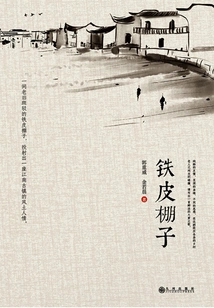
Tin Shed
General Fiction铁皮棚子
Guo Chongwei Jin Ruochen
In the open space at the west end of the street in Jiangnan Ancient Town, there is an iron shed built sixty years ago, around which some elderly people from the ancient town gather. They have different origins, different professions, different personalities, and even different educational levels and cognitive abilities. Because they all have a kind heart, they can often gather here to recall the past, chat, tell their own troubles, and seek mutual comfort and help after they grow old...
In the open space at the west end of the street in Jiangnan Ancient Town, there is an iron shed built sixty years ago, around which some elderly people from the ancient town gather. They have different origins, different professions, different personalities, and even different educational levels and cognitive abilities. Because they all have a kind heart, they can often gather here to recall the past, chat, tell their own troubles, and seek mutual comfort and help after they grow old...
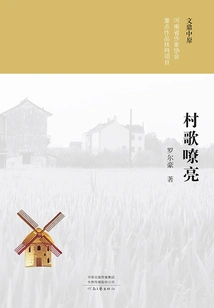
Village Songs Loud and Clear
General Fiction村歌嘹亮
Rolhao
"Village Songs Loud" is one of the "Wending Central Plains" series, a key work support project of the Henan Provincial Writers Association. The five rural-themed novels included in this collection are all selected from various literary publications published in recent years. They basically write about rural people, rural things, rural feelings, and even the unknown side of the countryside. It provides us with a new perspective on understanding the countryside.
"Village Songs Loud" is one of the "Wending Central Plains" series, a key work support project of the Henan Provincial Writers Association. The five rural-themed novels included in this collection are all selected from various literary publications published in recent years. They basically write about rural people, rural things, rural feelings, and even the unknown side of the countryside. It provides us with a new perspective on understanding the countryside.
Father's Hideout
General Fiction父亲的迷藏
Anqing
"Father's Hidden" is one of the "Wending Central Plains" series, a key work support project of the Henan Provincial Writers Association. It includes nearly 20 short stories published by the author nationwide. Some of the works in the book have been selected for reprinting, selected into various anthologies, and won various awards. The works reflect the entanglements and searches of life, the secrets and releases of the heart, the rebellion and warmth of life from different perspectives.
"Father's Hidden" is one of the "Wending Central Plains" series, a key work support project of the Henan Provincial Writers Association. It includes nearly 20 short stories published by the author nationwide. Some of the works in the book have been selected for reprinting, selected into various anthologies, and won various awards. The works reflect the entanglements and searches of life, the secrets and releases of the heart, the rebellion and warmth of life from different perspectives.
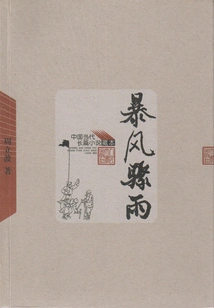
Hurricane
General Fiction暴风骤雨
Zhou Libo
The novel describes the entire process of land reform in a village named Yuanmaotun in Northeast China from 1946 to 1947. In the first part, Zhao Yulin leads the farmers to fight against the bully landlord Han Laoliu. Later, Zhao Yulin died heroically in the suppression of bandits. The second part writes that one year later, Captain Xiao led the work team to enter Yuanmao Tun again to reverse the repeated unfavorable situation. Lord Guo Quanhai led the peasants to continue Zhao Yulin's unfinished business, eliminate traitors and anti-traitors and fight against the landlord Du Shanren, consolidate the fruits of victory, and take the lead in joining the People's Liberation Army and fighting south. This novel won the third prize of the 1951 Stalin Literature Prize.
The novel describes the entire process of land reform in a village named Yuanmaotun in Northeast China from 1946 to 1947. In the first part, Zhao Yulin leads the farmers to fight against the bully landlord Han Laoliu. Later, Zhao Yulin died heroically in the suppression of bandits. The second part writes that one year later, Captain Xiao led the work team to enter Yuanmao Tun again to reverse the repeated unfavorable situation. Lord Guo Quanhai led the peasants to continue Zhao Yulin's unfinished business, eliminate traitors and anti-traitors and fight against the landlord Du Shanren, consolidate the fruits of victory, and take the lead in joining the People's Liberation Army and fighting south. This novel won the third prize of the 1951 Stalin Literature Prize.
Q
General FictionQ
G
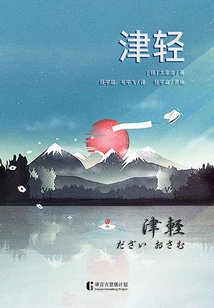
This article is Dazai Osamu's rare "Sunrise Work". Through the description of the "journey to find roots", he explores his own nature as a Tsugaru person, and indirectly expresses his rich customs through stories with his friends. While showing his love for the countryside, he also faintly reveals a desire to stay away from the hustle and bustle. In the context of the time, it was also a rare masterpiece in pursuit of tranquility. Dazai Osamu (だざいおさむ), whose real name is Tsushima Shuji (つしましゅうじ), is a Japanese novelist and a representative writer of Japanese post-war rogue literature. His major works include the novels "Retrograde", "Setting Sun" and "Disqualification in the World". Dazai Osamu had wanted to become a writer since he was a student. At the age of 21, he attempted suicide by throwing himself into the sea with a waitress at a Ginza cafe. In 1935, the work "Retrograde" in the book "Late Years" was listed as a candidate for the first Akutagawa Prize. After getting married, he wrote works such as "One Hundred Views of Mount Fuji" and "Setting Sun" and became a popular contemporary writer. Late at night on June 13, 1948, he and Yamazaki Furei, a female reader who admired him, committed suicide by jumping into the Tamagawa River. He was 39 years old and left behind works such as "Disqualification in the World".
This article is Dazai Osamu's rare "Sunrise Work". Through the description of the "journey to find roots", he explores his own nature as a Tsugaru person, and indirectly expresses his rich customs through stories with his friends. While showing his love for the countryside, he also faintly reveals a desire to stay away from the hustle and bustle. In the context of the time, it was also a rare masterpiece in pursuit of tranquility. Dazai Osamu (だざいおさむ), whose real name is Tsushima Shuji (つしましゅうじ), is a Japanese novelist and a representative writer of Japanese post-war rogue literature. His major works include the novels "Retrograde", "Setting Sun" and "Disqualification in the World". Dazai Osamu had wanted to become a writer since he was a student. At the age of 21, he attempted suicide by throwing himself into the sea with a waitress at a Ginza cafe. In 1935, the work "Retrograde" in the book "Late Years" was listed as a candidate for the first Akutagawa Prize. After getting married, he wrote works such as "One Hundred Views of Mount Fuji" and "Setting Sun" and became a popular contemporary writer. Late at night on June 13, 1948, he and Yamazaki Furei, a female reader who admired him, committed suicide by jumping into the Tamagawa River. He was 39 years old and left behind works such as "Disqualification in the World".
边城(现当代长篇小说典藏插图本)
Shen Congwen
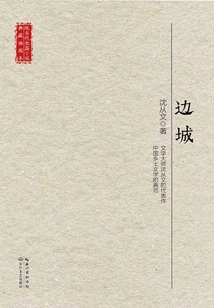
This work is the representative work of Shen Congwen's novels and an excellent novel expressing local feelings in the history of Chinese literature. It is set in Chadong, a border town at the junction of Sichuan and Hunan in the 1930s, and depicts the unique customs and customs of western Hunan with beautiful brushstrokes. It uses the love tragedy of Cuicui, a boatman girl, to highlight the kindness and beauty of human nature and the clarity and purity of the soul. "Border Town" has attracted many readers at home and abroad with its unique artistic charm and vivid local customs, and has established the special status of "Border Town" in the history of modern Chinese literature.
This work is the representative work of Shen Congwen's novels and an excellent novel expressing local feelings in the history of Chinese literature. It is set in Chadong, a border town at the junction of Sichuan and Hunan in the 1930s, and depicts the unique customs and customs of western Hunan with beautiful brushstrokes. It uses the love tragedy of Cuicui, a boatman girl, to highlight the kindness and beauty of human nature and the clarity and purity of the soul. "Border Town" has attracted many readers at home and abroad with its unique artistic charm and vivid local customs, and has established the special status of "Border Town" in the history of modern Chinese literature.
Baiguniutan (all 3 Volumes)
General Fiction白牯牛潭(全3册)
Cui Shixiong
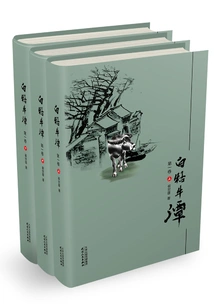
"Baiguniutan" is a novel with about 540,000 words in total. It describes the historical changes of a remote village on the shore of Honghu Lake in Hubei Province in the twenty years after liberation. Honghu is the author's hometown. The author is familiar with the life and people there, and the novel has the nature of a family history. The story written by the author is vivid and the characters are vivid. It is a rural custom painting in the middle of the 20th century in my country.
"Baiguniutan" is a novel with about 540,000 words in total. It describes the historical changes of a remote village on the shore of Honghu Lake in Hubei Province in the twenty years after liberation. Honghu is the author's hometown. The author is familiar with the life and people there, and the novel has the nature of a family history. The story written by the author is vivid and the characters are vivid. It is a rural custom painting in the middle of the 20th century in my country.
White Ink Painting
General Fiction白墨绘
Ma Yufei
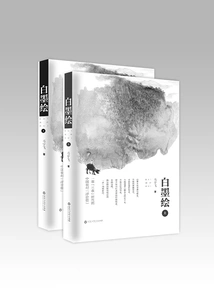
"White Mo Painting" is a realistic novel with a rural theme. The work closely revolves around the main theme of rural development and tells the story of how an ordinary rural village called Baimo Village got rid of its predicament and successfully achieved development. The novel narrates the development process of Baimo Village in different periods in the form of the upper and lower volumes, and looks at the process of rural transformation and development through the different choices made by the old, middle and young village party secretaries of Baimo Village.
"White Mo Painting" is a realistic novel with a rural theme. The work closely revolves around the main theme of rural development and tells the story of how an ordinary rural village called Baimo Village got rid of its predicament and successfully achieved development. The novel narrates the development process of Baimo Village in different periods in the form of the upper and lower volumes, and looks at the process of rural transformation and development through the different choices made by the old, middle and young village party secretaries of Baimo Village.
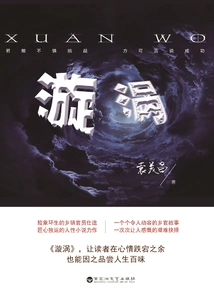
Swirl
General Fiction漩涡
Yuan Meichang
This is an original novel with a rural theme. The novel describes the three-year entrepreneurial experience of the protagonist Zhou Shiyi in the countryside. With his diligent and down-to-earth spirit, he started from scratch and made small achievements, and he met his own beautiful love here. The whole novel vividly depicts the joys, sorrows and joys of the little characters, creates an image of a resolute and upright protagonist, and expresses the truth, goodness and beauty in real life.
This is an original novel with a rural theme. The novel describes the three-year entrepreneurial experience of the protagonist Zhou Shiyi in the countryside. With his diligent and down-to-earth spirit, he started from scratch and made small achievements, and he met his own beautiful love here. The whole novel vividly depicts the joys, sorrows and joys of the little characters, creates an image of a resolute and upright protagonist, and expresses the truth, goodness and beauty in real life.
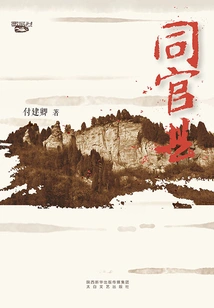
Tongguan County
General Fiction同官县
Fu Jianqing
"Tongguan County" takes the 1940s of the 20th century as the historical background and describes the social life of Tongguan County. With Gao Ergui and Huang Heyan as the main characters, scenes of historical imprints are reproduced: bravely fighting against evil enemies, sending comrades out wisely, spending the night in a golden lock, falling in love in Yan'an, and revitalizing the porcelain industry. The characters in the work are distinctive, the plot is full of twists and turns, the local customs are colorful, the language is fresh and fluent, and it has a strong flavor of life.
"Tongguan County" takes the 1940s of the 20th century as the historical background and describes the social life of Tongguan County. With Gao Ergui and Huang Heyan as the main characters, scenes of historical imprints are reproduced: bravely fighting against evil enemies, sending comrades out wisely, spending the night in a golden lock, falling in love in Yan'an, and revitalizing the porcelain industry. The characters in the work are distinctive, the plot is full of twists and turns, the local customs are colorful, the language is fresh and fluent, and it has a strong flavor of life.
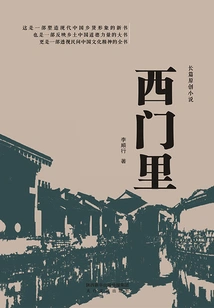
Ximenli
General Fiction西门里
Li Shunxing
Through a panoramic representation of the living conditions, souls, and emotions of Shanxi businessmen represented by Gao Bukuan, as well as barbers, suona players, beggars, swordsmen, and righteous people from all walks of life for half a century, this book vividly, concretely, and large-scale shows the human physics and traditional village culture in rural towns, and profoundly reflects the appeal and cohesion of rural China's consistently excellent ethics and morals. It is an "encyclopedia" of excellent Chinese folk culture and folk customs.
Through a panoramic representation of the living conditions, souls, and emotions of Shanxi businessmen represented by Gao Bukuan, as well as barbers, suona players, beggars, swordsmen, and righteous people from all walks of life for half a century, this book vividly, concretely, and large-scale shows the human physics and traditional village culture in rural towns, and profoundly reflects the appeal and cohesion of rural China's consistently excellent ethics and morals. It is an "encyclopedia" of excellent Chinese folk culture and folk customs.
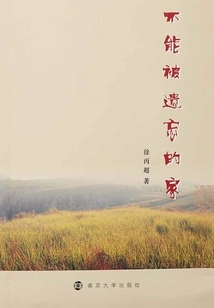
A Home That Cannot Be Forgotten
General Fiction不能被遗忘的家
Xu Bingchao
By describing the lives of farmers Qin Guangyu, Yu Xin and other people and the actual rural survival ecology, this book reveals the social ecology of contemporary China's rural areas and reflects China's reality of rural areas, farmers and rural issues. At the same time, the protagonist dares to face an unfortunate life, strives to pursue his ideals, and guards his homeland, which reflects the protagonist's true and kind character and hard-working spirit.
By describing the lives of farmers Qin Guangyu, Yu Xin and other people and the actual rural survival ecology, this book reveals the social ecology of contemporary China's rural areas and reflects China's reality of rural areas, farmers and rural issues. At the same time, the protagonist dares to face an unfortunate life, strives to pursue his ideals, and guards his homeland, which reflects the protagonist's true and kind character and hard-working spirit.
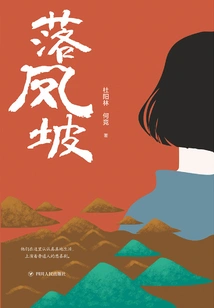
Luofengpo
General Fiction落凤坡
Du Yanglin He Jing
Seven-year-old girl Ming Yuanxiu came to Luofengpo with her remarried mother, and grew up with her "brother" Xu Zhixing. They were childhood sweethearts and secretly in love. However, because her stepfather suddenly became terminally ill, Yuanxiu, who had excellent grades, could not take the college entrance examination. Later, she married Song Guoliang, a young man with mental problems, in a "marriage exchange" way. Song Guoliang died tragically in a car accident. Yuanxiu became a widow and returned to Luofengpo, where he was marginalized by his sister-in-law Qiu Taoxiang. Yuanxiu is kind and tenacious, and learns fruit tree planting from the village's agricultural experts. Later, he is elected as the village director, leading the whole village to become rich and well-off. From 1987 to 2019, a span of 32 years, where will the love between the two "brothers and sisters" go? Luofengpo, this real small mountain village in Sichuan, was once a famous poor village, but it has also quietly changed in the torrent of history...
Seven-year-old girl Ming Yuanxiu came to Luofengpo with her remarried mother, and grew up with her "brother" Xu Zhixing. They were childhood sweethearts and secretly in love. However, because her stepfather suddenly became terminally ill, Yuanxiu, who had excellent grades, could not take the college entrance examination. Later, she married Song Guoliang, a young man with mental problems, in a "marriage exchange" way. Song Guoliang died tragically in a car accident. Yuanxiu became a widow and returned to Luofengpo, where he was marginalized by his sister-in-law Qiu Taoxiang. Yuanxiu is kind and tenacious, and learns fruit tree planting from the village's agricultural experts. Later, he is elected as the village director, leading the whole village to become rich and well-off. From 1987 to 2019, a span of 32 years, where will the love between the two "brothers and sisters" go? Luofengpo, this real small mountain village in Sichuan, was once a famous poor village, but it has also quietly changed in the torrent of history...
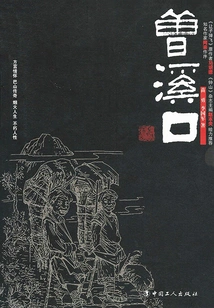
Zengxikou
General Fiction曾溪口
Miao Yong Li Guojun
This long regional romance novel was shortlisted for the Mao Dun Literary Award and won the Sichuan Literature Award. It is a novel co-written by young writers Miao Yong and Li Guojun, and the title is solemnly recommended by the 106-year-old Mr. Ma Shitu, the honorary chairman of the Sichuan Writers Association and the original author of "Let the Bullets Fly." The work uses the fresh and simple dialect of Eastern Sichuan to tell the story of the love, hatred and hatred of a group of Bashanbei brothers who have been trekking between Bashan and Shushui all year round, carrying heavy backpacks and fighting for their lives with blood and sweat. The novel uses Su Maocai's return to his hometown to form a team to secretly hunt for and protect the treasure with his second brother, and Li Xiuwu's secret plot to suppress bandits but actually seize the treasure. It uses the emotional entanglement between Su Maocai and the fourth girl, Chun Gu, and Qiuyue as the main line, and Zhang Zhankui. The leader of the bandit is brutal and domineering, the scholar Gou Xuezhang is infatuated with Qiuyue, A Niu generously died for Chun Gu, the life and death love and hate between Boss Qiu and Huo Tugen, etc. Are multiple lines... Interpreted into multiple points of the novel. The whole novel exudes a breathtaking and legendary atmosphere. It has the suspense and tension of a treasure hunt novel, and the mystery and boldness of a chivalrous novel; it has the intricate grievances of a family novel, and the romance and confusion of an emotional novel. It can be called a classic masterpiece of "bitterness, evil, darkness, fighting, and sex".
This long regional romance novel was shortlisted for the Mao Dun Literary Award and won the Sichuan Literature Award. It is a novel co-written by young writers Miao Yong and Li Guojun, and the title is solemnly recommended by the 106-year-old Mr. Ma Shitu, the honorary chairman of the Sichuan Writers Association and the original author of "Let the Bullets Fly." The work uses the fresh and simple dialect of Eastern Sichuan to tell the story of the love, hatred and hatred of a group of Bashanbei brothers who have been trekking between Bashan and Shushui all year round, carrying heavy backpacks and fighting for their lives with blood and sweat. The novel uses Su Maocai's return to his hometown to form a team to secretly hunt for and protect the treasure with his second brother, and Li Xiuwu's secret plot to suppress bandits but actually seize the treasure. It uses the emotional entanglement between Su Maocai and the fourth girl, Chun Gu, and Qiuyue as the main line, and Zhang Zhankui. The leader of the bandit is brutal and domineering, the scholar Gou Xuezhang is infatuated with Qiuyue, A Niu generously died for Chun Gu, the life and death love and hate between Boss Qiu and Huo Tugen, etc. Are multiple lines... Interpreted into multiple points of the novel. The whole novel exudes a breathtaking and legendary atmosphere. It has the suspense and tension of a treasure hunt novel, and the mystery and boldness of a chivalrous novel; it has the intricate grievances of a family novel, and the romance and confusion of an emotional novel. It can be called a classic masterpiece of "bitterness, evil, darkness, fighting, and sex".
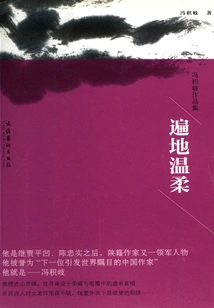
Tenderness Everywhere (collection of Works by Feng Jiqi)
General Fiction遍地温柔(冯积岐作品集)
Feng Jiqi
He is another leading Shaanxi writer after Jia Pingwa and Chen Zhongshi. He is known as "the next Chinese writer to attract world attention". He is Feng Jiqi! The professor went into the mountain to record monuments, looking for the truth about the massacre submerged in the glory and noise; the peasant poet had evil plans for the female teacher, and there was a trap of desire under the cloak of love... "Collected Works of Feng Jiqi: Tenderness Everywhere" is a masterpiece by Feng Jiqi, a powerful writer from the Shaanxi Army. It is a novel full of the original ecological atmosphere of the Loess Plateau.
He is another leading Shaanxi writer after Jia Pingwa and Chen Zhongshi. He is known as "the next Chinese writer to attract world attention". He is Feng Jiqi! The professor went into the mountain to record monuments, looking for the truth about the massacre submerged in the glory and noise; the peasant poet had evil plans for the female teacher, and there was a trap of desire under the cloak of love... "Collected Works of Feng Jiqi: Tenderness Everywhere" is a masterpiece by Feng Jiqi, a powerful writer from the Shaanxi Army. It is a novel full of the original ecological atmosphere of the Loess Plateau.
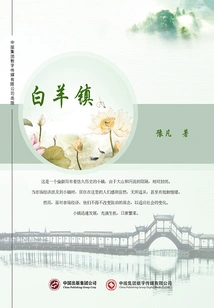
Baiyang Town
General Fiction白羊镇
Yufan
This is a remote town with a long history. It is relatively closed due to the obstacles of mountains and rivers. When the market economy spreads to small towns, people living here feel blind, at a loss, and even have resistance. However, facing the market economy, they have to change their outdated concepts to adapt to social changes. The town is developing rapidly, full of vitality and becoming increasingly prosperous. However, unexpected events occurred, and a disaster (earthquake) suddenly struck. The town was isolated from the outside world and turned into an isolated island. However, they were not intimidated. Instead, under the leadership of the town mayor, they abandoned their resentment and actively saved themselves until the arrival of the People's Liberation Army and volunteers. Then, with the help of the construction aid team, he rebuilt his home.
This is a remote town with a long history. It is relatively closed due to the obstacles of mountains and rivers. When the market economy spreads to small towns, people living here feel blind, at a loss, and even have resistance. However, facing the market economy, they have to change their outdated concepts to adapt to social changes. The town is developing rapidly, full of vitality and becoming increasingly prosperous. However, unexpected events occurred, and a disaster (earthquake) suddenly struck. The town was isolated from the outside world and turned into an isolated island. However, they were not intimidated. Instead, under the leadership of the town mayor, they abandoned their resentment and actively saved themselves until the arrival of the People's Liberation Army and volunteers. Then, with the help of the construction aid team, he rebuilt his home.
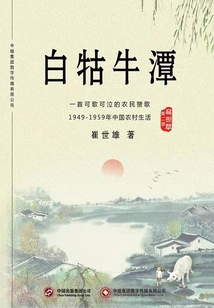
Baigunniutan (part 2)
General Fiction白牯牛潭(第二部)
Cui Shixiong
Dou Xianzhi took back his water chestnut field, devoted himself to three to five acres of land and one cow, and with his wife and children in bed, he began his journey of becoming rich alone. But the good times did not last long. He encountered a sudden difficulty in giving birth to his mother-in-law, injured himself, and was tricked by the wealthy middle farmer Zeng Shanming. He owed huge debts. In desperation, he mortgaged his water chestnut field and returned to poverty again. Can he get out of poverty and become rich with the help of the villagers? What kind of test will he face?
Dou Xianzhi took back his water chestnut field, devoted himself to three to five acres of land and one cow, and with his wife and children in bed, he began his journey of becoming rich alone. But the good times did not last long. He encountered a sudden difficulty in giving birth to his mother-in-law, injured himself, and was tricked by the wealthy middle farmer Zeng Shanming. He owed huge debts. In desperation, he mortgaged his water chestnut field and returned to poverty again. Can he get out of poverty and become rich with the help of the villagers? What kind of test will he face?
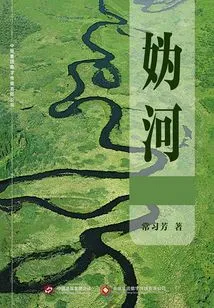
Guihe River
General Fiction妫河
Chang Xifang
The Gui River, which flows in Yanqing, turned a corner in a small village. The Tiancheng family, a native farmer, is also racing against time to become well-off due to the good policies of the Party. Tiancheng accidentally got into a car accident while transporting coal from Shanxi, which changed the trajectory of his life. Tiancheng, whose body was in ruins, caught Guihe's attention, engaged in rafting, planted lotus couples, and got out of hand.
The Gui River, which flows in Yanqing, turned a corner in a small village. The Tiancheng family, a native farmer, is also racing against time to become well-off due to the good policies of the Party. Tiancheng accidentally got into a car accident while transporting coal from Shanxi, which changed the trajectory of his life. Tiancheng, whose body was in ruins, caught Guihe's attention, engaged in rafting, planted lotus couples, and got out of hand.
Gathering at the End of the Song
General Fiction曲终人聚
Dongli
It tells a story about the fate of three generations of a wealthy farmer's family in a small village in the northwest, far away from the emperor.
It tells a story about the fate of three generations of a wealthy farmer's family in a small village in the northwest, far away from the emperor.
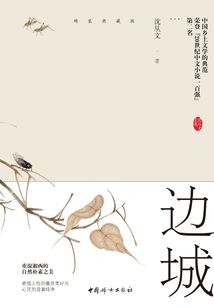
Border Town
General Fiction边城
Shen Congwen
"Border Town" is Shen Congwen's novel. It is the one that expresses the beauty of human nature among all his works. It is also an excellent novel expressing local feelings in the history of Chinese literature. The novel is set in Chadong, a border town in the 1930s at the junction of Sichuan and Hunan. It takes the love tragedy of daughter Cuicui and her lover Nuosu as the main line. With a beautiful style that combines lyric poetry and essays, it depicts the simple folk customs and natural living conditions of the border town in western Hunan, and bitterly tells the painful fact that the people of western Hunan cannot control their own destiny in the face of "nature" and "human affairs". The language of the novel is simple and fresh, the writing is pure and clear, and the author's most beautiful and beloved aesthetic ideals are placed in every line of the words. Its unique artistic charm and unique customs have attracted a large number of readers at home and abroad, and also established the lofty status of "Border Town" in the history of modern Chinese literature.
"Border Town" is Shen Congwen's novel. It is the one that expresses the beauty of human nature among all his works. It is also an excellent novel expressing local feelings in the history of Chinese literature. The novel is set in Chadong, a border town in the 1930s at the junction of Sichuan and Hunan. It takes the love tragedy of daughter Cuicui and her lover Nuosu as the main line. With a beautiful style that combines lyric poetry and essays, it depicts the simple folk customs and natural living conditions of the border town in western Hunan, and bitterly tells the painful fact that the people of western Hunan cannot control their own destiny in the face of "nature" and "human affairs". The language of the novel is simple and fresh, the writing is pure and clear, and the author's most beautiful and beloved aesthetic ideals are placed in every line of the words. Its unique artistic charm and unique customs have attracted a large number of readers at home and abroad, and also established the lofty status of "Border Town" in the history of modern Chinese literature.
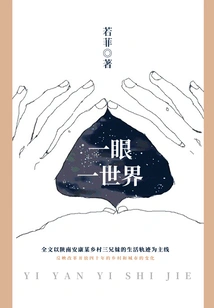
One Look at the World
General Fiction一眼一世界
Ruofei
The full text takes the life trajectories of three brothers and sisters in a village in Ankang, southern Shaanxi as the main line, reflecting the changes in rural and urban areas during the forty years of reform and opening up. The calm and ordinary life reflects the growing memories of a generation. The joys and sorrows, the ups and downs of human relationships, the mountains and rivers remain unchanged, the people are changing, and everything changes accordingly... The protagonist Zheng Shengyang became blind in his right eye due to an illness that was not treated in time. The mother is deaf, the father is responsible, and the biological sister is sent away. The uncle died young, the aunt is in charge of the family, the cousin is honest and can only do simple farm work, and the family leads a tight life. When he was six years old, his mother picked up a younger sister at home and named her Zheng Shengli. See how a short, thin, disabled ordinary person protects everyone in his family, what kind of life he will go through, and how he will achieve the world in his eyes!
The full text takes the life trajectories of three brothers and sisters in a village in Ankang, southern Shaanxi as the main line, reflecting the changes in rural and urban areas during the forty years of reform and opening up. The calm and ordinary life reflects the growing memories of a generation. The joys and sorrows, the ups and downs of human relationships, the mountains and rivers remain unchanged, the people are changing, and everything changes accordingly... The protagonist Zheng Shengyang became blind in his right eye due to an illness that was not treated in time. The mother is deaf, the father is responsible, and the biological sister is sent away. The uncle died young, the aunt is in charge of the family, the cousin is honest and can only do simple farm work, and the family leads a tight life. When he was six years old, his mother picked up a younger sister at home and named her Zheng Shengli. See how a short, thin, disabled ordinary person protects everyone in his family, what kind of life he will go through, and how he will achieve the world in his eyes!
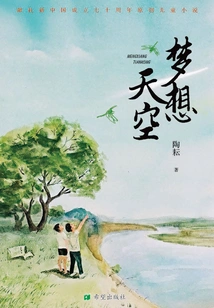
Dream Sky
General Fiction梦想天空
Tao Yun
The novel is centered on character imitation, starting from the eleven-year-old Gu Xiaomai's dream of becoming a pilot, and carefully depicts the portraits of young characters such as Xiaomai, Cypress, Tie Suo, and Suizi. The language of the work is fluent, the structure is full, and the meaning is rich. The description of many folk customs is organically integrated with the ongoing new rural construction and poverty alleviation work. By telling the story of ordinary people's pursuit of dreams, the work fully demonstrates the people's persistence in their ideals and positive spirit in the new era. This is a meticulous work that is close to reality, the present, and the countryside, and is a tribute to the 70th anniversary of the founding of New China.
The novel is centered on character imitation, starting from the eleven-year-old Gu Xiaomai's dream of becoming a pilot, and carefully depicts the portraits of young characters such as Xiaomai, Cypress, Tie Suo, and Suizi. The language of the work is fluent, the structure is full, and the meaning is rich. The description of many folk customs is organically integrated with the ongoing new rural construction and poverty alleviation work. By telling the story of ordinary people's pursuit of dreams, the work fully demonstrates the people's persistence in their ideals and positive spirit in the new era. This is a meticulous work that is close to reality, the present, and the countryside, and is a tribute to the 70th anniversary of the founding of New China.
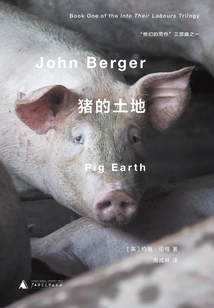
Pig Land
General Fiction猪的土地
J
"Pig Land" is set in a small mountain village in the French Alps. Berg created a group of people: the men are hardworking and suspicious, and the women are independent. He wrote about newborn calves and pigs waiting to be slaughtered, about people making hay in the summer and resting in the long dark winter. This book describes how the deceased father said to the prodigal son who returned home, "I forgive you", and also created an extraordinary woman - Lucy Cabrol, a female dwarf who was exiled to a mountain hut by her brothers. Ultimately, this book can be seen as an inventory from John Berger of how much value and wealth we have lost as we leave our ancient countryside behind.
"Pig Land" is set in a small mountain village in the French Alps. Berg created a group of people: the men are hardworking and suspicious, and the women are independent. He wrote about newborn calves and pigs waiting to be slaughtered, about people making hay in the summer and resting in the long dark winter. This book describes how the deceased father said to the prodigal son who returned home, "I forgive you", and also created an extraordinary woman - Lucy Cabrol, a female dwarf who was exiled to a mountain hut by her brothers. Ultimately, this book can be seen as an inventory from John Berger of how much value and wealth we have lost as we leave our ancient countryside behind.
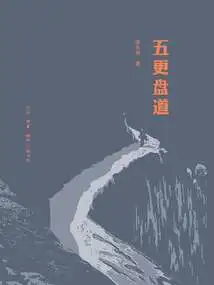
The Fifth Watch
General Fiction五更盘道
Qi Yongxiang
A precious rural portrait and alternative psychological history. The main line of this book is the "school history" of a man born in the 1960s, from attending a village school in a remote mountainous area in the northwest to becoming a professor at Peking University after going through many twists and turns. The author's memory is astonishing. His memory of details of his early life is astonishing and his descriptions are vivid. The poverty in rural northwest China is equally astonishing. In addition to the main line of "school notes", the book also describes the author's customs and customs in the remote mountainous areas of Gansu Province, recording in line description the songs, tears, joys and sorrows, hopes and despair of people in that "ordinary world".
A precious rural portrait and alternative psychological history. The main line of this book is the "school history" of a man born in the 1960s, from attending a village school in a remote mountainous area in the northwest to becoming a professor at Peking University after going through many twists and turns. The author's memory is astonishing. His memory of details of his early life is astonishing and his descriptions are vivid. The poverty in rural northwest China is equally astonishing. In addition to the main line of "school notes", the book also describes the author's customs and customs in the remote mountainous areas of Gansu Province, recording in line description the songs, tears, joys and sorrows, hopes and despair of people in that "ordinary world".
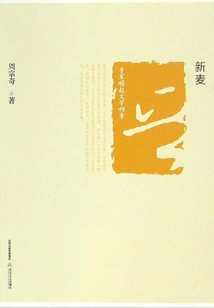
New Wheat
General Fiction新麦
Zhou Zongqi
This book collects about ten short stories and short stories written by Mr. Zhou Zongqi from the late 1970s to the late 1980s, totaling about 300,000 words. They were all short and medium-sized novels that received widespread attention from all walks of life at that time and had certain influence. Most of them were published in well-known magazines in our province, such as Huanghe, Fenshui, etc. Most of his works go deep into the grassroots and take root among the people, with simple language and mostly expressions of true emotions.
This book collects about ten short stories and short stories written by Mr. Zhou Zongqi from the late 1970s to the late 1980s, totaling about 300,000 words. They were all short and medium-sized novels that received widespread attention from all walks of life at that time and had certain influence. Most of them were published in well-known magazines in our province, such as Huanghe, Fenshui, etc. Most of his works go deep into the grassroots and take root among the people, with simple language and mostly expressions of true emotions.
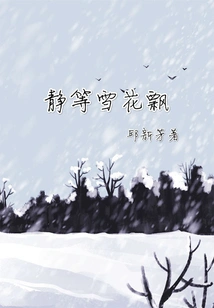
Waiting for the Snowflakes to Fall
General Fiction静等雪花飘
Qiu Xinfang
The old man who fights unyieldingly against nature, the red flowers standing proudly in the mountains, and the snowflakes flying in the sky pay tribute to the last dandelion. In this book, the author's delicate brushstrokes perfectly restore the mountainous countryside in his heart. That year, that tree, and that person are still rushing through his memories. It is a paradise for the soul and a harbor for hope to set sail. We never lose anything, we just forget to look back and look far away in our rush.
The old man who fights unyieldingly against nature, the red flowers standing proudly in the mountains, and the snowflakes flying in the sky pay tribute to the last dandelion. In this book, the author's delicate brushstrokes perfectly restore the mountainous countryside in his heart. That year, that tree, and that person are still rushing through his memories. It is a paradise for the soul and a harbor for hope to set sail. We never lose anything, we just forget to look back and look far away in our rush.
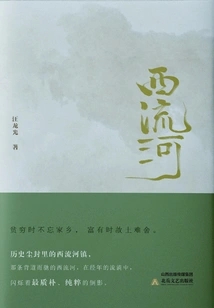
Xiliuhe
General Fiction西流河
Wang Longguang
Mid-1960s. Xiliuhe Town. Shang Daqiang carefully planned to defeat the director of the neighborhood committee and hoped to replace him. He used various means in the hope of being elected as director by the residents. Wei Lianzhi recommended herself and received more votes than Shang Daqiang, but she could not be elected because she did not receive a majority. The friendly neighborly relations in the neighborhood committee ceased, and the resulting conflicts spread to the children. Liu Changxue is determined to bring "Dongfanghong" to the stage. Primary school teachers and students were responsible for rehearsing this large-scale musical, and everyone stuck out their tongues. After several rounds of mobilization and persuasion, teachers and students accepted the challenge. In order to win the second election, Shang Daqiang started new activities. The old Red Army soldiers who returned to their hometown to recuperate were particularly concerned about the development of their hometown and promoted the establishment of a town in Xiliuhe. After popular recommendation, Shang Daqiang, Li Shunjiu and Wei Lianzhi became candidates for the leadership of the town People's Committee. Li Shunjiu mobilized his mother to spend the New Year at the commander's brother's house. The commander's son was obedient to his mother, but did not open the back door for his younger brother. The Spring Festival in Xiliuhe has unique styles: ten bowls, nine plates, glutinous rice balls, rice dumplings; lotus picking boats, lion dances, dragon lanterns; putting up New Year pictures, inviting spring guests, and celebrating the New Year... Men, women, old and young are happy. Shang Daqiang cleverly pushed his strong competitor Li Shunjiu onto the gambling table. Li Shunjiu was detained for gambling, and his candidacy for the People's Committee was revoked. Shang Daqiang became a committee member, and Wei Lianzhi became the mayor. Li Shunjiu felt angry, resentful of his brother, and angry with his mother. During the quarrel, the mother suffered a cerebral hemorrhage and died. The commander's son followed the local customs and became a pious and dutiful son, which moved heaven and earth. Shang Daqiang wanted to find fault with Wei Lianzhi and oust her. The rape incident became a farce and he was detained for ten days. "The East Is Red" rehearsed by primary school teachers and students was performed before July 1st and received unanimous praise.
Mid-1960s. Xiliuhe Town. Shang Daqiang carefully planned to defeat the director of the neighborhood committee and hoped to replace him. He used various means in the hope of being elected as director by the residents. Wei Lianzhi recommended herself and received more votes than Shang Daqiang, but she could not be elected because she did not receive a majority. The friendly neighborly relations in the neighborhood committee ceased, and the resulting conflicts spread to the children. Liu Changxue is determined to bring "Dongfanghong" to the stage. Primary school teachers and students were responsible for rehearsing this large-scale musical, and everyone stuck out their tongues. After several rounds of mobilization and persuasion, teachers and students accepted the challenge. In order to win the second election, Shang Daqiang started new activities. The old Red Army soldiers who returned to their hometown to recuperate were particularly concerned about the development of their hometown and promoted the establishment of a town in Xiliuhe. After popular recommendation, Shang Daqiang, Li Shunjiu and Wei Lianzhi became candidates for the leadership of the town People's Committee. Li Shunjiu mobilized his mother to spend the New Year at the commander's brother's house. The commander's son was obedient to his mother, but did not open the back door for his younger brother. The Spring Festival in Xiliuhe has unique styles: ten bowls, nine plates, glutinous rice balls, rice dumplings; lotus picking boats, lion dances, dragon lanterns; putting up New Year pictures, inviting spring guests, and celebrating the New Year... Men, women, old and young are happy. Shang Daqiang cleverly pushed his strong competitor Li Shunjiu onto the gambling table. Li Shunjiu was detained for gambling, and his candidacy for the People's Committee was revoked. Shang Daqiang became a committee member, and Wei Lianzhi became the mayor. Li Shunjiu felt angry, resentful of his brother, and angry with his mother. During the quarrel, the mother suffered a cerebral hemorrhage and died. The commander's son followed the local customs and became a pious and dutiful son, which moved heaven and earth. Shang Daqiang wanted to find fault with Wei Lianzhi and oust her. The rape incident became a farce and he was detained for ten days. "The East Is Red" rehearsed by primary school teachers and students was performed before July 1st and received unanimous praise.
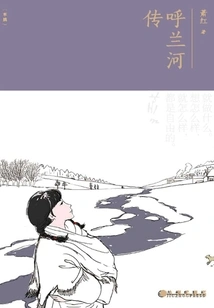
The Legend of Hulan River
General Fiction呼兰河传
Xiao Hong
This book collects two autobiographical novels, "Hulan River Biography" and "Shangshi Street" by Xiao Hong, a master of modern Chinese literature. They mainly describe her life in rural and urban areas of Northeast China and the fate of related characters. They are rich in Northeastern customs and reflections on traditional culture. The stories told in these two works took place in the two periods of childhood and youth that had the most profound impact on her, profoundly showing the ups and downs of Xiao Hong's life and the source of her creation.
This book collects two autobiographical novels, "Hulan River Biography" and "Shangshi Street" by Xiao Hong, a master of modern Chinese literature. They mainly describe her life in rural and urban areas of Northeast China and the fate of related characters. They are rich in Northeastern customs and reflections on traditional culture. The stories told in these two works took place in the two periods of childhood and youth that had the most profound impact on her, profoundly showing the ups and downs of Xiao Hong's life and the source of her creation.
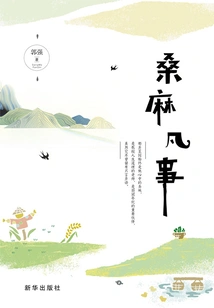
Sang Ma Everything
General Fiction桑麻凡事
Guo Qiang
This book is based on the protagonist Wang Qiang's three trips to the countryside as the background, describing what he saw in the countryside full of pastoral style. Although the farming work is small, it is enough to inspire people's hearts and encourage people to grow. Although the past is far away, the rural love has never dissipated. Whether it was passing five levels and killing six generals, or walking through Maicheng, those little things in the countryside always appeared in Wang Qiang's mind, and he couldn't get rid of them. The vegetable garden back then was always a holy place in his heart, a teacher who taught the principles of life, and an important companion in his old age, although he never left a single word about it. The author shows us a pastoral picture full of rural life through trivial things such as planting vegetables, raking grass, fetching water, raising livestock, and chasing rabbits. Although it seems so far away from our modern urban lives, it is quite novel and interesting to read.
This book is based on the protagonist Wang Qiang's three trips to the countryside as the background, describing what he saw in the countryside full of pastoral style. Although the farming work is small, it is enough to inspire people's hearts and encourage people to grow. Although the past is far away, the rural love has never dissipated. Whether it was passing five levels and killing six generals, or walking through Maicheng, those little things in the countryside always appeared in Wang Qiang's mind, and he couldn't get rid of them. The vegetable garden back then was always a holy place in his heart, a teacher who taught the principles of life, and an important companion in his old age, although he never left a single word about it. The author shows us a pastoral picture full of rural life through trivial things such as planting vegetables, raking grass, fetching water, raising livestock, and chasing rabbits. Although it seems so far away from our modern urban lives, it is quite novel and interesting to read.
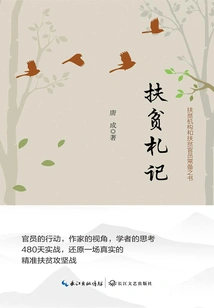
Poverty Alleviation Notes
General Fiction扶贫札记
Tang Cheng
"Notes on Poverty Alleviation" is based on the author's own poverty alleviation experience and uses the form of a novel to record the ups and downs in the practice of targeted poverty alleviation. The novel not only presents an objective presentation and rational thinking of the "hard bones" of poverty alleviation, but also provides a poetic comfort to dreams and a warm transmission of hope. Although "Notes on Poverty Alleviation" focuses on the story of a small mountain village, it resonates with the national poverty alleviation situation. It reflects from one aspect that the Chinese government's commitment to eradicating poverty is not an empty talk, but a real action, which has strong practical guiding significance.
"Notes on Poverty Alleviation" is based on the author's own poverty alleviation experience and uses the form of a novel to record the ups and downs in the practice of targeted poverty alleviation. The novel not only presents an objective presentation and rational thinking of the "hard bones" of poverty alleviation, but also provides a poetic comfort to dreams and a warm transmission of hope. Although "Notes on Poverty Alleviation" focuses on the story of a small mountain village, it resonates with the national poverty alleviation situation. It reflects from one aspect that the Chinese government's commitment to eradicating poverty is not an empty talk, but a real action, which has strong practical guiding significance.
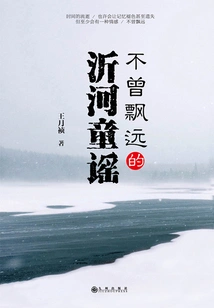
The Nursery Rhyme of Yihe River That Never Drifts Far Away
General Fiction不曾飘远的沂河童谣
Wang Yuezhen
The author uses a child's perspective to show the adult world in the changing environment. Grandma's restraint, grandma's boldness, grandpa's honesty, the bride's simplicity... Are all true portrayals of the people in Yimeng Old District, in order to celebrate the noble qualities of the common people.
The author uses a child's perspective to show the adult world in the changing environment. Grandma's restraint, grandma's boldness, grandpa's honesty, the bride's simplicity... Are all true portrayals of the people in Yimeng Old District, in order to celebrate the noble qualities of the common people.
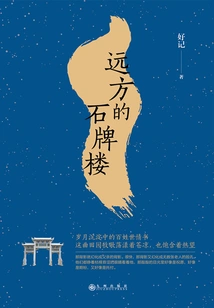
The Stone Archway in the Distance
General Fiction远方的石牌楼
Easy To Remember
There is a stone archway on the street of Pailouba. When the owner of Shipai Tower left, the tenant Yuan Guishi, who bought his ramie land at a low price, would tell his son the story of Shipai Tower and its owner from time to time. As time passes, Yuan Jianshu changes from a child to an old man. What remains unchanged is that the stone archway has always led his dreams and materialized his understanding and yearning for wealth and nobility. By describing the fate of a family living in Mayuanzi, the author comprehensively, multi-anglely and multi-levelly presents a picture of rural life in southern Shaanxi and the complex mentality of people from all walks of life on the eve of the birth of New China, which is both surprising and thought-provoking.
There is a stone archway on the street of Pailouba. When the owner of Shipai Tower left, the tenant Yuan Guishi, who bought his ramie land at a low price, would tell his son the story of Shipai Tower and its owner from time to time. As time passes, Yuan Jianshu changes from a child to an old man. What remains unchanged is that the stone archway has always led his dreams and materialized his understanding and yearning for wealth and nobility. By describing the fate of a family living in Mayuanzi, the author comprehensively, multi-anglely and multi-levelly presents a picture of rural life in southern Shaanxi and the complex mentality of people from all walks of life on the eve of the birth of New China, which is both surprising and thought-provoking.
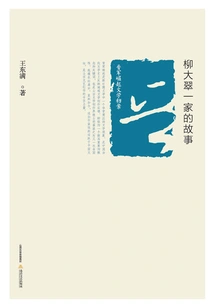
The Story of Liu Dacui's Family
General Fiction柳大翠一家的故事
Wang Dongman
The book "The Story of Liu Dacui's Family" contains several short stories and essays written by the author. These novels inherit the characteristics of the "Yam Egg" school, focus on rural themes, and successfully create a series of simple, enthusiastic, authentic and credible characters who strive to change the poverty in their hometowns and lead the masses out of poverty and become rich. The work describes remote mountain villages and ordinary mortal matters, but from it we can see the refraction of the trend of the times and feel the beating of the pulse of the times. It embodies the belief and determination of the new generation of farmers to firmly follow socialism, and also shows the vitality, hope and future of the countryside. The creation of novels is deeply influenced by the "Yam and Egg School", which focuses on the portrayal of characters, the clever arrangement of plots, and the popular and smooth language. The language is simple and concise, the works are easy to understand and have a strong local flavor. The contents of the collected essays mostly reflect reality, describing various aspects of life, the world, and all phenomena of life. The narratives are euphemistic and moving, and the language is humorous. The author expresses his thoughts directly with his unique life experience and concern for the country and the people. These articles with profound connotations and sharp language have had a wide impact on readers.
The book "The Story of Liu Dacui's Family" contains several short stories and essays written by the author. These novels inherit the characteristics of the "Yam Egg" school, focus on rural themes, and successfully create a series of simple, enthusiastic, authentic and credible characters who strive to change the poverty in their hometowns and lead the masses out of poverty and become rich. The work describes remote mountain villages and ordinary mortal matters, but from it we can see the refraction of the trend of the times and feel the beating of the pulse of the times. It embodies the belief and determination of the new generation of farmers to firmly follow socialism, and also shows the vitality, hope and future of the countryside. The creation of novels is deeply influenced by the "Yam and Egg School", which focuses on the portrayal of characters, the clever arrangement of plots, and the popular and smooth language. The language is simple and concise, the works are easy to understand and have a strong local flavor. The contents of the collected essays mostly reflect reality, describing various aspects of life, the world, and all phenomena of life. The narratives are euphemistic and moving, and the language is humorous. The author expresses his thoughts directly with his unique life experience and concern for the country and the people. These articles with profound connotations and sharp language have had a wide impact on readers.
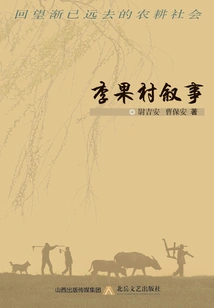
Narrative of Liguocun
General Fiction李果村叙事
Wei Ji'an Cao Baoan
The author of the book reviews the historical changes of his hometown in the form of narrative, vividly depicting the vicissitudes of a small agricultural village across the centuries with facts he has personally experienced, seen with his own eyes, and heard with his own ears. It is not only a "village chronicle" that returns to historical reality and has a unique form, but also reflects the retired cadres of our county who "remain true to their original aspirations and the sunset becomes redder" and use practical actions to add positive energy to the cause of the party and the people.
The author of the book reviews the historical changes of his hometown in the form of narrative, vividly depicting the vicissitudes of a small agricultural village across the centuries with facts he has personally experienced, seen with his own eyes, and heard with his own ears. It is not only a "village chronicle" that returns to historical reality and has a unique form, but also reflects the retired cadres of our county who "remain true to their original aspirations and the sunset becomes redder" and use practical actions to add positive energy to the cause of the party and the people.
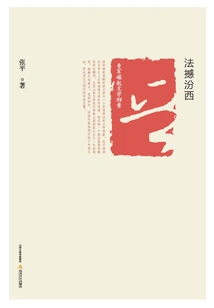
Fa Shakes Fenxi
General Fiction法撼汾西
Zhang Ping
This book is a novel, originally titled "Liu Yurui's Case Handling", and it is a work with realistic themes. The book presents real people and real events in life without any embellishment, and gained widespread social influence in the year of its publication. Even today, this book retains his vitality. As the author said: If you are far away from life and readers, life and readers will inevitably be far away from you. This book is also the best interpretation of what the author said: "My works are written for the millions of ordinary people at the bottom, and I will write for them forever and ever."
This book is a novel, originally titled "Liu Yurui's Case Handling", and it is a work with realistic themes. The book presents real people and real events in life without any embellishment, and gained widespread social influence in the year of its publication. Even today, this book retains his vitality. As the author said: If you are far away from life and readers, life and readers will inevitably be far away from you. This book is also the best interpretation of what the author said: "My works are written for the millions of ordinary people at the bottom, and I will write for them forever and ever."
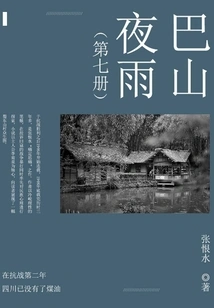
Bashan Night Rain (7)
General Fiction巴山夜雨(7)
H
"Bashan Night Rain" was written in 1946 after the victory of the Anti-Japanese War and began to be serialized in 1946. It took more than three years to complete at the end of 1948. It is Zhang Henshui's "painful lesson" work. With a cold and rational writing style, the author takes the lead in exploring the national psychology while accusing the war atrocities of the Japanese invaders. The novel takes the protagonist Li Nanquan as the axis and shows readers a picture of all living beings in the mountain village of eastern Shu. The characters are lifelike, the language is humorous and sharp, and the novel's descriptive skills have reached a level of proficiency.
"Bashan Night Rain" was written in 1946 after the victory of the Anti-Japanese War and began to be serialized in 1946. It took more than three years to complete at the end of 1948. It is Zhang Henshui's "painful lesson" work. With a cold and rational writing style, the author takes the lead in exploring the national psychology while accusing the war atrocities of the Japanese invaders. The novel takes the protagonist Li Nanquan as the axis and shows readers a picture of all living beings in the mountain village of eastern Shu. The characters are lifelike, the language is humorous and sharp, and the novel's descriptive skills have reached a level of proficiency.
Bashan Night Rain (2)
General Fiction巴山夜雨(2)
Zhang Henshui
"Bashan Night Rain" was written in 1946 after the victory of the Anti-Japanese War and began to be serialized in 1946. It took more than three years to complete at the end of 1948. It is Zhang Henshui's "painful lesson" work. With a cold and rational writing style, the author takes the lead in exploring the national psychology while accusing the war atrocities of the Japanese invaders. The novel takes the protagonist Li Nanquan as the axis and shows readers a picture of all living beings in the mountain village of eastern Shu. The characters are lifelike, the language is humorous and sharp, and the novel's descriptive skills have reached a level of proficiency.
"Bashan Night Rain" was written in 1946 after the victory of the Anti-Japanese War and began to be serialized in 1946. It took more than three years to complete at the end of 1948. It is Zhang Henshui's "painful lesson" work. With a cold and rational writing style, the author takes the lead in exploring the national psychology while accusing the war atrocities of the Japanese invaders. The novel takes the protagonist Li Nanquan as the axis and shows readers a picture of all living beings in the mountain village of eastern Shu. The characters are lifelike, the language is humorous and sharp, and the novel's descriptive skills have reached a level of proficiency.
Bashan Night Rain (5)
General Fiction巴山夜雨(5)
Zhang Henshui
"Bashan Night Rain" was written in 1946 after the victory of the Anti-Japanese War and began to be serialized in 1946. It took more than three years to complete at the end of 1948. It is Zhang Henshui's "painful lesson" work. With a cold and rational writing style, the author takes the lead in exploring the national psychology while accusing the war atrocities of the Japanese invaders. The novel takes the protagonist Li Nanquan as the axis and shows readers a picture of all living beings in the mountain village of eastern Shu. The characters are lifelike, the language is humorous and sharp, and the novel's descriptive skills have reached a level of proficiency.
"Bashan Night Rain" was written in 1946 after the victory of the Anti-Japanese War and began to be serialized in 1946. It took more than three years to complete at the end of 1948. It is Zhang Henshui's "painful lesson" work. With a cold and rational writing style, the author takes the lead in exploring the national psychology while accusing the war atrocities of the Japanese invaders. The novel takes the protagonist Li Nanquan as the axis and shows readers a picture of all living beings in the mountain village of eastern Shu. The characters are lifelike, the language is humorous and sharp, and the novel's descriptive skills have reached a level of proficiency.
Bashan Night Rain (10)
General Fiction巴山夜雨(10)
Zhang Henshui
"Bashan Night Rain" was written in 1946 after the victory of the Anti-Japanese War and began to be serialized in 1946. It took more than three years to complete at the end of 1948. It is Zhang Henshui's "painful lesson" work. With a cold and rational writing style, the author takes the lead in exploring the national psychology while accusing the war atrocities of the Japanese invaders. The novel takes the protagonist Li Nanquan as the axis and shows readers a picture of all living beings in the mountain village of eastern Shu. The characters are lifelike, the language is humorous and sharp, and the novel's descriptive skills have reached a level of proficiency.
"Bashan Night Rain" was written in 1946 after the victory of the Anti-Japanese War and began to be serialized in 1946. It took more than three years to complete at the end of 1948. It is Zhang Henshui's "painful lesson" work. With a cold and rational writing style, the author takes the lead in exploring the national psychology while accusing the war atrocities of the Japanese invaders. The novel takes the protagonist Li Nanquan as the axis and shows readers a picture of all living beings in the mountain village of eastern Shu. The characters are lifelike, the language is humorous and sharp, and the novel's descriptive skills have reached a level of proficiency.
Bashan Night Rain (1)
General Fiction巴山夜雨(1)
Zhang Henshui
"Bashan Night Rain" was written in 1946 after the victory of the Anti-Japanese War and began to be serialized in 1946. It took more than three years to complete at the end of 1948. It is Zhang Henshui's "painful lesson" work. With a cold and rational writing style, the author takes the lead in exploring the national psychology while accusing the war atrocities of the Japanese invaders. The novel takes the protagonist Li Nanquan as the axis and shows readers a picture of all living beings in the mountain village of eastern Shu. The characters are lifelike, the language is humorous and sharp, and the novel's descriptive skills have reached a level of proficiency.
"Bashan Night Rain" was written in 1946 after the victory of the Anti-Japanese War and began to be serialized in 1946. It took more than three years to complete at the end of 1948. It is Zhang Henshui's "painful lesson" work. With a cold and rational writing style, the author takes the lead in exploring the national psychology while accusing the war atrocities of the Japanese invaders. The novel takes the protagonist Li Nanquan as the axis and shows readers a picture of all living beings in the mountain village of eastern Shu. The characters are lifelike, the language is humorous and sharp, and the novel's descriptive skills have reached a level of proficiency.
Bashan Night Rain (8)
General Fiction巴山夜雨(8)
Zhang Henshui
"Bashan Night Rain" was written in 1946 after the victory of the Anti-Japanese War and began to be serialized in 1946. It took more than three years to complete at the end of 1948. It is Zhang Henshui's "painful lesson" work. With a cold and rational writing style, the author takes the lead in exploring the national psychology while accusing the war atrocities of the Japanese invaders. The novel takes the protagonist Li Nanquan as the axis and shows readers a picture of all living beings in the mountain village of eastern Shu. The characters are lifelike, the language is humorous and sharp, and the novel's descriptive skills have reached a level of proficiency.
"Bashan Night Rain" was written in 1946 after the victory of the Anti-Japanese War and began to be serialized in 1946. It took more than three years to complete at the end of 1948. It is Zhang Henshui's "painful lesson" work. With a cold and rational writing style, the author takes the lead in exploring the national psychology while accusing the war atrocities of the Japanese invaders. The novel takes the protagonist Li Nanquan as the axis and shows readers a picture of all living beings in the mountain village of eastern Shu. The characters are lifelike, the language is humorous and sharp, and the novel's descriptive skills have reached a level of proficiency.
Bashan Night Rain (4)
General Fiction巴山夜雨(4)
Zhang Henshui
"Bashan Night Rain" was written in 1946 after the victory of the Anti-Japanese War and began to be serialized in 1946. It took more than three years to complete at the end of 1948. It is Zhang Henshui's "painful lesson" work. With a cold and rational writing style, the author takes the lead in exploring the national psychology while accusing the war atrocities of the Japanese invaders. The novel takes the protagonist Li Nanquan as the axis and shows readers a picture of all living beings in the mountain village of eastern Shu. The characters are lifelike, the language is humorous and sharp, and the novel's descriptive skills have reached a level of proficiency.
"Bashan Night Rain" was written in 1946 after the victory of the Anti-Japanese War and began to be serialized in 1946. It took more than three years to complete at the end of 1948. It is Zhang Henshui's "painful lesson" work. With a cold and rational writing style, the author takes the lead in exploring the national psychology while accusing the war atrocities of the Japanese invaders. The novel takes the protagonist Li Nanquan as the axis and shows readers a picture of all living beings in the mountain village of eastern Shu. The characters are lifelike, the language is humorous and sharp, and the novel's descriptive skills have reached a level of proficiency.
Bashan Night Rain (6)
General Fiction巴山夜雨(6)
Zhang Henshui
"Bashan Night Rain" was written in 1946 after the victory of the Anti-Japanese War and began to be serialized in 1946. It took more than three years to complete at the end of 1948. It is Zhang Henshui's "painful lesson" work. With a cold and rational writing style, the author takes the lead in exploring the national psychology while accusing the war atrocities of the Japanese invaders. The novel takes the protagonist Li Nanquan as the axis and shows readers a picture of all living beings in the mountain village of eastern Shu. The characters are lifelike, the language is humorous and sharp, and the novel's descriptive skills have reached a level of proficiency.
"Bashan Night Rain" was written in 1946 after the victory of the Anti-Japanese War and began to be serialized in 1946. It took more than three years to complete at the end of 1948. It is Zhang Henshui's "painful lesson" work. With a cold and rational writing style, the author takes the lead in exploring the national psychology while accusing the war atrocities of the Japanese invaders. The novel takes the protagonist Li Nanquan as the axis and shows readers a picture of all living beings in the mountain village of eastern Shu. The characters are lifelike, the language is humorous and sharp, and the novel's descriptive skills have reached a level of proficiency.
Bashan Night Rain (3)
General Fiction巴山夜雨(3)
Zhang Henshui
"Bashan Night Rain" was written in 1946 after the victory of the Anti-Japanese War and began to be serialized in 1946. It took more than three years to complete at the end of 1948. It is Zhang Henshui's "painful lesson" work. With a cold and rational writing style, the author takes the lead in exploring the national psychology while accusing the war atrocities of the Japanese invaders. The novel takes the protagonist Li Nanquan as the axis and shows readers a picture of all living beings in the mountain village of eastern Shu. The characters are lifelike, the language is humorous and sharp, and the novel's descriptive skills have reached a level of proficiency.
"Bashan Night Rain" was written in 1946 after the victory of the Anti-Japanese War and began to be serialized in 1946. It took more than three years to complete at the end of 1948. It is Zhang Henshui's "painful lesson" work. With a cold and rational writing style, the author takes the lead in exploring the national psychology while accusing the war atrocities of the Japanese invaders. The novel takes the protagonist Li Nanquan as the axis and shows readers a picture of all living beings in the mountain village of eastern Shu. The characters are lifelike, the language is humorous and sharp, and the novel's descriptive skills have reached a level of proficiency.
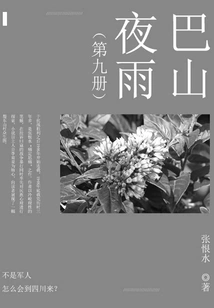
Bashan Night Rain (9)
General Fiction巴山夜雨(9)
Zhang Henshui
"Bashan Night Rain" was written in 1946 after the victory of the Anti-Japanese War and began to be serialized in 1946. It took more than three years to complete at the end of 1948. It is Zhang Henshui's "painful lesson" work. With a cold and rational writing style, the author takes the lead in exploring the national psychology while accusing the war atrocities of the Japanese invaders. The novel takes the protagonist Li Nanquan as the axis and shows readers a picture of all living beings in the mountain village of eastern Shu. The characters are lifelike, the language is humorous and sharp, and the novel's descriptive skills have reached a level of proficiency.
"Bashan Night Rain" was written in 1946 after the victory of the Anti-Japanese War and began to be serialized in 1946. It took more than three years to complete at the end of 1948. It is Zhang Henshui's "painful lesson" work. With a cold and rational writing style, the author takes the lead in exploring the national psychology while accusing the war atrocities of the Japanese invaders. The novel takes the protagonist Li Nanquan as the axis and shows readers a picture of all living beings in the mountain village of eastern Shu. The characters are lifelike, the language is humorous and sharp, and the novel's descriptive skills have reached a level of proficiency.
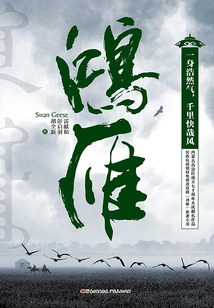
Hongyan
General Fiction鸿雁
Lei Xianhe Peng Qiyu Hu Xinxin
"Hongyan" is a legendary story about the growth of the Mongolian grassland heroine Qi Yunfeng. The story takes place in the Urad grassland where foreign invaders invaded and all life was devastated. The protagonist's growth legend and love tragedy are sung like the song "Swan Goose" on this grassland full of national love.
"Hongyan" is a legendary story about the growth of the Mongolian grassland heroine Qi Yunfeng. The story takes place in the Urad grassland where foreign invaders invaded and all life was devastated. The protagonist's growth legend and love tragedy are sung like the song "Swan Goose" on this grassland full of national love.
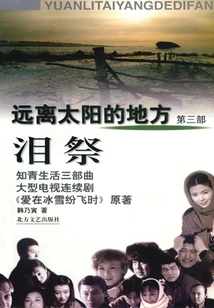
Educated Youth Trilogy·tear Festival
General Fiction知青三部曲·泪祭
Han Naiyin
"Collected Works of Han Naiyin" is a summary and sublimation of Han Naiyin's creative journey. The works focus on the history and future of Beidahuang, reproduce the vicissitudes of the wild and magical Beidahuang, and promote the spiritual outlook of Beidahuang people of "hard work, selfless dedication, pioneering and enterprising, and taking into account the overall situation." It uses an epic style to present the long history of Beidahuang to readers. It is an excellent collection of essays that profoundly explains the spirit of Beidahuang.
"Collected Works of Han Naiyin" is a summary and sublimation of Han Naiyin's creative journey. The works focus on the history and future of Beidahuang, reproduce the vicissitudes of the wild and magical Beidahuang, and promote the spiritual outlook of Beidahuang people of "hard work, selfless dedication, pioneering and enterprising, and taking into account the overall situation." It uses an epic style to present the long history of Beidahuang to readers. It is an excellent collection of essays that profoundly explains the spirit of Beidahuang.
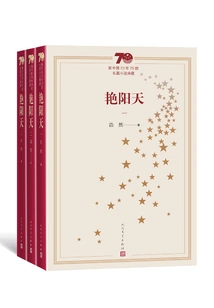
艳阳天(全集)(新中国70年70部长篇小说典藏)
Haoran
Through a series of conflicts that occurred before and after the wheat harvest in the Dongshanwu Agricultural Production Cooperative in the suburbs of Beijing, it outlines a picture of vigorous life during the agricultural cooperative period, meticulously depicts the mental outlook and ideological character of people from all walks of life in the countryside, and enthusiastically praises the new forces that grew up in the storm. The plot of the novel is rich in twists and turns, the structure is complete and compact, the characters are vivid and expressive, and the language is simple and clear, showing distinctive artistic characteristics.
Through a series of conflicts that occurred before and after the wheat harvest in the Dongshanwu Agricultural Production Cooperative in the suburbs of Beijing, it outlines a picture of vigorous life during the agricultural cooperative period, meticulously depicts the mental outlook and ideological character of people from all walks of life in the countryside, and enthusiastically praises the new forces that grew up in the storm. The plot of the novel is rich in twists and turns, the structure is complete and compact, the characters are vivid and expressive, and the language is simple and clear, showing distinctive artistic characteristics.
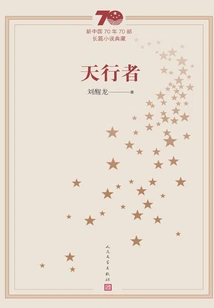
Skywalker (Winner of the Mao Dun Literary Award·collection of 70 Novels in the 70 Years of New China)
General Fiction天行者(茅盾文学奖获奖作品·新中国70年70部长篇小说典藏)
Liu Xinglong
"Skywalker" is an excellent novel based on the life of rural private teachers. It is set in a rural primary school deep in the mountains. It vividly and truly depicts the collective image of rural private teachers, writes about multiple aspects of their inner world, and gives people a strong ideological and artistic impact. Anyone who has read this novel will be deeply moved by the simple, perseverance, selfless and selfless survival perseverance and spiritual quality of the rural private teachers described by the author.
"Skywalker" is an excellent novel based on the life of rural private teachers. It is set in a rural primary school deep in the mountains. It vividly and truly depicts the collective image of rural private teachers, writes about multiple aspects of their inner world, and gives people a strong ideological and artistic impact. Anyone who has read this novel will be deeply moved by the simple, perseverance, selfless and selfless survival perseverance and spiritual quality of the rural private teachers described by the author.