Library
Browse and search books
3,417 novels found
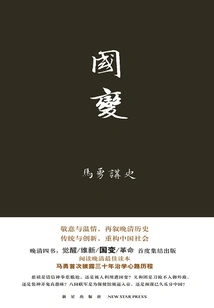
National Change
History国变
Ma Yong
Introduction: This book describes in detail the ins and outs of the Boxer Rebellion and the Gengzi National Disaster, and analyzes the reasons why the Eight-Power Allied Forces entered Beijing. Did Cixi mistakenly believe in the divine fist and cause embarrassment, or was she used by others to bring about national upheaval? Are the Boxers invulnerable to foreign enemies, or are they just being foolish? Were the Eight-Power Allied Forces forced into Beijing to protect the embassy, or were they premeditated to carve up China? This book will reveal the answer for you. The Qing government led the wolf into the house, and eventually the ruling power declined significantly and China fell into chaos.
Introduction: This book describes in detail the ins and outs of the Boxer Rebellion and the Gengzi National Disaster, and analyzes the reasons why the Eight-Power Allied Forces entered Beijing. Did Cixi mistakenly believe in the divine fist and cause embarrassment, or was she used by others to bring about national upheaval? Are the Boxers invulnerable to foreign enemies, or are they just being foolish? Were the Eight-Power Allied Forces forced into Beijing to protect the embassy, or were they premeditated to carve up China? This book will reveal the answer for you. The Qing government led the wolf into the house, and eventually the ruling power declined significantly and China fell into chaos.
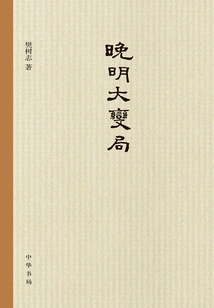
晚明大变局(精装)
Fan Shuzhi
This book is the culmination of Mr. Fan Shuzhi's more than 50 years of research on Ming history and thinking on Chinese history. It is another masterpiece of research on the history of the late Ming Dynasty after "History of the Late Ming". While further advancing the study of the history of the late Ming Dynasty, this book provides new insights into the changes and development of China's history - the great changes in the late Ming Dynasty are a crucial link in the development of Chinese history. It is the ideological and cultural potential source of the subversive changes in Chinese society after the late Qing Dynasty. Combining a broad academic vision with meticulous textual research, in this book, Mr. Fan clarifies many people's misunderstandings and restores the historical truth on issues such as "Japanese pirates", Western learning, Donglin and Fushe. At the same time, Mr. Fan Shuzhi pointed out from a high position that the scholar-bureaucrats in the late Ming Dynasty, represented by Xu Guangqi, were the first Chinese people in China to look at the world. He restored the key role of Qu Rukui in the process of the spread of Western learning to the east. This broke the academic circle's traditional theory of citing Western scholars who believed that the success of Catholic missionary work in Ming Dynasty was only attributed to the "three pillars" and ignored Qu Rukui, and promoted the study of late Ming history to a higher level.
This book is the culmination of Mr. Fan Shuzhi's more than 50 years of research on Ming history and thinking on Chinese history. It is another masterpiece of research on the history of the late Ming Dynasty after "History of the Late Ming". While further advancing the study of the history of the late Ming Dynasty, this book provides new insights into the changes and development of China's history - the great changes in the late Ming Dynasty are a crucial link in the development of Chinese history. It is the ideological and cultural potential source of the subversive changes in Chinese society after the late Qing Dynasty. Combining a broad academic vision with meticulous textual research, in this book, Mr. Fan clarifies many people's misunderstandings and restores the historical truth on issues such as "Japanese pirates", Western learning, Donglin and Fushe. At the same time, Mr. Fan Shuzhi pointed out from a high position that the scholar-bureaucrats in the late Ming Dynasty, represented by Xu Guangqi, were the first Chinese people in China to look at the world. He restored the key role of Qu Rukui in the process of the spread of Western learning to the east. This broke the academic circle's traditional theory of citing Western scholars who believed that the success of Catholic missionary work in Ming Dynasty was only attributed to the "three pillars" and ignored Qu Rukui, and promoted the study of late Ming history to a higher level.
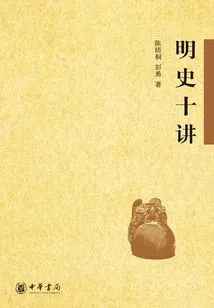
明史十讲
Chen Wutong Peng Yong
The history of the Ming Dynasty lasted for 277 years. There have always been mixed opinions on how to describe and evaluate the history of such a Han dynasty sandwiched between two dynasties ruled by ethnic minorities (the Yuan Dynasty and the Qing Dynasty). As an expert who has long studied the history of the Ming Dynasty, the professor believes that the Ming Dynasty made many outstanding achievements in various fields during its 277-year history. Especially in the late Ming Dynasty, it showed the dawn of the transformation from traditional society to modern society. "Ten Lectures on the History of the Ming Dynasty" mainly covers the methods and achievements of Ming history research, Zhu Yuanzhang's historical contribution, the historical status of the early Ming Dynasty, the Ming Dynasty's guard system, the economy of the Republic of China, Zhang Juzheng's reforms, the ethnic relations of the Ming Dynasty, the Sino-foreign relations of the Ming Dynasty, the culture of the Ming Dynasty, and the historical reasons for the demise of the Ming Dynasty and the rise of the Qing Dynasty.
The history of the Ming Dynasty lasted for 277 years. There have always been mixed opinions on how to describe and evaluate the history of such a Han dynasty sandwiched between two dynasties ruled by ethnic minorities (the Yuan Dynasty and the Qing Dynasty). As an expert who has long studied the history of the Ming Dynasty, the professor believes that the Ming Dynasty made many outstanding achievements in various fields during its 277-year history. Especially in the late Ming Dynasty, it showed the dawn of the transformation from traditional society to modern society. "Ten Lectures on the History of the Ming Dynasty" mainly covers the methods and achievements of Ming history research, Zhu Yuanzhang's historical contribution, the historical status of the early Ming Dynasty, the Ming Dynasty's guard system, the economy of the Republic of China, Zhang Juzheng's reforms, the ethnic relations of the Ming Dynasty, the Sino-foreign relations of the Ming Dynasty, the culture of the Ming Dynasty, and the historical reasons for the demise of the Ming Dynasty and the rise of the Qing Dynasty.
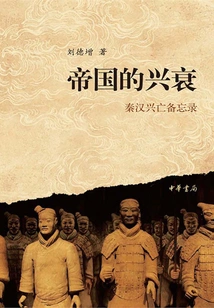
帝国的兴衰:秦汉兴亡备忘录
Liu Deseng
The book is divided into twelve special topics, with point-to-point explanations of the historical trends of the Qin and Han Dynasties in detail. It provides a focused and detailed interpretation of the hot issues that people generally paid attention to during the Qin and Han historical periods.
The book is divided into twelve special topics, with point-to-point explanations of the historical trends of the Qin and Han Dynasties in detail. It provides a focused and detailed interpretation of the hot issues that people generally paid attention to during the Qin and Han historical periods.
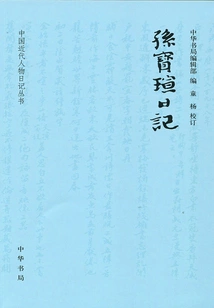
孙宝瑄日记(中国近代人物日记丛书)
Edited By Zhonghua Book Company Editorial Department And Edited By Tong Yang
Sun Baoxuan, whose given name is Jian and also named Zhongyu (also known as Zhongyu or Zhongyu), was born in Qiantang, Zhejiang Province. He was born in the 13th year of Tongzhi in the Qing Dynasty (1874) and died in the 13th year of the Republic of China (1924). Sun made friends with many celebrities, including core figures of power such as Li Hongzhang and Yuan Shikai, as well as famous scholars such as Zhang Taiyan, Liang Qichao, Tan Sitong, Wang Kangnian, Xia Zengyou, Yan Fu, and Zhang Yuanji. Sun Baoxuan was determined to learn and studied very diligently. Everything he gained would be recorded in his diary. It can be seen from the extant diaries that the subjects covered in it cover four parts, including Buddhism and Taoism, as well as Western learning, covering everything. The diary records the major historical events that occurred at that time, such as the Sino-Japanese Sino-Japanese War of 1898-1898, the Great Powers' Carve-Up Frenzy, the Reform Movement of 1898, the Xinchou Peace Talks, etc. It also contains specific and detailed records of the living environment, social news, and local customs. All of these are rare materials for studying modern political history, ideological history, social history, and life history. At the same time, Sun Baoxuan lived at the transition between the old and the new, and his thoughts on Chinese and Western culture were also recorded in his diary, reflecting the explorations and choices made by that generation of traditional intellectuals when facing the transition between the old and the new. This book contains all the extant diaries of Sun Baoxuan, including the "Yizhi Zhai Diary" found in the Shanghai Library and the "Mr. Liang Rengong Chronicles Long Edition" collected by Zhonghua Book Company. An index of names and titles of books is appended at the back of the book.
Sun Baoxuan, whose given name is Jian and also named Zhongyu (also known as Zhongyu or Zhongyu), was born in Qiantang, Zhejiang Province. He was born in the 13th year of Tongzhi in the Qing Dynasty (1874) and died in the 13th year of the Republic of China (1924). Sun made friends with many celebrities, including core figures of power such as Li Hongzhang and Yuan Shikai, as well as famous scholars such as Zhang Taiyan, Liang Qichao, Tan Sitong, Wang Kangnian, Xia Zengyou, Yan Fu, and Zhang Yuanji. Sun Baoxuan was determined to learn and studied very diligently. Everything he gained would be recorded in his diary. It can be seen from the extant diaries that the subjects covered in it cover four parts, including Buddhism and Taoism, as well as Western learning, covering everything. The diary records the major historical events that occurred at that time, such as the Sino-Japanese Sino-Japanese War of 1898-1898, the Great Powers' Carve-Up Frenzy, the Reform Movement of 1898, the Xinchou Peace Talks, etc. It also contains specific and detailed records of the living environment, social news, and local customs. All of these are rare materials for studying modern political history, ideological history, social history, and life history. At the same time, Sun Baoxuan lived at the transition between the old and the new, and his thoughts on Chinese and Western culture were also recorded in his diary, reflecting the explorations and choices made by that generation of traditional intellectuals when facing the transition between the old and the new. This book contains all the extant diaries of Sun Baoxuan, including the "Yizhi Zhai Diary" found in the Shanghai Library and the "Mr. Liang Rengong Chronicles Long Edition" collected by Zhonghua Book Company. An index of names and titles of books is appended at the back of the book.
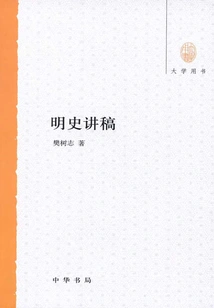
明史讲稿(大学用书)
Fan Shuzhi
This book is compiled from Professor Fan Shuzhi's lecture notes on the history of the Ming Dynasty over the past several decades. The lecture notes start with basic knowledge, not only introducing the most authoritative viewpoints in this field, but also introducing the author's own opinions. The manuscript is written fluently and explained thoroughly. The specific periods of the early and late Ming dynasties, topics such as party cases, maritime bans, and economic development, as well as the description and analysis of everyone from the emperor to the ministers and even the common people of the dynasty are quite in place. Some of the views have become authoritative views in the academic world.
This book is compiled from Professor Fan Shuzhi's lecture notes on the history of the Ming Dynasty over the past several decades. The lecture notes start with basic knowledge, not only introducing the most authoritative viewpoints in this field, but also introducing the author's own opinions. The manuscript is written fluently and explained thoroughly. The specific periods of the early and late Ming dynasties, topics such as party cases, maritime bans, and economic development, as well as the description and analysis of everyone from the emperor to the ministers and even the common people of the dynasty are quite in place. Some of the views have become authoritative views in the academic world.
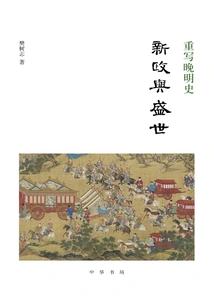
重写晚明史·新政与盛世
Fan Shuzhi
This book is one of Mr. Fan Shuzhi's new works - "Rewriting the History of the Late Ming" - a series in which he explains the history of the late Ming Dynasty in detail from the perspective of global history. The author focuses on the late Ming Dynasty from a global perspective, and combines historical knowledge, insights and new historical knowledge in his writing. This book starts from the change of cabinet during the Jiajing period, and describes the historical process of Zhang Juzheng standing out from the cabinet and taking the world as his own responsibility to implement the New Deal reforms. On the basis of reading various historical materials of the late Ming Dynasty, the author restored the daily details of the imperial court, such as the communication between ministers, the question and answer dialogue between the emperor and his cabinet ministers, the content and process of lectures given to the emperor, etc. Through these rare and life-like details, the author presents a vivid and warm history of the late Ming Dynasty in three dimensions. This book is divided into five chapters: Chapter 1 "The Political Situation and Cabinet in the Jiajing and Longqing Era", Chapter 2 "Zhang Juzheng and the Wanli New Deal", Chapter 3 "Emperor Zhu Yijun and Chief Assistant Zhang Juzheng", Chapter 4 "The Death of Zhang Juzheng and Zhu Yijun's Pro-Government", Chapter 5 "Martial Arts in the Prosperous Age: The Three Great Conquests of Wanli".
This book is one of Mr. Fan Shuzhi's new works - "Rewriting the History of the Late Ming" - a series in which he explains the history of the late Ming Dynasty in detail from the perspective of global history. The author focuses on the late Ming Dynasty from a global perspective, and combines historical knowledge, insights and new historical knowledge in his writing. This book starts from the change of cabinet during the Jiajing period, and describes the historical process of Zhang Juzheng standing out from the cabinet and taking the world as his own responsibility to implement the New Deal reforms. On the basis of reading various historical materials of the late Ming Dynasty, the author restored the daily details of the imperial court, such as the communication between ministers, the question and answer dialogue between the emperor and his cabinet ministers, the content and process of lectures given to the emperor, etc. Through these rare and life-like details, the author presents a vivid and warm history of the late Ming Dynasty in three dimensions. This book is divided into five chapters: Chapter 1 "The Political Situation and Cabinet in the Jiajing and Longqing Era", Chapter 2 "Zhang Juzheng and the Wanli New Deal", Chapter 3 "Emperor Zhu Yijun and Chief Assistant Zhang Juzheng", Chapter 4 "The Death of Zhang Juzheng and Zhu Yijun's Pro-Government", Chapter 5 "Martial Arts in the Prosperous Age: The Three Great Conquests of Wanli".
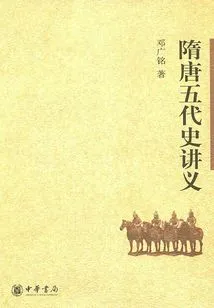
隋唐五代史讲义
Deng Guangming
This book is a lecture note given by the famous historian Deng Guangming when he was teaching at Peking University in the early 1950s. The Sui and Tang Dynasties were an important period in my country's history from division to reunification and then to all-round prosperity. The author dissects the rise and fall of the Sui, Tang and Five Dynasties from political, economic and cultural aspects, analyzes their gains and losses, and provides sufficient evidence.
This book is a lecture note given by the famous historian Deng Guangming when he was teaching at Peking University in the early 1950s. The Sui and Tang Dynasties were an important period in my country's history from division to reunification and then to all-round prosperity. The author dissects the rise and fall of the Sui, Tang and Five Dynasties from political, economic and cultural aspects, analyzes their gains and losses, and provides sufficient evidence.
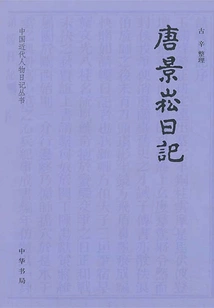
中国近代人物日记丛书:唐景崧日记
Gu Xing Compiled
Tang Jingsong (1841-1903), courtesy name Weiqing, was born in Guanyang, Guangxi. In the fourth year of Tongzhi (1865), he became a Jinshi. In the eighth year of Guangxu's reign (1882), the Franco-Vietnam incident broke out. He asked himself to leave the country and go to Vietnam to recruit Liu Yongfu's black flag army and participate in the anti-French struggle. After the Sino-French War, he led his army back to China. For his merits, he "appreciated Hua Ling, was given the title Jiachun Batulu, was promoted to the second rank, and was exempted from Fujian Taiwan Road". In the 17th year of Guangxu's reign (1891), he moved to be the chief envoy. For twenty years, he served as acting governor of Taiwan. Tang Jingsong was an eyewitness to many important historical events in modern history. He resisted the French and governed Taiwan. He had close friendships with Liu Yongfu, Yu Mingzhen, Qiu Fengjia, etc. He was a pivotal figure in modern history. His "Qingying Diary" has considerable historical value. "Qingying's Diary" and the "Sino-French War" volume two of "Chinese Modern History Material Series" have excerpts, many of which have been deleted, and inscriptions, postscripts, examples, etc. Have been published. The diary has not yet been completed and is worthy of compilation. This edition is based on the engraving of the Guangxu Taiwan Governor's Office as the original punctuation, and is accompanied by 38 memorials from Yu Mingzhen's "Eight Diaries of Taiwan" and Tang Jingsong.
Tang Jingsong (1841-1903), courtesy name Weiqing, was born in Guanyang, Guangxi. In the fourth year of Tongzhi (1865), he became a Jinshi. In the eighth year of Guangxu's reign (1882), the Franco-Vietnam incident broke out. He asked himself to leave the country and go to Vietnam to recruit Liu Yongfu's black flag army and participate in the anti-French struggle. After the Sino-French War, he led his army back to China. For his merits, he "appreciated Hua Ling, was given the title Jiachun Batulu, was promoted to the second rank, and was exempted from Fujian Taiwan Road". In the 17th year of Guangxu's reign (1891), he moved to be the chief envoy. For twenty years, he served as acting governor of Taiwan. Tang Jingsong was an eyewitness to many important historical events in modern history. He resisted the French and governed Taiwan. He had close friendships with Liu Yongfu, Yu Mingzhen, Qiu Fengjia, etc. He was a pivotal figure in modern history. His "Qingying Diary" has considerable historical value. "Qingying's Diary" and the "Sino-French War" volume two of "Chinese Modern History Material Series" have excerpts, many of which have been deleted, and inscriptions, postscripts, examples, etc. Have been published. The diary has not yet been completed and is worthy of compilation. This edition is based on the engraving of the Guangxu Taiwan Governor's Office as the original punctuation, and is accompanied by 38 memorials from Yu Mingzhen's "Eight Diaries of Taiwan" and Tang Jingsong.
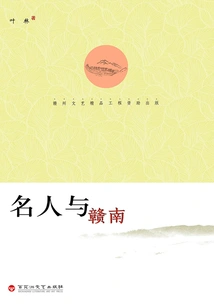
Celebrities and Gannan
History名人与赣南
Ye Lin
This book is the latest work of Ganzhou writer Mr. Ye Lin. The text selects more than 30 celebrities related to southern Jiangxi in history. It tells about their indissoluble bond with the land of southern Jiangxi. The author uses beautiful and rigorous pen and ink to write a vast and majestic historical picture. The main content includes: laying the foundation for a century in Ganzhou - Guan Ying, a famous general in the late Qin and early Han Dynasties and the founding ancestor of Ganzhou (Gan County); famous generals crossing the ridge to express their love for plum blossoms - Lu Kaimeiling, the general of Soochow in the Three Kingdoms, wrote poems about plum blossoms, etc.
This book is the latest work of Ganzhou writer Mr. Ye Lin. The text selects more than 30 celebrities related to southern Jiangxi in history. It tells about their indissoluble bond with the land of southern Jiangxi. The author uses beautiful and rigorous pen and ink to write a vast and majestic historical picture. The main content includes: laying the foundation for a century in Ganzhou - Guan Ying, a famous general in the late Qin and early Han Dynasties and the founding ancestor of Ganzhou (Gan County); famous generals crossing the ridge to express their love for plum blossoms - Lu Kaimeiling, the general of Soochow in the Three Kingdoms, wrote poems about plum blossoms, etc.
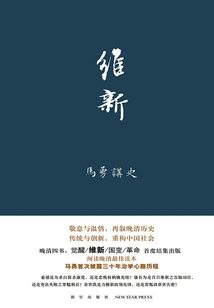
Reform
History维新
Ma Yong
This book describes the whole process of the reform movement initiated by the reformists and led by Emperor Guangxu, which was in full swing, but was killed by the Empress Dowager Cixi overnight. Did Cixi kill the Kang Party to protect herself, or did she seize power to capture Guangxu? Was Kang Youwei the leading figure in the Hundred Days Reform, or the chief culprit in the failure of the reform? Did Yuan Shikai take the lead in promoting the New Deal, or did he betray the reform and become a whistleblower? This book will reveal the answer for you. The 1898 Coup completely cut off the road to reform and reform, and the late Qing government, which had just seen a glimmer of hope, once again fell into the abyss of darkness.
This book describes the whole process of the reform movement initiated by the reformists and led by Emperor Guangxu, which was in full swing, but was killed by the Empress Dowager Cixi overnight. Did Cixi kill the Kang Party to protect herself, or did she seize power to capture Guangxu? Was Kang Youwei the leading figure in the Hundred Days Reform, or the chief culprit in the failure of the reform? Did Yuan Shikai take the lead in promoting the New Deal, or did he betray the reform and become a whistleblower? This book will reveal the answer for you. The 1898 Coup completely cut off the road to reform and reform, and the late Qing government, which had just seen a glimmer of hope, once again fell into the abyss of darkness.
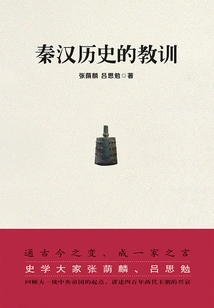
秦汉历史的教训
Zhang Yinlin Lu Simian
This book is taken from the works of Zhang Yinlin and Lu Simian. Since Mr. Zhang's book "Outline of Chinese History" was not completed, this book chose the history from the Qin Dynasty to the Western Han Dynasty written by Mr. Zhang Yinlin, and supplemented it with the history of the Eastern Han Dynasty written by Mr. Lu Simian. The two masters of history made strict selections and rejections of Chinese historical facts during the Qin and Han Dynasties based on their own historical views. They did not use complicated textual research or esoteric discussions. They only used storytelling to write about the changes in dynasties, social changes, ideological collisions and the activities of some important figures in the historical process during the Qin and Han Dynasties. The chapters are arranged concisely and appropriately, the text is used concisely and lively, and the thoughts are expressed thoroughly and clearly, revealing the author's talent and intention at any time.
This book is taken from the works of Zhang Yinlin and Lu Simian. Since Mr. Zhang's book "Outline of Chinese History" was not completed, this book chose the history from the Qin Dynasty to the Western Han Dynasty written by Mr. Zhang Yinlin, and supplemented it with the history of the Eastern Han Dynasty written by Mr. Lu Simian. The two masters of history made strict selections and rejections of Chinese historical facts during the Qin and Han Dynasties based on their own historical views. They did not use complicated textual research or esoteric discussions. They only used storytelling to write about the changes in dynasties, social changes, ideological collisions and the activities of some important figures in the historical process during the Qin and Han Dynasties. The chapters are arranged concisely and appropriately, the text is used concisely and lively, and the thoughts are expressed thoroughly and clearly, revealing the author's talent and intention at any time.
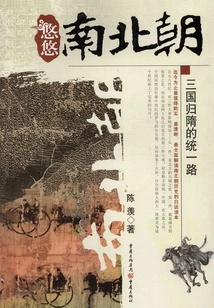
悠悠南北朝:三国归隋的统一路
Chen Xian
A pair of enemies who meet each other in chess, an emperor who has been controversial for thousands of years, a great turmoil in which it is difficult to distinguish between good and evil, and a great era in which the sea is flowing and heroes show their true qualities. From darkness to the prosperous Tang Dynasty, the entire Chinese nation was nirvana in flames. "The Road to the Unification of the Three Kingdoms to the Sui Dynasty" from "The Long Journey to the Southern and Northern Dynasties" takes you into ancient China in the sixth century AD and tastes a historical tragedy and comedy full of grievances, hatreds, and storms.
A pair of enemies who meet each other in chess, an emperor who has been controversial for thousands of years, a great turmoil in which it is difficult to distinguish between good and evil, and a great era in which the sea is flowing and heroes show their true qualities. From darkness to the prosperous Tang Dynasty, the entire Chinese nation was nirvana in flames. "The Road to the Unification of the Three Kingdoms to the Sui Dynasty" from "The Long Journey to the Southern and Northern Dynasties" takes you into ancient China in the sixth century AD and tastes a historical tragedy and comedy full of grievances, hatreds, and storms.
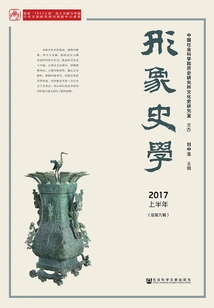
形象史学(2017上半年 总第9辑)
Cultural History Research Office, Institute Of History, Chinese Academy Of Social Sciences
"Image History" is a Chinese collection sponsored by the Cultural History Research Office of the Institute of History, Chinese Academy of Social Sciences. It is currently the only history collection in China that focuses on historical image materials. In 2017, it became a Chinese Social Science Citation Index (CSSCI) source collection. This collection has four columns: written talks by famous writers, artifacts and images, archeology and documents, and research on Mazu culture and maritime history. It provides a new interpretation of the value and significance of the methodology of image history in art history, archaeology, and historical research from the perspectives of theoretical method discussion, artifact image research, character image sorting, epitaph document analysis, capital imperial tomb archeology, and Silk Road cultural research.
"Image History" is a Chinese collection sponsored by the Cultural History Research Office of the Institute of History, Chinese Academy of Social Sciences. It is currently the only history collection in China that focuses on historical image materials. In 2017, it became a Chinese Social Science Citation Index (CSSCI) source collection. This collection has four columns: written talks by famous writers, artifacts and images, archeology and documents, and research on Mazu culture and maritime history. It provides a new interpretation of the value and significance of the methodology of image history in art history, archaeology, and historical research from the perspectives of theoretical method discussion, artifact image research, character image sorting, epitaph document analysis, capital imperial tomb archeology, and Silk Road cultural research.
历代正史“经营西域人物事迹”撰述资鉴
Ma Xiaojuan
Taking history as a mirror is the destiny of Chinese historiography and the source of its vitality that lasts for thousands of years. Gains can be capitalized, and losses can also be capitalized. The purpose of this book is also to do this. From the perspective of history and the development of historiography, it provides a more comprehensive review and discussion of the "deeds of people who managed the Western Regions" in the official history of the past dynasties. Specifically, through case studies in four periods and the final overall inspection, it focuses on the internal business concepts and strategies reflected from the micro-specific level, and examines the experiences and lessons of the activities of people operating in the Western Regions in each generation. These still have very important reference and enlightenment significance in managing borderlands and coordinating ethnic relations at home and abroad today.
Taking history as a mirror is the destiny of Chinese historiography and the source of its vitality that lasts for thousands of years. Gains can be capitalized, and losses can also be capitalized. The purpose of this book is also to do this. From the perspective of history and the development of historiography, it provides a more comprehensive review and discussion of the "deeds of people who managed the Western Regions" in the official history of the past dynasties. Specifically, through case studies in four periods and the final overall inspection, it focuses on the internal business concepts and strategies reflected from the micro-specific level, and examines the experiences and lessons of the activities of people operating in the Western Regions in each generation. These still have very important reference and enlightenment significance in managing borderlands and coordinating ethnic relations at home and abroad today.
近代史学刊(第18辑)
Ma Min
"Journal of Modern History" is an academic journal in the field of modern Chinese history sponsored by the Institute of Modern Chinese History of Central China Normal University. This is the 18th volume of this book, with a total of 11 papers, including two thematic papers on "University and Society in Modern China" and "Religious and Social History of Modern China"; there are also special studies on the construction of political symbols in Yan'an, the Anti-Japanese War as seen in Chen Kewen's diary, the mining boom after the Sino-Japanese War, the salt tax collection system in Guangdong in the 1920s, and the differences between Xu Jishe and Lin Zexu's understanding of the West. There are also three chapters: book reviews, academic reviews, and conference reviews.
"Journal of Modern History" is an academic journal in the field of modern Chinese history sponsored by the Institute of Modern Chinese History of Central China Normal University. This is the 18th volume of this book, with a total of 11 papers, including two thematic papers on "University and Society in Modern China" and "Religious and Social History of Modern China"; there are also special studies on the construction of political symbols in Yan'an, the Anti-Japanese War as seen in Chen Kewen's diary, the mining boom after the Sino-Japanese War, the salt tax collection system in Guangdong in the 1920s, and the differences between Xu Jishe and Lin Zexu's understanding of the West. There are also three chapters: book reviews, academic reviews, and conference reviews.
第二届中国近现代社会文化史国际学术研讨会论文集
Liang Jinghe
This book contains conference papers from scholars at home and abroad, including Capital Normal University, Chinese Academy of Social Sciences, Peking University, East China Normal University, China University of Political Science and Law, Hebei Academy of Social Sciences, as well as the University of Minnesota in the United States, Meiryukan University in Japan, Surugadai University in Japan, Shinso International University in Japan, Chonnam National University in South Korea, and Inha University in South Korea. The topics discussed mainly focus on historical theory, marriage, women, movies, advertising, architecture, etiquette and other fields during the Republic of China period.
This book contains conference papers from scholars at home and abroad, including Capital Normal University, Chinese Academy of Social Sciences, Peking University, East China Normal University, China University of Political Science and Law, Hebei Academy of Social Sciences, as well as the University of Minnesota in the United States, Meiryukan University in Japan, Surugadai University in Japan, Shinso International University in Japan, Chonnam National University in South Korea, and Inha University in South Korea. The topics discussed mainly focus on historical theory, marriage, women, movies, advertising, architecture, etiquette and other fields during the Republic of China period.
中国未完成的革命
Israel Epstein
"China's Unfinished Revolution" is a work completed and published by Epstein in the United States. It is also one of the most important books in his journalistic career. Since the author has followed and interviewed China's Anti-Japanese War for a long time, including in-depth field interviews on both frontal battlefields and battlefields behind enemy lines, this book is highly authoritative and readable, and has become an indispensable classic for the international community to understand China's Anti-Japanese War. After the book was published in the United States in 1947, it was quickly translated into German, Polish, Hungarian and other languages, and had a huge impact internationally.
"China's Unfinished Revolution" is a work completed and published by Epstein in the United States. It is also one of the most important books in his journalistic career. Since the author has followed and interviewed China's Anti-Japanese War for a long time, including in-depth field interviews on both frontal battlefields and battlefields behind enemy lines, this book is highly authoritative and readable, and has become an indispensable classic for the international community to understand China's Anti-Japanese War. After the book was published in the United States in 1947, it was quickly translated into German, Polish, Hungarian and other languages, and had a huge impact internationally.
中国智慧全书
Editor-in-chief Xia Xian
The Chinese nation is a wise nation. Wisdom is not only the crystallization of the development of human civilization, but also one of the driving forces for promoting human civilization. Based on historical documents, this book follows the chronology from the pre-Qin Dynasty to the late Qing Dynasty, compiles more than 600 examples of ancient people using wisdom, and compiles them into stories for readers to read and understand. The characters involved include both politicians and military strategists as well as middle- and lower-class civilians. They cover everything from the way of governing the country to the way of running a family, fully demonstrating the ingenuity and wisdom of the Chinese nation. Reading this book can not only enlighten the mind, but also be a happy enjoyment.
The Chinese nation is a wise nation. Wisdom is not only the crystallization of the development of human civilization, but also one of the driving forces for promoting human civilization. Based on historical documents, this book follows the chronology from the pre-Qin Dynasty to the late Qing Dynasty, compiles more than 600 examples of ancient people using wisdom, and compiles them into stories for readers to read and understand. The characters involved include both politicians and military strategists as well as middle- and lower-class civilians. They cover everything from the way of governing the country to the way of running a family, fully demonstrating the ingenuity and wisdom of the Chinese nation. Reading this book can not only enlighten the mind, but also be a happy enjoyment.
Modern History of China
History中国近代史
Jiang Tingfu
This "Modern History of China" was drafted in May and June of the 27th year of the Republic of China. At that time, the author had resigned from his post as ambassador to the Soviet Union and had not yet resumed his duties in the Government Affairs Office of the Executive Yuan. He had a few months of comfort in Hankou, so he took the opportunity to write this small book, which is also a brief preliminary report of the author's perceptions of my country's modern history. The author's purpose in writing this book is that if he can find out the lessons of our country's modern history, it will make a greater contribution to the Anti-Japanese War and the founding of the country. It mainly includes four chapters: "Suppressing and Fuping the Barbarians", "Hong Xiuquan and Zeng Guofan", "Self-Strengthening and Its Failure", and "Partition and the Rejuvenation of the Nation". Starting from the British attempt to open diplomatic relations with China, it records the modern history of that era, which is very meaningful for studying that era now.
This "Modern History of China" was drafted in May and June of the 27th year of the Republic of China. At that time, the author had resigned from his post as ambassador to the Soviet Union and had not yet resumed his duties in the Government Affairs Office of the Executive Yuan. He had a few months of comfort in Hankou, so he took the opportunity to write this small book, which is also a brief preliminary report of the author's perceptions of my country's modern history. The author's purpose in writing this book is that if he can find out the lessons of our country's modern history, it will make a greater contribution to the Anti-Japanese War and the founding of the country. It mainly includes four chapters: "Suppressing and Fuping the Barbarians", "Hong Xiuquan and Zeng Guofan", "Self-Strengthening and Its Failure", and "Partition and the Rejuvenation of the Nation". Starting from the British attempt to open diplomatic relations with China, it records the modern history of that era, which is very meaningful for studying that era now.
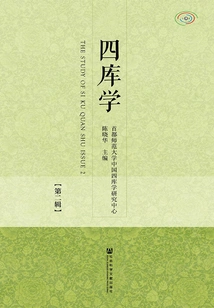
Sikuxue (2nd Series)
History四库学(第2辑)
Chen Xiaohua
"Sikuxue" is a continuous publication organized and compiled by the China Sikuxue Research Center of Capital Normal University. This book is the second volume and mainly includes four parts, namely analysis of Sikuquanshu, "Sikuquanshu" and the Memory of the World Heritage, research on "General Catalog of Sikuquanshu", and compilation and arrangement of "Sikuquanshu". The specific content involves Sikuquanshu. It has high academic reference value in aspects such as the development mechanism, the development of the four-part classification in modern times, the opera memory of "Sikuquanshu", "Sikuquanshu" and its possibility of applying for World Heritage, and the orientation of managing the world in "Sikuquanshu General Catalog".
"Sikuxue" is a continuous publication organized and compiled by the China Sikuxue Research Center of Capital Normal University. This book is the second volume and mainly includes four parts, namely analysis of Sikuquanshu, "Sikuquanshu" and the Memory of the World Heritage, research on "General Catalog of Sikuquanshu", and compilation and arrangement of "Sikuquanshu". The specific content involves Sikuquanshu. It has high academic reference value in aspects such as the development mechanism, the development of the four-part classification in modern times, the opera memory of "Sikuquanshu", "Sikuquanshu" and its possibility of applying for World Heritage, and the orientation of managing the world in "Sikuquanshu General Catalog".
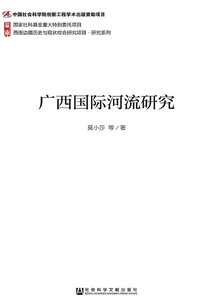
广西国际河流研究
Mo Xiaosha
This book systematically studies the hydrogeographic conditions and main characteristics of Guangxi's international rivers, conducts an in-depth analysis of the current situation, quantitatively evaluates the degree of coordination between water resources and economic and social development in border areas, the water resources carrying capacity of border areas, and the driving factors for economic growth in the Nam Chong Economic Zone. It objectively analyzes the pros and cons faced by the current international river zones and the relevant policies and systems of neighboring Vietnam. At the same time, combined with the characteristics and cooperative development of Guangxi's international river zones, it proposes to create a pilot pilot zone as a new opening strategy for the international river zone, and then promotes the rational development and utilization of international rivers.
This book systematically studies the hydrogeographic conditions and main characteristics of Guangxi's international rivers, conducts an in-depth analysis of the current situation, quantitatively evaluates the degree of coordination between water resources and economic and social development in border areas, the water resources carrying capacity of border areas, and the driving factors for economic growth in the Nam Chong Economic Zone. It objectively analyzes the pros and cons faced by the current international river zones and the relevant policies and systems of neighboring Vietnam. At the same time, combined with the characteristics and cooperative development of Guangxi's international river zones, it proposes to create a pilot pilot zone as a new opening strategy for the international river zone, and then promotes the rational development and utilization of international rivers.
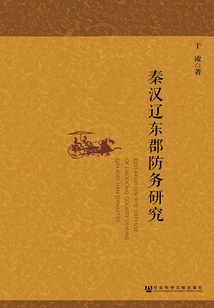
秦汉辽东郡防务研究
Yu Ling
Liaodong County was an important defense town during the Qin and Han Dynasties. This book conducts a relatively systematic study of the administrative structure, garrison management, border management, regional political situation, and ethnic relations of Liaodong County during the Qin and Han Dynasties from the perspective of defense; it clarifies the composition, characteristics, functions, and status of Liaodong County's defense structure; It analyzes the defense objects, defense situation, and hidden dangers of Liaodong County at each stage, and explains the importance and necessity of Liaodong County's defense. Through case studies on the defense deeds of successive Liaodong prefects during the Eastern Han Dynasty, the understanding of Liaodong County's defense is deepened.
Liaodong County was an important defense town during the Qin and Han Dynasties. This book conducts a relatively systematic study of the administrative structure, garrison management, border management, regional political situation, and ethnic relations of Liaodong County during the Qin and Han Dynasties from the perspective of defense; it clarifies the composition, characteristics, functions, and status of Liaodong County's defense structure; It analyzes the defense objects, defense situation, and hidden dangers of Liaodong County at each stage, and explains the importance and necessity of Liaodong County's defense. Through case studies on the defense deeds of successive Liaodong prefects during the Eastern Han Dynasty, the understanding of Liaodong County's defense is deepened.
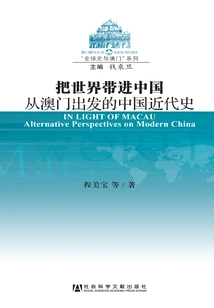
把世界带进中国:从澳门出发的中国近代史
Cheng Meibao
This book explores the global maritime trade from the 16th to the early 20th centuries from several aspects such as the life experience of local people, social transformation in South China, educational opportunities and personal promotion, modern newspapers and political opinion, and the business network and living patterns of Xiangshan people. Macao, which plays a pivotal role in the trade system, plays a demonstration role and radiating effect on surrounding areas and China as a whole. Based on Macao's historical experience, it attempts to provide a long-term and structural explanation for the great changes that occurred in China at the turn of the 19th and 20th centuries.
This book explores the global maritime trade from the 16th to the early 20th centuries from several aspects such as the life experience of local people, social transformation in South China, educational opportunities and personal promotion, modern newspapers and political opinion, and the business network and living patterns of Xiangshan people. Macao, which plays a pivotal role in the trade system, plays a demonstration role and radiating effect on surrounding areas and China as a whole. Based on Macao's historical experience, it attempts to provide a long-term and structural explanation for the great changes that occurred in China at the turn of the 19th and 20th centuries.
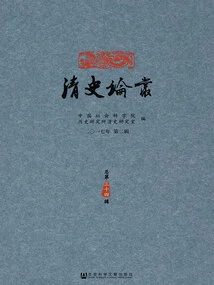
清史论丛(2017年第2辑\u002F总第34辑)
Qing History Research Office, Institute Of History, Chinese Academy Of Social Sciences
"Qing History Series" is sponsored by the Qing History Research Office of the Institute of History, Chinese Academy of Social Sciences. It is a collection of academic papers on Qing history research at home and abroad. It was founded in 1979. This collection has wide influence at home and abroad, and is highly valued by the academic community. Its important features are concentrated research, rigorous academic style, and grasp of academic frontiers. The articles included in the book include both research articles on the critical history of the Qing Dynasty and research articles on the academic history of the Qing Dynasty. It includes both erudite Hongci research on the traditional culture of the Qing Dynasty and articles on the exchange of local Chinese and Western cultures in the Qing Dynasty.
"Qing History Series" is sponsored by the Qing History Research Office of the Institute of History, Chinese Academy of Social Sciences. It is a collection of academic papers on Qing history research at home and abroad. It was founded in 1979. This collection has wide influence at home and abroad, and is highly valued by the academic community. Its important features are concentrated research, rigorous academic style, and grasp of academic frontiers. The articles included in the book include both research articles on the critical history of the Qing Dynasty and research articles on the academic history of the Qing Dynasty. It includes both erudite Hongci research on the traditional culture of the Qing Dynasty and articles on the exchange of local Chinese and Western cultures in the Qing Dynasty.

南宋行暮:宋光宗宋宁宗的时代
Yu Yunguo
Examine the reigns of Song Guangzong and Song Ningzong from a broader historical perspective: Mongolian cavalry marched westward and southward, invincible, Western Liao and Khwarezmo were destroyed, Xixia, Jin Dynasty, and Korea sued for peace... However, the Southern Song Dynasty completely lacked a sense of realistic crisis. When future generations read history to this point, they cannot but feel sad and worried about the Southern Song Dynasty. In a sense, every emperor is a microcosm of the era he ruled. As an integral part of the entire historical research, the research on historical figures has the widest reader coverage compared to highly professional topics such as institutional history and economic history. This book selects two emperors, Guangzong and Ningzong of the Song Dynasty, who are not very well-known, as the research subjects. It comprehensively displays the political and social issues in the middle period of the Southern Song Dynasty, and also analyzes the process and reasons of the decline of the Southern Song Dynasty during the Guangning and Ning dynasties.
Examine the reigns of Song Guangzong and Song Ningzong from a broader historical perspective: Mongolian cavalry marched westward and southward, invincible, Western Liao and Khwarezmo were destroyed, Xixia, Jin Dynasty, and Korea sued for peace... However, the Southern Song Dynasty completely lacked a sense of realistic crisis. When future generations read history to this point, they cannot but feel sad and worried about the Southern Song Dynasty. In a sense, every emperor is a microcosm of the era he ruled. As an integral part of the entire historical research, the research on historical figures has the widest reader coverage compared to highly professional topics such as institutional history and economic history. This book selects two emperors, Guangzong and Ningzong of the Song Dynasty, who are not very well-known, as the research subjects. It comprehensively displays the political and social issues in the middle period of the Southern Song Dynasty, and also analyzes the process and reasons of the decline of the Southern Song Dynasty during the Guangning and Ning dynasties.
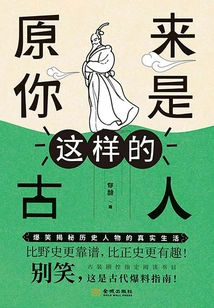
原来你是这样的古人
Yufu
Do you still remember those hit costume dramas that were popular all over the country? From "Huan Zhu Princess" to "Ci of Daming Palace" to "The Legend of Zhen Huan" and then to "The Legend of Wu Mei Niang". Do you still remember those popular plots? Are you still familiar with those well-known historical figures? However, do you know what their true colors are? This book uses a humorous and relaxed writing style, combined with the plots of costume dramas, to take readers into the long river of history and understand the true faces of historical celebrities who are completely different from those in film and television works. The perspective is novel and ingenious, the content is vivid and rich, the text is interesting and readable, and it is highly readable and interesting. On the other hand, this book can also help readers put aside their joking impressions and understand the real history. It has strong educational significance and practicality. It is not only suitable for leisure reading by college students and working people, but also suitable for teenagers to understand history in a more relaxed and interesting way.
Do you still remember those hit costume dramas that were popular all over the country? From "Huan Zhu Princess" to "Ci of Daming Palace" to "The Legend of Zhen Huan" and then to "The Legend of Wu Mei Niang". Do you still remember those popular plots? Are you still familiar with those well-known historical figures? However, do you know what their true colors are? This book uses a humorous and relaxed writing style, combined with the plots of costume dramas, to take readers into the long river of history and understand the true faces of historical celebrities who are completely different from those in film and television works. The perspective is novel and ingenious, the content is vivid and rich, the text is interesting and readable, and it is highly readable and interesting. On the other hand, this book can also help readers put aside their joking impressions and understand the real history. It has strong educational significance and practicality. It is not only suitable for leisure reading by college students and working people, but also suitable for teenagers to understand history in a more relaxed and interesting way.
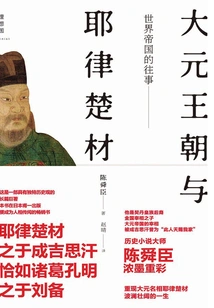
世界帝国的往事:大元王朝与耶律楚材
H
This masterpiece by the master of historical novels Chen Shunchen rediscovers Yelu Chucai, the first prime minister of the Yuan Dynasty. Chucai refers to "talents appointed in foreign countries". This was the name given to him by his father who served in the Jin Kingdom after the fall of his country Liao. He was good at Confucianism and well versed in Buddhism. When an unstoppable force came from the northern grasslands, he was determined to protect life and civilization. Chu Cai was twenty-eight years old when he was summoned by Genghis Khan. He marched westward with the army until they reached Samarkand. He witnessed the destructive behavior of the Mongolian army - "burning, killing, looting, and then abandoning them." In the Mongol Empire, which was busy conquering the east and west all day long, Chucai was at the top of the political power. He worked alone on the separation of powers and cultural and educational policies. Transforming Mongolia's huge destructive power into a powerful force to protect the people-this is his biggest goal. However, after Genghis Khan, Taizong Wokuotai, who absolutely trusted Chu Cai, also passed away. Thus, a fierce battle began around the Khan position...
This masterpiece by the master of historical novels Chen Shunchen rediscovers Yelu Chucai, the first prime minister of the Yuan Dynasty. Chucai refers to "talents appointed in foreign countries". This was the name given to him by his father who served in the Jin Kingdom after the fall of his country Liao. He was good at Confucianism and well versed in Buddhism. When an unstoppable force came from the northern grasslands, he was determined to protect life and civilization. Chu Cai was twenty-eight years old when he was summoned by Genghis Khan. He marched westward with the army until they reached Samarkand. He witnessed the destructive behavior of the Mongolian army - "burning, killing, looting, and then abandoning them." In the Mongol Empire, which was busy conquering the east and west all day long, Chucai was at the top of the political power. He worked alone on the separation of powers and cultural and educational policies. Transforming Mongolia's huge destructive power into a powerful force to protect the people-this is his biggest goal. However, after Genghis Khan, Taizong Wokuotai, who absolutely trusted Chu Cai, also passed away. Thus, a fierce battle began around the Khan position...
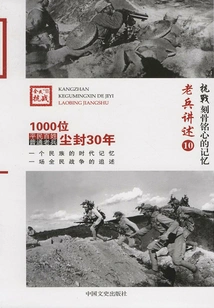
抗战·刻骨铭心的记忆:老兵讲述10
Editorial Board Of "the Anti-japanese War: Unforgettable Memories"
This book contains retrospective articles written by some grassroots veterans of the Kuomintang army during the Anti-Japanese War. These articles are all based on his personal experience and knowledge of the Anti-Japanese War. At that time, they were either training soldiers who had just joined the army to participate in the Anti-Japanese War, or they were soldiers who had just graduated from the military academy, or they were junior officers... They devoted themselves to the Anti-Japanese War with passion and passion with the heart of protecting their homeland and country. The article shows the situation of the Anti-Japanese War in the eyes of these grassroots soldiers, records every bit of what they did in the war, reflects the state of the Anti-Japanese War of the grassroots soldiers, and is filled with patriotic passion that everyone is responsible for the rise and fall of the country. It also has certain reference significance for the study of the history of the Anti-Japanese War.
This book contains retrospective articles written by some grassroots veterans of the Kuomintang army during the Anti-Japanese War. These articles are all based on his personal experience and knowledge of the Anti-Japanese War. At that time, they were either training soldiers who had just joined the army to participate in the Anti-Japanese War, or they were soldiers who had just graduated from the military academy, or they were junior officers... They devoted themselves to the Anti-Japanese War with passion and passion with the heart of protecting their homeland and country. The article shows the situation of the Anti-Japanese War in the eyes of these grassroots soldiers, records every bit of what they did in the war, reflects the state of the Anti-Japanese War of the grassroots soldiers, and is filled with patriotic passion that everyone is responsible for the rise and fall of the country. It also has certain reference significance for the study of the history of the Anti-Japanese War.
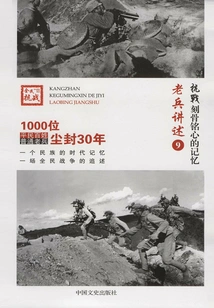
抗战·刻骨铭心的记忆:老兵讲述9
Editorial Board Of "the Anti-japanese War: Unforgettable Memories"
This book contains retrospective articles written by some grassroots veterans of the Kuomintang army during the Anti-Japanese War. These articles are all recollections of the events of the Anti-Japanese War that he personally experienced. At that time, they were either training soldiers who had just joined the army to participate in the Anti-Japanese War, or they were soldiers who had just graduated from the military academy, or they were junior officers... They devoted themselves to the Anti-Japanese War with passion and passion with the heart of protecting their homeland and country. The article shows the situation of the Anti-Japanese War in the eyes of these grassroots soldiers, records every bit of what they did in the war, reflects the state of the Anti-Japanese War of the grassroots soldiers, and is filled with patriotic passion that everyone is responsible for the rise and fall of the country. It also has certain reference significance for the study of the history of the Anti-Japanese War.
This book contains retrospective articles written by some grassroots veterans of the Kuomintang army during the Anti-Japanese War. These articles are all recollections of the events of the Anti-Japanese War that he personally experienced. At that time, they were either training soldiers who had just joined the army to participate in the Anti-Japanese War, or they were soldiers who had just graduated from the military academy, or they were junior officers... They devoted themselves to the Anti-Japanese War with passion and passion with the heart of protecting their homeland and country. The article shows the situation of the Anti-Japanese War in the eyes of these grassroots soldiers, records every bit of what they did in the war, reflects the state of the Anti-Japanese War of the grassroots soldiers, and is filled with patriotic passion that everyone is responsible for the rise and fall of the country. It also has certain reference significance for the study of the history of the Anti-Japanese War.
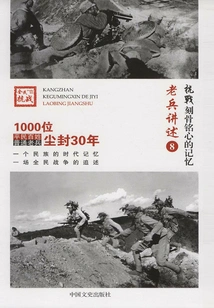
抗战·刻骨铭心的记忆:老兵讲述8
Editorial Board Of "the Anti-japanese War: Unforgettable Memories"
This book is composed of the memories of veterans who served in the Central Army of the Kuomintang and participated in the Anti-Japanese War. The Central Army had many numbers and better equipment than the local armies. It was an important force in the Anti-Japanese War. This book only uses the personal memories of more than 120 veterans to try to show a corner of the countless cruel battles the Central Army experienced. The important battles covered in this book mainly include: Battle of Songhu, Battle of Xinkou, Battle of Kunlun Pass, Battle of Xuzhou, Battle of Nanjing, Battle of Wuhan, Four Battles of Changsha, etc.
This book is composed of the memories of veterans who served in the Central Army of the Kuomintang and participated in the Anti-Japanese War. The Central Army had many numbers and better equipment than the local armies. It was an important force in the Anti-Japanese War. This book only uses the personal memories of more than 120 veterans to try to show a corner of the countless cruel battles the Central Army experienced. The important battles covered in this book mainly include: Battle of Songhu, Battle of Xinkou, Battle of Kunlun Pass, Battle of Xuzhou, Battle of Nanjing, Battle of Wuhan, Four Battles of Changsha, etc.
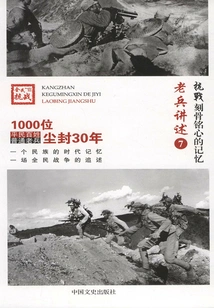
抗战·刻骨铭心的记忆:老兵讲述7
Editorial Board Of "the Anti-japanese War: Unforgettable Memories"
This book contains sixty-five retrospective articles by grassroots anti-war veterans, all of which are selected from the handwritten manuscripts of the veterans. It is an exclusive first-hand material with the nature of "personal experience", "seeing" and "hearing". The wars recalled include both well-known big battles and small battles that are rarely heard of in ordinary times. Regardless of the big battles or small battles, they all reflect the iron-blooded patriotism of the soldiers who saved the country when the country was in danger.
This book contains sixty-five retrospective articles by grassroots anti-war veterans, all of which are selected from the handwritten manuscripts of the veterans. It is an exclusive first-hand material with the nature of "personal experience", "seeing" and "hearing". The wars recalled include both well-known big battles and small battles that are rarely heard of in ordinary times. Regardless of the big battles or small battles, they all reflect the iron-blooded patriotism of the soldiers who saved the country when the country was in danger.
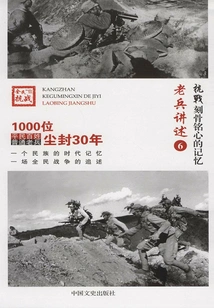
抗战·刻骨铭心的记忆:老兵讲述6
Editorial Board Of "the Anti-japanese War: Unforgettable Memories"
This book contains retrospective articles written by some grassroots veterans of the Chinese Expeditionary Force, Yunnan Army, and Guangdong Army during the Anti-Japanese War. These articles are all recollections of the events of the Anti-Japanese War that he personally experienced. At that time, they were either training soldiers who had just joined the army to participate in the Anti-Japanese War, or they were soldiers who had just graduated from the military academy, or they were junior officers... They devoted themselves to the Anti-Japanese War with passion and passion with the heart of protecting their homeland and country. The article shows the situation of the Anti-Japanese War in the eyes of these grassroots soldiers, records every bit of what they did in the war, reflects the state of the Anti-Japanese War of the grassroots soldiers, and is filled with patriotic passion that everyone is responsible for the rise and fall of the country. It also has certain reference significance for the study of the history of the Anti-Japanese War.
This book contains retrospective articles written by some grassroots veterans of the Chinese Expeditionary Force, Yunnan Army, and Guangdong Army during the Anti-Japanese War. These articles are all recollections of the events of the Anti-Japanese War that he personally experienced. At that time, they were either training soldiers who had just joined the army to participate in the Anti-Japanese War, or they were soldiers who had just graduated from the military academy, or they were junior officers... They devoted themselves to the Anti-Japanese War with passion and passion with the heart of protecting their homeland and country. The article shows the situation of the Anti-Japanese War in the eyes of these grassroots soldiers, records every bit of what they did in the war, reflects the state of the Anti-Japanese War of the grassroots soldiers, and is filled with patriotic passion that everyone is responsible for the rise and fall of the country. It also has certain reference significance for the study of the history of the Anti-Japanese War.
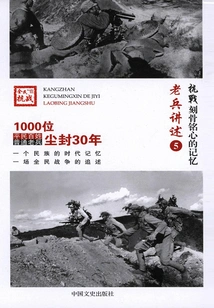
抗战·刻骨铭心的记忆:老兵讲述5
Editorial Board Of "the Anti-japanese War: Unforgettable Memories"
This book contains fifty-nine retrospective articles by grassroots anti-war veterans, all of which are absolute first-hand materials selected based on the principles of "personal experience", "personal sighting" and "personal hearing". There are eight chapters in the book, and the whole content is divided into four chapters based on the division criteria of Sichuan Army, Hunan Army, Gui Army and Hubei Army. The articles are written from the perspective of veterans of the Anti-Japanese War, mostly in the first person voice, recalling the events they experienced during the Anti-Japanese War. The language is simple and readable, allowing readers to get a glimpse of the historical facts from a civilian perspective, and it has certain reference significance for the study of the history of the Anti-Japanese War.
This book contains fifty-nine retrospective articles by grassroots anti-war veterans, all of which are absolute first-hand materials selected based on the principles of "personal experience", "personal sighting" and "personal hearing". There are eight chapters in the book, and the whole content is divided into four chapters based on the division criteria of Sichuan Army, Hunan Army, Gui Army and Hubei Army. The articles are written from the perspective of veterans of the Anti-Japanese War, mostly in the first person voice, recalling the events they experienced during the Anti-Japanese War. The language is simple and readable, allowing readers to get a glimpse of the historical facts from a civilian perspective, and it has certain reference significance for the study of the history of the Anti-Japanese War.
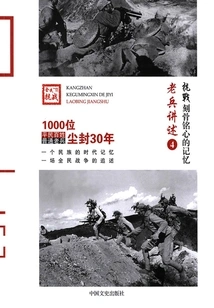
抗战·刻骨铭心的记忆:老兵讲述4
Editorial Board Of "the Anti-japanese War: Unforgettable Memories"
This book contains more than 90 retrospective articles written by grassroots veterans of the Northwest Army, Northeast Army, and Shanxi-Sui Army during the Anti-Japanese War. The veterans' memories are all recollections of the events they experienced during the Anti-Japanese War. The content of the Northwest Army is divided into six chapters. The first chapter tells about the July 7th Incident in 1937 and the initial period of resistance. The battles that the Northwest Army participated in were mainly the July 7th Incident, which mainly showed the activity of the Broadsword Team; the second chapter tells about the several blocking and defensive battles carried out by the Northwest Army from 1937 to 1938 when the Japanese army invaded with overwhelming force. Chapter 3 describes the heroic performance of the Northwest Army in the Battle of Taierzhuang; Chapter 4 describes the repeated battles between the Japanese Army and the Northwest Army in Zhongtiao Mountain for eight years; Chapter 5 describes the stalemate stage, when the Northwest Army held on to the front and looked for opportunities to attack the enemy; Chapter 6 tells the story of the Northwest Army's several counterattacks at the end of the Anti-Japanese War. The content of the Northeastern Army is one chapter. It mainly tells about some counterattacks carried out by some officers and soldiers during the September 18th Incident, regardless of the order not to resist. After the Xi'an Incident, although the Northeast Army was marginalized, it still adhered to the belief of "fighting back home" and took the overall situation into account for the Anti-Japanese War and participated in many battles. The content of Jinsui Army consists of three chapters. The first chapter tells about the several battles that the Jinsui Army participated in in the battlefields of Hebei and Shanxi, mainly the Battle of Xinkou and the Battle of Taiyuan; the second chapter tells about the several battles that the Northwest Army participated in on the Jianghuai battlefield; the third chapter tells about the heavy blow the 35th Army inflicted on the Japanese army on the Suiyuan battlefield. The authors of this article are all veterans of the Anti-Japanese War and junior officers, and have personally participated in many battles. Their memories restore the Anti-Japanese War on the front lines.
This book contains more than 90 retrospective articles written by grassroots veterans of the Northwest Army, Northeast Army, and Shanxi-Sui Army during the Anti-Japanese War. The veterans' memories are all recollections of the events they experienced during the Anti-Japanese War. The content of the Northwest Army is divided into six chapters. The first chapter tells about the July 7th Incident in 1937 and the initial period of resistance. The battles that the Northwest Army participated in were mainly the July 7th Incident, which mainly showed the activity of the Broadsword Team; the second chapter tells about the several blocking and defensive battles carried out by the Northwest Army from 1937 to 1938 when the Japanese army invaded with overwhelming force. Chapter 3 describes the heroic performance of the Northwest Army in the Battle of Taierzhuang; Chapter 4 describes the repeated battles between the Japanese Army and the Northwest Army in Zhongtiao Mountain for eight years; Chapter 5 describes the stalemate stage, when the Northwest Army held on to the front and looked for opportunities to attack the enemy; Chapter 6 tells the story of the Northwest Army's several counterattacks at the end of the Anti-Japanese War. The content of the Northeastern Army is one chapter. It mainly tells about some counterattacks carried out by some officers and soldiers during the September 18th Incident, regardless of the order not to resist. After the Xi'an Incident, although the Northeast Army was marginalized, it still adhered to the belief of "fighting back home" and took the overall situation into account for the Anti-Japanese War and participated in many battles. The content of Jinsui Army consists of three chapters. The first chapter tells about the several battles that the Jinsui Army participated in in the battlefields of Hebei and Shanxi, mainly the Battle of Xinkou and the Battle of Taiyuan; the second chapter tells about the several battles that the Northwest Army participated in on the Jianghuai battlefield; the third chapter tells about the heavy blow the 35th Army inflicted on the Japanese army on the Suiyuan battlefield. The authors of this article are all veterans of the Anti-Japanese War and junior officers, and have personally participated in many battles. Their memories restore the Anti-Japanese War on the front lines.
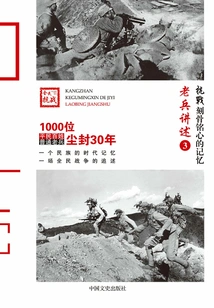
抗战·刻骨铭心的记忆:老兵讲述3
Editorial Board Of "the Anti-japanese War: Unforgettable Memories"
Soldiers and people are the foundation of victory. People's war is the magic weapon for defeating the enemy. The masses of the people are the decisive force in winning or losing a war. This book is divided into two parts. The local armed forces chapter contains more than 30 "three relatives" articles, recording the establishment, development and active participation of local armed forces in the war of resistance witnessed by grassroots fighters of local armed organizations in various places during the Anti-Japanese War. The articles included in the People's War chapter truly reflect the Communist Party's resolute reliance on the people and full mobilization of the people during the Anti-Japanese War from the perspective of grassroots fighters. The content of the article not only includes the process of the Communist Party's grassroots troops mobilizing and organizing the broad masses of the people to participate in and support the revolutionary war, and the people rising up to join the battle, but also the process of the people adopting flexible strategies and tactics, not being afraid of sacrifice, and being united to achieve victory when the enemy is strong and we are weak.
Soldiers and people are the foundation of victory. People's war is the magic weapon for defeating the enemy. The masses of the people are the decisive force in winning or losing a war. This book is divided into two parts. The local armed forces chapter contains more than 30 "three relatives" articles, recording the establishment, development and active participation of local armed forces in the war of resistance witnessed by grassroots fighters of local armed organizations in various places during the Anti-Japanese War. The articles included in the People's War chapter truly reflect the Communist Party's resolute reliance on the people and full mobilization of the people during the Anti-Japanese War from the perspective of grassroots fighters. The content of the article not only includes the process of the Communist Party's grassroots troops mobilizing and organizing the broad masses of the people to participate in and support the revolutionary war, and the people rising up to join the battle, but also the process of the people adopting flexible strategies and tactics, not being afraid of sacrifice, and being united to achieve victory when the enemy is strong and we are weak.
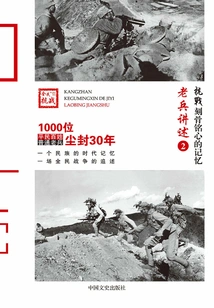
抗战·刻骨铭心的记忆:老兵讲述2
Editorial Board Of "the Anti-japanese War: Unforgettable Memories"
The eight-year war of resistance was extremely arduous. On the vast battlefield behind enemy lines, many heroic teams and brave warriors of the New Fourth Army and guerrillas emerged. This book contains more than 50 reminiscences of grass-roots veterans of the New Fourth Army and guerrillas during the Anti-Japanese War, truly reproducing the New Fourth Army and guerrillas in the vast enemy On the rear battlefield, they attacked the enemy by surprise, eliminated them piecemeal, greatly restrained and depleted the enemy's strength, and allowed the Japanese aggressors to perish in the vast ocean of the People's War, as well as the deeds of the heroic teams and soldiers who emerged in the arduous environment.
The eight-year war of resistance was extremely arduous. On the vast battlefield behind enemy lines, many heroic teams and brave warriors of the New Fourth Army and guerrillas emerged. This book contains more than 50 reminiscences of grass-roots veterans of the New Fourth Army and guerrillas during the Anti-Japanese War, truly reproducing the New Fourth Army and guerrillas in the vast enemy On the rear battlefield, they attacked the enemy by surprise, eliminated them piecemeal, greatly restrained and depleted the enemy's strength, and allowed the Japanese aggressors to perish in the vast ocean of the People's War, as well as the deeds of the heroic teams and soldiers who emerged in the arduous environment.
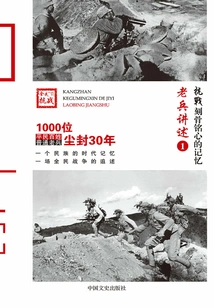
抗战·刻骨铭心的记忆:老兵讲述1
Editorial Board Of "the Anti-japanese War: Unforgettable Memories"
They are Eighth Route Army soldiers who were born and died on the battlefield of the Anti-Japanese War. They tell the unforgettable years of the Anti-Japanese War with their personal experiences, seeing and hearing. This book collects dozens of reminiscences about the Anti-Japanese War from the grassroots soldiers of the Eighth Route Army. Among them are the fighting scenes for their hometown, the close friendship with the local people, the precious comrades-in-arms friendship, and the hardships of life and work during the Anti-Japanese War. Every chapter reveals the patriotic enthusiasm of the young soldiers, using memories that have been buried for many years to restore the smoke-filled days.
They are Eighth Route Army soldiers who were born and died on the battlefield of the Anti-Japanese War. They tell the unforgettable years of the Anti-Japanese War with their personal experiences, seeing and hearing. This book collects dozens of reminiscences about the Anti-Japanese War from the grassroots soldiers of the Eighth Route Army. Among them are the fighting scenes for their hometown, the close friendship with the local people, the precious comrades-in-arms friendship, and the hardships of life and work during the Anti-Japanese War. Every chapter reveals the patriotic enthusiasm of the young soldiers, using memories that have been buried for many years to restore the smoke-filled days.
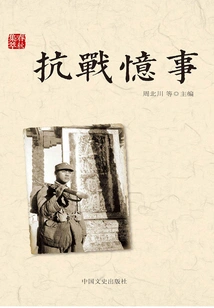
抗战忆事
Editor-in-chief Zhou Beichuan And Others
The book is divided into six parts: bloody battle, irrefutable evidence, trumpet, remembrance, surrender, and trial. It was organized and compiled by the People's Political Consultative Conference newspaper. It shows the national integrity of Chinese soldiers and civilians who rose up to fight the invaders during the Anti-Japanese War, fought tenaciously, and sacrificed their lives for the country. It also reveals the heinous crimes committed by the Japanese invaders against the Chinese people through burning, killing, and looting, and restores the surrender of the Chinese army after the war. It is a precious historical material. This book clearly reflects the overview and context of my country's Anti-Japanese War from multiple aspects and angles. It is a vivid teaching material for patriotic education for the broad masses of the people, especially young people.
The book is divided into six parts: bloody battle, irrefutable evidence, trumpet, remembrance, surrender, and trial. It was organized and compiled by the People's Political Consultative Conference newspaper. It shows the national integrity of Chinese soldiers and civilians who rose up to fight the invaders during the Anti-Japanese War, fought tenaciously, and sacrificed their lives for the country. It also reveals the heinous crimes committed by the Japanese invaders against the Chinese people through burning, killing, and looting, and restores the surrender of the Chinese army after the war. It is a precious historical material. This book clearly reflects the overview and context of my country's Anti-Japanese War from multiple aspects and angles. It is a vivid teaching material for patriotic education for the broad masses of the people, especially young people.
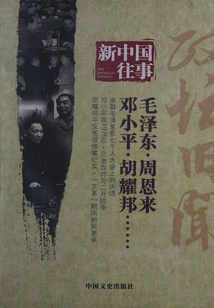
新中国往事:政坛旧闻
Cppcc National Committee On Culture, History And Study
This book brings together articles about Mao Zedong, Zhou Enlai, Deng Xiaoping, Chen Yun and other leaders, while reviewing some historical events related to them, which is authentic and readable.
This book brings together articles about Mao Zedong, Zhou Enlai, Deng Xiaoping, Chen Yun and other leaders, while reviewing some historical events related to them, which is authentic and readable.
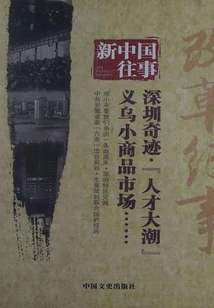
新中国往事:改革纪事
Cppcc National Committee On Culture, History And Study
This book contains more than 20 articles including "Baosteel's Decision-making Background, Construction Process and Demonstration Effect" and "Recalling the Rise of Yiwu Small Commodity Market", all of which are written by people who have experienced the history.
This book contains more than 20 articles including "Baosteel's Decision-making Background, Construction Process and Demonstration Effect" and "Recalling the Rise of Yiwu Small Commodity Market", all of which are written by people who have experienced the history.
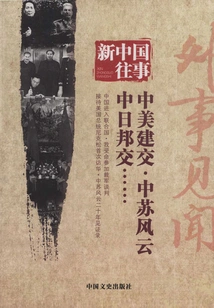
新中国往事:外事见闻
Cppcc National Committee On Culture, History And Study
This book contains more than 20 articles, including "Miscellaneous Notes on the Initial Establishment of the Ministry of Foreign Affairs" and "Receiving U. S. President Nixon's First Visit to China", which improves the historical memory of major diplomatic events in New China such as the establishment of diplomatic relations between China and the United States, the situation between China and the Soviet Union, and the diplomatic relations between China and Japan.
This book contains more than 20 articles, including "Miscellaneous Notes on the Initial Establishment of the Ministry of Foreign Affairs" and "Receiving U. S. President Nixon's First Visit to China", which improves the historical memory of major diplomatic events in New China such as the establishment of diplomatic relations between China and the United States, the situation between China and the Soviet Union, and the diplomatic relations between China and Japan.
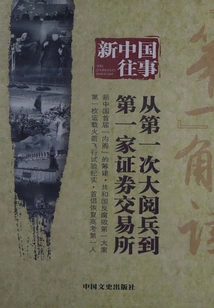
新中国往事:“第一”解读
Cppcc National Committee On Culture, History And Study
This book includes articles such as "The First Military Parade of New China" and "The First Major Anti-Corruption Case of the Republic". From the specific perspective of "first", it shows the extraordinary journey of New China in many aspects.
This book includes articles such as "The First Military Parade of New China" and "The First Major Anti-Corruption Case of the Republic". From the specific perspective of "first", it shows the extraordinary journey of New China in many aspects.
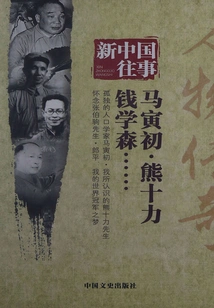
新中国往事:人物传奇
Cppcc National Committee On Culture, History And Study
This book contains more than 20 articles such as "Remembering Mr. Zhang Boju" and "Lang Ping: My Dream of World Championship". It recalls the extraordinary achievements and different attitudes of more than 20 celebrities in their respective fields, and outlines vivid historical details from passages of past events.
This book contains more than 20 articles such as "Remembering Mr. Zhang Boju" and "Lang Ping: My Dream of World Championship". It recalls the extraordinary achievements and different attitudes of more than 20 celebrities in their respective fields, and outlines vivid historical details from passages of past events.
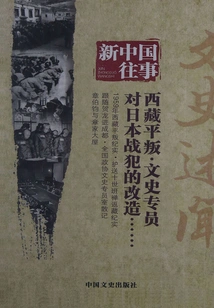
新中国往事:文史述闻
Cppcc National Committee On Culture, History And Study
This book contains more than 20 articles, including "Miscellaneous Memories of the Founding Period of the Cultural and Historical Documentation Work" and "Miscellaneous Notes of the Office of the Cultural and Historical Commissioner of the National Committee of the Chinese People's Political Consultative Conference". It provides important evidence and reference for historical events such as the Office of the Cultural and Historical Commissioner of the National Committee of the Chinese People's Political Consultative Conference and the reconstruction and expansion project of Tiananmen Square.
This book contains more than 20 articles, including "Miscellaneous Memories of the Founding Period of the Cultural and Historical Documentation Work" and "Miscellaneous Notes of the Office of the Cultural and Historical Commissioner of the National Committee of the Chinese People's Political Consultative Conference". It provides important evidence and reference for historical events such as the Office of the Cultural and Historical Commissioner of the National Committee of the Chinese People's Political Consultative Conference and the reconstruction and expansion project of Tiananmen Square.
新中国往事:特别事件
Cppcc National Committee On Culture, History And Study
This book contains articles such as "Criticizing the Before and After of the Movie "The Legend of Wu Xun"" and "Behind the Scenes of the 'Two Cases' Trial". It reviews the process of some unjust, false and wrong cases, and also tells the historical facts of the redress of unjust, false and wrong cases.
This book contains articles such as "Criticizing the Before and After of the Movie "The Legend of Wu Xun"" and "Behind the Scenes of the 'Two Cases' Trial". It reviews the process of some unjust, false and wrong cases, and also tells the historical facts of the redress of unjust, false and wrong cases.
中国历史文论选读
Compiled By Li Ping
"Selected Readings of Chinese Historical Literary Theory" is a collection of famous ancient Chinese literary theory compiled by Li Ping, professor of the Department of History at the University of Macau. The whole book is divided into eight units according to the content, namely: feudal etiquette, general trend of unification, commoner generals and ministers, economy and trade, political malpractice, rise and fall, theory of original Taoism and historical theory. The selected articles are all articles that discuss the characters, events, systems and laws in ancient Chinese history. The traditional and simplified articles selected in the same unit complement each other and are difficult to distinguish. In order to reduce the difficulty of reading, each article has detailed interpretation, annotations and translations.
"Selected Readings of Chinese Historical Literary Theory" is a collection of famous ancient Chinese literary theory compiled by Li Ping, professor of the Department of History at the University of Macau. The whole book is divided into eight units according to the content, namely: feudal etiquette, general trend of unification, commoner generals and ministers, economy and trade, political malpractice, rise and fall, theory of original Taoism and historical theory. The selected articles are all articles that discuss the characters, events, systems and laws in ancient Chinese history. The traditional and simplified articles selected in the same unit complement each other and are difficult to distinguish. In order to reduce the difficulty of reading, each article has detailed interpretation, annotations and translations.
中国历史文献选读
Compiled By Li Ping
"Selected Readings of Chinese Historical Documents" is a collection of famous ancient Chinese documents compiled by Li Ping, professor of the Department of History at the University of Macau. The book is divided into eight units according to the content, namely: Death of Lips and Coldness of Teeth, Famous Scholars and Righteous Deeds, Seeking Talents, Su Wu and Li Ling, Praise and Criticism Are Difficult to Determine, All Living Beings, Women's World, and First Acquaintance with the West. The selected articles are all articles that discuss the characters, events, systems and laws in ancient Chinese history. The traditional and simplified articles selected in the same unit complement each other and are difficult to distinguish. In order to reduce the difficulty of reading, each article has detailed interpretation, annotations and translations.
"Selected Readings of Chinese Historical Documents" is a collection of famous ancient Chinese documents compiled by Li Ping, professor of the Department of History at the University of Macau. The book is divided into eight units according to the content, namely: Death of Lips and Coldness of Teeth, Famous Scholars and Righteous Deeds, Seeking Talents, Su Wu and Li Ling, Praise and Criticism Are Difficult to Determine, All Living Beings, Women's World, and First Acquaintance with the West. The selected articles are all articles that discuss the characters, events, systems and laws in ancient Chinese history. The traditional and simplified articles selected in the same unit complement each other and are difficult to distinguish. In order to reduce the difficulty of reading, each article has detailed interpretation, annotations and translations.
讲给大家的中国历史04:帝国的昂扬精神
Yang Zhao
The "Chinese History for Everyone" series is a brand-new general history of China. It does not introduce readers to dry historical events and knowledge points, but explores the deep logic behind Chinese history and provides a new set of cognitive methods for understanding Chinese history. The series consists of 4 volumes and 13 volumes, presenting a panoramic view of the evolution of "China", a unique and tenacious life entity. Volume 4 "The High Spirit of the Empire" focuses on the "high spirit" to help everyone gain a deeper understanding of China's literature, thought, politics, and people's mentality during the Western Han Dynasty. You will see that: the Han Dynasty inherited the Qin system, and the imperial model and imperial model established by Qin grew more prosperous through the operation of the Han Dynasty; the 70th year of the early Han Dynasty was actually not the same as the Qin Dynasty There is a big difference, but the enforcement of the law is not so rigid; one of the characteristics of the Western Han Dynasty was self-confidence, which was reflected through gorgeous words and powerful actions; Dong Zhongshu's Confucianism was mixed with the alchemist's yin and yang, five elements and prophecies; when Sima Qian talked about the Xiongnu issue, he used three biographies, and the order was very particular...
The "Chinese History for Everyone" series is a brand-new general history of China. It does not introduce readers to dry historical events and knowledge points, but explores the deep logic behind Chinese history and provides a new set of cognitive methods for understanding Chinese history. The series consists of 4 volumes and 13 volumes, presenting a panoramic view of the evolution of "China", a unique and tenacious life entity. Volume 4 "The High Spirit of the Empire" focuses on the "high spirit" to help everyone gain a deeper understanding of China's literature, thought, politics, and people's mentality during the Western Han Dynasty. You will see that: the Han Dynasty inherited the Qin system, and the imperial model and imperial model established by Qin grew more prosperous through the operation of the Han Dynasty; the 70th year of the early Han Dynasty was actually not the same as the Qin Dynasty There is a big difference, but the enforcement of the law is not so rigid; one of the characteristics of the Western Han Dynasty was self-confidence, which was reflected through gorgeous words and powerful actions; Dong Zhongshu's Confucianism was mixed with the alchemist's yin and yang, five elements and prophecies; when Sima Qian talked about the Xiongnu issue, he used three biographies, and the order was very particular...