Library
Browse and search books
2,472 novels found
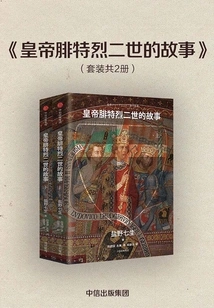
皇帝腓特烈二世的故事(全2册)
G
A real-life version of "Game of Thrones." The finale of Shiono Nansei's "Medieval Story". The survival rules of elites in troubled times. Wang Shi, Wang Wei, Yu Minhong, and Sima Ryotaro praised it. It is both a history of growth and a strategy for rising with both highlights and disadvantages. The first university, the first charter, the first man to peacefully liberate Jerusalem. Kidnapping, assassination, plague, conspiracy, betrayal, lovers, illegitimate children... Accompany them throughout their lives. Understand Frederick and understand the rules and boundaries of the circle. Frederick II, Emperor of the Holy Roman Empire, was a heterogeneous leader in the theocratic era of the Middle Ages in Europe. He was both devout and faithful, dared to love and hate, and was also a reformer with a creative spirit. He was proficient in Arabic, loved learning, loved falconry, valued law, was good at diplomacy, and had a particularly rich emotional life. He was a rare politician with outstanding personality in that era. Shiono Nansei tells the story of the growth of Frederick II in an interesting way, from being fierce and bloody to understanding the ways of the world. It can be said to be a "Game of Thrones" that actually happened in history.
A real-life version of "Game of Thrones." The finale of Shiono Nansei's "Medieval Story". The survival rules of elites in troubled times. Wang Shi, Wang Wei, Yu Minhong, and Sima Ryotaro praised it. It is both a history of growth and a strategy for rising with both highlights and disadvantages. The first university, the first charter, the first man to peacefully liberate Jerusalem. Kidnapping, assassination, plague, conspiracy, betrayal, lovers, illegitimate children... Accompany them throughout their lives. Understand Frederick and understand the rules and boundaries of the circle. Frederick II, Emperor of the Holy Roman Empire, was a heterogeneous leader in the theocratic era of the Middle Ages in Europe. He was both devout and faithful, dared to love and hate, and was also a reformer with a creative spirit. He was proficient in Arabic, loved learning, loved falconry, valued law, was good at diplomacy, and had a particularly rich emotional life. He was a rare politician with outstanding personality in that era. Shiono Nansei tells the story of the growth of Frederick II in an interesting way, from being fierce and bloody to understanding the ways of the world. It can be said to be a "Game of Thrones" that actually happened in history.
![Ancient Greece [illustrated World History Series]](https://bucket.daosearch.io/books/65393961.jpg)
古希腊[图说天下.世界历史系列]
Editorial Board Of "illustrated World History Series"
"Ancient Greece (Full Color Illustrated Edition)" will recreate the glorious chapter of the "Aegean Civilization" for readers. The history of ancient Greece is the beginning of the history of Western civilization. Everything in the ancient Greek world: mythology, love, family, war, democracy... Like Heraclitus's river, has long since passed away. Yet ancient Greece still fascinates people today.
"Ancient Greece (Full Color Illustrated Edition)" will recreate the glorious chapter of the "Aegean Civilization" for readers. The history of ancient Greece is the beginning of the history of Western civilization. Everything in the ancient Greek world: mythology, love, family, war, democracy... Like Heraclitus's river, has long since passed away. Yet ancient Greece still fascinates people today.
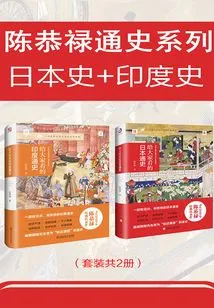
陈恭禄通史系列(套装共2册)
Chen Gonglu
"The General History of Japan for Everyone" is the representative work of the famous historian Mr. Chen Gongluk. It is a concise, objective and simple general history of Japan. "A General History of Japan for Everyone" condenses Japan's 2,000-year history of change into just 200,000 words. It explains the formation of Japan's country, nation, culture, and social evolution in a concise and precise manner. It is an indispensable classic book for readers to understand Japanese history. "A General History of India for Everyone" focuses on the formation, evolution and development of the Indian country, nation and culture. It also introduces India's social changes and rich and colorful cultural life. It is an indispensable classic book for readers to understand Indian civilization. In addition, there is a "Chronology of Major Events in India" at the back of the book for readers' reference and research.
"The General History of Japan for Everyone" is the representative work of the famous historian Mr. Chen Gongluk. It is a concise, objective and simple general history of Japan. "A General History of Japan for Everyone" condenses Japan's 2,000-year history of change into just 200,000 words. It explains the formation of Japan's country, nation, culture, and social evolution in a concise and precise manner. It is an indispensable classic book for readers to understand Japanese history. "A General History of India for Everyone" focuses on the formation, evolution and development of the Indian country, nation and culture. It also introduces India's social changes and rich and colorful cultural life. It is an indispensable classic book for readers to understand Indian civilization. In addition, there is a "Chronology of Major Events in India" at the back of the book for readers' reference and research.
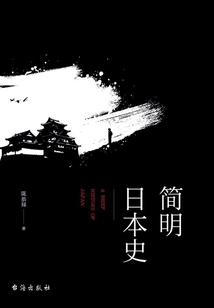
A Concise History of Japan
History简明日本史
Chen Gonglu
"A Concise History of Japan" is divided into two volumes, with a total of twenty-four chapters. Chapters 1 to 6 of "The Concise Book of Japan" introduce Japan's geographical location, climatic conditions, origin of the nation, and the evolution of society in detail. Chapters 7 to 24 describe the development of Japan in various aspects such as politics, economy, military, and religion from the shogunate period to the Meiji Restoration. In addition, "A Concise History of Japan" also lists a series of bibliographies for readers' research reference.
"A Concise History of Japan" is divided into two volumes, with a total of twenty-four chapters. Chapters 1 to 6 of "The Concise Book of Japan" introduce Japan's geographical location, climatic conditions, origin of the nation, and the evolution of society in detail. Chapters 7 to 24 describe the development of Japan in various aspects such as politics, economy, military, and religion from the shogunate period to the Meiji Restoration. In addition, "A Concise History of Japan" also lists a series of bibliographies for readers' research reference.
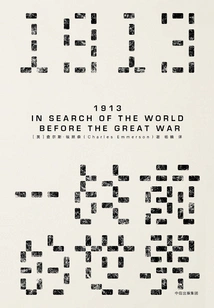
1913,一战前的世界
(uk) Charles Emerson
The First World War broke out in 1914, so 1913 was the last year before the war changed the whole of Europe and even the whole world. In this book, the author liberates 1913 from the narrative logic of "the prelude to World War I" and explores what the world was like in 1913 from a more objective perspective. From European cities to rising American cities to imperial capitals in Asia and Africa, the author shows us a world full of possibilities. In fact, the world in 1913 was more modern, globalized, and closer to today's world than we imagined.
The First World War broke out in 1914, so 1913 was the last year before the war changed the whole of Europe and even the whole world. In this book, the author liberates 1913 from the narrative logic of "the prelude to World War I" and explores what the world was like in 1913 from a more objective perspective. From European cities to rising American cities to imperial capitals in Asia and Africa, the author shows us a world full of possibilities. In fact, the world in 1913 was more modern, globalized, and closer to today's world than we imagined.
Once Upon a Time in Budapest: the Secret Archives of an Eastern European Family During the Cold War
History布达佩斯往事:冷战时期一个东欧家庭的秘密档案
(us) Katie Marton
This book reveals a family history and era that have been hidden for decades through 20-year archives of the Hungarian secret police during the Cold War. During the Cold War, in Hungary, a member of the Soviet bloc, the secret police tried to fully penetrate and control Hungary's political life through a huge informant network. The author's parents were famous Hungarian journalists, and their reports were an important source of information for the West to understand Hungary. Therefore, they were regarded as "enemies of the people" and were monitored by the secret police for a long time. They were eventually imprisoned for treason and espionage. After the family immigrated to the United States, the Hungarian government tried to recruit them as spies, and the United States monitored them for several years. The book not only restores the experience and encounters of the Martons when they were surrounded by informants, but also shows their emotions and inner contradictions - the mutual emotional betrayal and support in disasters between husband and wife, the love and affection between parents and children, and the strength and weakness of human nature.
This book reveals a family history and era that have been hidden for decades through 20-year archives of the Hungarian secret police during the Cold War. During the Cold War, in Hungary, a member of the Soviet bloc, the secret police tried to fully penetrate and control Hungary's political life through a huge informant network. The author's parents were famous Hungarian journalists, and their reports were an important source of information for the West to understand Hungary. Therefore, they were regarded as "enemies of the people" and were monitored by the secret police for a long time. They were eventually imprisoned for treason and espionage. After the family immigrated to the United States, the Hungarian government tried to recruit them as spies, and the United States monitored them for several years. The book not only restores the experience and encounters of the Martons when they were surrounded by informants, but also shows their emotions and inner contradictions - the mutual emotional betrayal and support in disasters between husband and wife, the love and affection between parents and children, and the strength and weakness of human nature.
Dynasty Story
History王朝物语
Q
In the Dynasty Story series, Nakano Kyoko takes "royal family" as the main line and famous paintings as the carrier to tell the story of the rise and fall of the four great dynasties in European history and the ups and downs of the characters' fates. The author Kyoko Nakano is a German cultural scholar who graduated from Waseda University. She is also a popular best-selling author of art history in Japan. In the form of interpretation of famous paintings, Dynasty Story reproduces the conspiracies, revolutions and power struggles in European history. It is a brand-new way of appreciating art history. In the Dynasty Story series, history is no longer monotonous and famous paintings are no longer ancient. You will feel the beauty and profound meaning of art history as if you were personally there.
In the Dynasty Story series, Nakano Kyoko takes "royal family" as the main line and famous paintings as the carrier to tell the story of the rise and fall of the four great dynasties in European history and the ups and downs of the characters' fates. The author Kyoko Nakano is a German cultural scholar who graduated from Waseda University. She is also a popular best-selling author of art history in Japan. In the form of interpretation of famous paintings, Dynasty Story reproduces the conspiracies, revolutions and power struggles in European history. It is a brand-new way of appreciating art history. In the Dynasty Story series, history is no longer monotonous and famous paintings are no longer ancient. You will feel the beauty and profound meaning of art history as if you were personally there.
大历史:虚无与万物之间
(u. S.) David Christian Et Al.
"Big History" examines not only the past of mankind, but also the past of the earth and even the past of the universe. By reading this book, readers will trace a history that began 13.8 Billion years ago, beginning with the Big Bang and the emergence of the universe. Big history encompasses research results in the fields of cosmology, earth and life sciences, and humanistic history, and integrates them into a single, universal historical narrative that provides the most scientific and comprehensive introduction possible to the universe and our place in it. The book summarizes eight major breakthroughs in the evolution of history. Each breakthrough means the emergence of something brand new. From the universe to the earth, from the first life to human beings, from agricultural civilization to modern revolution, the author outlines the emergence and development of all things in the world in the order from "nothing" to "existence", using eight breakthroughs as clues. Ultimately, this book makes predictions about our near and distant future from a big historical perspective.
"Big History" examines not only the past of mankind, but also the past of the earth and even the past of the universe. By reading this book, readers will trace a history that began 13.8 Billion years ago, beginning with the Big Bang and the emergence of the universe. Big history encompasses research results in the fields of cosmology, earth and life sciences, and humanistic history, and integrates them into a single, universal historical narrative that provides the most scientific and comprehensive introduction possible to the universe and our place in it. The book summarizes eight major breakthroughs in the evolution of history. Each breakthrough means the emergence of something brand new. From the universe to the earth, from the first life to human beings, from agricultural civilization to modern revolution, the author outlines the emergence and development of all things in the world in the order from "nothing" to "existence", using eight breakthroughs as clues. Ultimately, this book makes predictions about our near and distant future from a big historical perspective.
America's First 100 Years
History美国的第一个100年
Wang Yang
This book originated from a series of questions raised by the young Bill Gates. Tradition and modernity, democracy and freedom, money worship, etc., As a typical template of these elements, the United States of America has become the most important speaker. The seemingly simple events in the book profoundly draw a detailed line of development of the United States over the past century. We can understand the turmoil and hardships that the emerging American government experienced from the colonies to independence, from struggling to found the country, to seeking stability in the Jeffersonian era, to its proud rise after the Civil War. This book is suitable for readers who are interested in American culture.
This book originated from a series of questions raised by the young Bill Gates. Tradition and modernity, democracy and freedom, money worship, etc., As a typical template of these elements, the United States of America has become the most important speaker. The seemingly simple events in the book profoundly draw a detailed line of development of the United States over the past century. We can understand the turmoil and hardships that the emerging American government experienced from the colonies to independence, from struggling to found the country, to seeking stability in the Jeffersonian era, to its proud rise after the Civil War. This book is suitable for readers who are interested in American culture.
Cambridge History of Italy
History剑桥意大利史
Q
Since its unification in 1861, Italy has made unremitting efforts to build an efficient political system and a high sense of national identity. This second edition of Christopher Duggan's acclaimed Cambridge History of Italy describes the political and socioeconomic evolution of Italy from the fall of the Roman Empire to the present; and examines the difficulties Italy has faced in shaping its image as a nation-state over the past two centuries. Duggan combines the history of political, economic, social, and cultural evolution to highlight the transitions between different plans for nation-building devised by pragmatists and idealists. This revised edition expands on the previous chapters and also adds a chapter on Italy in the 21st century. Therefore, this book will be an ideal choice for readers who have a special preference for modern Italian history, especially those with a strong interest in fascism and the Mafia.
Since its unification in 1861, Italy has made unremitting efforts to build an efficient political system and a high sense of national identity. This second edition of Christopher Duggan's acclaimed Cambridge History of Italy describes the political and socioeconomic evolution of Italy from the fall of the Roman Empire to the present; and examines the difficulties Italy has faced in shaping its image as a nation-state over the past two centuries. Duggan combines the history of political, economic, social, and cultural evolution to highlight the transitions between different plans for nation-building devised by pragmatists and idealists. This revised edition expands on the previous chapters and also adds a chapter on Italy in the 21st century. Therefore, this book will be an ideal choice for readers who have a special preference for modern Italian history, especially those with a strong interest in fascism and the Mafia.
Cambridge History of Germany
History剑桥德国史
(uk) Mary Fullbrook
The multifaceted and complex nature of German history has inspired extensive discussion and different interpretations. This book is a general history of Germany with an "introduction and introductory" nature. It uses rich historical materials and a grand historical narrative to outline the development of German history. It clearly shows the tortuous history of Germany from the early Middle Ages to the present, and concisely discusses the interrelationship between German social, political, and cultural factors. "Cambridge History of Germany" is the only German history book in English that is both a single volume and rich in content and covers a wide range of topics. It has been a best-seller for more than 20 years and is a must-read for students majoring in German studies, European studies, German history, and European history. At the same time, because of its short length and conciseness, it is also a reference guide for general readers, business people or tourists visiting Germany.
The multifaceted and complex nature of German history has inspired extensive discussion and different interpretations. This book is a general history of Germany with an "introduction and introductory" nature. It uses rich historical materials and a grand historical narrative to outline the development of German history. It clearly shows the tortuous history of Germany from the early Middle Ages to the present, and concisely discusses the interrelationship between German social, political, and cultural factors. "Cambridge History of Germany" is the only German history book in English that is both a single volume and rich in content and covers a wide range of topics. It has been a best-seller for more than 20 years and is a must-read for students majoring in German studies, European studies, German history, and European history. At the same time, because of its short length and conciseness, it is also a reference guide for general readers, business people or tourists visiting Germany.
苏俄现代化改革与研究
Jin Yan
The 13 articles collected in this book are not arranged in the chronological order of the historical events described as usual. But the author believes that it is not difficult for readers to understand this: this is not only the author's thinking process when studying the history of Soviet Russia, but also the thinking path of people when faced with an object of understanding: people are first eager to know "what it is", and then after feeling it, they want to ask "where does it come from", "Where are we going?" And after understanding its origin and context, we will not only have a better understanding of "what it is", but also in this "I think, therefore I am" mentality, we will be able to better understand "what I am" and be better able to grasp our own existence and meaning. This is precisely the purpose of bringing these articles together into a volume.
The 13 articles collected in this book are not arranged in the chronological order of the historical events described as usual. But the author believes that it is not difficult for readers to understand this: this is not only the author's thinking process when studying the history of Soviet Russia, but also the thinking path of people when faced with an object of understanding: people are first eager to know "what it is", and then after feeling it, they want to ask "where does it come from", "Where are we going?" And after understanding its origin and context, we will not only have a better understanding of "what it is", but also in this "I think, therefore I am" mentality, we will be able to better understand "what I am" and be better able to grasp our own existence and meaning. This is precisely the purpose of bringing these articles together into a volume.
美洲五百年:一部西半球的历史
(uk) Felipe Fernando-armesto
In the author's opinion, the American independence wave from the late 18th to the 19th century brought about the original "split" of the Americas. The American Revolution of Independence was successful, and it quickly established a unified and democratic national system and began to expand into its western interior. However, many Latin American countries fell into dictatorship, secession, civil war, or economic stagnation after independence. When the United States gradually rose in the 19th century, it began to seek hegemony in the Americas, and then became the world's leading force in the 20th century. Regrettably, Latin America has rarely been able to enjoy the righteous deeds of the United States on the world stage since World War I. The general background behind the revolutionary causes of Che Guevara and Castro and Colombia's drug war that we are familiar with is the 20th century America where the hegemony of the United States and the struggle of Latin America went hand in hand.
In the author's opinion, the American independence wave from the late 18th to the 19th century brought about the original "split" of the Americas. The American Revolution of Independence was successful, and it quickly established a unified and democratic national system and began to expand into its western interior. However, many Latin American countries fell into dictatorship, secession, civil war, or economic stagnation after independence. When the United States gradually rose in the 19th century, it began to seek hegemony in the Americas, and then became the world's leading force in the 20th century. Regrettably, Latin America has rarely been able to enjoy the righteous deeds of the United States on the world stage since World War I. The general background behind the revolutionary causes of Che Guevara and Castro and Colombia's drug war that we are familiar with is the 20th century America where the hegemony of the United States and the struggle of Latin America went hand in hand.
欧洲与没有历史的人
(us) Eric R. Wolf
The author of this book selects 1400 AD as a historical reference point and elaborates on the appearance of Europe and the world outside Europe during that period. Then, starting from the Marxist concept of "mode of production", he proposes three modes of production: kinship, subsidiary tribute, and capitalism, which have always been centered on the division, merger, conflict, and reorganization of modes of production throughout the history of mankind around the world. Combining rich historical materials, this paper conducts in-depth analysis and demonstration of the colonial empire era before the industrial revolution from the 15th to the second half of the 18th century, and the global expansion and development of dominant relationships in the capitalist era after the industrial revolution in the second half of the 18th century to the present. It also narrates the different changes experienced by different groups of people in the world when encountering this series of great changes.
The author of this book selects 1400 AD as a historical reference point and elaborates on the appearance of Europe and the world outside Europe during that period. Then, starting from the Marxist concept of "mode of production", he proposes three modes of production: kinship, subsidiary tribute, and capitalism, which have always been centered on the division, merger, conflict, and reorganization of modes of production throughout the history of mankind around the world. Combining rich historical materials, this paper conducts in-depth analysis and demonstration of the colonial empire era before the industrial revolution from the 15th to the second half of the 18th century, and the global expansion and development of dominant relationships in the capitalist era after the industrial revolution in the second half of the 18th century to the present. It also narrates the different changes experienced by different groups of people in the world when encountering this series of great changes.
两个世界的战争:2500年来东方与西方的竞逐
(us) Anthony Pagodon
Since the "9·11" incident, Western countries have published a large number of works that analyze the root causes of terrorism from historical, political, religious, cultural and other perspectives. This book synthesizes all these perspectives and puts forward its own point of view, believing that all this must start from the separation of reality and thought between the West and the East 2,500 years ago. This book won the American Institute for Near East Policy Book Award in 2008 for its astonishing time span, detailed historical and ideological analysis, and realistic concern for current issues. The book begins with the Persian king Xerxes's attempt to conquer Greece, which opens the prelude to a conflict that has not ceased to this day. First Alexander the Great, then the Romans, attempted to merge Europe and Asia into a single civilization. As the West converted to Christianity and parts of the East embraced Islam, a hateful war broke out between the two religions, with each claiming dominion over the world. By the 17th century, with the decline of the Christian church, the struggle shifted from religion to philosophy: those who adhered to Western scientific rationality were in sharp contrast to those who sought the ultimate teachings of God. In the 18th and 19th centuries, several major Islamic empires-the Ottoman Empire, the Mughal Empire, and the Safavid Dynasty-gradually collapsed, and the West gradually took control of most of Asia. The result was an attempt to reconcile Islamic life with modern life in the West, which sparked conflicts between reformers and traditionalists in the Islamic world that continue to this day. In human history, the wars between the West and the East are not only the longest and most costly wars, they have been and will continue to shape the modern world.
Since the "9·11" incident, Western countries have published a large number of works that analyze the root causes of terrorism from historical, political, religious, cultural and other perspectives. This book synthesizes all these perspectives and puts forward its own point of view, believing that all this must start from the separation of reality and thought between the West and the East 2,500 years ago. This book won the American Institute for Near East Policy Book Award in 2008 for its astonishing time span, detailed historical and ideological analysis, and realistic concern for current issues. The book begins with the Persian king Xerxes's attempt to conquer Greece, which opens the prelude to a conflict that has not ceased to this day. First Alexander the Great, then the Romans, attempted to merge Europe and Asia into a single civilization. As the West converted to Christianity and parts of the East embraced Islam, a hateful war broke out between the two religions, with each claiming dominion over the world. By the 17th century, with the decline of the Christian church, the struggle shifted from religion to philosophy: those who adhered to Western scientific rationality were in sharp contrast to those who sought the ultimate teachings of God. In the 18th and 19th centuries, several major Islamic empires-the Ottoman Empire, the Mughal Empire, and the Safavid Dynasty-gradually collapsed, and the West gradually took control of most of Asia. The result was an attempt to reconcile Islamic life with modern life in the West, which sparked conflicts between reformers and traditionalists in the Islamic world that continue to this day. In human history, the wars between the West and the East are not only the longest and most costly wars, they have been and will continue to shape the modern world.
帝国的远征(套装共三册)
(uk) Desmond Seward (us) Garrett Mattingly Mei Tianmu
"A Brief History of the Hundred Years' War" For more than 100 years, Britain invaded French territory many times on the pretext that its king had the right to inherit the French throne. France at this time was a large but uncontrollable kingdom, and England was small and poor. Yet for much of the war, the British dominated the course of the war, seizing cities and winning numerous battles - including the great victories at Crécy, Poitiers and Agincourt. However, the balance of the war quickly tilted towards France in just over 20 years after the emergence of Joan of Arc, and eventually ended with France taking back all continental territories except Calais. The author uses concise and concise language to sort out the complex and wide-ranging historical events of the Hundred Years' War between England and France. He traces the changes that ultimately led to France's victory during the war, and vividly reproduces the intrigue and interest in medieval European epics, painting a fascinating picture of medieval war for readers. "Armada" is a wonderful description of the famous naval battle between Britain and Spain in 1588 against the background of the fierce struggle between Catholic and Protestant forces throughout Europe in the 16th century. The author perfectly integrated rich knowledge, superb writing and exquisite layout, making this book still a classic work on this subject. The author combines a wealth of first-hand historical materials and a large number of second-hand works, and skillfully uses them without leaving any trace, so that historical details, academic achievements and the main narrative line are closely integrated. "The Mongol Conquest in World History" is a new heavyweight work in the field of research on the history of the Mongolian Empire in recent years. From the perspective of world history and global history, the author focuses on describing the Eurasian cultural exchanges promoted by Genghis Khan and the emergence of a new Eurasian world after the successive collapse of the Mongol khanates. Under the forcible promotion of the Mongol rulers, the East and the West began a process of mutual exchange, and a new Eurasian culture was born under the "Mongol rule." This, to a certain extent, corrected the image of Mongolia as a barbarian who destroyed the civilized world.
"A Brief History of the Hundred Years' War" For more than 100 years, Britain invaded French territory many times on the pretext that its king had the right to inherit the French throne. France at this time was a large but uncontrollable kingdom, and England was small and poor. Yet for much of the war, the British dominated the course of the war, seizing cities and winning numerous battles - including the great victories at Crécy, Poitiers and Agincourt. However, the balance of the war quickly tilted towards France in just over 20 years after the emergence of Joan of Arc, and eventually ended with France taking back all continental territories except Calais. The author uses concise and concise language to sort out the complex and wide-ranging historical events of the Hundred Years' War between England and France. He traces the changes that ultimately led to France's victory during the war, and vividly reproduces the intrigue and interest in medieval European epics, painting a fascinating picture of medieval war for readers. "Armada" is a wonderful description of the famous naval battle between Britain and Spain in 1588 against the background of the fierce struggle between Catholic and Protestant forces throughout Europe in the 16th century. The author perfectly integrated rich knowledge, superb writing and exquisite layout, making this book still a classic work on this subject. The author combines a wealth of first-hand historical materials and a large number of second-hand works, and skillfully uses them without leaving any trace, so that historical details, academic achievements and the main narrative line are closely integrated. "The Mongol Conquest in World History" is a new heavyweight work in the field of research on the history of the Mongolian Empire in recent years. From the perspective of world history and global history, the author focuses on describing the Eurasian cultural exchanges promoted by Genghis Khan and the emergence of a new Eurasian world after the successive collapse of the Mongol khanates. Under the forcible promotion of the Mongol rulers, the East and the West began a process of mutual exchange, and a new Eurasian culture was born under the "Mongol rule." This, to a certain extent, corrected the image of Mongolia as a barbarian who destroyed the civilized world.
世界上下五千年
Zhang Dianjun
This book connects the history of the world spanning thousands of years and across five continents with vivid language and clear chapters. It narrates various important events and various characters in the East and the West in ancient and modern times. It has more than 200,000 words and more than a hundred precious historical pictures to show you the ups and downs in the five thousand years of history. Although we strive to present the truth of world history through self-description, no one can expect that a history book can tell all the rise and fall, humanistic charm, laws and regulations in world history. After all, the five thousand years of historical accumulation of the emperor are beyond the capacity of books. We just hope that the refined words in the book can make readers feel the grand power of the Roman Empire, the booming economy of the Netherlands, the bloody cruelty of the two wars, the tyranny of Napoleon's army, the suave style of British poets, and the romantic freedom of French writers... In addition to allowing readers to dream back to the past through pictures and texts, we also hope to make the heavy historical facts concise, so that the wisdom in history can help readers live today.
This book connects the history of the world spanning thousands of years and across five continents with vivid language and clear chapters. It narrates various important events and various characters in the East and the West in ancient and modern times. It has more than 200,000 words and more than a hundred precious historical pictures to show you the ups and downs in the five thousand years of history. Although we strive to present the truth of world history through self-description, no one can expect that a history book can tell all the rise and fall, humanistic charm, laws and regulations in world history. After all, the five thousand years of historical accumulation of the emperor are beyond the capacity of books. We just hope that the refined words in the book can make readers feel the grand power of the Roman Empire, the booming economy of the Netherlands, the bloody cruelty of the two wars, the tyranny of Napoleon's army, the suave style of British poets, and the romantic freedom of French writers... In addition to allowing readers to dream back to the past through pictures and texts, we also hope to make the heavy historical facts concise, so that the wisdom in history can help readers live today.
General History of the World
History世界通史
Jia Juan Li Na
The world has a long history. This book is divided into four chapters: ancient world history, modern world history, modern world history, and contemporary world history. It brilliantly and concisely outlines the basic context of world historical changes and the development process of all nations in the world.
The world has a long history. This book is divided into four chapters: ancient world history, modern world history, modern world history, and contemporary world history. It brilliantly and concisely outlines the basic context of world historical changes and the development process of all nations in the world.
世界上下五千年
Zhai Wenming
This book is a popular historical reading, condensing the characters and civilizational achievements after five thousand years of major historical events in the world. It is a window for readers to understand world history. It uses vivid words, diverse perspectives, and exquisite two-color printing to help readers experience and think about history from different perspectives.
This book is a popular historical reading, condensing the characters and civilizational achievements after five thousand years of major historical events in the world. It is a window for readers to understand world history. It uses vivid words, diverse perspectives, and exquisite two-color printing to help readers experience and think about history from different perspectives.
日俄战争:起源和开战(全集)
(japan) Wada Haruki
This book is the first study based on a comprehensive survey of Japanese, Russian, and Korean materials. It completely discusses why the Russo-Japanese War happened and how it started from the two dimensions of origin and war. The author will illustrate that the war was sparked by Japan's desire to rule Korea and began by invading Korea. The Russo-Japanese War began with the Korean War and eventually developed into a war between Japan and Russia in Northeast China. This view effectively refuted the Japanese's misunderstanding of the war for a century. As the author said: "When Japan won the war and annexed North Korea, the Asian people discovered that Japan was another imperialist country." This book won the 2013 Northeast Asia Publisher: Paju Book Award.
This book is the first study based on a comprehensive survey of Japanese, Russian, and Korean materials. It completely discusses why the Russo-Japanese War happened and how it started from the two dimensions of origin and war. The author will illustrate that the war was sparked by Japan's desire to rule Korea and began by invading Korea. The Russo-Japanese War began with the Korean War and eventually developed into a war between Japan and Russia in Northeast China. This view effectively refuted the Japanese's misunderstanding of the war for a century. As the author said: "When Japan won the war and annexed North Korea, the Asian people discovered that Japan was another imperialist country." This book won the 2013 Northeast Asia Publisher: Paju Book Award.
日俄战争:起源和开战(上)
(japan) Wada Haruki
Why did the Russo-Japanese War, which determined a critical turning point in Northeast Asia and had world historical significance in the early 20th century, happen in Northeast China? What direct connection does it have with Korea, China and other colonial empires at that time? For the first time, Haruki Wada, a professor at the University of Tokyo and an expert on Russian and Korean history, has presented us with a new masterpiece on the Russo-Japanese War based on a comprehensive survey of Japanese, Russian, and Korean materials.
Why did the Russo-Japanese War, which determined a critical turning point in Northeast Asia and had world historical significance in the early 20th century, happen in Northeast China? What direct connection does it have with Korea, China and other colonial empires at that time? For the first time, Haruki Wada, a professor at the University of Tokyo and an expert on Russian and Korean history, has presented us with a new masterpiece on the Russo-Japanese War based on a comprehensive survey of Japanese, Russian, and Korean materials.
日俄战争:起源和开战(下)
(japan) Wada Haruki
This book is the first study based on a comprehensive survey of Japanese, Russian, and Korean materials. It completely discusses why the Russo-Japanese War happened and how it started from the two dimensions of origin and war. The author will illustrate that the war was sparked by Japan's desire to rule Korea and began by invading Korea. The Russo-Japanese War began with the Korean War and eventually developed into a war between Japan and Russia in Northeast China. This view effectively refutes the Japanese's misunderstanding of this war for a century. As the author said: "When Japan won the war and annexed Korea, the people of Asia discovered that Japan was another imperialist country."
This book is the first study based on a comprehensive survey of Japanese, Russian, and Korean materials. It completely discusses why the Russo-Japanese War happened and how it started from the two dimensions of origin and war. The author will illustrate that the war was sparked by Japan's desire to rule Korea and began by invading Korea. The Russo-Japanese War began with the Korean War and eventually developed into a war between Japan and Russia in Northeast China. This view effectively refutes the Japanese's misunderstanding of this war for a century. As the author said: "When Japan won the war and annexed Korea, the people of Asia discovered that Japan was another imperialist country."
The Evolution of Ships
History船舶的演进
Fanglong
Ships are one of the great inventions in the history of human development. They have evolved into modern ships through multiple stages of development, including rafts, canoes, wooden boats, wooden sailing ships and machine-propelled ships. This book is Fanglong's vivid description of the development history of ships and the magnificent process of human beings conquering the ocean.
Ships are one of the great inventions in the history of human development. They have evolved into modern ships through multiple stages of development, including rafts, canoes, wooden boats, wooden sailing ships and machine-propelled ships. This book is Fanglong's vivid description of the development history of ships and the magnificent process of human beings conquering the ocean.
寻觅与发现:房龙的环球考察记
Fanglong
With the theme of "Searching in Travel, Discovery in Verification", this book introduces the customs and customs of various parts of the world in detail. Readers can get a glimpse of the author's thought and writing process of searching for the footprints of human civilization, and discover the magnificence of the natural world and the richness of the humanistic world.
With the theme of "Searching in Travel, Discovery in Verification", this book introduces the customs and customs of various parts of the world in detail. Readers can get a glimpse of the author's thought and writing process of searching for the footprints of human civilization, and discover the magnificence of the natural world and the richness of the humanistic world.
字母的世界与围尔脖的故事
(u. S.) Hendrick Wilhelm Fanglong, Translated By Zhu Cuixia
This is a book that runs through classics from all over the world through letters. Fanglong tells the different characteristics of different cities represented by the 26 letters, allowing us to travel around the world in a relaxed and pleasant feeling, leading young people to travel around the world.
This is a book that runs through classics from all over the world through letters. Fanglong tells the different characteristics of different cities represented by the 26 letters, allowing us to travel around the world in a relaxed and pleasant feeling, leading young people to travel around the world.
古罗马神话故事(耀世典藏版)(悦读坊)
Malan
Ancient Roman mythology is an artistic review of ancient history and the struggle with nature. It was created by people in their long-term struggle with nature and in their unremitting pursuit of nobility and civilization. It reflects the ancient Romans' persistent pursuit of mysterious nature, their worship of sacred heroes, their passionate yearning for peaceful life, and their infinite longing for a better future during the period of human ignorance. They show us the thoughts and emotions of humans in ancient times. Through them, we can recall humans who coexisted with nature in ancient times and appreciate the remoteness and mystery of the world when it was first "born". Ancient Roman mythology is an artistic expression of people's idealization of the world, poeticization of society, and artistic expression of life. It is "the poem of humankind's beautiful childhood" and an important part of all human civilization. It is a wonder in the treasure house of world literature and art, which profoundly affects human cultural life and spiritual pursuits, and is an extremely important world cultural heritage. These myths and stories have been circulating for nearly 3,000 years. As products of human childhood, they show eternal charm. Their innocent artistic images and simple styles still attract people to read and appreciate them.
Ancient Roman mythology is an artistic review of ancient history and the struggle with nature. It was created by people in their long-term struggle with nature and in their unremitting pursuit of nobility and civilization. It reflects the ancient Romans' persistent pursuit of mysterious nature, their worship of sacred heroes, their passionate yearning for peaceful life, and their infinite longing for a better future during the period of human ignorance. They show us the thoughts and emotions of humans in ancient times. Through them, we can recall humans who coexisted with nature in ancient times and appreciate the remoteness and mystery of the world when it was first "born". Ancient Roman mythology is an artistic expression of people's idealization of the world, poeticization of society, and artistic expression of life. It is "the poem of humankind's beautiful childhood" and an important part of all human civilization. It is a wonder in the treasure house of world literature and art, which profoundly affects human cultural life and spiritual pursuits, and is an extremely important world cultural heritage. These myths and stories have been circulating for nearly 3,000 years. As products of human childhood, they show eternal charm. Their innocent artistic images and simple styles still attract people to read and appreciate them.
名人未解之谜(耀世典藏版)(悦读坊)
Malan
Open "Unsolved Mysteries of Celebrities (Yaoshi Collector's Edition)", and an interesting and mysterious journey will begin here: Why did Tutankhamun die mysteriously? Why did Napoleon die? Why did Emperor Tiberius choose to live in seclusion? Did Ivan the Terrible really kill his son? Was there ever a real Homer? Why did Van Gogh commit suicide? Is Qin Shihuang's father Lu Buwei? Why doesn't Shangguan Wan'er remember Wu Zetian's revenge for genocide? Did Li Qingzhao, an outstanding female poet in the Song Dynasty, remarry in her later years? Why was the famous Qing Dynasty general Nian Gengyao sentenced to death by Yongzheng? ... In short, you will travel through time and space and see many incredible fantasy events and the secrets hidden behind them. It is not difficult to see that the historical materials are comprehensive, the materials are appropriately selected, and the selection is appropriate. It also draws on a wide range of sources and is not limited to one family, which is a major feature of this book. During the compilation process, we tried to use the most convincing evidence materials, striving to allow readers to have a deeper understanding of the truth behind the celebrity mysteries. Of course, there are some mysteries that can never be revealed like the years that have gone by forever. Perhaps it is precisely because of its mysterious attraction that we cannot stop pursuing them.
Open "Unsolved Mysteries of Celebrities (Yaoshi Collector's Edition)", and an interesting and mysterious journey will begin here: Why did Tutankhamun die mysteriously? Why did Napoleon die? Why did Emperor Tiberius choose to live in seclusion? Did Ivan the Terrible really kill his son? Was there ever a real Homer? Why did Van Gogh commit suicide? Is Qin Shihuang's father Lu Buwei? Why doesn't Shangguan Wan'er remember Wu Zetian's revenge for genocide? Did Li Qingzhao, an outstanding female poet in the Song Dynasty, remarry in her later years? Why was the famous Qing Dynasty general Nian Gengyao sentenced to death by Yongzheng? ... In short, you will travel through time and space and see many incredible fantasy events and the secrets hidden behind them. It is not difficult to see that the historical materials are comprehensive, the materials are appropriately selected, and the selection is appropriate. It also draws on a wide range of sources and is not limited to one family, which is a major feature of this book. During the compilation process, we tried to use the most convincing evidence materials, striving to allow readers to have a deeper understanding of the truth behind the celebrity mysteries. Of course, there are some mysteries that can never be revealed like the years that have gone by forever. Perhaps it is precisely because of its mysterious attraction that we cannot stop pursuing them.
全球通史:青少版(耀世典藏版)(悦读坊)
Malan
This book adopts the style of general history and is arranged in time order. It selects major events, influential figures, brilliant achievements, splendid culture and other content in world history. On the basis of ensuring the integrity and continuity of history, it divides them into prehistoric period, early human society, classical civilization period, post-classical era, feudal era, The eight parts: the origin of global integration, the period of Western dominance, and the modern global reorganization period, brilliantly and concisely outline the basic context of the evolution of human society and the development process of multiculturalism, helping young people to grasp world history from a macro perspective, and then grasp the inherent laws of human historical development. At the same time, the book is also equipped with a large number of pictures covering a wide range of contents and rich expressions, with both pictures and texts, which are of great appreciation and artistic value.
This book adopts the style of general history and is arranged in time order. It selects major events, influential figures, brilliant achievements, splendid culture and other content in world history. On the basis of ensuring the integrity and continuity of history, it divides them into prehistoric period, early human society, classical civilization period, post-classical era, feudal era, The eight parts: the origin of global integration, the period of Western dominance, and the modern global reorganization period, brilliantly and concisely outline the basic context of the evolution of human society and the development process of multiculturalism, helping young people to grasp world history from a macro perspective, and then grasp the inherent laws of human historical development. At the same time, the book is also equipped with a large number of pictures covering a wide range of contents and rich expressions, with both pictures and texts, which are of great appreciation and artistic value.
世界通史(耀世典藏版)(悦读坊)
Malan
History contains experience and true knowledge. Here, we use popular and fluent language to interpret major historical events, vivid historical figures, and rich multiculturalism, and express heavy historical facts in a concise and clear form. By reading this book, readers can understand the development process of human history in a relaxed and enjoyable way, increase their knowledge and courage, improve their historical accomplishment, and then better grasp the present and look forward to the future with a global mind and historical perspective.
History contains experience and true knowledge. Here, we use popular and fluent language to interpret major historical events, vivid historical figures, and rich multiculturalism, and express heavy historical facts in a concise and clear form. By reading this book, readers can understand the development process of human history in a relaxed and enjoyable way, increase their knowledge and courage, improve their historical accomplishment, and then better grasp the present and look forward to the future with a global mind and historical perspective.
影响世界历史进程的100件大事(耀世典藏版)(悦读坊)
Malan
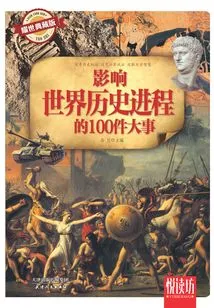
In order to help readers understand the process of world history in a short period of time and enrich their knowledge reserves, we have selected 100 landmark events from world history and Chinese history, covering politics, economy, culture, thought, military, science and technology, life and many other fields. These major events may be thrilling wars, far-reaching cultural changes, earth-shattering events that change dynasties, or earth-shaking political changes, etc.
In order to help readers understand the process of world history in a short period of time and enrich their knowledge reserves, we have selected 100 landmark events from world history and Chinese history, covering politics, economy, culture, thought, military, science and technology, life and many other fields. These major events may be thrilling wars, far-reaching cultural changes, earth-shattering events that change dynasties, or earth-shaking political changes, etc.
Habsburg Dynasty
History哈布斯堡王朝
(dutch) Peter Judson
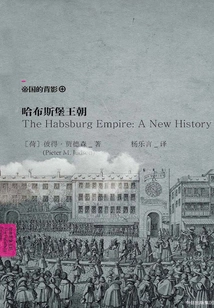
This book refuses to describe fragmented historical scenes. Instead, it puts the entire empire and its people at the center of the discussion, goes deep into the social thoughts of the time, and investigates this vast empire from the consciousness level. The system that bridged differences in various places, shortened geographical distances, and brought stability and meaning to the entire empire is the root of why the empire became an empire. The creative means the empire used to rule its vast territories and numerous peoples, as well as the thorny problems that it was unable to solve during its existence, left a long-lasting and indelible mark on the Central European countries that inherited the Habsburg legacy. The enlightenment brought to us by the Habsburg Dynasty is of great significance to how we understand the country and the nation. Especially for China, a multi-ethnic country, how we understand the Habsburg Dynasty will help us understand ourselves.
This book refuses to describe fragmented historical scenes. Instead, it puts the entire empire and its people at the center of the discussion, goes deep into the social thoughts of the time, and investigates this vast empire from the consciousness level. The system that bridged differences in various places, shortened geographical distances, and brought stability and meaning to the entire empire is the root of why the empire became an empire. The creative means the empire used to rule its vast territories and numerous peoples, as well as the thorny problems that it was unable to solve during its existence, left a long-lasting and indelible mark on the Central European countries that inherited the Habsburg legacy. The enlightenment brought to us by the Habsburg Dynasty is of great significance to how we understand the country and the nation. Especially for China, a multi-ethnic country, how we understand the Habsburg Dynasty will help us understand ourselves.
世界上下五千年(超值彩图版)
Wang Shenglian
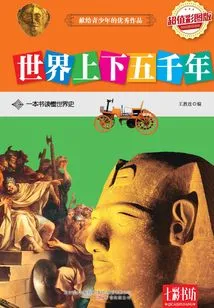
This book carefully selects hundreds of influential scientific stories to tell the history of the development and changes of science and technology in the world over five thousand years. The content includes scientific discoveries and scientific and technological inventions that have had a significant impact on mankind, covering many fields such as physics, chemistry, mathematics, astronomy, etc. It can help readers systematically learn scientific knowledge and improve scientific literacy. The book contains physical photos, on-site photos, hand-drawn illustrations, schematic diagrams, and more than a thousand pictures with a wide range of coverage and rich expressions, and vivid and smooth text. It turns the originally boring scientific knowledge into interesting narratives, helping readers to understand the knowledge of various subjects vividly and intuitively, and gain an unimaginable visual experience while reading.
This book carefully selects hundreds of influential scientific stories to tell the history of the development and changes of science and technology in the world over five thousand years. The content includes scientific discoveries and scientific and technological inventions that have had a significant impact on mankind, covering many fields such as physics, chemistry, mathematics, astronomy, etc. It can help readers systematically learn scientific knowledge and improve scientific literacy. The book contains physical photos, on-site photos, hand-drawn illustrations, schematic diagrams, and more than a thousand pictures with a wide range of coverage and rich expressions, and vivid and smooth text. It turns the originally boring scientific knowledge into interesting narratives, helping readers to understand the knowledge of various subjects vividly and intuitively, and gain an unimaginable visual experience while reading.
A Brief History of Türkiye
History土耳其简史
I
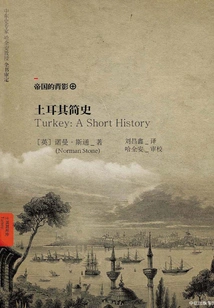
On April 16, 2017, Turkey's referendum on constitutional amendments ended. The people agreed to change the prime ministerial system to a presidential system, giving the president greater power, causing an uproar around the world. Why does a country's constitutional reform affect the world? What impact will the political changes in Türkiye have on world politics? The famous historian Norman Stone started writing 1,000 years ago and narrated the vicissitudes of Turkey's past. In a few words, he wrote from the Seljuks in Anatolia in the 11th century to Turkey's application to join the European Union in the 21st century, from the Ottoman Turkish Empire to the Republic of Turkey. He also made an in-depth analysis of the post-World War I Turkey that was full of turmoil and conflicts due to factors such as East and West, religion, tradition, and modernization, and even affected the country's positioning. Only by understanding Turkey's rise and fall, national awakening, religious resistance, etc. Can you understand why Turkey, a country at the junction of Europe and Asia, has become an "Eastern problem" in the past century.
On April 16, 2017, Turkey's referendum on constitutional amendments ended. The people agreed to change the prime ministerial system to a presidential system, giving the president greater power, causing an uproar around the world. Why does a country's constitutional reform affect the world? What impact will the political changes in Türkiye have on world politics? The famous historian Norman Stone started writing 1,000 years ago and narrated the vicissitudes of Turkey's past. In a few words, he wrote from the Seljuks in Anatolia in the 11th century to Turkey's application to join the European Union in the 21st century, from the Ottoman Turkish Empire to the Republic of Turkey. He also made an in-depth analysis of the post-World War I Turkey that was full of turmoil and conflicts due to factors such as East and West, religion, tradition, and modernization, and even affected the country's positioning. Only by understanding Turkey's rise and fall, national awakening, religious resistance, etc. Can you understand why Turkey, a country at the junction of Europe and Asia, has become an "Eastern problem" in the past century.
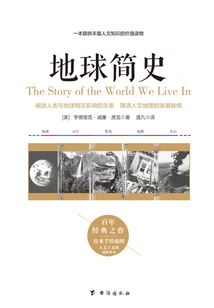
A Brief History of the Earth
History地球简史
Fanglong
This book is a geography book dedicated to Fanglong and different from the traditional meaning. It breaks the conventional way of writing geography books, closely adheres to the concept of "people", elevates human activities and importance to the first place, and focuses on the "pure human" side from beginning to end - science, art, business, religion and politics. It explains the relationship between people, geography and the earth from a historical perspective, and vividly interprets the concept of "human geography".
This book is a geography book dedicated to Fanglong and different from the traditional meaning. It breaks the conventional way of writing geography books, closely adheres to the concept of "people", elevates human activities and importance to the first place, and focuses on the "pure human" side from beginning to end - science, art, business, religion and politics. It explains the relationship between people, geography and the earth from a historical perspective, and vividly interprets the concept of "human geography".
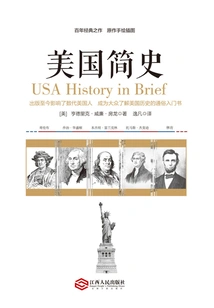
美国简史
Fanglong
Van Loon's book "A Brief History of the United States" is divided into 53 chapters, which covers the magnificent history of hundreds of years of changes in the North American continent from Columbus's discovery of the New World to the 1930s. This book is the most important work in Van Loon's life. It sold 200,000 copies in just 3 months after its publication in 1927. It has been selling well all over the world for 88 years and has influenced generations of Americans.
Van Loon's book "A Brief History of the United States" is divided into 53 chapters, which covers the magnificent history of hundreds of years of changes in the North American continent from Columbus's discovery of the New World to the 1930s. This book is the most important work in Van Loon's life. It sold 200,000 copies in just 3 months after its publication in 1927. It has been selling well all over the world for 88 years and has influenced generations of Americans.
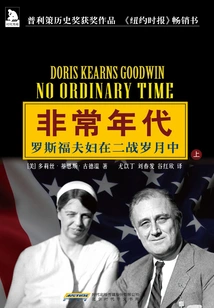
非常年代:罗斯福夫妇在二战岁月中
(u. S. A.) Doris Keens Goodwin, You Yiding, Liu Chunfa, Translated By Gu Hongxin
In this Pulitzer Prize-winning novel, Doris Keens Goodwin chronicles the triumphs of America and its First Family, who worked together, endured hardships, and ultimately achieved great things. Franklin Roosevelt and his country: In the midst of the most unprecedented economic depression, he entered the White House in a wheelchair and began an unprecedented four terms. From the famous Roosevelt New Deal to the Pearl Harbor incident, from the Atlantic Charter to the Yalta Conference, he led the United States to ultimately win the anti-fascist war. What runs through it are: his tenacity, bravery, strength, belief, commitment, vision, his extreme self-confidence, his appeal, his sense of timing, political skills and dedication, his idealism and realistic attitude; his loneliness, his weakness, his helplessness
In this Pulitzer Prize-winning novel, Doris Keens Goodwin chronicles the triumphs of America and its First Family, who worked together, endured hardships, and ultimately achieved great things. Franklin Roosevelt and his country: In the midst of the most unprecedented economic depression, he entered the White House in a wheelchair and began an unprecedented four terms. From the famous Roosevelt New Deal to the Pearl Harbor incident, from the Atlantic Charter to the Yalta Conference, he led the United States to ultimately win the anti-fascist war. What runs through it are: his tenacity, bravery, strength, belief, commitment, vision, his extreme self-confidence, his appeal, his sense of timing, political skills and dedication, his idealism and realistic attitude; his loneliness, his weakness, his helplessness
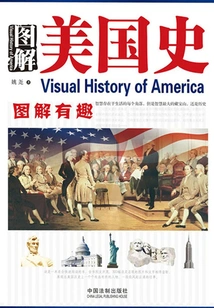
Illustrated American History
History图解美国史
Yao Yao
The history of the United States is a history of immigration, and it is also a history of development full of blood and violence. 300 Vivid pictures and texts complement each other, showing flesh-and-blood characters and turbulent past events in American history.
The history of the United States is a history of immigration, and it is also a history of development full of blood and violence. 300 Vivid pictures and texts complement each other, showing flesh-and-blood characters and turbulent past events in American history.
Illustrated World History
History图解世界史
Yao Yao Sharpens His Sword
A history of the world that takes you on a journey through the past, through the years, to feel the joys and sorrows of influential figures, and to experience the glorious moments of civilization. History is a one-way street to the future. Learn the history. Understand yourself and achieve a smarter life.
A history of the world that takes you on a journey through the past, through the years, to feel the joys and sorrows of influential figures, and to experience the glorious moments of civilization. History is a one-way street to the future. Learn the history. Understand yourself and achieve a smarter life.
The Awakening of National Tragedy: the 120th Anniversary of the Sino-japanese War of 1894-1894
History觉醒的国殇:甲午战争120年祭
Yuan Cunping
The main content of this book is to describe the Sino-Japanese War of 1894-1894, from the background of the war, the process of the war to the impact of the war, including the characters in the war, specific battles, comparison of personnel strength, every step of the war, etc. It vividly restores the situation of the war between the Qing Dynasty and the Japanese Empire more than a hundred years ago that is unforgettable for the world and unforgettable for China.
The main content of this book is to describe the Sino-Japanese War of 1894-1894, from the background of the war, the process of the war to the impact of the war, including the characters in the war, specific battles, comparison of personnel strength, every step of the war, etc. It vividly restores the situation of the war between the Qing Dynasty and the Japanese Empire more than a hundred years ago that is unforgettable for the world and unforgettable for China.
文艺复兴是什么(文艺复兴的故事01)
G
The Renaissance is an explosion of desire to see, want to know, and want to understand. In the form of a dialogue, this book describes the blooming flowers of the Renaissance through the author's virtual dialogue between two travelers wandering around the three cities of Florence, Rome, and Venice. It shows the charm of people who added glory to the era, such as Leonardo da Vinci, Frederick II, St. Francis, Cesare Borgia, etc. It passionately describes the 40-year Renaissance. It is undoubtedly the most exciting introductory book to understand this period of history.
The Renaissance is an explosion of desire to see, want to know, and want to understand. In the form of a dialogue, this book describes the blooming flowers of the Renaissance through the author's virtual dialogue between two travelers wandering around the three cities of Florence, Rome, and Venice. It shows the charm of people who added glory to the era, such as Leonardo da Vinci, Frederick II, St. Francis, Cesare Borgia, etc. It passionately describes the 40-year Renaissance. It is undoubtedly the most exciting introductory book to understand this period of history.
地中海的衰落
(u. S.) J. H. Breasted
The Mediterranean is the oldest ocean on earth and the most famous home and battlefield in the journey of human civilization. The ancient European ancestors took nearly 4,000 years to create the glorious Mediterranean civilization. The kings of the great empires of Egypt, Babylon, Greece, and Rome created countless immortal legends for the entire world. The conflict and integration between the Indo-Europeans on the northern coast of the Mediterranean and the Semites on the southern coast also established the basic trend for the development of the entire Western civilization.
The Mediterranean is the oldest ocean on earth and the most famous home and battlefield in the journey of human civilization. The ancient European ancestors took nearly 4,000 years to create the glorious Mediterranean civilization. The kings of the great empires of Egypt, Babylon, Greece, and Rome created countless immortal legends for the entire world. The conflict and integration between the Indo-Europeans on the northern coast of the Mediterranean and the Semites on the southern coast also established the basic trend for the development of the entire Western civilization.
给大家看的全球通史
Fanglong
In "A General History of the World for Everyone", Fang Long shows readers a magnificent picture of human civilization: Millions of years ago, our first "humanoid" ancestors appeared on the wild earth, making stone tools, learning to plant, and following the flow of time into the origin of civilization - the Egyptian and Mesopotamian civilizations. Then, the pace of human history suddenly accelerated, from the Mesopotamia to the Mediterranean coast, from the glory of ancient Greece and Rome to the rise of religion, from the Middle Ages to the Renaissance, from the geographical discovery to the first industrial revolution, from Napoleon to Hitler, from the past Going to the future... This is a grand brief history of mankind. Reading it will make you sigh, be excited, and think deeply; it is a historical drama with flesh and blood. You can overlook the endless flow of the river of history, and you can also observe the wonder and beauty of each wave.
In "A General History of the World for Everyone", Fang Long shows readers a magnificent picture of human civilization: Millions of years ago, our first "humanoid" ancestors appeared on the wild earth, making stone tools, learning to plant, and following the flow of time into the origin of civilization - the Egyptian and Mesopotamian civilizations. Then, the pace of human history suddenly accelerated, from the Mesopotamia to the Mediterranean coast, from the glory of ancient Greece and Rome to the rise of religion, from the Middle Ages to the Renaissance, from the geographical discovery to the first industrial revolution, from Napoleon to Hitler, from the past Going to the future... This is a grand brief history of mankind. Reading it will make you sigh, be excited, and think deeply; it is a historical drama with flesh and blood. You can overlook the endless flow of the river of history, and you can also observe the wonder and beauty of each wave.
日本·军鉴001:萨长政权
Zhiwen Junjian Studio
This book starts from popular culture or popular social events with Japanese characteristics such as movies, Japanese dramas, animations, and tourism, and examines the military, political strategy, and other exciting contents of Japanese history behind the hot spots.
This book starts from popular culture or popular social events with Japanese characteristics such as movies, Japanese dramas, animations, and tourism, and examines the military, political strategy, and other exciting contents of Japanese history behind the hot spots.
General History of the World
History世界通史
Zhu Ya'e
This book divides the development of human history into different periods with wide scope and important historical significance in chronological order, and introduces the development process of various major fields in the stages of human origin, ancient civilization, Renaissance, bourgeois revolution, etc.
This book divides the development of human history into different periods with wide scope and important historical significance in chronological order, and introduces the development process of various major fields in the stages of human origin, ancient civilization, Renaissance, bourgeois revolution, etc.
世界上下五千年 大全集
Zhai Wenming
This book is a classic historical book that is suitable for both refined and popular tastes and suitable for all ages. It is deeply loved by readers for its unique style and rich knowledge. It has been a best-seller to this day and has become one of the most widely circulated historical books in my country. The book is arranged in chronological order and selects major events, influential figures, brilliant achievements, and splendid culture in world history. It is divided into nine chapters: ancient civilizations, warring empires, the Middle Ages, the Renaissance, the bourgeois revolution, the changes brought about by the industrial revolution, the clouds of war, the Cold War period, and the new world pattern. It vividly reproduces the magnificence and changes of world history. Through the organic combination of comprehensive content, concise text, exquisite pictures, scientific style, innovative design and other elements, this book interprets world history in an all-round, new perspective and multi-level, making this classic reading reach a new level in terms of authenticity, interest and inspiration. It helps readers draw insights from history, deepen and expand their life experience, so that they can have an in-depth understanding of history, feel and think about history from different angles and new levels.
This book is a classic historical book that is suitable for both refined and popular tastes and suitable for all ages. It is deeply loved by readers for its unique style and rich knowledge. It has been a best-seller to this day and has become one of the most widely circulated historical books in my country. The book is arranged in chronological order and selects major events, influential figures, brilliant achievements, and splendid culture in world history. It is divided into nine chapters: ancient civilizations, warring empires, the Middle Ages, the Renaissance, the bourgeois revolution, the changes brought about by the industrial revolution, the clouds of war, the Cold War period, and the new world pattern. It vividly reproduces the magnificence and changes of world history. Through the organic combination of comprehensive content, concise text, exquisite pictures, scientific style, innovative design and other elements, this book interprets world history in an all-round, new perspective and multi-level, making this classic reading reach a new level in terms of authenticity, interest and inspiration. It helps readers draw insights from history, deepen and expand their life experience, so that they can have an in-depth understanding of history, feel and think about history from different angles and new levels.
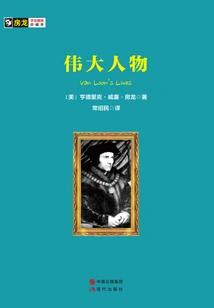
Great Man
History伟大人物
(us) Hendrick Wilhelm Fanglong, Translated By Chang Shaomin
This book brings together the world's greatest politicians, military strategists, thinkers, artists, and musicians. Fang Long uses relaxed and humorous language to present their life achievements to the public, making readers feel like they are experiencing a visual feast!
This book brings together the world's greatest politicians, military strategists, thinkers, artists, and musicians. Fang Long uses relaxed and humorous language to present their life achievements to the public, making readers feel like they are experiencing a visual feast!
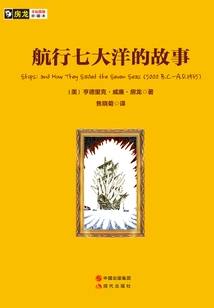
航行七大洋的故事
Fanglong
This book tells the story of how human beings moved from land to sea, conquered the ocean, and achieved the magnificent process of geographical discovery, as well as the sea life of sailors, how navigation technology was improved, etc. In this process, humans have shown great courage and heroic spirit in conquering nature.
This book tells the story of how human beings moved from land to sea, conquered the ocean, and achieved the magnificent process of geographical discovery, as well as the sea life of sailors, how navigation technology was improved, etc. In this process, humans have shown great courage and heroic spirit in conquering nature.
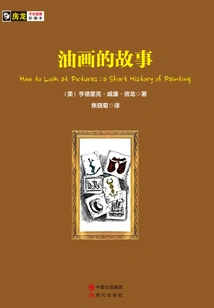
The Story of Oil Painting
History油画的故事
Fanglong
This book tells the origin and development of oil painting in human history, the stories of those oil painting masters, and the history and knowledge contained in oil painting. Through oil paintings one after another, knowledge is no longer boring, history becomes more vivid, and begins to flow vividly in front of readers' eyes.
This book tells the origin and development of oil painting in human history, the stories of those oil painting masters, and the history and knowledge contained in oil painting. Through oil paintings one after another, knowledge is no longer boring, history becomes more vivid, and begins to flow vividly in front of readers' eyes.
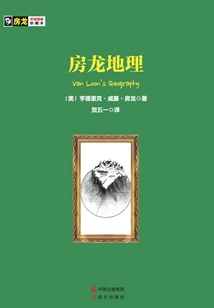
Fanglong Geography
History房龙地理
Fanglong
This is not an ordinary geography book. It breaks the writing method of conventional geography books, closely adheres to the concept of "people", elevates human activities and importance to the first place, and focuses on the "pure human" side from beginning to end. It explains the relationship between people, geography and the earth from a historical perspective, and vividly interprets the concept of "human geography".
This is not an ordinary geography book. It breaks the writing method of conventional geography books, closely adheres to the concept of "people", elevates human activities and importance to the first place, and focuses on the "pure human" side from beginning to end. It explains the relationship between people, geography and the earth from a historical perspective, and vividly interprets the concept of "human geography".