Library
Browse and search books
2,273 novels found
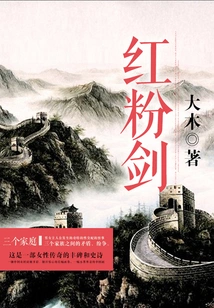
Pink Sword
General Fiction红粉剑
Big Wood
The novel takes Tiantang Town as the main background and describes the conflicts and disputes between three families in the rural town of Tiantang Town. The strange sexual mating events that took place between the heroes and heroines of the three families were just such an unusual and strange act of mating between men and women, and they gave birth to a number of legendary children. Scenes of thrilling dramas were staged: strange and wonderful stories about three women, "she", "you" and "me", a swordsmanship competition in which a woman disguised herself as a man, brothers who had different political views and turned against each other, and a girl with a pink sword. All of them possess special skills... The Great Revolution, the fight against the Japanese aggressors, the civil war between the Kuomintang and the Communist Party, etc. The works have successfully created many female images such as Zheng Xingjian, Chen Yuyao, Zheng Yingqiu, Liu Yuxiu, Xu Dongmei, Luo Hongfeng, Zhang Lianghua, etc. The strange sexual mating happenings between the male and female protagonists of the three families, the conflicts and disputes between the three families.
The novel takes Tiantang Town as the main background and describes the conflicts and disputes between three families in the rural town of Tiantang Town. The strange sexual mating events that took place between the heroes and heroines of the three families were just such an unusual and strange act of mating between men and women, and they gave birth to a number of legendary children. Scenes of thrilling dramas were staged: strange and wonderful stories about three women, "she", "you" and "me", a swordsmanship competition in which a woman disguised herself as a man, brothers who had different political views and turned against each other, and a girl with a pink sword. All of them possess special skills... The Great Revolution, the fight against the Japanese aggressors, the civil war between the Kuomintang and the Communist Party, etc. The works have successfully created many female images such as Zheng Xingjian, Chen Yuyao, Zheng Yingqiu, Liu Yuxiu, Xu Dongmei, Luo Hongfeng, Zhang Lianghua, etc. The strange sexual mating happenings between the male and female protagonists of the three families, the conflicts and disputes between the three families.
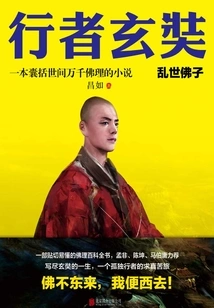
Traveler Xuanzang 1: a Buddhist Disciple in Troubled Times
General Fiction行者玄奘1:乱世佛子
Chang Ru
Xuanzang, commonly known as Chen Yi, was born in an official family in Guanzhong. In the eighth year of the great cause, the imperial court issued an order to ordain fourteen monks in Luoyang. Eleven-year-old Chen Yi used his own way to get the opportunity and was ordained as a novice monk, with the Buddhist name Xuanzang. At the end of the Sui Dynasty, all heroes came together, and famine spread in Luoyang, which was at the cusp of the storm. Nine out of ten houses were empty. Xuanzang began to study all over the world, worshiped famous teachers, and became a famous young monk. At the same time, he also accumulated more and more confusions and questions. When no one could answer his questions, Xuanzang set his sights on Tianzhu. 17 Years, 56 countries, 110 cities, 1,335 volumes of scriptures, 50,000 miles = Xuanzang's westward journey. The emerging Tang Dynasty, the Turks on horseback, the mysterious Central Asia, and India where various ideas collided... They were all revealed in Xuanzang's journey of seeking truth, which made him the greatest adventure in the history of human hiking.
Xuanzang, commonly known as Chen Yi, was born in an official family in Guanzhong. In the eighth year of the great cause, the imperial court issued an order to ordain fourteen monks in Luoyang. Eleven-year-old Chen Yi used his own way to get the opportunity and was ordained as a novice monk, with the Buddhist name Xuanzang. At the end of the Sui Dynasty, all heroes came together, and famine spread in Luoyang, which was at the cusp of the storm. Nine out of ten houses were empty. Xuanzang began to study all over the world, worshiped famous teachers, and became a famous young monk. At the same time, he also accumulated more and more confusions and questions. When no one could answer his questions, Xuanzang set his sights on Tianzhu. 17 Years, 56 countries, 110 cities, 1,335 volumes of scriptures, 50,000 miles = Xuanzang's westward journey. The emerging Tang Dynasty, the Turks on horseback, the mysterious Central Asia, and India where various ideas collided... They were all revealed in Xuanzang's journey of seeking truth, which made him the greatest adventure in the history of human hiking.
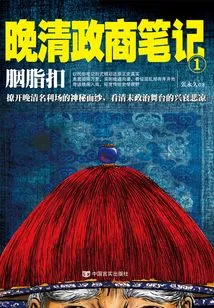
晚清政商笔记1:胭脂扣
Zhang Jiongjiu
This book carefully combs out some anecdotes and biographies about the political and business figures of the late Qing Dynasty from the vast history of the Qing Dynasty. It is a collection of short stories structured in the form of a notebook novel. It covers a wide range of topics, including plants, trees, insects, fish, customs, love legends, jokes, anecdotes, etc. Writers write notes with a historian's attitude, often flaunting the accuracy of their notes, with a strong flavor of folk literature.
This book carefully combs out some anecdotes and biographies about the political and business figures of the late Qing Dynasty from the vast history of the Qing Dynasty. It is a collection of short stories structured in the form of a notebook novel. It covers a wide range of topics, including plants, trees, insects, fish, customs, love legends, jokes, anecdotes, etc. Writers write notes with a historian's attitude, often flaunting the accuracy of their notes, with a strong flavor of folk literature.
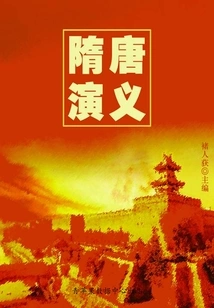
Romance of Sui and Tang Dynasties
General Fiction隋唐演义
Chu Ren Won The Title Of Editor-in-chief
"The Romance of the Sui and Tang Dynasties" is a long historical romance novel of the Qing Dynasty, with a total of one hundred chapters and more than 700,000 words. It is a novel with dual characteristics of heroic legend and historical romance. Taking the peasant uprising at the end of the Sui Dynasty as the background of the story, it tells a historical romance about the fall of the Sui Dynasty and the establishment of the Tang Dynasty. The characters in the novel have distinctive personalities and the storyline is popular.
"The Romance of the Sui and Tang Dynasties" is a long historical romance novel of the Qing Dynasty, with a total of one hundred chapters and more than 700,000 words. It is a novel with dual characteristics of heroic legend and historical romance. Taking the peasant uprising at the end of the Sui Dynasty as the background of the story, it tells a historical romance about the fall of the Sui Dynasty and the establishment of the Tang Dynasty. The characters in the novel have distinctive personalities and the storyline is popular.
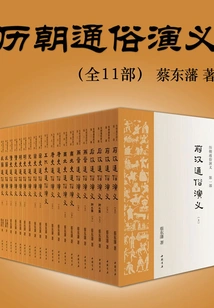
Popular Romance of the Past Dynasties (11 in Total)
General Fiction历朝通俗演义(全11部)
Cai Dongfan
With more than 2,000 years of history from the Qin Dynasty to the Republic of China, Cai Dongfan used official history as the classic and anecdotes as the weft, and used the language of "The Romance of the Three Kingdoms", which is not very profound in writing and not very vulgar in language, to write this most complete set of historical novels in China. From the creation of "Popular Romance of Qing History" in 1915 to the publication of "Popular Romance of Later Han Dynasty" in 1926, the entire set of "Popular Romance of Historical Dynasties" took ten years to complete. In addition to being very story-telling and interesting, this set of novels also attaches great importance to the authenticity of historical materials. Not only can it be used as a general leisure reading, but it can also be used as a reference book for history lovers.
With more than 2,000 years of history from the Qin Dynasty to the Republic of China, Cai Dongfan used official history as the classic and anecdotes as the weft, and used the language of "The Romance of the Three Kingdoms", which is not very profound in writing and not very vulgar in language, to write this most complete set of historical novels in China. From the creation of "Popular Romance of Qing History" in 1915 to the publication of "Popular Romance of Later Han Dynasty" in 1926, the entire set of "Popular Romance of Historical Dynasties" took ten years to complete. In addition to being very story-telling and interesting, this set of novels also attaches great importance to the authenticity of historical materials. Not only can it be used as a general leisure reading, but it can also be used as a reference book for history lovers.
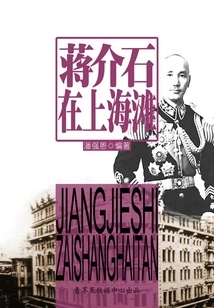
中国现代史演义 蒋介石在上海滩
Compiled By Pan Qiangen
"Chiang Kai-shek on the Bund" is one of the series of "Romance of Modern Chinese History". The whole book describes Chiang Kai-shek's stormy waves in Shanghai in the history of China in the form of a novel.
"Chiang Kai-shek on the Bund" is one of the series of "Romance of Modern Chinese History". The whole book describes Chiang Kai-shek's stormy waves in Shanghai in the history of China in the form of a novel.
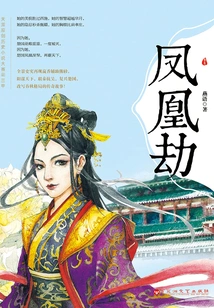
Phoenix Tribulation
General Fiction凤凰劫
Yan Language
This book tells the extremely tortuous legendary story of a peerless beauty in Chinese history. During the Spring and Autumn Period, Ying Xiang, the favored daughter of Duke Ai of Qin, married away from the Kingdom of Chu. Because of her peerless beauty, Prince Chu Jingping took away his daughter-in-law and made her his wife. From then on, it caused endless troubles to the Chu State. Prince Jian died tragically of Zheng Guo. Wu Zixu's entire family was killed, and he borrowed troops from King Helu of Wu to attack Chu. Sun Wu, the sage of war, and Wu Zixu, the god of war, led the elite divisions of the Wu state to destroy the then powerful state of Chu. With his extraordinary wisdom, Ying Xiang resurrected the Chu State from the ashes and once again stood among the powerful nations.
This book tells the extremely tortuous legendary story of a peerless beauty in Chinese history. During the Spring and Autumn Period, Ying Xiang, the favored daughter of Duke Ai of Qin, married away from the Kingdom of Chu. Because of her peerless beauty, Prince Chu Jingping took away his daughter-in-law and made her his wife. From then on, it caused endless troubles to the Chu State. Prince Jian died tragically of Zheng Guo. Wu Zixu's entire family was killed, and he borrowed troops from King Helu of Wu to attack Chu. Sun Wu, the sage of war, and Wu Zixu, the god of war, led the elite divisions of the Wu state to destroy the then powerful state of Chu. With his extraordinary wisdom, Ying Xiang resurrected the Chu State from the ashes and once again stood among the powerful nations.
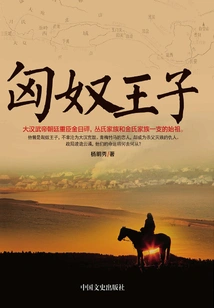
Hun Prince
General Fiction匈奴王子
Yang Mingxiu
Jin Ribei, an important official in the court of Emperor Wu of the Han Dynasty, the ancestor of the Cong family and the Jin family. He was once a prince of the Huns, but unfortunately became a slave of the Han Dynasty. The childhood sweetheart turned into an enemy who killed his father and exterminated his family. The political situation is turbulent, where will their fate go?
Jin Ribei, an important official in the court of Emperor Wu of the Han Dynasty, the ancestor of the Cong family and the Jin family. He was once a prince of the Huns, but unfortunately became a slave of the Han Dynasty. The childhood sweetheart turned into an enemy who killed his father and exterminated his family. The political situation is turbulent, where will their fate go?
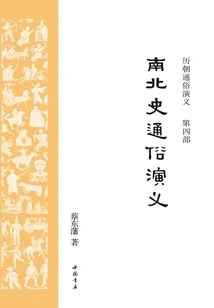
Popular Romance of Northern and Southern History (popular Romance of Historical Dynasties)
General Fiction南北史通俗演义(历朝通俗演义)
Cai Dongfan
With more than 2,000 years of history from the Qin Dynasty to the Republic of China, Cai Dongfan used official history as the classic and anecdotes as the weft, and used the language of "The Romance of the Three Kingdoms", which is not very profound in writing and not very vulgar in language, to write this most complete set of historical novels in China. From the creation of "Popular Romance of Qing History" in 1915 to the publication of "Popular Romance of Later Han Dynasty" in 1929, the entire set of "Popular Romance of Historical Dynasties" took ten years to complete. In addition to being very story-telling and interesting, this set of novels also attaches great importance to the authenticity of historical materials. Not only can it be used as a general leisure reading, but it can also be used as a reference book for history lovers.
With more than 2,000 years of history from the Qin Dynasty to the Republic of China, Cai Dongfan used official history as the classic and anecdotes as the weft, and used the language of "The Romance of the Three Kingdoms", which is not very profound in writing and not very vulgar in language, to write this most complete set of historical novels in China. From the creation of "Popular Romance of Qing History" in 1915 to the publication of "Popular Romance of Later Han Dynasty" in 1929, the entire set of "Popular Romance of Historical Dynasties" took ten years to complete. In addition to being very story-telling and interesting, this set of novels also attaches great importance to the authenticity of historical materials. Not only can it be used as a general leisure reading, but it can also be used as a reference book for history lovers.
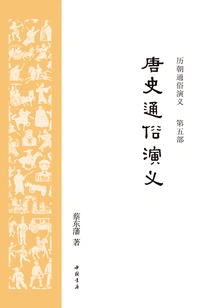
唐史通俗演义(历朝通俗演义)
Cai Dongfan
With more than 2,000 years of history from the Qin Dynasty to the Republic of China, Cai Dongfan used official history as the classic and anecdotes as the weft, and used the language of "The Romance of the Three Kingdoms", which is not very profound in writing and not very vulgar in language, to write this most complete set of historical novels in China. From the creation of "Popular Romance of Qing History" in 1915 to the publication of "Popular Romance of Later Han Dynasty" in 1930, the entire set of "Popular Romance of Historical Dynasties" took ten years to complete. In addition to being very story-telling and interesting, this set of novels also attaches great importance to the authenticity of historical materials. Not only can it be used as a general leisure reading, but it can also be used as a reference book for history lovers.
With more than 2,000 years of history from the Qin Dynasty to the Republic of China, Cai Dongfan used official history as the classic and anecdotes as the weft, and used the language of "The Romance of the Three Kingdoms", which is not very profound in writing and not very vulgar in language, to write this most complete set of historical novels in China. From the creation of "Popular Romance of Qing History" in 1915 to the publication of "Popular Romance of Later Han Dynasty" in 1930, the entire set of "Popular Romance of Historical Dynasties" took ten years to complete. In addition to being very story-telling and interesting, this set of novels also attaches great importance to the authenticity of historical materials. Not only can it be used as a general leisure reading, but it can also be used as a reference book for history lovers.
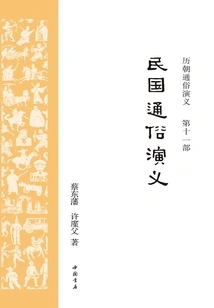
民国通俗演义(历朝通俗演义)
Cai Dongfan
With more than 2,000 years of history from the Qin Dynasty to the Republic of China, Cai Dongfan used official history as the classic and anecdotes as the weft, and used the language of "The Romance of the Three Kingdoms", which is not very profound in writing and not very vulgar in language, to write this most complete set of historical novels in China. From the creation of "Popular Romance of Qing History" in 1915 to the publication of "Popular Romance of Later Han Dynasty" in 1936, the entire set of "Popular Romance of Historical Dynasties" took ten years to complete. In addition to being very story-telling and interesting, this set of novels also attaches great importance to the authenticity of historical materials. Not only can it be used as a general leisure reading, but it can also be used as a reference book for history lovers.
With more than 2,000 years of history from the Qin Dynasty to the Republic of China, Cai Dongfan used official history as the classic and anecdotes as the weft, and used the language of "The Romance of the Three Kingdoms", which is not very profound in writing and not very vulgar in language, to write this most complete set of historical novels in China. From the creation of "Popular Romance of Qing History" in 1915 to the publication of "Popular Romance of Later Han Dynasty" in 1936, the entire set of "Popular Romance of Historical Dynasties" took ten years to complete. In addition to being very story-telling and interesting, this set of novels also attaches great importance to the authenticity of historical materials. Not only can it be used as a general leisure reading, but it can also be used as a reference book for history lovers.
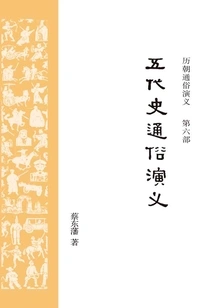
Popular Romance of the Five Dynasties History (popular Romance of the Past Dynasties)
General Fiction五代史通俗演义(历朝通俗演义)
Cai Dongfan
With more than 2,000 years of history from the Qin Dynasty to the Republic of China, Cai Dongfan used official history as the classic and anecdotes as the weft, and used the language of "The Romance of the Three Kingdoms", which is not very profound in writing and not very vulgar in language, to write this most complete set of historical novels in China. From the creation of "Popular Romance of Qing History" in 1915 to the publication of "Popular Romance of Later Han Dynasty" in 1931, the entire set of "Popular Romance of Historical Dynasties" took ten years to complete. In addition to being very story-telling and interesting, this set of novels also attaches great importance to the authenticity of historical materials. Not only can it be used as a general leisure reading, but it can also be used as a reference book for history lovers.
With more than 2,000 years of history from the Qin Dynasty to the Republic of China, Cai Dongfan used official history as the classic and anecdotes as the weft, and used the language of "The Romance of the Three Kingdoms", which is not very profound in writing and not very vulgar in language, to write this most complete set of historical novels in China. From the creation of "Popular Romance of Qing History" in 1915 to the publication of "Popular Romance of Later Han Dynasty" in 1931, the entire set of "Popular Romance of Historical Dynasties" took ten years to complete. In addition to being very story-telling and interesting, this set of novels also attaches great importance to the authenticity of historical materials. Not only can it be used as a general leisure reading, but it can also be used as a reference book for history lovers.
后汉通俗演义(历朝通俗演义)
Cai Dongfan
With more than 2,000 years of history from the Qin Dynasty to the Republic of China, Cai Dongfan used official history as the classic and anecdotes as the weft, and used the language of "The Romance of the Three Kingdoms", which is not very profound in writing and not very vulgar in language, to write this most complete set of historical novels in China. From the creation of "Popular Romance of Qing History" in 1915 to the publication of "Popular Romance of Later Han Dynasty" in 1927, the entire set of "Popular Romance of Historical Dynasties" took ten years to complete. In addition to being very story-telling and interesting, this set of novels also attaches great importance to the authenticity of historical materials. Not only can it be used as a general leisure reading, but it can also be used as a reference book for history lovers.
With more than 2,000 years of history from the Qin Dynasty to the Republic of China, Cai Dongfan used official history as the classic and anecdotes as the weft, and used the language of "The Romance of the Three Kingdoms", which is not very profound in writing and not very vulgar in language, to write this most complete set of historical novels in China. From the creation of "Popular Romance of Qing History" in 1915 to the publication of "Popular Romance of Later Han Dynasty" in 1927, the entire set of "Popular Romance of Historical Dynasties" took ten years to complete. In addition to being very story-telling and interesting, this set of novels also attaches great importance to the authenticity of historical materials. Not only can it be used as a general leisure reading, but it can also be used as a reference book for history lovers.
两晋通俗演义(历朝通俗演义)
Cai Dongfan
With more than 2,000 years of history from the Qin Dynasty to the Republic of China, Cai Dongfan used official history as the classic and anecdotes as the weft, and used the language of "The Romance of the Three Kingdoms", which is not very profound in writing and not very vulgar in language, to write this most complete set of historical novels in China. From the creation of "Popular Romance of Qing History" in 1915 to the publication of "Popular Romance of Later Han Dynasty" in 1928, the entire set of "Popular Romance of Historical Dynasties" took ten years to complete. In addition to being very story-telling and interesting, this set of novels also attaches great importance to the authenticity of historical materials. Not only can it be used as a general leisure reading, but it can also be used as a reference book for history lovers.
With more than 2,000 years of history from the Qin Dynasty to the Republic of China, Cai Dongfan used official history as the classic and anecdotes as the weft, and used the language of "The Romance of the Three Kingdoms", which is not very profound in writing and not very vulgar in language, to write this most complete set of historical novels in China. From the creation of "Popular Romance of Qing History" in 1915 to the publication of "Popular Romance of Later Han Dynasty" in 1928, the entire set of "Popular Romance of Historical Dynasties" took ten years to complete. In addition to being very story-telling and interesting, this set of novels also attaches great importance to the authenticity of historical materials. Not only can it be used as a general leisure reading, but it can also be used as a reference book for history lovers.
宋史通俗演义(历朝通俗演义)
Cai Dongfan
With more than 2,000 years of history from the Qin Dynasty to the Republic of China, Cai Dongfan used official history as the classic and anecdotes as the weft, and used the language of "The Romance of the Three Kingdoms", which is not very profound in writing and not very vulgar in language, to write this most complete set of historical novels in China. From the creation of "Popular Romance of Qing History" in 1915 to the publication of "Popular Romance of Later Han Dynasty" in 1932, the entire set of "Popular Romance of Historical Dynasties" took ten years to complete. In addition to being very story-telling and interesting, this set of novels also attaches great importance to the authenticity of historical materials. Not only can it be used as a general leisure reading, but it can also be used as a reference book for history lovers.
With more than 2,000 years of history from the Qin Dynasty to the Republic of China, Cai Dongfan used official history as the classic and anecdotes as the weft, and used the language of "The Romance of the Three Kingdoms", which is not very profound in writing and not very vulgar in language, to write this most complete set of historical novels in China. From the creation of "Popular Romance of Qing History" in 1915 to the publication of "Popular Romance of Later Han Dynasty" in 1932, the entire set of "Popular Romance of Historical Dynasties" took ten years to complete. In addition to being very story-telling and interesting, this set of novels also attaches great importance to the authenticity of historical materials. Not only can it be used as a general leisure reading, but it can also be used as a reference book for history lovers.
Qin Shihuang
General Fiction秦始皇
Hu Gaopu
In 246 BC, Zhao Zheng ascended the throne and became king. The Six-Nation Alliance attacked Qin and Cheng Jiao rebelled, targeting him and Lu Buwei, but they were all put down by him. Later, he still played hard to get, cleverly broke the net, killed Lao Ai, put down a palace civil strife, and left Lu Buwei in the cold. After that, he sent troops to destroy Korea and kicked off the unification war. In the twenty-sixth year of the Qin Dynasty, the Qin State destroyed Qi, and now the whole world belonged to Qin. This book reproduces the magnificent life of Qin Shihuang with mixed successes and failures. The story is majestic, the plot climaxes one after another, and the ending is breathtaking, vividly showing readers the true character of Ying Zheng's generation of overlords. The author also brilliantly interprets a splendid history with a humanistic touch, and successfully outlines the extraordinary emotional world of Qin Shihuang.
In 246 BC, Zhao Zheng ascended the throne and became king. The Six-Nation Alliance attacked Qin and Cheng Jiao rebelled, targeting him and Lu Buwei, but they were all put down by him. Later, he still played hard to get, cleverly broke the net, killed Lao Ai, put down a palace civil strife, and left Lu Buwei in the cold. After that, he sent troops to destroy Korea and kicked off the unification war. In the twenty-sixth year of the Qin Dynasty, the Qin State destroyed Qi, and now the whole world belonged to Qin. This book reproduces the magnificent life of Qin Shihuang with mixed successes and failures. The story is majestic, the plot climaxes one after another, and the ending is breathtaking, vividly showing readers the true character of Ying Zheng's generation of overlords. The author also brilliantly interprets a splendid history with a humanistic touch, and successfully outlines the extraordinary emotional world of Qin Shihuang.
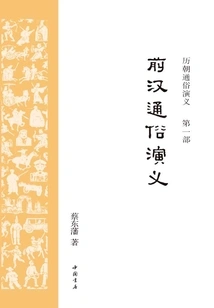
前汉通俗演义(历朝通俗演义)
Cai Dongfan
With more than 2,000 years of history from the Qin Dynasty to the Republic of China, Cai Dongfan used official history as the classic and anecdotes as the weft, and used the language of "The Romance of the Three Kingdoms", which is not very profound in writing and not very vulgar in language, to write this most complete set of historical novels in China. From the creation of "Popular Romance of Qing History" in 1915 to the publication of "Popular Romance of Later Han Dynasty" in 1926, the entire set of "Popular Romance of Historical Dynasties" took ten years to complete. In addition to being very story-telling and interesting, this set of novels also attaches great importance to the authenticity of historical materials. Not only can it be used as a general leisure reading, but it can also be used as a reference book for history lovers.
With more than 2,000 years of history from the Qin Dynasty to the Republic of China, Cai Dongfan used official history as the classic and anecdotes as the weft, and used the language of "The Romance of the Three Kingdoms", which is not very profound in writing and not very vulgar in language, to write this most complete set of historical novels in China. From the creation of "Popular Romance of Qing History" in 1915 to the publication of "Popular Romance of Later Han Dynasty" in 1926, the entire set of "Popular Romance of Historical Dynasties" took ten years to complete. In addition to being very story-telling and interesting, this set of novels also attaches great importance to the authenticity of historical materials. Not only can it be used as a general leisure reading, but it can also be used as a reference book for history lovers.
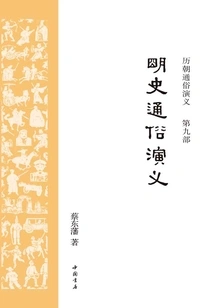
明史通俗演义(历朝通俗演义)
Cai Dongfan
With more than 2,000 years of history from the Qin Dynasty to the Republic of China, Cai Dongfan used official history as the classic and anecdotes as the weft, and used the language of "The Romance of the Three Kingdoms", which is not very profound in writing and not very vulgar in language, to write this most complete set of historical novels in China. From the creation of "Popular Romance of Qing History" in 1915 to the publication of "Popular Romance of Later Han Dynasty" in 1934, the entire set of "Popular Romance of Historical Dynasties" took ten years to complete. In addition to being very story-telling and interesting, this set of novels also attaches great importance to the authenticity of historical materials. Not only can it be used as a general leisure reading, but it can also be used as a reference book for history lovers.
With more than 2,000 years of history from the Qin Dynasty to the Republic of China, Cai Dongfan used official history as the classic and anecdotes as the weft, and used the language of "The Romance of the Three Kingdoms", which is not very profound in writing and not very vulgar in language, to write this most complete set of historical novels in China. From the creation of "Popular Romance of Qing History" in 1915 to the publication of "Popular Romance of Later Han Dynasty" in 1934, the entire set of "Popular Romance of Historical Dynasties" took ten years to complete. In addition to being very story-telling and interesting, this set of novels also attaches great importance to the authenticity of historical materials. Not only can it be used as a general leisure reading, but it can also be used as a reference book for history lovers.
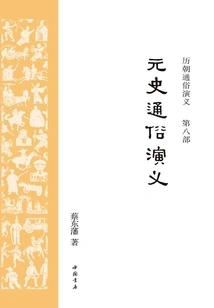
元史通俗演义(历朝通俗演义)
Cai Dongfan
With more than 2,000 years of history from the Qin Dynasty to the Republic of China, Cai Dongfan used official history as the classic and anecdotes as the weft, and used the language of "The Romance of the Three Kingdoms", which is not very profound in writing and not very vulgar in language, to write this most complete set of historical novels in China. From the creation of "Popular Romance of Qing History" in 1915 to the publication of "Popular Romance of Later Han Dynasty" in 1933, the entire set of "Popular Romance of Historical Dynasties" took ten years to complete. In addition to being very story-telling and interesting, this set of novels also attaches great importance to the authenticity of historical materials. Not only can it be used as a general leisure reading, but it can also be used as a reference book for history lovers.
With more than 2,000 years of history from the Qin Dynasty to the Republic of China, Cai Dongfan used official history as the classic and anecdotes as the weft, and used the language of "The Romance of the Three Kingdoms", which is not very profound in writing and not very vulgar in language, to write this most complete set of historical novels in China. From the creation of "Popular Romance of Qing History" in 1915 to the publication of "Popular Romance of Later Han Dynasty" in 1933, the entire set of "Popular Romance of Historical Dynasties" took ten years to complete. In addition to being very story-telling and interesting, this set of novels also attaches great importance to the authenticity of historical materials. Not only can it be used as a general leisure reading, but it can also be used as a reference book for history lovers.
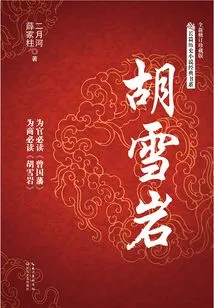
Hu Xueyan (newly Revised Collector's Edition)
General Fiction胡雪岩(全新修订珍藏版)
Er Er He Xue Jiazhu
After Er Er He has been dormant for several years, it is another masterpiece created in collaboration with the famous writer Xue Jiazhu. Using the author's usual historical novel writing style, it is a new interpretation of the business methods of red-top businessman Hu Xueyan from scratch, from childhood to adulthood. It not only shows the ups and downs of the officialdom and the political changes in the late Qing Dynasty, but also shows Hu Xueyan's wisdom and strategies as he traveled across the political and business circles. This book restores Hu Xueyan from a "god" to a flesh-and-blood person, which has great reference significance for contemporary businessmen and businessmen!
After Er Er He has been dormant for several years, it is another masterpiece created in collaboration with the famous writer Xue Jiazhu. Using the author's usual historical novel writing style, it is a new interpretation of the business methods of red-top businessman Hu Xueyan from scratch, from childhood to adulthood. It not only shows the ups and downs of the officialdom and the political changes in the late Qing Dynasty, but also shows Hu Xueyan's wisdom and strategies as he traveled across the political and business circles. This book restores Hu Xueyan from a "god" to a flesh-and-blood person, which has great reference significance for contemporary businessmen and businessmen!
Zuo Zongtang (complete Works)
General Fiction左宗棠(全集)
Zhang Hongfu
The unyielding hawk of the empire and the unbreakable backbone of the late Qing Dynasty. China cannot live without Hunan for a day, and Hunan cannot live without Zuo Zongtang for a day. Hirobumi Ito, the first Prime Minister of Japan, praised, "The Qing Empire has people who are capable of competing with the world's great powers." Zuo Zongtang was an important minister of the late Qing Dynasty, a strategist, a politician, a famous general of the Hunan Army, and the leader of the Westernization Movement. He failed in many trials when he was young, so he turned his attention to farming, read many books, studied geography and military art, and later became a famous minister of the Qing Dynasty. Throughout his life, he experienced important historical events such as the pacification of the Taiping Rebellion, the Westernization Movement, the pacification of the Shaanxi-Gansu Revolution, and the recovery of Xinjiang, leaving a mark in modern Chinese history. He dealt with separatism resolutely and regained Xinjiang, which occupied nearly 1\u002F6 of China's territory. We will resolutely resist the outside world, resist Russia and attack France, and never compromise. In today's international situation where we are surrounded by ambushes from all sides, we need Zuo Zongtang's fearless spirit for the sake of the nation and national sovereignty. This novel, together with Er Yuehe's "Emperor Yongzheng", Xiong Zhaozheng's "Zhang Juzheng", Sun Haohui's "The Qin Empire", and Tang Haoming's "Zeng Guofan" are called "the five masterpieces of contemporary historical novels".
The unyielding hawk of the empire and the unbreakable backbone of the late Qing Dynasty. China cannot live without Hunan for a day, and Hunan cannot live without Zuo Zongtang for a day. Hirobumi Ito, the first Prime Minister of Japan, praised, "The Qing Empire has people who are capable of competing with the world's great powers." Zuo Zongtang was an important minister of the late Qing Dynasty, a strategist, a politician, a famous general of the Hunan Army, and the leader of the Westernization Movement. He failed in many trials when he was young, so he turned his attention to farming, read many books, studied geography and military art, and later became a famous minister of the Qing Dynasty. Throughout his life, he experienced important historical events such as the pacification of the Taiping Rebellion, the Westernization Movement, the pacification of the Shaanxi-Gansu Revolution, and the recovery of Xinjiang, leaving a mark in modern Chinese history. He dealt with separatism resolutely and regained Xinjiang, which occupied nearly 1\u002F6 of China's territory. We will resolutely resist the outside world, resist Russia and attack France, and never compromise. In today's international situation where we are surrounded by ambushes from all sides, we need Zuo Zongtang's fearless spirit for the sake of the nation and national sovereignty. This novel, together with Er Yuehe's "Emperor Yongzheng", Xiong Zhaozheng's "Zhang Juzheng", Sun Haohui's "The Qin Empire", and Tang Haoming's "Zeng Guofan" are called "the five masterpieces of contemporary historical novels".
清史通俗演义(历朝通俗演义)
Cai Dongfan
With more than 2,000 years of history from the Qin Dynasty to the Republic of China, Cai Dongfan used official history as the classic and anecdotes as the weft, and used the language of "The Romance of the Three Kingdoms", which is not very profound in writing and not very vulgar in language, to write this most complete set of historical novels in China. From the creation of "Popular Romance of Qing History" in 1915 to the publication of "Popular Romance of Later Han Dynasty" in 1935, the entire set of "Popular Romance of Historical Dynasties" took ten years to complete. In addition to being very story-telling and interesting, this set of novels also attaches great importance to the authenticity of historical materials. Not only can it be used as a general leisure reading, but it can also be used as a reference book for history lovers.
With more than 2,000 years of history from the Qin Dynasty to the Republic of China, Cai Dongfan used official history as the classic and anecdotes as the weft, and used the language of "The Romance of the Three Kingdoms", which is not very profound in writing and not very vulgar in language, to write this most complete set of historical novels in China. From the creation of "Popular Romance of Qing History" in 1915 to the publication of "Popular Romance of Later Han Dynasty" in 1935, the entire set of "Popular Romance of Historical Dynasties" took ten years to complete. In addition to being very story-telling and interesting, this set of novels also attaches great importance to the authenticity of historical materials. Not only can it be used as a general leisure reading, but it can also be used as a reference book for history lovers.
Li Zicheng (winner of Mao Dun Literature Award)
General Fiction李自成(茅盾文学奖获奖作品)
Yao Xueyin
This book mainly describes the peasant war in the late Ming Dynasty, but also describes the national wars within China between the Ming and Qing Dynasties and between the Qing Dynasty and the Shun Dynasty. It depicts representatives of different classes and pictures of their lives, as well as the intricate and contradictory relationships between various classes and groups, and unfolds a colorful historical picture. The author uses the principle of "going deep into history and jumping out of history" to describe the intricate historical process and the magnificent peasant uprising of more than 300 years ago.
This book mainly describes the peasant war in the late Ming Dynasty, but also describes the national wars within China between the Ming and Qing Dynasties and between the Qing Dynasty and the Shun Dynasty. It depicts representatives of different classes and pictures of their lives, as well as the intricate and contradictory relationships between various classes and groups, and unfolds a colorful historical picture. The author uses the principle of "going deep into history and jumping out of history" to describe the intricate historical process and the magnificent peasant uprising of more than 300 years ago.
Li Zicheng (volume 3: Inside and Outside the Forbidden City)
General Fiction李自成(第三卷 紫禁城内外)
Yao Xueyin
This book mainly describes the peasant war in the late Ming Dynasty, but also describes the national wars within China between the Ming and Qing Dynasties and between the Qing Dynasty and the Shun Dynasty. It depicts representatives of different classes and pictures of their lives, as well as the intricate and contradictory relationships between various classes and groups, and unfolds a colorful historical picture. The author uses the principle of "going deep into history and jumping out of history" to describe the intricate historical process and the magnificent peasant uprising of more than 300 years ago. The novel takes the peasant uprising army led by Li Zicheng in the late Ming Dynasty from weak to strong, turning defeat into victory, overthrowing the rule of the Ming Dynasty, and resisting the southward march of the Qing army as the main clue. It reproduces the changing historical landscape of the late Ming and early Qing dynasty and the tragic ending of the peasant uprising army from victory to defeat from multiple angles, multi-facets, and multi-levels, and reveals the law of the development of peasant wars and historical movements.
This book mainly describes the peasant war in the late Ming Dynasty, but also describes the national wars within China between the Ming and Qing Dynasties and between the Qing Dynasty and the Shun Dynasty. It depicts representatives of different classes and pictures of their lives, as well as the intricate and contradictory relationships between various classes and groups, and unfolds a colorful historical picture. The author uses the principle of "going deep into history and jumping out of history" to describe the intricate historical process and the magnificent peasant uprising of more than 300 years ago. The novel takes the peasant uprising army led by Li Zicheng in the late Ming Dynasty from weak to strong, turning defeat into victory, overthrowing the rule of the Ming Dynasty, and resisting the southward march of the Qing army as the main clue. It reproduces the changing historical landscape of the late Ming and early Qing dynasty and the tragic ending of the peasant uprising army from victory to defeat from multiple angles, multi-facets, and multi-levels, and reveals the law of the development of peasant wars and historical movements.
Li Zicheng (volume 8: Death of Emperor Chongzhen)
General Fiction李自成(第八卷 崇祯皇帝之死)
Yao Xueyin
This book mainly describes the peasant war in the late Ming Dynasty, but also describes the national wars within China between the Ming and Qing Dynasties and between the Qing Dynasty and the Shun Dynasty. It depicts representatives of different classes and pictures of their lives, as well as the intricate and contradictory relationships between various classes and groups, and unfolds a colorful historical picture. The author uses the principle of "going deep into history and jumping out of history" to describe the intricate historical process and the magnificent peasant uprising of more than 300 years ago. The novel takes the peasant uprising army led by Li Zicheng in the late Ming Dynasty from weak to strong, turning defeat into victory, overthrowing the rule of the Ming Dynasty, and resisting the southward march of the Qing army as the main clue. It reproduces the changing historical landscape of the late Ming and early Qing dynasty and the tragic ending of the peasant uprising army from victory to defeat from multiple angles, multi-facets, and multi-levels, and reveals the law of the development of peasant wars and historical movements.
This book mainly describes the peasant war in the late Ming Dynasty, but also describes the national wars within China between the Ming and Qing Dynasties and between the Qing Dynasty and the Shun Dynasty. It depicts representatives of different classes and pictures of their lives, as well as the intricate and contradictory relationships between various classes and groups, and unfolds a colorful historical picture. The author uses the principle of "going deep into history and jumping out of history" to describe the intricate historical process and the magnificent peasant uprising of more than 300 years ago. The novel takes the peasant uprising army led by Li Zicheng in the late Ming Dynasty from weak to strong, turning defeat into victory, overthrowing the rule of the Ming Dynasty, and resisting the southward march of the Qing army as the main clue. It reproduces the changing historical landscape of the late Ming and early Qing dynasty and the tragic ending of the peasant uprising army from victory to defeat from multiple angles, multi-facets, and multi-levels, and reveals the law of the development of peasant wars and historical movements.
Li Zicheng (volume 9: Defeated Shanhaiguan)
General Fiction李自成(第九卷 兵败山海关)
Yao Xueyin
This book mainly describes the peasant war in the late Ming Dynasty, but also describes the national wars within China between the Ming and Qing Dynasties and between the Qing Dynasty and the Shun Dynasty. It depicts representatives of different classes and pictures of their lives, as well as the intricate and contradictory relationships between various classes and groups, and unfolds a colorful historical picture. The author uses the principle of "going deep into history and jumping out of history" to describe the intricate historical process and the magnificent peasant uprising of more than 300 years ago. The novel takes the peasant uprising army led by Li Zicheng in the late Ming Dynasty from weak to strong, turning defeat into victory, overthrowing the rule of the Ming Dynasty, and resisting the southward march of the Qing army as the main clue. It reproduces the changing historical landscape of the late Ming and early Qing dynasty and the tragic ending of the peasant uprising army from victory to defeat from multiple angles, multi-facets, and multi-levels, and reveals the law of the development of peasant wars and historical movements.
This book mainly describes the peasant war in the late Ming Dynasty, but also describes the national wars within China between the Ming and Qing Dynasties and between the Qing Dynasty and the Shun Dynasty. It depicts representatives of different classes and pictures of their lives, as well as the intricate and contradictory relationships between various classes and groups, and unfolds a colorful historical picture. The author uses the principle of "going deep into history and jumping out of history" to describe the intricate historical process and the magnificent peasant uprising of more than 300 years ago. The novel takes the peasant uprising army led by Li Zicheng in the late Ming Dynasty from weak to strong, turning defeat into victory, overthrowing the rule of the Ming Dynasty, and resisting the southward march of the Qing army as the main clue. It reproduces the changing historical landscape of the late Ming and early Qing dynasty and the tragic ending of the peasant uprising army from victory to defeat from multiple angles, multi-facets, and multi-levels, and reveals the law of the development of peasant wars and historical movements.
Li Zicheng (volume 10: the Fall of a Superstar)
General Fiction李自成(第十卷 巨星陨落)
Yao Xueyin
This book mainly describes the peasant war in the late Ming Dynasty, but also describes the national wars within China between the Ming and Qing Dynasties and between the Qing Dynasty and the Shun Dynasty. It depicts representatives of different classes and pictures of their lives, as well as the intricate and contradictory relationships between various classes and groups, and unfolds a colorful historical picture. The author uses the principle of "going deep into history and jumping out of history" to describe the intricate historical process and the magnificent peasant uprising of more than 300 years ago. The novel takes the peasant uprising army led by Li Zicheng in the late Ming Dynasty from weak to strong, turning defeat into victory, overthrowing the rule of the Ming Dynasty, and resisting the southward march of the Qing army as the main clue. It reproduces the changing historical landscape of the late Ming and early Qing dynasty and the tragic ending of the peasant uprising army from victory to defeat from multiple angles, multi-facets, and multi-levels, and reveals the law of the development of peasant wars and historical movements.
This book mainly describes the peasant war in the late Ming Dynasty, but also describes the national wars within China between the Ming and Qing Dynasties and between the Qing Dynasty and the Shun Dynasty. It depicts representatives of different classes and pictures of their lives, as well as the intricate and contradictory relationships between various classes and groups, and unfolds a colorful historical picture. The author uses the principle of "going deep into history and jumping out of history" to describe the intricate historical process and the magnificent peasant uprising of more than 300 years ago. The novel takes the peasant uprising army led by Li Zicheng in the late Ming Dynasty from weak to strong, turning defeat into victory, overthrowing the rule of the Ming Dynasty, and resisting the southward march of the Qing army as the main clue. It reproduces the changing historical landscape of the late Ming and early Qing dynasty and the tragic ending of the peasant uprising army from victory to defeat from multiple angles, multi-facets, and multi-levels, and reveals the law of the development of peasant wars and historical movements.
Li Zicheng (volume 4 Li Xin and the Red Lady)
General Fiction李自成(第四卷 李信与红娘子)
Yao Xueyin
This book mainly describes the peasant war in the late Ming Dynasty, but also describes the national wars within China between the Ming and Qing Dynasties and between the Qing Dynasty and the Shun Dynasty. It depicts representatives of different classes and pictures of their lives, as well as the intricate and contradictory relationships between various classes and groups, and unfolds a colorful historical picture. The author uses the principle of "going deep into history and jumping out of history" to describe the intricate historical process and the magnificent peasant uprising of more than 300 years ago. The novel takes the peasant uprising army led by Li Zicheng in the late Ming Dynasty from weak to strong, turning defeat into victory, overthrowing the rule of the Ming Dynasty, and resisting the southward march of the Qing army as the main clue. It reproduces the changing historical landscape of the late Ming and early Qing dynasty and the tragic ending of the peasant uprising army from victory to defeat from multiple angles, multi-facets, and multi-levels, and reveals the law of the development of peasant wars and historical movements.
This book mainly describes the peasant war in the late Ming Dynasty, but also describes the national wars within China between the Ming and Qing Dynasties and between the Qing Dynasty and the Shun Dynasty. It depicts representatives of different classes and pictures of their lives, as well as the intricate and contradictory relationships between various classes and groups, and unfolds a colorful historical picture. The author uses the principle of "going deep into history and jumping out of history" to describe the intricate historical process and the magnificent peasant uprising of more than 300 years ago. The novel takes the peasant uprising army led by Li Zicheng in the late Ming Dynasty from weak to strong, turning defeat into victory, overthrowing the rule of the Ming Dynasty, and resisting the southward march of the Qing army as the main clue. It reproduces the changing historical landscape of the late Ming and early Qing dynasty and the tragic ending of the peasant uprising army from victory to defeat from multiple angles, multi-facets, and multi-levels, and reveals the law of the development of peasant wars and historical movements.
Li Zicheng (volume Six: Chronicles of Yan and Liao)
General Fiction李自成(第六卷 燕辽纪事)
Yao Xueyin
This book mainly describes the peasant war in the late Ming Dynasty, but also describes the national wars within China between the Ming and Qing Dynasties and between the Qing Dynasty and the Shun Dynasty. It depicts representatives of different classes and pictures of their lives, as well as the intricate and contradictory relationships between various classes and groups, and unfolds a colorful historical picture. The author uses the principle of "going deep into history and jumping out of history" to describe the intricate historical process and the magnificent peasant uprising of more than 300 years ago. The novel takes the peasant uprising army led by Li Zicheng in the late Ming Dynasty from weak to strong, turning defeat into victory, overthrowing the rule of the Ming Dynasty, and resisting the southward march of the Qing army as the main clue. It reproduces the changing historical landscape of the late Ming and early Qing dynasty and the tragic ending of the peasant uprising army from victory to defeat from multiple angles, multi-facets, and multi-levels, and reveals the law of the development of peasant wars and historical movements.
This book mainly describes the peasant war in the late Ming Dynasty, but also describes the national wars within China between the Ming and Qing Dynasties and between the Qing Dynasty and the Shun Dynasty. It depicts representatives of different classes and pictures of their lives, as well as the intricate and contradictory relationships between various classes and groups, and unfolds a colorful historical picture. The author uses the principle of "going deep into history and jumping out of history" to describe the intricate historical process and the magnificent peasant uprising of more than 300 years ago. The novel takes the peasant uprising army led by Li Zicheng in the late Ming Dynasty from weak to strong, turning defeat into victory, overthrowing the rule of the Ming Dynasty, and resisting the southward march of the Qing army as the main clue. It reproduces the changing historical landscape of the late Ming and early Qing dynasty and the tragic ending of the peasant uprising army from victory to defeat from multiple angles, multi-facets, and multi-levels, and reveals the law of the development of peasant wars and historical movements.
Li Zicheng (volume 7: the Flood)
General Fiction李自成(第七卷 洪水滔滔)
Yao Xueyin
This book mainly describes the peasant war in the late Ming Dynasty, but also describes the national wars within China between the Ming and Qing Dynasties and between the Qing Dynasty and the Shun Dynasty. It depicts representatives of different classes and pictures of their lives, as well as the intricate and contradictory relationships between various classes and groups, and unfolds a colorful historical picture. The author uses the principle of "going deep into history and jumping out of history" to describe the intricate historical process and the magnificent peasant uprising of more than 300 years ago. The novel takes the peasant uprising army led by Li Zicheng in the late Ming Dynasty from weak to strong, turning defeat into victory, overthrowing the rule of the Ming Dynasty, and resisting the southward march of the Qing army as the main clue. It reproduces the changing historical landscape of the late Ming and early Qing dynasty and the tragic ending of the peasant uprising army from victory to defeat from multiple angles, multi-facets, and multi-levels, and reveals the law of the development of peasant wars and historical movements.
This book mainly describes the peasant war in the late Ming Dynasty, but also describes the national wars within China between the Ming and Qing Dynasties and between the Qing Dynasty and the Shun Dynasty. It depicts representatives of different classes and pictures of their lives, as well as the intricate and contradictory relationships between various classes and groups, and unfolds a colorful historical picture. The author uses the principle of "going deep into history and jumping out of history" to describe the intricate historical process and the magnificent peasant uprising of more than 300 years ago. The novel takes the peasant uprising army led by Li Zicheng in the late Ming Dynasty from weak to strong, turning defeat into victory, overthrowing the rule of the Ming Dynasty, and resisting the southward march of the Qing army as the main clue. It reproduces the changing historical landscape of the late Ming and early Qing dynasty and the tragic ending of the peasant uprising army from victory to defeat from multiple angles, multi-facets, and multi-levels, and reveals the law of the development of peasant wars and historical movements.
Li Zicheng (volume 2: Shangluo Zhuangge)
General Fiction李自成(第二卷 商洛壮歌)
Yao Xueyin
This book mainly describes the peasant war in the late Ming Dynasty, but also describes the national wars within China between the Ming and Qing Dynasties and between the Qing Dynasty and the Shun Dynasty. It depicts representatives of different classes and pictures of their lives, as well as the intricate and contradictory relationships between various classes and groups, and unfolds a colorful historical picture. The author uses the principle of "going deep into history and jumping out of history" to describe the intricate historical process and the magnificent peasant uprising of more than 300 years ago. The novel takes the peasant uprising army led by Li Zicheng in the late Ming Dynasty from weak to strong, turning defeat into victory, overthrowing the rule of the Ming Dynasty, and resisting the southward march of the Qing army as the main clue. It reproduces the changing historical landscape of the late Ming and early Qing dynasty and the tragic ending of the peasant uprising army from victory to defeat from multiple angles, multi-facets, and multi-levels, and reveals the law of the development of peasant wars and historical movements.
This book mainly describes the peasant war in the late Ming Dynasty, but also describes the national wars within China between the Ming and Qing Dynasties and between the Qing Dynasty and the Shun Dynasty. It depicts representatives of different classes and pictures of their lives, as well as the intricate and contradictory relationships between various classes and groups, and unfolds a colorful historical picture. The author uses the principle of "going deep into history and jumping out of history" to describe the intricate historical process and the magnificent peasant uprising of more than 300 years ago. The novel takes the peasant uprising army led by Li Zicheng in the late Ming Dynasty from weak to strong, turning defeat into victory, overthrowing the rule of the Ming Dynasty, and resisting the southward march of the Qing army as the main clue. It reproduces the changing historical landscape of the late Ming and early Qing dynasty and the tragic ending of the peasant uprising army from victory to defeat from multiple angles, multi-facets, and multi-levels, and reveals the law of the development of peasant wars and historical movements.
Li Zicheng (volume 1: the Battle of Tongguan Nanyuan)
General Fiction李自成(第一卷 潼关南原大战)
Yao Xueyin
This book mainly describes the peasant war in the late Ming Dynasty, but also describes the national wars within China between the Ming and Qing Dynasties and between the Qing Dynasty and the Shun Dynasty. It depicts representatives of different classes and pictures of their lives, as well as the intricate and contradictory relationships between various classes and groups, and unfolds a colorful historical picture. The author uses the principle of "going deep into history and jumping out of history" to describe the intricate historical process and the magnificent peasant uprising of more than 300 years ago. The novel takes the peasant uprising army led by Li Zicheng in the late Ming Dynasty from weak to strong, turning defeat into victory, overthrowing the rule of the Ming Dynasty, and resisting the southward march of the Qing army as the main clue. It reproduces the changing historical landscape of the late Ming and early Qing dynasty and the tragic ending of the peasant uprising army from victory to defeat from multiple angles, multi-facets, and multi-levels, and reveals the law of the development of peasant wars and historical movements.
This book mainly describes the peasant war in the late Ming Dynasty, but also describes the national wars within China between the Ming and Qing Dynasties and between the Qing Dynasty and the Shun Dynasty. It depicts representatives of different classes and pictures of their lives, as well as the intricate and contradictory relationships between various classes and groups, and unfolds a colorful historical picture. The author uses the principle of "going deep into history and jumping out of history" to describe the intricate historical process and the magnificent peasant uprising of more than 300 years ago. The novel takes the peasant uprising army led by Li Zicheng in the late Ming Dynasty from weak to strong, turning defeat into victory, overthrowing the rule of the Ming Dynasty, and resisting the southward march of the Qing army as the main clue. It reproduces the changing historical landscape of the late Ming and early Qing dynasty and the tragic ending of the peasant uprising army from victory to defeat from multiple angles, multi-facets, and multi-levels, and reveals the law of the development of peasant wars and historical movements.
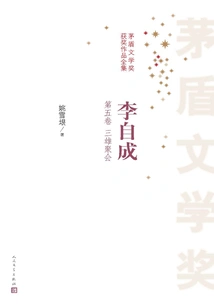
Li Zicheng (volume 5: the Gathering of the Three Heroes)
General Fiction李自成(第五卷 三雄聚会)
Yao Xueyin
This book mainly describes the peasant war in the late Ming Dynasty, but also describes the national wars within China between the Ming and Qing Dynasties and between the Qing Dynasty and the Shun Dynasty. It depicts representatives of different classes and pictures of their lives, as well as the intricate and contradictory relationships between various classes and groups, and unfolds a colorful historical picture. The author uses the principle of "going deep into history and jumping out of history" to describe the intricate historical process and the magnificent peasant uprising of more than 300 years ago. The novel takes the peasant uprising army led by Li Zicheng in the late Ming Dynasty from weak to strong, turning defeat into victory, overthrowing the rule of the Ming Dynasty, and resisting the southward march of the Qing army as the main clue. It reproduces the changing historical landscape of the late Ming and early Qing dynasty and the tragic ending of the peasant uprising army from victory to defeat from multiple angles, multi-facets, and multi-levels, and reveals the law of the development of peasant wars and historical movements.
This book mainly describes the peasant war in the late Ming Dynasty, but also describes the national wars within China between the Ming and Qing Dynasties and between the Qing Dynasty and the Shun Dynasty. It depicts representatives of different classes and pictures of their lives, as well as the intricate and contradictory relationships between various classes and groups, and unfolds a colorful historical picture. The author uses the principle of "going deep into history and jumping out of history" to describe the intricate historical process and the magnificent peasant uprising of more than 300 years ago. The novel takes the peasant uprising army led by Li Zicheng in the late Ming Dynasty from weak to strong, turning defeat into victory, overthrowing the rule of the Ming Dynasty, and resisting the southward march of the Qing army as the main clue. It reproduces the changing historical landscape of the late Ming and early Qing dynasty and the tragic ending of the peasant uprising army from victory to defeat from multiple angles, multi-facets, and multi-levels, and reveals the law of the development of peasant wars and historical movements.
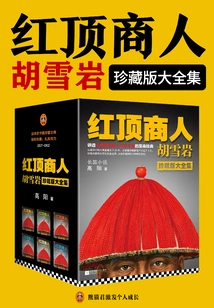
胡雪岩:红顶商人胡雪岩(全集)
K
A classic that tells the story of the genius and destiny of a generation of business sage Hu Xueyan and influenced a generation of Chinese entrepreneurs! Jack Ma read it twice! Hu Xueyan's biographical novel is a supreme classic, and most of the other versions are abridged or adapted versions of this book. The Gaoyang version of "The Complete Biography of Hu Xueyan" has been unbeatable for 40 years since its publication. It is an essential survival manual for businessmen. It took Hu Xueyan 30 years to go from being a shop assistant to a wealthy man in the Qing Dynasty, and it only took him 9 days to become bankrupt! "Wherever there is well water, there is Jin Yong; wherever there are villages and towns, there is Gao Yang." Martial arts novels have Jin Yong, and historical novels have Gao Yang! Gao Yang's historical novels pay attention to historical authenticity and are good at telling stories. They are easy and enjoyable to read. Some readers rated them as "the insurmountable peak of Chinese historical novels". Open this book and read Gao Yang, a master of contemporary historical novels, recreating the glory and destiny of a generation of business saint Hu Xueyan.
A classic that tells the story of the genius and destiny of a generation of business sage Hu Xueyan and influenced a generation of Chinese entrepreneurs! Jack Ma read it twice! Hu Xueyan's biographical novel is a supreme classic, and most of the other versions are abridged or adapted versions of this book. The Gaoyang version of "The Complete Biography of Hu Xueyan" has been unbeatable for 40 years since its publication. It is an essential survival manual for businessmen. It took Hu Xueyan 30 years to go from being a shop assistant to a wealthy man in the Qing Dynasty, and it only took him 9 days to become bankrupt! "Wherever there is well water, there is Jin Yong; wherever there are villages and towns, there is Gao Yang." Martial arts novels have Jin Yong, and historical novels have Gao Yang! Gao Yang's historical novels pay attention to historical authenticity and are good at telling stories. They are easy and enjoyable to read. Some readers rated them as "the insurmountable peak of Chinese historical novels". Open this book and read Gao Yang, a master of contemporary historical novels, recreating the glory and destiny of a generation of business saint Hu Xueyan.
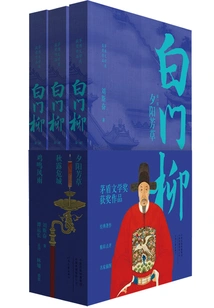
Baimenliu (complete Works)
General Fiction白门柳(全集)
Liu Sifen
This book is a contemporary classic full-length historical novel. It has won the 4th Mao Dun Literature Award, the 4th National Book Award Nomination Award, and the 2nd, 4th, and 6th Guangdong Province Lu Xun Literary Awards. It avoids the convention of contemporary historical novels that usually take themes such as peasant uprisings and emperors' generals as clues, breaks through the historical biography narrative mode of most historical novels that focus on the historical achievements of characters, and focuses on the process of the emergence of early democratic ideas in China, interpreting the history of ideas in the form of a novel. The works focus on showing the pain and fission of traditional scholars in the crisis of traditional culture being impacted by foreign cultures during the transition from Ming to Qing Dynasty, and interpret the history of spiritual changes of a generation of literati. Compared with historical novels of the same period, it breaks through the horizon of political reflection and gradually moves toward cultural reflection, strengthening the cultural awareness in historical narratives. It has unique value and significance in terms of creation and literary history. This book was reviewed by the famous literary critic Mr. Tan Yunchang.
This book is a contemporary classic full-length historical novel. It has won the 4th Mao Dun Literature Award, the 4th National Book Award Nomination Award, and the 2nd, 4th, and 6th Guangdong Province Lu Xun Literary Awards. It avoids the convention of contemporary historical novels that usually take themes such as peasant uprisings and emperors' generals as clues, breaks through the historical biography narrative mode of most historical novels that focus on the historical achievements of characters, and focuses on the process of the emergence of early democratic ideas in China, interpreting the history of ideas in the form of a novel. The works focus on showing the pain and fission of traditional scholars in the crisis of traditional culture being impacted by foreign cultures during the transition from Ming to Qing Dynasty, and interpret the history of spiritual changes of a generation of literati. Compared with historical novels of the same period, it breaks through the horizon of political reflection and gradually moves toward cultural reflection, strengthening the cultural awareness in historical narratives. It has unique value and significance in terms of creation and literary history. This book was reviewed by the famous literary critic Mr. Tan Yunchang.
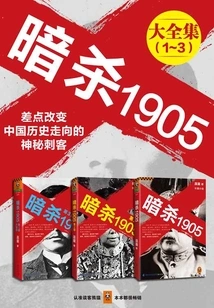
Assassination 1905 (complete Collection)
General Fiction暗杀1905(全集)
L
Politicians control the era, assassins decide life and death! In 1905, the prelude to the tragic "Assassination Era" in modern Chinese history slowly unfolded: Sun Yat-sen established the Assassination Department of the Tongmenghui; Cai Yuanpei organized the Liberation Society to engage in assassination activities; Chen Duxiu served as the mastermind behind the assassination group; and even the scholar Lu Xun also joined the assassination group. No matter what doctrine they believe in or what purpose they harbor, they all attempt to use this ancient method of violence to control the future of the entire country. In those covered histories, an assassin who truly determined someone's life and death was also involved in many political assassinations by the tide of the times, becoming the key to the checks and balances of all parties: he broke into the Forbidden City alone to assassinate Cixi, also served as Sun Yat-sen's bodyguard in Tokyo, sneaked into a prison to rescue Wang Jingwei, and formed a deep friendship with Wu Yue and other anti-Qing patriots. In that turbulent and troubled time, he changed the future destiny of himself and the country with assassinations one after another on countless dark nights.
Politicians control the era, assassins decide life and death! In 1905, the prelude to the tragic "Assassination Era" in modern Chinese history slowly unfolded: Sun Yat-sen established the Assassination Department of the Tongmenghui; Cai Yuanpei organized the Liberation Society to engage in assassination activities; Chen Duxiu served as the mastermind behind the assassination group; and even the scholar Lu Xun also joined the assassination group. No matter what doctrine they believe in or what purpose they harbor, they all attempt to use this ancient method of violence to control the future of the entire country. In those covered histories, an assassin who truly determined someone's life and death was also involved in many political assassinations by the tide of the times, becoming the key to the checks and balances of all parties: he broke into the Forbidden City alone to assassinate Cixi, also served as Sun Yat-sen's bodyguard in Tokyo, sneaked into a prison to rescue Wang Jingwei, and formed a deep friendship with Wu Yue and other anti-Qing patriots. In that turbulent and troubled time, he changed the future destiny of himself and the country with assassinations one after another on countless dark nights.
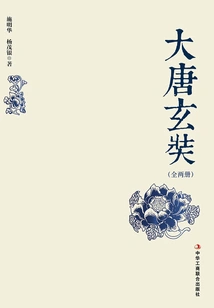
Xuanzang of the Tang Dynasty (2 Volumes in Total)
General Fiction大唐玄奘(全2册)
Shi Minghua Yang Maoyin
This book tells the story of Xuanzang's journey to the west to seek Dharma more than 1,300 years ago, conquering deserts, trekking through snow-capped mountains, becoming brothers with kings in foreign countries, fighting wits and courage with heretic scholars, visiting famous temples and ancient temples all over the country, and being invincible in the 18-day debate conference. Finally, Xuanzang returned to the Tang Dynasty with more than 600 Buddhist scriptures.
This book tells the story of Xuanzang's journey to the west to seek Dharma more than 1,300 years ago, conquering deserts, trekking through snow-capped mountains, becoming brothers with kings in foreign countries, fighting wits and courage with heretic scholars, visiting famous temples and ancient temples all over the country, and being invincible in the 18-day debate conference. Finally, Xuanzang returned to the Tang Dynasty with more than 600 Buddhist scriptures.
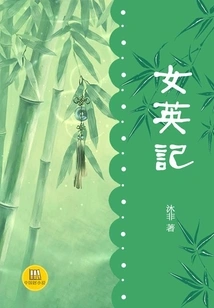
The Legend of a Female Hero (a Good Chinese Novel)
General Fiction女英记(中国好小说)
Mu Fei
This article deconstructs the familiar story of Shun and Ehuang Nüying. Nuying was guided by a mysterious man and discovered the secret of Shun's future. In order to prevent her family from dying, she and the mysterious man worked together to find a way to crack the dragon's veins, trying to prevent Shun from ascending the throne and proclaiming himself emperor. When they are about to succeed, Shun and Ehuang arrive. Can they stop Nu Ying? What is the identity and purpose of the mysterious man?
This article deconstructs the familiar story of Shun and Ehuang Nüying. Nuying was guided by a mysterious man and discovered the secret of Shun's future. In order to prevent her family from dying, she and the mysterious man worked together to find a way to crack the dragon's veins, trying to prevent Shun from ascending the throne and proclaiming himself emperor. When they are about to succeed, Shun and Ehuang arrive. Can they stop Nu Ying? What is the identity and purpose of the mysterious man?
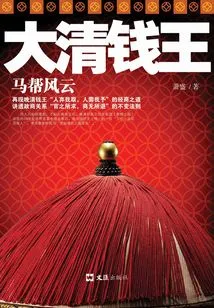
Qian King of the Qing Dynasty
General Fiction大清钱王
Xiao Sheng
After the outbreak of the Opium War, foreign ideas continued to pour in. The country was weak but business was prosperous. Hu Xueyan, Qiao Zhiyong, Sheng Xuanhuai and other giant businessmen in the late Qing Dynasty came to the historical stage. However, among the many businessmen, no one could compare with him. He was praised by Li Hongzhang as the treasury of the Qing court, and was called the King of Money by the common people. He was listed by Time Magazine as the world's No. 1 Businessman at the end of the 19th century. The four richest men, whether in terms of reputation, wealth or praise from the Qing court, all surpassed the red-necked merchant Hu Xueyan. He was the only poinsettia-necked merchant Wang Chi in Chinese history. He started by carrying goods on a pole and selling them, and then organized a caravan in troubled times. On China's ancient Tea Horse Road, he used his wit and bravery to carve out a world between Sichuan and Yunnan.
After the outbreak of the Opium War, foreign ideas continued to pour in. The country was weak but business was prosperous. Hu Xueyan, Qiao Zhiyong, Sheng Xuanhuai and other giant businessmen in the late Qing Dynasty came to the historical stage. However, among the many businessmen, no one could compare with him. He was praised by Li Hongzhang as the treasury of the Qing court, and was called the King of Money by the common people. He was listed by Time Magazine as the world's No. 1 Businessman at the end of the 19th century. The four richest men, whether in terms of reputation, wealth or praise from the Qing court, all surpassed the red-necked merchant Hu Xueyan. He was the only poinsettia-necked merchant Wang Chi in Chinese history. He started by carrying goods on a pole and selling them, and then organized a caravan in troubled times. On China's ancient Tea Horse Road, he used his wit and bravery to carve out a world between Sichuan and Yunnan.
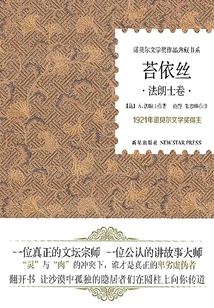
Tis
General Fiction苔依丝
(france) A. France
"Nobel Prize-winning Literature Collection Series: Teïse (France Volume)" selects the writer's Nobel Prize-winning work "Teïse" and the fairy tale "The Bee". In his novel Teïse he plunged passionately into the world of Alexandria, a time when the feeble survivors of Greek civilization were suffering from the lash of Christianity. Skepticism and sensuality reached their climax here, mystical and aesthetic carousing abounded, and angels and devils in human form terrorized the church's priests and neo-Hellenistic philosophers around them, vying for human souls above them. The story is full of the moral nihilism of the era, but contains beautiful passages, such as hermits preaching on columns in a lonely desert, or nightmares in a mummy's tomb.
"Nobel Prize-winning Literature Collection Series: Teïse (France Volume)" selects the writer's Nobel Prize-winning work "Teïse" and the fairy tale "The Bee". In his novel Teïse he plunged passionately into the world of Alexandria, a time when the feeble survivors of Greek civilization were suffering from the lash of Christianity. Skepticism and sensuality reached their climax here, mystical and aesthetic carousing abounded, and angels and devils in human form terrorized the church's priests and neo-Hellenistic philosophers around them, vying for human souls above them. The story is full of the moral nihilism of the era, but contains beautiful passages, such as hermits preaching on columns in a lonely desert, or nightmares in a mummy's tomb.
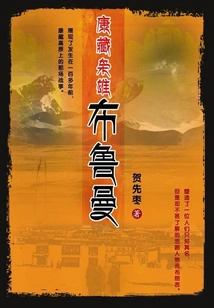
Bluman, the Hero of Kangzang
General Fiction康藏枭雄布鲁曼
He Xianzao
In the mid-19th century, the "Gongblangji Incident" occurred in Xinlong County, present-day Ganzi Tibetan Autonomous Prefecture, Sichuan Province, which shocked the Qing Dynasty and the Tibetan local government. The "Gomblangji Incident", which lasted for seventeen years and lasted for three generations, including Daoguang, Xianfeng and Tongzhi, had a huge impact at that time. Today, more than a hundred years later, there are still many debates among the people and the historians. There are different opinions on what Gomblangi and his family did, nicknamed "Brumman". This long historical novel, based on the chronological order of the "Gomblangi Incident", describes the whole process of "Brumman" from its inception to its failure, shows the war that took place on the Kangzang Plateau more than a hundred years ago, and creates a tragic character named Gongbulangji whose name is only known but not well understood.
In the mid-19th century, the "Gongblangji Incident" occurred in Xinlong County, present-day Ganzi Tibetan Autonomous Prefecture, Sichuan Province, which shocked the Qing Dynasty and the Tibetan local government. The "Gomblangji Incident", which lasted for seventeen years and lasted for three generations, including Daoguang, Xianfeng and Tongzhi, had a huge impact at that time. Today, more than a hundred years later, there are still many debates among the people and the historians. There are different opinions on what Gomblangi and his family did, nicknamed "Brumman". This long historical novel, based on the chronological order of the "Gomblangi Incident", describes the whole process of "Brumman" from its inception to its failure, shows the war that took place on the Kangzang Plateau more than a hundred years ago, and creates a tragic character named Gongbulangji whose name is only known but not well understood.
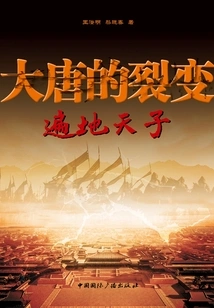
The Fission of the Tang Dynasty and the Emperors Everywhere
General Fiction大唐的裂变 遍地天子
Wang Chengming Li Xiaochun
Zhu Wen usurped the Tang Dynasty to establish himself and attacked the princes, making Hedong the center of various forces dissatisfied with Zhu Wen. In addition, Zhu Wen's successor was incompetent, and the people within the Houliang Group were also disorganized. However, Li Keyong and his successor Li Cunxu followed the trend and followed the trend. They always appeared as allies to revive the Tang Dynasty and the feudal towns, and thus became stronger. As the saying goes: Hedong was defeated and besieged for a while, but it eventually recovered; Zhuliang was strong for a while, but eventually fell. During this period, Wang Jian, Liu Shouguang, Liu Yan, and Yang Longyan proclaimed themselves emperors successively and established the former Shu, Dayan, Southern Han, and Wu separatist regimes respectively, and the world entered the era of "Emperors everywhere".
Zhu Wen usurped the Tang Dynasty to establish himself and attacked the princes, making Hedong the center of various forces dissatisfied with Zhu Wen. In addition, Zhu Wen's successor was incompetent, and the people within the Houliang Group were also disorganized. However, Li Keyong and his successor Li Cunxu followed the trend and followed the trend. They always appeared as allies to revive the Tang Dynasty and the feudal towns, and thus became stronger. As the saying goes: Hedong was defeated and besieged for a while, but it eventually recovered; Zhuliang was strong for a while, but eventually fell. During this period, Wang Jian, Liu Shouguang, Liu Yan, and Yang Longyan proclaimed themselves emperors successively and established the former Shu, Dayan, Southern Han, and Wu separatist regimes respectively, and the world entered the era of "Emperors everywhere".
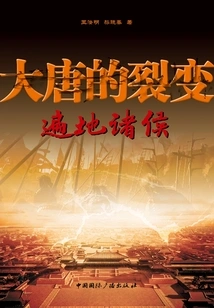
The Fission of the Tang Dynasty and the Princes Everywhere
General Fiction大唐的裂变 遍地诸侯
Wang Chengming Li Xiaochun
In the sixteen years from 891 to 907, the Tang Dynasty existed in name only. Although the various princes still nominally worshiped the Zhengshuo of the Tang Dynasty, they actually became powerful under the banner of King Qin. After differentiation and integration, twelve powerful vassal towns were gradually formed in the world, known as the "Twelve Star Lords". In 907, Zhu Wen, one of the Twelve Star Kings, abolished the Tang Dynasty and established himself. The other towns were intimidated by his power and mostly paid tribute to Zhu Wen. Only the four towns of Hedong, Fengxiang, Huainan and Shu did not recognize his reign name.
In the sixteen years from 891 to 907, the Tang Dynasty existed in name only. Although the various princes still nominally worshiped the Zhengshuo of the Tang Dynasty, they actually became powerful under the banner of King Qin. After differentiation and integration, twelve powerful vassal towns were gradually formed in the world, known as the "Twelve Star Lords". In 907, Zhu Wen, one of the Twelve Star Kings, abolished the Tang Dynasty and established himself. The other towns were intimidated by his power and mostly paid tribute to Zhu Wen. Only the four towns of Hedong, Fengxiang, Huainan and Shu did not recognize his reign name.
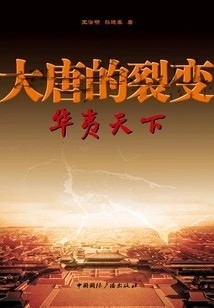
The Fission of the Tang Dynasty Huayi Tianxia
General Fiction大唐的裂变 华夷天下
Wang Chengming Li Xiaochun
After Shi Jingtang died, his son Shi Chonggui was ashamed to surrender to the Liao people and went to war with the Liao people. However, due to improper employment of people, the Liao people were able to go south to invade China. Liu Zhiyuan took the opportunity to establish the Later Han Dynasty in Taiyuan, then drove away the Liao people and took control of the Central Plains. After Liu Zhiyuan's death, his son mishandled the situation, and Guo Wei seized the throne and established the Later Zhou Dynasty. After Guo Wei's death, his adopted son Chai Rong worked hard to conquer the Later Shu and Southern Tang Dynasties, and then successively defeated the Liao Kingdom. Just when he was about to recapture the "Sixteen Prefectures of Yanyun", he fell seriously ill and died. Zhao Kuangyin, the commander of the Forbidden Army, took the opportunity to usurp the Zhou Dynasty and ushered in a new era.
After Shi Jingtang died, his son Shi Chonggui was ashamed to surrender to the Liao people and went to war with the Liao people. However, due to improper employment of people, the Liao people were able to go south to invade China. Liu Zhiyuan took the opportunity to establish the Later Han Dynasty in Taiyuan, then drove away the Liao people and took control of the Central Plains. After Liu Zhiyuan's death, his son mishandled the situation, and Guo Wei seized the throne and established the Later Zhou Dynasty. After Guo Wei's death, his adopted son Chai Rong worked hard to conquer the Later Shu and Southern Tang Dynasties, and then successively defeated the Liao Kingdom. Just when he was about to recapture the "Sixteen Prefectures of Yanyun", he fell seriously ill and died. Zhao Kuangyin, the commander of the Forbidden Army, took the opportunity to usurp the Zhou Dynasty and ushered in a new era.
The Fission of the Tang Dynasty and Barbarians Everywhere
General Fiction大唐的裂变 遍地胡虏
Wang Chengming Li Xiaochun
After the Later Tang Dynasty, which was born in Shatuo, destroyed Zhu Liang, it basically unified the north and created a stable situation with the hard work of two emperors, Zhuangzong Li Cunxu and Mingzong Li Siyuan. However, with the death of Li Siyuan, the power of the Later Tang Dynasty fell away, and unconcealed centrifugal tendencies arose in various places, especially Shi Jingtang. In order to be independent, he did not hesitate to lead the Khitan army into the Central Plains at the expense of the "Sixteen Prefectures of Yanyun", and eventually replaced the Later Tang Dynasty and established the Later Jin Dynasty. At this stage, ethnic minorities became the protagonists on the stage of the Central Plains. While they brought war to the Central Plains, they also injected fresh blood into the Chinese nation.
After the Later Tang Dynasty, which was born in Shatuo, destroyed Zhu Liang, it basically unified the north and created a stable situation with the hard work of two emperors, Zhuangzong Li Cunxu and Mingzong Li Siyuan. However, with the death of Li Siyuan, the power of the Later Tang Dynasty fell away, and unconcealed centrifugal tendencies arose in various places, especially Shi Jingtang. In order to be independent, he did not hesitate to lead the Khitan army into the Central Plains at the expense of the "Sixteen Prefectures of Yanyun", and eventually replaced the Later Tang Dynasty and established the Later Jin Dynasty. At this stage, ethnic minorities became the protagonists on the stage of the Central Plains. While they brought war to the Central Plains, they also injected fresh blood into the Chinese nation.
The Fission of the Tang Dynasty and the Smoke Everywhere
General Fiction大唐的裂变 遍地狼烟
Wang Chengming Li Xiaochun
In the ruined Tang Dynasty, the world is filled with smoke. The Huangchao Rebellion, which ravaged half of the Tang Dynasty, led to the decline of national power in the late Tang Dynasty. From then on, the imperial court was no longer able to control the vassal towns. This manuscript begins with Zhu Wen's surrender to the Tang Dynasty, describing the gradual decline of the Tang Dynasty, the political chaos in which the princes from all over the country supported their own troops and the world was fragmented. The manuscript adopts a chronological style and is engraved from multiple angles to panoramically display the complex and chaotic scene of the late Tang Dynasty.
In the ruined Tang Dynasty, the world is filled with smoke. The Huangchao Rebellion, which ravaged half of the Tang Dynasty, led to the decline of national power in the late Tang Dynasty. From then on, the imperial court was no longer able to control the vassal towns. This manuscript begins with Zhu Wen's surrender to the Tang Dynasty, describing the gradual decline of the Tang Dynasty, the political chaos in which the princes from all over the country supported their own troops and the world was fragmented. The manuscript adopts a chronological style and is engraved from multiple angles to panoramically display the complex and chaotic scene of the late Tang Dynasty.
The Foolish Emperor: Memoirs of Adou
General Fiction傻儿皇帝:阿斗回忆录
Wang Xinxi
"Boiled Three Kingdoms" tells you the way of business, and "The Foolish Emperor" tells you the way of life [Story of the Three Kingdoms] which is more beautiful than "Wulin Gaiden". In the current fierce competition, you might as well be a sober fool..."
"Boiled Three Kingdoms" tells you the way of business, and "The Foolish Emperor" tells you the way of life [Story of the Three Kingdoms] which is more beautiful than "Wulin Gaiden". In the current fierce competition, you might as well be a sober fool..."
凤舞未央:吕雉传(壹)
Great Love Without Trace
Lu Pheasant fell in love with Liu Bang, and after getting married, he followed his father's philosophy of "fate is a boat, and luck is a hired boatman". He was diligent and frugal in running the house, devoted himself to farming, entertained friends for her husband, and figured out Liu Bang's personal connections. Great cause; in order to motivate Liu Bang, Lu Pheasant cleverly distributed "Liu Family Crowns" and gathered his own "team" for Liu Bang beforehand; Lu Pheasant also joined forces with Xiao He and others to help Liu Bang get rid of the entanglements in lawsuits time and time again and stabilize the situation; before Liu Bang decided to escape Mangdang Mountain, Lu Pheasant took great pains to take the county magistrate's son as a hostage for him, keeping the government from encirclement and suppression, and bought time. Through repeated designs, Lu Pheasant finally helped Liu Bang seize the power of Peixian County, and successfully embarked on the road to overthrow the Qin Dynasty, eliminate Xiang Yu, and dominate the world...
Lu Pheasant fell in love with Liu Bang, and after getting married, he followed his father's philosophy of "fate is a boat, and luck is a hired boatman". He was diligent and frugal in running the house, devoted himself to farming, entertained friends for her husband, and figured out Liu Bang's personal connections. Great cause; in order to motivate Liu Bang, Lu Pheasant cleverly distributed "Liu Family Crowns" and gathered his own "team" for Liu Bang beforehand; Lu Pheasant also joined forces with Xiao He and others to help Liu Bang get rid of the entanglements in lawsuits time and time again and stabilize the situation; before Liu Bang decided to escape Mangdang Mountain, Lu Pheasant took great pains to take the county magistrate's son as a hostage for him, keeping the government from encirclement and suppression, and bought time. Through repeated designs, Lu Pheasant finally helped Liu Bang seize the power of Peixian County, and successfully embarked on the road to overthrow the Qin Dynasty, eliminate Xiang Yu, and dominate the world...
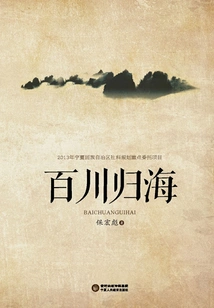
Hundreds of Rivers Return to the Sea
General Fiction百川归海
Bao Hongbiao
A Dangxiang tribe in danger, faced with a dilemma, embarked on the dangerous road of migrating eastward under the coercion of three forces. After overcoming all kinds of obstacles, many touching and thrilling stories were staged in Lingzhou, which is rich, beautiful, united and prosperous, and composed a magnificent and soul-stirring heroic epic...
A Dangxiang tribe in danger, faced with a dilemma, embarked on the dangerous road of migrating eastward under the coercion of three forces. After overcoming all kinds of obstacles, many touching and thrilling stories were staged in Lingzhou, which is rich, beautiful, united and prosperous, and composed a magnificent and soul-stirring heroic epic...