Library
Browse and search books
2,472 novels found
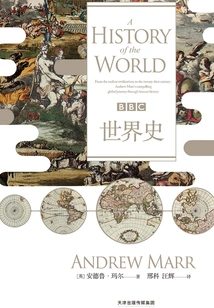
Bbc World History
HistoryBBC世界史
(uk) Andrew Marr
The main theme of this book is quite simple and clear: our ability to understand and shape the world around us has gradually made us the masters of this planet. Even though today we have placed a huge burden on the earth, just as we have overcome challenges and weathered difficulties, our technological capabilities still make us confident enough; however, on the other hand, our political performance is much inferior, always swaying like a drunkard. Therefore, this book is not only a joyful ode to the intelligence of our modern Homo sapiens, but also an apocalypse of our modern Homo sapiens' political follies. Only by recognizing this antinomy of the human condition can we be alert to the failures caused by success and reorient our immediate direction. The book not only examines those failed and disappearing civilizations, but also tells the origins of today's powers, and reveals how similar many historical events that happened in different historical periods and different geographical locations are!
The main theme of this book is quite simple and clear: our ability to understand and shape the world around us has gradually made us the masters of this planet. Even though today we have placed a huge burden on the earth, just as we have overcome challenges and weathered difficulties, our technological capabilities still make us confident enough; however, on the other hand, our political performance is much inferior, always swaying like a drunkard. Therefore, this book is not only a joyful ode to the intelligence of our modern Homo sapiens, but also an apocalypse of our modern Homo sapiens' political follies. Only by recognizing this antinomy of the human condition can we be alert to the failures caused by success and reorient our immediate direction. The book not only examines those failed and disappearing civilizations, but also tells the origins of today's powers, and reveals how similar many historical events that happened in different historical periods and different geographical locations are!
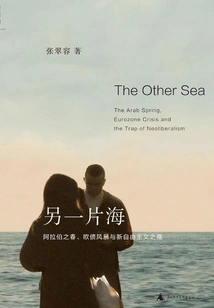
另一片海:阿拉伯之春、欧债风暴与新自由主义之殇
Zhang Cuirong
Will the "changing weather in the Mediterranean" create a "spring" or bring a "winter" to the world? This is a book of testimony depicting the changes at both ends of the Mediterranean. The author will discuss the resistance of Southern European citizens in the face of the European debt crisis and the "Arab Spring" movement in North Africa. The two incidents may seem unrelated, but in fact they involve deeper international political and financial issues. The Mediterranean is undoubtedly charming: it is a stage for multi-ethnic and multi-national trade and cultural exchanges. However, since the rise of the distant Atlantic world, the Mediterranean world has declined. In the twentieth century, it even became the frontier of the global capitalist system. Today, the European debt crisis and the "Arab Spring", which are the biggest aftermath of the US financial tsunami, are all happening here.
Will the "changing weather in the Mediterranean" create a "spring" or bring a "winter" to the world? This is a book of testimony depicting the changes at both ends of the Mediterranean. The author will discuss the resistance of Southern European citizens in the face of the European debt crisis and the "Arab Spring" movement in North Africa. The two incidents may seem unrelated, but in fact they involve deeper international political and financial issues. The Mediterranean is undoubtedly charming: it is a stage for multi-ethnic and multi-national trade and cultural exchanges. However, since the rise of the distant Atlantic world, the Mediterranean world has declined. In the twentieth century, it even became the frontier of the global capitalist system. Today, the European debt crisis and the "Arab Spring", which are the biggest aftermath of the US financial tsunami, are all happening here.
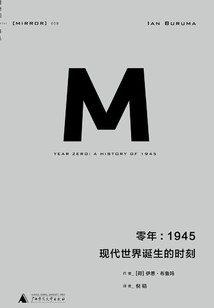
Year Zero: 1945
History零年:1945
H
In 1945, a new world emerged on the ruins of World War II. This book records the historical events around the world in this important year, which is very sad. This book is a review of what happened in 1945, the end of World War II. One world has come to an end, and another brand-new world with an uncertain future is slowly opening. Regime changes are taking place all over the world, whether in Asia or continental Europe. The ensuing power struggle was often brutal, and in the process gave birth to the modern world as we know it. This work has a grand layout and ups and downs of the characters' stories. In the book, the author talks about film and television art works in Asia and Europe. Perhaps no one was better suited to write Year Zero than Ian Buruma, his masterpiece.
In 1945, a new world emerged on the ruins of World War II. This book records the historical events around the world in this important year, which is very sad. This book is a review of what happened in 1945, the end of World War II. One world has come to an end, and another brand-new world with an uncertain future is slowly opening. Regime changes are taking place all over the world, whether in Asia or continental Europe. The ensuing power struggle was often brutal, and in the process gave birth to the modern world as we know it. This work has a grand layout and ups and downs of the characters' stories. In the book, the author talks about film and television art works in Asia and Europe. Perhaps no one was better suited to write Year Zero than Ian Buruma, his masterpiece.

文明的进程系列:上帝之饮+黑石头的爱与恨+万用之物+一条改变世界的鱼(套装共4册)
(u. S.) Tom Standage (u. S.) Barbara Fritz (u. S.) Mark Korlansky
This set includes: "The Drink of God", "Love and Hate of the Black Stone", "Everything" and "A Fish That Changed the World". This is a set of interesting history that is close to life, and it is also a set of life aesthetics with rich historical materials. The history of the world at your fingertips takes you through 4,000 years of history and touches the world. From the most familiar condiments and common drinks in daily life, to the energy products that triggered the industrial revolution and pollution around the world. How six bottles, salt, coal, and cod inadvertently changed the whole world. "God's Drink" Beer, wine, spirits, coffee, tea, and cola are the six most common drinks. How these six drinks divide history into six eras and become irresistibly charming drinks for everyone. "Love and Hate of Black Stone" reveals the role of coal in the process of human industrialization. Whether it is a devil or an angel ultimately depends on human choice. "The Use of All Things" uses small and flawless salt as light spots to illuminate the entire history and experience the evolution of Eastern and Western civilizations up close. "A Fish That Changed the World" takes cod as the entry point, condenses the tortuous process of civilization, carries the ups and downs of history, and reveals the moving intersection between man and nature.
This set includes: "The Drink of God", "Love and Hate of the Black Stone", "Everything" and "A Fish That Changed the World". This is a set of interesting history that is close to life, and it is also a set of life aesthetics with rich historical materials. The history of the world at your fingertips takes you through 4,000 years of history and touches the world. From the most familiar condiments and common drinks in daily life, to the energy products that triggered the industrial revolution and pollution around the world. How six bottles, salt, coal, and cod inadvertently changed the whole world. "God's Drink" Beer, wine, spirits, coffee, tea, and cola are the six most common drinks. How these six drinks divide history into six eras and become irresistibly charming drinks for everyone. "Love and Hate of Black Stone" reveals the role of coal in the process of human industrialization. Whether it is a devil or an angel ultimately depends on human choice. "The Use of All Things" uses small and flawless salt as light spots to illuminate the entire history and experience the evolution of Eastern and Western civilizations up close. "A Fish That Changed the World" takes cod as the entry point, condenses the tortuous process of civilization, carries the ups and downs of history, and reveals the moving intersection between man and nature.
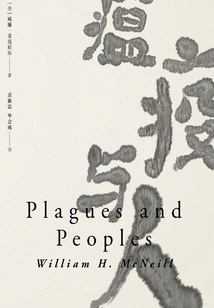
Plague and People
History瘟疫与人
(u. S.) William Mcneil
Epidemics are one of the fundamental parameters and determinants of human history. A generation of historians, William McNeill, used a chronological approach from the perspective of the history of epidemics, writing from prehistoric times to the first half of the last century, to explore in detail how infectious diseases ravaged Europe, Asia, Africa and other birthplaces of civilization, and how these diseases shaped the characteristics of different civilizations. He was the first to combine history with pathology to reinterpret human behavior; he placed infectious diseases at the center of history and gave them their due status; with fluent writing, sharp reasoning, and superb skills, he narrated the important role that infectious diseases played in the changes in human history and the development of civilization. "Plagues and People" is a popular classic work by William McNeil, and it is also an excellent historical work that discusses the relationship between plagues and human history at a macro level. The New York Review of Books said that "this book has since changed the way people look at world history", and the New Yorker believes that this book is "a truly revolutionary work." Pulitzer Prize winner Harrison Salisbury praised it for proposing "innovative and challenging historical concepts with far-reaching influence", while historian Will Durant said: "I have benefited a lot from "Plagues and Men" as a new perspective on history."
Epidemics are one of the fundamental parameters and determinants of human history. A generation of historians, William McNeill, used a chronological approach from the perspective of the history of epidemics, writing from prehistoric times to the first half of the last century, to explore in detail how infectious diseases ravaged Europe, Asia, Africa and other birthplaces of civilization, and how these diseases shaped the characteristics of different civilizations. He was the first to combine history with pathology to reinterpret human behavior; he placed infectious diseases at the center of history and gave them their due status; with fluent writing, sharp reasoning, and superb skills, he narrated the important role that infectious diseases played in the changes in human history and the development of civilization. "Plagues and People" is a popular classic work by William McNeil, and it is also an excellent historical work that discusses the relationship between plagues and human history at a macro level. The New York Review of Books said that "this book has since changed the way people look at world history", and the New Yorker believes that this book is "a truly revolutionary work." Pulitzer Prize winner Harrison Salisbury praised it for proposing "innovative and challenging historical concepts with far-reaching influence", while historian Will Durant said: "I have benefited a lot from "Plagues and Men" as a new perspective on history."
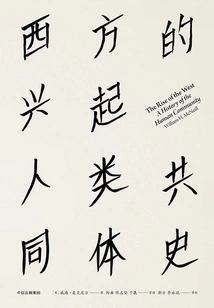
西方的兴起:人类共同体史
(u. S.) William Mcneil
"The Rise of the West: A History of the Human Community" is a foundational masterpiece of global history. It tells the history of the entire human race from a global perspective, allowing you to understand the evolution of human civilization and the world pattern in one book. On the occasion of the first publication of the authorized Chinese version, master historian William McNeil wrote "To Chinese Readers" to express his message to China's renaissance, dedicating this historical masterpiece to Chinese readers who hope to gain insight into human history in a novel way. The global history that is gaining momentum today began in the 1960s, and its representative work is William McNeil's "The Rise of the West." Conceived in 1936, written in 1954, and published in 1963, it took McNeil 27 years to complete this masterpiece of history. After its release, it was immediately highly praised by historians Toynbee and Trevor Roper, and even won the National Book Award.
"The Rise of the West: A History of the Human Community" is a foundational masterpiece of global history. It tells the history of the entire human race from a global perspective, allowing you to understand the evolution of human civilization and the world pattern in one book. On the occasion of the first publication of the authorized Chinese version, master historian William McNeil wrote "To Chinese Readers" to express his message to China's renaissance, dedicating this historical masterpiece to Chinese readers who hope to gain insight into human history in a novel way. The global history that is gaining momentum today began in the 1960s, and its representative work is William McNeil's "The Rise of the West." Conceived in 1936, written in 1954, and published in 1963, it took McNeil 27 years to complete this masterpiece of history. After its release, it was immediately highly praised by historians Toynbee and Trevor Roper, and even won the National Book Award.
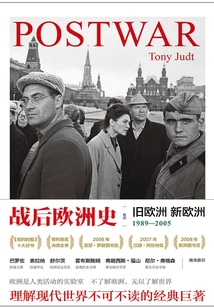
战后欧洲史(卷四):旧欧洲 新欧洲 1989-2005
I
S
S
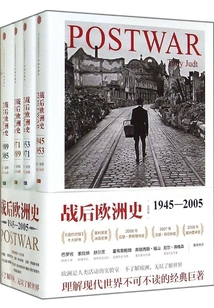
战后欧洲史(全集)
H
"Postwar European History" (a four-volume set) is the most important representative work of Tony Judt, the most respected historian and thinker in the world today. It took 20 years to conceive and 10 years to write. It makes extensive use of documents in 6 languages, covers 34 countries, and takes into account Western Europe. Eastern Europe, covering the whole of Europe, is the first master-class historical masterpiece that comprehensively displays the political, economic and cultural changes of modern Europe over the past 60 years. It is recommended by European and American political leaders such as European Commission President Barroso, European Parliament Speaker Schulz, and EU Foreign Minister Solana. From brutal genocide to the advocacy of human rights values, from fascism sweeping the world to the disintegration of the Soviet Eastern European socialist bloc, from free capital markets to big-government welfare states, from arms races to the establishment of the European Union for mutual assistance and cooperation, from tariff barriers to the unified currency Euro... Europe is a laboratory of human activities. It has experienced the baptism and experimentation of various political systems, ideologies, social systems, economic orders, and cultural trends of thought. No wonder, Tony Judt said: "Like a fox, Europe knows a lot." For the modern public, "it is impossible to understand the world without understanding Europe." "Postwar European History" is a masterpiece that Tony Judt, the top contemporary historian, has worked on for more than ten years. From the end of World War II to the beginning of the 21st century, this book shows the political, economic, social, and cultural history of Europe, comprehensively and concisely reproduces the reality and spiritual process of Europe's reconstruction on the ruins of the war, and reveals Europe's future path toward unity and self-reliance. Tony Judt used keen observation, profound humanistic care and superb narrative ability to refine the sixty years of European history from 1945 to 2005 into a fascinating, significant and deeply personal work. "Postwar European History" received rave reviews after its publication and won numerous awards. It was praised as "the book on postwar European history" and "a great work that cannot be surpassed in the short term". It has become a "must-read classic masterpiece for understanding the modern world" for the public.
"Postwar European History" (a four-volume set) is the most important representative work of Tony Judt, the most respected historian and thinker in the world today. It took 20 years to conceive and 10 years to write. It makes extensive use of documents in 6 languages, covers 34 countries, and takes into account Western Europe. Eastern Europe, covering the whole of Europe, is the first master-class historical masterpiece that comprehensively displays the political, economic and cultural changes of modern Europe over the past 60 years. It is recommended by European and American political leaders such as European Commission President Barroso, European Parliament Speaker Schulz, and EU Foreign Minister Solana. From brutal genocide to the advocacy of human rights values, from fascism sweeping the world to the disintegration of the Soviet Eastern European socialist bloc, from free capital markets to big-government welfare states, from arms races to the establishment of the European Union for mutual assistance and cooperation, from tariff barriers to the unified currency Euro... Europe is a laboratory of human activities. It has experienced the baptism and experimentation of various political systems, ideologies, social systems, economic orders, and cultural trends of thought. No wonder, Tony Judt said: "Like a fox, Europe knows a lot." For the modern public, "it is impossible to understand the world without understanding Europe." "Postwar European History" is a masterpiece that Tony Judt, the top contemporary historian, has worked on for more than ten years. From the end of World War II to the beginning of the 21st century, this book shows the political, economic, social, and cultural history of Europe, comprehensively and concisely reproduces the reality and spiritual process of Europe's reconstruction on the ruins of the war, and reveals Europe's future path toward unity and self-reliance. Tony Judt used keen observation, profound humanistic care and superb narrative ability to refine the sixty years of European history from 1945 to 2005 into a fascinating, significant and deeply personal work. "Postwar European History" received rave reviews after its publication and won numerous awards. It was praised as "the book on postwar European history" and "a great work that cannot be surpassed in the short term". It has become a "must-read classic masterpiece for understanding the modern world" for the public.
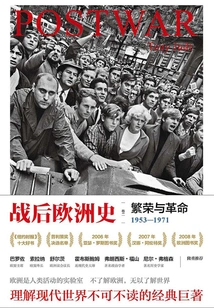
战后欧洲史(卷二):繁荣与革命 1953-1971
I
Q
Q
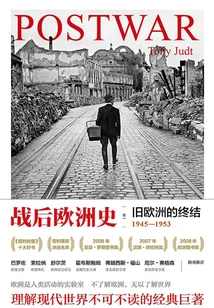
战后欧洲史(卷一):旧欧洲的终结 1945-1953
I
"Postwar European History" is the most important representative work of Tony Judt, the most respected historian and thinker in the world today. It took 20 years to conceive and 10 years to write. It extensively uses documents in 6 languages, covers 34 countries, and takes into account Western and Eastern Europe. Covering the whole of Europe, it is the first master-level historical masterpiece that comprehensively displays the political, economic and cultural changes in modern Europe over the past 60 years. It is highly recommended by European and American political leaders such as President Barroso of the European Commission, President Schulz of the European Parliament, and the visiting Uzbekistan. From brutal genocide to the advocacy of human rights values, from fascism sweeping the world to the disintegration of the Soviet Eastern European socialist bloc, from free capital markets to big-government welfare states, from arms races to the establishment of the European Union for mutual assistance and cooperation, from tariff barriers to the unified currency Euro... Europe is a laboratory of human activities. It has experienced the baptism and experimentation of various political systems, ideologies, social systems, economic orders, and cultural trends of thought. No wonder, Tony Judt said: "Like a fox, Europe knows a lot." For the modern public, "it is impossible to understand the world without understanding Europe." "Postwar European History" is a masterpiece that Tony Judt, the top contemporary historian, has worked on for more than ten years. From the end of World War II to the beginning of the 21st century, this book shows the political, economic, social, and cultural history of Europe, comprehensively and concisely reproduces the reality and spiritual process of Europe's reconstruction on the ruins of the war, and reveals Europe's future path toward unity and self-reliance. Tony Judt used keen observation, profound humanistic care and superb narrative ability to refine the sixty years of European history from 1945 to 2005 into a fascinating, significant and deeply personal work. "Postwar European History" has received rave reviews since its publication and won numerous awards. It has been hailed as "the best book on postwar European history" and "a great book that cannot be surpassed in the short term". It has become a "must-read classic for the public to understand the modern world."
"Postwar European History" is the most important representative work of Tony Judt, the most respected historian and thinker in the world today. It took 20 years to conceive and 10 years to write. It extensively uses documents in 6 languages, covers 34 countries, and takes into account Western and Eastern Europe. Covering the whole of Europe, it is the first master-level historical masterpiece that comprehensively displays the political, economic and cultural changes in modern Europe over the past 60 years. It is highly recommended by European and American political leaders such as President Barroso of the European Commission, President Schulz of the European Parliament, and the visiting Uzbekistan. From brutal genocide to the advocacy of human rights values, from fascism sweeping the world to the disintegration of the Soviet Eastern European socialist bloc, from free capital markets to big-government welfare states, from arms races to the establishment of the European Union for mutual assistance and cooperation, from tariff barriers to the unified currency Euro... Europe is a laboratory of human activities. It has experienced the baptism and experimentation of various political systems, ideologies, social systems, economic orders, and cultural trends of thought. No wonder, Tony Judt said: "Like a fox, Europe knows a lot." For the modern public, "it is impossible to understand the world without understanding Europe." "Postwar European History" is a masterpiece that Tony Judt, the top contemporary historian, has worked on for more than ten years. From the end of World War II to the beginning of the 21st century, this book shows the political, economic, social, and cultural history of Europe, comprehensively and concisely reproduces the reality and spiritual process of Europe's reconstruction on the ruins of the war, and reveals Europe's future path toward unity and self-reliance. Tony Judt used keen observation, profound humanistic care and superb narrative ability to refine the sixty years of European history from 1945 to 2005 into a fascinating, significant and deeply personal work. "Postwar European History" has received rave reviews since its publication and won numerous awards. It has been hailed as "the best book on postwar European history" and "a great book that cannot be surpassed in the short term". It has become a "must-read classic for the public to understand the modern world."
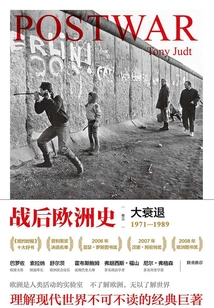
战后欧洲史(卷三):大衰退 1971-1989
I
R
R
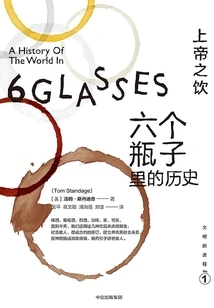
上帝之饮:六个瓶子里的历史(文明的进程系列)
(us) Tom Standage
Beer, wine, spirits, coffee, tea, and cola, these six common drinks have gone far beyond their physical properties: they have served as currency, used in religious ceremonies, symbolized partisan political positions, triggered philosophical and artistic inspiration, highlighted the elites of the upper class, and even became weapons to conquer foreign countries or quell civil strife. Beer was once used as wages and currency, and once became a symbol of wealth and prosperity. How did it become knocked down from the throne of "crown of civilized drinks" and replaced by wine? As a once powerful and great nation and the pioneer of tea culture, why did China suffer from devastating colonization? The outrageous Opium War destroyed the corrupt Qing government and accelerated the prosperity of the British Empire. What does all this have to do with tea? How did Coke, today's new social darling, transform from a glass of fizzy soda water into an American national drink with fans all over the world? The author of this book, Kittom Standage, uses a unique and keen perspective, and through a large number of detailed and rich historical records, vividly depicts the role these drinks played in the critical period of human history, and how they became irresistibly attractive drinks all over the world.
Beer, wine, spirits, coffee, tea, and cola, these six common drinks have gone far beyond their physical properties: they have served as currency, used in religious ceremonies, symbolized partisan political positions, triggered philosophical and artistic inspiration, highlighted the elites of the upper class, and even became weapons to conquer foreign countries or quell civil strife. Beer was once used as wages and currency, and once became a symbol of wealth and prosperity. How did it become knocked down from the throne of "crown of civilized drinks" and replaced by wine? As a once powerful and great nation and the pioneer of tea culture, why did China suffer from devastating colonization? The outrageous Opium War destroyed the corrupt Qing government and accelerated the prosperity of the British Empire. What does all this have to do with tea? How did Coke, today's new social darling, transform from a glass of fizzy soda water into an American national drink with fans all over the world? The author of this book, Kittom Standage, uses a unique and keen perspective, and through a large number of detailed and rich historical records, vividly depicts the role these drinks played in the critical period of human history, and how they became irresistibly attractive drinks all over the world.
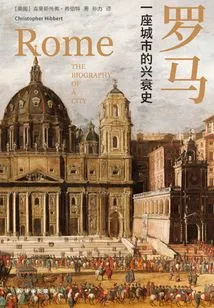
罗马:一座城市的兴衰史
(uk) Christopher Hibbert
Rome was once the center of Western society and culture. Through the Age of Mythology, the Roman Empire, the Visigothic rule, the struggle between the Catholic Church and secular power, the Renaissance, the Enlightenment, the Napoleonic Era, and the unification of Italy, this city has performed countless wonderful political and military stories, created brilliant masterpieces of literature, art, and music, and produced a large number of outstanding talents. The story of this city is a brilliant chapter in human history. Christopher Hibbert uses beautiful writing, sharp observation, and humorous tone to narrate the three thousand years of Rome.
Rome was once the center of Western society and culture. Through the Age of Mythology, the Roman Empire, the Visigothic rule, the struggle between the Catholic Church and secular power, the Renaissance, the Enlightenment, the Napoleonic Era, and the unification of Italy, this city has performed countless wonderful political and military stories, created brilliant masterpieces of literature, art, and music, and produced a large number of outstanding talents. The story of this city is a brilliant chapter in human history. Christopher Hibbert uses beautiful writing, sharp observation, and humorous tone to narrate the three thousand years of Rome.
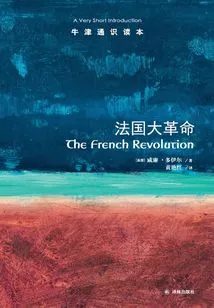
牛津通识读本:法国大革命(中文版)
N
The book begins with an exploration of familiar imagery from the French Revolution, from Dickens, Baroness O'Shea, and Tolstoy, as well as the legend of "if there's no bread, let them eat cake" and the tricolor flag. Then, through a brief examination of the ancien régime and its collapse, Doyle analyzes how revolutions come about: how they become obsolete and how achievements fail to satisfy ambition. Doyle strives to make readers realize that the French Revolution destroyed long-lasting culture, institutions, and social structures in France and beyond, and that we are still living with the legacy of this revolution today. The final part of the book considers why this revolution caused so much controversy.
The book begins with an exploration of familiar imagery from the French Revolution, from Dickens, Baroness O'Shea, and Tolstoy, as well as the legend of "if there's no bread, let them eat cake" and the tricolor flag. Then, through a brief examination of the ancien régime and its collapse, Doyle analyzes how revolutions come about: how they become obsolete and how achievements fail to satisfy ambition. Doyle strives to make readers realize that the French Revolution destroyed long-lasting culture, institutions, and social structures in France and beyond, and that we are still living with the legacy of this revolution today. The final part of the book considers why this revolution caused so much controversy.
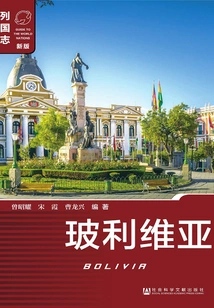
Bolivia (2nd Edition)
History玻利维亚(第2版)
Zeng Zhaoyao Song Xia Cao Longxing
The Plurinational State of Bolivia, referred to as Bolivia, is a landlocked country in central South America, a beautiful plateau country and one of the countries with the most diverse ecosystems in the world. After Morales came to power in 2006, Bolivia was committed to following the development path of "community socialism". The economic ecology and political ecology have undergone tremendous changes, and Bolivia has been promoted to a middle-income country. This book comprehensively introduces Bolivia's physical geography, history, politics, economy, society, culture and diplomacy.
The Plurinational State of Bolivia, referred to as Bolivia, is a landlocked country in central South America, a beautiful plateau country and one of the countries with the most diverse ecosystems in the world. After Morales came to power in 2006, Bolivia was committed to following the development path of "community socialism". The economic ecology and political ecology have undergone tremendous changes, and Bolivia has been promoted to a middle-income country. This book comprehensively introduces Bolivia's physical geography, history, politics, economy, society, culture and diplomacy.
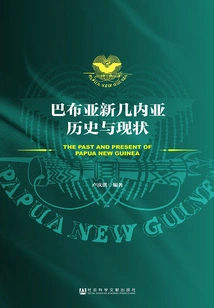
巴布亚新几内亚历史与现状
Lu Qinghong
Papua New Guinea is located in the western Pacific south of the equator. It is the largest country in Oceania except Australia. It is also the indigenous nation with the largest land area and the largest population among the Pacific island countries. It is the intersection of the South and North Pacific, a bridge connecting the South Pacific region and Southeast Asian countries, and has become an irreplaceable role in China's "One Belt, One Road" initiative. The two countries have achieved complementary development through close cooperation in politics, economy, culture and other fields. In recent years, relations between the two countries have continued to improve, and both parties have jointly created a new situation in comprehensive cooperation. This book combines various domestic and foreign materials to provide a detailed and comprehensive introduction to the history and development status of Papua New Guinea.
Papua New Guinea is located in the western Pacific south of the equator. It is the largest country in Oceania except Australia. It is also the indigenous nation with the largest land area and the largest population among the Pacific island countries. It is the intersection of the South and North Pacific, a bridge connecting the South Pacific region and Southeast Asian countries, and has become an irreplaceable role in China's "One Belt, One Road" initiative. The two countries have achieved complementary development through close cooperation in politics, economy, culture and other fields. In recent years, relations between the two countries have continued to improve, and both parties have jointly created a new situation in comprehensive cooperation. This book combines various domestic and foreign materials to provide a detailed and comprehensive introduction to the history and development status of Papua New Guinea.
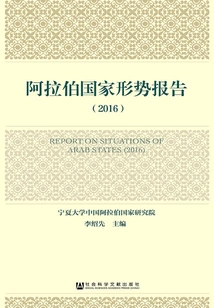
阿拉伯国家形势报告(2016)
Li Shaoxian
This book is an annual research report organized by the China Institute of Arab Studies at Ningxia University. It conducts follow-up research on the overall situation in Arab countries, the situation in key countries, the situation in countries with major developments and major impacts, and relevant important topics. It aims to comprehensively reflect the latest development trends in the Arab world. The manuscript outlines the overall development situation of Arab countries in 2016, focuses on the internal and external situations of Egypt, Saudi Arabia, Yemen and the Maghreb, analyzes and predicts the current situation and prospects of the "Islamic State" and the Kurdish issue, and finally elaborates on the current situation and strategic thinking of my country's relations with Middle Eastern countries.
This book is an annual research report organized by the China Institute of Arab Studies at Ningxia University. It conducts follow-up research on the overall situation in Arab countries, the situation in key countries, the situation in countries with major developments and major impacts, and relevant important topics. It aims to comprehensively reflect the latest development trends in the Arab world. The manuscript outlines the overall development situation of Arab countries in 2016, focuses on the internal and external situations of Egypt, Saudi Arabia, Yemen and the Maghreb, analyzes and predicts the current situation and prospects of the "Islamic State" and the Kurdish issue, and finally elaborates on the current situation and strategic thinking of my country's relations with Middle Eastern countries.
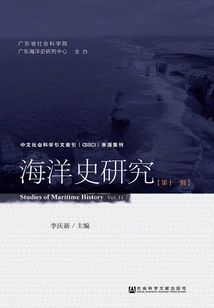
海洋史研究(第11辑)
Li Qingxin
This book discusses the export porcelain production of Chaozhou kilns after the Song Dynasty and the Chaozhou kiln products discovered at the Fukuoka archaeological site in Japan, modern Chaozhou porcelain merchants and Southeast Asian Chaozhou porcelain enterprises, the abolition of maidservants movement in important seaport cities in modern "Ocean Asia", the spread of Christianity in Chaoshan area and the issue of religious women, and the Ming Dynasty survivor Li Weijing of Malacca (1614 ~1688) and the construction of public memory of the Chinese community, the rise and fall of Sino-Philippine trade from the 16th century to modern times, the customs history of the Qing Dynasty and Guangdong Customs, the "Guangzhou system" and other issues, expand the new field of maritime history research, conduct in-depth discussions on some new issues, and reflect the new trends and new levels of international maritime history research.
This book discusses the export porcelain production of Chaozhou kilns after the Song Dynasty and the Chaozhou kiln products discovered at the Fukuoka archaeological site in Japan, modern Chaozhou porcelain merchants and Southeast Asian Chaozhou porcelain enterprises, the abolition of maidservants movement in important seaport cities in modern "Ocean Asia", the spread of Christianity in Chaoshan area and the issue of religious women, and the Ming Dynasty survivor Li Weijing of Malacca (1614 ~1688) and the construction of public memory of the Chinese community, the rise and fall of Sino-Philippine trade from the 16th century to modern times, the customs history of the Qing Dynasty and Guangdong Customs, the "Guangzhou system" and other issues, expand the new field of maritime history research, conduct in-depth discussions on some new issues, and reflect the new trends and new levels of international maritime history research.
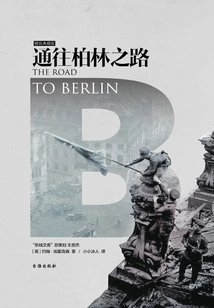
通往柏林之路(精装典藏版)
(uk) John Ericson
The Soviet-German War is a legend of the Soviet people, a powerful proof of the Soviet Union's adaptability, and a record of its sacrifices and achievements, including of course the efforts of the Communist Party, which ultimately led to victory in the most arduous war in history. During the 1,320 days of effective military operations (approximately 93% of the entire war period), the Red Army annihilated or defeated 506.5 German divisions on the Eastern Front. The unlucky German slave country also lost more than 100 divisions in this war against the Soviet Union. "The Road to Stalingrad" and "The Road to Berlin" are the most complete and authoritative books on the Soviet-German war in history, vividly describing the story of the Soviet Red Army driving the German invaders from the Soviet Union in an epic battle. The book is a fascinating and gripping description of the series of extremely arduous battles and actions that took place until the Soviet Red Army launched an assault on Nazi Germany and finally captured Berlin - the scale of which is unimaginable in the Western world.
The Soviet-German War is a legend of the Soviet people, a powerful proof of the Soviet Union's adaptability, and a record of its sacrifices and achievements, including of course the efforts of the Communist Party, which ultimately led to victory in the most arduous war in history. During the 1,320 days of effective military operations (approximately 93% of the entire war period), the Red Army annihilated or defeated 506.5 German divisions on the Eastern Front. The unlucky German slave country also lost more than 100 divisions in this war against the Soviet Union. "The Road to Stalingrad" and "The Road to Berlin" are the most complete and authoritative books on the Soviet-German war in history, vividly describing the story of the Soviet Red Army driving the German invaders from the Soviet Union in an epic battle. The book is a fascinating and gripping description of the series of extremely arduous battles and actions that took place until the Soviet Red Army launched an assault on Nazi Germany and finally captured Berlin - the scale of which is unimaginable in the Western world.
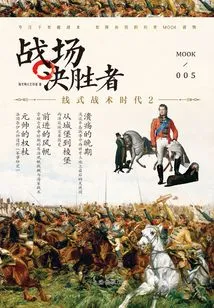
战场决胜者005:线式战术时代2
Zhiwen Fenghuo Studio
This book is divided into three parts to analyze the era of European line tactics, especially the battles during the Napoleonic Wars. The first part - "The Late Ulcer: The Last Great Battle between Britain and France in the Napoleonic Peninsular War" tells the story of Napoleon's army's battle history in the Spanish Peninsula, the "ulcer of the empire" when Europe was in smoke in 1813, as well as the political and economic game behind it. The second part, "Deadly Skills," consists of two articles. "The Persistence of Earth and Stone: A Brief History of the Transformation of Western Fortresses," which tells the story of Europeans' battles for attacking and defending fortresses from the Middle Ages to modern times; "The Forward Sails: British and French Sail Battleships and Naval Tactics during the Napoleonic Wars," which tells the story of the struggle for sea power during the French Revolutionary War from 1792 to 1815. The third part is "The Marshal's Scepter: "Military Studies", the posthumous work of French Marshal Ney. This article is translated and compiled from the manuscripts that Ney wrote to his generals when he was the commander of the Montreuil Camp in 1804. From it, we can see the daily operations and daily life of ordinary soldiers and commanders at that time.
This book is divided into three parts to analyze the era of European line tactics, especially the battles during the Napoleonic Wars. The first part - "The Late Ulcer: The Last Great Battle between Britain and France in the Napoleonic Peninsular War" tells the story of Napoleon's army's battle history in the Spanish Peninsula, the "ulcer of the empire" when Europe was in smoke in 1813, as well as the political and economic game behind it. The second part, "Deadly Skills," consists of two articles. "The Persistence of Earth and Stone: A Brief History of the Transformation of Western Fortresses," which tells the story of Europeans' battles for attacking and defending fortresses from the Middle Ages to modern times; "The Forward Sails: British and French Sail Battleships and Naval Tactics during the Napoleonic Wars," which tells the story of the struggle for sea power during the French Revolutionary War from 1792 to 1815. The third part is "The Marshal's Scepter: "Military Studies", the posthumous work of French Marshal Ney. This article is translated and compiled from the manuscripts that Ney wrote to his generals when he was the commander of the Montreuil Camp in 1804. From it, we can see the daily operations and daily life of ordinary soldiers and commanders at that time.
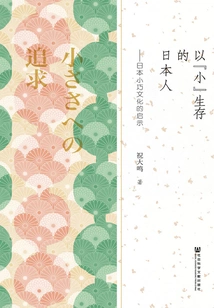
以“小”生存的日本人:日本小巧文化的启示
Zhu Daming
Through many years of personal experience and extensive contact with Japanese people and Japanese society, the author uses a large amount of rich materials and data to introduce the performance, types and causes of Japanese miniature culture from the aspects of language, literature, art, animation, food, design, etc., And is equipped with a large number of illustrations shot on site. The book is about 250,000 words, and elaborates on the characteristics of Japan's miniature culture from the following five aspects, focusing on "little Japan" - being good at small; a big country with miniature culture - making big from small; the performance of miniature culture - being good at small things; the classification of miniature culture - change and unchanged; the cause of miniature culture - a place of water and soil.
Through many years of personal experience and extensive contact with Japanese people and Japanese society, the author uses a large amount of rich materials and data to introduce the performance, types and causes of Japanese miniature culture from the aspects of language, literature, art, animation, food, design, etc., And is equipped with a large number of illustrations shot on site. The book is about 250,000 words, and elaborates on the characteristics of Japan's miniature culture from the following five aspects, focusing on "little Japan" - being good at small; a big country with miniature culture - making big from small; the performance of miniature culture - being good at small things; the classification of miniature culture - change and unchanged; the cause of miniature culture - a place of water and soil.
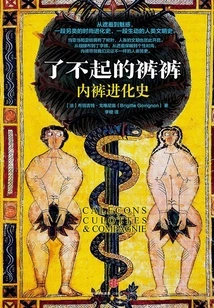
了不起的裤裤:内裤进化史
(france) Brigitte Govignon
"The Great Pants" is an alternative "history book" written by French fashion writer Brigitte Govignon for a wide range of readers. From the vine leaves that covered Adam and Eve's shame to 20th-century Superman comics, Brigitte Govignon quotes from a wide range of sources and uses vivid language to vividly show how those little pieces of cloth turned into loincloths, crotch bags, long underpants, boxers, briefs, and even thongs later. Brigitte Govignon tells us an alternative brief history of human civilization through the evolutionary history of underwear - why did men in ancient Greece like to be naked, while women covered their bodies with charming cloth heads? Could it be that, as shown in the murals, there were already "thongs" in ancient Egypt? Why does Superman always wear his underwear outside? In Brigitte Govignon's interesting discussion, underwear is no longer just underwear, it is also a cultural symbol, carrying too many stories about beauty and fashion, leading us to witness a different brief history of mankind. Plus, "The Great Pants" is full of art. Whether they are art masters of the Renaissance or illustrators of the 19th century, they all used an artistic perspective to perfectly combine fashion and art, leading us to peek into the ultimate secret of underwear and create artistic, "amazing pants".
"The Great Pants" is an alternative "history book" written by French fashion writer Brigitte Govignon for a wide range of readers. From the vine leaves that covered Adam and Eve's shame to 20th-century Superman comics, Brigitte Govignon quotes from a wide range of sources and uses vivid language to vividly show how those little pieces of cloth turned into loincloths, crotch bags, long underpants, boxers, briefs, and even thongs later. Brigitte Govignon tells us an alternative brief history of human civilization through the evolutionary history of underwear - why did men in ancient Greece like to be naked, while women covered their bodies with charming cloth heads? Could it be that, as shown in the murals, there were already "thongs" in ancient Egypt? Why does Superman always wear his underwear outside? In Brigitte Govignon's interesting discussion, underwear is no longer just underwear, it is also a cultural symbol, carrying too many stories about beauty and fashion, leading us to witness a different brief history of mankind. Plus, "The Great Pants" is full of art. Whether they are art masters of the Renaissance or illustrators of the 19th century, they all used an artistic perspective to perfectly combine fashion and art, leading us to peek into the ultimate secret of underwear and create artistic, "amazing pants".
Progress and Breakthrough: Oil and Gas Development in the Sakhalin Region of Russia's Far East
History渐进与突破:俄罗斯远东萨哈林地区的油气开发
Wang Shaozhang
The Sakhalin region has always been the "testing ground" in the eastern part of the country in the history of the development of the Russian oil industry due to its continuous renewal of reserves and its geographical location facing the ocean. On the basis of sorting out and drawing on domestic and foreign achievements, this book shows the process and specific motivations of oil and gas development from the perspective of combining history and reality, and outlines the development outline of the region's oil industry under the intention of "one step back, two steps forward" for more than a hundred years. Specifically, it includes the origin and development of Sakhalin's oil industry, the close intertwining of oil and gas in Sakhalin with national strategy and regional politics, and the gradual transformation of Sakhalin into a "hydrogen society".
The Sakhalin region has always been the "testing ground" in the eastern part of the country in the history of the development of the Russian oil industry due to its continuous renewal of reserves and its geographical location facing the ocean. On the basis of sorting out and drawing on domestic and foreign achievements, this book shows the process and specific motivations of oil and gas development from the perspective of combining history and reality, and outlines the development outline of the region's oil industry under the intention of "one step back, two steps forward" for more than a hundred years. Specifically, it includes the origin and development of Sakhalin's oil industry, the close intertwining of oil and gas in Sakhalin with national strategy and regional politics, and the gradual transformation of Sakhalin into a "hydrogen society".
疾病与人类文明
(american) Henry Ernest Siegrist
"Disease and Human Civilization" is the text of the "Massenzhe Lecture" given by the author Henry Ernest Siegrist at Cornell University in Ithaca in 1940. The topic of the "lecture" is "The Evolution of Civilization". The author's topic is the relationship between disease and civilization. The author believes that disease has played a very important role in the evolution of civilization. For an individual, disease is not just a biological process, but is likely to be an unforgettable experience that has an impact on the individual throughout his or her life. Humans are the creators of civilization, and diseases affect the process of civilization by affecting humans.
"Disease and Human Civilization" is the text of the "Massenzhe Lecture" given by the author Henry Ernest Siegrist at Cornell University in Ithaca in 1940. The topic of the "lecture" is "The Evolution of Civilization". The author's topic is the relationship between disease and civilization. The author believes that disease has played a very important role in the evolution of civilization. For an individual, disease is not just a biological process, but is likely to be an unforgettable experience that has an impact on the individual throughout his or her life. Humans are the creators of civilization, and diseases affect the process of civilization by affecting humans.
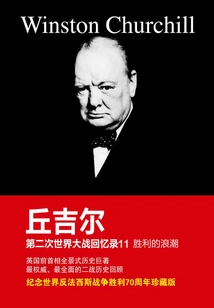
第二次世界大战回忆录11:胜利的浪潮
(british) Churchill
This book mainly describes the entire process from June 6, 1944, when the US and British forces launched the largest amphibious landing in history in Normandy, to the end of 1944, when the Axis forces retreated steadily and the Allied forces liberated Europe with overwhelming force.
This book mainly describes the entire process from June 6, 1944, when the US and British forces launched the largest amphibious landing in history in Normandy, to the end of 1944, when the Axis forces retreated steadily and the Allied forces liberated Europe with overwhelming force.
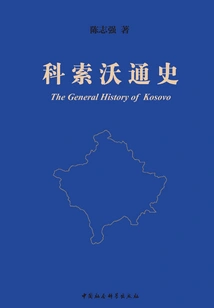
General History of Kosovo
History科索沃通史
Chen Zhiqiang
This book comprehensively presents the main clues of Kosovo's historical changes from ancient times to the present, and discusses relevant major issues in eight chapters based on the stage characteristics of the region's historical development. The book starts with the ancient multi-ethnic integration and multi-cultural collision in Kosovo, and follows the chronological clues to show one by one that the internal contradictions in the region were intensified by the rule of the Ottoman Turkish Empire; in particular, the competition between European and American powers for the Balkan Peninsula led to the intertwining of various contradictions in Kosovo, and the Balkan War. During the two world wars, conflicts in Kosovo further accumulated; the Kosovo policy implemented by the Yugoslav government during the Tito era gradually intensified local ethnic conflicts, paving the way for the ethnic war conflicts in Kosovo in the post-Tito era; and finally analyzed the turbulent situation in Kosovo.
This book comprehensively presents the main clues of Kosovo's historical changes from ancient times to the present, and discusses relevant major issues in eight chapters based on the stage characteristics of the region's historical development. The book starts with the ancient multi-ethnic integration and multi-cultural collision in Kosovo, and follows the chronological clues to show one by one that the internal contradictions in the region were intensified by the rule of the Ottoman Turkish Empire; in particular, the competition between European and American powers for the Balkan Peninsula led to the intertwining of various contradictions in Kosovo, and the Balkan War. During the two world wars, conflicts in Kosovo further accumulated; the Kosovo policy implemented by the Yugoslav government during the Tito era gradually intensified local ethnic conflicts, paving the way for the ethnic war conflicts in Kosovo in the post-Tito era; and finally analyzed the turbulent situation in Kosovo.
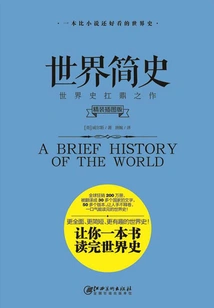
世界简史(精装插图版)
H
"A Brief History of the World" is a distinctive world history written by the famous British writer Wells. In "A Brief History of the World", the author has unique narratives about ancient Egypt, ancient Greece and Rome, the European Renaissance, the Reformation, the British Industrial Revolution, the American War of Independence, the French Revolution, etc. Eastern culture, including Confucianism and Taoism, are all involved. "A Brief History of the World" got rid of the narrow-mindedness of nationalism and even Eurocentrism earlier than many works of the same era. In "A Brief History of the World", Wells focused on the heritage of the entire human civilization, including culture, thought, religion, art, etc., Which are truly valuable things in the process of human history. Wells wrote history as a writer with great literary talent. Therefore, "A Brief History of the World" is highly readable. Since its publication, it has been a model book for young people to learn historical knowledge!
"A Brief History of the World" is a distinctive world history written by the famous British writer Wells. In "A Brief History of the World", the author has unique narratives about ancient Egypt, ancient Greece and Rome, the European Renaissance, the Reformation, the British Industrial Revolution, the American War of Independence, the French Revolution, etc. Eastern culture, including Confucianism and Taoism, are all involved. "A Brief History of the World" got rid of the narrow-mindedness of nationalism and even Eurocentrism earlier than many works of the same era. In "A Brief History of the World", Wells focused on the heritage of the entire human civilization, including culture, thought, religion, art, etc., Which are truly valuable things in the process of human history. Wells wrote history as a writer with great literary talent. Therefore, "A Brief History of the World" is highly readable. Since its publication, it has been a model book for young people to learn historical knowledge!
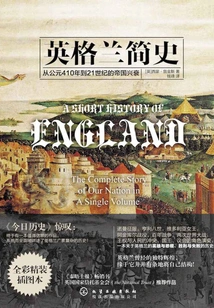
英格兰简史(全彩精装插图本)
(uk)simon Jenkins
In "A Brief History of England", the famous British historian, critic, and columnist Sir Jenkins tells the complete history of England from the Dark Ages in 410 AD to the modern society in the early 21st century. It includes many key figures and events that influenced England's history, and integrates them into the birth, rise, and then slow decline of a great country. The book touches on many themes, from the conflict between the monarchy and the people, to the relationship between Britain and Europe and the world, as well as the evolution of the roles of the king and parliament, etc. With his timeless writing, wise language, and rigorous attitude, Sir Jenkins tells us how modern England was created. "A Brief History of England" has rich historical materials, concise and objective language, calm and pertinent comments on historical figures and events, and is equipped with nearly a hundred precious full-color pictures. Reading this book will give you a panoramic view of England's vast and complex history both horizontally and vertically, making you think about it for thousands of years and travel far and wide.
In "A Brief History of England", the famous British historian, critic, and columnist Sir Jenkins tells the complete history of England from the Dark Ages in 410 AD to the modern society in the early 21st century. It includes many key figures and events that influenced England's history, and integrates them into the birth, rise, and then slow decline of a great country. The book touches on many themes, from the conflict between the monarchy and the people, to the relationship between Britain and Europe and the world, as well as the evolution of the roles of the king and parliament, etc. With his timeless writing, wise language, and rigorous attitude, Sir Jenkins tells us how modern England was created. "A Brief History of England" has rich historical materials, concise and objective language, calm and pertinent comments on historical figures and events, and is equipped with nearly a hundred precious full-color pictures. Reading this book will give you a panoramic view of England's vast and complex history both horizontally and vertically, making you think about it for thousands of years and travel far and wide.

日本帝国主义对东北朝鲜族统治研究
Editor-in-chief Sun Chunri
History is a mirror of reality. Never forget the past and be the teacher of the future. At a time when Japan is trying its best to cover up its history of aggression, the study of the Japanese rule over the Korean people in Northeast China has not only practical significance, but also far-reaching historical significance. To this end, in order to comprehensively and systematically expose the brutal rule of the Japanese Empire against the Korean people in Northeast China, this book uses a large number of historical facts to examine the heinous crimes committed by the Japanese Empire against the Korean people from 1907 to 1945 in terms of politics, economy, military, culture and other aspects. So far, domestic studies on the history of Japan's invasion of China have produced numerous results and numerous works. However, there are only a few monographs on the Japanese colonial rule that focus on the history of suffering of a nation. Even the research on Korean history and culture is mostly concentrated in the fields of Korean anti-Japanese armed struggle, Korean immigration, etc. This book is based on collecting and sorting out existing relevant and sporadic research results, paying attention to digging out new first-hand information, conducting field investigations, interviewing parties, and finally sorting it out by category. Especially combined with the international relations of Northeast Asia in the 20th century, a systematic study of the entire process of the Japanese empire's use of Korean immigrants to invade Northeast China is an important clue to expand the research vision in the future.
History is a mirror of reality. Never forget the past and be the teacher of the future. At a time when Japan is trying its best to cover up its history of aggression, the study of the Japanese rule over the Korean people in Northeast China has not only practical significance, but also far-reaching historical significance. To this end, in order to comprehensively and systematically expose the brutal rule of the Japanese Empire against the Korean people in Northeast China, this book uses a large number of historical facts to examine the heinous crimes committed by the Japanese Empire against the Korean people from 1907 to 1945 in terms of politics, economy, military, culture and other aspects. So far, domestic studies on the history of Japan's invasion of China have produced numerous results and numerous works. However, there are only a few monographs on the Japanese colonial rule that focus on the history of suffering of a nation. Even the research on Korean history and culture is mostly concentrated in the fields of Korean anti-Japanese armed struggle, Korean immigration, etc. This book is based on collecting and sorting out existing relevant and sporadic research results, paying attention to digging out new first-hand information, conducting field investigations, interviewing parties, and finally sorting it out by category. Especially combined with the international relations of Northeast Asia in the 20th century, a systematic study of the entire process of the Japanese empire's use of Korean immigrants to invade Northeast China is an important clue to expand the research vision in the future.
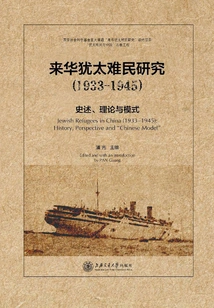
来华犹太难民研究(1933-1945):史述、理论与模式
Pan Guang
In the 1930s and 1940s, more than 6 million Jews were brutally massacred by the Nazis in Europe. Almost all parts of the world closed their doors to Jewish refugees in urgent need of help. However, the Chinese people and the metropolis of Shanghai extended a helping hand to Jewish refugees at this critical moment. About 25,000 Jewish refugees who came to China regarded Shanghai as their "Noah's Ark". They shared the joys and sorrows with the Chinese people and spent difficult years on Chinese soil. Some even directly participated in the Chinese people's anti-fascist struggle and national liberation movement. This book is the final result of a major project funded by the National Social Science Fund. From the perspective of academic research, this history of Jewish refugees seeking refuge in China during World War II was sorted out and summarized.
In the 1930s and 1940s, more than 6 million Jews were brutally massacred by the Nazis in Europe. Almost all parts of the world closed their doors to Jewish refugees in urgent need of help. However, the Chinese people and the metropolis of Shanghai extended a helping hand to Jewish refugees at this critical moment. About 25,000 Jewish refugees who came to China regarded Shanghai as their "Noah's Ark". They shared the joys and sorrows with the Chinese people and spent difficult years on Chinese soil. Some even directly participated in the Chinese people's anti-fascist struggle and national liberation movement. This book is the final result of a major project funded by the National Social Science Fund. From the perspective of academic research, this history of Jewish refugees seeking refuge in China during World War II was sorted out and summarized.
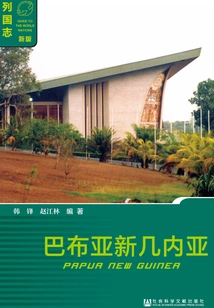
巴布亚新几内亚(第2版)
Compiled By Han Feng And Zhao Jianglin
Papua New Guinea is located in the southwest Pacific Ocean and has more than 600 islands throughout its territory. It became independent on September 16, 1975. Papua New Guinea is rich in resources and has uneven economic development. Minerals, petroleum and agricultural cash crops are the backbone of the country's economy. It is rich in tourism resources and has great development potential. It pursues a policy of neutrality externally and advocates peaceful coexistence among all countries. Since the establishment of diplomatic relations with China, relations between the two countries have maintained steady development, and the two sides have established a strategic partnership of mutual respect and common development. This book combines domestic and foreign information and strives to comprehensively introduce Papua New Guinea to readers.
Papua New Guinea is located in the southwest Pacific Ocean and has more than 600 islands throughout its territory. It became independent on September 16, 1975. Papua New Guinea is rich in resources and has uneven economic development. Minerals, petroleum and agricultural cash crops are the backbone of the country's economy. It is rich in tourism resources and has great development potential. It pursues a policy of neutrality externally and advocates peaceful coexistence among all countries. Since the establishment of diplomatic relations with China, relations between the two countries have maintained steady development, and the two sides have established a strategic partnership of mutual respect and common development. This book combines domestic and foreign information and strives to comprehensively introduce Papua New Guinea to readers.
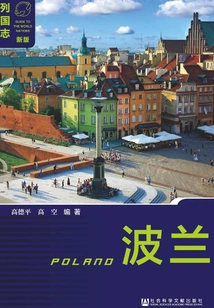
Poland (2nd Edition)
History波兰(第2版)
Gao Deping Gao Gao
Poland is located in the middle of Europe, like a crossroads. She was once the outpost of cultural exchange between Europe and Asia. Poland came from the wilderness, from converting to God and feudal separatism to realizing the unity of the kingdom and the aristocratic republic, and for a time it dominated Eastern Europe. Later, it was divided several times by the great powers, and after a hundred years of salvation, it was finally reborn from the ashes. Now it has made a transformation and continues to write glory. This book will take you to appreciate the beauty of Poland, experience a cultural pilgrimage, and embark on a soul-stirring journey.
Poland is located in the middle of Europe, like a crossroads. She was once the outpost of cultural exchange between Europe and Asia. Poland came from the wilderness, from converting to God and feudal separatism to realizing the unity of the kingdom and the aristocratic republic, and for a time it dominated Eastern Europe. Later, it was divided several times by the great powers, and after a hundred years of salvation, it was finally reborn from the ashes. Now it has made a transformation and continues to write glory. This book will take you to appreciate the beauty of Poland, experience a cultural pilgrimage, and embark on a soul-stirring journey.
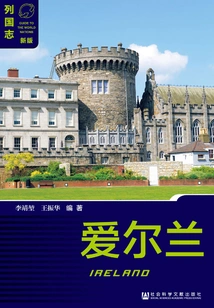
Ireland (3rd Edition)
History爱尔兰(第3版)
Li Jingkun Wang Zhenhua
Ireland is an island country located on the northwest coast of the European continent. Although it is small and remote, it has a long and rich historical and cultural heritage and beautiful natural landscapes. It especially occupies an important position in the history of world literature. In addition, Ireland is also an innovative country, and its successful transition from an agricultural and animal husbandry economy to a knowledge economy is worth learning from. This book provides a comprehensive introduction to Ireland's national conditions, history, politics, economy, military, diplomacy and other basic situations.
Ireland is an island country located on the northwest coast of the European continent. Although it is small and remote, it has a long and rich historical and cultural heritage and beautiful natural landscapes. It especially occupies an important position in the history of world literature. In addition, Ireland is also an innovative country, and its successful transition from an agricultural and animal husbandry economy to a knowledge economy is worth learning from. This book provides a comprehensive introduction to Ireland's national conditions, history, politics, economy, military, diplomacy and other basic situations.
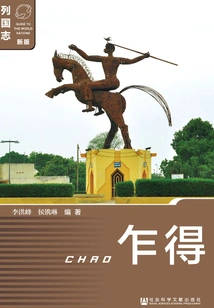
Chad
History乍得
Li Hongfeng Hou Nuolin
Chad, a country in Central Africa, is a traditional agricultural country. Restricted by geographical and climatic conditions, crop planting and yield improvement still face various challenges. At the beginning of the 21st century, Chad's oil development brought hope for industrial development, but it has not yet fully benefited all walks of life in Chad. Problems in income, employment, education and medical care have long plagued Chadian society, especially the youth group, which accounts for a large proportion of the population. The Chadian government and people are actively developing cooperation with the international community to promote national economic development and gradually improve people's lives. This book comprehensively introduces Chad's national situation overview, history, politics, economy, military, diplomacy and other basic information.
Chad, a country in Central Africa, is a traditional agricultural country. Restricted by geographical and climatic conditions, crop planting and yield improvement still face various challenges. At the beginning of the 21st century, Chad's oil development brought hope for industrial development, but it has not yet fully benefited all walks of life in Chad. Problems in income, employment, education and medical care have long plagued Chadian society, especially the youth group, which accounts for a large proportion of the population. The Chadian government and people are actively developing cooperation with the international community to promote national economic development and gradually improve people's lives. This book comprehensively introduces Chad's national situation overview, history, politics, economy, military, diplomacy and other basic information.
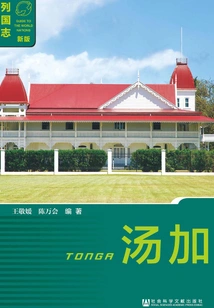
Tonga
History汤加
Wang Jingyuan Chen Wanhui
The Kingdom of Tonga is located in the vast southwestern Pacific Ocean. It is the only country in the South Pacific that implements a constitutional monarchy. It is also the only country in the region that has not been colonized. Tonga has a long history, a strong religious atmosphere and unique customs and culture. In the new century, under the influence of globalization, tradition and democratic elements are intertwined, and Tonga is striving to explore a path for national development and national prosperity. This book introduces the changes of Tonga through the ages in detail, showing readers the style of the remote and mysterious island country.
The Kingdom of Tonga is located in the vast southwestern Pacific Ocean. It is the only country in the South Pacific that implements a constitutional monarchy. It is also the only country in the region that has not been colonized. Tonga has a long history, a strong religious atmosphere and unique customs and culture. In the new century, under the influence of globalization, tradition and democratic elements are intertwined, and Tonga is striving to explore a path for national development and national prosperity. This book introduces the changes of Tonga through the ages in detail, showing readers the style of the remote and mysterious island country.
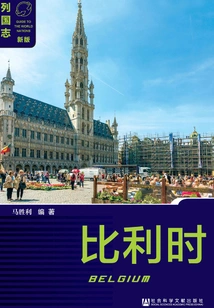
Belgium (2nd Edition)
History比利时(第2版)
Ma Shengli
The Kingdom of Belgium is located in northwest Europe. It is a small country in terms of land and population, but it is nevertheless a highly developed industrialized country. Belgium is a unique federal country that plays an extraordinary international role in politics, economy, science and technology, culture, diplomacy and other aspects. Brussels, the capital, brings together more than 700 international institutions such as the European Union and NATO, so it is known as the "European Capital". This book comprehensively introduces and analyzes Belgium's physical geography, historical development, political system, economic development, social policy, culture and art, and foreign relations.
The Kingdom of Belgium is located in northwest Europe. It is a small country in terms of land and population, but it is nevertheless a highly developed industrialized country. Belgium is a unique federal country that plays an extraordinary international role in politics, economy, science and technology, culture, diplomacy and other aspects. Brussels, the capital, brings together more than 700 international institutions such as the European Union and NATO, so it is known as the "European Capital". This book comprehensively introduces and analyzes Belgium's physical geography, historical development, political system, economic development, social policy, culture and art, and foreign relations.
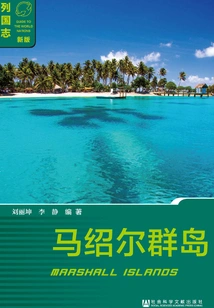
Marshall Islands
History马绍尔群岛
Liu Likun Li Jing
The Marshall Islands is located in the central Pacific Ocean and consists of 1,225 large and small coral islands. It has beautiful scenery and is known as the "Black Pearl of the South Pacific". The strategic location of the Marshall Islands is extremely important. It is a strategic location in the South Pacific and an important fulcrum of the US military's Pacific defense system. The Marshall Islands is a small island developing country. Commercial activities are mainly concentrated in Majuro and Ebeye, while the outer islands are mainly based on subsistence agriculture. This book comprehensively and systematically introduces the political, historical, economic, social, cultural, and diplomatic aspects of the Marshall Islands.
The Marshall Islands is located in the central Pacific Ocean and consists of 1,225 large and small coral islands. It has beautiful scenery and is known as the "Black Pearl of the South Pacific". The strategic location of the Marshall Islands is extremely important. It is a strategic location in the South Pacific and an important fulcrum of the US military's Pacific defense system. The Marshall Islands is a small island developing country. Commercial activities are mainly concentrated in Majuro and Ebeye, while the outer islands are mainly based on subsistence agriculture. This book comprehensively and systematically introduces the political, historical, economic, social, cultural, and diplomatic aspects of the Marshall Islands.
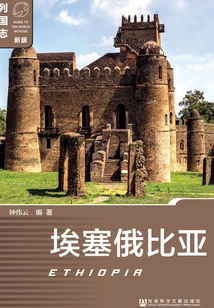
Ethiopia
History埃塞俄比亚
Zhong Weiyun
Ethiopia is located in northeastern Africa and is one of the ancient African civilizations. It has beautiful natural scenery, historical heritage such as ancient castles and ancient churches, and is a popular tourist attraction. Ethiopia's industrial and service sectors are developing rapidly and it has become one of the fastest growing economies in Africa. The capital, Addis Ababa, is the seat of the headquarters of international organizations such as the African Union and the United Nations Economic Commission for Africa. Ethiopia plays an active role in foreign affairs in the region. This book comprehensively and systematically introduces Ethiopia's political, historical, economic, social, cultural, and diplomatic aspects.
Ethiopia is located in northeastern Africa and is one of the ancient African civilizations. It has beautiful natural scenery, historical heritage such as ancient castles and ancient churches, and is a popular tourist attraction. Ethiopia's industrial and service sectors are developing rapidly and it has become one of the fastest growing economies in Africa. The capital, Addis Ababa, is the seat of the headquarters of international organizations such as the African Union and the United Nations Economic Commission for Africa. Ethiopia plays an active role in foreign affairs in the region. This book comprehensively and systematically introduces Ethiopia's political, historical, economic, social, cultural, and diplomatic aspects.
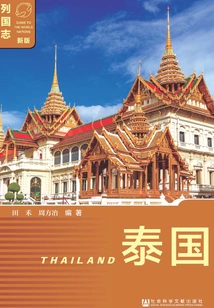
Thailand (3rd Edition)
History泰国(第3版)
Tian He Zhou Fangye
Located in the hinterland of the Indochina Peninsula, Thailand is known as the "Land of Smiles" and has been an important regional hub for economic and cultural exchanges between the East and the West since ancient times. After more than 700 years of historical accumulation, modernity and tradition, piety and flashiness, unrestrainedness and restraint, boldness and femininity, many different characteristics have been deeply reflected in Thai social life, as if the prism reflects the brilliant brilliance, making it difficult to grasp its essence. This book will lift up the mystery of Thailand for you and lead you to have a more comprehensive and profound understanding of the friendly neighbors "China and Thailand are one family".
Located in the hinterland of the Indochina Peninsula, Thailand is known as the "Land of Smiles" and has been an important regional hub for economic and cultural exchanges between the East and the West since ancient times. After more than 700 years of historical accumulation, modernity and tradition, piety and flashiness, unrestrainedness and restraint, boldness and femininity, many different characteristics have been deeply reflected in Thai social life, as if the prism reflects the brilliant brilliance, making it difficult to grasp its essence. This book will lift up the mystery of Thailand for you and lead you to have a more comprehensive and profound understanding of the friendly neighbors "China and Thailand are one family".
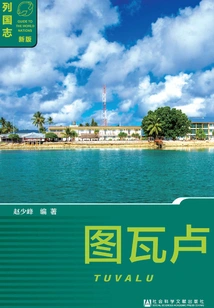
Tuvalu
History图瓦卢
Zhao Shaofeng
Tuvalu, formerly known as the Ellis Islands, is located in the southwest Pacific. The country consists of 9 coral reef island groups with a land area of 26 square kilometers. The country's foreign exchange income mainly comes from collecting fishing fees from foreign ships, overseas labor remittances, sales of stamps and copra, and foreign aid funds. Tuvalu's low altitude puts the country at risk of sinking under sea levels caused by rising global temperatures. This book comprehensively and systematically introduces all aspects of Tuvalu's politics, history, economy, society, culture, and diplomacy.
Tuvalu, formerly known as the Ellis Islands, is located in the southwest Pacific. The country consists of 9 coral reef island groups with a land area of 26 square kilometers. The country's foreign exchange income mainly comes from collecting fishing fees from foreign ships, overseas labor remittances, sales of stamps and copra, and foreign aid funds. Tuvalu's low altitude puts the country at risk of sinking under sea levels caused by rising global temperatures. This book comprehensively and systematically introduces all aspects of Tuvalu's politics, history, economy, society, culture, and diplomacy.
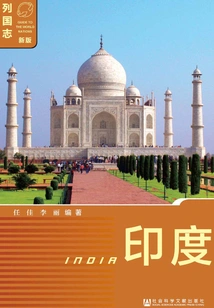
India
History印度
Ren Jia Li Li
India is one of the four ancient civilizations in the world and created the Indus Valley Civilization. India is the largest country in the South Asian subcontinent and is rich in cultural heritage and natural resources. It has become an important representative of developing countries in achieving economic rise, and has made certain achievements in the country's politics, economy, military, society, culture, and foreign relations. This book comprehensively and systematically introduces all aspects of India's politics, history, economy, society, culture, and diplomacy.
India is one of the four ancient civilizations in the world and created the Indus Valley Civilization. India is the largest country in the South Asian subcontinent and is rich in cultural heritage and natural resources. It has become an important representative of developing countries in achieving economic rise, and has made certain achievements in the country's politics, economy, military, society, culture, and foreign relations. This book comprehensively and systematically introduces all aspects of India's politics, history, economy, society, culture, and diplomacy.
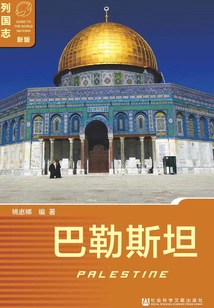
Palestine (2nd Edition)
History巴勒斯坦(第2版)
Yao Huina
Palestine is located in the west of Asia and on the east coast of the Mediterranean. It is the junction of the three continents of Asia, Africa and Europe, and the intersection of Eastern and Western civilizations. Since the dawn of mankind, the struggle for survival resources has been ongoing here, and the Palestinian-Israeli conflict has continued for more than a hundred years without being effectively resolved. However, here there is not only history and religion, smoke and war, but also bustling cities and villages, modern colleges and universities, and a booming information industry... This book comprehensively introduces the basic situation of Palestine's national conditions, history, politics, economy, military, diplomacy and other aspects.
Palestine is located in the west of Asia and on the east coast of the Mediterranean. It is the junction of the three continents of Asia, Africa and Europe, and the intersection of Eastern and Western civilizations. Since the dawn of mankind, the struggle for survival resources has been ongoing here, and the Palestinian-Israeli conflict has continued for more than a hundred years without being effectively resolved. However, here there is not only history and religion, smoke and war, but also bustling cities and villages, modern colleges and universities, and a booming information industry... This book comprehensively introduces the basic situation of Palestine's national conditions, history, politics, economy, military, diplomacy and other aspects.
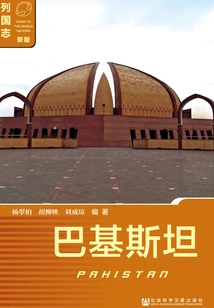
Pakistan (2nd Edition)
History巴基斯坦(第2版)
Yang Cuibai Hu Liuying Liu Chengqiong
Pakistan is located in the northwest of the South Asian subcontinent and has a unique geographical location. Pakistan is a developing country with rich mineral and animal resources. It is an important node of the "Belt and Road Initiative" and a key part of the "China-Pakistan Economic Corridor". As China-Pakistan relations enter a new era, the reprint of this book will not only help readers gain a timely and comprehensive understanding of the country, but also provide background knowledge for a deep understanding of the "One Belt, One Road" initiative.
Pakistan is located in the northwest of the South Asian subcontinent and has a unique geographical location. Pakistan is a developing country with rich mineral and animal resources. It is an important node of the "Belt and Road Initiative" and a key part of the "China-Pakistan Economic Corridor". As China-Pakistan relations enter a new era, the reprint of this book will not only help readers gain a timely and comprehensive understanding of the country, but also provide background knowledge for a deep understanding of the "One Belt, One Road" initiative.
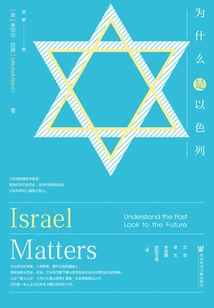
Why Israel
History为什么是以色列
(us) Mitchell Bader
Israel is the homeland of the Jewish people, which may be just an abstract concept for many Chinese people. When people talk about Israel, they often have a series of questions: How did Israel come into being? What kind of country is it? What is its historical connection to the Jewish people? What is unique about it to the world? At what level does it attract the world's attention and attention? "Why Israel" sorts out these complex issues one by one from the historical context. On the basis of providing numerous historical backgrounds, character stories, and event processes, it helps readers understand Israel and its status and influence in today's world from the aspects of history, politics, and culture.
Israel is the homeland of the Jewish people, which may be just an abstract concept for many Chinese people. When people talk about Israel, they often have a series of questions: How did Israel come into being? What kind of country is it? What is its historical connection to the Jewish people? What is unique about it to the world? At what level does it attract the world's attention and attention? "Why Israel" sorts out these complex issues one by one from the historical context. On the basis of providing numerous historical backgrounds, character stories, and event processes, it helps readers understand Israel and its status and influence in today's world from the aspects of history, politics, and culture.
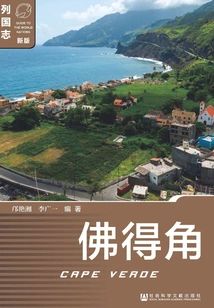
Cape Verde
History佛得角
Kuang Yanxiang Li Guangyi
Cape Verde is located on the Cape Verde Islands in the Atlantic Ocean in western Africa. It is located at the maritime transportation hub of Europe, Africa and the Americas, and is known as the "crossroads of all continents". Although Cape Verde is an African country, it integrates African civilization and European civilization, and has the reputation of "the most European-style African country". This book provides a relatively detailed introduction to Cape Verde's land, economy, politics, history, culture, society, diplomacy, etc., Hoping that readers can have a more comprehensive and in-depth understanding of this unique African country.
Cape Verde is located on the Cape Verde Islands in the Atlantic Ocean in western Africa. It is located at the maritime transportation hub of Europe, Africa and the Americas, and is known as the "crossroads of all continents". Although Cape Verde is an African country, it integrates African civilization and European civilization, and has the reputation of "the most European-style African country". This book provides a relatively detailed introduction to Cape Verde's land, economy, politics, history, culture, society, diplomacy, etc., Hoping that readers can have a more comprehensive and in-depth understanding of this unique African country.
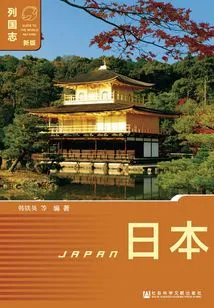
Japan (3rd Edition)
History日本(第3版)
Han Tieying
Japan is our country's neighbor across the sea. It is not only the third largest economy in the world, but also has strong strength in military, science and technology, education, culture, sports and other aspects. China and Japan have a history of long-term friendly exchanges and also have records of military encounters. Since the normalization of diplomatic relations in 1972, the friendly cooperation between the two countries has achieved fruitful results, but there have also been frequent setbacks on historical understanding, territorial sovereignty, Taiwan and other issues. Therefore, how to get along with Japan, a neighboring country, is an important issue for us. In order to enable readers to have an in-depth understanding of Japan, the author of this book provides an objective and fair explanation of Japan's basic national conditions and development status.
Japan is our country's neighbor across the sea. It is not only the third largest economy in the world, but also has strong strength in military, science and technology, education, culture, sports and other aspects. China and Japan have a history of long-term friendly exchanges and also have records of military encounters. Since the normalization of diplomatic relations in 1972, the friendly cooperation between the two countries has achieved fruitful results, but there have also been frequent setbacks on historical understanding, territorial sovereignty, Taiwan and other issues. Therefore, how to get along with Japan, a neighboring country, is an important issue for us. In order to enable readers to have an in-depth understanding of Japan, the author of this book provides an objective and fair explanation of Japan's basic national conditions and development status.
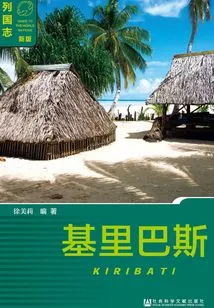
Kiribati
History基里巴斯
Xu Meili
Kiribati is located in the middle of the Pacific Ocean and is a country of coral reefs. It consists of three archipelagos: Gilbert Islands, Phoenix Islands and Line Islands. It has a land area of 811 square kilometers and an exclusive economic zone of nearly 3.55 Million square kilometers. The Phoenix Islands have retained a nearly complete natural ecology and were included in the World Natural Heritage List in 2010. This book comprehensively and systematically introduces Kiribati's political, historical, economic, social, cultural, and diplomatic situations.
Kiribati is located in the middle of the Pacific Ocean and is a country of coral reefs. It consists of three archipelagos: Gilbert Islands, Phoenix Islands and Line Islands. It has a land area of 811 square kilometers and an exclusive economic zone of nearly 3.55 Million square kilometers. The Phoenix Islands have retained a nearly complete natural ecology and were included in the World Natural Heritage List in 2010. This book comprehensively and systematically introduces Kiribati's political, historical, economic, social, cultural, and diplomatic situations.
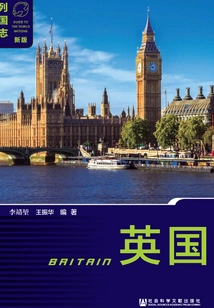
United Kingdom (3rd Edition)
History英国(第3版)
Li Jingkun Wang Zhenhua
As an old capitalist country, the UK has not only played an important role in world history, but is still an important and irreplaceable actor on the international stage. At the same time, the UK has had an important influence on other countries in many aspects such as political ideas, industrial models, science and technology, culture and art. In addition, the UK also has many historical and cultural heritage and beautiful natural scenery. This book comprehensively introduces and analyzes the physical geography, historical development, political system, economic development, social policy, culture and art, and foreign relations of the United Kingdom. It has rich and comprehensive content and detailed information. It is an essential reference book for understanding and studying the United Kingdom.
As an old capitalist country, the UK has not only played an important role in world history, but is still an important and irreplaceable actor on the international stage. At the same time, the UK has had an important influence on other countries in many aspects such as political ideas, industrial models, science and technology, culture and art. In addition, the UK also has many historical and cultural heritage and beautiful natural scenery. This book comprehensively introduces and analyzes the physical geography, historical development, political system, economic development, social policy, culture and art, and foreign relations of the United Kingdom. It has rich and comprehensive content and detailed information. It is an essential reference book for understanding and studying the United Kingdom.
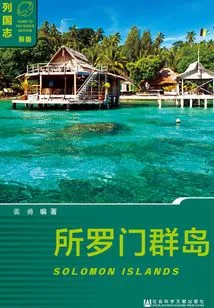
Solomon Islands
History所罗门群岛
Zhang Yong
The Solomon Islands are located in the southwestern Pacific Ocean, facing Papua New Guinea to the west and Vanuatu to the southeast, and are rich in tourism resources. The Solomon Islands have a long history and cultural tradition, with humans living here as early as 30,000 years ago. Solomon Islands is an agricultural country. Forestry is the main pillar of the national economy. In recent years, the mining industry has developed vigorously. This book comprehensively and systematically introduces the politics, history, economy, society, culture and diplomacy of Solomon Islands.
The Solomon Islands are located in the southwestern Pacific Ocean, facing Papua New Guinea to the west and Vanuatu to the southeast, and are rich in tourism resources. The Solomon Islands have a long history and cultural tradition, with humans living here as early as 30,000 years ago. Solomon Islands is an agricultural country. Forestry is the main pillar of the national economy. In recent years, the mining industry has developed vigorously. This book comprehensively and systematically introduces the politics, history, economy, society, culture and diplomacy of Solomon Islands.