Library
Browse and search books
2,273 novels found
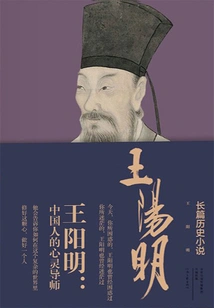
Wang Yangming (complete Works)
General Fiction王阳明(全集)
Wang Chengqiang
The life of Wang Yangming, the great wise man of the Ming Dynasty, was a life of pursuing the great wisdom of life, a life of successfully applying the great wisdom of life, a life of learning to be a sage, a life of becoming a sage, a life of establishing virtue, meritorious service and reputation. The long historical biographical novel "Wang Yangming" has a total of about 1.08 Million words and is divided into three parts: "Learning to Be a Sage", "Longchang Enlightenment" and "My Heart and Conscience". It starts from Wang Yangming's birth in Yuyao, Zhejiang, and ends with his death at the age of fifty-eight in Qinglongpu, Dayu, Jiangxi. The book is based on Wang Yangming's genealogy compiled by Wang Yangming's direct disciple Qian Dehong and others, as well as the poems, memorials, articles and other materials provided in "The Complete Works of Wang Yangming", with reference to a variety of historical books and various research materials, and combined with the author's Confucian and Buddhist practice. With the core of seeking and applying the great wisdom of life, the book attempts to describe the life of Wang Yangming as a thinker, military strategist, politician and poet.
The life of Wang Yangming, the great wise man of the Ming Dynasty, was a life of pursuing the great wisdom of life, a life of successfully applying the great wisdom of life, a life of learning to be a sage, a life of becoming a sage, a life of establishing virtue, meritorious service and reputation. The long historical biographical novel "Wang Yangming" has a total of about 1.08 Million words and is divided into three parts: "Learning to Be a Sage", "Longchang Enlightenment" and "My Heart and Conscience". It starts from Wang Yangming's birth in Yuyao, Zhejiang, and ends with his death at the age of fifty-eight in Qinglongpu, Dayu, Jiangxi. The book is based on Wang Yangming's genealogy compiled by Wang Yangming's direct disciple Qian Dehong and others, as well as the poems, memorials, articles and other materials provided in "The Complete Works of Wang Yangming", with reference to a variety of historical books and various research materials, and combined with the author's Confucian and Buddhist practice. With the core of seeking and applying the great wisdom of life, the book attempts to describe the life of Wang Yangming as a thinker, military strategist, politician and poet.
孝子三部曲之二:孝缘情梦
Geoline Writer·takejian
Duke Xiaolian's aunt Qiu Gu had a messy relationship with Wang County Cheng, which cast a shadow on the Jiang family of Xiaolian, which is known as one of the twenty-four filial piety: "Jiang poems for filial piety, springs for filial piety, one family for three filial piety, An'an for sending rice"; it led people to the life and death of true filial piety or fake filial piety, the struggle of blood and fire, and the torture of "filial piety"! The novel depicts several groups of male and female characters in a comical style, allowing you to read a brand new and beautiful novel.
Duke Xiaolian's aunt Qiu Gu had a messy relationship with Wang County Cheng, which cast a shadow on the Jiang family of Xiaolian, which is known as one of the twenty-four filial piety: "Jiang poems for filial piety, springs for filial piety, one family for three filial piety, An'an for sending rice"; it led people to the life and death of true filial piety or fake filial piety, the struggle of blood and fire, and the torture of "filial piety"! The novel depicts several groups of male and female characters in a comical style, allowing you to read a brand new and beautiful novel.
孝子三部曲之一:孝缘遗梦
Geoline Writer·takejian
Duke Xiaolian's aunt Qiu Gu had a messy relationship with Wang County Cheng, which cast a shadow on the Jiang family of Xiaolian, which is known as one of the twenty-four filial piety: "Jiang poems for filial piety, springs for filial piety, one family for three filial piety, An'an for sending rice"; it led people to the life and death of true filial piety or fake filial piety, the struggle of blood and fire, and the torture of "filial piety"! The novel depicts several groups of male and female characters in a comical style, allowing you to read a brand new and beautiful novel.
Duke Xiaolian's aunt Qiu Gu had a messy relationship with Wang County Cheng, which cast a shadow on the Jiang family of Xiaolian, which is known as one of the twenty-four filial piety: "Jiang poems for filial piety, springs for filial piety, one family for three filial piety, An'an for sending rice"; it led people to the life and death of true filial piety or fake filial piety, the struggle of blood and fire, and the torture of "filial piety"! The novel depicts several groups of male and female characters in a comical style, allowing you to read a brand new and beautiful novel.
春秋五霸:齐桓公
Qin Jun
Duke Huan of Qi was named Xiaobai. In terms of politics, economy, and military affairs, among the more than seventy princes and kings, Duke Huan of Qi did not stand out. He spends his money extravagantly, loves wine, hunts, and women. But he has one greatest advantage: he cherishes talents. Even if it is one's own enemy, once he is identified, he will be promoted out of the ordinary, entrusted with important tasks, and he will obey his words. With the assistance of the virtuous prime minister Guan Zhong and others, the nine princes unified the world and ascended to the throne of overlord.
Duke Huan of Qi was named Xiaobai. In terms of politics, economy, and military affairs, among the more than seventy princes and kings, Duke Huan of Qi did not stand out. He spends his money extravagantly, loves wine, hunts, and women. But he has one greatest advantage: he cherishes talents. Even if it is one's own enemy, once he is identified, he will be promoted out of the ordinary, entrusted with important tasks, and he will obey his words. With the assistance of the virtuous prime minister Guan Zhong and others, the nine princes unified the world and ascended to the throne of overlord.
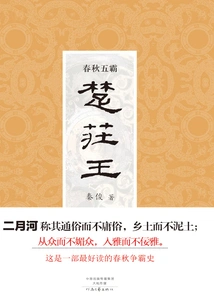
春秋五霸:楚庄王
Qin Jun
King Zhuang of Chu, famous couple. His greatest achievement was to integrate the Chu culture in the Yangtze River Basin into the Central Plains cultural system, which played a certain role in the unification of China and the formation of the national spirit. Among the five hegemons of the Spring and Autumn Period, King Zhuang of Chu was ranked first in terms of political, military, and country management abilities. He not only knows how to play, but also knows how to do things. After winning the battle, he should raise a toast to celebrate, but he stayed behind closed doors and reflected on himself. War is a cruel thing, but he actually puts morality first. He is lustful, but not greedy. He is a man, a man among men; he is an overlord, the overlord among overlords!
King Zhuang of Chu, famous couple. His greatest achievement was to integrate the Chu culture in the Yangtze River Basin into the Central Plains cultural system, which played a certain role in the unification of China and the formation of the national spirit. Among the five hegemons of the Spring and Autumn Period, King Zhuang of Chu was ranked first in terms of political, military, and country management abilities. He not only knows how to play, but also knows how to do things. After winning the battle, he should raise a toast to celebrate, but he stayed behind closed doors and reflected on himself. War is a cruel thing, but he actually puts morality first. He is lustful, but not greedy. He is a man, a man among men; he is an overlord, the overlord among overlords!
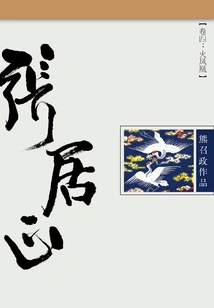
Zhang Juzheng (volume 4): Fire Phoenix
General Fiction张居正(第四卷):火凤凰
Xiong Zhaozheng
The four-volume novel "Zhang Juzheng" vividly reproduces a vast and complex historical scene associated with the "Wanli New Deal" with sober historical rationality and warm and flexible realism, shaping the image of Zhang Juzheng, a complex feudal social reformer, and demonstrating the inevitability of his tragic fate. The author is distinguished by his rich literary and historical accomplishments, his magnificent and balanced artistic structure ability, and his contemporary revelation of specific historical background.
The four-volume novel "Zhang Juzheng" vividly reproduces a vast and complex historical scene associated with the "Wanli New Deal" with sober historical rationality and warm and flexible realism, shaping the image of Zhang Juzheng, a complex feudal social reformer, and demonstrating the inevitability of his tragic fate. The author is distinguished by his rich literary and historical accomplishments, his magnificent and balanced artistic structure ability, and his contemporary revelation of specific historical background.
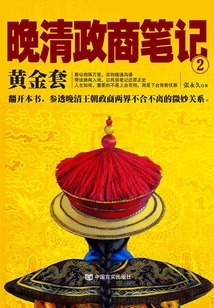
晚清政商笔记2:黄金套
Zhang Jiongjiu
The political reform in the late Qing Dynasty failed and the Qing Dynasty collapsed rapidly. Analyzing it, there are many reasons. One of the most fundamental reasons is that the fiscal system is corrupt and official corruption is common. This book starts from the personal life circle of officials and businessmen, analyzes the various relationships between politics and business in the late Qing Dynasty, and describes several life scenes of the politics and business circles in the late Qing Dynasty through vivid and interesting stories. The trading of power and money, the collusion between officials and businessmen, and all the various aspects of society in the late Qing Dynasty are all in it. What is commendable is that while telling historical events, the author widely collects a variety of notes, unofficial histories, chronicles, local chronicles, biographies and anecdotes, perfectly combining grand narratives with personal narratives, just like the folk custom paintings of late Qing society, making boring history come alive.
The political reform in the late Qing Dynasty failed and the Qing Dynasty collapsed rapidly. Analyzing it, there are many reasons. One of the most fundamental reasons is that the fiscal system is corrupt and official corruption is common. This book starts from the personal life circle of officials and businessmen, analyzes the various relationships between politics and business in the late Qing Dynasty, and describes several life scenes of the politics and business circles in the late Qing Dynasty through vivid and interesting stories. The trading of power and money, the collusion between officials and businessmen, and all the various aspects of society in the late Qing Dynasty are all in it. What is commendable is that while telling historical events, the author widely collects a variety of notes, unofficial histories, chronicles, local chronicles, biographies and anecdotes, perfectly combining grand narratives with personal narratives, just like the folk custom paintings of late Qing society, making boring history come alive.
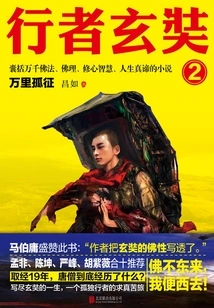
行者玄奘2:万里孤征
Chang Ru
Xuanzang, commonly known as Chen Yi, was born in an official family in Guanzhong. In the eighth year of the great cause, the imperial court issued an order to ordain fourteen monks in Luoyang. Eleven-year-old Chen Yi used his own way to get the opportunity and was ordained as a novice monk, with the Buddhist name Xuanzang. At the end of the Sui Dynasty, all heroes came together, and famine spread in Luoyang, which was at the cusp of the storm. Nine out of ten houses were empty. Xuanzang began to study all over the world, worshiped famous teachers, and became a famous young monk. At the same time, he also accumulated more and more confusions and questions. When no one could answer his questions, Xuanzang set his sights on Tianzhu. 19 Years, 56 countries, 110 cities, 1,335 volumes of scriptures, 50,000 miles = Xuanzang's westward journey. The emerging Tang Dynasty, the Turks on horseback, the mysterious Central Asia, and India where various ideas collided... They were all revealed in Xuanzang's journey of seeking truth, which made him the greatest adventure in the history of human hiking.
Xuanzang, commonly known as Chen Yi, was born in an official family in Guanzhong. In the eighth year of the great cause, the imperial court issued an order to ordain fourteen monks in Luoyang. Eleven-year-old Chen Yi used his own way to get the opportunity and was ordained as a novice monk, with the Buddhist name Xuanzang. At the end of the Sui Dynasty, all heroes came together, and famine spread in Luoyang, which was at the cusp of the storm. Nine out of ten houses were empty. Xuanzang began to study all over the world, worshiped famous teachers, and became a famous young monk. At the same time, he also accumulated more and more confusions and questions. When no one could answer his questions, Xuanzang set his sights on Tianzhu. 19 Years, 56 countries, 110 cities, 1,335 volumes of scriptures, 50,000 miles = Xuanzang's westward journey. The emerging Tang Dynasty, the Turks on horseback, the mysterious Central Asia, and India where various ideas collided... They were all revealed in Xuanzang's journey of seeking truth, which made him the greatest adventure in the history of human hiking.
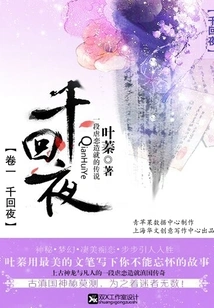
千回·夜(卷一·千回夜)
Ye Zhen
"A Thousand Chapters of Night" is a fantasy novel based on the mysterious history of the ancient Dian Kingdom. The rise of the bronze culture in the ancient Dian Kingdom and its mysterious disappearance in an instant have fascinated countless people. The author uses his imagination to connect this series of mysterious events with ancient myths, launches the protagonist's adventure journey, unveils the mystery of the ancient Dian Kingdom for readers, and takes readers to wander in ancient myths!
"A Thousand Chapters of Night" is a fantasy novel based on the mysterious history of the ancient Dian Kingdom. The rise of the bronze culture in the ancient Dian Kingdom and its mysterious disappearance in an instant have fascinated countless people. The author uses his imagination to connect this series of mysterious events with ancient myths, launches the protagonist's adventure journey, unveils the mystery of the ancient Dian Kingdom for readers, and takes readers to wander in ancient myths!
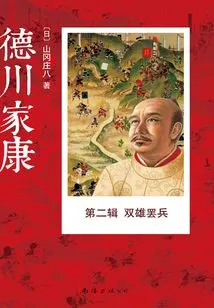
德川家康·第2辑:双雄罢兵(全集)
(japan) Yamaoka Shohachi
Who was Tokugawa Ieyasu? Tokugawa Ieyasu ended more than a hundred years of war in Japan, created three hundred years of peace and prosperity, and established Japan in a complete sense. "Tokugawa Ieyasu" vigorously unfolds the history of the emergence of Oda Nobunaga, Takeda Shingen, Toyotomi Hideyoshi, Tokugawa Ieyasu and other heroes in the middle and late Warring States Period of Japan. "Tokugawa Ieyasu Volume 2: Two Heroes Strike Out", a total of 4 volumes, tells the story of Tokugawa Ieyasu who did not start a war for his own benefit when Toyotomi Hideyoshi's military fortunes were prosperous, but actively shook hands with Hideyoshi to make peace, protected himself wisely, accumulated strength, and became Hideyoshi's strong backing in the eastern region. The two heroes went on strike, and together they built a solid barrier for Japan's peace.
Who was Tokugawa Ieyasu? Tokugawa Ieyasu ended more than a hundred years of war in Japan, created three hundred years of peace and prosperity, and established Japan in a complete sense. "Tokugawa Ieyasu" vigorously unfolds the history of the emergence of Oda Nobunaga, Takeda Shingen, Toyotomi Hideyoshi, Tokugawa Ieyasu and other heroes in the middle and late Warring States Period of Japan. "Tokugawa Ieyasu Volume 2: Two Heroes Strike Out", a total of 4 volumes, tells the story of Tokugawa Ieyasu who did not start a war for his own benefit when Toyotomi Hideyoshi's military fortunes were prosperous, but actively shook hands with Hideyoshi to make peace, protected himself wisely, accumulated strength, and became Hideyoshi's strong backing in the eastern region. The two heroes went on strike, and together they built a solid barrier for Japan's peace.
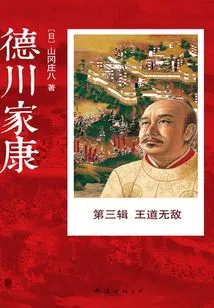
德川家康·第3辑:王道无敌(全集)
(japan) Yamaoka Shohachi
"Tokugawa Ieyasu" vigorously unfolds the history of the emergence of Oda Nobunaga, Takeda Shingen, Toyotomi Hideyoshi, Tokugawa Ieyasu and other heroes in the middle and late Warring States Period of Japan. "Tokugawa Ieyasu Volume 3: The Invincible King", a total of 5 volumes, tells the story of Tokugawa Ieyasu who inherited Hideyoshi's legacy of "bringing peace to the people of the world" after Toyotomi Hideyoshi died of illness, established the shogunate in Edo, promulgated the "Samurai Laws", clarified the scope of political power of the public and samurai families, and established the hierarchy of "scholars, farmers, industry and commerce". In addition, the troops were withdrawn from North Korea and actively engaged in trade with overseas countries so that the people could live and work in peace and contentment. Tokugawa Ieyasu lived a life of frugality, diligence, love for his subjects, and concern for the world until his death at the age of seventy-five.
"Tokugawa Ieyasu" vigorously unfolds the history of the emergence of Oda Nobunaga, Takeda Shingen, Toyotomi Hideyoshi, Tokugawa Ieyasu and other heroes in the middle and late Warring States Period of Japan. "Tokugawa Ieyasu Volume 3: The Invincible King", a total of 5 volumes, tells the story of Tokugawa Ieyasu who inherited Hideyoshi's legacy of "bringing peace to the people of the world" after Toyotomi Hideyoshi died of illness, established the shogunate in Edo, promulgated the "Samurai Laws", clarified the scope of political power of the public and samurai families, and established the hierarchy of "scholars, farmers, industry and commerce". In addition, the troops were withdrawn from North Korea and actively engaged in trade with overseas countries so that the people could live and work in peace and contentment. Tokugawa Ieyasu lived a life of frugality, diligence, love for his subjects, and concern for the world until his death at the age of seventy-five.
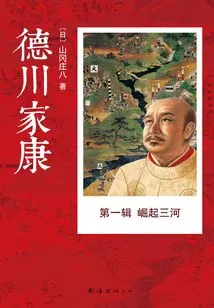
德川家康·第1辑:崛起三河(全集)
(japan) Yamaoka Shohachi
"Tokugawa Ieyasu" written by the Japanese historical novelist Shohachi Yamaoka is divided into three volumes: "Tokugawa Ieyasu Volume 1: The Rise of Three Rivers", "Tokugawa Ieyasu Volume 2: The Two Heroes Strike Out" and "Tokugawa Ieyasu Volume 3: The Invincible King". The famous historian Bai Yang said: "There are two books in China that can be compared with "Tokugawa Ieyasu", one is "Zi Zhi Tongjian" and the other is "The Romance of the Three Kingdoms"." Former U. S. Ambassador to Japan Lai Shiwa said: "Every Japanese is a Tokugawa Ieyasu. To understand Japan and surpass Japan, you must first understand Tokugawa Ieyasu." Who is Tokugawa Ieyasu? Tokugawa Ieyasu ended more than a hundred years of war in Japan, created three hundred years of peace and prosperity, and established Japan in a complete sense. "Tokugawa Ieyasu Volume 1: The Rise of Three Rivers", a total of 4 volumes, completely shows Tokugawa Ieyasu's transformation from an orphan hostage to independent military command, first understanding of the dangers of war, to mastering the art of controlling people and using military tactics, and finally becoming the "Lord of the Five Kingdoms".
"Tokugawa Ieyasu" written by the Japanese historical novelist Shohachi Yamaoka is divided into three volumes: "Tokugawa Ieyasu Volume 1: The Rise of Three Rivers", "Tokugawa Ieyasu Volume 2: The Two Heroes Strike Out" and "Tokugawa Ieyasu Volume 3: The Invincible King". The famous historian Bai Yang said: "There are two books in China that can be compared with "Tokugawa Ieyasu", one is "Zi Zhi Tongjian" and the other is "The Romance of the Three Kingdoms"." Former U. S. Ambassador to Japan Lai Shiwa said: "Every Japanese is a Tokugawa Ieyasu. To understand Japan and surpass Japan, you must first understand Tokugawa Ieyasu." Who is Tokugawa Ieyasu? Tokugawa Ieyasu ended more than a hundred years of war in Japan, created three hundred years of peace and prosperity, and established Japan in a complete sense. "Tokugawa Ieyasu Volume 1: The Rise of Three Rivers", a total of 4 volumes, completely shows Tokugawa Ieyasu's transformation from an orphan hostage to independent military command, first understanding of the dangers of war, to mastering the art of controlling people and using military tactics, and finally becoming the "Lord of the Five Kingdoms".
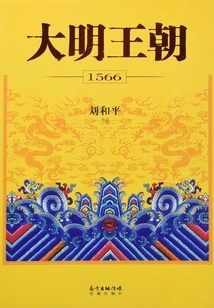
Ming Dynasty 1566 (complete Collection)
General Fiction大明王朝1566(全集)
Liu Heping
The novel "Ming Dynasty 1566", a highly praised drama with a score of 9.5 On Douban, is a must-read for Taiwan's ruling and opposition parties, and a reference book for Singapore's cabinet politics. This book is the famous work of Liu Heping, the screenwriter of "Yongzheng Dynasty" and the author of "All Quiet in Peking". The book uses the overthrow of the big tiger Yan Song as a clue to tell the story of an intricate and thrilling anti-corruption drama in the Ming Dynasty. Uncover the mystery of Jiajing, the most unconventional emperor in Chinese history, who did not come to power for decades; reveal the way that the upright official Hai Rui in Chinese history replaced "intelligent loyalty" with "foolish loyalty"; reveal the truth that Yan Song, the chief auxiliary of the traitorous officials in the Qing Dynasty and Ming Dynasty, declined due to his extreme power; reveal the deepest secrets of the eunuch group, a special political institution of the Ming Dynasty. After ten years, the show was re-broadcast on Youku on February 13, 2017.
The novel "Ming Dynasty 1566", a highly praised drama with a score of 9.5 On Douban, is a must-read for Taiwan's ruling and opposition parties, and a reference book for Singapore's cabinet politics. This book is the famous work of Liu Heping, the screenwriter of "Yongzheng Dynasty" and the author of "All Quiet in Peking". The book uses the overthrow of the big tiger Yan Song as a clue to tell the story of an intricate and thrilling anti-corruption drama in the Ming Dynasty. Uncover the mystery of Jiajing, the most unconventional emperor in Chinese history, who did not come to power for decades; reveal the way that the upright official Hai Rui in Chinese history replaced "intelligent loyalty" with "foolish loyalty"; reveal the truth that Yan Song, the chief auxiliary of the traitorous officials in the Qing Dynasty and Ming Dynasty, declined due to his extreme power; reveal the deepest secrets of the eunuch group, a special political institution of the Ming Dynasty. After ten years, the show was re-broadcast on Youku on February 13, 2017.
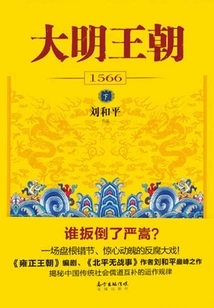
Ming Dynasty 1566 (part 2)
General Fiction大明王朝1566(下)
Liu Heping
The whole book takes "bringing down Yan Song" as the main clue, comprehensively showing the historical scenes of this period: the thrilling political struggles from the court to the government at all levels, the treacherous intrigues from the officialdom to the shopping malls, the loyal and brave officers and soldiers and the loyalty. The people's turbulent anti-Japanese war; the shared weal and woe of the fate of the country and the family, the intricate changes in the relationship between enemies and friends, and the contradiction between big love and self and small love are intertwined here, reflecting the great ideals deep in history and the harsh reality of life's destiny. A group of famous historical figures - Hai Rui, Jiajing, Yan Song, Yan Shifan, Xu Jie, Gao Gong, Zhang Juzheng, Hu Zongxian, Qi Jiguang, Li Shizhen, etc., Came to everyone clearly with flesh and blood from the fog of history.
The whole book takes "bringing down Yan Song" as the main clue, comprehensively showing the historical scenes of this period: the thrilling political struggles from the court to the government at all levels, the treacherous intrigues from the officialdom to the shopping malls, the loyal and brave officers and soldiers and the loyalty. The people's turbulent anti-Japanese war; the shared weal and woe of the fate of the country and the family, the intricate changes in the relationship between enemies and friends, and the contradiction between big love and self and small love are intertwined here, reflecting the great ideals deep in history and the harsh reality of life's destiny. A group of famous historical figures - Hai Rui, Jiajing, Yan Song, Yan Shifan, Xu Jie, Gao Gong, Zhang Juzheng, Hu Zongxian, Qi Jiguang, Li Shizhen, etc., Came to everyone clearly with flesh and blood from the fog of history.
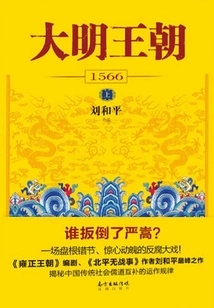
Ming Dynasty 1566 (part 1)
General Fiction大明王朝1566(上)
Liu Heping
The whole book takes "bringing down Yan Song" as the main clue, comprehensively showing the historical scenes of this period: the thrilling political struggles from the court to the government at all levels, the treacherous intrigues from the officialdom to the shopping malls, the loyal and brave officers and soldiers and the loyalty. The people's turbulent anti-Japanese war; the shared weal and woe of the fate of the country and the family, the intricate changes in the relationship between enemies and friends, and the contradiction between big love and self and small love are intertwined here, reflecting the great ideals deep in history and the harsh reality of life's destiny. A group of famous historical figures - Hai Rui, Jiajing, Yan Song, Yan Shifan, Xu Jie, Gao Gong, Zhang Juzheng, Hu Zongxian, Qi Jiguang, Li Shizhen, etc., Came to everyone clearly with flesh and blood from the fog of history.
The whole book takes "bringing down Yan Song" as the main clue, comprehensively showing the historical scenes of this period: the thrilling political struggles from the court to the government at all levels, the treacherous intrigues from the officialdom to the shopping malls, the loyal and brave officers and soldiers and the loyalty. The people's turbulent anti-Japanese war; the shared weal and woe of the fate of the country and the family, the intricate changes in the relationship between enemies and friends, and the contradiction between big love and self and small love are intertwined here, reflecting the great ideals deep in history and the harsh reality of life's destiny. A group of famous historical figures - Hai Rui, Jiajing, Yan Song, Yan Shifan, Xu Jie, Gao Gong, Zhang Juzheng, Hu Zongxian, Qi Jiguang, Li Shizhen, etc., Came to everyone clearly with flesh and blood from the fog of history.
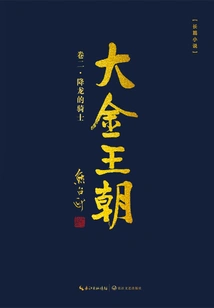
大金王朝:卷二·降龙的骑士
Xiong Zhaozheng
This book vigorously unfolds the history of the Jin's surrender to the Liao and the Song, describing how the Liao Empire, which had dominated northern China for nearly 200 years, came to an end, and the source of the tragedy of the Song Dynasty, which dreamed of benefiting the country but had no strength to support it. After the balance of the three pillars was broken, starting from Zhao Kuangyin's yellow robe, the Song Empire, which advocated valuing civility over martial arts and extravagant enjoyment, rose in the troubled times of iron-blooded competition, or fell deeper and deeper into "entertaining to death", which can be seen in "The Knight Subduing the Dragon". Zhang Jue's rebellion, Aguda's sudden death, Emperor Huizong of the Song Dynasty and his ministers were dishonest in their words, Li Shishi was tender and chivalrous, Xiao Mona died in love, Emperor Tian Zuo was captured and the Liao Dynasty was destroyed. Various plots reproduced the philosophy that a country is born in sorrow and dies in peace and happiness. In every line and page of the book, you can see the spirit of conspiracy, the light of hard work, and the darkness of drunkenness, lack of faith, and corruption. The contrast between light and dark, majestic atmosphere, ups and downs, is thought-provoking.
This book vigorously unfolds the history of the Jin's surrender to the Liao and the Song, describing how the Liao Empire, which had dominated northern China for nearly 200 years, came to an end, and the source of the tragedy of the Song Dynasty, which dreamed of benefiting the country but had no strength to support it. After the balance of the three pillars was broken, starting from Zhao Kuangyin's yellow robe, the Song Empire, which advocated valuing civility over martial arts and extravagant enjoyment, rose in the troubled times of iron-blooded competition, or fell deeper and deeper into "entertaining to death", which can be seen in "The Knight Subduing the Dragon". Zhang Jue's rebellion, Aguda's sudden death, Emperor Huizong of the Song Dynasty and his ministers were dishonest in their words, Li Shishi was tender and chivalrous, Xiao Mona died in love, Emperor Tian Zuo was captured and the Liao Dynasty was destroyed. Various plots reproduced the philosophy that a country is born in sorrow and dies in peace and happiness. In every line and page of the book, you can see the spirit of conspiracy, the light of hard work, and the darkness of drunkenness, lack of faith, and corruption. The contrast between light and dark, majestic atmosphere, ups and downs, is thought-provoking.
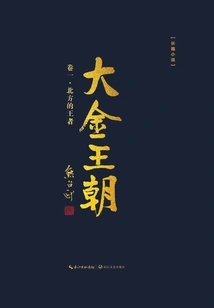
The Great Jin Dynasty: Volume 1: the King of the North
General Fiction大金王朝:卷一·北方的王者
Xiong Zhaozheng
This book restores the historical details of Emperor Wanyan Aguda of the Jin Kingdom conquering Yanjing of the Liao Kingdom in one fell swoop and the diplomatic mediation between the Liao, Song, and Jin Kingdoms. It expresses regret and sorrow for the extravagance of the Song and Liao Dynasties that harmed the country. At that time, the Liao Kingdom was an empire that had dominated northern China for more than two centuries. However, due to the debauchery and pleasure-seeking of the last emperor Yelu Yanxi, the last emperor of Tianzuo, the government quickly deteriorated, people were distracted, and crises were everywhere; The six states became the smallest country among all the dynasties since Qin, and they were about to die for entertainment. In just eight years after the founding of the Jin Kingdom, they conquered the four capitals of the Liao Kingdom and marched towards the final Yanjing. Emperor Tianzuo fled to Jiashan. At this major historical turning point, the author Xiong Zhaozheng used detailed historical descriptions to analyze the diseases of the times in the "Three Kingdoms" era. Based on the historical conclusion that traditional nomadic civilization defeated agricultural civilization, he summarized the ultimate cause of regime change that is "terrifying to think about" - entertainment death.
This book restores the historical details of Emperor Wanyan Aguda of the Jin Kingdom conquering Yanjing of the Liao Kingdom in one fell swoop and the diplomatic mediation between the Liao, Song, and Jin Kingdoms. It expresses regret and sorrow for the extravagance of the Song and Liao Dynasties that harmed the country. At that time, the Liao Kingdom was an empire that had dominated northern China for more than two centuries. However, due to the debauchery and pleasure-seeking of the last emperor Yelu Yanxi, the last emperor of Tianzuo, the government quickly deteriorated, people were distracted, and crises were everywhere; The six states became the smallest country among all the dynasties since Qin, and they were about to die for entertainment. In just eight years after the founding of the Jin Kingdom, they conquered the four capitals of the Liao Kingdom and marched towards the final Yanjing. Emperor Tianzuo fled to Jiashan. At this major historical turning point, the author Xiong Zhaozheng used detailed historical descriptions to analyze the diseases of the times in the "Three Kingdoms" era. Based on the historical conclusion that traditional nomadic civilization defeated agricultural civilization, he summarized the ultimate cause of regime change that is "terrifying to think about" - entertainment death.
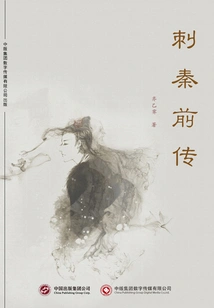
Prequel to Assassin Qin
General Fiction刺秦前传
Qi Yiji
Among the seven heroes of the Warring States Period was the State of Yan. Yan State borders Taihang to the west, Yanshan Mountain to the north, and the Bohai Sea to the east. It has two capitals, upper and lower. Yanshan is close to the Xiongnu, and the lower capital is adjacent to Qi and Zhao. The Yishui River originates from the Taihang Mountains and reaches Yanxia where it has become powerful. The novel tells the twists and turns of history before Jing Ke assassinated the King of Qin. This book is a finalist in the first cross-strait online original literature competition.
Among the seven heroes of the Warring States Period was the State of Yan. Yan State borders Taihang to the west, Yanshan Mountain to the north, and the Bohai Sea to the east. It has two capitals, upper and lower. Yanshan is close to the Xiongnu, and the lower capital is adjacent to Qi and Zhao. The Yishui River originates from the Taihang Mountains and reaches Yanxia where it has become powerful. The novel tells the twists and turns of history before Jing Ke assassinated the King of Qin. This book is a finalist in the first cross-strait online original literature competition.
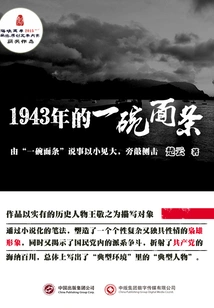
A Bowl of Noodles in 1943
General Fiction1943年的一碗面条
Chu Yun
The work uses the historical figure Wang Jingzhi as the subject of description. Through novelistic writing methods, it creates a heroic image with a complex personality and unique temperament. At the same time, it reveals the factional struggles within the Kuomintang, reflects the Communist Party's openness to all rivers, and writes a "typical character" in a "typical environment". The work is exquisitely conceived, telling the story from a "bowl of noodles", using small things to see the big things, making insinuations. The narrative focuses on plot setting, detail characterization, and the language is strong and suave, with great expressive power. Won the Excellence Award in the First Cross-Strait Online Original Literature Competition.
The work uses the historical figure Wang Jingzhi as the subject of description. Through novelistic writing methods, it creates a heroic image with a complex personality and unique temperament. At the same time, it reveals the factional struggles within the Kuomintang, reflects the Communist Party's openness to all rivers, and writes a "typical character" in a "typical environment". The work is exquisitely conceived, telling the story from a "bowl of noodles", using small things to see the big things, making insinuations. The narrative focuses on plot setting, detail characterization, and the language is strong and suave, with great expressive power. Won the Excellence Award in the First Cross-Strait Online Original Literature Competition.
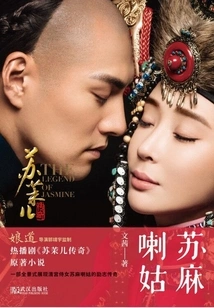
Empress Xiaozhuang's Personal Maid: Aunt Su Ma
General Fiction孝庄皇后贴身侍女:苏麻喇姑
Wen Qian
This is a story about a strange woman who has experienced five generations and four emperors, and has a very special status and identity. Although she was only a maid, she participated in the design of official uniforms of the Qing Dynasty and was also the original designer of female cheongsam. She not only understands Mongolian, Manchu and Chinese, but is also good at Manchu calligraphy. She is usually Xiaozhuang's "secretary" and an excellent "spy" during the battle for the throne. At the same time, she was Kangxi's teacher and also raised Kangxi's twelve sons. She was respected by different emperors of the same era. She was called "Gege" by Xiaozhuang, "Eniang" by Kangxi, and "grandma" by the prince. After her death, people called her "Suma Lagu" in order to respect and commemorate her.
This is a story about a strange woman who has experienced five generations and four emperors, and has a very special status and identity. Although she was only a maid, she participated in the design of official uniforms of the Qing Dynasty and was also the original designer of female cheongsam. She not only understands Mongolian, Manchu and Chinese, but is also good at Manchu calligraphy. She is usually Xiaozhuang's "secretary" and an excellent "spy" during the battle for the throne. At the same time, she was Kangxi's teacher and also raised Kangxi's twelve sons. She was respected by different emperors of the same era. She was called "Gege" by Xiaozhuang, "Eniang" by Kangxi, and "grandma" by the prince. After her death, people called her "Suma Lagu" in order to respect and commemorate her.
The Great Qin Empire Part 1: Black Fission (volume 2)
General Fiction大秦帝国第一部:黑色裂变(中卷)
Sun Haohui
Qin Xiaogong and Shang Yang implemented reforms to become stronger. The Qin State turned from weak to strong, regained its lost territory, and began to rise. In the "era of great contention" where heroes compete for power and mountains and rivers change day by day, in the Warring States period when heroes emerge in large numbers and hundreds of schools of thought contend, the western frontier of China is experiencing an unprecedented "black fission." In 362 BC, Duke Xiang of Qin was poisoned by an arrow and died in a battle. His legitimate son Yingqu ascended the throne in front of Liang Lingqian, and was known as Duke Xiao of Qin in history. The Qin State was despised by the foreign powers and its national power was weak. The six kingdoms of Shandong also formed an alliance and plotted to divide Qin. The 22-year-old young monarch Qin Xiaogong wrote a blood letter on the monument of national humiliation, and issued a request for talents to the world, vowing to strengthen the country through reforms. In repeated discussions with the scholars of the Qin Dynasty, Shang Yang stood out. On the bow of the Weishui River, Shang Yang showed his political opinions and impressed Duke Xiao of Qin with his Legalist thoughts. Qin Xiaogong worshiped Shang Yang as his prime minister and began a twenty-year reform of the monarchy and ministers. Legalist master Shang Yang presided over the comprehensive reform and led Qin step by step to create a wartime legal civilization...
Qin Xiaogong and Shang Yang implemented reforms to become stronger. The Qin State turned from weak to strong, regained its lost territory, and began to rise. In the "era of great contention" where heroes compete for power and mountains and rivers change day by day, in the Warring States period when heroes emerge in large numbers and hundreds of schools of thought contend, the western frontier of China is experiencing an unprecedented "black fission." In 362 BC, Duke Xiang of Qin was poisoned by an arrow and died in a battle. His legitimate son Yingqu ascended the throne in front of Liang Lingqian, and was known as Duke Xiao of Qin in history. The Qin State was despised by the foreign powers and its national power was weak. The six kingdoms of Shandong also formed an alliance and plotted to divide Qin. The 22-year-old young monarch Qin Xiaogong wrote a blood letter on the monument of national humiliation, and issued a request for talents to the world, vowing to strengthen the country through reforms. In repeated discussions with the scholars of the Qin Dynasty, Shang Yang stood out. On the bow of the Weishui River, Shang Yang showed his political opinions and impressed Duke Xiao of Qin with his Legalist thoughts. Qin Xiaogong worshiped Shang Yang as his prime minister and began a twenty-year reform of the monarchy and ministers. Legalist master Shang Yang presided over the comprehensive reform and led Qin step by step to create a wartime legal civilization...
The Qin Empire Part 1: Black Fission (volume 2)
General Fiction大秦帝国第一部:黑色裂变(下卷)
Sun Haohui
Qin Xiaogong and Shang Yang implemented reforms to become stronger. The Qin State turned from weak to strong, regained its lost territory, and began to rise. In the "era of great contention" where heroes compete for power and mountains and rivers change day by day, in the Warring States period when heroes emerge in large numbers and hundreds of schools of thought contend, the western frontier of China is experiencing an unprecedented "black fission." In 362 BC, Duke Xiang of Qin was poisoned by an arrow and died in a battle. His legitimate son Yingqu ascended the throne in front of Liang Lingqian, and was known as Duke Xiao of Qin in history. The Qin State was despised by the foreign powers and its national power was weak. The six kingdoms of Shandong also formed an alliance and plotted to divide Qin. The 22-year-old young monarch Qin Xiaogong wrote a blood letter on the monument of national humiliation, and issued a request for talents to the world, vowing to strengthen the country through reforms. In repeated discussions with the scholars of the Qin Dynasty, Shang Yang stood out. On the bow of the Weishui River, Shang Yang showed his political opinions and impressed Duke Xiao of Qin with his Legalist thoughts. Qin Xiaogong worshiped Shang Yang as his prime minister and began a twenty-year reform of the monarchy and ministers. Legalist master Shang Yang presided over the comprehensive reform and led Qin step by step to create a wartime legal civilization...
Qin Xiaogong and Shang Yang implemented reforms to become stronger. The Qin State turned from weak to strong, regained its lost territory, and began to rise. In the "era of great contention" where heroes compete for power and mountains and rivers change day by day, in the Warring States period when heroes emerge in large numbers and hundreds of schools of thought contend, the western frontier of China is experiencing an unprecedented "black fission." In 362 BC, Duke Xiang of Qin was poisoned by an arrow and died in a battle. His legitimate son Yingqu ascended the throne in front of Liang Lingqian, and was known as Duke Xiao of Qin in history. The Qin State was despised by the foreign powers and its national power was weak. The six kingdoms of Shandong also formed an alliance and plotted to divide Qin. The 22-year-old young monarch Qin Xiaogong wrote a blood letter on the monument of national humiliation, and issued a request for talents to the world, vowing to strengthen the country through reforms. In repeated discussions with the scholars of the Qin Dynasty, Shang Yang stood out. On the bow of the Weishui River, Shang Yang showed his political opinions and impressed Duke Xiao of Qin with his Legalist thoughts. Qin Xiaogong worshiped Shang Yang as his prime minister and began a twenty-year reform of the monarchy and ministers. Legalist master Shang Yang presided over the comprehensive reform and led Qin step by step to create a wartime legal civilization...
The Great Qin Empire Part 2: National Destiny (volume 2)
General Fiction大秦帝国第二部:国命纵横(下卷)
Sun Haohui
The six countries united to fight against Qin. Qin took Zhang Yi as its prime minister, connected horizontally and vertically, and sought greater development in the rise of a powerful country. King Qin Hui formed an alliance with the reform forces, suppressed the rebellion of the old nobles with an iron fist, and purged the government. He appointed young pillars who were loyal to the new law, forming a vibrant new generation of power backbone, and fully prepared to go eastward to the Central Plains. At that time, the six kingdoms of Shandong were in chaos. The new army of Qin took the opportunity to go eastward and won consecutive victories, posing a strong threat to the six kingdoms of Shandong. Two famous men from Guiguzi's sect came out of the mountain. Brothers Su Qin and Zhang Yi commented on the world and agreed to seek great power. However, they both suffered major setbacks and were temporarily defeated. Su Qin endured humiliation and practiced hard for three years, gained insight into the general trend of the world, and re-entered the WTO and proposed the grand strategy of joining forces to resist Qin. He broke through from the Yan State and successfully lobbied for an alliance among the six countries. As the prime minister of the six countries, he joined forces with the four princes of the Warring States Period to form the Six-Nation Alliance, which exerted strong pressure on Qin. Qin is determined to fight against the six countries...
The six countries united to fight against Qin. Qin took Zhang Yi as its prime minister, connected horizontally and vertically, and sought greater development in the rise of a powerful country. King Qin Hui formed an alliance with the reform forces, suppressed the rebellion of the old nobles with an iron fist, and purged the government. He appointed young pillars who were loyal to the new law, forming a vibrant new generation of power backbone, and fully prepared to go eastward to the Central Plains. At that time, the six kingdoms of Shandong were in chaos. The new army of Qin took the opportunity to go eastward and won consecutive victories, posing a strong threat to the six kingdoms of Shandong. Two famous men from Guiguzi's sect came out of the mountain. Brothers Su Qin and Zhang Yi commented on the world and agreed to seek great power. However, they both suffered major setbacks and were temporarily defeated. Su Qin endured humiliation and practiced hard for three years, gained insight into the general trend of the world, and re-entered the WTO and proposed the grand strategy of joining forces to resist Qin. He broke through from the Yan State and successfully lobbied for an alliance among the six countries. As the prime minister of the six countries, he joined forces with the four princes of the Warring States Period to form the Six-Nation Alliance, which exerted strong pressure on Qin. Qin is determined to fight against the six countries...
The Great Qin Empire Part 2: National Destiny (part 2)
General Fiction大秦帝国第二部:国命纵横(中卷)
Sun Haohui
The six countries united to fight against Qin. Qin took Zhang Yi as its prime minister, connected horizontally and vertically, and sought greater development in the rise of a powerful country. King Qin Hui formed an alliance with the reform forces, suppressed the rebellion of the old nobles with an iron fist, and purged the government. He appointed young pillars who were loyal to the new law, forming a vibrant new generation of power backbone, and fully prepared to go eastward to the Central Plains. At that time, the six kingdoms of Shandong were in chaos. The new army of Qin took the opportunity to go eastward and won consecutive victories, posing a strong threat to the six kingdoms of Shandong. Two famous men from Guiguzi's sect came out of the mountain. Brothers Su Qin and Zhang Yi commented on the world and agreed to seek great power. However, they both suffered major setbacks and were temporarily defeated. Su Qin endured humiliation and practiced hard for three years, gained insight into the general trend of the world, and re-entered the WTO and proposed the grand strategy of joining forces to resist Qin. He broke through from the Yan State and successfully lobbied for an alliance among the six countries. As the prime minister of the six countries, he joined forces with the four princes of the Warring States Period to form the Six-Nation Alliance, which exerted strong pressure on Qin. Qin is determined to fight against the six countries...
The six countries united to fight against Qin. Qin took Zhang Yi as its prime minister, connected horizontally and vertically, and sought greater development in the rise of a powerful country. King Qin Hui formed an alliance with the reform forces, suppressed the rebellion of the old nobles with an iron fist, and purged the government. He appointed young pillars who were loyal to the new law, forming a vibrant new generation of power backbone, and fully prepared to go eastward to the Central Plains. At that time, the six kingdoms of Shandong were in chaos. The new army of Qin took the opportunity to go eastward and won consecutive victories, posing a strong threat to the six kingdoms of Shandong. Two famous men from Guiguzi's sect came out of the mountain. Brothers Su Qin and Zhang Yi commented on the world and agreed to seek great power. However, they both suffered major setbacks and were temporarily defeated. Su Qin endured humiliation and practiced hard for three years, gained insight into the general trend of the world, and re-entered the WTO and proposed the grand strategy of joining forces to resist Qin. He broke through from the Yan State and successfully lobbied for an alliance among the six countries. As the prime minister of the six countries, he joined forces with the four princes of the Warring States Period to form the Six-Nation Alliance, which exerted strong pressure on Qin. Qin is determined to fight against the six countries...
The Great Qin Empire Part 2: National Destiny (volume 1)
General Fiction大秦帝国第二部:国命纵横(上卷)
Sun Haohui
The six countries united to fight against Qin. Qin took Zhang Yi as its prime minister, connected horizontally and vertically, and sought greater development in the rise of a powerful country. King Qin Hui formed an alliance with the reform forces, suppressed the rebellion of the old nobles with an iron fist, and purged the government. He appointed young pillars who were loyal to the new law, forming a vibrant new generation of power backbone, and fully prepared to go eastward to the Central Plains. At that time, the six kingdoms of Shandong were in chaos. The new army of Qin took the opportunity to go eastward and won consecutive victories, posing a strong threat to the six kingdoms of Shandong. Two famous men from Guiguzi's sect came out of the mountain. Brothers Su Qin and Zhang Yi commented on the world and agreed to seek great power. However, they both suffered major setbacks and were temporarily defeated. Su Qin endured humiliation and practiced hard for three years, gained insight into the general trend of the world, and re-entered the WTO and proposed the grand strategy of joining forces to resist Qin. He broke through from the Yan State and successfully lobbied for an alliance among the six countries. As the prime minister of the six countries, he joined forces with the four princes of the Warring States Period to form the Six-Nation Alliance, which exerted strong pressure on Qin. Qin is determined to fight against the six countries...
The six countries united to fight against Qin. Qin took Zhang Yi as its prime minister, connected horizontally and vertically, and sought greater development in the rise of a powerful country. King Qin Hui formed an alliance with the reform forces, suppressed the rebellion of the old nobles with an iron fist, and purged the government. He appointed young pillars who were loyal to the new law, forming a vibrant new generation of power backbone, and fully prepared to go eastward to the Central Plains. At that time, the six kingdoms of Shandong were in chaos. The new army of Qin took the opportunity to go eastward and won consecutive victories, posing a strong threat to the six kingdoms of Shandong. Two famous men from Guiguzi's sect came out of the mountain. Brothers Su Qin and Zhang Yi commented on the world and agreed to seek great power. However, they both suffered major setbacks and were temporarily defeated. Su Qin endured humiliation and practiced hard for three years, gained insight into the general trend of the world, and re-entered the WTO and proposed the grand strategy of joining forces to resist Qin. He broke through from the Yan State and successfully lobbied for an alliance among the six countries. As the prime minister of the six countries, he joined forces with the four princes of the Warring States Period to form the Six-Nation Alliance, which exerted strong pressure on Qin. Qin is determined to fight against the six countries...
The Great Qin Empire Part 6: Imperial Beacon (volume 2)
General Fiction大秦帝国第六部:帝国烽烟(下卷)
Sun Haohui
An imperial swan song. After the death of the First Emperor, the power of the empire was divided. Chen Sheng and Wu Guang revolted. Liu Bang and Xiang Yu invaded Xianyang, and the empire was suddenly destroyed. The First Emperor of Qin suddenly died in the sand dunes. Zhao Gao and Hu Hai plotted a coup. Li Si, the meritorious prime minister who was in charge of national affairs, was lured and kidnapped to join the conspiracy. This finally caused a huge black hole mutation in the top power level of the Qin Empire, which was full of talented people and had been tempered for a long time: the eldest son Fusu committed suicide, the Meng brothers who held military power were killed, Hu Hai proclaimed himself emperor, and Zhao Gao took charge. The power of the Qin Empire underwent a drastic qualitative change: the Second Group massacred the imperial heroes, eradicated dissident forces in the royal family, and implemented a series of tyrannical and misguided policies, which greatly intensified various social conflicts hidden during the Qin Shi Huang period. Chen Sheng and Wu Guangda uprising broke out, and the old nobles of the six countries took advantage of the situation and rose up, forming a prairie fire of rebellion against Qin in the world. The empire won the battle against the peasant army, but its counterattack against the anti-Qin forces based on the old aristocrats of the Six Kingdoms failed...
An imperial swan song. After the death of the First Emperor, the power of the empire was divided. Chen Sheng and Wu Guang revolted. Liu Bang and Xiang Yu invaded Xianyang, and the empire was suddenly destroyed. The First Emperor of Qin suddenly died in the sand dunes. Zhao Gao and Hu Hai plotted a coup. Li Si, the meritorious prime minister who was in charge of national affairs, was lured and kidnapped to join the conspiracy. This finally caused a huge black hole mutation in the top power level of the Qin Empire, which was full of talented people and had been tempered for a long time: the eldest son Fusu committed suicide, the Meng brothers who held military power were killed, Hu Hai proclaimed himself emperor, and Zhao Gao took charge. The power of the Qin Empire underwent a drastic qualitative change: the Second Group massacred the imperial heroes, eradicated dissident forces in the royal family, and implemented a series of tyrannical and misguided policies, which greatly intensified various social conflicts hidden during the Qin Shi Huang period. Chen Sheng and Wu Guangda uprising broke out, and the old nobles of the six countries took advantage of the situation and rose up, forming a prairie fire of rebellion against Qin in the world. The empire won the battle against the peasant army, but its counterattack against the anti-Qin forces based on the old aristocrats of the Six Kingdoms failed...
The Great Qin Empire Part 6: Imperial Beacons (volume 1)
General Fiction大秦帝国第六部:帝国烽烟(上卷)
Sun Haohui
An imperial swan song. After the death of the First Emperor, the power of the empire was divided. Chen Sheng and Wu Guang revolted. Liu Bang and Xiang Yu invaded Xianyang, and the empire was suddenly destroyed. The First Emperor of Qin suddenly died in the sand dunes. Zhao Gao and Hu Hai plotted a coup. Li Si, the meritorious prime minister who was in charge of national affairs, was lured and kidnapped to join the conspiracy. This finally caused a huge black hole mutation in the top power level of the Qin Empire, which was full of talented people and had been tempered for a long time: the eldest son Fusu committed suicide, the Meng brothers who held military power were killed, Hu Hai proclaimed himself emperor, and Zhao Gao took charge. The power of the Qin Empire underwent a drastic qualitative change: the Second Group massacred the imperial heroes, eradicated dissident forces in the royal family, and implemented a series of tyrannical and misguided policies, which greatly intensified various social conflicts hidden during the Qin Shi Huang period. Chen Sheng and Wu Guangda uprising broke out, and the old nobles of the six countries took advantage of the situation and rose up, forming a prairie fire of rebellion against Qin in the world. The empire won the battle against the peasant army, but its counterattack against the anti-Qin forces based on the old aristocrats of the Six Kingdoms failed...
An imperial swan song. After the death of the First Emperor, the power of the empire was divided. Chen Sheng and Wu Guang revolted. Liu Bang and Xiang Yu invaded Xianyang, and the empire was suddenly destroyed. The First Emperor of Qin suddenly died in the sand dunes. Zhao Gao and Hu Hai plotted a coup. Li Si, the meritorious prime minister who was in charge of national affairs, was lured and kidnapped to join the conspiracy. This finally caused a huge black hole mutation in the top power level of the Qin Empire, which was full of talented people and had been tempered for a long time: the eldest son Fusu committed suicide, the Meng brothers who held military power were killed, Hu Hai proclaimed himself emperor, and Zhao Gao took charge. The power of the Qin Empire underwent a drastic qualitative change: the Second Group massacred the imperial heroes, eradicated dissident forces in the royal family, and implemented a series of tyrannical and misguided policies, which greatly intensified various social conflicts hidden during the Qin Shi Huang period. Chen Sheng and Wu Guangda uprising broke out, and the old nobles of the six countries took advantage of the situation and rose up, forming a prairie fire of rebellion against Qin in the world. The empire won the battle against the peasant army, but its counterattack against the anti-Qin forces based on the old aristocrats of the Six Kingdoms failed...
大秦帝国第五部:铁血文明(下卷)
Sun Haohui
King Qin Yingzheng relied on the rule of law and civilization as his backing, and used various wars as the main form. He went through turbulent times and annexed the six countries, completed the great cause of unification, and created a unified civilization. The first unified empire in Chinese history came into being. Lu Buwei hung up "Lü's Spring and Autumn Annals" in four gates of Xianyang and publicly offered a reward of a thousand gold coins for changing one word. Wang Jian, Li Simengtian and the King of Qin allied with each other to form a new political axis. Lü Buwei's guests held a debate outside the city, and the Chinese people publicly refuted "Lü's Spring and Autumn Annals", triggering a major debate between the government and the public about the way to govern the country. King Yingzheng of Qin deposed Lu Buwei for the crime of "breaking laws and disrupting government and confusing the people of the country", and Lu Buwei was forced to commit suicide in Luoyang. After that, King Yingzheng of Qin officially kicked off the creation of the empire: in the first stage, he purified the military and political affairs and promoted new talents. A large number of young generals and ministers formed a new generation of forces. At the same time, he vigorously built the Zhengguo Canal, a water conservancy project in the hinterland of Qin, making Qinchuan a kingdom of abundance; in the second stage, he launched a continuous war to unify China...
King Qin Yingzheng relied on the rule of law and civilization as his backing, and used various wars as the main form. He went through turbulent times and annexed the six countries, completed the great cause of unification, and created a unified civilization. The first unified empire in Chinese history came into being. Lu Buwei hung up "Lü's Spring and Autumn Annals" in four gates of Xianyang and publicly offered a reward of a thousand gold coins for changing one word. Wang Jian, Li Simengtian and the King of Qin allied with each other to form a new political axis. Lü Buwei's guests held a debate outside the city, and the Chinese people publicly refuted "Lü's Spring and Autumn Annals", triggering a major debate between the government and the public about the way to govern the country. King Yingzheng of Qin deposed Lu Buwei for the crime of "breaking laws and disrupting government and confusing the people of the country", and Lu Buwei was forced to commit suicide in Luoyang. After that, King Yingzheng of Qin officially kicked off the creation of the empire: in the first stage, he purified the military and political affairs and promoted new talents. A large number of young generals and ministers formed a new generation of forces. At the same time, he vigorously built the Zhengguo Canal, a water conservancy project in the hinterland of Qin, making Qinchuan a kingdom of abundance; in the second stage, he launched a continuous war to unify China...
大秦帝国第五部:铁血文明(中卷)
Sun Haohui
King Qin Yingzheng relied on the rule of law and civilization as his backing, and used various wars as the main form. He went through turbulent times and annexed the six countries, completed the great cause of unification, and created a unified civilization. The first unified empire in Chinese history came into being. Lu Buwei hung up "Lü's Spring and Autumn Annals" in four gates of Xianyang and publicly offered a reward of a thousand gold coins for changing one word. Wang Jian, Li Simengtian and the King of Qin allied with each other to form a new political axis. Lü Buwei's guests held a debate outside the city, and the Chinese people publicly refuted "Lü's Spring and Autumn Annals", triggering a major debate between the government and the public about the way to govern the country. King Yingzheng of Qin deposed Lu Buwei for the crime of "breaking laws and disrupting government and confusing the people of the country", and Lu Buwei was forced to commit suicide in Luoyang. After that, King Yingzheng of Qin officially kicked off the creation of the empire: in the first stage, he purified the military and political affairs and promoted new talents. A large number of young generals and ministers formed a new generation of forces. At the same time, he vigorously built the Zhengguo Canal, a water conservancy project in the hinterland of Qin, making Qinchuan a kingdom of abundance; in the second stage, he launched a continuous war to unify China...
King Qin Yingzheng relied on the rule of law and civilization as his backing, and used various wars as the main form. He went through turbulent times and annexed the six countries, completed the great cause of unification, and created a unified civilization. The first unified empire in Chinese history came into being. Lu Buwei hung up "Lü's Spring and Autumn Annals" in four gates of Xianyang and publicly offered a reward of a thousand gold coins for changing one word. Wang Jian, Li Simengtian and the King of Qin allied with each other to form a new political axis. Lü Buwei's guests held a debate outside the city, and the Chinese people publicly refuted "Lü's Spring and Autumn Annals", triggering a major debate between the government and the public about the way to govern the country. King Yingzheng of Qin deposed Lu Buwei for the crime of "breaking laws and disrupting government and confusing the people of the country", and Lu Buwei was forced to commit suicide in Luoyang. After that, King Yingzheng of Qin officially kicked off the creation of the empire: in the first stage, he purified the military and political affairs and promoted new talents. A large number of young generals and ministers formed a new generation of forces. At the same time, he vigorously built the Zhengguo Canal, a water conservancy project in the hinterland of Qin, making Qinchuan a kingdom of abundance; in the second stage, he launched a continuous war to unify China...
大秦帝国第三部:金戈铁马(上卷)
Sun Haohui
Qin used Fan Ju as its prime minister and implemented a strategy of distant diplomacy and close attack; with Bai Qi as its general, it achieved a major victory in the Battle of Changping. The Six Kingdoms began to decline, and Qin established its dominance. The Qin army marched eastward, and the king and ministers of the Emperor Zhou of Luoyang greeted him in panic. In the battle of Yiyang, Qian Fu Chang Bai Qi emerged. King Wu of Qin marched into Luoyang and died violently while holding a tripod. Bai Qi led a lone brigade to venture into Yan to welcome back the hostage prince Ying Ji, and allied with Gan Mao, Wei Zhen and other generals to jointly defeat the coup of Prince Ying Li to seize the throne and support Ying Ji to succeed him, known as King Zhao of Qin in history. Ying Ji's biological mother, the Queen Mother Xuan, brought order to the Qing Dynasty and appointed her younger brother Wei Zhen as prime minister to personally regent and stabilize the Qin state. King Min of Qi wanted to dominate the world and encouraged the six kingdoms of Shandong to destroy Qin. At the critical moment, Empress Dowager Xuan appointed Bai Qi as general to attack the Central Plains and defeat the six-nation coalition. He also fought against Wei and Han, and made a surprise attack on Chu. Qin became the super power in the Warring States Period. At this time, the State of Yan secretly united the five-nation coalition forces to attack Qi. During Tian Dan and Jimo's six years of resistance against Yan, the Fire Bull Formation defeated the Yan army...
Qin used Fan Ju as its prime minister and implemented a strategy of distant diplomacy and close attack; with Bai Qi as its general, it achieved a major victory in the Battle of Changping. The Six Kingdoms began to decline, and Qin established its dominance. The Qin army marched eastward, and the king and ministers of the Emperor Zhou of Luoyang greeted him in panic. In the battle of Yiyang, Qian Fu Chang Bai Qi emerged. King Wu of Qin marched into Luoyang and died violently while holding a tripod. Bai Qi led a lone brigade to venture into Yan to welcome back the hostage prince Ying Ji, and allied with Gan Mao, Wei Zhen and other generals to jointly defeat the coup of Prince Ying Li to seize the throne and support Ying Ji to succeed him, known as King Zhao of Qin in history. Ying Ji's biological mother, the Queen Mother Xuan, brought order to the Qing Dynasty and appointed her younger brother Wei Zhen as prime minister to personally regent and stabilize the Qin state. King Min of Qi wanted to dominate the world and encouraged the six kingdoms of Shandong to destroy Qin. At the critical moment, Empress Dowager Xuan appointed Bai Qi as general to attack the Central Plains and defeat the six-nation coalition. He also fought against Wei and Han, and made a surprise attack on Chu. Qin became the super power in the Warring States Period. At this time, the State of Yan secretly united the five-nation coalition forces to attack Qi. During Tian Dan and Jimo's six years of resistance against Yan, the Fire Bull Formation defeated the Yan army...
Emperor Qianlong (complete Works)
General Fiction乾隆皇帝(全集)
February River
Er Yuehe, the originator of novels about Qing emperors, is a blockbuster masterpiece. Qianlong succeeded to the throne at the age of 25. He had great ambitions and devoted himself to creating a prosperous Qing Dynasty. He insisted on implementing the policy of "administrating with leniency" and eradicated the harsh rule of the previous dynasty. He valued his direct ministers. He promoted capable officials, promoted new ones, rectified the administration, and severely punished corrupt officials. He worked hard to avoid taxation, so that the people could recuperate and recuperate. He also continued to pay private visits to observe the people's conditions, sent capable officials to provide relief to the people, and eradicated the sources of chaos. The army conquered Jinchuan, the Western Regions and Taiwan, and asked Ji Yun to study "Si Ku Quanshu" to win over the scholars of the world. However, at the same time, the Qianlong Dynasty gradually moved towards a prosperous era of prosperity. Intensified, corruption and corruption in the officialdom were rampant, border troubles were constant, crises were everywhere, and the trees were hollow. In addition, in his later years, Qianlong was very happy with his achievements and often suffered from political failures. He also appointed sycophants such as Heshen and dismissed the virtuous, and the country gradually declined.
Er Yuehe, the originator of novels about Qing emperors, is a blockbuster masterpiece. Qianlong succeeded to the throne at the age of 25. He had great ambitions and devoted himself to creating a prosperous Qing Dynasty. He insisted on implementing the policy of "administrating with leniency" and eradicated the harsh rule of the previous dynasty. He valued his direct ministers. He promoted capable officials, promoted new ones, rectified the administration, and severely punished corrupt officials. He worked hard to avoid taxation, so that the people could recuperate and recuperate. He also continued to pay private visits to observe the people's conditions, sent capable officials to provide relief to the people, and eradicated the sources of chaos. The army conquered Jinchuan, the Western Regions and Taiwan, and asked Ji Yun to study "Si Ku Quanshu" to win over the scholars of the world. However, at the same time, the Qianlong Dynasty gradually moved towards a prosperous era of prosperity. Intensified, corruption and corruption in the officialdom were rampant, border troubles were constant, crises were everywhere, and the trees were hollow. In addition, in his later years, Qianlong was very happy with his achievements and often suffered from political failures. He also appointed sycophants such as Heshen and dismissed the virtuous, and the country gradually declined.
Emperor Yongzheng (complete Works)
General Fiction雍正皇帝(全集)
February River
The behavior of emperors and the secrets of the palace have always been of concern to readers. This book describes the little-known life of the Qing court, but it is not limited to the small Forbidden City. The elder brother's faction fights, murderous intent looms, Longting changes hands, and Yongzheng narrowly wins. Change the imperial edict, say patricide, say succession? A period of history that is full of doubts, confusing and difficult to decipher. The author writes articles with a historical pen and establishes history with a writing pen. No matter how high the temple is, or how far the rivers and lakes are, he can capture everything under his pen. From the rules and regulations, palace architecture, food and clothing, etiquette and music, it is narrated in a eloquent way, with a strong sense of writing; down to the Goulan tile houses, temples and halls, markets and countryside, travelers and ancient ferry, it unfolds slowly and has various styles. The elder brother competes with each other, fighting openly and secretly, and every word is about power and deceit; the female singer and singer are full of lingering sounds, and their sentences are soul-stirring. The plot is laid out with ups and downs, the characters are created with appropriate shades, and the plots are all original. With thought as the warp and art as the weft, a bird's-eye view of history and an exploration of life are something that only everyone can do.
The behavior of emperors and the secrets of the palace have always been of concern to readers. This book describes the little-known life of the Qing court, but it is not limited to the small Forbidden City. The elder brother's faction fights, murderous intent looms, Longting changes hands, and Yongzheng narrowly wins. Change the imperial edict, say patricide, say succession? A period of history that is full of doubts, confusing and difficult to decipher. The author writes articles with a historical pen and establishes history with a writing pen. No matter how high the temple is, or how far the rivers and lakes are, he can capture everything under his pen. From the rules and regulations, palace architecture, food and clothing, etiquette and music, it is narrated in a eloquent way, with a strong sense of writing; down to the Goulan tile houses, temples and halls, markets and countryside, travelers and ancient ferry, it unfolds slowly and has various styles. The elder brother competes with each other, fighting openly and secretly, and every word is about power and deceit; the female singer and singer are full of lingering sounds, and their sentences are soul-stirring. The plot is laid out with ups and downs, the characters are created with appropriate shades, and the plots are all original. With thought as the warp and art as the weft, a bird's-eye view of history and an exploration of life are something that only everyone can do.
大秦帝国第三部:金戈铁马(中卷)
Sun Haohui
Qin used Fan Ju as its prime minister and implemented a strategy of distant diplomacy and close attack; with Bai Qi as its general, it achieved a major victory in the Battle of Changping. The Six Kingdoms began to decline, and Qin established its dominance. The Qin army marched eastward, and the king and ministers of the Emperor Zhou of Luoyang greeted him in panic. In the battle of Yiyang, Qian Fu Chang Bai Qi emerged. King Wu of Qin marched into Luoyang and died violently while holding a tripod. Bai Qi led a lone brigade to venture into Yan to welcome back the hostage prince Ying Ji, and allied with Gan Mao, Wei Zhen and other generals to jointly defeat the coup of Prince Ying Li to seize the throne and support Ying Ji to succeed him, known as King Zhao of Qin in history. Ying Ji's biological mother, the Queen Mother Xuan, brought order to the Qing Dynasty and appointed her younger brother Wei Zhen as prime minister to personally regent and stabilize the Qin state. King Min of Qi wanted to dominate the world and encouraged the six kingdoms of Shandong to destroy Qin. At the critical moment, Empress Dowager Xuan appointed Bai Qi as general to attack the Central Plains and defeat the six-nation coalition. He also fought against Wei and Han, and made a surprise attack on Chu. Qin became the super power in the Warring States Period. At this time, the State of Yan secretly united the five-nation coalition forces to attack Qi. During Tian Dan and Jimo's six years of resistance against Yan, the Fire Bull Formation defeated the Yan army...
Qin used Fan Ju as its prime minister and implemented a strategy of distant diplomacy and close attack; with Bai Qi as its general, it achieved a major victory in the Battle of Changping. The Six Kingdoms began to decline, and Qin established its dominance. The Qin army marched eastward, and the king and ministers of the Emperor Zhou of Luoyang greeted him in panic. In the battle of Yiyang, Qian Fu Chang Bai Qi emerged. King Wu of Qin marched into Luoyang and died violently while holding a tripod. Bai Qi led a lone brigade to venture into Yan to welcome back the hostage prince Ying Ji, and allied with Gan Mao, Wei Zhen and other generals to jointly defeat the coup of Prince Ying Li to seize the throne and support Ying Ji to succeed him, known as King Zhao of Qin in history. Ying Ji's biological mother, the Queen Mother Xuan, brought order to the Qing Dynasty and appointed her younger brother Wei Zhen as prime minister to personally regent and stabilize the Qin state. King Min of Qi wanted to dominate the world and encouraged the six kingdoms of Shandong to destroy Qin. At the critical moment, Empress Dowager Xuan appointed Bai Qi as general to attack the Central Plains and defeat the six-nation coalition. He also fought against Wei and Han, and made a surprise attack on Chu. Qin became the super power in the Warring States Period. At this time, the State of Yan secretly united the five-nation coalition forces to attack Qi. During Tian Dan and Jimo's six years of resistance against Yan, the Fire Bull Formation defeated the Yan army...
大秦帝国第三部:金戈铁马(下卷)
Sun Haohui
Qin used Fan Ju as its prime minister and implemented a strategy of distant diplomacy and close attack; with Bai Qi as its general, it achieved a major victory in the Battle of Changping. The Six Kingdoms began to decline, and Qin established its dominance. The Qin army marched eastward, and the king and ministers of the Emperor Zhou of Luoyang greeted him in panic. In the battle of Yiyang, Qian Fu Chang Bai Qi emerged. King Wu of Qin marched into Luoyang and died violently while holding a tripod. Bai Qi led a lone brigade to venture into Yan to welcome back the hostage prince Ying Ji, and allied with Gan Mao, Wei Zhen and other generals to jointly defeat the coup of Prince Ying Li to seize the throne and support Ying Ji to succeed him, known as King Zhao of Qin in history. Ying Ji's biological mother, the Queen Mother Xuan, brought order to the Qing Dynasty and appointed her younger brother Wei Zhen as prime minister to personally regent and stabilize the Qin state. King Min of Qi wanted to dominate the world and encouraged the six kingdoms of Shandong to destroy Qin. At the critical moment, Empress Dowager Xuan appointed Bai Qi as general to attack the Central Plains and defeat the six-nation coalition. He also fought against Wei and Han, and made a surprise attack on Chu. Qin became the super power in the Warring States Period. At this time, the State of Yan secretly united the five-nation coalition forces to attack Qi. During Tian Dan and Jimo's six years of resistance against Yan, the Fire Bull Formation defeated the Yan army...
Qin used Fan Ju as its prime minister and implemented a strategy of distant diplomacy and close attack; with Bai Qi as its general, it achieved a major victory in the Battle of Changping. The Six Kingdoms began to decline, and Qin established its dominance. The Qin army marched eastward, and the king and ministers of the Emperor Zhou of Luoyang greeted him in panic. In the battle of Yiyang, Qian Fu Chang Bai Qi emerged. King Wu of Qin marched into Luoyang and died violently while holding a tripod. Bai Qi led a lone brigade to venture into Yan to welcome back the hostage prince Ying Ji, and allied with Gan Mao, Wei Zhen and other generals to jointly defeat the coup of Prince Ying Li to seize the throne and support Ying Ji to succeed him, known as King Zhao of Qin in history. Ying Ji's biological mother, the Queen Mother Xuan, brought order to the Qing Dynasty and appointed her younger brother Wei Zhen as prime minister to personally regent and stabilize the Qin state. King Min of Qi wanted to dominate the world and encouraged the six kingdoms of Shandong to destroy Qin. At the critical moment, Empress Dowager Xuan appointed Bai Qi as general to attack the Central Plains and defeat the six-nation coalition. He also fought against Wei and Han, and made a surprise attack on Chu. Qin became the super power in the Warring States Period. At this time, the State of Yan secretly united the five-nation coalition forces to attack Qi. During Tian Dan and Jimo's six years of resistance against Yan, the Fire Bull Formation defeated the Yan army...
大秦帝国第四部:阳谋春秋(上卷)
Sun Haohui
Lu Buwei entered the Qin Dynasty and used his extraordinary political ability to resolve the crisis of power transfer in the Qin royal family several times, implemented the Lu family's New Deal, and later led the country as regent as Marquis Wenxin, helping the young Yingzheng succeed to the throne to establish a solid foundation. Qin's national power was unprecedentedly powerful. Fan Ju recommended Cai Ze as prime minister, resigned and retired, and got to know Lu Buwei along the way south. Lu Buwei went north to Handan, and happened to meet the Qin prince Ying Yiren who was serving as a hostage. He was born with political ambitions, and finally decided to abandon business and join Qin. The legend of the Lu family began. Lu Buwei used his abundant resources to go to Xianyang to make a deal, and made the young master Yiren the legitimate son of the prince. Pingyuan Jun of Zhao State led his army to pursue him, but Lu Buwei was protected by a bloody battle with hundreds of loyalists, and escaped with Ying Yiren and returned to Qin. King Zhao of Qin died of illness, and the old prince Ying Zhu (King Xiaowen) succeeded to the throne and died of illness a year later. A stranger succeeded to the throne (King Zhuangxiang of Qin) and appointed Lu Buwei as prime minister to implement the New Deal. King Zhuang Xiang died of illness three years after his reign, and his 13-year-old son Ying Zheng succeeded him. Lu Buwei co-regents with the Queen Mother as "Second Father"...
Lu Buwei entered the Qin Dynasty and used his extraordinary political ability to resolve the crisis of power transfer in the Qin royal family several times, implemented the Lu family's New Deal, and later led the country as regent as Marquis Wenxin, helping the young Yingzheng succeed to the throne to establish a solid foundation. Qin's national power was unprecedentedly powerful. Fan Ju recommended Cai Ze as prime minister, resigned and retired, and got to know Lu Buwei along the way south. Lu Buwei went north to Handan, and happened to meet the Qin prince Ying Yiren who was serving as a hostage. He was born with political ambitions, and finally decided to abandon business and join Qin. The legend of the Lu family began. Lu Buwei used his abundant resources to go to Xianyang to make a deal, and made the young master Yiren the legitimate son of the prince. Pingyuan Jun of Zhao State led his army to pursue him, but Lu Buwei was protected by a bloody battle with hundreds of loyalists, and escaped with Ying Yiren and returned to Qin. King Zhao of Qin died of illness, and the old prince Ying Zhu (King Xiaowen) succeeded to the throne and died of illness a year later. A stranger succeeded to the throne (King Zhuangxiang of Qin) and appointed Lu Buwei as prime minister to implement the New Deal. King Zhuang Xiang died of illness three years after his reign, and his 13-year-old son Ying Zheng succeeded him. Lu Buwei co-regents with the Queen Mother as "Second Father"...
大秦帝国第四部:阳谋春秋(中卷)
Sun Haohui
Lu Buwei entered the Qin Dynasty and used his extraordinary political ability to resolve the crisis of power transfer in the Qin royal family several times, implemented the Lu family's New Deal, and later led the country as regent as Marquis Wenxin, helping the young Yingzheng succeed to the throne to establish a solid foundation. Qin's national power was unprecedentedly powerful. Fan Ju recommended Cai Ze as prime minister, resigned and retired, and got to know Lu Buwei along the way south. Lu Buwei went north to Handan, and happened to meet the Qin prince Ying Yiren who was serving as a hostage. He was born with political ambitions, and finally decided to abandon business and join Qin. The legend of the Lu family began. Lu Buwei used his abundant resources to go to Xianyang to make a deal, and made the young master Yiren the legitimate son of the prince. Pingyuan Jun of Zhao State led his army to pursue him, but Lu Buwei was protected by a bloody battle with hundreds of loyalists, and escaped with Ying Yiren and returned to Qin. King Zhao of Qin died of illness, and the old prince Ying Zhu (King Xiaowen) succeeded to the throne and died of illness a year later. A stranger succeeded to the throne (King Zhuangxiang of Qin) and appointed Lu Buwei as prime minister to implement the New Deal. King Zhuang Xiang died of illness three years after his reign, and his 13-year-old son Ying Zheng succeeded him. Lu Buwei co-regents with the Queen Mother as "Second Father"...
Lu Buwei entered the Qin Dynasty and used his extraordinary political ability to resolve the crisis of power transfer in the Qin royal family several times, implemented the Lu family's New Deal, and later led the country as regent as Marquis Wenxin, helping the young Yingzheng succeed to the throne to establish a solid foundation. Qin's national power was unprecedentedly powerful. Fan Ju recommended Cai Ze as prime minister, resigned and retired, and got to know Lu Buwei along the way south. Lu Buwei went north to Handan, and happened to meet the Qin prince Ying Yiren who was serving as a hostage. He was born with political ambitions, and finally decided to abandon business and join Qin. The legend of the Lu family began. Lu Buwei used his abundant resources to go to Xianyang to make a deal, and made the young master Yiren the legitimate son of the prince. Pingyuan Jun of Zhao State led his army to pursue him, but Lu Buwei was protected by a bloody battle with hundreds of loyalists, and escaped with Ying Yiren and returned to Qin. King Zhao of Qin died of illness, and the old prince Ying Zhu (King Xiaowen) succeeded to the throne and died of illness a year later. A stranger succeeded to the throne (King Zhuangxiang of Qin) and appointed Lu Buwei as prime minister to implement the New Deal. King Zhuang Xiang died of illness three years after his reign, and his 13-year-old son Ying Zheng succeeded him. Lu Buwei co-regents with the Queen Mother as "Second Father"...
大秦帝国第四部:阳谋春秋(下卷)
Sun Haohui
Lu Buwei entered the Qin Dynasty and used his extraordinary political ability to resolve the crisis of power transfer in the Qin royal family several times, implemented the Lu family's New Deal, and later led the country as regent as Marquis Wenxin, helping the young Yingzheng succeed to the throne to establish a solid foundation. Qin's national power was unprecedentedly powerful. Fan Ju recommended Cai Ze as prime minister, resigned and retired, and got to know Lu Buwei along the way south. Lu Buwei went north to Handan, and happened to meet the Qin prince Ying Yiren who was serving as a hostage. He was born with political ambitions, and finally decided to abandon business and join Qin. The legend of the Lu family began. Lu Buwei used his abundant resources to go to Xianyang to make a deal, and made the young master Yiren the legitimate son of the prince. Pingyuan Jun of Zhao State led his army to pursue him, but Lu Buwei was protected by a bloody battle with hundreds of loyalists, and escaped with Ying Yiren and returned to Qin. King Zhao of Qin died of illness, and the old prince Ying Zhu (King Xiaowen) succeeded to the throne and died of illness a year later. A stranger succeeded to the throne (King Zhuangxiang of Qin) and appointed Lu Buwei as prime minister to implement the New Deal. King Zhuang Xiang died of illness three years after his reign, and his 13-year-old son Ying Zheng succeeded him...
Lu Buwei entered the Qin Dynasty and used his extraordinary political ability to resolve the crisis of power transfer in the Qin royal family several times, implemented the Lu family's New Deal, and later led the country as regent as Marquis Wenxin, helping the young Yingzheng succeed to the throne to establish a solid foundation. Qin's national power was unprecedentedly powerful. Fan Ju recommended Cai Ze as prime minister, resigned and retired, and got to know Lu Buwei along the way south. Lu Buwei went north to Handan, and happened to meet the Qin prince Ying Yiren who was serving as a hostage. He was born with political ambitions, and finally decided to abandon business and join Qin. The legend of the Lu family began. Lu Buwei used his abundant resources to go to Xianyang to make a deal, and made the young master Yiren the legitimate son of the prince. Pingyuan Jun of Zhao State led his army to pursue him, but Lu Buwei was protected by a bloody battle with hundreds of loyalists, and escaped with Ying Yiren and returned to Qin. King Zhao of Qin died of illness, and the old prince Ying Zhu (King Xiaowen) succeeded to the throne and died of illness a year later. A stranger succeeded to the throne (King Zhuangxiang of Qin) and appointed Lu Buwei as prime minister to implement the New Deal. King Zhuang Xiang died of illness three years after his reign, and his 13-year-old son Ying Zheng succeeded him...
大秦帝国第五部:铁血文明(上卷)
Sun Haohui
King Qin Yingzheng relied on the rule of law and civilization as his backing, and used various wars as the main form. He went through turbulent times and annexed the six countries, completed the great cause of unification, and created a unified civilization. The first unified empire in Chinese history came into being. Lu Buwei hung up "Lü's Spring and Autumn Annals" in four gates of Xianyang and publicly offered a reward of a thousand gold coins for changing one word. Wang Jian, Li Simengtian and the King of Qin allied with each other to form a new political axis. Lü Buwei's guests held a debate outside the city, and the Chinese people publicly refuted "Lü's Spring and Autumn Annals", triggering a major debate between the government and the public about the way to govern the country. King Yingzheng of Qin deposed Lu Buwei for the crime of "breaking laws and disrupting government and confusing the people of the country", and Lu Buwei was forced to commit suicide in Luoyang. After that, King Yingzheng of Qin officially kicked off the creation of the empire: in the first stage, he purified the military and political affairs and promoted new talents. A large number of young generals and ministers formed a new generation of forces. At the same time, he vigorously built the Zhengguo Canal, a water conservancy project in the hinterland of Qin, making Qinchuan a kingdom of abundance; in the second stage, he launched a continuous war to unify China...
King Qin Yingzheng relied on the rule of law and civilization as his backing, and used various wars as the main form. He went through turbulent times and annexed the six countries, completed the great cause of unification, and created a unified civilization. The first unified empire in Chinese history came into being. Lu Buwei hung up "Lü's Spring and Autumn Annals" in four gates of Xianyang and publicly offered a reward of a thousand gold coins for changing one word. Wang Jian, Li Simengtian and the King of Qin allied with each other to form a new political axis. Lü Buwei's guests held a debate outside the city, and the Chinese people publicly refuted "Lü's Spring and Autumn Annals", triggering a major debate between the government and the public about the way to govern the country. King Yingzheng of Qin deposed Lu Buwei for the crime of "breaking laws and disrupting government and confusing the people of the country", and Lu Buwei was forced to commit suicide in Luoyang. After that, King Yingzheng of Qin officially kicked off the creation of the empire: in the first stage, he purified the military and political affairs and promoted new talents. A large number of young generals and ministers formed a new generation of forces. At the same time, he vigorously built the Zhengguo Canal, a water conservancy project in the hinterland of Qin, making Qinchuan a kingdom of abundance; in the second stage, he launched a continuous war to unify China...
春秋战国(全集)
Hu Xiaoming Hu Xiaohui
During the Spring and Autumn Period and the Warring States Period, big countries fought for hegemony and small countries fought for victory; big countries annexed and small countries tried to survive. The strong survive and the weak perish; the strong gradually grow stronger and the weak eventually perish. Good and evil fight openly and secretly, and heroes and beauties cherish each other. Soldiers from various countries are quarreling with each other, and the situation is tense. The author refines ancient and modern historical materials and uses realistic techniques to vividly describe the five overlords of the Spring and Autumn Period, Duke Huan of Qi, Duke Xianggang of Song, Duke Wen of Jin, Duke Mu of Qin, and King Zhuang of Chu, who worked hard to govern, recruit talents, and compete for world hegemony. The author also created the glorious image of Guan Zhong, Bao Shuya, Baili Xi, Sun Shuao, etc., Who were full of strategies, diligent in government, and loved the people. He also portrayed Wei Ji , Wei Hou, Nong Yu, Fan Ji and other series of different characters of court women. It also vividly tells the story of Wu Qi's battles of wits and courage to enrich the country and its army, Pang Juan and Sun Bin, Shang Yang's reforms to strengthen the country, Zhang Yi and Gongsun Yan's alliance, and a series of major events such as Su and Qin's six kingdoms uniting to attack Qin. It fully demonstrates the different fates of different characters under the circumstances at that time.
During the Spring and Autumn Period and the Warring States Period, big countries fought for hegemony and small countries fought for victory; big countries annexed and small countries tried to survive. The strong survive and the weak perish; the strong gradually grow stronger and the weak eventually perish. Good and evil fight openly and secretly, and heroes and beauties cherish each other. Soldiers from various countries are quarreling with each other, and the situation is tense. The author refines ancient and modern historical materials and uses realistic techniques to vividly describe the five overlords of the Spring and Autumn Period, Duke Huan of Qi, Duke Xianggang of Song, Duke Wen of Jin, Duke Mu of Qin, and King Zhuang of Chu, who worked hard to govern, recruit talents, and compete for world hegemony. The author also created the glorious image of Guan Zhong, Bao Shuya, Baili Xi, Sun Shuao, etc., Who were full of strategies, diligent in government, and loved the people. He also portrayed Wei Ji , Wei Hou, Nong Yu, Fan Ji and other series of different characters of court women. It also vividly tells the story of Wu Qi's battles of wits and courage to enrich the country and its army, Pang Juan and Sun Bin, Shang Yang's reforms to strengthen the country, Zhang Yi and Gongsun Yan's alliance, and a series of major events such as Su and Qin's six kingdoms uniting to attack Qin. It fully demonstrates the different fates of different characters under the circumstances at that time.
Minamoto Yoritomo: Shogun (valuable Collector's Edition)
General Fiction源赖朝:幕府将军(超值典藏本)
I
He is a descendant of the imperial family Seiwa Genji and the favorite legitimate son of Genji leader Yoshitomo. When he was thirteen years old, he went into battle with his father for the first time and suffered a disastrous defeat. In just a few dozen days, his father and brother were killed, he was imprisoned, and his life plummeted from the clouds to the bottom. Relying on his disguised innocence, he won the sympathy of his enemy Taira Kiyomori, and was finally saved from death. He was exiled to the remote Hirudo Island in Izu Country, and began his life of house arrest under the supervision of a wealthy family, experiencing loneliness and indifference. After enduring humiliation and heavy burden for twenty years, he finally emerged like a fierce tiger. In the fourth year of his rule, he responded to the prince's order to pursue the Ping clan as a benevolent king and launched an army. In the battle of Shiqiaoshan, 300 infantry and cavalry faced off against the Ping clan's 3,000 cavalry, and almost the entire army was wiped out. The defeat in the first battle did not make him discouraged, but it strengthened his belief that "I will survive the catastrophe, and the final winner must be me." The samurai were recruited to strengthen their strength, and a base was established in Kamakura, the birthplace of the Genji. They kept a low profile and then raised their troops again. The crucial battle of Fujikawa...
He is a descendant of the imperial family Seiwa Genji and the favorite legitimate son of Genji leader Yoshitomo. When he was thirteen years old, he went into battle with his father for the first time and suffered a disastrous defeat. In just a few dozen days, his father and brother were killed, he was imprisoned, and his life plummeted from the clouds to the bottom. Relying on his disguised innocence, he won the sympathy of his enemy Taira Kiyomori, and was finally saved from death. He was exiled to the remote Hirudo Island in Izu Country, and began his life of house arrest under the supervision of a wealthy family, experiencing loneliness and indifference. After enduring humiliation and heavy burden for twenty years, he finally emerged like a fierce tiger. In the fourth year of his rule, he responded to the prince's order to pursue the Ping clan as a benevolent king and launched an army. In the battle of Shiqiaoshan, 300 infantry and cavalry faced off against the Ping clan's 3,000 cavalry, and almost the entire army was wiped out. The defeat in the first battle did not make him discouraged, but it strengthened his belief that "I will survive the catastrophe, and the final winner must be me." The samurai were recruited to strengthen their strength, and a base was established in Kamakura, the birthplace of the Genji. They kept a low profile and then raised their troops again. The crucial battle of Fujikawa...
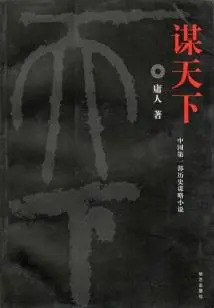
Plan for the World
General Fiction谋天下
Mediocre
China's first historical strategy novel. On the eve of the birth of the first emperor, the magnificent unification war was going on. At the same time, a little-known spy team was active all over China. It was the interplay of conspiracy and conspiracy, the painful torment of blood and fire, the difficult choice of love and interests. Yes, only strategy in the world can create immortality, magic, and regret. Perhaps in this book you will see the embryonic form of all ugliness and the growth of all conspiracies.
China's first historical strategy novel. On the eve of the birth of the first emperor, the magnificent unification war was going on. At the same time, a little-known spy team was active all over China. It was the interplay of conspiracy and conspiracy, the painful torment of blood and fire, the difficult choice of love and interests. Yes, only strategy in the world can create immortality, magic, and regret. Perhaps in this book you will see the embryonic form of all ugliness and the growth of all conspiracies.
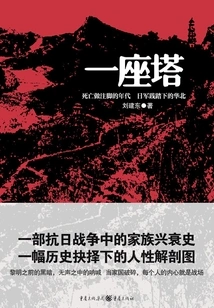
A Tower
General Fiction一座塔
Liu Jiandong
In the North China Plain under the Japanese invasion in the 1940s, a small town called Dongqing Bay was occupied by the Japanese army. The family ancestral hall in Dongqing Bay was occupied by the Japanese army as a prison. Facing the Japanese invasion, one of my grandfather and second grandfather chose to build the tallest tower in the city, hoping to retain a family with the strength of a tower; while the other chose to avoid and hide after his negotiations with the Japanese army were frustrated. "My" uncles and aunts also had different fates due to the turmoil of the current situation. Legends happen to everyone. The descendants of a family who have lost their family and their motherland are like sleepwalking or losing their voices. This is a city with no way to make a sound; this is the deepest and darkest night before the battle begins.
In the North China Plain under the Japanese invasion in the 1940s, a small town called Dongqing Bay was occupied by the Japanese army. The family ancestral hall in Dongqing Bay was occupied by the Japanese army as a prison. Facing the Japanese invasion, one of my grandfather and second grandfather chose to build the tallest tower in the city, hoping to retain a family with the strength of a tower; while the other chose to avoid and hide after his negotiations with the Japanese army were frustrated. "My" uncles and aunts also had different fates due to the turmoil of the current situation. Legends happen to everyone. The descendants of a family who have lost their family and their motherland are like sleepwalking or losing their voices. This is a city with no way to make a sound; this is the deepest and darkest night before the battle begins.
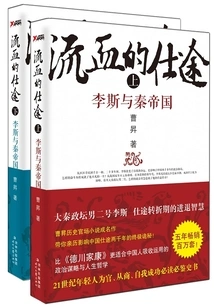
A Bloody Career: Li Si and the Qin Empire (complete Works)
General Fiction流血的仕途:李斯与秦帝国(全集)
Cao Sheng
This book unfolds the grand historical scroll of the warring states period in a solemn and humorous way, and depicts the twists and turns and legendary life of Li Si, the first prime minister through the ages, in the political arena of the Qin Dynasty. In this era of numerous heroes, in order to realize his self-worth and achieve his career ideal, Li Si was cautious and low-key but risked beheading again and again. He entangled with the most powerful boss in history, Qin Shihuang, and dealt with dangerous politicians such as Lu Buwei and Lao Ai, his rivals with all the power in the world. He suppressed and accumulated momentum for many years, and finally emerged as the second male figure in the Qin Dynasty. The wisdom and strategy, killing and power tactics, mental methods and secrets contained in the book are shocking... This book is not only Li Si's exclusive official career notes, but also a technical integration secret book that cannot be missed for officialdom, business, and self-success. Read it once to understand history, read it twice to awaken to life. See Li Si's wisdom in officialdom survival during the great turning point, and discover the ultimate mystery of China's official career over the past two thousand years!
This book unfolds the grand historical scroll of the warring states period in a solemn and humorous way, and depicts the twists and turns and legendary life of Li Si, the first prime minister through the ages, in the political arena of the Qin Dynasty. In this era of numerous heroes, in order to realize his self-worth and achieve his career ideal, Li Si was cautious and low-key but risked beheading again and again. He entangled with the most powerful boss in history, Qin Shihuang, and dealt with dangerous politicians such as Lu Buwei and Lao Ai, his rivals with all the power in the world. He suppressed and accumulated momentum for many years, and finally emerged as the second male figure in the Qin Dynasty. The wisdom and strategy, killing and power tactics, mental methods and secrets contained in the book are shocking... This book is not only Li Si's exclusive official career notes, but also a technical integration secret book that cannot be missed for officialdom, business, and self-success. Read it once to understand history, read it twice to awaken to life. See Li Si's wisdom in officialdom survival during the great turning point, and discover the ultimate mystery of China's official career over the past two thousand years!
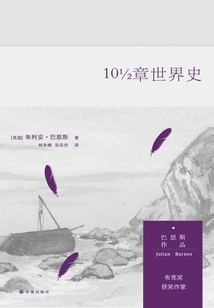
U
General Fictionu
H
At the end of the world last time, a wood beetle got into Noah's ark. What it saw Noah doing was very different from what was recorded in the book. The Ark reappears repeatedly in human history, whether it is a robbed cruise ship, a Titanic, or a lone boat on the sea in a nuclear panic... This stowaway has not left. It looks coldly at how history is distorted, and how the distortion can become "real" history; it possesses Barnes's wonderful writing, teaching him to collage a seemingly absurd but enlightening world history with pieces of wonderful articles.
At the end of the world last time, a wood beetle got into Noah's ark. What it saw Noah doing was very different from what was recorded in the book. The Ark reappears repeatedly in human history, whether it is a robbed cruise ship, a Titanic, or a lone boat on the sea in a nuclear panic... This stowaway has not left. It looks coldly at how history is distorted, and how the distortion can become "real" history; it possesses Barnes's wonderful writing, teaching him to collage a seemingly absurd but enlightening world history with pieces of wonderful articles.
Gone with the Wind in Fishing City
General Fiction钓鱼城的乱世佳人
Li Youqian
This book is a contemporary Chinese historical novel that tells the story of the defense battle that took place in Diaoyu City in Chongqing during the war-torn late Song Dynasty and early Yuan Dynasty. The work takes major historical events as the background, integrates personal female vision, cuts out a group of Gone with the Wind from the flames of war, and writes about their life conditions of being displaced during the war. Women are men's vassals or accessories, and more often than not, they are men's personal belongings and trophies.
This book is a contemporary Chinese historical novel that tells the story of the defense battle that took place in Diaoyu City in Chongqing during the war-torn late Song Dynasty and early Yuan Dynasty. The work takes major historical events as the background, integrates personal female vision, cuts out a group of Gone with the Wind from the flames of war, and writes about their life conditions of being displaced during the war. Women are men's vassals or accessories, and more often than not, they are men's personal belongings and trophies.
White Gate Willow (part 2): Autumn Dew Threatens the City
General Fiction白门柳(第二部):秋露危城
Liu Sifen
"Autumn Dew Dangerous City" is the second part of the long historical novel "White Gate Willow". After the collapse of the Ming Dynasty and the death of the emperor, facing the Qing army moving south, some of the scholars gathered in the Baimen fought to the death, while others were still keen on selfish interests. For a time, loyal ministers, treacherous ministers, literati, and talented women took turns to appear, performing a tragic comedy in Jinling. The author uses rich imagination and detailed historical facts as warp and weft to weave a clear-cut and fascinating picture of historical figures. In the seventeenth year of Chongzhen's reign, Huang Zongxi's younger brother was selected as a tribute student. He and his younger brother went to Shaoxing to visit their teacher Liu Zongzhou. At his home, they learned that the Qing army had conquered Beijing and that Emperor Chongzhen was dead. They tried their best to prevent the teacher from committing suicide and martyrdom for his country. The remaining capital in Nanjing was leaderless, and the power struggle was chaotic. The two factions supporting King Lu and those supporting King Fu were arguing endlessly. Qian Qianyi tried to persuade Lu Daqi and Lei Yanzuo to support King Lu, and walked in the city to publicize the "Seven Unables to Stand" against King Fu.
"Autumn Dew Dangerous City" is the second part of the long historical novel "White Gate Willow". After the collapse of the Ming Dynasty and the death of the emperor, facing the Qing army moving south, some of the scholars gathered in the Baimen fought to the death, while others were still keen on selfish interests. For a time, loyal ministers, treacherous ministers, literati, and talented women took turns to appear, performing a tragic comedy in Jinling. The author uses rich imagination and detailed historical facts as warp and weft to weave a clear-cut and fascinating picture of historical figures. In the seventeenth year of Chongzhen's reign, Huang Zongxi's younger brother was selected as a tribute student. He and his younger brother went to Shaoxing to visit their teacher Liu Zongzhou. At his home, they learned that the Qing army had conquered Beijing and that Emperor Chongzhen was dead. They tried their best to prevent the teacher from committing suicide and martyrdom for his country. The remaining capital in Nanjing was leaderless, and the power struggle was chaotic. The two factions supporting King Lu and those supporting King Fu were arguing endlessly. Qian Qianyi tried to persuade Lu Daqi and Lei Yanzuo to support King Lu, and walked in the city to publicize the "Seven Unables to Stand" against King Fu.
The Legend of Qingcheng (complete Collection)
General Fiction倾城别传(全集)
Li Lixiang
The overthrow of a dynasty may be just to fulfill the relationship between him and her. He wields his sword to cut off love in order to achieve his great cause, while she fights against love in order to help the world. They have different paths, but they love each other. In troubled times, can they stay together until the end? During the Southern and Northern Dynasties, at the end of the Qi Dynasty, the situation was turbulent, the world was in chaos, and the people were in dire straits. Xie Fangfei traveled through time from later generations, but she was not afraid of danger and was resourceful and resourceful, assisting Xiao Yan, the later Emperor Wu of Liang Dynasty. Qiu Kaiyu is a hero in troubled times and the leader of the demon sect. He is ambitious, ruthless, and after many confrontations with Xie Fangfei, a secret love develops. When Qiu Kaiyu was in desperate situation, Xie Fangfei risked his life and traveled long distances to finally save him. But Qiu Kaiyu abandoned Xie Fangfei again for the sake of power and desire. When the two met again, it was mixed with various struggles such as the palace, power, and mutiny. He was suffering in purgatory day by day, approaching the edge of madness; she was covered in scars for him, and her heart was withered.
The overthrow of a dynasty may be just to fulfill the relationship between him and her. He wields his sword to cut off love in order to achieve his great cause, while she fights against love in order to help the world. They have different paths, but they love each other. In troubled times, can they stay together until the end? During the Southern and Northern Dynasties, at the end of the Qi Dynasty, the situation was turbulent, the world was in chaos, and the people were in dire straits. Xie Fangfei traveled through time from later generations, but she was not afraid of danger and was resourceful and resourceful, assisting Xiao Yan, the later Emperor Wu of Liang Dynasty. Qiu Kaiyu is a hero in troubled times and the leader of the demon sect. He is ambitious, ruthless, and after many confrontations with Xie Fangfei, a secret love develops. When Qiu Kaiyu was in desperate situation, Xie Fangfei risked his life and traveled long distances to finally save him. But Qiu Kaiyu abandoned Xie Fangfei again for the sake of power and desire. When the two met again, it was mixed with various struggles such as the palace, power, and mutiny. He was suffering in purgatory day by day, approaching the edge of madness; she was covered in scars for him, and her heart was withered.
生活与命运(同名俄剧原著)
(russia) Vasily Grossman
Grossman uses a Tolstoyan grand perspective and realistic writing style to narrate the experiences of the Shaposhnikov family during the Soviet Patriotic War, and connects hundreds of characters and a series of intersecting historical events through the experiences of family members. The pain of history, the abuses of reality, and the difficult situation of human nature under the double crushing force of totalitarianism and war are all included in vivid and profound details. Grossman is "the first writer to rise up against Soviet totalitarianism after World War II." His unique experience and humanitarian courage make this book shocking enough to scare the powerful, and it can be called a beacon of freedom in Soviet Russian literature. This book contains elegies and reflections on the Nazi extermination camps and the Soviet Gulag, philosophical thoughts and discussions on life, politics and historical destiny, and a depiction of the struggle between the extreme evil and subtle kindness of human nature... It is still deeply shocking when I read it today.
Grossman uses a Tolstoyan grand perspective and realistic writing style to narrate the experiences of the Shaposhnikov family during the Soviet Patriotic War, and connects hundreds of characters and a series of intersecting historical events through the experiences of family members. The pain of history, the abuses of reality, and the difficult situation of human nature under the double crushing force of totalitarianism and war are all included in vivid and profound details. Grossman is "the first writer to rise up against Soviet totalitarianism after World War II." His unique experience and humanitarian courage make this book shocking enough to scare the powerful, and it can be called a beacon of freedom in Soviet Russian literature. This book contains elegies and reflections on the Nazi extermination camps and the Soviet Gulag, philosophical thoughts and discussions on life, politics and historical destiny, and a depiction of the struggle between the extreme evil and subtle kindness of human nature... It is still deeply shocking when I read it today.
Jingzhong Yue Fei
General Fiction精忠岳飞
Hu Xiaoming Hu Xiaohui
The book takes the history of the confrontation between the Song Dynasty and the Jin Dynasty at the end of the Northern Song Dynasty and the founding of the Southern Song Dynasty as the background, and takes Yue Fei's resistance to the Jin Dynasty, Emperor Zhao Gou's mental journey and the rise of the Jin Kingdom as the three main lines. It uses the form of a historical novel to panoramically depict the war between different ethnic groups within the Chinese nation and write about the life and destiny of the lower class people during this period. It will show readers a vivid picture of social life in the Song Dynasty. It creates a series of flesh-and-blood, observable and sensible characters for readers, such as Yue Fei, Qin Hui, Zhao Gou and the founding monarchs and ministers of the Jin Kingdom. In old novels or scripts, readers feel that Yue Fei is more like a god than a person. In this book, the heroic Yue Fei and the ordinary Yue Fei are organically combined. On the one hand, he is an indomitable hero who strives to fulfill his ideal of "driving out the barbarians and reviving the Song Dynasty"; on the other hand, he is an ordinary person who cannibalize the fireworks of the world.
The book takes the history of the confrontation between the Song Dynasty and the Jin Dynasty at the end of the Northern Song Dynasty and the founding of the Southern Song Dynasty as the background, and takes Yue Fei's resistance to the Jin Dynasty, Emperor Zhao Gou's mental journey and the rise of the Jin Kingdom as the three main lines. It uses the form of a historical novel to panoramically depict the war between different ethnic groups within the Chinese nation and write about the life and destiny of the lower class people during this period. It will show readers a vivid picture of social life in the Song Dynasty. It creates a series of flesh-and-blood, observable and sensible characters for readers, such as Yue Fei, Qin Hui, Zhao Gou and the founding monarchs and ministers of the Jin Kingdom. In old novels or scripts, readers feel that Yue Fei is more like a god than a person. In this book, the heroic Yue Fei and the ordinary Yue Fei are organically combined. On the one hand, he is an indomitable hero who strives to fulfill his ideal of "driving out the barbarians and reviving the Song Dynasty"; on the other hand, he is an ordinary person who cannibalize the fireworks of the world.