Library
Browse and search books
895 novels found
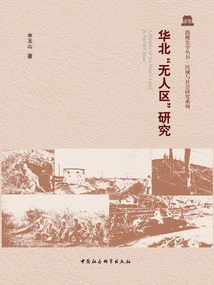
华北“无人区”研究
Shen Yushan
During the Anti-Japanese War, in order to block and stifle the anti-Japanese armed struggle behind enemy lines in North China, and to isolate and cut off the connections between the anti-Japanese base areas, the anti-Japanese armed forces and the broad masses of the people, the Japanese invaders ruthlessly carried out the "three lights" policy of killing all, robbing them all, and burning them all. They created large-scale "no man's lands" along the Great Wall in North China, on the border between Hebei and Shanxi, and in northeastern Shanxi. It was a long-term, cruel and barbaric massacre carefully planned and organized by the Japanese invaders against the Chinese people. It not only caused unprecedented disasters to the lives and property of the people in the "no man's land", but also caused extremely severe blows and damage to the local socio-economic and ecological environment.
During the Anti-Japanese War, in order to block and stifle the anti-Japanese armed struggle behind enemy lines in North China, and to isolate and cut off the connections between the anti-Japanese base areas, the anti-Japanese armed forces and the broad masses of the people, the Japanese invaders ruthlessly carried out the "three lights" policy of killing all, robbing them all, and burning them all. They created large-scale "no man's lands" along the Great Wall in North China, on the border between Hebei and Shanxi, and in northeastern Shanxi. It was a long-term, cruel and barbaric massacre carefully planned and organized by the Japanese invaders against the Chinese people. It not only caused unprecedented disasters to the lives and property of the people in the "no man's land", but also caused extremely severe blows and damage to the local socio-economic and ecological environment.
战国王年问题研究
Xiong Xianpin
Mainly based on the records of the Warring States period in the Tsinghua bamboo slips "Xi Nian", this paper conducts a new systematic discussion on the issue of the Warring States Period. First, we will discuss the issues of king years in the countries where the issue of king years is relatively clear. Secondly, we will conduct a new discussion on the issues of king years in some vassal states based on unearthed documents such as the Tsinghua bamboo slips "Xinian". Based on the above discussion, the appendix corrects the king year series of historical events in "Historical Records: Chronology of the Six Kingdoms" to facilitate the use of the "Chronology of the Six Kingdoms".
Mainly based on the records of the Warring States period in the Tsinghua bamboo slips "Xi Nian", this paper conducts a new systematic discussion on the issue of the Warring States Period. First, we will discuss the issues of king years in the countries where the issue of king years is relatively clear. Secondly, we will conduct a new discussion on the issues of king years in some vassal states based on unearthed documents such as the Tsinghua bamboo slips "Xinian". Based on the above discussion, the appendix corrects the king year series of historical events in "Historical Records: Chronology of the Six Kingdoms" to facilitate the use of the "Chronology of the Six Kingdoms".
A Study on Liu Jian, the Chief Assistant During the Hongzhi and Zhengde Period of the Ming Dynasty
History明弘治正德时期首辅刘健研究
Zhai Ailing
This book attempts to make a comprehensive study of Liu Jian, a politician in the Ming Dynasty, from the social environment, especially the political environment and personality tendencies. It specifically analyzes Liu Jian's family background and early experiences, political career trajectory, and interpersonal relationships in political activities. It also examines Liu Jian's writings and ideology, and makes a historical evaluation of them.
This book attempts to make a comprehensive study of Liu Jian, a politician in the Ming Dynasty, from the social environment, especially the political environment and personality tendencies. It specifically analyzes Liu Jian's family background and early experiences, political career trajectory, and interpersonal relationships in political activities. It also examines Liu Jian's writings and ideology, and makes a historical evaluation of them.
美国现代口述史学研究
Yang Xiangyin
Oral history is one of the few research methods and disciplines that emerged after World War II that has both academic research significance, social action agenda, and public historical value. After more than 60 years of development, oral history has not only contributed to the continuous deepening and innovation of historical research, but has also been widely used in many fields such as the humanities, social and natural sciences, and has played a very important role in promoting interdisciplinary applications and cross-research. As the birthplace of modern oral history, this book provides a relatively comprehensive and systematic review of the origin, development process, international background, basic characteristics, theoretical research, interdisciplinary applications, oral history education and major challenges faced by modern American oral history. It also hopes to provide some reference for the development and construction of Chinese oral history, which is still in the ascendant.
Oral history is one of the few research methods and disciplines that emerged after World War II that has both academic research significance, social action agenda, and public historical value. After more than 60 years of development, oral history has not only contributed to the continuous deepening and innovation of historical research, but has also been widely used in many fields such as the humanities, social and natural sciences, and has played a very important role in promoting interdisciplinary applications and cross-research. As the birthplace of modern oral history, this book provides a relatively comprehensive and systematic review of the origin, development process, international background, basic characteristics, theoretical research, interdisciplinary applications, oral history education and major challenges faced by modern American oral history. It also hopes to provide some reference for the development and construction of Chinese oral history, which is still in the ascendant.
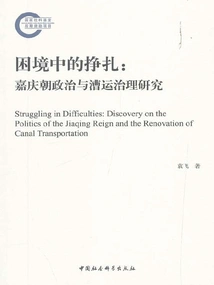
困境中的挣扎:嘉庆朝政治与漕运治理研究
Yuan Fei
Water transportation was a "military plan" in ancient society that was related to the lifeline of the feudal dynasty. In the history of water transportation, water transportation in the Qing Dynasty is a topic worthy of comprehensive and in-depth study. This book integrates political history, economic history, water conservancy history and other related contents, and makes extensive use of historical materials such as the archives of upright officials in the First Historical Archives of China. Focusing on the two cores of "water transport system" and "governance practice", this book uses water transport governance to see through the governance practices of the water transport system in the Jiaqing Dynasty, and explores the institutional obstacles and dilemmas of the Qing Dynasty's reforms from the perspective of political history. Understanding water transportation management as a specific historical and political process expands the horizons of economic history and water conservancy history research, and also provides a new idea for political history research.
Water transportation was a "military plan" in ancient society that was related to the lifeline of the feudal dynasty. In the history of water transportation, water transportation in the Qing Dynasty is a topic worthy of comprehensive and in-depth study. This book integrates political history, economic history, water conservancy history and other related contents, and makes extensive use of historical materials such as the archives of upright officials in the First Historical Archives of China. Focusing on the two cores of "water transport system" and "governance practice", this book uses water transport governance to see through the governance practices of the water transport system in the Jiaqing Dynasty, and explores the institutional obstacles and dilemmas of the Qing Dynasty's reforms from the perspective of political history. Understanding water transportation management as a specific historical and political process expands the horizons of economic history and water conservancy history research, and also provides a new idea for political history research.
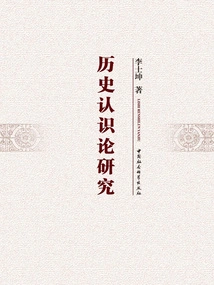
历史认识论研究
Li Shikun
Historical epistemology is a special part of philosophical epistemology, and this book studies historical epistemology. Historical facts are people and activities of the past that have disappeared. For today's people, they no longer exist. So, did historical facts exist? Is it knowable? The historical facts we are talking about today are spread and preserved in the form of historical materials. Are these historical materials accurate and authentic? Historians tell readers about the past through understanding and research of historical materials. This is the historical work we read. The historian has not personally experienced the things he writes about. Is his statement correct and reliable? This is the main question to be studied in historical epistemology. This book adheres to the scientific theoretical weapon of Marxist philosophy and examines the above issues and the achievements of Chinese and foreign commentators in order to gain new progress and promote the research and development of Chinese historical philosophy.
Historical epistemology is a special part of philosophical epistemology, and this book studies historical epistemology. Historical facts are people and activities of the past that have disappeared. For today's people, they no longer exist. So, did historical facts exist? Is it knowable? The historical facts we are talking about today are spread and preserved in the form of historical materials. Are these historical materials accurate and authentic? Historians tell readers about the past through understanding and research of historical materials. This is the historical work we read. The historian has not personally experienced the things he writes about. Is his statement correct and reliable? This is the main question to be studied in historical epistemology. This book adheres to the scientific theoretical weapon of Marxist philosophy and examines the above issues and the achievements of Chinese and foreign commentators in order to gain new progress and promote the research and development of Chinese historical philosophy.
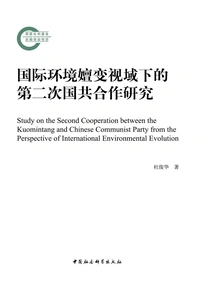
国际环境嬗变视域下的第二次国共合作研究
Du Junhua
Based on a wealth of domestic and foreign archives, newspapers and periodicals and other literature, this book comprehensively uses theories from history, international relations, political science and other disciplines to first analyze the changes in the international landscape in the 1930s and 1940s; secondly, it analyzes the brewing and formation of the second Kuomintang-Communist cooperation in the context of the changes in the international environment. , The impact and promotion of tortuous development and rupture are discussed in detail; finally, the impact of the second Kuomintang-Communist cooperation development process on the international situation is analyzed, and then its impact on the victory of the world anti-fascist war and the political pattern of the Far East region and the entire world is analyzed.
Based on a wealth of domestic and foreign archives, newspapers and periodicals and other literature, this book comprehensively uses theories from history, international relations, political science and other disciplines to first analyze the changes in the international landscape in the 1930s and 1940s; secondly, it analyzes the brewing and formation of the second Kuomintang-Communist cooperation in the context of the changes in the international environment. , The impact and promotion of tortuous development and rupture are discussed in detail; finally, the impact of the second Kuomintang-Communist cooperation development process on the international situation is analyzed, and then its impact on the victory of the world anti-fascist war and the political pattern of the Far East region and the entire world is analyzed.
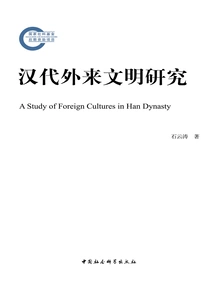
汉代外来文明研究
Shi Yuntao
Based on the comprehensive collection, arrangement and study of historical documents and archaeological materials of the Han Dynasty, this book conducts an in-depth discussion of the foreign civilization imported by the Han Dynasty and its impact from the fields of animals, plants, utensils, furs, textiles, spices, medicines, jewelry, religion, art, literature and other fields. This book also discusses how the Han Dynasty's wars against neighboring and western regions, trade, envoy exchanges, Buddhist spread, and people-to-people exchanges with neighboring nations and countries outside the region promoted the development of cultural exchanges between China and foreign countries and the import of foreign civilizations, demonstrating the important role of cultural exchanges in promoting the progress of human civilization.
Based on the comprehensive collection, arrangement and study of historical documents and archaeological materials of the Han Dynasty, this book conducts an in-depth discussion of the foreign civilization imported by the Han Dynasty and its impact from the fields of animals, plants, utensils, furs, textiles, spices, medicines, jewelry, religion, art, literature and other fields. This book also discusses how the Han Dynasty's wars against neighboring and western regions, trade, envoy exchanges, Buddhist spread, and people-to-people exchanges with neighboring nations and countries outside the region promoted the development of cultural exchanges between China and foreign countries and the import of foreign civilizations, demonstrating the important role of cultural exchanges in promoting the progress of human civilization.
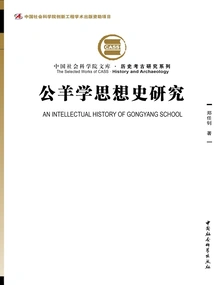
公羊学思想史研究
Zheng Renzhao
This book launches the study of Gongyang Studies from the perspective of Confucian classics. Through the study of the "Biography of Gongyang" and the thoughts of the most influential Gongyang scholars in the past dynasties, it shows the occurrence and development process of Gongyang Studies from the pre-Qin Dynasty to the late Qing Dynasty, explores the core value of Gongyang Studies and its impact on Chinese society, and explores the ideological resources in Gongyang Studies that are in line with the spirit of the times. This book takes the case study of Gongyang scholars as the fulcrum, and takes the investigation and combing of the development of Gongyang studies as the main line. At the same time, it combines the economic and political factors and the influence of social trends of thought at that time to reveal the context of changes in Gongyang studies and the characteristics of the times, and analyzes their inheritance and development.
This book launches the study of Gongyang Studies from the perspective of Confucian classics. Through the study of the "Biography of Gongyang" and the thoughts of the most influential Gongyang scholars in the past dynasties, it shows the occurrence and development process of Gongyang Studies from the pre-Qin Dynasty to the late Qing Dynasty, explores the core value of Gongyang Studies and its impact on Chinese society, and explores the ideological resources in Gongyang Studies that are in line with the spirit of the times. This book takes the case study of Gongyang scholars as the fulcrum, and takes the investigation and combing of the development of Gongyang studies as the main line. At the same time, it combines the economic and political factors and the influence of social trends of thought at that time to reveal the context of changes in Gongyang studies and the characteristics of the times, and analyzes their inheritance and development.
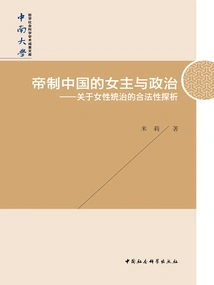
帝制中国的女主与政治:关于女性统治的合法性探析
Milly
As a political phenomenon that has run through the two thousand years of imperial China's history, female protagonist politics is of obvious and important value for understanding the political culture, political pattern and political operation of the entire imperial era. However, biographies of female protagonists recorded based on historiographic bias are often permeated with profound disciplines of mainstream ideology. The relative absence of serious research works and the general proliferation of general public readings continue to create stereotypes and produce general knowledge that excludes women from participating in politics from a cultural and psychological perspective. This book focuses on the legitimacy of female-dominated politics. It uses political science research methods and gender theory to reinterpret the political system, political operations, and political and cultural traditions of imperial China. It challenges the existing stereotypes of female-dominated politics and advances the re-understanding and re-understanding of the political history of imperial China. At the same time, this book abandons the traditional male perspective and starts the analysis from women's own life experiences and value demands, thereby revealing the operating rules of social cultural norms and social gender structures, and allowing women's voices, which have been generally obscured in the political field in the past, to speak and listen openly, thereby expanding the research on women's history.
As a political phenomenon that has run through the two thousand years of imperial China's history, female protagonist politics is of obvious and important value for understanding the political culture, political pattern and political operation of the entire imperial era. However, biographies of female protagonists recorded based on historiographic bias are often permeated with profound disciplines of mainstream ideology. The relative absence of serious research works and the general proliferation of general public readings continue to create stereotypes and produce general knowledge that excludes women from participating in politics from a cultural and psychological perspective. This book focuses on the legitimacy of female-dominated politics. It uses political science research methods and gender theory to reinterpret the political system, political operations, and political and cultural traditions of imperial China. It challenges the existing stereotypes of female-dominated politics and advances the re-understanding and re-understanding of the political history of imperial China. At the same time, this book abandons the traditional male perspective and starts the analysis from women's own life experiences and value demands, thereby revealing the operating rules of social cultural norms and social gender structures, and allowing women's voices, which have been generally obscured in the political field in the past, to speak and listen openly, thereby expanding the research on women's history.
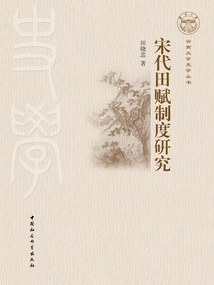
宋代田赋制度研究
Tian Xiaozhong
This book is a research work that re-examines the land tax system in the Song Dynasty. This book believes that as a formal national taxation system, the real land tax was finally established in the Song Dynasty. Through two large-scale land and soil surveys and measurements, the Song Dynasty completed the registration of relatively complete land information nationwide for the first time, thereby establishing a land tax system that used land and soil as the actual object and basis for tax collection. Along with this, the previous national unified tax rate was replaced by a graded tax rate determined based on the soil color, soil quality, height, and height of the land, which also promoted the rationalization of the land tax system. The land tax collection process has also become more stringent during the gradual improvement of the land tax system, and has promoted the forward development of the land tax system. The land tax system of various dynasties after the Song Dynasty was basically inherited and appropriated from the Song Dynasty. The additional tax on land tax and the burden on farmers in the Song Dynasty is another important issue comprehensively examined in this book. To sum up, the heavy land tax surcharge in the Song Dynasty was caused by the contradiction between the expansion of national fiscal demand and the original amount of land tax on the one hand, and it was also related to the over-centralization of the national fiscal distribution system in the Song Dynasty.
This book is a research work that re-examines the land tax system in the Song Dynasty. This book believes that as a formal national taxation system, the real land tax was finally established in the Song Dynasty. Through two large-scale land and soil surveys and measurements, the Song Dynasty completed the registration of relatively complete land information nationwide for the first time, thereby establishing a land tax system that used land and soil as the actual object and basis for tax collection. Along with this, the previous national unified tax rate was replaced by a graded tax rate determined based on the soil color, soil quality, height, and height of the land, which also promoted the rationalization of the land tax system. The land tax collection process has also become more stringent during the gradual improvement of the land tax system, and has promoted the forward development of the land tax system. The land tax system of various dynasties after the Song Dynasty was basically inherited and appropriated from the Song Dynasty. The additional tax on land tax and the burden on farmers in the Song Dynasty is another important issue comprehensively examined in this book. To sum up, the heavy land tax surcharge in the Song Dynasty was caused by the contradiction between the expansion of national fiscal demand and the original amount of land tax on the one hand, and it was also related to the over-centralization of the national fiscal distribution system in the Song Dynasty.
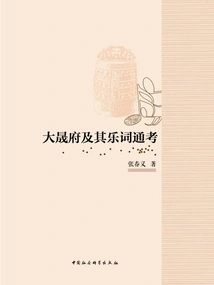
大晟府及其乐词通考
Zhang Chunyi
This book is divided into five chapters: an examination of Dasheng Mansion's official system, an examination of Dasheng Music System, an examination of Dasheng Mansion's music and lyrics, an examination of Dasheng Mansion poets and other officials, and an examination of Dasheng Music Spread. A comprehensive and in-depth research was conducted on appointments and dismissals, nature of work, Dasheng music production process, promotion situation, music book compilation, music score dissemination and Ci school activities, poet's life, music and lyrics creation, influence and related historical facts. This book inherits the format of predecessors' general canon, general annals, and general examination, and embodies a strong sense of pioneering. It has the significance and value of restoring historical truth, correcting the prejudices of Chen and Chen, and filling academic gaps. It has an inspiring effect on the study of literature, history, and music of the Song Dynasty.
This book is divided into five chapters: an examination of Dasheng Mansion's official system, an examination of Dasheng Music System, an examination of Dasheng Mansion's music and lyrics, an examination of Dasheng Mansion poets and other officials, and an examination of Dasheng Music Spread. A comprehensive and in-depth research was conducted on appointments and dismissals, nature of work, Dasheng music production process, promotion situation, music book compilation, music score dissemination and Ci school activities, poet's life, music and lyrics creation, influence and related historical facts. This book inherits the format of predecessors' general canon, general annals, and general examination, and embodies a strong sense of pioneering. It has the significance and value of restoring historical truth, correcting the prejudices of Chen and Chen, and filling academic gaps. It has an inspiring effect on the study of literature, history, and music of the Song Dynasty.
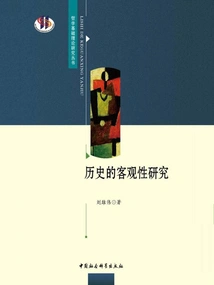
Historical Objectivity
History历史的客观性研究
Liu Hongwei
The issue of historical objectivity is not only a core issue debated in the field of history and philosophy, but also a basic issue related to the legitimacy of all humanities and social sciences. Marx relied on Hegel's "connotative logic of thought" to clarify the history of human reality in an ontological sense. On the one hand, Marx appealed to the understanding of individuals to the real history created by people; on the other hand, he sought the liberation path of real individuals through political economic criticism of real history. Re-exhibiting Marx's ontological clarification of "real history" is not only conducive to breaking down the dogmatic understanding of historical materialism, but also conducive to fighting back the current historical nihilism in academic terms.
The issue of historical objectivity is not only a core issue debated in the field of history and philosophy, but also a basic issue related to the legitimacy of all humanities and social sciences. Marx relied on Hegel's "connotative logic of thought" to clarify the history of human reality in an ontological sense. On the one hand, Marx appealed to the understanding of individuals to the real history created by people; on the other hand, he sought the liberation path of real individuals through political economic criticism of real history. Re-exhibiting Marx's ontological clarification of "real history" is not only conducive to breaking down the dogmatic understanding of historical materialism, but also conducive to fighting back the current historical nihilism in academic terms.
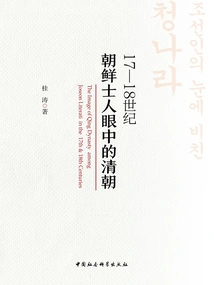
17—18世纪朝鲜士人眼中的清朝
Guitao
The transition from Ming to Qing in the mid-17th century was a major political change in China, but it also had a profound impact on East Asia. How the surrounding countries understood the Qing Dynasty and how they maintained their long-term rule is the focus of this book. The Joseon Kingdom had deep feelings for the Ming Dynasty and was proud of its Confucianism, so it naturally despised the Qing Dynasty. In the early days when the Qing Dynasty took over the Central Plains, North Korea maintained its inherent concept with the historical understanding that "Hu had no luck for a hundred years." With the deepening of exchanges, North Korea's understanding of the Qing Dynasty gradually enriched. However, for a long period of time, North Korea stuck to its old views. There are certainly emotional factors of Zhongming behind this, but North Korea's Zhu Xixue's worldview and its "quiet" way of thinking are the root cause of North Korea's inability to identify with the Qing Dynasty and the legitimacy of the Qing Dynasty. This book focuses on examining the way Korean scholars observed the Qing Dynasty and the ideological basis behind it, and strives to communicate the interconnectedness of thoughts, emotions and politics.
The transition from Ming to Qing in the mid-17th century was a major political change in China, but it also had a profound impact on East Asia. How the surrounding countries understood the Qing Dynasty and how they maintained their long-term rule is the focus of this book. The Joseon Kingdom had deep feelings for the Ming Dynasty and was proud of its Confucianism, so it naturally despised the Qing Dynasty. In the early days when the Qing Dynasty took over the Central Plains, North Korea maintained its inherent concept with the historical understanding that "Hu had no luck for a hundred years." With the deepening of exchanges, North Korea's understanding of the Qing Dynasty gradually enriched. However, for a long period of time, North Korea stuck to its old views. There are certainly emotional factors of Zhongming behind this, but North Korea's Zhu Xixue's worldview and its "quiet" way of thinking are the root cause of North Korea's inability to identify with the Qing Dynasty and the legitimacy of the Qing Dynasty. This book focuses on examining the way Korean scholars observed the Qing Dynasty and the ideological basis behind it, and strives to communicate the interconnectedness of thoughts, emotions and politics.
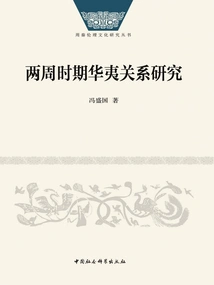
两周时期华夷关系研究
Feng Shengguo
The book starts with bronze inscriptions and combines it with relevant social science theories to discuss the issue of Sino-Yi relations during the two-week period. In chronological order, the characteristics and formation mechanism of ethnic relations between Huaxia and Yidi in the Western Zhou Dynasty, Spring and Autumn Period, and Warring States Period were discussed respectively, and it was pointed out that geographical and climatic factors were one of the internal driving forces for the evolution of Huaxia-Yi ethnic relations. This book sorts out the characteristics of the development and growth of the Chinese ethnic group in the pre-Qin period and the early foreign concepts of the Chinese.
The book starts with bronze inscriptions and combines it with relevant social science theories to discuss the issue of Sino-Yi relations during the two-week period. In chronological order, the characteristics and formation mechanism of ethnic relations between Huaxia and Yidi in the Western Zhou Dynasty, Spring and Autumn Period, and Warring States Period were discussed respectively, and it was pointed out that geographical and climatic factors were one of the internal driving forces for the evolution of Huaxia-Yi ethnic relations. This book sorts out the characteristics of the development and growth of the Chinese ethnic group in the pre-Qin period and the early foreign concepts of the Chinese.
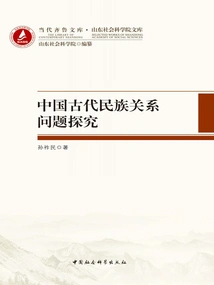
中国古代民族关系问题探究
Sun Zuomin
"Inquiry into the Issues of Ethnic Relations in Ancient China" (published by Henan University Press in 1992) is a collection of papers that Mr. Sun Zuomin has devoted to the study of ethnic relations in ancient China for more than 30 years. The book contains dozens of papers from the mid-1950s to the 1990s. Mr. Sun Zuomin is an expert on the history of Chinese peasant wars and has conducted relatively comprehensive and in-depth research on the history of ethnic relations in ancient China. From the beginning of the 1950s to his death more than 30 years ago, he published dozens of papers on the history of ethnic relations, covering all aspects of the history of ethnic relations. This book is a collection of some of these papers.
"Inquiry into the Issues of Ethnic Relations in Ancient China" (published by Henan University Press in 1992) is a collection of papers that Mr. Sun Zuomin has devoted to the study of ethnic relations in ancient China for more than 30 years. The book contains dozens of papers from the mid-1950s to the 1990s. Mr. Sun Zuomin is an expert on the history of Chinese peasant wars and has conducted relatively comprehensive and in-depth research on the history of ethnic relations in ancient China. From the beginning of the 1950s to his death more than 30 years ago, he published dozens of papers on the history of ethnic relations, covering all aspects of the history of ethnic relations. This book is a collection of some of these papers.
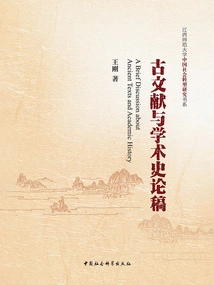
古文献与学术史论稿
Wang Gang
In the form of a series of papers, this book conducts special research on related issues in ancient documents and academic history. 1. In terms of methodology, from the perspective of academic genetics, this book puts forward the need to conduct "research of research" based on the history of academic cognition, and the need to treat above-ground and underground documents equally. 2. As for the research on ancient documents, there is not only the study of handed down documents such as the Book of Songs, but also the analysis of individual cases such as the Tsinghua bamboo slips "Xinian" and the Shangbo bamboo slips "Confucius' Poetry Theory". 3. As far as academic history research is concerned, through case analysis, there are discussions on "Zhou Dao" and the relationship between Confucianism and Mohism. There is also a lot of space to discuss related issues of cultural conservatism, as well as the issue of how modern scholars can reconnect with traditional academic resources on the basis of adapting to the current situation in the process of constructing "new history".
In the form of a series of papers, this book conducts special research on related issues in ancient documents and academic history. 1. In terms of methodology, from the perspective of academic genetics, this book puts forward the need to conduct "research of research" based on the history of academic cognition, and the need to treat above-ground and underground documents equally. 2. As for the research on ancient documents, there is not only the study of handed down documents such as the Book of Songs, but also the analysis of individual cases such as the Tsinghua bamboo slips "Xinian" and the Shangbo bamboo slips "Confucius' Poetry Theory". 3. As far as academic history research is concerned, through case analysis, there are discussions on "Zhou Dao" and the relationship between Confucianism and Mohism. There is also a lot of space to discuss related issues of cultural conservatism, as well as the issue of how modern scholars can reconnect with traditional academic resources on the basis of adapting to the current situation in the process of constructing "new history".
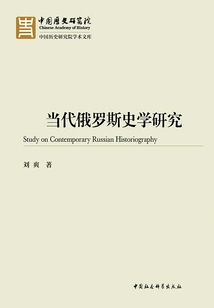
当代俄罗斯史学研究
Liu Shuang
This achievement is a National Social Science Fund project, and the project completion appraisal grade is "excellent". The author took the study of contemporary Russian history as the topic and conducted a systematic study of the evolution and development of historiography in the past 30 years after the disintegration of the Soviet Union, which is innovative in itself. The author insists on using the basic theories of Marxism to guide research practice, and conducts a comprehensive and in-depth investigation of various changes and developments in historical science under the background of the complex social transformation of contemporary Russia. It is of positive significance for domestic academic circles to understand the obvious changes and important progress that have taken place in the field of Russian history. In particular, the re-evaluation of some major historical events and figures has important reference value for the construction of the discipline of world history in my country.
This achievement is a National Social Science Fund project, and the project completion appraisal grade is "excellent". The author took the study of contemporary Russian history as the topic and conducted a systematic study of the evolution and development of historiography in the past 30 years after the disintegration of the Soviet Union, which is innovative in itself. The author insists on using the basic theories of Marxism to guide research practice, and conducts a comprehensive and in-depth investigation of various changes and developments in historical science under the background of the complex social transformation of contemporary Russia. It is of positive significance for domestic academic circles to understand the obvious changes and important progress that have taken place in the field of Russian history. In particular, the re-evaluation of some major historical events and figures has important reference value for the construction of the discipline of world history in my country.
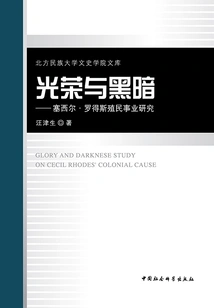
光荣与黑暗:塞西尔·罗得斯殖民事业研究
Wang Jinsheng
In the modern history of southern Africa, Cecil Rhodes, a British capitalist and politician who was active in South Africa from the mid-to-late 19th century to the early 20th century, is a historical figure with important research value. Based on original materials such as speeches, letters, archives, and biographies, as well as the research results of other scholars, this book sorts out and explores Cecil Rhodes's colonial process in southern Africa and its various influences and effects on the political, economic, and social and cultural ecology of southern Africa.
In the modern history of southern Africa, Cecil Rhodes, a British capitalist and politician who was active in South Africa from the mid-to-late 19th century to the early 20th century, is a historical figure with important research value. Based on original materials such as speeches, letters, archives, and biographies, as well as the research results of other scholars, this book sorts out and explores Cecil Rhodes's colonial process in southern Africa and its various influences and effects on the political, economic, and social and cultural ecology of southern Africa.
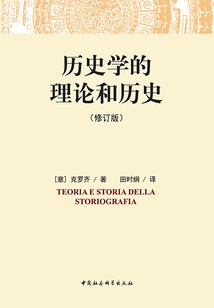
历史学的理论和历史(修订版)
K
This book is a representative work of Croce's historical theory, revised (or translated) based on the 2007 national edition of Croce's works. The first part discusses the theory of history, first strictly distinguishes between history and chronology, and then draws the boundaries between true history and various pseudo-history (linguistic history, poetic history, oratory history, practical history, and tendency history), and puts forward the famous assertion that "all history is contemporary history." The following part reviews the history of history, from Greece and Rome, the Middle Ages, the Renaissance, the Enlightenment, Romanticism, positivist historiography, to the "new historiography" of the 19th century. In addition, 23 notes and comments covering theoretical points in the book are also included. The book has profound thoughts, vivid language and far-reaching influence. It is a Western classic that is both theoretical and readable.
This book is a representative work of Croce's historical theory, revised (or translated) based on the 2007 national edition of Croce's works. The first part discusses the theory of history, first strictly distinguishes between history and chronology, and then draws the boundaries between true history and various pseudo-history (linguistic history, poetic history, oratory history, practical history, and tendency history), and puts forward the famous assertion that "all history is contemporary history." The following part reviews the history of history, from Greece and Rome, the Middle Ages, the Renaissance, the Enlightenment, Romanticism, positivist historiography, to the "new historiography" of the 19th century. In addition, 23 notes and comments covering theoretical points in the book are also included. The book has profound thoughts, vivid language and far-reaching influence. It is a Western classic that is both theoretical and readable.
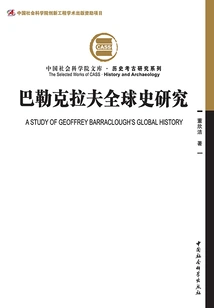
巴勒克拉夫全球史研究(中国社会科学院文库·历史考古研究系列)
Dong Xinjie
For the first time, this book systematically sorts out the research practice of British historian Geoffrey Barraclough in the field of global history: discussing what global history is; analyzing Barraclough's proposal of global history, European history from the perspective of global history, exploration of global history theories and methods, and the macro interpretation framework of global history. ; Then, on the basis of taking the EU as an example to examine the reality of the nature of international politics in the era of economic globalization, and on the theoretical basis of studying global history from Marx's theory of world history, Barraclough, as the pioneer of Western global history in the mid-20th century, summarizes the academic contribution to the development of global history and its historical limitations.
For the first time, this book systematically sorts out the research practice of British historian Geoffrey Barraclough in the field of global history: discussing what global history is; analyzing Barraclough's proposal of global history, European history from the perspective of global history, exploration of global history theories and methods, and the macro interpretation framework of global history. ; Then, on the basis of taking the EU as an example to examine the reality of the nature of international politics in the era of economic globalization, and on the theoretical basis of studying global history from Marx's theory of world history, Barraclough, as the pioneer of Western global history in the mid-20th century, summarizes the academic contribution to the development of global history and its historical limitations.
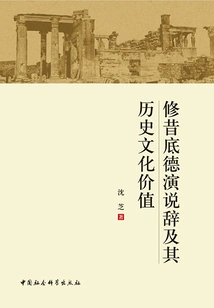
修昔底德演说辞及其历史文化价值
Shen Zhi
Speeches occupy about 1\u002F4 of Thucydides' "History of the Peloponnese War" (hereinafter referred to as "History") and are a characteristic of his works. In the tradition of applying orations to historical works, Thucydides' orations stand out. This distinctive writing style has also attracted the attention and disagreement of foreign scholars. This book attempts to analyze the reasons for the extensive use of speeches in Thucydides's "Boss" from the perspective of a large number of speeches in "Boss", explore the authenticity of speeches, and then explain that Thucydides's creative techniques of using a large number of speeches in "Boss" are worthy of attention and reference. This reveals the political, economic, and military conditions of that era reflected in the speech, and reflects Thucydides's ideological concepts, which has considerable historical value and historical and cultural value.
Speeches occupy about 1\u002F4 of Thucydides' "History of the Peloponnese War" (hereinafter referred to as "History") and are a characteristic of his works. In the tradition of applying orations to historical works, Thucydides' orations stand out. This distinctive writing style has also attracted the attention and disagreement of foreign scholars. This book attempts to analyze the reasons for the extensive use of speeches in Thucydides's "Boss" from the perspective of a large number of speeches in "Boss", explore the authenticity of speeches, and then explain that Thucydides's creative techniques of using a large number of speeches in "Boss" are worthy of attention and reference. This reveals the political, economic, and military conditions of that era reflected in the speech, and reflects Thucydides's ideological concepts, which has considerable historical value and historical and cultural value.
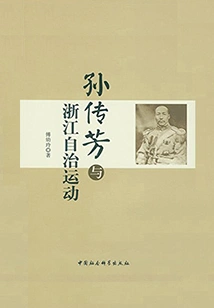
孙传芳与浙江自治运动
Fu Youling
The local autonomy movement during the Republic of China is an important topic in historical research, and it is of great significance to the study of China's early political modernization. The Zhejiang Autonomy Movement in the 1920s was an important part of the national autonomy movement at that time. "Sun Chuanfang and the Zhejiang Autonomy Movement" written by Fu Youling comprehensively demonstrates Sun Chuanfang's attitude and policies towards the autonomy movement in Zhejiang Province during his rule from 1924 to 1926, as well as the impact it had on the Zhejiang autonomy movement.
The local autonomy movement during the Republic of China is an important topic in historical research, and it is of great significance to the study of China's early political modernization. The Zhejiang Autonomy Movement in the 1920s was an important part of the national autonomy movement at that time. "Sun Chuanfang and the Zhejiang Autonomy Movement" written by Fu Youling comprehensively demonstrates Sun Chuanfang's attitude and policies towards the autonomy movement in Zhejiang Province during his rule from 1924 to 1926, as well as the impact it had on the Zhejiang autonomy movement.
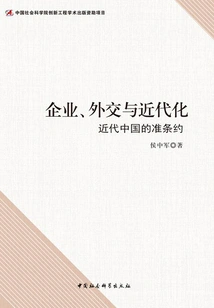
企业、外交与近代化:近代中国的准条约
Hou Zhongjun
The quasi-treaties in modern China were the product of the Westernization Movement that had developed to a certain historical stage. It initially focused on modern industries such as telecommunications, railways, and mining, and was closely related to modernization issues. Since the quasi-treaty involves foreign economic affairs, in the late Qing Dynasty when the division of diplomatic responsibilities was not clear, companies often assumed the function of foreign negotiation, and thus evolved their own characteristics of corporate social responsibility: government responsibility or national responsibility. After the Sino-Japanese War, especially after the Boxer Rebellion, the theme of quasi-treaties closely related to modernization changed. Although quasi-treaties such as telecommunications, roads, and mines still existed, political loans began to appear. During the political reform in the late Qing Dynasty, the Qing government established specialized economic management departments and tried to use institutional efforts to separate the economy from foreign affairs in order to protect interests. After the founding of the Republic of China, it fully inherited the treaties and foreign debts left by the late Qing government, and declared an integrated protection of the vested rights of all outsiders. Quasi-treaties were certainly within this scope. After World War I, the weakening trend of quasi-treaties intensified. Except for radio quasi-treaties, other types of quasi-treaties gradually disappeared. This situation lasted until the end of the Nanjing National Government.
The quasi-treaties in modern China were the product of the Westernization Movement that had developed to a certain historical stage. It initially focused on modern industries such as telecommunications, railways, and mining, and was closely related to modernization issues. Since the quasi-treaty involves foreign economic affairs, in the late Qing Dynasty when the division of diplomatic responsibilities was not clear, companies often assumed the function of foreign negotiation, and thus evolved their own characteristics of corporate social responsibility: government responsibility or national responsibility. After the Sino-Japanese War, especially after the Boxer Rebellion, the theme of quasi-treaties closely related to modernization changed. Although quasi-treaties such as telecommunications, roads, and mines still existed, political loans began to appear. During the political reform in the late Qing Dynasty, the Qing government established specialized economic management departments and tried to use institutional efforts to separate the economy from foreign affairs in order to protect interests. After the founding of the Republic of China, it fully inherited the treaties and foreign debts left by the late Qing government, and declared an integrated protection of the vested rights of all outsiders. Quasi-treaties were certainly within this scope. After World War I, the weakening trend of quasi-treaties intensified. Except for radio quasi-treaties, other types of quasi-treaties gradually disappeared. This situation lasted until the end of the Nanjing National Government.
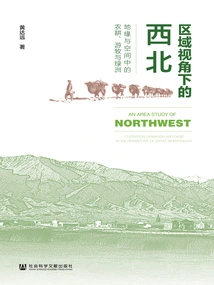
The Northwest from a Regional Perspective: Farming, Nomadism and Oasis in Geography and Space
History区域视角下的西北:地缘与空间中的农耕、游牧与绿洲
Huang Dayuan
The writing of Chinese history has been deeply influenced by the maritime historical perspective, which has caused the "weight" of Chinese historical narratives to shift. The "impact-response" theory of East-West relations based on the opening of trade ports since the mid-19th century has become popular. It was not until Lattimore's study of China's "inland frontiers in Asia" restored the "continental historical perspective" centered on North-South relations that the "transition zone" was taken seriously as the center of Chinese history. This book takes northwest China as an example, taking the interaction of farming, nomadism and oasis from a geographical and spatial perspective as an entry point. From a "long-term" perspective, "Northwest" not only has not "stagnated", but has undergone "dramatic changes" on a "regional" spatial scale. The formation of the "Great Wall-Tianshan Corridor" provides a new perspective for understanding "China".
The writing of Chinese history has been deeply influenced by the maritime historical perspective, which has caused the "weight" of Chinese historical narratives to shift. The "impact-response" theory of East-West relations based on the opening of trade ports since the mid-19th century has become popular. It was not until Lattimore's study of China's "inland frontiers in Asia" restored the "continental historical perspective" centered on North-South relations that the "transition zone" was taken seriously as the center of Chinese history. This book takes northwest China as an example, taking the interaction of farming, nomadism and oasis from a geographical and spatial perspective as an entry point. From a "long-term" perspective, "Northwest" not only has not "stagnated", but has undergone "dramatic changes" on a "regional" spatial scale. The formation of the "Great Wall-Tianshan Corridor" provides a new perspective for understanding "China".
大数据与中国历史研究(第2辑)
Editor-in-chief Fu Haiyan
Since 2013, Central China Normal University and the Hong Kong University of Science and Technology have begun to cooperate in big data history research and talent training. In terms of professional curriculum settings, the big data history major has opened many distinctive professional courses. Among them, the "Big Data and Chinese History" lecture series is a series of lectures for advanced researchers. Jointly organized by the Institute and the School of History and Culture, more than 10 senior professors and emerging young scholars at home and abroad with expertise in quantitative historical research and digital humanities research are invited to give special lectures every year. Some of the scholars' research results and speech notes will be compiled into the book "Big Data and Chinese History Research". This volume is the second volume of "Big Data and Chinese Historical Research".
Since 2013, Central China Normal University and the Hong Kong University of Science and Technology have begun to cooperate in big data history research and talent training. In terms of professional curriculum settings, the big data history major has opened many distinctive professional courses. Among them, the "Big Data and Chinese History" lecture series is a series of lectures for advanced researchers. Jointly organized by the Institute and the School of History and Culture, more than 10 senior professors and emerging young scholars at home and abroad with expertise in quantitative historical research and digital humanities research are invited to give special lectures every year. Some of the scholars' research results and speech notes will be compiled into the book "Big Data and Chinese History Research". This volume is the second volume of "Big Data and Chinese Historical Research".
区域史研究(2019年第2辑\u002F总第2辑)
Editor-in-chief Wen Chunlai
"Regional History Research" is an academic journal jointly founded by a group of scholars with common academic interests from nine universities including Sun Yat-sen University. Since Skenya broke the paradigm of dynastic and national historical narratives and proposed the theory of explaining China's historical structure from a regional context, the study of regional history has become one of the important research directions for scholars trying to deepen their understanding of national history and even global history. The core question is how people's interactions in history form "areas" that are meaningful from a certain perspective. This journal hopes to provide researchers with a new platform to showcase the current trends, thinking and latest achievements in regional history research.
"Regional History Research" is an academic journal jointly founded by a group of scholars with common academic interests from nine universities including Sun Yat-sen University. Since Skenya broke the paradigm of dynastic and national historical narratives and proposed the theory of explaining China's historical structure from a regional context, the study of regional history has become one of the important research directions for scholars trying to deepen their understanding of national history and even global history. The core question is how people's interactions in history form "areas" that are meaningful from a certain perspective. This journal hopes to provide researchers with a new platform to showcase the current trends, thinking and latest achievements in regional history research.
治学的门径与取法:晚清民国研究的史料与史学(典藏版)
Sang Bing
This book is a book about historical scholarship. On the basis of summarizing the academic methods of previous scholars and based on personal academic insights, the author strives to provide readers with some practical and effective application materials and basic methods and methods for researching problems. The content mainly includes three aspects: first, general monographs and monographs on historical materials and historiography in the study of modern China; second, an explanation of the understanding and application of various types of historical materials; third, a discussion of historical materials and methods of collection in various specific research fields and aspects. It can provide a reference for researchers who are new to history.
This book is a book about historical scholarship. On the basis of summarizing the academic methods of previous scholars and based on personal academic insights, the author strives to provide readers with some practical and effective application materials and basic methods and methods for researching problems. The content mainly includes three aspects: first, general monographs and monographs on historical materials and historiography in the study of modern China; second, an explanation of the understanding and application of various types of historical materials; third, a discussion of historical materials and methods of collection in various specific research fields and aspects. It can provide a reference for researchers who are new to history.
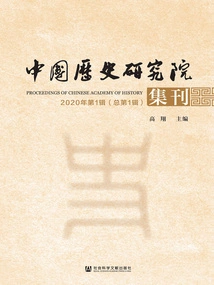
中国历史研究院集刊(2020年第1辑\u002F总第1辑)
Editor-in-chief Gao Xiang
"Collection of the Chinese Academy of History" is a collective journal sponsored by the Chinese Academy of History and edited and published by the Historical Research Magazine. It mainly publishes outstanding academic achievements in historical theory and history of history, Chinese history, world history, archaeology, etc. This is the first issue and contains a total of 7 articles.
"Collection of the Chinese Academy of History" is a collective journal sponsored by the Chinese Academy of History and edited and published by the Historical Research Magazine. It mainly publishes outstanding academic achievements in historical theory and history of history, Chinese history, world history, archaeology, etc. This is the first issue and contains a total of 7 articles.
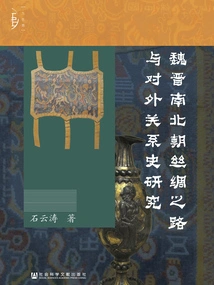
魏晋南北朝丝绸之路与对外关系史研究
Shi Yuntao
This book is a phased result of a major project of the National Social Science Fund (Project Approval Number: 19ZDA261), and the final result of a major landmark project of Beijing Foreign Studies University's "Double First-Class" construction in 2020. The Wei, Jin, Southern and Northern Dynasties were an important period of development of the Silk Road. In terms of transportation, in addition to the use of the traditional Silk Road since the Han Dynasty, new transportation lines have been opened and utilized; in terms of exchanges, transportation and trade relations have been established with more countries and regions; in terms of exchanges, the content of economic, trade and cultural exchanges has been greatly expanded and enriched. This book is divided into ten chapters to introduce the Silk Road during the Wei, Jin, Southern and Northern Dynasties. The first chapter summarizes the historical research on the relationship between the Wei, Jin, Southern and Northern Dynasties in the past 40 years; the second and third chapters respectively introduce the Sino-Western transportation in the Northern Wei and the Southern Dynasty Xiaoliang period; the fourth chapter discusses the utilization of the Prairie Silk Road from the 3rd to the 6th century; the fifth and sixth chapters explore the Maritime Silk Road based on Song Yun and Huisheng's journey to the west and Zhu Ying and Kangtai's mission to Funan; Chapters 7, 8, 9 and 10 respectively discuss the import of foreign artifacts, plants, animals and spices and medieval society.
This book is a phased result of a major project of the National Social Science Fund (Project Approval Number: 19ZDA261), and the final result of a major landmark project of Beijing Foreign Studies University's "Double First-Class" construction in 2020. The Wei, Jin, Southern and Northern Dynasties were an important period of development of the Silk Road. In terms of transportation, in addition to the use of the traditional Silk Road since the Han Dynasty, new transportation lines have been opened and utilized; in terms of exchanges, transportation and trade relations have been established with more countries and regions; in terms of exchanges, the content of economic, trade and cultural exchanges has been greatly expanded and enriched. This book is divided into ten chapters to introduce the Silk Road during the Wei, Jin, Southern and Northern Dynasties. The first chapter summarizes the historical research on the relationship between the Wei, Jin, Southern and Northern Dynasties in the past 40 years; the second and third chapters respectively introduce the Sino-Western transportation in the Northern Wei and the Southern Dynasty Xiaoliang period; the fourth chapter discusses the utilization of the Prairie Silk Road from the 3rd to the 6th century; the fifth and sixth chapters explore the Maritime Silk Road based on Song Yun and Huisheng's journey to the west and Zhu Ying and Kangtai's mission to Funan; Chapters 7, 8, 9 and 10 respectively discuss the import of foreign artifacts, plants, animals and spices and medieval society.
区域史研究(2020年第1辑\u002F总第3辑)
Editor-in-chief Wen Chunlai
"Regional History Research" is an academic journal jointly founded by a group of scholars with common academic interests from nine universities including Sun Yat-sen University. Since Skenya broke the paradigm of dynastic and national historical narratives and proposed the theory of explaining China's historical structure from a regional context, the study of regional history has become one of the important research directions for scholars trying to deepen their understanding of national history and even global history. The core question is how people's interactions in history form "areas" that are meaningful from a certain perspective. This journal hopes to provide researchers with a new platform to showcase the current trends, thinking and latest achievements in regional history research.
"Regional History Research" is an academic journal jointly founded by a group of scholars with common academic interests from nine universities including Sun Yat-sen University. Since Skenya broke the paradigm of dynastic and national historical narratives and proposed the theory of explaining China's historical structure from a regional context, the study of regional history has become one of the important research directions for scholars trying to deepen their understanding of national history and even global history. The core question is how people's interactions in history form "areas" that are meaningful from a certain perspective. This journal hopes to provide researchers with a new platform to showcase the current trends, thinking and latest achievements in regional history research.
史学理论与史学史学刊(2019年上卷\u002F总第20卷)
Editor-in-chief Yang Gongle
"Journal of Historical Theory and Historiography" is a continuous disciplinary publication sponsored by the Research Center for Historical Theory and Historiography of Beijing Normal University. This volume is the 20th in total. It has columns such as "Commemorating the 110th Anniversary of the Birth of Mr. Bai Shouyi", "Research on Ancient Chinese History", "Research on Modern Chinese History", "Research on Foreign History", "Historical Philology", "Characters", "Contemporary Historiography Review", and "Conference Review", and published 22 articles.
"Journal of Historical Theory and Historiography" is a continuous disciplinary publication sponsored by the Research Center for Historical Theory and Historiography of Beijing Normal University. This volume is the 20th in total. It has columns such as "Commemorating the 110th Anniversary of the Birth of Mr. Bai Shouyi", "Research on Ancient Chinese History", "Research on Modern Chinese History", "Research on Foreign History", "Historical Philology", "Characters", "Contemporary Historiography Review", and "Conference Review", and published 22 articles.
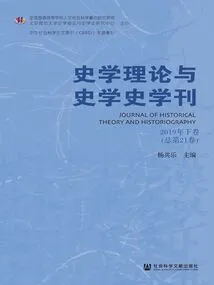
史学理论与史学史学刊(2019年下卷\u002F总第21卷)
Editor-in-chief Yang Gongle
"Journal of Historical Theory and Historiography" is a continuous disciplinary publication sponsored by the Research Center for Historical Theory and Historiography of Beijing Normal University. This volume is the 21st in total. It has columns such as "Celebrating the 70th Anniversary of the Founding of the People's Republic of China", "Research on Ancient Chinese History", "Research on Modern and Contemporary Chinese History", "Research on Foreign History", "Exchanges in Chinese and Foreign Historiography", "Historical Documentation" and "Review of Contemporary Historiography". It publishes 22 papers, followed by 2 appendices, reflecting the academic concerns and cutting-edge achievements of current historical theory and historical research.
"Journal of Historical Theory and Historiography" is a continuous disciplinary publication sponsored by the Research Center for Historical Theory and Historiography of Beijing Normal University. This volume is the 21st in total. It has columns such as "Celebrating the 70th Anniversary of the Founding of the People's Republic of China", "Research on Ancient Chinese History", "Research on Modern and Contemporary Chinese History", "Research on Foreign History", "Exchanges in Chinese and Foreign Historiography", "Historical Documentation" and "Review of Contemporary Historiography". It publishes 22 papers, followed by 2 appendices, reflecting the academic concerns and cutting-edge achievements of current historical theory and historical research.
史学理论与史学史学刊(2018年下卷\u002F总第19卷)
Editor-in-chief Yang Gongle
"Journal of Historical Theory and Historiography" is a continuous disciplinary publication sponsored by the Research Center for Historical Theory and Historiography of Beijing Normal University. This volume publishes 24 articles, divided into eight columns: "Written Talk: Research on Historiography in the 40 Years of Reform and Opening Up", "Research on Ancient Chinese History", "Research on Modern Chinese History", "Research on Foreign History", "Exchanges on Chinese and Foreign Historiography", "Historical Philology", "Contemporary Historiography Review" and "Conference Review", reflecting the academic concerns and cutting-edge results of current historical theory and historical research.
"Journal of Historical Theory and Historiography" is a continuous disciplinary publication sponsored by the Research Center for Historical Theory and Historiography of Beijing Normal University. This volume publishes 24 articles, divided into eight columns: "Written Talk: Research on Historiography in the 40 Years of Reform and Opening Up", "Research on Ancient Chinese History", "Research on Modern Chinese History", "Research on Foreign History", "Exchanges on Chinese and Foreign Historiography", "Historical Philology", "Contemporary Historiography Review" and "Conference Review", reflecting the academic concerns and cutting-edge results of current historical theory and historical research.
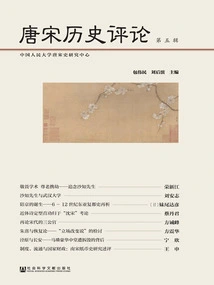
唐宋历史评论(第5辑)
Bao Weimin Editor-in-chief Liu Houbin
"Tang and Song History Review" is a professional historical journal sponsored by the School of History of Renmin University of China, focusing on the study of Tang and Song history. It features special research and commentary on the history of the Tang and Song Dynasties. It mainly publishes problem-oriented research papers on the history of the Tang and Song Dynasties, as well as special reviews and book reviews with the purpose of sorting out the academic history of Tang and Song studies. Article categories include essays, book reviews, prefaces and postscripts, historical reading notes, etc.
"Tang and Song History Review" is a professional historical journal sponsored by the School of History of Renmin University of China, focusing on the study of Tang and Song history. It features special research and commentary on the history of the Tang and Song Dynasties. It mainly publishes problem-oriented research papers on the history of the Tang and Song Dynasties, as well as special reviews and book reviews with the purpose of sorting out the academic history of Tang and Song studies. Article categories include essays, book reviews, prefaces and postscripts, historical reading notes, etc.
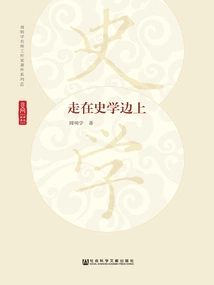
走在史学边上
Zhou Mingxue
This book conducts in-depth research and analysis on the language standardization and scientific nature of historical facts in history textbooks, the key and difficult knowledge in history teaching, cases and analysis of historical materials teaching, the scientific nature and guiding issues of college entrance examination questions, and teacher growth and training. In addition, relevant essays on how to be a good teacher are gathered together and the important writings to date are placed in an "Appendix". Many papers in the book were published in CSSCI journals, the national Chinese core journal "History Teaching", "Middle School History Teaching Reference", "Middle School History Teaching" and other journals. The relevant papers were further integrated and revised before publication.
This book conducts in-depth research and analysis on the language standardization and scientific nature of historical facts in history textbooks, the key and difficult knowledge in history teaching, cases and analysis of historical materials teaching, the scientific nature and guiding issues of college entrance examination questions, and teacher growth and training. In addition, relevant essays on how to be a good teacher are gathered together and the important writings to date are placed in an "Appendix". Many papers in the book were published in CSSCI journals, the national Chinese core journal "History Teaching", "Middle School History Teaching Reference", "Middle School History Teaching" and other journals. The relevant papers were further integrated and revised before publication.
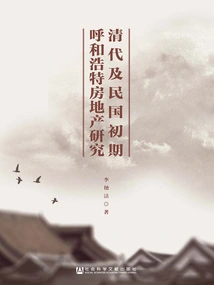
清代及民国初期呼和浩特房地产研究
Li Yanjie
This book discusses the background of the real estate industry in Hohhot during the Qing Dynasty and the early Republic of China, industry types, transaction status, tax conflicts, quality assessment, and government administrative intervention in real estate. It also discusses many issues in the privatization process of Hohhot's real estate, and provides insights into the northern frontier during this period. The formation of urban immigrant society, the influence of religious beliefs on local society, and the political tension between the central government and local government in the Qing Dynasty are all explained in detail. The information is detailed, the views are concise, and the logic is clear. It fills the gap in the research on Hohhot real estate in the historical stage of the late Qing Dynasty and the early Republic of China.
This book discusses the background of the real estate industry in Hohhot during the Qing Dynasty and the early Republic of China, industry types, transaction status, tax conflicts, quality assessment, and government administrative intervention in real estate. It also discusses many issues in the privatization process of Hohhot's real estate, and provides insights into the northern frontier during this period. The formation of urban immigrant society, the influence of religious beliefs on local society, and the political tension between the central government and local government in the Qing Dynasty are all explained in detail. The information is detailed, the views are concise, and the logic is clear. It fills the gap in the research on Hohhot real estate in the historical stage of the late Qing Dynasty and the early Republic of China.
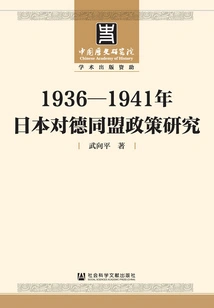
1936—1941年日本对德同盟政策研究
Wu Xiangping
The study of this book uses a large number of original Japanese archive materials to explore the development and evolution of Japan's alliance policy towards Germany during the historical period from the conclusion of the Anti-Communist Agreement between Japan and Germany in 1936 to the outbreak of the Pacific War in 1941. It reveals the purpose and strategy of Japan's alliance with Germany during the war of aggression against China and expansion strategy in the Pacific region. It strives to restore the calculation of interests and the drama within the Japan-Germany alliance, thus revealing the actual status of the Japan-Germany military alliance.
The study of this book uses a large number of original Japanese archive materials to explore the development and evolution of Japan's alliance policy towards Germany during the historical period from the conclusion of the Anti-Communist Agreement between Japan and Germany in 1936 to the outbreak of the Pacific War in 1941. It reveals the purpose and strategy of Japan's alliance with Germany during the war of aggression against China and expansion strategy in the Pacific region. It strives to restore the calculation of interests and the drama within the Japan-Germany alliance, thus revealing the actual status of the Japan-Germany military alliance.
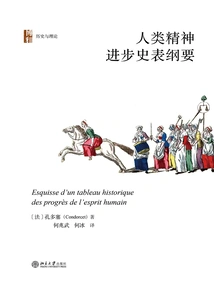
人类精神进步史表纲要
(french) Condorcet
This book divides human history into ten eras, demonstrating the historical view of the 18th-century Enlightenment, that is, history is the product of the awakening of human rationality and the process of continuous liberation of human rationality. The stages of historical progress basically correspond to the stages of human rational development, and the growth of human freedom in this process is also natural. Therefore, people have reason to place endless confidence and hope in the future.
This book divides human history into ten eras, demonstrating the historical view of the 18th-century Enlightenment, that is, history is the product of the awakening of human rationality and the process of continuous liberation of human rationality. The stages of historical progress basically correspond to the stages of human rational development, and the growth of human freedom in this process is also natural. Therefore, people have reason to place endless confidence and hope in the future.
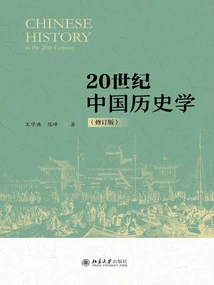
20世纪中国历史学(修订版)
Wang Xuedian Chen Feng
This book uses the distinction between the historical material school and the historical perspective school as an internal clue to divide the century-old Chinese history into three periods: 1900-1929, 1929-1989, and 1989-2000. Starting from "problems", it follows the century-old cycle of "new history" and "new sinology" As the main line, it is mainly based on the different understandings of the connotation of history by historians of various schools during this period, as well as the resulting differences in concepts, methods, and approaches. It then analyzes the actual effects of these differences on the construction of history and outlines the basic outline of the development of Chinese history in the 20th century.
This book uses the distinction between the historical material school and the historical perspective school as an internal clue to divide the century-old Chinese history into three periods: 1900-1929, 1929-1989, and 1989-2000. Starting from "problems", it follows the century-old cycle of "new history" and "new sinology" As the main line, it is mainly based on the different understandings of the connotation of history by historians of various schools during this period, as well as the resulting differences in concepts, methods, and approaches. It then analyzes the actual effects of these differences on the construction of history and outlines the basic outline of the development of Chinese history in the 20th century.
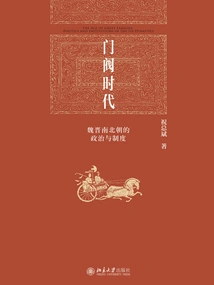
门阀时代:魏晋南北朝的政治与制度
Zhu Zongbin
This book contains more than ten works on the history of the Wei, Jin, Southern and Northern Dynasties. The topics focus on the origin, development and characteristics of clan politics and the unique phenomena of the political system in the Wei, Jin, Southern and Northern Dynasties. The external editor includes two book reviews and Mr. Zhu's academic autobiography.
This book contains more than ten works on the history of the Wei, Jin, Southern and Northern Dynasties. The topics focus on the origin, development and characteristics of clan politics and the unique phenomena of the political system in the Wei, Jin, Southern and Northern Dynasties. The external editor includes two book reviews and Mr. Zhu's academic autobiography.
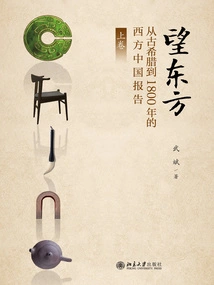
望东方:从古希腊到1800年的西方中国报告(上卷)
Wu Bin
This book describes ancient Westerners' understanding and preliminary knowledge of China and Chinese culture. In the ancient Greek and Roman times, Westerners had a vague impression of distant China based only on the legends of Chinese silk and fragments. In the 13th and 14th centuries, the Mongolian Empire achieved great communication between the East and the West, and travelers such as Marco Polo reported their personal experiences and impressions in China to Westerners. The great voyages and the booming Sino-European trade that began after the 16th century finally brought China into the eyes of Europeans and became an area of knowledge they strived to explore.
This book describes ancient Westerners' understanding and preliminary knowledge of China and Chinese culture. In the ancient Greek and Roman times, Westerners had a vague impression of distant China based only on the legends of Chinese silk and fragments. In the 13th and 14th centuries, the Mongolian Empire achieved great communication between the East and the West, and travelers such as Marco Polo reported their personal experiences and impressions in China to Westerners. The great voyages and the booming Sino-European trade that began after the 16th century finally brought China into the eyes of Europeans and became an area of knowledge they strived to explore.
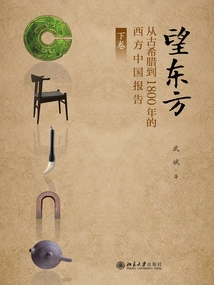
望东方:从古希腊到1800年的西方中国报告(下卷)
Wu Bin
This book describes the Sino-European trade from the 16th to the 18th century, when a large number of Chinese goods, represented by silk, tea, and porcelain, came to Europe, improving and enriching people's daily lives. The reports about China by missionaries and travelers, and the contribution of scholars, further stimulated Europeans' enthusiasm for China. The popular Chinese taste in life and the fashion of pursuing Chinese goods formed a widespread "Chinese style", which affected many fields of European society and had a great impact on Europeans' aesthetic taste, arts and crafts, painting art, garden art, etc.
This book describes the Sino-European trade from the 16th to the 18th century, when a large number of Chinese goods, represented by silk, tea, and porcelain, came to Europe, improving and enriching people's daily lives. The reports about China by missionaries and travelers, and the contribution of scholars, further stimulated Europeans' enthusiasm for China. The popular Chinese taste in life and the fashion of pursuing Chinese goods formed a widespread "Chinese style", which affected many fields of European society and had a great impact on Europeans' aesthetic taste, arts and crafts, painting art, garden art, etc.
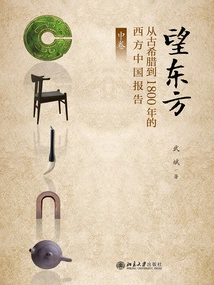
望东方:从古希腊到1800年的西方中国报告(中卷)
Wu Bin
This book describes the arrival of a large number of European missionaries in China in the 17th and 18th centuries. They went deep into Beijing and other cities in China, had close contact with the Chinese scholar-bureaucrat class, and gained a relatively in-depth understanding of Chinese culture. They wrote a large number of letters, reports and books, translated Chinese cultural classics, and widely introduced Chinese culture to the West. In particular, their introduction to Confucius's Confucianism greatly inspired the European intellectual community and became an important ideological resource for the ongoing Enlightenment Movement.
This book describes the arrival of a large number of European missionaries in China in the 17th and 18th centuries. They went deep into Beijing and other cities in China, had close contact with the Chinese scholar-bureaucrat class, and gained a relatively in-depth understanding of Chinese culture. They wrote a large number of letters, reports and books, translated Chinese cultural classics, and widely introduced Chinese culture to the West. In particular, their introduction to Confucius's Confucianism greatly inspired the European intellectual community and became an important ideological resource for the ongoing Enlightenment Movement.
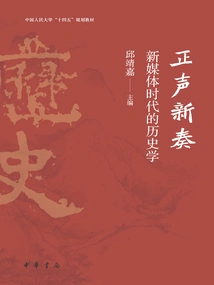
正声新奏:新媒体时代的历史学
Editor-in-chief Qiu Jingjia
This book clearly proposes the concept of "history in the new media era" for the first time. It discusses several issues related to "history in the new media era" in the form of special topics in three sections and ten chapters. It comprehensively analyzes and discusses the new characteristics and history of historical research with the technological advancement and changes in communication methods in the new media era. The social service function of history to the public, how history should provide knowledge and ideological content services to the public, and integrate it with various mass media methods to establish a positive interactive relationship with the public. At the same time, it calls for a new approach in history teaching that focuses on cultivating professional scholars, primary and secondary school teachers, and history popularization talents.
This book clearly proposes the concept of "history in the new media era" for the first time. It discusses several issues related to "history in the new media era" in the form of special topics in three sections and ten chapters. It comprehensively analyzes and discusses the new characteristics and history of historical research with the technological advancement and changes in communication methods in the new media era. The social service function of history to the public, how history should provide knowledge and ideological content services to the public, and integrate it with various mass media methods to establish a positive interactive relationship with the public. At the same time, it calls for a new approach in history teaching that focuses on cultivating professional scholars, primary and secondary school teachers, and history popularization talents.
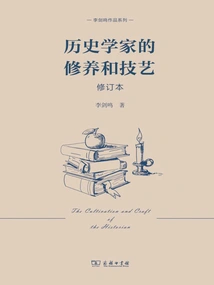
历史学家的修养和技艺(修订本)
Li Jianming
No matter in China, Europe, America, or even other parts of the world, history is an ancient knowledge. The author of this book aims to give detailed answers to his own questions about how to write a history paper and how to conduct academic training in history. The book is divided into twelve chapters, which respectively describe the characteristics of history, the nature of historical knowledge, the stance and research perspective of historians, how historical researchers accumulate academic knowledge, the academic path of history, the organization and interpretation of primary documents and evidence, the sorting and breakthrough of the academic history of secondary documents, the commonly used theoretical methods of historical research, the writing style and normative requirements of historical research works, etc.
No matter in China, Europe, America, or even other parts of the world, history is an ancient knowledge. The author of this book aims to give detailed answers to his own questions about how to write a history paper and how to conduct academic training in history. The book is divided into twelve chapters, which respectively describe the characteristics of history, the nature of historical knowledge, the stance and research perspective of historians, how historical researchers accumulate academic knowledge, the academic path of history, the organization and interpretation of primary documents and evidence, the sorting and breakthrough of the academic history of secondary documents, the commonly used theoretical methods of historical research, the writing style and normative requirements of historical research works, etc.
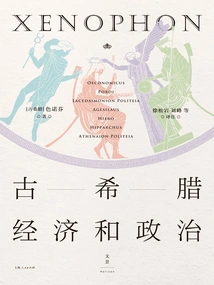
古希腊经济和政治
P
Xenophon was one of the three major historians of ancient Greece along with Herodotus and Thucydides. He not only wrote "History of Greece" and "The Long March" and other masterpieces that were praised by later generations, but also wrote many short articles criticizing the city-state system and people and events at that time. "Economics and Politics of Ancient Greece" is a collection of seven short treatises by Xenophon, including "Domestic Economics", "On Financial Resources", "Spartan Constitution", "Agesilaus", "Hiero", "On Captains of Cavalry" and "The Constitution of Athens" written under the name of Xenophon. Although these articles are short, they are quite groundbreaking. They are the earliest works in the classical era to discuss topics such as family life management, city-state income and expenditure reduction, and cavalry combat training. They have left a wealth of historical materials for future generations to understand the major city-states of Sparta and Athens in the Greek classical era, as well as the social life and political, economic, and military conditions of the time.
Xenophon was one of the three major historians of ancient Greece along with Herodotus and Thucydides. He not only wrote "History of Greece" and "The Long March" and other masterpieces that were praised by later generations, but also wrote many short articles criticizing the city-state system and people and events at that time. "Economics and Politics of Ancient Greece" is a collection of seven short treatises by Xenophon, including "Domestic Economics", "On Financial Resources", "Spartan Constitution", "Agesilaus", "Hiero", "On Captains of Cavalry" and "The Constitution of Athens" written under the name of Xenophon. Although these articles are short, they are quite groundbreaking. They are the earliest works in the classical era to discuss topics such as family life management, city-state income and expenditure reduction, and cavalry combat training. They have left a wealth of historical materials for future generations to understand the major city-states of Sparta and Athens in the Greek classical era, as well as the social life and political, economic, and military conditions of the time.
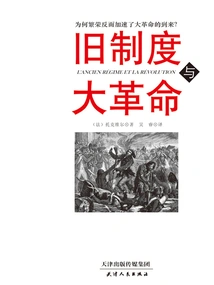
T
Historyt
H
"The Old Regime and the Revolution" is recognized as a classic study of the French Revolution. In this book, the author reveals the intrinsic connection between the old system and the Great Revolution through the analysis of a large number of historical facts. The French Revolution seemed to destroy all the old systems. However, the French Revolution unknowingly inherited most of the emotions, habits, and ideas from the old systems. Some systems that were originally thought to be the achievements of the Revolution were actually the inheritance and development of the old systems. In this book, the author not only provides a groundbreaking explanation of the causes and consequences of the French Revolution, but also raises many phenomena and issues that triggered the thinking and exploration of later historians and political scientists. For example, why did feudal privileges become more abhorrent to the French people than elsewhere? Why do the French prefer reform first and freedom later? Why did prosperity accelerate the arrival of the Great Revolution? Etc. What is particularly valuable is that the author did not "think" about the French Revolution in a vacuum, but relied on the analysis and research of original materials to draw conclusions. The author has read and made use of a large number of archival materials that have never been touched before, including ancient land inventories, tax books, local and central memorials, instructions and correspondence between ministers, records of the three-level meeting, and the 1789 petition letter. Based on these historical materials, he was able to gain an in-depth understanding and detailed description of the land, property, church, three estates, central and local administration, peasant life, aristocratic status, third estate status, etc. Under the old system, and elaborate on his arguments.
"The Old Regime and the Revolution" is recognized as a classic study of the French Revolution. In this book, the author reveals the intrinsic connection between the old system and the Great Revolution through the analysis of a large number of historical facts. The French Revolution seemed to destroy all the old systems. However, the French Revolution unknowingly inherited most of the emotions, habits, and ideas from the old systems. Some systems that were originally thought to be the achievements of the Revolution were actually the inheritance and development of the old systems. In this book, the author not only provides a groundbreaking explanation of the causes and consequences of the French Revolution, but also raises many phenomena and issues that triggered the thinking and exploration of later historians and political scientists. For example, why did feudal privileges become more abhorrent to the French people than elsewhere? Why do the French prefer reform first and freedom later? Why did prosperity accelerate the arrival of the Great Revolution? Etc. What is particularly valuable is that the author did not "think" about the French Revolution in a vacuum, but relied on the analysis and research of original materials to draw conclusions. The author has read and made use of a large number of archival materials that have never been touched before, including ancient land inventories, tax books, local and central memorials, instructions and correspondence between ministers, records of the three-level meeting, and the 1789 petition letter. Based on these historical materials, he was able to gain an in-depth understanding and detailed description of the land, property, church, three estates, central and local administration, peasant life, aristocratic status, third estate status, etc. Under the old system, and elaborate on his arguments.

What is Emotional History?
History什么是情感史?
Wang Qingjia
Wang Qingjia, an expert in global historiography, uses emotional history as a method to open up a new perspective on understanding history. The history of emotions has become a new direction in contemporary historical research. It subverts many traditional historical concepts, from the dualism of nature, society, body and mind, to male-centered and Western-centered historical narratives. It also brings more reflections: What are historical facts? How to test the value of historical materials? Should historians take a moral stance? Does a historical narrative need to be coherent? ... This book is a collection of papers that Professor Wang Qingjia, an expert in world history and editor-in-chief of Guangqi Emotional History, has introduced, discussed and practiced the research on the history of emotion over the years. It systematically introduces the origin and development, theory and value of the history of emotion. On this basis, it uses case studies to discuss the above issues.
Wang Qingjia, an expert in global historiography, uses emotional history as a method to open up a new perspective on understanding history. The history of emotions has become a new direction in contemporary historical research. It subverts many traditional historical concepts, from the dualism of nature, society, body and mind, to male-centered and Western-centered historical narratives. It also brings more reflections: What are historical facts? How to test the value of historical materials? Should historians take a moral stance? Does a historical narrative need to be coherent? ... This book is a collection of papers that Professor Wang Qingjia, an expert in world history and editor-in-chief of Guangqi Emotional History, has introduced, discussed and practiced the research on the history of emotion over the years. It systematically introduces the origin and development, theory and value of the history of emotion. On this basis, it uses case studies to discuss the above issues.