Library
Browse and search books
2,169 novels found
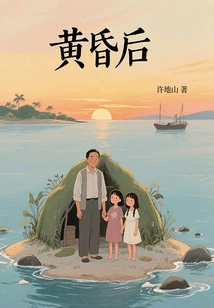
After Dusk (famous Literary Classic)
Literature黄昏后(名家文学经典)
Xu Dishan
"After Dusk" was published in 1921. It is based on the failure of the Sino-Japanese War of 1894-1891 and the French occupation of Guangzhou Bay. It tells the story of the protagonist Guan Guan who lives in seclusion on an isolated island with her two daughters after the death of his wife. Not long after the beginning of the novel, it unfolds with a dialogue between father and daughter. By recalling the past with his daughter and his deceased wife, it depicts the deep love, family affection and feelings of family and country. Guan Guan fled the world due to defeat in the war. After his wife died of illness, he raised his daughter alone. He expressed his grief with the sound of the piano every day. This collection also includes "Mother of All Things", "Farewell", "Lone Star on the Cape", etc. This collection focuses on showing the intertwining of individual destiny and the future of the nation, family warmth, colonial resentment, and patriotism and love for others.
"After Dusk" was published in 1921. It is based on the failure of the Sino-Japanese War of 1894-1891 and the French occupation of Guangzhou Bay. It tells the story of the protagonist Guan Guan who lives in seclusion on an isolated island with her two daughters after the death of his wife. Not long after the beginning of the novel, it unfolds with a dialogue between father and daughter. By recalling the past with his daughter and his deceased wife, it depicts the deep love, family affection and feelings of family and country. Guan Guan fled the world due to defeat in the war. After his wife died of illness, he raised his daughter alone. He expressed his grief with the sound of the piano every day. This collection also includes "Mother of All Things", "Farewell", "Lone Star on the Cape", etc. This collection focuses on showing the intertwining of individual destiny and the future of the nation, family warmth, colonial resentment, and patriotism and love for others.
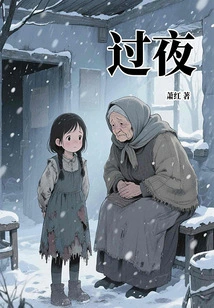
过夜(名家文学经典)
Xiao Hong
"Overnight" uses Xiao Hong's wandering on a cold winter night in Harbin as a clue to depict the survival plight of lower-class women. The protagonist wandered around in the cold night and witnessed an old woman forcing a thirteen-year-old girl to sell herself to survive. The distortion of human nature caused by poverty, the snow on a cold night, the suffering individuals, and the cold utility among people are intertwined into a sad social picture. This collection also includes "Squatting on a Foreign Car" and "People Outside the Family", which mainly express family affection and emotional exchanges between people. The background is bitingly cold and sad.
"Overnight" uses Xiao Hong's wandering on a cold winter night in Harbin as a clue to depict the survival plight of lower-class women. The protagonist wandered around in the cold night and witnessed an old woman forcing a thirteen-year-old girl to sell herself to survive. The distortion of human nature caused by poverty, the snow on a cold night, the suffering individuals, and the cold utility among people are intertwined into a sad social picture. This collection also includes "Squatting on a Foreign Car" and "People Outside the Family", which mainly express family affection and emotional exchanges between people. The background is bitingly cold and sad.
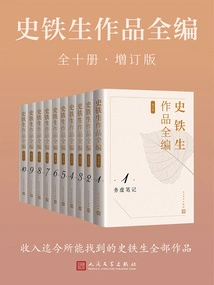
史铁生作品全编:增订版(全10册)
Shi Tiesheng
"Complete Collection of Shi Tiesheng's Works" is based on the seven volumes of the original "Shi Tiesheng's Works Series", and has been re-edited with newly compiled Shi Tiesheng's posthumous works. It has about 3 million words and is compiled into ten volumes. It was published in 2017 and sold 9,000 sets. In recent years, several anecdotes and interviews by Shi Tiesheng have been discovered. In recent years, Shi Tiesheng and his works have attracted much attention from the society. It should be a good time to publish, and we can also take the opportunity to increase the price of the book and ensure profits. Shi Tiesheng is one of the most profound writers in contemporary China. His works are concise and beautiful, rich in content, and of great ideological and artistic value.
"Complete Collection of Shi Tiesheng's Works" is based on the seven volumes of the original "Shi Tiesheng's Works Series", and has been re-edited with newly compiled Shi Tiesheng's posthumous works. It has about 3 million words and is compiled into ten volumes. It was published in 2017 and sold 9,000 sets. In recent years, several anecdotes and interviews by Shi Tiesheng have been discovered. In recent years, Shi Tiesheng and his works have attracted much attention from the society. It should be a good time to publish, and we can also take the opportunity to increase the price of the book and ensure profits. Shi Tiesheng is one of the most profound writers in contemporary China. His works are concise and beautiful, rich in content, and of great ideological and artistic value.
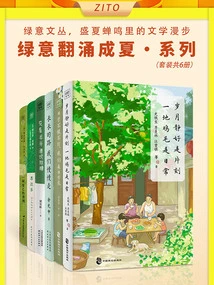
绿意翻涌成夏系列(全6册)
Ji Xianlin (germany) Hermann Hesse And Others
The "Greenery Surges into Summer" series selects 6 literary masterpieces from both China and foreign countries, bringing together classic works by literary giants such as Ji Xianlin, Shi Tiesheng, Wang Zengqi, Yu Guangzhong, Hermann Hesse, Virginia Woolf, etc., To unfold a literary walk about life, life and self amidst the chirping of cicadas and greenery in midsummer. Turning the pages of the book, you can not only touch the green courtyard of "Sitting quietly with nothing to do" written by Wang Zengqi, but also hear Shi Tiesheng's deep whispers about life; you can follow Siddhartha on the river bank to understand the "eternal flow", and you can also go on a journey of spiritual independence with Woolf to "have your own room". In the summer when the cicadas are gradually chirping, let words become a shade and accompany you to find inner coolness and strength in literature.
The "Greenery Surges into Summer" series selects 6 literary masterpieces from both China and foreign countries, bringing together classic works by literary giants such as Ji Xianlin, Shi Tiesheng, Wang Zengqi, Yu Guangzhong, Hermann Hesse, Virginia Woolf, etc., To unfold a literary walk about life, life and self amidst the chirping of cicadas and greenery in midsummer. Turning the pages of the book, you can not only touch the green courtyard of "Sitting quietly with nothing to do" written by Wang Zengqi, but also hear Shi Tiesheng's deep whispers about life; you can follow Siddhartha on the river bank to understand the "eternal flow", and you can also go on a journey of spiritual independence with Woolf to "have your own room". In the summer when the cicadas are gradually chirping, let words become a shade and accompany you to find inner coolness and strength in literature.
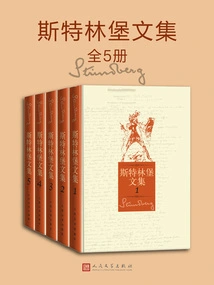
斯特林堡文集(全5册)
(sweden) Strindberg
Gustus Strindberg is the founder of modern Swedish literature and the most outstanding novelist and dramatist in the history of Swedish literature. Although the era in which he lived was more than a century different from today, the Swedish ambassador to China still used the term "amazingly modern and contemporary" to describe the significance of Strindberg's works to today. Because his works repeatedly violated bans, Strindberg also missed out on the Nobel Prize in Literature, but the Royal Swedish Academy of Literature is still facing condemnation from public opinion. Eugene O'Neill, winner of the 1936 Nobel Prize for Literature, publicly confessed: "It was Strindberg's works that first aroused my concept of modern drama."
Gustus Strindberg is the founder of modern Swedish literature and the most outstanding novelist and dramatist in the history of Swedish literature. Although the era in which he lived was more than a century different from today, the Swedish ambassador to China still used the term "amazingly modern and contemporary" to describe the significance of Strindberg's works to today. Because his works repeatedly violated bans, Strindberg also missed out on the Nobel Prize in Literature, but the Royal Swedish Academy of Literature is still facing condemnation from public opinion. Eugene O'Neill, winner of the 1936 Nobel Prize for Literature, publicly confessed: "It was Strindberg's works that first aroused my concept of modern drama."
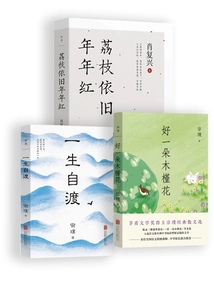
一生自渡:名家散文精选(套装共三册)
Zong Pu Xiao Fuxing
"Self-Crossing in a Lifetime" is the life wisdom written by Zong Pu, winner of the Mao Dun Literature Award, for young people. It selects 36 of the author's most widely circulated articles. She may review her own growth, reminisce about old friends and relatives, record her daily life, or understand the philosophy of life. The complicated world, the joys and sorrows in life, all become calm and serene in her writings, radiating light and warmth, becoming Zong Pu's unique charm. Reading Zong Pu's prose lets us know that we are the ferrymen of our own lives. The real life is to handle sorrows and joys by ourselves, and live this life without being flattered. "What a Hibiscus Flower" is a collection of essays for children by Zong Pu, winner of the Mao Dun Literature Prize. The book is divided into four volumes. It contains thirty-six articles from the perspectives of objects, scenes, people and narratives, including "Wisteria Waterfall", "Lilac Knot" and other famous articles included in Chinese textbooks and examination questions. Many of Zong Pu's prose are full of childlike innocence, observing life from a child's perspective and presenting the world in a child's eyes, making it an excellent work to assist children in reading and writing and other language learning, understanding life, and cultivating correct values. "Lychees Still Red Every Year" There are hundreds of flowers in spring and a moon in autumn, and cool breezes in summer and snow in winter. If there is nothing to worry about, it is a good time in the world. "Lychees Still Red Every Year" is a heart-warming book written by Xiao Fuxing, winner of the "China Good Book" award, for everyone. It selects 56 classic works, covering six major themes: family, friendship, love, food, travel, and philosophy. It expresses feelings about old friends and relatives, describes the fireworks in the world, and writes the wisdom of life. Sincere and heart-warming, sober and transparent, it can cure your confusion, anxiety and uneasiness. Famous works such as "Lacey Dumplings" and "The Green Creeper" have been selected as Chinese textbooks for universities, middle schools and primary schools. The language is beautiful and touching. Excellent works such as "You Should Go to Far Places When You Are Young" and "Safe News and Reunions of Old Friends" have been widely disseminated on online platforms and warmed thousands of readers. During the three meals and the four seasons, I hope you can sit in the present moment and not be impetuous. When life is ups and downs, I hope you can overcome your sorrows and joys without fear or worry. Even in ordinary and trivial days, you can live your own elegance.
"Self-Crossing in a Lifetime" is the life wisdom written by Zong Pu, winner of the Mao Dun Literature Award, for young people. It selects 36 of the author's most widely circulated articles. She may review her own growth, reminisce about old friends and relatives, record her daily life, or understand the philosophy of life. The complicated world, the joys and sorrows in life, all become calm and serene in her writings, radiating light and warmth, becoming Zong Pu's unique charm. Reading Zong Pu's prose lets us know that we are the ferrymen of our own lives. The real life is to handle sorrows and joys by ourselves, and live this life without being flattered. "What a Hibiscus Flower" is a collection of essays for children by Zong Pu, winner of the Mao Dun Literature Prize. The book is divided into four volumes. It contains thirty-six articles from the perspectives of objects, scenes, people and narratives, including "Wisteria Waterfall", "Lilac Knot" and other famous articles included in Chinese textbooks and examination questions. Many of Zong Pu's prose are full of childlike innocence, observing life from a child's perspective and presenting the world in a child's eyes, making it an excellent work to assist children in reading and writing and other language learning, understanding life, and cultivating correct values. "Lychees Still Red Every Year" There are hundreds of flowers in spring and a moon in autumn, and cool breezes in summer and snow in winter. If there is nothing to worry about, it is a good time in the world. "Lychees Still Red Every Year" is a heart-warming book written by Xiao Fuxing, winner of the "China Good Book" award, for everyone. It selects 56 classic works, covering six major themes: family, friendship, love, food, travel, and philosophy. It expresses feelings about old friends and relatives, describes the fireworks in the world, and writes the wisdom of life. Sincere and heart-warming, sober and transparent, it can cure your confusion, anxiety and uneasiness. Famous works such as "Lacey Dumplings" and "The Green Creeper" have been selected as Chinese textbooks for universities, middle schools and primary schools. The language is beautiful and touching. Excellent works such as "You Should Go to Far Places When You Are Young" and "Safe News and Reunions of Old Friends" have been widely disseminated on online platforms and warmed thousands of readers. During the three meals and the four seasons, I hope you can sit in the present moment and not be impetuous. When life is ups and downs, I hope you can overcome your sorrows and joys without fear or worry. Even in ordinary and trivial days, you can live your own elegance.
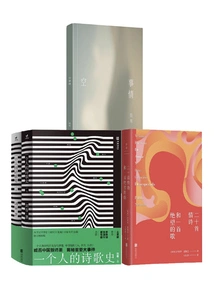
至少还有诗歌(套装共三册)
(chile) Pablo Neruda Liu Chun Jia Wei
"Twenty Love Poems and a Song of Despair" is one of Neruda's most famous poetry collections. The poet was not yet 20 years old when this work was published in 1924, but since then Neruda's name has become world-famous along with lines such as "Love is so short, but forgetting is so long" and "I want to do to you what spring does to the cherry tree" in the collection of poems. Throughout the work, the poet narrates his memories of love in sad monologues, and describes his experience of contact with women and nature with almost sensual passion. His desire, passion, loneliness and alienation are revealed between the lines, creating an atmosphere of love where beauty and sadness blend. "A Person's History of Poetry" is divided into two volumes. By combing and corroborating the life experiences and poems of 10 famous poets, including Gu Cheng, Haizi, Yu Jian, Ouyang Jianghe, Xichuan, Zhang Zao, Han Dong, Wang Jiaxin, Bai Hua and Huang Canran, it shows the growth history and spiritual history of a generation of poetry elites. The book is in the form of a long essay and mainly contains the following contents: ① The life and creative experience of 10 famous poets who have emerged in the new era; ② Interpretation and interpretation of hundreds of the most influential and controversial poetry masterpieces since the new era; ③ Through the introduction and sorting out of poets' experiences, creations, literary events, poetry journals, etc., It displays the development process of Chinese poetry since the 1980s from multiple perspectives. "Empty Things" contains more than a hundred of Jia Wei's latest poems, recording the author's life insights and philosophical thinking in recent years. Jia Wei's poems have a sense of intimacy. Her poems do not rely on creating strange intentions and complex emotions, but are based on a candid heart. Jia Wei has her own unique and charming grammar. In her poems, everything in the world appears different from the ordinary appearance in daily life, but it is definitely not annoying. Unlike the traditional method of arranging poems by writing date, Jiawei divided the book into five series with different emotional themes. There are reflections on the present, narratives about desire, distant thoughts, and fireworks in the marketplace. Readers can feel the unique niche in the poet's heart.
"Twenty Love Poems and a Song of Despair" is one of Neruda's most famous poetry collections. The poet was not yet 20 years old when this work was published in 1924, but since then Neruda's name has become world-famous along with lines such as "Love is so short, but forgetting is so long" and "I want to do to you what spring does to the cherry tree" in the collection of poems. Throughout the work, the poet narrates his memories of love in sad monologues, and describes his experience of contact with women and nature with almost sensual passion. His desire, passion, loneliness and alienation are revealed between the lines, creating an atmosphere of love where beauty and sadness blend. "A Person's History of Poetry" is divided into two volumes. By combing and corroborating the life experiences and poems of 10 famous poets, including Gu Cheng, Haizi, Yu Jian, Ouyang Jianghe, Xichuan, Zhang Zao, Han Dong, Wang Jiaxin, Bai Hua and Huang Canran, it shows the growth history and spiritual history of a generation of poetry elites. The book is in the form of a long essay and mainly contains the following contents: ① The life and creative experience of 10 famous poets who have emerged in the new era; ② Interpretation and interpretation of hundreds of the most influential and controversial poetry masterpieces since the new era; ③ Through the introduction and sorting out of poets' experiences, creations, literary events, poetry journals, etc., It displays the development process of Chinese poetry since the 1980s from multiple perspectives. "Empty Things" contains more than a hundred of Jia Wei's latest poems, recording the author's life insights and philosophical thinking in recent years. Jia Wei's poems have a sense of intimacy. Her poems do not rely on creating strange intentions and complex emotions, but are based on a candid heart. Jia Wei has her own unique and charming grammar. In her poems, everything in the world appears different from the ordinary appearance in daily life, but it is definitely not annoying. Unlike the traditional method of arranging poems by writing date, Jiawei divided the book into five series with different emotional themes. There are reflections on the present, narratives about desire, distant thoughts, and fireworks in the marketplace. Readers can feel the unique niche in the poet's heart.
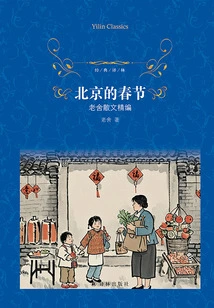
北京的春节:老舍散文精编(经典译林)
Lao She
Lao She's prose is the antidote to anxious times. He allows us to taste life in detail and get the true flavor from it. There are no grand slogans here, just hot dumplings and the fragrance of flowers in the small courtyard. He writes about sacrifices to the stove in the twelfth lunar month, editors urging manuscripts, cats on tiled roofs, and children playing. Reading his prose is like simmering orange tea by the fire and listening to neighbors chatting about home affairs. "In troubled times, even chickens will die." He also talked about the ups and downs of people in the great era, but he always focused on ordinary daily life, precisely because it contains human dignity that is indispensable in any era.
Lao She's prose is the antidote to anxious times. He allows us to taste life in detail and get the true flavor from it. There are no grand slogans here, just hot dumplings and the fragrance of flowers in the small courtyard. He writes about sacrifices to the stove in the twelfth lunar month, editors urging manuscripts, cats on tiled roofs, and children playing. Reading his prose is like simmering orange tea by the fire and listening to neighbors chatting about home affairs. "In troubled times, even chickens will die." He also talked about the ups and downs of people in the great era, but he always focused on ordinary daily life, precisely because it contains human dignity that is indispensable in any era.
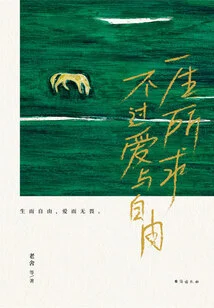
All I Want in Life is Love and Freedom
Literature一生所求,不过爱与自由
Lao She Et Al.
"What I Want in Life Is But Love and Freedom" contains prose works by eight literary masters: Lao She, Hu Shi, Zhou Shuren, Lu Xun, Xu Zhimo, Lin Huiyin, Xiao Hong, and Zhu Ziqing. In the book, the writers talk about family love, friendship, long-lost hometown, lost time, human vegetation, etc. In these words, we can feel their pursuit of truth, goodness and beauty, and their love for life.
"What I Want in Life Is But Love and Freedom" contains prose works by eight literary masters: Lao She, Hu Shi, Zhou Shuren, Lu Xun, Xu Zhimo, Lin Huiyin, Xiao Hong, and Zhu Ziqing. In the book, the writers talk about family love, friendship, long-lost hometown, lost time, human vegetation, etc. In these words, we can feel their pursuit of truth, goodness and beauty, and their love for life.
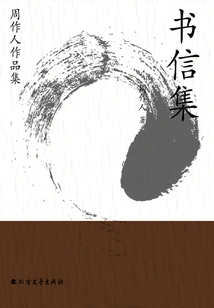
周作人作品集:书信集
Zhou Zuoren
In addition to epistolary prose, "Letters of Zhou Zuoren" also contains seventy-seven published private letters, all of which are leisurely and natural expressions and reflect Zhou Zuoren's interests and hobbies at that time: writing, searching for books, collecting stamps, talking about dreams, having dinner parties, drinking, admiring the moon, looking at flowers, engraving, making paper, etc. Through these, you can see the author's life, which is very interesting.
In addition to epistolary prose, "Letters of Zhou Zuoren" also contains seventy-seven published private letters, all of which are leisurely and natural expressions and reflect Zhou Zuoren's interests and hobbies at that time: writing, searching for books, collecting stamps, talking about dreams, having dinner parties, drinking, admiring the moon, looking at flowers, engraving, making paper, etc. Through these, you can see the author's life, which is very interesting.
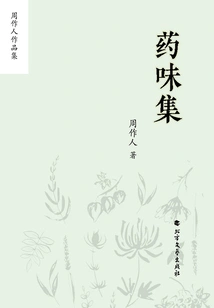
周作人作品集:药味集
Zhou Zuoren
"Collection of Medicinal Flavors" contains more than 20 classic prose works by Mr. Zhou Zuoren. Most of his articles describe ordinary fragments of life. The lines are full of tranquility and tranquility, but they can penetrate people's hearts. They often fascinate readers with just a few words. Zhou Zuoren in "The Collection of Medicinal Flavors" is a person who understands life. The plants, trees, flying insects, rain and dew in his works are full of aura, distant but not distorted. Through "Collection of Medicinal Flavors", he opened a window for the world. Through that window, we can still see the original state of the ancient market and the style of the times.
"Collection of Medicinal Flavors" contains more than 20 classic prose works by Mr. Zhou Zuoren. Most of his articles describe ordinary fragments of life. The lines are full of tranquility and tranquility, but they can penetrate people's hearts. They often fascinate readers with just a few words. Zhou Zuoren in "The Collection of Medicinal Flavors" is a person who understands life. The plants, trees, flying insects, rain and dew in his works are full of aura, distant but not distorted. Through "Collection of Medicinal Flavors", he opened a window for the world. Through that window, we can still see the original state of the ancient market and the style of the times.
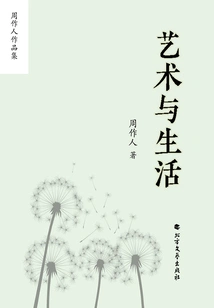
周作人作品集:艺术与生活
Zhou Zuoren
"Art and Life" is a long collection of essays among all Zhou Zuoren's works, which establishes his humanitarian ideological tone. In "Art and Life", Zhou Zuoren discusses the relationship between literature and life from the perspective of a thinker. His focus is no longer limited to thinking about literature itself, but also involves the impact of women, children, and exotic folk literature on real life. It can be said that "Art and Life" is not only one of the foundation works of "New Literature", but also an important material for studying New Literature and Zhou Zuoren's thoughts.
"Art and Life" is a long collection of essays among all Zhou Zuoren's works, which establishes his humanitarian ideological tone. In "Art and Life", Zhou Zuoren discusses the relationship between literature and life from the perspective of a thinker. His focus is no longer limited to thinking about literature itself, but also involves the impact of women, children, and exotic folk literature on real life. It can be said that "Art and Life" is not only one of the foundation works of "New Literature", but also an important material for studying New Literature and Zhou Zuoren's thoughts.
周作人作品集:永日集
Zhou Zuoren
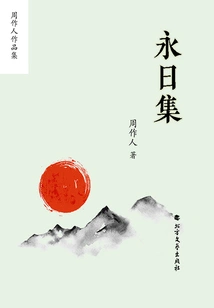
"Yongri Collection" contains forty-seven essays by Zhou Zuoren, which is the "Fourth Little Book of Kuyuzhai". It is the author's continuation or in-depth thinking on the two themes of literature and current affairs, showing the beauty of articles, thoughts and depth. "Whoever wants to go up, lean on the hand and neck, and cut off the dead man's fist for me!" - This is the witch's spell. But why does the author introduce this? Because human beings have developed and perfected from the era of ignorance, understanding the barbaric winds of the past is of great significance to the present.
"Yongri Collection" contains forty-seven essays by Zhou Zuoren, which is the "Fourth Little Book of Kuyuzhai". It is the author's continuation or in-depth thinking on the two themes of literature and current affairs, showing the beauty of articles, thoughts and depth. "Whoever wants to go up, lean on the hand and neck, and cut off the dead man's fist for me!" - This is the witch's spell. But why does the author introduce this? Because human beings have developed and perfected from the era of ignorance, understanding the barbaric winds of the past is of great significance to the present.
周作人作品集:泽泻集
Zhou Zuoren
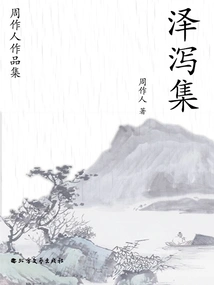
This book is "One of the Collected Works Compiled by Zhou Zuoren". The first edition of "Alismatis Collection" was published in 1927. In addition to the preface written by Zhou Zuoren, it contains a total of 21 articles. Although it is called a "little book", there are many famous pieces, such as "Flies", "Wild Vegetables in Hometown", "Eating Tea", "Wooden Boat", "Bitter Rain", "How to Die", etc. Zhou Zuoren has already stated in the preface that these articles "I think they are quite satisfactory and can express a little bit of the sentiment and interest of the time", and because he likes the grass "Alismatis", he chose it as the title of the book.
This book is "One of the Collected Works Compiled by Zhou Zuoren". The first edition of "Alismatis Collection" was published in 1927. In addition to the preface written by Zhou Zuoren, it contains a total of 21 articles. Although it is called a "little book", there are many famous pieces, such as "Flies", "Wild Vegetables in Hometown", "Eating Tea", "Wooden Boat", "Bitter Rain", "How to Die", etc. Zhou Zuoren has already stated in the preface that these articles "I think they are quite satisfactory and can express a little bit of the sentiment and interest of the time", and because he likes the grass "Alismatis", he chose it as the title of the book.
周作人作品集:药堂杂文
Zhou Zuoren
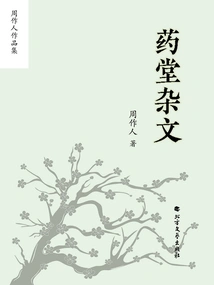
Yaotang Essays contains twenty-eight articles written by Zhou Zuoren from 1940 to 1943 in the occupied Peking. Different from the leisurely conversations about making a cup of tea under the paper windows of the tiled houses in the early days, and different from the flashes of thoughts in the form of short notes in the middle period, here are "serious articles" about Chinese literature and thought. From the traditional future of Chinese literature to Chinese thought, from enlightenment to morality and women's studies, from recollections of studying abroad to nostalgia for old friends, although this is not a long essay, it is a sorting out of Zhou Zuoren's own thoughts after experiencing the pain of bronze camels and thorns and being stranded in occupied areas.
Yaotang Essays contains twenty-eight articles written by Zhou Zuoren from 1940 to 1943 in the occupied Peking. Different from the leisurely conversations about making a cup of tea under the paper windows of the tiled houses in the early days, and different from the flashes of thoughts in the form of short notes in the middle period, here are "serious articles" about Chinese literature and thought. From the traditional future of Chinese literature to Chinese thought, from enlightenment to morality and women's studies, from recollections of studying abroad to nostalgia for old friends, although this is not a long essay, it is a sorting out of Zhou Zuoren's own thoughts after experiencing the pain of bronze camels and thorns and being stranded in occupied areas.
中国人的修养:提升自我修养的阅读佳作
Cai Yuanpei
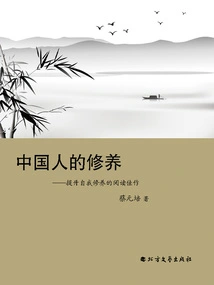
Cai Yuanpei was a modern revolutionary, educator, politician, and a pioneer in modern ethnological research in China. He was the first director of education and the president of Peking University from 1916 to 1927. He pioneered the "academic" and "liberal" style at Peking University. This book mainly consists of four parts - the lecture notes of Huagong School (30 chapters on moral education and 10 chapters on intellectual education), the first part of the middle school self-cultivation textbook, the second part of the middle school self-cultivation textbook, and the second part of the middle school self-cultivation textbook. This book is a book on citizen moral practice that is rare in a century and is of great significance today. If today's youth want to start from me, cultivate a sound personality and shape qualified citizens, "Chinese Cultivation" really has important guiding value.
Cai Yuanpei was a modern revolutionary, educator, politician, and a pioneer in modern ethnological research in China. He was the first director of education and the president of Peking University from 1916 to 1927. He pioneered the "academic" and "liberal" style at Peking University. This book mainly consists of four parts - the lecture notes of Huagong School (30 chapters on moral education and 10 chapters on intellectual education), the first part of the middle school self-cultivation textbook, the second part of the middle school self-cultivation textbook, and the second part of the middle school self-cultivation textbook. This book is a book on citizen moral practice that is rare in a century and is of great significance today. If today's youth want to start from me, cultivate a sound personality and shape qualified citizens, "Chinese Cultivation" really has important guiding value.
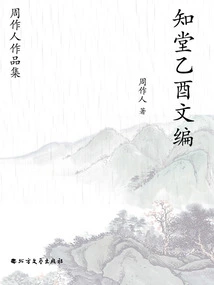
周作人作品集:知堂乙酉文编
Zhou Zuoren
The seventeen essays on the right are part of the original manuscript of "Yiyou Wenbian". After being compiled in the winter of 1952, it was hidden at the bottom of the box for a long time. Three years ago, Mr. Cao Juren traveled to the north for a visit, and as a token of appreciation, he took him to Hong Kong and published several articles in magazines, which were later published in a volume, namely "Past Work". For the remaining part, he used the name "Yiyou Wenbian" in order to sort it out. Mr. Cao is really grateful for all his kindness. Speaking of Yiyou Year, this was already fifteen years ago. The social situation is different now and then, so some of the complaints have become outdated. This requires the readers' forgiveness, but the author is very happy. The few articles that talk about famous objects and folk customs may not have much importance here, but some readers prefer these. After liberation, I also wrote many short articles to supplement newspapers and periodicals. This year, I selected fragments and compiled a book "Leaves of Grass", which will be available to readers in March or April.
The seventeen essays on the right are part of the original manuscript of "Yiyou Wenbian". After being compiled in the winter of 1952, it was hidden at the bottom of the box for a long time. Three years ago, Mr. Cao Juren traveled to the north for a visit, and as a token of appreciation, he took him to Hong Kong and published several articles in magazines, which were later published in a volume, namely "Past Work". For the remaining part, he used the name "Yiyou Wenbian" in order to sort it out. Mr. Cao is really grateful for all his kindness. Speaking of Yiyou Year, this was already fifteen years ago. The social situation is different now and then, so some of the complaints have become outdated. This requires the readers' forgiveness, but the author is very happy. The few articles that talk about famous objects and folk customs may not have much importance here, but some readers prefer these. After liberation, I also wrote many short articles to supplement newspapers and periodicals. This year, I selected fragments and compiled a book "Leaves of Grass", which will be available to readers in March or April.
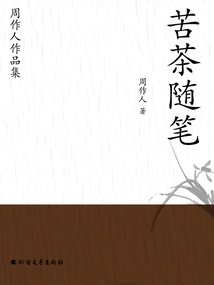
周作人作品集:苦茶随笔
Zhou Zuoren
This book contains about 50 prose essays by Zhou Zuoren, such as "About Bitter Tea", "Old Notes", "Analects of Confucius", "Changdian No. 2", "Scientific Essays" and "Modern Prose Short Preface", which contain the author's sober thinking about tea and life. The whole book gives people a sense of artistic freshness. Reading "Essays on Bitter Tea" is like tasting a cup of real bitter tea.
This book contains about 50 prose essays by Zhou Zuoren, such as "About Bitter Tea", "Old Notes", "Analects of Confucius", "Changdian No. 2", "Scientific Essays" and "Modern Prose Short Preface", which contain the author's sober thinking about tea and life. The whole book gives people a sense of artistic freshness. Reading "Essays on Bitter Tea" is like tasting a cup of real bitter tea.
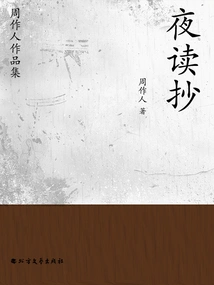
周作人作品集:夜读抄
Zhou Zuoren
This book contains 47 essays by Zhou Zuoren, which can be regarded as his cultural criticism works. The author chose "articles that combine sound physics and profound human thoughts, and mix the simplicity of prose with the beauty of parallel prose", establishing a new style of "Book Talk", which takes reading as an opportunity, relies on the extension of knowledge and the collision of ideas, and expands into the fields of culture, history and society; in terms of method, he excerpts large sections of the original work and adds a few notes. Therefore, Zhou Zuoren also called himself "Wen Chao Gong". This book embodies this characteristic of Zhou Zuoren.
This book contains 47 essays by Zhou Zuoren, which can be regarded as his cultural criticism works. The author chose "articles that combine sound physics and profound human thoughts, and mix the simplicity of prose with the beauty of parallel prose", establishing a new style of "Book Talk", which takes reading as an opportunity, relies on the extension of knowledge and the collision of ideas, and expands into the fields of culture, history and society; in terms of method, he excerpts large sections of the original work and adds a few notes. Therefore, Zhou Zuoren also called himself "Wen Chao Gong". This book embodies this characteristic of Zhou Zuoren.
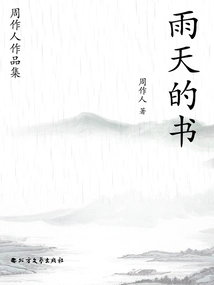
周作人作品集:雨天的书
Zhou Zuoren
"The Book on a Rainy Day" is a very famous and representative collection of Zhou Zuoren's prose collection. It includes such well-known masterpieces as "Wild Vegetables in Hometown", "Tea Food in Beijing" and "Drinking Tea". The text in the book is plain and natural, leisurely and harmonious. It is the current peak of Chinese prose.
"The Book on a Rainy Day" is a very famous and representative collection of Zhou Zuoren's prose collection. It includes such well-known masterpieces as "Wild Vegetables in Hometown", "Tea Food in Beijing" and "Drinking Tea". The text in the book is plain and natural, leisurely and harmonious. It is the current peak of Chinese prose.
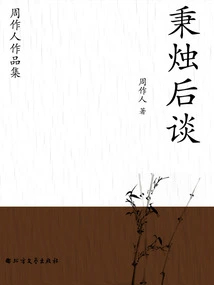
周作人作品集:秉烛后谈
Zhou Zuoren
"Talks after Holding a Candle" mainly collects Zhou Zuoren's works from April to October 1937. As the author said, "There are many leisurely topics in the articles in this book." However, they are all leisurely topics, but the content can be divided into two categories. One expresses interest, and the other is false. The author continues to criticize the dark phenomena in Chinese and Western cultures in articles such as "Talking about Literary Inquisition". In Literary Prison, the author pays special attention to the category of "killing people with thoughts" and points out that the essence of ideological tyranny is that people generally lose their ability to think and judge, and consciously converge towards tyranny itself. Zhou always maintains a clear understanding of traditional Chinese culture, carefully distinguishes it, and does not let go of the bad side.
"Talks after Holding a Candle" mainly collects Zhou Zuoren's works from April to October 1937. As the author said, "There are many leisurely topics in the articles in this book." However, they are all leisurely topics, but the content can be divided into two categories. One expresses interest, and the other is false. The author continues to criticize the dark phenomena in Chinese and Western cultures in articles such as "Talking about Literary Inquisition". In Literary Prison, the author pays special attention to the category of "killing people with thoughts" and points out that the essence of ideological tyranny is that people generally lose their ability to think and judge, and consciously converge towards tyranny itself. Zhou always maintains a clear understanding of traditional Chinese culture, carefully distinguishes it, and does not let go of the bad side.
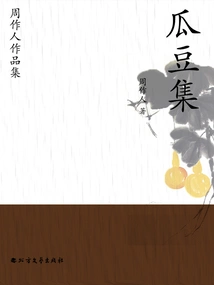
周作人作品集:瓜豆集
Zhou Zuoren
"Gua Dou Ji" contains thirty-three essays by Zhou Zuoren, written from May to December 1936. In addition to essays such as "The Bean" and "Talking About Raising Birds", there are also several works recalling characters. Moreover, Zhou Zuoren also put forward his own views on family and women's issues, reflecting his consistent sympathetic attitude.
"Gua Dou Ji" contains thirty-three essays by Zhou Zuoren, written from May to December 1936. In addition to essays such as "The Bean" and "Talking About Raising Birds", there are also several works recalling characters. Moreover, Zhou Zuoren also put forward his own views on family and women's issues, reflecting his consistent sympathetic attitude.
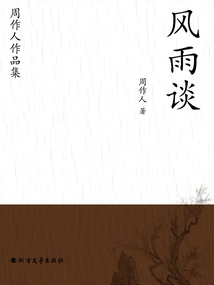
周作人作品集:风雨谈
Zhou Zuoren
"Talk about Wind and Rain" contains thirty-seven essays by Zhou Zuoren, written from November 1935 to May 1936. Most of them are articles written by Zhou Zuoren after carefully reading his own collection of Ming and Qing notes, such as "Miscellaneous Records of Duyin" and "Yanjing Chronicles". Based on the principle of "emphasis on emotion and reason", he "picked out gold from the sand" to rediscover the literary and ideological value of these Ming and Qing notes.
"Talk about Wind and Rain" contains thirty-seven essays by Zhou Zuoren, written from November 1935 to May 1936. Most of them are articles written by Zhou Zuoren after carefully reading his own collection of Ming and Qing notes, such as "Miscellaneous Records of Duyin" and "Yanjing Chronicles". Based on the principle of "emphasis on emotion and reason", he "picked out gold from the sand" to rediscover the literary and ideological value of these Ming and Qing notes.
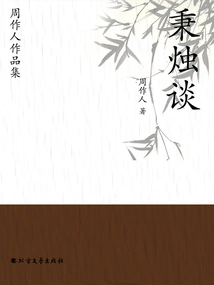
周作人作品集:秉烛谈
Zhou Zuoren
"Bing Candle Talk" contains thirty essays by Zhou Zuoren, written from November 1936 to April 1937. In his later years, the author looked back on his writings and emphasized the concentration of cultural criticism works such as "Fu De Mao". The materials he draws do not avoid ancient and modern times, China and foreign countries. It can be said that discoveries are made because of knowledge and interesting because of discoveries.
"Bing Candle Talk" contains thirty essays by Zhou Zuoren, written from November 1936 to April 1937. In his later years, the author looked back on his writings and emphasized the concentration of cultural criticism works such as "Fu De Mao". The materials he draws do not avoid ancient and modern times, China and foreign countries. It can be said that discoveries are made because of knowledge and interesting because of discoveries.
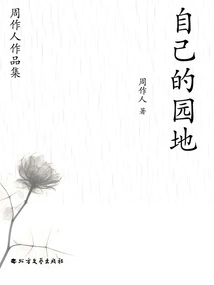
周作人作品集:自己的园地
Zhou Zuoren
This book is a collection of Zhou Zuoren's early self-selected essays, divided into three series, with a total of 56 essays. The collected articles are mostly landscape sketches and essays, with a calm style. Among them, "My Own Garden" and "Oasis" are close to literary criticism, while "Tea Talk" is a miscellaneous essay. "Oasis" is full of interest, and its technique has been followed by many of the author's subsequent essay creations; "My Own Garden" is a mirror of the author's literary and artistic thoughts at this stage, and a few argumentative essays express the author's unique insights into literary issues.
This book is a collection of Zhou Zuoren's early self-selected essays, divided into three series, with a total of 56 essays. The collected articles are mostly landscape sketches and essays, with a calm style. Among them, "My Own Garden" and "Oasis" are close to literary criticism, while "Tea Talk" is a miscellaneous essay. "Oasis" is full of interest, and its technique has been followed by many of the author's subsequent essay creations; "My Own Garden" is a mirror of the author's literary and artistic thoughts at this stage, and a few argumentative essays express the author's unique insights into literary issues.
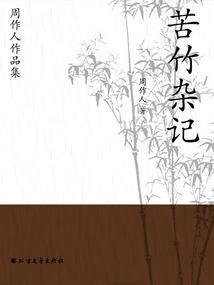
周作人作品集:苦竹杂记
Zhou Zuoren
"Bitter Bamboo Miscellaneous Notes" was first published in October 1935. It contains fifty-one essays by Zhou Zuoren, including leisurely essays such as "Winter Flies", "Persimmon Seeds" and "Childhood Memories", as well as essays such as "Fear of Heaven and Compassion for Man", "Emotions and Reasons" and "Common Sense". It contains compassion in conciseness and remoteness, and is a work of temperament with emotional depth.
"Bitter Bamboo Miscellaneous Notes" was first published in October 1935. It contains fifty-one essays by Zhou Zuoren, including leisurely essays such as "Winter Flies", "Persimmon Seeds" and "Childhood Memories", as well as essays such as "Fear of Heaven and Compassion for Man", "Emotions and Reasons" and "Common Sense". It contains compassion in conciseness and remoteness, and is a work of temperament with emotional depth.
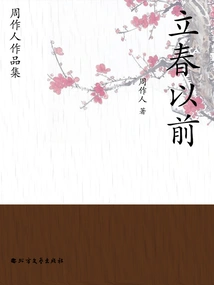
周作人作品集:立春以前
Zhou Zuoren
"Before the Beginning of Spring" is unordered, has a postscript, and contains thirty-three articles ("Several Inscriptions and Postscripts" are divided into eight articles), "almost all written in half a year", and almost all of them are "serious articles" with the same content as other "main collections". The content of the article includes discussions on women, children, human cultivation, article writing, descriptions of plants, trees, fish and insects, experiences and lessons on seeking knowledge and learning, and beautiful words. They are all rare and good articles.
"Before the Beginning of Spring" is unordered, has a postscript, and contains thirty-three articles ("Several Inscriptions and Postscripts" are divided into eight articles), "almost all written in half a year", and almost all of them are "serious articles" with the same content as other "main collections". The content of the article includes discussions on women, children, human cultivation, article writing, descriptions of plants, trees, fish and insects, experiences and lessons on seeking knowledge and learning, and beautiful words. They are all rare and good articles.
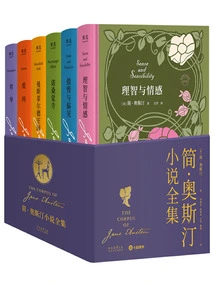
Complete Works of Jane Austen's Novels
Literature简·奥斯汀小说全集
H
"The Complete Novels of Jane Austen" contains all 6 novels written by the great female writer Jane Austen in her life, namely "Pride and Prejudice", "Sense and Sensibility", "Northanger Abbey", "Mansfield Park", "Emma" and "Persuasion". These stories are not complicated, and they all write about the eternal topics of mankind: love and marriage. Most of the stories are set in English villages with three or four families, and the protagonists are just young girls from squire families. However, the stories written are like the waves in a tea cup, exploring the problems of women's love and marriage such as "reason and emotion, pride and prejudice, money and marriage, love and being loved, singleness and marriage, persuasion and self". Even after two hundred years, it is still called "the world is awake" and has great enlightenment significance for women's choice of marriage and love. "Sense and Sensibility" is Jane Austen's first work. Director Ang Lee adapted the original film of the same name. It uses the different reactions and experiences of a pair of sisters with very different personalities in their relationship to explore the question of "which is more important, rationality or sensibility, in love and life." "Pride and Prejudice" is Jane Austen's most popular work and one of the most translated masterpieces in the world. It describes the story of Elizabeth, a young girl without inheritance rights, and Darcy, the noble prince, who resolve misunderstandings and come together. It proves that "misunderstandings between people are nothing more than pride and prejudice." "Northanger Abbey" is an excellent satirical comedy about a well-matched couple. Through the various adventures and encounters of a "fake daughter" full of romantic fantasy in the castle, it reveals the inseparable relationship between "marriage and money". "Mansfield Park" is praised by readers as the British version of "Dream of Red Mansions" and is also an Austen work that Maugham especially liked. It tells the story of Fanny, who has been dependent on others since she was a child, and persists in the love of her heart, and repeatedly rejects the passionate pursuit of the rich man Crawford. It highlights the independent attitude of women: "If you love me, should I love you?" "Emma" is called "Jane Austen's most mature work" by critics. It goes against the previous setting of "poor and kind" heroine. Through the marriage and love story of Emma, a willful and intelligent wealthy daughter, it inspires economically independent women to have the freedom to choose "not to marry" or "to get married". "Persuasion" is based on the experiences of Jane Austen and her sister. It describes the obedient and gentle "older leftover" Anne's search for the courage of herself and love many years later, and analyzes the balance problem of "others' persuasion and self-will" that women commonly face.
"The Complete Novels of Jane Austen" contains all 6 novels written by the great female writer Jane Austen in her life, namely "Pride and Prejudice", "Sense and Sensibility", "Northanger Abbey", "Mansfield Park", "Emma" and "Persuasion". These stories are not complicated, and they all write about the eternal topics of mankind: love and marriage. Most of the stories are set in English villages with three or four families, and the protagonists are just young girls from squire families. However, the stories written are like the waves in a tea cup, exploring the problems of women's love and marriage such as "reason and emotion, pride and prejudice, money and marriage, love and being loved, singleness and marriage, persuasion and self". Even after two hundred years, it is still called "the world is awake" and has great enlightenment significance for women's choice of marriage and love. "Sense and Sensibility" is Jane Austen's first work. Director Ang Lee adapted the original film of the same name. It uses the different reactions and experiences of a pair of sisters with very different personalities in their relationship to explore the question of "which is more important, rationality or sensibility, in love and life." "Pride and Prejudice" is Jane Austen's most popular work and one of the most translated masterpieces in the world. It describes the story of Elizabeth, a young girl without inheritance rights, and Darcy, the noble prince, who resolve misunderstandings and come together. It proves that "misunderstandings between people are nothing more than pride and prejudice." "Northanger Abbey" is an excellent satirical comedy about a well-matched couple. Through the various adventures and encounters of a "fake daughter" full of romantic fantasy in the castle, it reveals the inseparable relationship between "marriage and money". "Mansfield Park" is praised by readers as the British version of "Dream of Red Mansions" and is also an Austen work that Maugham especially liked. It tells the story of Fanny, who has been dependent on others since she was a child, and persists in the love of her heart, and repeatedly rejects the passionate pursuit of the rich man Crawford. It highlights the independent attitude of women: "If you love me, should I love you?" "Emma" is called "Jane Austen's most mature work" by critics. It goes against the previous setting of "poor and kind" heroine. Through the marriage and love story of Emma, a willful and intelligent wealthy daughter, it inspires economically independent women to have the freedom to choose "not to marry" or "to get married". "Persuasion" is based on the experiences of Jane Austen and her sister. It describes the obedient and gentle "older leftover" Anne's search for the courage of herself and love many years later, and analyzes the balance problem of "others' persuasion and self-will" that women commonly face.
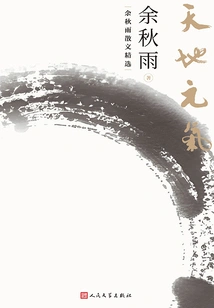
天地元气:余秋雨散文精选
Yu Qiuyu
This book is a selected collection of Yu Qiuyu's cultural prose. It is the representative work of Yu Qiuyu's many years of creation, and it is also a selection recognized by Yu Qiuyu himself. The selected articles include classics such as "Dujiangyan", "Taoist Tower", "Yangguan Snow", "Sorry for Shanxi", "Wind and Rainy Sky Pavilion", etc. It also includes Yu Qiuyu's works with excellent literary style such as thinking about life, discussing aesthetics and recalling old friends. Yu Qiuyu personally visited cultural sites, measured the Chinese cultural context with his steps, took the responsibility of protecting and inheriting Chinese culture, and explored Chinese civilization. His articles were filled with eternal worries, soul-stirring, enlightening, and influenced a generation of readers. Some of his works have been included in Chinese language textbooks for primary and secondary schools.
This book is a selected collection of Yu Qiuyu's cultural prose. It is the representative work of Yu Qiuyu's many years of creation, and it is also a selection recognized by Yu Qiuyu himself. The selected articles include classics such as "Dujiangyan", "Taoist Tower", "Yangguan Snow", "Sorry for Shanxi", "Wind and Rainy Sky Pavilion", etc. It also includes Yu Qiuyu's works with excellent literary style such as thinking about life, discussing aesthetics and recalling old friends. Yu Qiuyu personally visited cultural sites, measured the Chinese cultural context with his steps, took the responsibility of protecting and inheriting Chinese culture, and explored Chinese civilization. His articles were filled with eternal worries, soul-stirring, enlightening, and influenced a generation of readers. Some of his works have been included in Chinese language textbooks for primary and secondary schools.
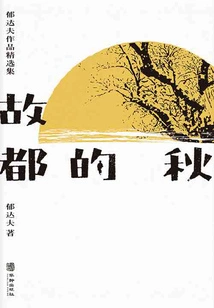
Autumn in the Old Capital
Literature故都的秋
Yu Dafu
This book collects classic works written by Yu Dafu, including prose pieces such as "Autumn in the Old Capital", "Winter Scenery in the South of the Yangtze River", "Spring Days in Diaotai", etc.; Novels including "Sinking Down", "Evening Intoxicated by the Spring Breeze", "Morning with Light Snow", etc. Yu Dafu's prose and novels are full of strong sentimental flavor of romanticism and have a strong subjective lyrical color. In literary creation, he advocated that "literary works are all autobiographies of writers", so he often used personal experiences as material to dissect himself and the society at that time, forming a unique creative style, which had a profound influence on the development of Chinese literature.
This book collects classic works written by Yu Dafu, including prose pieces such as "Autumn in the Old Capital", "Winter Scenery in the South of the Yangtze River", "Spring Days in Diaotai", etc.; Novels including "Sinking Down", "Evening Intoxicated by the Spring Breeze", "Morning with Light Snow", etc. Yu Dafu's prose and novels are full of strong sentimental flavor of romanticism and have a strong subjective lyrical color. In literary creation, he advocated that "literary works are all autobiographies of writers", so he often used personal experiences as material to dissect himself and the society at that time, forming a unique creative style, which had a profound influence on the development of Chinese literature.
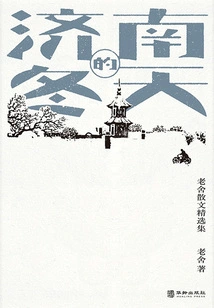
Jinan's Winter
Literature济南的冬天
Lao She
Selected articles include "Master Zongyue" read by Pu Cunxin of CCTV's "The Reader", the famous "My Ideal Family" read by Li Liqun, "Busy" read by Jin Chen of "Model Reading", and "Talk about Reading" read by Fan Deng. There are also outstanding works that have been included in the textbooks of primary and secondary schools, such as "Spring Festival in Beijing", "Cats", "Flowers", "Hens", "Winter in Jinan", "Spring Breeze", etc. The selected articles have not been deleted or edited, retaining the authentic "Beijing flavor". There are travel notes and chats, essays and essays, diary letters, descriptions of scenery, objects, people, and things, all of which are affectionate and interesting. Planting flowers and entertaining birds, raising cats and writing, he lived an ordinary life in a loving and interesting way. The writing is true and pure, and the language is plain and vivid. The simple innocence and worldly wisdom are revealed between the lines, as well as the poignant irony. It is full of thoughts about life. It is heart-warming and healing to read, and you can't bear to put it down.
Selected articles include "Master Zongyue" read by Pu Cunxin of CCTV's "The Reader", the famous "My Ideal Family" read by Li Liqun, "Busy" read by Jin Chen of "Model Reading", and "Talk about Reading" read by Fan Deng. There are also outstanding works that have been included in the textbooks of primary and secondary schools, such as "Spring Festival in Beijing", "Cats", "Flowers", "Hens", "Winter in Jinan", "Spring Breeze", etc. The selected articles have not been deleted or edited, retaining the authentic "Beijing flavor". There are travel notes and chats, essays and essays, diary letters, descriptions of scenery, objects, people, and things, all of which are affectionate and interesting. Planting flowers and entertaining birds, raising cats and writing, he lived an ordinary life in a loving and interesting way. The writing is true and pure, and the language is plain and vivid. The simple innocence and worldly wisdom are revealed between the lines, as well as the poignant irony. It is full of thoughts about life. It is heart-warming and healing to read, and you can't bear to put it down.
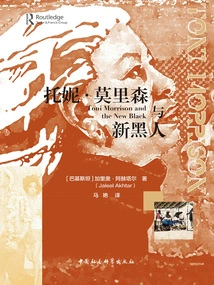
托妮·莫里森与新黑人:《天佑孩童》解析
(pakistan) Galio Akhtar
"Toni Morrison and the New Black" is an academic monograph that explores how Toni Morrison explores the concept of New Blackness and the diversity of New Black values in the context of post-Black art, post-Blackness, and post-racial discourse. The book traces the historical development of the concept of "black is the new black" and comprehensively connects it with African American black aesthetics - including the black arts movement, black power movement, "black is beautiful" and post-black, post-Obama and other schools of thought. By interpreting the contemporary concept of black skin and the huge fluidity between races, author Gario Akhtar believes that Morrison's concept of new blackness is based on the fluidity and intersectionality of identity and transcends any fixed definition or concept of black subjectivity. The concept of new blackness provides a new way of thinking about gender, race, racial fluidity and identity construction.
"Toni Morrison and the New Black" is an academic monograph that explores how Toni Morrison explores the concept of New Blackness and the diversity of New Black values in the context of post-Black art, post-Blackness, and post-racial discourse. The book traces the historical development of the concept of "black is the new black" and comprehensively connects it with African American black aesthetics - including the black arts movement, black power movement, "black is beautiful" and post-black, post-Obama and other schools of thought. By interpreting the contemporary concept of black skin and the huge fluidity between races, author Gario Akhtar believes that Morrison's concept of new blackness is based on the fluidity and intersectionality of identity and transcends any fixed definition or concept of black subjectivity. The concept of new blackness provides a new way of thinking about gender, race, racial fluidity and identity construction.
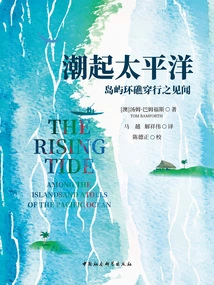
潮起太平洋:岛屿环礁穿行之见闻
(australia) Tom Balmforth
This book is based on the author's more than ten years of travel in the Pacific region from 2008 to 2019 and his personal experience as a rescue worker participating in disaster relief work in the region. The stories in this book cover 11 countries in the region and cover an unusually wide range of content, from the New Caledonia uprising to the Tonga tsunami. It not only explores macro issues such as race, colonization, climate change, nuclear testing, resistance movements, and cultural preservation in the Pacific, but also discusses urban life, and even more personalized micro experiences such as local delicacies and sunset surfing. The author believes that although the many islands in the Pacific region are a region that needs external guidance in terms of economic, environmental and strategic development, the complex and ancient society and its transformation process in this region should be shown from the perspective of the rights and interests of countless islanders.
This book is based on the author's more than ten years of travel in the Pacific region from 2008 to 2019 and his personal experience as a rescue worker participating in disaster relief work in the region. The stories in this book cover 11 countries in the region and cover an unusually wide range of content, from the New Caledonia uprising to the Tonga tsunami. It not only explores macro issues such as race, colonization, climate change, nuclear testing, resistance movements, and cultural preservation in the Pacific, but also discusses urban life, and even more personalized micro experiences such as local delicacies and sunset surfing. The author believes that although the many islands in the Pacific region are a region that needs external guidance in terms of economic, environmental and strategic development, the complex and ancient society and its transformation process in this region should be shown from the perspective of the rights and interests of countless islanders.
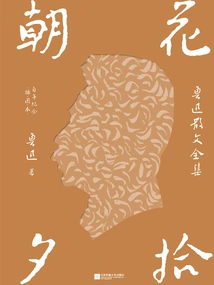
朝花夕拾:鲁迅散文全集
Lu Xun
In order to commemorate the 100th anniversary of the publication of Lu Xun's novel "Blessing", authorized by the Lu Xun Museum in Beijing, this time the "My Silence is Deafening" illustrated series of selected works of Lu Xun (including novels, essays, essays, and biographies) is released, which for the first time includes Lu Xun's collection of woodcut prints, Lu Xun photos and other precious images. "Morning Blossoms Plucked at Dusk: The Complete Works of Lu Xun's Prose" is an illustrated prose book in the "My Silence Is Deafening" series of selected works of Lu Xun. Among them, "Morning Blossoms Plucked at Dusk" (1926) has a total of 10 articles, "Wild Grass" (1927) has a total of 23 articles, and "A Book of Two Places" (1934) has a total of 3 volumes. The selected prose in this book was edited by referring to the 1936 edition of "The Complete Works of Lu Xun" (first edition) and the November 2005 edition of "The Complete Works of Lu Xun" published by People's Literature Publishing House. In order to retain the essence of the original work to the greatest extent, the Tongjia characters and Lu Xun's customary characters throughout the book are still completely retained. Other foreign names, place names, etc. Also retain their original translations without modification. At the same time, in order to facilitate reading, necessary annotations are made on the names of people, places, works, important events, etc. In the book.
In order to commemorate the 100th anniversary of the publication of Lu Xun's novel "Blessing", authorized by the Lu Xun Museum in Beijing, this time the "My Silence is Deafening" illustrated series of selected works of Lu Xun (including novels, essays, essays, and biographies) is released, which for the first time includes Lu Xun's collection of woodcut prints, Lu Xun photos and other precious images. "Morning Blossoms Plucked at Dusk: The Complete Works of Lu Xun's Prose" is an illustrated prose book in the "My Silence Is Deafening" series of selected works of Lu Xun. Among them, "Morning Blossoms Plucked at Dusk" (1926) has a total of 10 articles, "Wild Grass" (1927) has a total of 23 articles, and "A Book of Two Places" (1934) has a total of 3 volumes. The selected prose in this book was edited by referring to the 1936 edition of "The Complete Works of Lu Xun" (first edition) and the November 2005 edition of "The Complete Works of Lu Xun" published by People's Literature Publishing House. In order to retain the essence of the original work to the greatest extent, the Tongjia characters and Lu Xun's customary characters throughout the book are still completely retained. Other foreign names, place names, etc. Also retain their original translations without modification. At the same time, in order to facilitate reading, necessary annotations are made on the names of people, places, works, important events, etc. In the book.
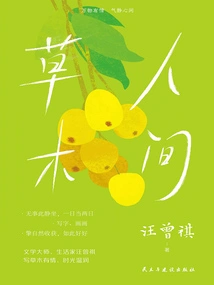
Human Vegetation
Literature人间草木
Wang Zengqi
"Human Grass and Trees" is Mr. Wang Zengqi's classic collection of short essays. He used minimalist pens and very light ink to write about the human touch of vegetation, mountains, rivers, flowers, birds, insects, and fish, as well as the gentle local flavor of nostalgia and folk customs, and ordinary people's trivial things. He wrote about the beauty and agility of the world with a calm and open-minded heart. There is always a series of surprises under the tip of his pen: the white osmanthus with dew in the morning mist, the bright, plump and plump rain in Kunming, the woody fragrance that swells the flower bones, the gardenia enjoying itself, the flowers sold in the alley The soft voices of the Miao women of Yangmei, the unforgettable mentors and friends of the Lianda University, or the "living villagers" like "living Zhuangzi" in the busy city who have no joy or worry, no worries, no desires or pursuits, are naturally indifferent, and sit on their knees watching everything. Mr. Wang Zengqi has devoted his true feelings to life all his life. His water-washed words have the power to wash away all the worldly things, giving his works infinite vitality.
"Human Grass and Trees" is Mr. Wang Zengqi's classic collection of short essays. He used minimalist pens and very light ink to write about the human touch of vegetation, mountains, rivers, flowers, birds, insects, and fish, as well as the gentle local flavor of nostalgia and folk customs, and ordinary people's trivial things. He wrote about the beauty and agility of the world with a calm and open-minded heart. There is always a series of surprises under the tip of his pen: the white osmanthus with dew in the morning mist, the bright, plump and plump rain in Kunming, the woody fragrance that swells the flower bones, the gardenia enjoying itself, the flowers sold in the alley The soft voices of the Miao women of Yangmei, the unforgettable mentors and friends of the Lianda University, or the "living villagers" like "living Zhuangzi" in the busy city who have no joy or worry, no worries, no desires or pursuits, are naturally indifferent, and sit on their knees watching everything. Mr. Wang Zengqi has devoted his true feelings to life all his life. His water-washed words have the power to wash away all the worldly things, giving his works infinite vitality.
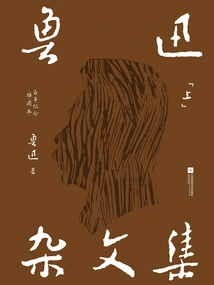
Collected Essays of Lu Xun (part 1)
Literature鲁迅杂文集(上)
Lu Xun
In order to commemorate the 100th anniversary of the publication of Lu Xun's novel "Blessing", authorized by the Lu Xun Museum in Beijing, this time the "My Silence is Deafening" illustrated series of selected works of Lu Xun (including novels, essays, essays, and biographies) is released, which for the first time includes Lu Xun's collection of woodcut prints, Lu Xun photos and other precious images. "Collected Essays of Lu Xun" is an illustrated volume of essays in the "My Silence Is Deafening" series of selected works of Lu Xun. The selected essays in this book are edited by referring to the 1936 edition of "The Complete Works of Lu Xun" (first edition) and the November 2005 edition of "The Complete Works of Lu Xun" published by People's Literature Publishing House. In order to retain the essence of the original work to the greatest extent, the Tongjia characters and Lu Xun's customary characters throughout the book are still completely retained. Other foreign names, place names, etc. Also retain their original translations without modification. At the same time, in order to facilitate reading, necessary annotations are made on the names of people, places, works, important events, etc. In the book.
In order to commemorate the 100th anniversary of the publication of Lu Xun's novel "Blessing", authorized by the Lu Xun Museum in Beijing, this time the "My Silence is Deafening" illustrated series of selected works of Lu Xun (including novels, essays, essays, and biographies) is released, which for the first time includes Lu Xun's collection of woodcut prints, Lu Xun photos and other precious images. "Collected Essays of Lu Xun" is an illustrated volume of essays in the "My Silence Is Deafening" series of selected works of Lu Xun. The selected essays in this book are edited by referring to the 1936 edition of "The Complete Works of Lu Xun" (first edition) and the November 2005 edition of "The Complete Works of Lu Xun" published by People's Literature Publishing House. In order to retain the essence of the original work to the greatest extent, the Tongjia characters and Lu Xun's customary characters throughout the book are still completely retained. Other foreign names, place names, etc. Also retain their original translations without modification. At the same time, in order to facilitate reading, necessary annotations are made on the names of people, places, works, important events, etc. In the book.
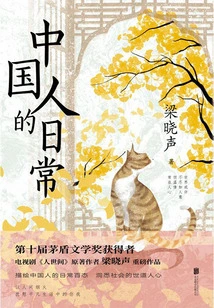
Chinese People's Daily Life
Literature中国人的日常
Liang Xiaosheng
The author of this book, Liang Xiaosheng, uses the vivid writing style of a novelist and the keen thinking of a social observer to record the daily life of various Chinese people and vividly draw their colorful spiritual maps. The splicing and combination of many ordinary people's stories and ordinary people's lives have formed the temperature and temperament of this country. The daily life of Chinese people recorded by the author is full of care for small people, care for human nature, admiration for humanistic sentiments, and is questioning the human nature of the current Chinese society.
The author of this book, Liang Xiaosheng, uses the vivid writing style of a novelist and the keen thinking of a social observer to record the daily life of various Chinese people and vividly draw their colorful spiritual maps. The splicing and combination of many ordinary people's stories and ordinary people's lives have formed the temperature and temperament of this country. The daily life of Chinese people recorded by the author is full of care for small people, care for human nature, admiration for humanistic sentiments, and is questioning the human nature of the current Chinese society.
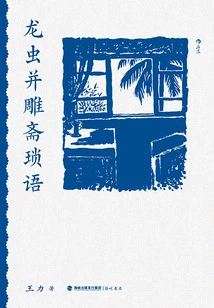
龙虫并雕斋琐语
Wang Li
This book is a collection of Mr. Wang Li's essays. It mainly includes essays written by the author in Kunming during the Anti-Japanese War, as well as some intellectual essays and essays in memory of friends written after the founding of New China. Mr. Wang Li's essays have diverse themes and are close to life. They are written with quotations from classics and carefully crafted language. They seem relaxed and casual, but in fact they contain wit. His intellectual prose is good at explaining the mysteries of the Chinese language in a eloquent way, which is approachable and easy to understand. In this way, the whole book integrates daily life, interest, artistic conception, personality and knowledge, from small to large, with simple language and profound meaning, all-inclusive, as the saying goes, eclectic, "dragon and insect are carved together". Mr. Zhang Shuangdi wrote notes along with the text, making the book clearer and easier to understand. This new edition uses the 1949 edition of the Shanghai Observation Society as the base, and collates it with the 1982 and 1993 editions of the China Social Sciences Press. The differences between each edition are noted. Based on the original, we follow the good ones and correct individual intellectual errors or typos that have been misrepresented for a long time, with a view to improving the accuracy in the future.
This book is a collection of Mr. Wang Li's essays. It mainly includes essays written by the author in Kunming during the Anti-Japanese War, as well as some intellectual essays and essays in memory of friends written after the founding of New China. Mr. Wang Li's essays have diverse themes and are close to life. They are written with quotations from classics and carefully crafted language. They seem relaxed and casual, but in fact they contain wit. His intellectual prose is good at explaining the mysteries of the Chinese language in a eloquent way, which is approachable and easy to understand. In this way, the whole book integrates daily life, interest, artistic conception, personality and knowledge, from small to large, with simple language and profound meaning, all-inclusive, as the saying goes, eclectic, "dragon and insect are carved together". Mr. Zhang Shuangdi wrote notes along with the text, making the book clearer and easier to understand. This new edition uses the 1949 edition of the Shanghai Observation Society as the base, and collates it with the 1982 and 1993 editions of the China Social Sciences Press. The differences between each edition are noted. Based on the original, we follow the good ones and correct individual intellectual errors or typos that have been misrepresented for a long time, with a view to improving the accuracy in the future.
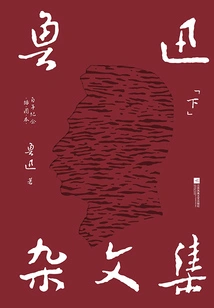
Collection of Lu Xun's Essays (part 2)
Literature鲁迅杂文集(下)
Lu Xun
"Collected Essays of Lu Xun" is an essay in the "My Silence Is Deafening" series of selected works of Lu Xun. The selected essays in this book are edited by referring to the 1936 edition of "The Complete Works of Lu Xun" (first edition) and the November 2005 edition of "The Complete Works of Lu Xun" published by People's Literature Publishing House. In order to retain the essence of the original work to the greatest extent, the Tongjia characters and Lu Xun's customary characters throughout the book are still completely retained. Other foreign names, place names, etc. Also retain their original translations without modification. At the same time, in order to facilitate reading, necessary annotations are made on the names of people, places, works, important events, etc. In the book.
"Collected Essays of Lu Xun" is an essay in the "My Silence Is Deafening" series of selected works of Lu Xun. The selected essays in this book are edited by referring to the 1936 edition of "The Complete Works of Lu Xun" (first edition) and the November 2005 edition of "The Complete Works of Lu Xun" published by People's Literature Publishing House. In order to retain the essence of the original work to the greatest extent, the Tongjia characters and Lu Xun's customary characters throughout the book are still completely retained. Other foreign names, place names, etc. Also retain their original translations without modification. At the same time, in order to facilitate reading, necessary annotations are made on the names of people, places, works, important events, etc. In the book.
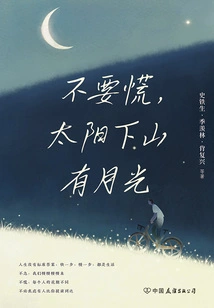
不要慌,太阳下山有月光
Shi Tiesheng Ji Xianlin Xiao Fuxing Et Al.
"Don't Panic, There's Moonlight When the Sun Goes Down" is a collection of essays by literary master Shi Tiesheng and other famous literary figures. It is co-authored by half of the literary world including Liang Shiqiu, Ji Xianlin, Xiao Fuxing, Wang Zengqi, Liu Xinwu, Feng Zikai, etc. It includes "Walking", "Rotary Asking for Directions", "Short Notes Under the Wall", "Lotus Rhymes in Qingtang", etc. 4 0 Classic works of prose, and many articles have been selected into middle and high school Chinese textbooks and reading test questions. One book contains the essence of Chinese literature and art. Its content covers the author's memories, recalling the past, remembering relatives, missing old friends, chasing old friends, touching life, as well as what he saw and felt in daily life and during travel. It depicts the essential texture of life with vivid brushstrokes and reveals the most perfect and beautiful true feelings in the world. It is a heart-warming work suitable for current readers.
"Don't Panic, There's Moonlight When the Sun Goes Down" is a collection of essays by literary master Shi Tiesheng and other famous literary figures. It is co-authored by half of the literary world including Liang Shiqiu, Ji Xianlin, Xiao Fuxing, Wang Zengqi, Liu Xinwu, Feng Zikai, etc. It includes "Walking", "Rotary Asking for Directions", "Short Notes Under the Wall", "Lotus Rhymes in Qingtang", etc. 4 0 Classic works of prose, and many articles have been selected into middle and high school Chinese textbooks and reading test questions. One book contains the essence of Chinese literature and art. Its content covers the author's memories, recalling the past, remembering relatives, missing old friends, chasing old friends, touching life, as well as what he saw and felt in daily life and during travel. It depicts the essential texture of life with vivid brushstrokes and reveals the most perfect and beautiful true feelings in the world. It is a heart-warming work suitable for current readers.
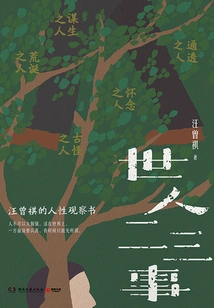
A Few Things About the World
Literature世人二三事
Wang Zengqi
[Healing & relaxation + various aspects of life + insight into human nature] Laughing at ridiculous things but saying that the world is crazy? Watch what Mr. Wang talks about! Wang Zengqi's observation book on human nature tells stories with the theme of "human beings". Complete collection of Wang Zengqi's rare prose articles such as "Master Guan", "Idiot", "Old Age" and "Bus". The characters in the book have different personalities, some are eccentric, some are paranoid, some are humorous, and some are casual. With his unique perspective and delicate writing style, Mr. Wang truly presents the complex and strange life anecdotes in front of us. Wang Zengqi's "wonderful work"! Uniquely arranged and carefully selected. It took one year to solicit opinions from more than 1,000 readers, and was selected from Wang Zengqi's works of more than 4 million words more than 30 times. Thousands of mortal figures walk among the pen and ink. Whether they are people at the bottom making a living or celebrities from all walks of life, their destinies have received equal attention and presentation in Mr. Wang's writings. When you are in EMO, read Wang Zengqi and watch him write about food, victory, and flowers. You will find that there is so much fun in life. The grass, trees, scenery, smoke and fire are nothing more than Wang Zengqi in this world.
[Healing & relaxation + various aspects of life + insight into human nature] Laughing at ridiculous things but saying that the world is crazy? Watch what Mr. Wang talks about! Wang Zengqi's observation book on human nature tells stories with the theme of "human beings". Complete collection of Wang Zengqi's rare prose articles such as "Master Guan", "Idiot", "Old Age" and "Bus". The characters in the book have different personalities, some are eccentric, some are paranoid, some are humorous, and some are casual. With his unique perspective and delicate writing style, Mr. Wang truly presents the complex and strange life anecdotes in front of us. Wang Zengqi's "wonderful work"! Uniquely arranged and carefully selected. It took one year to solicit opinions from more than 1,000 readers, and was selected from Wang Zengqi's works of more than 4 million words more than 30 times. Thousands of mortal figures walk among the pen and ink. Whether they are people at the bottom making a living or celebrities from all walks of life, their destinies have received equal attention and presentation in Mr. Wang's writings. When you are in EMO, read Wang Zengqi and watch him write about food, victory, and flowers. You will find that there is so much fun in life. The grass, trees, scenery, smoke and fire are nothing more than Wang Zengqi in this world.
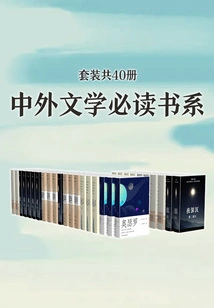
中外文学必读书系(套装共40册)
Fei Ming Etc.
This set of books includes "On the True Story of Ah Q", "Alaya Theory of Knowledge", "Du Fu's Poems", "On Du Fu", "Talk about Lu Xun with Young People", "People's Literature and Art in Ancient Times: Lecture Notes on the Book of Songs", "Lecture Notes on Aesthetics", "Mo "The Biography of Mr. Xuyou", "After Mr. Mo Xuyou takes the plane", "Bridge", "Taoyuan", "Lecture Notes on New Folk Songs", "Lecture Notes on New Poetry", "Jujube", "The Story of the Bamboo Forest", "Study on Lu Xun", "The Futility of Love", Othello, The Comedy of Errors, Twelfth Night, Hamlet, As You Like It, King Lear, Romeo and Juliet, Macbeth, Troilus and Cressida , "The Merchant of Venice", "The Two Gentlemen of Verona", "The Merry Wives of Windsor", "Much Ado About Nothing", "The Taming of the Shrew", "Tit for Tat", "The End of Marriage" and "A Midsummer Night's Dream", a total of 40 volumes.
This set of books includes "On the True Story of Ah Q", "Alaya Theory of Knowledge", "Du Fu's Poems", "On Du Fu", "Talk about Lu Xun with Young People", "People's Literature and Art in Ancient Times: Lecture Notes on the Book of Songs", "Lecture Notes on Aesthetics", "Mo "The Biography of Mr. Xuyou", "After Mr. Mo Xuyou takes the plane", "Bridge", "Taoyuan", "Lecture Notes on New Folk Songs", "Lecture Notes on New Poetry", "Jujube", "The Story of the Bamboo Forest", "Study on Lu Xun", "The Futility of Love", Othello, The Comedy of Errors, Twelfth Night, Hamlet, As You Like It, King Lear, Romeo and Juliet, Macbeth, Troilus and Cressida , "The Merchant of Venice", "The Two Gentlemen of Verona", "The Merry Wives of Windsor", "Much Ado About Nothing", "The Taming of the Shrew", "Tit for Tat", "The End of Marriage" and "A Midsummer Night's Dream", a total of 40 volumes.
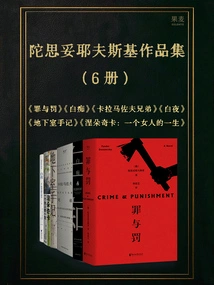
陀思妥耶夫斯基作品集(6册)
G
Six of Tuo's classics provide a must-read path for a deep understanding of Tuo's work. From "Notes from the Underground" to "The Brothers Karamazov", from early poetic fragments to late works, each one is a prophecy of the spiritual dilemma of modern people: identity anxiety, collapse of faith, and the battle between reason and madness. We can find the resonance of pain and the possibility of redemption in Dossetts's text.
Six of Tuo's classics provide a must-read path for a deep understanding of Tuo's work. From "Notes from the Underground" to "The Brothers Karamazov", from early poetic fragments to late works, each one is a prophecy of the spiritual dilemma of modern people: identity anxiety, collapse of faith, and the battle between reason and madness. We can find the resonance of pain and the possibility of redemption in Dossetts's text.
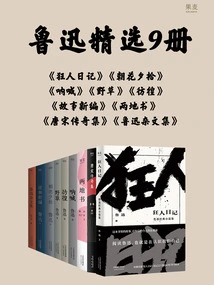
9 Volumes of Lu Xun's Selections
Literature鲁迅精选9册
Lu Xun
He is a "dagger-throwing gun" in the textbook, and a loner under the late night light; he is the standard-bearer of the New Culture Movement and a rebel who reconstructs myths. From novels to essays, from essays to letters - reading Lu Xun is not about reading history, but about reading the present; not about reading answers, but about reading questions. Reading Lu Xun is to use literature as a mirror to reflect the century-old storm of modern Chinese thought.
He is a "dagger-throwing gun" in the textbook, and a loner under the late night light; he is the standard-bearer of the New Culture Movement and a rebel who reconstructs myths. From novels to essays, from essays to letters - reading Lu Xun is not about reading history, but about reading the present; not about reading answers, but about reading questions. Reading Lu Xun is to use literature as a mirror to reflect the century-old storm of modern Chinese thought.
Reading Guide
Literature读书指南
Liang Qichao
"Reading Guide" brings together Mr. Liang Qichao's "Essentials of Introductory Books on Chinese Studies and Their Reading Methods" and "Essential Books and Their Reading Methods". "Essentials of Introductory Books on Chinese Studies and How to Read them" introduces basic Chinese classics, explains the characteristics and reading methods of each book, and the text is simple and concise. "Analects of Important Books and How to Read them" is a lecture he gave when he taught "A Summary of Group Books" at Tsinghua University. Before it was published, it had been "requested and circulated from everywhere" and was very popular among young students. It systematically introduces classics such as The Analects of Confucius, Historical Records, Zuo Zhuan, and Book of Songs, and carefully examines issues such as the author of each book, the year and process of its creation, the authenticity and order of the content, the value and reading method, and the quality of the proofs and interpretations, etc., Providing detailed and useful guidance.
"Reading Guide" brings together Mr. Liang Qichao's "Essentials of Introductory Books on Chinese Studies and Their Reading Methods" and "Essential Books and Their Reading Methods". "Essentials of Introductory Books on Chinese Studies and How to Read them" introduces basic Chinese classics, explains the characteristics and reading methods of each book, and the text is simple and concise. "Analects of Important Books and How to Read them" is a lecture he gave when he taught "A Summary of Group Books" at Tsinghua University. Before it was published, it had been "requested and circulated from everywhere" and was very popular among young students. It systematically introduces classics such as The Analects of Confucius, Historical Records, Zuo Zhuan, and Book of Songs, and carefully examines issues such as the author of each book, the year and process of its creation, the authenticity and order of the content, the value and reading method, and the quality of the proofs and interpretations, etc., Providing detailed and useful guidance.
Research on Dream of Red Mansions
Literature红楼梦考证
Hu Shi
Hu Shi is the founder of the new Redology. In 1921, he ushered in a new era of Redology research with his book "A Critique of the Dream of Red Mansions". This has become a common sense issue in the academic history of modern China. In "A Textual Research on A Dream of Red Mansions", Hu Shi conducted a well-documented textual research on the issues in the Chinese classic "A Dream of Red Mansions". It is a milestone in the study of Red Mansions in my country and a representative work in the study of Red Mansions in my country. It has had a great influence at home and abroad.
Hu Shi is the founder of the new Redology. In 1921, he ushered in a new era of Redology research with his book "A Critique of the Dream of Red Mansions". This has become a common sense issue in the academic history of modern China. In "A Textual Research on A Dream of Red Mansions", Hu Shi conducted a well-documented textual research on the issues in the Chinese classic "A Dream of Red Mansions". It is a milestone in the study of Red Mansions in my country and a representative work in the study of Red Mansions in my country. It has had a great influence at home and abroad.
朝花夕拾
Lu Xun
"Morning Blossoms Plucked at Dusk" is a collection of retrospective essays by Mr. Lu Xun, reviewing the unforgettable people and events in his childhood and youth. In Mr. Lu Xun's own words, "Morning Blossoms Plucked at Dusk" "was copied from memory." The book contains both childlike interest and warmth, as well as satire and criticism. It has been a best-seller ever since it was published by Weiming Publishing House in 1928. This publication is based on the first edition of Weiming Society in 1928. It follows the original text, proofreads it word for word, and strives to restore the cover of the first edition, in order to share with readers the elegance and agility of nearly a century ago and pay tribute to the classic.
"Morning Blossoms Plucked at Dusk" is a collection of retrospective essays by Mr. Lu Xun, reviewing the unforgettable people and events in his childhood and youth. In Mr. Lu Xun's own words, "Morning Blossoms Plucked at Dusk" "was copied from memory." The book contains both childlike interest and warmth, as well as satire and criticism. It has been a best-seller ever since it was published by Weiming Publishing House in 1928. This publication is based on the first edition of Weiming Society in 1928. It follows the original text, proofreads it word for word, and strives to restore the cover of the first edition, in order to share with readers the elegance and agility of nearly a century ago and pay tribute to the classic.
Two Types of Chinese Studies Guidance
Literature国学指导二种
Liang Qichao
"Two Kinds of Guidance on Chinese Studies" is a compilation of Mr. Liang Qichao's two works that guide young people on how to read Chinese classics, "Essential Contents of Introductory Books on Chinese Studies and How to Read them" and "Answers to Essential Books and How to Read them". In the spring of 1923, a reporter from "Tsinghua Weekly" asked Mr. Liang Qichao to draft "Essentials of an Introductory Book on Chinese Studies and How to Read it", and "supervision was very urgent". Mr. Liang "struggled his best in three days" to complete it. The book manuscript lists a reading list of Chinese classics for young people from six aspects: "Books on Cultivation, Application and Relationship with Ideological History", "Books on Political History and Other Philology", "Books on Rhymes", "Books on Elementary School and Grammar" and "Books on Casual Reading". "Solving Problems and Reading Methods of Essential Books" is a lecture given by Mr. Ren Gong at Tsinghua University in 1923. The manuscript discusses Chinese classics such as "The Analects of Confucius, Mencius, University, Doctrine of the Mean, Filial Piety", "Historical Records", "Xunzi", "Han Feizi", "Zuo Zhuan Guoyu", "The Book of Songs", "Chu Ci", "Book of Rites", "Dadai Liji Erya" and other Chinese classics. It summarizes and summarizes the author, year of writing, content and value, reading method, its annotations and related books, etc.
"Two Kinds of Guidance on Chinese Studies" is a compilation of Mr. Liang Qichao's two works that guide young people on how to read Chinese classics, "Essential Contents of Introductory Books on Chinese Studies and How to Read them" and "Answers to Essential Books and How to Read them". In the spring of 1923, a reporter from "Tsinghua Weekly" asked Mr. Liang Qichao to draft "Essentials of an Introductory Book on Chinese Studies and How to Read it", and "supervision was very urgent". Mr. Liang "struggled his best in three days" to complete it. The book manuscript lists a reading list of Chinese classics for young people from six aspects: "Books on Cultivation, Application and Relationship with Ideological History", "Books on Political History and Other Philology", "Books on Rhymes", "Books on Elementary School and Grammar" and "Books on Casual Reading". "Solving Problems and Reading Methods of Essential Books" is a lecture given by Mr. Ren Gong at Tsinghua University in 1923. The manuscript discusses Chinese classics such as "The Analects of Confucius, Mencius, University, Doctrine of the Mean, Filial Piety", "Historical Records", "Xunzi", "Han Feizi", "Zuo Zhuan Guoyu", "The Book of Songs", "Chu Ci", "Book of Rites", "Dadai Liji Erya" and other Chinese classics. It summarizes and summarizes the author, year of writing, content and value, reading method, its annotations and related books, etc.
A Brief History of Chinese Novels
Literature中国小说史略
Lu Xun
"A Brief History of Chinese Novels" is the pioneer work in the study of the history of Chinese novels. It was originally Lu Xun's lecture notes at Peking University. The book has a total of twenty-eight articles, starting from ancient myths and legends to condemnation novels in the late Qing Dynasty. It comprehensively combs the origin, development and evolution of Chinese novels, and analyzes in detail the characteristics, genres, representative works and social and cultural backgrounds of novels in each historical period. It not only ends the situation of "no history of Chinese novels", but also provides new perspectives and methods for the study of Chinese literary history. This book is hailed as a classic in the study of the history of Chinese novels and is still widely cited and referenced today.
"A Brief History of Chinese Novels" is the pioneer work in the study of the history of Chinese novels. It was originally Lu Xun's lecture notes at Peking University. The book has a total of twenty-eight articles, starting from ancient myths and legends to condemnation novels in the late Qing Dynasty. It comprehensively combs the origin, development and evolution of Chinese novels, and analyzes in detail the characteristics, genres, representative works and social and cultural backgrounds of novels in each historical period. It not only ends the situation of "no history of Chinese novels", but also provides new perspectives and methods for the study of Chinese literary history. This book is hailed as a classic in the study of the history of Chinese novels and is still widely cited and referenced today.