Library
Browse and search books
1,055 novels found
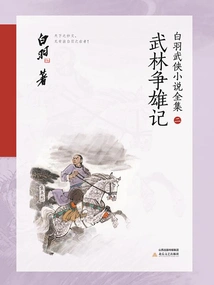
武林争雄记(白羽武侠小说全集2)
White Feather
"The Legend of Martial Arts" is one of the "Three Parts of Twelve Money Darts". It is called a sequel and can also be called a prequel. It tells the story of Yu Jianping, a wealthy man with twelve gold coins, and Fei Baozi, a wealthy man, who were studying under the same teacher and became jealous of their marriage. The Ludong Taiji sect Ding Chaowei sealed his sword behind closed doors, and all the disciples performed before the banquet for the martial arts seniors who came to watch the ceremony. The second disciple Yuan Zhenwu has amazing boxing and sword skills, and the third disciple Yu Zhengang is even better in escort. Ding You's beloved daughter is named Yunxiu, she is beautiful and has impressive martial arts skills. Yuan Xian lost his wife and planned to hire a junior sister as a matchmaker until his art was completed. As a result of the abolition of the establishment, Yunxiu also married Yu according to his father's orders. Ding Chaowei passed on the sect in public and appointed Yu Zhengang as his head disciple. Yuan Zhenwu was so angry that he took advantage of his mother's illness to leave the school and traveled all over the world in search of unique skills. Where there is a will, there is a way. Yuan Zhenwu finally became a disciple of the Eagle Claw King Wang Daolong and was able to pass on his unique skills. Later, he went to Liaodong to start a business and strive for supremacy in Muye, becoming a powerful figure in the border areas.
"The Legend of Martial Arts" is one of the "Three Parts of Twelve Money Darts". It is called a sequel and can also be called a prequel. It tells the story of Yu Jianping, a wealthy man with twelve gold coins, and Fei Baozi, a wealthy man, who were studying under the same teacher and became jealous of their marriage. The Ludong Taiji sect Ding Chaowei sealed his sword behind closed doors, and all the disciples performed before the banquet for the martial arts seniors who came to watch the ceremony. The second disciple Yuan Zhenwu has amazing boxing and sword skills, and the third disciple Yu Zhengang is even better in escort. Ding You's beloved daughter is named Yunxiu, she is beautiful and has impressive martial arts skills. Yuan Xian lost his wife and planned to hire a junior sister as a matchmaker until his art was completed. As a result of the abolition of the establishment, Yunxiu also married Yu according to his father's orders. Ding Chaowei passed on the sect in public and appointed Yu Zhengang as his head disciple. Yuan Zhenwu was so angry that he took advantage of his mother's illness to leave the school and traveled all over the world in search of unique skills. Where there is a will, there is a way. Yuan Zhenwu finally became a disciple of the Eagle Claw King Wang Daolong and was able to pass on his unique skills. Later, he went to Liaodong to start a business and strive for supremacy in Muye, becoming a powerful figure in the border areas.
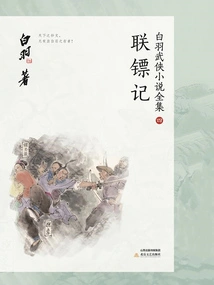
The Legend of the United Escorts (complete Collection of Bai Yu's Martial Arts Novels 4)
General Fiction联镖记(白羽武侠小说全集4)
White Feather
Chapter 33 of "The Legend of the United Escorts" begins with the incident when Lin Tingyang, the lion, was killed by Fang Jing, the martial arts master and thief Xiaobailong invited by the flying snake Deng Chao on the way to protect the escort. After flying snake Deng Chao killed people and seized darts, he wanted to kill his wife and children. Fortunately, Lin Tingyang's junior brother Wei Hao and a group of darts protected him and he was spared. On the way, there are also scenes where the Lion Forest has a grudge with Deng Chao, and the little white dragon passes through it. However, as far as the scope of "Lean Gui Ji" is concerned, it seems to be quite different from the content in the synopsis.
Chapter 33 of "The Legend of the United Escorts" begins with the incident when Lin Tingyang, the lion, was killed by Fang Jing, the martial arts master and thief Xiaobailong invited by the flying snake Deng Chao on the way to protect the escort. After flying snake Deng Chao killed people and seized darts, he wanted to kill his wife and children. Fortunately, Lin Tingyang's junior brother Wei Hao and a group of darts protected him and he was spared. On the way, there are also scenes where the Lion Forest has a grudge with Deng Chao, and the little white dragon passes through it. However, as far as the scope of "Lean Gui Ji" is concerned, it seems to be quite different from the content in the synopsis.
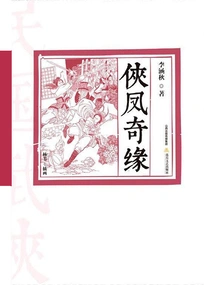
The Romance of Chivalry and Phoenix
General Fiction侠凤奇缘
Li Hanqiu
"The Legend of Chivalry" is one of Li Hanqiu's three masterpieces. The summary of the novel's story is: Jin Pingping's parents died when she was young, and she joined a theater troupe. At this time, she was already somewhat famous. By chance, she and Fengqin became good friends. Axiang came to the city with his father Zicheng. He fell in love with Fengqin, but Fengqin hated her. Axiang told his father Zicheng that he wanted to marry Fengqin, but Zicheng was furious. It turned out that he also wanted to marry Fengqin. There is also a foreign student named Da Lie, who is uneducated and has no skills, and covets Pingping's beauty. Zicheng colluded with Dalie and planned to invite Pingping and Fengqin to visit the lake. The two fell into the trap and were forced by Dalie and Zicheng. Fengqin was forced to jump into the lake, and Pingping drew his sword to fight against Dalie. Axiang arrived in time and rescued Fengqin. With everyone out of trouble, Axiang's love for Fengqin finally gained Fengqin's approval.
"The Legend of Chivalry" is one of Li Hanqiu's three masterpieces. The summary of the novel's story is: Jin Pingping's parents died when she was young, and she joined a theater troupe. At this time, she was already somewhat famous. By chance, she and Fengqin became good friends. Axiang came to the city with his father Zicheng. He fell in love with Fengqin, but Fengqin hated her. Axiang told his father Zicheng that he wanted to marry Fengqin, but Zicheng was furious. It turned out that he also wanted to marry Fengqin. There is also a foreign student named Da Lie, who is uneducated and has no skills, and covets Pingping's beauty. Zicheng colluded with Dalie and planned to invite Pingping and Fengqin to visit the lake. The two fell into the trap and were forced by Dalie and Zicheng. Fengqin was forced to jump into the lake, and Pingping drew his sword to fight against Dalie. Axiang arrived in time and rescued Fengqin. With everyone out of trouble, Axiang's love for Fengqin finally gained Fengqin's approval.
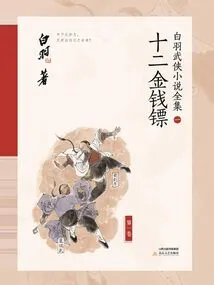
十二金钱镖(白羽武侠小说全集1)
White Feather
The whole book begins with Hu Menggang, the head of the Zhentong Escort Bureau, asking for a escort flag from Yu Jianping, who has twelve coins, and then turns to a suspenseful and twisting story, from detecting the wind, calling the police, changing routes, being robbed, fighting, losing the escort, to the erratic and confusing trace of the escort, and no one knows its origin. The characters in the novel are described in detail and vividly. For example, Yu Jianping's chivalrous and sophisticated character; Flying Leopard's elusiveness and cunning; Black Sand Palm's cynicism and warm-heartedness; Jiu Guyan's mean face, villainous character, and his stern but inward consciousness are almost vivid on the page, ready to be revealed.
The whole book begins with Hu Menggang, the head of the Zhentong Escort Bureau, asking for a escort flag from Yu Jianping, who has twelve coins, and then turns to a suspenseful and twisting story, from detecting the wind, calling the police, changing routes, being robbed, fighting, losing the escort, to the erratic and confusing trace of the escort, and no one knows its origin. The characters in the novel are described in detail and vividly. For example, Yu Jianping's chivalrous and sophisticated character; Flying Leopard's elusiveness and cunning; Black Sand Palm's cynicism and warm-heartedness; Jiu Guyan's mean face, villainous character, and his stern but inward consciousness are almost vivid on the page, ready to be revealed.
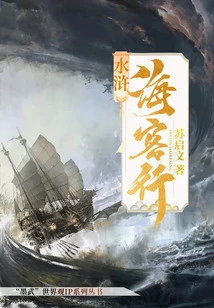
Water Margin Haike
General Fiction水浒海客行
Su Qiwen
After Yan Qing won a great victory in the southern expedition to Fangla, he and his close friends Li Jun and others fell into Song Jiang's conspiracy. In order to get rid of the pursuit of their former eldest brother, with the help of Gongsun Sheng, a group of people used the machine ship Liangshan to go to the sea and go to the Kingdom of Siam. At sea, everyone experienced many hardships and met the mysterious man Baili Chengfeng. After realizing the subtleties of the mechanism technique, everyone decided to search for the legendary secret mechanism book "Missing One Door", and the crisis from a foreign country was gradually approaching.
After Yan Qing won a great victory in the southern expedition to Fangla, he and his close friends Li Jun and others fell into Song Jiang's conspiracy. In order to get rid of the pursuit of their former eldest brother, with the help of Gongsun Sheng, a group of people used the machine ship Liangshan to go to the sea and go to the Kingdom of Siam. At sea, everyone experienced many hardships and met the mysterious man Baili Chengfeng. After realizing the subtleties of the mechanism technique, everyone decided to search for the legendary secret mechanism book "Missing One Door", and the crisis from a foreign country was gradually approaching.
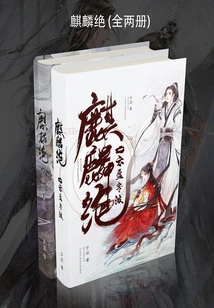
Qilin Jue (two Volumes)
General Fiction麒麟绝(全两册)
Xichi
This book includes "Qilinjue 1: Yunying Hanbo" and "Qilinjue 2: The Moon Shines on the Clear City".
This book includes "Qilinjue 1: Yunying Hanbo" and "Qilinjue 2: The Moon Shines on the Clear City".
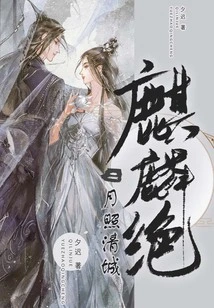
Qilinjue 2: the Moon Illuminates the Clear City
General Fiction麒麟绝2:月照清城
Xichi
This book is a derivative work under the "Mowu" world view, with the core setting of ancient mechanism display. After two years of practice, Yue Zhaoting and others decided to sneak into Benlei City to seize the Tianqi Sword on the night of Lei Hanchi's birthday party, but an accident happened at this moment. The injured Yue Zhaoting happened to be rescued by Yu Qianying at the critical moment of life and death. The two people who once deeply loved each other were forced to embark on the road of breakup. The mystery of Yu Qianying's fake death also involves many truths from twenty years ago. The reunited lovers finally joined hands again to smash the enemy's conspiracy with their best friends and fight for peace.
This book is a derivative work under the "Mowu" world view, with the core setting of ancient mechanism display. After two years of practice, Yue Zhaoting and others decided to sneak into Benlei City to seize the Tianqi Sword on the night of Lei Hanchi's birthday party, but an accident happened at this moment. The injured Yue Zhaoting happened to be rescued by Yu Qianying at the critical moment of life and death. The two people who once deeply loved each other were forced to embark on the road of breakup. The mystery of Yu Qianying's fake death also involves many truths from twenty years ago. The reunited lovers finally joined hands again to smash the enemy's conspiracy with their best friends and fight for peace.
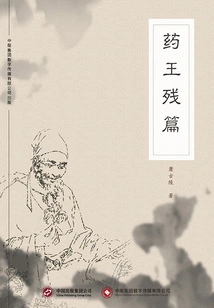
The Remnants of the King of Medicine
General Fiction药王残篇
Xiao Guring
The story depicts the first half of the legendary life of Xiao Xingshi, an imperial physician in the mid-Ming Dynasty, who searched for the truth of medicine and researched Baicao. Influenced by his father, Master Xiao Xing read many medical books since he was a child, gathered herbs, researched prescriptions carefully, and took up the unfinished ambition of his late father. Under the recommendation of his sworn brother, he became the palace physician. Later, he became disillusioned with the palace battles and wars. In addition, the person he loved passed away, so he decided to bid farewell and leave the palace. He traveled all over the Divine Continent and researched hundreds of medicines. However, he lost his trace due to natural disasters. The book spans forty years and involves more than a hundred kinds of prescriptions. Mainly taking the Chenghua Year of the Ming Dynasty as the background, it depicts the complex palace disputes and social figures during the entire Chenghua Year.
The story depicts the first half of the legendary life of Xiao Xingshi, an imperial physician in the mid-Ming Dynasty, who searched for the truth of medicine and researched Baicao. Influenced by his father, Master Xiao Xing read many medical books since he was a child, gathered herbs, researched prescriptions carefully, and took up the unfinished ambition of his late father. Under the recommendation of his sworn brother, he became the palace physician. Later, he became disillusioned with the palace battles and wars. In addition, the person he loved passed away, so he decided to bid farewell and leave the palace. He traveled all over the Divine Continent and researched hundreds of medicines. However, he lost his trace due to natural disasters. The book spans forty years and involves more than a hundred kinds of prescriptions. Mainly taking the Chenghua Year of the Ming Dynasty as the background, it depicts the complex palace disputes and social figures during the entire Chenghua Year.
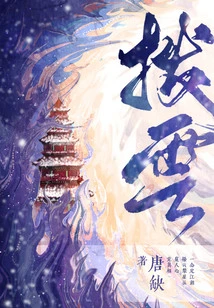
Clear the Clouds
General Fiction拨云
Tang Que
Decades ago, Tang Yiyi, a rebellious girl from the Tang clan, met the three most important men in her life. Different people form different intersections in Tang Yiyi's life and extend into millions of branches. The rivers and lakes are undercurrent, and people's hearts are unpredictable. Tang Yiyi is both a chess player and a chess piece of others. I thought it was the most ordinary accident in life, but years later, the truth turned out to be confusing, and it was no accident. She spent her whole life calculating and strategizing, pushing forward the torrent of the times, and was also swept by the torrent, like a huge wave entering the sea, and finally calmed down.
Decades ago, Tang Yiyi, a rebellious girl from the Tang clan, met the three most important men in her life. Different people form different intersections in Tang Yiyi's life and extend into millions of branches. The rivers and lakes are undercurrent, and people's hearts are unpredictable. Tang Yiyi is both a chess player and a chess piece of others. I thought it was the most ordinary accident in life, but years later, the truth turned out to be confusing, and it was no accident. She spent her whole life calculating and strategizing, pushing forward the torrent of the times, and was also swept by the torrent, like a huge wave entering the sea, and finally calmed down.
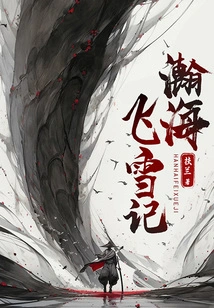
The Story of Flying Snow in the Vast Sea
General Fiction瀚海飞雪记
Fulan
[Martial Arts + Rivers and Lakes + Growth + Adventure, Su Hui's story of the growth and adventure of a young man. In the early Yuan Dynasty, the Mongols and Han were fighting. The son of a Mongolian and a Han with a special identity struggled to survive in the chaotic world. He made full use of his talents, was smart and perseverant, tempered himself, and eventually became a great master. ]There is a temple in the deep mountains called Immortal Shou; there is a master in the temple named Wuwu; the master of the temple has a disciple named Youqing. There was a poor Taoist named Yu Shen of Song Dynasty, who was born in the General's Mansion of Xuanzhou. He was the son of a Mongolian general and the adopted daughter of King Xuan. He has a long-term wisdom in life, is handsome and intelligent, has a persevering nature, is good at controlling animals, and is proficient in treating poisons. Due to his complicated family background, he struggled to survive when he was young. He was regarded as a "whetstone". Later, he went away to study skills and faked his death to escape. As he grew up in a chaotic world, he gained the attention of three masters, who vying to be their disciples, learned a lot of skills, and became the famous Master of Endless View. The years are endless and life is limited. Song Yuchen chose to be an eagle soaring in the sky, flying over thousands of rivers and mountains, experiencing all kinds of situations in the world, passing through the mortal world without entering, and living alone and freely in this troubled world.
[Martial Arts + Rivers and Lakes + Growth + Adventure, Su Hui's story of the growth and adventure of a young man. In the early Yuan Dynasty, the Mongols and Han were fighting. The son of a Mongolian and a Han with a special identity struggled to survive in the chaotic world. He made full use of his talents, was smart and perseverant, tempered himself, and eventually became a great master. ]There is a temple in the deep mountains called Immortal Shou; there is a master in the temple named Wuwu; the master of the temple has a disciple named Youqing. There was a poor Taoist named Yu Shen of Song Dynasty, who was born in the General's Mansion of Xuanzhou. He was the son of a Mongolian general and the adopted daughter of King Xuan. He has a long-term wisdom in life, is handsome and intelligent, has a persevering nature, is good at controlling animals, and is proficient in treating poisons. Due to his complicated family background, he struggled to survive when he was young. He was regarded as a "whetstone". Later, he went away to study skills and faked his death to escape. As he grew up in a chaotic world, he gained the attention of three masters, who vying to be their disciples, learned a lot of skills, and became the famous Master of Endless View. The years are endless and life is limited. Song Yuchen chose to be an eagle soaring in the sky, flying over thousands of rivers and mountains, experiencing all kinds of situations in the world, passing through the mortal world without entering, and living alone and freely in this troubled world.
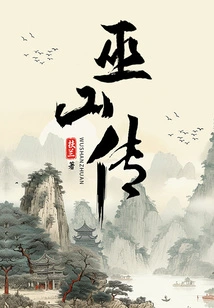
Legend of Wushan
General Fiction巫山传
Fulan
["Legends of Modern and Ancient Times: Martial Arts Edition" is a gluttonous masterpiece, attracting as much attention as Cang Yue and Bu Feiyan. Thousands of readers praised "The Three Gorges is the most beautiful of Wushan, and the most beautiful martial arts "Wushan Legend"". ]The Twelve Peaks of Wushan are known to amaze the world with their deep beauty, and the disputes among the sects have never ended. The disciples of the Twelve Peaks of Wushan, who belong to the same sect, have been enemies for life. They have been resentful of women and crazy men for many lives. Their emotions and desires are like water, and they will go crazy when they fall in love. Every grievance hides a mysterious and confusing evil fate from the past life. On the Goddess Peak, beside the Wangfu Stone, Ji Yaohua, a woman in white, stands majestically and pretty, holding an immortal rope in front of her with one hand, and behind her with the other. Her extraordinary aura is enough to make the mountain scenery move and the water flow to be strange. The man next to her, Ji Yaoguang, looks almost the same as her. They are bound to each other and their lives. The two discovered the mystery and worked together to unify the Wushan Sect. They came and went inseparably until they provoked the unstoppable Xiao Wenhou... Twelve Peaks waited silently. Can she break the prophecy of "everything you learn will become your destiny"?
["Legends of Modern and Ancient Times: Martial Arts Edition" is a gluttonous masterpiece, attracting as much attention as Cang Yue and Bu Feiyan. Thousands of readers praised "The Three Gorges is the most beautiful of Wushan, and the most beautiful martial arts "Wushan Legend"". ]The Twelve Peaks of Wushan are known to amaze the world with their deep beauty, and the disputes among the sects have never ended. The disciples of the Twelve Peaks of Wushan, who belong to the same sect, have been enemies for life. They have been resentful of women and crazy men for many lives. Their emotions and desires are like water, and they will go crazy when they fall in love. Every grievance hides a mysterious and confusing evil fate from the past life. On the Goddess Peak, beside the Wangfu Stone, Ji Yaohua, a woman in white, stands majestically and pretty, holding an immortal rope in front of her with one hand, and behind her with the other. Her extraordinary aura is enough to make the mountain scenery move and the water flow to be strange. The man next to her, Ji Yaoguang, looks almost the same as her. They are bound to each other and their lives. The two discovered the mystery and worked together to unify the Wushan Sect. They came and went inseparably until they provoked the unstoppable Xiao Wenhou... Twelve Peaks waited silently. Can she break the prophecy of "everything you learn will become your destiny"?
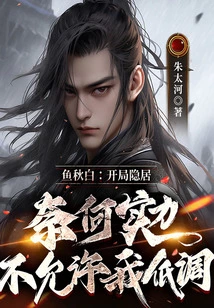
Yu Qiubai: I Lived in Seclusion at the Beginning, but My Strength Did Not Allow Me to Keep a Low Profile
General Fiction鱼秋白:开局隐居,奈何实力不允许我低调
Zhu Taihe
[Hot-blooded + Resourceful + Chivalry + Suspense + High Martial Arts] Seven years ago, Yu Qiubai, a talented and talented man who never died, was so famous and unbearable that he wandered to Zhangyuan, Laizhou to stay temporarily. Li Mengtian's daughter Chaoyun met Yu Qiubai because of listening to the piano, and they gradually fell in love. Due to his father's objection, Li Chaoyun and Yu Qiubai eloped and unfortunately fell off a cliff. Yu Qiubai stayed in the mountains for seven years. From then on, only the legend of Yu Qiubai remained in the martial arts world. Seven years later, Lin Shaoqin of the Lushan faction encountered trouble in Daze Mountain. Fortunately, the master Qiu Yu and his subordinate Li Mu helped to save the day. Several people returned to Lushan Sect together. But to Qiu Yu's surprise, his old friend, the elder of the Lushan Sect, had passed away a few years ago, and now the elder of the sect has been succeeded by the eldest disciple of the sect, Sha Mingpu. After settling down in the Lushan sect, Qiu Yu discovered that there were many gangs within the Lushan sect, each seeking its own agenda. They seemed to be hiding ulterior secrets and were very afraid of themselves. Fortunately, Qi Yunluo, the daughter of the former sect master, admired her and took good care of Qiu Yu. It happened that the five tigers of the Qi family forcibly broke into the Lushan Sect to seek revenge. A masked man broke into Qiu Yu's residence at night, bringing news that the former leader of the Lushan Sect was dead and that the murderer was someone else... In order to help Qi Yunluo seek the truth, Qiu Yu had to reveal his identity as a gifted scholar. However, the murder of the leader of the Lushan Sect seems to be just the beginning of the conspiracy. After the elder of the Taishan Sect discovered the true identity of the murderer, he also died under his knife. For a time, an undercurrent surged among the Taishan Sect, Aishan Sect and other Jianghu sects! And Chao Yun's father, Li Mengtian, was an official in Tai'an and was involved in the disputes between Jianghu gangs. What's even more incredible is that Chao Yun is still alive... Is it just a big dream to live in seclusion for seven years? With his great reputation, Kuang Fu has been criticized by the martial arts community. The endless talent has become a thorn in the side of ambitious people. How can he break the situation and calm down the upcoming bloody storm?
[Hot-blooded + Resourceful + Chivalry + Suspense + High Martial Arts] Seven years ago, Yu Qiubai, a talented and talented man who never died, was so famous and unbearable that he wandered to Zhangyuan, Laizhou to stay temporarily. Li Mengtian's daughter Chaoyun met Yu Qiubai because of listening to the piano, and they gradually fell in love. Due to his father's objection, Li Chaoyun and Yu Qiubai eloped and unfortunately fell off a cliff. Yu Qiubai stayed in the mountains for seven years. From then on, only the legend of Yu Qiubai remained in the martial arts world. Seven years later, Lin Shaoqin of the Lushan faction encountered trouble in Daze Mountain. Fortunately, the master Qiu Yu and his subordinate Li Mu helped to save the day. Several people returned to Lushan Sect together. But to Qiu Yu's surprise, his old friend, the elder of the Lushan Sect, had passed away a few years ago, and now the elder of the sect has been succeeded by the eldest disciple of the sect, Sha Mingpu. After settling down in the Lushan sect, Qiu Yu discovered that there were many gangs within the Lushan sect, each seeking its own agenda. They seemed to be hiding ulterior secrets and were very afraid of themselves. Fortunately, Qi Yunluo, the daughter of the former sect master, admired her and took good care of Qiu Yu. It happened that the five tigers of the Qi family forcibly broke into the Lushan Sect to seek revenge. A masked man broke into Qiu Yu's residence at night, bringing news that the former leader of the Lushan Sect was dead and that the murderer was someone else... In order to help Qi Yunluo seek the truth, Qiu Yu had to reveal his identity as a gifted scholar. However, the murder of the leader of the Lushan Sect seems to be just the beginning of the conspiracy. After the elder of the Taishan Sect discovered the true identity of the murderer, he also died under his knife. For a time, an undercurrent surged among the Taishan Sect, Aishan Sect and other Jianghu sects! And Chao Yun's father, Li Mengtian, was an official in Tai'an and was involved in the disputes between Jianghu gangs. What's even more incredible is that Chao Yun is still alive... Is it just a big dream to live in seclusion for seven years? With his great reputation, Kuang Fu has been criticized by the martial arts community. The endless talent has become a thorn in the side of ambitious people. How can he break the situation and calm down the upcoming bloody storm?
The Secret of Nine Songs
General Fiction九歌秘事
Xu Xiaoji
The mysterious organization "Nine Ges", which had been dormant for nearly ten years, reappeared. Tragedies of killing families followed one after another, and a bloody storm was inevitable. Mo Hesheng, the young owner of Zhixian Villa, had no choice but to be entrusted with the task, so he had to run around to seek justice. Unexpectedly, it involves the past events of the previous dynasty and the tragedy of this life. The situation in Bianliang has changed dramatically, and the pyramid of power has been reshuffled. He pressed the pair of pine and crane fans against the neck of his beloved woman, and asked and answered three questions widely. The first question: "Who are you?" The first answer: "A person from Jiu Ge." The second question: "Who else is Jiu Ge besides you?" The second answer: "The nine branches can be divided into enemies, and together they can destroy the world." The third question: "What is the purpose of Jiu Ge?" The third answer: "To avenge the grievances of the most wronged people, and to avenge the most miserable people!"
The mysterious organization "Nine Ges", which had been dormant for nearly ten years, reappeared. Tragedies of killing families followed one after another, and a bloody storm was inevitable. Mo Hesheng, the young owner of Zhixian Villa, had no choice but to be entrusted with the task, so he had to run around to seek justice. Unexpectedly, it involves the past events of the previous dynasty and the tragedy of this life. The situation in Bianliang has changed dramatically, and the pyramid of power has been reshuffled. He pressed the pair of pine and crane fans against the neck of his beloved woman, and asked and answered three questions widely. The first question: "Who are you?" The first answer: "A person from Jiu Ge." The second question: "Who else is Jiu Ge besides you?" The second answer: "The nine branches can be divided into enemies, and together they can destroy the world." The third question: "What is the purpose of Jiu Ge?" The third answer: "To avenge the grievances of the most wronged people, and to avenge the most miserable people!"
The Legend of Su Kuang (complete Complete Collection)
General Fiction苏旷传奇(完结精校大全集)
Floating Lanterns
Su Kuang, the chief disciple who is the best arrester in the world, has grown from an ignorant boy to a human being. He can still stand up even if his bones are broken, and he can still laugh up to the sky even after being knifed - he can always light a fire in the hearts of others. I crawled and rolled in the Shenfu Camp, drank and practiced swordsmanship in Yangzhou, went to the desert to kill enemies, lost love in the grassland, walked through the Gobi caves, served as the leader of the Demon Cult, flirted with the female ship queen on the vast sea, built mountains and seas with mud bricks in prison, and wrote "There are hills and valleys in the chest, and we can rebuild the great mountains and rivers"! White Horse Restaurant, a precipitous Bodhi, a man with a broken waist and a broken body, came back to life amidst strong wine and the sound of knives, and said, "There is no knife in my hand, no wine in my chest, I don't want to leave this world!" Eight hundred chivalrous warriors are leaderless. Under the heroic order, who will regain control of the center of the martial arts world? The Yinsha Sect organized twelve silver villages and used thirteen Jingwei birds to bloodbath the world. What was their plan? The Yun family's boat gang traversed the seven seas and returned from breaking through the waves; the gods gathered troops in the wind and rain camp of the camp, where did the ten big flags point? From the capital to the Dabie Mountains, from Taizhou to Quanzhou, from Luoyang to the Wuyi Mountains, from the Central Plains to Siam... The whole journey is full of patterns, running for thousands of miles, moving vertically and horizontally, with majestic momentum. Heroes come one after another until the final blow! The finale of "The Legend of Su Kuang"! Some people spend their lives chasing light in the dark night, and by chasing it, they become a light.
Su Kuang, the chief disciple who is the best arrester in the world, has grown from an ignorant boy to a human being. He can still stand up even if his bones are broken, and he can still laugh up to the sky even after being knifed - he can always light a fire in the hearts of others. I crawled and rolled in the Shenfu Camp, drank and practiced swordsmanship in Yangzhou, went to the desert to kill enemies, lost love in the grassland, walked through the Gobi caves, served as the leader of the Demon Cult, flirted with the female ship queen on the vast sea, built mountains and seas with mud bricks in prison, and wrote "There are hills and valleys in the chest, and we can rebuild the great mountains and rivers"! White Horse Restaurant, a precipitous Bodhi, a man with a broken waist and a broken body, came back to life amidst strong wine and the sound of knives, and said, "There is no knife in my hand, no wine in my chest, I don't want to leave this world!" Eight hundred chivalrous warriors are leaderless. Under the heroic order, who will regain control of the center of the martial arts world? The Yinsha Sect organized twelve silver villages and used thirteen Jingwei birds to bloodbath the world. What was their plan? The Yun family's boat gang traversed the seven seas and returned from breaking through the waves; the gods gathered troops in the wind and rain camp of the camp, where did the ten big flags point? From the capital to the Dabie Mountains, from Taizhou to Quanzhou, from Luoyang to the Wuyi Mountains, from the Central Plains to Siam... The whole journey is full of patterns, running for thousands of miles, moving vertically and horizontally, with majestic momentum. Heroes come one after another until the final blow! The finale of "The Legend of Su Kuang"! Some people spend their lives chasing light in the dark night, and by chasing it, they become a light.
Rouge Horse
General Fiction胭脂马
Woman Who Steals Books
"In the vast grassland, I was riding a horse, and the rouge on the horse's back was as beautiful as the flowers; the flowers reflected the moon, the moon shone on the sand, and the songs in the sand missed my home..." In the days without her, everything was so blurry. Was Fu Chatao killed in battle, or was he crowned king? Is Li Mingxin a monk or married? Is Li Yunsheng's dream lost or realized? He is old. The only thing that hasn't changed is the poplar tree. The Uighurs say that the poplar tree will not die for a thousand years, will not fall for a thousand years after it is dead, and will not wither for a thousand years after falling. This is probably why Poplar euphratica trees are called to witness the love of their lives!
"In the vast grassland, I was riding a horse, and the rouge on the horse's back was as beautiful as the flowers; the flowers reflected the moon, the moon shone on the sand, and the songs in the sand missed my home..." In the days without her, everything was so blurry. Was Fu Chatao killed in battle, or was he crowned king? Is Li Mingxin a monk or married? Is Li Yunsheng's dream lost or realized? He is old. The only thing that hasn't changed is the poplar tree. The Uighurs say that the poplar tree will not die for a thousand years, will not fall for a thousand years after it is dead, and will not wither for a thousand years after falling. This is probably why Poplar euphratica trees are called to witness the love of their lives!
Throwing into the Sea
General Fiction投海记
Woman Who Steals Books
Murong Duanyang, Wu Wanyun, and Jiang Xuerou, three women with different personalities came together. They killed their husbands, killed their teachers, beheaded the imperial officials, and snatched the Love-Breaking Sword and the Tears and Blood Sword. They were burdened with blood debts and became public enemies in the martial arts world, and everyone could kill them. Walking all the way to the seaside, they encountered many dangers and obstacles, but relying on the Love-Breaking Sword and the Tears and Blood Sword in their hands, and relying on their worry-free pride, they embarked on a bloody road.
Murong Duanyang, Wu Wanyun, and Jiang Xuerou, three women with different personalities came together. They killed their husbands, killed their teachers, beheaded the imperial officials, and snatched the Love-Breaking Sword and the Tears and Blood Sword. They were burdened with blood debts and became public enemies in the martial arts world, and everyone could kill them. Walking all the way to the seaside, they encountered many dangers and obstacles, but relying on the Love-Breaking Sword and the Tears and Blood Sword in their hands, and relying on their worry-free pride, they embarked on a bloody road.
Disappear
General Fiction消失
Woman Who Steals Books
His mother was sent by others to frame his father. Then he was unjustly killed along with his father. His sister and adoptive parents died violently. He spent his whole life seeking revenge, but he didn't even figure out who his enemy was. He lost his identity, his memory, and the woman he loved deeply. All this is because some people are vying for the position of dominion over the world. Faced with a choice again, what will he choose?
His mother was sent by others to frame his father. Then he was unjustly killed along with his father. His sister and adoptive parents died violently. He spent his whole life seeking revenge, but he didn't even figure out who his enemy was. He lost his identity, his memory, and the woman he loved deeply. All this is because some people are vying for the position of dominion over the world. Faced with a choice again, what will he choose?
Jianding Meishan Cave
General Fiction剑定梅山峒
Born Free
A picture scroll of Kyushu during the prosperous period of the Song Dynasty, where gods and demons intertwined with swords and swords. It is a historical mythological martial arts novel about the Song Dynasty.
A picture scroll of Kyushu during the prosperous period of the Song Dynasty, where gods and demons intertwined with swords and swords. It is a historical mythological martial arts novel about the Song Dynasty.
Wat Sword Music
General Fiction笏剑曲
Wang Weifu
At the end of the Ming Dynasty, the world was in chaos. Cao Yin, a legal enthusiast, firmly believes in the "Da Ming Law" and takes the law as his life. He will implement Taizu's decree and help the world as his lifelong ideal. Emperor Guangzong devoted himself to seeking talents, and gave Cao Yin the "Tongtian Scepter", ordering him to hold the scepter to admonish the emperor, inspect officials, enforce laws, and turn things around. The righteous man Tang Hai is resourceful and hates evil as much as he hates evil. He will gather the righteous men in the Jianghu to rebel against the Ming Dynasty and save the people of the world as his lifelong ambition. Li Zicheng admired Tang Hai's reputation and gave the leader of the rebel army the token "Evil-Breaking Sword" as a gift to invite the rebels to join forces.
At the end of the Ming Dynasty, the world was in chaos. Cao Yin, a legal enthusiast, firmly believes in the "Da Ming Law" and takes the law as his life. He will implement Taizu's decree and help the world as his lifelong ideal. Emperor Guangzong devoted himself to seeking talents, and gave Cao Yin the "Tongtian Scepter", ordering him to hold the scepter to admonish the emperor, inspect officials, enforce laws, and turn things around. The righteous man Tang Hai is resourceful and hates evil as much as he hates evil. He will gather the righteous men in the Jianghu to rebel against the Ming Dynasty and save the people of the world as his lifelong ambition. Li Zicheng admired Tang Hai's reputation and gave the leader of the rebel army the token "Evil-Breaking Sword" as a gift to invite the rebels to join forces.
千劫眉(第五卷):两处沉吟
Teng Ping
Xuexianzi destroyed the raw materials of Oranggui Jiuxin Pill in Bodhi Valley and was discovered by the romantic shop owner. Xuexianzi tried his best to save the body of his dead wife and was captured. Liu Yan encountered a bottleneck in making the antidote to the Orang Gui Jiu Xin Pill, so he tried the medicine himself, while the romantic shop owner had already found Ji He Gu. Fang Pingzhai was originally Chai Xijin, the king of the Great Zhou Dynasty. Under the conspiracy of Ghost Peony, he decided to return to the country and conspired with the romantic shop to frame Tang Lici. Yu Tuan'er went to Haoyun Mountain to tell Tang Lici about the two detoxification methods developed by Liu Yan. Yu Honghou interfered with it, and everyone in Haoyun Mountain immediately switched sides. Tang Li resigned from her job and went to Shaolin Temple. On the way, she met his modern lover Serin and her friend Luo Wen. At this time, Liu Yan, Na Na and Yu Tuan'er had also caught up with him. How should these people deal with themselves...
Xuexianzi destroyed the raw materials of Oranggui Jiuxin Pill in Bodhi Valley and was discovered by the romantic shop owner. Xuexianzi tried his best to save the body of his dead wife and was captured. Liu Yan encountered a bottleneck in making the antidote to the Orang Gui Jiu Xin Pill, so he tried the medicine himself, while the romantic shop owner had already found Ji He Gu. Fang Pingzhai was originally Chai Xijin, the king of the Great Zhou Dynasty. Under the conspiracy of Ghost Peony, he decided to return to the country and conspired with the romantic shop to frame Tang Lici. Yu Tuan'er went to Haoyun Mountain to tell Tang Lici about the two detoxification methods developed by Liu Yan. Yu Honghou interfered with it, and everyone in Haoyun Mountain immediately switched sides. Tang Li resigned from her job and went to Shaolin Temple. On the way, she met his modern lover Serin and her friend Luo Wen. At this time, Liu Yan, Na Na and Yu Tuan'er had also caught up with him. How should these people deal with themselves...
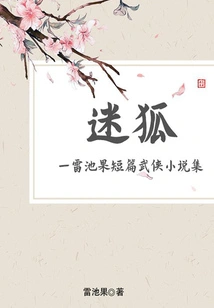
迷狐:雷池果短篇武侠小说集
Leichi Guo
Her last tear must have been a wish: if she had an afterlife, she would rather be an ordinary woman than a supernatural white fox.
Her last tear must have been a wish: if she had an afterlife, she would rather be an ordinary woman than a supernatural white fox.
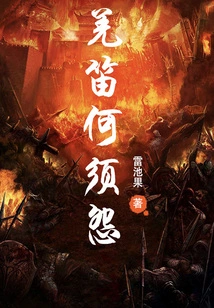
Why Complain About the Qiang Flute?
General Fiction羌笛何须怨
Leichi Guo
In the fourth year of Jianwen, Fang Xiaoru assisted Emperor Hui of the Ming Dynasty. During the Jingnan Rebellion, Li Jinglong opened the city gate and rebelled. Legend has it that Emperor Jianwen died in the fire and his two sons were missing. After Zhu Di came to the throne, Fang Xiaoru was executed by the entire family, implicating ten clans, and Nie Pingxuan's family was not spared. Nie Pingxuan changed his name to Nie Shan, stole Zhu Di's jade seal, and searched for Zhu Yunwen, hoping to overthrow Zhu Di and kill Li Jinglong for revenge. However, he was accidentally captured during a night raid on the palace and was let go by Yuan Congyou. However, Shi Ran used a trick. On the execution ground, Yuan Congyou mistakenly thought that Nie Shan had not escaped, and committed suicide in regret. Nie Shan's son Nie Jingtian was adopted by the legendary chef Bai Yishao. Bai Yishao was an expert in cooking and martial arts, but he was low-key and even Nie Jingtian didn't know that he had martial arts skills. When he was twelve years old, Nie Jingtian was inadvertently involved in a dispute between Jianghu and Jianghu, and was poisoned by a strange poison. Since then, he has been practicing under Bai Yishao to remove the poison. Unknowingly, his internal strength has improved, and his cooking skills have gradually become more and more perfect. Four years later, the dispute between the rivers and lakes fermented into a storm, which not only swept master and disciple Nie Jingtian into it, but also tore up a long-lasting secret.
In the fourth year of Jianwen, Fang Xiaoru assisted Emperor Hui of the Ming Dynasty. During the Jingnan Rebellion, Li Jinglong opened the city gate and rebelled. Legend has it that Emperor Jianwen died in the fire and his two sons were missing. After Zhu Di came to the throne, Fang Xiaoru was executed by the entire family, implicating ten clans, and Nie Pingxuan's family was not spared. Nie Pingxuan changed his name to Nie Shan, stole Zhu Di's jade seal, and searched for Zhu Yunwen, hoping to overthrow Zhu Di and kill Li Jinglong for revenge. However, he was accidentally captured during a night raid on the palace and was let go by Yuan Congyou. However, Shi Ran used a trick. On the execution ground, Yuan Congyou mistakenly thought that Nie Shan had not escaped, and committed suicide in regret. Nie Shan's son Nie Jingtian was adopted by the legendary chef Bai Yishao. Bai Yishao was an expert in cooking and martial arts, but he was low-key and even Nie Jingtian didn't know that he had martial arts skills. When he was twelve years old, Nie Jingtian was inadvertently involved in a dispute between Jianghu and Jianghu, and was poisoned by a strange poison. Since then, he has been practicing under Bai Yishao to remove the poison. Unknowingly, his internal strength has improved, and his cooking skills have gradually become more and more perfect. Four years later, the dispute between the rivers and lakes fermented into a storm, which not only swept master and disciple Nie Jingtian into it, but also tore up a long-lasting secret.
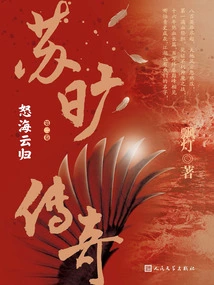
苏旷传奇(第二卷):怒海云归
Floating Lanterns
This is the second volume of the "Legend of Su Kuang" series. Conflicts are about to break out, and justice and evil are redefined. Su Kuang became a suspect of rebellion. He had no choice but to meet with the Shen brothers and sisters at Guyi Villa, and welcomed Ding Jie and Yun Xiaosha to discuss how to defeat the Yinsha Sect. As the story unfolded layer by layer, Su Kuang and others discovered that the Yinsha Sect was originally founded to build a new country, but as it grew and grew, it gradually deviated from its original intention and was spurned by the righteous martial arts as a demon sect. The Yinsha Sect had already begun to divide within itself. In the end, after a fierce conflict and differentiation, the Demon Sect disappeared, the Silver Sand Sect was reborn, and chivalry returned to a long period of peace. In this transformation of the martial arts world, Su Kuang also became a respected hero...
This is the second volume of the "Legend of Su Kuang" series. Conflicts are about to break out, and justice and evil are redefined. Su Kuang became a suspect of rebellion. He had no choice but to meet with the Shen brothers and sisters at Guyi Villa, and welcomed Ding Jie and Yun Xiaosha to discuss how to defeat the Yinsha Sect. As the story unfolded layer by layer, Su Kuang and others discovered that the Yinsha Sect was originally founded to build a new country, but as it grew and grew, it gradually deviated from its original intention and was spurned by the righteous martial arts as a demon sect. The Yinsha Sect had already begun to divide within itself. In the end, after a fierce conflict and differentiation, the Demon Sect disappeared, the Silver Sand Sect was reborn, and chivalry returned to a long period of peace. In this transformation of the martial arts world, Su Kuang also became a respected hero...
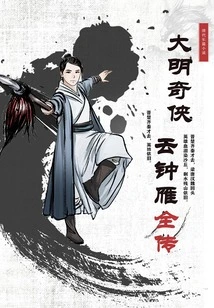
大明奇侠云钟雁全传
Anonymous
"The Complete Biography of Yun Zhongyan, a Chivalrous Hero of the Ming Dynasty" is a long chivalrous novel in the vernacular of the Qing Dynasty, also known as "The Biography of the Chivalrous Heroes of the Ming Dynasty," "The Biography of the Three Heroes of the Ming Dynasty, Yun Zhongyan," "The Biography of the Three Heroes of the Ming Dynasty," and "The Complete Biography of Yun Zhongyan's Three Trouble at Taipingzhuang." During the Tianqi period of the Ming Dynasty, Grand Master Yun Ding, Minister of Justice and Right Capital Censor Zhong Pei, and Jiumen Admiral Yan Ling were all upright and loyal. The three of them had good friendships and were called Yun Zhongyan. The uncle of the state, Diao Fa, relied on Jiao Fang's favor and was granted the title of Marquis of Taiping. He was given a Taiping Village, twelve miles away from the imperial city, and ordered that no civil or military ministers should enter without permission. Diao Fa is greedy for money and lust, and framed good people. The second son, Diao Hu, seized Yun Ding's daughter Su Hui and Wen Hanlin's daughter Cui Qiong. The three families of Yun, Zhong and Yan went to Taipingzhuang twice to recapture their two daughters. Finally, Yun and Zhongyan's children were ordered to go to Taipingzhuang to capture Diao Fa and his son and bring them to justice. The plot of the novel is quite complex, but the author captured several important characters and unfolded it through various relationships between these characters.
"The Complete Biography of Yun Zhongyan, a Chivalrous Hero of the Ming Dynasty" is a long chivalrous novel in the vernacular of the Qing Dynasty, also known as "The Biography of the Chivalrous Heroes of the Ming Dynasty," "The Biography of the Three Heroes of the Ming Dynasty, Yun Zhongyan," "The Biography of the Three Heroes of the Ming Dynasty," and "The Complete Biography of Yun Zhongyan's Three Trouble at Taipingzhuang." During the Tianqi period of the Ming Dynasty, Grand Master Yun Ding, Minister of Justice and Right Capital Censor Zhong Pei, and Jiumen Admiral Yan Ling were all upright and loyal. The three of them had good friendships and were called Yun Zhongyan. The uncle of the state, Diao Fa, relied on Jiao Fang's favor and was granted the title of Marquis of Taiping. He was given a Taiping Village, twelve miles away from the imperial city, and ordered that no civil or military ministers should enter without permission. Diao Fa is greedy for money and lust, and framed good people. The second son, Diao Hu, seized Yun Ding's daughter Su Hui and Wen Hanlin's daughter Cui Qiong. The three families of Yun, Zhong and Yan went to Taipingzhuang twice to recapture their two daughters. Finally, Yun and Zhongyan's children were ordered to go to Taipingzhuang to capture Diao Fa and his son and bring them to justice. The plot of the novel is quite complex, but the author captured several important characters and unfolded it through various relationships between these characters.
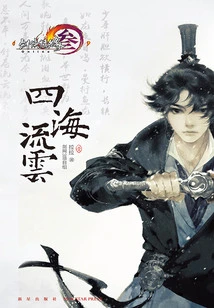
Flowing Clouds in the Four Seas (1)
General Fiction四海流云(壹)
Lala Jian Wang 3 Project Team
Siblings, rivals, benefactors, passers-by, enemies... Women, the undercurrent is turbulent, sweeping everything to an unknown distance. What will the young and passionate Xie Yunliu fight for? During the Shenlong period of Emperor Zhongzong of the Tang Dynasty, the world returned to the Li Tang Dynasty, but the emperor was ignorant and the queen was confused, and the world was still unstable in the struggle between the Wu family and the Li family. Heroes from all walks of life who coveted the power of the world fought openly and secretly, setting off bloody internal fights in the Daming Palace. Xie Yunliu, who had just entered a young age, came to the chaotic city of Chang'an with his passion. With the Chunyang secret knowledge, he came here for the more unpredictable realm of martial arts, but he stepped into the whirlpool of the royal family's struggle for power.
Siblings, rivals, benefactors, passers-by, enemies... Women, the undercurrent is turbulent, sweeping everything to an unknown distance. What will the young and passionate Xie Yunliu fight for? During the Shenlong period of Emperor Zhongzong of the Tang Dynasty, the world returned to the Li Tang Dynasty, but the emperor was ignorant and the queen was confused, and the world was still unstable in the struggle between the Wu family and the Li family. Heroes from all walks of life who coveted the power of the world fought openly and secretly, setting off bloody internal fights in the Daming Palace. Xie Yunliu, who had just entered a young age, came to the chaotic city of Chang'an with his passion. With the Chunyang secret knowledge, he came here for the more unpredictable realm of martial arts, but he stepped into the whirlpool of the royal family's struggle for power.
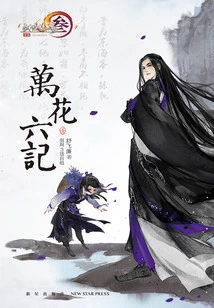
Six Notes of Ten Thousand Flowers (1)
General Fiction万花六记(壹)
Shu Feilian Jian Wang 3 Project Team
After the Anshi Rebellion, the Tang Dynasty flourished and then declined. Chang'an is in turmoil, and the once soft red streets, eight streets and nine roads have all disappeared. Refugees are everywhere, complaining of hunger and cold, all the way to the foot of Zhongnan Mountain... The four teenagers fled together to explore the Valley of Ten Thousand Flowers, a place where freedom of thought is the most common custom in the world. It is said that the Valley of Ten Thousand Flowers is full of rare treasures and secluded places. The Seven Saints of Ten Thousand Flowers are all amazing and talented, looking down upon the world. The owner of the valley, Dongfang Yuxuan, is a master of music, chess, calligraphy, painting, and medicine. The four young men drink yellow rice, recognize peonies, ride on Kunpeng, search for robes, and fight against the gods. They wander in the peach garden. After experiencing life, death and love, and dream-like tests one after another, they still have to face major choices in life...
After the Anshi Rebellion, the Tang Dynasty flourished and then declined. Chang'an is in turmoil, and the once soft red streets, eight streets and nine roads have all disappeared. Refugees are everywhere, complaining of hunger and cold, all the way to the foot of Zhongnan Mountain... The four teenagers fled together to explore the Valley of Ten Thousand Flowers, a place where freedom of thought is the most common custom in the world. It is said that the Valley of Ten Thousand Flowers is full of rare treasures and secluded places. The Seven Saints of Ten Thousand Flowers are all amazing and talented, looking down upon the world. The owner of the valley, Dongfang Yuxuan, is a master of music, chess, calligraphy, painting, and medicine. The four young men drink yellow rice, recognize peonies, ride on Kunpeng, search for robes, and fight against the gods. They wander in the peach garden. After experiencing life, death and love, and dream-like tests one after another, they still have to face major choices in life...
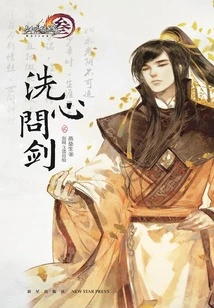
Clean the Heart and Ask the Sword (2)
General Fiction洗心问剑(贰)
Yan Leisheng Jian Wang 3 Project Team
In order to fulfill her promise to her old friend, Ye Ying embarked on the road to the Western Regions. At this time, Dunhuang City, as the gateway to the Western Regions, had become the front line for the Tang Dynasty and Tibet to compete for supremacy in the Hexi area. The storm is rising and the clouds are gathering. While Ye Ying was waiting for someone to join him at Leiyin Temple outside Dunhuang City, a Tibetan army launched a surprise attack here. Ye Ying inadvertently got involved in the battle for ancient secret treasures between the mysterious swordsmen of the Western Region and Bohai Kingdom. Trapped in intrigues and betrayals, and only able to fight with a pure heart, the talented swordsman from Jiangnan embarks on a new journey of training in the extreme realm.
In order to fulfill her promise to her old friend, Ye Ying embarked on the road to the Western Regions. At this time, Dunhuang City, as the gateway to the Western Regions, had become the front line for the Tang Dynasty and Tibet to compete for supremacy in the Hexi area. The storm is rising and the clouds are gathering. While Ye Ying was waiting for someone to join him at Leiyin Temple outside Dunhuang City, a Tibetan army launched a surprise attack here. Ye Ying inadvertently got involved in the battle for ancient secret treasures between the mysterious swordsmen of the Western Region and Bohai Kingdom. Trapped in intrigues and betrayals, and only able to fight with a pure heart, the talented swordsman from Jiangnan embarks on a new journey of training in the extreme realm.
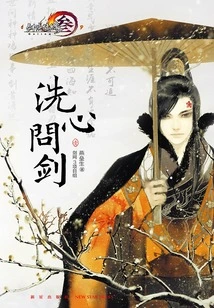
Clean the Heart and Ask the Sword (1)
General Fiction洗心问剑(壹)
Yan Leisheng Jian Wang 3 Project Team
Ye Ying, the eldest son of the Hidden Sword Villa of a martial arts family in Hangzhou, has been gifted with swordsmanship since he was a child, but was misunderstood by his father as having achieved nothing. When Ye Ying was fourteen years old, the Cangjian Villa held the second Famous Sword Festival. Gongsun Aunt Yiyinglou of Yangzhou, who had won the first famous sword competition, brought a girl named Li Twelve Niang to the meeting. Occasionally, Ye Ying obtained three profound sword intentions from Li Twelve Niang, and these sword intentions were closely related to the moves of the swordsman Tuoba Sinan... Five years later, Li Twelve Niang came to Hidden Sword Villa again to retrieve the dagger customized by Yi Ying Lou, and Ye Ying and her younger brother Ye Hui were responsible for escorting it. This trip, which they thought was a trivial matter, turned out to be unexpectedly thrilling. After rescuing an orphan girl named Su Su, they were attacked by a group of walking monks. At the critical moment, they were rescued by a mysterious young man who called himself "Lu Hao". Lu Hao is both a friend and an enemy, and Ye Ying unexpectedly discovers that Lu Hao's swordsmanship actually comes from the same source as what he learned from his sword intentions. And Ye Ying never thought that the group of walking monks who thought they were just ordinary bandits seemed to have a deeper conspiracy behind them, and the target was them...
Ye Ying, the eldest son of the Hidden Sword Villa of a martial arts family in Hangzhou, has been gifted with swordsmanship since he was a child, but was misunderstood by his father as having achieved nothing. When Ye Ying was fourteen years old, the Cangjian Villa held the second Famous Sword Festival. Gongsun Aunt Yiyinglou of Yangzhou, who had won the first famous sword competition, brought a girl named Li Twelve Niang to the meeting. Occasionally, Ye Ying obtained three profound sword intentions from Li Twelve Niang, and these sword intentions were closely related to the moves of the swordsman Tuoba Sinan... Five years later, Li Twelve Niang came to Hidden Sword Villa again to retrieve the dagger customized by Yi Ying Lou, and Ye Ying and her younger brother Ye Hui were responsible for escorting it. This trip, which they thought was a trivial matter, turned out to be unexpectedly thrilling. After rescuing an orphan girl named Su Su, they were attacked by a group of walking monks. At the critical moment, they were rescued by a mysterious young man who called himself "Lu Hao". Lu Hao is both a friend and an enemy, and Ye Ying unexpectedly discovers that Lu Hao's swordsmanship actually comes from the same source as what he learned from his sword intentions. And Ye Ying never thought that the group of walking monks who thought they were just ordinary bandits seemed to have a deeper conspiracy behind them, and the target was them...
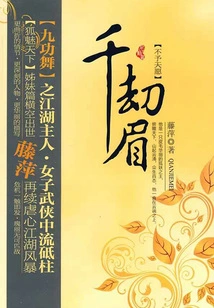
千劫眉(第四卷):不予天愿
Teng Ping
He is the king of fox demons with gorgeous fur. Looking down at the world, mountains are rising, clouds are rising, and all living beings are in various forms. He is always above the clouds. Liu Yan went to Li Renju in Jiaoyu Town to rescue Lin Bu and settled the dispute with a letter, but Xue Xianzi was accidentally captured by Ghost Mudan. When Gui Mudan threatened Liu Yan and asked the heads of each sect to abandon their martial arts, Tang Lizi appeared and led everyone to break out of the siege. Shen Langhun was rescued by Tang Lici, and together with Kuanglan Wuxing sneaked into Wangting Villa under that guidance. Kuang Lan Wuxing went on a killing spree and took Xue Tao away. Tang Lici went to Wangting Villa to look for that person and Shen Langhun, and met Gui Mudan, Zhu Yan, Yu Honghou and Fang Pingzhai. Everyone had their own plans, and a life and death battle was about to begin. When Tang Lici heard that she was in love with Fu Zhumei, she felt physically and mentally exhausted. Suddenly, she felt that Fang Zhou's heart stopped beating in her belly. He suspected that what was alive in his belly was not the heart of the Ark, but a parasitic fetus.
He is the king of fox demons with gorgeous fur. Looking down at the world, mountains are rising, clouds are rising, and all living beings are in various forms. He is always above the clouds. Liu Yan went to Li Renju in Jiaoyu Town to rescue Lin Bu and settled the dispute with a letter, but Xue Xianzi was accidentally captured by Ghost Mudan. When Gui Mudan threatened Liu Yan and asked the heads of each sect to abandon their martial arts, Tang Lizi appeared and led everyone to break out of the siege. Shen Langhun was rescued by Tang Lici, and together with Kuanglan Wuxing sneaked into Wangting Villa under that guidance. Kuang Lan Wuxing went on a killing spree and took Xue Tao away. Tang Lici went to Wangting Villa to look for that person and Shen Langhun, and met Gui Mudan, Zhu Yan, Yu Honghou and Fang Pingzhai. Everyone had their own plans, and a life and death battle was about to begin. When Tang Lici heard that she was in love with Fu Zhumei, she felt physically and mentally exhausted. Suddenly, she felt that Fang Zhou's heart stopped beating in her belly. He suspected that what was alive in his belly was not the heart of the Ark, but a parasitic fetus.
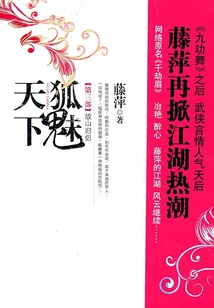
Thousand Tribulation Eyebrows (volume 3): the Old Couple in the Old Mountains of the Fox Charming World
General Fiction千劫眉(第三卷):狐魅天下之故山旧侣
Teng Ping
There are clouds in the sky, where is the top of the clouds? Blood in the crystal, what happens in the blood? Even if his life is underestimated, it is difficult to make a public comment. Yumei Dao, Yumei Dao? The immortal body, the body is really immortal? The destiny was lost step by step at that time. Chi Yun, who was highly poisoned, suddenly died under A Li's sword, causing an uproar in the world. After hearing the news, Xiao Fu, the master of Yumei Sword, went to Haoyun Mountain and accidentally rescued A Li from Dongfang Tao. He returned to Biluo Palace but was accidentally poisoned. Ah Yan, whose appearance has been ruined in martial arts, takes his disciples Fang Pingzhai and Yu Tuan'er to Songshan Mountain to destroy Master Puzhu and win the abbotship. However, they happen to meet the handsome and handsome Biluo Palace Master Wanyu Yuedan, and the Shaolin Abbot Conference has twists and turns. In order to save her friend Xiao Fu, Ah Li went to the palace alone to steal the only antidote, "Green Charm". Unexpectedly, she was chased by the owner of a romantic shop. Ah Yan's identity is exposed, and the seventeen Shaolin monks and the owners of the romantic shop compete for it, but Ah Li rescues him. However, at Shui Duopo's place, Ah Yan learned that what was waiting for Ah Li was death...
There are clouds in the sky, where is the top of the clouds? Blood in the crystal, what happens in the blood? Even if his life is underestimated, it is difficult to make a public comment. Yumei Dao, Yumei Dao? The immortal body, the body is really immortal? The destiny was lost step by step at that time. Chi Yun, who was highly poisoned, suddenly died under A Li's sword, causing an uproar in the world. After hearing the news, Xiao Fu, the master of Yumei Sword, went to Haoyun Mountain and accidentally rescued A Li from Dongfang Tao. He returned to Biluo Palace but was accidentally poisoned. Ah Yan, whose appearance has been ruined in martial arts, takes his disciples Fang Pingzhai and Yu Tuan'er to Songshan Mountain to destroy Master Puzhu and win the abbotship. However, they happen to meet the handsome and handsome Biluo Palace Master Wanyu Yuedan, and the Shaolin Abbot Conference has twists and turns. In order to save her friend Xiao Fu, Ah Li went to the palace alone to steal the only antidote, "Green Charm". Unexpectedly, she was chased by the owner of a romantic shop. Ah Yan's identity is exposed, and the seventeen Shaolin monks and the owners of the romantic shop compete for it, but Ah Li rescues him. However, at Shui Duopo's place, Ah Yan learned that what was waiting for Ah Li was death...
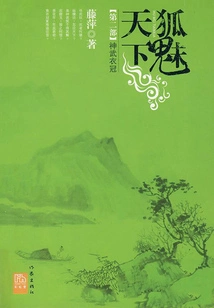
千劫眉(第二卷):狐魅天下之神武衣冠
Teng Ping
Tang Li was seriously injured and went to Haoyun Mountain to take charge of the overall situation of the world. The Taoyi woman who goes by the pseudonym "Western Peach" entered the core of the Central Plains Sword Association through her close relationship with Master Puzhu. Shen Langhun suddenly took the failed Liu Yan away, disfiguring Liu Yan and losing his martial arts and feet. Yu Tuan'er believed that Liu Yan had a way to restore her appearance, but Liu Yan loved the maid deeply and did not take Yu Tuan'er to heart. Tang Lizi's words were quite ambiguous, but she felt that she belonged, so she declined politely. Chi Yun fell into the enemy's hands and was poisoned by a shocking poison. Tang Li Ci risked his life to rescue him, and encountered many dangers in Camellia Prison. Miss Hong, the female strategist from the romantic shop, went to Biluo Palace, pretending to be a woman in distress, with the intention of getting close to Wan Yuedan...
Tang Li was seriously injured and went to Haoyun Mountain to take charge of the overall situation of the world. The Taoyi woman who goes by the pseudonym "Western Peach" entered the core of the Central Plains Sword Association through her close relationship with Master Puzhu. Shen Langhun suddenly took the failed Liu Yan away, disfiguring Liu Yan and losing his martial arts and feet. Yu Tuan'er believed that Liu Yan had a way to restore her appearance, but Liu Yan loved the maid deeply and did not take Yu Tuan'er to heart. Tang Lizi's words were quite ambiguous, but she felt that she belonged, so she declined politely. Chi Yun fell into the enemy's hands and was poisoned by a shocking poison. Tang Li Ci risked his life to rescue him, and encountered many dangers in Camellia Prison. Miss Hong, the female strategist from the romantic shop, went to Biluo Palace, pretending to be a woman in distress, with the intention of getting close to Wan Yuedan...
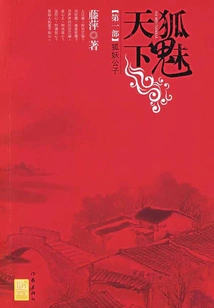
千劫眉(第一卷):狐魅天下之狐妖公子
Teng Ping
The heroine Zhong Chunji discovers the body of the young hero Shi Tinghe at the edge of Xiaoyan Lake, uncovering the shady story of the rivers and lakes. Tang Lizi, the adopted son of the emperor of the current dynasty, was involved in investigating the matter and discovered that Yu Qifeng, the sword king of the Central Plains Sword Club, was involved in selling banned drugs. Tang Lizi led people to break into the Yu Family Sword Manor, resulting in the tragic result of the death of the sword king and the destruction of the sword manor. In order to avoid being chased by Jianghu Baidao, Tang Lici led people to avoid Mao Ya Peak. On the cliff of Qingshan, Tang Lizi and Liu Yan, the owner of the romantic shop, met for the first time. It turned out that Tang Lizi and Liu Yan were both members of the modern pop band "Bronze Flute". Because they competed for the position of lead singer, Tang Lizi and other members had a conflict. When they planned to commit suicide by electrocution, they triggered a wormhole effect, causing the four of them to travel through time and space to ancient times. In the hard life of ancient times, Fang Zhou died unfortunately. Liu Yan blamed Tang Lici for Fang Zhou's death and left with hatred. When we meet again after a few years, Tang Lizi is already the leader of Jianghu Baidao, and Liu Yan is the leader of the cult. In order to have a faint hope of saving Fang Zhou's life, Tang Lici traveled far to the mountains in the south, suffering from fire, poisonous snakes, hidden weapons and even dissipation of martial arts, etc., And finally found Fang Zhou's body.
The heroine Zhong Chunji discovers the body of the young hero Shi Tinghe at the edge of Xiaoyan Lake, uncovering the shady story of the rivers and lakes. Tang Lizi, the adopted son of the emperor of the current dynasty, was involved in investigating the matter and discovered that Yu Qifeng, the sword king of the Central Plains Sword Club, was involved in selling banned drugs. Tang Lizi led people to break into the Yu Family Sword Manor, resulting in the tragic result of the death of the sword king and the destruction of the sword manor. In order to avoid being chased by Jianghu Baidao, Tang Lici led people to avoid Mao Ya Peak. On the cliff of Qingshan, Tang Lizi and Liu Yan, the owner of the romantic shop, met for the first time. It turned out that Tang Lizi and Liu Yan were both members of the modern pop band "Bronze Flute". Because they competed for the position of lead singer, Tang Lizi and other members had a conflict. When they planned to commit suicide by electrocution, they triggered a wormhole effect, causing the four of them to travel through time and space to ancient times. In the hard life of ancient times, Fang Zhou died unfortunately. Liu Yan blamed Tang Lici for Fang Zhou's death and left with hatred. When we meet again after a few years, Tang Lizi is already the leader of Jianghu Baidao, and Liu Yan is the leader of the cult. In order to have a faint hope of saving Fang Zhou's life, Tang Lici traveled far to the mountains in the south, suffering from fire, poisonous snakes, hidden weapons and even dissipation of martial arts, etc., And finally found Fang Zhou's body.
Five Gods and Twelve Cities
General Fiction五神十二城
Dead Wood
Lady Jiang led the two saint ancestors of the human race to drive away the evil spirits and left the Twelve Cities. Thousands of years later, the plague, a companion of evil spirits, was suspected to have arrived in Zhelan City. As a descendant of the holy ancestor Bai Tu, Bai Xiaolou stepped into this whirlpool in order to find the fate of Bai Tu.
Lady Jiang led the two saint ancestors of the human race to drive away the evil spirits and left the Twelve Cities. Thousands of years later, the plague, a companion of evil spirits, was suspected to have arrived in Zhelan City. As a descendant of the holy ancestor Bai Tu, Bai Xiaolou stepped into this whirlpool in order to find the fate of Bai Tu.
Flower Banquet
General Fiction花儿宴
Xijiang Qingyue
Being in Jianghu, Jianghu is a magical world! Fast and ruthless, love and hatred! Drink the strongest wine and enjoy the most beautiful flower feast! Understand the deepest feelings of children! The end of a period of infatuated lovesickness! The world's delicious flower feast, the world's weapon Lu Ming Dao! The sword is a legend, and so are the people!
Being in Jianghu, Jianghu is a magical world! Fast and ruthless, love and hatred! Drink the strongest wine and enjoy the most beautiful flower feast! Understand the deepest feelings of children! The end of a period of infatuated lovesickness! The world's delicious flower feast, the world's weapon Lu Ming Dao! The sword is a legend, and so are the people!
Heroine
General Fiction巾帼枭雄
Pattaya
Once you become a Taoist, you will be a thief all your life. A young woman wanders around the world, gathers followers and whistles, uses the power to swagger. It is hard to disobey the destiny. When you say it, it will come to an end. The Taoist thieves will end, and the monkey will run away and the tree will fall... It is not yours, and you can't get it. In the reincarnation of cause and effect, things in this world are unpredictable. It is not that they are not repaid. The time has not come yet, but when the time comes, everything will be repaid.
Once you become a Taoist, you will be a thief all your life. A young woman wanders around the world, gathers followers and whistles, uses the power to swagger. It is hard to disobey the destiny. When you say it, it will come to an end. The Taoist thieves will end, and the monkey will run away and the tree will fall... It is not yours, and you can't get it. In the reincarnation of cause and effect, things in this world are unpredictable. It is not that they are not repaid. The time has not come yet, but when the time comes, everything will be repaid.
古代经典故事库:雍正剑侠图(中)
J
"Yongzheng Swordsman Picture" is a long and short chivalrous storytelling created by Chang Jason, a famous storytelling writer in the Republic of China. It is divided into three volumes: upper, middle and lower, with a total of 75 chapters. The story takes place in the late Kangxi period of the Qing Dynasty. It mainly tells the story of Tong Lin, who was upright by nature and had a grudge against the Green Grass Snake King San due to a card fight. He accidentally injured his father and walked into the barren mountain by mistake. Later, he studied under a master and practiced martial arts day and night for fifteen years. By chance, Tong Lin was spotted by Prince Yinzhenyong, the fourth prince of Emperor Kangxi. During his service, he conquered Juying Mountain. Kangxi's Wuying Palace held a map of swordsmen, and he was awarded the title of Eight Swordsmen, Eight Swordsmen, and thirty-six knights. Tong Lin finally founded the Wuji Sect and retired to the mountains and forests. This book is the middle volume of "Yongzheng Swordsman Pictures". It includes content from "The 26th chapter of Ganjiabao True and False Tonglinhui, the little knight meets Wang Shigu" to "The 38th chapter of the vow to work together to explore Linglong Island at night, and the lucky chance to meet the mentor".
"Yongzheng Swordsman Picture" is a long and short chivalrous storytelling created by Chang Jason, a famous storytelling writer in the Republic of China. It is divided into three volumes: upper, middle and lower, with a total of 75 chapters. The story takes place in the late Kangxi period of the Qing Dynasty. It mainly tells the story of Tong Lin, who was upright by nature and had a grudge against the Green Grass Snake King San due to a card fight. He accidentally injured his father and walked into the barren mountain by mistake. Later, he studied under a master and practiced martial arts day and night for fifteen years. By chance, Tong Lin was spotted by Prince Yinzhenyong, the fourth prince of Emperor Kangxi. During his service, he conquered Juying Mountain. Kangxi's Wuying Palace held a map of swordsmen, and he was awarded the title of Eight Swordsmen, Eight Swordsmen, and thirty-six knights. Tong Lin finally founded the Wuji Sect and retired to the mountains and forests. This book is the middle volume of "Yongzheng Swordsman Pictures". It includes content from "The 26th chapter of Ganjiabao True and False Tonglinhui, the little knight meets Wang Shigu" to "The 38th chapter of the vow to work together to explore Linglong Island at night, and the lucky chance to meet the mentor".
古代经典故事库:雍正剑侠图(下)
J
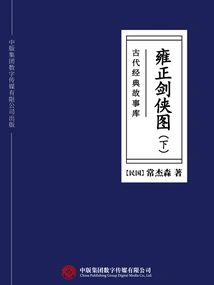
"Yongzheng Swordsman Picture" is a long and short chivalrous storytelling created by Chang Jason, a famous storytelling writer in the Republic of China. It is divided into three volumes: upper, middle and lower, with a total of 75 chapters. The story takes place in the late Kangxi period of the Qing Dynasty. It mainly tells the story of Tong Lin, who was upright by nature and had a grudge against the Green Grass Snake King San due to a card fight. He accidentally injured his father and walked into the barren mountain by mistake. Later, he studied under a master and practiced martial arts day and night for fifteen years. By chance, Tong Lin was spotted by Prince Yinzhenyong, the fourth prince of Emperor Kangxi. During his service, he conquered Juying Mountain. Kangxi's Wuying Palace held a map of swordsmen, and he was awarded the title of Eight Swordsmen, Eight Swordsmen, and thirty-six knights. Tong Lin finally founded the Wuji Sect and retired to the mountains and forests. This book is the second volume of "Yongzheng Swordsman Pictures". It includes content from "The 39th episode of the Four Musketeers meeting to defeat Linglong Island, the Western hero sneaking into the river to capture the second child" to "The 75th chapter with Tong Haichuan's pair of axes defeating three bandits and the Western hero defeating the Five Tigers with his iron palm."
"Yongzheng Swordsman Picture" is a long and short chivalrous storytelling created by Chang Jason, a famous storytelling writer in the Republic of China. It is divided into three volumes: upper, middle and lower, with a total of 75 chapters. The story takes place in the late Kangxi period of the Qing Dynasty. It mainly tells the story of Tong Lin, who was upright by nature and had a grudge against the Green Grass Snake King San due to a card fight. He accidentally injured his father and walked into the barren mountain by mistake. Later, he studied under a master and practiced martial arts day and night for fifteen years. By chance, Tong Lin was spotted by Prince Yinzhenyong, the fourth prince of Emperor Kangxi. During his service, he conquered Juying Mountain. Kangxi's Wuying Palace held a map of swordsmen, and he was awarded the title of Eight Swordsmen, Eight Swordsmen, and thirty-six knights. Tong Lin finally founded the Wuji Sect and retired to the mountains and forests. This book is the second volume of "Yongzheng Swordsman Pictures". It includes content from "The 39th episode of the Four Musketeers meeting to defeat Linglong Island, the Western hero sneaking into the river to capture the second child" to "The 75th chapter with Tong Haichuan's pair of axes defeating three bandits and the Western hero defeating the Five Tigers with his iron palm."
古代经典故事库:雍正剑侠图(上)
J
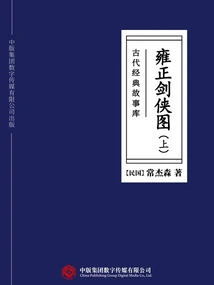
"Yongzheng Swordsman Picture" is a long and short chivalrous storytelling created by Chang Jason, a famous storytelling writer in the Republic of China. It is divided into three volumes: upper, middle and lower, with a total of 75 chapters. The story takes place in the late Kangxi period of the Qing Dynasty. It mainly tells the story of Tong Lin, who was upright by nature and had a grudge against the Green Grass Snake King San due to a card fight. He accidentally injured his father and walked into the barren mountain by mistake. Later, he studied under a master and practiced martial arts day and night for fifteen years. By chance, Tong Lin was spotted by Prince Yinzhenyong, the fourth prince of Emperor Kangxi. During his service, he conquered Juying Mountain. Kangxi's Wuying Palace held a map of swordsmen, and he was awarded the title of Eight Swordsmen, Eight Swordsmen, and thirty-six knights. Tong Lin finally founded the Wuji Sect and retired to the mountains and forests. This book is the first volume of "Yongzheng Swordsman Pictures". It includes content from "The first chapter avoids strict family and fear of crime and travels to a foreign country to go into the mountains and encounters a swordsman on a lonely road" to "the twenty-fifth chapter invites all the heroes from Ganjiabao to visit Ganfengchi".
"Yongzheng Swordsman Picture" is a long and short chivalrous storytelling created by Chang Jason, a famous storytelling writer in the Republic of China. It is divided into three volumes: upper, middle and lower, with a total of 75 chapters. The story takes place in the late Kangxi period of the Qing Dynasty. It mainly tells the story of Tong Lin, who was upright by nature and had a grudge against the Green Grass Snake King San due to a card fight. He accidentally injured his father and walked into the barren mountain by mistake. Later, he studied under a master and practiced martial arts day and night for fifteen years. By chance, Tong Lin was spotted by Prince Yinzhenyong, the fourth prince of Emperor Kangxi. During his service, he conquered Juying Mountain. Kangxi's Wuying Palace held a map of swordsmen, and he was awarded the title of Eight Swordsmen, Eight Swordsmen, and thirty-six knights. Tong Lin finally founded the Wuji Sect and retired to the mountains and forests. This book is the first volume of "Yongzheng Swordsman Pictures". It includes content from "The first chapter avoids strict family and fear of crime and travels to a foreign country to go into the mountains and encounters a swordsman on a lonely road" to "the twenty-fifth chapter invites all the heroes from Ganjiabao to visit Ganfengchi".
Master is Lonely, Please Watch Me
General Fiction师父寂寞,求围观
Zhang Wuji
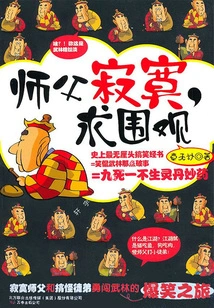
This book is a humorous martial arts novel. In order to become famous overnight and stand out, Zhang Wuji, who was inexperienced in the world, traveled around the world under the arrangement of his master, trying his best to find a martial arts secret book called "Nine Yin Manual". According to legend, the "Nine Yin Manual" has nine deadly moves and is the most effective means of publicity. Once mastered, it will become famous all over the world. But when Zhang Wuji reached the last move, the scene in front of him stunned him...
This book is a humorous martial arts novel. In order to become famous overnight and stand out, Zhang Wuji, who was inexperienced in the world, traveled around the world under the arrangement of his master, trying his best to find a martial arts secret book called "Nine Yin Manual". According to legend, the "Nine Yin Manual" has nine deadly moves and is the most effective means of publicity. Once mastered, it will become famous all over the world. But when Zhang Wuji reached the last move, the scene in front of him stunned him...
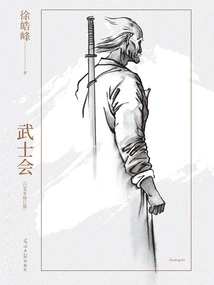
Samurai Association (revised Edition in Jihai Year)
General Fiction武士会(己亥年修订版)
Xu Haofeng
At the end of the Qing Dynasty and the beginning of the Republic of China, Li Cunyi, the first generation master of Xingyiquan, did three things: merged Shanxi and Hebei Xingyi into one school; combined Xingyiquan and Baguazhang into one school; founded the "Chinese Warrior Association" and merged the northern martial arts. Li Cunyi and Cheng Tinghua are good friends, and Cheng Tinghua is a master of Baguazhang. When the Eight-Power Allied Forces invaded Beijing, the two of them were in their fifties. They did the same thing: they walked around the houses carrying knives. When they saw lone foreign soldiers, they jumped down and chopped them down. Based on this historical anecdote, "The Samurai Society" describes the story of Li Zunwu, a folk martial artist who adheres to the teachings of not starting a family, not keeping money, and not teaching apprentices. He practices hard as a solitary, but encounters the Eight-Power Allied Forces' sacking of Beijing. Starting from one person's resistance, after ten years of pain and changes in life, he reaches the pinnacle of martial arts and becomes a legend of a generation of martial arts master. This reveals the civil structure of the Qing Dynasty, the contingency changes between Manchu and Han Dynasties, and the hidden political and religious situations.
At the end of the Qing Dynasty and the beginning of the Republic of China, Li Cunyi, the first generation master of Xingyiquan, did three things: merged Shanxi and Hebei Xingyi into one school; combined Xingyiquan and Baguazhang into one school; founded the "Chinese Warrior Association" and merged the northern martial arts. Li Cunyi and Cheng Tinghua are good friends, and Cheng Tinghua is a master of Baguazhang. When the Eight-Power Allied Forces invaded Beijing, the two of them were in their fifties. They did the same thing: they walked around the houses carrying knives. When they saw lone foreign soldiers, they jumped down and chopped them down. Based on this historical anecdote, "The Samurai Society" describes the story of Li Zunwu, a folk martial artist who adheres to the teachings of not starting a family, not keeping money, and not teaching apprentices. He practices hard as a solitary, but encounters the Eight-Power Allied Forces' sacking of Beijing. Starting from one person's resistance, after ten years of pain and changes in life, he reaches the pinnacle of martial arts and becomes a legend of a generation of martial arts master. This reveals the civil structure of the Qing Dynasty, the contingency changes between Manchu and Han Dynasties, and the hidden political and religious situations.
Belarusian Hercules
General Fiction白俄大力士
Xu Haofeng
"The Belarusian Hercules" begins with the story of the Tianjin Wushu Organization's "Guoshu Practice Association" organizing a challenge to the Belarusian Hercules Niknov in 1916, interspersed with the story of the grandson of Gao Qingzhu, the martial artist who defeated Niknov in 1979. The story of first love combines the Chinese people's attachment to "foreigners" with martial arts movies, martial arts anecdotes, and stories of youth in the 1980s over a historical span of more than half a century and four generations, and depicts an interesting "hidden history."
"The Belarusian Hercules" begins with the story of the Tianjin Wushu Organization's "Guoshu Practice Association" organizing a challenge to the Belarusian Hercules Niknov in 1916, interspersed with the story of the grandson of Gao Qingzhu, the martial artist who defeated Niknov in 1979. The story of first love combines the Chinese people's attachment to "foreigners" with martial arts movies, martial arts anecdotes, and stories of youth in the 1980s over a historical span of more than half a century and four generations, and depicts an interesting "hidden history."
Chaos in Chang'an
General Fiction长安乱
Han Han
The martial arts world was in turmoil. In order to cover up the truth, the imperial court sat idly by and turned a blind eye. For a time, powerful powers emerged to compete for the throne of the martial arts leader. The first to bear the brunt were the two martial arts sects, Shaolin and Wudang. In the Shaolin sect, there is a young man who entered Shaolin at the age of five. This young man has extraordinary talents, different talents, and is cynical. In the turbulent grievances and grievances in the world, he has witnessed too many sect vendettas since he was a child. When he was eighteen years old, he came down from the mountain to explore the world, and a mysterious old man changed his life. He got the rare weapon of the world presented by the old man, and used it to win the title of leader of the martial arts alliance. But he finally chose to live in seclusion in the mountains and forests. What is it that determines the fate of a young man? What is it that makes this young man relieved and cherishes the most?
The martial arts world was in turmoil. In order to cover up the truth, the imperial court sat idly by and turned a blind eye. For a time, powerful powers emerged to compete for the throne of the martial arts leader. The first to bear the brunt were the two martial arts sects, Shaolin and Wudang. In the Shaolin sect, there is a young man who entered Shaolin at the age of five. This young man has extraordinary talents, different talents, and is cynical. In the turbulent grievances and grievances in the world, he has witnessed too many sect vendettas since he was a child. When he was eighteen years old, he came down from the mountain to explore the world, and a mysterious old man changed his life. He got the rare weapon of the world presented by the old man, and used it to win the title of leader of the martial arts alliance. But he finally chose to live in seclusion in the mountains and forests. What is it that determines the fate of a young man? What is it that makes this young man relieved and cherishes the most?
Quantum Jianghu (all 3 Volumes)
General Fiction量子江湖(全3册)
Chen Huan
During the Xuanyuan Dynasty, martial arts held a high status. Shaolin, Wudang, Emei, and Yanziwu all became highly modern martial arts academies, offering departments such as palm skills, swordsmanship, concealed weapons, and pharmacology. Generations of students learned martial arts knowledge and martial arts moves under the framework of Zhang Sanfeng's martial arts theorems. After graduation, they became outstanding talents favored by the court, banks, private gangs, and workshops. Zhou Yuan is a fresh graduate of Yanziwu University who is proficient in martial arts theory but lacks the talent to practice martial arts. Just when he was worrying about finding a job and applying for graduate school, he was caught off guard and involved in a conspiracy against the entire world... After experiencing a series of tests of good and evil, friendship, and life and death, Zhou Yuan got rid of the shackles of Zhang Sanfeng's martial arts theoretical framework and founded a brand new martial arts school - Quantum Martial Arts, resolving the crisis in two thousand-year-old martial arts schools and the entire city of Suzhou. However, the darkest era of martial arts has just begun, and what awaits Zhou Yuan will be a path of exploration full of dangers and puzzles...
During the Xuanyuan Dynasty, martial arts held a high status. Shaolin, Wudang, Emei, and Yanziwu all became highly modern martial arts academies, offering departments such as palm skills, swordsmanship, concealed weapons, and pharmacology. Generations of students learned martial arts knowledge and martial arts moves under the framework of Zhang Sanfeng's martial arts theorems. After graduation, they became outstanding talents favored by the court, banks, private gangs, and workshops. Zhou Yuan is a fresh graduate of Yanziwu University who is proficient in martial arts theory but lacks the talent to practice martial arts. Just when he was worrying about finding a job and applying for graduate school, he was caught off guard and involved in a conspiracy against the entire world... After experiencing a series of tests of good and evil, friendship, and life and death, Zhou Yuan got rid of the shackles of Zhang Sanfeng's martial arts theoretical framework and founded a brand new martial arts school - Quantum Martial Arts, resolving the crisis in two thousand-year-old martial arts schools and the entire city of Suzhou. However, the darkest era of martial arts has just begun, and what awaits Zhou Yuan will be a path of exploration full of dangers and puzzles...
The Sequel to Shushan Swordsman
General Fiction蜀山剑侠后传
The Owner Of Huanzhu
The content of this book is connected with "The Legend of Shushan Swordsman". According to the author's original plan, the book was named "The Sequel to the Legend of Shushan Swordsman", and the story continued from the thirty-seventh episode (i. E. Chapter 258) of "The Legend of Shushan Swordsman". Later, due to the creation of "The Legend of Shushan Swordsman", the book was terminated after publishing three volumes and nine chapters. This book follows the story told in the last chapter of "The Legend of Shushan Swordsman" that the goddess Yijing accidentally entered the new demon palace of Jiu Panpo, the naked leader Jiu Panpo, and was trapped by magic for Zhao Changsu, the chief culprit of the demon-chasing sect. It developed towards "Three Emei Sword Fights". It is a wonderful novel.
The content of this book is connected with "The Legend of Shushan Swordsman". According to the author's original plan, the book was named "The Sequel to the Legend of Shushan Swordsman", and the story continued from the thirty-seventh episode (i. E. Chapter 258) of "The Legend of Shushan Swordsman". Later, due to the creation of "The Legend of Shushan Swordsman", the book was terminated after publishing three volumes and nine chapters. This book follows the story told in the last chapter of "The Legend of Shushan Swordsman" that the goddess Yijing accidentally entered the new demon palace of Jiu Panpo, the naked leader Jiu Panpo, and was trapped by magic for Zhao Changsu, the chief culprit of the demon-chasing sect. It developed towards "Three Emei Sword Fights". It is a wonderful novel.
The Legend of Lonely Heroes
General Fiction孤侠传
Zhao Xiangyi
This book tells the story of Huo Yuheng who experienced the destruction of the Huo family, went to Tianyang Mountain to become a disciple, avenged the Huo family, walked out of Tianyang Mountain, and then wandered in the world, understood the meaning of a lone hero, and became a generation of lone heroes.
This book tells the story of Huo Yuheng who experienced the destruction of the Huo family, went to Tianyang Mountain to become a disciple, avenged the Huo family, walked out of Tianyang Mountain, and then wandered in the world, understood the meaning of a lone hero, and became a generation of lone heroes.
梁羽生武侠作品全集(共34本)
Liang Yusheng
Thirty-four classic works by Liang Yusheng, the founder of new martial arts novels. Compare the Hong Kong newspaper serialization and other versions to check for omissions and fill in the gaps. Including: "The Legend of the Empress", "The Legend of the Knights of the Tang Dynasty", "The Fate of the Dragon and the Phoenix", "The Demon in the Heart", "The Prodigy of Martial Arts", "The Flying Phoenix and the Hidden Dragon", "The Proud Witch", "The Great Wind"...
Thirty-four classic works by Liang Yusheng, the founder of new martial arts novels. Compare the Hong Kong newspaper serialization and other versions to check for omissions and fill in the gaps. Including: "The Legend of the Empress", "The Legend of the Knights of the Tang Dynasty", "The Fate of the Dragon and the Phoenix", "The Demon in the Heart", "The Prodigy of Martial Arts", "The Flying Phoenix and the Hidden Dragon", "The Proud Witch", "The Great Wind"...
Qianmen·the Legend of Yunxiang (the Original Work of "the Legend of Yunxiang: Will Enter the Wine" Starring Chen Xiao and Mao Xiaotong)
General Fiction千门·云襄传(陈晓、毛晓彤主演《云襄传之将进酒》原著)
Fang Baiyu
In order to build a racecourse and make money, the Nangong family, which is very powerful in the world, intends to take Luojiazhuang as its own, and plans to seize the fiancée of Luo Wenjia, a scholar in Luojiazhuang. Luo Wenjia resisted desperately and appealed to the government. Unexpectedly, the Nangong family secretly colluded with the local prefect, and he was framed and sent to the Gobi Desert for mining. By coincidence, Luo Wenjia learned the "Secret Code of Thousand Sects" from Yun Xiaofeng, a senior of Qian Sect, and inherited the position of the leader of Qian Sect, changing his name to Yun Xiang. A battle of wits! Since then, it has been spread in the world: There is a young master from thousands of families, who has a wonderful and exquisite heart; he turns his hand to make clouds, and he turns his hand to determine the world.
In order to build a racecourse and make money, the Nangong family, which is very powerful in the world, intends to take Luojiazhuang as its own, and plans to seize the fiancée of Luo Wenjia, a scholar in Luojiazhuang. Luo Wenjia resisted desperately and appealed to the government. Unexpectedly, the Nangong family secretly colluded with the local prefect, and he was framed and sent to the Gobi Desert for mining. By coincidence, Luo Wenjia learned the "Secret Code of Thousand Sects" from Yun Xiaofeng, a senior of Qian Sect, and inherited the position of the leader of Qian Sect, changing his name to Yun Xiang. A battle of wits! Since then, it has been spread in the world: There is a young master from thousands of families, who has a wonderful and exquisite heart; he turns his hand to make clouds, and he turns his hand to determine the world.
The First General of the Three Kingdoms (volume 1)
General Fiction三国第一将军(第1卷)
Hunter In The Jungle
Zhang Meng, the commander of a small Danqukou Post Pavilion, worked hard and was re-employed. From then on, he made great plans, surrendered Sima Yi, formed an alliance with the Western Qiang Kingdom, conquered Chang'an, moved the capital to Wei, took over Liangzhou, regained Luoyang... And finally became the most powerful general in the Three Kingdoms. Different time travel, different Three Kingdoms, different stories.
Zhang Meng, the commander of a small Danqukou Post Pavilion, worked hard and was re-employed. From then on, he made great plans, surrendered Sima Yi, formed an alliance with the Western Qiang Kingdom, conquered Chang'an, moved the capital to Wei, took over Liangzhou, regained Luoyang... And finally became the most powerful general in the Three Kingdoms. Different time travel, different Three Kingdoms, different stories.
The First General of the Three Kingdoms (volume 2)
General Fiction三国第一将军(第2卷)
Hunter In The Jungle
Zhang Meng, the commander of a small Danqukou Post Pavilion, worked hard and was re-employed. From then on, he made great plans, surrendered Sima Yi, formed an alliance with the Western Qiang Kingdom, conquered Chang'an, moved the capital to Wei, took over Liangzhou, regained Luoyang... And finally became the most powerful general in the Three Kingdoms. Different time travel, different Three Kingdoms, different stories.
Zhang Meng, the commander of a small Danqukou Post Pavilion, worked hard and was re-employed. From then on, he made great plans, surrendered Sima Yi, formed an alliance with the Western Qiang Kingdom, conquered Chang'an, moved the capital to Wei, took over Liangzhou, regained Luoyang... And finally became the most powerful general in the Three Kingdoms. Different time travel, different Three Kingdoms, different stories.