Library
Browse and search books
3,417 novels found
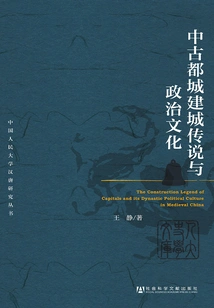
中古都城建城传说与政治文化(中国人民大学汉唐研究丛书)
Wang Jing
What does a capital city mean in medieval China? How is it intrinsically related to the emperor and imperial power? In traditional political culture and even the cosmic order, how do these two construct inherent necessity? A destiny-destined regime requires a destined capital, whose establishment must be both rooted in tradition and tailor-made for the dynasty's destiny. In short, the location, planning and specific organizational structure of the capital, in addition to combining the actual political needs of the dynasty, also reflected its sanctity and legitimacy through layout and symbols, which were the embodiment of the political culture of the dynasty. Therefore, the rulers of the empire and the planners and implementers of the capital, by "looking up at the astronomy and looking down at the geography", cleverly used prophecies, myths, and even astronomical elements to simultaneously construct the central position of the imperial capital in the world's political order and cosmic system, and eventually became the "residence of the emperor." All of this was accumulated when the medieval imperial capitals were first built, and became the genes for their capital status.
What does a capital city mean in medieval China? How is it intrinsically related to the emperor and imperial power? In traditional political culture and even the cosmic order, how do these two construct inherent necessity? A destiny-destined regime requires a destined capital, whose establishment must be both rooted in tradition and tailor-made for the dynasty's destiny. In short, the location, planning and specific organizational structure of the capital, in addition to combining the actual political needs of the dynasty, also reflected its sanctity and legitimacy through layout and symbols, which were the embodiment of the political culture of the dynasty. Therefore, the rulers of the empire and the planners and implementers of the capital, by "looking up at the astronomy and looking down at the geography", cleverly used prophecies, myths, and even astronomical elements to simultaneously construct the central position of the imperial capital in the world's political order and cosmic system, and eventually became the "residence of the emperor." All of this was accumulated when the medieval imperial capitals were first built, and became the genes for their capital status.
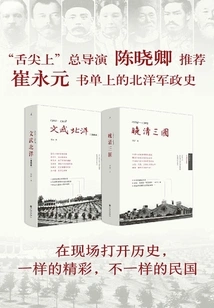
晚清三国+文武北洋(李洁实地历史系列)
Li Jie
"On-the-ground history", on-the-spot exploration of China and powerful countries before and after a hundred years, and unfolding history on the spot! Regarding "World War Zero", it is also based on a war record that has not been broken so far, that is, there are no victors and defeated countries in the legal sense between the warring parties! The Russo-Japanese War more than 100 years ago incubated the emergence of various ideologies and political factions in the late Qing Dynasty, accelerated the disintegration of the empire, and greatly changed the political ecology of China and even East Asia, and its influence continues to this day. Looking back at this period of history, Russia may have forgotten it, while Japan may have beautified it. This is a new work written by the Chinese themselves that strives to restore the political ecology of the year and the world's geopolitical pattern.
"On-the-ground history", on-the-spot exploration of China and powerful countries before and after a hundred years, and unfolding history on the spot! Regarding "World War Zero", it is also based on a war record that has not been broken so far, that is, there are no victors and defeated countries in the legal sense between the warring parties! The Russo-Japanese War more than 100 years ago incubated the emergence of various ideologies and political factions in the late Qing Dynasty, accelerated the disintegration of the empire, and greatly changed the political ecology of China and even East Asia, and its influence continues to this day. Looking back at this period of history, Russia may have forgotten it, while Japan may have beautified it. This is a new work written by the Chinese themselves that strives to restore the political ecology of the year and the world's geopolitical pattern.
Buddha in Dunhuang
History佛在敦煌
Duan Wenjie
This book is a collection of academic essays by Mr. Duan Wenjie on Dunhuang Buddhist art, and is the seventh work in the elegant literature collection. The content is about the development history of Dunhuang murals and sculpture art. While sorting out the history of the development of art, the history of the development of Buddhism is also sorted out. The 32 copies of Mr. Duan Wenjie's Dunhuang murals selected in the book show us that Mr. Duan Wenjie, the Dunhuang scholar, is also an outstanding artist.
This book is a collection of academic essays by Mr. Duan Wenjie on Dunhuang Buddhist art, and is the seventh work in the elegant literature collection. The content is about the development history of Dunhuang murals and sculpture art. While sorting out the history of the development of art, the history of the development of Buddhism is also sorted out. The 32 copies of Mr. Duan Wenjie's Dunhuang murals selected in the book show us that Mr. Duan Wenjie, the Dunhuang scholar, is also an outstanding artist.
秦汉史论丛续编
Liao Boyuan
The thirteen articles collected in this book discuss the history of the Qin and Han Dynasties, which can be roughly divided into two categories: the first discusses the life, character, governance, policies and influence of Emperor Guangwu of the Han Dynasty on the politics of the Eastern Han Dynasty. The economy of ancient nomadic peoples could not be self-sufficient, so they had to rely on neighboring farming peoples. The main methods were to invade and plunder their food products, or the monarchs of farming peoples to give rewards to nomadic peoples. The cost of conquering the nomads was too high, so the Han Dynasty "moved the troops into the fortress" and placed the surrendered nomads in the border counties. This cost the least to relieve the famine, and they could also be used as soldiers to "use the barbarians to control the barbarians" to resist the nomads outside the fortress. Emperor Guangwu "moved his army into the fortress" and established his capital in Luoyang, no longer managing the Western Regions. As a result, after the middle of the Eastern Han Dynasty, the number of Han residents in the western and northern counties was too low, and the Han population was divided evenly between Chinese and Yi, which started the situation of the Five Indiscriminate Chaos in the future. The second is to use the new information of "Zhangjiashan Han Bamboo Slips" to discuss the history and official system of Qin and Han Dynasties.
The thirteen articles collected in this book discuss the history of the Qin and Han Dynasties, which can be roughly divided into two categories: the first discusses the life, character, governance, policies and influence of Emperor Guangwu of the Han Dynasty on the politics of the Eastern Han Dynasty. The economy of ancient nomadic peoples could not be self-sufficient, so they had to rely on neighboring farming peoples. The main methods were to invade and plunder their food products, or the monarchs of farming peoples to give rewards to nomadic peoples. The cost of conquering the nomads was too high, so the Han Dynasty "moved the troops into the fortress" and placed the surrendered nomads in the border counties. This cost the least to relieve the famine, and they could also be used as soldiers to "use the barbarians to control the barbarians" to resist the nomads outside the fortress. Emperor Guangwu "moved his army into the fortress" and established his capital in Luoyang, no longer managing the Western Regions. As a result, after the middle of the Eastern Han Dynasty, the number of Han residents in the western and northern counties was too low, and the Han population was divided evenly between Chinese and Yi, which started the situation of the Five Indiscriminate Chaos in the future. The second is to use the new information of "Zhangjiashan Han Bamboo Slips" to discuss the history and official system of Qin and Han Dynasties.
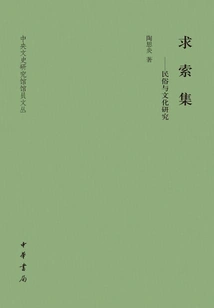
求索集:民俗与文化研究(中央文史研究馆馆员文丛)
Tao Siyan
Tao Siyan, PhD in Chinese Folk Culture, is currently a professor at the School of Art, Southeast University and a librarian at the Central Research Institute of Literature and History. He is committed to the study of folklore, religion, and art, and has published more than 200 related papers, more than 40 of which are included in this book. The papers included in this book involve folklore and art, further analyzing folklore from an artistic perspective, and expressing the author's personal academic understanding of the folk culture research system.
Tao Siyan, PhD in Chinese Folk Culture, is currently a professor at the School of Art, Southeast University and a librarian at the Central Research Institute of Literature and History. He is committed to the study of folklore, religion, and art, and has published more than 200 related papers, more than 40 of which are included in this book. The papers included in this book involve folklore and art, further analyzing folklore from an artistic perspective, and expressing the author's personal academic understanding of the folk culture research system.
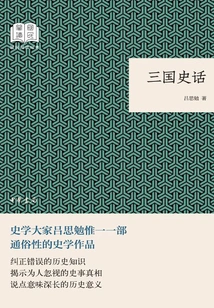
三国史话(国民阅读经典)
Lu Simian
This book is the only popular historical work written by the historian Mr. Lu Simian during his lifetime. Based on rich historical knowledge, the author makes a detailed distinction between the characters, events, wars and geographical environment that existed in the history of the Three Kingdoms and were shaped in the literature of the Three Kingdoms from the perspective of literature and history. He also conducts in-depth analysis of many major historical issues and puts forward many valuable insights. Mr. Lu's history writing focuses on the comprehensive study of society, and he is able to comprehend it comprehensively. He often has a unique eye when commenting on history. Therefore, this book has become an important reference for Mr. Yi Zhongtian's evaluation of the Three Kingdoms.
This book is the only popular historical work written by the historian Mr. Lu Simian during his lifetime. Based on rich historical knowledge, the author makes a detailed distinction between the characters, events, wars and geographical environment that existed in the history of the Three Kingdoms and were shaped in the literature of the Three Kingdoms from the perspective of literature and history. He also conducts in-depth analysis of many major historical issues and puts forward many valuable insights. Mr. Lu's history writing focuses on the comprehensive study of society, and he is able to comprehend it comprehensively. He often has a unique eye when commenting on history. Therefore, this book has become an important reference for Mr. Yi Zhongtian's evaluation of the Three Kingdoms.
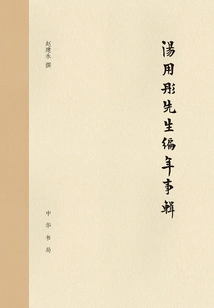
汤用彤先生编年事辑
Zhao Jianyong
This book is the first chronological work that comprehensively describes Tang Yongtong's life, career and academic thoughts. It has detailed materials and historical theories. It is credible, quotable and learnable. It can be called an excellent book. Mr. Tang Yongtong is a master of Chinese studies who "connected with China and the West, connected with Chinese and Buddhists, and forged the past and the present." His experience in studying, studying, teaching, and running schools is a microcosm of China's academic modernization process. The whole book strives to embody the unity of information, scholarship, biography and readability. It is based on detailed and reliable first-hand documents, making extensive use of unpublished materials such as manuscripts and archives. It adopts an objective statement method, supplemented by necessary research and comments, and its detailed research shows its skill.
This book is the first chronological work that comprehensively describes Tang Yongtong's life, career and academic thoughts. It has detailed materials and historical theories. It is credible, quotable and learnable. It can be called an excellent book. Mr. Tang Yongtong is a master of Chinese studies who "connected with China and the West, connected with Chinese and Buddhists, and forged the past and the present." His experience in studying, studying, teaching, and running schools is a microcosm of China's academic modernization process. The whole book strives to embody the unity of information, scholarship, biography and readability. It is based on detailed and reliable first-hand documents, making extensive use of unpublished materials such as manuscripts and archives. It adopts an objective statement method, supplemented by necessary research and comments, and its detailed research shows its skill.
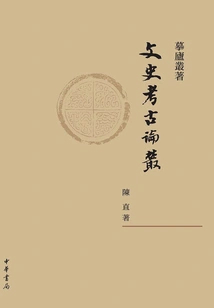
文史考古论丛
Chen Zhi
This book collects Mr. Chen Zhi's major works (including published and unpublished works) other than his published monographs, and is classified and edited according to three aspects: literature, history, and archaeology. In terms of literature, it includes "Explanation of Chu Ci" and the research results of classical literary heritage such as the Eighteen Songs of Han Dynasty, Zhang Heng's Four Sorrow Poems, and Kong Rong's Lihe Poems. Some of the works included in the historiography have already become classic works for scholars of Qin and Han history. For example, the research papers on "Historical Records" are must-reads for researchers of "Historical Records", and the arguments and materials in them are widely quoted. The works on archeology cover a wide range of aspects such as slips, clay seals, pottery, bronzes, stone carvings, murals, Buddhist scriptures and statues. Although most of them are short articles, they are not published.
This book collects Mr. Chen Zhi's major works (including published and unpublished works) other than his published monographs, and is classified and edited according to three aspects: literature, history, and archaeology. In terms of literature, it includes "Explanation of Chu Ci" and the research results of classical literary heritage such as the Eighteen Songs of Han Dynasty, Zhang Heng's Four Sorrow Poems, and Kong Rong's Lihe Poems. Some of the works included in the historiography have already become classic works for scholars of Qin and Han history. For example, the research papers on "Historical Records" are must-reads for researchers of "Historical Records", and the arguments and materials in them are widely quoted. The works on archeology cover a wide range of aspects such as slips, clay seals, pottery, bronzes, stone carvings, murals, Buddhist scriptures and statues. Although most of them are short articles, they are not published.
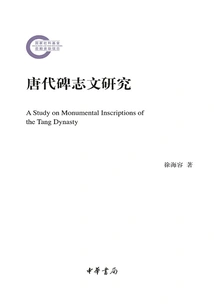
唐代碑志文研究(国家社科基金后期资助项目)
Xu Hairong
Epigraphs are an important literary style in ancient my country. They originated in the pre-Qin Dynasty, rose in the Han Dynasty, and have evolved since then. The creation of epitaphs was particularly prosperous in the Tang Dynasty. Among them, there were numerous famous inscriptions writers and their works were of high quality and quantity. They became an important part of the precious cultural heritage of the Chinese nation. This book takes the epitaphs of the Tang Dynasty as its title, combines the specific historical and cultural background and the creative psychology of literati, and conducts a systematic comparative study of the epitaphs of the Tang Dynasty based on the basic reading of books such as "The Complete Tang Dynasty" and related literature, with special emphasis on newly unearthed epitaphic materials and research. By applying the research results, we make a comprehensive analysis and summary of its artistic achievements by studying its stylistic form, characteristics of the times and ideological content. From the perspective of inheritance and innovation, we study and restore the basic context of its occurrence, and analyze the internal laws of its development and evolution and its creative direction.
Epigraphs are an important literary style in ancient my country. They originated in the pre-Qin Dynasty, rose in the Han Dynasty, and have evolved since then. The creation of epitaphs was particularly prosperous in the Tang Dynasty. Among them, there were numerous famous inscriptions writers and their works were of high quality and quantity. They became an important part of the precious cultural heritage of the Chinese nation. This book takes the epitaphs of the Tang Dynasty as its title, combines the specific historical and cultural background and the creative psychology of literati, and conducts a systematic comparative study of the epitaphs of the Tang Dynasty based on the basic reading of books such as "The Complete Tang Dynasty" and related literature, with special emphasis on newly unearthed epitaphic materials and research. By applying the research results, we make a comprehensive analysis and summary of its artistic achievements by studying its stylistic form, characteristics of the times and ideological content. From the perspective of inheritance and innovation, we study and restore the basic context of its occurrence, and analyze the internal laws of its development and evolution and its creative direction.
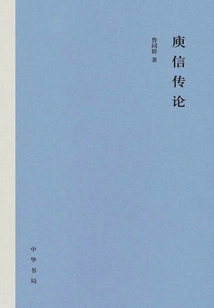
Biography of Yu Xin
History庾信传论
Lu Tongqun
This book is a systematic study of Yu Xin's family background, career, and thoughts, and provides a new interpretation of his works. This book has three major contributions to the study of Yu Xin: First, through careful and incisive textual research, it corrects some errors in the chronology of Yu Xin written by Ni Fan. Second, through internal evidence and interpretation of allusions, it is determined that works such as "Ai Jiangnan Ode" and "Dead Tree Ode" were written in the early years of Yu Xin's arrival in the north, rather than in his later years. Third, a new interpretation of the ideological themes of works such as "Ai Jiangnan Ode" and "Xiaoyuan Ode" is held. It is believed that these works do not express thoughts about hometown, but are works to seek officialdom and express complaints.
This book is a systematic study of Yu Xin's family background, career, and thoughts, and provides a new interpretation of his works. This book has three major contributions to the study of Yu Xin: First, through careful and incisive textual research, it corrects some errors in the chronology of Yu Xin written by Ni Fan. Second, through internal evidence and interpretation of allusions, it is determined that works such as "Ai Jiangnan Ode" and "Dead Tree Ode" were written in the early years of Yu Xin's arrival in the north, rather than in his later years. Third, a new interpretation of the ideological themes of works such as "Ai Jiangnan Ode" and "Xiaoyuan Ode" is held. It is believed that these works do not express thoughts about hometown, but are works to seek officialdom and express complaints.
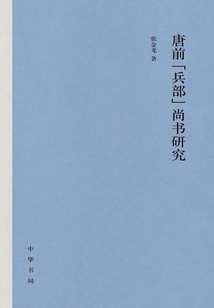
唐前“兵部”尚书研究
Zhang Jinlong
The object of study in this book - the Minister of War of the Sui Dynasty in the Wei, Jin, Southern and Northern Dynasties, is an important official system under the three provinces and six ministries system. As one of the six departments of the Ministry of War, the Book of War has existed in history for more than 1,500 years. The content studied in this book is the history of the formation, establishment and finalization of the Book of War. The first appearance of the Book of the Ministry of War (the Book of Five Soldiers) was in the Cao Wei Dynasty, but it is difficult to find relevant records in existing historical materials, so the study of this book began in the Western Jin Dynasty. During the Jin Dynasty and the Southern and Northern Dynasties, although the names "Minister of the Ministry of War" and "Minister of the Ministry of War" could also be seen in some political regimes, they mainly existed under the names of "Minister of the Five Arms" and "Minister of the Seven Arms". After the establishment of the Sui Dynasty, it inherited the "Ministry of War" related systems of the Northern Qi and Northern Zhou Dynasties, established a complete system of ministers of the Ministry of War, and was inherited by the Tang Dynasty. The comprehensive adjustment of the six departments and twenty-four departments of the Ministry of War in the Sui Dynasty established a more mature and complete system of the Ministry of War. Some of the four departments of the Ministry of War inherited from the Five or Seven Ministers of the Army in the Wei, Jin, Southern and Northern Dynasties, and some inherited from other departments. As the highest military administrative agency in ancient China (after the Wei and Jin Dynasties), the Minister of War was responsible for important responsibilities such as military attache election and military service recruitment, weapons manufacturing management, and land and resources control. It was a pivotal department in the bureaucracy.
The object of study in this book - the Minister of War of the Sui Dynasty in the Wei, Jin, Southern and Northern Dynasties, is an important official system under the three provinces and six ministries system. As one of the six departments of the Ministry of War, the Book of War has existed in history for more than 1,500 years. The content studied in this book is the history of the formation, establishment and finalization of the Book of War. The first appearance of the Book of the Ministry of War (the Book of Five Soldiers) was in the Cao Wei Dynasty, but it is difficult to find relevant records in existing historical materials, so the study of this book began in the Western Jin Dynasty. During the Jin Dynasty and the Southern and Northern Dynasties, although the names "Minister of the Ministry of War" and "Minister of the Ministry of War" could also be seen in some political regimes, they mainly existed under the names of "Minister of the Five Arms" and "Minister of the Seven Arms". After the establishment of the Sui Dynasty, it inherited the "Ministry of War" related systems of the Northern Qi and Northern Zhou Dynasties, established a complete system of ministers of the Ministry of War, and was inherited by the Tang Dynasty. The comprehensive adjustment of the six departments and twenty-four departments of the Ministry of War in the Sui Dynasty established a more mature and complete system of the Ministry of War. Some of the four departments of the Ministry of War inherited from the Five or Seven Ministers of the Army in the Wei, Jin, Southern and Northern Dynasties, and some inherited from other departments. As the highest military administrative agency in ancient China (after the Wei and Jin Dynasties), the Minister of War was responsible for important responsibilities such as military attache election and military service recruitment, weapons manufacturing management, and land and resources control. It was a pivotal department in the bureaucracy.
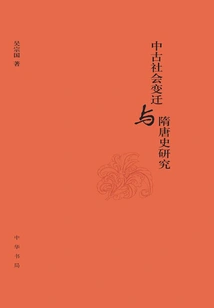
中古社会变迁与隋唐史研究(上下册)
Wu Zongguo
This book is a collection of essays commemorating Mr. Wu Zongguo's 60th anniversary as a teacher, divided into two volumes. The first volume, the research chapter, collects the more important research papers on the history of the Sui and Tang Dynasties published over the years. The second volume, the lecture chapter, selects the records of more representative popular lectures, courses, speeches, etc. Wu Zongguo, male, born in 1934, is a professor and doctoral supervisor in the Department of History at Peking University. In 1958, he stayed at Peking University to teach after graduating from the Department of History with a bachelor's degree in history. He has been engaged in the teaching and scientific research of ancient Chinese history for a long time. He has successively served as a teaching assistant, lecturer, associate professor, professor, graduate tutor, deputy director and director of the Teaching and Research Section of Ancient Chinese History, and a member of the Degree Committee of the Department of History. Member of the Academic Committee, deputy editor-in-chief of the Sui, Tang and Five Dynasties history compilation group of "Encyclopedia of China·Chinese History", editor-in-chief of the Sui, Tang and Five Dynasties history branch of the Chinese history subject of the second edition of "Encyclopedia of China", director of the China Tang History Society, director of the Beijing History Society, and academic committee member of the Tang Research Foundation series. His research directions include the history of the Sui and Tang Dynasties and the history of ancient Chinese political systems.
This book is a collection of essays commemorating Mr. Wu Zongguo's 60th anniversary as a teacher, divided into two volumes. The first volume, the research chapter, collects the more important research papers on the history of the Sui and Tang Dynasties published over the years. The second volume, the lecture chapter, selects the records of more representative popular lectures, courses, speeches, etc. Wu Zongguo, male, born in 1934, is a professor and doctoral supervisor in the Department of History at Peking University. In 1958, he stayed at Peking University to teach after graduating from the Department of History with a bachelor's degree in history. He has been engaged in the teaching and scientific research of ancient Chinese history for a long time. He has successively served as a teaching assistant, lecturer, associate professor, professor, graduate tutor, deputy director and director of the Teaching and Research Section of Ancient Chinese History, and a member of the Degree Committee of the Department of History. Member of the Academic Committee, deputy editor-in-chief of the Sui, Tang and Five Dynasties history compilation group of "Encyclopedia of China·Chinese History", editor-in-chief of the Sui, Tang and Five Dynasties history branch of the Chinese history subject of the second edition of "Encyclopedia of China", director of the China Tang History Society, director of the Beijing History Society, and academic committee member of the Tang Research Foundation series. His research directions include the history of the Sui and Tang Dynasties and the history of ancient Chinese political systems.
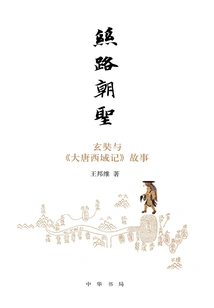
Pilgrimage Along the Silk Road: Xuanzang and the Story of the Western Regions of the Tang Dynasty
History丝路朝圣:玄奘与《大唐西域记》故事
Wang Bangwei
This series of articles takes "The Records of the Western Regions of the Tang Dynasty" as the entry point, because it is the most important classic in the cultural exchanges between China and India. At that time, Mr. Ji Xianlin was the main organizer and editor of the "Records of the Western Regions of the Tang Dynasty", and Mr. Wang Bangwei was one of the authors. This series of articles takes the people, events, objects, history, etc. Involved in "The Records of the Western Regions of the Tang Dynasty" as the starting point, and then expands to introduce and sort out the related historical exchanges between China and India, between China and other countries in Central Asia, folklore, the mutual influence of literature and culture, etc. These contents are just enough for the average reader to know a little but not completely, and can easily arouse readers' interest in reading, and can also be popularized and improved. In terms of form, it is required to explain the profound things in simple terms, the language is natural and fluent, and it is highly attractive and contagious. Mr. Wang Bangwei possesses all these qualities, which is also a major advantage. The author has gone deep into the hinterland of India many times and taken a large number of pictures of history and natural scenery. The historical scenes, sites and other contents involved in the article can be accompanied by pictures to make it more three-dimensional, vivid and intuitive.
This series of articles takes "The Records of the Western Regions of the Tang Dynasty" as the entry point, because it is the most important classic in the cultural exchanges between China and India. At that time, Mr. Ji Xianlin was the main organizer and editor of the "Records of the Western Regions of the Tang Dynasty", and Mr. Wang Bangwei was one of the authors. This series of articles takes the people, events, objects, history, etc. Involved in "The Records of the Western Regions of the Tang Dynasty" as the starting point, and then expands to introduce and sort out the related historical exchanges between China and India, between China and other countries in Central Asia, folklore, the mutual influence of literature and culture, etc. These contents are just enough for the average reader to know a little but not completely, and can easily arouse readers' interest in reading, and can also be popularized and improved. In terms of form, it is required to explain the profound things in simple terms, the language is natural and fluent, and it is highly attractive and contagious. Mr. Wang Bangwei possesses all these qualities, which is also a major advantage. The author has gone deep into the hinterland of India many times and taken a large number of pictures of history and natural scenery. The historical scenes, sites and other contents involved in the article can be accompanied by pictures to make it more three-dimensional, vivid and intuitive.
传统文化与治国理政(中华优秀传统文化大众化系列读物)
Editor-in-chief Gao Qi
This manuscript was compiled by the Propaganda Department of the Shandong Provincial Party Committee. According to the needs of party and government cadres to learn about China's excellent traditional culture, it adopts the writing mode of political commentary analysis and commentary. It systematically discusses the emergence, evolution and composition of Chinese culture, especially the traditional way of being an official, which is closely related to party and government cadres. It also makes an incisive analysis of the current creative transformation and innovative development of Chinese traditional culture, as well as the relationship between the opening up of China's excellent traditional culture and the road to national rejuvenation. It is the first traditional culture reader in China specially written for party and government cadres.
This manuscript was compiled by the Propaganda Department of the Shandong Provincial Party Committee. According to the needs of party and government cadres to learn about China's excellent traditional culture, it adopts the writing mode of political commentary analysis and commentary. It systematically discusses the emergence, evolution and composition of Chinese culture, especially the traditional way of being an official, which is closely related to party and government cadres. It also makes an incisive analysis of the current creative transformation and innovative development of Chinese traditional culture, as well as the relationship between the opening up of China's excellent traditional culture and the road to national rejuvenation. It is the first traditional culture reader in China specially written for party and government cadres.
清代考据学(国家社科基金后期资助项目)
Sun Qinshan
This book is a groundbreaking monograph that conducts in-depth research and comprehensive summary of Qing Dynasty textual criticism. This book first gives an overview of the history of ancient Chinese literature and clearly defines the connotation and essence of textual criticism. When we examine Qing Dynasty textual criticism under this new scientific definition, we can find that Qing Dynasty textual research is the culmination of ancient textual research and has developed into a prominent peak with richer and more complete connotations. It also shows the characteristics of being centered on traditional primary schools and developing extremely rapidly in all aspects. Regarding the achievements of textual criticism in the Qing Dynasty, this book discusses the achievements of textual criticism in the following aspects: traditional primary school (including characters, phonology, and exegesis), bibliography, edition, collation, forgery, compilation and anonymity, and textual research on the content of ancient documents. The content of each chapter is based on the summarized related topics, with representative textologists and their related achievements as the purpose, detailed examples and summary descriptions; at the same time, attention is paid to the continuation of the previous chapter and the historical comparison, so as to provide vertical and horizontal attention. This book weighs and comments on the widely debated reasons for the rise of textual criticism in the Qing Dynasty (including politics, economics, and academic aspects), then conducts in-depth research and puts forward its own opinions. Regarding the stages and factions of textual criticism in the Qing Dynasty, this book refers to the academic insights of previous scholars and avoids simple application. Instead, it puts forward new opinions on the stages and factions of textual criticism in the Qing Dynasty based on the characteristics of the textual criticism in the Qing Dynasty. After the completion of this book, an overall evaluation of Qing Dynasty textual criticism is made to determine its historical status and practical significance.
This book is a groundbreaking monograph that conducts in-depth research and comprehensive summary of Qing Dynasty textual criticism. This book first gives an overview of the history of ancient Chinese literature and clearly defines the connotation and essence of textual criticism. When we examine Qing Dynasty textual criticism under this new scientific definition, we can find that Qing Dynasty textual research is the culmination of ancient textual research and has developed into a prominent peak with richer and more complete connotations. It also shows the characteristics of being centered on traditional primary schools and developing extremely rapidly in all aspects. Regarding the achievements of textual criticism in the Qing Dynasty, this book discusses the achievements of textual criticism in the following aspects: traditional primary school (including characters, phonology, and exegesis), bibliography, edition, collation, forgery, compilation and anonymity, and textual research on the content of ancient documents. The content of each chapter is based on the summarized related topics, with representative textologists and their related achievements as the purpose, detailed examples and summary descriptions; at the same time, attention is paid to the continuation of the previous chapter and the historical comparison, so as to provide vertical and horizontal attention. This book weighs and comments on the widely debated reasons for the rise of textual criticism in the Qing Dynasty (including politics, economics, and academic aspects), then conducts in-depth research and puts forward its own opinions. Regarding the stages and factions of textual criticism in the Qing Dynasty, this book refers to the academic insights of previous scholars and avoids simple application. Instead, it puts forward new opinions on the stages and factions of textual criticism in the Qing Dynasty based on the characteristics of the textual criticism in the Qing Dynasty. After the completion of this book, an overall evaluation of Qing Dynasty textual criticism is made to determine its historical status and practical significance.
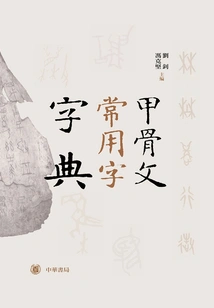
甲骨文常用字字典
Liu Zhao Editor-in-chief Feng Kejian
This book is mainly based on Professor Liu Zhao's "New Oracle Bone Inscriptions (Updated Edition)" and includes commonly used characters that have been interpreted in Oracle Bone Inscriptions. The dictionary uses "Shi" characters (now commonly used Chinese characters) as units. Under one prefix, the corresponding multiple oracle bone character patterns are included, and the source is indicated. It also points out which characters the prefix can be used in calligraphy writing. Therefore, it is convenient and reliable for both academic retrieval and calligrapher reference fonts. The first column at the front of the book is a rigorous and easy-to-understand compilation instructions; the second column is a "Character Source Abbreviation Table", which states the source of the fonts. There are both classic works such as Guo Moruo's "Oracle Bone Inscriptions Collection" and the latest results such as a paper published in the "Archaeology" magazine in 2018. There are two retrieval methods, pinyin and strokes, at the back of the book, and there is a postscript written by Professor Liu Zhao at the end. This book can be used not only as a reference book for professional researchers to facilitate review, but also as an introductory step for beginners to become familiar with oracle bone inscriptions. It can also be used as a desk essential for the majority of oracle bone calligraphy enthusiasts when writing oracle bone inscriptions.
This book is mainly based on Professor Liu Zhao's "New Oracle Bone Inscriptions (Updated Edition)" and includes commonly used characters that have been interpreted in Oracle Bone Inscriptions. The dictionary uses "Shi" characters (now commonly used Chinese characters) as units. Under one prefix, the corresponding multiple oracle bone character patterns are included, and the source is indicated. It also points out which characters the prefix can be used in calligraphy writing. Therefore, it is convenient and reliable for both academic retrieval and calligrapher reference fonts. The first column at the front of the book is a rigorous and easy-to-understand compilation instructions; the second column is a "Character Source Abbreviation Table", which states the source of the fonts. There are both classic works such as Guo Moruo's "Oracle Bone Inscriptions Collection" and the latest results such as a paper published in the "Archaeology" magazine in 2018. There are two retrieval methods, pinyin and strokes, at the back of the book, and there is a postscript written by Professor Liu Zhao at the end. This book can be used not only as a reference book for professional researchers to facilitate review, but also as an introductory step for beginners to become familiar with oracle bone inscriptions. It can also be used as a desk essential for the majority of oracle bone calligraphy enthusiasts when writing oracle bone inscriptions.
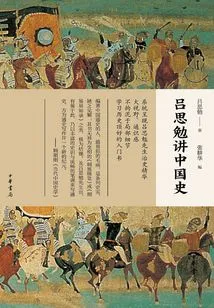
吕思勉讲中国史
Written By Lu Simian And Edited By Zhang Genghua
This book is a popular historical reading based on Mr. Lu Simian's primer on the general history of China, "Updating the History of the Country, a Junior High School Textbook" as the main text and with relevant expositions in Mr. Lu's other historical works as annotations. The whole book is divided into five parts, namely ancient history, medieval history, modern history, modern history and overview. It starts from ancient legends and ends at the end of Qing Dynasty and the beginning of the Republic of China. In one book, you can read all the most important and exciting contents of Mr. Lu's general history of China.
This book is a popular historical reading based on Mr. Lu Simian's primer on the general history of China, "Updating the History of the Country, a Junior High School Textbook" as the main text and with relevant expositions in Mr. Lu's other historical works as annotations. The whole book is divided into five parts, namely ancient history, medieval history, modern history, modern history and overview. It starts from ancient legends and ends at the end of Qing Dynasty and the beginning of the Republic of China. In one book, you can read all the most important and exciting contents of Mr. Lu's general history of China.
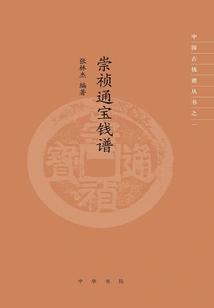
崇祯通宝钱谱(中国古钱谱丛书)
Zhang Linjie
Chongzhen Tongbao is one of the most complicated era coins in China. This book is the first book to introduce Chongzhen Tongbao coins. It uses high-definition scans and covers almost all varieties and editions of Chongzhen Tongbao coins. The main part of this book is divided into two parts: general introduction and money spectrum. The general introduction introduces Chongzhen Tongbao in detail from the aspects of casting area, version and system research, and metallographic analysis by examining historical materials and using modern scientific and technological means; the money genealogy section is mainly divided into provinces, showing rich pictures of Chongzhen Tongbao coins in sequence, and rating Chongzhen Tongbao according to the rarity of each variety and version for readers' reference.
Chongzhen Tongbao is one of the most complicated era coins in China. This book is the first book to introduce Chongzhen Tongbao coins. It uses high-definition scans and covers almost all varieties and editions of Chongzhen Tongbao coins. The main part of this book is divided into two parts: general introduction and money spectrum. The general introduction introduces Chongzhen Tongbao in detail from the aspects of casting area, version and system research, and metallographic analysis by examining historical materials and using modern scientific and technological means; the money genealogy section is mainly divided into provinces, showing rich pictures of Chongzhen Tongbao coins in sequence, and rating Chongzhen Tongbao according to the rarity of each variety and version for readers' reference.
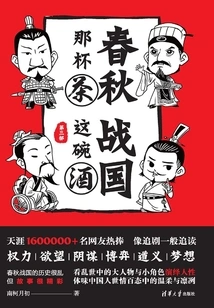
春秋那杯茶,战国这碗酒(第三部)
The First Month Of Nanke
This series of books is divided into four parts, telling wonderful historical stories that happened during the Spring and Autumn Period and the Warring States Period according to the timeline. The language is humorous and has a strong sense of camera. It is amazing to read.
This series of books is divided into four parts, telling wonderful historical stories that happened during the Spring and Autumn Period and the Warring States Period according to the timeline. The language is humorous and has a strong sense of camera. It is amazing to read.
中华文化国际影响力调查研究
Guan Shijie
This book explores the world cultural pattern since the end of the Cold War from the perspective of international relations, draws on cross-cultural communication and international communication theories, and based on China's national conditions, proposes a theoretical framework for the international influence of Chinese culture, creates an evaluation system, and designs a "Chinese Cultural Impression Survey" questionnaire for the United States, Germany, Russia, India, Japan, South Korea, Vietnam, and Indonesia, including more than 50 questions. The International Sample Survey Company conducted a large-sample questionnaire survey on the above-mentioned eight countries at the end of 2011 and 2013 using the survey method of online accessible sample database. Statistical analysis was conducted on the original data obtained: for the first time, the data was used to comprehensively display the influence of Chinese culture on the people of eight countries, and the survey data among the eight countries was comparatively analyzed; a method for calculating the international influence index of Chinese culture was created, and the influence index of Chinese culture in Japan, South Korea, Vietnam, and Indonesia was actually evaluated; based on the survey results, countermeasures and suggestions for enhancing the external influence of Chinese culture were put forward.
This book explores the world cultural pattern since the end of the Cold War from the perspective of international relations, draws on cross-cultural communication and international communication theories, and based on China's national conditions, proposes a theoretical framework for the international influence of Chinese culture, creates an evaluation system, and designs a "Chinese Cultural Impression Survey" questionnaire for the United States, Germany, Russia, India, Japan, South Korea, Vietnam, and Indonesia, including more than 50 questions. The International Sample Survey Company conducted a large-sample questionnaire survey on the above-mentioned eight countries at the end of 2011 and 2013 using the survey method of online accessible sample database. Statistical analysis was conducted on the original data obtained: for the first time, the data was used to comprehensively display the influence of Chinese culture on the people of eight countries, and the survey data among the eight countries was comparatively analyzed; a method for calculating the international influence index of Chinese culture was created, and the influence index of Chinese culture in Japan, South Korea, Vietnam, and Indonesia was actually evaluated; based on the survey results, countermeasures and suggestions for enhancing the external influence of Chinese culture were put forward.
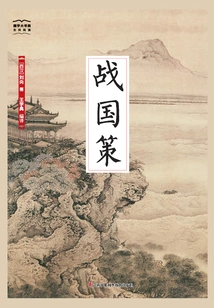
战国策(国学大书院)
(western Han Dynasty) Liu Xiang
"Warring States Policy" is a national history book. "Warring States Policy" mainly describes the political opinions and diplomatic strategies of the political advisors during the Warring States Period. It shows the historical characteristics of the Warring States Period and the style of political games among various countries. It is an important classic for studying the history of the Warring States Period. "Warring States Policy" is a compiled historical work with an unknown author. At the end of the Western Han Dynasty, Liu Xiang compiled it according to country.
"Warring States Policy" is a national history book. "Warring States Policy" mainly describes the political opinions and diplomatic strategies of the political advisors during the Warring States Period. It shows the historical characteristics of the Warring States Period and the style of political games among various countries. It is an important classic for studying the history of the Warring States Period. "Warring States Policy" is a compiled historical work with an unknown author. At the end of the Western Han Dynasty, Liu Xiang compiled it according to country.
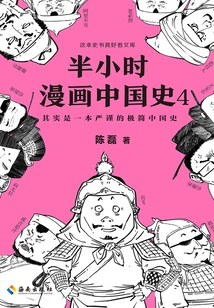
半小时漫画中国史4
Bastard
Read comics for half an hour and learn about five thousand years of history. Use comics to interpret history and start a new trend of reading history. A brand new masterpiece by Chen Lei, the creator of popular science comics with 7 million fans on the Internet! As soon as the Song Dynasty arrived, the rumors came to mind! Clarify the history of the Five Dynasties and Ten Kingdoms, Song and Yuan Dynasties. Just through hand-drawings and jokes, Chen Lei (pseudonym: Erhuanzi) has drawn out the clear context of the Five Dynasties and Ten Kingdoms and the history of the Song and Yuan Dynasties: The history of the Five Dynasties and Ten Kingdoms is like a square dance performance, with each small country taking turns to take turns; the Song Dynasty often suffered losses in wars, but its economic prosperity recovered quickly; the middle period of the Yuan Dynasty was fond of "palace fighting", and nine emperors were changed in 38 years... Revealing the complicated historical appearance, omitting the irrelevant ones In every detail, there are historical jokes on every page, which will make you laugh every three seconds, and the hand-drawn emperors, generals, heroes and heroes are always ugly and cute: Yue Fei, Zhao Kuangyin, Song Huizong, Kublai Khan, Genghis Khan, they are all just like you and me, with strengths and weaknesses, friends and enemies. The amazing energy they burst out at key points in history has created five thousand years of wonderful Chinese history. Opening this book, while laughing out loud, you've unknowingly become familiar with history.
Read comics for half an hour and learn about five thousand years of history. Use comics to interpret history and start a new trend of reading history. A brand new masterpiece by Chen Lei, the creator of popular science comics with 7 million fans on the Internet! As soon as the Song Dynasty arrived, the rumors came to mind! Clarify the history of the Five Dynasties and Ten Kingdoms, Song and Yuan Dynasties. Just through hand-drawings and jokes, Chen Lei (pseudonym: Erhuanzi) has drawn out the clear context of the Five Dynasties and Ten Kingdoms and the history of the Song and Yuan Dynasties: The history of the Five Dynasties and Ten Kingdoms is like a square dance performance, with each small country taking turns to take turns; the Song Dynasty often suffered losses in wars, but its economic prosperity recovered quickly; the middle period of the Yuan Dynasty was fond of "palace fighting", and nine emperors were changed in 38 years... Revealing the complicated historical appearance, omitting the irrelevant ones In every detail, there are historical jokes on every page, which will make you laugh every three seconds, and the hand-drawn emperors, generals, heroes and heroes are always ugly and cute: Yue Fei, Zhao Kuangyin, Song Huizong, Kublai Khan, Genghis Khan, they are all just like you and me, with strengths and weaknesses, friends and enemies. The amazing energy they burst out at key points in history has created five thousand years of wonderful Chinese history. Opening this book, while laughing out loud, you've unknowingly become familiar with history.
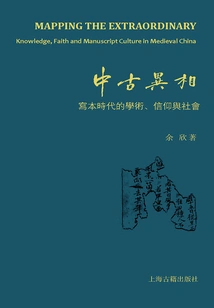
Different Appearances in the Middle Ages: Academics, Beliefs and Society in the Manuscript Era
History中古异相: 写本时代的学术、信仰与社会
Yu Xin
This book attempts to reconstruct a new picture of scholarship in the medieval era, and attempts to explore various aspects of the establishment of intellectual traditions: the process of knowledge creation, copying and adaptation, the methods of knowledge dissemination and knowledge control, the cultural psychology and cultural symbols implied by the selectivity of text collection, religious rituals and beliefs. The penetration and influence of concepts, the role of individual emotions and thinking in knowledge production and other dimensions, rethinking the significance of alchemy and natural history in social history, intellectual history and civilization history, with a particular emphasis on the reflection on the relationship between knowledge construction and text form, writing behavior and usage practice. This book pays special attention to the mutual corroboration of unearthed documents and traditional documents, archaeological excavation objects and foreign documents, and strives to communicate textual materials and image data. It combines traditional primary school and famous object research, history-archaeology-linguistics analysis, and modern science-related results to conduct comprehensive research, and at the same time bridge the gap between disciplines to a certain extent.
This book attempts to reconstruct a new picture of scholarship in the medieval era, and attempts to explore various aspects of the establishment of intellectual traditions: the process of knowledge creation, copying and adaptation, the methods of knowledge dissemination and knowledge control, the cultural psychology and cultural symbols implied by the selectivity of text collection, religious rituals and beliefs. The penetration and influence of concepts, the role of individual emotions and thinking in knowledge production and other dimensions, rethinking the significance of alchemy and natural history in social history, intellectual history and civilization history, with a particular emphasis on the reflection on the relationship between knowledge construction and text form, writing behavior and usage practice. This book pays special attention to the mutual corroboration of unearthed documents and traditional documents, archaeological excavation objects and foreign documents, and strives to communicate textual materials and image data. It combines traditional primary school and famous object research, history-archaeology-linguistics analysis, and modern science-related results to conduct comprehensive research, and at the same time bridge the gap between disciplines to a certain extent.
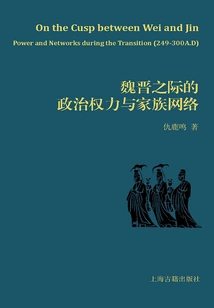
魏晋之际的政治权力与家族网络
Qiu Luming
This book combines the study of political history and family history. On the one hand, it explores the process of the power structure of the Western Jin Dynasty from its formation to its collapse in the context of political history. On the other hand, it examines the political, marriage, and communication networks among the big families in the Wei and Jin Dynasties, and explores the role this network played in the political changes in the Wei and Jin Dynasties. It is an excellent work that restores the political changes in the Wei and Jin Dynasties through detailed research.
This book combines the study of political history and family history. On the one hand, it explores the process of the power structure of the Western Jin Dynasty from its formation to its collapse in the context of political history. On the other hand, it examines the political, marriage, and communication networks among the big families in the Wei and Jin Dynasties, and explores the role this network played in the political changes in the Wei and Jin Dynasties. It is an excellent work that restores the political changes in the Wei and Jin Dynasties through detailed research.
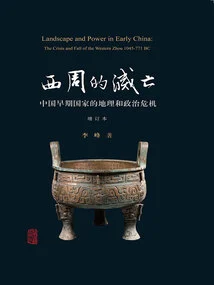
西周的灭亡:中国早期国家的地理和政治危机(增订本)
Li Feng
This book is not a general history of the Western Zhou Dynasty, or even a general history of the late Western Zhou Dynasty, but an empirical study of the historical event of the fall of the Western Zhou Dynasty. By exploring the complex relationship between geographical conditions and its political construction in the specific ongoing historical and geographical process of the decline and demise of the Western Zhou state, the author comprehensively uses archaeological discoveries, inscriptions and documentary records, and combines the characteristics of the surface morphology to analyze and explain how and why the political system of the Western Zhou Dynasty failed to withstand the test of time, which ultimately led to the disintegration of the Western Zhou state and the collapse of Wang Ji.
This book is not a general history of the Western Zhou Dynasty, or even a general history of the late Western Zhou Dynasty, but an empirical study of the historical event of the fall of the Western Zhou Dynasty. By exploring the complex relationship between geographical conditions and its political construction in the specific ongoing historical and geographical process of the decline and demise of the Western Zhou state, the author comprehensively uses archaeological discoveries, inscriptions and documentary records, and combines the characteristics of the surface morphology to analyze and explain how and why the political system of the Western Zhou Dynasty failed to withstand the test of time, which ultimately led to the disintegration of the Western Zhou state and the collapse of Wang Ji.
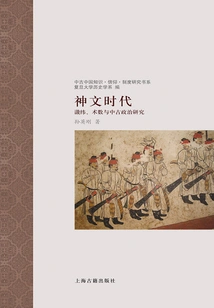
神文时代:谶纬、术数与中古政治研究
Sun Yinggang
This book focuses on the content of Weishu in medieval writings and the Weixue thoughts embodied in specific political activities, and explores the relationship between knowledge, belief and political legitimacy in the Middle Ages. In the context where there is no modern political theory to rely on, "peace", "auspiciousness", "disaster", "mandate of destiny", etc. Are the main political languages. The "Dragon Picture", "Fengji", "Jingyun", "Heqing", etc. Are the main political symbols. The topics covered in this book are not only an important part of the world of knowledge and belief in the Middle Ages, but also relate to the relationship between political ups and downs and ideological ups and downs. Using the Middle Ages as a sample, we also have some thoughts on understanding the shaping of political legitimacy throughout human history.
This book focuses on the content of Weishu in medieval writings and the Weixue thoughts embodied in specific political activities, and explores the relationship between knowledge, belief and political legitimacy in the Middle Ages. In the context where there is no modern political theory to rely on, "peace", "auspiciousness", "disaster", "mandate of destiny", etc. Are the main political languages. The "Dragon Picture", "Fengji", "Jingyun", "Heqing", etc. Are the main political symbols. The topics covered in this book are not only an important part of the world of knowledge and belief in the Middle Ages, but also relate to the relationship between political ups and downs and ideological ups and downs. Using the Middle Ages as a sample, we also have some thoughts on understanding the shaping of political legitimacy throughout human history.
宋辽夏金经济史研究
Qiao Youmei
In addition to the content of the original book "Research on the Economic History of the Song, Liao, Xia and Jin Dynasties" (Qilu Publishing House, 1995 edition), this book also includes several important papers published after the book was published, as well as the part of the Jin Dynasty written in the book "Economic History of the Liao, Xia and Jin Dynasties" (Economic History of the Liao, Xia and Jin Dynasties) co-authored with Mr. Qi Xia (1998 edition by Hebei University Press), which involves major issues such as currency and usury. It should be regarded as an important achievement in the study of ancient Chinese economic history. In addition, it also includes "Evaluation of History in the Ten Years in the New Era" (co-authored with Zhu Ming and Wang Xuedian), character memories, book reviews, and multiple texts about Shandong University, which can more fully demonstrate the author's academic and life aspirations.
In addition to the content of the original book "Research on the Economic History of the Song, Liao, Xia and Jin Dynasties" (Qilu Publishing House, 1995 edition), this book also includes several important papers published after the book was published, as well as the part of the Jin Dynasty written in the book "Economic History of the Liao, Xia and Jin Dynasties" (Economic History of the Liao, Xia and Jin Dynasties) co-authored with Mr. Qi Xia (1998 edition by Hebei University Press), which involves major issues such as currency and usury. It should be regarded as an important achievement in the study of ancient Chinese economic history. In addition, it also includes "Evaluation of History in the Ten Years in the New Era" (co-authored with Zhu Ming and Wang Xuedian), character memories, book reviews, and multiple texts about Shandong University, which can more fully demonstrate the author's academic and life aspirations.
金代行政区划史
Li Changxian
The history of administrative divisions in the Jin Dynasty is a very difficult research topic. Based on previous work, this book greatly broadens the depth and breadth of research on this topic. For example, this book discusses the formation of territories and administrative regions in the early Jin Dynasty, the special administrative regions in the early Jin Dynasty, that is, the boundaries of the Pseudo-Qi and even the Pseudo-Chu, and the relationship between the formation of administrative divisions in the early Jin Dynasty and the Liao and Song Dynasties. Previous studies on political districts focused on the road level. The third part of this book is dedicated to an in-depth study of the evolution and changes of prefecture and county-level administrative divisions in the Jin Dynasty. The author Li Changxian not only roughly clarified the history of existing prefectures and counties by collecting epigraphic materials, using archaeological results, and uncovering hidden details, but also sorted out the state armies that had been abolished. Attention was also paid to comparing the division of administrative regions in the Jin Dynasty with that in the Song Dynasty, which broadened the horizons.
The history of administrative divisions in the Jin Dynasty is a very difficult research topic. Based on previous work, this book greatly broadens the depth and breadth of research on this topic. For example, this book discusses the formation of territories and administrative regions in the early Jin Dynasty, the special administrative regions in the early Jin Dynasty, that is, the boundaries of the Pseudo-Qi and even the Pseudo-Chu, and the relationship between the formation of administrative divisions in the early Jin Dynasty and the Liao and Song Dynasties. Previous studies on political districts focused on the road level. The third part of this book is dedicated to an in-depth study of the evolution and changes of prefecture and county-level administrative divisions in the Jin Dynasty. The author Li Changxian not only roughly clarified the history of existing prefectures and counties by collecting epigraphic materials, using archaeological results, and uncovering hidden details, but also sorted out the state armies that had been abolished. Attention was also paid to comparing the division of administrative regions in the Jin Dynasty with that in the Song Dynasty, which broadened the horizons.
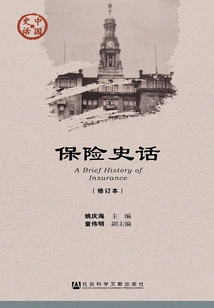
保险史话(修订本)(中国史话·经济系列)
Editor-in-chief Yao Qinghai And Deputy Editor-in-chief Tong Weiming
China has grown from a weak insurance country to an important emerging insurance country. Standing at a new point in the journey towards a powerful insurance country, this book takes time as its warp and events as its latitude. Through many stories, it recounts the past and explores its origins. It provides a panoramic review of the budding insurance ideas in China, the emergence of modern insurance industry, the introduction of Western insurance, the insurance market structure of the Qing Dynasty, the evolution of the insurance market of the Republic of China, red insurance in revolutionary base areas, the creation and development of the people's insurance industry in New China, and the rise of the insurance industry after reform and opening up. It also looks forward to the opportunities and future of China's insurance industry.
China has grown from a weak insurance country to an important emerging insurance country. Standing at a new point in the journey towards a powerful insurance country, this book takes time as its warp and events as its latitude. Through many stories, it recounts the past and explores its origins. It provides a panoramic review of the budding insurance ideas in China, the emergence of modern insurance industry, the introduction of Western insurance, the insurance market structure of the Qing Dynasty, the evolution of the insurance market of the Republic of China, red insurance in revolutionary base areas, the creation and development of the people's insurance industry in New China, and the rise of the insurance industry after reform and opening up. It also looks forward to the opportunities and future of China's insurance industry.
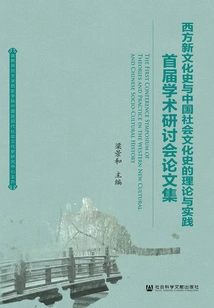
西方新文化史与中国社会文化史的理论与实践:首届学术研讨会论文集
Editor-in-chief Liang Jinghe
On September 24, 2011, an academic seminar on the theory and practice of Western new cultural history and Chinese social and cultural history was held in Beijing, sponsored by the Research Center for Modern Chinese Social and Cultural History, School of History, Capital Normal University. More than 30 experts and scholars from Beijing, Shanghai, Tianjin, Taiyuan and other places launched a comprehensive and in-depth discussion around the theoretical and practical issues of Western new cultural history and Chinese social and cultural history. The more than 20 papers included in this book are the theoretical results of this academic conference.
On September 24, 2011, an academic seminar on the theory and practice of Western new cultural history and Chinese social and cultural history was held in Beijing, sponsored by the Research Center for Modern Chinese Social and Cultural History, School of History, Capital Normal University. More than 30 experts and scholars from Beijing, Shanghai, Tianjin, Taiyuan and other places launched a comprehensive and in-depth discussion around the theoretical and practical issues of Western new cultural history and Chinese social and cultural history. The more than 20 papers included in this book are the theoretical results of this academic conference.
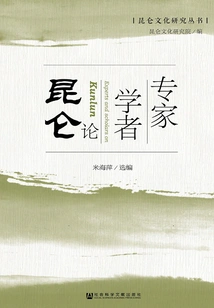
专家学者论昆仑(昆仑文化研究丛书)
Selected Works By Mi Haiping
"My illustrious ancestors came from Kunlun" has been an indelible mark in the cultural memory of the Chinese people for thousands of years. This book selects the representative results of the research on Kunlun myth and Kunlun culture over the past hundred years and the latest results in recent years. In terms of style and content, it is divided into "Kunlun Myth and Kunlun Culture", "Literatures and Classics and Kunlun Culture", "Heyuan Kunlun and Kunlun Culture" and "Gods". The six sections of "Characters and Kunlun Culture", "Kunlun Landscape and Kunlun Culture" and "Ancient Chinese History and Kunlun Culture" focus on displaying the research status of Kunlun culture since the 20th century and share it with academic colleagues to further promote the academic research on Kunlun culture.
"My illustrious ancestors came from Kunlun" has been an indelible mark in the cultural memory of the Chinese people for thousands of years. This book selects the representative results of the research on Kunlun myth and Kunlun culture over the past hundred years and the latest results in recent years. In terms of style and content, it is divided into "Kunlun Myth and Kunlun Culture", "Literatures and Classics and Kunlun Culture", "Heyuan Kunlun and Kunlun Culture" and "Gods". The six sections of "Characters and Kunlun Culture", "Kunlun Landscape and Kunlun Culture" and "Ancient Chinese History and Kunlun Culture" focus on displaying the research status of Kunlun culture since the 20th century and share it with academic colleagues to further promote the academic research on Kunlun culture.
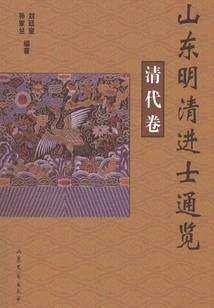
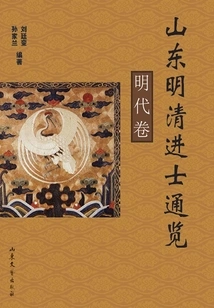
A Comprehensive Survey of Shandong Jinshi During the Ming and Qing Dynasties (qing Dynasty Volume)
History山东明清进士通览(清代卷)
Compiled By Liu Tingluan And Sun Jialan
This set of books is divided into two volumes, Ming and Qing. In the form of biographies, it narrates and organizes the biographical historical materials of 4188 Jinshi in the two dynasties in chronological order. It comprehensively reflects the number, place of birth, family, official history, first-class ranking and important deeds of Jinshi in various subjects in the Ming and Qing dynasties in Shandong. As an important reference book that can search for the Jinshi of the Ming and Qing dynasties and examine the current social situation at that time, its significance and value are self-evident. Previous generations of scholars have also made many attempts and efforts in compiling the biographies of Jinshi, but today we cannot see a complete textual research and summary work, which brings difficulties and regrets to experts in the field of history when they understand the facts and verify the characters. "Don't write biographies for strangers, and then make conclusions after covering coffins." This is the principle established by ancient historians for the compilation of history and chronicles. As Mr. Luo Yansheng said in the preface, "Biographies of virtuous people are often given names such as elders, sages, scholars, rural officials, etc. Those who have entered officialdom but have no high-level officials, whose history is not outstanding, their art is not obvious, and their works are not found in later generations, are not recorded in the official history and are often mixed into the 'personality gate'."
This set of books is divided into two volumes, Ming and Qing. In the form of biographies, it narrates and organizes the biographical historical materials of 4188 Jinshi in the two dynasties in chronological order. It comprehensively reflects the number, place of birth, family, official history, first-class ranking and important deeds of Jinshi in various subjects in the Ming and Qing dynasties in Shandong. As an important reference book that can search for the Jinshi of the Ming and Qing dynasties and examine the current social situation at that time, its significance and value are self-evident. Previous generations of scholars have also made many attempts and efforts in compiling the biographies of Jinshi, but today we cannot see a complete textual research and summary work, which brings difficulties and regrets to experts in the field of history when they understand the facts and verify the characters. "Don't write biographies for strangers, and then make conclusions after covering coffins." This is the principle established by ancient historians for the compilation of history and chronicles. As Mr. Luo Yansheng said in the preface, "Biographies of virtuous people are often given names such as elders, sages, scholars, rural officials, etc. Those who have entered officialdom but have no high-level officials, whose history is not outstanding, their art is not obvious, and their works are not found in later generations, are not recorded in the official history and are often mixed into the 'personality gate'."
山东明清进士通览(明代卷)
Compiled By Liu Tingluan And Sun Jialan
This set of books is divided into two volumes, Ming and Qing. In the form of biographies, it narrates and organizes the biographical historical materials of 4188 Jinshi in the two dynasties in chronological order. It comprehensively reflects the number, place of birth, family, official history, first-class ranking and important deeds of Jinshi in various subjects in the Ming and Qing dynasties in Shandong. As an important reference book that can search for the Jinshi of the Ming and Qing dynasties and examine the current social situation at that time, its significance and value are self-evident. Previous generations of scholars have also made many attempts and efforts in compiling the biographies of Jinshi, but today we cannot see a complete textual research and summary work, which brings difficulties and regrets to experts in the field of history when they understand the facts and verify the characters. "Don't write biographies for strangers, and then make conclusions after covering coffins." This is the principle established by ancient historians for the compilation of history and chronicles. As Mr. Luo Yansheng said in the preface, "Biographies of virtuous people are often given names such as elders, sages, scholars, rural officials, etc. Those who have entered officialdom but have no high-level officials, whose history is not outstanding, their art is not obvious, and their works are not found in later generations, are not recorded in the official history and are often mixed into the 'personality gate'."
This set of books is divided into two volumes, Ming and Qing. In the form of biographies, it narrates and organizes the biographical historical materials of 4188 Jinshi in the two dynasties in chronological order. It comprehensively reflects the number, place of birth, family, official history, first-class ranking and important deeds of Jinshi in various subjects in the Ming and Qing dynasties in Shandong. As an important reference book that can search for the Jinshi of the Ming and Qing dynasties and examine the current social situation at that time, its significance and value are self-evident. Previous generations of scholars have also made many attempts and efforts in compiling the biographies of Jinshi, but today we cannot see a complete textual research and summary work, which brings difficulties and regrets to experts in the field of history when they understand the facts and verify the characters. "Don't write biographies for strangers, and then make conclusions after covering coffins." This is the principle established by ancient historians for the compilation of history and chronicles. As Mr. Luo Yansheng said in the preface, "Biographies of virtuous people are often given names such as elders, sages, scholars, rural officials, etc. Those who have entered officialdom but have no high-level officials, whose history is not outstanding, their art is not obvious, and their works are not found in later generations, are not recorded in the official history and are often mixed into the 'personality gate'."
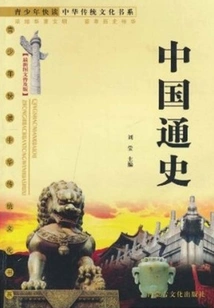
General History of China (quick Reading Chinese Traditional Culture Book Series for Teenagers)
History中国通史(青少年快读中华传统文化书系)
Editor-in-chief Liu Ying
Scientifically describe the five thousand years of Chinese civilization history. Strive to achieve the unity of history and logic, so that readers can grasp history without losing macroscopic rationality in easy reading, and can directly dialogue with ancients and history, directly communicate history and reality, and form a vivid historical perception.
Scientifically describe the five thousand years of Chinese civilization history. Strive to achieve the unity of history and logic, so that readers can grasp history without losing macroscopic rationality in easy reading, and can directly dialogue with ancients and history, directly communicate history and reality, and form a vivid historical perception.
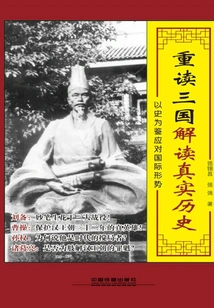
重读三国:解读真实历史
Qiang Xichang Qiangqiang
Rereading the Three Kingdoms: Interpreting the True History "Rereading the Romance of the Three Kingdoms: Interpreting the True History" tells the author's understanding of the historical knowledge of the Eastern Han Dynasty and the Three Kingdoms period in ancient China during his long-term study and research. It also explains, analyzes and corrects some of the public's misunderstandings and historical content errors based on his years of research results. Although the classic classic "Romance of the Three Kingdoms" has a high level of artistic attainments, it distorts and fabricates a large amount of historical content. Therefore, this book is based on historical facts and restores the real history to correct its historical errors and achieve the purpose of writing history truthfully for the readers. The content of the book is popular, the structure is reasonable, and it is equipped with many photos of figures, making it easy and smooth for readers to read, and understand the true history of ancient China while reading easily.
Rereading the Three Kingdoms: Interpreting the True History "Rereading the Romance of the Three Kingdoms: Interpreting the True History" tells the author's understanding of the historical knowledge of the Eastern Han Dynasty and the Three Kingdoms period in ancient China during his long-term study and research. It also explains, analyzes and corrects some of the public's misunderstandings and historical content errors based on his years of research results. Although the classic classic "Romance of the Three Kingdoms" has a high level of artistic attainments, it distorts and fabricates a large amount of historical content. Therefore, this book is based on historical facts and restores the real history to correct its historical errors and achieve the purpose of writing history truthfully for the readers. The content of the book is popular, the structure is reasonable, and it is equipped with many photos of figures, making it easy and smooth for readers to read, and understand the true history of ancient China while reading easily.
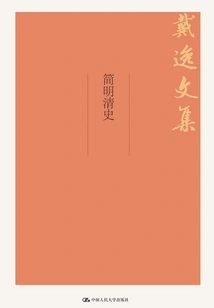
简明清史
Dai Yi
This book is divided into two volumes. It took seven years to compile and was first published in 1980 and 1984 respectively. It is one of the earliest monographs in my country that uses Marxist historical materialism as a guide to comprehensively and systematically explain the history of the Qing Dynasty before the Opium War. This book has rich information, clear views, clear narrative, and simple language. It is an authoritative Qing history textbook and introductory book for Qing history study in Chinese university liberal arts since the reform and opening up, and has far-reaching influence.
This book is divided into two volumes. It took seven years to compile and was first published in 1980 and 1984 respectively. It is one of the earliest monographs in my country that uses Marxist historical materialism as a guide to comprehensively and systematically explain the history of the Qing Dynasty before the Opium War. This book has rich information, clear views, clear narrative, and simple language. It is an authoritative Qing history textbook and introductory book for Qing history study in Chinese university liberal arts since the reform and opening up, and has far-reaching influence.
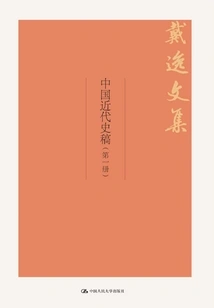
中国近代史稿
Dai Yi
This book is divided into two volumes and is revised and expanded based on the course notes on modern Chinese history taught by Mr. Dai Yi in 1954. The first volume mainly narrates the historical events during the two Opium Wars and the Taiping Rebellion. It was first published in 1958. It is an early comprehensive, systematic and concise modern history textbook for colleges and universities after the founding of New China. The second volume mainly covers the Westernization Movement, the Sino-French War, the Sino-Japanese Sino-Japanese War, etc. After it was written, it was never released to the public due to various reasons. It was not published together with the first volume until 2008. This book has a detailed narrative, a comprehensive vision, thoughtful thinking, and subtle insights. The disciplinary system and research methods of modern Chinese history constructed in the book still have important theoretical value to this day.
This book is divided into two volumes and is revised and expanded based on the course notes on modern Chinese history taught by Mr. Dai Yi in 1954. The first volume mainly narrates the historical events during the two Opium Wars and the Taiping Rebellion. It was first published in 1958. It is an early comprehensive, systematic and concise modern history textbook for colleges and universities after the founding of New China. The second volume mainly covers the Westernization Movement, the Sino-French War, the Sino-Japanese Sino-Japanese War, etc. After it was written, it was never released to the public due to various reasons. It was not published together with the first volume until 2008. This book has a detailed narrative, a comprehensive vision, thoughtful thinking, and subtle insights. The disciplinary system and research methods of modern Chinese history constructed in the book still have important theoretical value to this day.
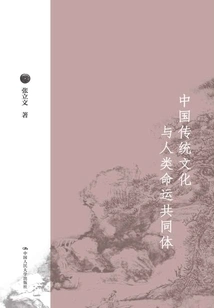
中国传统文化与人类命运共同体
Zhang Liwen
This book consists of four parts: New Century, New Governance, Speak for Oneself, Speak of Oneself, Advocate Harmony and Seek Practice, New Confucianism, and New Personality. The first part is to face the challenges of the new century. The concept of a community with a shared future for mankind opens up the Chinese century and the new century of mankind, and offers China's plan to the world. The second part is to build a theoretical thinking system of Hehexue with the characteristics, style, vigor and charm of the Chinese nation, as well as a Chinese theoretical thinking discourse system that speaks and speaks for itself, including the meaning and construction of Hehexue, Hehexue and the Belt and Road Initiative, etc. The third part is the national spirit and contemporary value of advocating Hehe, as well as the thinking characteristics, cultural connotation and practice of Hehe science. The fourth part is about cultural innovation and cultural power, as well as the need for ideal personalities with world vision, human consciousness and ideal talents who pursue the truth to realize the Chinese dream of the great rejuvenation of the Chinese nation.
This book consists of four parts: New Century, New Governance, Speak for Oneself, Speak of Oneself, Advocate Harmony and Seek Practice, New Confucianism, and New Personality. The first part is to face the challenges of the new century. The concept of a community with a shared future for mankind opens up the Chinese century and the new century of mankind, and offers China's plan to the world. The second part is to build a theoretical thinking system of Hehexue with the characteristics, style, vigor and charm of the Chinese nation, as well as a Chinese theoretical thinking discourse system that speaks and speaks for itself, including the meaning and construction of Hehexue, Hehexue and the Belt and Road Initiative, etc. The third part is the national spirit and contemporary value of advocating Hehe, as well as the thinking characteristics, cultural connotation and practice of Hehe science. The fourth part is about cultural innovation and cultural power, as well as the need for ideal personalities with world vision, human consciousness and ideal talents who pursue the truth to realize the Chinese dream of the great rejuvenation of the Chinese nation.
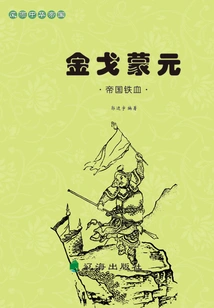
风雨中华帝国:帝国铁血·金戈蒙元
Compiled By Guo Bianyu
This book describes the important events and figures from the time when Genghis Khan unified the country to the fall of the Yuan Dynasty. In the form of "history telling", the author popularly and vividly tells the historical events such as Genghis Khan's conquest of Western Xia, the destruction of the Jin Kingdom, Kublai Khan's destruction of the Southern Song Dynasty, and the establishment of the Yuan Dynasty, as well as historical figures such as Ogedai, Meng Ge, Ahema, Yelu Chucai, Marco Polo, etc., Which are extremely informative and readable. This book adopts the method of both history and explanation to tell the story to the readers.
This book describes the important events and figures from the time when Genghis Khan unified the country to the fall of the Yuan Dynasty. In the form of "history telling", the author popularly and vividly tells the historical events such as Genghis Khan's conquest of Western Xia, the destruction of the Jin Kingdom, Kublai Khan's destruction of the Southern Song Dynasty, and the establishment of the Yuan Dynasty, as well as historical figures such as Ogedai, Meng Ge, Ahema, Yelu Chucai, Marco Polo, etc., Which are extremely informative and readable. This book adopts the method of both history and explanation to tell the story to the readers.
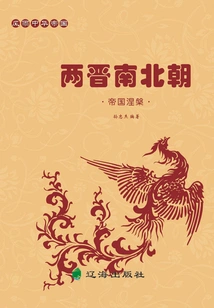
风雨中华帝国:帝国涅槃·两晋南北朝
Compiled By Sun Zhongjie
This book narrates the more than 360 years from the Wei to the Sui Dynasties and elaborates on some major events that occurred during the rise and fall of more than 30 large and small dynasties. This book adopts the method of both history and explanation to tell the story to the readers.
This book narrates the more than 360 years from the Wei to the Sui Dynasties and elaborates on some major events that occurred during the rise and fall of more than 30 large and small dynasties. This book adopts the method of both history and explanation to tell the story to the readers.
风雨中华帝国:帝国盛世·隋唐盛世
Compiled By Sun Zhongjie
This book explains the history from the establishment of the Sui Dynasty by Emperor Wen of the Sui Dynasty to the establishment of the Tang Dynasty by Emperor Taizong of the Tang Dynasty. The important events involved include Emperor Yang of the Sui Dynasty, Emperor Taizong of the Tang Dynasty, Wu Zetian, Emperor Xuanzong of the Tang Dynasty, Wei Zheng, the Xuanwumen Incident, the Anshi Rebellion, etc. This book adopts the method of both history and explanation to tell the story to the readers. It narrates a history of the Sui and Tang Dynasties vividly and with strong storytelling.
This book explains the history from the establishment of the Sui Dynasty by Emperor Wen of the Sui Dynasty to the establishment of the Tang Dynasty by Emperor Taizong of the Tang Dynasty. The important events involved include Emperor Yang of the Sui Dynasty, Emperor Taizong of the Tang Dynasty, Wu Zetian, Emperor Xuanzong of the Tang Dynasty, Wei Zheng, the Xuanwumen Incident, the Anshi Rebellion, etc. This book adopts the method of both history and explanation to tell the story to the readers. It narrates a history of the Sui and Tang Dynasties vividly and with strong storytelling.
风雨中华帝国:帝国拐点·宋朝山河
Compiled By Sun Zhongjie
This book narrates the history from the time when Taizu of the Song Dynasty unified the country to the Yuan Dynasty's destruction of the Southern Song Dynasty. It involves the important history and figures of the Song Dynasty, Xixia, Liao Dynasty, Jin Dynasty and other regimes. In the form of "history telling", the author narrates major events such as the Chenqiao Mutiny, the Release of Military Power over Drinking Wine, the Chanyuan Alliance, and the Jingkang Incident, as well as important figures such as Song Taizu, Liao Taizu, Jin Taizu, Song Renzong, Song Zong, Yue Fei, Qin Hui, and Wen Tianxiang. He also gives a historical explanation of Bao Zheng and the civet cat for the prince in folklore, which is extremely informative and readable. This book adopts the method of both history and explanation to tell the story to the readers.
This book narrates the history from the time when Taizu of the Song Dynasty unified the country to the Yuan Dynasty's destruction of the Southern Song Dynasty. It involves the important history and figures of the Song Dynasty, Xixia, Liao Dynasty, Jin Dynasty and other regimes. In the form of "history telling", the author narrates major events such as the Chenqiao Mutiny, the Release of Military Power over Drinking Wine, the Chanyuan Alliance, and the Jingkang Incident, as well as important figures such as Song Taizu, Liao Taizu, Jin Taizu, Song Renzong, Song Zong, Yue Fei, Qin Hui, and Wen Tianxiang. He also gives a historical explanation of Bao Zheng and the civet cat for the prince in folklore, which is extremely informative and readable. This book adopts the method of both history and explanation to tell the story to the readers.
风雨中华帝国:帝国朝阳·细说秦汉
Compiled By Sun Zhongjie
This book explains the history from the unification of the six kingdoms by the Qin Dynasty to the establishment of the Jin Dynasty in the form of a history. The important figures involved include Qin Shihuang, Li Si, Liu Bang, Xiang Yu, Emperor Wu of the Han Dynasty, etc.; Important events include burning books to embarrass Confucian scholars, treating deer like horses, the Battle of Gaixia, the Rebellion of the Seven Kingdoms of Wu and Chu, etc. Let readers understand the major events in Chinese history in a relaxed and pleasant atmosphere. This book adopts the method of both history and explanation to tell the story to the readers.
This book explains the history from the unification of the six kingdoms by the Qin Dynasty to the establishment of the Jin Dynasty in the form of a history. The important figures involved include Qin Shihuang, Li Si, Liu Bang, Xiang Yu, Emperor Wu of the Han Dynasty, etc.; Important events include burning books to embarrass Confucian scholars, treating deer like horses, the Battle of Gaixia, the Rebellion of the Seven Kingdoms of Wu and Chu, etc. Let readers understand the major events in Chinese history in a relaxed and pleasant atmosphere. This book adopts the method of both history and explanation to tell the story to the readers.
风雨中华帝国:帝国夕阳·明清余辉
Compiled By Guo Bianyu
This book describes the important events and important figures from the establishment of the Ming Dynasty by Zhu Yuanzhang, the founder of the Ming Dynasty, to the demise of the Ming Dynasty, as well as the important events and important figures from the establishment of the Qing Dynasty by Nurhaci and Huang Taiji to the demise of the Qing Dynasty. The Ming Taizu's Northern Expedition, the Civil War, the Seizing of Gates, the Opium War, the Taiping Revolution, the 1898 Coup, and historical figures such as Chen Youliang, Liu Bowen, Li Shanchang, Fang Xiaoru, Zhang Juzheng, Kangxi, Yongzheng, Qianlong, etc. Are given historical explanations, which are extremely informative and readable. This book adopts the method of both history and explanation to tell the story to the readers.
This book describes the important events and important figures from the establishment of the Ming Dynasty by Zhu Yuanzhang, the founder of the Ming Dynasty, to the demise of the Ming Dynasty, as well as the important events and important figures from the establishment of the Qing Dynasty by Nurhaci and Huang Taiji to the demise of the Qing Dynasty. The Ming Taizu's Northern Expedition, the Civil War, the Seizing of Gates, the Opium War, the Taiping Revolution, the 1898 Coup, and historical figures such as Chen Youliang, Liu Bowen, Li Shanchang, Fang Xiaoru, Zhang Juzheng, Kangxi, Yongzheng, Qianlong, etc. Are given historical explanations, which are extremely informative and readable. This book adopts the method of both history and explanation to tell the story to the readers.
五四运动史:现代中国的知识革命
(us) Zhou Cezong
This book is the representative work of the famous historian Mr. Zhou Cezong. The book is divided into two parts. The first part describes in detail the origin, social support and development of the May 4th Movement, and clarifies how the "May 4th" incident initiated by students gradually expanded into a national political patriotic movement. The second part analyzes the impact of the May 4th Movement on politics, society, literature and ideological fields, and comprehensively and systematically discusses the New Culture Movement, the literary revolution and various social and political trends of the time. The author cited detailed information and objective arguments, and conducted in-depth analysis and research on the social functions and historical destiny of the new intellectuals. This book presents a complete historical picture of the May Fourth Movement.
This book is the representative work of the famous historian Mr. Zhou Cezong. The book is divided into two parts. The first part describes in detail the origin, social support and development of the May 4th Movement, and clarifies how the "May 4th" incident initiated by students gradually expanded into a national political patriotic movement. The second part analyzes the impact of the May 4th Movement on politics, society, literature and ideological fields, and comprehensively and systematically discusses the New Culture Movement, the literary revolution and various social and political trends of the time. The author cited detailed information and objective arguments, and conducted in-depth analysis and research on the social functions and historical destiny of the new intellectuals. This book presents a complete historical picture of the May Fourth Movement.
中国人的教训(上册)
Li Guowen
This book is a representative work of the well-known writer Li Guowen who has concentrated on popular history and culture for more than 20 years, focusing on the present and writing about the gains and losses of personal history in ancient China. This book is based on the familiarity of a large number of historical materials - official history, unofficial history, and historical notes. It reads history and appreciates people, uses the past to understand the present, and uses history as a mirror to provide practical reference for the real life of today's Chinese people. It is arranged in historical order and is based on the living conditions, mental journeys, fate, deeds, talents and achievements, and the influence of the times of various people in the past dynasties. It not only writes about their hard work, interpersonal relationships, pioneering creation, deserving of their fame, and their fame in history, but also writes about their twists and turns, ups and downs, painstaking efforts, and hardships and successes, thus forming the grand past history of the Chinese people. It tells readers that Chinese people should regard personal history and past events as precious wealth, learn from all aspects of experience and lessons, and live easier, happier, and wiser lives today and in the future. This book also takes into account the reading habits of the public, and the language is humorous and humorous. Reading serious official historical works is as enjoyable as reading novels. This book is unique among "historical essays" and seems to be the work of a master. It travels through the ages, looks at the times, laughs and scolds generously, and cultivates knowledge through writing. It is a best-selling book full of life wisdom that is appreciated by both refined and popular people. This book allows readers to understand the survival wisdom of ancient Chinese people and at the same time understand more about how everyone lives today. The critic spoke highly of it: "This is one of the contemporary works that best unifies knowledge, temperament and opinions."
This book is a representative work of the well-known writer Li Guowen who has concentrated on popular history and culture for more than 20 years, focusing on the present and writing about the gains and losses of personal history in ancient China. This book is based on the familiarity of a large number of historical materials - official history, unofficial history, and historical notes. It reads history and appreciates people, uses the past to understand the present, and uses history as a mirror to provide practical reference for the real life of today's Chinese people. It is arranged in historical order and is based on the living conditions, mental journeys, fate, deeds, talents and achievements, and the influence of the times of various people in the past dynasties. It not only writes about their hard work, interpersonal relationships, pioneering creation, deserving of their fame, and their fame in history, but also writes about their twists and turns, ups and downs, painstaking efforts, and hardships and successes, thus forming the grand past history of the Chinese people. It tells readers that Chinese people should regard personal history and past events as precious wealth, learn from all aspects of experience and lessons, and live easier, happier, and wiser lives today and in the future. This book also takes into account the reading habits of the public, and the language is humorous and humorous. Reading serious official historical works is as enjoyable as reading novels. This book is unique among "historical essays" and seems to be the work of a master. It travels through the ages, looks at the times, laughs and scolds generously, and cultivates knowledge through writing. It is a best-selling book full of life wisdom that is appreciated by both refined and popular people. This book allows readers to understand the survival wisdom of ancient Chinese people and at the same time understand more about how everyone lives today. The critic spoke highly of it: "This is one of the contemporary works that best unifies knowledge, temperament and opinions."
中国人的教训(下册)
Li Guowen
This book is a landmark work by Li Guowen, a well-known Chinese writer, who has devoted himself to writing popular history for nearly 30 years. In the past events of blood and fire of the Chinese people, he searches for the wisdom of our life today. It is based on the living conditions, life attitudes, fate, successes and failures of various figures in China's past dynasties, highlighting the twists and turns, ups and downs, painstaking efforts, and hardships of their lives. It is the first biographical general history for Chinese people to reflect on their life trajectories and learn from life experience. It allows readers to learn more about the survival wisdom of the ancient Chinese and at the same time gain more understanding of how everyone lives today. Read history and appreciate people, learn from the past to understand the present, use history as a mirror, and provide help for real life. Here you can understand the ups and downs of Chinese people's life, understand the Chinese people's strategy of passing on from generation to generation, understand the profundity of Chinese traditional culture, and fully understand the Chinese people's true meaning of life, survival wisdom, and the essence of life. This book is based on the reading habits of the public. The content is profound and simple, the structure is magnificent, the plot is tear-jerking, the language is humorous, and it is a hearty and enjoyable read. It is a wise bestseller that can be appreciated by both refined and popular people. Famous critics believe that "this is one of the contemporary works that best unifies knowledge, temperament and opinions." The second volume is from the Song and Yuan Dynasties to the Qing Dynasty.
This book is a landmark work by Li Guowen, a well-known Chinese writer, who has devoted himself to writing popular history for nearly 30 years. In the past events of blood and fire of the Chinese people, he searches for the wisdom of our life today. It is based on the living conditions, life attitudes, fate, successes and failures of various figures in China's past dynasties, highlighting the twists and turns, ups and downs, painstaking efforts, and hardships of their lives. It is the first biographical general history for Chinese people to reflect on their life trajectories and learn from life experience. It allows readers to learn more about the survival wisdom of the ancient Chinese and at the same time gain more understanding of how everyone lives today. Read history and appreciate people, learn from the past to understand the present, use history as a mirror, and provide help for real life. Here you can understand the ups and downs of Chinese people's life, understand the Chinese people's strategy of passing on from generation to generation, understand the profundity of Chinese traditional culture, and fully understand the Chinese people's true meaning of life, survival wisdom, and the essence of life. This book is based on the reading habits of the public. The content is profound and simple, the structure is magnificent, the plot is tear-jerking, the language is humorous, and it is a hearty and enjoyable read. It is a wise bestseller that can be appreciated by both refined and popular people. Famous critics believe that "this is one of the contemporary works that best unifies knowledge, temperament and opinions." The second volume is from the Song and Yuan Dynasties to the Qing Dynasty.
Monarchy in Republic
History共和中的帝制
Zhang Ming
This book focuses on Chinese society before and after Zhang Xun's restoration in 1917. It discusses the current situation before and after 1917 with a rigorous attitude, including whether to declare war on Germany, how it was affected by the international community, the reaction of the military group and the literary group before and after Zhang Xun's restoration, and other historical events. It is both interesting and academic to read. It is an excellent popular history work that understands the historical events of the late Qing Dynasty.
This book focuses on Chinese society before and after Zhang Xun's restoration in 1917. It discusses the current situation before and after 1917 with a rigorous attitude, including whether to declare war on Germany, how it was affected by the international community, the reaction of the military group and the literary group before and after Zhang Xun's restoration, and other historical events. It is both interesting and academic to read. It is an excellent popular history work that understands the historical events of the late Qing Dynasty.
Collapse of Empire
History帝国的溃败
Zhang Ming
During the writing process of this book, the articles selected were basically the works that the author had published in columns on major websites. The author Zhang Ming is a professor at Renmin University and has a very profound research and understanding of Chinese history. Based on Chinese history, mainly the development of modern Chinese history, this book is divided into six parts: why the feudal dynasty perished, the New Deal in the late Qing Dynasty, the smoke of the Republic of China, comparison between China and the West, changes in the times, and essays and anecdotes. In the first part, through in-depth analysis of issues such as the party strife in the Song Dynasty and the seclusion of the Qing Dynasty, the author concluded that the reason for the downfall of the feudal dynasty was excessive arrogance and bloated institutions; in the second part, the author reviewed and analyzed historical events such as the Westernization Movement, the Reform Movement of 1898, and Yuan Shikai's New Army, showing readers a clearer history of the late Qing Dynasty in detail; in the third part, the author reproduced the impact of the May Fourth Movement on China based on detailed historical materials. The promotion of development, and the exploitation of ordinary people by the policies of the National Government; in the fourth part, the author shows the manifestations of the cultural conflict between the East and the West in special periods through detailed descriptions of the lives of foreigners living in Beijing and Shanghai in the 1920s; in the fifth part, the author reflects on contemporary education and some social phenomena mainly from the perspective of teachers; in the sixth part, the author mainly includes the author's essays about life and life.
During the writing process of this book, the articles selected were basically the works that the author had published in columns on major websites. The author Zhang Ming is a professor at Renmin University and has a very profound research and understanding of Chinese history. Based on Chinese history, mainly the development of modern Chinese history, this book is divided into six parts: why the feudal dynasty perished, the New Deal in the late Qing Dynasty, the smoke of the Republic of China, comparison between China and the West, changes in the times, and essays and anecdotes. In the first part, through in-depth analysis of issues such as the party strife in the Song Dynasty and the seclusion of the Qing Dynasty, the author concluded that the reason for the downfall of the feudal dynasty was excessive arrogance and bloated institutions; in the second part, the author reviewed and analyzed historical events such as the Westernization Movement, the Reform Movement of 1898, and Yuan Shikai's New Army, showing readers a clearer history of the late Qing Dynasty in detail; in the third part, the author reproduced the impact of the May Fourth Movement on China based on detailed historical materials. The promotion of development, and the exploitation of ordinary people by the policies of the National Government; in the fourth part, the author shows the manifestations of the cultural conflict between the East and the West in special periods through detailed descriptions of the lives of foreigners living in Beijing and Shanghai in the 1920s; in the fifth part, the author reflects on contemporary education and some social phenomena mainly from the perspective of teachers; in the sixth part, the author mainly includes the author's essays about life and life.