Library
Browse and search books
2,169 novels found
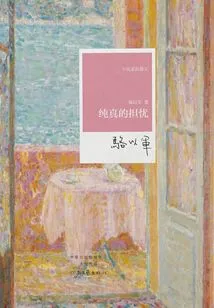
Innocent Worry
Literature纯真的担忧
Luo Yijun
This book is compiled and selected by the author himself. It has more than 150,000 words and 63 works, divided into 4 series: "Quiet Life", "Lost Things", "Earth Study" and "Nobody Knows". Luo Yijun's prose follows his novel writing style, highlighting his characteristics of "a gentle and violent bear who can tell stories". The noisy night market, the restless and confused youth, the faces passing by, the loneliness of literary colleagues, the homesickness of my parents, the blurred and broken images of the city, as well as memories, dreams, and anecdotes... Are presented one by one in the writer's pen, seeming to depict a picture of the people and things in Taipei where life is gathering and dispersing, and the past is unclear. Writers can infinitely get closer to the joys and sorrows of life through true-hearted writing.
This book is compiled and selected by the author himself. It has more than 150,000 words and 63 works, divided into 4 series: "Quiet Life", "Lost Things", "Earth Study" and "Nobody Knows". Luo Yijun's prose follows his novel writing style, highlighting his characteristics of "a gentle and violent bear who can tell stories". The noisy night market, the restless and confused youth, the faces passing by, the loneliness of literary colleagues, the homesickness of my parents, the blurred and broken images of the city, as well as memories, dreams, and anecdotes... Are presented one by one in the writer's pen, seeming to depict a picture of the people and things in Taipei where life is gathering and dispersing, and the past is unclear. Writers can infinitely get closer to the joys and sorrows of life through true-hearted writing.
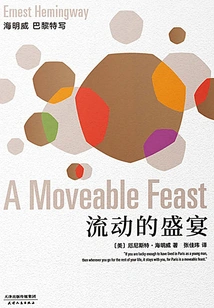
A Moveable Feast
Literature流动的盛宴
(us) Ernest Hemingway
"A Moveable Feast" is a non-fiction literary work by Hemingway with a distinctive personal style. "If you are lucky enough to live in Paris when you are young, then no matter where you spend the rest of your life, Paris will be with you; because Paris is a moveable feast." In this book, Hemingway describes the people and things in Paris in his early years in his memory, writing in the Lilac Garden, borrowing books from Shakespeare's Bookstore, walking by the Seine, and going to the Louvre, the Panthéon, and the Duchess of Luxembourg. Garden... Associations with Pound, Joyce, the Fitzgeralds, Miss Stein, Sylvia Beach, and Ford Madox Ford... Reading, parties, horse racing, drinking, gourmet food, skiing, boxing, cats... This publication is translated from the full version certified by Shakespeare and Company in Paris. The translator, Zhang Jiawei, lives in Paris and is engaged in writing and literary translation. This edition contains images of Paris street scenes and daily life in the 1920s, and comes with a color-printed "Jazz Age" Paris metropolitan map for a better understanding of the classics.
"A Moveable Feast" is a non-fiction literary work by Hemingway with a distinctive personal style. "If you are lucky enough to live in Paris when you are young, then no matter where you spend the rest of your life, Paris will be with you; because Paris is a moveable feast." In this book, Hemingway describes the people and things in Paris in his early years in his memory, writing in the Lilac Garden, borrowing books from Shakespeare's Bookstore, walking by the Seine, and going to the Louvre, the Panthéon, and the Duchess of Luxembourg. Garden... Associations with Pound, Joyce, the Fitzgeralds, Miss Stein, Sylvia Beach, and Ford Madox Ford... Reading, parties, horse racing, drinking, gourmet food, skiing, boxing, cats... This publication is translated from the full version certified by Shakespeare and Company in Paris. The translator, Zhang Jiawei, lives in Paris and is engaged in writing and literary translation. This edition contains images of Paris street scenes and daily life in the 1920s, and comes with a color-printed "Jazz Age" Paris metropolitan map for a better understanding of the classics.
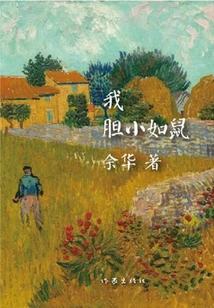
I'm as Timid as a Mouse
Literature我胆小如鼠
Yu Hua
It includes three short stories and short stories written by Yu Hua, the author of the contemporary Chinese classic "Alive", from 1986 to 1998: "I am as timid as a mouse", "Summer Typhoon" and "April 3rd Incident".
It includes three short stories and short stories written by Yu Hua, the author of the contemporary Chinese classic "Alive", from 1986 to 1998: "I am as timid as a mouse", "Summer Typhoon" and "April 3rd Incident".
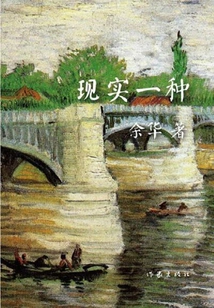
A Kind of Reality
Literature现实一种
Yu Hua
Collects the original work of the same name from the movie "The Mistake by the River" by Zhu Yilong. "A Kind of Reality" is my writing journey from 1986 to 1998. After more than ten years of long nights and those sunny or gloomy days, what have the years left behind? What these short stories and short stories in "A Kind of Reality" record is my other life path. Different from the real life path, it is possible to restore it and is accurate. Although the passage of time will cause the paper to become yellowed and the writing to be unclear, every time it is republished it takes on a new look and regains its distinctive image.
Collects the original work of the same name from the movie "The Mistake by the River" by Zhu Yilong. "A Kind of Reality" is my writing journey from 1986 to 1998. After more than ten years of long nights and those sunny or gloomy days, what have the years left behind? What these short stories and short stories in "A Kind of Reality" record is my other life path. Different from the real life path, it is possible to restore it and is accurate. Although the passage of time will cause the paper to become yellowed and the writing to be unclear, every time it is republished it takes on a new look and regains its distinctive image.
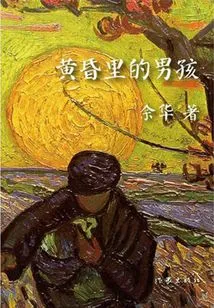
Boy in Dusk
Literature黄昏里的男孩
Yu Hua
"The Boy in the Twilight" contains twelve works. This is the closest to reality among all my short stories and short stories. It may be endearing, but it is also full of uneasiness. I think this is the most basic feeling that real life gives us, which is kind and disturbing at the same time. What these short stories and short stories record is another path of my life. Different from the real life path, it is possible to restore it and is accurate. Although the passage of time will cause the paper to become yellowed and the writing to be unclear, every time it is republished it takes on a new look and regains its distinctive image. This is why I love writing so much.
"The Boy in the Twilight" contains twelve works. This is the closest to reality among all my short stories and short stories. It may be endearing, but it is also full of uneasiness. I think this is the most basic feeling that real life gives us, which is kind and disturbing at the same time. What these short stories and short stories record is another path of my life. Different from the real life path, it is possible to restore it and is accurate. Although the passage of time will cause the paper to become yellowed and the writing to be unclear, every time it is republished it takes on a new look and regains its distinctive image. This is why I love writing so much.
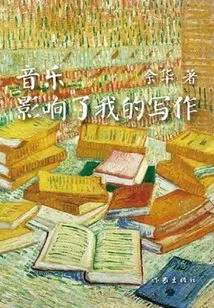
Music Influences My Writing
Literature音乐影响了我的写作
Yu Hua
It includes 13 essays by Yu Hua, the author of the contemporary Chinese classic "Alive": "Music Influenced My Writing", "Narration of Music", "Climax", "Negation", "Inspiration", "Color", "Words and Sounds", "Rereading Tchaikovsky", "The Meaning of Disappearance", "Strong Imagination Produces Facts", "The Proper Study of Humans Are Humans", "Korean Eyes", "Soul Rice", etc.
It includes 13 essays by Yu Hua, the author of the contemporary Chinese classic "Alive": "Music Influenced My Writing", "Narration of Music", "Climax", "Negation", "Inspiration", "Color", "Words and Sounds", "Rereading Tchaikovsky", "The Meaning of Disappearance", "Strong Imagination Produces Facts", "The Proper Study of Humans Are Humans", "Korean Eyes", "Soul Rice", etc.
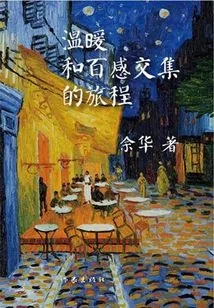
A Journey of Warmth and Mixed Emotions
Literature温暖和百感交集的旅程
Yu Hua
It includes 24 essays by Yu Hua, the author of the Chinese contemporary classic "Alive": "Can I Believe in Myself?", "A Journey of Warmth and Mixed Feelings", "The Reality of Erges", "Kov's Waiting", "Ruzod's Story", "Shima Yukio's Writing and Life", "Death of the Heart", "Kafka and K", "Literature and Literary History", "William Faulkner", "Ann Rulfo", etc.
It includes 24 essays by Yu Hua, the author of the Chinese contemporary classic "Alive": "Can I Believe in Myself?", "A Journey of Warmth and Mixed Feelings", "The Reality of Erges", "Kov's Waiting", "Ruzod's Story", "Shima Yukio's Writing and Life", "Death of the Heart", "Kafka and K", "Literature and Literary History", "William Faulkner", "Ann Rulfo", etc.
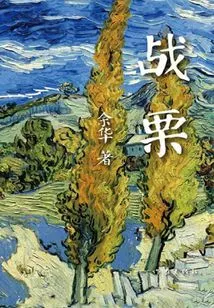
Tremble
Literature战栗
Yu Hua
Yu Hua's experience enables his writing to constantly awaken his memory. He believes that such memory not only belongs to me personally, but may be the image of an era, or the imprint of a world deep in a person's soul, which is an unhealable scar... "Tremble" is one of his collections of novels. "Thriller" contains three novellas by Yu Hua, representative works of Chinese avant-garde novels. "Accident" reveals the contingency and repetition of fate; "Death of a Landlord" shows the fate leading to no return; and in "Trembling", a poet who was teased by fate has no choice but to express joy in a painful way... These stories about fate are both realistic and inner.
Yu Hua's experience enables his writing to constantly awaken his memory. He believes that such memory not only belongs to me personally, but may be the image of an era, or the imprint of a world deep in a person's soul, which is an unhealable scar... "Tremble" is one of his collections of novels. "Thriller" contains three novellas by Yu Hua, representative works of Chinese avant-garde novels. "Accident" reveals the contingency and repetition of fate; "Death of a Landlord" shows the fate leading to no return; and in "Trembling", a poet who was teased by fate has no choice but to express joy in a painful way... These stories about fate are both realistic and inner.
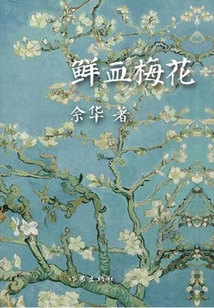
Blood Plum Blossom
Literature鲜血梅花
Yu Hua
It includes 5 short stories written by Yu Hua, the author of the contemporary Chinese classic "Alive", from 1986 to 1998: "Blood Plum Blossoms", "Classical Love", "Past Events and Punishment", "This Document is for the Girl Willow" and "Ancestors".
It includes 5 short stories written by Yu Hua, the author of the contemporary Chinese classic "Alive", from 1986 to 1998: "Blood Plum Blossoms", "Classical Love", "Past Events and Punishment", "This Document is for the Girl Willow" and "Ancestors".
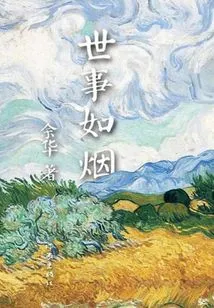
Things Are Like Smoke
Literature世事如烟
Yu Hua
It includes 8 short stories and short stories written by Yu Hua, the author of the contemporary Chinese classic "Alive", from 1986 to 1998: "Going for a Long Journey at the Age of Eighteen", "The Noon of the Whistling Northwest Wind", "Death Narrative", "Love Story", "Destined", "The History of Two People", "Inescapable Doom" and "The World Is Like Smoke".
It includes 8 short stories and short stories written by Yu Hua, the author of the contemporary Chinese classic "Alive", from 1986 to 1998: "Going for a Long Journey at the Age of Eighteen", "The Noon of the Whistling Northwest Wind", "Death Narrative", "Love Story", "Destined", "The History of Two People", "Inescapable Doom" and "The World Is Like Smoke".
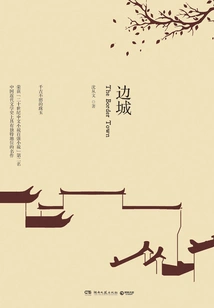
Border Town
Literature边城
Shen Congwen
"Border Town" is Shen Congwen's masterpiece and a novella. This book established its important position in the history of literature in one fell swoop. The book entrusts the author's aesthetic ideals of "beauty" and "love", and is a work that better expresses the beauty of human nature. The novel is set in Chadong, a border town at the junction of Sichuan and Hunan in the 1930s. It depicts the simple folk customs and natural living conditions of the border town in western Hunan with a beautiful style that combines lyric poetry and essays. There are a total of twenty-one chapters in the book, each chapter is like a thick or light ink painting, using simple and fresh language to show a "beautiful, healthy, natural and not contrary to human nature".
"Border Town" is Shen Congwen's masterpiece and a novella. This book established its important position in the history of literature in one fell swoop. The book entrusts the author's aesthetic ideals of "beauty" and "love", and is a work that better expresses the beauty of human nature. The novel is set in Chadong, a border town at the junction of Sichuan and Hunan in the 1930s. It depicts the simple folk customs and natural living conditions of the border town in western Hunan with a beautiful style that combines lyric poetry and essays. There are a total of twenty-one chapters in the book, each chapter is like a thick or light ink painting, using simple and fresh language to show a "beautiful, healthy, natural and not contrary to human nature".
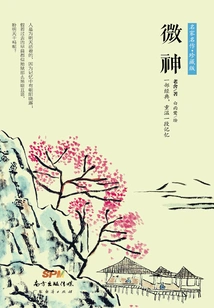
Weishen
Literature微神
Lao She
In the history of modern literature, Lao She is an outstanding "painter" of customs and worldly situations. His works are humorous, thought-provoking and unique, and are known as "unreplicable language in the history of modern literature". "Micro God" contains many of Lao She's classic prose, essays, novels, and the three-act drama "Teahouse". These works were based on the social environment of the time and, through descriptions of ordinary people's lives, reflected the social turmoil at that time and the sharp conflicts between various classes and forces. These works have a unique humorous style and a strong flavor of life. The author incorporates satirical criticism of the society at that time and compassion for the people into his words, making people laugh and fall into deep thinking at the same time.
In the history of modern literature, Lao She is an outstanding "painter" of customs and worldly situations. His works are humorous, thought-provoking and unique, and are known as "unreplicable language in the history of modern literature". "Micro God" contains many of Lao She's classic prose, essays, novels, and the three-act drama "Teahouse". These works were based on the social environment of the time and, through descriptions of ordinary people's lives, reflected the social turmoil at that time and the sharp conflicts between various classes and forces. These works have a unique humorous style and a strong flavor of life. The author incorporates satirical criticism of the society at that time and compassion for the people into his words, making people laugh and fall into deep thinking at the same time.
Characters Are Not Discounted
Literature人物不打折扣
Lao She
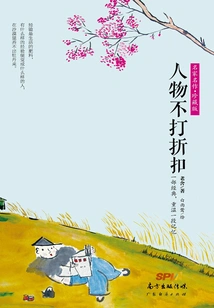
"Characters Without Discount" contains many classic essays and novel "Camel Xiangzi" by Mr. Lao She describing characters. These works use vivid and lively language to depict the images of some characters at that time. Within the scope of his depiction, they combine the natural scenery of the four seasons, the social atmosphere and customs of different eras, as well as the emotions, anger, sorrow, joy and subtle mentality of various characters. Let people taste the various aspects of life in history and reality.
"Characters Without Discount" contains many classic essays and novel "Camel Xiangzi" by Mr. Lao She describing characters. These works use vivid and lively language to depict the images of some characters at that time. Within the scope of his depiction, they combine the natural scenery of the four seasons, the social atmosphere and customs of different eras, as well as the emotions, anger, sorrow, joy and subtle mentality of various characters. Let people taste the various aspects of life in history and reality.
So Happy That I Want to Fly
Literature快活得要飞了
Lao She
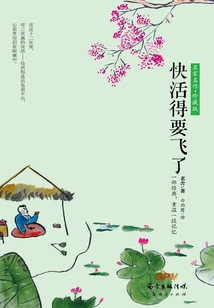
In the history of modern literature, Lao She is an outstanding "painter" of customs and worldly situations. His works are humorous, thought-provoking and unique, and are known as "unreplicable language in the history of modern literature". "So Happy I'm Flying" contains many classic essays and novel "Divorce" by Mr. Lao She. These works are based on daily life. Through ordinary scenes and plain words, they reflect the author's complex inner world and common social conflicts, and then extend to the exploration of the national spirit and the thinking of the national destiny, allowing people to taste the severity and heaviness of life in a light and humorous way.
In the history of modern literature, Lao She is an outstanding "painter" of customs and worldly situations. His works are humorous, thought-provoking and unique, and are known as "unreplicable language in the history of modern literature". "So Happy I'm Flying" contains many classic essays and novel "Divorce" by Mr. Lao She. These works are based on daily life. Through ordinary scenes and plain words, they reflect the author's complex inner world and common social conflicts, and then extend to the exploration of the national spirit and the thinking of the national destiny, allowing people to taste the severity and heaviness of life in a light and humorous way.
四世同堂(全集)
Lao She
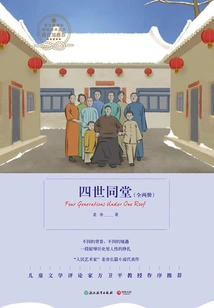
"Four Generations Under One Roof" is divided into three parts: "Confusion", "Stealing Life" and "Famine". With nearly one million words, it is the longest one among Lao She's works. The entire work is set in the occupied area of Beiping during the Anti-Japanese War. It describes the psychology and experiences of more than a dozen families and more than 100 people in Xiaoyangquan Hutong, centered on the four generations of the Qi family. Their ups and downs, life and death, mental torture and deep suffering are reproduced in the story of the Japanese invaders. Under the brutal rule, the people of Peiping went from being confused and depressed, enduring humiliation to gradually awakening and resisting. This process eulogized their valuable national integrity and the Chinese nation's unyielding will to fight and determination to resist the war. It profoundly demonstrated the difficult and tortuous path that ordinary people have traveled in the historical process of the great era.
"Four Generations Under One Roof" is divided into three parts: "Confusion", "Stealing Life" and "Famine". With nearly one million words, it is the longest one among Lao She's works. The entire work is set in the occupied area of Beiping during the Anti-Japanese War. It describes the psychology and experiences of more than a dozen families and more than 100 people in Xiaoyangquan Hutong, centered on the four generations of the Qi family. Their ups and downs, life and death, mental torture and deep suffering are reproduced in the story of the Japanese invaders. Under the brutal rule, the people of Peiping went from being confused and depressed, enduring humiliation to gradually awakening and resisting. This process eulogized their valuable national integrity and the Chinese nation's unyielding will to fight and determination to resist the war. It profoundly demonstrated the difficult and tortuous path that ordinary people have traveled in the historical process of the great era.
The Complete Works of Kafka (volume 3)
Literature卡夫卡全集(第3卷)
(austrian) Kafka, Edited By Ye Tingfang
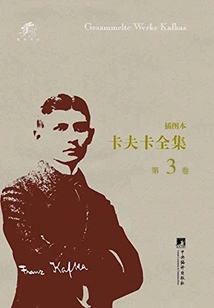
This book includes Kafka's novel "The Castle". Most of the subjects described in Kafka's works are unknown people at the bottom. They are deeply squeezed by the imperial bureaucracy, and their hearts are full of loneliness, fear, confusion and uneasiness. The plots are often fragmented, which reflect the social contradictions and the situation of all living beings in the late period of the empire, becoming a model work of that era.
This book includes Kafka's novel "The Castle". Most of the subjects described in Kafka's works are unknown people at the bottom. They are deeply squeezed by the imperial bureaucracy, and their hearts are full of loneliness, fear, confusion and uneasiness. The plots are often fragmented, which reflect the social contradictions and the situation of all living beings in the late period of the empire, becoming a model work of that era.
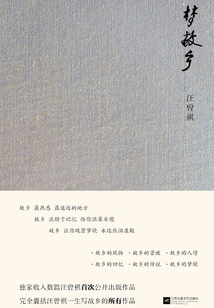
Dream Hometown
Literature梦故乡
Wang Zengqi
This is a collection of essays commemorating the 20th anniversary of the death of Mr. Wang Zengqi. It has about 700,000 words and nearly 1,000 pages. It completely covers the novels, essays, literary essays, poetry couplets, letters, calligraphy and paintings, and manuscripts written by Wang Zengqi during his lifetime and set in his hometown of Gaoyou. It turns out that he once wrote so many moving words about his hometown of Gaoyou or with it as the background. The book tells about the scenery of his hometown, the scenery of his hometown, the people in his hometown, the memories of his hometown, the legends of his hometown, and the dreams of his hometown. Wang Zengqi is satisfied with writing all kinds of things about his hometown.
This is a collection of essays commemorating the 20th anniversary of the death of Mr. Wang Zengqi. It has about 700,000 words and nearly 1,000 pages. It completely covers the novels, essays, literary essays, poetry couplets, letters, calligraphy and paintings, and manuscripts written by Wang Zengqi during his lifetime and set in his hometown of Gaoyou. It turns out that he once wrote so many moving words about his hometown of Gaoyou or with it as the background. The book tells about the scenery of his hometown, the scenery of his hometown, the people in his hometown, the memories of his hometown, the legends of his hometown, and the dreams of his hometown. Wang Zengqi is satisfied with writing all kinds of things about his hometown.
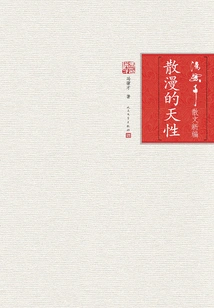
Undisciplined Nature
Literature散漫的天性
Feng Jicai
This is one of the five books in the "New Collection of Feng Jicai's Prose" series. It selects a large number of travel notes from Feng Jicai's prose works and is carefully selected by the author himself.
This is one of the five books in the "New Collection of Feng Jicai's Prose" series. It selects a large number of travel notes from Feng Jicai's prose works and is carefully selected by the author himself.
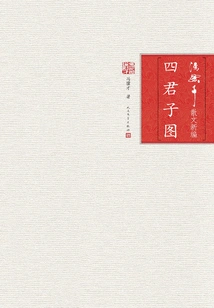
Four Gentlemen Picture
Literature四君子图
Feng Jicai
This is one of the five books in the "New Collection of Feng Jicai's Prose" series. It selects passages describing characters from a large number of Feng Jicai's prose works, and selects the author's reminiscences about his peers and mentors. This book is carefully selected by the author himself.
This is one of the five books in the "New Collection of Feng Jicai's Prose" series. It selects passages describing characters from a large number of Feng Jicai's prose works, and selects the author's reminiscences about his peers and mentors. This book is carefully selected by the author himself.
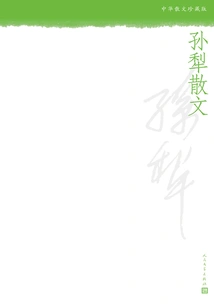
Sun Li's Prose
Literature孙犁散文
Sun Li
"Sun Li's Prose" is one of the large series of "Chinese Prose Collection Edition". As a writer with conscious stylistic awareness and the founder of the "Lotus Lake School", Sun Li's prose is unique in the literary world, imprinted with the author's distinctive style imprint, no matter what he writes, When people remember things, they cherish words like gold, and at the same time they are full of deep and sincere emotions. The writing is concise and restrained, but it does not affect the richness and vividness of details. Its creative features of meaning beyond words and long and lasting meaning have attracted many literary lovers to follow and imitate, and it has a broad and profound influence among readers.
"Sun Li's Prose" is one of the large series of "Chinese Prose Collection Edition". As a writer with conscious stylistic awareness and the founder of the "Lotus Lake School", Sun Li's prose is unique in the literary world, imprinted with the author's distinctive style imprint, no matter what he writes, When people remember things, they cherish words like gold, and at the same time they are full of deep and sincere emotions. The writing is concise and restrained, but it does not affect the richness and vividness of details. Its creative features of meaning beyond words and long and lasting meaning have attracted many literary lovers to follow and imitate, and it has a broad and profound influence among readers.
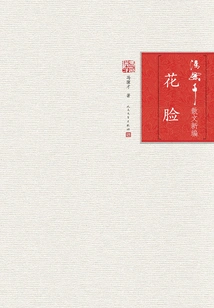
Painted Face
Literature花脸
Feng Jicai
This is one of the five books in the "New Collection of Feng Jicai's Prose" series. It selects lyrical chapters from a large number of Feng Jicai's prose works and is carefully selected by the author himself. The title of the book is yet to be determined. I suddenly remembered a sentence: "As soon as I pounced on you, I felt infinite tenderness." I also remembered a sentence of mine: "I slept in your dream." - "Autumn Music".
This is one of the five books in the "New Collection of Feng Jicai's Prose" series. It selects lyrical chapters from a large number of Feng Jicai's prose works and is carefully selected by the author himself. The title of the book is yet to be determined. I suddenly remembered a sentence: "As soon as I pounced on you, I felt infinite tenderness." I also remembered a sentence of mine: "I slept in your dream." - "Autumn Music".
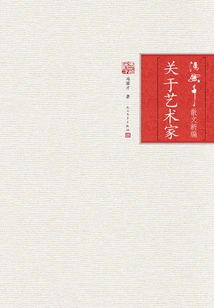
About the Artist
Literature关于艺术家
Feng Jicai
This is one of the five books in the "New Collection of Feng Jicai's Prose" series. It selects culturally focused chapters from a large number of Feng Jicai's prose works and is carefully selected by the author himself. I call this topic of "New Prose Collection" a kind of "prose shelf", and then put five small prose books that I selected for this purpose. --Feng Jicai.
This is one of the five books in the "New Collection of Feng Jicai's Prose" series. It selects culturally focused chapters from a large number of Feng Jicai's prose works and is carefully selected by the author himself. I call this topic of "New Prose Collection" a kind of "prose shelf", and then put five small prose books that I selected for this purpose. --Feng Jicai.
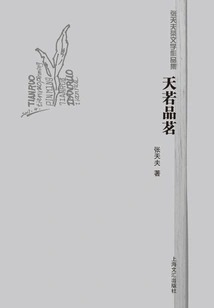
Tianruo Drinking Tea
Literature天若品茗
Zhang Tianfu
Good tea has been produced in Wuling since ancient times. In addition, I personally like tea and have planned various tea cultural activities for the local area for many years. I have inadvertently brought out a number of texts about tea. At this tea culture event, everyone suggested that I compile my previous works into a collection, so I picked out some from various literary genres like Chinese medicine and compiled this manuscript. Although it is not comprehensive, it can be regarded as a monograph on tea literature.
Good tea has been produced in Wuling since ancient times. In addition, I personally like tea and have planned various tea cultural activities for the local area for many years. I have inadvertently brought out a number of texts about tea. At this tea culture event, everyone suggested that I compile my previous works into a collection, so I picked out some from various literary genres like Chinese medicine and compiled this manuscript. Although it is not comprehensive, it can be regarded as a monograph on tea literature.
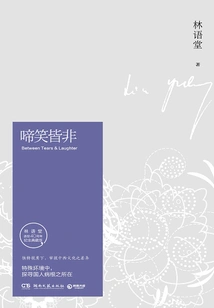
Laughing or Crying
Literature啼笑皆非
Lin Yutang
This book is divided into four volumes. Volume 1 is about "Situation". Describes the crisis in today's world and the potential for the Third War. Volume 2 discusses "Taoism", pointing out the decline of Taoism and the error of using materialistic methods to solve crises. Volume Three discusses "symptoms" and refutes various current treatises on postwar peace in order to see the crux of today's thinking. Volume Four discusses "Governance", which analyzes the direction of culture in the past hundred years from an academic perspective and deduce the historical reasons for the decline of humanity. It also sheds light on the new tendency of scientific thinking and change, rejects materialism and mechanism, and reestablishes the theory of free will. In terms of content, Volume 1 talks more about the new situation caused by the renaissance of Asia. Volume 2 discusses minor details such as racial prejudice, Europeanized ignorance, mathematical superstition, and mechanical psychology. Volume Three contains many examples of solutions for peace discussions in the West today. Volume 4 is devoted to the basic issues of academic thought and philosophy.
This book is divided into four volumes. Volume 1 is about "Situation". Describes the crisis in today's world and the potential for the Third War. Volume 2 discusses "Taoism", pointing out the decline of Taoism and the error of using materialistic methods to solve crises. Volume Three discusses "symptoms" and refutes various current treatises on postwar peace in order to see the crux of today's thinking. Volume Four discusses "Governance", which analyzes the direction of culture in the past hundred years from an academic perspective and deduce the historical reasons for the decline of humanity. It also sheds light on the new tendency of scientific thinking and change, rejects materialism and mechanism, and reestablishes the theory of free will. In terms of content, Volume 1 talks more about the new situation caused by the renaissance of Asia. Volume 2 discusses minor details such as racial prejudice, Europeanized ignorance, mathematical superstition, and mechanical psychology. Volume Three contains many examples of solutions for peace discussions in the West today. Volume 4 is devoted to the basic issues of academic thought and philosophy.
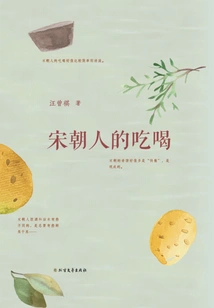
宋朝人的吃喝
Wang Zengqi
The articles included in this book are divided into four volumes, namely: talking about yourself, talking about food, talking about history, and talking about teachers and friends. Talking about himself, Mr. Wang introduced himself to his family, introducing his schooling experience, memories of illness, and the process of creating works such as "Da Nao Chronicles"; talking about food, selecting the wonderful passages of Mr. Wang talking about food, which makes people have a great time; talking about history, feeling the fate of mankind in the snow and mud of history, witnessing Mr. Wang's profound knowledge and open-minded attitude towards life; talking about teachers and friends, recalling the hometown of teachers and friends, and reappearing the beauty of pure human nature in light strokes.
The articles included in this book are divided into four volumes, namely: talking about yourself, talking about food, talking about history, and talking about teachers and friends. Talking about himself, Mr. Wang introduced himself to his family, introducing his schooling experience, memories of illness, and the process of creating works such as "Da Nao Chronicles"; talking about food, selecting the wonderful passages of Mr. Wang talking about food, which makes people have a great time; talking about history, feeling the fate of mankind in the snow and mud of history, witnessing Mr. Wang's profound knowledge and open-minded attitude towards life; talking about teachers and friends, recalling the hometown of teachers and friends, and reappearing the beauty of pure human nature in light strokes.
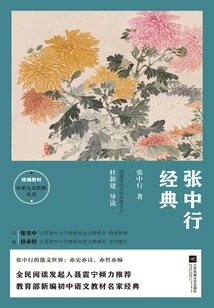
Zhang Zhongxing Classic
Literature张中行经典
Zhang Zhongxing
As a "late bloomer" prose writer in the literary world, Zhang Zhongxing's prose is inextricably linked to his personal experience. After experiencing the ups and downs of destiny in different eras, in the twilight years of his life, he took up writing to recall the past, writing about the Red Mansion, Peking University, food, teachers and friends, life, and leisurely feelings. A lifetime of insights and feelings are smeared in simple and light words. This is the charm of Zhang Zhongxing's prose.
As a "late bloomer" prose writer in the literary world, Zhang Zhongxing's prose is inextricably linked to his personal experience. After experiencing the ups and downs of destiny in different eras, in the twilight years of his life, he took up writing to recall the past, writing about the Red Mansion, Peking University, food, teachers and friends, life, and leisurely feelings. A lifetime of insights and feelings are smeared in simple and light words. This is the charm of Zhang Zhongxing's prose.
Haiyan
Literature海燕
(soviet) Gorky
This book is a collection of selected essays by the famous Soviet writer Gorky. It contains dozens of classic prose masterpieces such as "Petrel", "People", "Melody of Spring", "Song of the Eagle", "Book", "Clock", and "Untimely Thoughts", which fully demonstrates Gorky's revolutionary enthusiasm and optimism. It has positive cultural value for contemporary Chinese society to promote patriotic education and inherit the red gene and revolutionary spirit.
This book is a collection of selected essays by the famous Soviet writer Gorky. It contains dozens of classic prose masterpieces such as "Petrel", "People", "Melody of Spring", "Song of the Eagle", "Book", "Clock", and "Untimely Thoughts", which fully demonstrates Gorky's revolutionary enthusiasm and optimism. It has positive cultural value for contemporary Chinese society to promote patriotic education and inherit the red gene and revolutionary spirit.
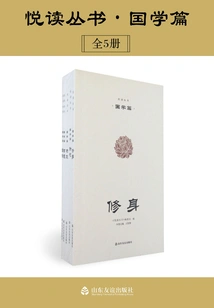
国学篇·悦读丛书(全5卷)
Wang Hengzhan
This book is a popular Chinese studies book tailored for national reading in Shandong Province in 2015. It is divided into five volumes: "Cultivation", "Doing Politics", "Wisdom", "Inspirational" and "Philosophy". According to the theme of each volume, it compiles the best chapters of "The Analects", "Mencius", "Laozi", "Zhuangzi", "Xunzi", "Guanzi", "Han Feizi" and "Thirty-Six Strategies". ?
This book is a popular Chinese studies book tailored for national reading in Shandong Province in 2015. It is divided into five volumes: "Cultivation", "Doing Politics", "Wisdom", "Inspirational" and "Philosophy". According to the theme of each volume, it compiles the best chapters of "The Analects", "Mencius", "Laozi", "Zhuangzi", "Xunzi", "Guanzi", "Han Feizi" and "Thirty-Six Strategies". ?
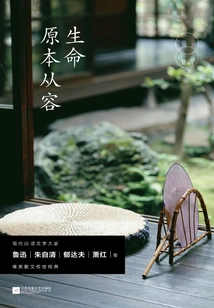
Life Was Originally Calm
Literature生命原本从容
Wang Meng
Only by facing confusion and troubles calmly can we appreciate the calmness of life. How much twists and turns you can withstand, how much happiness you deserve. This book selects many articles about the calmness of life by famous writers such as Lu Xun, Zhu Ziqing, Yu Dafu, and Xiao Hong. I hope that each of us can get warm comfort and perseverance from the book, and find inner peace in an impetuous world.
Only by facing confusion and troubles calmly can we appreciate the calmness of life. How much twists and turns you can withstand, how much happiness you deserve. This book selects many articles about the calmness of life by famous writers such as Lu Xun, Zhu Ziqing, Yu Dafu, and Xiao Hong. I hope that each of us can get warm comfort and perseverance from the book, and find inner peace in an impetuous world.
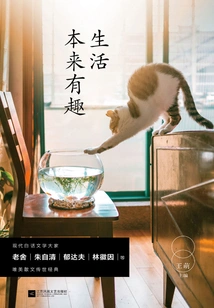
Life is Interesting
Literature生活本来有趣
Wang Meng
Life itself is the method, life itself is also the purpose. Discover the beauty of daily life in details and taste the flavor of life. This book selects many interesting articles about life by famous writers such as Lao She, Zhu Ziqing, Yu Dafu, and Lin Huiyin. I hope that each of us can get warm comfort and perseverance from the book and live a fulfilling life.
Life itself is the method, life itself is also the purpose. Discover the beauty of daily life in details and taste the flavor of life. This book selects many interesting articles about life by famous writers such as Lao She, Zhu Ziqing, Yu Dafu, and Lin Huiyin. I hope that each of us can get warm comfort and perseverance from the book and live a fulfilling life.
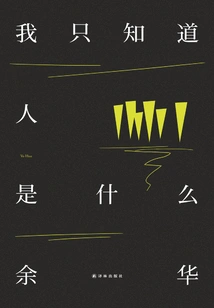
I Only Know What a Person Is
Literature我只知道人是什么
Yu Hua
"Literature encompasses everything, but what is the most important? People." "I Only Know What People Are" is the latest collection of essays compiled and selected by the famous writer Yu Hua. This book is a collection of essays he has published in recent years. Yu Hua wisely and sincerely shares his observations and thoughts. The content is all-encompassing, from the past to reality, from himself to the times. He talks about life experience and creative experience. He vividly recalls his encounters with characters in his works such as Fu Gui and Xu Sanguan, and also tells about his encounters with brave Polish farmers and Italian mental hospital patients when he traveled around the world... Sometimes they are thousands of people, sometimes they are like the same person. These broad and rich explorations of human nature demonstrate an excellent writer's profound insight into life, and the stories condensed out of the impermanence of fate not only connect our past and future, but also ultimately point to the most fundamental source of power in all literary and artistic creations.
"Literature encompasses everything, but what is the most important? People." "I Only Know What People Are" is the latest collection of essays compiled and selected by the famous writer Yu Hua. This book is a collection of essays he has published in recent years. Yu Hua wisely and sincerely shares his observations and thoughts. The content is all-encompassing, from the past to reality, from himself to the times. He talks about life experience and creative experience. He vividly recalls his encounters with characters in his works such as Fu Gui and Xu Sanguan, and also tells about his encounters with brave Polish farmers and Italian mental hospital patients when he traveled around the world... Sometimes they are thousands of people, sometimes they are like the same person. These broad and rich explorations of human nature demonstrate an excellent writer's profound insight into life, and the stories condensed out of the impermanence of fate not only connect our past and future, but also ultimately point to the most fundamental source of power in all literary and artistic creations.
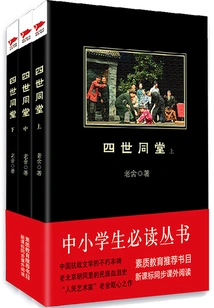
四世同堂(全集)
Lao She
This book is a novel written by the Chinese writer Lao She. The novel shows the life of ordinary people in the occupied areas of Peiping during the Anti-Japanese War. The book is set in Xiaoyangquan Hutong in Peking. Through complex conflicts and entanglements, the book mainly focuses on the Qi family in the Hutong, supplemented by the Qian family, Guan family and other residents, and depicts the images of many ordinary people from all walks of life at that time. The choice of resistance and obedience, the choice of the country and the individual, and various difficult choices are intertwined, profoundly showing the difficult and tortuous path that ordinary people have traveled in the historical process of the great era.
This book is a novel written by the Chinese writer Lao She. The novel shows the life of ordinary people in the occupied areas of Peiping during the Anti-Japanese War. The book is set in Xiaoyangquan Hutong in Peking. Through complex conflicts and entanglements, the book mainly focuses on the Qi family in the Hutong, supplemented by the Qian family, Guan family and other residents, and depicts the images of many ordinary people from all walks of life at that time. The choice of resistance and obedience, the choice of the country and the individual, and various difficult choices are intertwined, profoundly showing the difficult and tortuous path that ordinary people have traveled in the historical process of the great era.
Y
LiteratureY
G
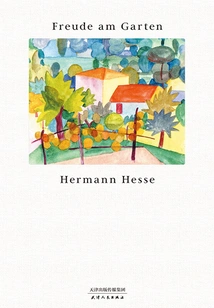
"Joy of the Garden" is a collection of essays by Hermann Hesse, the 1946 Nobel Prize winner for literature, including 61 articles and poems. In addition to being widely known as a writer, Hesse was also a living artist, painter and gardener. The text in this book mainly records Hesse's conversations and games with nature at different periods in his life.
"Joy of the Garden" is a collection of essays by Hermann Hesse, the 1946 Nobel Prize winner for literature, including 61 articles and poems. In addition to being widely known as a writer, Hesse was also a living artist, painter and gardener. The text in this book mainly records Hesse's conversations and games with nature at different periods in his life.
Have Fun and Relax
Literature闲情乐事
Liang Shiqiu, Zhou Zuoren, Lin Yutang, Etc., Edited By Chen Pingyuan
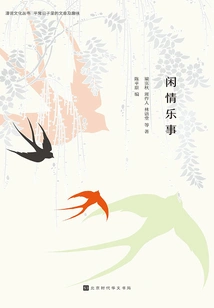
This book contains basically "leisure articles", which were selected and edited by Chen Pingyuan. It collects the so-called "literary scholar-officials' interesting" works by 23 writers including Zhou Zuoren, Lin Yutang, Feng Zikai, Liang Shiqiu, and Jia Pingwa. The 43 articles included cover "food", "clothing", "housing", "travel" and other leisure matters that are more suitable for Chinese literati tastes. Finally, there is a group of articles on the debate between busyness and leisure. Each article is a natural expression of the writer's individual temperament, and they are all prose sketches of "the art of living". "Only those who can be busy with what the world is busy can be busy with what the world is busy with." The essence of life lies in how to grasp this rather subtle "degree" between "busy" and "leisure".
This book contains basically "leisure articles", which were selected and edited by Chen Pingyuan. It collects the so-called "literary scholar-officials' interesting" works by 23 writers including Zhou Zuoren, Lin Yutang, Feng Zikai, Liang Shiqiu, and Jia Pingwa. The 43 articles included cover "food", "clothing", "housing", "travel" and other leisure matters that are more suitable for Chinese literati tastes. Finally, there is a group of articles on the debate between busyness and leisure. Each article is a natural expression of the writer's individual temperament, and they are all prose sketches of "the art of living". "Only those who can be busy with what the world is busy can be busy with what the world is busy with." The essence of life lies in how to grasp this rather subtle "degree" between "busy" and "leisure".
Read, Read, Read
Literature读书读书
Zhou Zuoren, Lin Yutang, Lao Shewai, Edited By Chen Pingyuan
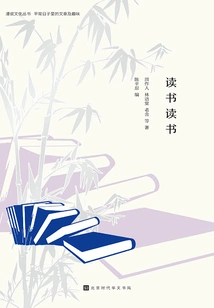
This is a collection about "reading", "buying books" and "collecting books", which are elegant things for scholars. It was compiled by Chen Pingyuan. It contains 48 articles by 24 well-known scholars and writers, including Lin Yutang, Lao She, Zhou Zuoren, Wang Li, Ye Lingfeng, etc., To share with you their wisdom and experiences in reading. Reading is a lifelong pleasure, and it is precisely because of its endless joy that it has fascinated generations of readers. Just flip through it and you may find yourself reflected in the book.
This is a collection about "reading", "buying books" and "collecting books", which are elegant things for scholars. It was compiled by Chen Pingyuan. It contains 48 articles by 24 well-known scholars and writers, including Lin Yutang, Lao She, Zhou Zuoren, Wang Li, Ye Lingfeng, etc., To share with you their wisdom and experiences in reading. Reading is a lifelong pleasure, and it is precisely because of its endless joy that it has fascinated generations of readers. Just flip through it and you may find yourself reflected in the book.
Sophistication and Humanity
Literature世故人情
Lu Xun, Lao She, Zhou Zuoren, Etc. Edited By Qian Liqun
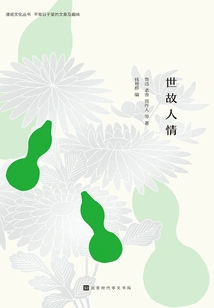
This is a collection of essays selected and compiled by Qian Liqun. The so-called "sophistication and human feelings" are mainly a kind of life wisdom and political wisdom. The book excerpts the prose and sketches of 22 famous figures in the history of modern and contemporary literature, such as Lu Xun, Lao She, Nie Gannu, Yu Dafu, Ye Shengtao, etc. The 46 selected articles show readers a vivid and interesting spiritual world. The selected article is short and concise, with far-reaching meaning and humorous language. It is a condensed summary of many people's life experiences. It is a wise and meaningful statement that they have forged through long-term thinking and pondering, which is inspiring. Be sincere and unpretentious.
This is a collection of essays selected and compiled by Qian Liqun. The so-called "sophistication and human feelings" are mainly a kind of life wisdom and political wisdom. The book excerpts the prose and sketches of 22 famous figures in the history of modern and contemporary literature, such as Lu Xun, Lao She, Nie Gannu, Yu Dafu, Ye Shengtao, etc. The 46 selected articles show readers a vivid and interesting spiritual world. The selected article is short and concise, with far-reaching meaning and humorous language. It is a condensed summary of many people's life experiences. It is a wise and meaningful statement that they have forged through long-term thinking and pondering, which is inspiring. Be sincere and unpretentious.
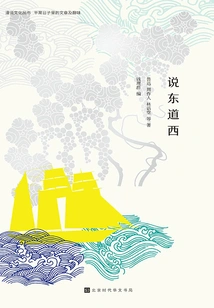
Talking Nonsense
Literature说东道西
Lu Xun, Zhou Zuoren, Lin Yutang, Etc. Edited By Qian Liqun
This book contains essays by Lu Xun, Zhou Zuoren, Lin Yutang and others. They use
This book contains essays by Lu Xun, Zhou Zuoren, Lin Yutang and others. They use
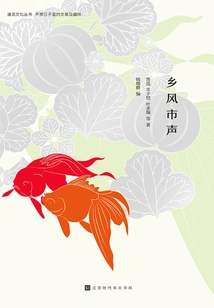
Rural Customs and City Sounds
Literature乡风市声
Lu Xun, Feng Zikai, Ye Shengtao, Etc. Edited By Qian Liqun
This book selects the works of famous figures in the history of modern and contemporary literature, such as Lao She, Lu Xun, Mao Dun, Ye Shengtao, and Zhong Jingwen. It uses interesting anecdotes as the theme to convey the essence of culture. It is a very interesting cultural book.
This book selects the works of famous figures in the history of modern and contemporary literature, such as Lao She, Lu Xun, Mao Dun, Ye Shengtao, and Zhong Jingwen. It uses interesting anecdotes as the theme to convey the essence of culture. It is a very interesting cultural book.
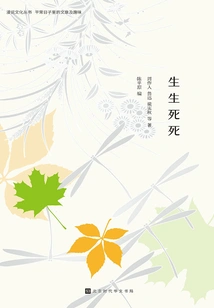
Life and Death
Literature生生死死
Zhou Zuoren, Lu Xun, Liang Shiqiu, Etc., Edited By Chen Pingyuan
This book collects works by Bing Xin, Yu Pingbo and others. Praise the beauty of youth and the preciousness of life, and look at life with a smile in ordinary life. The authors' different perceptions of life in the book allow readers to see the outlook on life of different ages and classes. There are wise old people and ordinary middle-aged people in the book. They tell you what life should be like as people who have experienced it.
This book collects works by Bing Xin, Yu Pingbo and others. Praise the beauty of youth and the preciousness of life, and look at life with a smile in ordinary life. The authors' different perceptions of life in the book allow readers to see the outlook on life of different ages and classes. There are wise old people and ordinary middle-aged people in the book. They tell you what life should be like as people who have experienced it.
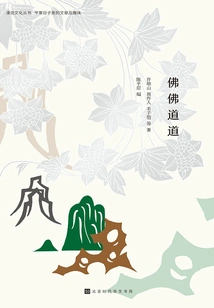
Buddha Buddha Tao Tao
Literature佛佛道道
Xu Dishan, Zhou Zuoren, Feng Zikai, Etc., Edited By Chen Pingyuan
This book contains articles on Buddhism and Taoism by writers such as Xu Dishan and Zhou Zuoren. The poetic language expresses the spirit of Buddhism and Taoism, and reflects the writers' tolerant mentality and desire to seek understanding. The descriptions of Master Hongyi and Master Manshu in the book make people more interested in these eminent monks with legendary experiences. The narrated story brings a sense of tranquility and elegance!
This book contains articles on Buddhism and Taoism by writers such as Xu Dishan and Zhou Zuoren. The poetic language expresses the spirit of Buddhism and Taoism, and reflects the writers' tolerant mentality and desire to seek understanding. The descriptions of Master Hongyi and Master Manshu in the book make people more interested in these eminent monks with legendary experiences. The narrated story brings a sense of tranquility and elegance!
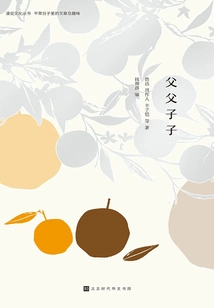
Father Father Son Son
Literature父父子子
Lu Xun, Zhou Zuoren, Feng Zikai, Etc. Edited By Qian Liqun
This book was selected and compiled by Qian Liqun, and includes "the basic facts in life, simple, common, mediocre, and humane experiences" described by 23 people including Zhu Ziqing, Feng Zikai, Zhou Zuoren, Lu Xun, and Fu Lei, and 39 articles about the love between parent and child, maternal love, nature, and teachers. The "human ethics" themed works with long concepts and the philosophy of "love" are both "true" and "pure". They not only express the sincere love between parents and children, and respect for the father, but also have profound and broad historical and cultural connotations, and also contain thoughts and perceptions on the nature of literature and art.
This book was selected and compiled by Qian Liqun, and includes "the basic facts in life, simple, common, mediocre, and humane experiences" described by 23 people including Zhu Ziqing, Feng Zikai, Zhou Zuoren, Lu Xun, and Fu Lei, and 39 articles about the love between parent and child, maternal love, nature, and teachers. The "human ethics" themed works with long concepts and the philosophy of "love" are both "true" and "pure". They not only express the sincere love between parents and children, and respect for the father, but also have profound and broad historical and cultural connotations, and also contain thoughts and perceptions on the nature of literature and art.
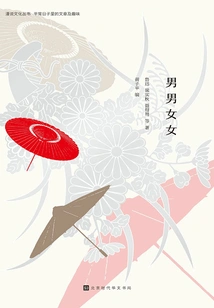
Men and Women
Literature男男女女
Lu Xun, Liang Shiqiu, Nie Gannu And Others, Compiled By Huang Ziping
This is a 100,000-word collection that talks about the topic of "men and women" with a bit of cultural significance. It was selected and edited by Huang Ziping. It includes a total of 38 articles by 23 masters in the history of modern and contemporary literature, including Lu Xun, Zhou Zuoren, Zhu Ziqing, Lin Yutang, and Sun Li. The style, themes, language and concepts are all mixed and scattered, but it also shows readers their respective angles and interesting viewpoints on the time-honored topic of "men and women". It can be said that everyone's work is interesting and enlightening to read.
This is a 100,000-word collection that talks about the topic of "men and women" with a bit of cultural significance. It was selected and edited by Huang Ziping. It includes a total of 38 articles by 23 masters in the history of modern and contemporary literature, including Lu Xun, Zhou Zuoren, Zhu Ziqing, Lin Yutang, and Sun Li. The style, themes, language and concepts are all mixed and scattered, but it also shows readers their respective angles and interesting viewpoints on the time-honored topic of "men and women". It can be said that everyone's work is interesting and enlightening to read.
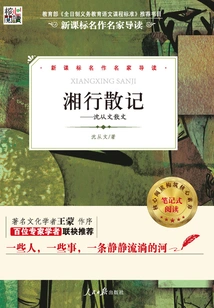
湘行散记:沈从文散文
Shen Congwen
"Xiang Travel Slips" is one of the most beautiful prose classics in modern China. It is included in "Xiang Xing Slips" and "Xiang Xing Slips". The former is the correspondence between Shen Congwen and his wife Zhang Zhaohe in 1934, and is also the original copy of the latter.
"Xiang Travel Slips" is one of the most beautiful prose classics in modern China. It is included in "Xiang Xing Slips" and "Xiang Xing Slips". The former is the correspondence between Shen Congwen and his wife Zhang Zhaohe in 1934, and is also the original copy of the latter.
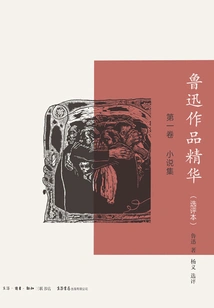
鲁迅作品精华·选评本(第一卷·小说集)
Works By Lu Xun Selected And Commentary By Yang Yi
This book selects twenty-three novels by Lu Xun. Lu Xun said that his novels are also some kind of "essays", which emphasizes that there are rich cultural meaning codes hidden deep in the artistic form of his novels. Lu Xun's novels have the most sober realist spirit and created a new form of modern Chinese novels. It is not an exaggeration to call Lu Xun the father of modern Chinese novels. He created the first batch of immortal typical images for the art palace of modern Chinese literature, such as Ah Q, Runtu, Xiang Linsao, Lu Weifu, Zijun, Kong Yiji, etc.
This book selects twenty-three novels by Lu Xun. Lu Xun said that his novels are also some kind of "essays", which emphasizes that there are rich cultural meaning codes hidden deep in the artistic form of his novels. Lu Xun's novels have the most sober realist spirit and created a new form of modern Chinese novels. It is not an exaggeration to call Lu Xun the father of modern Chinese novels. He created the first batch of immortal typical images for the art palace of modern Chinese literature, such as Ah Q, Runtu, Xiang Linsao, Lu Weifu, Zijun, Kong Yiji, etc.
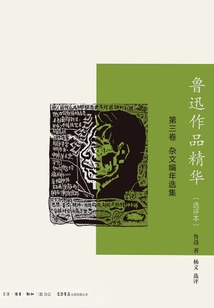
鲁迅作品精华:选评本.第三卷,杂文编年选集
Works By Lu Xun Selected And Commentary By Yang Yi
Among the works of Lu Xun's life, his essays are the representative and most sharp-edged ones. The lines are full of shocking power and are the cry of "lonely and powerful people". They are also the most worthy of learning and research by future generations. This volume selects seventy-eight essays by Lu Xun. From the chronicle works and comments, we can get a glimpse of the current trend of thought and the author's ideological context. This selection puts cultural value and aesthetic value above timeliness value, from which we can appreciate Lu Xun's mind, personality and ideological depth.
Among the works of Lu Xun's life, his essays are the representative and most sharp-edged ones. The lines are full of shocking power and are the cry of "lonely and powerful people". They are also the most worthy of learning and research by future generations. This volume selects seventy-eight essays by Lu Xun. From the chronicle works and comments, we can get a glimpse of the current trend of thought and the author's ideological context. This selection puts cultural value and aesthetic value above timeliness value, from which we can appreciate Lu Xun's mind, personality and ideological depth.
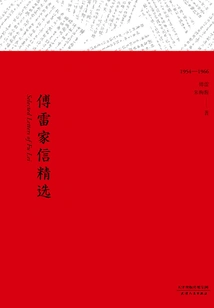
Selected Letters from Fu Lei's Family
Literature傅雷家信精选
Fu Lei Zhu Meifu
A selection of 100 touching family letters from Fu Lei and his wife, including their last words during their lifetimes. It faithfully restores the life experience and social changes of the Fu Lei family from 1954 to 1966. The content is detailed and detailed. It has great historical value and is worthy of readers' careful reading. In the letter, Fu Lei writes candidly, communicating with his child about life, discussing art, and encouraging him to reach new heights like a close friend. Such a harmonious father-son relationship is enviable. The letter not only contains life wisdom from a personal perspective, but is also an advanced guide for appreciating literature and art and improving young people's artistic accomplishment.
A selection of 100 touching family letters from Fu Lei and his wife, including their last words during their lifetimes. It faithfully restores the life experience and social changes of the Fu Lei family from 1954 to 1966. The content is detailed and detailed. It has great historical value and is worthy of readers' careful reading. In the letter, Fu Lei writes candidly, communicating with his child about life, discussing art, and encouraging him to reach new heights like a close friend. Such a harmonious father-son relationship is enviable. The letter not only contains life wisdom from a personal perspective, but is also an advanced guide for appreciating literature and art and improving young people's artistic accomplishment.
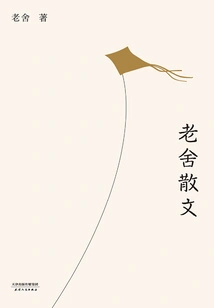
Lao She's Prose
Literature老舍散文
Lao She
As a master of humor and language in the history of modern and contemporary literature, Lao She's prose works naturally have unique language charm. This book collects 64 of Lao She's classic and easy-to-read proses to restore his kind, humorous and simple personality charm; it especially includes the humorous sketch "Not Traveling", which reappears rare long-lost articles.
As a master of humor and language in the history of modern and contemporary literature, Lao She's prose works naturally have unique language charm. This book collects 64 of Lao She's classic and easy-to-read proses to restore his kind, humorous and simple personality charm; it especially includes the humorous sketch "Not Traveling", which reappears rare long-lost articles.
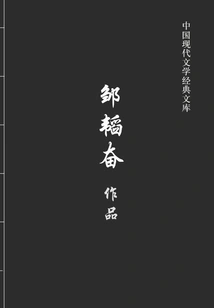
邹韬奋作品(中国现代文学经典文库)
Zou Taofen
This book is one of the collections of works by famous modern Chinese literature writers. This collection is essentially a collection of creations from the founding and development stages of modern Chinese literature, including almost all well-known writers and well-known works at that time.
This book is one of the collections of works by famous modern Chinese literature writers. This collection is essentially a collection of creations from the founding and development stages of modern Chinese literature, including almost all well-known writers and well-known works at that time.
郁达夫作品(中国现代文学经典文库)
H
Yu Dafu (December 7, 1896 - September 17, 1945), whose original name was Yu Wen, also named Dafu, and his childhood name Afeng, was a native of Fuyang, Zhejiang, a modern Chinese writer and revolutionary martyr. Yu Dafu is one of the founders of the new literary group "Creation Society" and a patriotic writer who died for the sake of resisting Japan and saving the country.
Yu Dafu (December 7, 1896 - September 17, 1945), whose original name was Yu Wen, also named Dafu, and his childhood name Afeng, was a native of Fuyang, Zhejiang, a modern Chinese writer and revolutionary martyr. Yu Dafu is one of the founders of the new literary group "Creation Society" and a patriotic writer who died for the sake of resisting Japan and saving the country.